Description
Black Cochin Standard Chicken
Breed Overview and Origin
The Black Cochin Standard chicken is a large, gentle, feather-legged breed with a soft look and a calm personality. If you want a beautiful black chicken that gets along well with people, works nicely in a backyard flock, and can help hatch and raise chicks, this variety is a good one to consider.
Cochins came to the United States in the mid-1800s and were originally known as Chinese Shanghai Fowl. Their size, heavy feathering, and gentle nature quickly made them popular with poultry keepers. Cackle Hatchery® lists Black Cochin Standards as a sustainable heritage chicken breed and notes that the Black variety entered the American Standard of Perfection in 1874.
Cackle Hatchery® has developed its pure standard-size Cochin color varieties since 1975. The Black Cochin Standard flock also received new bloodline influence from Roland Doerr in 2009 to improve size.
Appearance and Characteristics
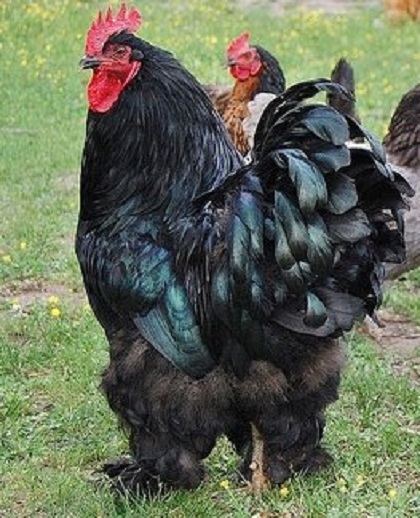
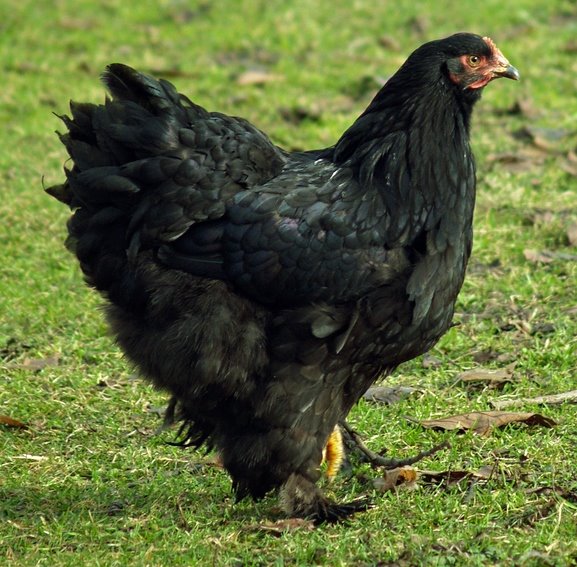
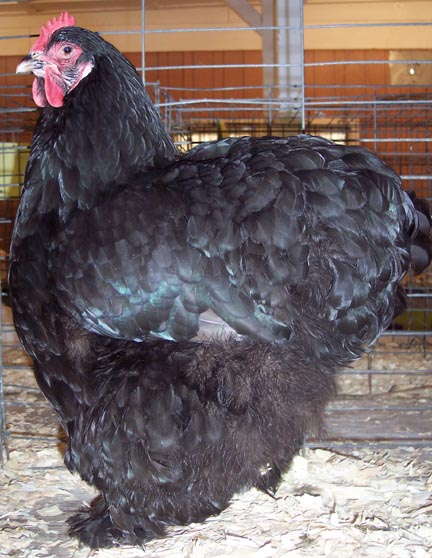
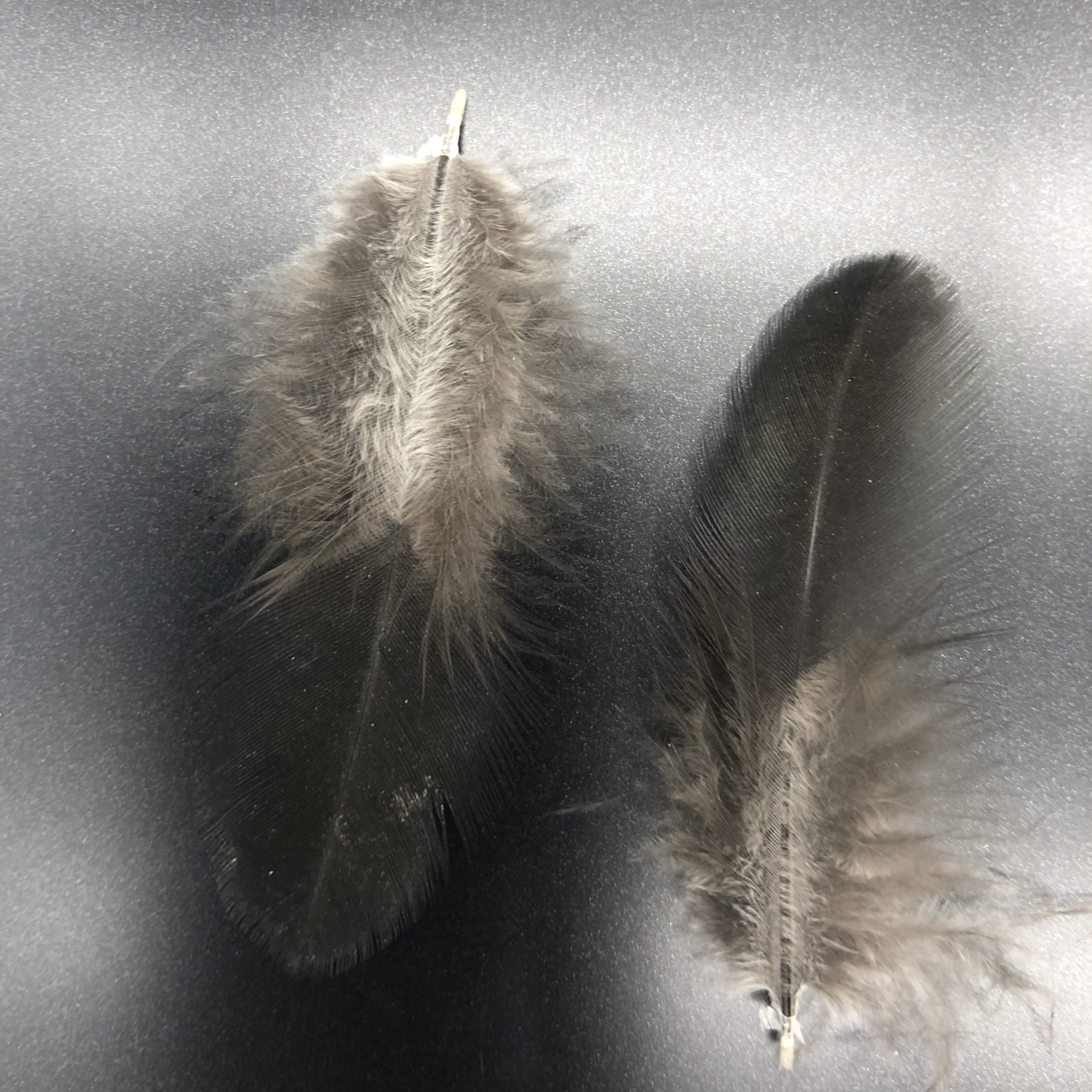
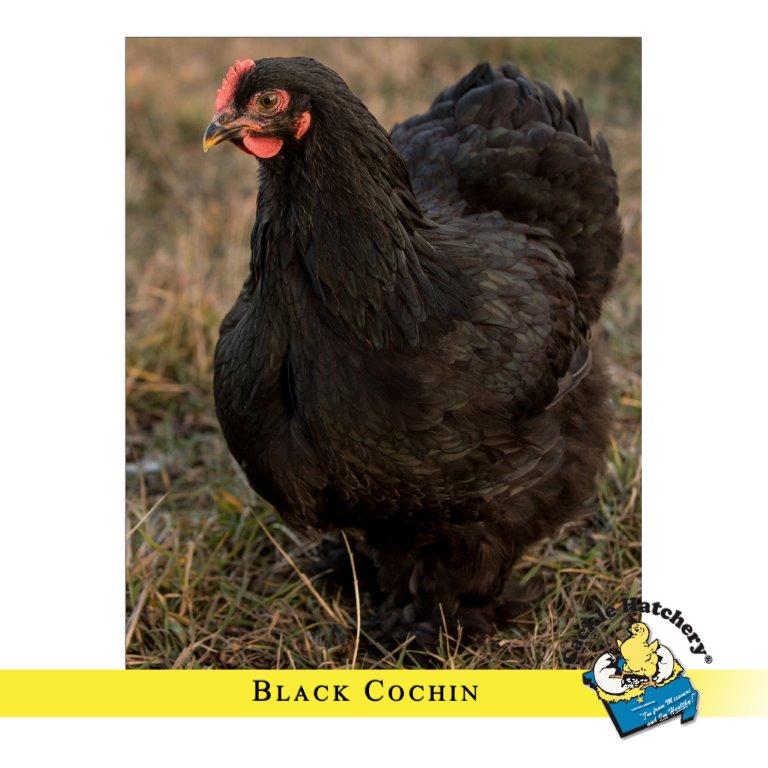
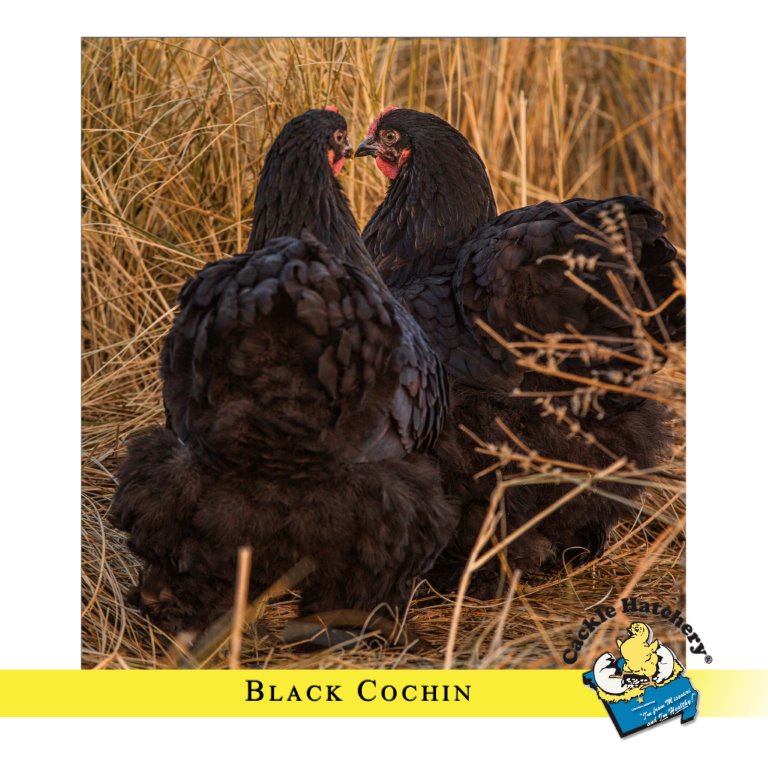
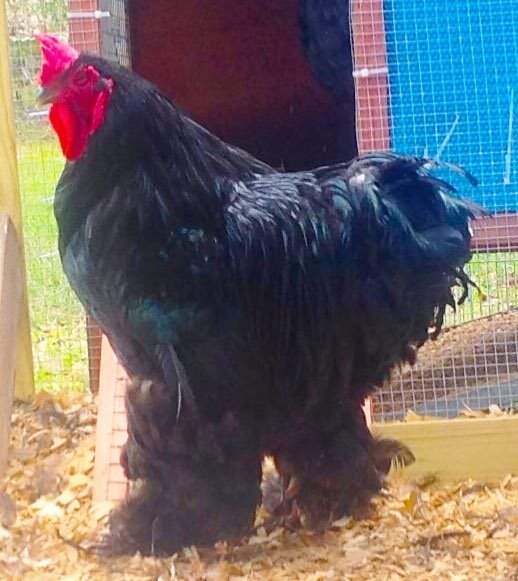
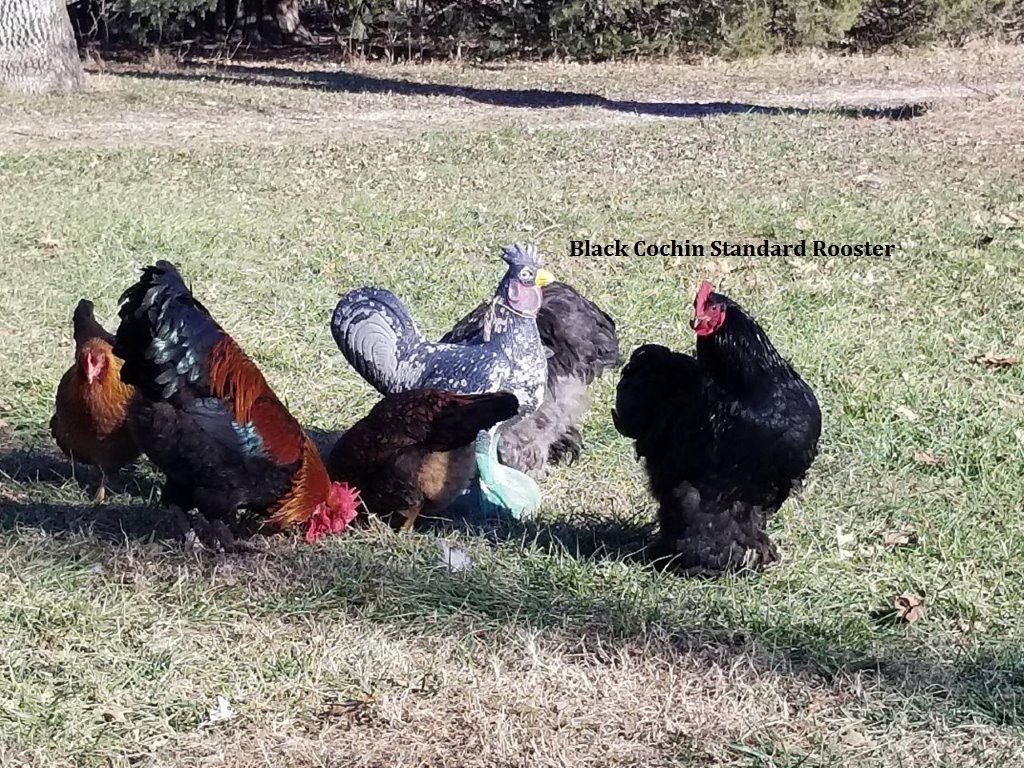
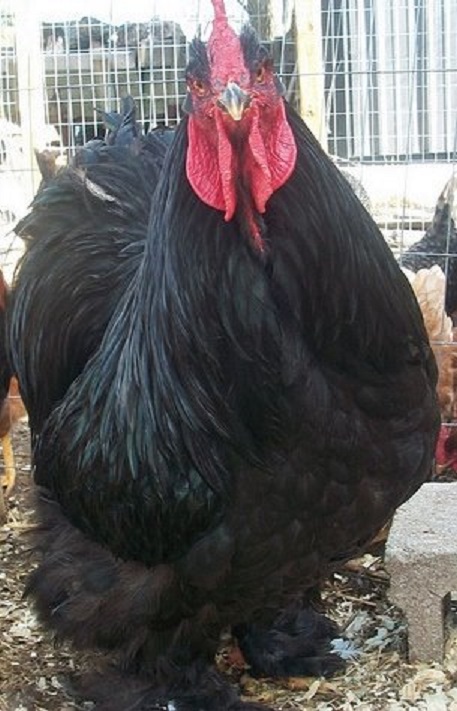
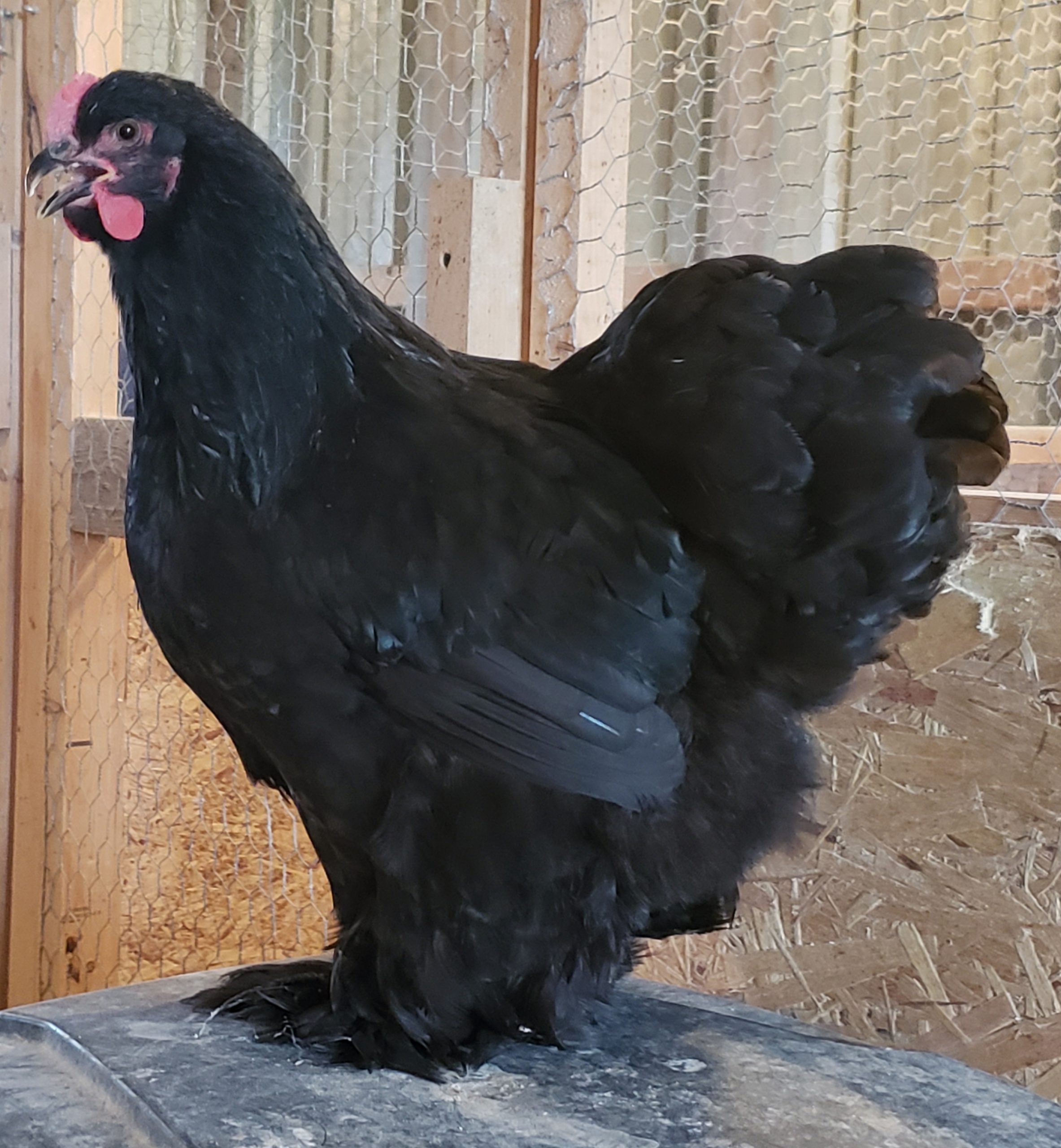
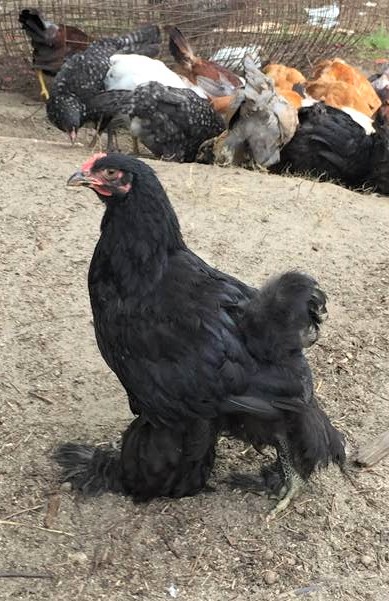
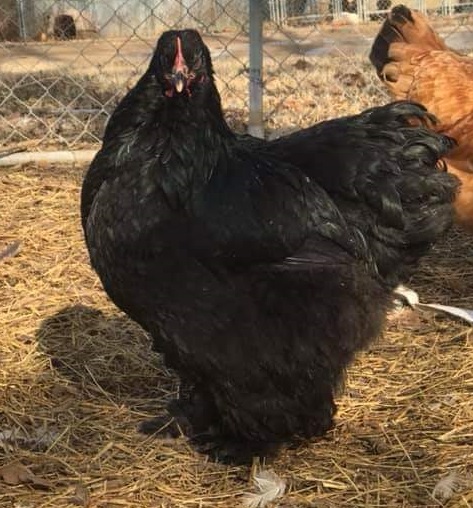
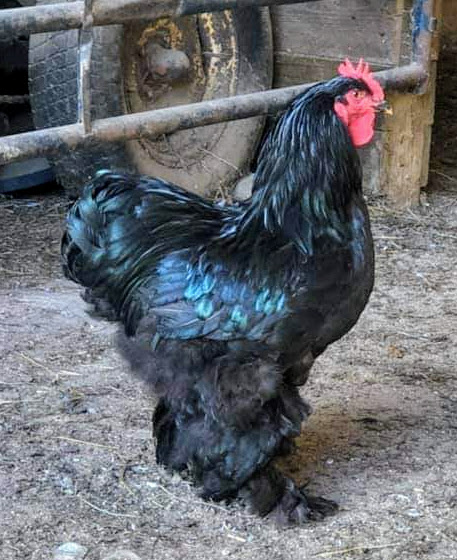
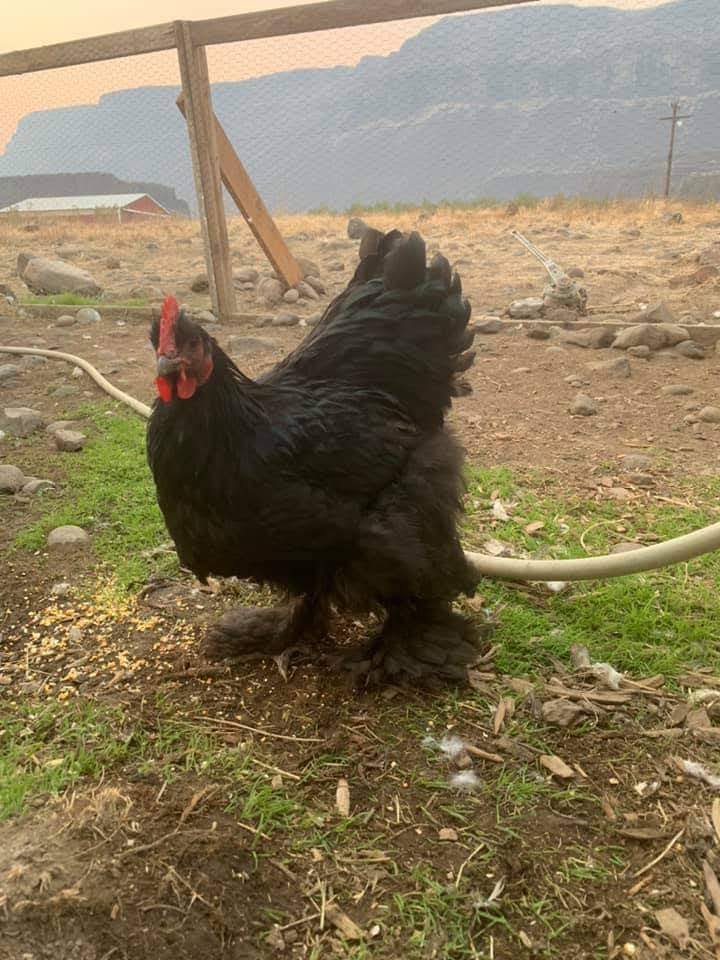
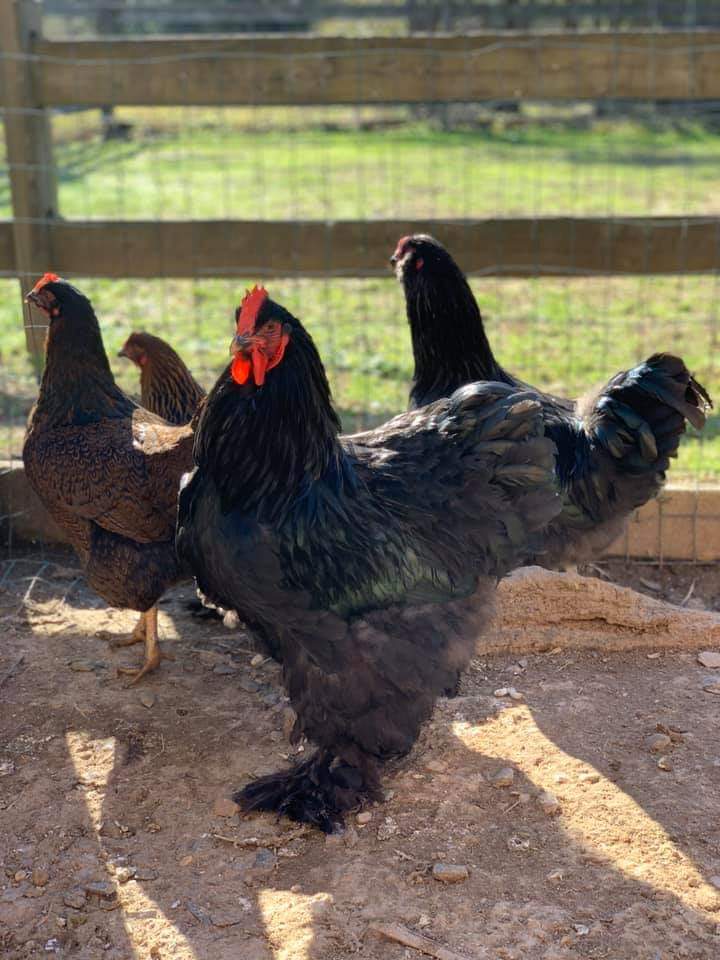
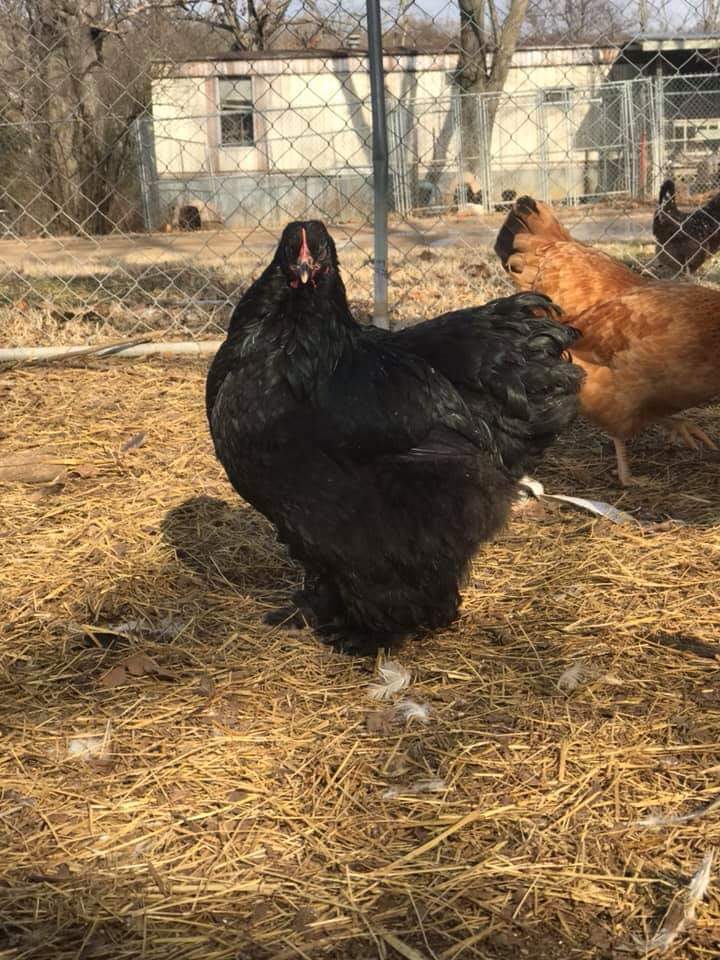
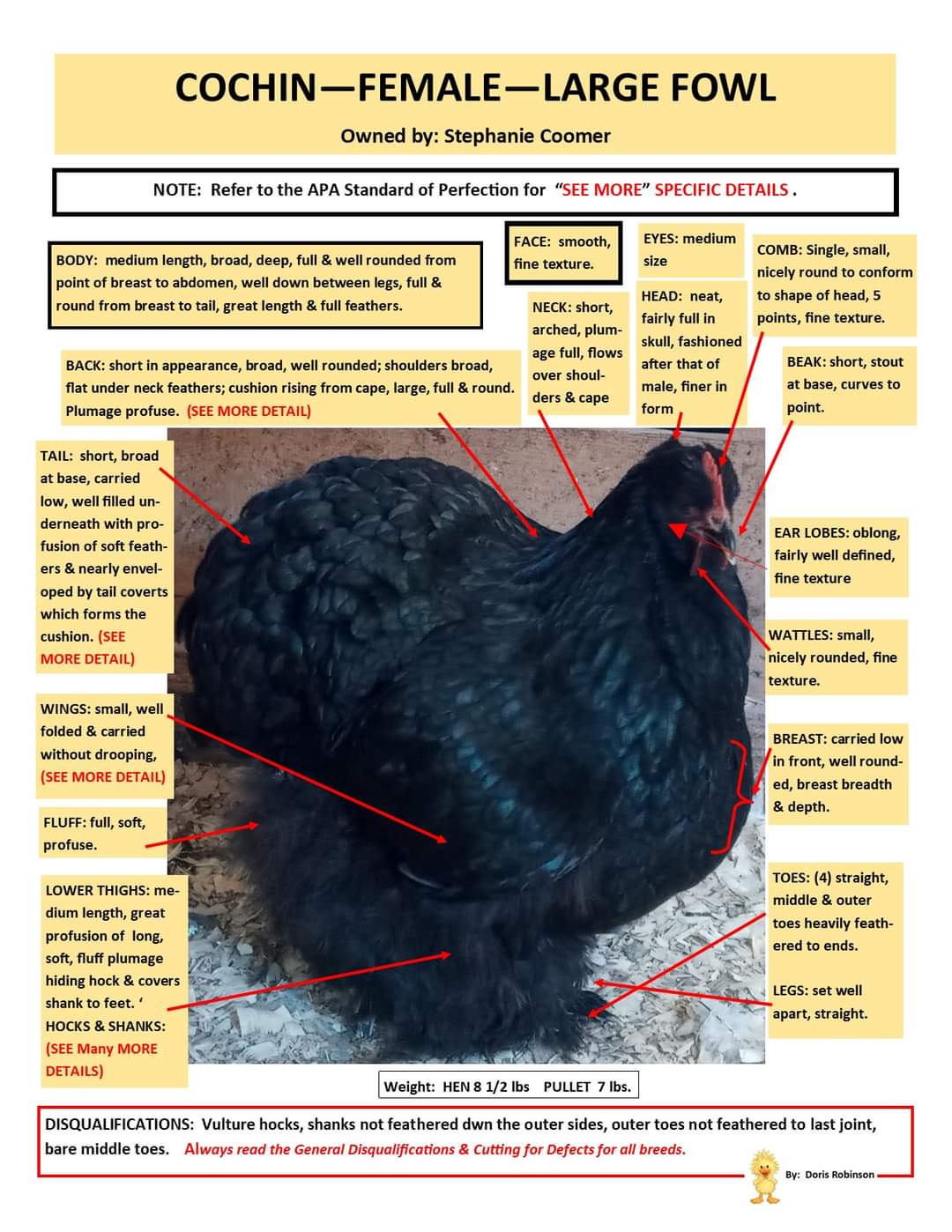
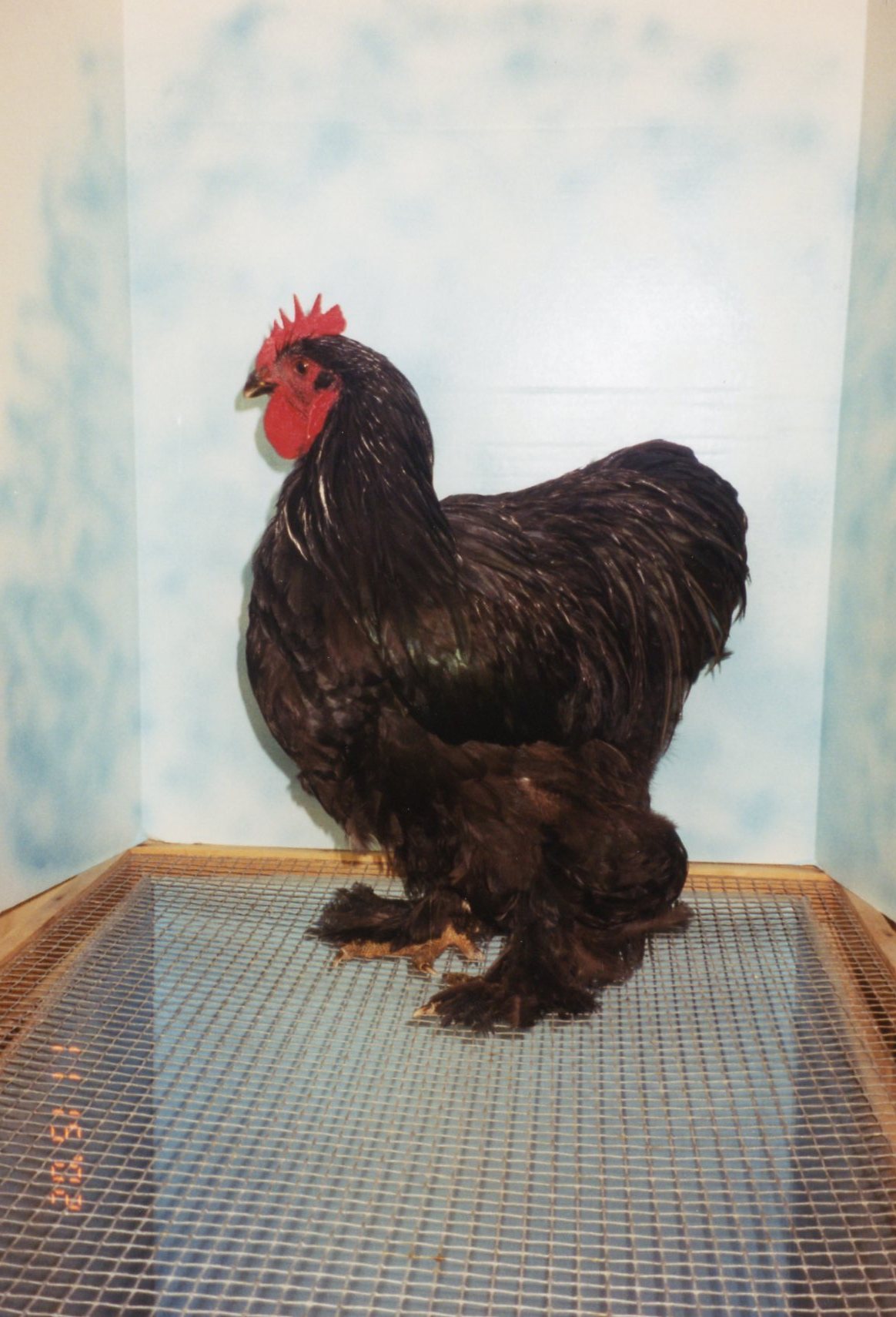
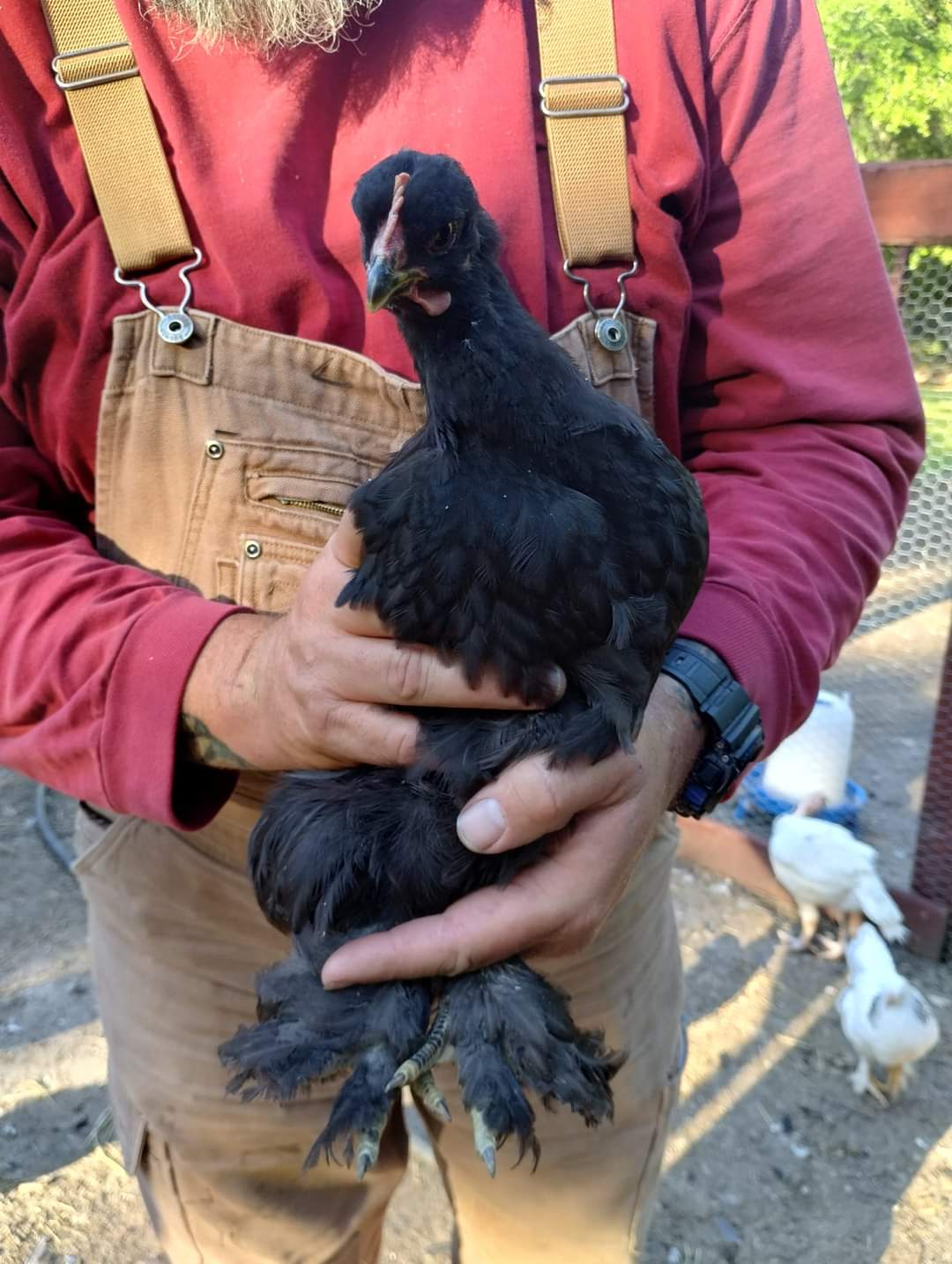
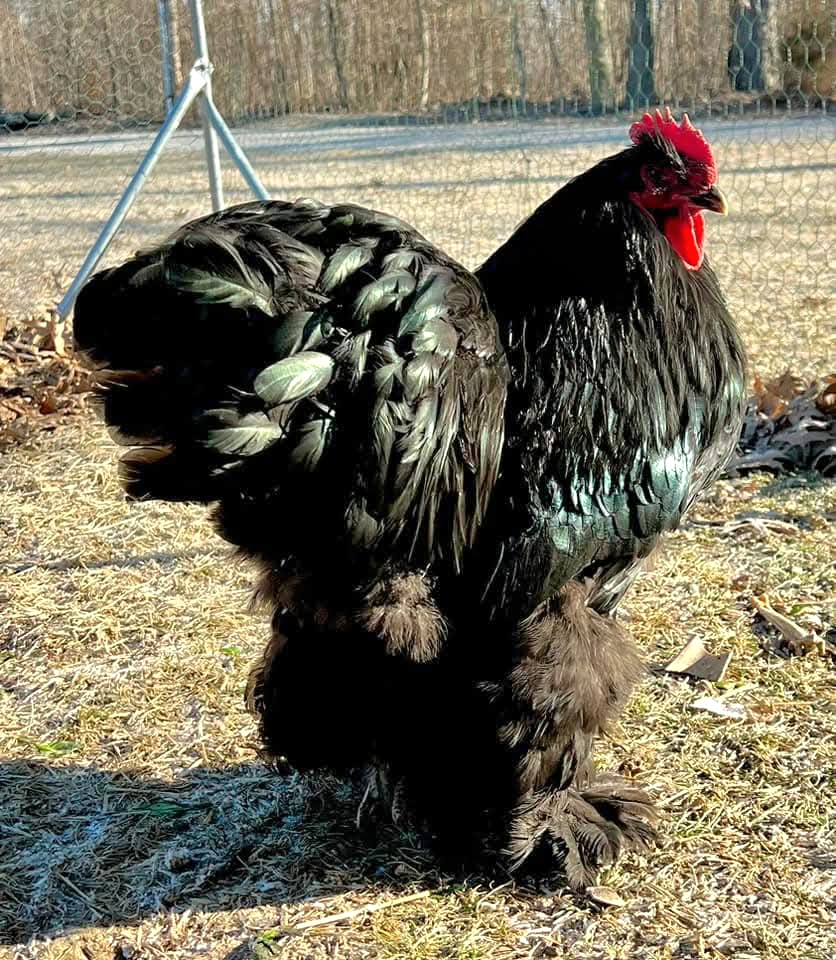
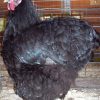
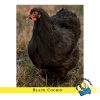
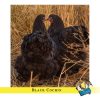
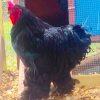
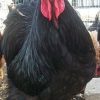
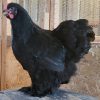
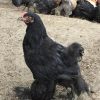
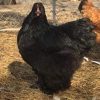
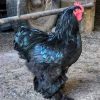
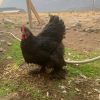
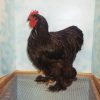
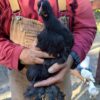
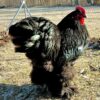
Black Cochin Standards have full, soft feathering and a deep black color that gives them a bold, classic look. Their feathered legs and feet add to the breed’s rounded, fluffy appearance.
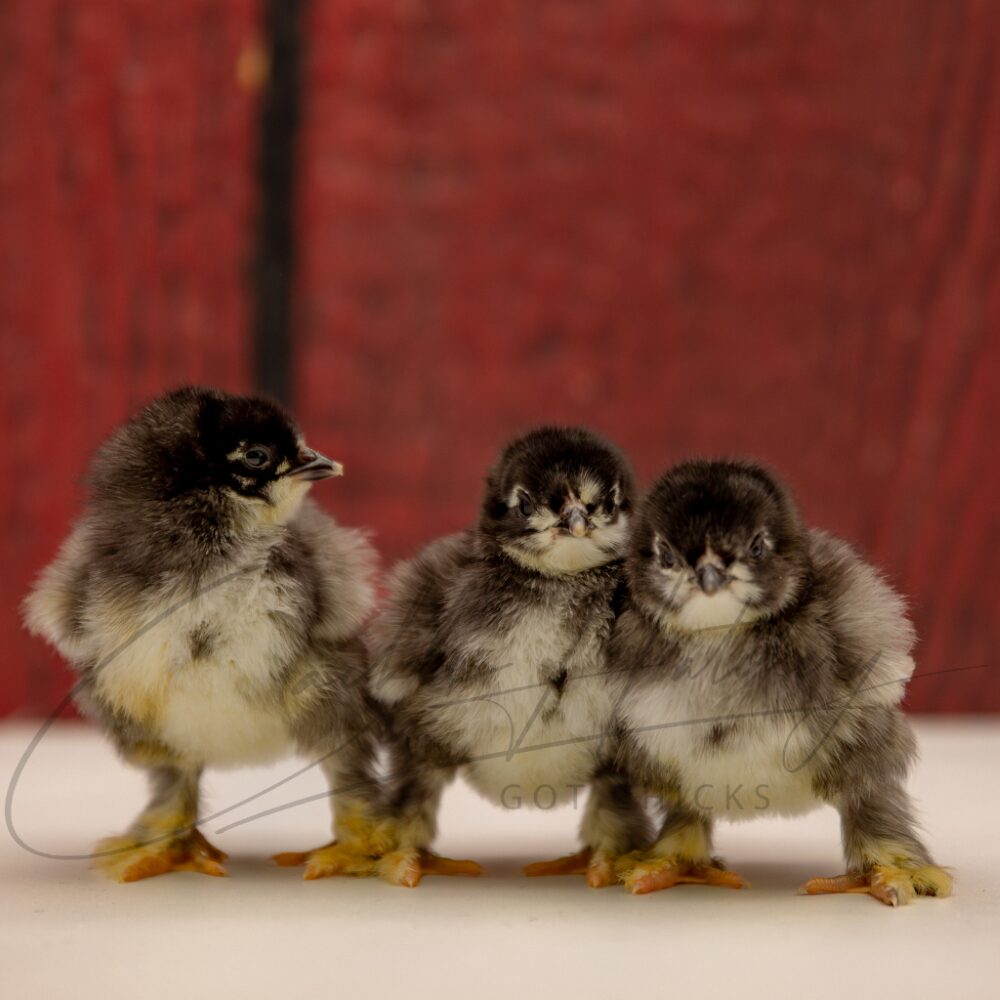
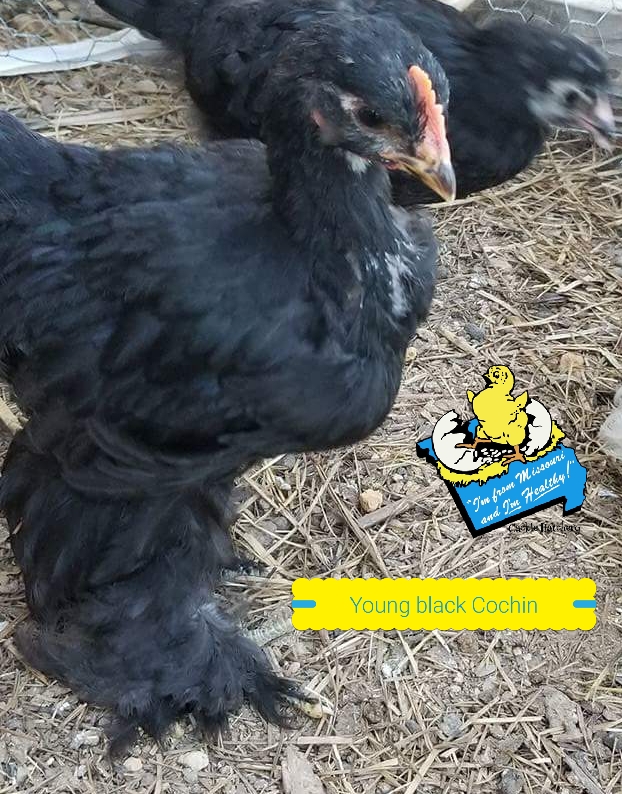
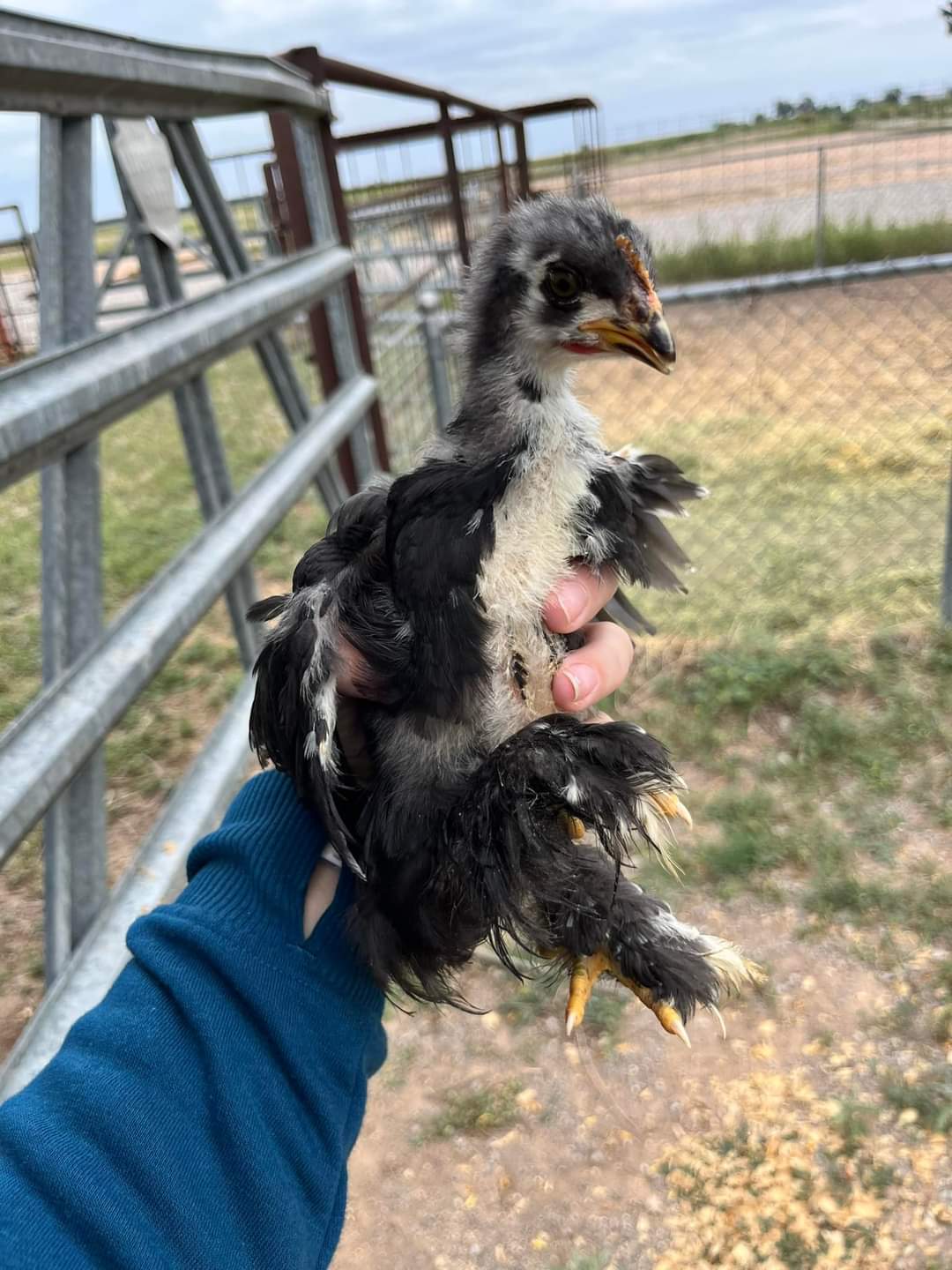
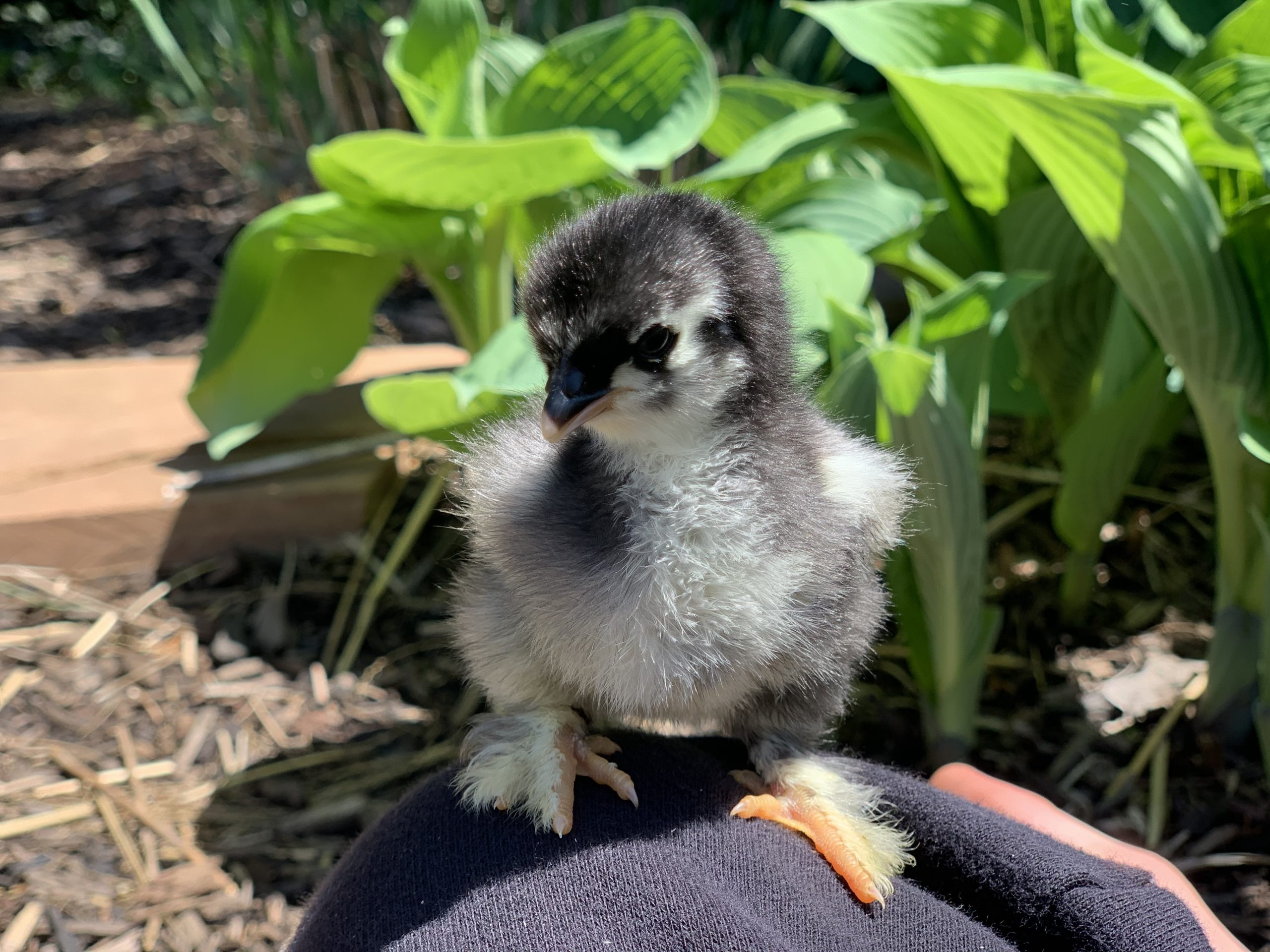
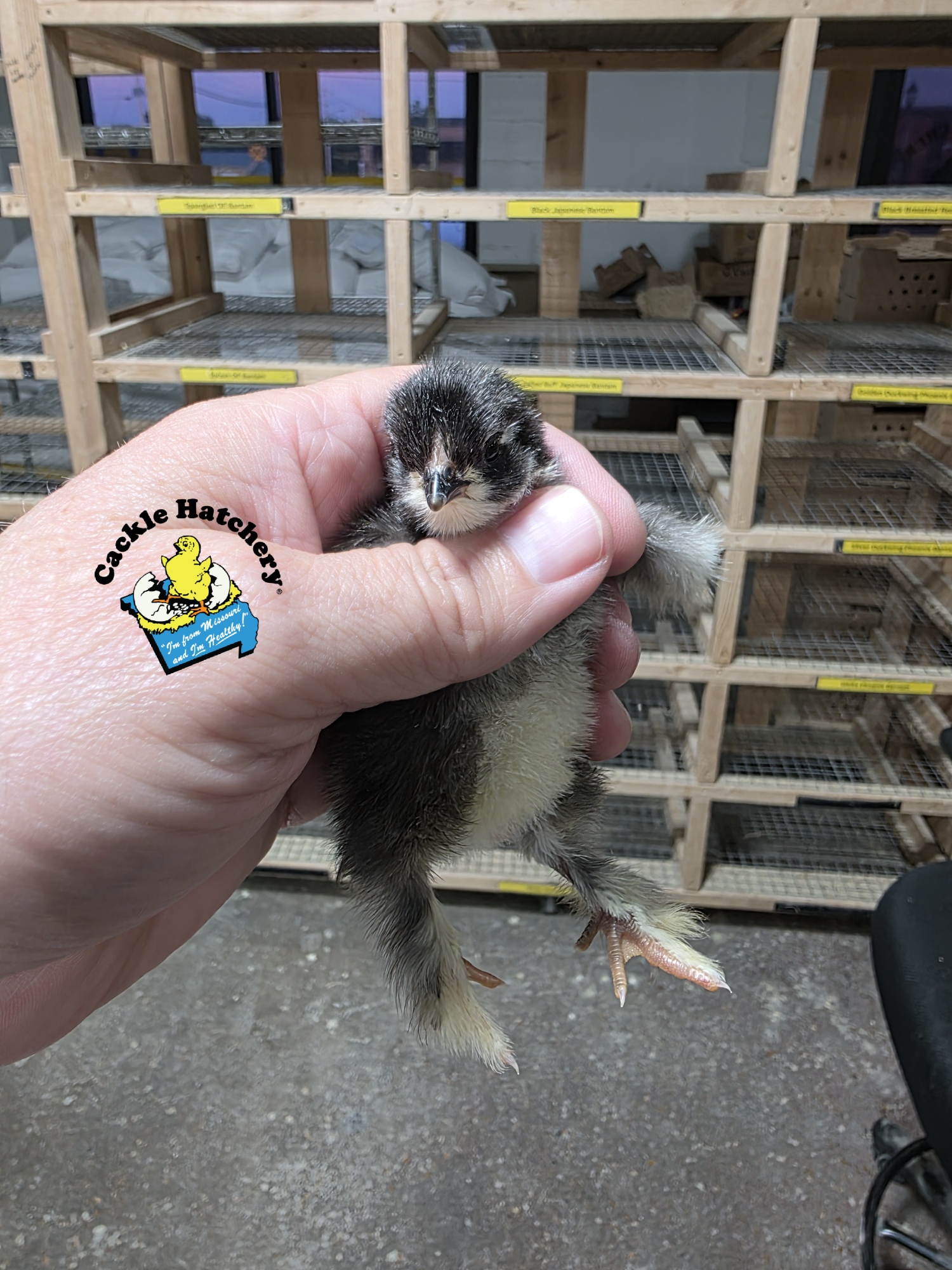
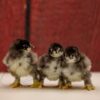
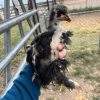
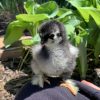
Young birds may show some white feathers during their first and second feathering stages. That is normal. By around 6 months of age, they should grow into solid black adult plumage.
This is a large, slow, gentle chicken rather than a quick, athletic layer. Cochins are known more for beauty, temperament, broodiness, and mothering ability than for high egg production. Their size and feathering make them stand out in the yard, but their calm nature is what many customers like most.
Black Cochin Standard vs Black Cochin Bantam
Black Cochin Standards and Black Cochin Bantams share the same soft feathering, black plumage, feathered feet, and gentle Cochin personality. The main difference is size.
Choose Black Cochin Standards if you want the large fowl version with more body size and a bigger flock presence. Choose Black Cochin Bantams if you prefer a smaller bird with the same general look and personality. Cackle lists Black Cochin Bantams as baby chicks only, with sexed and non-sexed options available depending on order limits and season.
Both versions are good choices for people who like calm, ornamental, broody chickens.
Standard Cochin vs Cochin Bantam
Standard Cochins are the large version of the breed. Cochin Bantams are the miniature version. Both are popular because they are gentle, heavily feathered, and attractive.
A Standard Cochin needs more room, more feed, and stronger housing because of its larger size. A bantam takes up less space and can be easier to keep in smaller coops.
If you want a big, fluffy bird that has real presence in the flock, choose the standard size. If you want the Cochin look in a smaller package, compare the bantam.
Egg Production and Utility
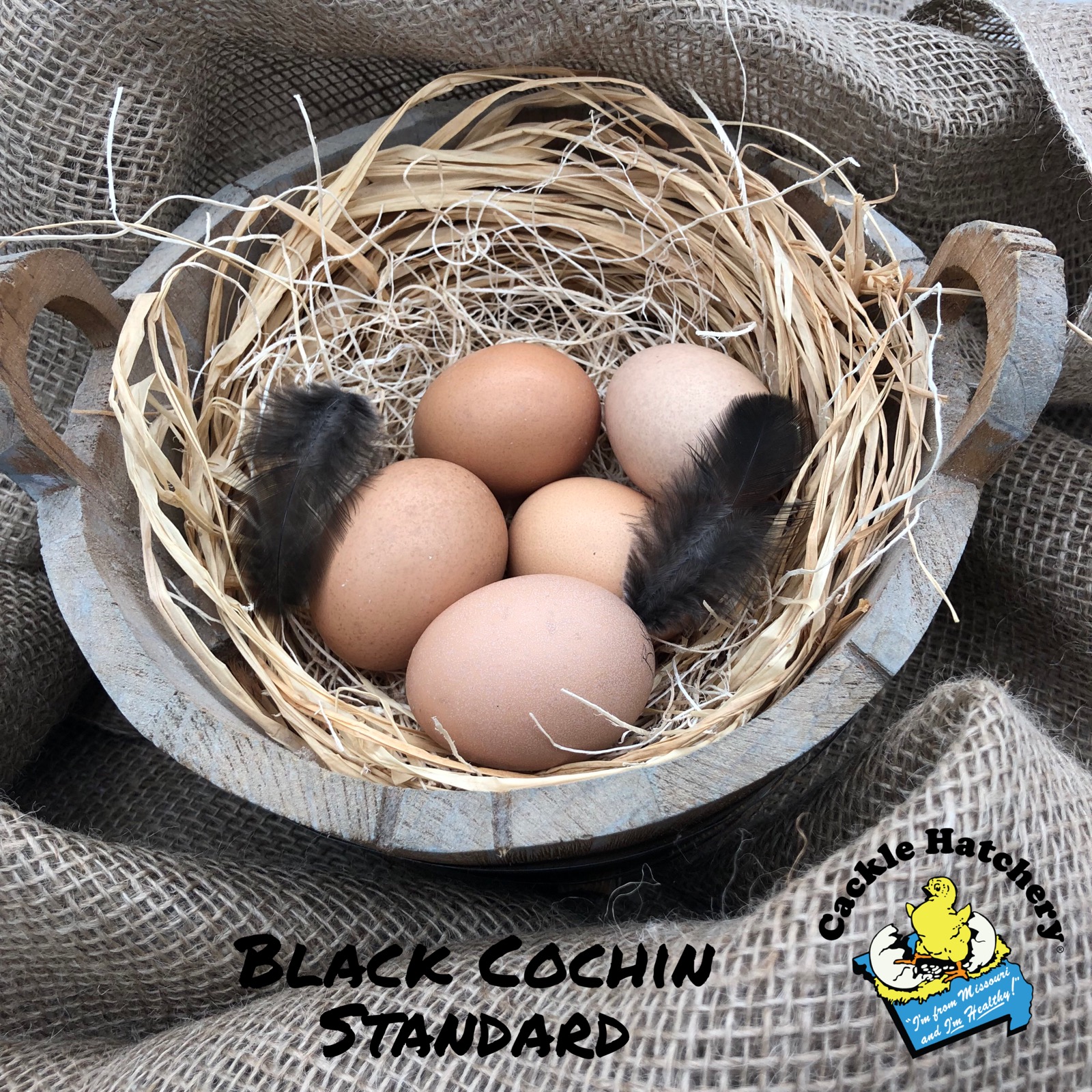
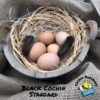
Black Cochin Standard hens lay small to medium brown eggs. They are not high-production layers, so do not choose them if your main goal is maximum egg numbers.
Their real utility comes from temperament and broodiness. Cochins are well known for setting on eggs and raising chicks. If you want a gentle hen that may help with natural hatching, this breed can be a strong choice.
They also have a large body, but their slow growth and heavy feathering make them less practical than modern meat breeds. Most customers choose Black Cochin Standards for beauty, calm temperament, and broody mothering rather than meat.
Temperament and Suitability
Black Cochin Standards are gentle, calm, and usually easy to handle. They can get along well with children when children learn safe, respectful poultry handling.
Their quiet nature makes them useful for backyard flocks, family poultry projects, and keepers who prefer relaxed birds over flighty layers. They also handle confinement well when you give them enough space, dry bedding, and clean housing.
Because they have feathered legs and feet, they need a little extra care in wet weather. Mud, snow, and damp bedding can collect in the foot feathers. Keep their run as dry as possible and check their feet when conditions get messy.
Is the Black Cochin Standard Right for Your Flock?
Choose Black Cochin Standards if you want:
A large feather-legged chicken
A gentle backyard bird
A broody hen that may raise chicks
A calm breed for family flocks
Small to medium brown eggs
A solid black Cochin variety
A sustainable heritage chicken breed
A bird with strong ornamental appeal
A bantam version to compare
A Standard Cochin Surplus option when available
Overall, this is a good choice if you value calm temperament, beauty, and broody mothering. Black Cochin Standards are not the best fit for high egg production, but they are wonderful birds for customers who want gentle, fluffy, old-fashioned chickens.
If you are still comparing breeds, the Chicken Breed Selector and Chicken Breeds List Comparison Chart can help you sort birds by egg color, temperament, size, and flock goals.
Breed History and Preservation
Cochins trace back to large feather-legged fowl from China, once called Shanghai Fowl. They reached the United States in the mid-1800s and helped fuel the early poultry fancy because they looked so different from many common farm chickens of the time.
The Black Cochin Standard variety entered the American Standard of Perfection in 1874. Cackle lists the breed’s country of origin as Asia and its conservation status as Recovering through The Livestock Conservancy.
Cackle Hatchery® has developed pure standard-size Cochin color varieties since 1975. In 2009, Cackle added new bloodline from Roland Doerr to help improve size in the Black Cochin Standard flock.
Recognition and Availability
The American Poultry Association recognizes the Black Cochin Standard, with the Black variety admitted in 1874. Cackle Hatchery® lists Black Cochin Standards as rare breed chickens and as a sustainable heritage chicken breed.
You can choose Black Cochin Standard chicks when they are available. Many customers who like the large fowl version also compare the Black Cochin Bantam Chicken, the miniature version.
You may also want to compare the Standard Cochin Surplus Special when assortment chicks fit your flock plans. Cackle lists this as straight run and hatchery choice.
Before you plan your order, check the Availability Chart for current hatch and shipping options.
Related Breeds and Helpful Cackle Hatchery® Resources
If you like Black Cochin Standards, you may also want to compare other standard Cochin colors such as Buff, Partridge, Barred, Silver Laced, Golden Laced, Blue, and Splash Cochins. Cackle’s other Standard Cochin listings note the same long-running breeding program for standard-size Cochin color varieties since 1975.
For smaller birds, compare Black Cochin Bantams or browse bantam chickens. Cackle’s bantam category notes that bantam breeds typically hatch and ship February through August, depending on availability.
For broader flock planning, browse rare chicken breeds, brown egg laying chickens, and baby chicks for sale.
FAQ: Black Cochin Standard Chicken
What is a Black Cochin Standard chicken?
A Black Cochin Standard is a large, feather-legged chicken known for black plumage, calm temperament, small to medium brown eggs, and strong broody mothering ability.
Where did Cochin chickens originate?
Cochins trace back to Asia and were once known as Chinese Shanghai Fowl. They reached the United States in the mid-1800s.
When did the APA recognize Black Cochin Standards?
The American Poultry Association recognized the Black Cochin Standard in 1874.
Are Black Cochin Standards good egg layers?
They lay small to medium brown eggs, but they are not high-production layers. Most people choose them for temperament, beauty, and broodiness.
What color eggs do Black Cochin Standards lay?
They lay brown eggs, usually small to medium in size.
Are Black Cochin Standards good mothers?
Yes. Cochins are well known for broodiness and make good mothers for raising chicks.
Are Black Cochin Standards friendly?
Yes. They are usually gentle, calm, and easy to manage. They can work well in family flocks.
Are Black Cochin Standards good with children?
Yes, they can be good with children when children handle them gently and with supervision.
Are Black Cochin Standards good for beginners?
Yes. They can work well for beginners who want calm, ornamental, broody chickens. They still need clean water, balanced feed, dry bedding, predator protection, and enough space.
Do Black Cochin Standards have feathered feet?
Yes. They have feathered legs and feet. Keep their bedding and run dry so mud or snow does not build up in the feathers.
Why do young Black Cochins have white feathers?
Some young birds may show white feathers during their first and second feathering stages. By about 6 months, they should mature into solid black adult plumage.
Are Black Cochin Standards good for meat?
They have large bodies, but they grow slowly and are usually kept for beauty, temperament, and broodiness rather than meat production.
What is the difference between Black Cochin Standard and Black Cochin Bantam?
The Standard is the large fowl version. The Black Cochin Bantam is the miniature version and takes up less space. Both share the Cochin look and calm personality.
Can Black Cochin Standards come in Standard Cochin Surplus?
Yes. Standard Cochin Surplus may include Cochin varieties, but it is straight run and hatchery choice, so it does not guarantee a specific color.
Where can I check chick availability?
Check the Availability Chart for current hatch and shipping options.




nlamb77 –
I received my 4 black Cochins August 8th. I lost one (failure to thrive), and had to monitor the others for pasty butt for the first two weeks, but they are now 11 weeks old and doing great! I can’t wait to see them grow up and start laying. They are very docile! I would absolutely order more, and plan to order some more varieties of standard Cochin next season!
timmym59 –
We ordered 4 colors of the standard cochins and are very happy with our purchase. They were a wee bit more sensitive than most chicks we raise. First couple weeks I had to keep a eye out for pasty butt. Which could be the feed but they recieved 1oz to a gallon water, apple cider vinegar with mother which normally means smooth sailing. 2 months old now and quite happy. Lost 1 the day of arrival and 1 last week to a snake who couldn’t swallow it.
With the extras sent we’re still up by 3. If your looking for a personable flock of birds or walking sqarcking incubators these are your birds 👍👍.
Kasey –
Big & Beautiful
I purchased some Black Cochin chicks earlier in the year and their beauty once mature exceeded my expectations. These birds are enormous, have beautiful plumage, docile temperament, and are good layers.
Holly –
Cochins rock
I love the breed. So take and really beautiful. At 6 months already eggs. They are smart and come running when they see me
.
Sheri –
Lovely LF Black Fluffy Girls
When I purchased the large, black Cochins, u was hoping to add some “broody” hens to my flick. At first I was a bit concerned because as chicks and pullets, the had a tendency to pick at my other chicks. However, as they matured, they calmed right down and are quite docile and gentle. Beautiful, iridescent black feathers, fluffy, feathered legs and feet. I am very happy with these girls!
Johnny –
Beautiful Bird
This is a very good bread to have around the yard very Calm and they are very people friendly. Only draw back to them is the develop very slowly compared to other breeds…Recommend keeping separate from other breeds. I am very please with them.
Adena –
Love my fluffy hens
They have to be very carefully protected, I lost many to a raccoon one night. And I had mine on my carport! Moved to the barn, they just bloomed into the most beautiful feathered ladies. I am ordering more this year, so I can get a rooster to keep for them. When they run, they look like little sumo wrestlers! Hilarious! Not as friendly as I would like, but they will come to food and I don’t mind since they lay eggs consistently in the henhouse (not the bushes)!
Lori North Carolina February 2015 –
You Rock!!
A few weeks ago I placed an order with some of your competition. They shipped 20 babies without a heat pack and all 20 arrived sadly dead. Of course they offered to replace them, so I have more coming next week. But I also ordered 20 babies from you and Yay!!! all of them got here in good condition and very healthy. You have my business, forever and ever!!! Never again will i order from other hatcheries. Chickie love to you!
Teresa Virginia July 2014 –
Thank You!
A special thank you to all your staff that sent the most beautiful baby chicks. Will be ordering more in the future, Thanks again!