Description
Black-Tailed Buff Japanese Bantam Chicken
Breed Overview and Origin
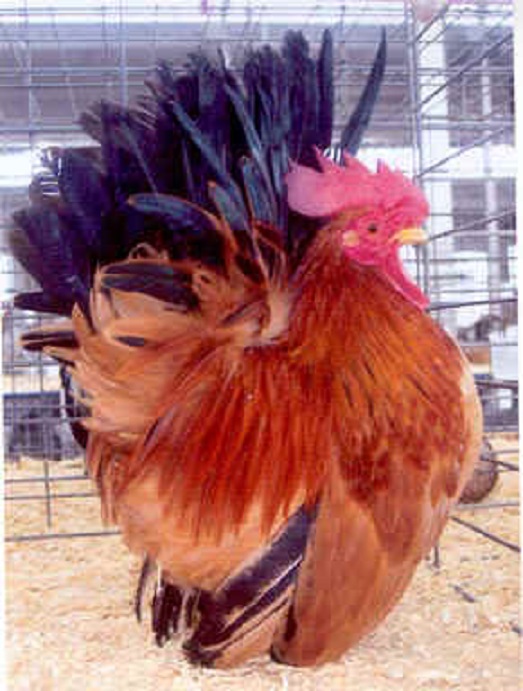
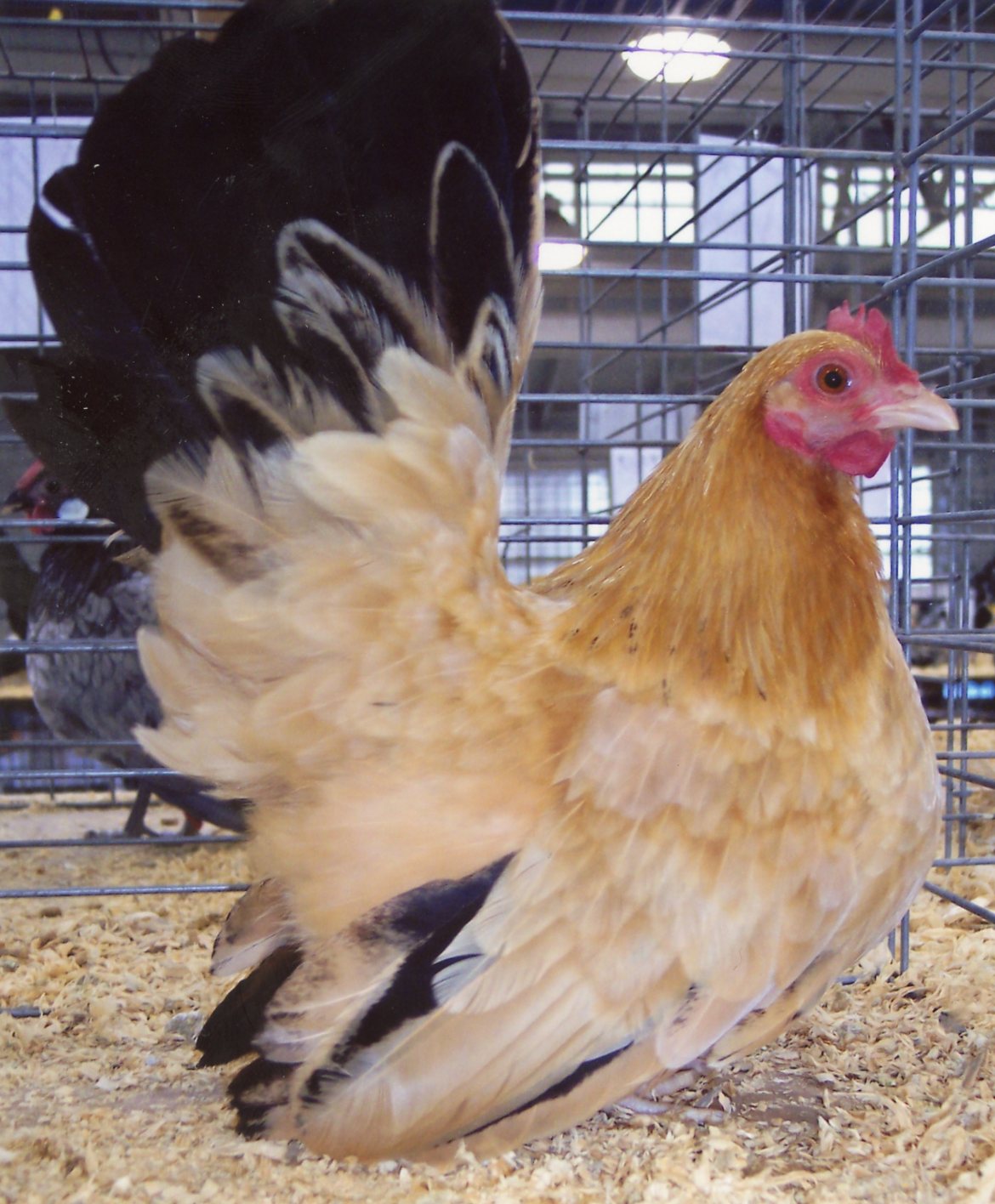
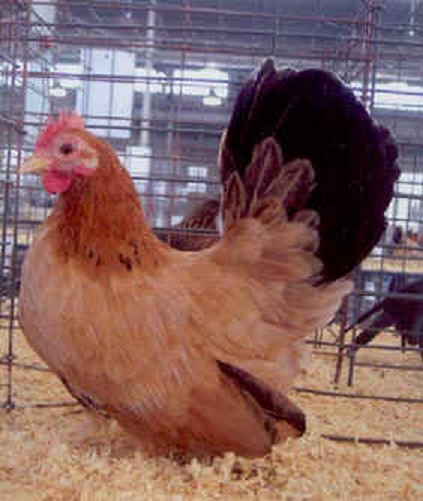
The Black-Tailed Buff Japanese Bantam chicken is a true miniature chicken with a proud stance, short legs, arched tail feathers, and warm buff coloring set off by a black tail. If you want a small show bird with classic bantam style and plenty of personality, this variety makes a beautiful choice.
Japanese Bantams originated in Japan hundreds of years ago and became popular with poultry keepers who wanted small ornamental chickens for beauty, exhibition, and companionship. Cackle Hatchery® places Japanese Bantams in its Bantam Chickens for Sale category, where bantams are described as miniature chickens often kept for pets, showing, broody hens, and small backyard flocks. Cackle also notes that many bantam breeds and colors hatch and ship from February through August.
Unlike many bantams that are miniature versions of larger breeds, Japanese Bantams are true bantams. Cackle’s guide to True Bantam Chicken Breeds explains that true bantams are naturally small breeds with no large-fowl counterpart. That makes the Japanese Bantam a strong choice for customers who want a genuinely miniature chicken rather than a downsized standard breed.
The Black-Tailed Buff Japanese Bantam variety earned admission into the American Poultry Standard of Perfection in 1983, according to the original Cackle Hatchery® description. Today, customers choose this variety for poultry shows, 4-H projects, ornamental flocks, and small backyard coops where personality matters as much as production.
Appearance and Characteristics
Black-Tailed Buff Japanese Bantams have a distinctive shape that sets them apart from many other small chickens. Their short legs, compact body, low carriage, large wings, and arched tail create the classic Japanese Bantam outline. The buff body color contrasts beautifully with the black tail, giving this variety a clean and eye-catching appearance.
The breed’s short legs create much of its show-bird charm. However, that same trait connects to an important genetic detail discussed in Cackle Hatchery’s article The Lethal Creeper Gene in Japanese Bantams. Cackle explains that Japanese Bantams bred for exhibition must have short legs under the Standard of Perfection, but the creeper gene can reduce hatch rates because embryos that inherit two copies often die during incubation.
Because of their size and build, Japanese Bantams need thoughtful housing. Low roosts, dry bedding, and secure pens help protect these small birds. Their short legs make them adorable, but they also make mud, deep wet bedding, and rough outdoor conditions less ideal.
Black-Tailed Buff Japanese Bantam vs Other Japanese Bantams: How to Choose
Black-Tailed Buff Japanese Bantams share the same short-legged, upright-tailed body type as other Japanese Bantam varieties. The main difference is color.
Choose Black-Tailed Buff Japanese Bantam if you want a warm buff body color with a contrasting black tail, short legs, and strong exhibition appeal.
Choose Black-Tailed White Japanese Bantam chickens if you prefer a bright white body with black tail feathers. Cackle lists Black-Tailed White Japanese Bantams as baby chicks only, with no sexing available and seasonal shipping from early February through mid-August.
Choose White Japanese Bantam chickens if you want an all-white variety with the same Japanese Bantam type. Cackle’s White Japanese Bantam page lists this variety as baby chicks only, with no sexing available.
Choose Black Japanese Bantam chickens if you prefer glossy black feathering, short legs, and large wings. Cackle describes Black Japanese Bantams as true bantams with short legs and large wings.
Choose Gray Japanese Bantam chickens or Mottled Japanese Bantam chickens if you want a different color pattern while keeping the same ornamental bantam body type.
For customers who like surprise assortments, the Japanese Bantam Assortment Special can include a hatchery-choice mix of Japanese Bantam varieties based on what hatches.
Egg Production and Utility
Black-Tailed Buff Japanese Bantams serve mainly as ornamental and exhibition chickens. Their small size, short legs, arched tail, and buff-and-black coloring make them more valuable as show birds and pets than as egg producers.
Japanese Bantam hens may lay small eggs, but customers should not choose this breed for steady egg production. If you want a flock focused on eggs, a standard-size laying breed or a more productive bantam may fit better. However, if your goal is a true bantam with show appeal, compact size, and a lively personality, the Black-Tailed Buff Japanese Bantam offers plenty of charm.
Because Japanese Bantams are so small, they also do not serve as meat birds. Their value comes from beauty, exhibition type, companionship, and breed preservation rather than utility production.
Temperament and Suitability
Black-Tailed Buff Japanese Bantams are generally well behaved, alert, and full of character. Many keepers enjoy them as small ornamental birds because they bring a lot of presence without needing much space.
Even so, their small size means they need protection. Secure fencing, covered runs, and predator-safe housing help protect them from hawks, cats, raccoons, and other threats. Since Japanese Bantams have short legs, clean and dry ground also matters. Wet bedding, mud, and rough footing can make them uncomfortable.
This variety can work well for:
- Poultry exhibitors
- 4-H and youth show projects
- Bantam hobby flocks
- Small backyard coops
- Customers who want true miniature chickens
- Keepers who enjoy ornamental breeds
A different breed may suit you better if you want heavy egg production, a meat bird, or a rugged free-range chicken for rough outdoor conditions.
Is the Black-Tailed Buff Japanese Bantam Chicken Right for Your Flock?
Choose Black-Tailed Buff Japanese Bantam chickens if you want:
- A true bantam chicken breed
- A small ornamental show bird
- Buff body feathering with a black tail
- Short legs and arched tail feathers
- A visually striking bantam for exhibitions
- A small chicken for a secure backyard coop
- A pet or hobby bird with classic Japanese Bantam type
- A variety recognized in the American Poultry Standard of Perfection in 1983
- A breed that pairs well with other small, calm bantams
Consider another breed if you mainly want high egg production, meat, or a hardy free-range chicken for rough conditions. Black-Tailed Buff Japanese Bantams shine when customers value beauty, compact size, and show-bird character.
Important Note About the Lethal Creeper Gene
Japanese Bantams carry an important genetic trait that customers should understand, especially if they plan to breed them. The short legs that define exhibition Japanese Bantams connect to the creeper gene. Cackle Hatchery’s article The Lethal Creeper Gene in Japanese Bantams explains that the creeper gene is dominant and affects leg length. Birds with one copy show the desired short-leg trait, while embryos with two copies typically die during incubation.
As a result, Japanese Bantam eggs may have lower hatch rates than customers expect from some other breeds. This does not mean the birds are unhealthy; instead, it reflects how the short-leg trait works genetically. Customers who want to breed Black-Tailed Buff Japanese Bantams should learn this genetic pattern before planning a breeding pen.
For customers who simply want pets or show birds, the creeper gene mostly matters as background knowledge. For breeders, it becomes an important part of responsible flock planning.
Breed History and Preservation
Japanese Bantams originated in Japan hundreds of years ago and have long held a place among ornamental poultry. Their short legs, upright tail carriage, and compact size made them popular with fanciers who valued style and refinement in a small bird.
Over time, poultry breeders developed multiple color varieties, including Black-Tailed Buff, Black-Tailed White, White, Black, Gray, and Mottled. The Black-Tailed Buff variety entered the American Poultry Standard of Perfection in 1983, according to the original Cackle Hatchery® description.
Cackle Hatchery® continues to offer multiple Japanese Bantam varieties, including Black, White, Black-Tailed White, Gray, Mottled, and assortment options. The Assorted Purebred Bantam Chicken Special also lists Black-Tailed Buff Japanese among the many possible purebred bantam varieties that may be included when available.
For customers who enjoy heritage-style exhibition poultry, this breed offers more than small size. It connects a backyard flock to centuries of Japanese ornamental breeding and modern American bantam exhibition.
Recognition and Availability
The Black-Tailed Buff Japanese Bantam variety entered the American Poultry Standard of Perfection in 1983. It belongs to the clean-legged, single-comb bantam type and remains a strong choice for customers who want a small ornamental show bird.
Availability can vary by hatch date, season, egg numbers, and order timing. Cackle Hatchery’s Bantam Chickens for Sale category notes that Cackle offers bantam chickens from February through August each year, and the category includes many small breeds for pets, showing, broodiness, and small backyards.
Because bantam availability can change quickly, customers should check the Chicken Availability Chart before ordering. Cackle’s availability chart helps customers review current hatch and shipping timing before placing an order.
Related Breeds and Helpful Cackle Hatchery® Resources
Customers who like Black-Tailed Buff Japanese Bantams may also enjoy other Japanese Bantam varieties and clean-legged bantam breeds from Cackle Hatchery®. Start with the Bantam Chickens for Sale category to compare miniature chickens, true bantams, and ornamental show birds.
For customers who want a hatchery-choice mix, the Japanese Bantam Assortment Special offers assorted Japanese Bantam varieties based on what hatches. The Clean Leg Bantam Assortment Special may also include Japanese Bantams along with other clean-legged bantam breeds.
Helpful Cackle Hatchery® links for this product page include:
FAQ: Black-Tailed Buff Japanese Bantam Chicken
What is a Black-Tailed Buff Japanese Bantam chicken?
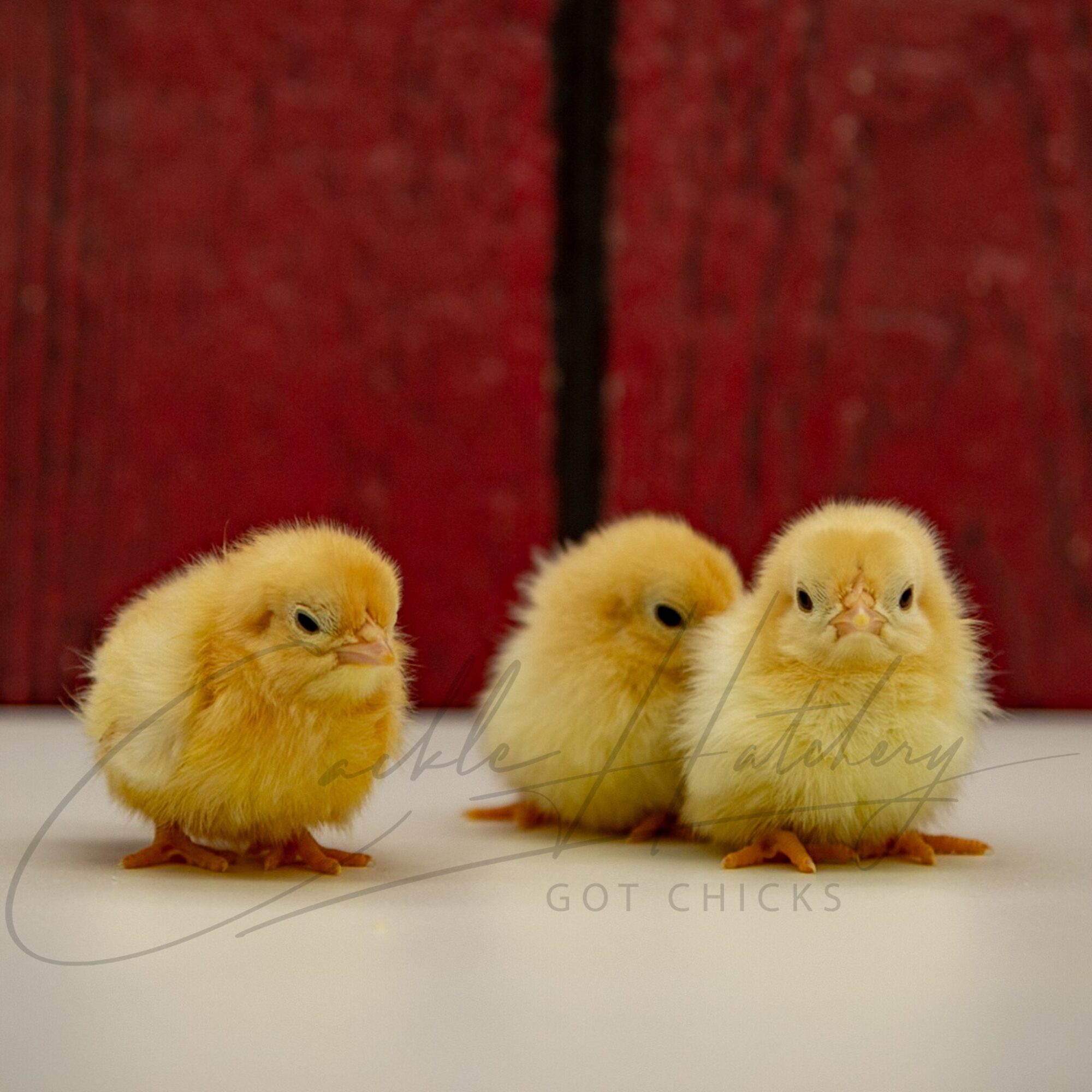
A Black-Tailed Buff Japanese Bantam chicken is a true bantam variety with buff body coloring, black tail feathers, short legs, and an arched tail. Customers usually choose it for exhibition, pets, and ornamental backyard flocks.
Are Black-Tailed Buff Japanese Bantams true bantams?
Yes. Japanese Bantams are true bantams, which means they do not have a large-fowl counterpart. Cackle’s True Bantam Chicken Breeds article explains that true bantams are naturally miniature chicken breeds.
What color eggs do Black-Tailed Buff Japanese Bantams lay?
Black-Tailed Buff Japanese Bantam hens may lay small eggs. Customers should choose this breed mainly for ornamental and exhibition value rather than heavy egg production.
Are Black-Tailed Buff Japanese Bantams good egg layers?
No. Japanese Bantams are not heavy egg layers. They serve mainly as ornamental, pet, and show chickens rather than production birds.
Are Black-Tailed Buff Japanese Bantams friendly?
Black-Tailed Buff Japanese Bantams are generally well behaved and full of character. Calm handling, secure housing, and a steady routine help them become enjoyable small-flock birds.
Are Black-Tailed Buff Japanese Bantams good for beginners?
They can work for beginners who understand bantam care. New keepers should provide secure housing, low roosts, dry bedding, predator protection, and a safe setup for short-legged chickens.
Are Black-Tailed Buff Japanese Bantams good for children or 4-H?
Yes. Black-Tailed Buff Japanese Bantams can work well for 4-H and youth exhibition projects when children handle them gently and adults help with care.
Are Black-Tailed Buff Japanese Bantams good for free range?
They can enjoy outdoor time, but a secure covered run usually works better than open free range. Their small size and short legs make predator protection especially important.
Are Black-Tailed Buff Japanese Bantams cold hardy?
Black-Tailed Buff Japanese Bantams can handle cool weather with a dry, draft-free coop and good ventilation. Because they are small and short-legged, they need clean bedding and protection from wet ground.
Are Black-Tailed Buff Japanese Bantams heat tolerant?
They can do well in warm weather when keepers provide shade, ventilation, and cool clean water. During extreme heat, small bantams need close attention because they can stress quickly.
Do Black-Tailed Buff Japanese Bantams go broody?
Japanese Bantams may show broodiness, but customers should not choose this variety only for hatching. Broodiness can vary by individual hen, season, age, and flock management.
How big do Black-Tailed Buff Japanese Bantams get?
Black-Tailed Buff Japanese Bantams are very small chickens. They are true bantams, so they stay much smaller than standard-size chickens and fit well in small ornamental or exhibition flocks.
Are Black-Tailed Buff Japanese Bantams good for showing?
Yes. The Black-Tailed Buff Japanese Bantam makes an excellent show bird because of its short legs, arched tail, buff body, black tail, and recognized exhibition variety status.
What is the lethal creeper gene in Japanese Bantams?
The lethal creeper gene affects the short-leg trait in Japanese Bantams. Cackle Hatchery explains that birds with one copy show short legs, while embryos with two copies usually die during incubation, which can reduce hatch rates.
What is the difference between Black-Tailed Buff and Black-Tailed White Japanese Bantams?
Black-Tailed Buff Japanese Bantams have buff body feathering with a black tail. Black-Tailed White Japanese Bantam chickens have white body feathering with a black tail.
Does Cackle Hatchery® offer other Japanese Bantams?
Yes. Cackle Hatchery® offers several related varieties, including Black-Tailed White Japanese Bantam chickens, White Japanese Bantam chickens, Black Japanese Bantam chickens, Gray Japanese Bantam chickens, and Mottled Japanese Bantam chickens.
Where can I check Black-Tailed Buff Japanese Bantam chick availability?
Customers can check Cackle Hatchery’s Chicken Availability Chart for current hatch and shipping timing. Bantam availability can change during the season, so checking the chart helps customers plan ahead.




CO8728 –
GREAT SMALL BREED OF BIRDS
I have had this breed for a couple of years and I can tell you that the hens are great mothers and great egg layers. They will even lay a couple of eggs in the winter and I am in Colorado so I was surprised when they laid some eggs! I really like cackle hatchery birds as they are beautiful and their birds never disappoint me. I will always order from cackle hatchery!
Christy S –
Very pleased
The chicks were healthy, they are grown now and showed very well at 4H fair. The judge was surprised they were mail order. Good quality.
Mandy –
Cute choice
The chicks all survived transport. My kids adore their tiny little legs. They are bit more flighty than the Old English Game bantams, but not aggressive. On the whole, a good choice.
Dodge Dart, MO –
Nice, Small and Fun Birds
My son and I liked the Japanese. We liked how the tails touch their heads. My son chose the Black Tailed Buff. He ordered 5 chicks and received 6 in good health in April. They were easy for him to take care of. When they got big enough to fly out of their box, 1 got lost in his bedroom; Thank the Lord he heard it peeping and found it before it got too cold! It’s been fun watching them grow. He has 3 hens and 3 roosters and they’re all doing well! Their tails actually do touch their heads sometimes! They are nice and quiet birds and good for eating bugs out of gardens because they are small and don’t squish the plants. We are really pleased with them!
Edsel Michigan May 2015 –
Thanks a Million
I want to thank you for packing my chick order. You did an outstanding job. The chickens came at 8:15 am Wednesday morning in good health. I also would like to thank Tiffany for calling me on my replacement of short legged chicks. Thank again for the wonderful service and i will recommend friends to your hatchery.