Description
Blue Old English Bantam Chicken
Breed Overview and Origin
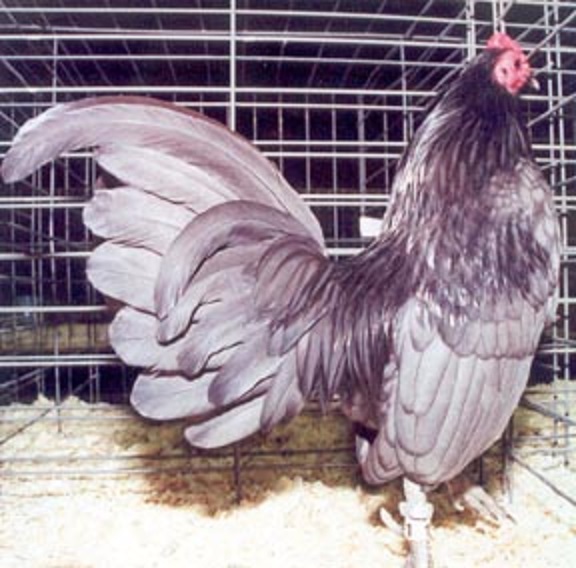
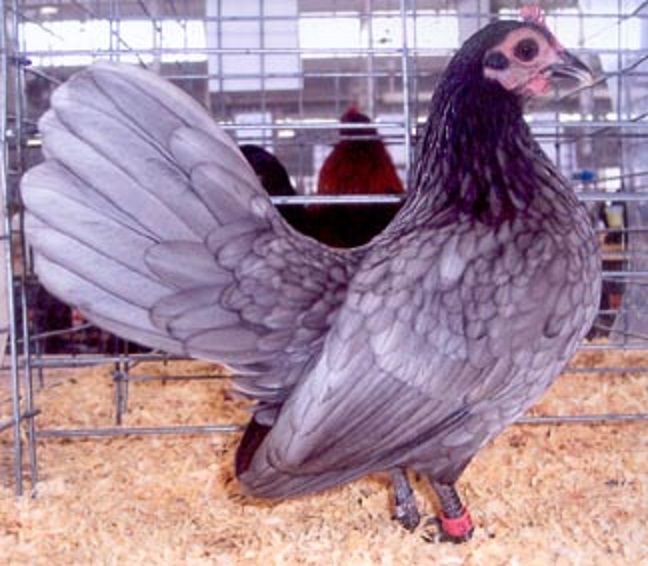
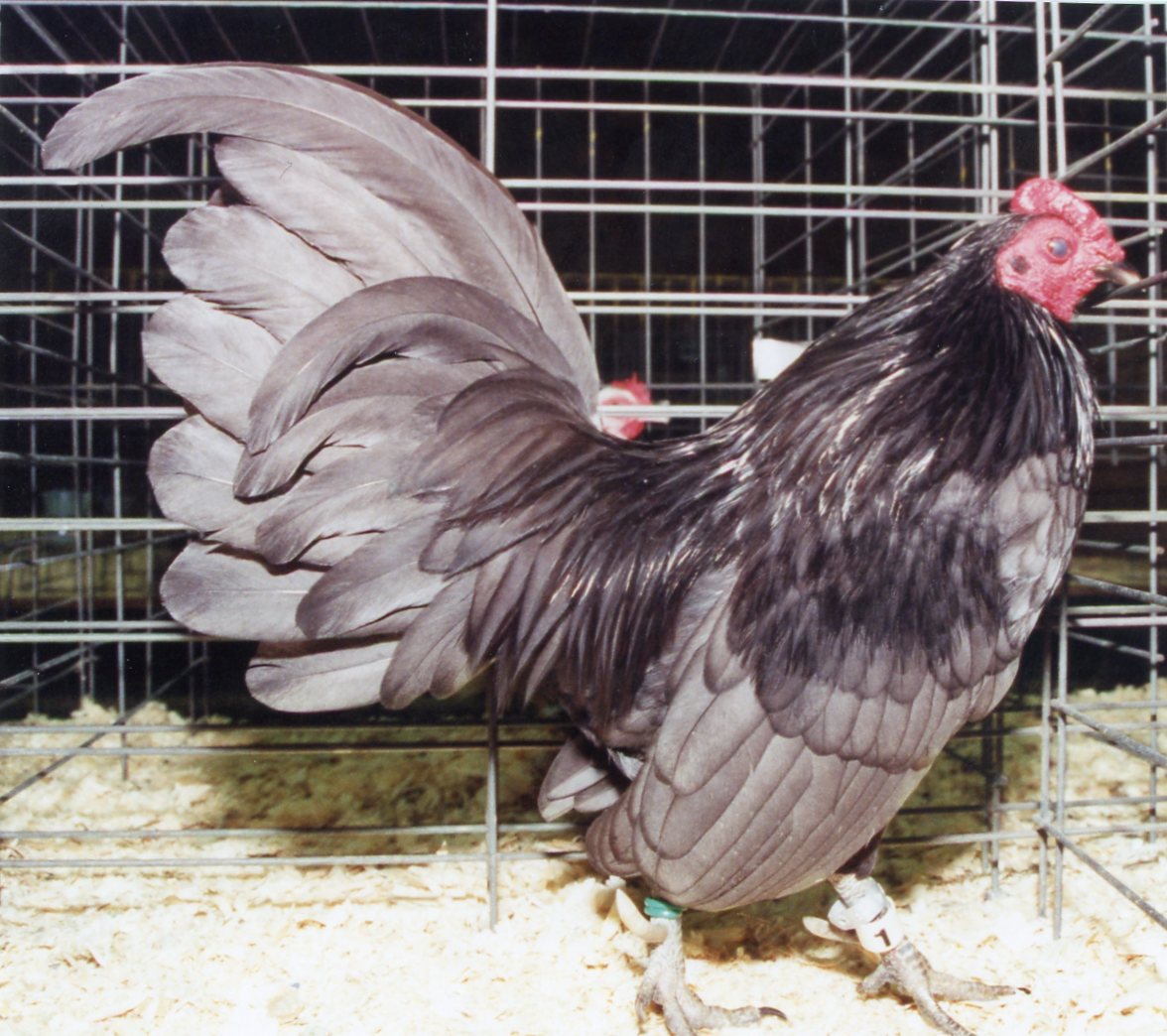
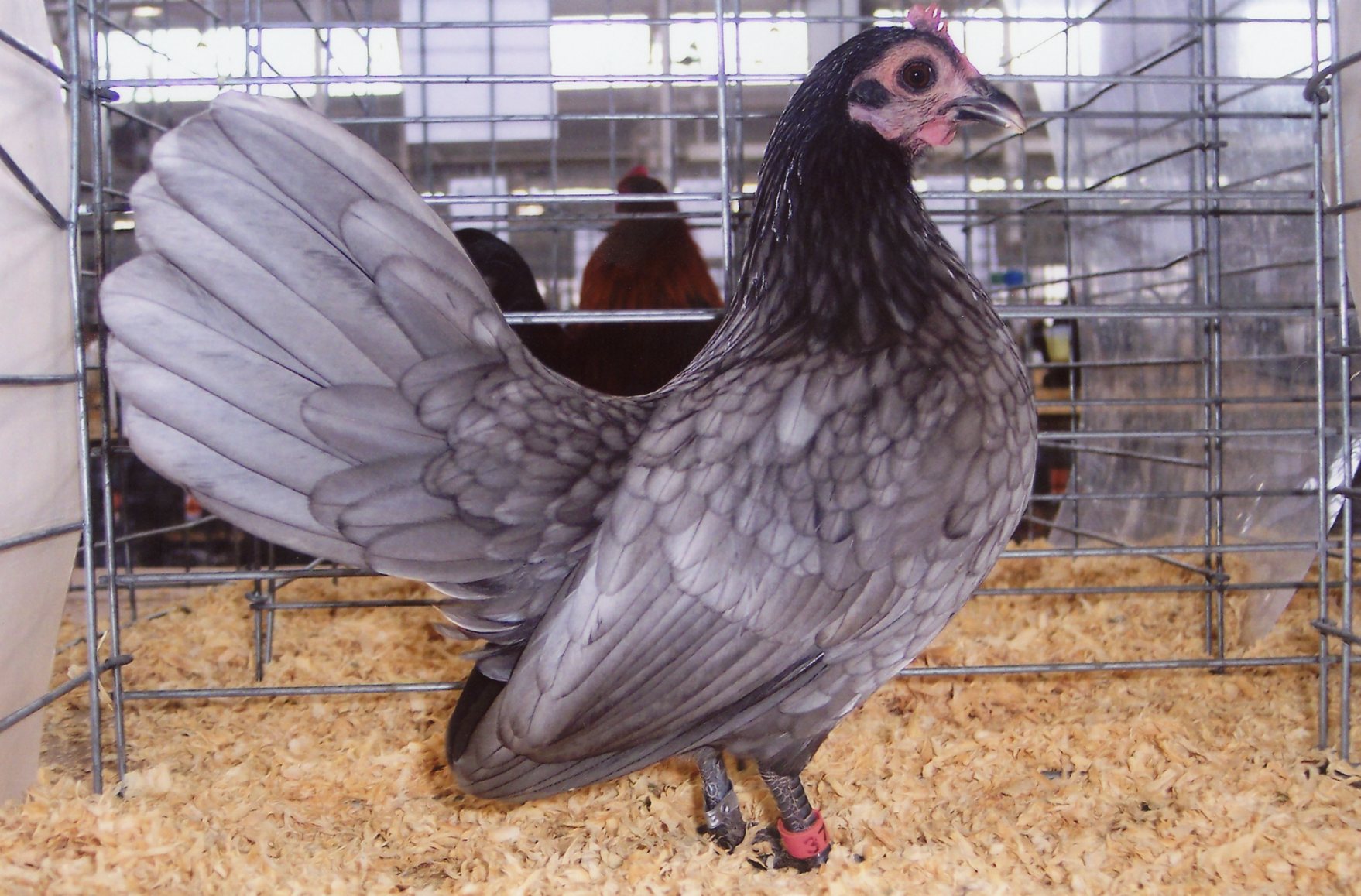
The Blue Old English Bantam chicken is a miniature version of the Standard Old English Game chicken, bred mainly for exhibition, hobby flocks, small backyard coops, and customers who enjoy lively bantams with classic show-bird style. This variety stands out for its blue-tinted feathering, compact size, and confident Old English Game character.
Old English Game chickens trace back to old European and British game fowl. Today, poultry keepers raise them for exhibition, preservation, ornamental enjoyment, and small-flock personality. Cackle Hatchery® describes the related Blue Standard Old English chickens as slate-blue birds with feather color that can range from lighter to darker blue tones, depending on genetics. Cackle also notes that its Standard Old English bloodline has been developed since 1974.
Unlike true bantams, Old English Game Bantams are miniature versions of a standard-size breed. Cackle Hatchery’s True Bantam Chicken Breeds article helps explain the difference: true bantams have no large-fowl counterpart, while Old English Game Bantams do have a standard version.
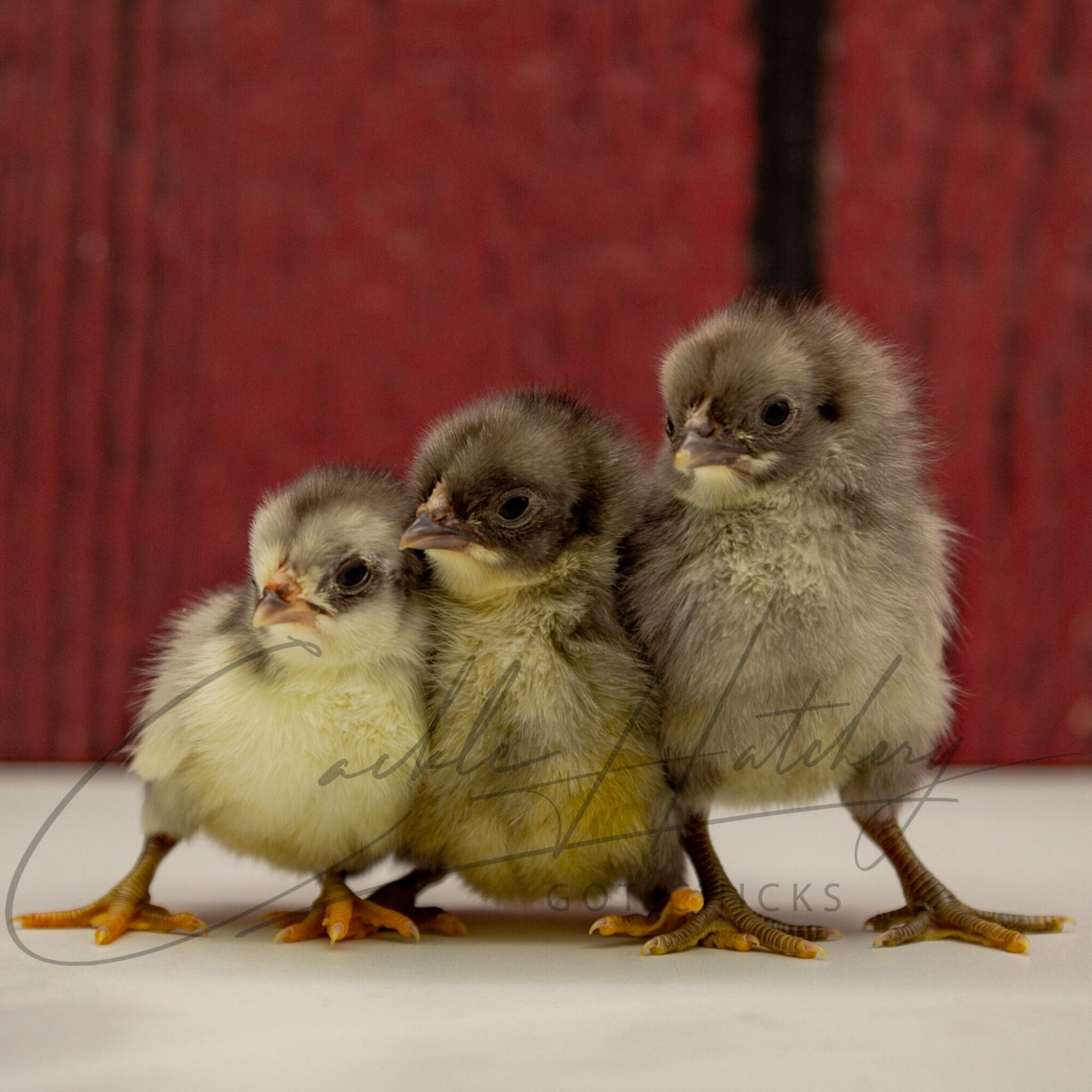
Cackle Hatchery® offers Blue Old English Game Bantams as baby chicks only, with no sexing available and seasonal shipping from early February through mid-August. The current listing places this variety in the Bantam Chickens for Sale category.
Appearance and Characteristics
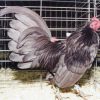
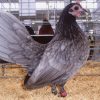
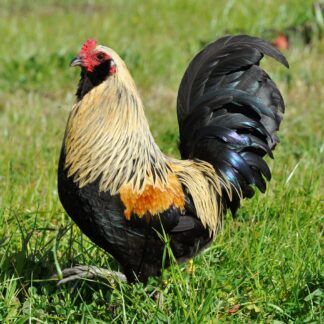
Blue Old English Bantams have a sharp, stylish show-bird look. Their feathering carries a blue or slate-blue tone rather than a plain black or white appearance. Because blue feather color can vary, some birds may appear lighter blue while others show darker blue-gray coloring.
This variety has the compact body, alert posture, and active personality that make Old English Game Bantams popular with exhibitors. The blue color adds extra visual appeal, especially for customers who want a bantam that looks different from the more common black, white, or red varieties.
Blue Old English Bantams are small, clean-legged chickens. Their size makes them easier to keep in bantam-friendly coops, but they still need secure housing, predator protection, good ventilation, and enough room to stay active.
For customers who enjoy variety, Cackle Hatchery’s Old English Game Bantam Baby Chick Special can include many Old English Bantam varieties, including Blue, Black, White, Spangled, Silver Duckwing, Ginger Red, Mille Fleur, Crele, Self Blue, Wheaten, Splash, Black Breasted Red, Brown Red, Barred, Brassy Back, Golden Duckwing, and Red Pyle.
Blue Old English Bantam vs Self Blue Old English Bantam: How to Tell the Difference
Blue Old English Bantams and Self Blue Old English Bantams sound similar, but they are not the same color variety.
Choose Blue Old English Bantam if you want a bird with blue-tinted or slate-blue feathering that can vary in shade. The blue gene can produce color differences, so not every bird will look exactly alike.
Choose Self Blue Old English Game Bantam if you want the more even lavender-style color often called self blue. Cackle Hatchery® lists Self Blue Old English Game Bantams as baby chicks only, with no sexing available.
Choose Black Standard Old English Game chickens if you like the Old English Game type but want the larger standard version in black plumage.
Choose Blue Standard Old English chickens if you want the larger standard version with slate-blue feathering. Cackle notes that the Blue Standard Old English is shown in the “All Other Standard Breeds” Game Class, though the Blue variety itself is not APA recognized.
For a hatchery-choice mix, the Old English Game Bantam Baby Chick Special can be a good option for customers who like Old English Bantams and want variety.
Egg Production and Utility
Blue Old English Bantams serve mainly as ornamental, pet, and exhibition chickens. Customers should choose them for small size, show potential, personality, and classic bantam type rather than heavy egg production.
Hens may lay small white or tinted eggs, but this breed does not rank as a production layer. Because these are bantams, their eggs will also be smaller than standard-size chicken eggs. Egg production can vary with age, daylight, season, nutrition, housing, and flock management.
Blue Old English Bantams do not serve as meat birds. Their value comes from exhibition appeal, small-flock enjoyment, pet potential, and the pleasure of keeping a lively miniature chicken.
Temperament and Suitability
Blue Old English Bantams can make excellent pets when keepers handle them regularly and gently. The original Cackle Hatchery® description notes their docile nature and says they can be a good choice even for families with small children.
Still, these are game-type bantams, so individual temperament can vary. Many birds become friendly and easy to enjoy, but roosters may act more territorial during breeding season. Adult supervision is always wise when young children handle any chicken, especially a rooster.
This variety can work well for:
- Poultry exhibitors
- Bantam hobby flocks
- 4-H and youth poultry projects with guidance
- Small backyard coops
- Families who want a small pet chicken
- Keepers who enjoy active, alert bantams
- Customers who want a showy blue bantam variety
A different breed may suit you better if you mainly want heavy egg production, meat, or a very calm lap-style chicken. Blue Old English Bantams shine when customers want a small, attractive, show-type bird with personality.
Is the Blue Old English Bantam Chicken Right for Your Flock?
Choose Blue Old English Bantam chickens if you want:
- A miniature Old English Game chicken
- A small show bantam with blue feathering
- A bird that can become tame with handling
- A compact chicken for a small backyard setup
- A bantam for exhibition, 4-H, or hobby flocks
- A breed with classic Old English Game character
- A small bird that uses less feed and space than standard chickens
- A related option to the larger Blue Standard Old English Game
- A bantam variety with color-breeding interest
Consider another breed if you want steady egg production, a meat bird, or a very low-energy flock companion. Blue Old English Bantams fit best with customers who enjoy bantams, show birds, and lively small chickens.
Note About Breeding Blue Old English Bantams
Blue feather color does not always breed true. The American Poultry Association explains that breeding birds with the blue gene can produce different color outcomes depending on the parent birds. In blue poultry breeding, blue-to-blue matings may produce blue, black, and splash chicks rather than all blue chicks.
That means customers who plan to breed Blue Old English Bantams should expect some color variation. A hatch may include birds that look blue, black, or splash depending on the breeding pair. This color pattern can be exciting for poultry breeders, but it also requires patience and selection.
For customers who simply want attractive bantams for pets or exhibition, this note helps set realistic expectations. For breeders, it becomes an important part of planning matings and choosing future breeding birds.
Breed History and Preservation
Old English Game chickens have a long history connected to old British and European game fowl. Today, breeders and exhibitors preserve the type through poultry shows, color breeding, and small-flock hobby programs.
The bantam version became especially popular because it preserves the look and character of the larger Old English Game in a much smaller bird. Over time, breeders developed many color varieties, making Old English Game Bantams one of the most varied and widely shown bantam groups.
Cackle Hatchery® continues to offer both standard and bantam Old English Game options. The Standard Old English Game for Sale category notes that standard Old English Game birds compete in the “All Other Standard Breeds — Games” class.
For customers who enjoy heritage-style exhibition poultry, Blue Old English Bantams offer more than small size. They connect a backyard or show flock to a long tradition of game fowl type, bantam exhibition, and careful color breeding.
Recognition and Availability
Old English Game Bantams have a long-standing place in American poultry exhibition, with many recognized color varieties. The original Cackle Hatchery® description notes that several Old English Bantam varieties have entered the American Standard of Perfection across different decades.
Cackle Hatchery® lists Blue Old English Game Bantams as baby chicks only, with no sexing available and seasonal shipping from early February through mid-August.
Availability can vary by hatch date, season, egg numbers, and order timing. The Bantam Chickens for Sale category is the best place to compare bantam breeds, while the Chicken Availability Chart helps customers review current hatch and shipping timing before ordering.
Related Breeds and Helpful Cackle Hatchery® Resources
Customers who like Blue Old English Bantams may also enjoy other Old English Game Bantams, standard Old English Game chickens, and small show bantam varieties. Start with Cackle Hatchery’s Bantam Chickens for Sale category to compare miniature chicken breeds, clean-legged bantams, feather-legged bantams, and exhibition options.
For customers who enjoy color variety, the Old English Game Bantam Baby Chick Special can include Blue, Black, White, Spangled, Crele, Mille Fleur, Self Blue, Wheaten, Splash, Black Breasted Red, Golden Duckwing, and many other varieties.
Helpful Cackle Hatchery® links for this product page include:
FAQ: Blue Old English Bantam Chicken
What is a Blue Old English Bantam chicken?
A Blue Old English Bantam chicken is a miniature version of the Standard Old English Game chicken. This variety has blue-tinted feathering, a small body, active character, and strong exhibition appeal.
Are Blue Old English Bantams true bantams?
No. Old English Game Bantams are miniature versions of the Standard Old English Game chicken. True bantams have no large-fowl counterpart, but Old English Game Bantams do have a standard-size version.
What color eggs do Blue Old English Bantams lay?
Blue Old English Bantam hens may lay small white or tinted eggs. However, customers should choose this breed mainly for show, pets, and ornamental value rather than egg production.
Are Blue Old English Bantams good egg layers?
No. Blue Old English Bantams are not heavy egg layers. They serve mainly as exhibition and hobby birds, though hens may lay some small eggs.
Are Blue Old English Bantams friendly?
Blue Old English Bantams can become friendly and tame with regular gentle handling. The original Cackle Hatchery® description describes them as docile and suitable as pets, even for families with small children.
Are Blue Old English Bantams good for beginners?
They can work for beginners who understand bantam care and active game-type temperament. New keepers should provide secure housing, good handling, and predator protection.
Are Blue Old English Bantams good for children or 4-H?
Yes, Blue Old English Bantams can work well for 4-H and youth exhibition projects when children receive guidance. Their small size, blue color, and show-bird type make them appealing bantams.
Are Blue Old English Bantams good for free range?
They can enjoy outdoor time, but secure runs usually work better than open free range. Their small size makes predator protection especially important.
Are Blue Old English Bantams cold hardy?
Blue Old English Bantams can handle cool weather with a dry, draft-free coop and good ventilation. Like all small bantams, they need protection from wet bedding, harsh wind, and extreme weather.
Are Blue Old English Bantams heat tolerant?
They can do well in warm weather when keepers provide shade, ventilation, and cool clean water. During extreme heat, small bantams need close attention because they can stress quickly.
Do Blue Old English Bantams go broody?
Some Old English Bantam hens may show broodiness, but broodiness can vary by individual bird, age, season, and flock setup. Customers who mainly want broody hens should compare bantam breeds known more strongly for mothering behavior.
How big do Blue Old English Bantams get?
Blue Old English Bantams are small chickens. They stay much smaller than standard Old English Game chickens and fit well in bantam-friendly coops, small hobby flocks, and exhibition setups.
Are Blue Old English Bantams good for showing?
Yes. Blue Old English Bantams make excellent show birds because of their small size, alert posture, blue feathering, and classic Old English Game type.
What does “breeding blue” mean in Blue Old English Bantams?
Breeding blue means working with the blue feather-color gene. Blue-to-blue matings may produce blue, black, and splash chicks rather than all blue chicks, so breeders should expect color variation.
What is the difference between Blue Old English Bantam and Self Blue Old English Bantam?
Blue Old English Bantams can vary in blue shade because of blue color genetics. Self Blue Old English Game Bantam chickens have a more even lavender-style color known as self blue.
What is the difference between Blue Old English Bantam and Blue Standard Old English Game?
Blue Old English Bantams are the miniature version. Blue Standard Old English chickens are larger standard-size birds with related Old English Game character and blue feathering.
Does Cackle Hatchery® offer other Old English Bantams?
Yes. Cackle Hatchery® offers multiple Old English Bantam varieties, and the Old English Game Bantam Baby Chick Special can include Blue, Black, White, Spangled, Crele, Mille Fleur, Silver Duckwing, Ginger Red, and many other varieties.
Where can I check Blue Old English Bantam chick availability?
Customers can check Cackle Hatchery’s Chicken Availability Chart for current hatch and shipping timing. Bantam availability can change during the season, so checking the chart helps customers plan ahead.





Wendy –
Great little birds
I love OEB. They are friendly and fun. They make great birds for kids to do showmanship with. The blue are particularly beautiful.
PoultryMom –
Love these birds
I love the OEBB. They have delightful personalities and are beautiful to look at. Both of my little roos tolerate cuddles and one is especially fond of attention. They are great birds for young 4-H ers to handle and show.
Allye –
Best chickens I’ve ever owned
I got a variety of colors, from silver to charcoal w black highlights. Beautiful little eggs. Best personality kind, loving, & inquisitive. Rooster was attentive & never rowdy. I absolutely love my blue Cochin bantums. Would & have recommended to a friend. Best little guys around.
Chuck –
Blue Old English Bantam
Nice tight made little birds, great coloring and very alert.
Only fault to them is that they dont lay often and sometimes they are flighty.
N/ A –
Good
Beautiful Bird friendly so far. Have not started laying yet.
Joseph January 2016 –
Thank You
I want to thank you for my bantam old english chickens. I have never had chicks that love me so much. I treat them as though they are my children. They like to be held and kissed. I really love them. Thanks again. If I need more I will order from you folks again.