Description
Blue Sumatra Chicken
Breed Overview and Origin
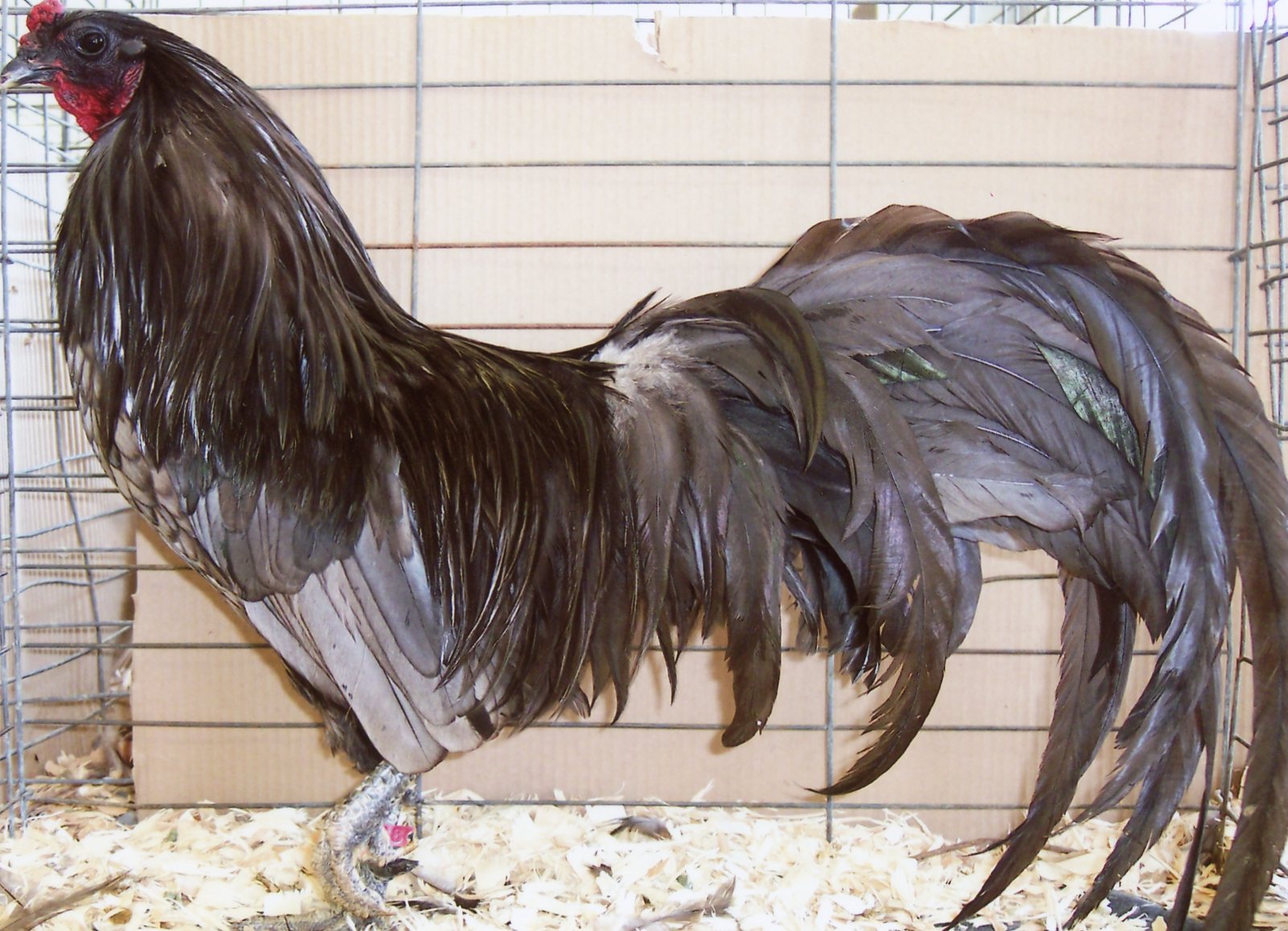
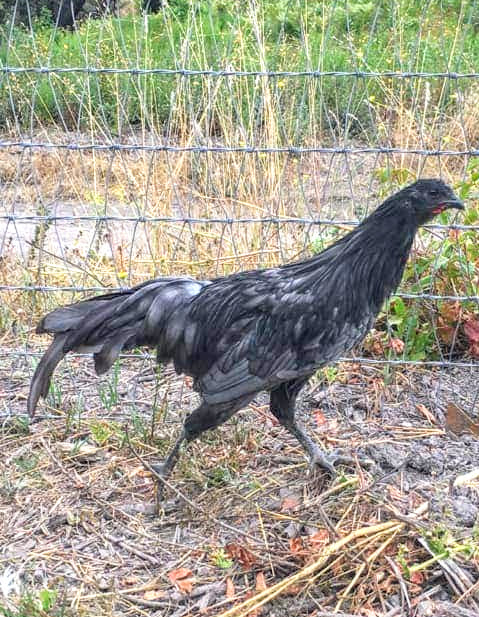
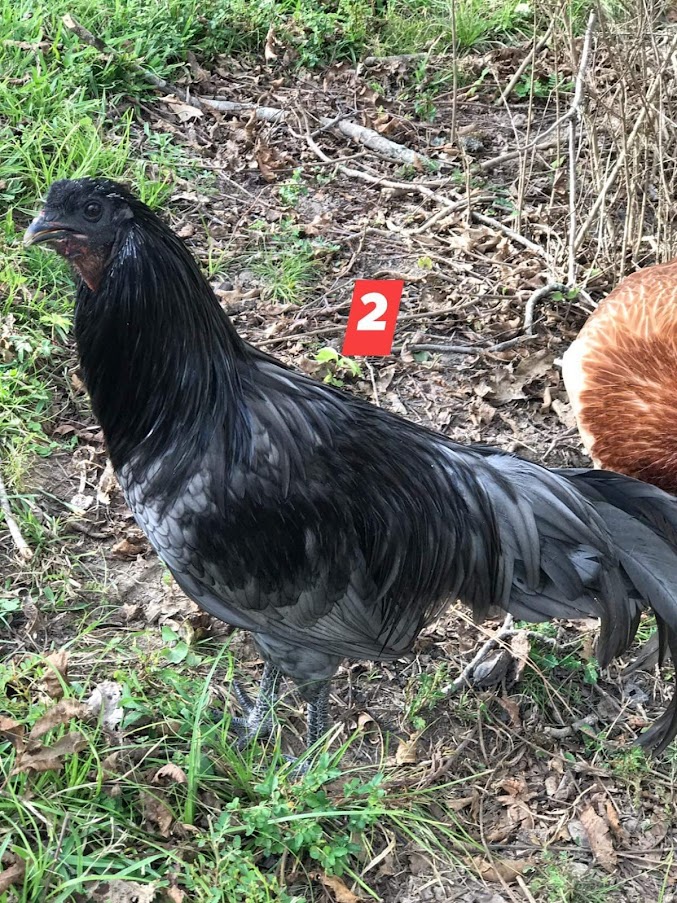
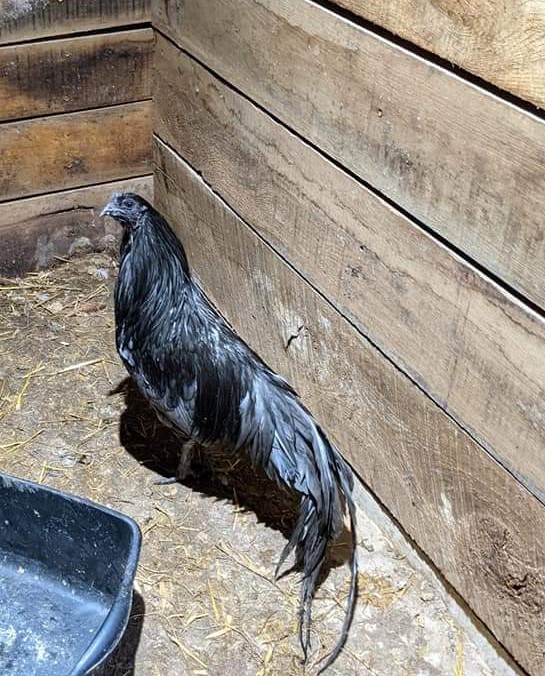
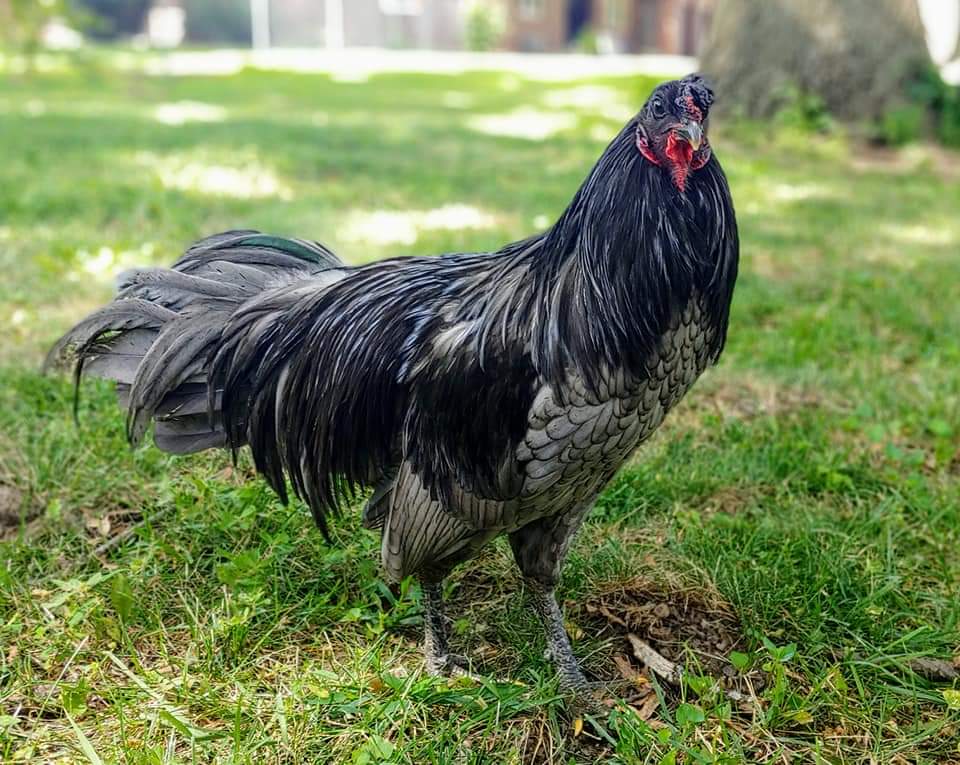
The Blue Sumatra chicken is a rare ornamental longtail breed with blue-tinted plumage, graceful movement, and a striking gamefowl look. If you want a bird that brings elegance and rarity to the flock, this variety is a beautiful choice.
Sumatra chickens trace back to Southeast Asia, especially the island of Sumatra in Indonesia. Early birds came to the United States in the 1800s and became known for their long tails, active nature, and dramatic appearance. Cackle’s longtail breed spotlight includes Sumatras among the longtail chickens found in North America.
The Blue Sumatra entered the American Standard of Perfection in 2002. Cackle Hatchery® has developed its pure Blue Sumatra bloodline since 1979, and very few breeders in the United States have worked with this variety for that length of time.
Appearance and Characteristics
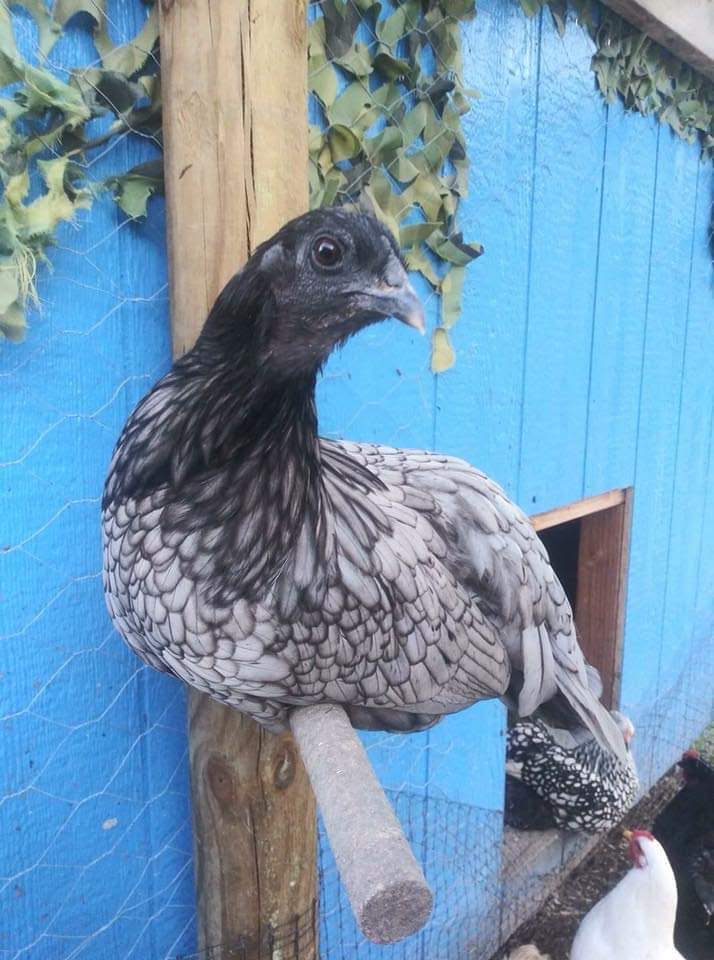
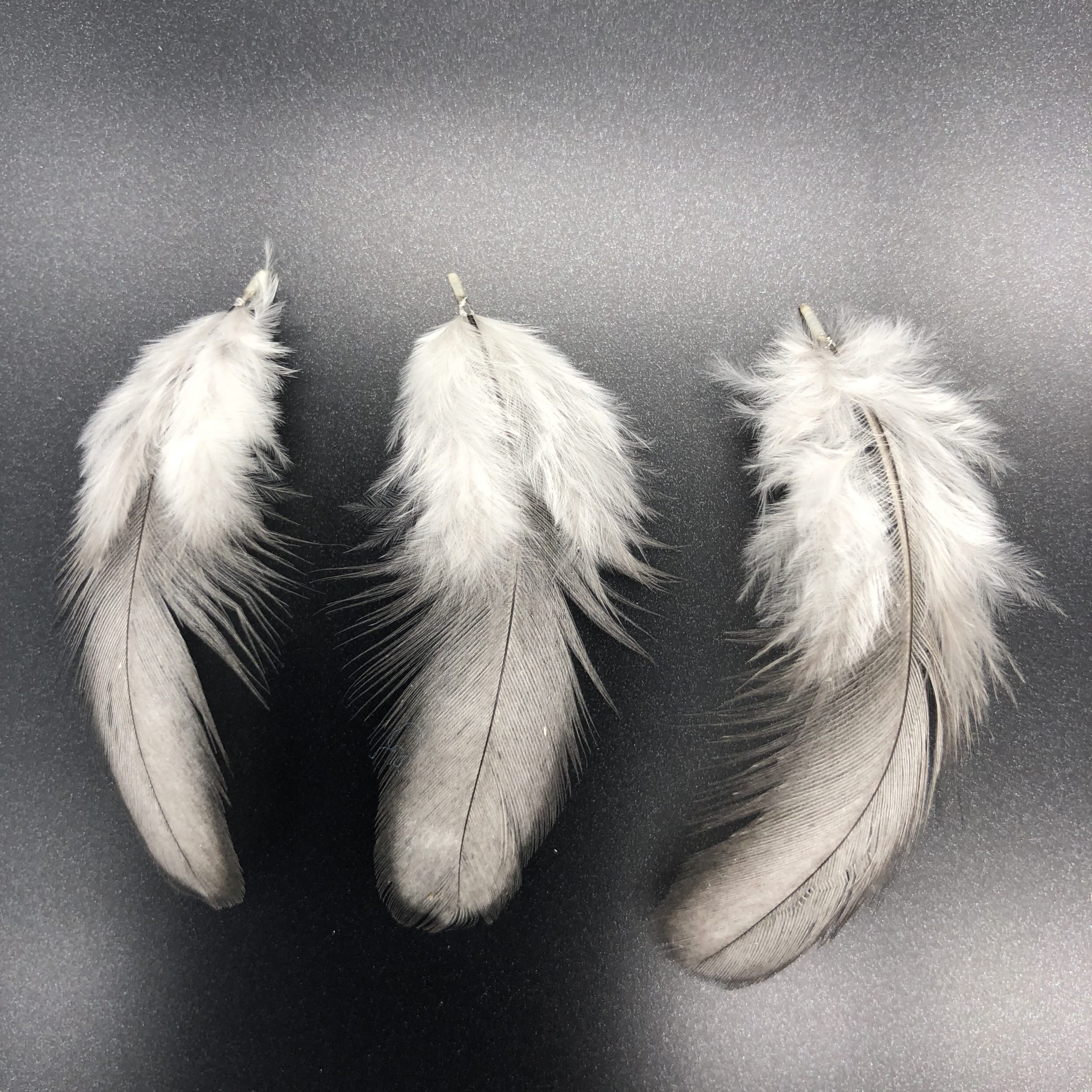
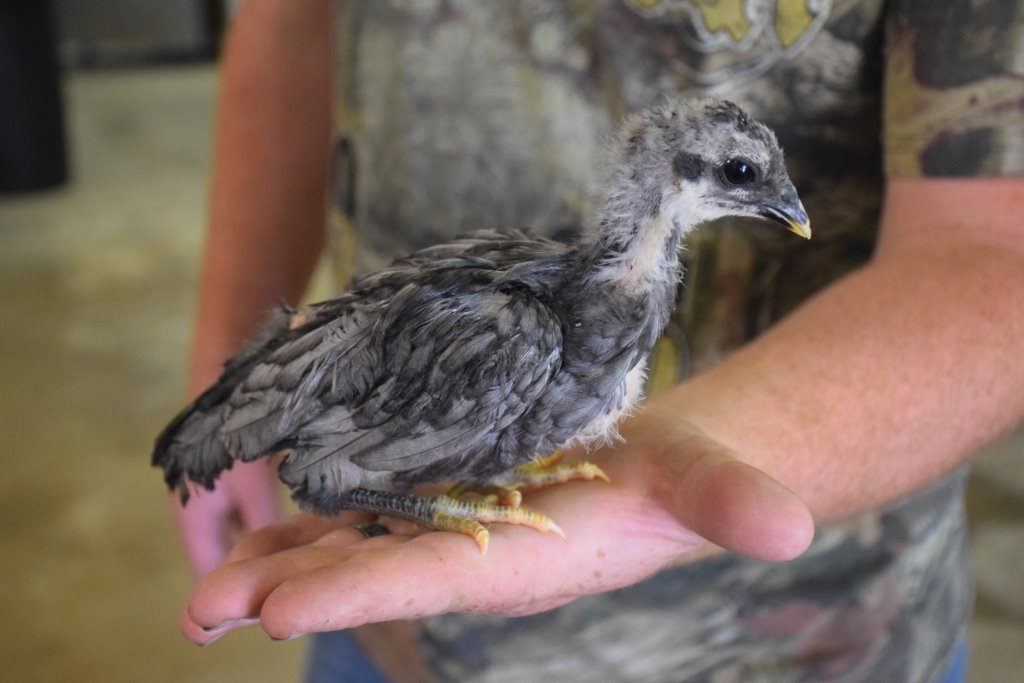
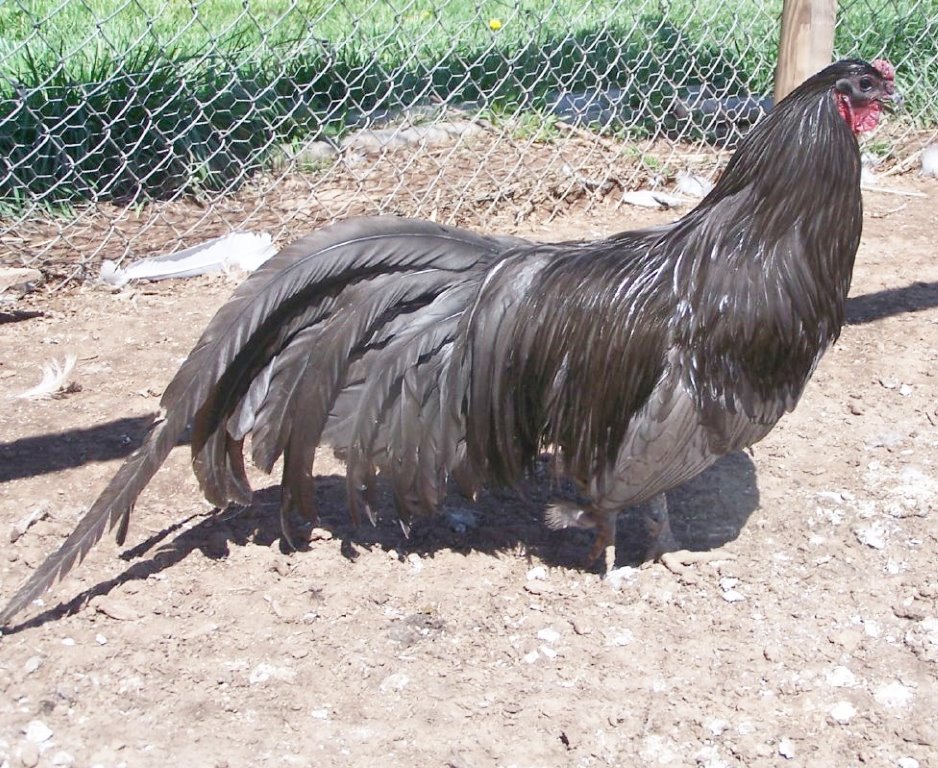
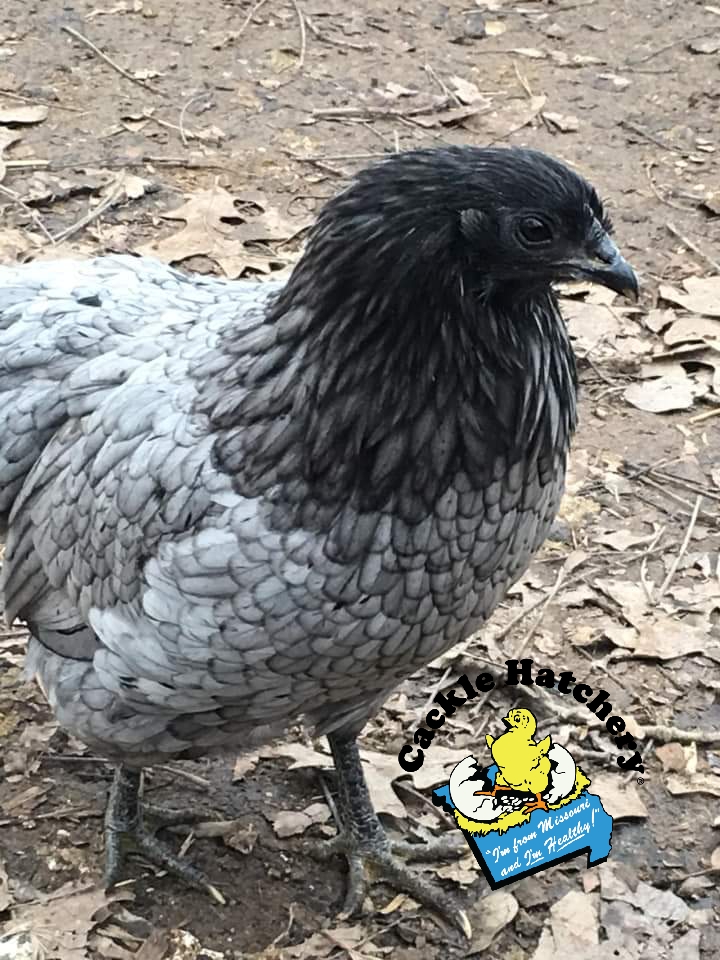
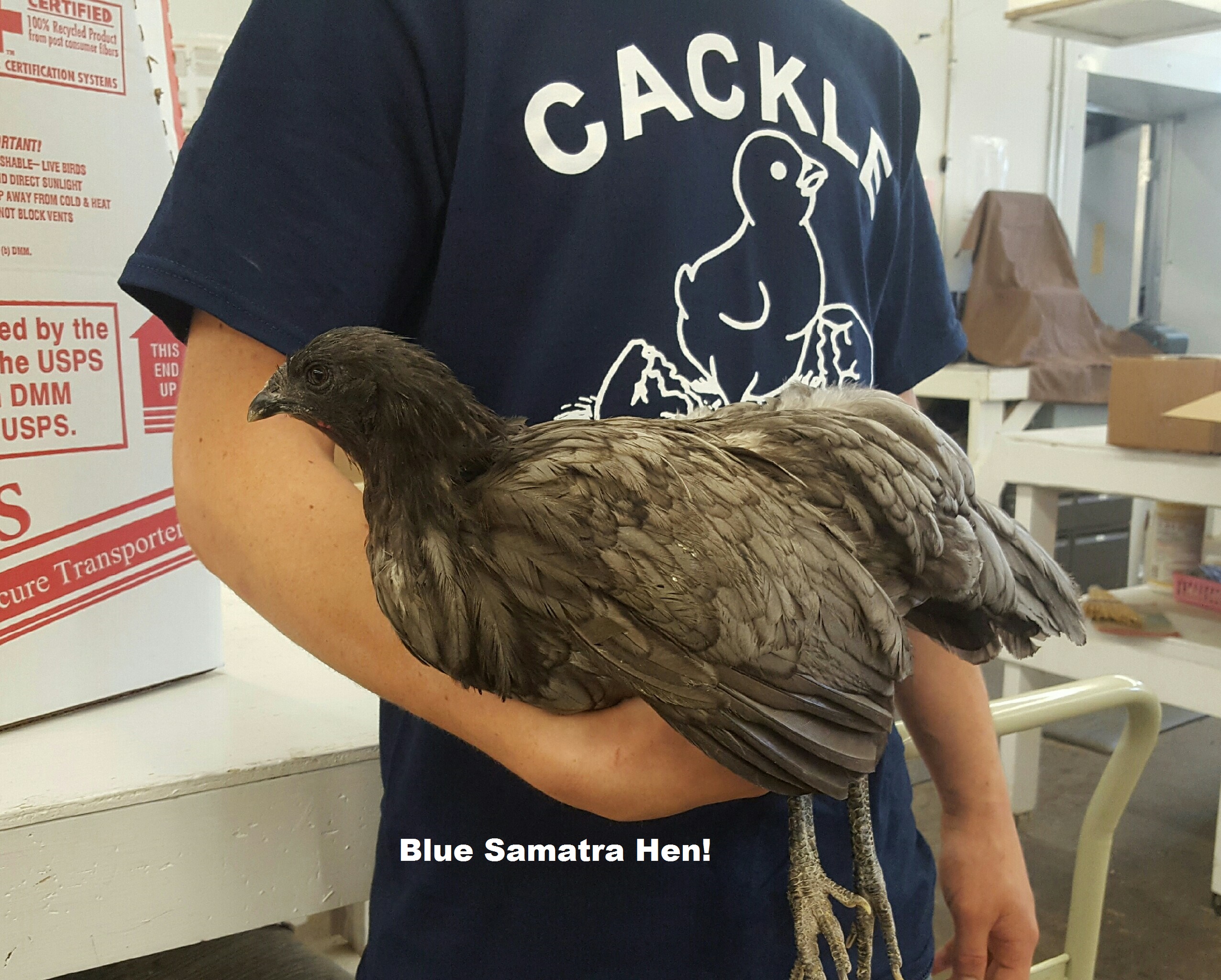
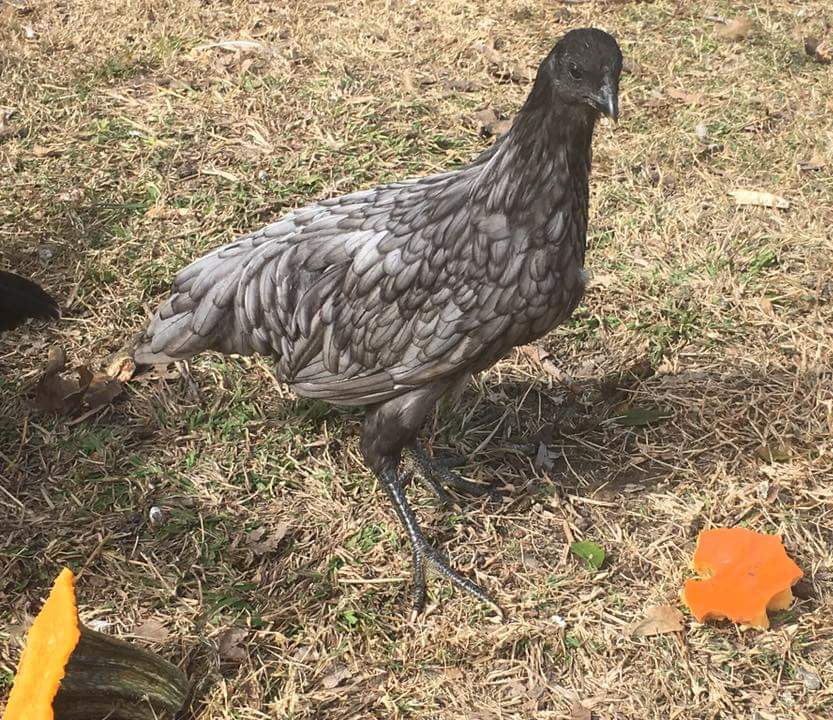
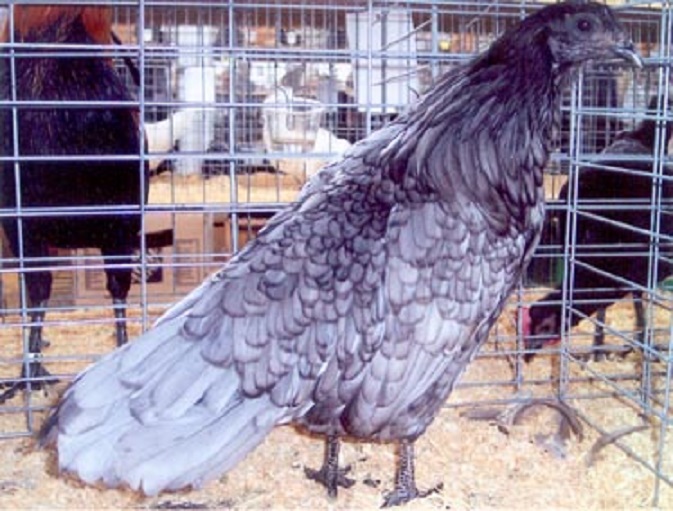
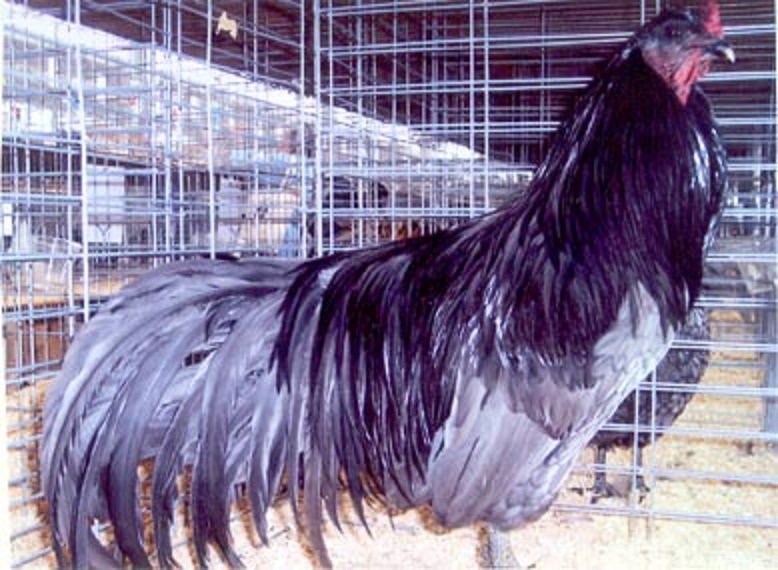
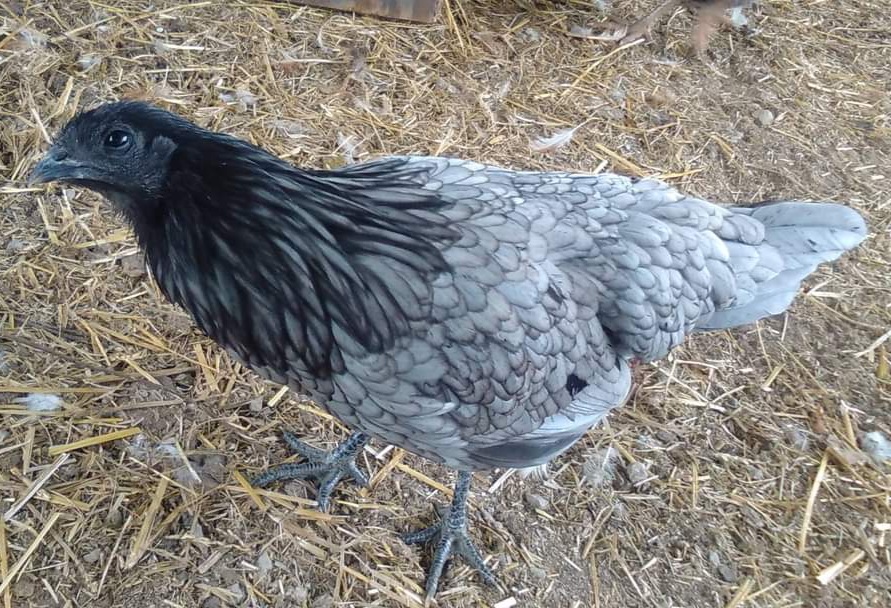
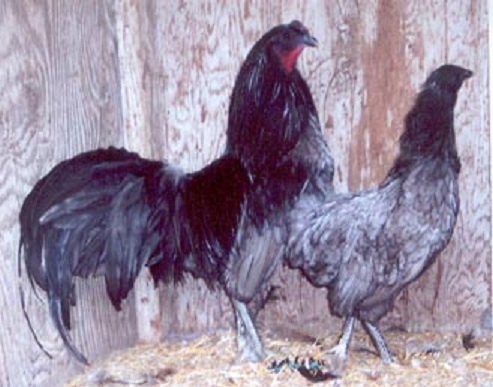
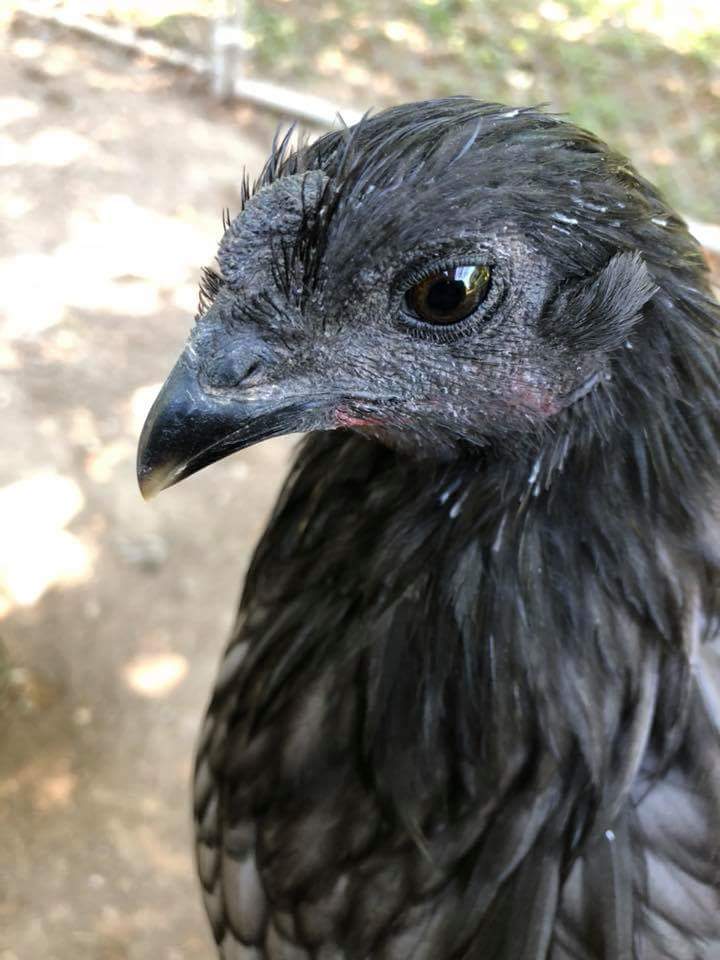
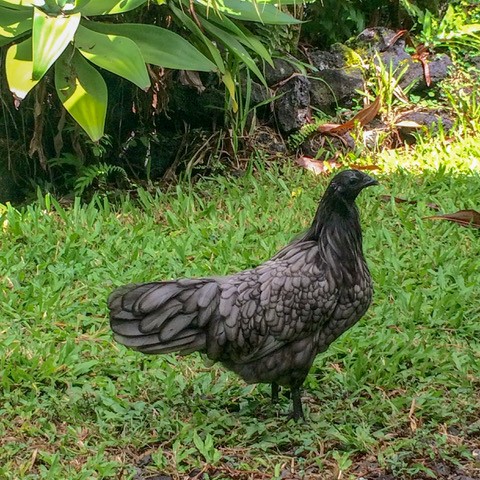
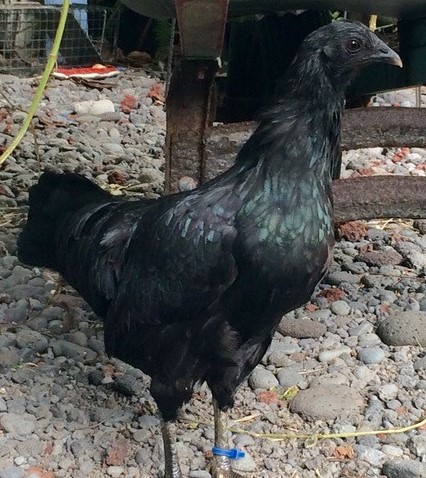
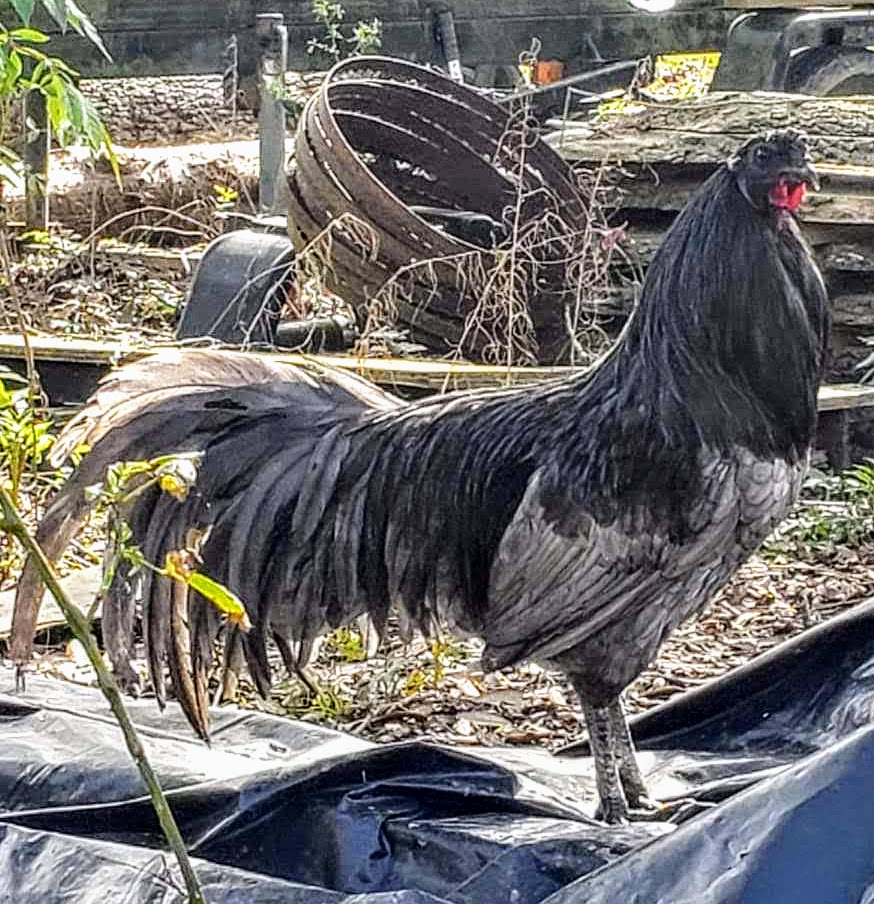
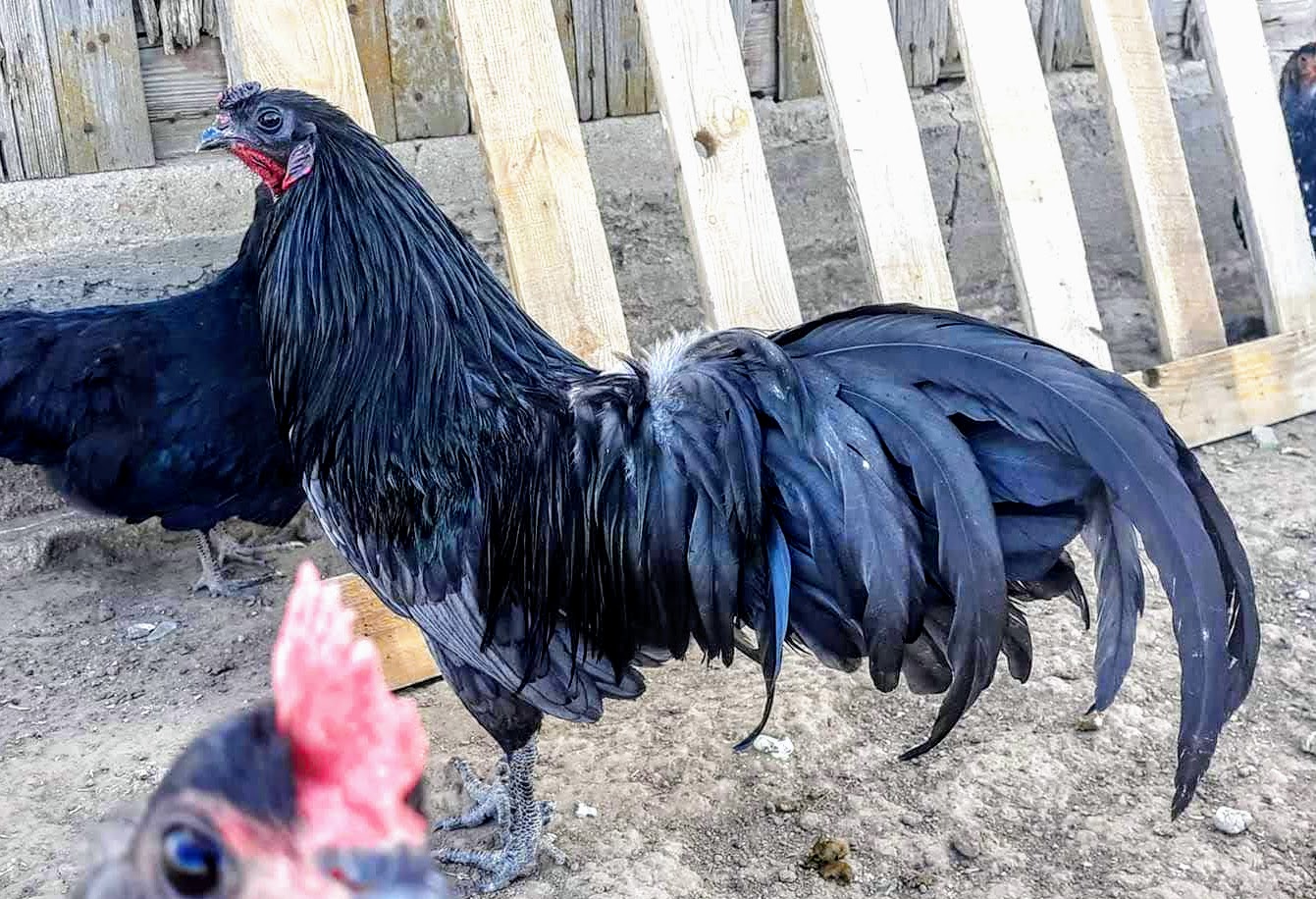
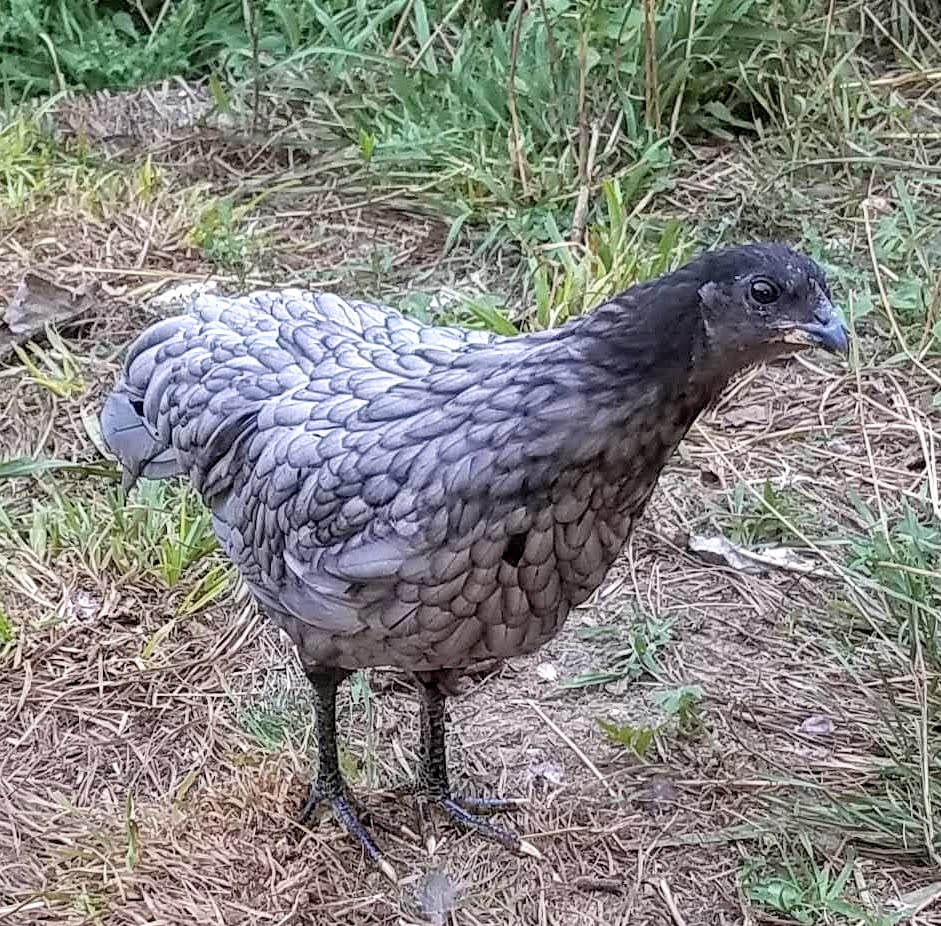
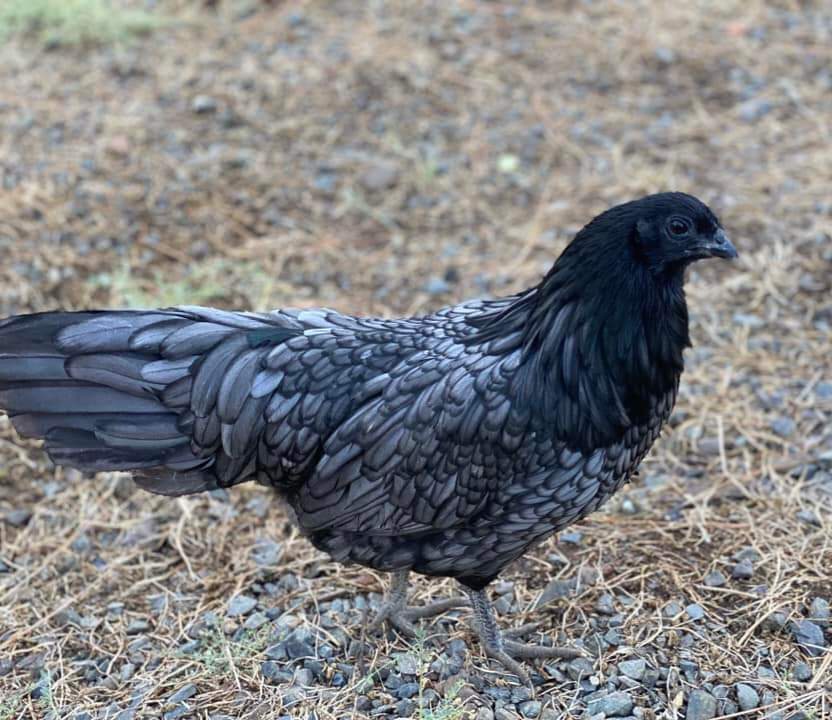
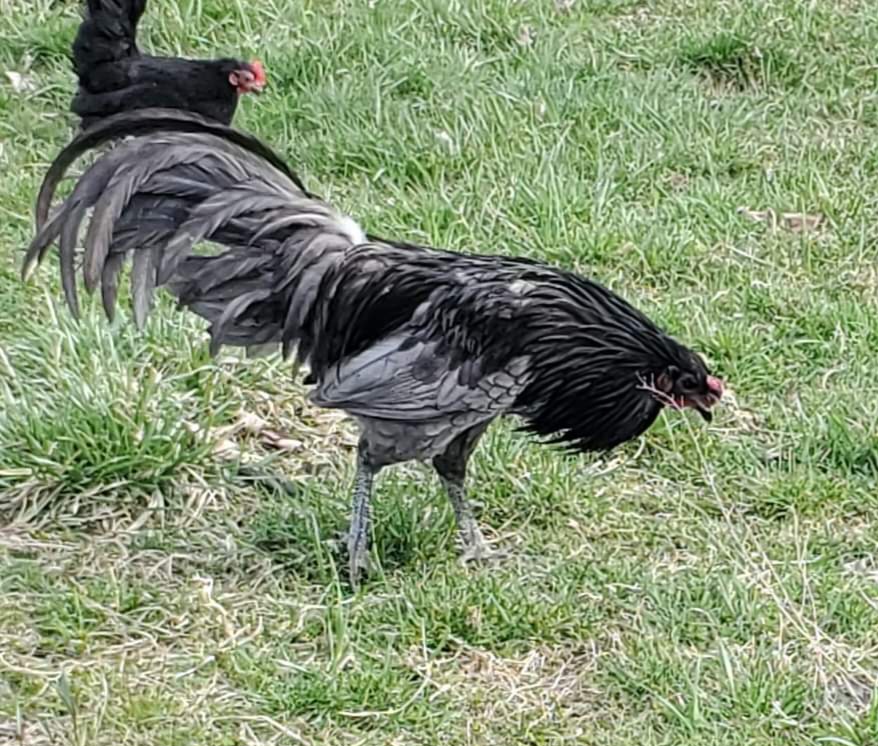
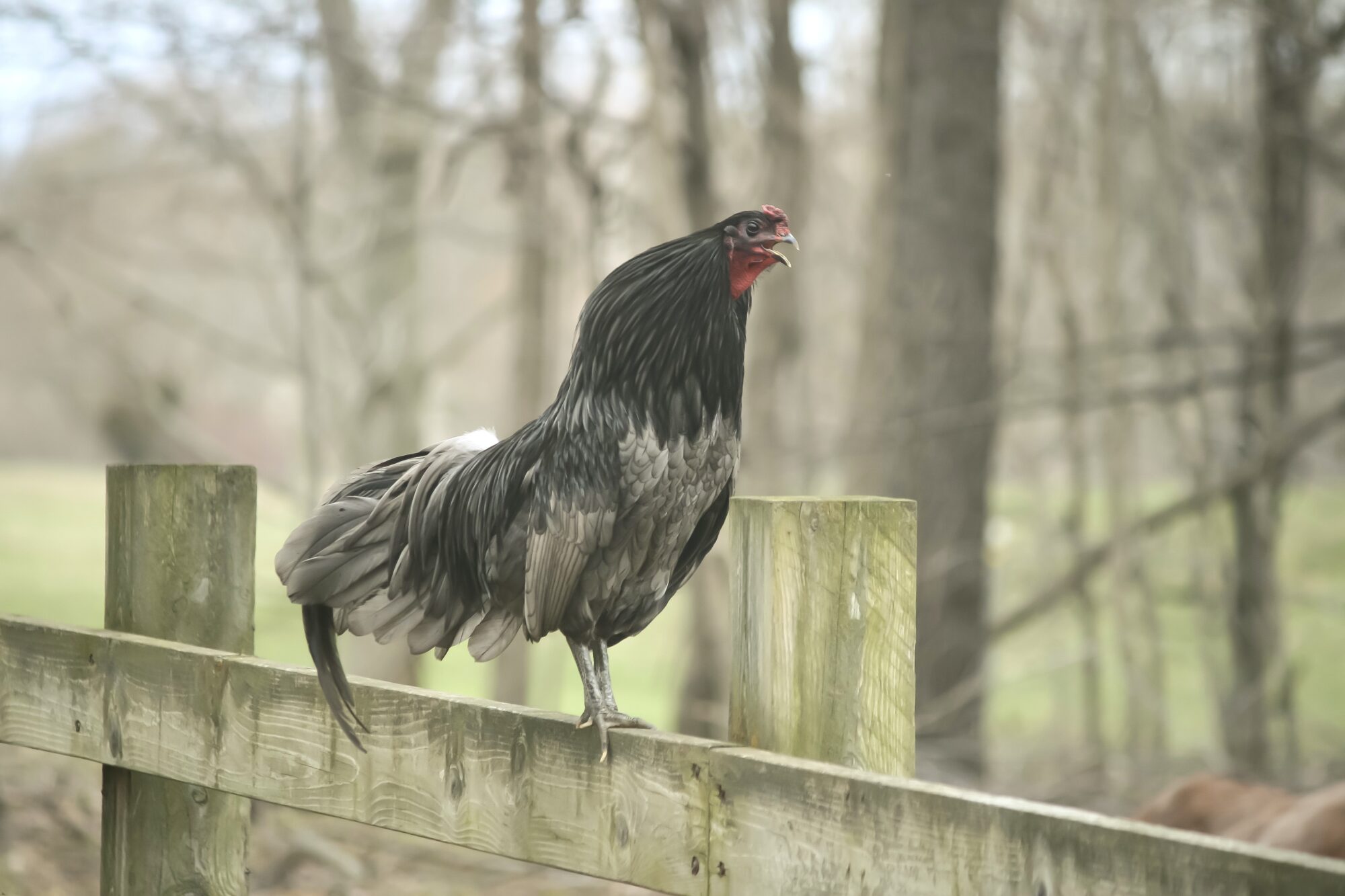
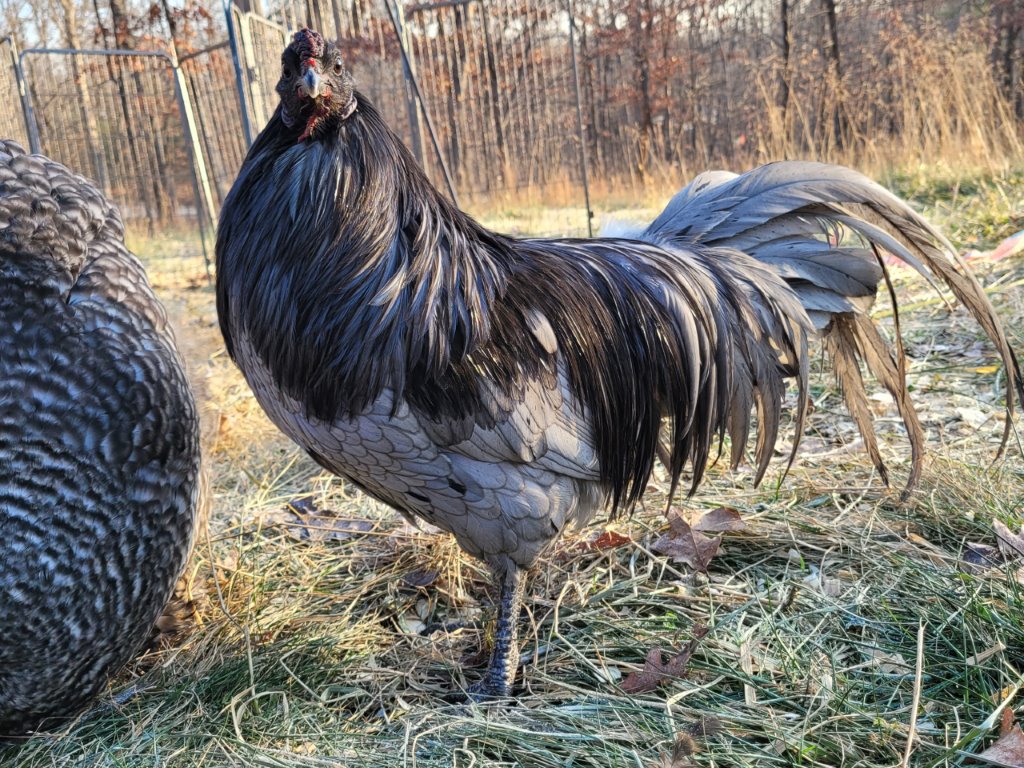
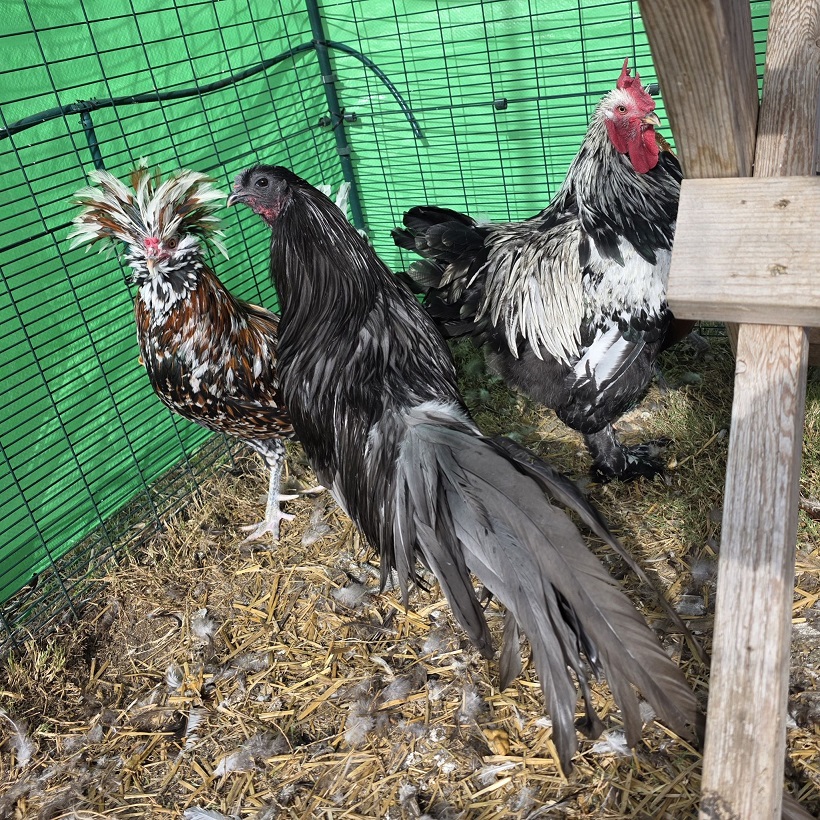
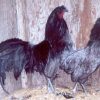
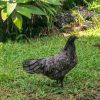
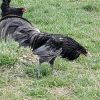
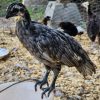
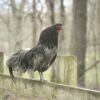
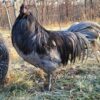
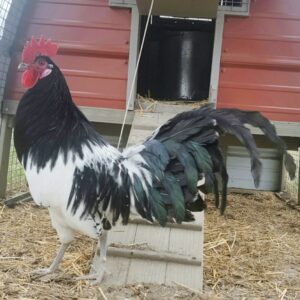
Blue Sumatras have blue-tinted feathering, a long flowing tail, and the elegant carriage that makes Sumatra chickens so eye-catching. They may also show multiple spurs on the legs, a trait many keepers associate with the breed.
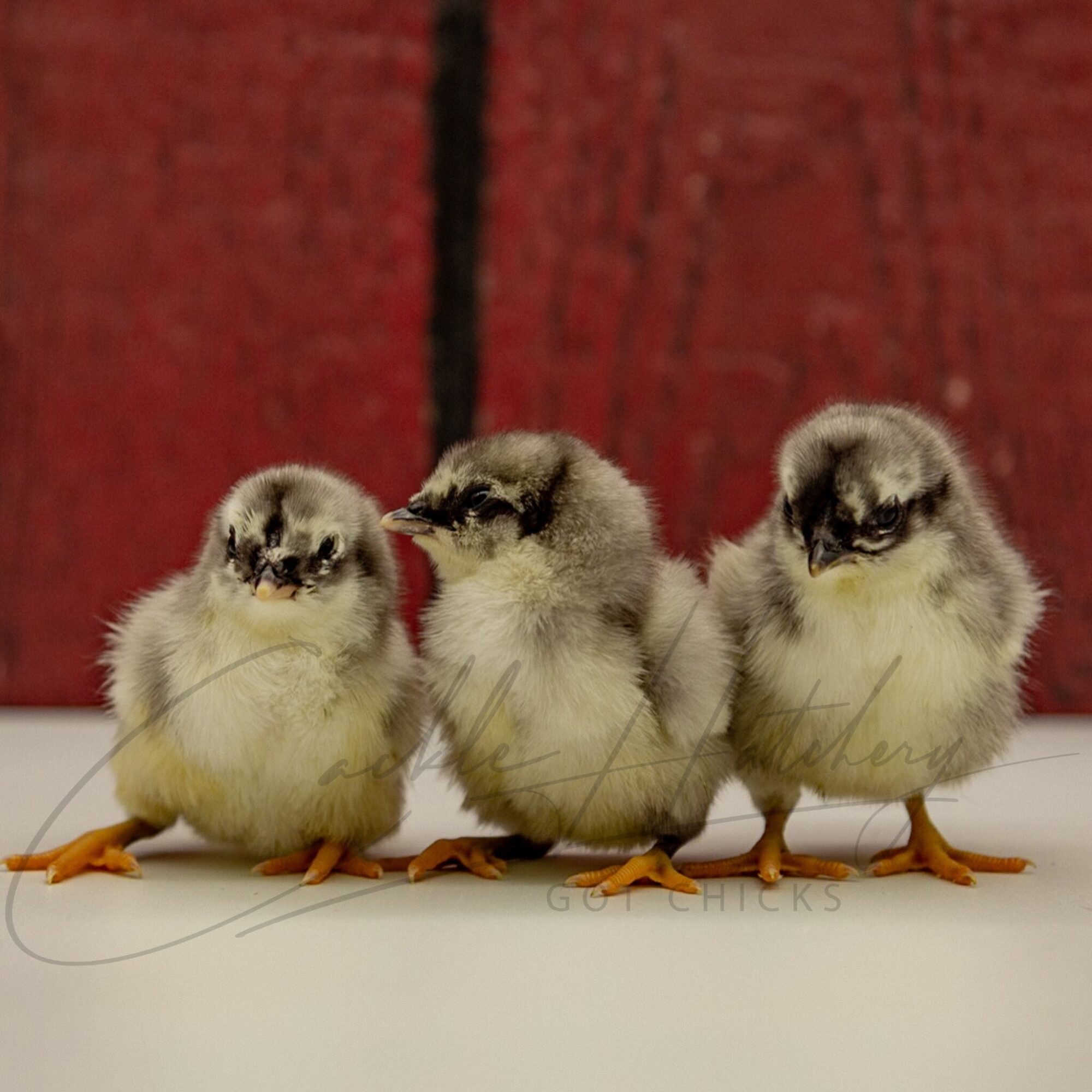
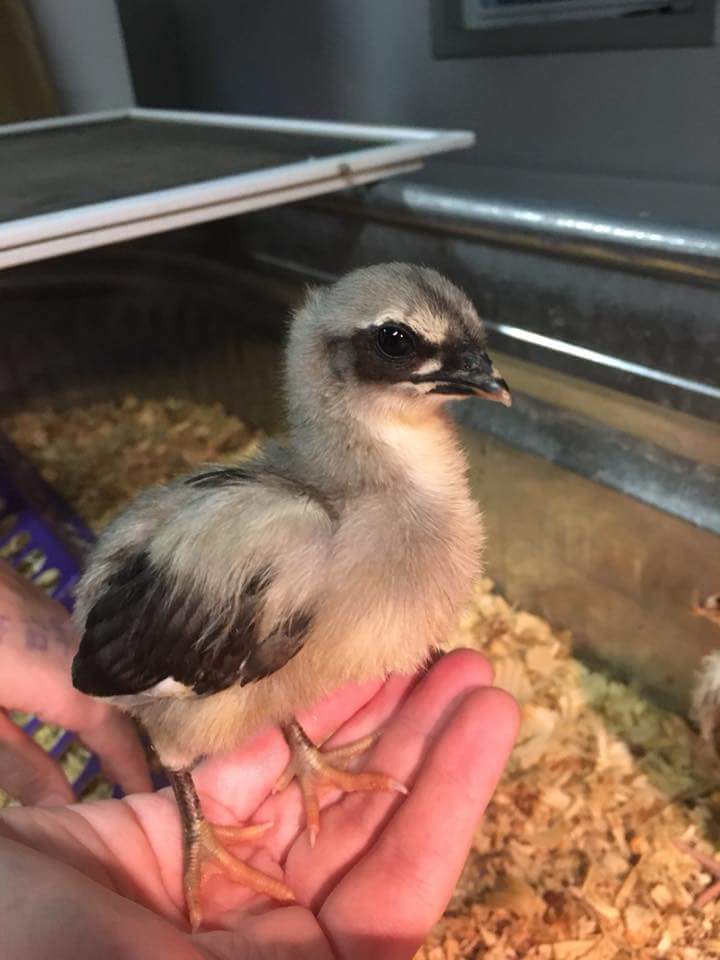
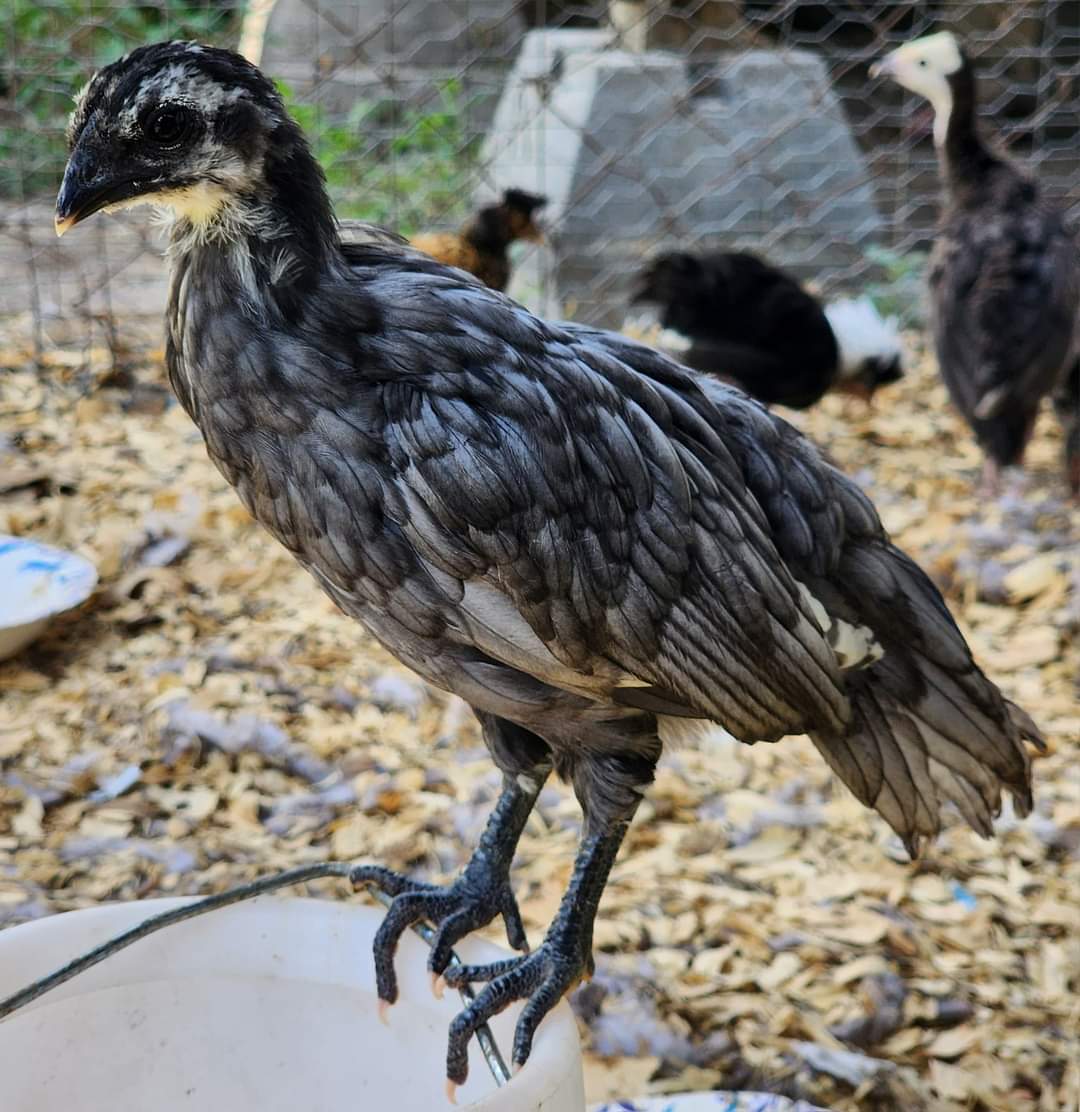
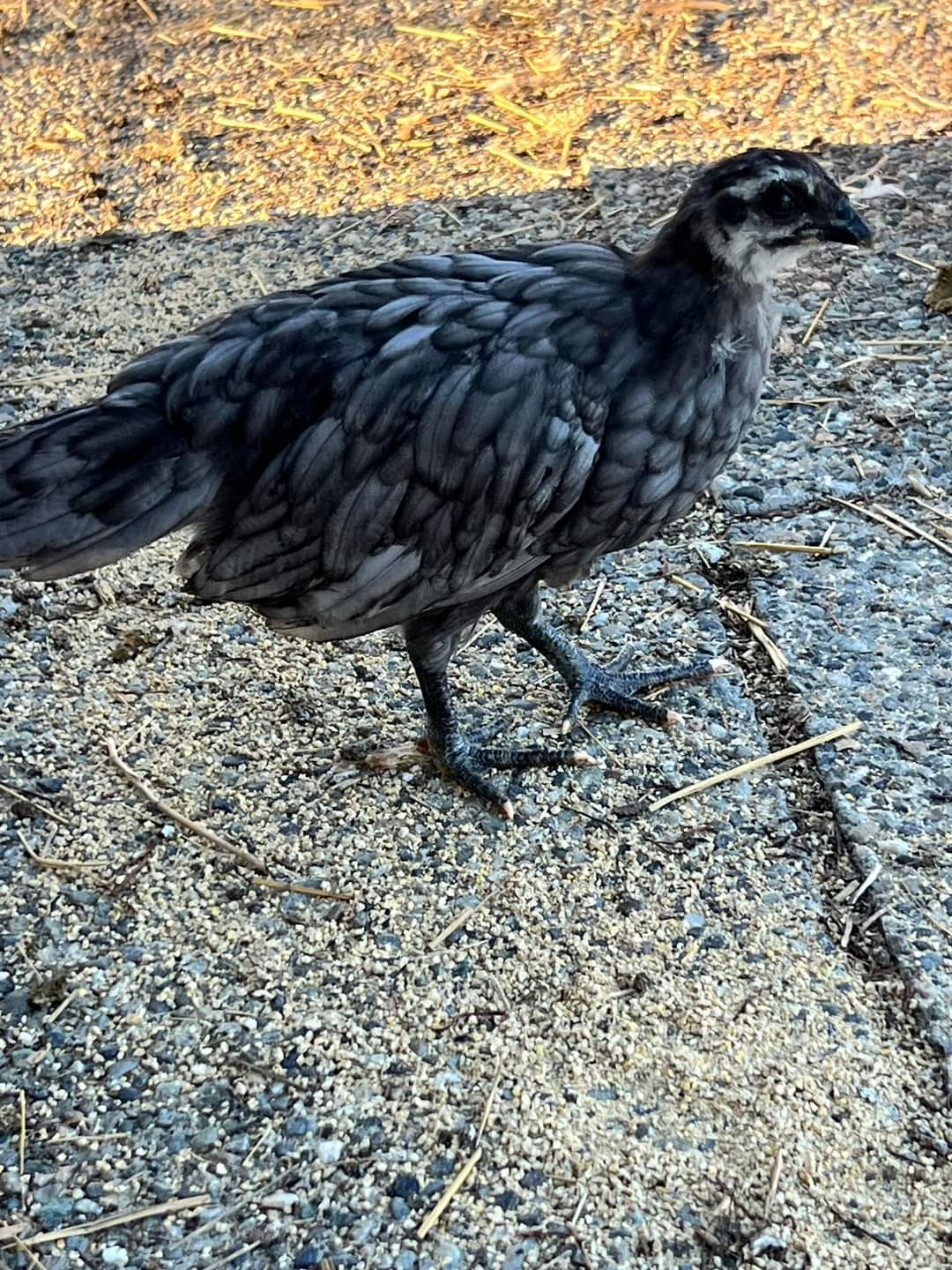
Their color can vary because blue poultry genetics do not breed true to one exact shade. Cackle’s Blue Sumatra bloodline generally produces about 1/3 black/blue, 1/3 blue, and 1/3 splash offspring. When ordering chicks, you receive blue chicks, but if you breed them later, their offspring can still produce all three color shades.
That color variety is normal for blue chickens. It is not a flaw. It is simply how the blue gene works.
Blue Sumatra vs Black Sumatra
Blue and Black Sumatra chickens belong to the same rare longtail breed family. The main difference is feather color.
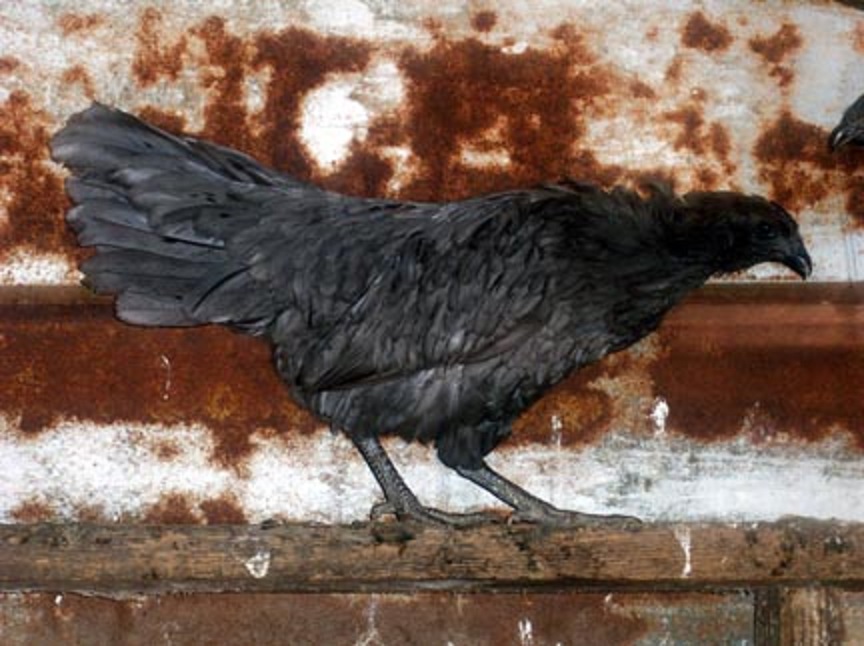
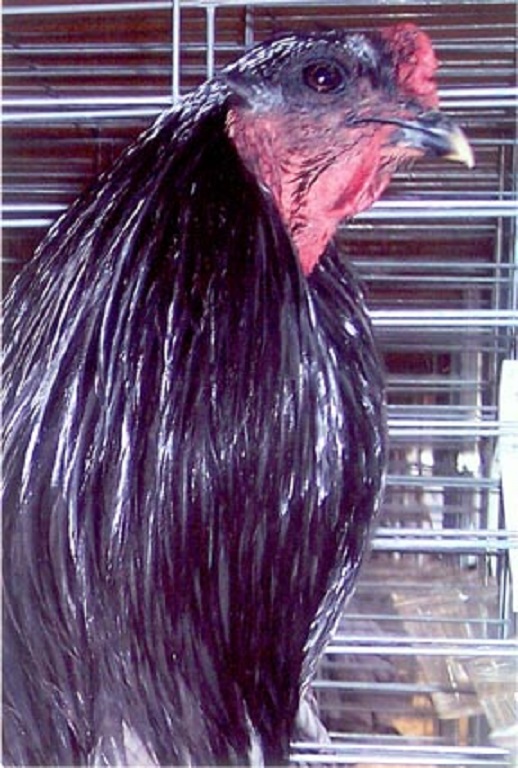
Choose Blue Sumatras if you want softer blue-gray plumage with the same longtail style. Choose Black Sumatras if you prefer glossy black feathering with a green sheen and a darker overall look.
Both varieties are ornamental, active, rare, and eye-catching. Neither is the best choice for heavy egg production or meat. Instead, choose Sumatras for beauty, rarity, movement, and longtail appeal.
Blue, Black, and Splash: What to Expect When Breeding
Blue Sumatras are a good example of why blue poultry color can confuse new chicken keepers. Blue does not reproduce as one fixed shade in every chick.
When blue birds are bred, the offspring can come in blue, black/blue, or splash shades. Cackle’s bloodline generally produces about one-third in each color group. You may order blue chicks, but if you breed them in your own flock, you should expect their offspring to show the range.
That makes Blue Sumatras a fun choice for keepers who enjoy color genetics. It may not be the best choice if you want every generation to look exactly the same.
Longtail Breed Care
Blue Sumatras are longtail chickens, so tail care matters. Longtail birds need clean, dry housing and enough space to protect their feathers from mud, breakage, and heavy wear.
Cackle’s article Care and Feeding of Longtail Roosters explains that longtail chickens need specialized care to maintain their beauty, especially when it comes to housing, roosts, and feather condition.
You do not have to treat them like fragile birds, but they do better with thoughtful housing. Keep bedding dry, avoid muddy runs when possible, and give them roosting space that helps preserve the tail.
Egg Production and Utility
Blue Sumatras are ornamental chickens first. They can lay eggs, but they are not production layers.
Expect modest egg production rather than a heavy egg basket. These birds fit best in rare breed, ornamental, or exhibition-style flocks. If your main goal is eggs, compare production layers or dual-purpose breeds instead.
Their value comes from their beauty, rarity, long tails, blue plumage, and breed character. They are not meat birds, and they are not the right choice for a simple backyard egg flock.
Temperament and Suitability
Blue Sumatras are active, alert, and independent. They move with more energy than many heavy backyard breeds and can be more athletic than a typical layer.
They can work well for rare breed enthusiasts, ornamental flock keepers, and poultry hobbyists who enjoy longtail chickens. Beginners can raise them, but they should understand that Sumatras need secure housing, good fencing, and more attention to feather condition than many common breeds.
Give them room to move, dry footing, predator protection, and a setup that accounts for their active nature. If you let them range, remember that Sumatras may fly better than heavier breeds and may choose higher roosting spots.
Is the Blue Sumatra Chicken Right for Your Flock?
Choose Blue Sumatras if you want:
A rare ornamental chicken
A blue longtail breed
A bird with elegant flock presence
An active, alert chicken
A variety with blue, black/blue, and splash genetics
A breed with Southeast Asian roots
A poultry project for color and tail beauty
A showy alternative to common backyard layers
Overall, this is a good choice if you want a beautiful, rare bird more than a practical egg producer. Blue Sumatras are not the best fit for maximum eggs or meat, but they are a standout choice for ornamental flocks and longtail chicken enthusiasts.
If you are still comparing breeds, the Chicken Breed Selector and Chicken Breeds List Comparison Chart can help you sort birds by purpose, size, temperament, and flock goals.
Breed History and Preservation
The Sumatra breed comes from Southeast Asia and became known in the United States during the 1800s. Early keepers admired its dark features, long tail, athletic body, and gamefowl background.
The Black Sumatra entered the American Standard of Perfection first, in 1883. The Blue variety came much later and gained APA recognition in 2002. Cackle has worked with Blue Sumatra bloodlines since 1979, which gives this variety a long breeding history at the hatchery.
Because few breeders offer Blue Sumatras in the United States, they remain a special option for customers who want something uncommon, attractive, and connected to longtail poultry history.
Recognition and Availability
The American Poultry Association recognized the Blue Sumatra in 2002. This variety belongs more to ornamental and exhibition poultry keeping than to production poultry.
You can choose Blue Sumatra chicks when they are available. Blue Sumatras may also appear in certain assortments, such as Exotic Island Fowl or Long Tail Surplus, but those assortments are hatchery choice and do not guarantee a specific breed or color.
Before you plan your order, check the Availability Chart for current hatch and shipping options. Rare breeds often have limited availability, and Cackle notes that many rare breeds typically hatch and ship from February through August.
Related Breeds and Helpful Cackle Hatchery® Resources
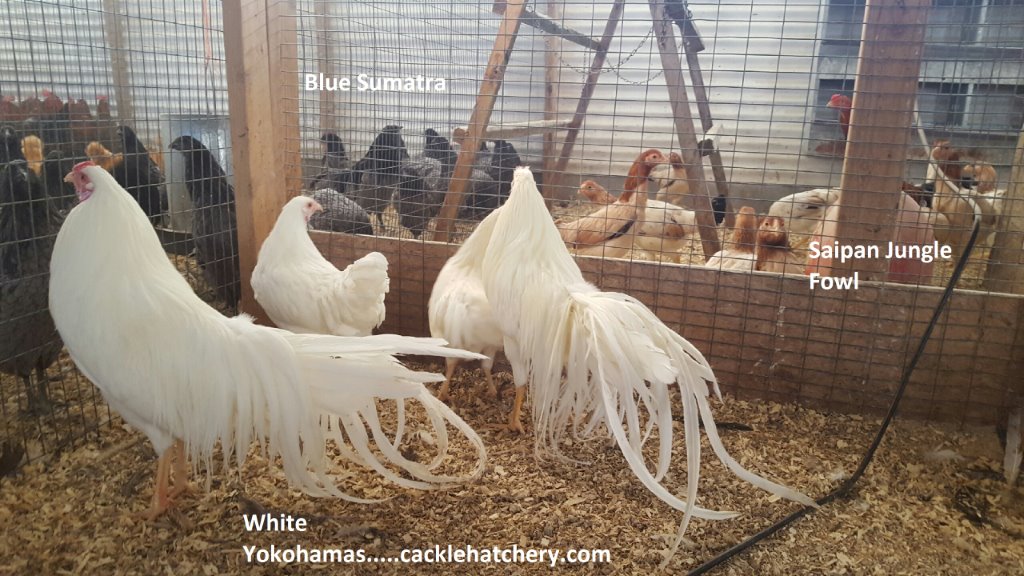
If you like Blue Sumatras, you may also want to compare Black Sumatras, Phoenix chickens, Yokohamas, Cubalayas, and other longtail or ornamental breeds.
For more background, read Breed Spotlight: Lovely Longtail Chickens and Care and Feeding of Longtail Roosters. These articles help explain why longtail chickens need more attention to housing, roosting, and feather condition than ordinary backyard breeds.
For broader flock planning, browse rare chicken breeds, baby chicks for sale, and the Chicken Breed Selector.
FAQ: Blue Sumatra Chicken
What is a Blue Sumatra chicken?
A Blue Sumatra chicken is a rare ornamental longtail breed known for blue-tinted plumage, graceful tail feathers, active movement, and striking flock presence.
Where did Blue Sumatras originate?
The Sumatra breed traces back to Southeast Asia, especially the island of Sumatra in Indonesia.
When did the APA recognize Blue Sumatras?
The American Poultry Association recognized the Blue Sumatra in 2002.
Are Blue Sumatras rare?
Yes. Blue Sumatras are rare in the United States, and only a limited number of breeders offer them.
What do Blue Sumatra chickens look like?
They have blue-tinted plumage, long flowing tails, an elegant build, and the active carriage typical of Sumatra chickens.
Do Blue Sumatras have long tails?
Yes. Blue Sumatras are longtail chickens. Their tail feathers are one of the main reasons people choose the breed.
Do Blue Sumatras need special care?
They need more tail and feather care than many ordinary backyard breeds. Clean, dry housing and good roosting space help protect their long feathers.
Are Blue Sumatras good egg layers?
No. They may lay some eggs, but they are ornamental birds first and should not be chosen for heavy egg production.
What color eggs do Blue Sumatras lay?
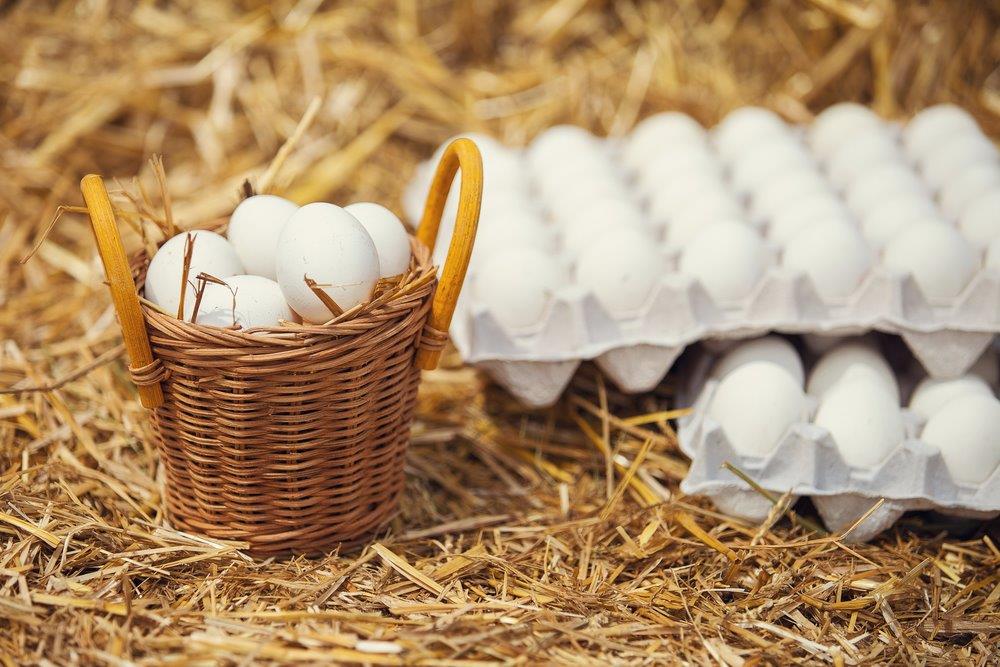
Sumatras generally lay white to cream-colored eggs.
Are Blue Sumatras good for meat?
No. They are best kept as ornamental, rare, or exhibition birds rather than meat chickens.
Are Blue Sumatras friendly?
They are usually active, alert, and independent. With steady handling, some can become manageable, but they are not usually as calm as heavy dual-purpose breeds.
Are Blue Sumatras good for beginners?
They can work for beginners who want ornamental birds and understand the need for secure housing, good fencing, and longtail care. Egg-focused beginners may prefer a production layer.
What colors can Blue Sumatra offspring produce?
Blue Sumatra breeding can produce black/blue, blue, and splash offspring. Cackle’s bloodline generally produces about one-third of each shade.
Will Cackle ship black or splash chicks if I order Blue Sumatras?
Cackle notes that it ships blue chicks for this variety, but their offspring can still produce black/blue, blue, and splash shades.
What is the difference between Blue Sumatra and Black Sumatra?
Blue Sumatras have blue-tinted plumage. Black Sumatras have glossy black plumage with a green sheen. Both belong to the same rare longtail breed family.
Where can I check chick availability?
Check the Availability Chart for current hatch and shipping options.














kristin belghaouti –
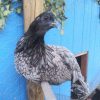
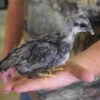
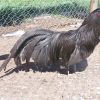
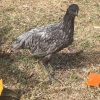
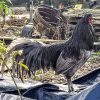
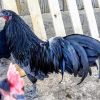
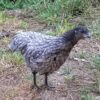
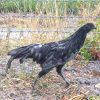
I got my Sumatrans in 2021. SHE IS STILL LAYING ONE PURE PORCELAIN EGG every day! She’s been through a monsoon, been attacked by a predator two years ago and lived, she’s an incredibly TOUGH long lived bird. They are broody, but will NOT nest until temperatures reach 100F- PERIOD. As soon as our daytime temps reached 100, she automatically broods like clockwork. She mated with an Aseel and had beautiful chicks that were speckled black and white! Real beauties. Sumatras are GENTLE very sweet birds. Their eyes are soft and liquid like a Cocker Spaniels. Lovely beautiful bird, blue-grey edged in black.
Karen Fischbeck –
I’ve ordered Blue Sumatra twice from Cackle and have not been disappointed. They are beautiful birds and get along well with my other chickens, even the roosters do! They are friendly, several of mine will fly up and land on my arm or my shoulder. Sumatra are one of my favorite breeds!
kristin belghaouti –
The Sumatrans are the toughest, strongest, hardiest and smartest birds Ive ever owned. Yes, smartest! I believed all chickens were pretty stupid until I had the Sumatrans. Number one: Hen plans and executes escape maneuvers so she can get past the garden gate into the front yard, where she’s not allowed. She can fly well, but has never attempted to “Fly the Coop”. We had a terrible storm at night with 65mph wind gusts, her (then) coop was demolished several roofs in our area had to be replaced, even a parked car in Scottsdale flipped over- we had severe flooding, the Sumatran took it ALL in stride as if nothing were amiss!
EGGS: they say the Sumatran is a “poor layer”. Yesterday I got two eggs within 24 hrs out of my favorite hen. She lays one egg per day, and has since she started laying (hatch date Mar 16 2020) My worst mistake was giving her rooster away, but it’s OK I did order a rare chick assortment from Cackle this month, I sure do hope at least one Sumatran’s in there.
A&S chickens –
great birds
The blues are great looking chickens. quality stock
Adam –
Nice birds
Vary nice looking healthy birds with nice colors and have a prehistoric raptor look and movements to them
Smokey and the Bandit –
Show girl
I recieved my birds in Feburary and my family is very impressed with our birds so much so we entered them into a poultry show for the very first time and our girl took reserve champion. These are high quality birds and are looking to start 2 more line this coming year. Thank you for having great birds.
David –
Good looking bird
Seems to get along with all other breeds, no issues.
Samantha –
Favorite bird
My blue Sumatra hen is now just over a year old and has become broody! Her mate is a gorgeous splash Sumatra (from a different source). She’s by far my favorite hen out of the hundred or so I have had.
Debbie –
Beautiful chickens
We are ready to show our Blue Sumatra at the county fair. Hoping for a first in class and maybe a best in show….we will keep you posted. They are only 4 months old but beautiful!
April –
Very Impressed
Received my order of (4) Black Sumatras, (4) Blue Sumatras, (5) Dominiques, and (3) Golden Laced Polish yesterday! Immediately upon entering the post office, I heard the peeps of babies! I live in a small Georgia down where it’s not uncommon for livestock to come through the post office, and even the Post Master was impressed by the packaging of the chicks! We even got an extra Golden Lace chick! Everyone is eating and drinking well, and we’re so happy with our new additions!
Carrie New York May 2010 –
Attn:Libby
I wanted to let you know that our chicks arrived!! I was very impressed with the packaging and service from your company. Right now they are all doing well and we are the most excited.