Description
Wheaten Cubalaya Bantam Chicken
Breed Overview and Origin
The Wheaten Cubalaya Bantam chicken is a rare miniature version of the standard Wheaten Cubalaya. If you want a hard-to-find bantam with Cuban history, elegant carriage, and a distinctive low-carried tail, this breed brings something special to the flock.
Cubalayas originated in Cuba in the 1800s. The Livestock Conservancy explains that the breed developed from Malay and Sumatra chickens imported from the Philippines, crossed with ornately feathered European gamefowl. The result was a beautiful, multi-purpose chicken valued for meat, eggs, and sport.
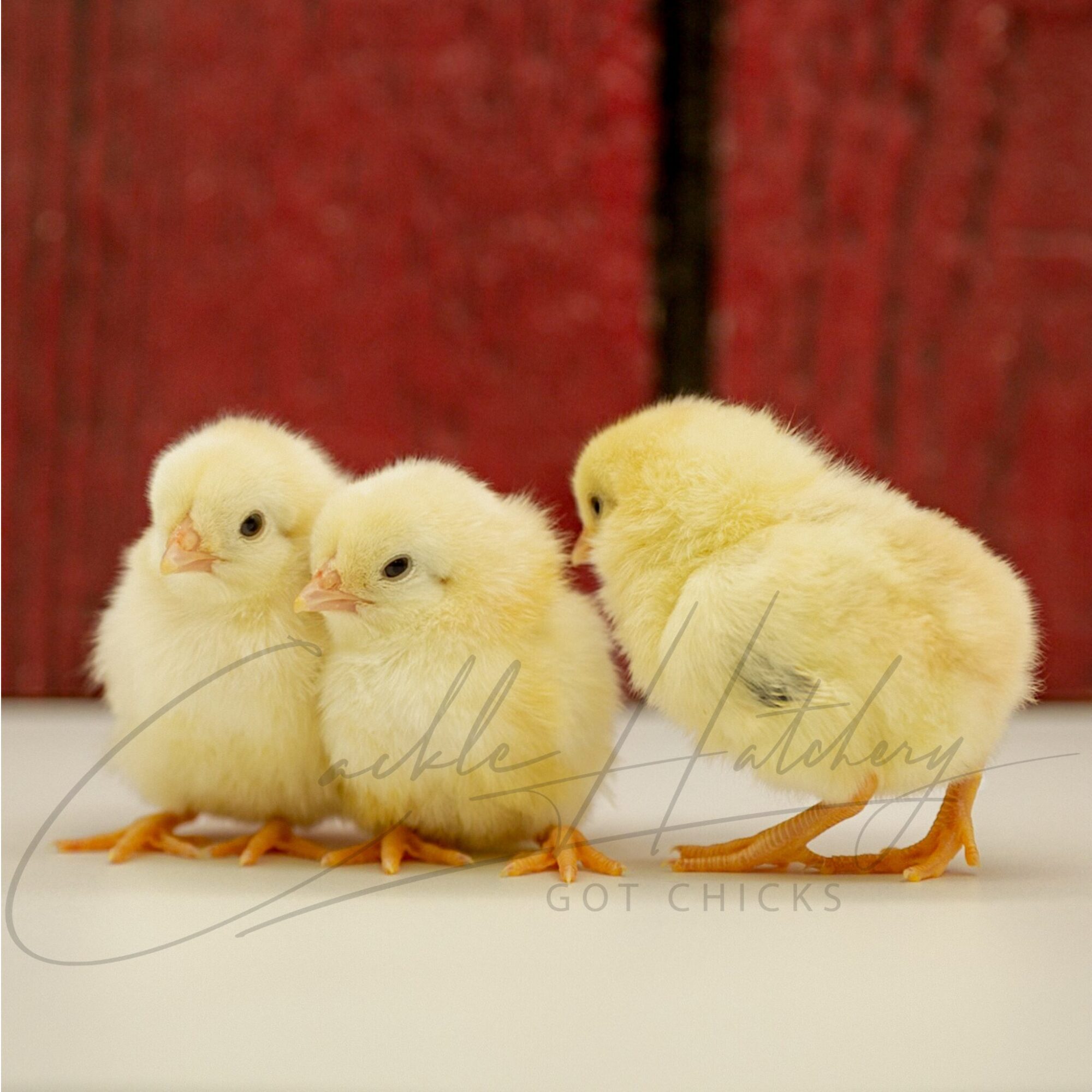
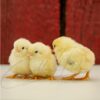
The bantam version keeps that same Cubalaya character in a smaller bird. Cackle Hatchery® offers Wheaten Cubalaya Bantams as baby chicks only, making them a rare choice for bantam lovers, ornamental flock keepers, and customers who enjoy unusual breeds.
Appearance and Characteristics
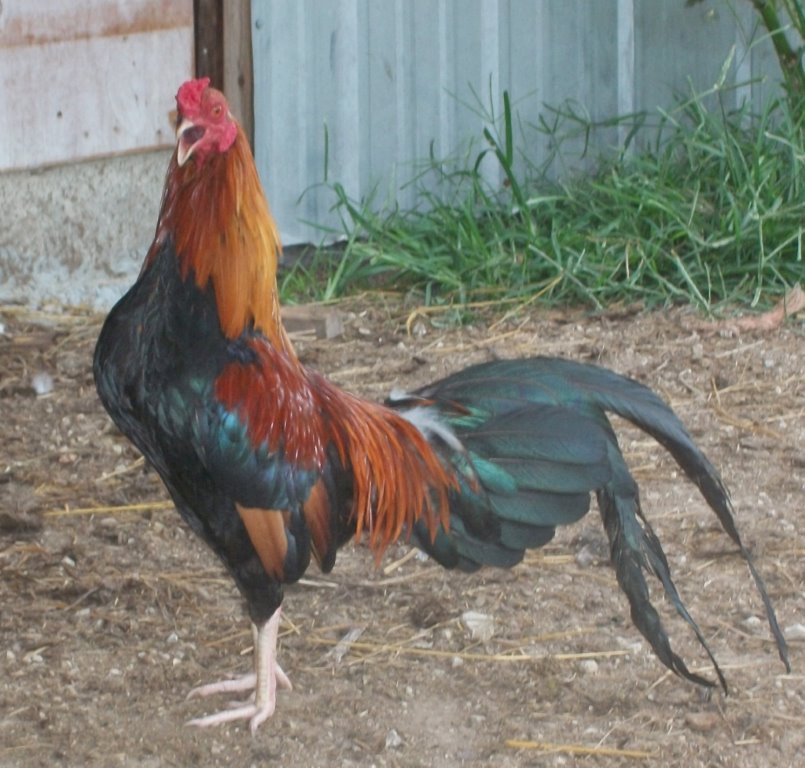
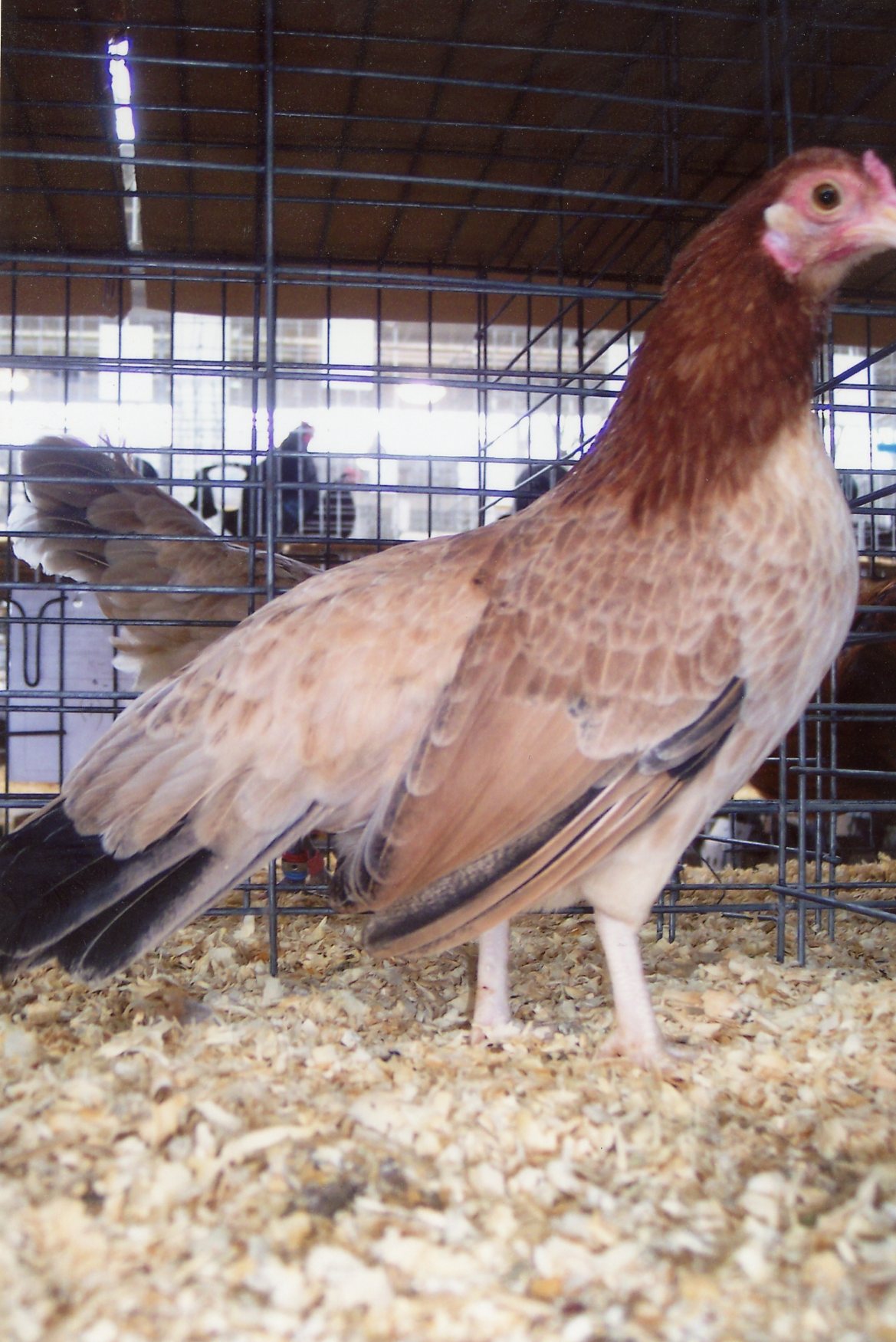
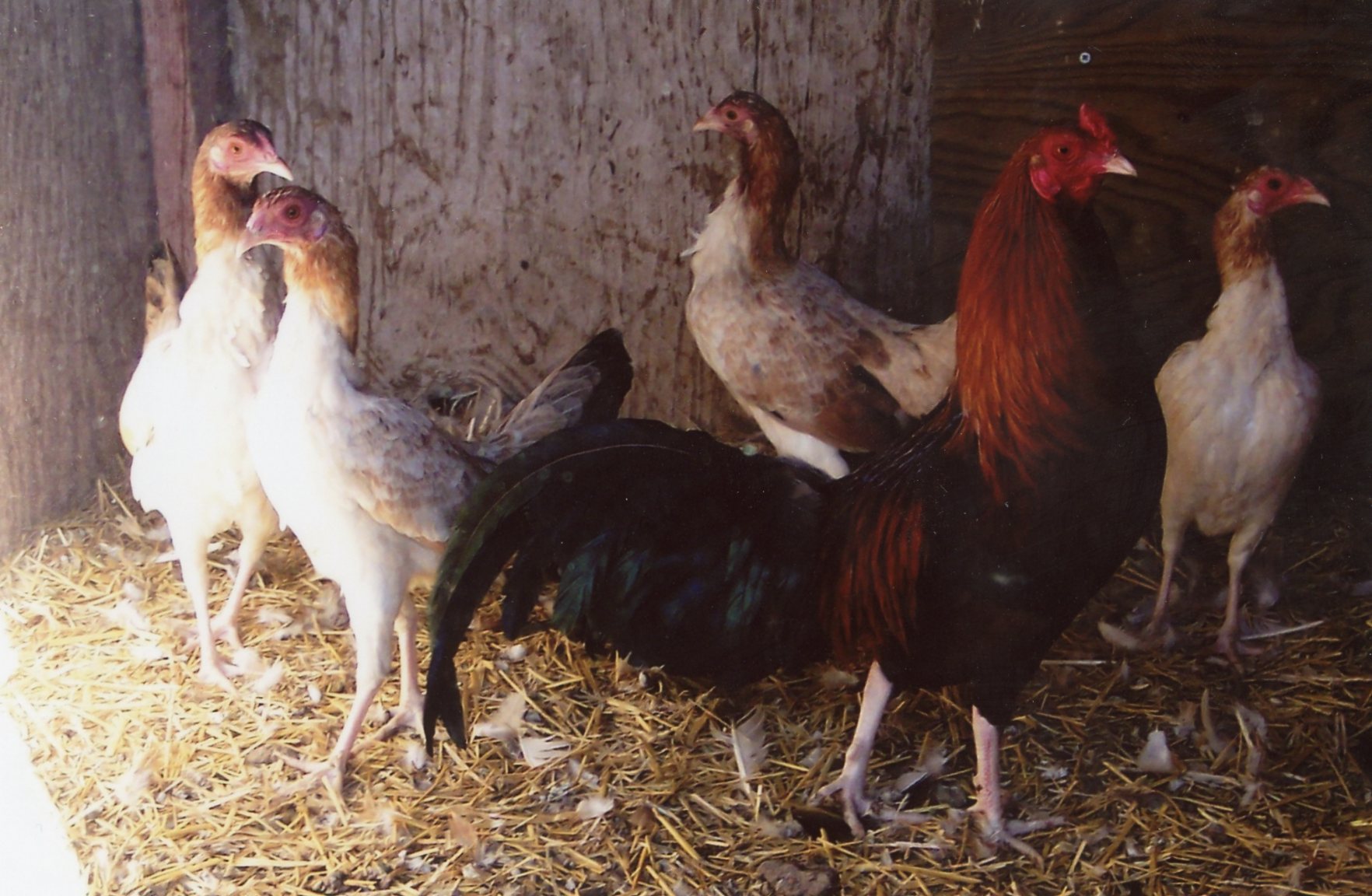
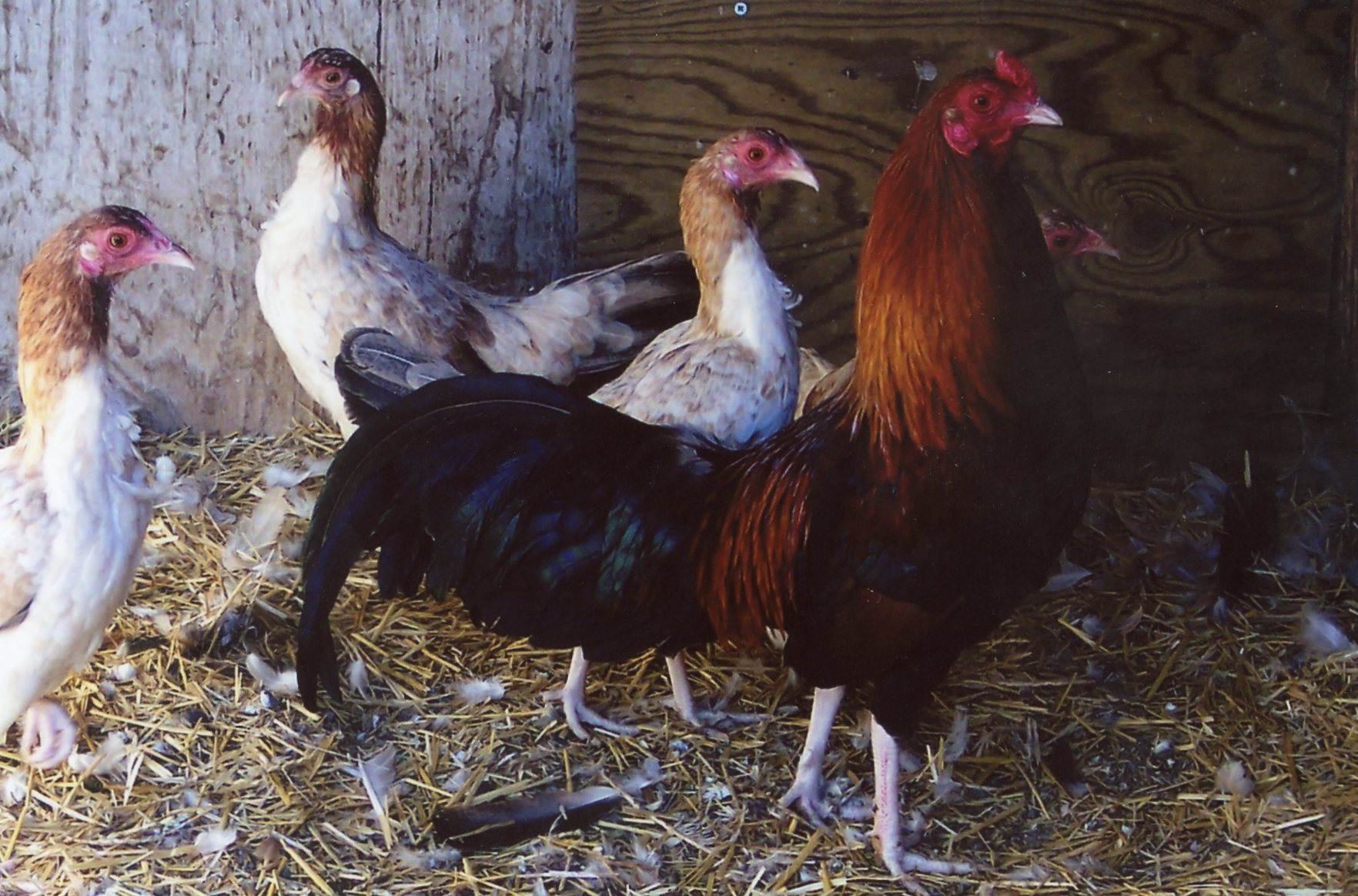
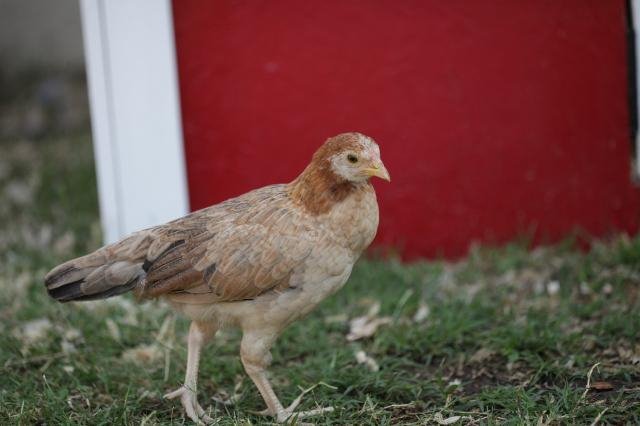
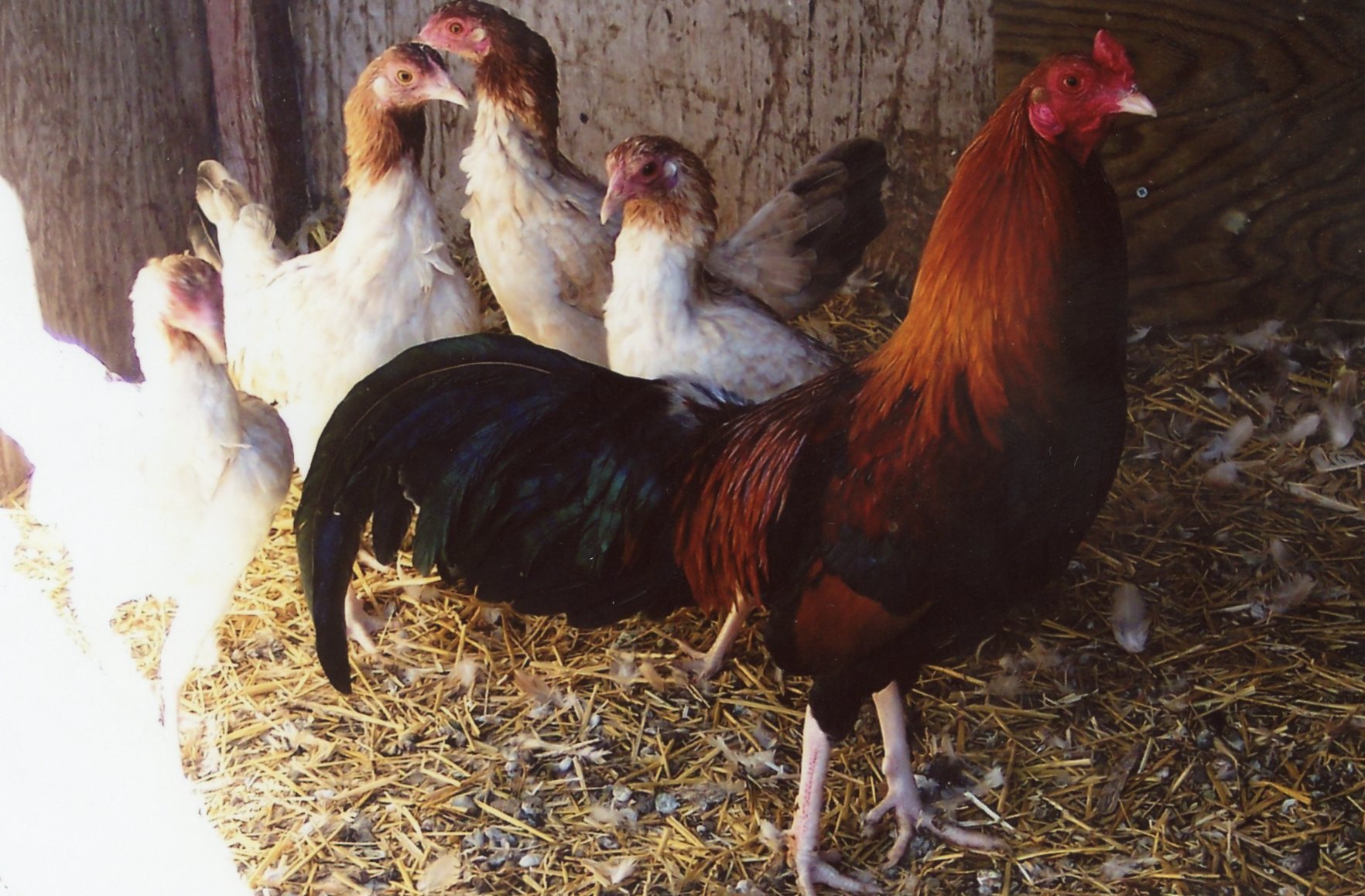
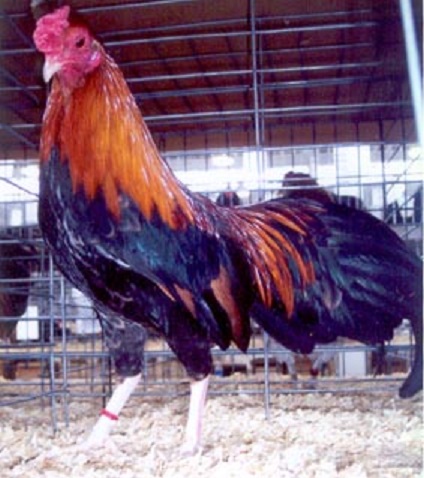
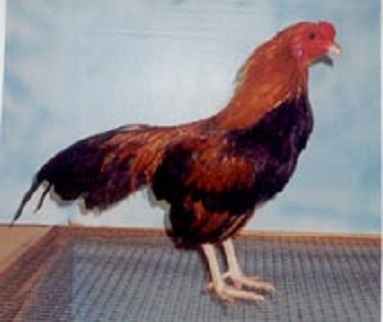
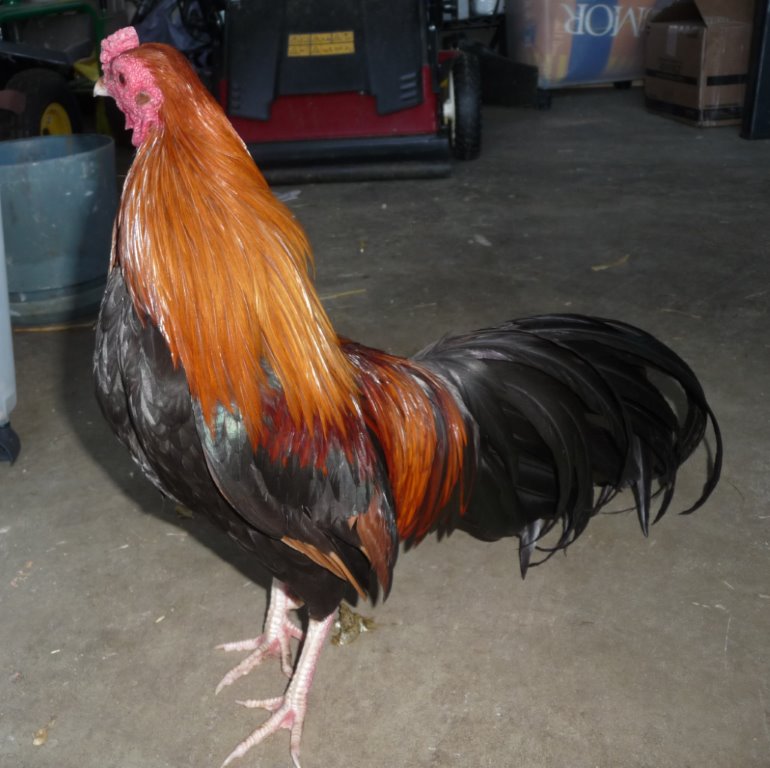
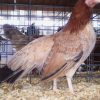
Wheaten Cubalaya Bantams have warm wheaten coloring, a graceful body, and the low-carried tail that helps set the breed apart from other bantams. Unlike longtail breeds that carry their tails high and flowing, Cubalayas have a more distinctive downward tail carriage.
The breed has a pea comb, clean legs, and a proud, alert look. The Livestock Conservancy describes Cubalayas as elegant birds with a graceful body and a tail carried at a distinct angle below horizontal.
Because this is a bantam, the birds stay smaller than standard Cubalayas. Even so, they still need secure housing, predator protection, clean water, balanced feed, and enough room to stay active.
Wheaten Cubalaya Bantam vs Standard Cubalaya
Wheaten Cubalaya Bantams and standard Cubalayas share the same Cuban breed background, low tail carriage, and active personality. However, size changes how they fit into a flock.
Choose Wheaten Cubalaya Bantams if you want a smaller rare bird for ornamental keeping, bantam projects, or limited-space flocks. Choose the standard Cubalaya if you want a larger bird with more body size and stronger traditional utility.
The standard Cubalaya is known as a multi-purpose breed. The bantam version is usually kept more for rarity, beauty, hobby flocks, and exhibition interest.
Cubalaya vs Sumatra and Malay
Cubalayas have breed history connected to both Sumatra and Malay chickens, but they are their own breed.
Choose Cubalayas if you want a Cuban breed with wheaten color, low tail carriage, and rare-breed appeal. Choose Sumatras if you prefer a longtail ornamental bird with a more flowing tail. Choose Malay chickens if you want a tall, powerful, upright game-type bird.
The Cubalaya sits in its own place: elegant, active, rare, and more practical than many purely ornamental breeds.
Egg Production and Utility
Wheaten Cubalaya Bantams may lay small bantam eggs, but they are not high-production layers. Their value comes more from rarity, appearance, foraging ability, and breed history.
Standard Cubalayas were developed as multi-purpose birds. The Livestock Conservancy describes the breed as triple-purpose, historically valued for meat, eggs, and sport. In bantam size, though, the birds are better suited for hobby flocks, small eggs, exhibition, and ornamental enjoyment.
If your main goal is a full egg basket, choose a production layer or a standard-size egg breed. If you want a rare bantam with personality and history, Wheaten Cubalaya Bantams are a better fit.
Temperament and Suitability
Wheaten Cubalaya Bantams are active, alert, and well suited for keepers who enjoy rare poultry. They can be good foragers and may do well in a safe free-range setup.
The breed has a reputation for being curious and personable when handled well. Backyard Poultry describes Cubalayas as friendly, not too skittish, good foragers, and good mothers.
Because these are small bantams, predator protection matters. A safe coop, secure run, and covered areas can help protect them from hawks, cats, raccoons, and other threats. They can work for beginners who understand bantam care, but they may appeal most to customers who already enjoy rare or exhibition poultry.
Longtail and Tail Care Notes
Cubalayas are often discussed near longtail breeds because of their unusual tail style and flowing feathering. However, their tail is not carried like a Phoenix or Yokohama. The Cubalaya’s low-carried tail is part of its breed character.
Cackle’s Breed Spotlight: Lovely Longtail Chickens includes Cubalayas among North American longtail-type breeds and describes longtail chickens as breeds selected for especially long tail feathers.
To keep tail feathers in good shape, provide clean, dry housing, proper roosts, and enough room. Mud, rough wire, and cramped coops can damage feathers over time.
Is the Wheaten Cubalaya Bantam Right for Your Flock?
Choose Wheaten Cubalaya Bantams if you want:
A rare Cuban bantam
A miniature version of the standard Cubalaya
Wheaten feather coloring
A low-carried tail
A small active forager
A hard-to-find breed
A bantam for ornamental or exhibition interest
A breed with Sumatra and Malay ancestry
A bird with unusual flock presence
A hobby chicken with history and style
Overall, this bantam is a great choice if you want something rare, active, and eye-catching. While it is not the best option for heavy egg production or meat, it is a rewarding choice for customers who enjoy unusual bantams and breed preservation.
If you are still comparing bantams, browse Cackle Hatchery’s bantam chickens category or use the Chicken Breed Selector.
Breed History and Preservation
The Cubalaya is the only chicken breed officially recognized as having originated in Cuba. The breed developed in the 1800s from Oriental gamefowl brought from the Philippines and crossed with European gamefowl. Cuban breeders refined the birds for a graceful body, useful qualities, and a distinctive tail.
Cubalayas reached the United States and were accepted into the American Poultry Association Standard of Perfection in 1939. The Livestock Conservancy also notes that both standard and bantam Cubalayas exist.
Because Cubalayas are uncommon, the bantam version is especially interesting for rare breed keepers. Each small flock helps keep customer interest alive for a breed many people have never seen in person.
Recognition and Availability
Cubalayas were accepted into the American Poultry Association Standard of Perfection in 1939. The breed is still considered rare and remains a specialty choice for poultry hobbyists.
Cackle Hatchery® offers Wheaten Cubalaya Bantams as baby chicks only. Since availability can change by hatch date and season, check the Availability Chart before planning your order.
Related Breeds and Helpful Cackle Hatchery® Resources
If you like Wheaten Cubalaya Bantams, you may also want to compare Sumatras, Phoenix chickens, Yokohamas, Saipans, and other rare or longtail-type breeds.
Helpful Cackle links include Breed Spotlight: Lovely Longtail Chickens and Care and Feeding of Longtail Roosters. For broader browsing, use rare chicken breeds, bantam chickens, and baby chicks for sale.
FAQ: Wheaten Cubalaya Bantam Chicken
What is a Wheaten Cubalaya Bantam chicken?
A Wheaten Cubalaya Bantam is the miniature version of the standard Wheaten Cubalaya. This rare Cuban bantam has wheaten coloring, a low-carried tail, and strong ornamental appeal.
Where did Cubalaya chickens originate?
Cubalaya chickens originated in Cuba in the 1800s. They were developed from Malay and Sumatra chickens brought from the Philippines, along with European gamefowl influence.
Are Wheaten Cubalaya Bantams rare?
Yes. Wheaten Cubalaya Bantams are hard to find and are best suited for customers who enjoy rare bantams, ornamental poultry, and breed preservation.
What do Wheaten Cubalaya Bantams look like?
These bantams have wheaten feather coloring, a pea comb, clean legs, and a distinctive low-carried tail.
Are Wheaten Cubalaya Bantams longtail chickens?
They are often discussed with longtail-type breeds because of their tail and feathering, but their tail is carried low rather than high and flowing like a Phoenix or Yokohama.
Are Wheaten Cubalaya Bantams good egg layers?
They may lay small bantam eggs, but they are not heavy production layers. Choose them more for rarity, appearance, and hobby flock value.
What color eggs do Wheaten Cubalaya Bantams lay?
They lay small bantam eggs. Customers usually choose this breed for rarity and appearance rather than egg color or egg volume.
Are Wheaten Cubalaya Bantams good for meat?
No. The bantam version is too small to be practical for meat. Standard Cubalayas have more traditional utility value.
Are Wheaten Cubalaya Bantams friendly?
They can be curious and personable with steady care. Cubalayas are often described as friendly, active, and not too skittish.
Are Wheaten Cubalaya Bantams good for beginners?
They can work for beginners who understand bantam care and predator protection. However, they may appeal most to keepers who already enjoy rare or ornamental chickens.
Are Wheaten Cubalaya Bantams good for free range?
Yes, they can be good foragers in a safe setup. Because they are small, predator protection is especially important.
What is the difference between Wheaten Cubalaya Bantam and standard Cubalaya?
The bantam is the miniature version. The standard Cubalaya is larger and has more traditional utility value, while the bantam is better for small flocks, exhibition, and ornamental keeping.
When were Cubalayas recognized by the APA?
Cubalayas were accepted into the American Poultry Association Standard of Perfection in 1939.
Does Cackle Hatchery® sell Wheaten Cubalaya Bantams as chicks?
Yes. Cackle Hatchery® offers Wheaten Cubalaya Bantams as baby chicks only.
Where can I check chick availability?
Check the Availability Chart for current hatch and shipping options.


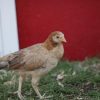
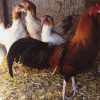
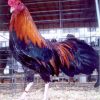
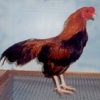


Adrian Uridel –
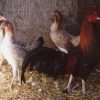
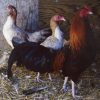
I got 3 of this color (because they were short on the bbr which I ordered – see my review for those, too). Two of the chicks were sickly and had to be nursed along and fed mush several times daily for 2 weeks before they recovered fully. They both ended up males that were high-strung and skittish. The third chick, a female, didn’t have problems and is fairly calm and sweet. All three developed mysterious symptoms at ~2.5 months old, which vanished within 48 hours for two of the 3 but not for one of the roosters (whatever it was, I believe it to be something these birds specifically have/are vulnerable to because they were in a large mixed flock of other breeds that did not have the same problem). Since then, the one hen I’ve kept has been perfectly normal.
Cackle’s bantam cubalayas are in terrible condition genetically and the birds I got this year were even worse than the ones I got 7 years ago. They also do NOT look like cubalayas.
Samantha –
Excellent Cubalaya
My bantam wheaten cubalaya pair are my favorite chickens i currently own. The hen is sweet and i can’t wait until she hatches chicks. The cock is friendly and very people oriented. Both will hang out with me and follow me around. And they’re confirmationaly correct to boot!
Andrew Minnesota December 2006 –
Hello from MN
I wanted to tell you how wonderful all my chickens are!!! You sent me great quality and all are still alive and well. They look alot better than others people from other hatcheries. Keep up the good work.