Description
Blue Standard Old English Game Chicken
Breed Overview and Origin
The Blue Standard Old English Game Chicken is a standard-size Old English Game variety known for its blue feathering, black-slate legs, straight comb, medium-to-high station, active temperament, and hardy genetics. If you want a traditional heritage game fowl with strong natural instincts, free-range ability, and exhibition appeal, this variety can be a strong choice for experienced poultry keepers.
Old English Game chickens are among the oldest traditional chicken breed types. Today, customers usually raise Standard Old English Game for exhibition, preservation, ornamental value, and small-flock interest rather than heavy egg production or meat. Cackle Hatchery® lists Blue Standard Old English as a sustainable heritage chicken breed and notes that its Old English Game Standard Chicken bloodline has been developed since 1974.
Because this is a game fowl variety, customers should understand the temperament before ordering. These birds stay active, alert, and spirited. Therefore, Blue Standard Old English works best for keepers who can provide secure housing, enough space, and separate pens for mature males when needed.
Appearance and Characteristics
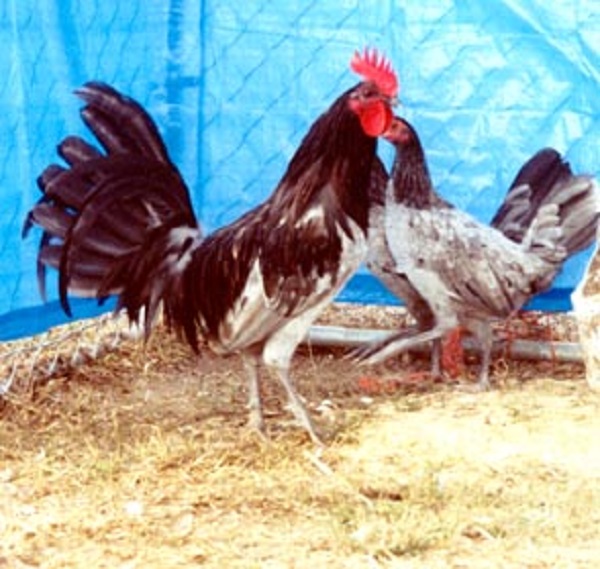
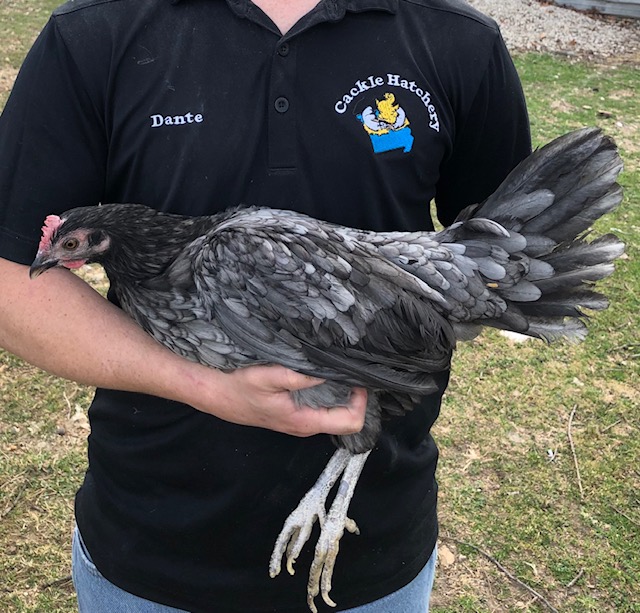
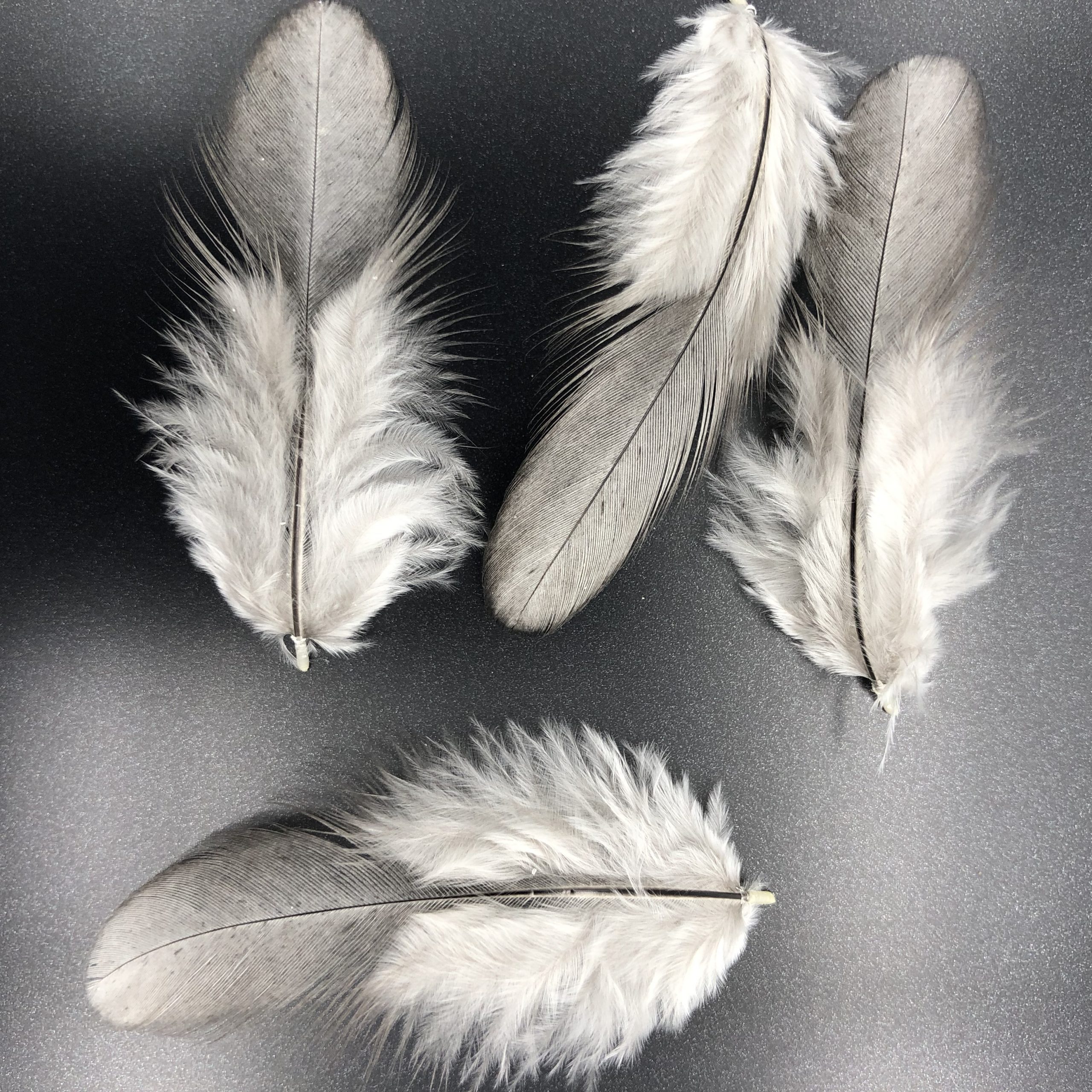
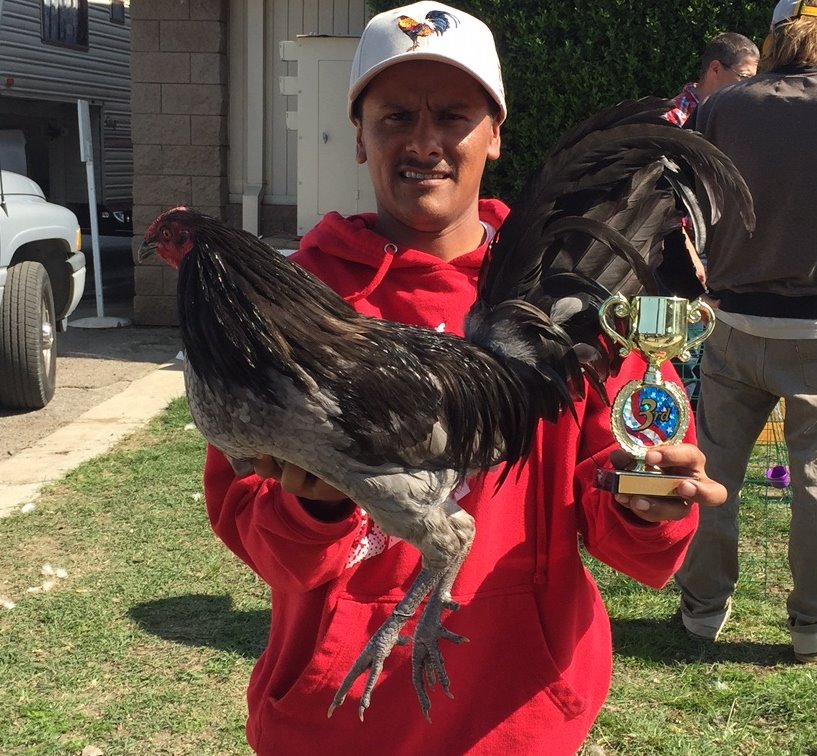
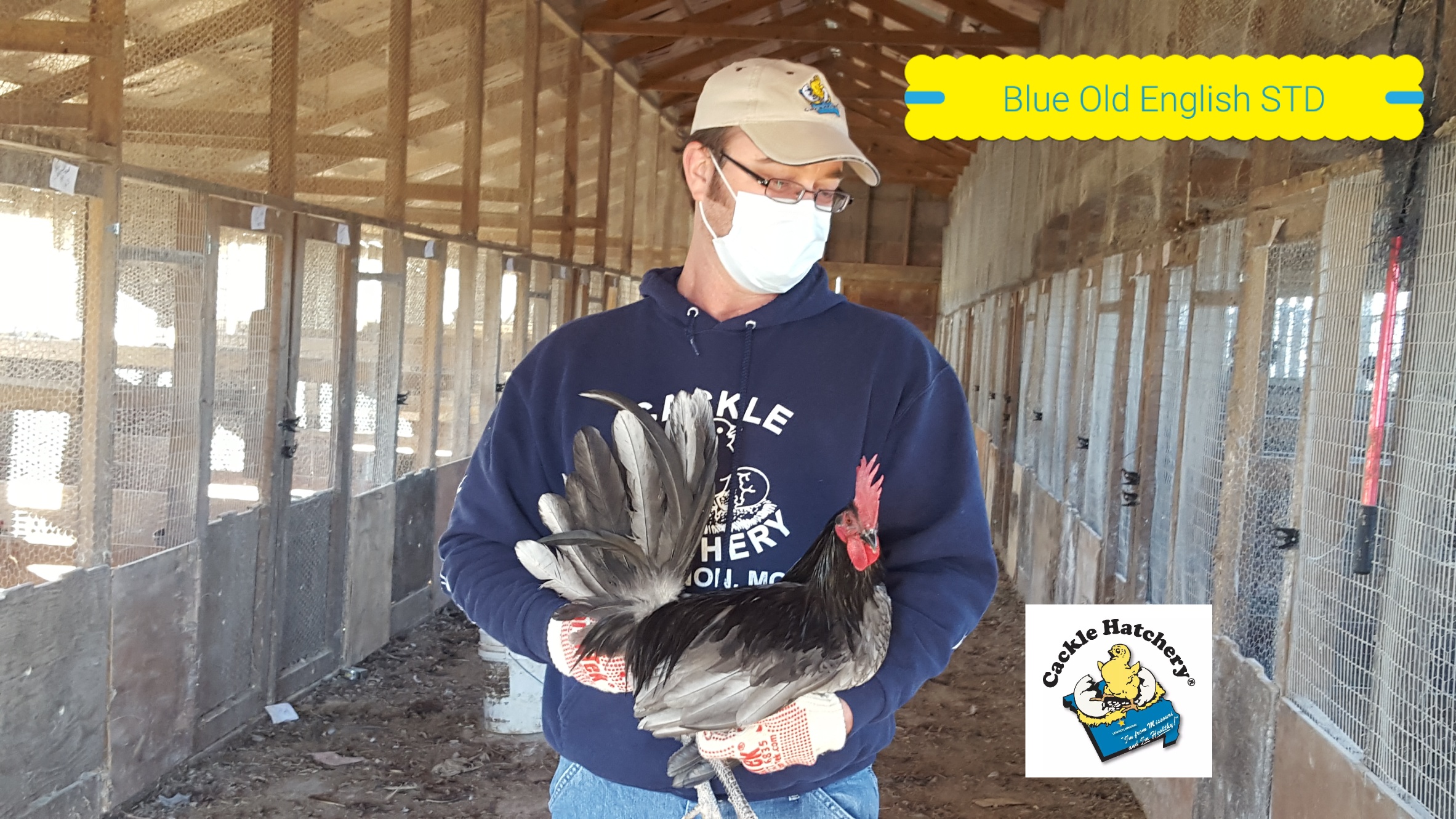
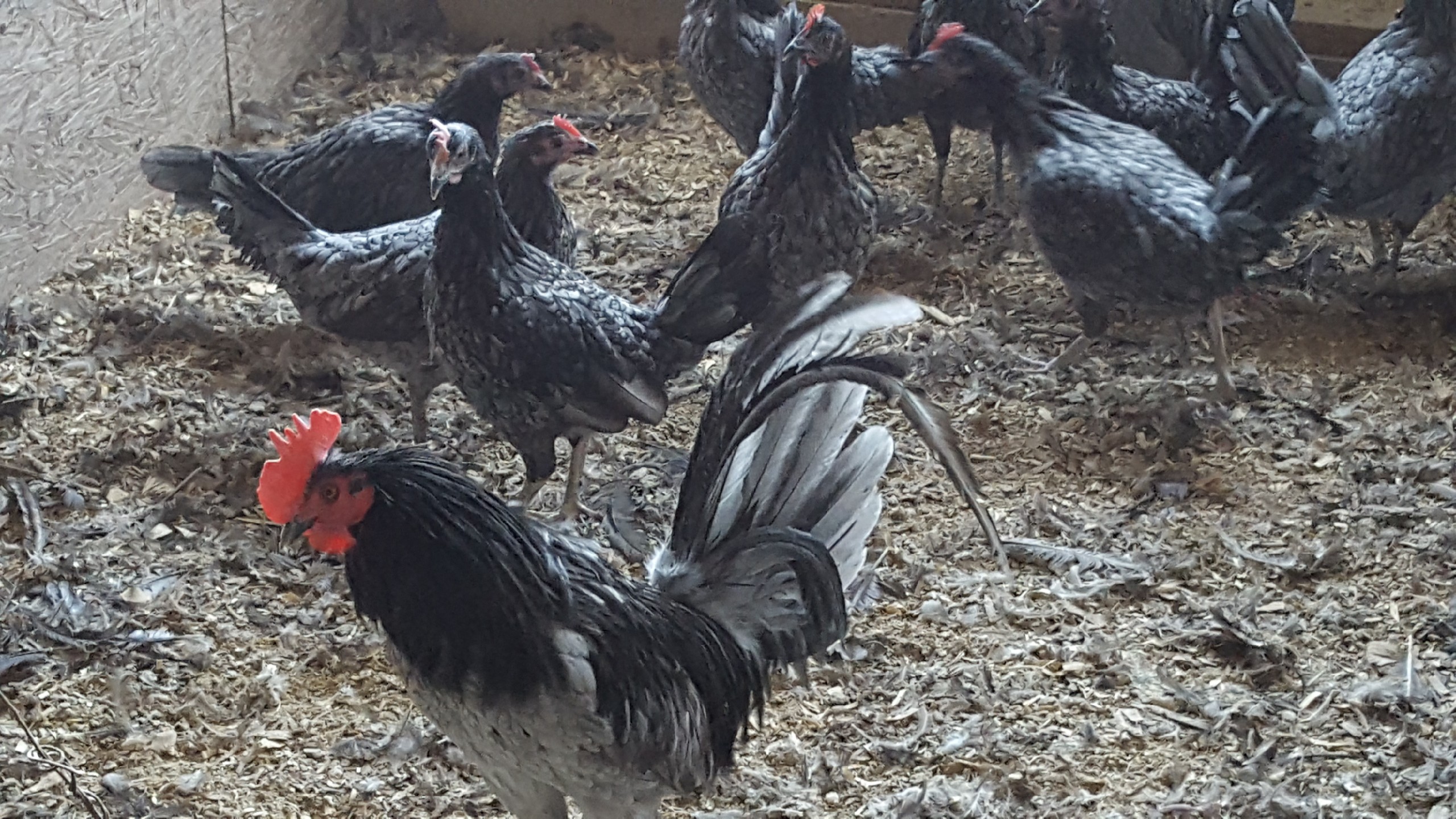
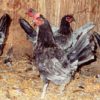
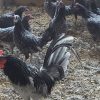
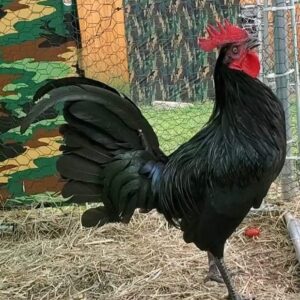
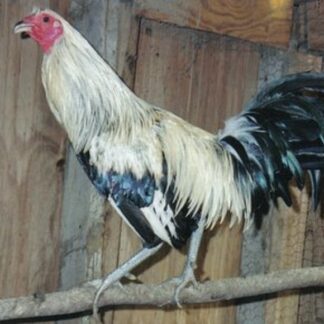
Blue Standard Old English Game chickens have blue plumage, black-slate colored legs, a straight comb, and a medium-to-high station. That upright station gives them a taller, more alert look than low-set breeds, while the black-slate legs help set this variety apart from many other Standard Old English colors.
Like other Standard Old English Game chickens, this variety has an athletic frame, sharp expression, and active movement. These birds look leaner and more agile than heavy dual-purpose breeds. As a result, they appeal to customers who appreciate traditional game fowl type, natural hardiness, and old-style poultry character.
Cackle Hatchery® lists the Standard Old English Game category as part of the All Other Standard Breeds — Games show class. Related Standard Old English listings from Cackle list mature weights at about 4 pounds for hens, 5 pounds for roosters, 3½ pounds for pullets, and 4 pounds for cockerels, with a preferred roost height of 4 feet or higher.
Temperament and Flock Management
Blue Standard Old English Game chickens are active, vigorous, and naturally alert. The hens can make good brooding mothers, while males need responsible management because of the breed’s game fowl background.
For that reason, avoid overcrowding and do not plan to keep multiple mature males together in a small space. Instead, give each breeding group enough room, use secure fencing, and watch flock behavior closely during breeding season.
A free-range setup of 1 male and about 10 hens can work well for customers who have enough room and proper supervision. However, no chicken is predator-proof. Even though this variety may evade predators better than many heavier breeds, customers should still provide secure nighttime housing and predator-resistant fencing.
This variety can work well for:
- Experienced poultry keepers
- Standard Old English Game enthusiasts
- Exhibition poultry projects
- Heritage-style breeding flocks
- Customers who can provide separate pens
- Keepers who want broody hens
- Free-range flocks with predator-aware birds
- Flocks focused on preservation, beauty, and breed type
However, customers who want a calm family pet, a high-production layer, or a rooster that easily lives with other males may prefer a more docile breed. Overall, Blue Standard Old English Game chickens fit best with keepers who understand active heritage game fowl and can manage them responsibly.
Egg Production and Broodiness
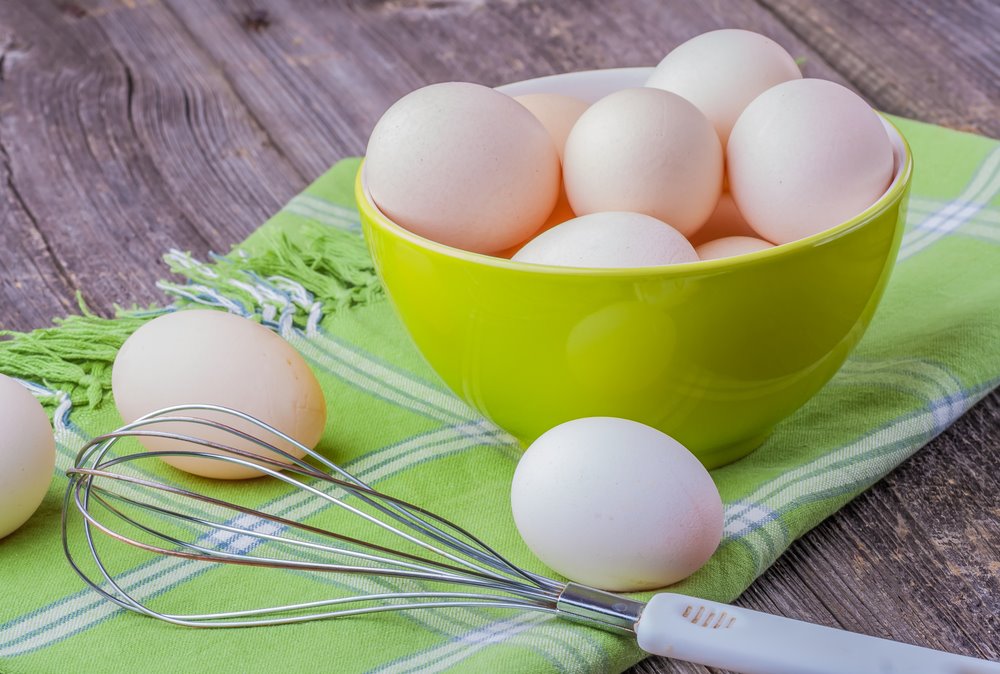
Blue Standard Old English hens may lay small to medium cream or tinted eggs. However, customers should not choose this breed mainly for egg production. Related Cackle Standard Old English listings describe egg production as poor, at about 120 eggs per year.
Even so, the hens can offer value through natural brooding behavior. Related Standard Old English listings from Cackle describe hens as setters, which means hens may sit, hatch, and raise chicks when conditions are right.
Because broodiness can vary by individual hen, season, age, and flock setup, customers should not expect every hen to set. Nevertheless, this variety can be a good option for keepers who value traditional hens with strong natural instincts.
Note About Breeding Blue
Blue color does not always breed 100% true. When breeding blue poultry, customers may see blue, black, and splash offspring depending on the breeding pairs used.
This matters most for breeders and exhibitors. If you plan to breed Blue Standard Old English Game chickens, expect color variation and select future breeding birds carefully. For backyard keepers, however, that variation can still produce attractive, active, and enjoyable Old English Game birds.
In short, customers should choose this variety because they like its active heritage character, black-slate legs, blue appearance, and broody hens, while understanding that blue color requires thoughtful breeding.
Free-Range Ability and Hardiness
Blue Standard Old English Game chickens can be a good choice for customers who want a free-range flock with strong instincts. Their alert nature, active movement, and athletic build may give them a better chance of avoiding predators than many slower, heavier poultry breeds.
Even so, customers should still manage them carefully. A secure coop, dependable nighttime routine, and predator-resistant run or fencing help protect the flock from common threats.
For best results, provide:
- Secure nighttime housing
- Predator-resistant fencing
- Enough ranging space
- Good roosting options
- Separate pens for mature males when needed
- Clean water and balanced feed
- Shade during hot weather
- Dry shelter during wet weather
With proper management, this breed can offer long-lived hardiness and strong natural behavior for customers who prefer active heritage poultry over modern high-production birds.
Blue Standard Old English vs Other Old English Game Varieties
Blue Standard Old English chickens share the same general Standard Old English Game character as other varieties. The main differences are color, leg color, station, and customer preference.
For customers who want a standard-size game fowl with blue plumage, black-slate legs, a straight comb, medium-to-high station, active temperament, setter hens, and free-range ability, Blue Standard Old English Game is the best fit.
If you like Blue coloring but want the miniature version, compare Blue Old English Game Bantam chickens. Cackle lists the bantam version as baby chicks only, with no sexing available and seasonal shipping from early February through mid-August.
For customers who prefer splash coloring, Splash Standard Old English chickens may be a better match.
If red and white coloring sounds more appealing, review Red Pyle Standard Old English chickens. Cackle lists Red Pyle Standard Old English as part of the same sustainable heritage Standard Old English program.
When a colorful spangled pattern is the preferred look, Spangled Standard Old English chickens offer another active Standard Old English Game option.
Meanwhile, the Standard Old English Surplus Special can be a good choice if you like Standard Old English Game but do not need one exact variety. Cackle describes this special as straight run, with two or more varieties guaranteed.
For a broader comparison, customers can browse Standard Old English Game for Sale, which includes multiple Standard Old English varieties and notes that the breed competes in the All Other Standard Breeds — Games class.
Important Show Note About Dubbing
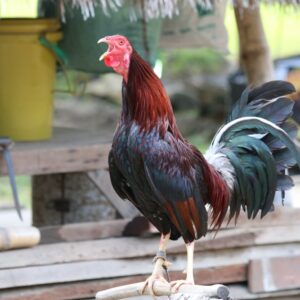
Some Old English Game fowl photos show birds with the comb, ear lobes, and wattles dubbed, meaning those parts have been cut off. The original product description notes that entering a poultry show with non-dubbed Old English males is a disqualification.
For that reason, customers who plan to show males should check local poultry clubs, state poultry associations, and state fair poultry show rules before competing. Requirements can vary by event, and exhibitors should understand the rules before preparing birds.
In the show ring, Cackle Hatchery® lists Standard Old English Game in the All Other Standard Breeds — Games class. Even if you do not plan to show, this note still matters because many Old English Game product photos may show dubbed males.
Is the Blue Standard Old English Game Chicken Right for Your Flock?
Choose Blue Standard Old English Game chickens if you want:
- A standard-size Old English Game variety
- Blue plumage
- Black-slate leg color
- A straight-comb game fowl type
- Medium-to-high station
- Active, alert heritage poultry
- Hens with broody setting potential
- A free-range flock with strong instincts
- A larger version of Blue Old English Game Bantams
- A hardy chicken with long-lived potential
However, consider another breed if you want a quiet pet chicken, a high egg producer, or a rooster that can easily live with other males. In short, Blue Standard Old English Game chickens fit best with customers who understand game fowl temperament and want a distinctive, hardy, active breed.
Care and Housing Tips
Blue Standard Old English Game chickens need secure housing, enough space, and thoughtful flock management. Since males can become territorial, pen planning matters more with this breed than with many docile backyard breeds.
For best results, provide:
- Secure fencing or covered runs
- Separate housing for mature males when needed
- Predator protection
- Dry bedding and good ventilation
- Higher roosting options when safe
- Enough space to reduce stress
- A practical breeding ratio
- Close observation during breeding season
Related Cackle Standard Old English breed facts list a mating ratio of 6 females to 1 male, with a fertility percentage of 40% to 55%. While individual flock results can vary, these breed facts can help customers plan breeding pens more realistically.
Recognition and Availability
Cackle Hatchery® lists Blue Standard Old English as part of its Standard Old English Game category and identifies it as a sustainable heritage chicken breed. The product listing also notes that Cackle Hatchery® Poultry Breeding Farm has developed its Old English Game Standard Chicken bloodline since 1974.
Since hatch dates and shipping windows can change during the season, customers should check Cackle Hatchery’s Chicken Availability Chart before ordering. For customers comparing several varieties, Cackle’s Standard Old English Game for Sale category is the best place to browse related options.
Related Breeds and Helpful Cackle Hatchery® Resources
Customers who like Blue Standard Old English Game may also enjoy other Standard Old English Game varieties, Old English Game Bantams, and Cackle’s comparison tools.
Helpful Cackle Hatchery® links for this product page include:
FAQ: Blue Standard Old English Game Chicken
What is a Blue Standard Old English Game Chicken?
A Blue Standard Old English Game Chicken is a standard-size Old English Game variety with blue plumage, black-slate legs, a straight comb, medium-to-high station, active temperament, and traditional heritage game fowl character.
Are Blue Standard Old English Game chickens good pets?
They are not usually the best choice for customers who want a calm pet chicken. These birds stay active and spirited, and males may become territorial. However, experienced keepers may enjoy them for exhibition, preservation, free-range flocks, and heritage poultry projects.
Are Blue Standard Old English roosters aggressive?
Males can be territorial, especially with other males. Therefore, customers should plan separate housing for mature roosters when needed.
Can I keep multiple males together?
Small flock setups usually do not work well for multiple mature males. To reduce fighting, stress, and injury, give mature males separate housing.
Are the hens good mothers?
Yes, hens may make good brooding mothers. Related Cackle Standard Old English breed facts list the hens as setters, which means they may sit, hatch, and raise chicks.
What color eggs do Blue Standard Old English hens lay?
Hens may lay cream or tinted eggs. Related Standard Old English breed facts from Cackle list the egg size as small to medium.
Are Blue Standard Old English Game chickens good egg layers?
No. Related Standard Old English breed facts from Cackle list egg production as poor, around 120 eggs per year. Therefore, customers should choose this breed mainly for exhibition, preservation, broodiness, free-range ability, and ornamental value.
What do Blue Standard Old English Game chickens look like?
They have blue plumage, a straight comb, black-slate legs, and a medium-to-high station. Their upright build and active movement give them a classic Standard Old English Game appearance.
Does blue breed true in Blue Standard Old English Game chickens?
Not always. Blue poultry color can produce blue, black, and splash offspring depending on breeding pairs. Because of that, breeders should plan matings carefully and expect some color variation.
Are Blue Standard Old English Game chickens good for free range?
Yes, they can work well in a properly managed free-range flock. Their alert nature and agility may help them avoid predators better than many heavier breeds, although no chicken is predator-proof.
Are Blue Standard Old English Game chickens good for beginners?
They are better for experienced keepers or beginners who have researched game fowl management. Before ordering, customers should prepare secure fencing, enough space, and separate pens for males.
Are they good for poultry shows?
Yes. Standard Old English Game varieties have strong exhibition appeal. However, customers who plan to show males should check show rules before preparing birds.
What does “dubbed” mean on Old English Game chickens?
Dubbing means the comb, ear lobes, and wattles have been cut off. Because many Old English Game show birds appear dubbed, exhibitors should check poultry show rules before competition.
Do Old English Game males have to be dubbed for shows?
The original Cackle Hatchery® description notes that entering a poultry show with non-dubbed Old English males is a disqualification. Even so, customers should confirm current rules with their local poultry association, state fair, or show superintendent before entering birds.
What show class do Standard Old English Game chickens compete in?
Cackle Hatchery® lists Standard Old English Game in the All Other Standard Breeds — Games class.
How big do Blue Standard Old English chickens get?
Related Cackle Standard Old English breed facts list hens at about 4 pounds and roosters at about 5 pounds. In addition, pullets are listed around 3½ pounds, while cockerels are listed around 4 pounds.
What is the difference between Blue Standard Old English and Blue Old English Game Bantam?
Blue Standard Old English chickens are standard-size game fowl. By comparison, Blue Old English Game Bantam chickens are the miniature version with similar Old English Game character.
Does Cackle Hatchery® offer a Standard Old English assortment?
Yes. Cackle Hatchery® offers the Standard Old English Surplus Special, which includes straight-run Old English Standard Game Fowl with two or more varieties guaranteed.
Does Cackle Hatchery® offer other Standard Old English Game varieties?
Yes. Cackle Hatchery® offers multiple Standard Old English Game varieties, including Blue, Brown Breasted Brown Red, Crele, Cuckoo, Ginger Red, Gold Duckwing, Red Pyle, Splash, Spangled, Silver Duckwing, and surplus specials.
Where can I check Blue Standard Old English availability?
Customers can check Cackle Hatchery’s Chicken Availability Chart for current hatch and shipping timing. Since availability can change during the season, checking the chart helps customers plan ahead.







epaul929 –
Ordered these 12 blues early March. It’s now early Aug and they look wonderful. Very big range in body sizes, stature, plumage and body build. I believe they are from multiple different hens which is all well to carry on the line. Some are black as night while some are beautiful powder to almost white. Stunning black and pile stags so far. After this winter will see how well they fill out and show.
Phil –
Beautiful Birds
I purchased several Blue standard Old English Game fowl, and they have beautiful feathers and very nice shape. Fast and can fly, with no problem.
Franco –
Excellent
I am liking them a lot
Fredi Ramirez –
Love The Attention To Packaging
I ordered some Standard old English game from six to be exact with the small order fee they also shipped out a few more extra. I received 10 in total they are surviving and doing just great. They are very beautiful animals and I cannot wait to order some more in the near future.
Dylan –
Great
Cant wait to get them.
Jimmy Texas December 2015 –
Blessing
A few years ago I ordered some Old English Game from Cackle Hatchery. In the order (unbeknown to me) were two Bobwhite Quail. One was doa on arrival, the other was a male that was raised with the chickens. He was a blessing to say the least! While I had them caged together he had to constantly be on the run, but as soon as I could I let them all run free. He still hung out with the chickens but kept his distance. He even roosted in the trees with them. This seems crazy but when I would walk out of my house and he would see me ( sometimes 20 yards away) he would fly up to me. I would always have some grain to give him. It was so neat to see a bird that is shy in the wild to be so social. Unfortunately one day he spooked in the yard and sustained a wound when he flew into a fence. He died the next morning in my hands. I don’t know how that little guy made his way in the box of chickens but I’m so glad he did. I hope to get back on a farm some day soon and make an order from Cackle. That order will definitely include some Bobwhite Quail. I use to hunt quail. I couldn’t do that now, not after this experience and with everything else that they have to go through to survive.