Description
Light Sussex Chicken
Breed Overview and Origin
The Light Sussex chicken is an old English breed with a calm nature, a useful body, and a clean black-and-white look that stands out in the flock. If you want a chicken that can lay eggs, provide traditional meat value, and still act like a friendly backyard bird, this variety is easy to appreciate.
The Sussex breed comes from Sussex County, England, where farmers valued it for table poultry and eggs. The breed nearly faded away, but Sussex farmers helped bring it back in the early 1900s. Over time, several color varieties developed, including the Light variety. The Livestock Conservancy notes that Sussex chickens reached America around 1912, and the American Poultry Association recognized the Light variety in 1929.
Cackle Hatchery® offers Light Sussex chicks for sale for customers who want a gentle, curious, dual-purpose chicken for the backyard, homestead, or free-range flock. Cackle describes the breed as well suited for backyard flocks and free-range systems.
Appearance and Characteristics
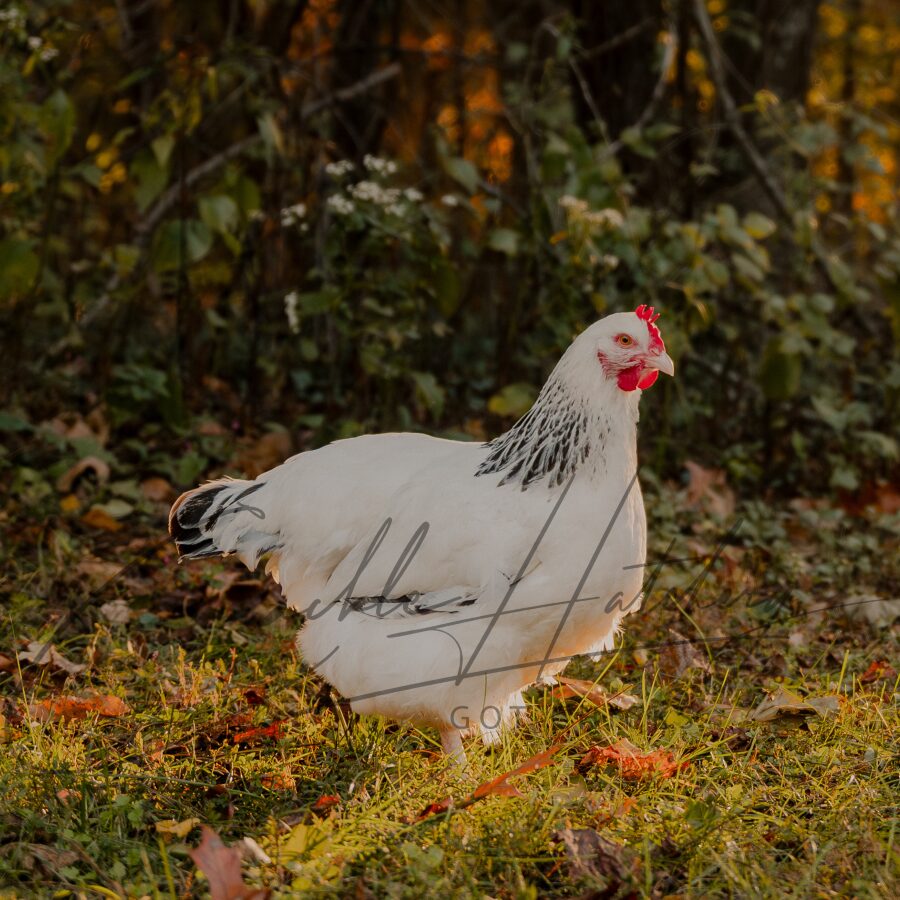
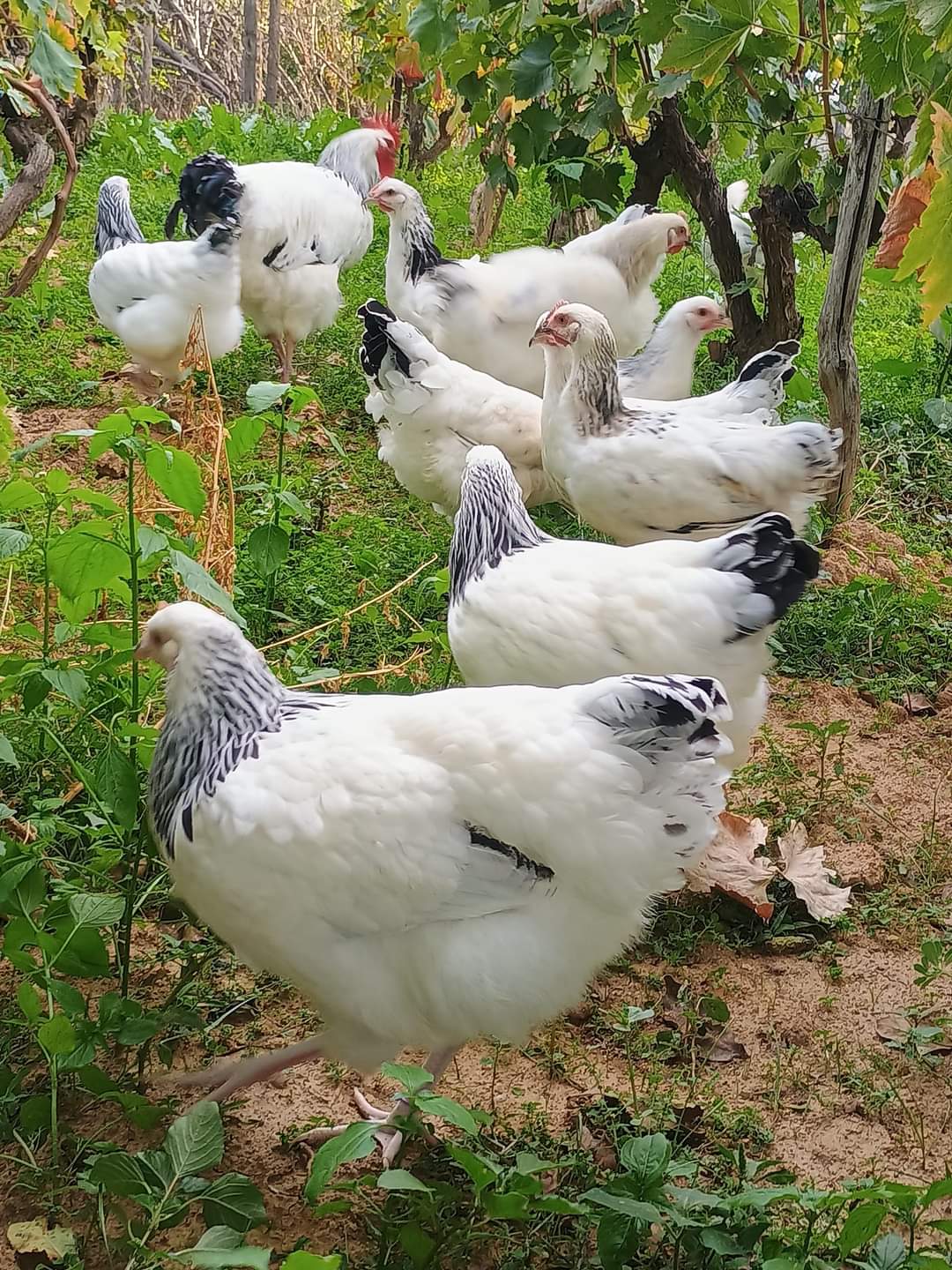
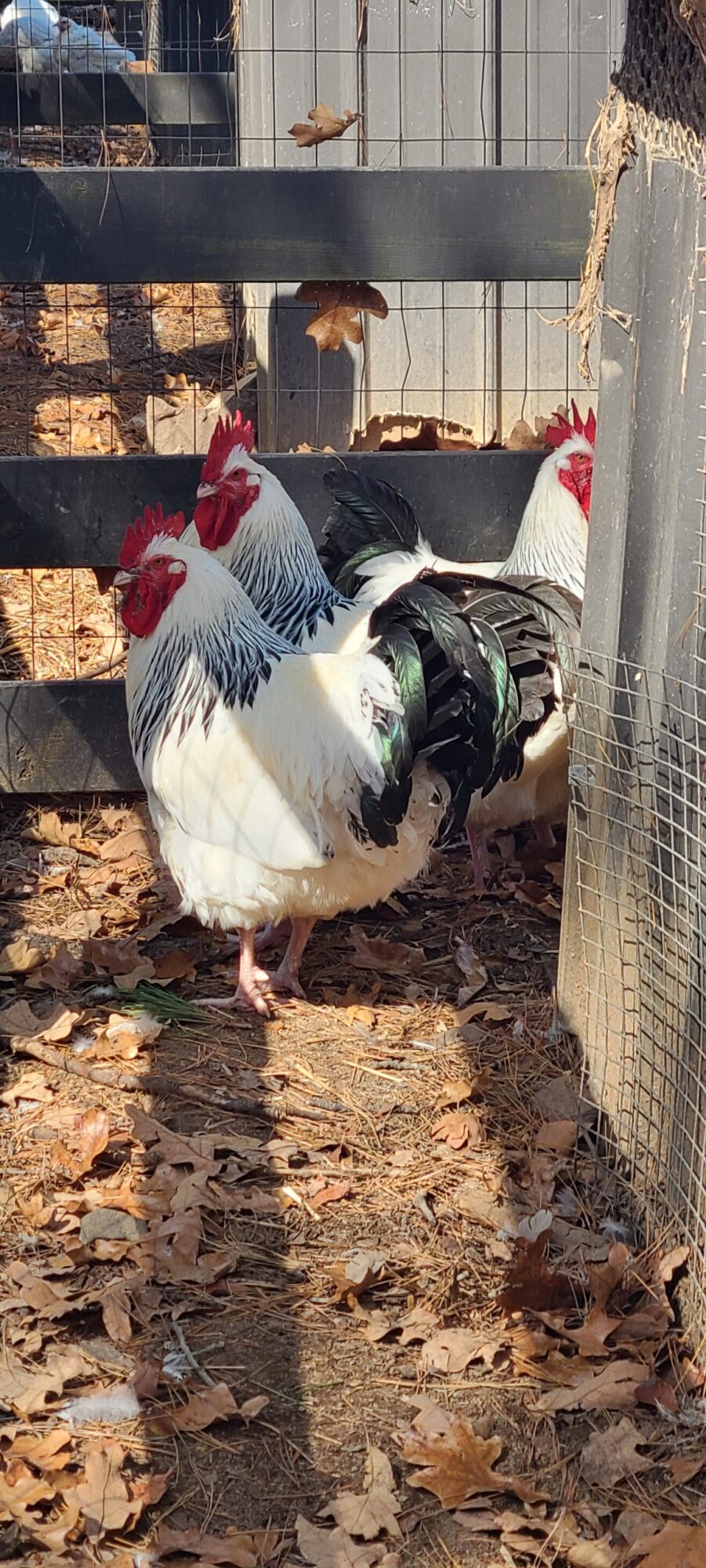
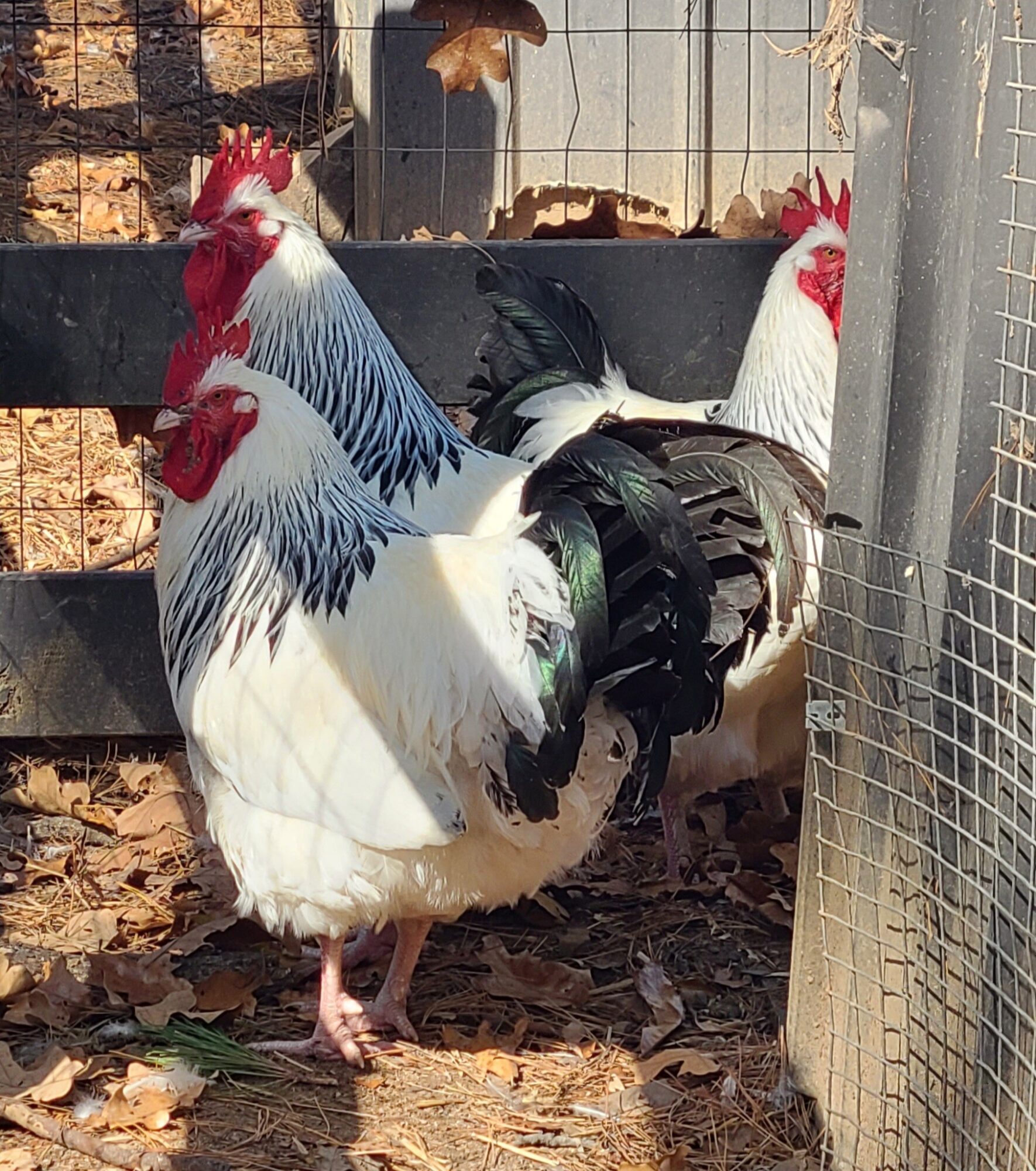
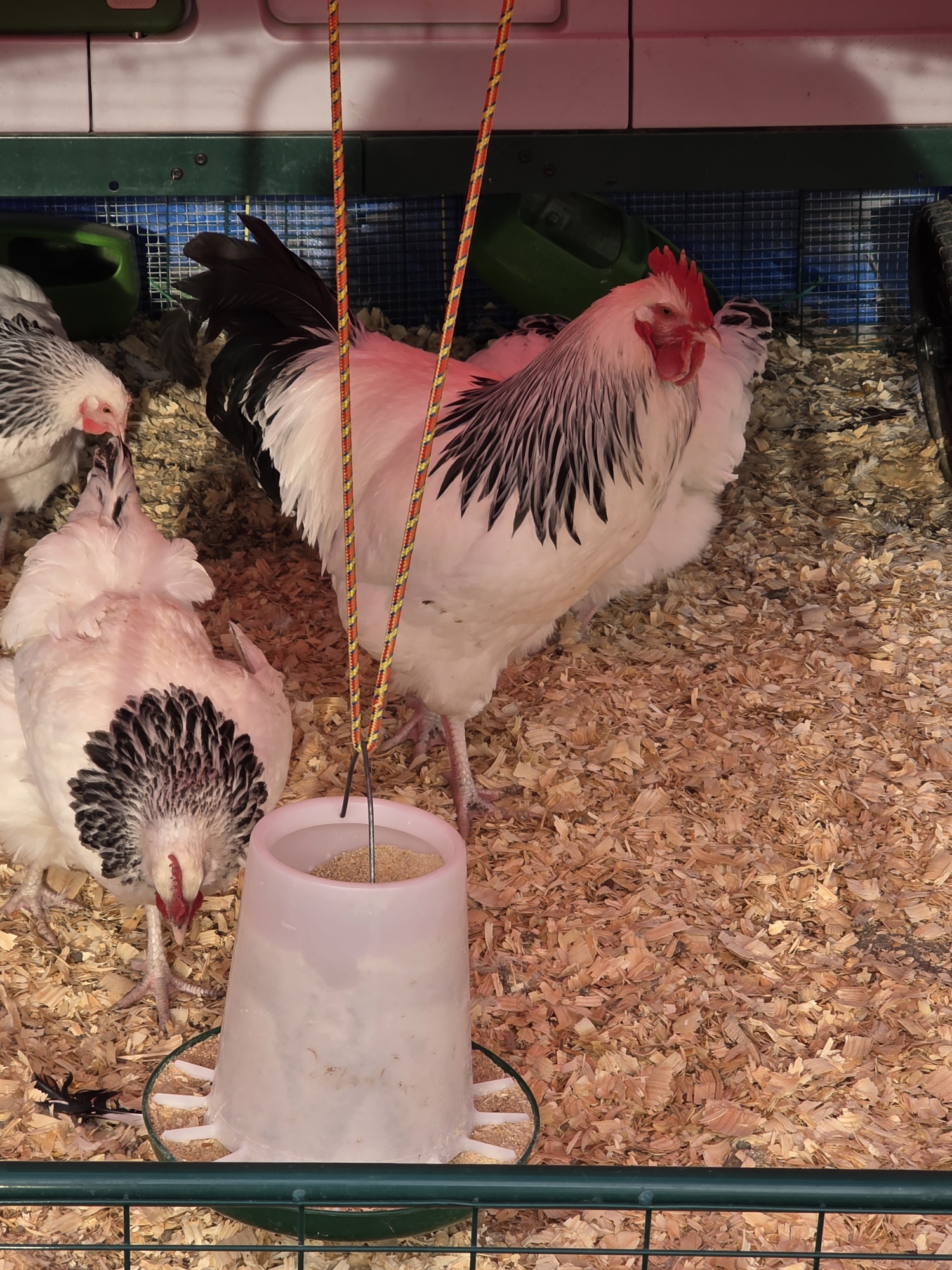
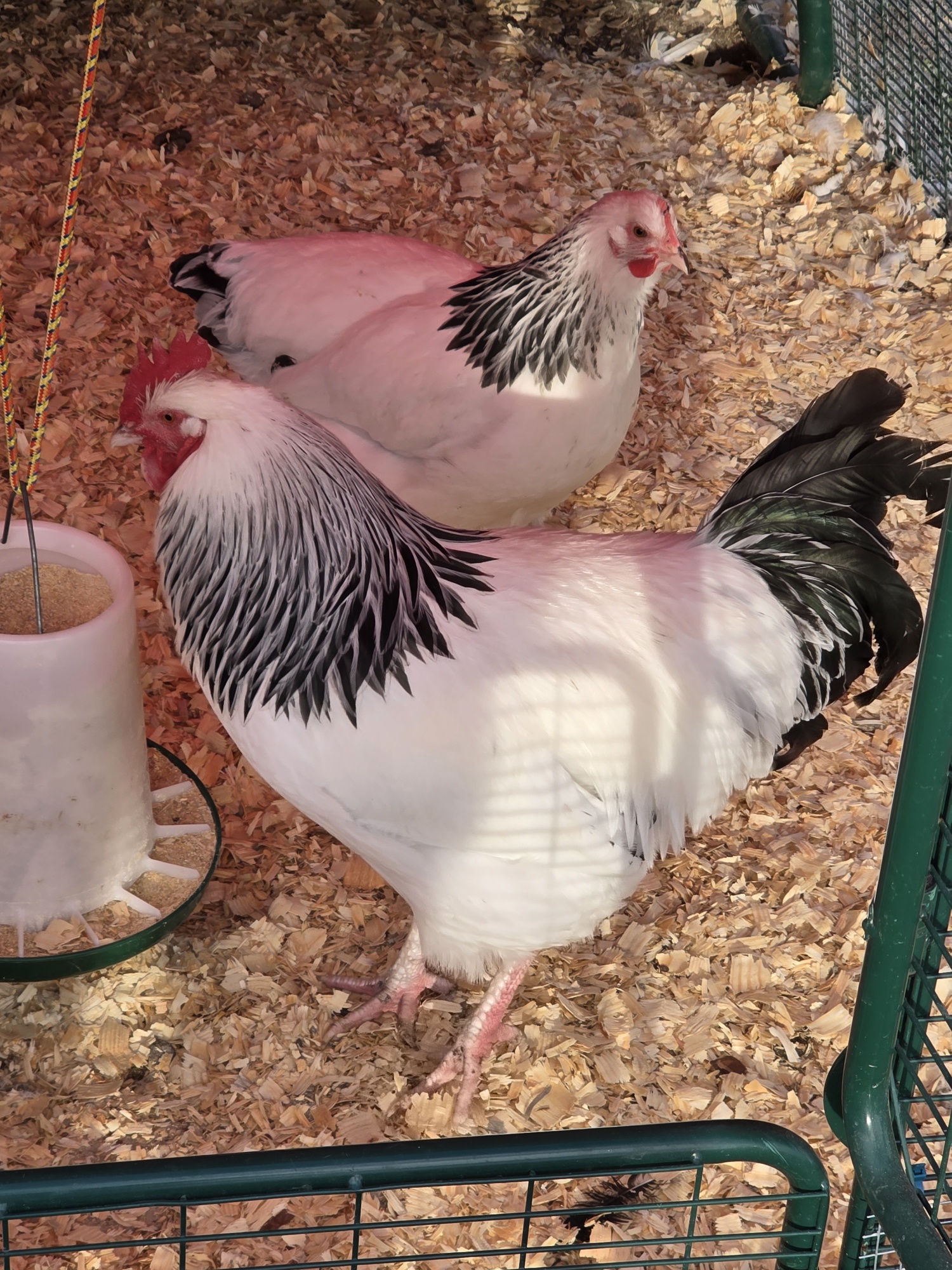
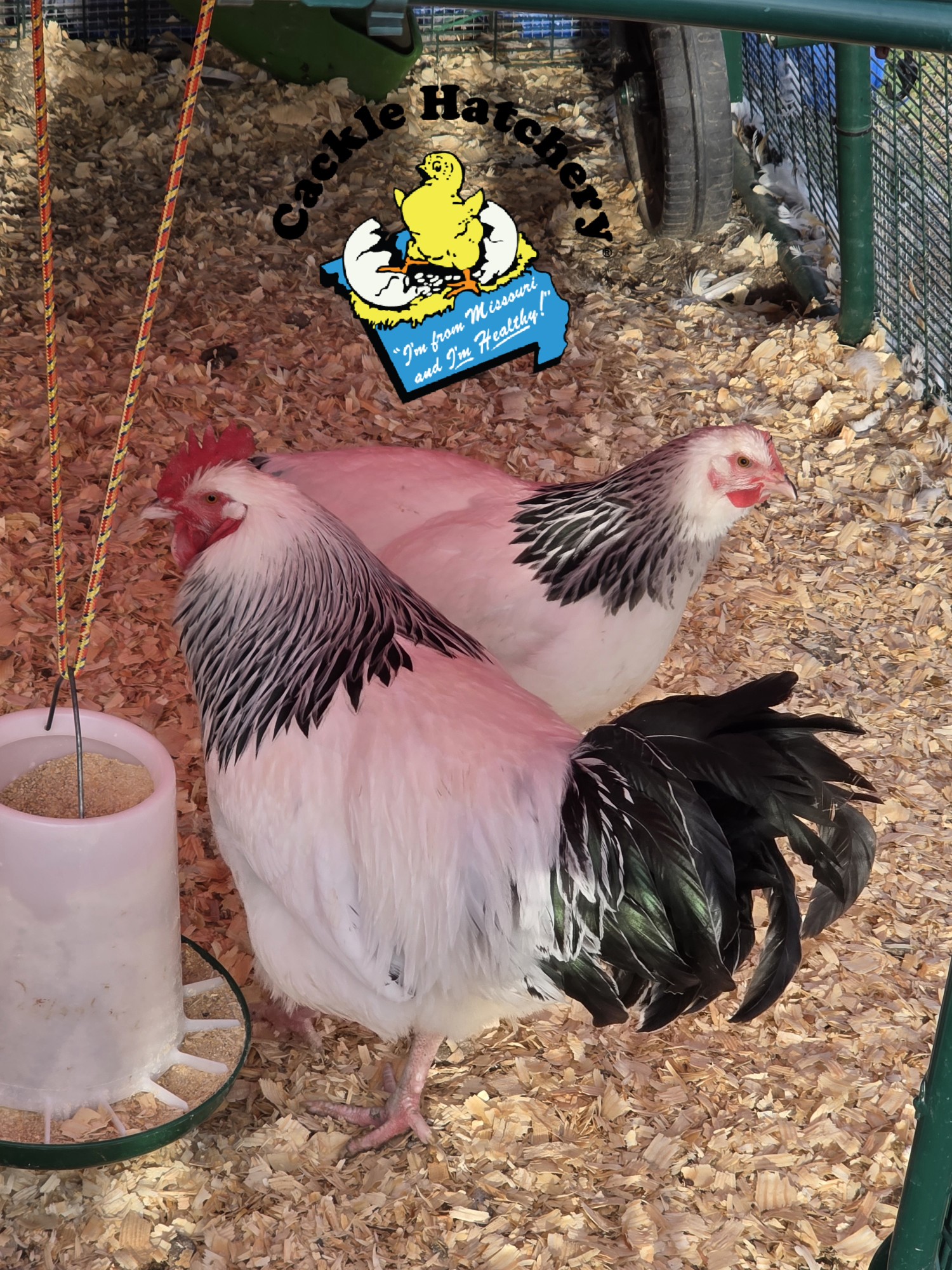
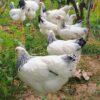
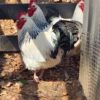
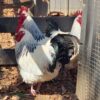
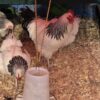
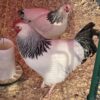
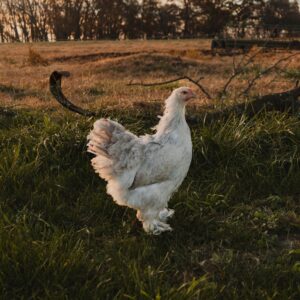
This variety has white plumage with black trim around the neck, tail, and wings. The contrast gives the bird a bright, classic look. A red upright single comb, red wattles, and red earlobes add to the clean appearance.
Sussex chickens have a large, blocky body, which reflects their history as table birds. Their white skin and useful frame made them popular with farmers who wanted a bird for both eggs and meat. The Livestock Conservancy notes that Sussex chickens developed a reputation, in some circles, for excellent meat quality.
Because this breed has a single comb and tight feathering, it often prefers cool weather over extreme heat. In warm climates, give these birds shade, airflow, and plenty of clean water.
Light Sussex vs Speckled Sussex: Which Should You Choose?
Cackle Hatchery® offers both the Light Sussex and the original Speckled Sussex variety. Both belong to the same old English breed family, and both can make useful dual-purpose backyard birds.
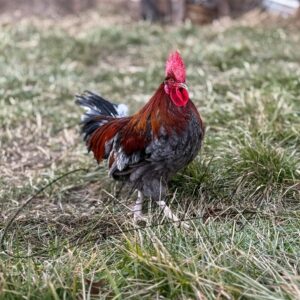
Choose the Light Sussex if you like a bright white bird with black markings around the neck, tail, and wings. Choose the Speckled Sussex if you prefer rich mahogany feathering with white-tipped speckles that become more noticeable with age.
Both varieties have a reputation for friendly temperaments, brown eggs, and practical farm value. However, your choice will likely come down to appearance and current availability.
Egg Production and Utility
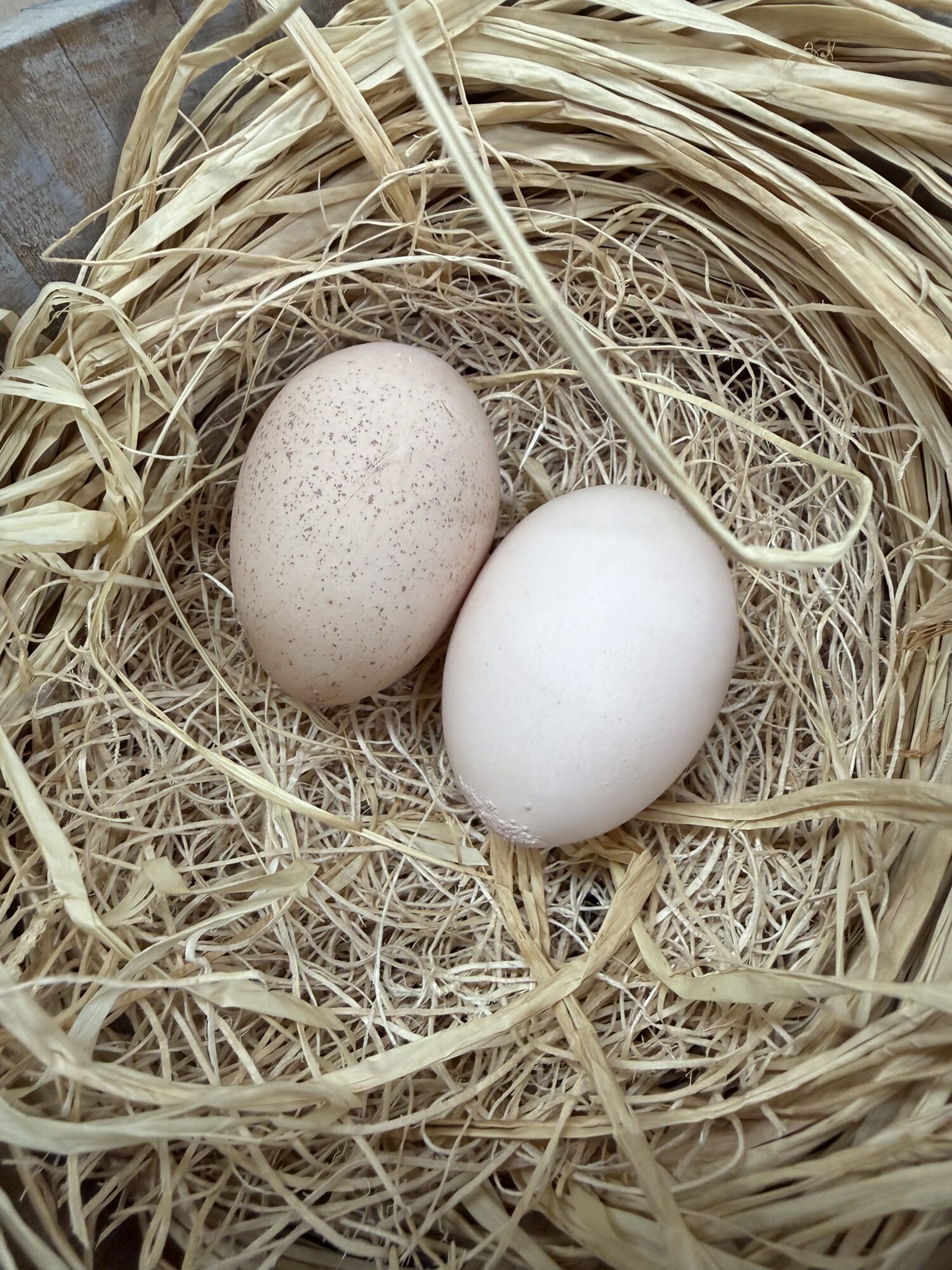
Sussex hens are good brown egg layers for a dual-purpose breed. Cackle’s Light Sussex hens lay around 250 large light-brown eggs per year. Actual production can vary with age, daylight, feed, housing, weather, and flock care.
This breed also brings traditional meat value. Sussex chickens were originally valued as table birds, and their large, blocky bodies still make them useful for homesteads and small farms. If you want a bird that does more than one job, this variety fits that old-fashioned dual-purpose role well.
Hens may occasionally go broody. When they do, they often make good mothers. That can be helpful if you enjoy a more natural flock cycle, although broodiness may pause egg laying for a while.
Temperament and Suitability
Light Sussex chickens are calm, gentle, and people friendly. They also have a curious nature, which makes them fun to watch in the yard. If you like birds that come over to see what you are doing, this breed has plenty of charm.
They can do well in confinement because they rarely fly and are fairly easy to manage. Even so, they also enjoy free ranging when you can offer a safe setup. In a mixed flock, Sussex chickens may be less assertive than some stronger personalities, so give them enough feeder space and watch flock dynamics during introductions.
This breed handles a range of climates, but it usually prefers cooler weather. During hot spells, shade and fresh water are especially important.
Is the Light Sussex Chicken Right for Your Flock?
Choose Light Sussex chickens if you want:
A calm, people-friendly backyard chicken
A dual-purpose breed for eggs and meat
A brown egg layer
A white bird with black neck, wing, and tail markings
A curious chicken that is fun to watch
A breed that can handle confinement or free range
A hen that may go broody and mother chicks
A good fit for homesteads and family flocks
A classic English breed with a long history
Overall, this is a good choice if you want a gentle, useful chicken with more personality than fuss. It is not the flashiest bird in the yard, but it is steady, friendly, and practical.
If you are still comparing breeds, Cackle Hatchery’s Chicken Breed Selector and Chicken Breeds List Comparison Chart can help you sort birds by purpose, egg color, size, and flock needs.
Breed History and Preservation
The Sussex is one of England’s old poultry breeds. Farmers in Sussex County valued these chickens for meat and eggs, especially before modern commercial poultry changed the market. The breed nearly disappeared, but a group of Sussex farmers helped bring it back in the early 1900s.
Sussex chickens came to the United States around 1912. The APA recognized the Speckled and Red varieties in 1914 and later recognized the Light variety in 1929.
The Light variety became especially well known for its white plumage with black markings. In England, the Sussex breed also played an important role in table poultry production. The Poultry Club notes that the breed once formed a mainstay of the table poultry market in and around the Heathfield area.
Recognition and Availability
The American Poultry Association recognizes Sussex chickens in the English class. The Light variety entered the Standard of Perfection in 1929.
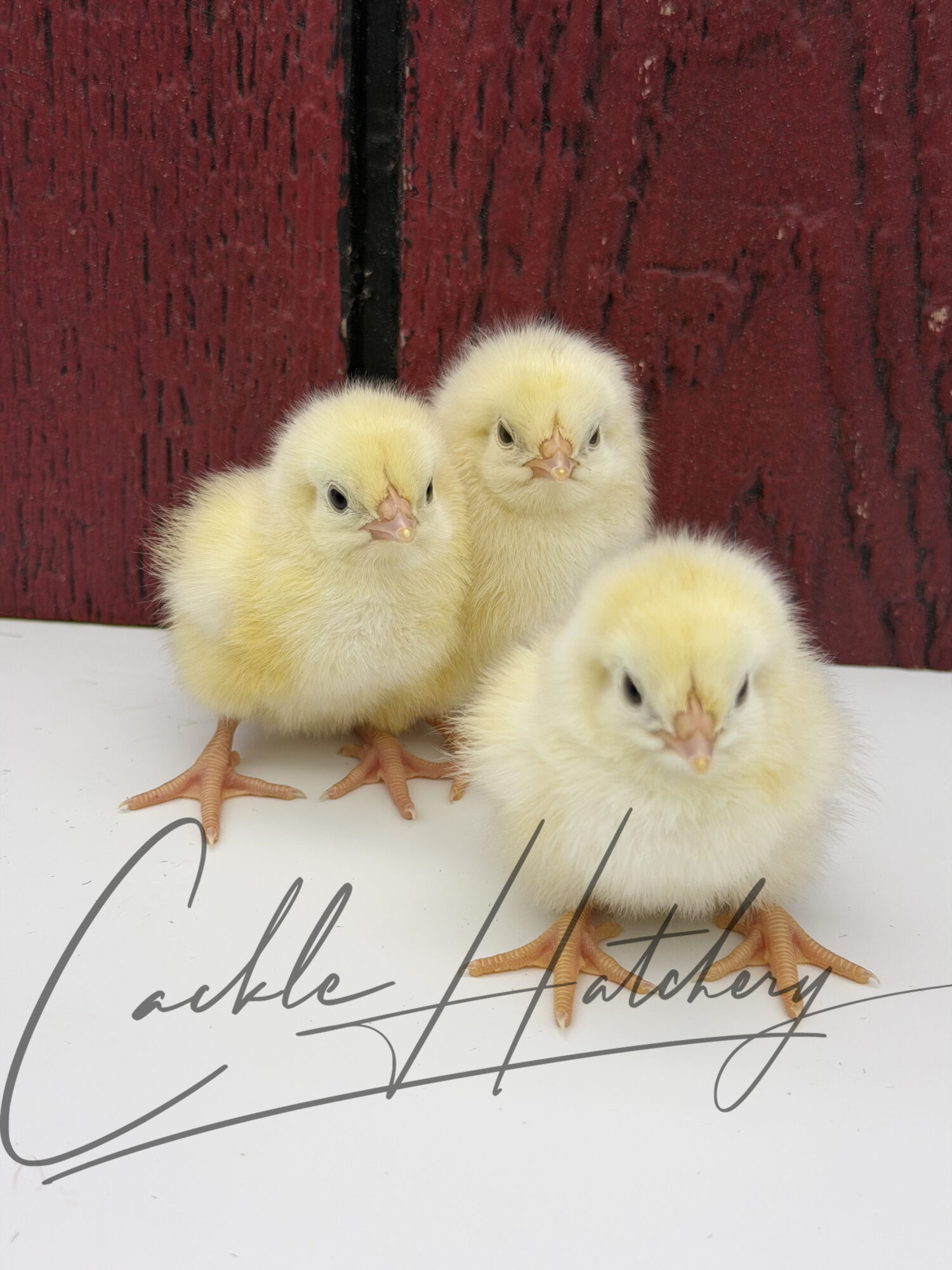
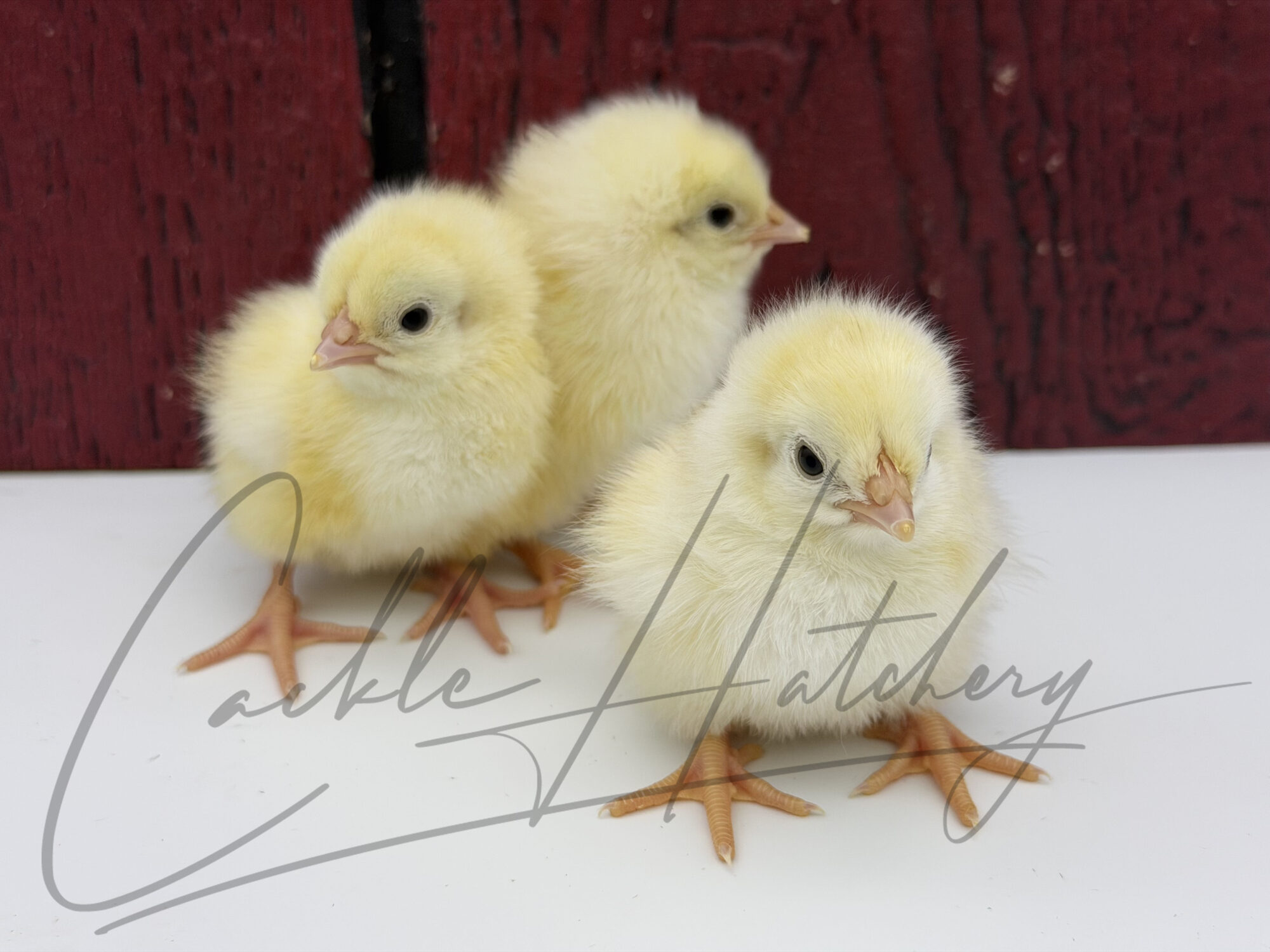
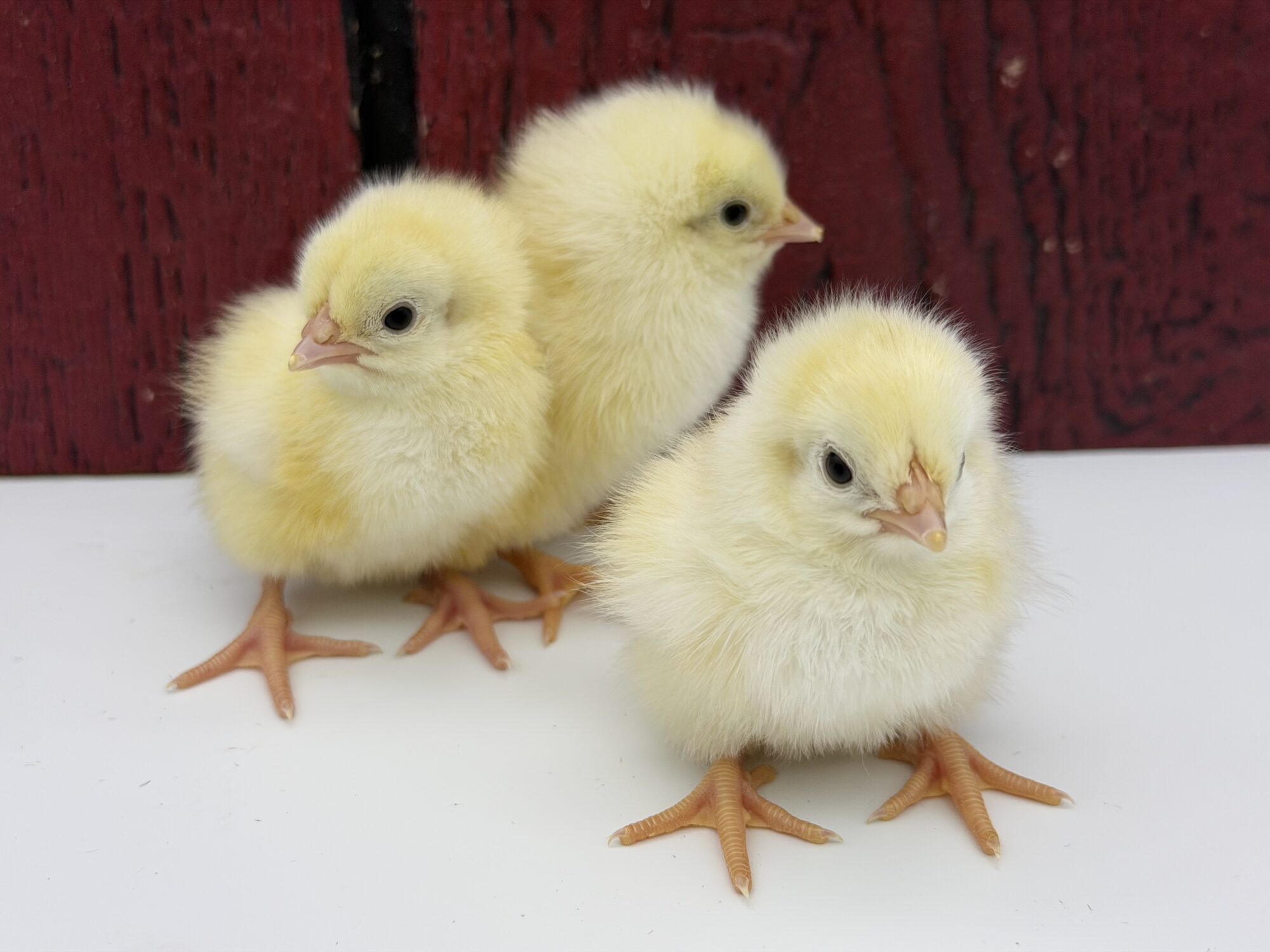
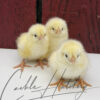
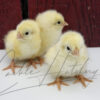
Cackle Hatchery® offers Light Sussex baby chicks, including female and not-sexed ordering options when available. Cackle also offers the Speckled Sussex for customers who want another variety from the same breed family.
Availability can change by hatch date, season, egg numbers, and order timing. So, before you plan your flock, check Cackle Hatchery’s Availability Chart for current hatch and shipping options.
Related Breeds and Helpful Cackle Hatchery® Resources
If you like Light Sussex chickens, you may also want to compare Speckled Sussex chickens. The Speckled variety has a different color pattern but shares the same general breed family, dual-purpose background, and friendly backyard appeal.
For broader flock planning, browse Cackle Hatchery’s brown egg laying chickens, baby chicks for sale, Chicken Breed Selector, and Chicken Breeds List Comparison Chart. Cackle’s brown egg layer category is especially helpful if your main goal is a dependable egg basket.
FAQ: Light Sussex Chicken
What is a Light Sussex chicken?
A Light Sussex chicken is the white variety of the Sussex breed with black markings around the neck, wings, and tail. It is a calm, dual-purpose chicken valued for brown eggs, meat quality, and backyard friendliness.
Where did the Sussex breed originate?
The Sussex breed originated in Sussex County, England. Farmers valued it for eggs and table poultry before it became popular with backyard keepers.
When did the APA recognize the Light Sussex?
The American Poultry Association recognized the Light Sussex in 1929. The Speckled and Red varieties entered the Standard earlier, in 1914.
Are Light Sussex chickens good egg layers?
Yes. These hens are good layers for a dual-purpose breed. Many sources describe Sussex hens as laying around 240–250 eggs per year, although actual production can vary with age, daylight, feed, weather, housing, and care.
What color eggs do they lay?
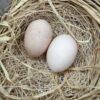
They lay brown to light-brown eggs. This makes them a good choice if you want a friendly backyard bird that also helps fill the egg basket.
Are Light Sussex chickens good for meat?
Yes. Sussex chickens have a large, blocky body and a long history as table birds. Some poultry sources note that the breed has a strong reputation for meat quality.
Are these chickens friendly?
Yes. They are generally calm, gentle, curious, and people friendly. That makes them a good fit for backyard flocks and families.
Are they good for beginners?
Yes. They can work well for beginners because they are calm, easy to handle, and useful. Like all chickens, they still need clean water, balanced feed, dry housing, predator protection, and enough space.
Are Light Sussex chickens cold hardy?
They usually do well in cool weather and often prefer cooler climates over heat. However, because they have single combs, they still need a dry, draft-protected coop with good ventilation during winter.
Are they heat tolerant?
They can handle warmer weather with the right care, but they do not love extreme heat. Give them shade, cool water, and good airflow during hot weather.
Are Light Sussex chickens good for free range?
Yes. They enjoy free ranging when you can provide a safe setup. They also do well in confinement because they rarely fly and are generally easy to manage.
Do Light Sussex hens go broody?
They may go broody from time to time. When they do, they often make good mothers, although broodiness may pause egg laying for a while.
Are Light Sussex chickens good in a mixed flock?
Yes, but they may be less assertive than some breeds. Give them enough feeder and waterer space, and watch introductions so stronger birds do not push them around.
What is the difference between Light Sussex and Speckled Sussex?
Light Sussex chickens are white with black markings around the neck, wings, and tail. Speckled Sussex chickens have rich mahogany feathers with white-tipped speckles. Both belong to the Sussex breed family and can make friendly dual-purpose backyard birds.
Does Cackle Hatchery® offer Speckled Sussex too?
Yes. Cackle Hatchery® offers both Light Sussex chickens and Speckled Sussex chickens.
Where can I check chick availability?
You can check Cackle Hatchery’s Availability Chart for current hatch and shipping availability. Availability can change by season, hatch date, and egg numbers.



Reviews
There are no reviews yet