Description
African Geese
Breed Overview and Origin
The African Goose is a large, vocal, production-type goose known for its size, protective nature, and distinctive black knob above the beak. If you want a heavier goose for meat production, farmyard presence, and watch-bird value, African Geese are a strong choice.
African Geese are close relatives of Chinese Geese and share some of the same features, including an upright body style, loud voice, and knob at the base of the bill. However, African Geese are heavier than Chinese Geese and have more meat value.
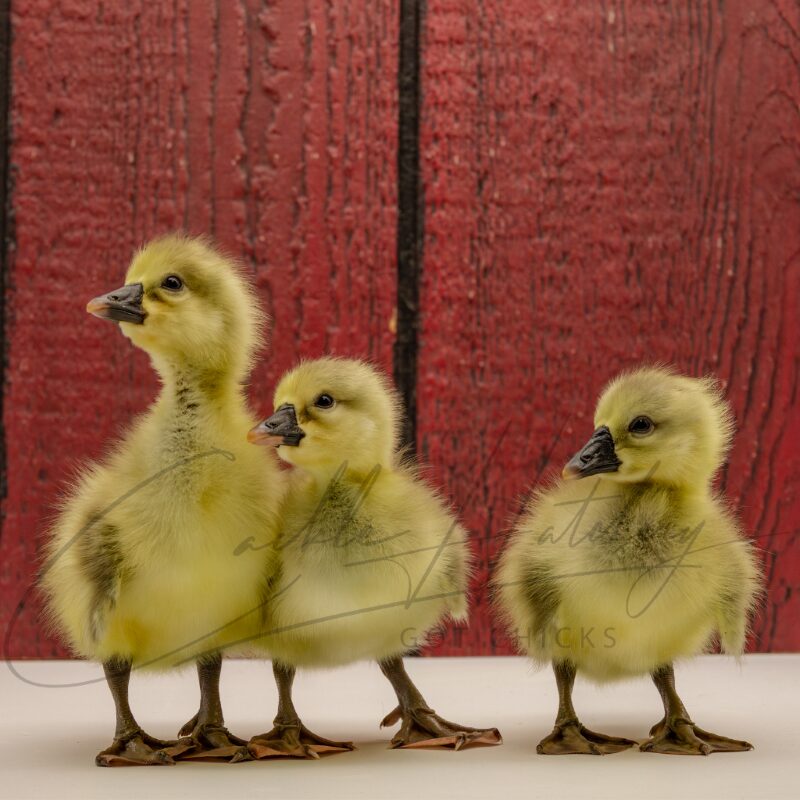
Cackle Hatchery® sells African Geese as baby goslings. Cackle’s product copy notes that it does not breed the show-type dewlap African Goose. Instead, Cackle offers a production-type African Goose with a neck size somewhere between the heavy dewlap African and the Brown Chinese Goose.
Appearance and Characteristics
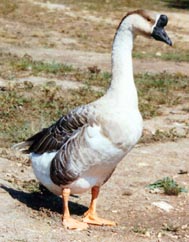
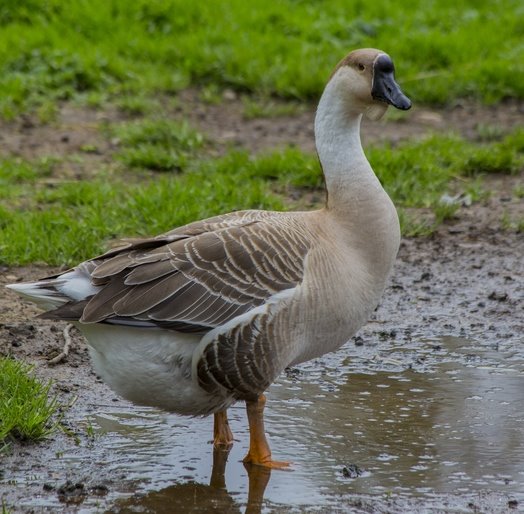
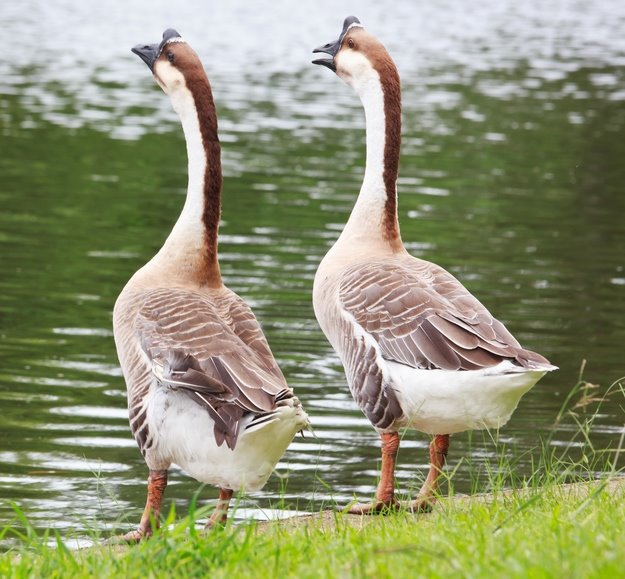
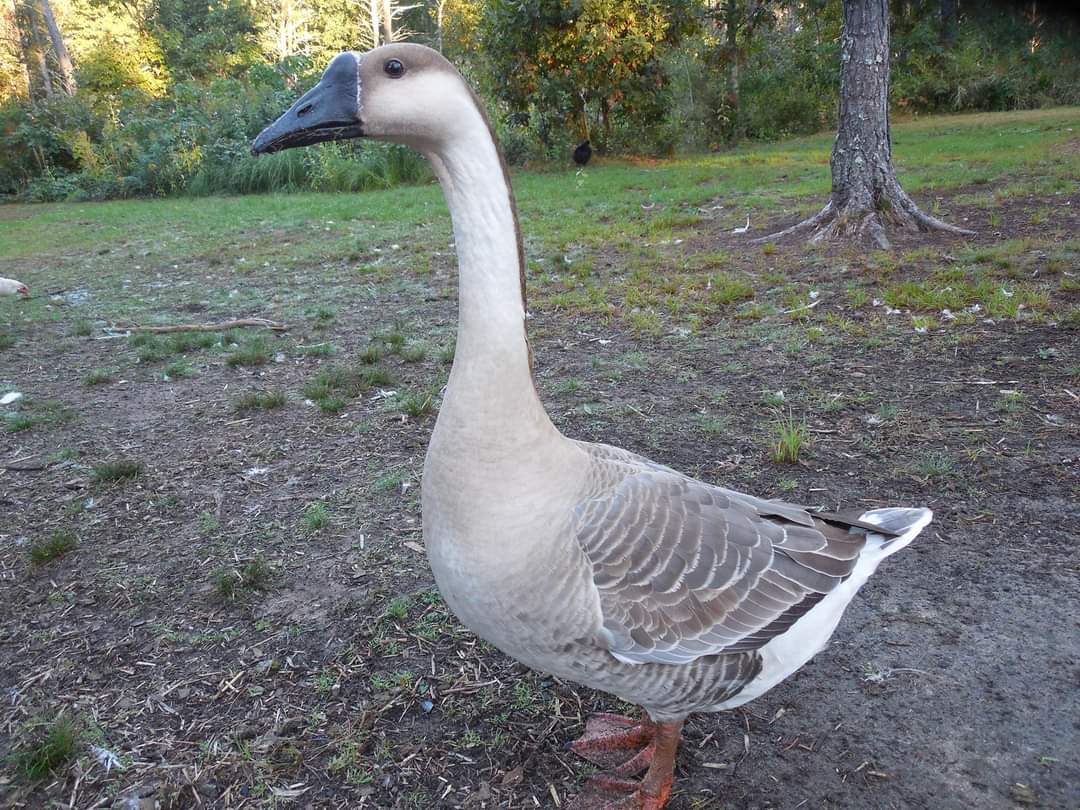
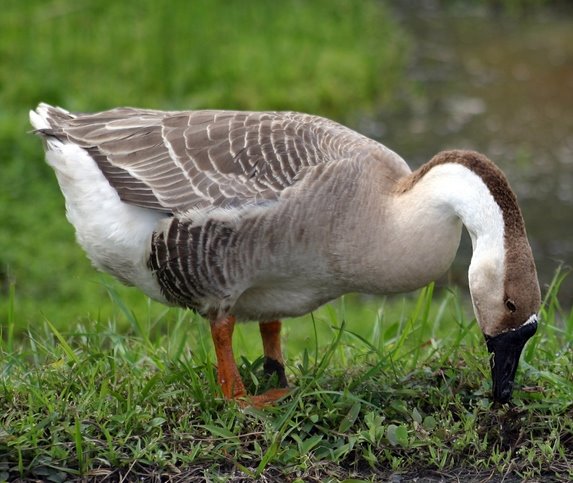
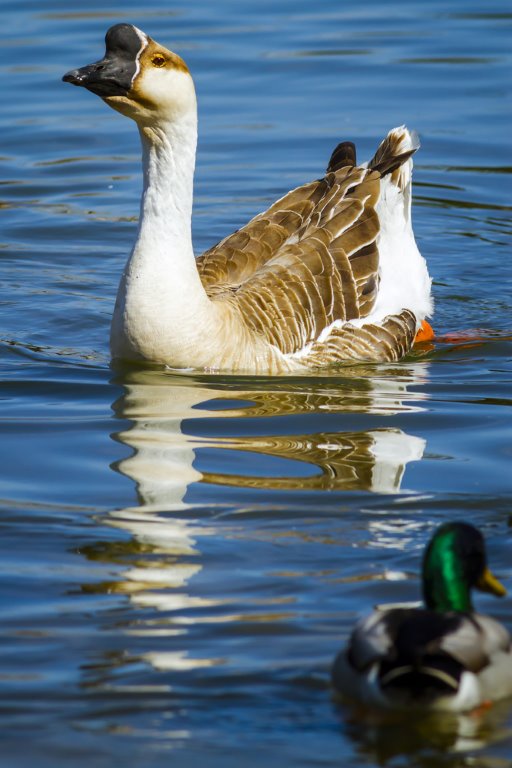
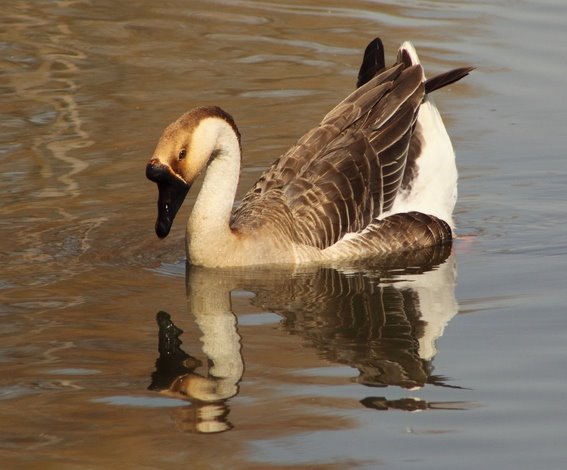
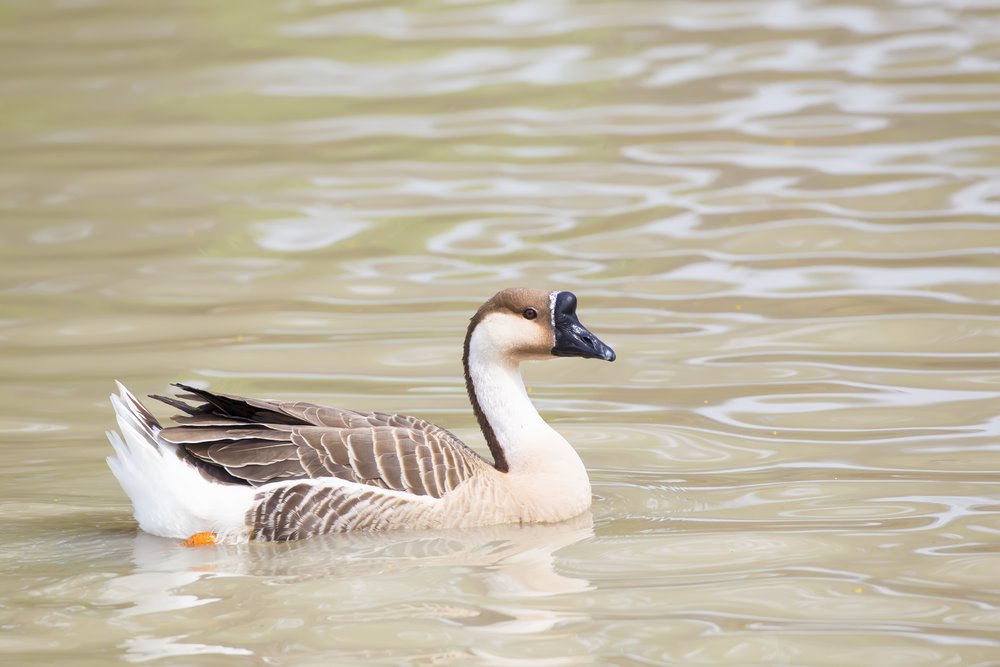
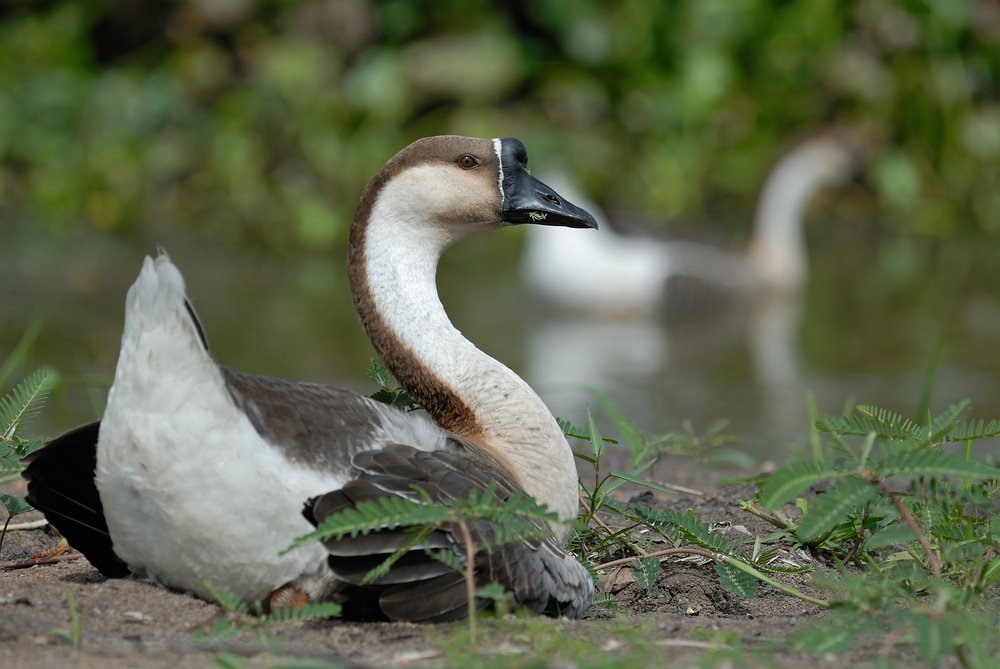
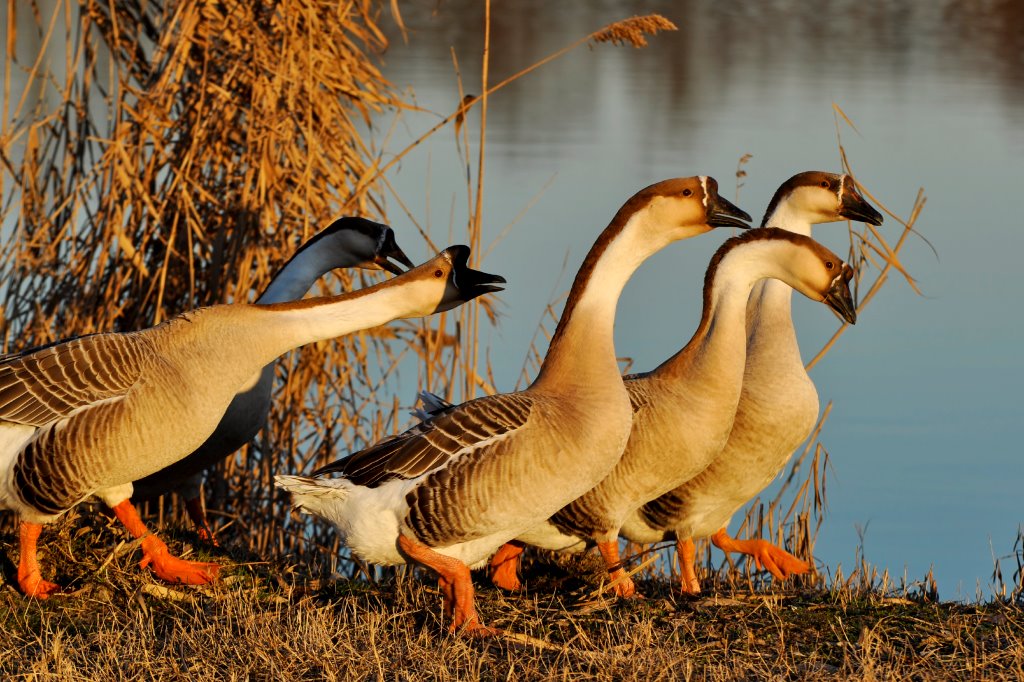
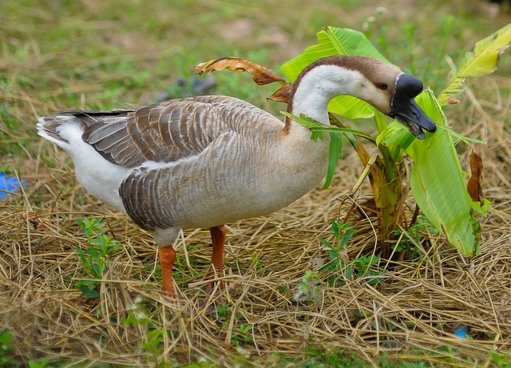
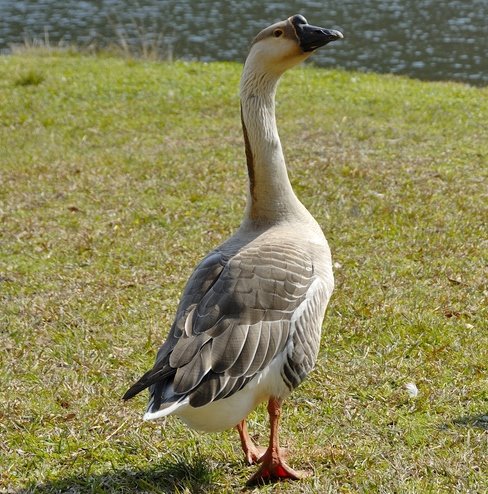
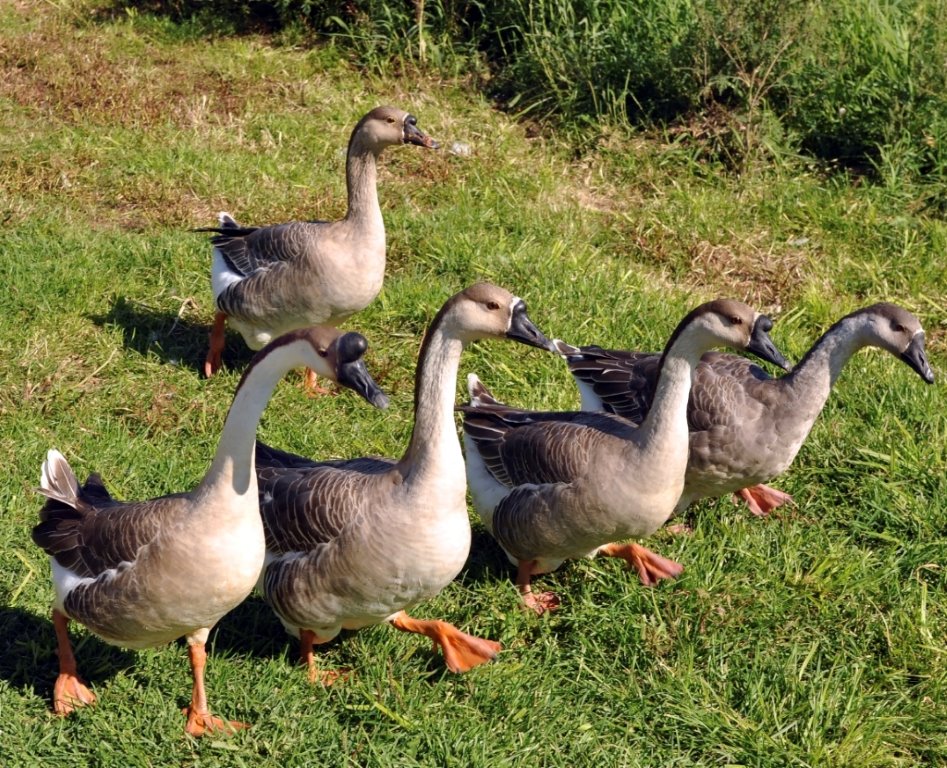
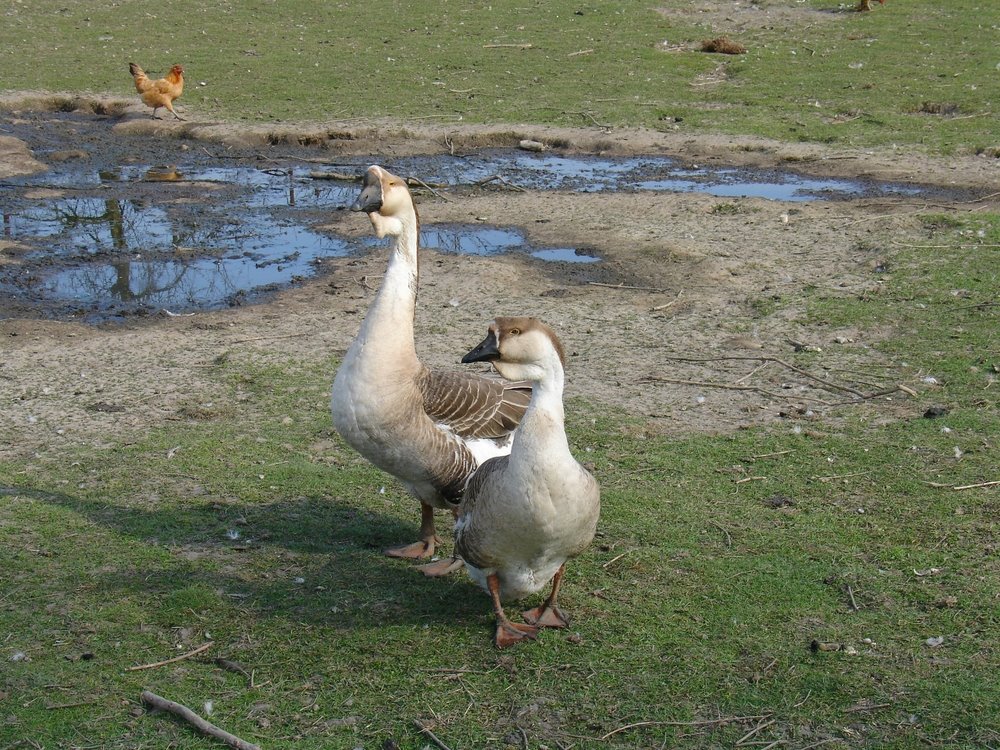
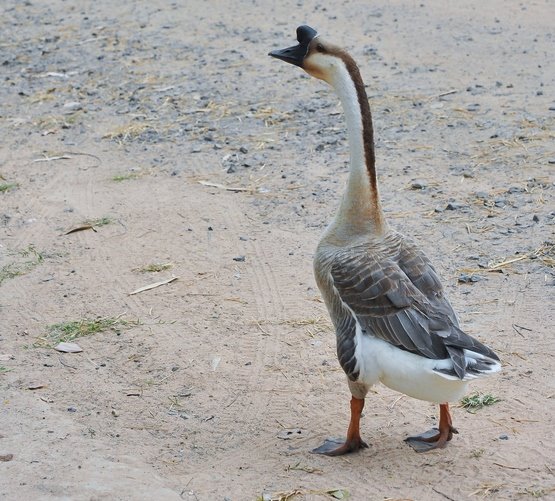
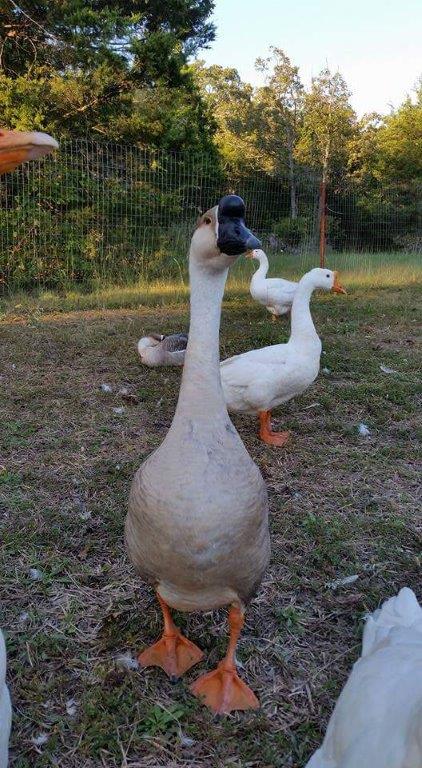
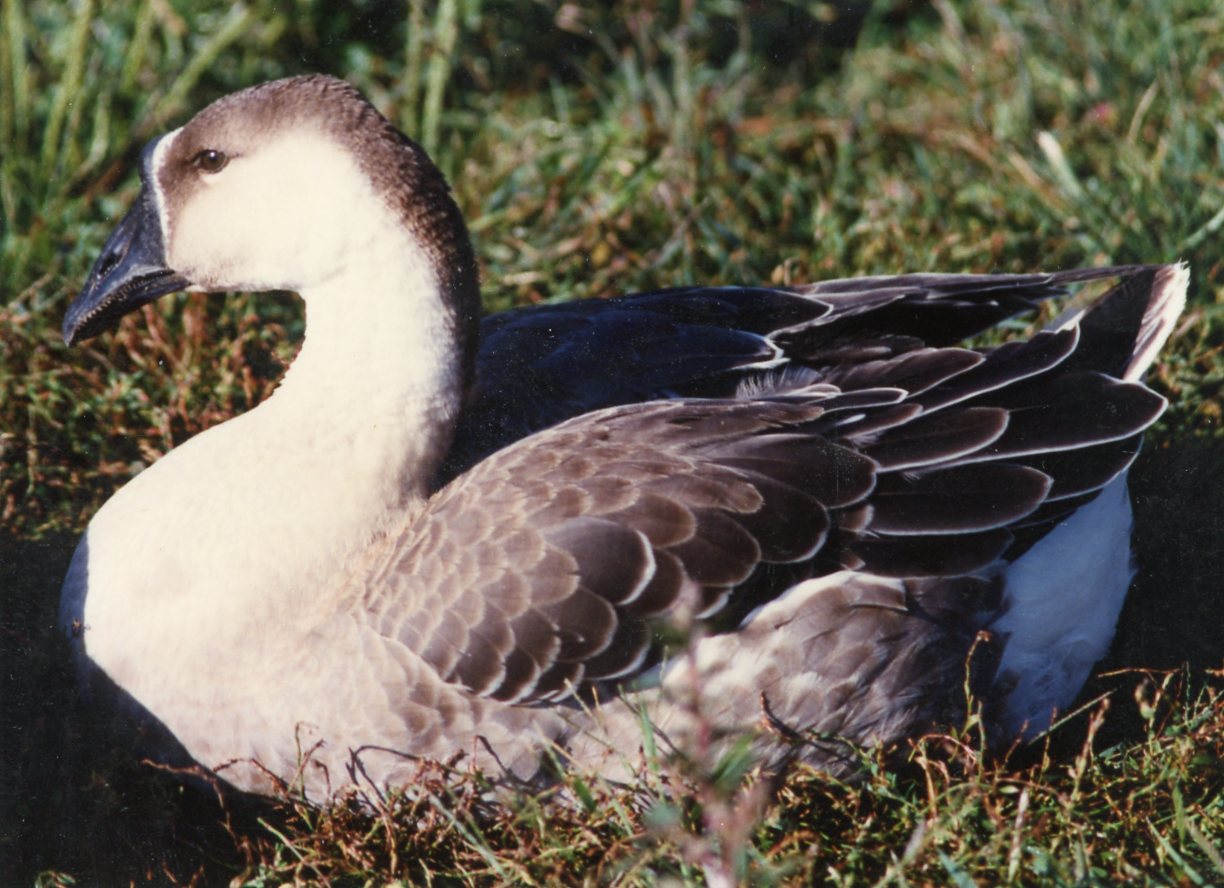
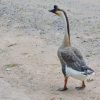
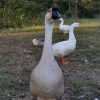
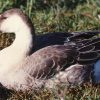
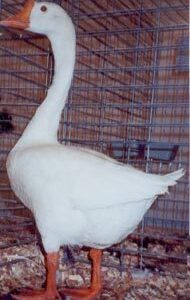
African Geese have a large body, a strong neck, brownish-gray plumage, and a black knob above the beak that becomes more noticeable as they mature. This knob gives the head a bold, distinctive shape.
Ganders can reach about 20 pounds, making African Geese a good option for customers who want a larger goose with meat value. Females also reach a large size and may produce up to 50 large white eggs per year.
Because Cackle offers a production-type African Goose rather than a dewlap show type, customers should expect a practical farm and meat-production goose instead of an exhibition-heavy dewlap bird.
African Goose vs White Chinese Goose
African Geese and White Chinese Geese are related, but they fit different goals.
Choose African Geese if you want a heavier goose with more meat value, strong territory protection, and a bold farmyard presence. Choose White Chinese Geese if you want a smaller, more elegant, more active goose that is especially useful for egg production, grazing, and watch duty.
Both breeds are vocal and alert. However, African Geese bring more body size, while White Chinese Geese offer a lighter, swan-like appearance and very active foraging style.
African Goose vs Embden and Toulouse Geese
African, Embden, and Toulouse geese all have value for homesteads and farms, but they offer different strengths.
Choose African Geese if you want a large, vocal, territorial goose with strong meat value and a distinctive knob. Choose White Embden Geese if you want a large white goose commonly raised for meat. Choose Toulouse Geese if you want a calmer, gray goose with a traditional farmyard look.
Cackle’s All About Geese notes that Cackle carries four goose breeds: White Chinese, African, Toulouse, and White Embden. It also explains that Toulouse and Embden are commonly raised for meat.
Meat Production and Farm Use
African Geese can be a good addition to meat-production flocks because of their large size. Ganders may reach about 20 pounds, while females also grow large enough to offer useful table value.
They are not just meat birds, though. African Geese can also serve as watch birds, pasture birds, and farmyard companions. Their loud calls and territorial nature make them useful around barns, ponds, and open areas where customers want birds that will announce anything unusual.
Cackle’s article Geese: They’re More Than Meat and Feathers is a good internal support link for customers who want to understand the broader value of geese beyond meat and down.
Egg Production and Nesting
African Goose females may produce up to 50 large white eggs per year. That makes them a useful option for customers who want goose eggs along with meat value, watch duty, and pasture presence.
A broody goose can become protective of her nest. This is normal behavior, especially during the breeding season. Customers should give nesting geese space and avoid reaching near eggs without caution.
For customers interested in the many uses of goose eggs, meat, and feathers, Cackle’s Geese: They’re More Than Meat and Feathers is a helpful internal resource.
Watch Goose Behavior
African Geese are vocal and protective of their territory. They often honk loudly when something unfamiliar approaches, which makes them useful farmyard watch birds.
This protective behavior can be an advantage on a farm or homestead. However, it also means they may not be the best fit for close-neighbor areas where noise is a concern.
Cackle’s 12 Reasons to Keep Geese explains that geese can be easy keepers, adaptable, hardy, and useful around lawns, gardens, and pastures. It also notes that geese can forage for much of their own food when they have a chemical-free grazing area.
Temperament and Pet Potential
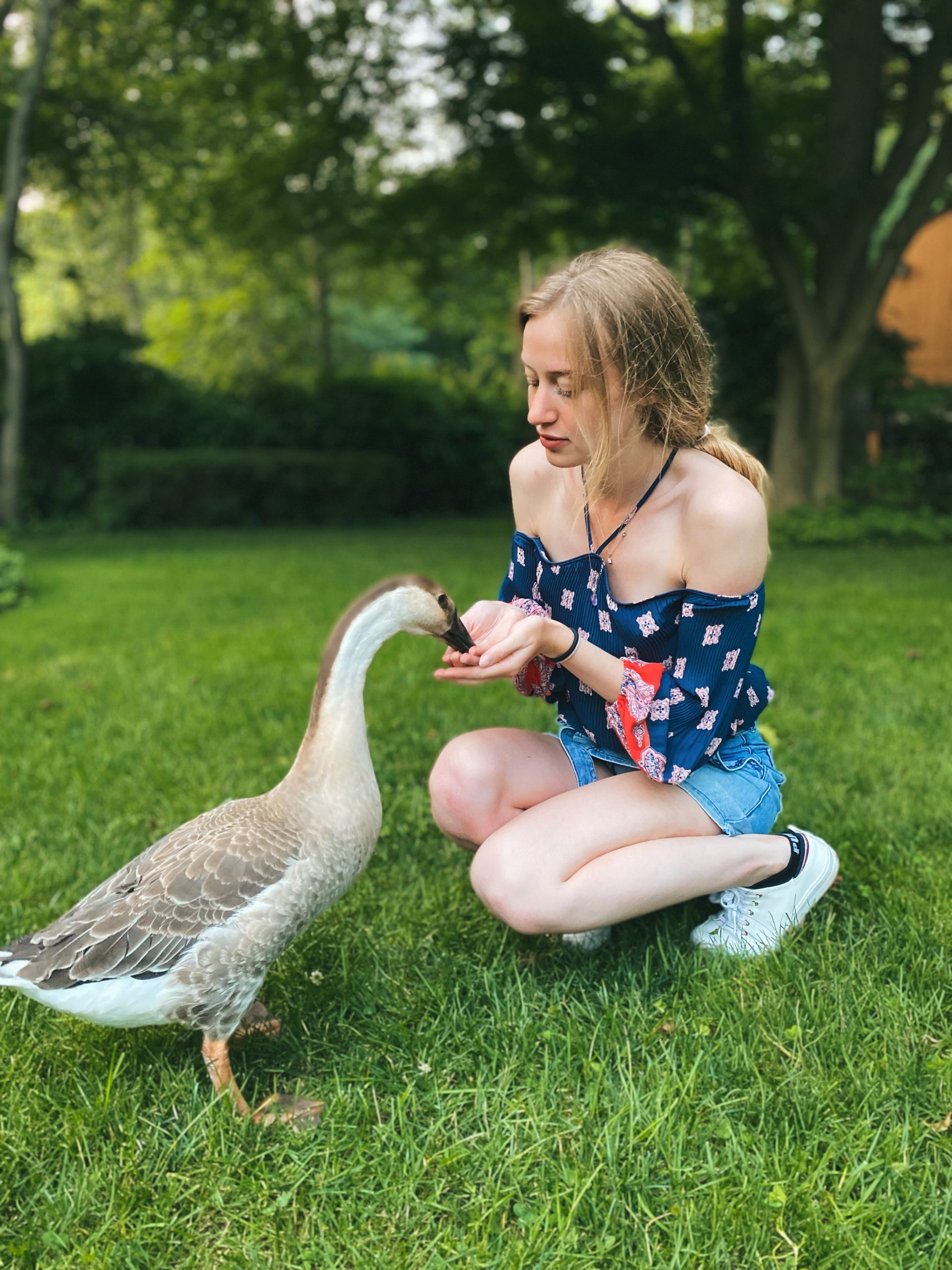
African Geese can become gentle family pets when raised from goslings with steady handling. The best results usually come from spending time with goslings early, moving calmly around them, and building trust while they are young.
That said, these are still large, territorial birds. Ganders can become protective, especially during breeding season. Families should teach children to respect geese, avoid teasing them, and never corner or chase them.
Cackle’s How to Deal with an Aggressive Goose explains that geese often become aggressive because they feel threatened and cannot easily hide. The article recommends calm movement, regular greeting, and teaching children and dogs not to tease or startle geese.
Keeping Ducks and Geese Together
Some customers want to keep ducks and geese in the same area. This can work well in many setups because ducks and geese often share similar outdoor needs.
Cackle’s Keeping Ducks and Geese Together explains that ducks and geese may be kept together and that geese can offer ducks some protection because geese tend to be aggressive toward trespassers.
Even so, customers should provide enough space, clean water, dry resting areas, and safe nighttime housing. During breeding season, watch territorial behavior closely, especially from ganders.
Processing and Practical Goose Use
Customers raising African Geese for meat may also want to understand processing. Cackle’s How to Pluck a Goose explains that geese have long been valued as desirable farmyard birds and gives practical guidance for processing.
Because African Geese are large, customers should plan ahead for processing equipment, freezer space, and timing. Good feed, clean water, pasture access, and safe housing help birds reach good condition.
Shipping Note
Cackle Hatchery® cannot ship geese to Hawaii. Keep this shipping note clear on the product page so customers can plan before ordering.
Cackle sells African Geese as baby goslings, with a maximum order quantity of 16. Customers should check Cackle’s Availability Chart before placing an order.
Are African Geese Right for Your Flock?
Choose African Geese if you want:
A large production-type goose
A good meat-production bird
A vocal farmyard watch goose
A territorial protector
A goose with a distinctive black knob
A breed related to Chinese Geese
A bird that can become a gentle pet with steady handling
A goose that produces large white eggs
A practical homestead goose
A Cackle gosling option with a maximum of 16
Overall, African Geese are a great choice if you want a large, useful, vocal goose with strong farmyard presence. They can be gentle when raised with attention, but they are still protective birds that require respectful handling and enough space.
If customers are still comparing goose breeds, direct them to Cackle’s Geese for Sale category or the broader Waterfowl for Sale category.
Breed History and Preservation
African Geese are closely related to Chinese Geese and likely share ancestry connected to the Swan Goose. Their upright carriage, knob above the beak, and loud voice all point to that relationship.
Over time, African Geese became valued for their larger size, meat value, and watch-bird instincts. Show-type African Geese may have a heavy dewlap, but Cackle Hatchery® specifically offers a production-type African Goose rather than the show-type dewlap African.
Today, African Geese remain useful for homesteads, farms, meat production, watch duty, and family flocks. Their size and personality make them one of the most memorable domestic goose breeds.
Recognition and Availability
Cackle Hatchery® sells African Geese as baby goslings. They are listed in Cackle’s geese category along with White Chinese, Toulouse, and White Embden Geese.
Customers who want mixed goose options may also compare Hatchery Choice Geese Surplus, which may include African Goose, White Chinese, Toulouse, and White Embden depending on hatch availability.
Before planning an order, customers should check Cackle Hatchery’s Availability Chart for current hatch and shipping dates.
Related Breeds and Helpful Cackle Hatchery® Resources
If you like African Geese, you may also want to compare White Chinese Geese, Toulouse Geese, White Embden Geese, and Hatchery Choice Geese Surplus.
Helpful Cackle articles include 12 Reasons to Keep Geese, Keeping Ducks and Geese Together, How to Pluck a Goose, How to Deal with an Aggressive Goose, Geese: They’re More Than Meat and Feathers, and All About Geese.
For browsing, use Geese for Sale, Waterfowl for Sale, and Availability Chart.
FAQ: African Geese
What are African Geese?
African Geese are large domestic geese related to Chinese Geese. They are known for their size, loud voices, protective nature, black bill knob, and value for meat production.
Are African Geese good for meat?
Yes. African Geese are large birds, with ganders reaching about 20 pounds, making them a good option for meat-production flocks.
How many eggs do African Geese lay?
Females may produce up to 50 large white eggs per year.
Are African Geese related to Chinese Geese?
Yes. African Geese are close relatives of Chinese Geese and share some traits, including a knob above the beak and a vocal, alert personality.
What is the black knob on an African Goose?
The black knob above the beak is a distinctive breed feature that becomes more noticeable as the bird matures.
Does Cackle Hatchery® sell show-type dewlap African Geese?
No. Cackle Hatchery® does not breed the show-type dewlap African Goose. Cackle offers a production-type African Goose with a neck size between the show-type dewlap African and the Brown Chinese Goose.
Are African Geese loud?
Yes. African Geese are vocal birds and will often honk when something unfamiliar approaches their territory.
Are African Geese protective?
Yes. They protect their territory and can serve as farmyard watch birds.
Can African Geese become pets?
Yes. They can become gentle family pets when raised from goslings with regular, calm handling.
Are African Geese aggressive?
They can become territorial, especially during breeding season. Cackle’s How to Deal with an Aggressive Goose offers tips for managing aggressive behavior.
Are African Geese good with children?
They can be good around children with careful supervision, but children should never tease, chase, or corner geese.
Can African Geese live with ducks?
Yes, ducks and geese can often live together when they have enough space and proper housing. Cackle’s Keeping Ducks and Geese Together explains why they often do well together.
Are African Geese good watch birds?
Yes. Their loud voices and protective nature make them useful watch birds around farms, barns, and homesteads.
Can Cackle Hatchery® ship African Geese to Hawaii?
No. Cackle Hatchery® cannot ship geese to Hawaii.
Is there a maximum order quantity for African Geese?
Yes. Your source copy notes a maximum of 16 African Geese.
Does Cackle Hatchery® sell African goslings?
Yes. Cackle Hatchery® sells African Geese as baby goslings.
Where can I check African Goose availability?
Check Cackle Hatchery’s Availability Chart for current hatch and shipping options.






















Darcy Kallus –
Ordered three geese last year. They arrived healthy and in good condition. They are grown now and lovely.
jtevans2453 –
I received three healthy geese in February 2022 so I’m giving three stars. However, people should know that despite the description given by Cackle, these geese are not heavy nor do they have dewlaps. These geese are more like brown Chinese hybrids in my opinion.True African geese get dewlaps and are much heavier bodied, sometimes called Super African. I did not know this difference existed within the lines until after maturing these “African” geese.
Teresa –
Best purchase!
Received my 38 plus 7 freebies and 2 African goslings on April 10, 2020. Every single one came healthy and active. My African goslings are already 2 ft tall and heavy at just close to 7wks and very affectionate. They love to be held like babies and nibble at my shoes. They love to talk!!! So very happy with my purchase. I have recommended Cackle Hatchery to my friends and family. Phenomenal customer service, very sweet people. Thank you Cackle Hatchery for my sweet babies.
D –
African Geese
I just Love Love these geese. They were shipped in Spring and we have had no fatalities. They are so Loving and so much fun to watch. They were raised with the Peking and the Anacona ducks and they are all buddies. The geese and ducks look out for one another. I would definitely order them again. Live them.
Mrs. P –
favorable
Cute little gosslings and so hearty! Who doesn’t love the pitter patter of webbed feet as you walk along. Great personality! I do wish i could order earlier and choose a date earlier in the spring
Grese –
African geese
Last year I purchased 4 African geese from you. I had 3 adults and was surprised when they hatched 3 chicks a month later. They all blended and are very friendly
They roam freely during the day., swim in the pond, spend nights in the barn. Come up to the house looking for me when it is time to go in at night. They lead me to the barn. I have 10 ducks and they all live together. Love having the geese.
Annette –
Would like to have known sooner that order could not be completed.
Ordered 3F/1M African Geese; 5F/1M Toulouse Geese and 4F/1M Silver Appleyard Ducks. Only reason for 4 not 5 stars is that they did not have any ducks to ship to me. (Only learned this when order arrived = Too late to order from anyone else) (not charged for them.) All geese are healthy and happy. The Africans are smaller/slighter built than other Africans that I have had even though the ‘others’ were not sold as “giant” either. Seriously- a lot smaller/slighter built. So buyer should know that to get the ‘normal’ large/hefty Africans, they will need to get the “giant African” from this company. Plan ahead-they sell out early!!
Chell –
2 African Geese
Cackle hatchery sends out very healthy birds and instructions on how to keep them alive. Our African Geese are fully grown and doing splendidly!
Paul –
very friendly
very friendly and sociable
Rick G –
Poor Success
We have bought multiple geese twice. All but one has died within 1 to 10 days. We have raised many goslings and dozens of ducks and chicks over many years. So we know how to hatch and raise babies. These goslings seem to be frail and already week when they arrive.
lmjordan10 –
Healthy and Happy African Geese
Geese arrived along with chickens, bourbon red turkeys and khaki campbell ducks in large order. All birds arrived alive and healthy and we did not lose a single one. Our experience with Cackle Hatchery was wonderful and we have been very pleased with the birds. The African Geese were raised in the same brooder with the ducks and they all stick together. They are now almost 7 months old. The geese are very loud but that’s okay because I want them to protect my entire flock of different birds. I ordered them unsexed and do not know yet if we have female or male but suspect they are male. They are very tall, beautiful geese.
Kato –
Great family addition
The geese arrived safely and quickly. They have made wonderful pets. One even sits on my son’s lap. Easy to care for, hearty breed.
Carudrive –
Goose Growing Fast
Always wanted a goose. Added one to my surprise box. We are calling him/her Daisy, til we figure that part out. Very healthy doing well. Extremely pleased with my whole experience with Cackle. Customer service is great.
Ancha –
Oyster shell is a gr
Oyster shell is a great source of calcium to help develop strong eggs. It will not hurt to feed them the oyster shell you could always have it as a free choice separate from the food.
Krishna –
We have just purchas
We have just purchased 10 hens, 24- 26 weeks old. They have a seucre run and a purpose built coop, big enought for 15 20 chickens. How do you make the chickens go into the coop. They kept running around it until we caught them and put them inside. Should we have put them inside immediately, to save the added stress of catching them. If this is the case, when do we let them out again.
Frank Florida June 2013 –
Six goslings shipped
Wow! They were shipped Monday and were here in Florida by 10:30 am on Tuesday. That’s fast. All six arrived hungry but healthy. They have all had a meal of chick starter and learned how to drink from the waterer. So now they are snoozing. Thanks for a happy family.
Karen Missouri June 2010 –
chicks
We received our chicks at 5:45 this morning via our request at the post office. All but one was in great shape. The rest are doing so well. Thank you for making our first time at ordering chicks through the mail a wonderful experience.
Thomas North Carolina –
Thanks
I placed a order for 3 African Geese 25 sultans and 10 silkies and received them as healthy and happy as they could be. I am once again a very pleased customer. I put Cackle Hatchery before all others. You have the best price, best service and the best quality. I look forward to my next order, just not sure when but there will be another. Thank you for the extras, this goes to show just how much you care. Thanks you again
Kim Washington May 2015 –
Cackle Hatchery
Thank You! The chicks arrived early this morning. On little turkey did not make it;however, you sent an extra so we received the exact number of (living) birds we ordered. They are all doing very well! As always, we are very happy with out ordering experience with Cackle Hatchery! Thank you!