Description
Ayam Cemani Chicken
Breed Overview and Origin
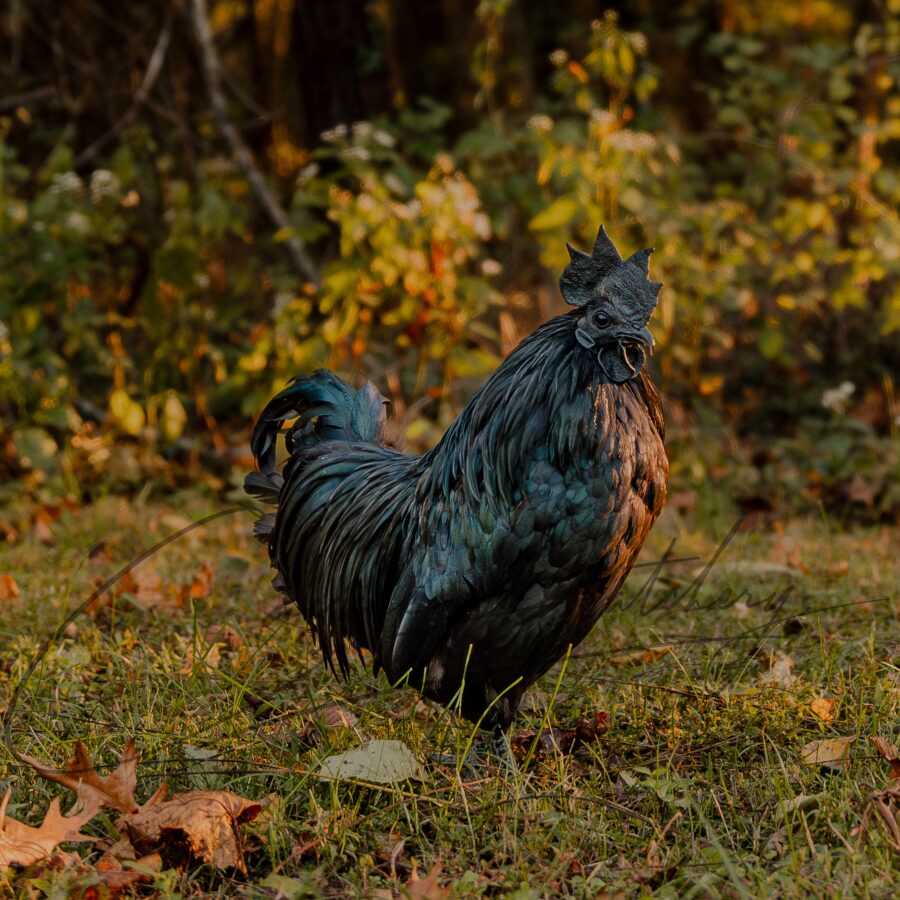
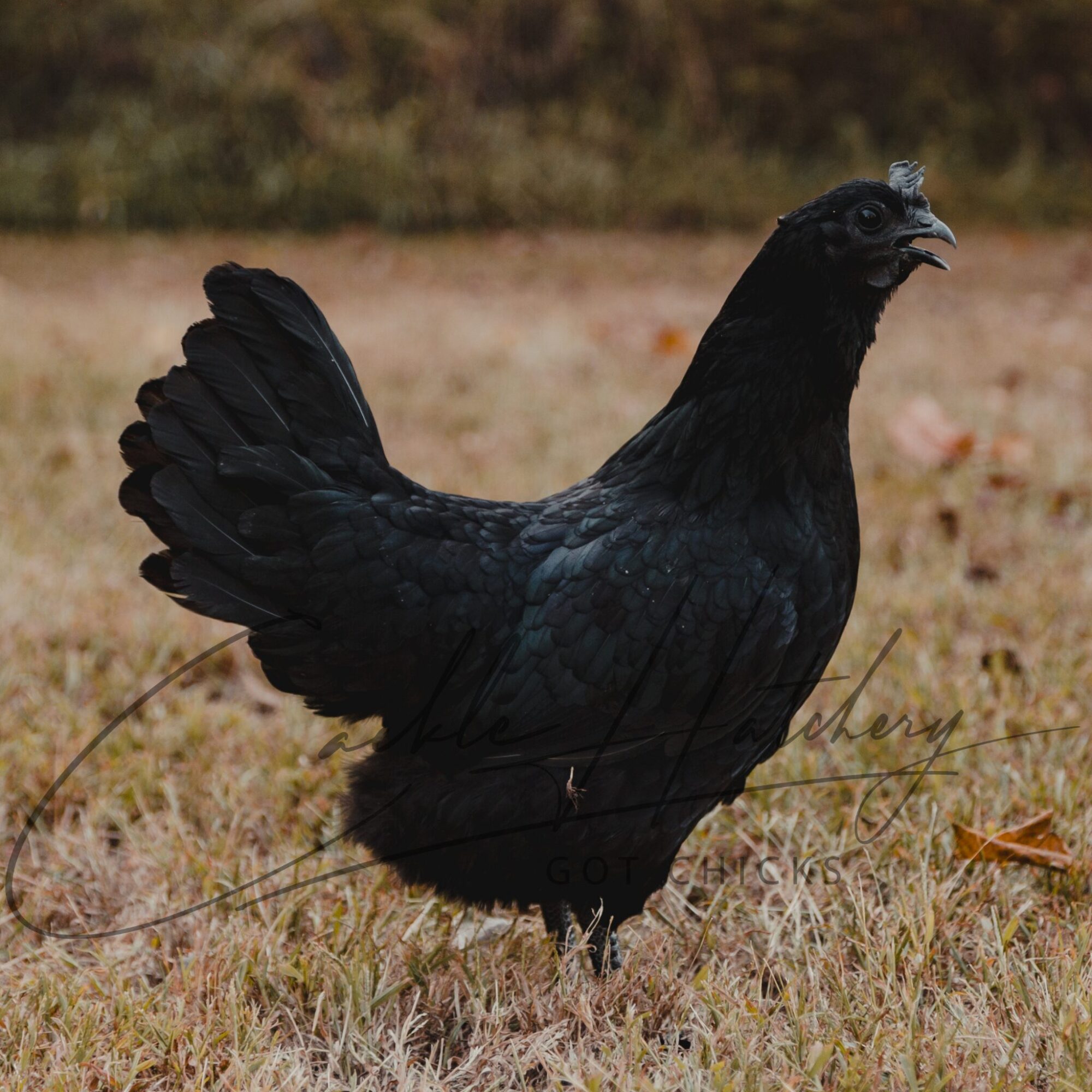
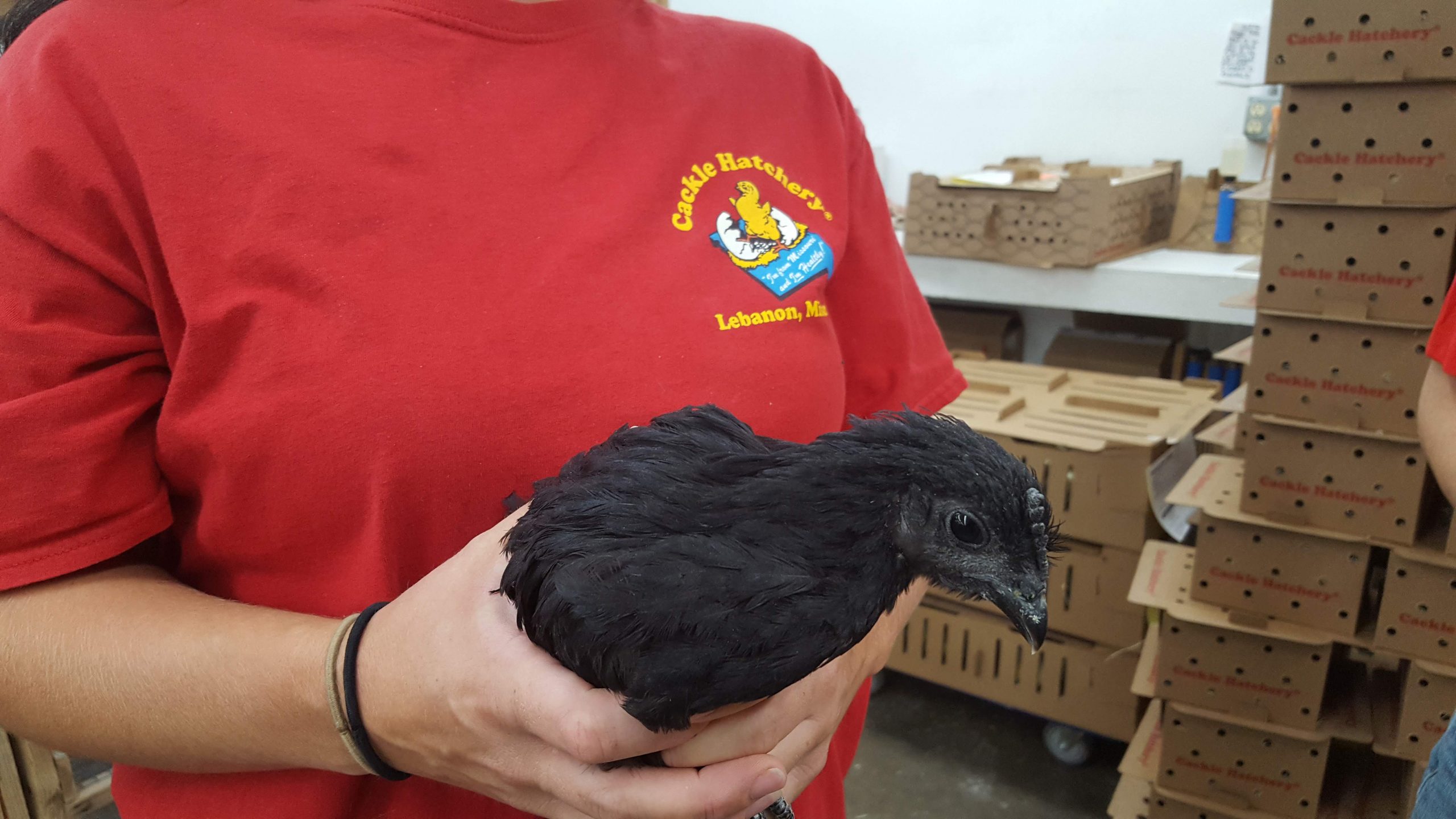
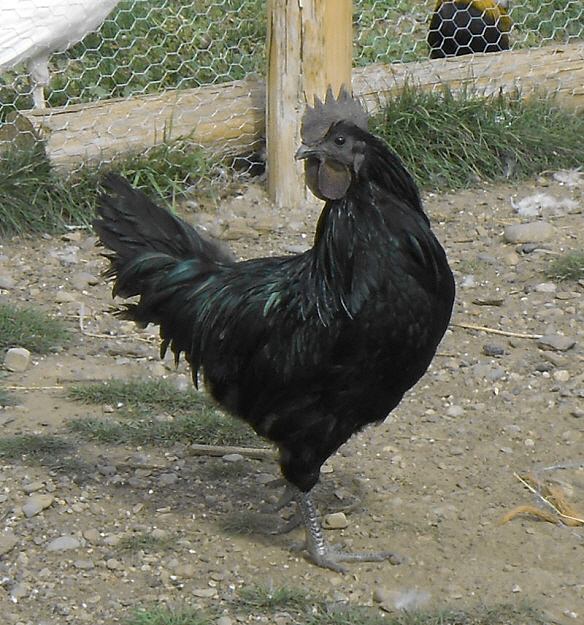
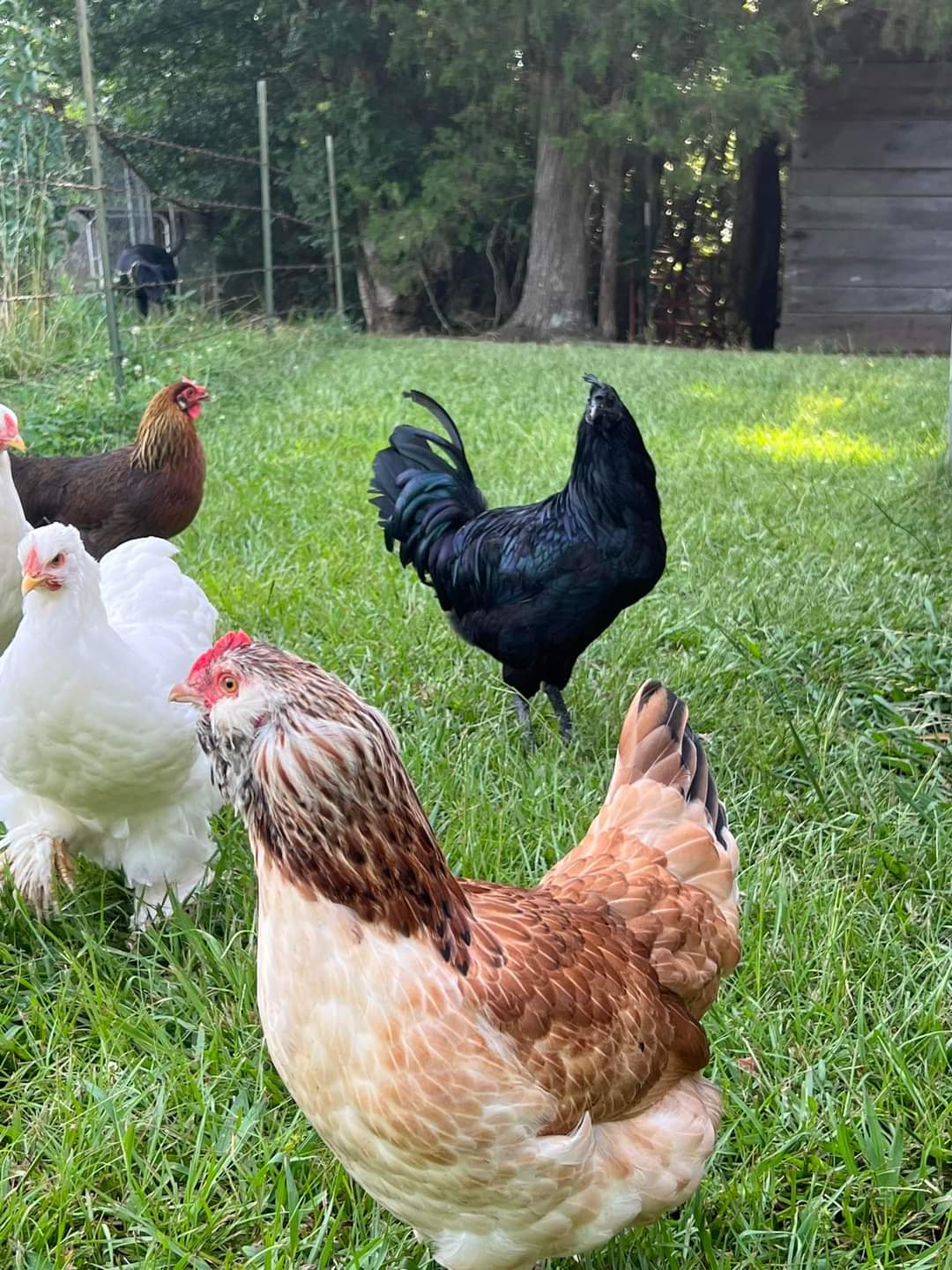
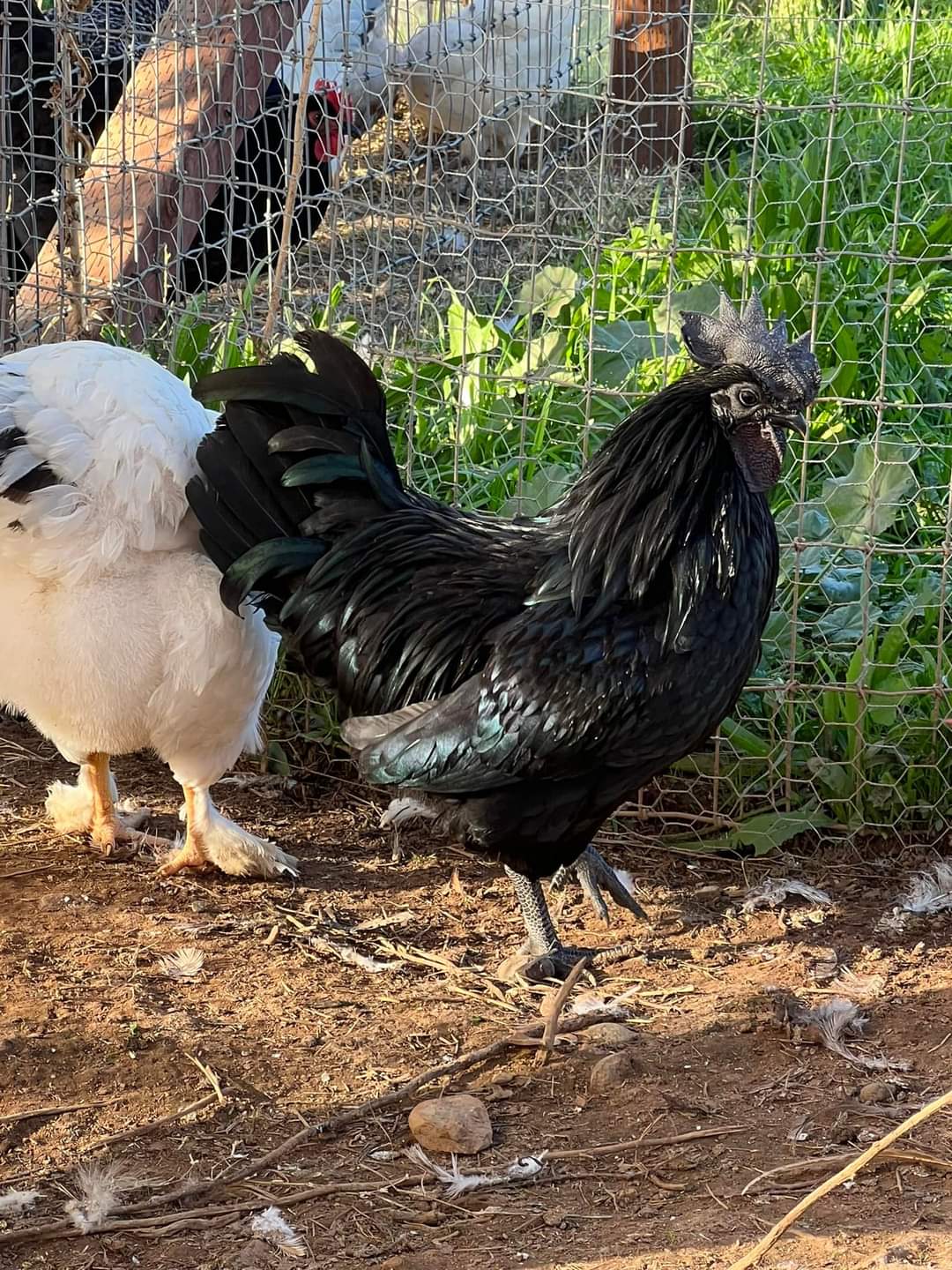
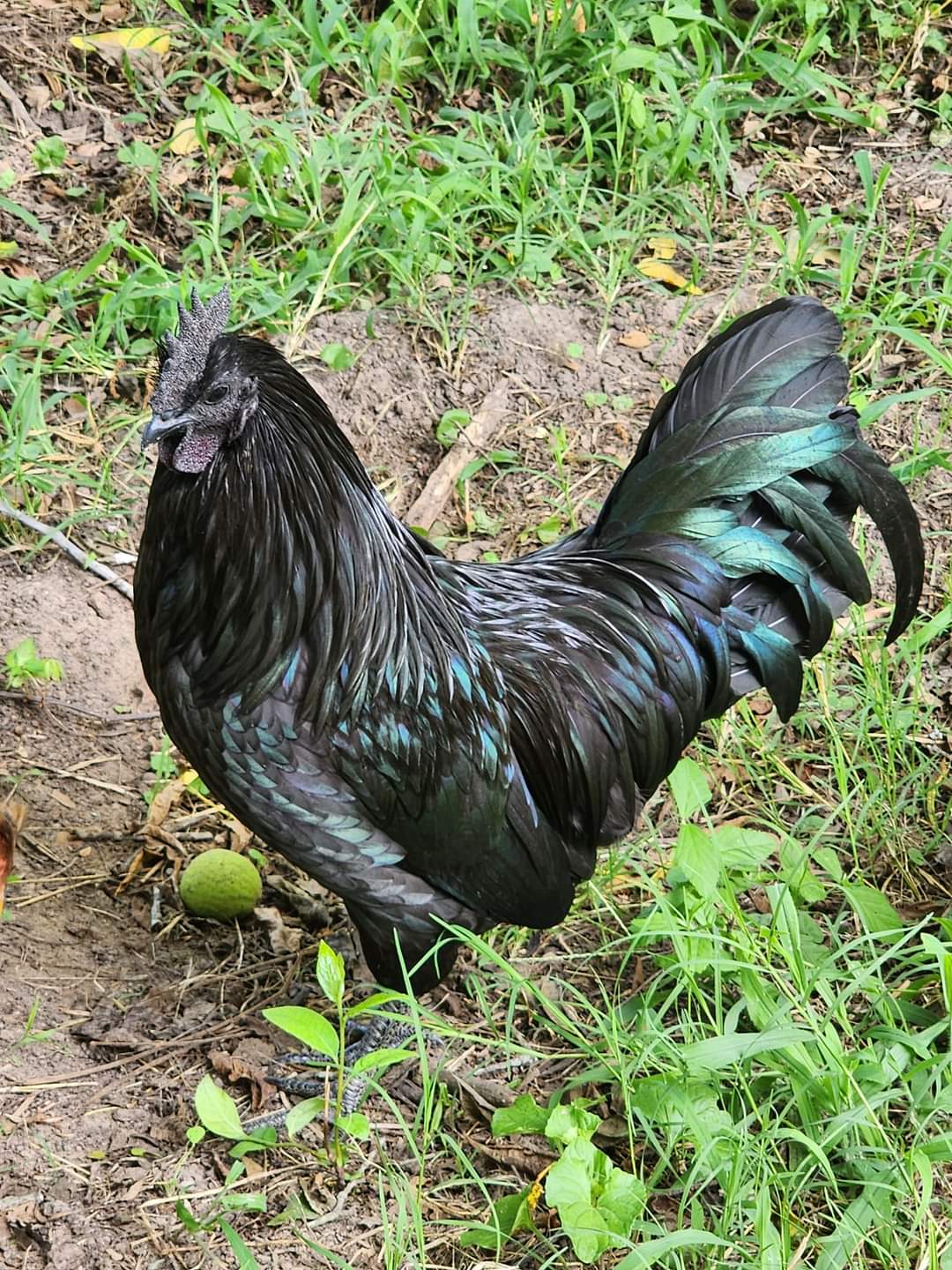
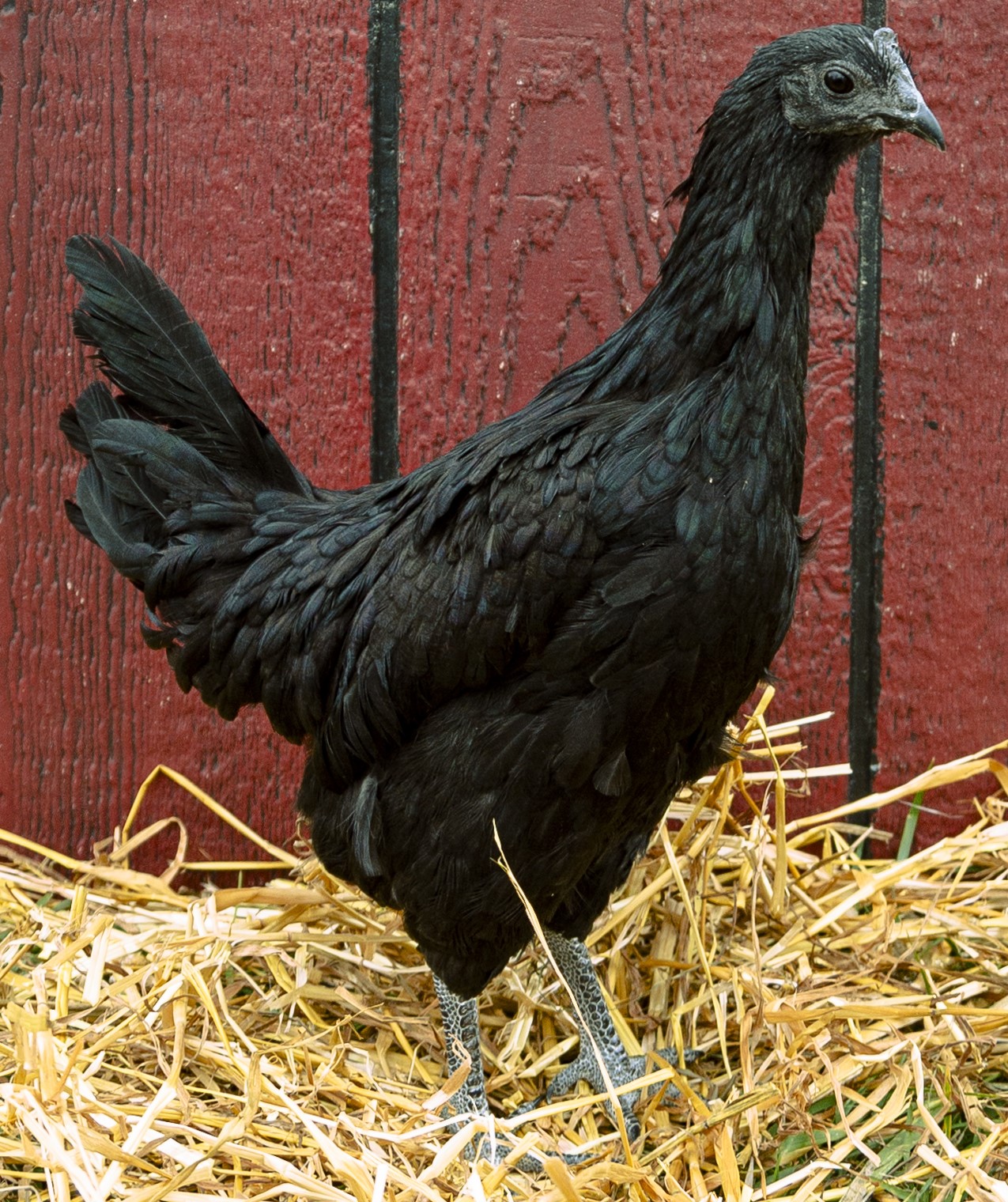
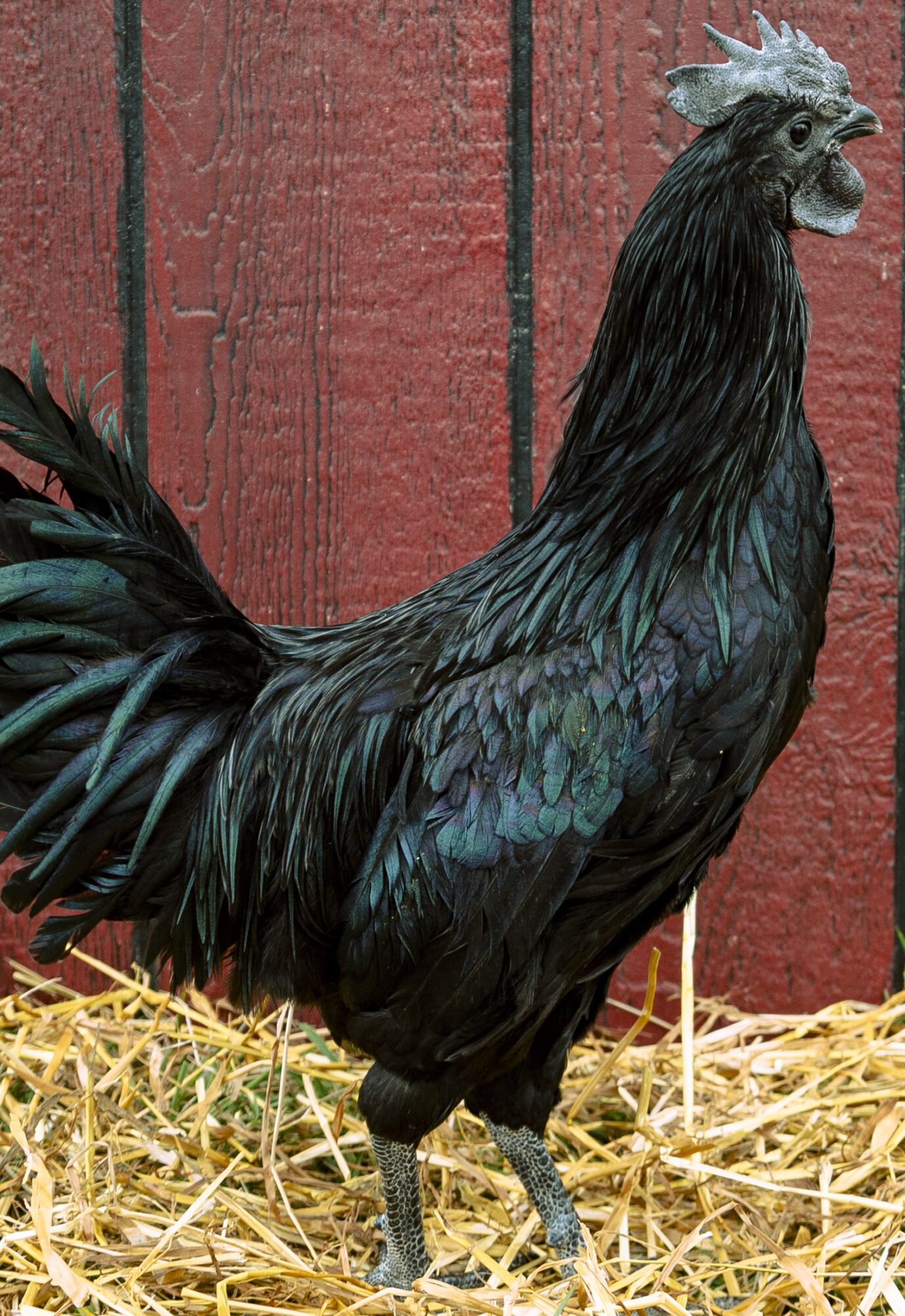
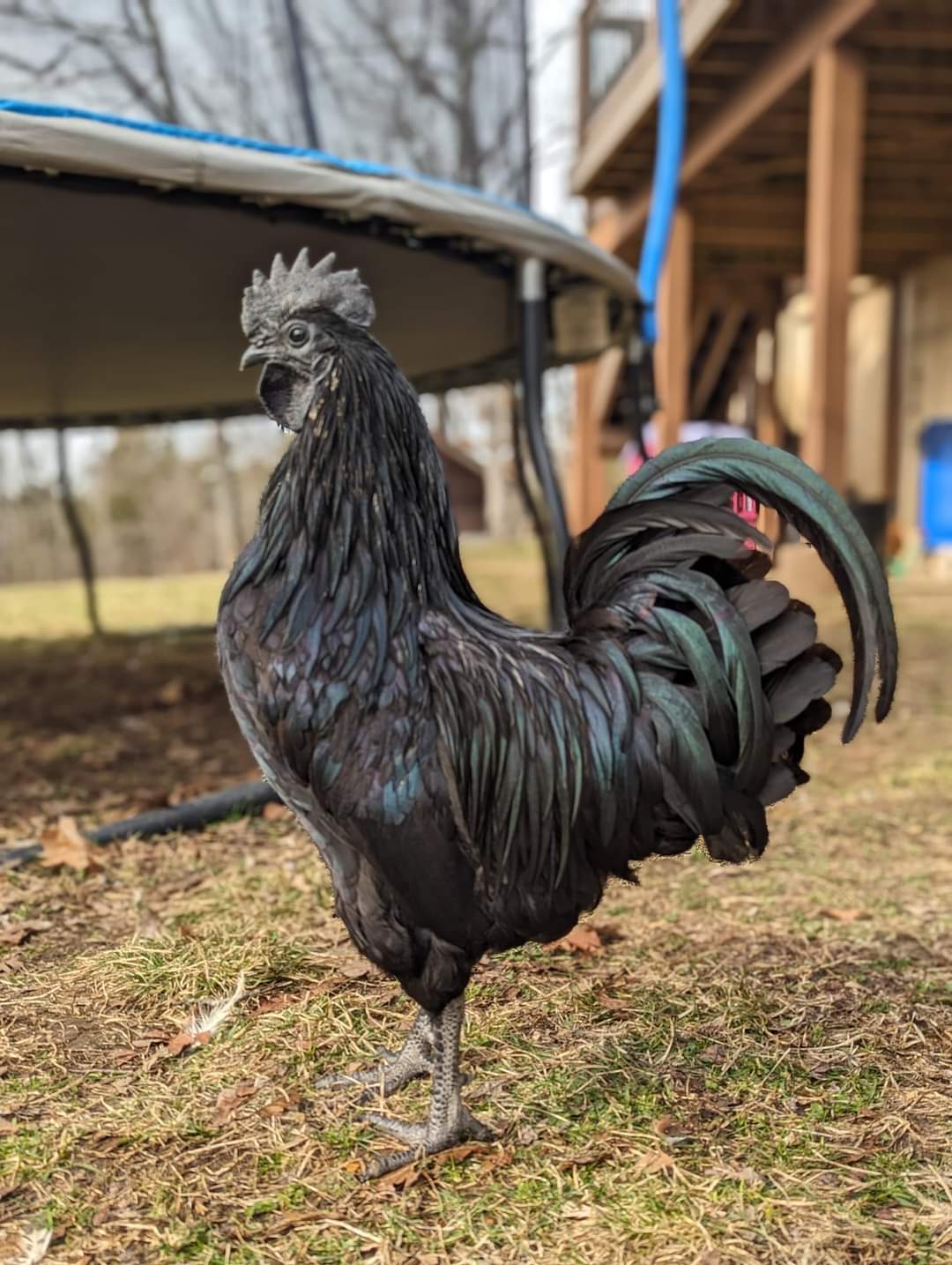
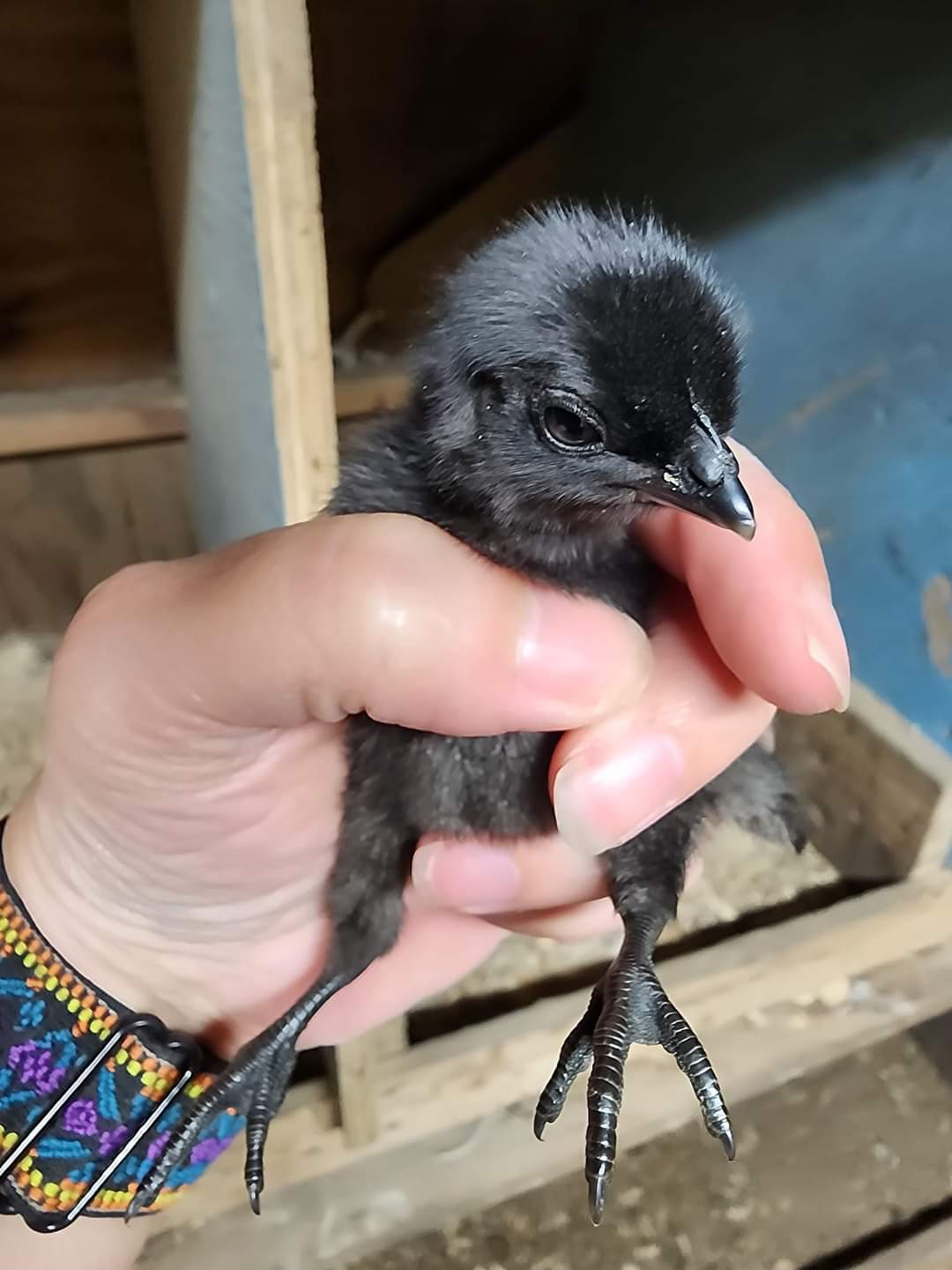
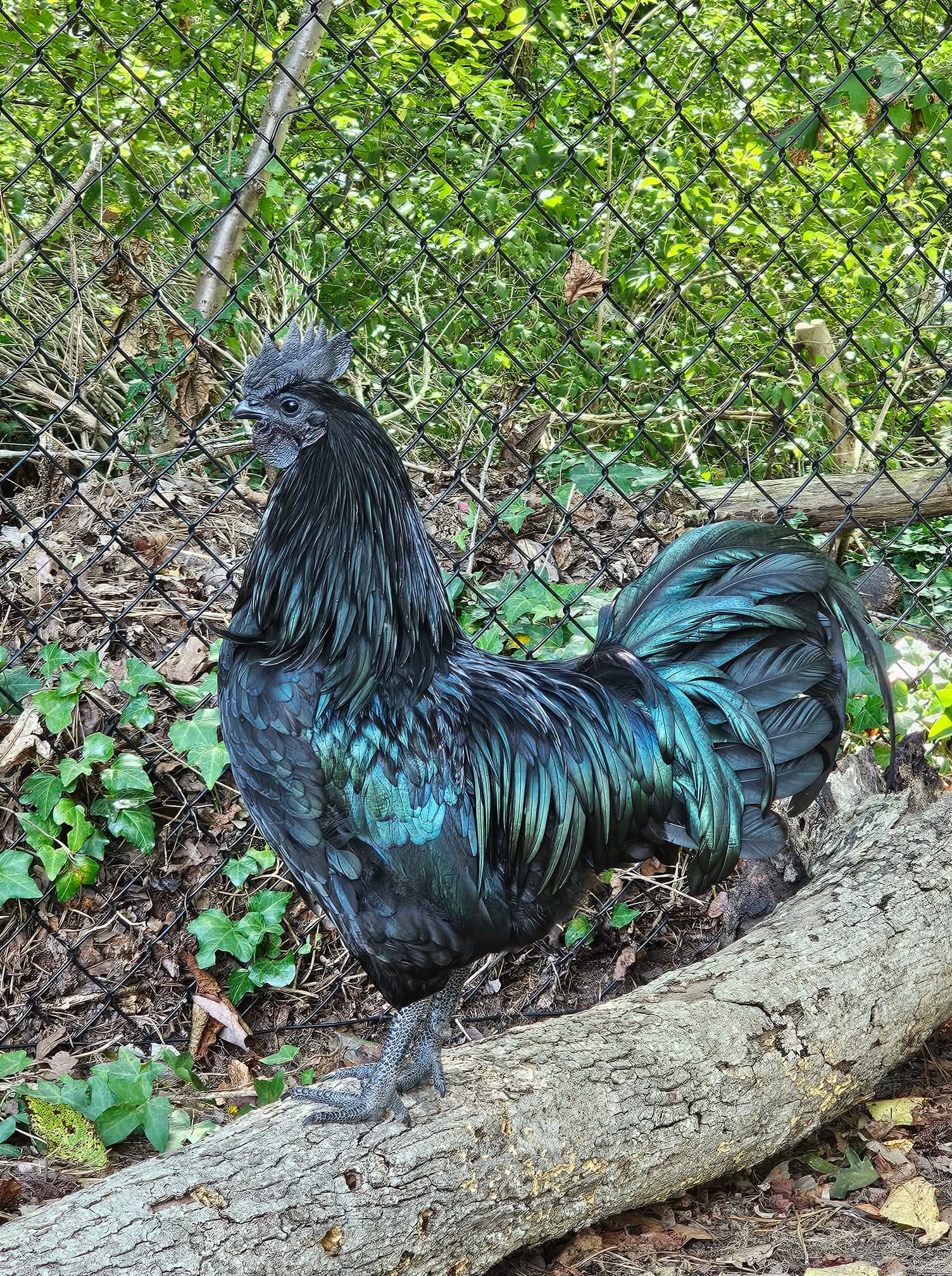
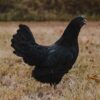
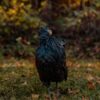
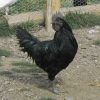
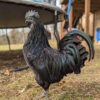
The Ayam Cemani Chicken is one of the rarest and most visually striking chicken breeds in the world. Known for its nearly all-black appearance, this Indonesian breed has black feathers, black skin, black beak, black comb, black wattles, dark bones, dark meat, and dark internal tissue. If you want a rare ornamental chicken with a dramatic look and fascinating genetics, Ayam Cemani chickens are one of the most unique additions you can make to a flock.
Ayam Cemani chickens originated on the island of Java, Indonesia. The word “Ayam” means chicken in Indonesian, while “Cemani” refers to the bird’s deeply black appearance. Historically, this breed has been associated with Javanese culture and has often been connected with ceremonial, mystical, and traditional uses.
The breed was first described by Dutch colonial settlers and was later imported to Europe in 1998 by Dutch breeder Jan Steverink. Today, Ayam Cemani chickens remain rare and highly sought after in the United States because of their unusual appearance, limited availability, and specialty breeding requirements.
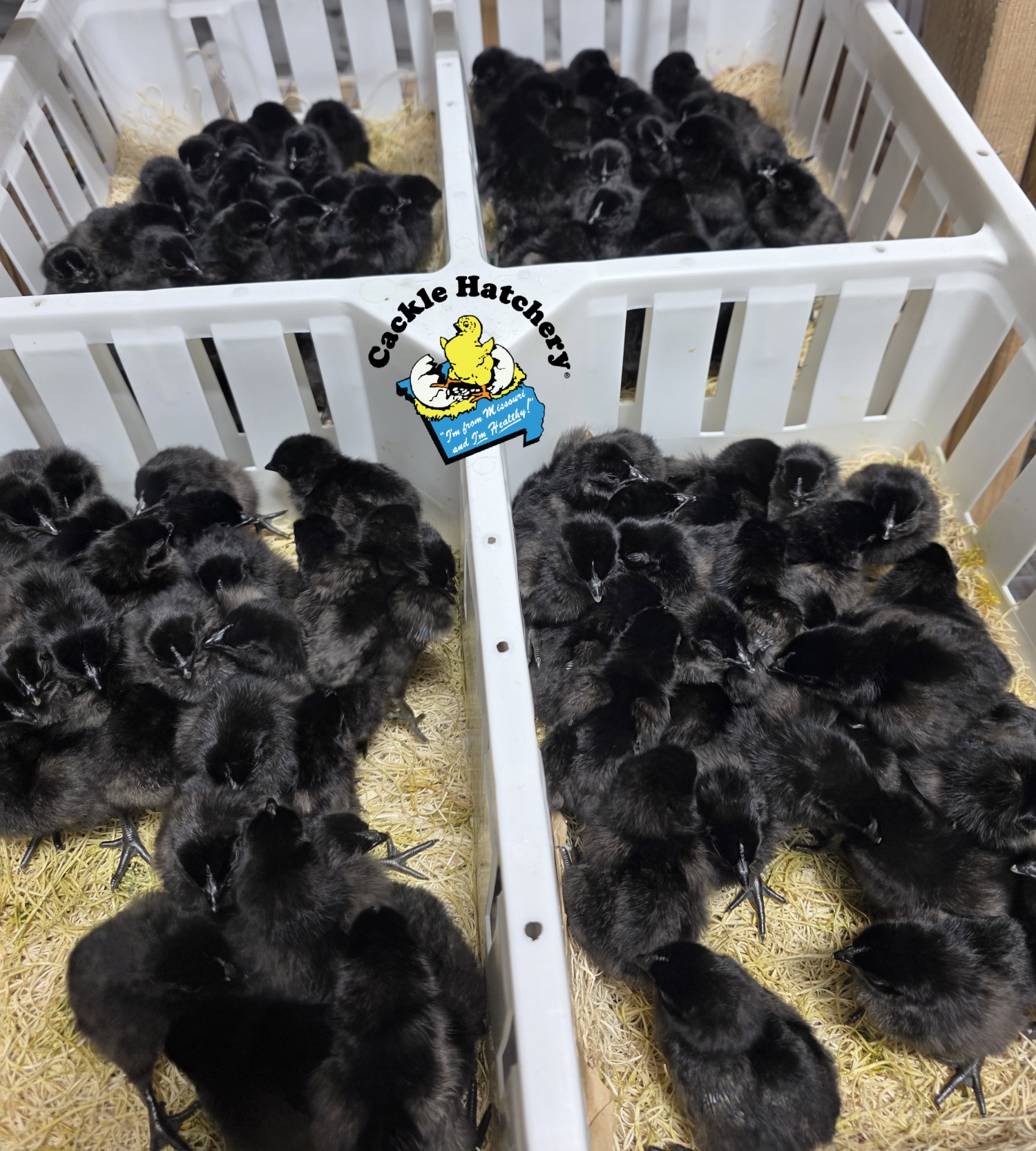
Cackle Hatchery® lists Ayam Cemani as a rare chicken breed from Java, Indonesia. Cackle also notes that its Ayam Cemani bloodline includes Raven and some Greenfire genetics, and that Cackle Hatchery® Poultry Breeding Farm has been developing its pure Ayam Cemani bloodline since 2018.
Appearance and Characteristics
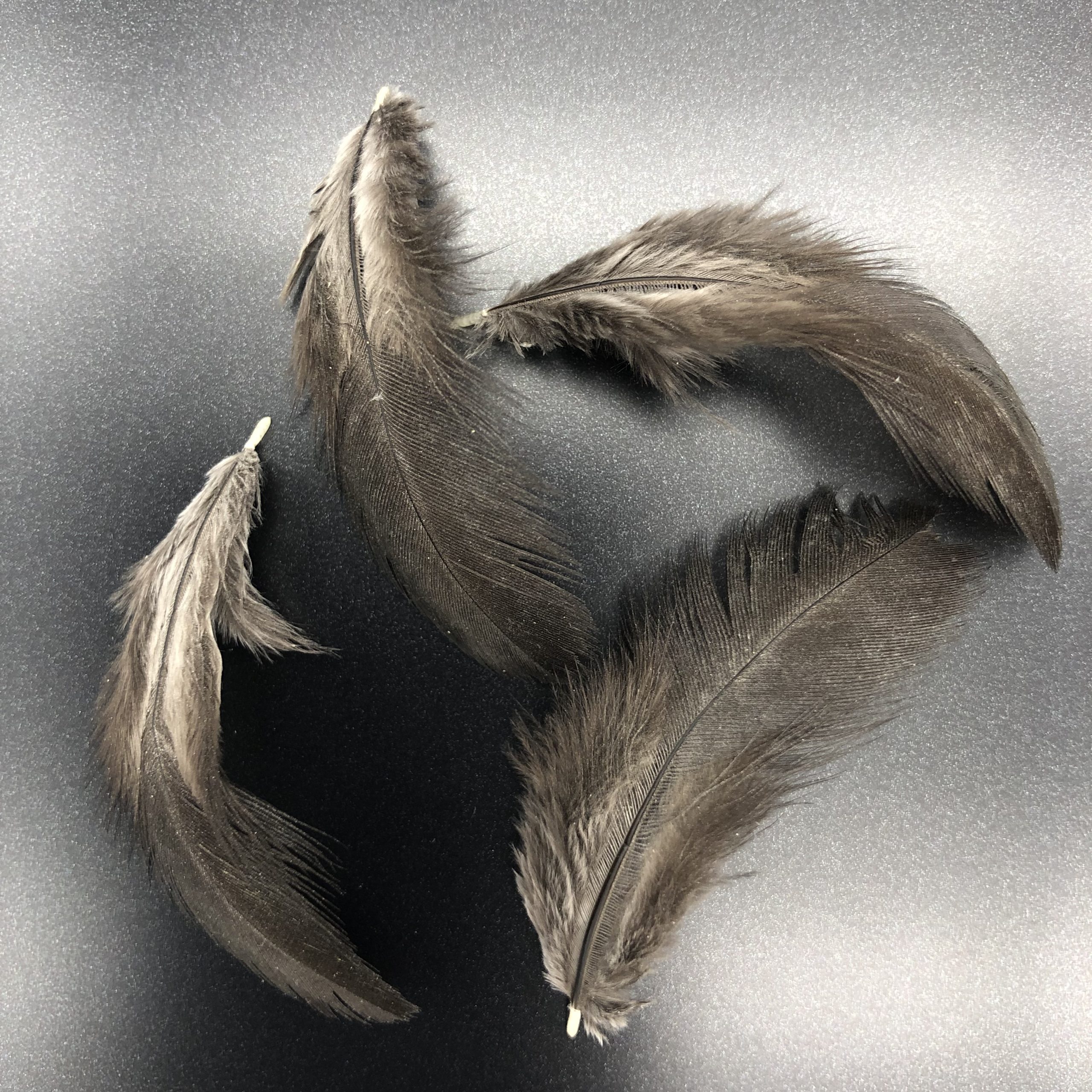
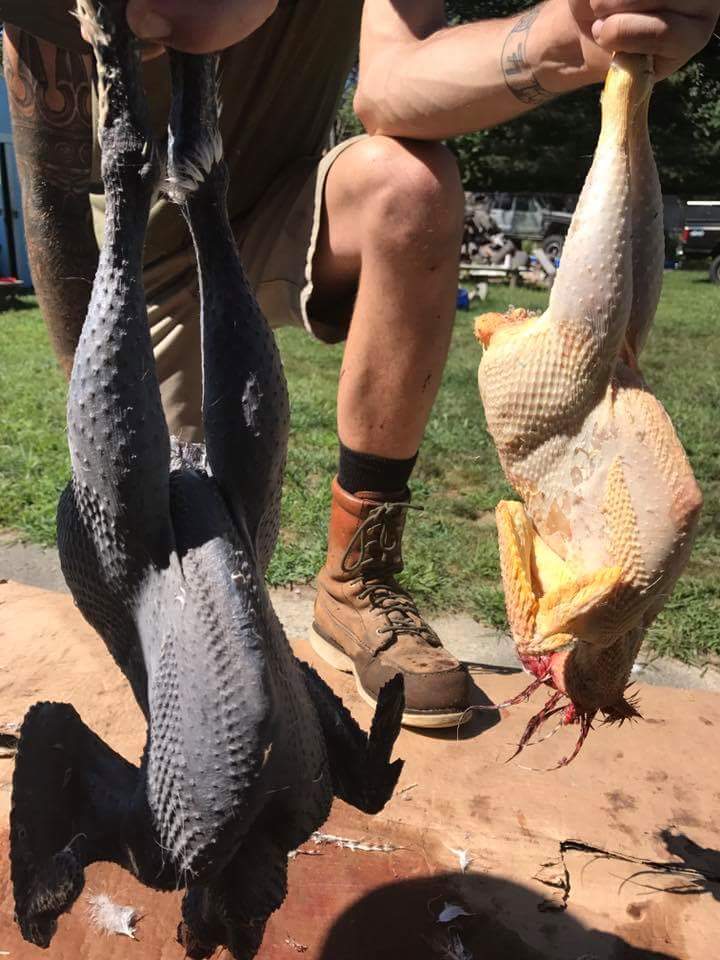
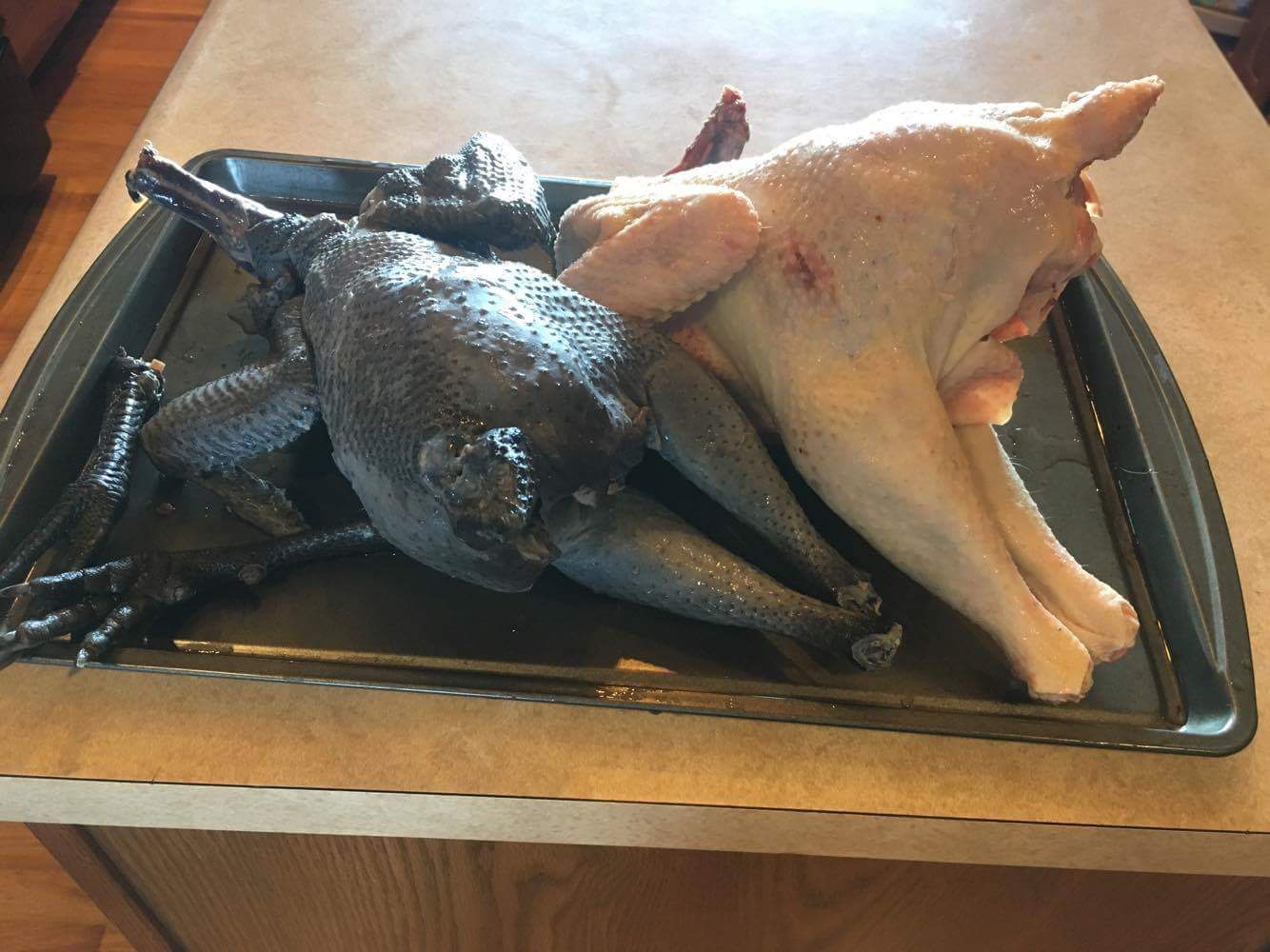
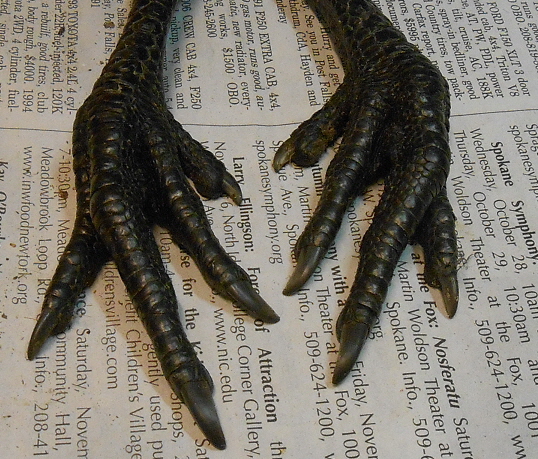
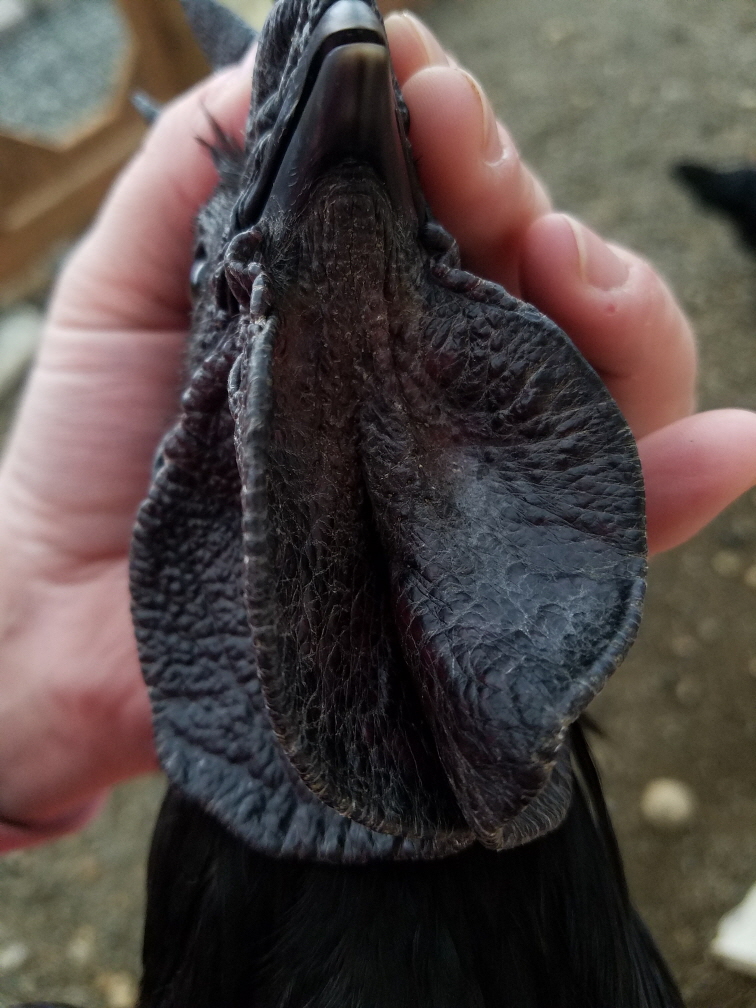
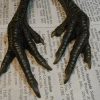
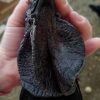
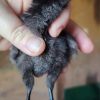
Ayam Cemani chickens are famous for their black appearance. Their feathers, beak, tongue, comb, wattles, skin, meat, bones, and organs may appear black or dark gray. However, their blood is normally colored, not black.
This all-black appearance comes from fibromelanosis, a genetic condition that causes excess dark pigment in the tissues. Scientific research on Indonesian Cemani chickens and Chinese Silkies has linked fibromelanosis to complex duplications on chromosome 20 involving the EDN3 gene, which influences pigment development. That same general fibromelanistic trait also appears in some other dark-skinned poultry breeds, including Silkies.
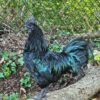
Roosters may develop some mulberry color in the comb or wattles as they mature. Hormones, age, and other influences can affect pigment intensity, especially in males. Therefore, customers should understand that even high-quality Ayam Cemani chickens may show some natural variation.
Important Pigment Disclaimer
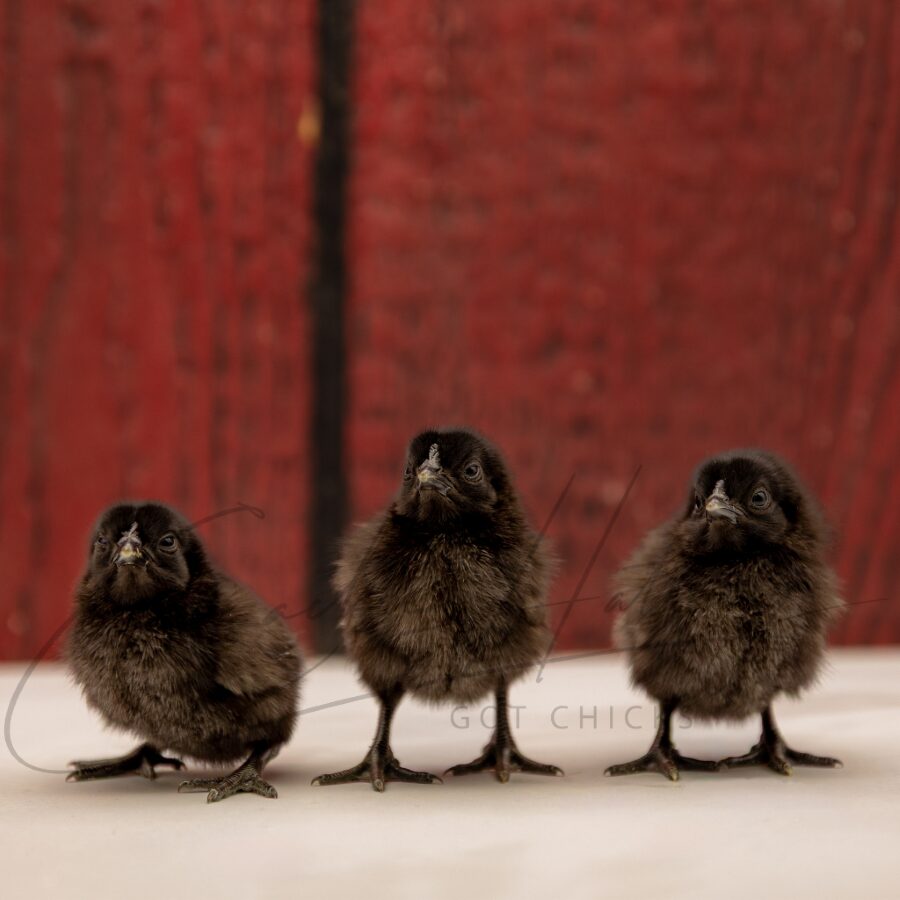
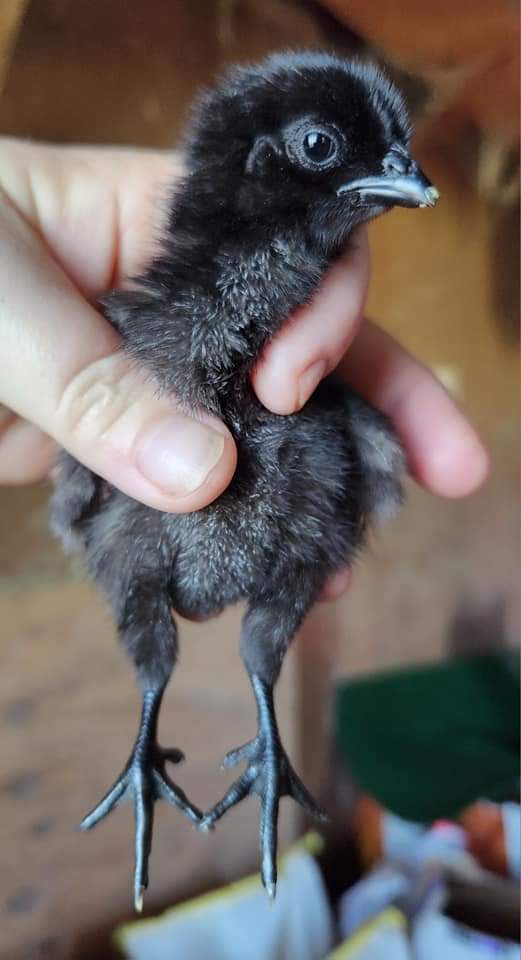
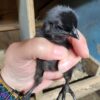
Cackle Hatchery® cannot guarantee the exact distribution of black pigment on every chick. Some Ayam Cemani chicks may show pigment leakage in the tongue, mouth, or toes. In addition, a small percentage may develop some silver feather leakage as they mature.
Cackle does not breed birds that show these unwanted traits and removes them from its breeding flock when they appear. However, because pigment expression can vary, customers should understand that Ayam Cemani chicks may not all develop identical black coverage.
This note is especially important for customers who plan to breed, show, or select for the darkest possible phenotype. If your goal is ornamental flock enjoyment, minor pigment variation may not matter as much. However, if your goal is strict breeding selection, careful evaluation as birds mature is necessary.
Ayam Cemani Egg Color and Production
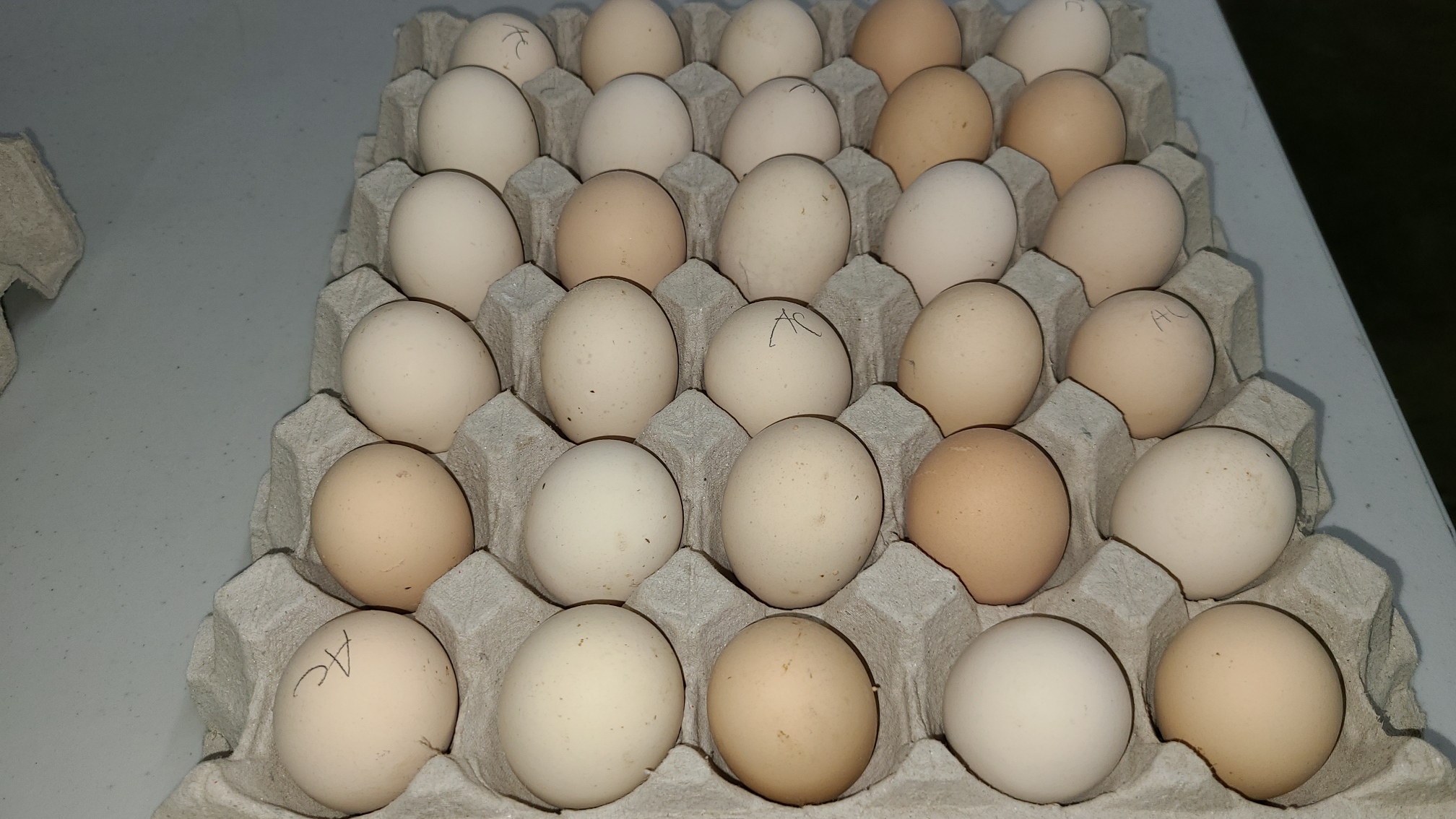
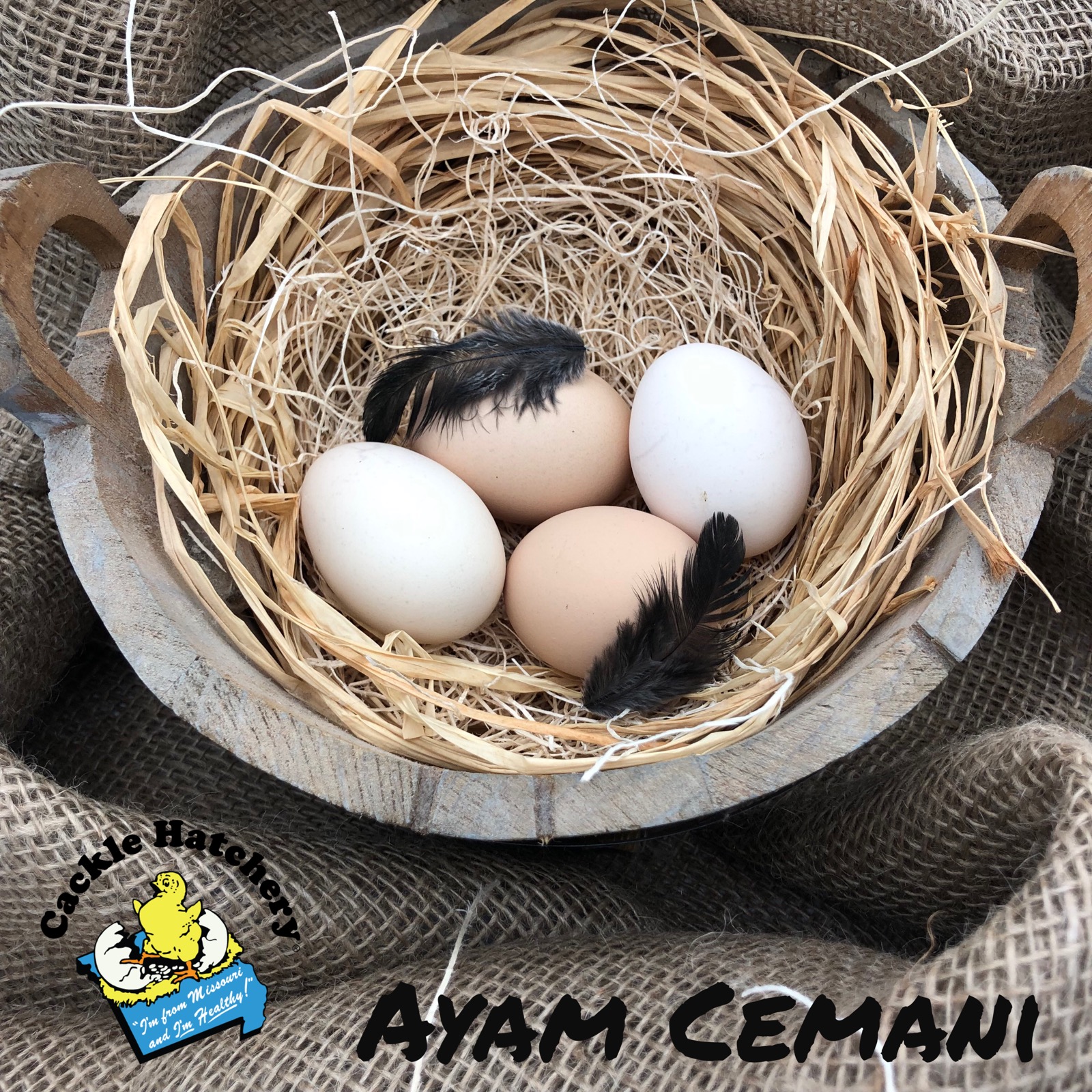
Despite the bird’s black appearance, Ayam Cemani hens do not lay black eggs. Their eggs are usually cream or light tan. This is one of the most common myths about the breed.
Cackle Hatchery® lists Ayam Cemani egg shell color as cream to light tan, with estimated egg production of about 80 to 120 eggs per year. That makes them lower-production layers compared with many commercial egg breeds.
Ayam Cemani hens may be broody sometimes, but they are not usually known as dependable setters. The original Cackle Hatchery® description notes that hens rarely hatch their own brood. As a result, customers who want to reproduce Ayam Cemani chickens may prefer incubating fertile eggs or using a reliable broody hen from another breed.
Choose Ayam Cemani chickens mainly for rarity, appearance, genetics, ornamental value, and breed interest rather than heavy egg production.
Temperament and Flock Suitability
Ayam Cemani chickens can be docile, alert, and interesting flock members. Cackle Hatchery® lists the breed temperament as docile, which makes them appealing for customers who want a rare bird that is still manageable in a backyard or small-farm flock.
This breed can work well for:
- Rare breed poultry keepers
- Ornamental chicken flocks
- Customers interested in fibromelanistic chickens
- Small farms and specialty flocks
- Poultry enthusiasts who want a conversation-starting breed
- Breeders willing to select carefully for pigment quality
- Customers who want a rare black chicken with cream eggs
However, customers who want high egg production, guaranteed uniform pigmentation, or a low-cost starter breed may prefer another chicken. Overall, Ayam Cemani chickens fit best with keepers who value rarity, appearance, genetics, and careful flock management.
Ayam Cemani vs Other Black Chicken Breeds
Ayam Cemani chickens are often compared with other black or dark-skinned breeds, especially Silkies and Black Sumatras. However, they are not the same.
An Ayam Cemani is known for extreme fibromelanosis, with dark pigmentation in the skin, meat, bones, and organs. The breed also has a sleek, upright appearance and cream to light tan eggs.
A Silkie Bantam chicken also has black skin and dark tissue, but Silkies have soft, fluffy feathering, five toes, feathered legs, and a very different body type.
A Black Sumatra chicken has glossy black feathers and a striking ornamental look, but it does not have the same full fibromelanistic expression throughout the body.
Choose Ayam Cemani chickens if you want one of the most dramatic black chicken breeds, with dark skin, dark tissue, dark bones, and rare Indonesian breed history.
Ayam Cemani vs Production Egg Layers
Ayam Cemani chickens are not production egg layers. While hens may lay cream or light tan eggs, their estimated production is much lower than many common egg breeds.
Choose Ayam Cemani if your main goals are:
- Rare breed ownership
- Ornamental flock value
- Black skin, meat, bones, and tissue
- Fibromelanosis genetics
- A unique Indonesian chicken breed
- A conversation-starting flock addition
Choose a production breed such as Leghorn chickens or another high-output layer if your main goal is frequent egg production.
For customers comparing rare birds, Cackle’s Rare Chicken Breeds for Sale category is a helpful place to browse.
Hatching Egg Option
Cackle Hatchery® also offers Ayam Cemani Fertile Hatching Eggs when available. This option can be a good fit for customers who enjoy incubating rare breed eggs or want to hatch chicks at home.
Cackle’s Ayam Cemani hatching egg listing notes that the breed has black skin, black muscle, black bones, and black organs due to a mutant fibromelanistic gene that deposits excessive black pigment. It also states that Cackle has worked hard on its bloodlines since importing eggs and birds in 2014 and 2015.
Choose chicks if you want already-hatched Ayam Cemani birds. Choose fertile hatching eggs if you want the experience of incubating and hatching your own rare black chickens.
Is the Ayam Cemani Chicken Right for Your Flock?
Choose Ayam Cemani chickens if you want:
- A rare Indonesian chicken breed
- Black feathers, skin, meat, bones, and organs
- A dramatic ornamental flock bird
- A docile rare breed
- Cream or light tan eggs
- A bird with fibromelanosis genetics
- A specialty breed for experienced poultry keepers
- A unique conversation piece for your flock
However, consider another breed if you need heavy egg production, guaranteed all-black pigment distribution in every chick, or a dependable broody hen. In short, Ayam Cemani chickens are best for customers who value rarity, beauty, genetics, and careful breeding selection.
Care and Housing Tips
Ayam Cemani chickens need the same dependable care as other standard-size chickens. They do best with a clean coop, secure run, proper feed, fresh water, and predator protection.
For best results, provide:
- A dry, well-ventilated coop
- Predator-resistant fencing
- Clean bedding
- Fresh water at all times
- Balanced chick starter and age-appropriate feed
- Enough roosting space
- Nest boxes when pullets near laying age
- Shade and ventilation during hot weather
- Protection from drafts and damp bedding in cold weather
- Careful breeding selection if raising future Ayam Cemani stock
Because Ayam Cemani chickens are rare and valuable, strong predator protection is especially important. Secure nighttime housing, covered runs when needed, and careful flock monitoring help protect your investment.
Recognition and Availability
Cackle Hatchery® lists Ayam Cemani as a rare chicken breed from Java, Indonesia. The listing also notes that the breed is not recognized by the American Poultry Association and is not listed by The Livestock Conservancy. Cackle lists the breed purpose as ornamental, meat, and egg, with a docile temperament and a mating ratio of 8 females to 1 male.
Since hatch dates and shipping windows can change during the season, customers should check Cackle Hatchery’s Chicken Availability Chart before ordering.
For customers who want to learn more about this breed, Cackle’s Rare Breed Spotlight: The Ayam Cemani Chicken is a helpful resource.
Related Breeds and Helpful Cackle Hatchery® Resources
Customers who like Ayam Cemani chickens may also enjoy other rare, ornamental, black, or unusual chicken breeds.
Helpful Cackle Hatchery® links for this product page include:
FAQ: Ayam Cemani Chicken
What is an Ayam Cemani Chicken?
An Ayam Cemani Chicken is a rare Indonesian chicken breed known for black feathers, black skin, black meat, black bones, and dark internal tissue caused by fibromelanosis.
Where do Ayam Cemani chickens come from?
Ayam Cemani chickens originated on the island of Java, Indonesia.
What does “Ayam Cemani” mean?
“Ayam” means chicken in Indonesian. “Cemani” refers to the bird’s deeply black appearance.
Why are Ayam Cemani chickens black?
Their black color comes from fibromelanosis, a genetic condition that causes excess dark pigmentation in the tissues.
Is Ayam Cemani blood black?
No. Ayam Cemani blood is normally colored. The black appearance affects many tissues, but not the blood.
Do Ayam Cemani chickens lay black eggs?
No. Ayam Cemani hens lay cream or light tan eggs, not black eggs.
What color eggs do Ayam Cemani chickens lay?
Cackle Hatchery® lists Ayam Cemani egg shell color as cream to light tan.
How many eggs do Ayam Cemani hens lay?
Cackle Hatchery® estimates Ayam Cemani egg production at about 80 to 120 eggs per year.
Are Ayam Cemani hens broody?
Sometimes. Cackle Hatchery® lists them as sometimes broody, although the original description notes that hens rarely hatch their own brood.
Are Ayam Cemani chickens friendly?
Cackle Hatchery® lists Ayam Cemani temperament as docile. Individual temperament can still vary by bird, handling, and flock setup.
Are Ayam Cemani chickens good for beginners?
They can work for beginners who understand that they are rare, lower-production birds with pigment variation. However, many customers may prefer to gain chicken-keeping experience before investing in a specialty breed.
Are Ayam Cemani chickens good egg layers?
No. They are not high-production layers. Customers usually choose Ayam Cemani chickens for rarity, appearance, genetics, and ornamental value.
Are Ayam Cemani chickens used for meat?
Cackle Hatchery® lists the breed purpose as ornamental, meat, and egg. Their black meat and bones make them unusual compared with common meat breeds.
Will every Ayam Cemani chick be completely black?
Not always. Cackle Hatchery® cannot guarantee exact pigment distribution. Some chicks may show leakage in the tongue, mouth, or toes, and a small percentage may show silver feather leakage as they mature.
Can Ayam Cemani roosters show mulberry coloring?
Yes. Roosters may develop some mulberry color as they mature due to testosterone and other influences.
What is fibromelanosis?
Fibromelanosis is a genetic condition that causes excess dark pigmentation in chicken tissues. In Ayam Cemani, it helps create the bird’s black skin, dark tissue, dark meat, and dark bones.
Is Ayam Cemani recognized by the APA?
No. Cackle Hatchery® lists Ayam Cemani as not recognized by the American Poultry Association.
Does Cackle Hatchery® offer Ayam Cemani hatching eggs?
Yes. Cackle Hatchery® offers Ayam Cemani Fertile Hatching Eggs when available.
What bloodlines are in Cackle Hatchery’s Ayam Cemani flock?
The original Cackle Hatchery® description notes that its Ayam Cemani bloodline includes Raven and some Greenfire genetics.
Where can I check Ayam Cemani availability?
Customers can check Cackle Hatchery’s Chicken Availability Chart for current hatch and shipping timing. Since Ayam Cemani chickens are rare, availability can change during the season.











sarahscitta –
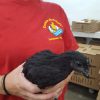
I ordered three Ayam Cemani chicks from Cackle Hatchery almost a year ago, and I couldn’t be happier with my experience! The pricing was fair, and the chicks arrived safely, thanks to their excellent packaging and careful shipping process. All three females were strong, healthy, and true to the breed standard—no leakage, great confirmation, and they’ve continued to thrive as they’ve grown.
I’ve ordered from other hatcheries and vendors before and none have matched the quality and care I received from here. Their birds are exceptional and their shipping process ensures the chicks arrive in top condition. I have no hesitation in placing another order and plan on purchasing more chicks from them this year. Highly recommend to anyone looking for quality poultry from a reliable source!
Joseph Staley –
So I ordered 4 chicks on two separate orders. The first came with two extra that unfortunately was DOA, but the other four came in healthy. On my second order of four I received 5 with one DOA, but yet again the other four were very healthy. Now that it’s been a few months I have lost one to mysterious reasons. I have 7 very black very healthy chickens. Unfortunately 5 are roosters and only 2 hens. Overall I’m very happy with it all. Ill definitely order more next year to try and increase my hens.
Carly Jarman –
I took a leap and purchased five Cemanis through Cackle and was actually given two more free. Whether this was to ensure I had 5 survive, there were leftovers that day or they were just really generous I couldn’t say.
All 7 made it. I have 3 beautiful roos and 4 hens. Surprisingly, they’re much more docile than the other breeds- the hens politely waiting their turn for snacks- and the boys actually bring food to all the ladies. I can’t recommend them enough. None of them have any noticeable color leaching at all.
I also purchased Cackle’s version of the zombie and the color dynamic in those boys is phenomenal.
Peter Grubb –
I ordered 6 Ayam Cemani chicks and 7 were shipped to me. One mysteriously died a few days later, so was happy I still have 6. This was in April and now it is September and the 6 are fully grown and healthy. I have 2 roosters and 4 hens. The hens have started to lay. One rooster is very handsome with a large comb. Their crow is not too loud. I’m building a second coop just for the 6 so I can breed them. They are a little more skittish than my other breeds, but once they are in their own coop I hope I can spend more time with them and get them to be more tame. This is my second order from Cackle and I’ve been very happy with their chicks and their service.
Donna Fichtl –
I purchased 3 Ayam chicks, and was given 4. Only 1 was female. One of the males developed leakage – white tipped feathers. No leakage on the others by 3 months of age. All were healthy and pretty. Two of the males fought everyone (including larger chicks) from early on. The Ayams seemed more affected by Oklahoma heat than my other breeds, so I sold them to simplify my flock. I was satisfied with Cackle. I just decided Ayams aren’t for me.
chasebrooks –
Our 6 Cemanis arrived healthy, and all of them are still alive after 4 months or so. I will say that they are significantly smaller than our other breeds, but it doesn’t appear that we have any color leakage issues. Pretty pleased!
Jolene Baughman –
I just got my chicks! Healthy and happy babies! From here, it’s up to me! Thank you so much!!!
Robert Cook –
I ordered 6 of the Cemani for delivery in mid April 2023 for my first cousin in central Texas. All six arrived healthy and in good shape.
Here recently, much to our disappointment, she recently discovered she had 5 males and one female. But we understand its impossible to sex chicks at this age.
Unfortunately, she lost two males earlier in the month, due to fighting. In fact, she recently lost two more males, due to fighting.
She has 1 male and 1 female left. Our fingers are crossed they breed, because both are solid black!
Fingers crossed! Everything that Cackle promised came true. I will order more birds next year to send to her!
Keep up the good work!
Segismundo Millan –
I ordered 7. They’re about 12 weeks. 5 cockerels 2 pullets. 3 of the cockerels with white feather leakage – one all black but with mulberry tones on earlobes and one all black a crinkled comb. One pullet looks All black at this point. The other pullet with a pink tongue. A lot of “leakage”. Lucky for me – my in laws are only interested in black meat for “medicine” soup. Unlucky for my wallet because I could have gone with silkies.
Shipping was fine – the all arrived alive. I ordered 3 black female australorps After I made this initial order and they all came together. Had to pay separate shipping. They did throw in 2 extra australorps. Which I’ve been reading is standard practice to add extra. I wish they threw in some extra Cemanis since almost all of them have leakage.
Other places will charge $100/$150 a chick. You might have to go with that option if you’re planning on getting into breeding or want a nice specimen of the breed. If you want pets or medicine meat. Order from here since you’ll be culling most of your purchase anyways.
Cackle Hatchery (store manager) –
Oh no so sorry to hear that. As stated on website possible white on wings, though rare, is normal and always go black by first molt and 30% will have white color leakages in tongue, mouth and toes.
We cannot guarantee the distribution of black pigment on chicks.
Krystyn Andrews –
Very disappointed with Cackle! I bought 8 Ayam Cemanis and 1 has White thru out the neck and wings, (I sent them photos its clear as day)
and getting more daily. They told me they couldn’t guarantee the all black bird sorry! Wow really I spend $49.99 for a bird I can’t use for reproducing (hes a Roo and will now ruin every egg he fertilizes) because the breed is all black and if a 4h or ffa student has white in an All Black bird they’ll be disqualified. $400.00 and all they had to say was Sorry!
Cackle Hatchery (store manager) –
Oh no so sorry to hear that. As stated on website possible white on wings, though rare, is normal and always go black by first molt and 30% will have white color leakages in tongue, mouth and toes. We cannot guarantee the distribution of black pigment on chicks.