Description
Black Ameraucana Chicken
Breed Overview and Origin
The Black Ameraucana Chicken is one of the most popular Ameraucana varieties for customers who want true Ameraucana type, beautiful black plumage, and naturally blue egg potential. If you want a recognized blue egg layer with strong exhibition appeal and a clean, classic look, this variety is one of the standout options in Cackle Hatchery’s colored egg layer lineup.
Ameraucanas are different from Easter Eggers, Americanas, and Araucanas. True Ameraucanas have breed standards, recognized color varieties, muffs, beards, tails, and blue egg genetics. Cackle Hatchery’s article Blue Egg Chicken: Ameraucana or Americana? explains that birds marketed as Americanas, Americaunas, Easter Eggers, or Rainbow Layers may vary widely in appearance and egg color, while Ameraucanas are a more specific breed type.
Cackle Hatchery® received its seedstock for large fowl Black Ameraucanas from Ameraucana creator John W. Blehm of Michigan in 2014. Since then, Cackle has bred this line with the goal of producing the bluest eggshell color possible — a natural light pastel blue. However, a small percentage of hens may lay eggs with a light green shade.
Because Black Ameraucanas combine show quality, blue egg interest, and backyard usefulness, they work well for customers who want more than a generic colored egg layer. They are especially appealing for poultry exhibitors, blue egg enthusiasts, and backyard flock owners who value true Ameraucana traits.
Appearance and Characteristics
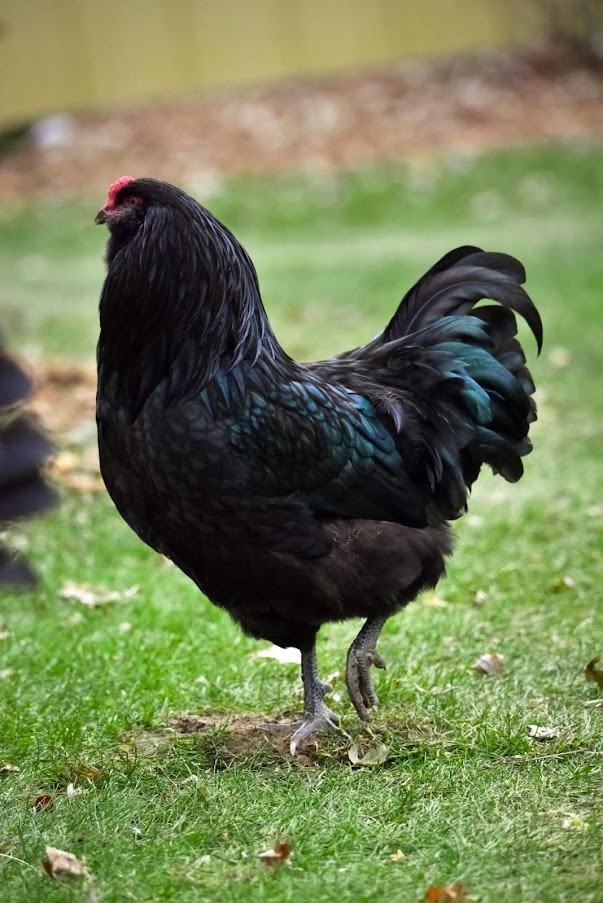
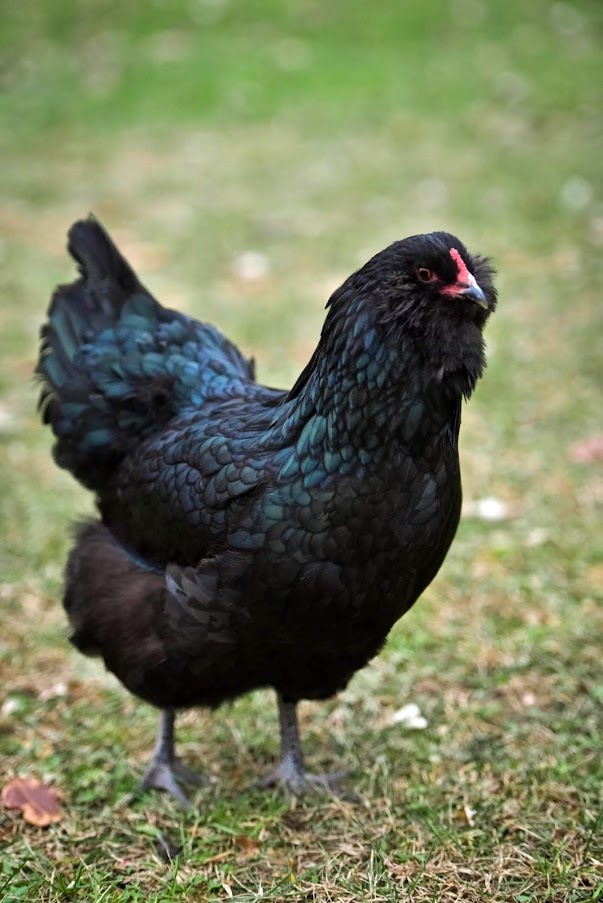
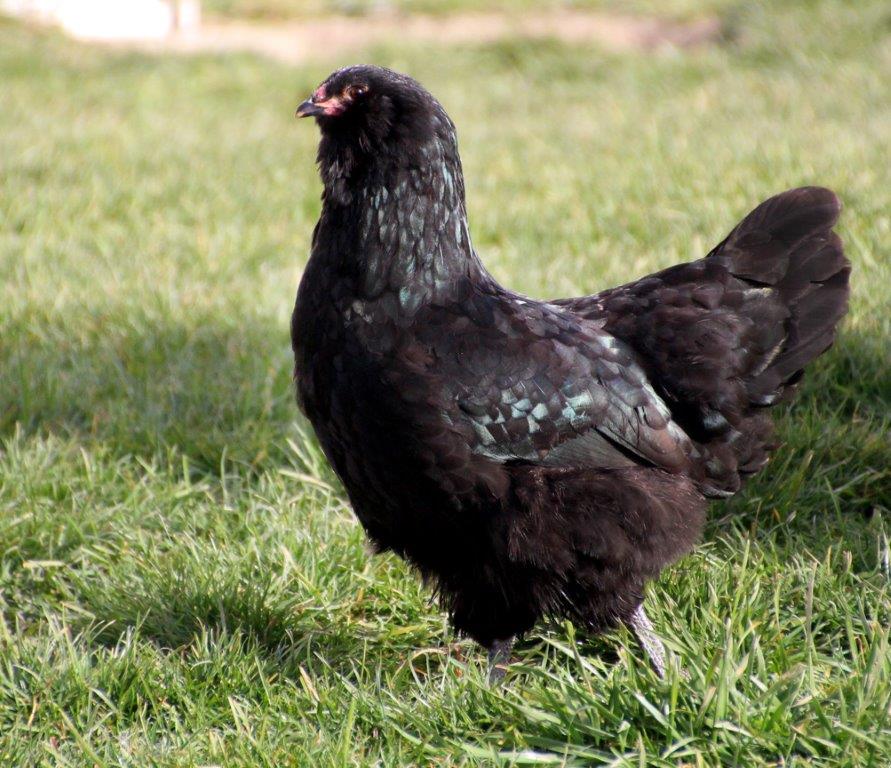
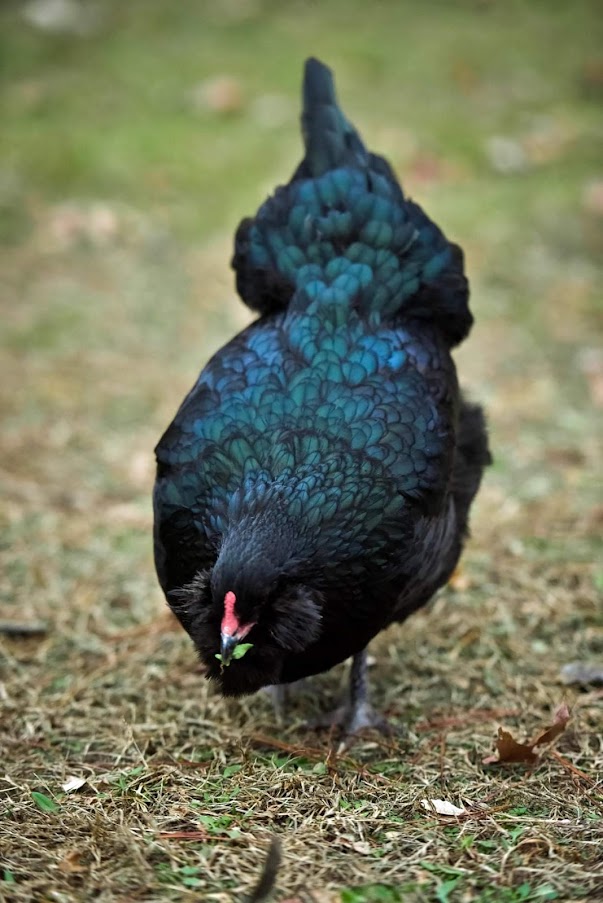
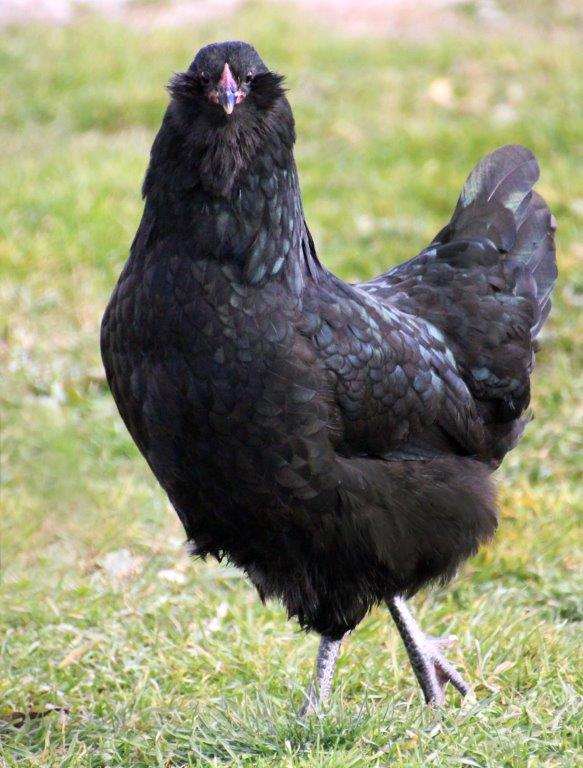
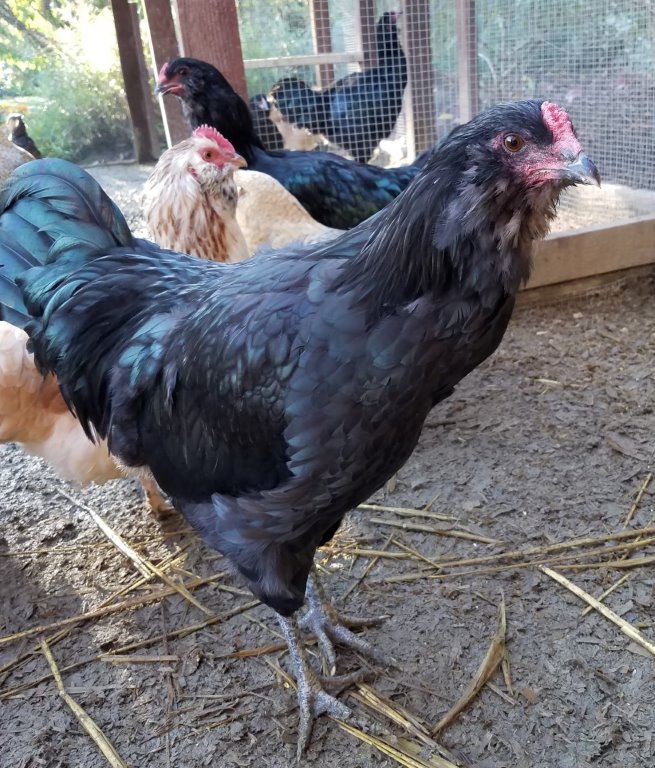
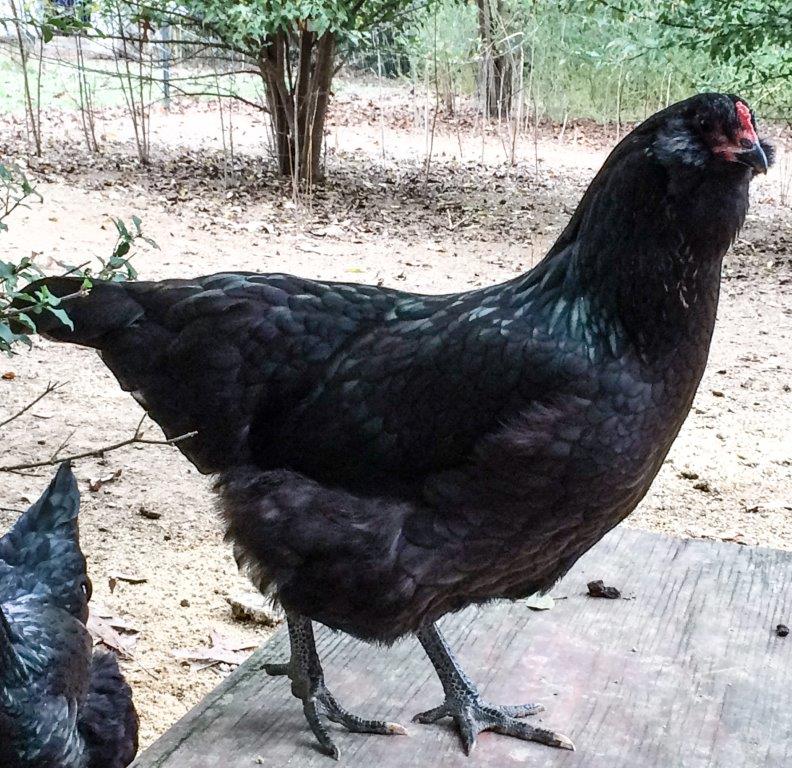
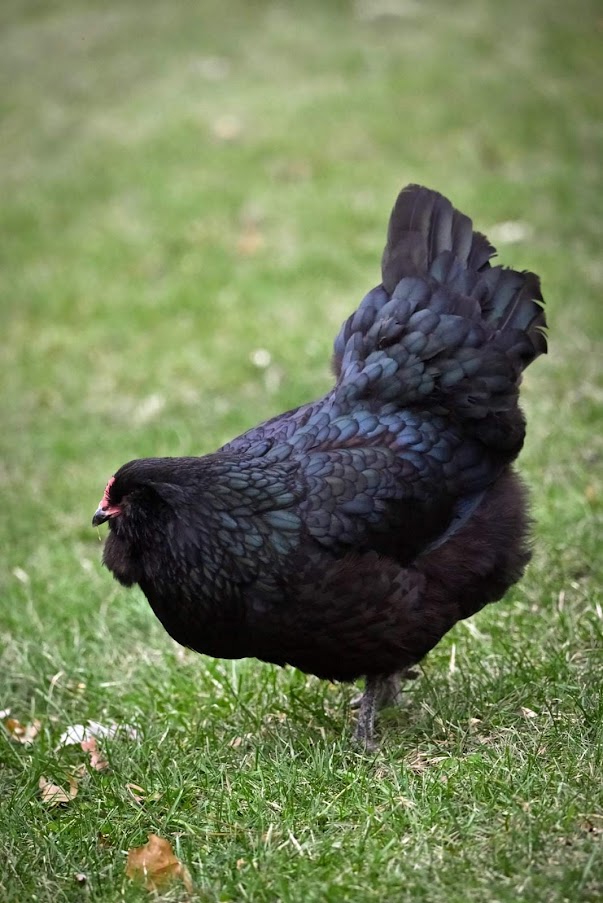
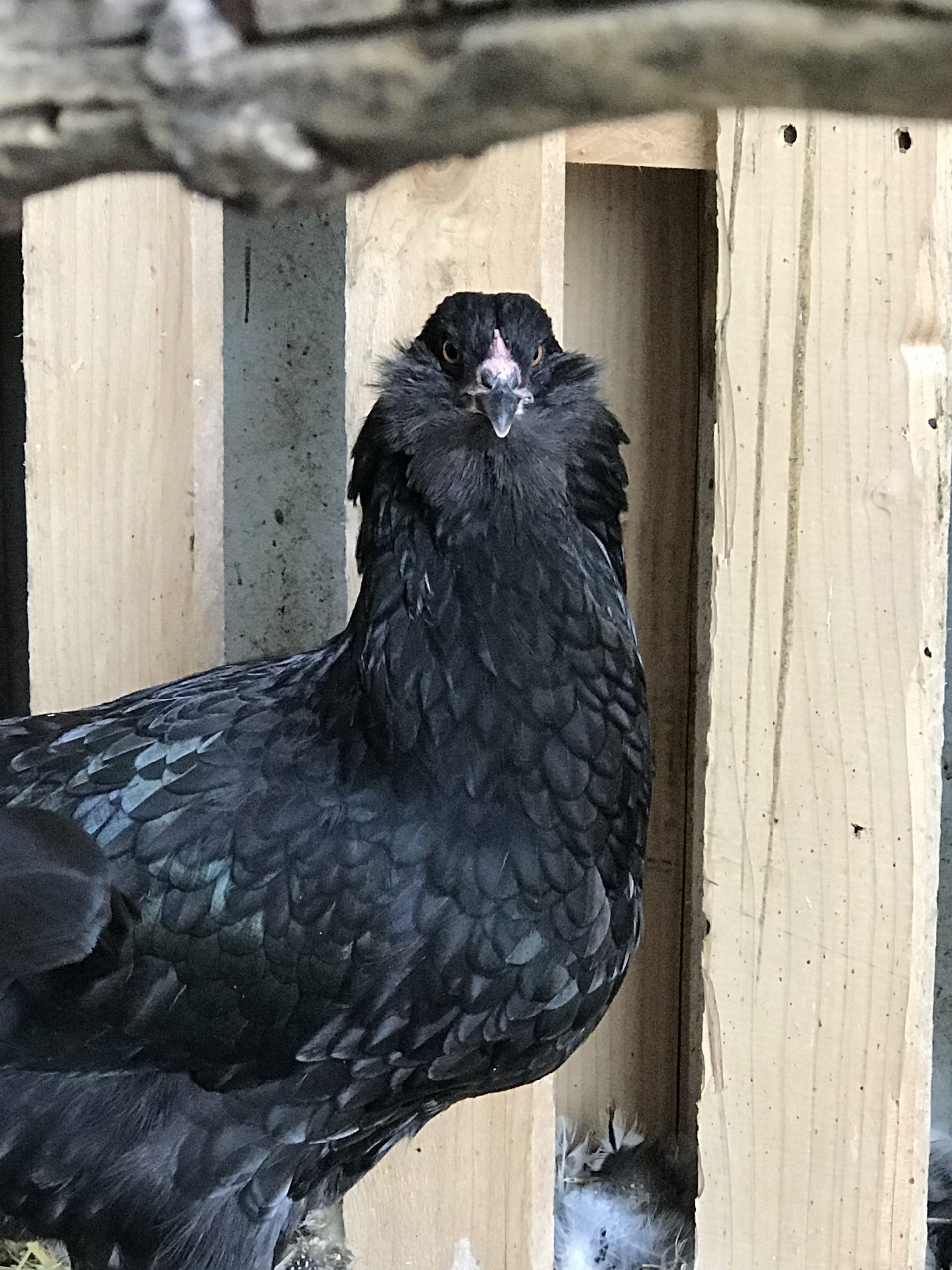
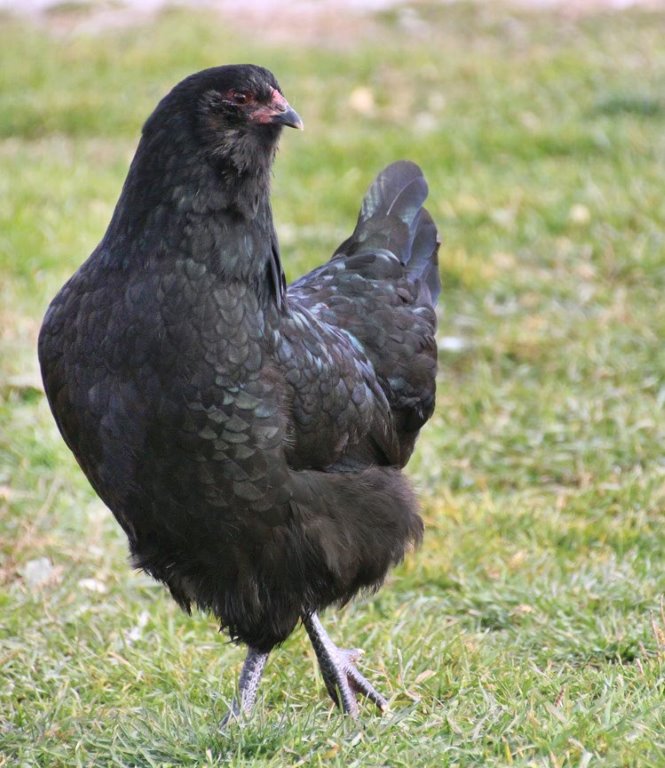
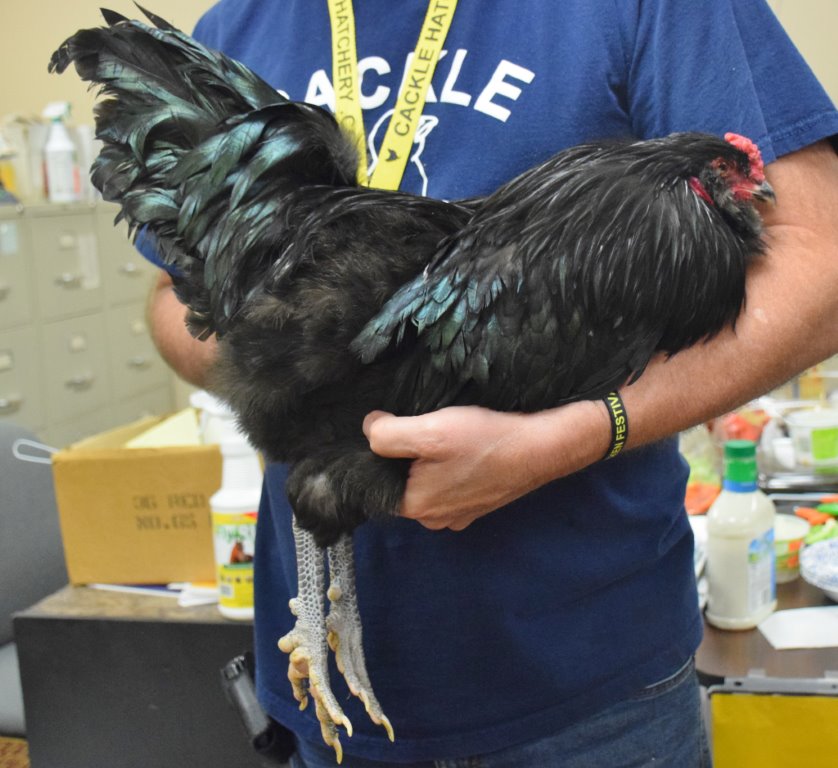
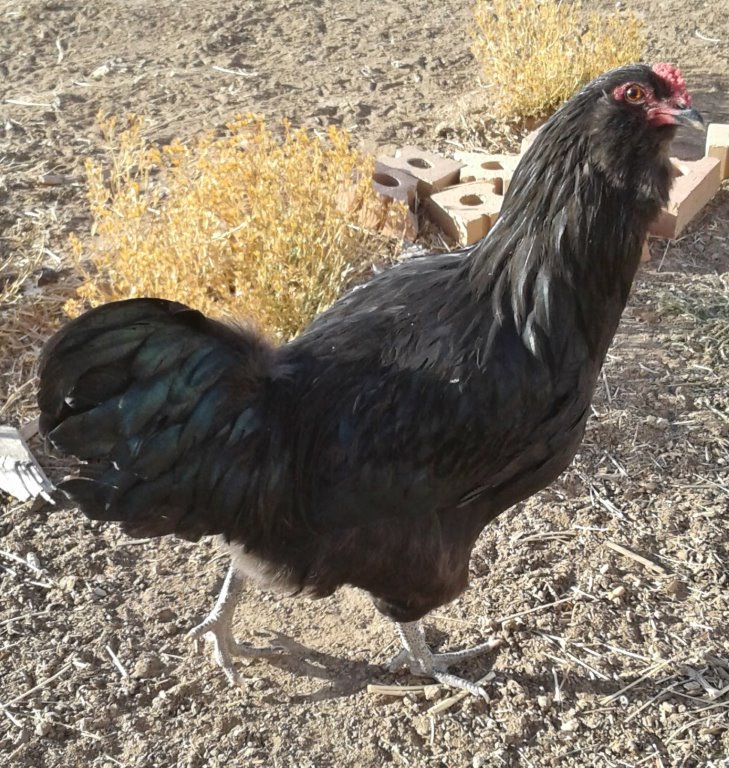
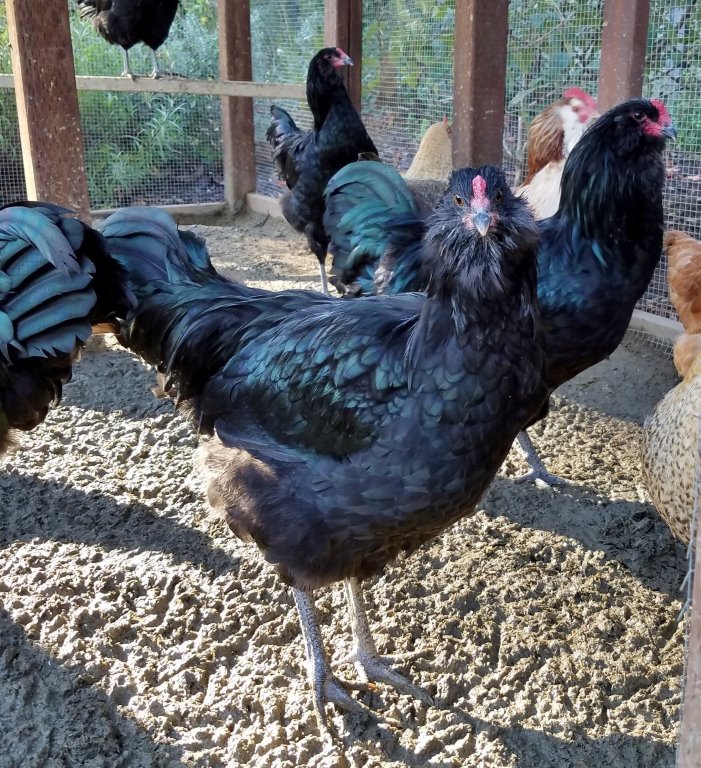
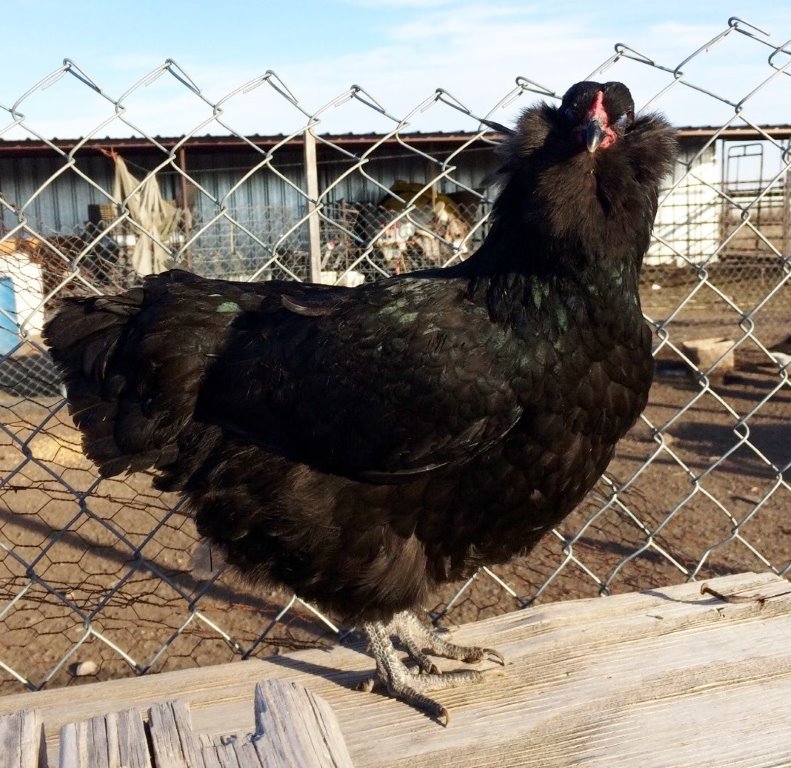
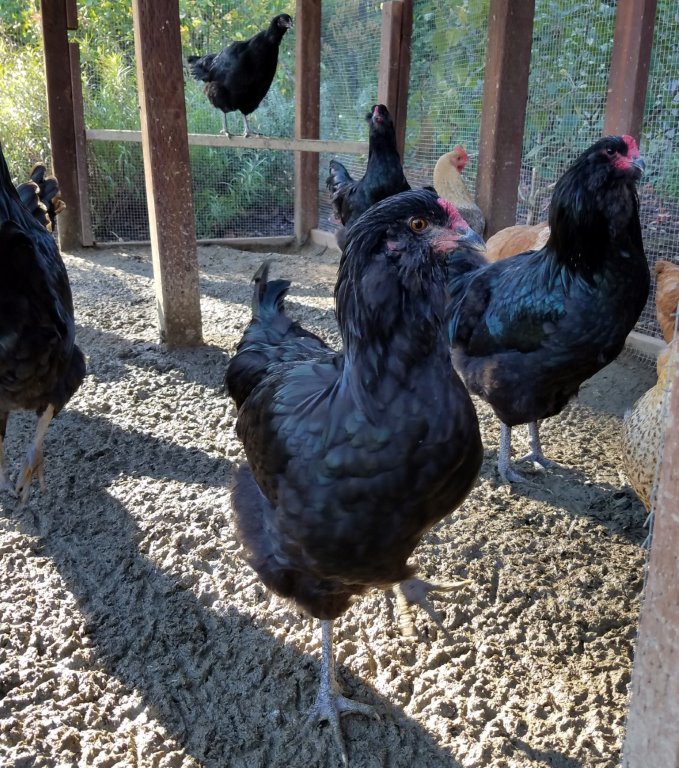
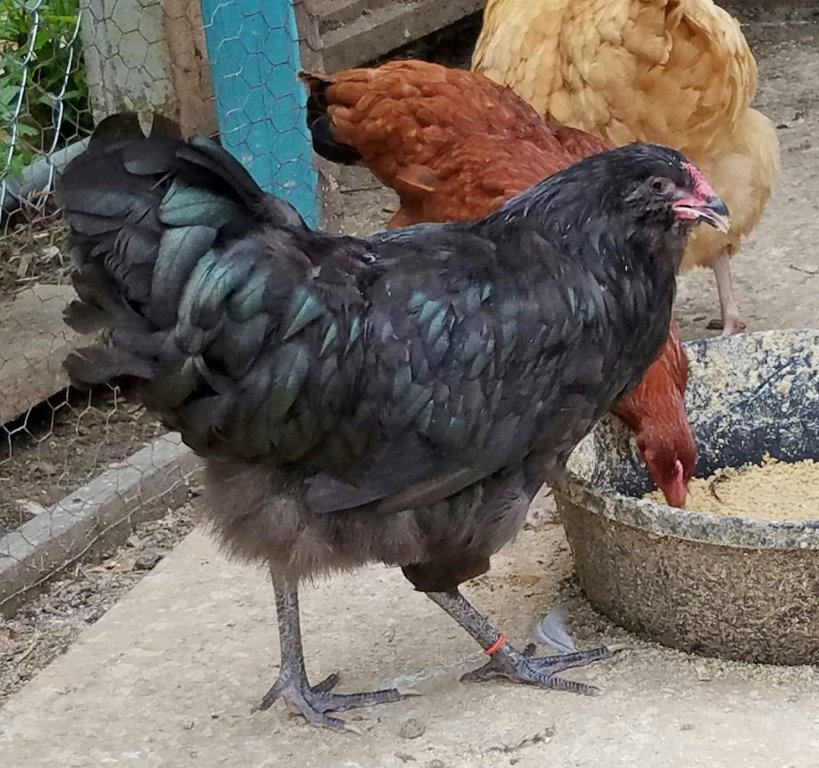
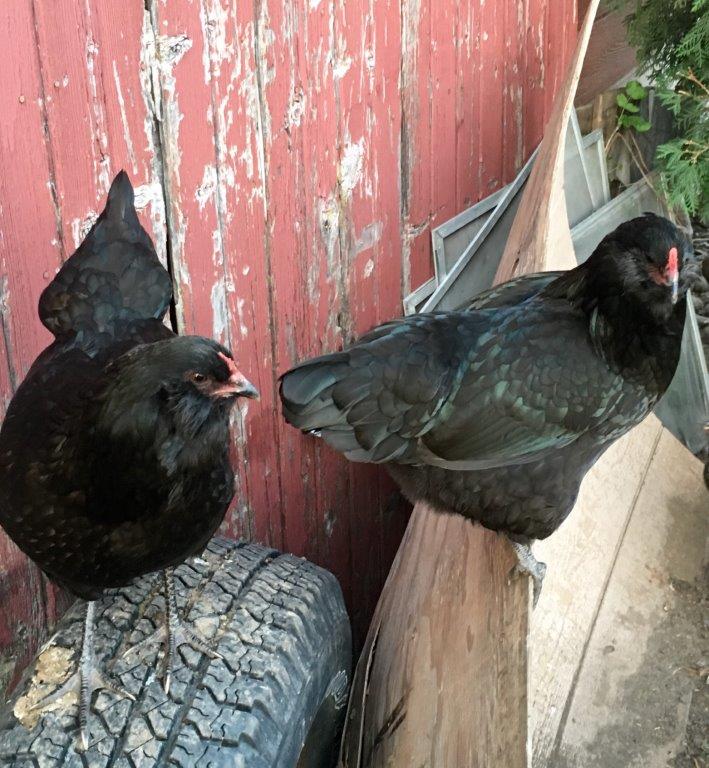
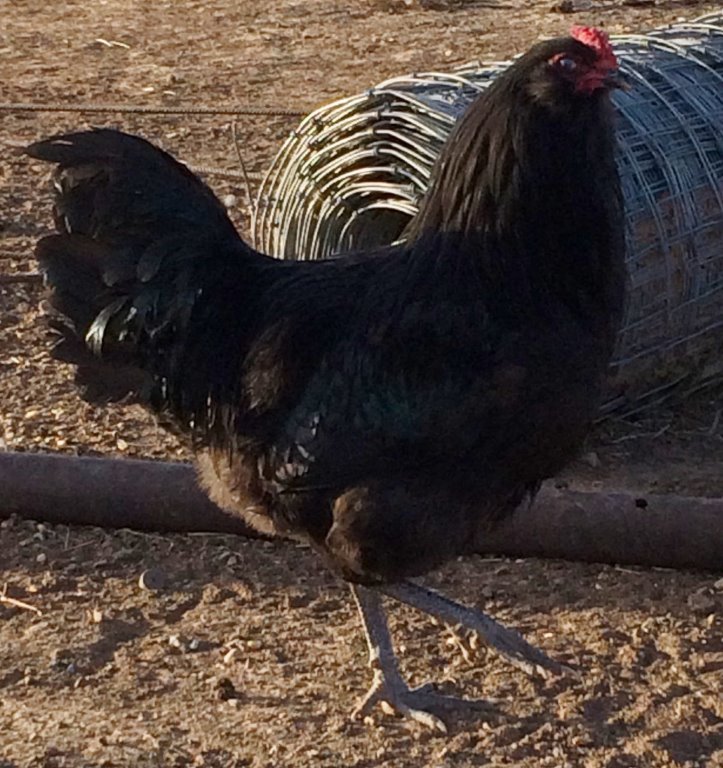
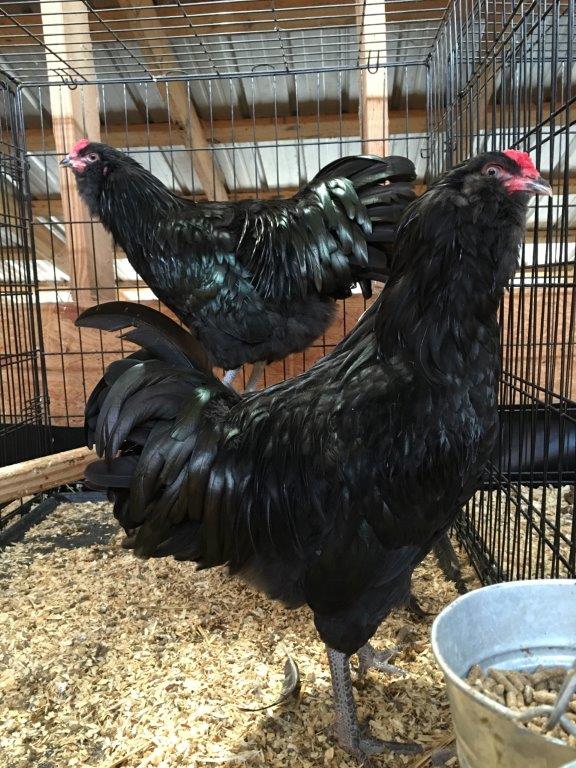
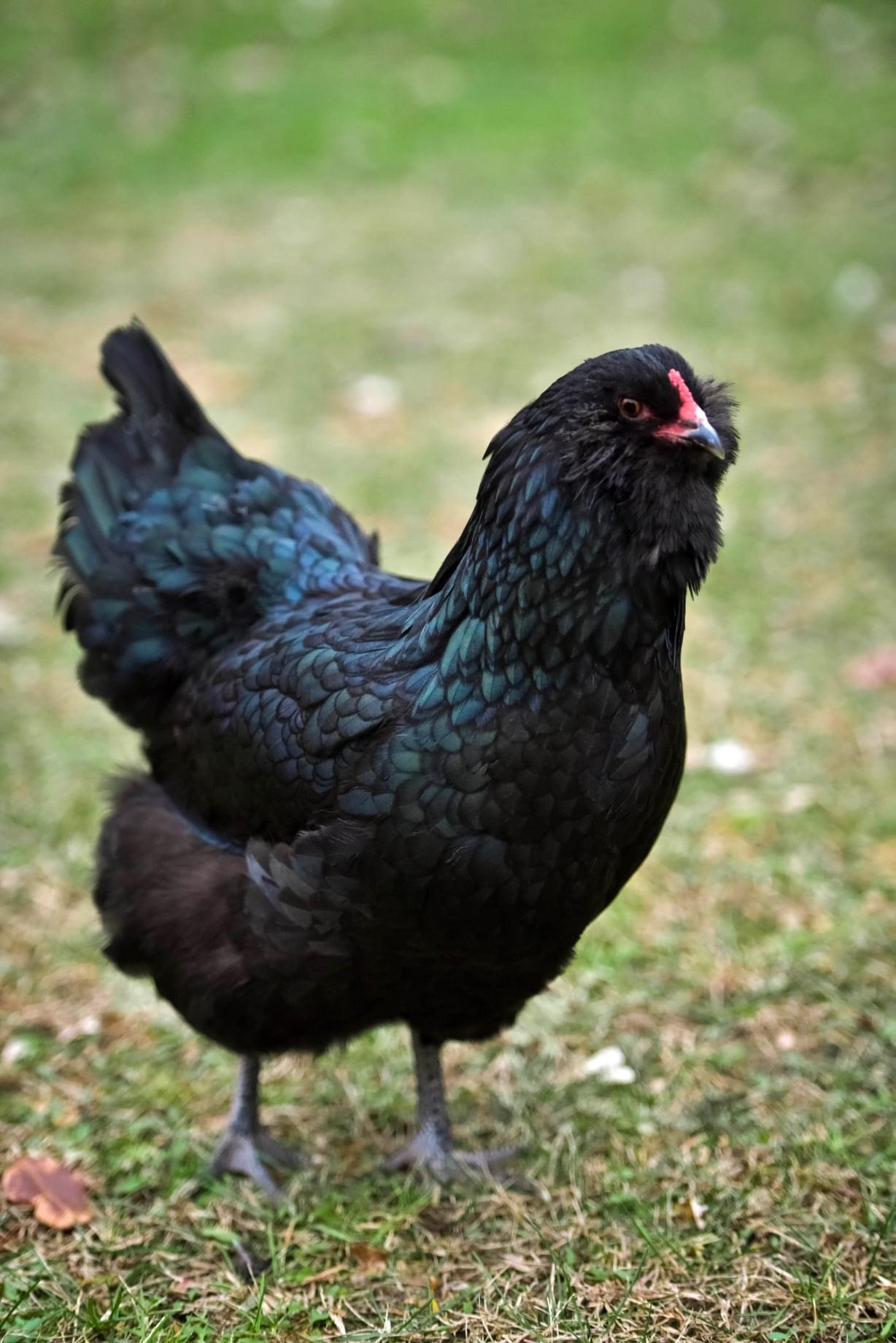
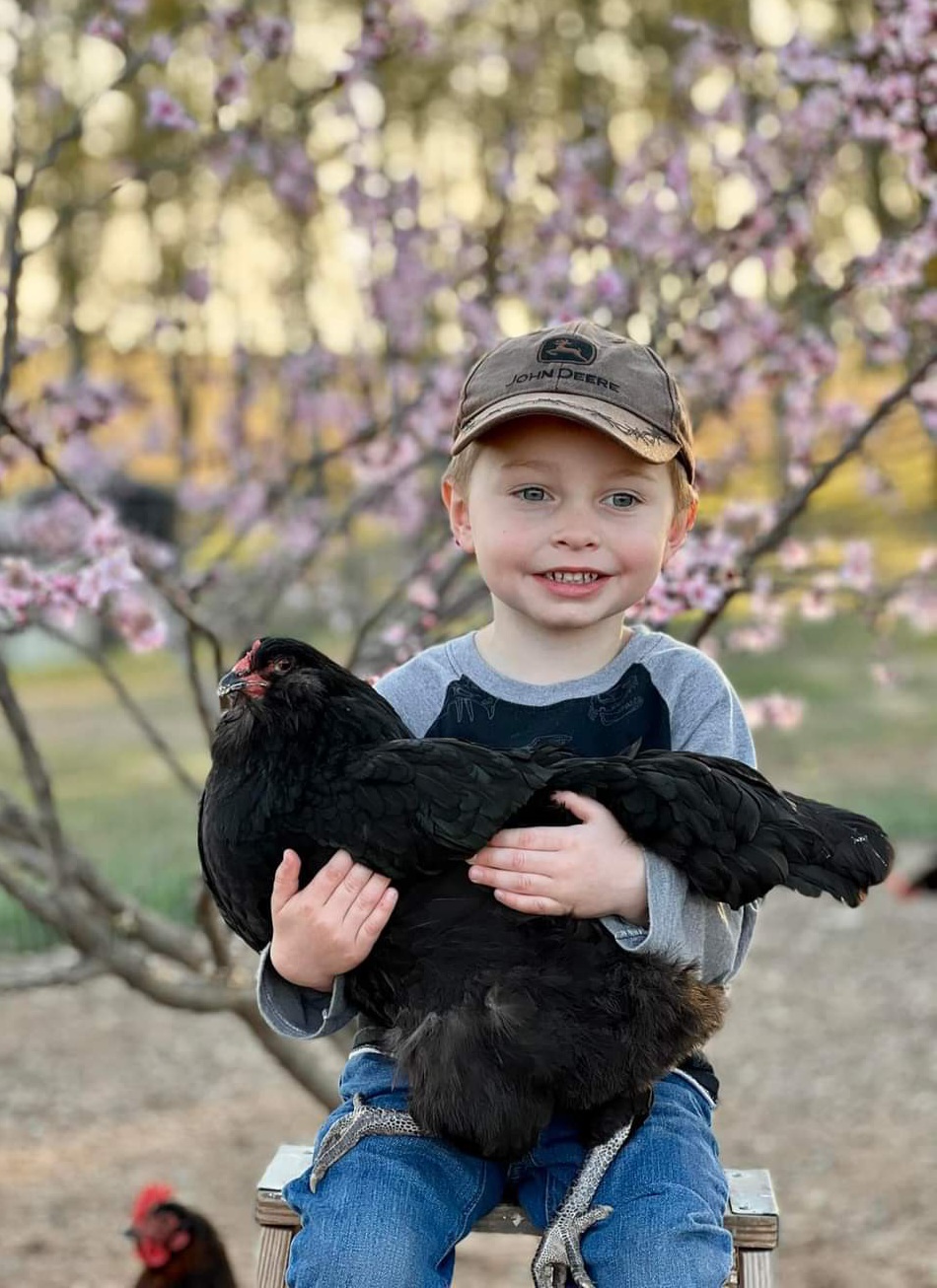
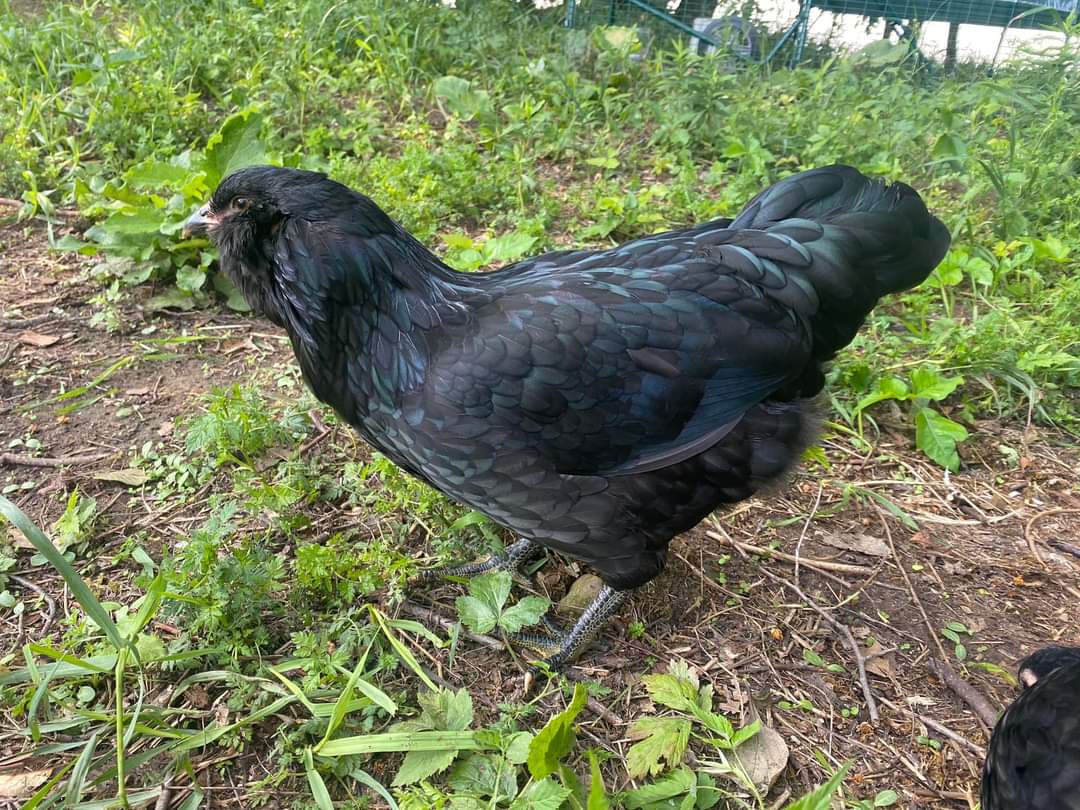
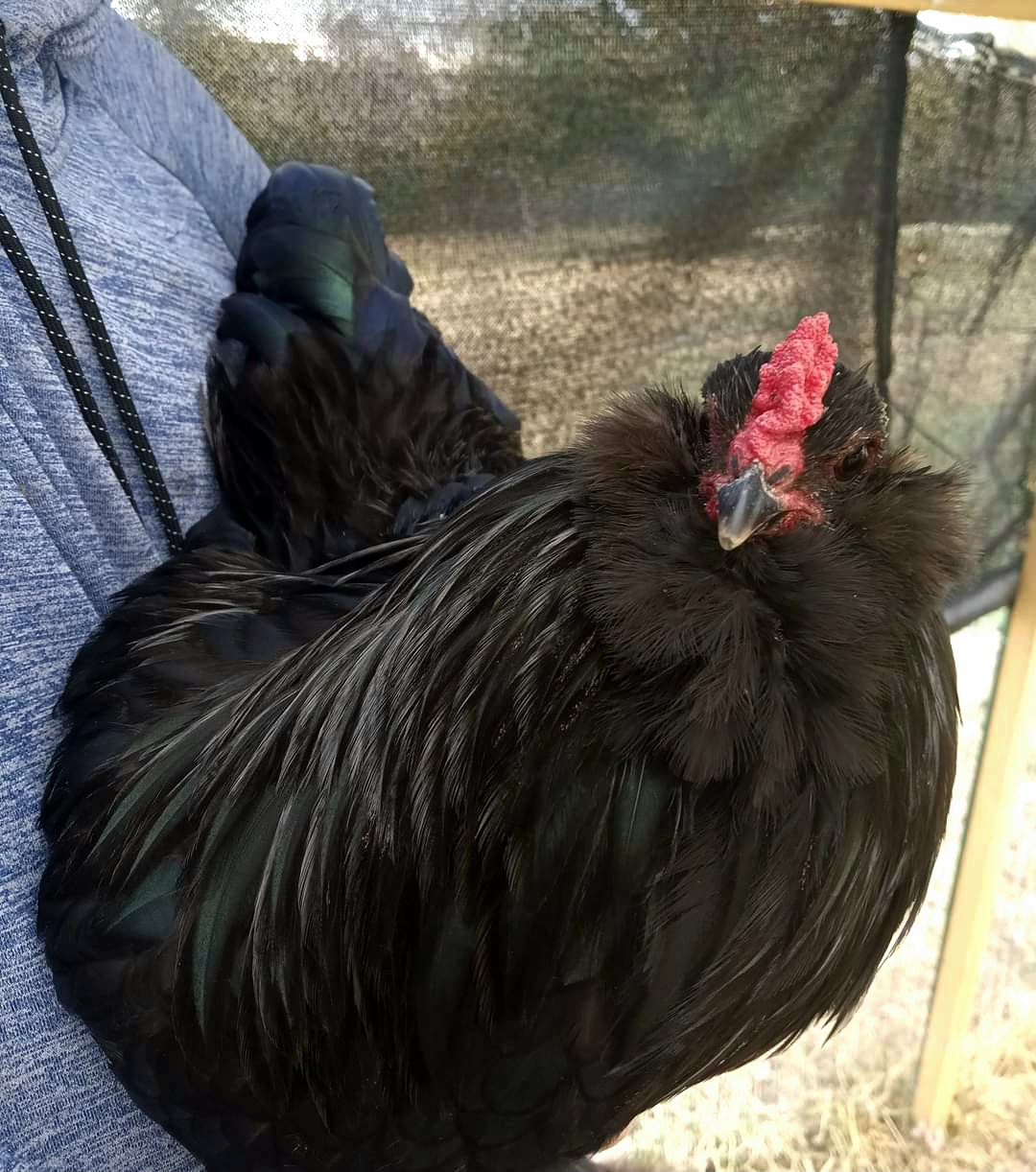
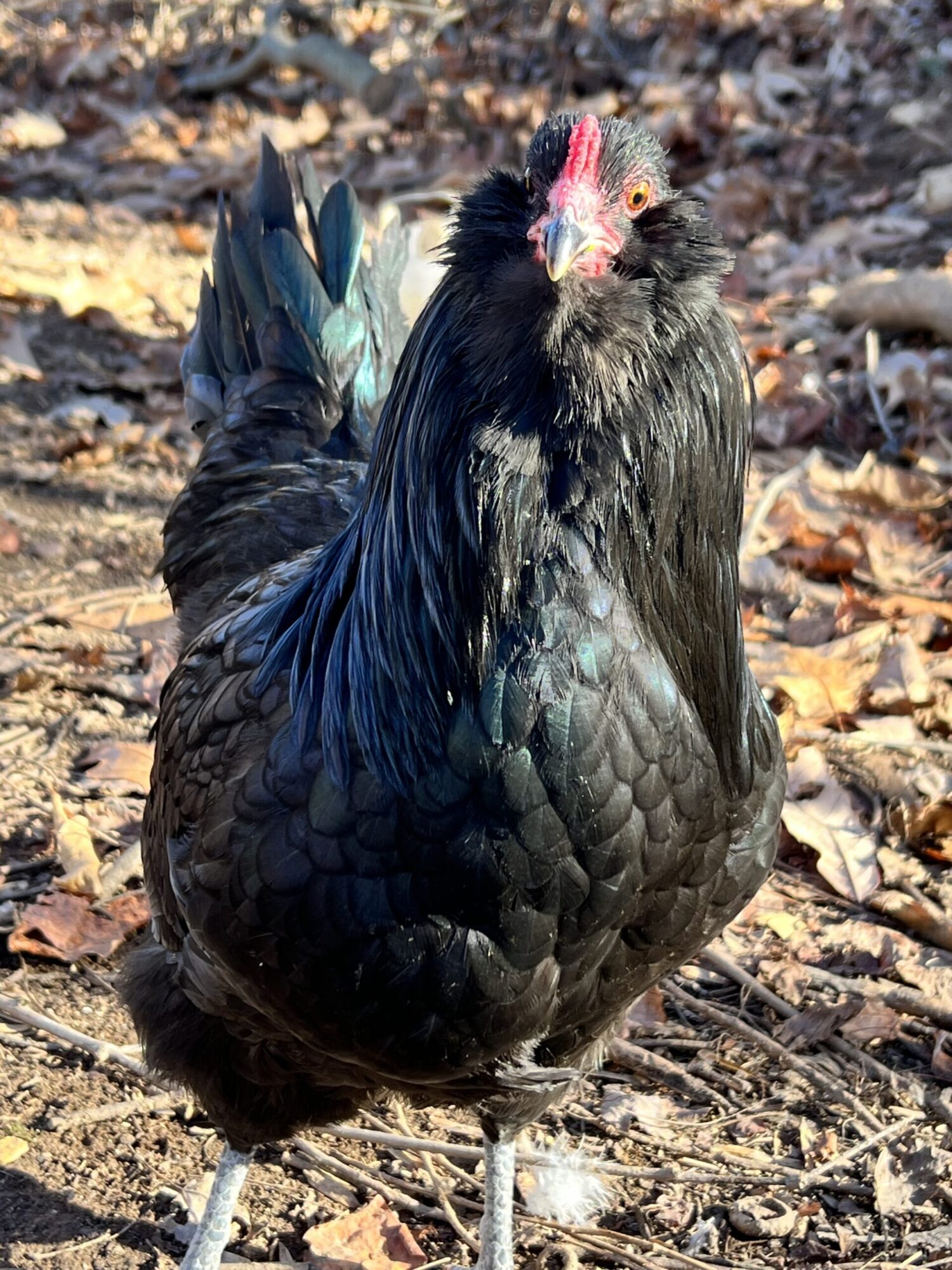
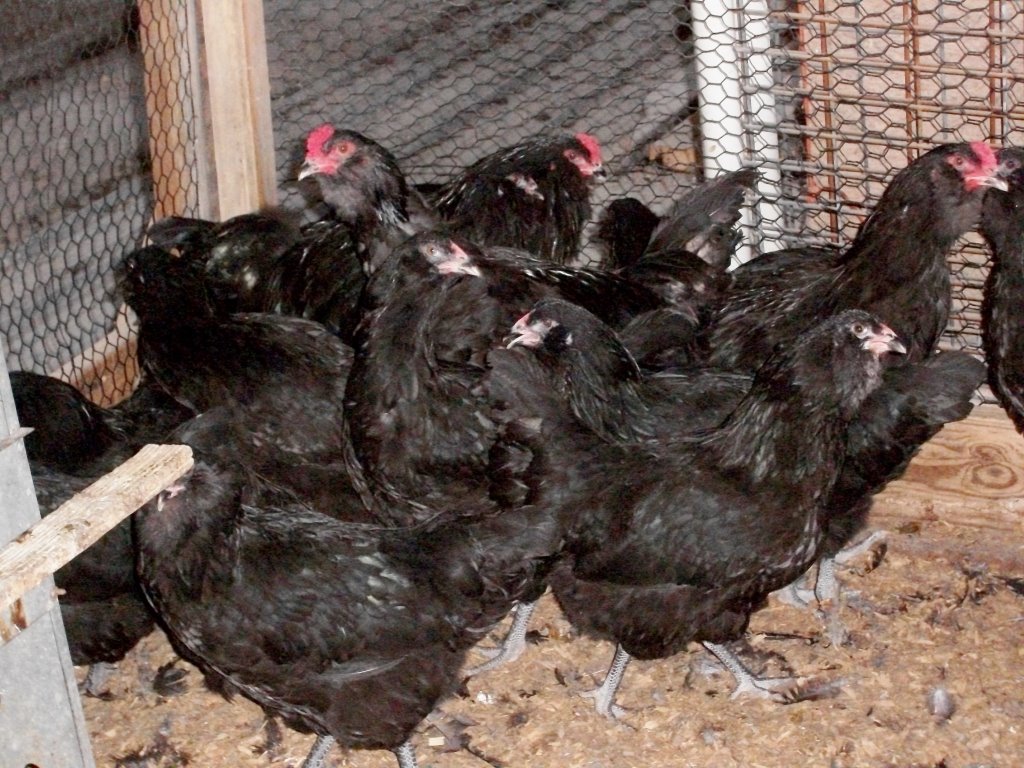
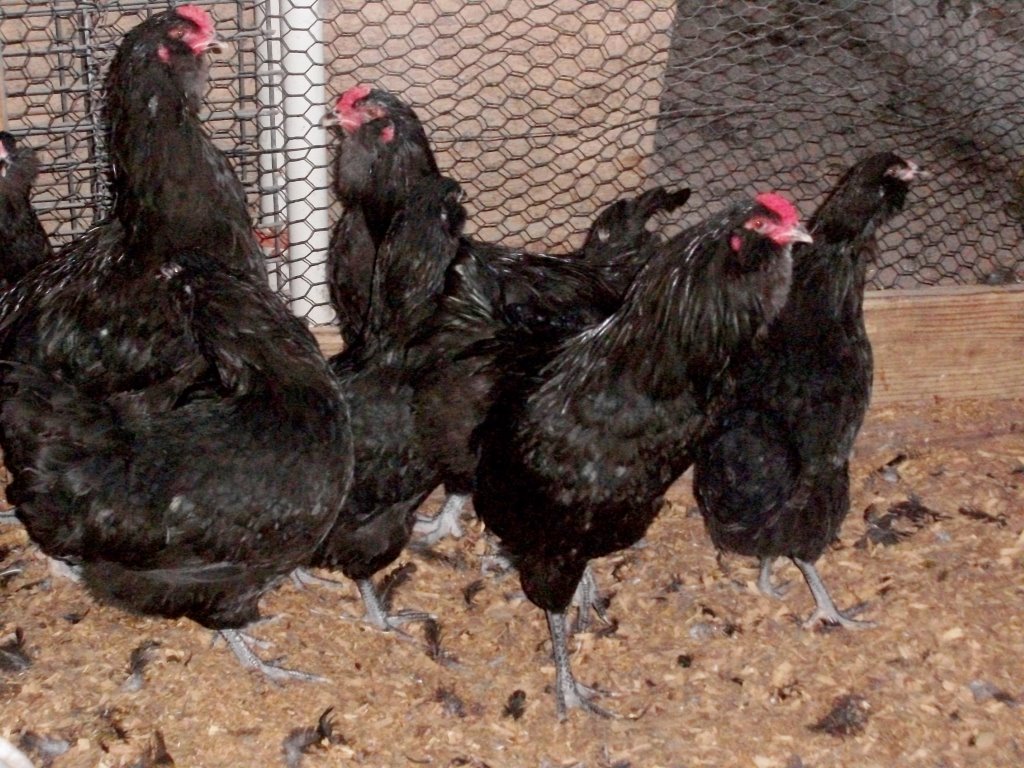
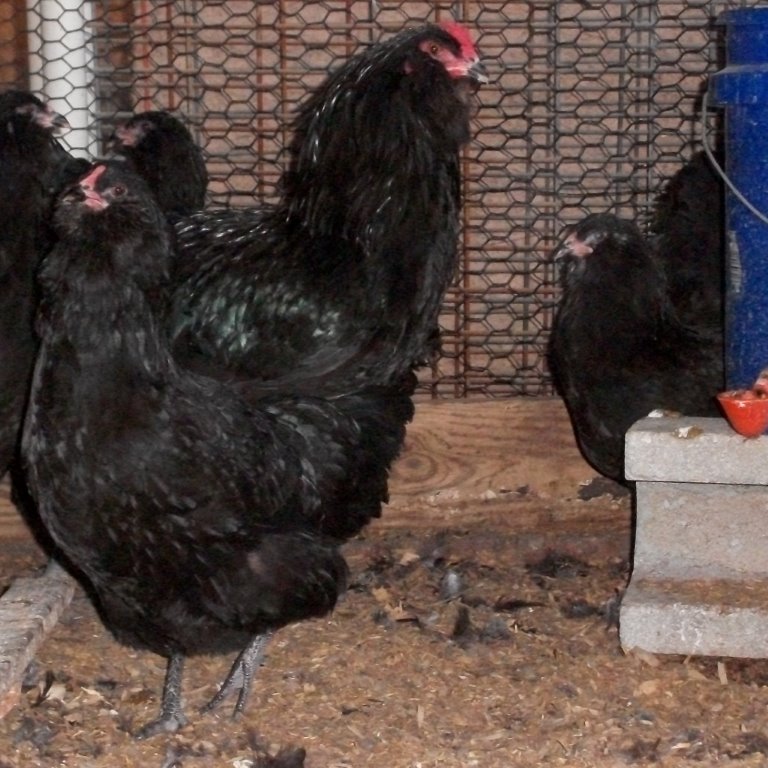
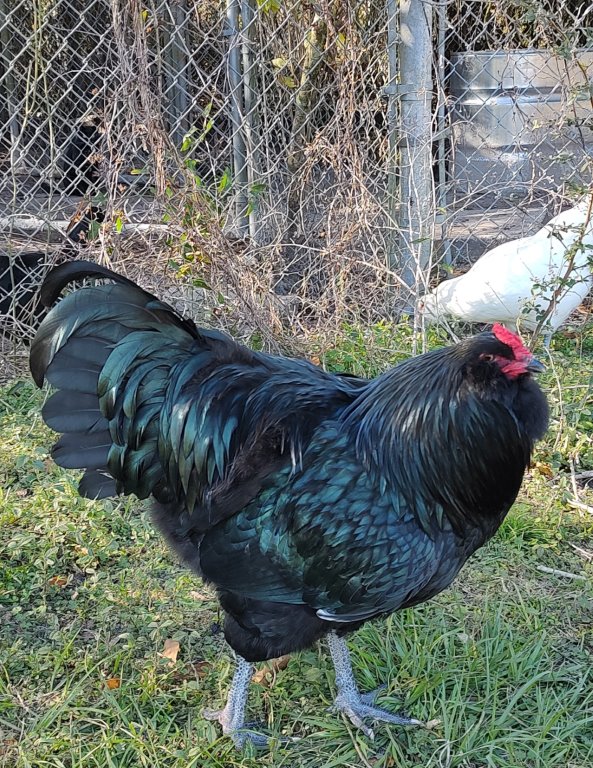
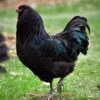
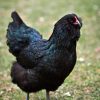
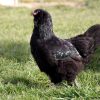
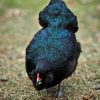
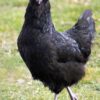
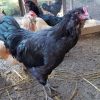
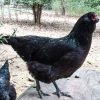
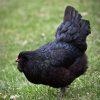
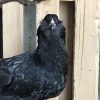
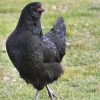
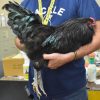
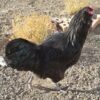
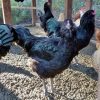
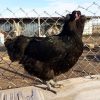
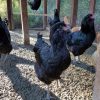
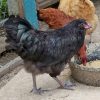
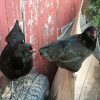
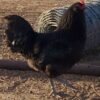
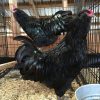
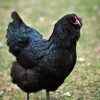
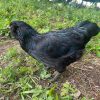
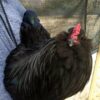
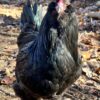
Black Ameraucana chickens mature into striking solid black birds with the classic Ameraucana look. They have muffs and beards, a pea comb, slate-colored legs, and a full tail. Their dark plumage gives them a clean, polished appearance that stands out in a backyard flock or exhibition pen.
The Black Ameraucana is also one of the strongest Ameraucana varieties in poultry shows. The original Cackle Hatchery® description notes that large fowl Black Ameraucanas are the most popular American Poultry Association recognized variety and often the most winning variety at poultry shows.
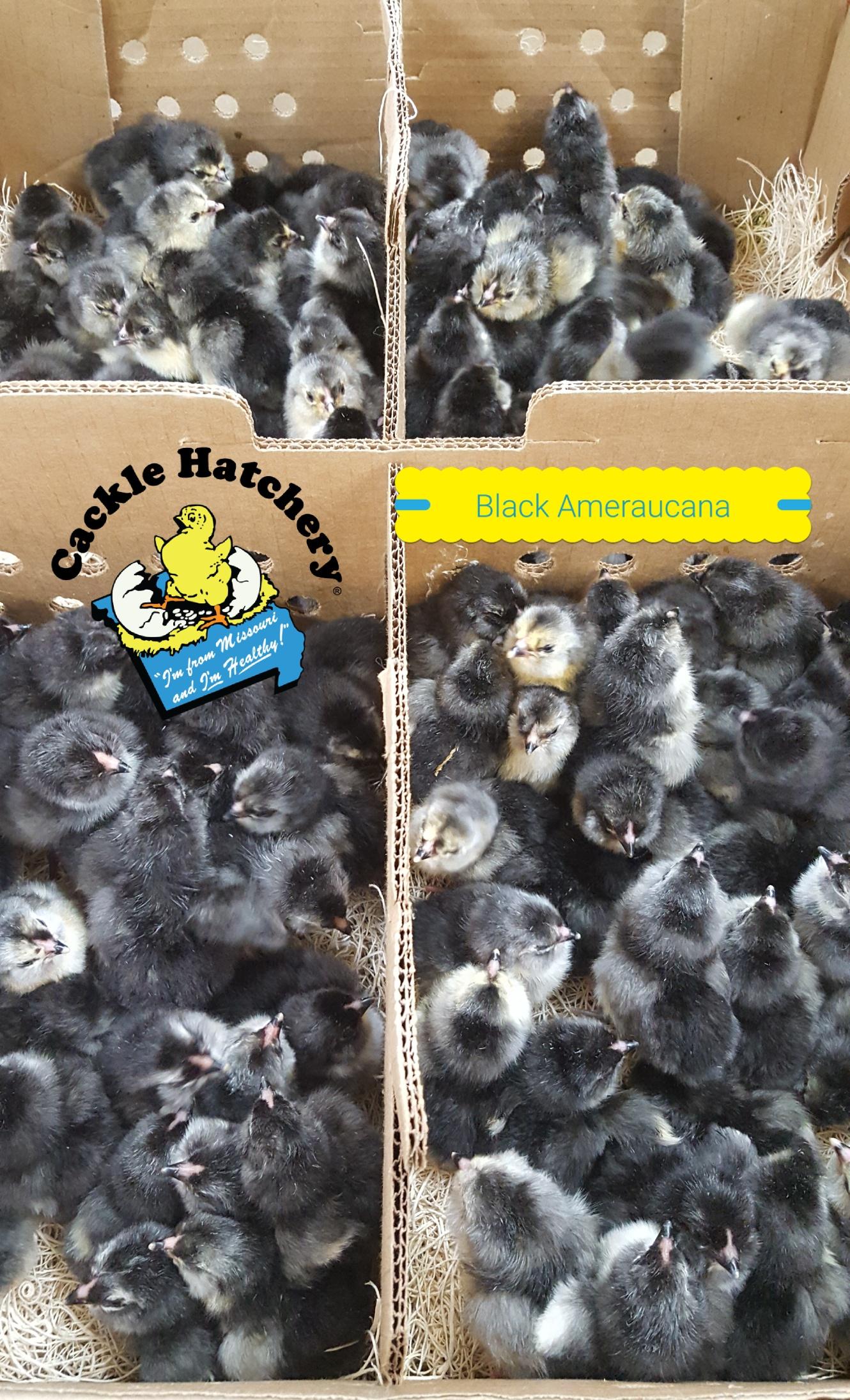
Cackle Hatchery® lists Black Ameraucana chicks as baby chicks only, with order minimums of 3 not sexed, 3 females, or 1 male, with a total of 3 birds required to ship. Cackle also notes seasonal shipping from early February through early August, with a limit of 24 not-sexed chicks.
Newbie Note About Young Feathering
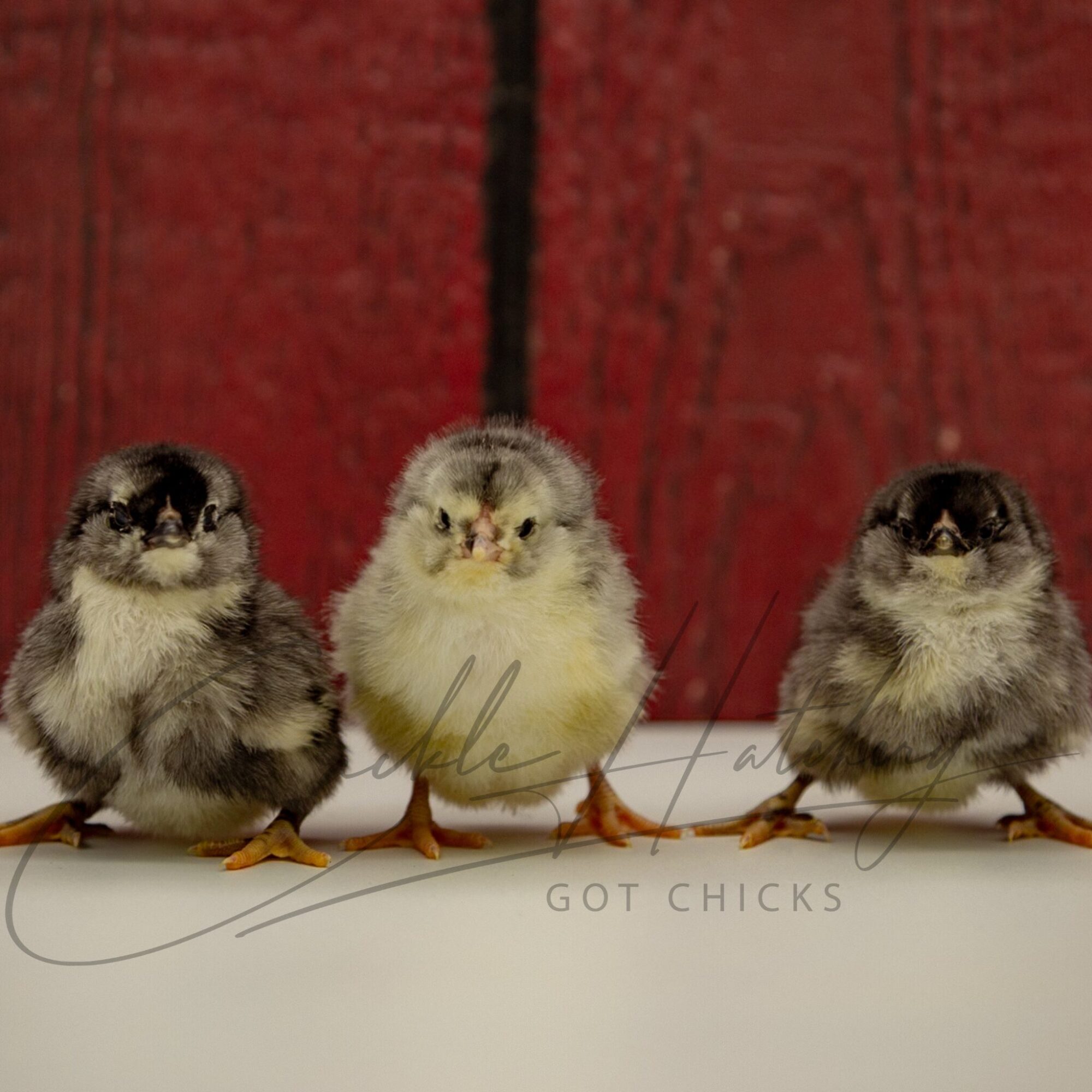
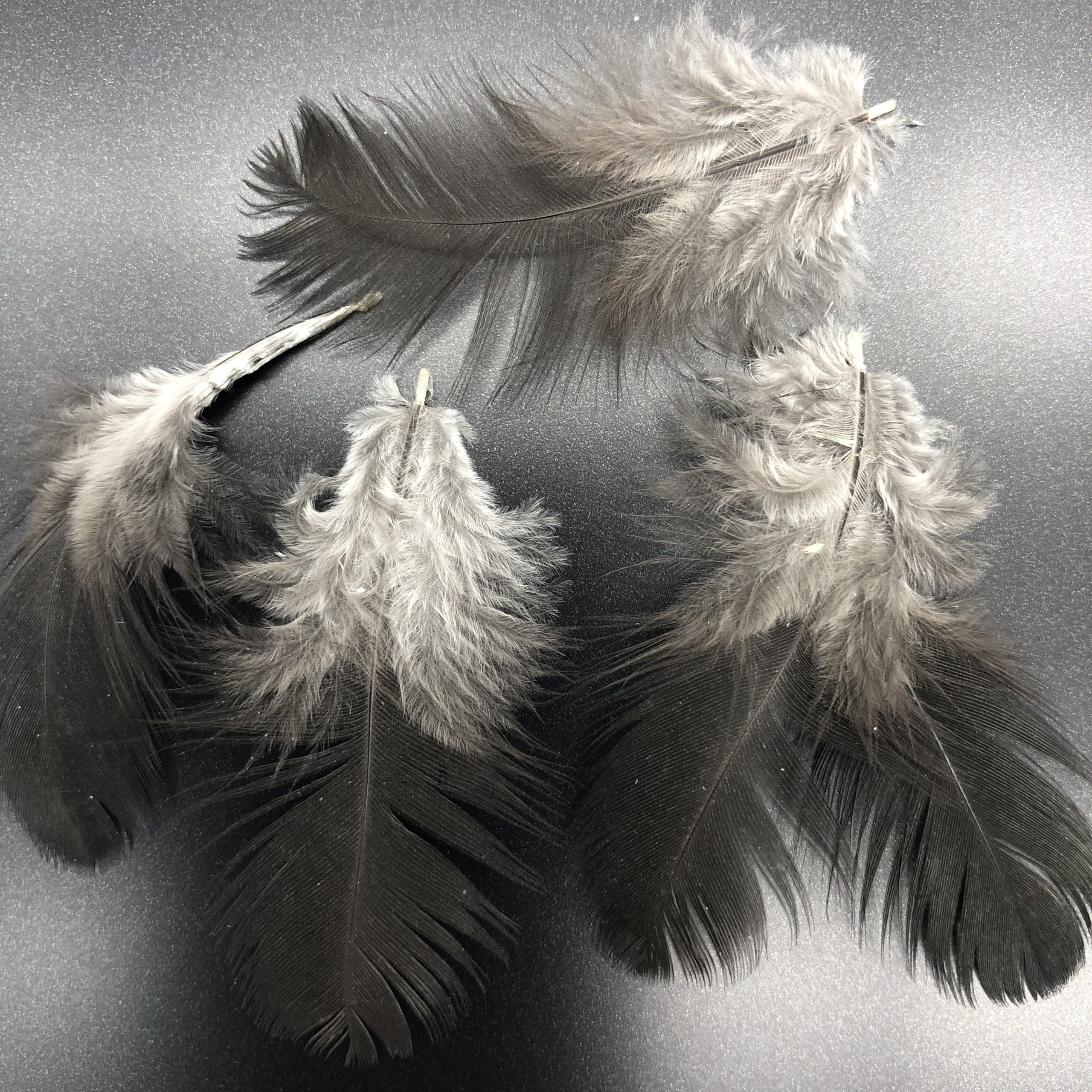
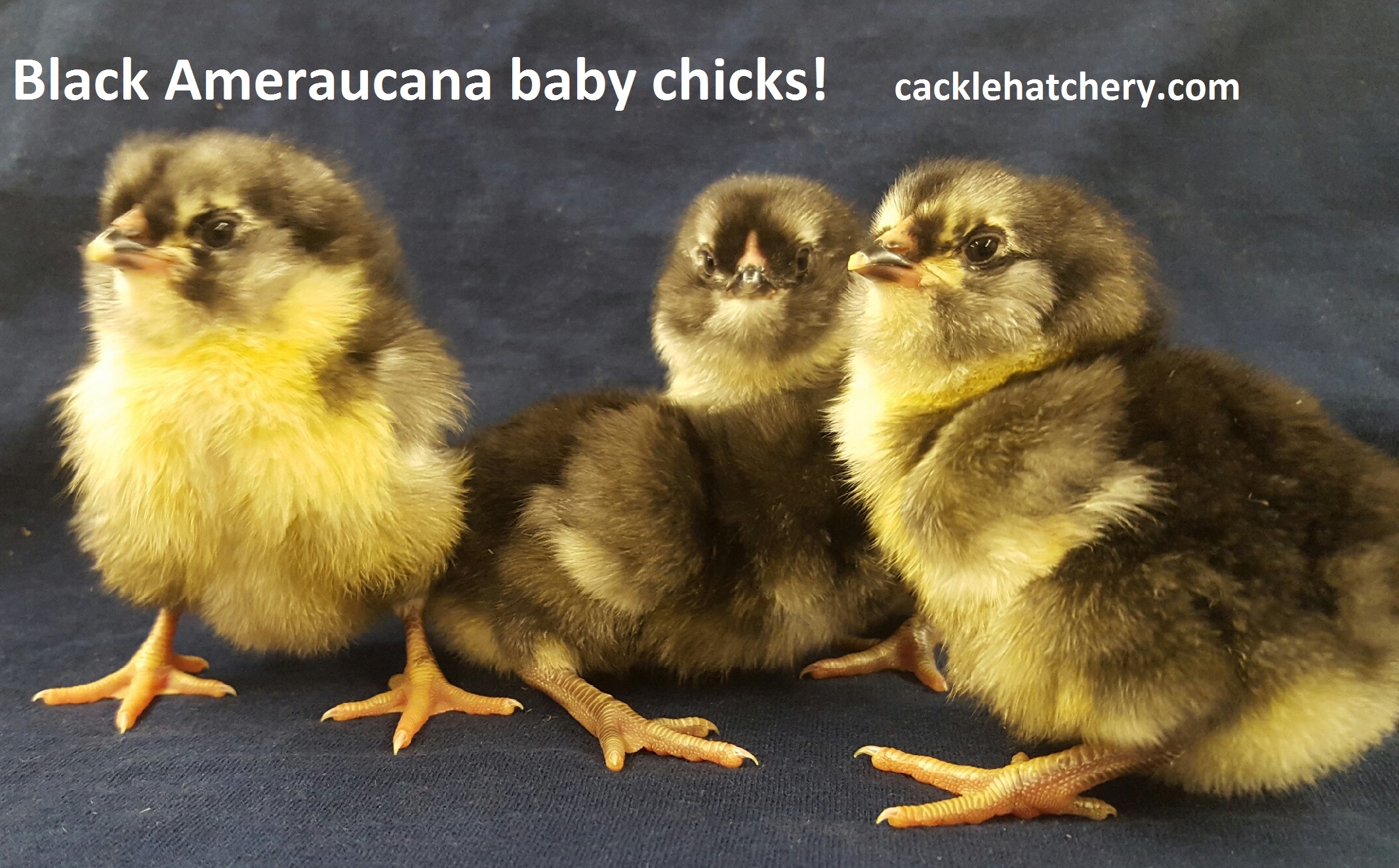
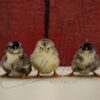
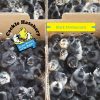
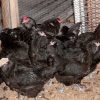
Black Ameraucana chicks and young birds may show some white feathers during their first and second stages of feathering. This is normal.
As they mature, the white juvenile feathers should molt out. By about 6 months of age, the Black Ameraucana should have solid black adult plumage. Therefore, customers should not judge final color too early.
This note can help new keepers avoid unnecessary concern when young birds temporarily show lighter feathering before developing the expected black color.
Egg Color and Laying Expectations
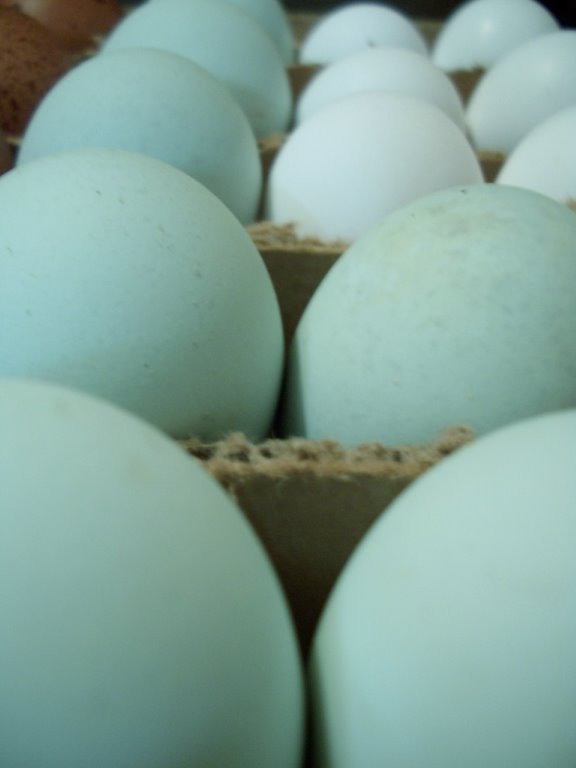
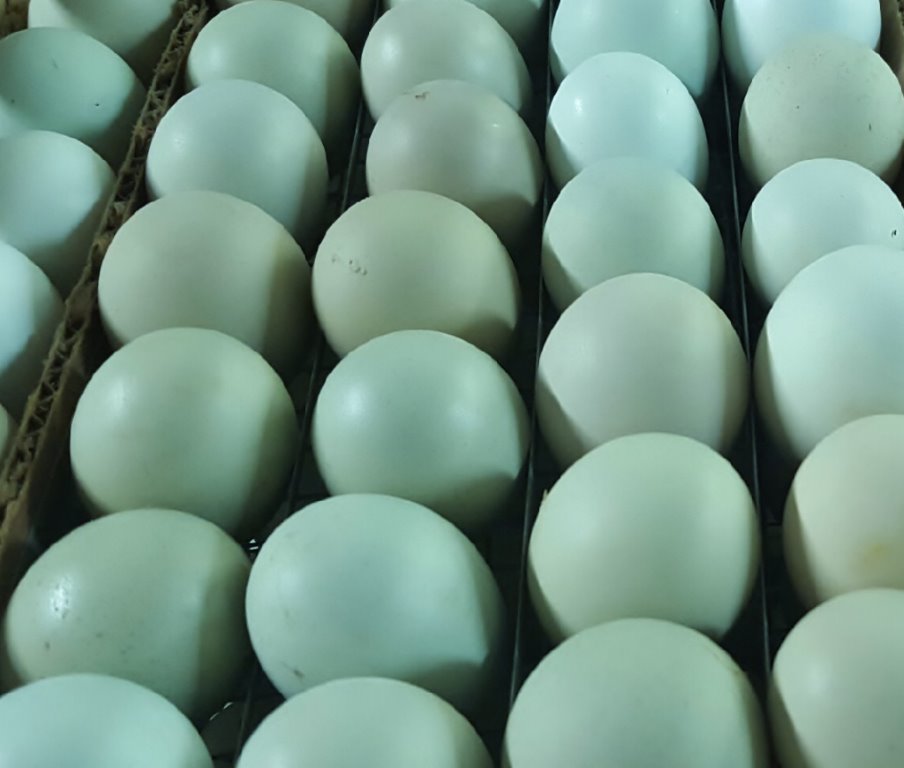
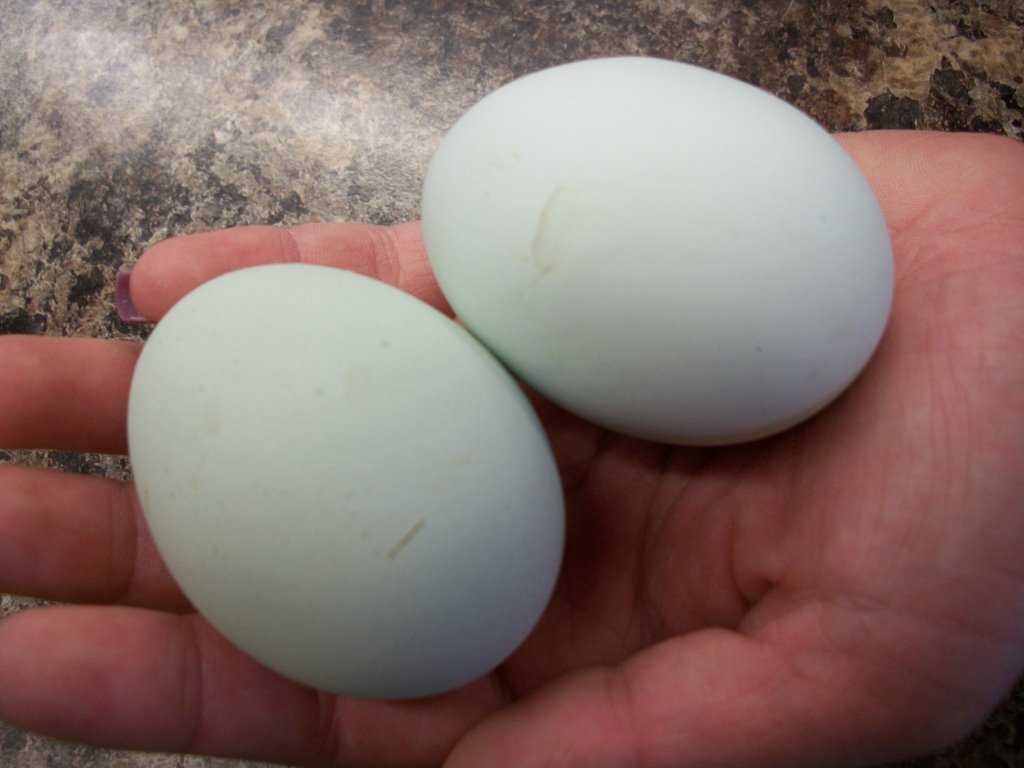
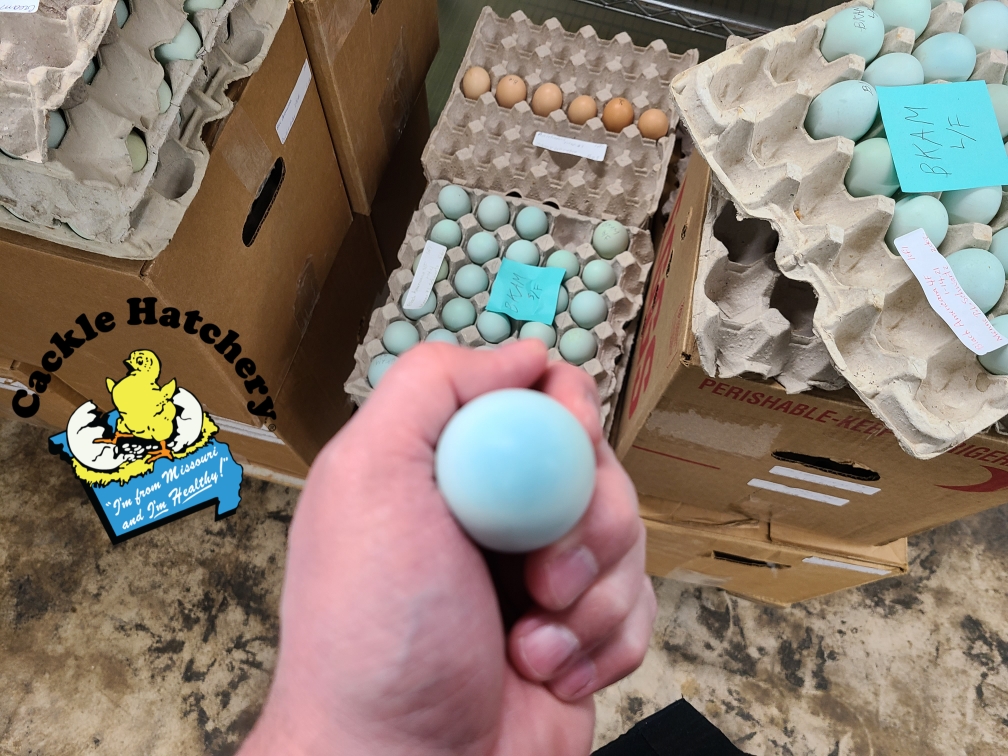
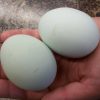
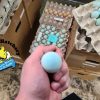
Black Ameraucanas are best known for their blue egg potential. Cackle Hatchery® breeds this variety to produce the bluest eggshell color possible, with a natural light pastel blue shade as the goal. Even so, a small percentage of hens may lay eggs that lean light green.
Customers should also know that Ameraucanas may start laying later than many production egg breeds. The original Cackle Hatchery® description notes that Black Ameraucana hens usually do not begin laying until around 9 months old.
That slower start can surprise customers who are used to production layers. However, once they mature, Ameraucanas can bring beautiful blue eggs and strong breed character to the flock. For customers comparing blue egg options, Cackle’s Best Blue Egg Layers Blog is a helpful resource.
Black Ameraucana vs Easter Egger: What’s the Difference?
Black Ameraucanas and Easter Eggers are often confused, but they are not the same thing.
A Black Ameraucana is a recognized Ameraucana variety with a more specific breed type, including muffs, beard, pea comb, slate legs, tail, and blue egg genetics.
An Easter Egger is usually a mixed or non-standard blue/green egg layer. Easter Eggers can be wonderful backyard chickens, but they may vary much more in feather color, body type, and egg color. Cackle’s Blue Egg Chicken: Ameraucana or Americana? article explains that birds sold under names such as Americana, Americauna, Easter Egger, or Rainbow Layer may come in many shapes and colors and may lay a range of shell colors.
Choose Black Ameraucana if you want true Ameraucana breed type, show potential, and a stronger focus on blue eggshell color.
Choose Easter Egg Chickens if you want a fun, colorful backyard layer and do not need a recognized Ameraucana variety.
Black Ameraucana vs Other Ameraucana Varieties
Black Ameraucanas share the same general Ameraucana traits as other Cackle Ameraucana varieties. The main differences are feather color, breeding history, and customer preference.
For customers who want the most popular and often most competitive APA-recognized large fowl Ameraucana variety, Black Ameraucana is a strong fit.
If you prefer blue plumage, compare Blue Ameraucana chickens. Cackle notes that it has developed its production-type Blue Ameraucana bloodline since 2015.
For a lighter variety, White Ameraucana chickens may be a better match.
Customers who like multiple Ameraucana colors can also review Cackle’s Ameraucana Chickens resource, which lists Black, Blue, Lavender, Splash, and White Ameraucanas.
For broader colored egg comparisons, Cackle’s Colored Egg Layers for Sale category includes Ameraucanas, Easter Eggers, and other colored egg options.
Temperament and Suitability
Black Ameraucanas can work well in backyard flocks, exhibition flocks, and small breeding programs. They appeal to customers who want a bird that looks polished, lays blue eggs, and brings true breed identity to the coop.
This variety can work well for:
- Backyard blue egg flocks
- Poultry exhibitors
- Ameraucana enthusiasts
- Customers who want true Ameraucana traits
- Colored egg layer flocks
- 4-H and youth poultry projects with guidance
- Small breeding programs focused on Ameraucana type
However, customers who want the earliest possible egg production may prefer a production layer. In addition, customers who mainly want a colorful surprise flock may prefer Easter Eggers or a rainbow egg assortment.
Overall, Black Ameraucanas fit best with customers who value true breed type, blue egg potential, exhibition quality, and a beautiful solid black adult bird.
Important Note About Scissor Beak / Cross Beak
Cackle Hatchery® notes that the Ameraucana breed has an inherent genetic beak issue. About 1 out of 100 chicks, as they grow, may develop some degree of scissor beak or cross beak.
Scissor beak, also called cross beak, means the top and bottom beak do not align correctly. The condition can vary in severity, and it often becomes more noticeable as the chick grows. Cackle’s related Blue Egger Female Surplus page also explains that cross beak and scissor beak refer to the same condition and that it normally gets worse as the chick grows.
Customers should understand this breed note before ordering Ameraucanas. Many chicks grow normally, but the genetic risk exists in the breed. Cackle recommends reading more about the issue on the Cackle Hatchery blog and through other poultry care resources.
Important Note About Sexing Accuracy
Cackle Hatchery® notes that Ameraucanas can be harder to vent sex than many other breeds. On average, Cackle’s sexing accuracy for Ameraucanas is about 80%, compared with the normal average of around 90% for many other breeds.
Because of that, customers ordering females should understand that sexing errors can happen more often with this breed. If your order must have a very exact male-to-female ratio, take this lower sexing accuracy into consideration before checkout.
This note is especially important for city customers, suburban flocks, or anyone who cannot keep roosters.
Is the Black Ameraucana Chicken Right for Your Flock?
Choose Black Ameraucana chickens if you want:
- A true Ameraucana variety
- Natural blue egg potential
- A popular APA-recognized variety
- A strong poultry show option
- Solid black adult plumage
- Muffs, beard, pea comb, and slate legs
- A bird from John W. Blehm seedstock
- A colored egg layer with breed identity
- A backyard chicken with exhibition appeal
However, consider another breed if you need early egg production, guaranteed blue-only eggs from every hen, or higher sexing accuracy. In short, Black Ameraucanas fit best with customers who value true breed type, blue egg potential, show quality, and a beautiful black bird.
Care and Housing Tips
Black Ameraucanas need the same solid care as other standard-size chickens. They do best with a clean coop, secure run, proper feed, fresh water, and predator protection.
For best results, provide:
- A dry, well-ventilated coop
- Clean bedding
- Predator-resistant fencing
- Fresh water at all times
- A balanced chick starter and layer feed at the right ages
- Enough roosting space
- Nest boxes when pullets near laying age
- Shade and ventilation during hot weather
- Protection from drafts and damp bedding in cold weather
Because Ameraucanas may start laying later than many production breeds, customers should be patient with pullets. Rather than expecting early eggs, plan for maturity around 9 months and focus on healthy growth, correct feed, and steady flock management.
Recognition, Clubs, and Availability
Black Ameraucanas are a recognized variety with strong exhibition value. The original Cackle Hatchery® description notes that the Black Ameraucana is the most popular APA-recognized large fowl Ameraucana variety and one of the most successful varieties at poultry shows.
Jeff Smith and Cackle Hatchery® are members of the Ameraucana Alliance Club. Customers who want to learn more about Ameraucana standards, history, and breeders can review the Ameraucana Alliance and Ameraucana Breeders Club websites.
Since hatch dates and shipping windows can change during the season, customers should check Cackle Hatchery’s Chicken Availability Chart before ordering. For customers comparing several colored egg breeds, Cackle’s Colored Egg Layers for Sale category is a helpful place to start.
Related Breeds and Helpful Cackle Hatchery® Resources
Customers who like Black Ameraucanas may also enjoy other Ameraucana varieties, Easter Eggers, blue egg layers, and Cackle’s comparison tools.
Helpful Cackle Hatchery® links for this product page include:
FAQ: Black Ameraucana Chicken
What is a Black Ameraucana Chicken?
A Black Ameraucana Chicken is a true Ameraucana variety with solid black adult plumage, muffs, beard, pea comb, slate legs, tail, and blue egg genetics.
Are Black Ameraucanas good blue egg layers?
Yes, Black Ameraucanas are popular blue egg layers. Cackle Hatchery® breeds them to produce the bluest eggshell color possible, with a natural light pastel blue shade as the goal.
Do Black Ameraucanas always lay blue eggs?
Most should lay blue eggs, but a small percentage may lay eggs with a light green shade. Egg color can vary by individual hen.
When do Black Ameraucanas start laying eggs?
Black Ameraucanas usually do not start laying until around 9 months old. Therefore, they may mature more slowly than some production egg breeds.
Are Black Ameraucanas good show chickens?
Yes. The Black Ameraucana is one of the most popular APA-recognized Ameraucana varieties and is often one of the most successful Ameraucana varieties at poultry shows.
What is the difference between Ameraucana and Easter Egger?
Ameraucanas are a recognized breed with specific traits and blue egg genetics. Easter Eggers are mixed or non-standard colored egg layers that may vary widely in appearance and egg color.
What is the difference between Ameraucana and Americana?
“Ameraucana” refers to the recognized breed. “Americana” is often used for non-standard colored egg layers that may actually be Easter Eggers. Cackle’s blog Blue Egg Chicken: Ameraucana or Americana? explains the difference in more detail.
Do Black Ameraucana chicks have white feathers?
Some young Black Ameraucanas may show white feathers during their first and second feathering stages. This is normal, and by about 6 months old they should have solid black adult plumage.
What is scissor beak or cross beak in Ameraucanas?
Scissor beak, also called cross beak, means the top and bottom beak do not align properly. Cackle Hatchery® notes that about 1 out of 100 Ameraucana chicks may develop some level of this condition as they grow.
Does scissor beak get worse as chicks grow?
It can. Cackle notes that the condition normally gets worse as the chick grows, although severity can vary.
Are Black Ameraucana chicks easy to sex?
No. Cackle Hatchery® notes that Ameraucanas are harder to sex than many breeds. Sexing accuracy averages about 80% for this breed, compared with about 90% for many other breeds.
Are Black Ameraucanas good for backyard flocks?
Yes. Black Ameraucanas can work well in backyard flocks for customers who want a true blue egg breed with show appeal. However, customers should plan for later laying and understand the breed notes before ordering.
Are Black Ameraucanas good for beginners?
They can work for beginners who understand their later laying age, lower sexing accuracy, and possible scissor beak risk. Customers who want very early egg production may prefer a production layer.
What color are Black Ameraucana eggs?
Black Ameraucana hens usually lay light pastel blue eggs. However, a small percentage may lay eggs with a light green shade.
What do Black Ameraucanas look like?
Adult Black Ameraucanas have solid black plumage, muffs, beard, pea comb, slate legs, and a full tail. Young birds may temporarily show white feathers before maturing into black adult plumage.
Where did Cackle Hatchery® get its Black Ameraucana seedstock?
Cackle Hatchery® received its large fowl Black Ameraucana seedstock from John W. Blehm of Michigan in 2014.
Does Cackle Hatchery® offer other Ameraucana varieties?
Yes. Cackle Hatchery® offers several Ameraucana varieties, including Black, Blue, Buff, Lavender, Splash, and White Ameraucanas, depending on availability.
Is Cackle Hatchery® connected with Ameraucana breed clubs?
Yes. Jeff Smith and Cackle Hatchery® are members of the Ameraucana Alliance Club. Customers can also learn more from Ameraucana breed organizations such as the Ameraucana Alliance and Ameraucana Breeders Club.
Where can I check Black Ameraucana availability?
Customers can check Cackle Hatchery’s Chicken Availability Chart for current hatch and shipping timing. Since availability can change during the season, checking the chart helps customers plan ahead.










Amber Clowney –
Hands down the very best disposition of all of the chickens I’ve had. I have a 4-5yo rooster from here & he is the sweetest rooster I’ve ever had. He is a gentleman to the hens & has never attacked people. He also doesn’t crow very much & is absolutely gorgeous! The hens are all very sweet & friendly. Y’all must be breeding for personality because these are excellent chickens. They’re also gorgeous. Definitely my favorite breed & hatchery.
jenniferkpower –
Received all healthy chicks. They are 7 months old now and true to the breed standard. They just started laying very blue eggs. Very pleased with this order
saramiera –
My black Americana named Cinders, has green eyes!! She’s super sweet and calm too!!
saramiera –
I was going to wait until she started laying to write a review but really, I can’t wait even that long. My Black Americana pullet is beautiful, sweet, calm, and a good free-ranger. Her black feathers shine a pretty teal color in the sunlight. She has a full beard and muffs and is our snuggler of our chicks. I’ve heard that Americanas develop more slowly but out of our mixed flock, she has developed the quickest. She is the biggest and most developed out of our Easter Eggers, Speckled Sussex, Delaware, Dominique, and Buff Orpingtons!! I can’t wait to see her blue eggs!!
jessicacohen2021 –
Cackle sent me a Black Ameraucana hen by accident last summer. She has surprisingly outperformed all the other hens, laying 5-6 eggs a week during the coldest, darkest part of the winter (January). The eggs are a darker shade of blue than the Easter Eggers’. She is very quiet (never heard a sound from her), and stays out of trouble. Very impressed.
Tia –
Friendly but very broody
Got 3 black Ameraucanas in 2019. They didn’t look like each other (different eye color and one didn’t have beard and muffs). The egg color is beautiful bright blue. They are flighty until they start laying. They get super friendly and they get broody and lay literally half of the year. That took a toll in their health It is still my fav breed of chicken.
Rebecca –
Sociable
My very first flock of chickens arrived in April 2018 from Cackle Hatchery was made up of 27 chicks. The MOST social pullet of all of them was a Black Ameraucana I named “Raven.” Raven knows her name and will come out from the flock when I call her! 🙂
Amber k –
No eggs yet!
I was going to give these 1 star based on the fact that they are 11 months old and they have still not laid 1 single egg!!! And eggs is the whole reason we get chickens right? But I decided to give them 3 stars because they are pretty birds. I have 6 of them, 3 black and 3 blue… I think they are way over priced, and awful layers, I have been breeding chickens for many years and know that americaunas take longer to lay (26-30 weeks) but this is just ridiculous!
Chicken Jane –
So Sweet
I have had EE’s, Marans (black copper and cuckoo), olive eggers, and legbars. But the absolutely sweetest personalities are in my black Ameraucanas. From here forward I will always have black Ameraucanas in my
flock—they are beautiful and affectionate!
Terresa –
Sweetest dispositions
One female is only 5 weeks old and comes to be pet every time I walk into the brooding coop. She perches on your fingers without even thinking of leaving 🙂
Love my hen! –
Black ameraucana
Ordered straight run and got one hen. She is priceless!! Lays large beautiful blue eggs. She’s very vocal, comes up and asks for feed every morning. I’ll be ordering 3 more!
Eva –
Great birds but not standard
Great birds. Develop slow but lay beautiful bright blue eggs at around 7-8 months of age. A few of them do not look like the others. One didn’t develop beard and muffs, the other had black eyes… hoping Cackle works on the standard SOP breeding so they can charge the full price. Birds are lovely and healthy regardless, thy just can’t be used for showing.
Katie –
Friendliest
My black Ameraucana girls just started laying beautiful blue eggs. They started laying later than the rest, but the eggs are a beautiful shade of blue. It was well worth the wait as these girls are by far the friendliest in my flock.
Becky (verified owner) –
Love Them
Very beautiful birds, healthy, and very friendly. They start out laying large blue eggs, no small starters lol.. I can’t wait to order more!
Charlene –
In love
My black Ameraucanas are 16 weeks old and they are lovely and tame. They do well in the coop all day and are great foragers when we let them out in the afternoon. I ordered all my chicks from you because I specifically wanted these birds so much. I can’t wait til they start laying, but I know I need to be patient. My leghorns’ combs are reddening up already, so at least I will have white eggs while I wait. I can’t wait to see the blue egg color. Thank you for these splendid, gorgeous birds. Their beards are so fluffy, to die for!
Sheri –
All girls
I just want pullets, all girls, no boys.
Saige –
Amazing birds
These birds are beautiful and produce lots of eggs. These are some of my favorite ckickens☺
Chris Newton of Canterbury, CT –
New offering of True strain black Ameraucanas. When will you be able to offer the option to purchase day old pullets instead of only straight run. This will be a HUGE advantage for you compared to the other commercial hatcheries. Thanks so much!
I am SOO excited to see you as one of the only commercial hatcheries offering the true strain black Ameraucanas. When will you be able to start offering sexed black day old pullets instead of straight run. This would really differiniate you all by providing this option from the rest. They will need to be vent sexed, but because they are slow growing you cannot tell the pullets from the cockerels until about 4-5 months. Will you be able to offer sexed day old pullets next season please???? 🙂
Julia Missouri July 2012 –
Smith Family
Liked you chicken YouTube videos