Description
Mallard Ducks
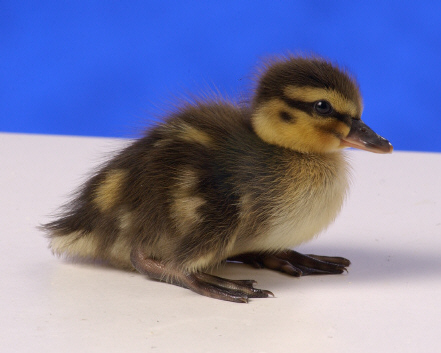
Mallard Ducks, also called Wild Flying Mallard Ducks, are one of the most familiar and beautiful duck varieties in North America. They offer strong self-reliance, natural foraging ability, good flight, colorful plumage, and lively pond behavior.
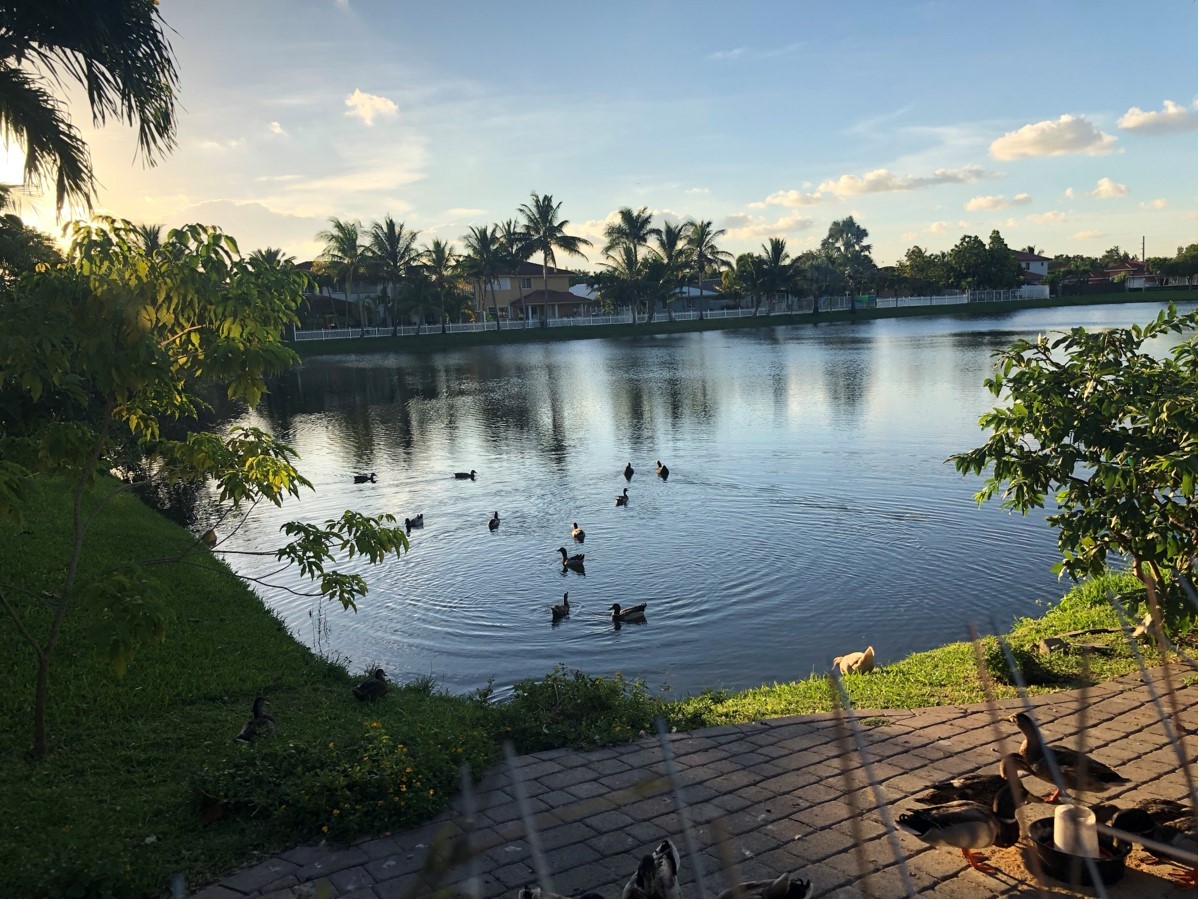
Cackle Hatchery® offers Mallard ducklings for customers who want a smaller, active duck for ponds, insect control, entertainment, show, or pets. Although Mallards fly well, farm-raised Mallards will usually stay near the farm pond when you manage them properly, feed them consistently, and provide safe habitat.
All Mallard duckling orders must go on a separate online order so Cackle Hatchery® can process them properly. Mallard ducklings cannot ship with any other fowl.
This order ships from a different location through one of Cackle Hatchery®’s participating hatchery partners.
Breed Overview and Background
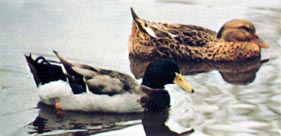
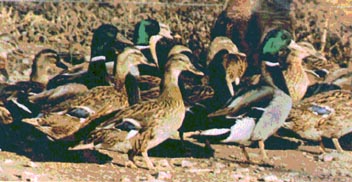
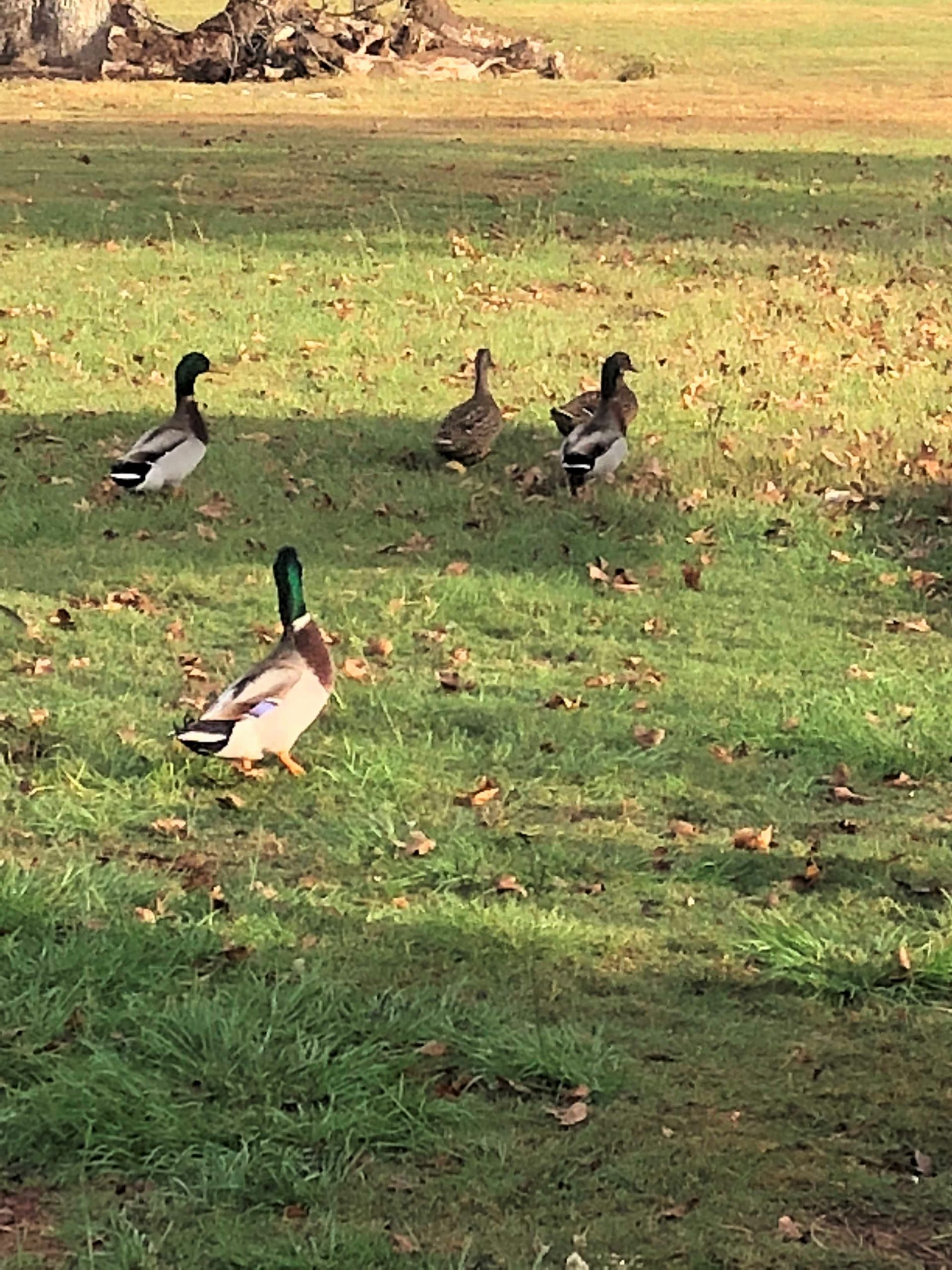
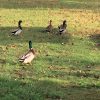
Mallards are one of the most recognizable duck varieties in the world. The drake stands out with his glossy green head, white neck ring, chestnut breast, gray body, and colorful wing markings. Meanwhile, the hen has naturally camouflaged brown plumage that helps her blend into nesting areas.
Cackle’s Mallard duck listing describes them as Wild Flying Mallard Ducklings and includes Mallards in the Ducks, Bantam poultry show class. In addition, the listing notes that Mallards are not sexed and that the American Standard of Perfection recognizes the breed.
Mallards work well for customers who want a more natural, athletic duck compared with heavier domestic duck breeds. They stay active, explore their surroundings, and bring plenty of movement to a pond or waterfowl area.
Appearance and Characteristics
Mallards have beautiful plumage, and the drake’s colorful green head gives the breed its most familiar look. Adult males look bright and eye-catching, while females use mottled brown feathering as natural camouflage.
Cackle’s duck breed comparison chart lists Mallard Ducks as egg-laying and meat ducks with exhibition value, very good egg production, and variable temperament.
As Mallard ducklings mature, customers can usually see sex differences more clearly through bill color, feather pattern, and voice. Cackle’s duckling sexing resource notes that Mallard hens and similar-colored ducks often have brown and orange bills, while males develop greener bills as they mature.
Foraging, Pond Use, and Self-Reliance
Mallard Ducks forage well and show strong self-reliance. They enjoy exploring pond edges, grassy areas, and natural spaces where they can search for insects, greens, and other small food items.
Because they stay active and alert, Mallards suit customers who want ducks with natural behavior rather than a heavier, slower domestic breed. They can also add beauty, entertainment, and movement to a farm pond or waterfowl area.
Even so, Mallards still need proper feed, clean water, shelter, and predator protection. Good foraging helps them stay active, but it does not replace balanced care.
Flight Ability and Farm Pond Behavior
Mallards fly very well. For that reason, many people call them Wild Flying Mallard Ducks.
However, farm-raised Mallards will usually stay around the farm pond when you care for them consistently. Regular feed, safe water access, proper shelter, and low-stress management all help encourage them to remain close to home.
Customers should understand that Mallards can fly. Therefore, anyone who needs strict containment should plan the setup before ordering. Mallards fit best with customers who have pond space, outdoor waterfowl experience, and realistic expectations about a flying duck breed.
Uses for Mallard Ducks
Mallards can serve several useful and enjoyable purposes, including:
Pond enjoyment
Insect control
Natural foraging
Entertainment
Show
Pets when handled
Educational farm settings
Small ornamental duck flocks
They can make good pets when customers handle them regularly and calmly. Like all ducks, they do best with proper feed, clean water, safe shelter, dry resting areas, and protection from predators.
Egg Production and Mothering Ability
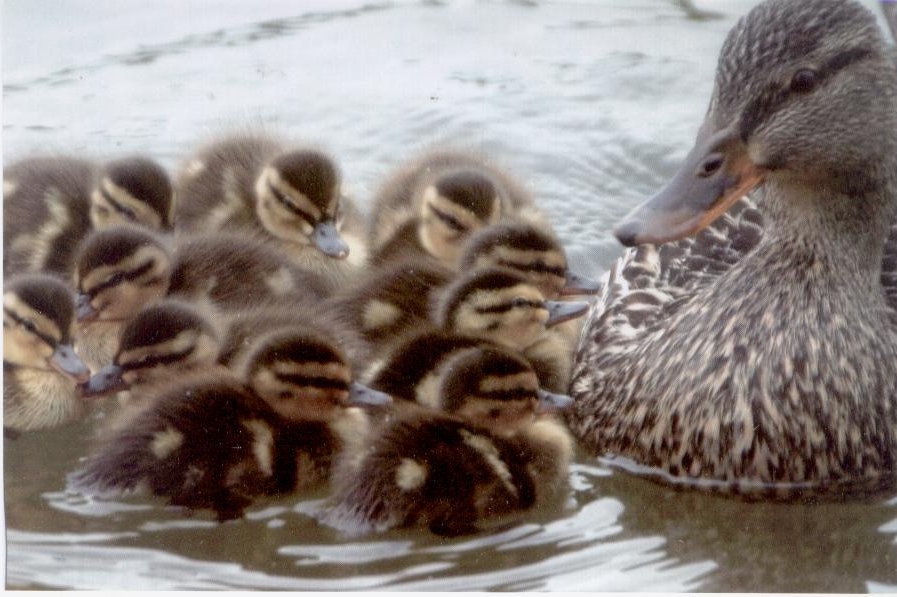
Mallard hens make outstanding mothers. Their strong natural instincts make them useful for customers who enjoy traditional duck behavior.
Cackle’s Mallard duck listing estimates egg production at 60 to 120 eggs per year, with eggs that may be greenish-blue or white. The listing also describes Mallards as setters, so hens may show broody and mothering behavior.
Customers who want higher egg production may prefer breeds such as Khaki Campbell Ducks, White Layer Ducks, or Welsh Harlequin Ducks. However, customers who value natural behavior, beauty, and mothering ability may enjoy Mallards more.
Legal Identification Requirement
Customers do not need a permit to own or sell Mallard ducklings. However, U.S. Fish and Wildlife requires all domestically hatched Mallard ducklings to carry identification.
Cackle Hatchery® identifies Mallard ducklings by removing a back toe when they hatch. U.S. Fish and Wildlife accepts this method because it shows that the birds hatched domestically and did not come from a local marsh.
Customers do not need to mark Cackle’s Mallards again at any time.
This identification helps prove that the Mallards came from a domestic hatchery rather than from the wild.
Separate Order and Shipping Note
Customers must place all Mallard duckling orders on a separate online order. They cannot ship with any other fowl.
This special order process helps Cackle Hatchery® process Mallard duckling orders correctly. In addition, these ducklings ship from a different location through one of Cackle Hatchery®’s participating hatchery partners.
Before placing an order, customers should review the Mallard duckling product page and Cackle’s Availability Chart for current availability and shipping details.
Important Delivery Instructions
When Mallard ducklings arrive, use careful watering to help prevent water shock.
Delivery instructions:
Limit the ducklings to 4 drinks of warm water.
Then take away the water.
Repeat this process every 15 minutes for the first 1 hour.
This gradual watering method helps prevent ducklings from drinking too much too quickly after shipping.
After the first hour, continue normal duckling care with clean water, appropriate duckling feed, warmth, dry bedding, and safe brooder conditions.
Mallard Ducklings vs Rouen Ducklings
Mallards and Rouen Ducks look similar in color pattern, but they are not the same type of duck.
Choose Mallards if you want a smaller, lighter, flying duck with strong natural instincts, pond activity, and self-reliance.
Choose Rouens if you want a larger, calmer domestic duck that looks similar to a Mallard but carries more body size and usually acts less flighty. Cackle’s Rouen listing describes Rouen ducklings as calm French ducks that look like large Mallards and work well for ponds and backyards.
Both breeds can make beautiful pond ducks. Ultimately, the best choice depends on whether you want a flying Mallard type or a heavier domestic duck.
Mallards vs High-Egg Production Ducks
Mallards offer natural behavior, foraging ability, beauty, flight, and strong mothering instincts. However, they are not Cackle Hatchery®’s highest egg-production duck option.
Customers who care mainly about egg numbers may prefer Khaki Campbell Ducks, White Layer Ducks, or Golden 300 Hybrid Layer Ducks.
Choose Mallards if you want a self-reliant pond duck with wild-type beauty, entertainment value, and natural instincts. On the other hand, choose high-production duck breeds if egg numbers matter most.
Helpful Mallard Resource
For customers who enjoy learning about Mallard behavior, Cackle Hatchery® also offers the blog article Mallard Ducks Choose a Mate by Drake’s Bill Color.
This resource explains how drake bill color may influence mate choice. As a result, it gives customers another interesting reason to appreciate the natural behavior of Mallard Ducks.
Is This Breed Right for You?
Choose Mallard Ducks if you want:
A self-reliant duck
A strong forager
A flying duck breed
A beautiful green-headed drake
A good farm pond duck
A duck useful for insect control
A duck for entertainment or show
A breed with strong mothering instincts
A duck that may make a good pet when handled
A more natural, active waterfowl choice
Mallards are not the best choice for customers who want a heavy domestic duck, guaranteed sexed ducklings, a non-flying breed, or ducklings that can ship with other fowl.
Recognition and Availability
Cackle Hatchery® offers Mallard ducklings as Wild Flying Mallard Ducks. The product listing notes that Mallards are not sexed and that the American Standard of Perfection recognizes the breed.
Customers may also want to compare Rouen Ducks, Khaki Campbell Ducks, Welsh Harlequin Ducks, White Layer Ducks, and Cackle’s full Ducks for Sale category.
Related Ducks and Helpful Cackle Hatchery® Resources
If you like this breed, you may also want to compare Rouen Ducks, Khaki Campbell Ducks, Welsh Harlequin Ducks, White Layer Ducks, Golden 300 Hybrid Layer Ducks, Hatchery Choice Duck Assortment, and Ducks for Sale.
Helpful Cackle resources include Duck Breeds List Comparison Chart, Sexing Ducklings and Goslings, Duck Eclipse and Nuptial Molts — What Do They Mean?, Mallard Ducks Choose a Mate by Drake’s Bill Color, Chicken Guarantees and Policies, Cackle Hatchery FAQ, and Availability Chart.
FAQ: Mallard Ducks
What are Mallard Ducks?
Mallard Ducks are small, active, wild-type ducks known for strong foraging ability, flight, colorful plumage, and natural pond behavior.
Are Mallard ducklings also called Wild Flying Mallard Ducks?
Yes. Cackle Hatchery® lists them as Wild Flying Mallard Ducklings.
Do Mallard duckling orders need to be separate?
Yes. Customers must place all Mallard duckling orders on a separate online order so Cackle Hatchery® can process the order properly.
Can Mallards ship with other fowl?
No. Mallard ducklings cannot ship with any other fowl.
Where do Cackle’s Mallard ducklings ship from?
This order ships from a different location through one of Cackle Hatchery®’s participating hatchery partners.
Are Mallards self-reliant?
Yes. Mallards show strong self-reliance and forage well.
Are Mallards good flyers?
Yes. Mallards fly very well.
Will farm-raised Mallards stay at the farm pond?
Even though they can fly, farm-raised Mallards will usually stay around the farm pond when customers care for them properly.
Are Mallards good for insect control?
Yes. Mallards help with insect control because they actively forage.
Are Mallards good pets?
They can make good pets when customers handle them regularly and calmly.
Are Mallard hens good mothers?
Yes. Mallard hens make outstanding mothers.
What do Mallard drakes look like?
Mallard drakes have colorful green heads and beautiful plumage.
What color eggs do Mallards lay?
Mallard eggs may be greenish-blue or white.
How many eggs do Mallards lay?
Cackle’s Mallard listing estimates about 60 to 120 eggs per year.
Are Mallard ducklings sexed?
No. Cackle’s Mallard duck listing states that gender accuracy is not sexed.
Is a permit needed to own or sell Mallard ducklings?
No permit is needed to own or sell Mallard ducklings.
Why are domestically hatched Mallards marked?
U.S. Fish and Wildlife requires hatcheries to identify domestically hatched Mallards so inspectors can see that the birds did not come from the wild.
How does Cackle Hatchery® identify Mallard ducklings?
Cackle removes a back toe when the ducklings hatch. U.S. Fish and Wildlife accepts this identification method.
Do customers need to do any other marking?
No. Customers do not need to do any other marking of Cackle’s Mallards at any time.
What should I do when Mallard ducklings arrive?
Limit them to 4 drinks of warm water, remove the water, and repeat every 15 minutes for the first hour to help prevent water shock.
Where can I learn more about Mallard mate choice?
Read Cackle Hatchery’s blog Mallard Ducks Choose a Mate by Drake’s Bill Color.
Where can I check availability?
Check Cackle’s Availability Chart for current ordering options.


CALEB –
very cool
I have only heard good things about this hatchery so I think everybody should order from here because they are very affordable.
Otis –
Lots of fun
I ordered 16 back in early summer- 15 survived to adulthood. They love their pond. As we are in Northern Michigan I keep the pond open with an electric circulator for them- The ducks are fun to have around
Mr. Longhorn –
Love listening to the mallrad hen talk.
I like having ducks on the pond. I purchased these ducklings for the grand kids to enjoy also. But don’t let the grand kids play with them for more than 10 minutes it stresses the ducklings. I purchased ducklings in April 2019 and in November 2019 the hen is laying eggs.
ducklover –
Highly recommend. Very entertaining and great for bug control.
Have thoroughly enjoyed having these ducks on our farm pond. 13 survived out of 16. We have learned so much about ducks by having them.
Zach –
Mallards
Couldn’t ask for anything more! Thanks for the ducks!!
Ducky –
Very satisfied
Very satisfied with the ducks and the ordering and receiving process. Will definitely order from here again