Description
Red Shouldered Yokohama Chicken
Breed Overview and Origin
The Red Shouldered Yokohama chicken is a rare ornamental longtail breed with a graceful look, upright carriage, and beautiful red shoulder markings. If you want a chicken that feels more like living artwork than an ordinary backyard layer, this variety is a strong choice.
Yokohamas originated in Japan and became known for their pheasant-like bodies, elegant posture, and long flowing saddle and tail feathers. Cackle Hatchery® has developed its Red Shouldered, White, and Silver Duckwing Yokohama bloodlines since 1977, and Cackle lists Red Shouldered Yokohamas among its rare chicken breeds.
This is not a production chicken. It is a specialty longtail bird for customers who appreciate rare breeds, show appeal, and ornamental beauty.
Appearance and Characteristics
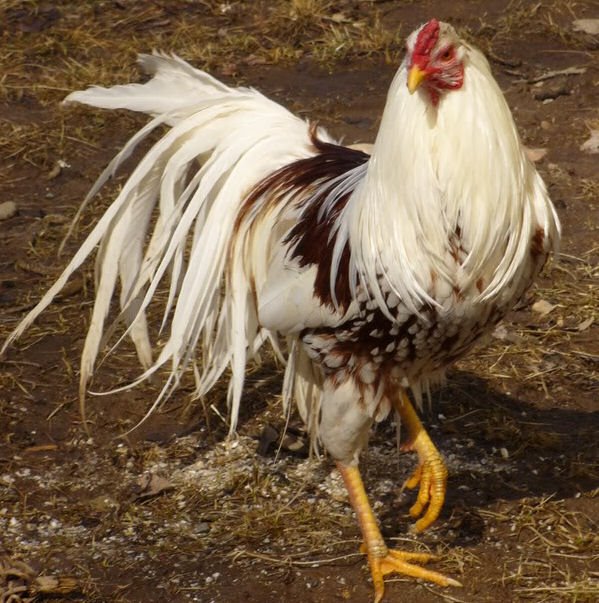
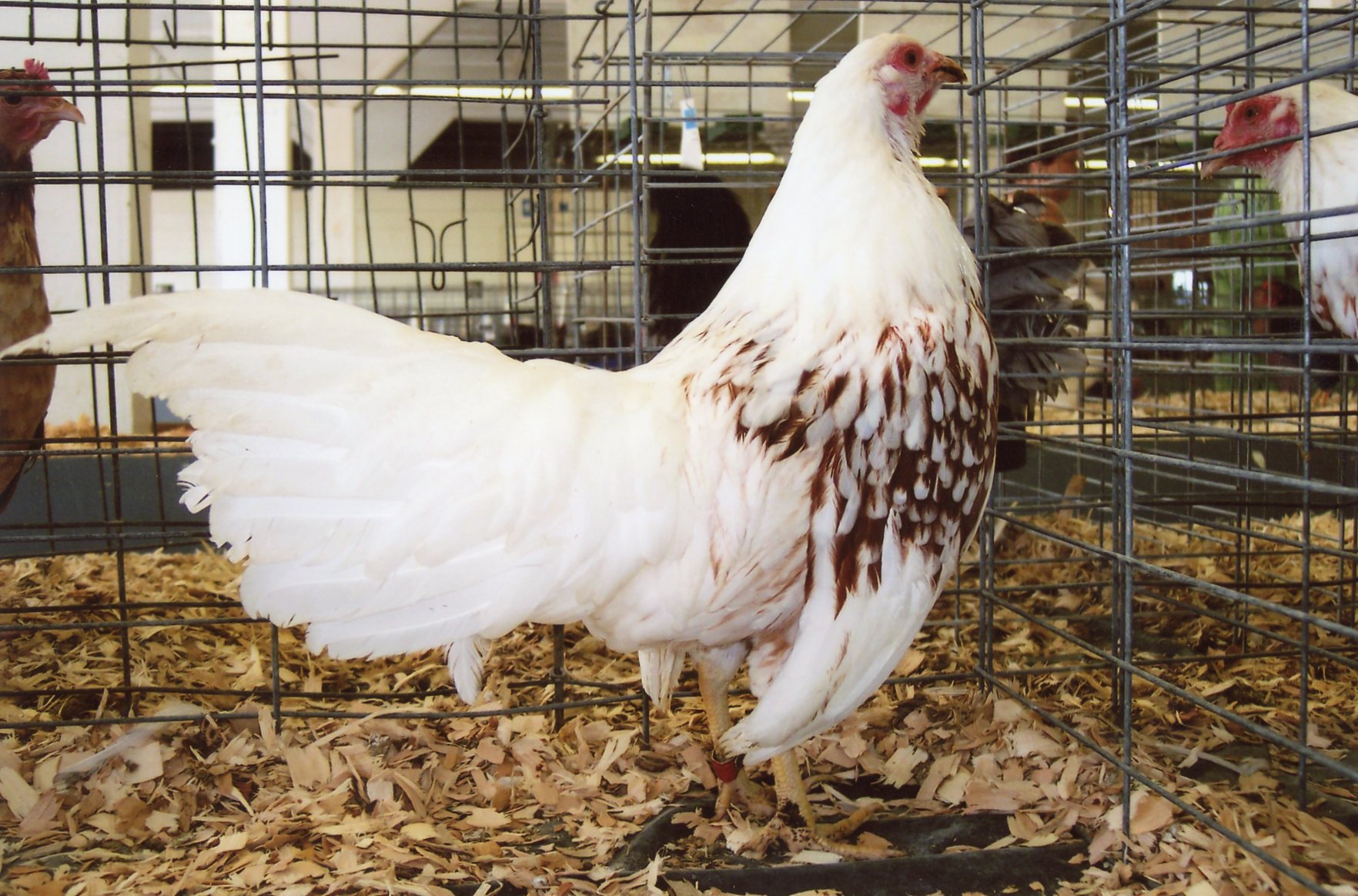
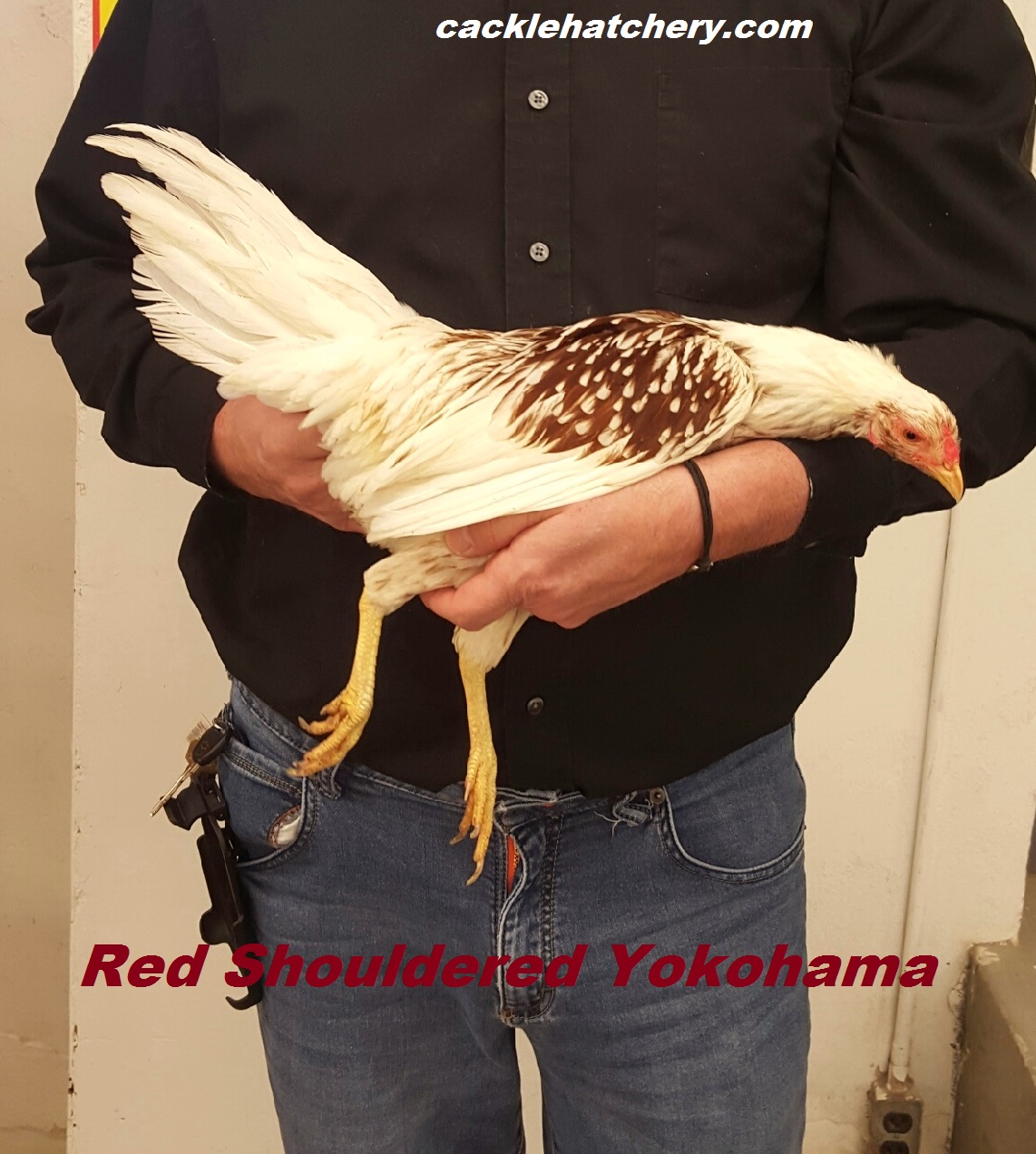
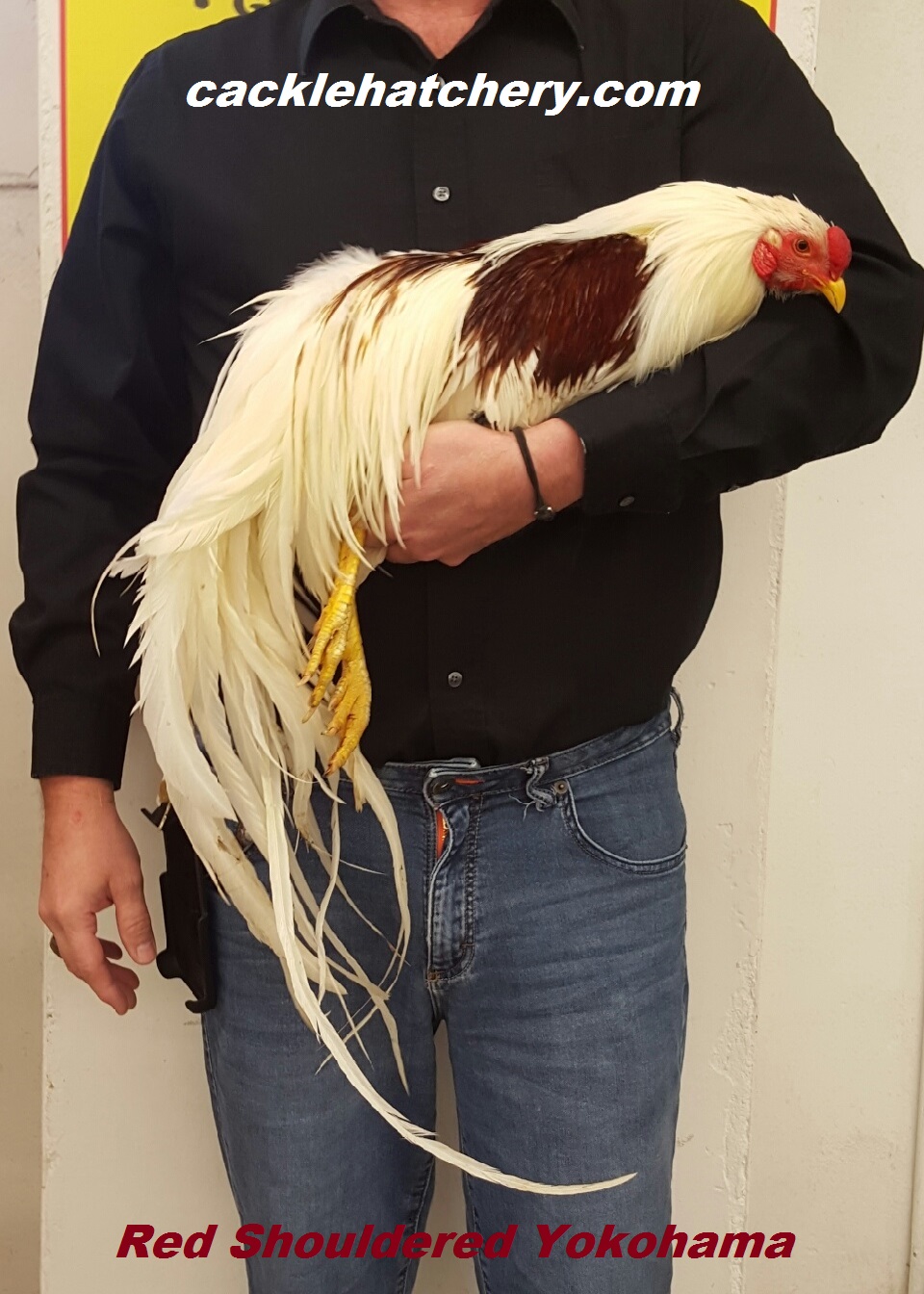
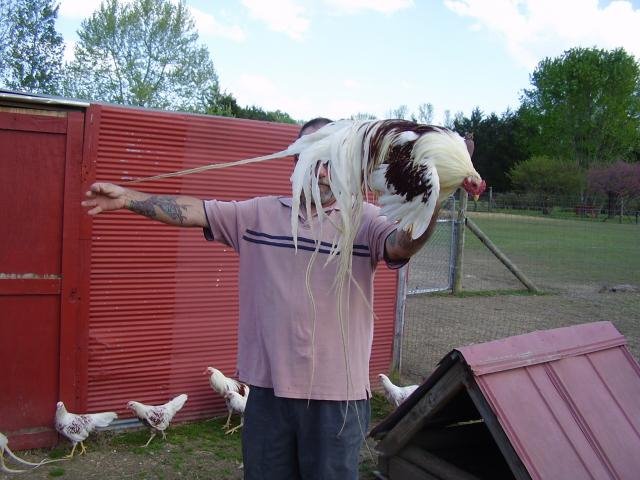
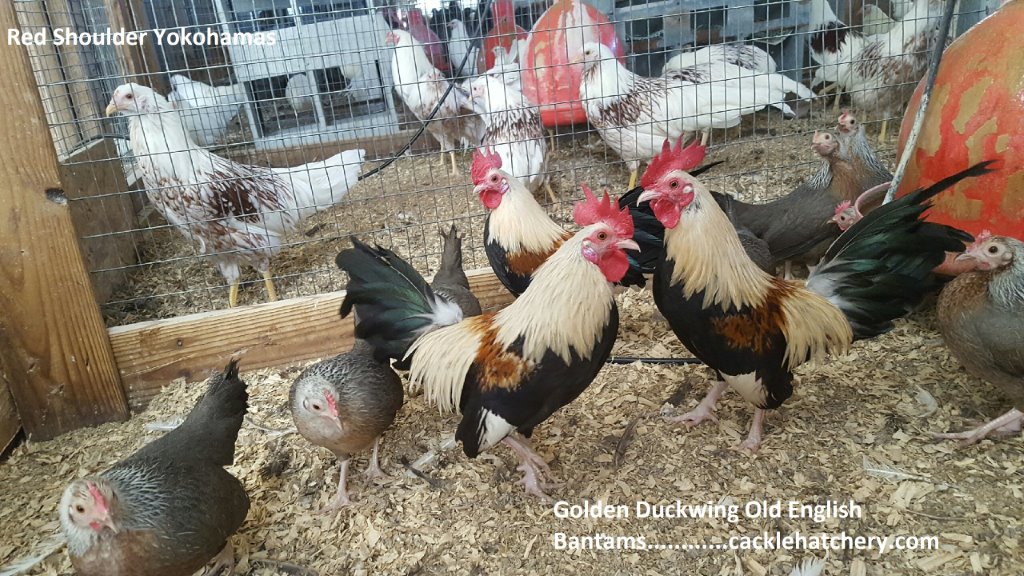
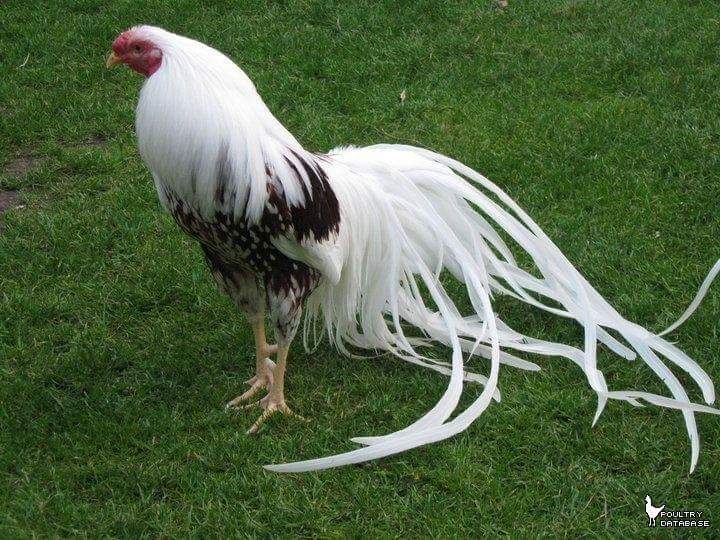
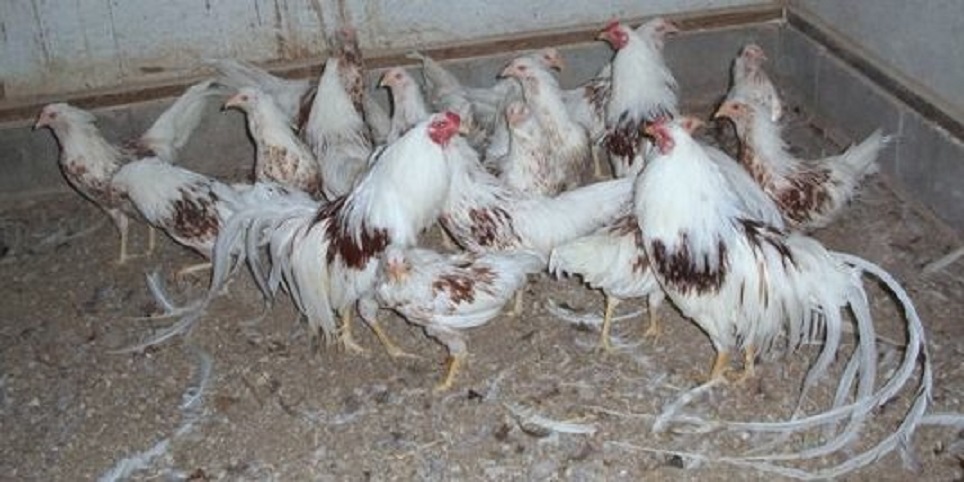
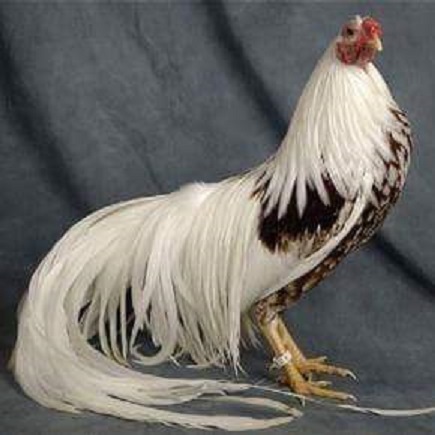
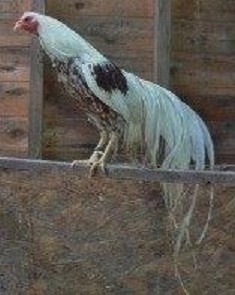
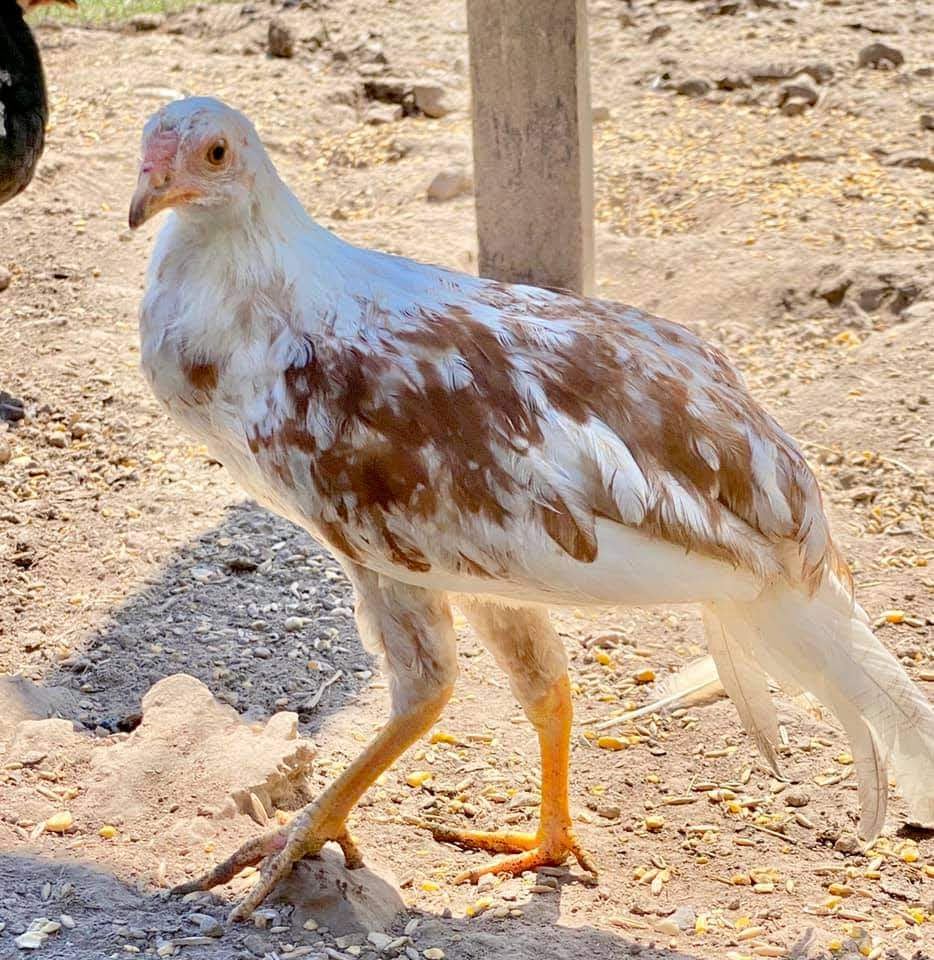
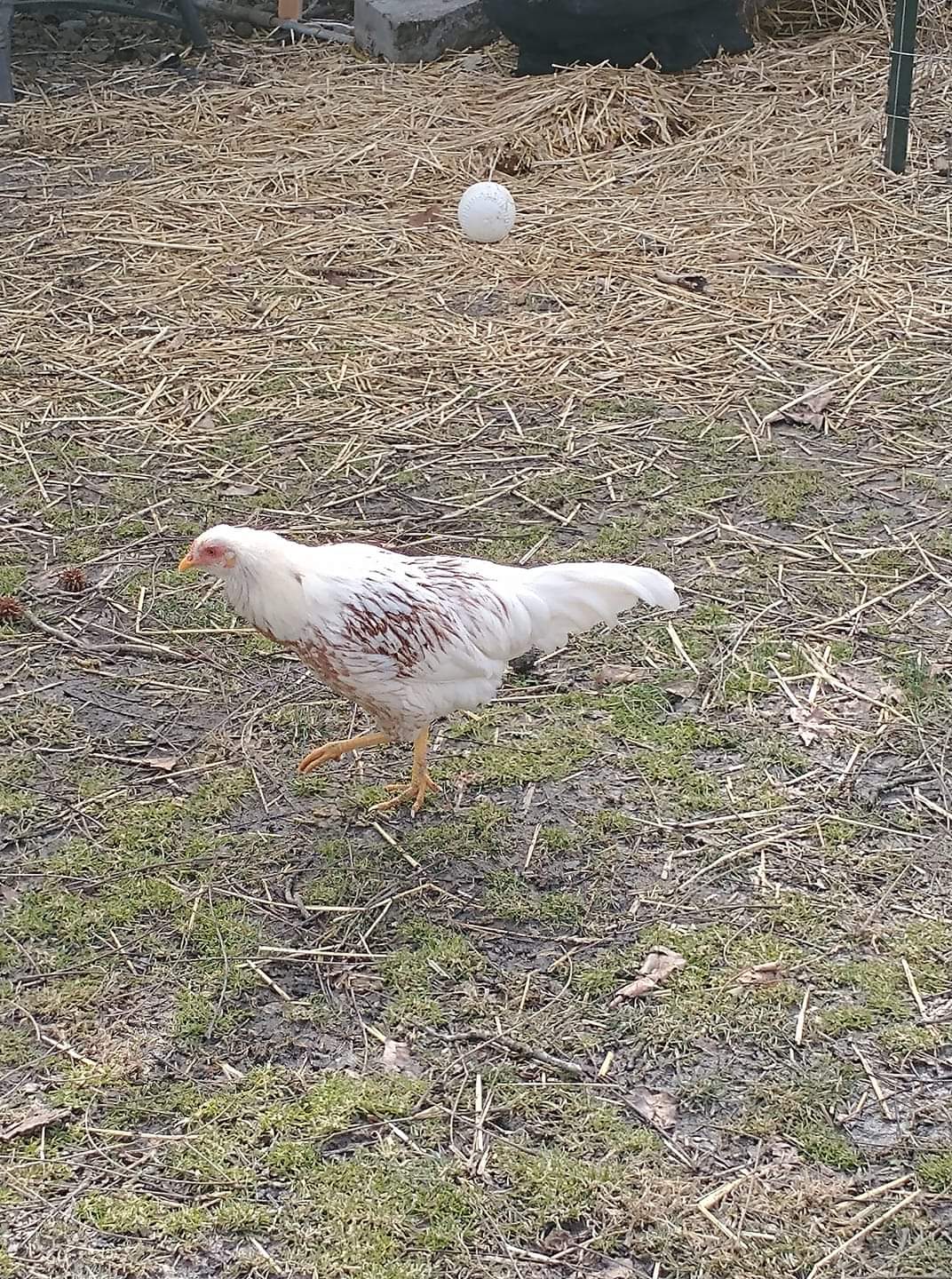
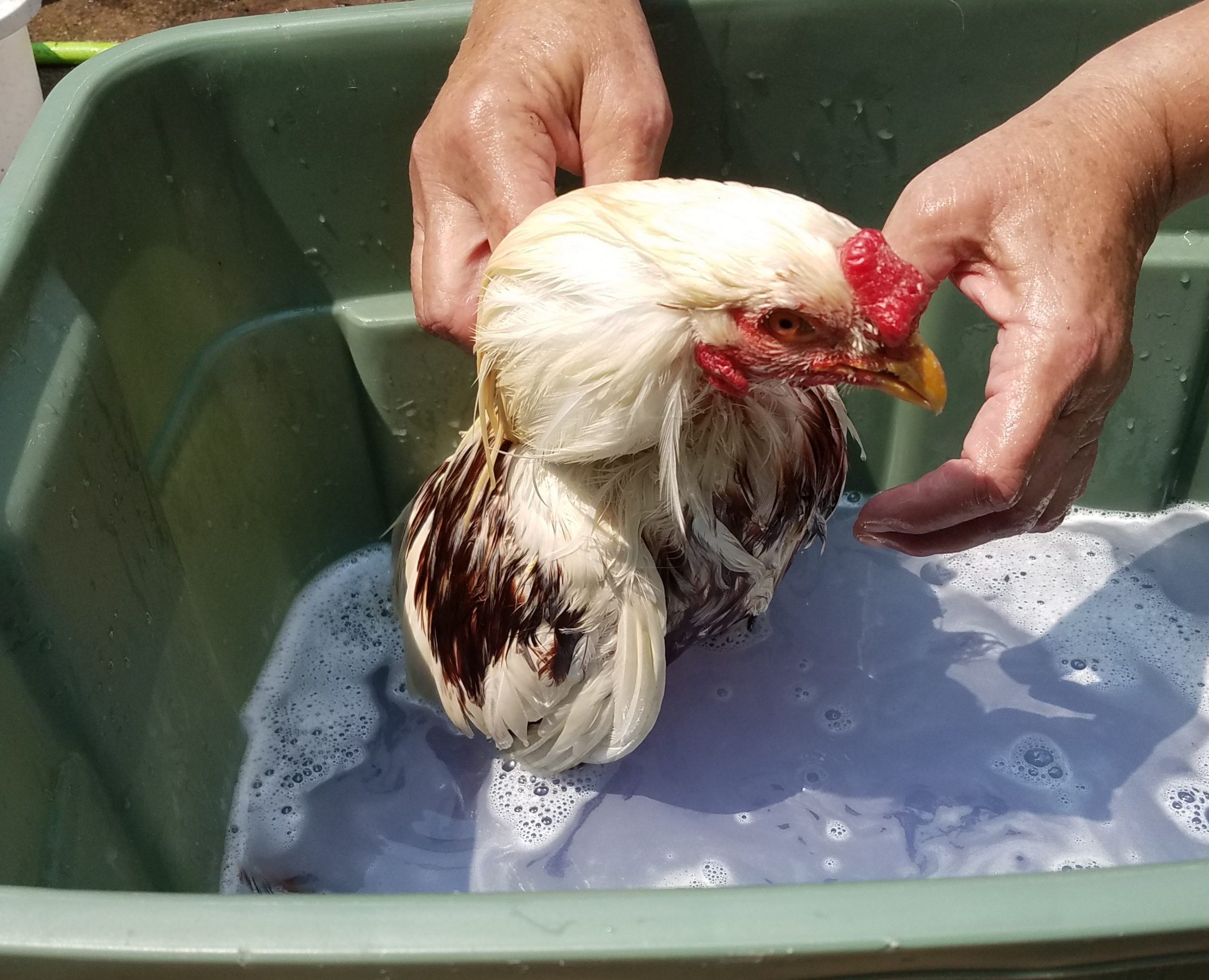
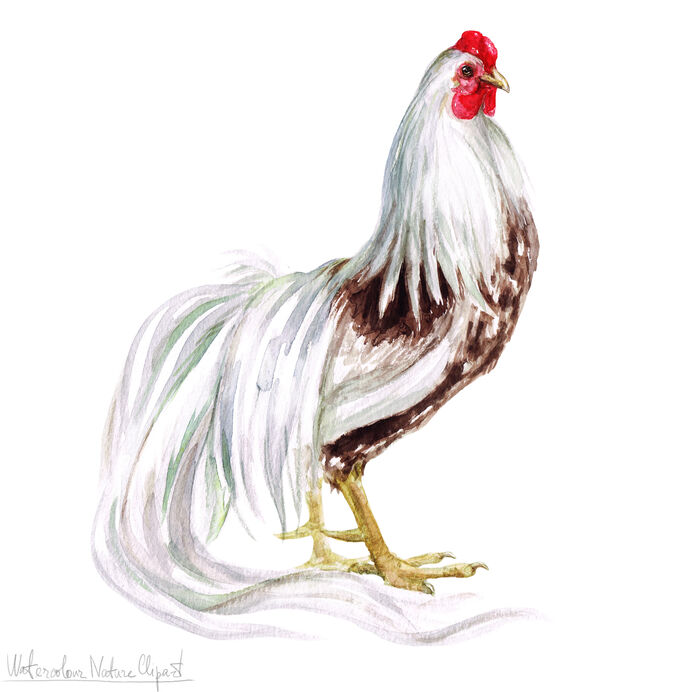
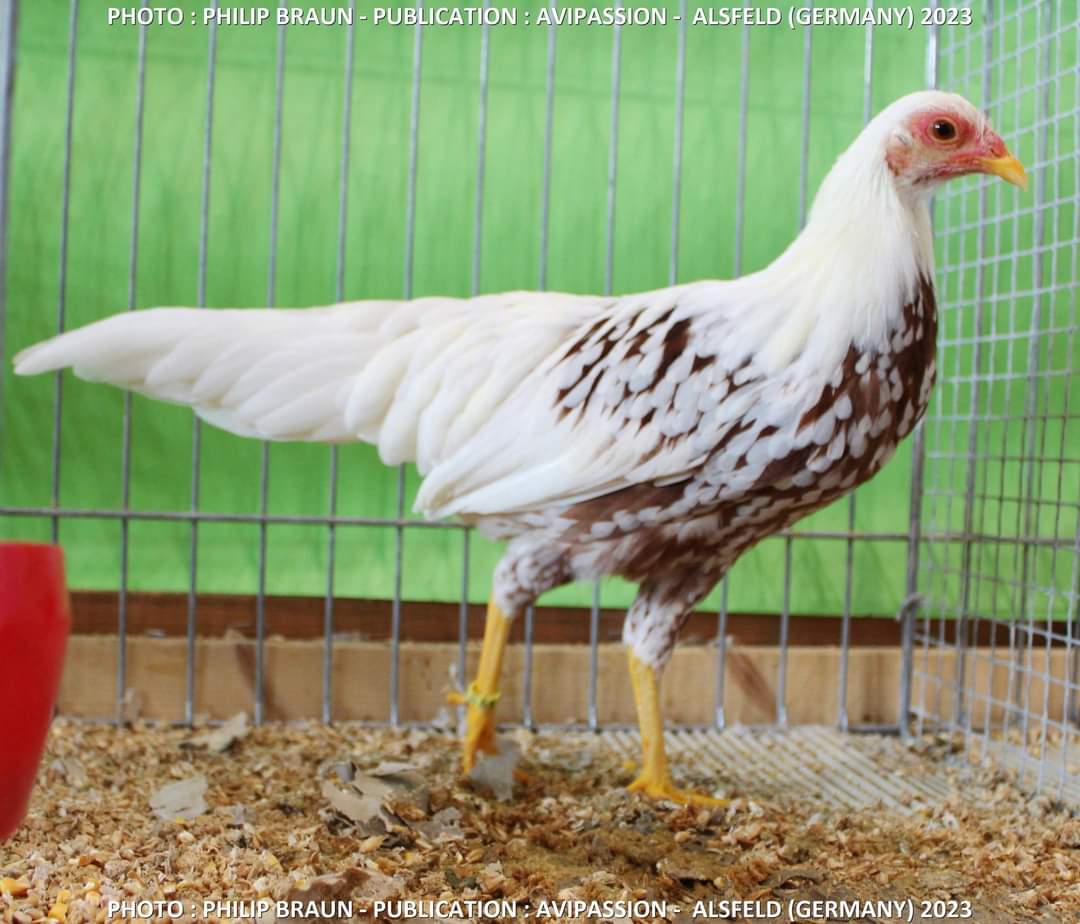
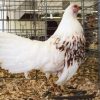
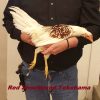
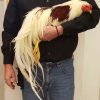
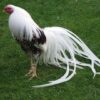
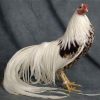
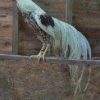
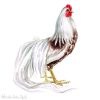
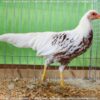
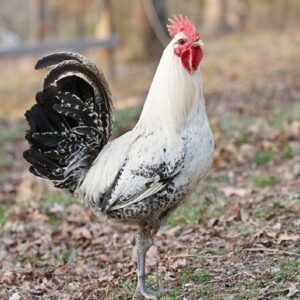
Red Shouldered Yokohamas have mostly white plumage with rich red feathering across the shoulder area. That red-and-white contrast gives the bird its name and makes it stand out from the White Yokohama.
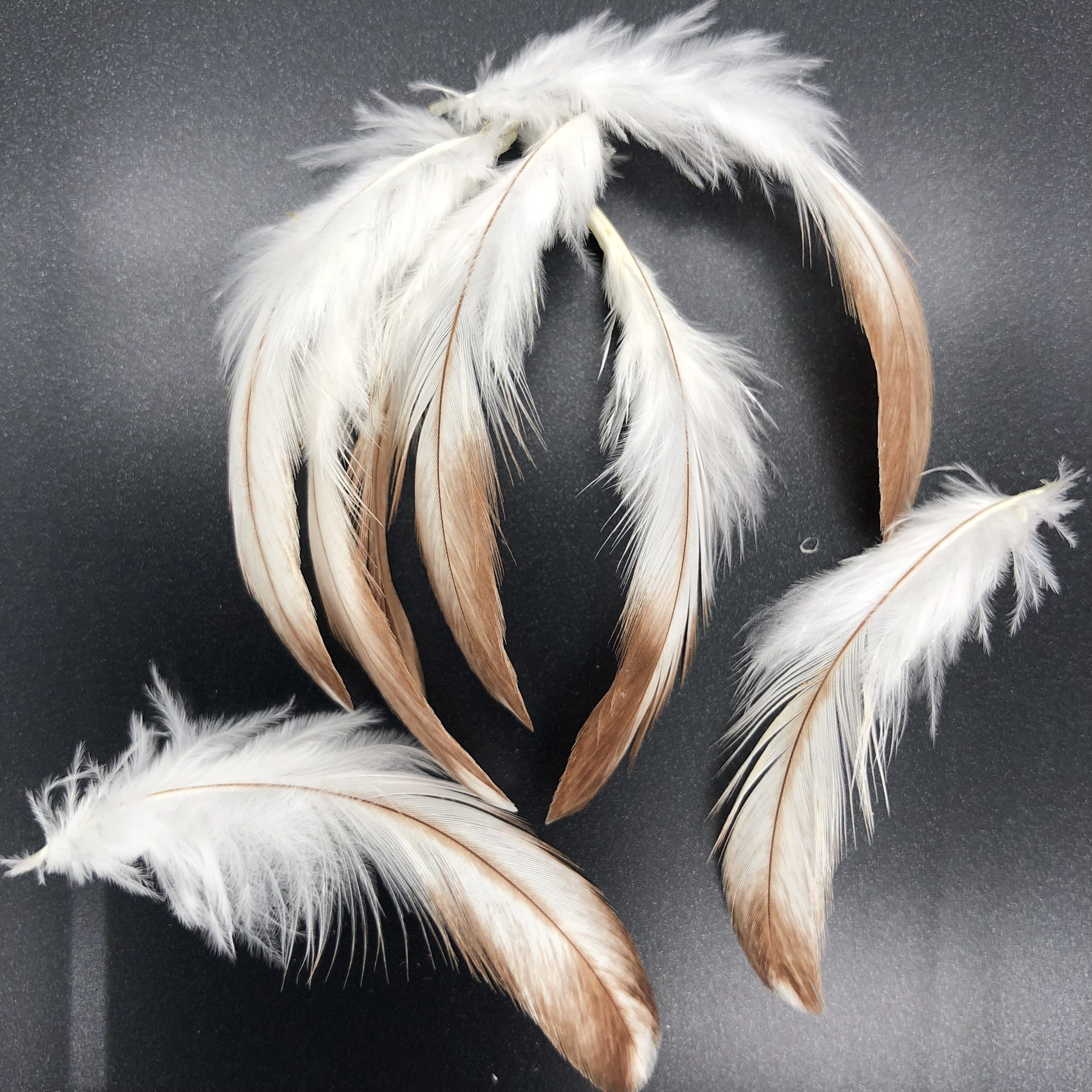
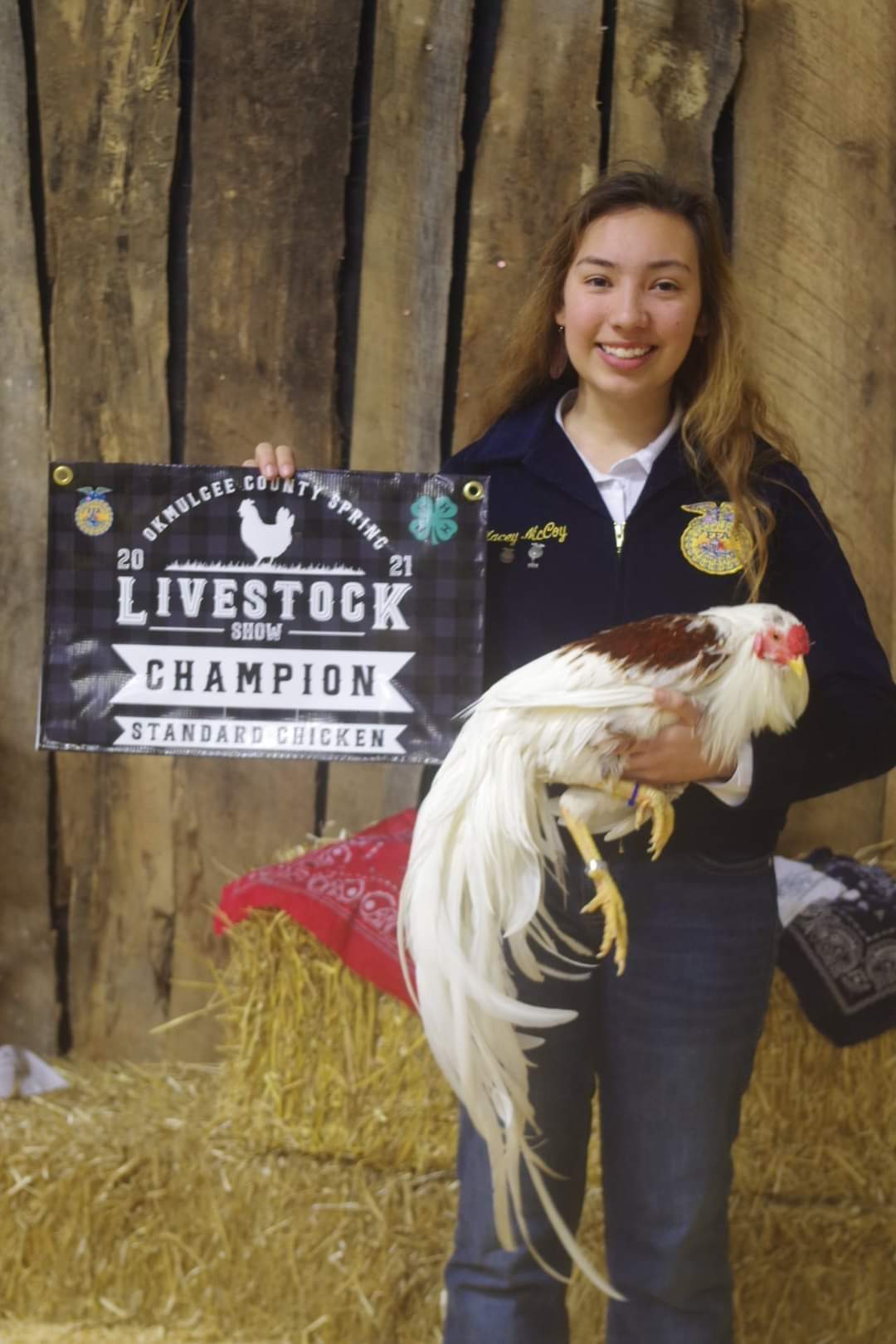
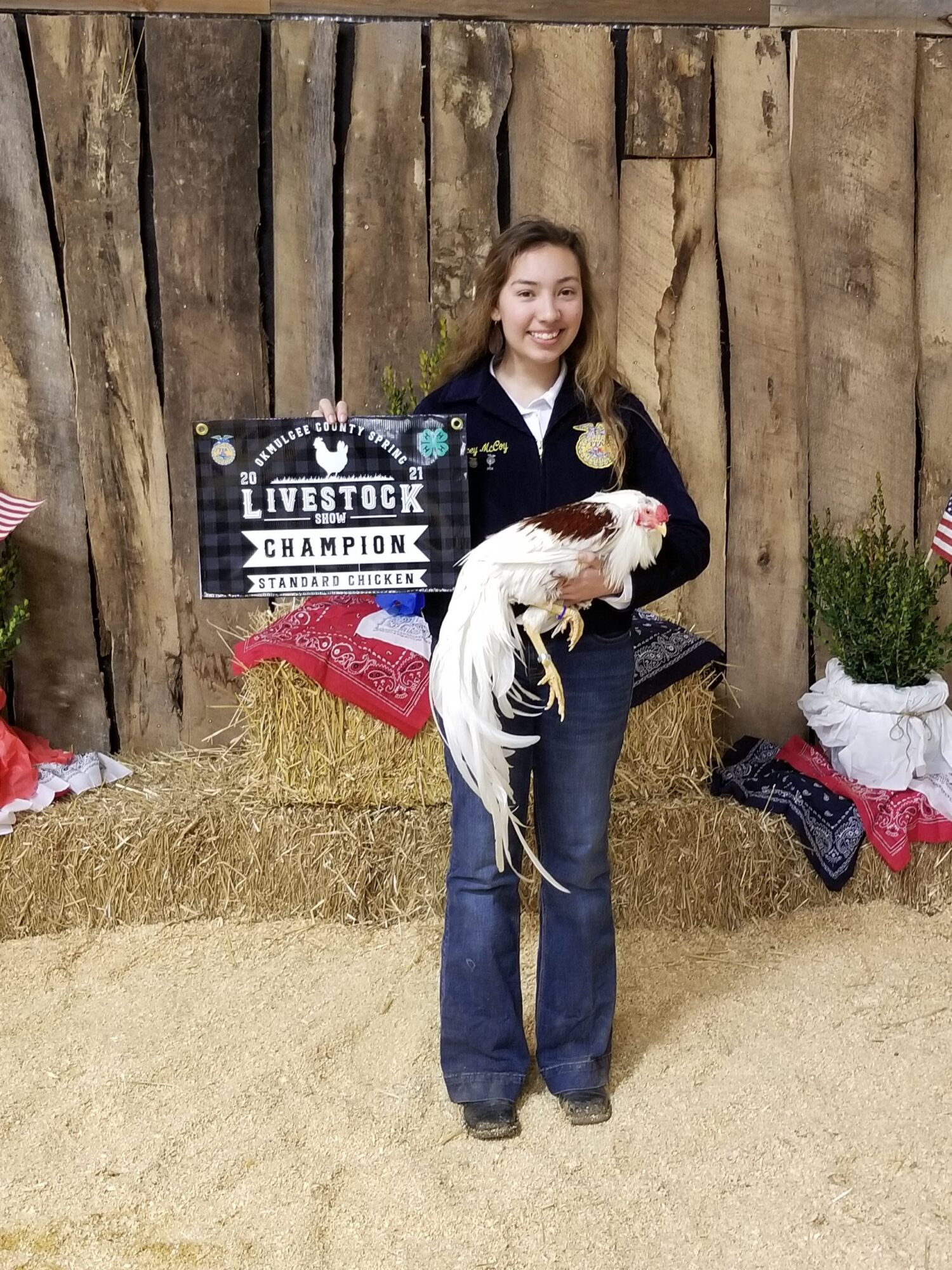
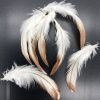
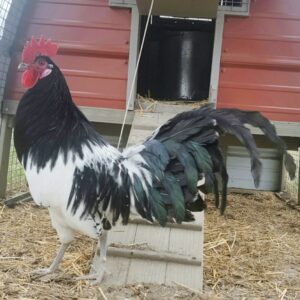
The birds have an upright carriage and a pheasant-like body. Roosters are especially impressive because of their long saddle feathers and tail feathers. Under the right conditions, the tail can grow 2 to 3 feet each year.
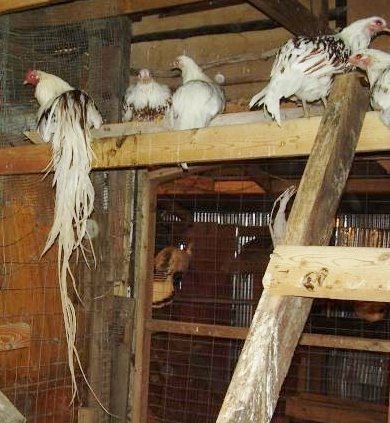
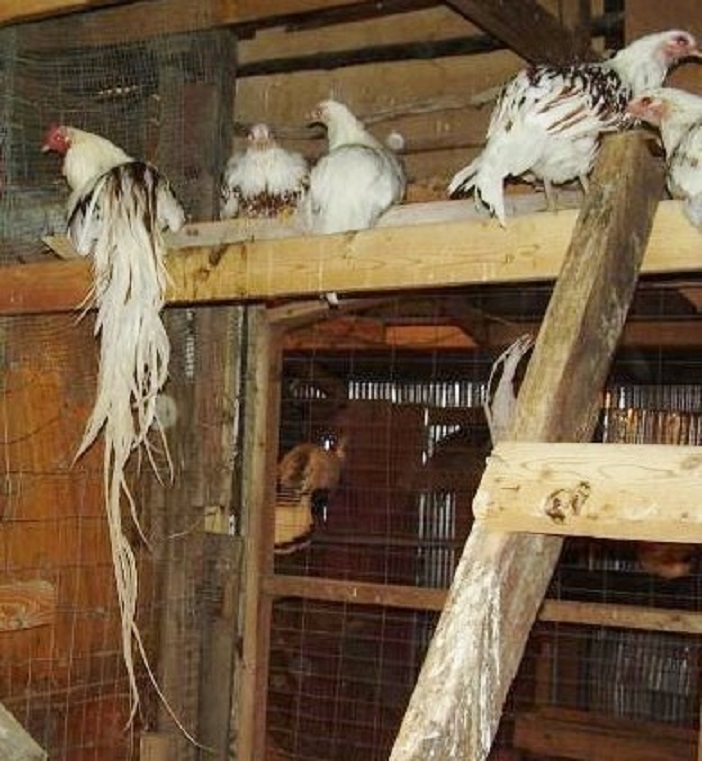
Because tail condition matters so much with this breed, housing and daily care make a big difference. Clean bedding, dry footing, safe roosts, and enough room help preserve the long feathers.
Red Shouldered Yokohama vs White Yokohama
Red Shouldered Yokohamas and White Yokohamas belong to the same rare longtail breed family. The main difference is color.
Choose Red Shouldered Yokohamas if you want mostly white birds with red shoulder markings. Choose White Yokohamas if you prefer a clean all-white longtail bird. You may also want to compare Silver Duckwing Yokohamas if you like silver and black plumage.
All three varieties are ornamental, rare, and better suited for beauty and exhibition interest than for egg or meat production.
Longtail Breed Care
Red Shouldered Yokohamas need more tail care than ordinary backyard chickens. Longtail breeds require clean, dry housing and thoughtful roost design so their feathers do not drag through mud, break, or wear down too quickly.
Cackle Hatchery’s Care and Feeding of Longtail Roosters explains that longtail chickens need specialized treatment to maintain their beauty. The article points to housing, roosts, diet, and feather condition as key parts of longtail care.
Cackle’s Breed Spotlight: Lovely Longtail Chickens also explains that longtail chickens carry specialized genes that allow some tail feathers to grow longer than those of ordinary breeds.
Egg Production and Utility
Red Shouldered Yokohamas are ornamental chickens first. They may lay some eggs, but they are not production layers and should not be chosen for a heavy egg basket.
Their value comes from their long tail feathers, red shoulder markings, graceful body, and show presence. If your main goal is eggs, compare white egg layers, brown egg layers, or production hybrids instead.
They are not meat birds either. They are best for ornamental flocks, rare breed projects, poultry hobbyists, and customers who want something beautiful and uncommon.
Temperament and Suitability
Red Shouldered Yokohamas are best for keepers who enjoy ornamental poultry and can provide longtail-friendly housing. They can work in backyard flocks, but they need a clean, dry coop and enough room to protect the tail feathers.
Because they are lighter and more elegant than heavy farm breeds, they need secure housing and predator protection. They can also be more active than calm dual-purpose breeds.
Beginners can raise them if they understand that this is a specialty bird. If you want easy egg production, choose a laying breed. If you want rarity, longtail character, and beauty, Red Shouldered Yokohamas can be a rewarding choice.
Is the Red Shouldered Yokohama Chicken Right for Your Flock?
Choose Red Shouldered Yokohamas if you want:
A rare ornamental chicken
A longtail breed
White plumage with red shoulder markings
A bird with show appeal
A pheasant-like body shape
A graceful, upright carriage
A specialty breed from Cackle’s long-running Yokohama program
A beautiful alternative to common backyard chickens
A bird for ornamental or exhibition-style flocks
Overall, this is a good choice if you want a chicken with beauty, rarity, and elegance. Red Shouldered Yokohamas are not the right bird for meat or heavy egg production, but they are a wonderful option for longtail enthusiasts and customers who enjoy showy poultry.
If you are still comparing rare breeds, the Chicken Breed Selector and Chicken Breeds List Comparison Chart can help you sort birds by purpose, size, temperament, and flock goals.
Breed History and Preservation
Yokohamas trace back to Japan, where longtail chickens have a long tradition. These birds became known for elegant feathering, upright posture, long tails, and ornamental value.
The Red Shouldered Yokohama entered the American Standard of Perfection in 1981. Cackle Hatchery® has worked with Yokohama varieties since 1977, giving this rare breed family a long history in the hatchery’s breeding program.
Because Red Shouldered Yokohamas are rare, careful breeding and proper longtail care matter. They are not everyday utility birds. They are specialty chickens for people who appreciate feather quality, tail length, and graceful appearance.
Recognition and Availability
The American Poultry Association admitted the Red Shouldered Yokohama to the Standard of Perfection in 1981. This variety can compete well at poultry shows when birds develop the right type, feather condition, and presentation.
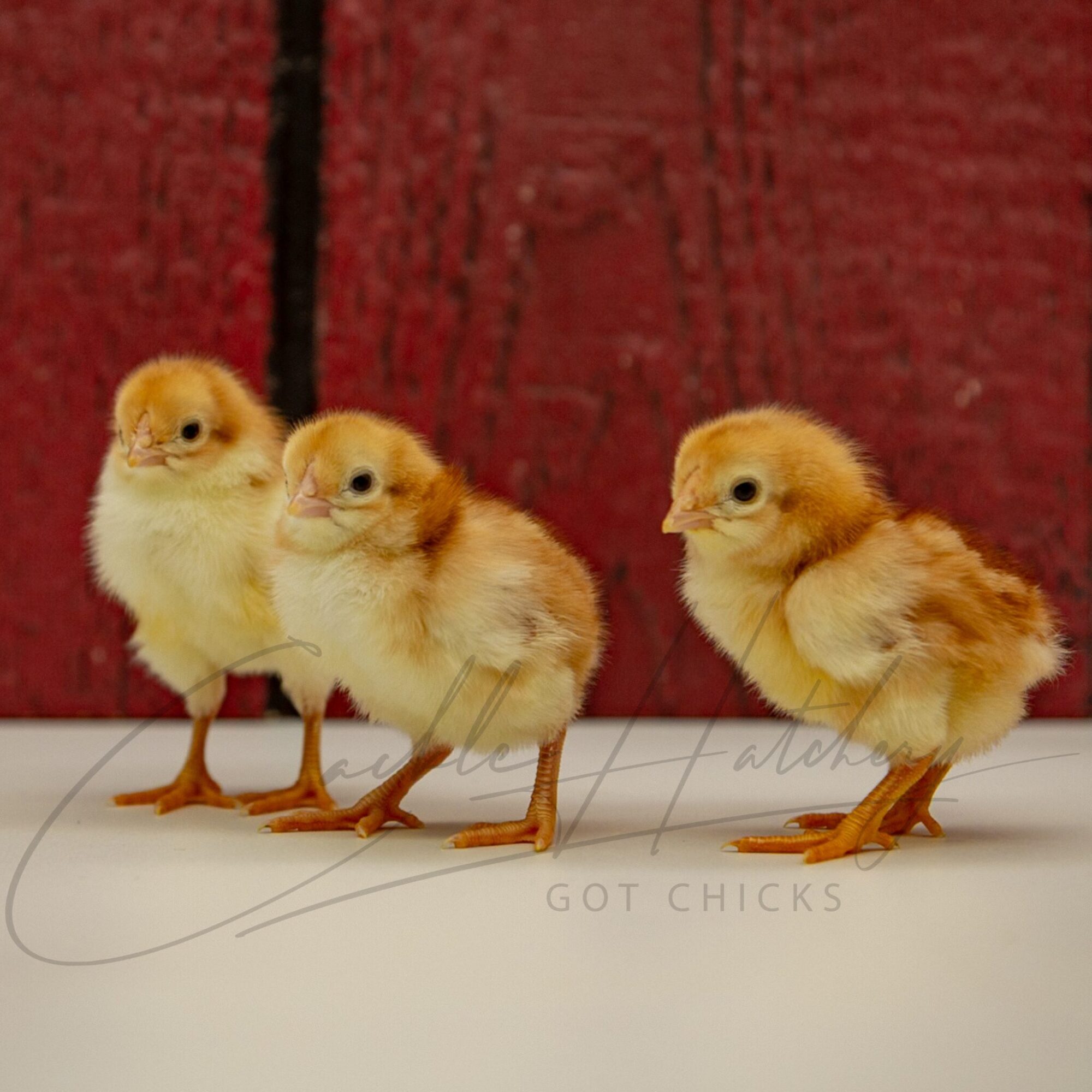
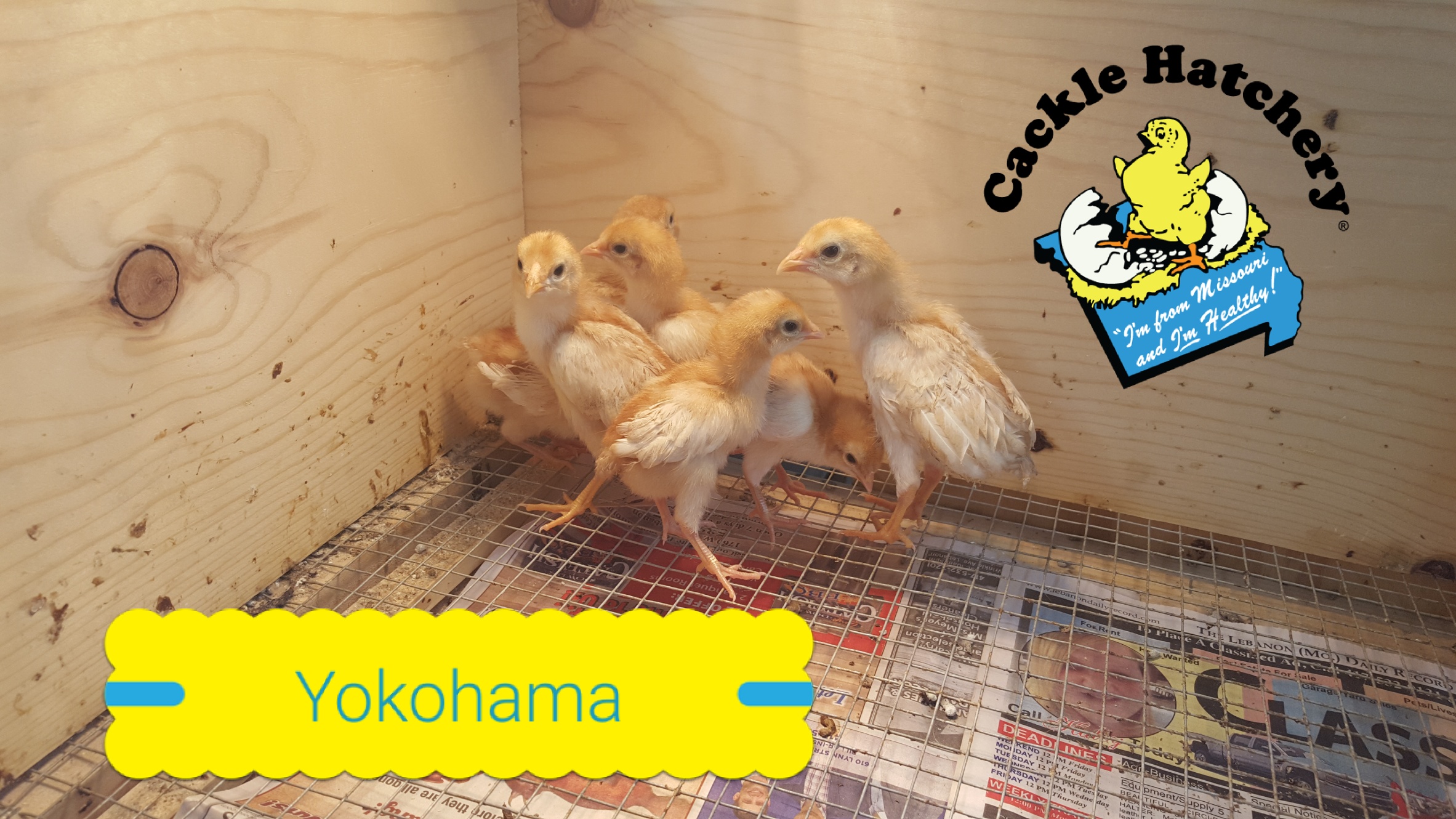
You can choose Red Shouldered Yokohama chicks when they are available. Red Shouldered Yokohamas may also appear in Long Tail Surplus assortments, but that option is hatchery choice and does not guarantee a specific breed or color. Cackle lists Long Tail Surplus as possibly including Red Shouldered Yokohamas, White Yokohamas, Silver Duckwing Yokohamas, Phoenix varieties, and other longtail breeds.
Before you plan your order, check the Availability Chart for current hatch and shipping options.
Related Breeds and Helpful Cackle Hatchery® Resources
If you like Red Shouldered Yokohamas, you may also want to compare White Yokohamas, Silver Duckwing Yokohamas, Phoenix chickens, Sumatras, and other longtail breeds.
For more background, read Breed Spotlight: Lovely Longtail Chickens and Care and Feeding of Longtail Roosters. Cackle’s longtail spotlight explains that longtail chickens are breeds selected for especially long tail feathers, and Yokohamas are one of the longtail breeds found in North America.
For broader flock planning, browse rare chicken breeds, baby chicks for sale, and the Chicken Breed Selector.
FAQ: Red Shouldered Yokohama Chicken
What is a Red Shouldered Yokohama chicken?
A Red Shouldered Yokohama is a rare ornamental longtail chicken known for white plumage, red shoulder markings, upright carriage, and long flowing tail feathers.
Where did Red Shouldered Yokohamas originate?
Yokohamas originated in Japan. The Red Shouldered variety carries the same longtail breed background with red shoulder markings on a mostly white bird.
Are Red Shouldered Yokohamas rare?
Yes. Red Shouldered Yokohamas are rare in the United States and are usually kept by people who enjoy ornamental, exhibition, or longtail chickens.
Are Red Shouldered Yokohamas recognized by the APA?
Yes. The Red Shouldered Yokohama was admitted to the American Standard of Perfection in 1981.
What do Red Shouldered Yokohama chickens look like?
They have mostly white plumage with red feathering in the shoulder area, an upright carriage, a pheasant-like body, and long saddle and tail feathers.
Do Red Shouldered Yokohama roosters have long tails?
Yes. Roosters are known for extremely long saddle and tail feathers. Under the right conditions, the tail can grow 2 to 3 feet per year.
Do Red Shouldered Yokohamas need special care?
Yes. Longtail chickens need clean, dry housing, proper roosts, and enough space to protect the tail feathers from mud, breakage, and wear.
Are Red Shouldered Yokohamas good egg layers?
No. They may lay some eggs, but they are ornamental chickens first and should not be chosen for heavy egg production.
What color eggs do Red Shouldered Yokohamas lay?
They are not kept mainly for egg production, so egg color matters less than ornamental value. Customers usually choose this breed for appearance, rarity, and longtail traits.
Are Red Shouldered Yokohamas good for meat?
No. They are best kept as ornamental or rare longtail chickens rather than meat birds.
Are Red Shouldered Yokohamas friendly?
They can be manageable with steady care, but they are better described as ornamental specialty birds than calm production chickens.
Are Red Shouldered Yokohamas good for beginners?
They can work for beginners who understand longtail care. Egg-focused beginners may prefer a simpler production layer.
What is the difference between Red Shouldered Yokohama and White Yokohama?
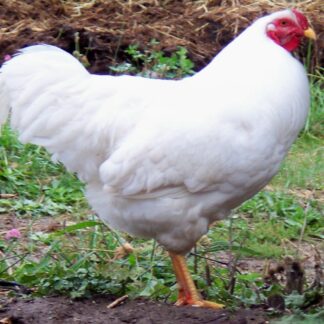
Red Shouldered Yokohamas have mostly white plumage with red shoulder markings. White Yokohamas have clean white plumage without the red shoulder color.
Can Red Shouldered Yokohamas come in Long Tail Surplus?
Yes. Cackle’s Long Tail Surplus may include Red Shouldered Yokohamas, but the assortment is hatchery choice and does not guarantee a specific breed or color.
Where can I check chick availability?
Check the Availability Chart for current hatch and shipping options.








java_ferret –
We ordered 4 redshoulder Yokohamas and receivfed 5 ( one did pass after the first week so back to our 4) ended up with one male and 3 females, all unbelievably beautiful and very sweet mellow birds. None of them are flighty or loud. I am super pleased with them so far. They are 5 months old and are just very pretty and docile. They were accepted and get along well with my other larger birds and no one seems to pick on them and they so far have behaved nicely with the others. The young rooster is also very calm and so far has 3 very long tail feathers.
These are definelty my friends favorite when they go look out at the birds.
lassiedail –
Interesting docile birds I ordered for something new. The male was slower to develop than bantam roos, and has a softer voice. I like him and the hens a lot. They tend to stay apart from the rest of the flock, and forage well. Pretty birds!
Yokomama –
Delightful Birds!
Chicks came on time and were housed jointly with some Rhode Island Reds; came up with a solid strategy to improve early survival using natural products that matched survival rates with Amprolium – treated starter (100% survival). The Yokos were surprisingly robust for small fancy birds, and had no trouble living with the RIRs in a normal coop scenario where they all shared food/water and space. They were also very docile and didn’t mind being handled in the least. Their ultimate demise was cold intolerance; lost all but one the first night it got close to freezing. The one that survived likes to sleep underneath a RIR and is still around today probably because of that strategy.
A beautiful breed!!
Yoko’s –
Stunning addition to my flock!
I have 2 Yokohama hens and 1 rooster. Such a beautiful addition to my flock. This breed gets along well with all the others. Stunning!
Brandon Smith –
Great
Got the chicks on time and had more females then I did Males. I am very happy and pleased. The roosters are getting long tail feathers now about 2.5 feet long. They are very pretty. Thanks
Julia –
Chicks
Received chicks yesterday with extras! All doing great and very active. Thank you so much!
Javier California June 2009 –
Chickens
I received my chicks (Yokohomas and Wheaten O.E.G STD) about two months ago. All are doing GREAT! THanks
Dan Indiana March 2010 –
Thanks!
Not to worry, our chicks came in the noontime delivery. They seem to all be in good shape. The Cochin substitution for one Yokohoma was fine. Yokohomas are beautiful birds. We may find that we will want a few more later. I really appreciate your commitment to perpetuating rare breeds. I believe the narrowing of our livestock gene pool puts agriculture at risk. My daughter is looking forward to a blue ribbon at the County Fair. She’s ready to put in the work.