
Description
Black Swan Adult Breeding Pair
Product Overview
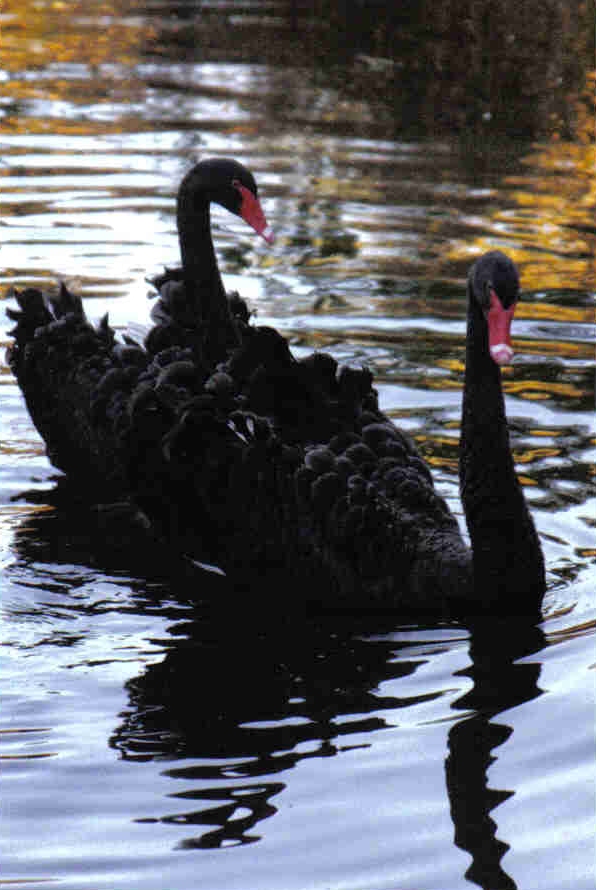
The Black Swan Adult Breeding Pair is a mature ornamental waterfowl pair for customers with the space, pond setup, and experience needed to care for large swans. Also known as the Australian Swan, the Black Swan is admired for its nearly all-black plumage, graceful shape, long neck, and red bill.
Cackle Hatchery® offers Black Swans as an adult breeding pair. These birds are best suited for customers who already understand waterfowl care or who have experience raising geese, ducks, or other ornamental pond birds.
Black Swans are beautiful, long-lived, and impressive, but they require proper pond space, shelter, and responsible ownership. Customers should prepare their pond, enclosure, feed plan, and local ownership requirements before ordering.
Breed Overview and Origin
The Black Swan, or Australian Swan, is native to Australia. It is also the official state emblem of Western Australia.
This species is distinctive for being almost entirely black and for having the longest neck of any swan species. Their elegant outline, dramatic coloring, and graceful movement make them one of the most recognizable ornamental swans in the world.
Black Swans are valued by private waterfowl keepers, estates, farms, and ornamental pond owners who want a striking breeding pair for a large pond or protected waterfowl area.
Appearance and Characteristics
Adult Black Swans have deep black body feathers, red eyes, and a red bill with a white band. Their black plumage gives them a dramatic appearance on the water.
Although they appear nearly all black while swimming, they have white wing feathers that usually show only in flight. Young swans, called cygnets, are grayish brown with pale feather edges.
Adult Black Swans are about 40 to 56 inches long, may weigh up to 20 pounds, and have a wingspan of about 5.3 to 6.5 feet. The male, called the cob, is typically larger than the female, called the pen.
Temperament and Pond Presence
Black Swans are elegant and active waterfowl. Anyone with experience keeping geese may find some parts of swan care familiar. However, swans are generally more territorial than geese, especially during breeding and nesting periods.
Black Swans are considered among the least territorial swan species, but they can still become protective during mating, nesting, and family-raising seasons. Customers should expect territorial behavior around the nesting area and should give breeding pairs enough space.
When defending their area, adult swans may hold their necks upright, point their bills downward, and beat or flap their wings to create a loud, intimidating display.
Diet and Feeding
Black Swans are primarily herbivorous. They naturally feed on aquatic plants, algae, grasses, and similar vegetation. They may also eat some aquatic insects.
Domestic Black Swans should be fed a quality pelletized game bird or waterfowl feed containing 15% to 18% protein, supplemented with vegetables and greens. Clean water should always be available.
A good feeding program helps support body condition, feather quality, breeding strength, and long-term health. Avoid feeding large amounts of bread or low-nutrition scraps, as those do not provide balanced nutrition for ornamental waterfowl.
Habitat and Shelter Needs
Black Swans prefer to live outdoors in a warm climate. In hot weather, they need shelter that provides shade from the sun. In cold climates, they need sheltered protection from winter weather.
A healthy setup should include:
A large pond or water area
Clean water access
Shade in hot weather
Shelter from cold winter conditions
Protection from predators
A quiet nesting area
Room to move away from people and other birds
A secure enclosure or managed property boundary
Black Swans are not a small backyard bird. They are best for customers with larger properties, established ponds, and experience managing ornamental waterfowl.
Pond Requirements for Breeding
Each Black Swan breeding pair needs at least one-quarter acre of pond surface. The pond should have a depth of about 18 to 24 inches for successful copulation.
The pond should also include safe access points, clean water, and areas where the pair can rest and nest without constant disturbance.
Because Black Swans are large birds, crowded spaces can increase stress, territorial behavior, and injury risk. A proper pond setup is one of the most important parts of successful swan ownership.
Breeding Black Swans
Black Swans are monogamous and usually keep the same mate for life. In a protected environment, they can live for up to 40 years, making them a long-term commitment.
Black Swans generally reach sexual maturity between 18 and 36 months. Breeding season runs from February through May in the Northern Hemisphere and May through September in the Southern Hemisphere.
The pen usually lays 4 to 6 eggs, often about 48 hours apart. Swan eggs have greenish-white shells and are much larger than chicken eggs.
Swan Eggs and Incubation
Black Swan eggs are approximately 4 to 5 inches long, 2.4 to 3.2 inches wide, and may weigh 10 to 14 ounces.
Incubation takes about 35 to 40 days. After hatching, cygnets are grayish brown with pale feather edges and need protection from predators, weather, and water hazards.
Although adult swans can defend their nesting area, eggs and cygnets may still be vulnerable to predators such as rats, hawks, and other threats. A protected nesting area can help improve breeding success.
Ownership and Legal Considerations
Before acquiring Black Swans, customers should check with their state wildlife agency, local animal control office, homeowners association, and any local zoning authority that may regulate ornamental waterfowl ownership.
Rules and regulations can change. Requirements may vary depending on state, county, city, property size, pond access, enclosure setup, and whether birds are considered ornamental, domestic, exotic, or regulated waterfowl.
Responsible ownership begins before the birds arrive. Customers should confirm that Black Swans are allowed in their location and that they can provide the correct habitat, feed, shelter, and long-term care.
Black Swan vs Geese
Customers with goose experience may find Black Swan care somewhat familiar. Both need outdoor space, clean water, proper feed, predator protection, and seasonal care.
However, Black Swans are not simply oversized geese. They are more territorial than geese, especially during mating, nesting, and cygnet-raising periods. They also require a larger pond setup, more planning, and a stronger long-term commitment.
Choose Black Swans if you have a proper pond, ornamental waterfowl experience, and space for a breeding pair. Choose geese if you want a more common farm waterfowl option for grazing, flock guarding, or smaller waterfowl setups.
Customers comparing waterfowl options may also want to browse Cackle Hatchery’s Geese for Sale and Waterfowl for Sale categories.
Black Swan vs Other Ornamental Waterfowl
Black Swans are best for customers who want a dramatic ornamental pond bird with lifelong pair bonding, elegant movement, and strong visual appeal.
Compared with ducks, geese, and smaller ornamental waterfowl, Black Swans require more space and a larger pond. They also need careful handling during breeding season because of territorial behavior.
Customers wanting impressive ornamental birds with a smaller space requirement may prefer ducks, geese, peafowl, or other poultry options. Customers with a large pond and waterfowl experience may find Black Swans to be one of the most striking additions available.
Long-Term Care Commitment
A Black Swan Adult Breeding Pair is a long-term commitment. In a protected environment, Black Swans can live for many years, and proper care requires more than simply having a pond.
Before ordering, customers should be prepared for:
Daily observation
Seasonal shelter needs
Quality waterfowl feed
Predator management
Pond maintenance
Nesting season behavior
Possible cygnet care
Local regulation checks
Long-term pair management
Customers should not order Black Swans unless they are prepared for the responsibility of owning large ornamental waterfowl.
Is This Product Right for You?
Choose a Black Swan Adult Breeding Pair if you want:
A mature ornamental waterfowl pair
A dramatic black swan for a large pond
A monogamous pair that may bond long term
A bird native to Australia
A striking species with red bill and black plumage
A long-lived waterfowl species
A pair for ornamental pond display and breeding potential
A waterfowl project for an experienced keeper
This product is not the best choice for customers with small yards, shallow decorative ponds, limited waterfowl experience, heavy predator pressure, no winter shelter, or uncertain local ownership rules.
Recognition and Availability
Cackle Hatchery® offers Black Swans as an adult breeding pair. Customers should check the product page for current pricing, availability, and shipping details.
Customers interested in other waterfowl may also want to browse Waterfowl for Sale, Ducks for Sale, Geese for Sale, and Grown Fowl / Adult Fowl.
Related Products and Helpful Cackle Hatchery® Resources
If you are interested in Black Swans, you may also want to compare Waterfowl for Sale, Geese for Sale, Ducks for Sale, Grown Fowl / Adult Fowl, and Availability Chart.
Helpful resources include Chicken Guarantees and Policies, Cackle Hatchery FAQ, and Contact Cackle Hatchery for product-specific questions.
FAQ: Black Swan Adult Breeding Pair
What is a Black Swan?
The Black Swan, also called the Australian Swan, is a large ornamental waterfowl species native to Australia.
What is the scientific name of the Black Swan?
The scientific name is Cygnus atratus.
Are Black Swans native to Australia?
Yes. Black Swans are native to Australia.
Is the Black Swan the state emblem of Western Australia?
Yes. The Black Swan is the official state emblem of Western Australia.
What do adult Black Swans look like?
Adult Black Swans are mostly black with red eyes, a red bill with a white band, and white wing feathers that usually show only in flight.
What do young Black Swans look like?
Young swans, called cygnets, are grayish brown with pale edges on the feathers.
How large are Black Swans?
Adults are about 40 to 56 inches long, may weigh up to 20 pounds, and have a wingspan of about 5.3 to 6.5 feet.
What is a male swan called?
A male swan is called a cob.
What is a female swan called?
A female swan is called a pen.
Are male Black Swans larger than females?
Yes. The cob is typically larger than the pen.
What do Black Swans eat?
They primarily eat aquatic plants, algae, grasses, and some aquatic insects. Domestic swans should be fed game bird or waterfowl pellets with 15% to 18% protein, plus vegetables and greens.
What kind of pond do Black Swans need?
Each breeding pair needs at least one-quarter acre of pond surface with water about 18 to 24 inches deep for successful copulation.
Are Black Swans monogamous?
Yes. Black Swans are monogamous and usually keep the same mate for life.
How long can Black Swans live?
In a protected environment, they can live up to 40 years.
When do Black Swans become sexually mature?
They usually reach sexual maturity between 18 and 36 months.
When is Black Swan breeding season?
In the Northern Hemisphere, breeding season usually runs from February through May. In the Southern Hemisphere, it usually runs from May through September.
How many eggs does a Black Swan lay?
The pen usually lays 4 to 6 eggs.
How long does Black Swan incubation take?
Incubation usually takes 35 to 40 days.
Are Black Swans territorial?
Yes. Black Swans can become territorial, especially during mating, nesting, and family-raising periods.
Are Black Swans good for beginners?
They are best for customers with waterfowl experience, a large pond, and the ability to provide proper shelter, feed, and long-term care.
Can I legally own Black Swans?
Customers should check with their state wildlife agency and local authorities before acquiring Black Swans because rules and regulations can change.
Where can I check availability?
Check the Black Swan product page and Cackle’s Availability Chart for current information.


Reviews
There are no reviews yet