Description
Black Slate Turkey
Breed Overview and Origin
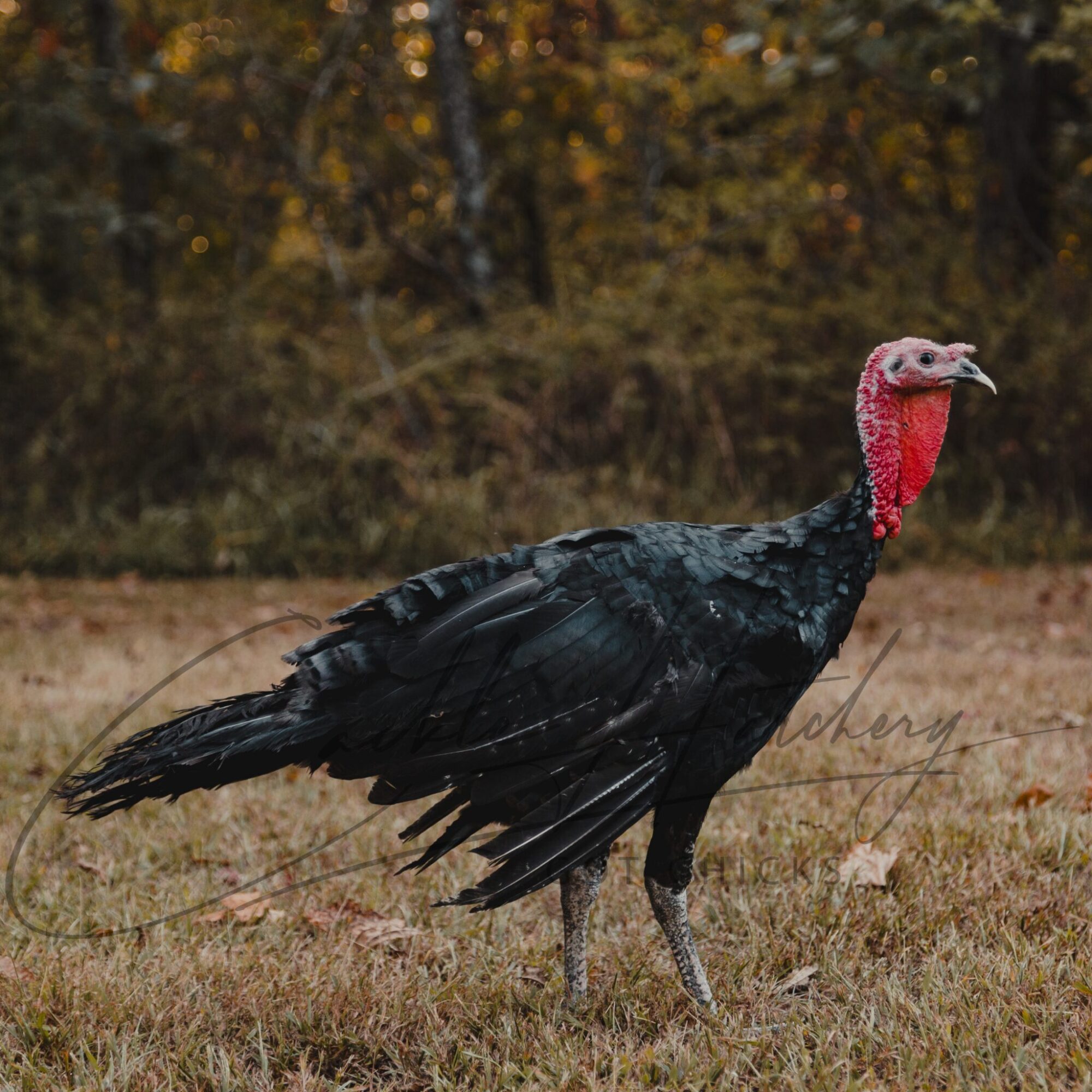
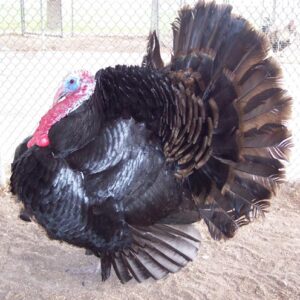
The Black Slate Turkey is a heritage turkey variety with mostly black feathering, occasional white or slate-gray feathers, and strong free-range appeal. If you want an active turkey for a homestead, small farm, exhibition project, or bargain heritage turkey option, this variety is a practical and attractive choice.
Cackle Hatchery® offers Black Slate Turkey poults from its Slate turkey breeding program. The poults sent to customers are Black Slate poults, but they come from Cackle’s larger Slate turkey flock, where Blue Slate parent stock can produce blue splash, blue, and black color patterns.
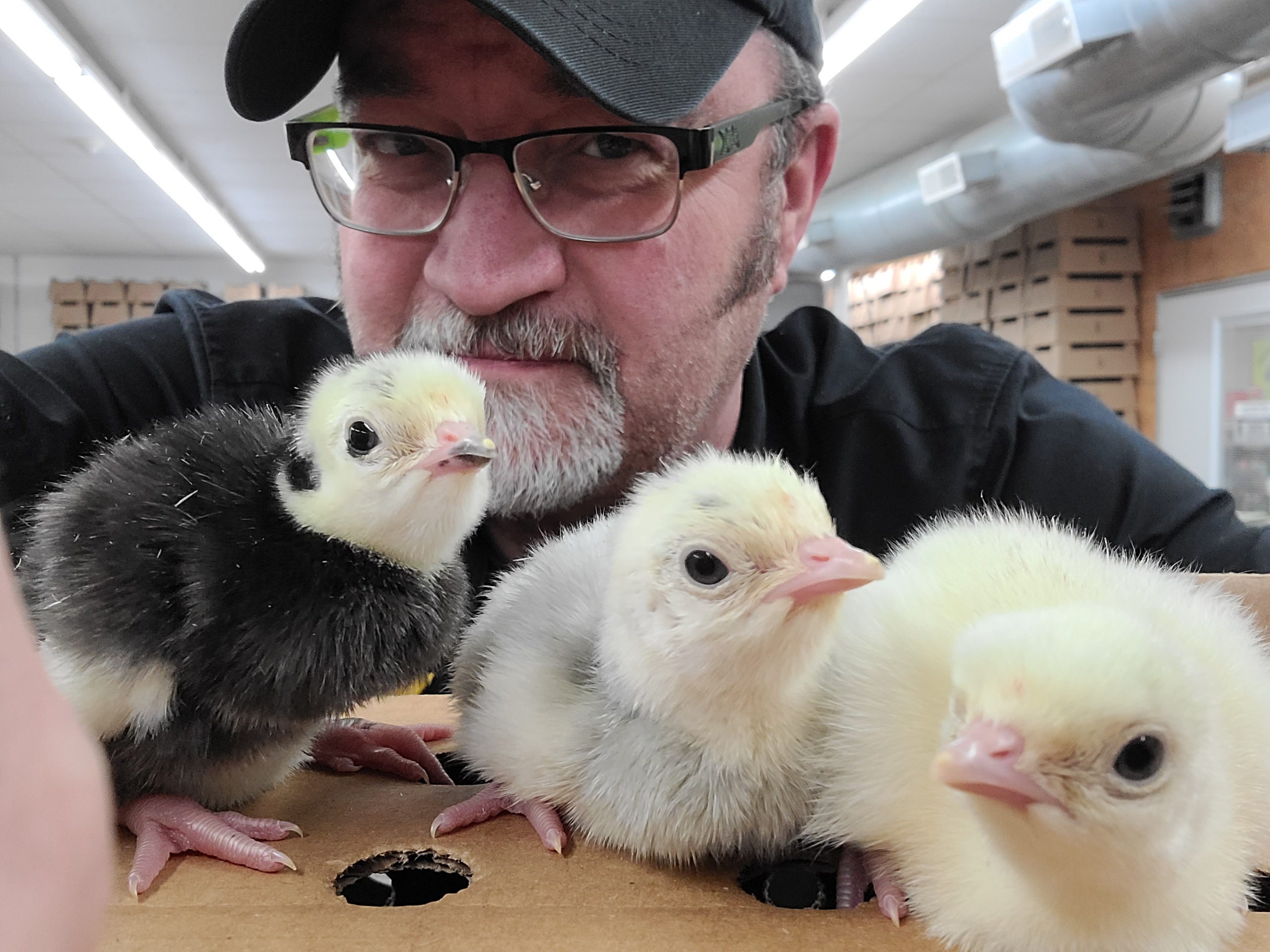
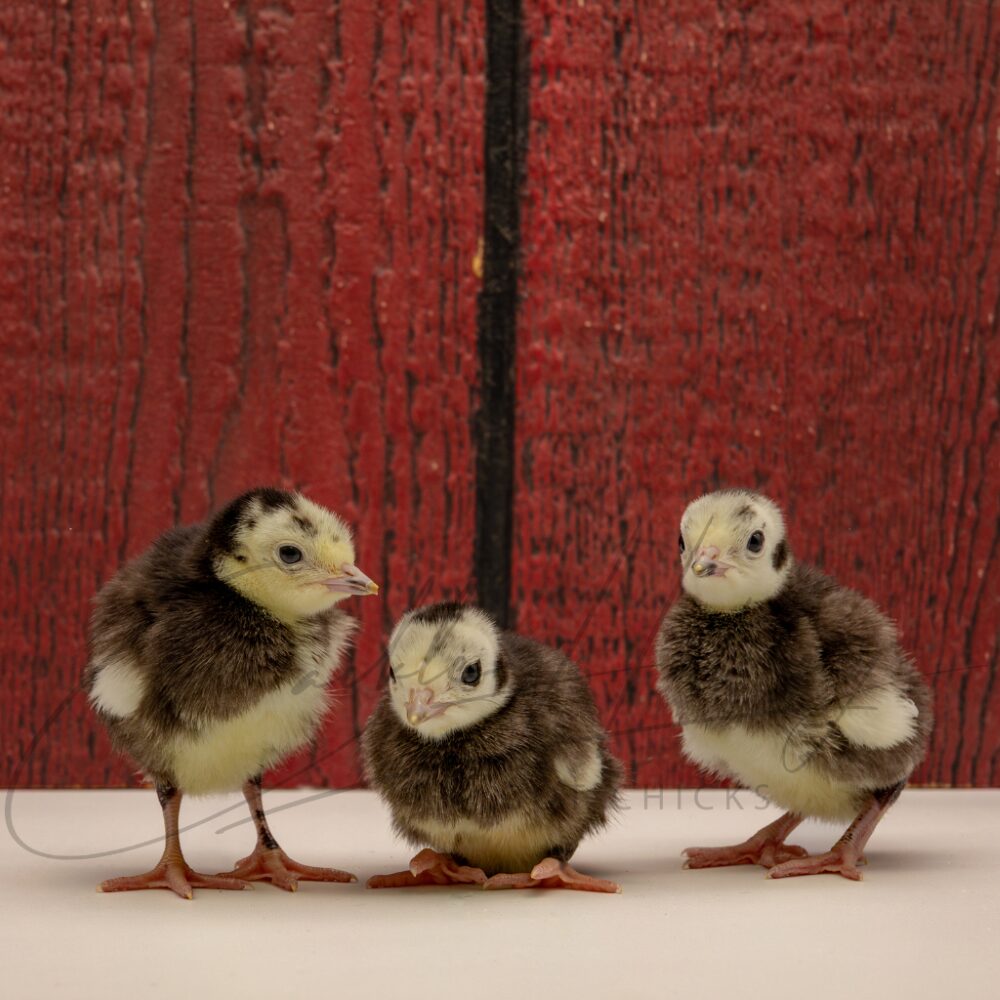
Young poults may show several white feathers at first. As they mature, most of those feathers are shed and replaced by mostly black feathering by around 6 months of age.
Appearance and Characteristics
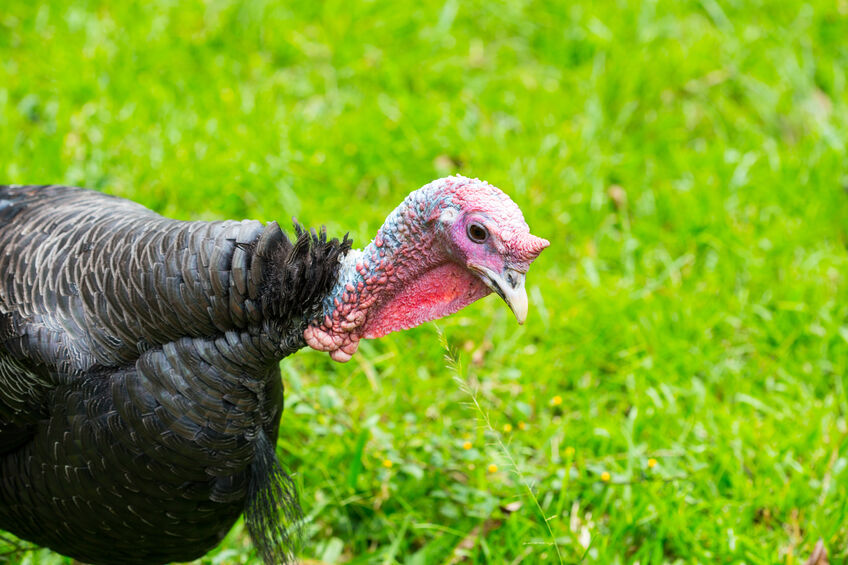
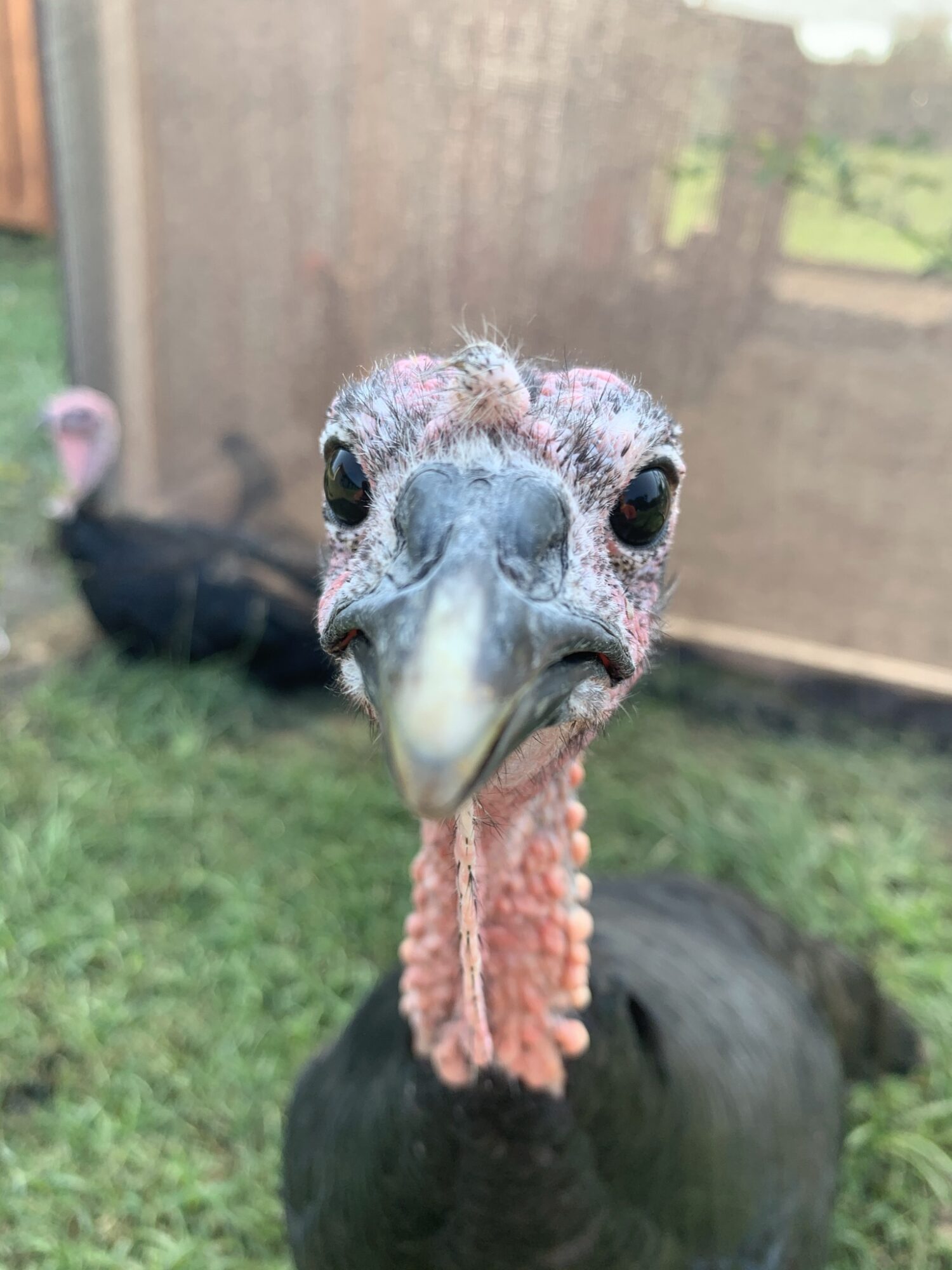
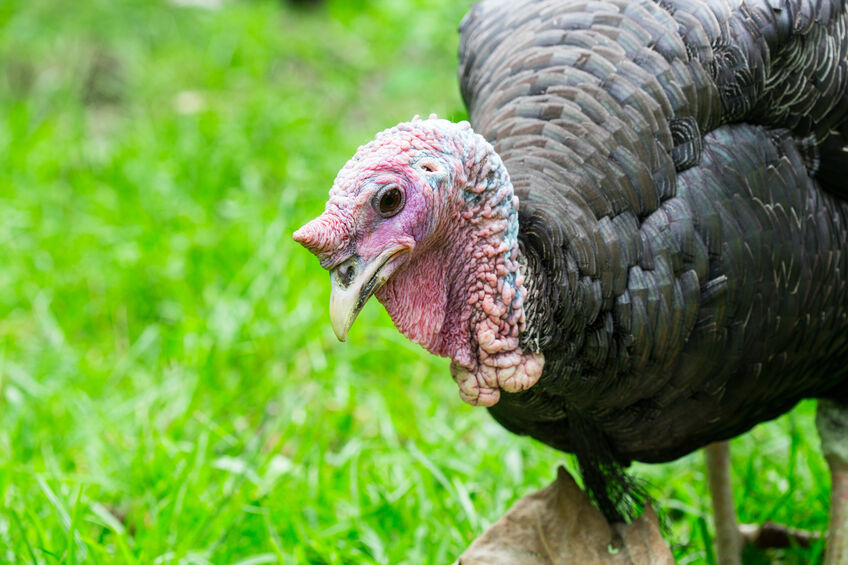
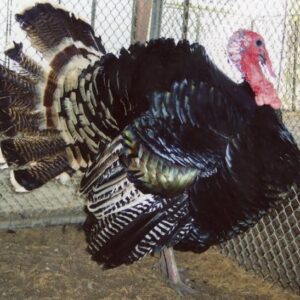
Black Slate turkeys are mostly black, although some birds may show white or slate-gray feathers. This natural variation connects to the genetics behind the Slate turkey color family.
These turkeys are active and well suited for free-range settings. They are also a good option for customers who want a heritage-style turkey that can provide meat, exhibition value, and visual interest in the flock.
Cackle’s Turkey Breeds List Comparison Chart lists Black Slate turkeys as active birds used for egg laying, meat, and exhibition, with Watch status through The Livestock Conservancy. The chart also lists heritage-style turkeys, including Black Slate, with a suggested mating ratio of 7 females to 1 male and roost height of 2+ feet.
Slate Turkey Color Genetics
The Slate turkey breed has interesting color genetics. Cackle’s Blue Slate parent stock can produce three color patterns: blue splash, blue, and black.
In simple terms:
Splash Slate bred to Splash Slate generally produces Splash Slate offspring.
Blue Slate bred to Blue Slate may produce Blue Slate, Splash Slate, and Black offspring.
Blue Slate bred to Black generally produces Blue and Black offspring, with no Splash Slate expected.
Black bred to Black generally produces Black offspring.
Customers ordering this product receive Black Slate poults. However, if they later breed Slate-family turkeys, they should understand that color outcomes can vary depending on the parent colors.
Customers who enjoy the blue side of the Slate family may also want to compare Blue Slate Turkey poults from Cackle Hatchery®.
Black Slate Turkey vs Blue Slate Turkey
Black Slate and Blue Slate turkeys are closely connected through the same Slate color family. The main difference is feather color.
Choose Black Slate Turkey poults if you want mostly black feathering and a bargain heritage turkey option. Choose Blue Slate Turkey poults if you want the blue-gray color variety. Cackle’s Blue Slate page notes that Blue Slate poults are sold as baby poults only, with no sexing available, and are seasonal from April through late July.
Both can be useful for customers interested in heritage turkeys, free-range flocks, meat, exhibition, and the Slate color family.
Black Slate Turkey vs Other Heritage Turkeys
This variety belongs in Cackle’s Heritage Turkeys category, along with other slower-growing, naturally mating turkey varieties. Heritage turkeys are often preferred by homesteaders and small farms because they are active, good foragers, and better suited to traditional flock management than broad breasted production turkeys.
Customers may also want to compare Black Spanish, Bourbon Red, Narragansett, Royal Palm, Blue Slate, and Heritage Bronze turkeys. If customers are unsure which breed fits their goals, Cackle’s Turkey Breeds List Comparison Chart is a helpful internal comparison page.
Free-Range and Homestead Use
Black Slate turkeys make a great free-range option. Their active temperament fits customers who want turkeys that can move, forage, and use outdoor space well.
As with any turkey, good management matters. Provide safe shelter, predator protection, clean water, proper turkey feed, and enough room to roam. Young poults also need careful brooding because turkeys can be more delicate than chicks during the early stage.
Cackle’s How to Brood Turkey Poults is a strong internal care link for customers starting turkey poults, while Starve-Out in Turkey Poults explains how to prevent poults from failing to start eating properly.
Meat, Eggs, and Exhibition Value
Black Slate turkeys can be used for meat and exhibition, and hens may lay eggs seasonally. However, customers should not think of turkeys as high-production egg birds.
Cackle’s article How Many Eggs Does a Turkey Lay? explains that even the best laying turkeys do not lay nearly as well as the best laying chickens, and keeping turkeys only for eggs is usually not practical.
For customers who want heritage turkeys for a balanced flock, this variety can still provide useful seasonal eggs, meat value, and attractive exhibition potential.
Breeding and Fertility
Because Black Slate turkeys are heritage-style turkeys, they are better suited to natural breeding than broad breasted production turkeys. Cackle’s Turkey Mating Ratio for Good Fertility explains that heritage turkeys reproduce through natural mating, while broad breasted turkeys generally require artificial insemination because of their body size.
If customers plan to breed Slate turkeys, they should also understand the color genetics described above. Breeding different Slate color patterns can produce different poult colors, so color planning matters.
Keeping Turkeys With Chickens
Some customers want to raise turkeys and chickens together. This can work in some settings, but customers should understand the risks before mixing poultry types.
Cackle’s Keeping Turkeys With Chickens explains that conventional wisdom warns against mixing them because turkeys are susceptible to blackhead disease, while also noting that many backyard poultry keepers raise chickens and turkeys together successfully.
For a deeper health resource, link to Blackhead in Turkeys Is a Serious Disease. This is especially important for customers raising turkeys on ground where chickens have already lived.
Sexing Turkey Poults
Turkey poults are difficult to sex at hatch. Cackle’s Sexing Turkey Poults and Guinea Keets is a helpful internal resource for customers who want to understand why sexing turkey poults is not as simple as sexing many chicken breeds.
Customers ordering Black Slate poults should plan for straight-run or not-sexed expectations if that is how the product is listed at the time of ordering.
Shipping Note
Cackle Hatchery® cannot ship turkeys to Hawaii. Keep this shipping note clear on the product page so customers can plan before ordering.
Availability can change by hatch date and season. Customers should check the Black Slate Turkey product page and Cackle’s Availability Chart before placing an order.
Is This Breed Right for Your Flock?
Choose this variety if you want:
A mostly black heritage turkey
A free-range turkey option
A turkey connected to Slate color genetics
A bird for meat and exhibition
An active homestead turkey
A bargain heritage turkey choice
A turkey with Watch status through The Livestock Conservancy
A breed that may show some white or slate-gray feathering
A poult that may mature darker by 6 months
A turkey variety to compare with Blue Slate poults
Overall, this is a great choice if you want an active, attractive heritage turkey with free-range ability and interesting color genetics. It is not the best choice for customers who need a broad breasted fast-growing meat turkey, but it is an excellent option for small farms, homesteads, exhibition-minded keepers, and customers who enjoy heritage poultry.
Customers still comparing turkey breeds can use Cackle’s Turkeys for Sale, Heritage Turkeys, or Turkey Breeds List Comparison Chart.
Breed History and Preservation
Slate turkeys are a heritage color family with a long poultry history and interesting breeding outcomes. The Black Slate option comes from the same color family as Blue Slate and Splash Slate birds.
Cackle’s Black Slate poults come from its Slate turkey breeding flock, where Blue Slate parent stock can produce blue splash, blue, and black offspring. That makes this variety interesting for customers who enjoy color genetics and heritage breeding projects.
The Black Slate appears on Cackle’s turkey comparison chart as a Watch-status turkey through The Livestock Conservancy, which adds heritage preservation appeal for customers who want to support less common poultry varieties.
Recognition and Availability
Cackle Hatchery® sells Black Slate Turkey poults for customers who want a mostly black heritage turkey from the Slate color family.
Customers who like this variety may also want to compare Blue Slate Turkey, Black Spanish Turkey, Narragansett Turkey, Royal Palm Turkey, and Surplus Rare Turkey Special. Cackle’s surplus rare turkey special may include Bourbon Red, Royal Palm, Blue Slate, Black Slate, Narragansett, Bronze Heritage Standard, and Black Spanish turkeys depending on hatch availability.
Related Breeds and Helpful Cackle Hatchery® Resources
If you like this variety, you may also want to compare Blue Slate Turkey, Black Spanish Turkey, Narragansett Turkey, Royal Palm Turkey, Heritage Bronze Turkey, and Surplus Rare Turkey Special.
Helpful Cackle resources include Starve-Out in Turkey Poults, How to Brood Turkey Poults, Turkey Mating Ratio for Good Fertility, Keeping Turkeys With Chickens, How Many Eggs Does a Turkey Lay?, Blackhead in Turkeys Is a Serious Disease, and Sexing Turkey Poults and Guinea Keets.
For browsing, use Turkeys for Sale, Heritage Turkeys, Turkey Bargain Specials, Turkey Breeds List Comparison Chart, and Availability Chart.
FAQ: Black Slate Turkey
What is a Black Slate Turkey?
It is a mostly black heritage turkey from the Slate turkey color family. Some birds may show occasional white or slate-gray feathers.
What do the poults look like as they grow?
Young poults may have several white feathers. Most of those feathers are usually shed and replaced by mostly black feathering by around 6 months of age.
Are these good free-range turkeys?
Yes. They are active heritage turkeys and can make a good free-range option for homesteads and small farms.
Are they good for meat?
Yes. They can be raised for meat, although they are heritage-style turkeys rather than fast-growing broad breasted production turkeys.
Are they good for exhibition?
Yes. Cackle’s turkey comparison chart lists Black Slate turkeys for egg laying, meat, and exhibition.
Are Black Slate turkeys good egg layers?
They may lay seasonal eggs, but turkeys are not high-production egg birds. Cackle’s turkey egg article explains that even the best laying turkeys do not lay nearly as well as the best laying chickens.
What is the difference between Black Slate and Blue Slate turkeys?
Black Slate turkeys are mostly black. Blue Slate turkeys have blue-gray coloring. Both belong to the Slate turkey color family.
What colors can Slate turkeys produce when bred?
Depending on the parent colors, Slate turkeys may produce blue splash, blue, and black offspring.
Does black bred to black produce black offspring?
Generally, yes. Black bred to black usually produces mostly black offspring.
Are these heritage turkeys?
Yes. This variety is listed with Cackle’s heritage turkeys and appears on Cackle’s turkey comparison chart with Watch status.
Can heritage turkeys reproduce naturally?
Yes. Cackle’s turkey mating ratio article explains that heritage turkeys reproduce through natural mating, unlike broad breasted turkeys that generally require artificial insemination.
Can turkeys live with chickens?
Sometimes, but customers should understand blackhead disease risks. Cackle’s Keeping Turkeys With Chickens explains both the risks and why some backyard keepers still raise them together.
Are turkey poults hard to brood?
They need careful early care. Cackle’s Starve-Out in Turkey Poults explains how poults can fail to start eating and how good brooder management helps prevent the problem.
Can Cackle Hatchery® ship turkeys to Hawaii?
No. Cackle Hatchery® cannot ship turkeys to Hawaii.
Does Cackle Hatchery® sell this variety as poults?
Yes. Cackle sells Black Slate Turkey poults.
Where can I check availability?
Check Cackle Hatchery’s Availability Chart and the product page for current hatch and shipping options.







nateherb (verified owner) –
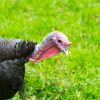
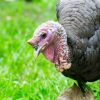
Picked up a few different breeds, black slate being one of them. They are great birds & their dark color helps them stay hidden and protected over night.