Description
Blue Swedish Duck
Breed Overview and Origin
The Blue Swedish Duck is a calm, hardy duck with beautiful blue-gray plumage and dependable all-purpose value. If you want a backyard duck that is easy to enjoy, good with families, useful for eggs and meat, and attractive in the yard or show pen, this breed is a strong choice.
Swedish ducks trace back to Pomerania, a Baltic Sea region that was once controlled by Sweden. Cackle Hatchery’s Swedish Duck in the Heritage Breed Spotlight explains that the breed originated in the early to mid-1800s, first came to the United States in 1884, and that the Blue variety entered the American Standard of Perfection in 1904.
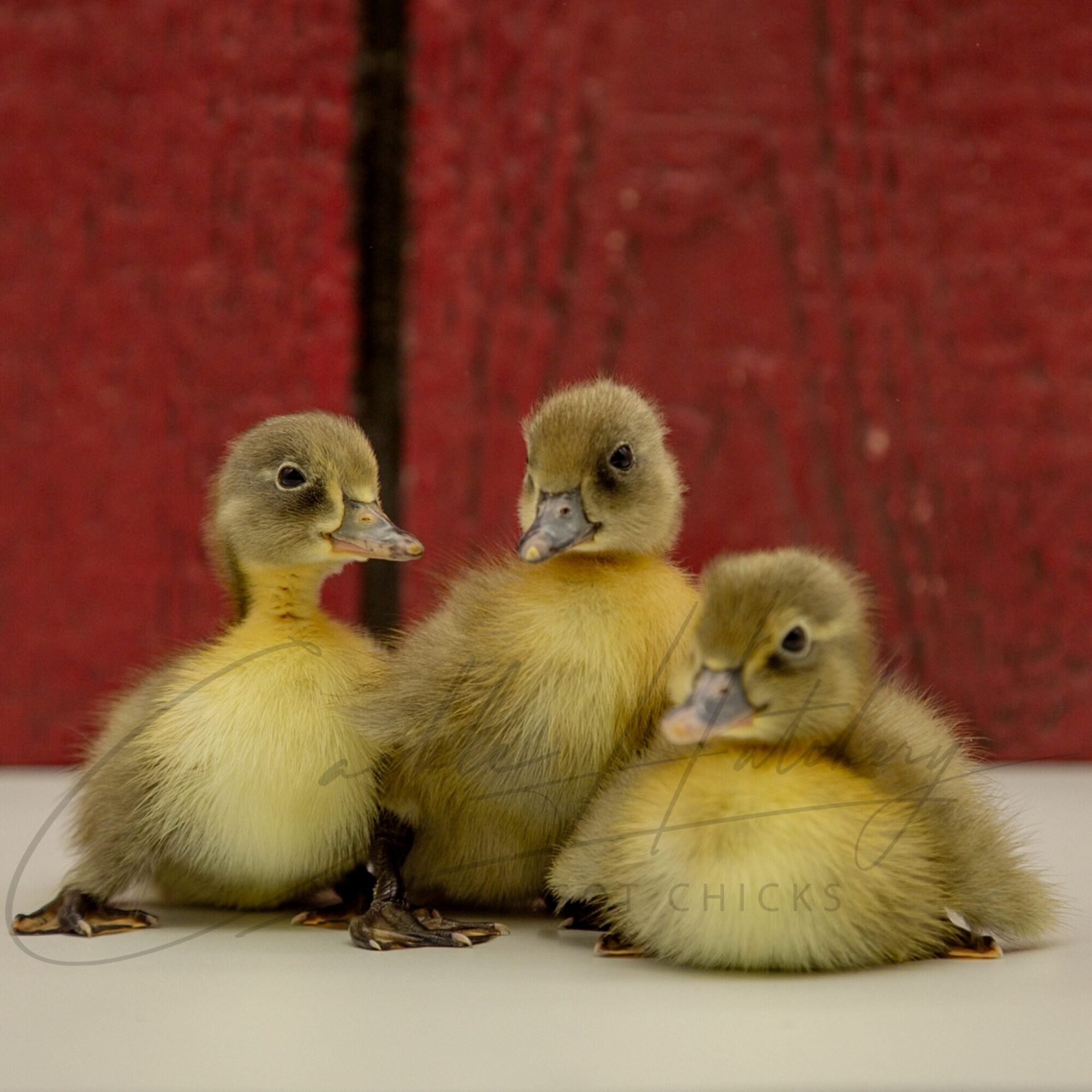
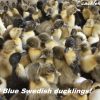
Cackle Hatchery® offers Blue Swedish Ducklings for customers who want active, entertaining, and calm backyard ducks. Cackle has developed its Blue and Black Swedish duck bloodlines since 1977.
Appearance and Characteristics
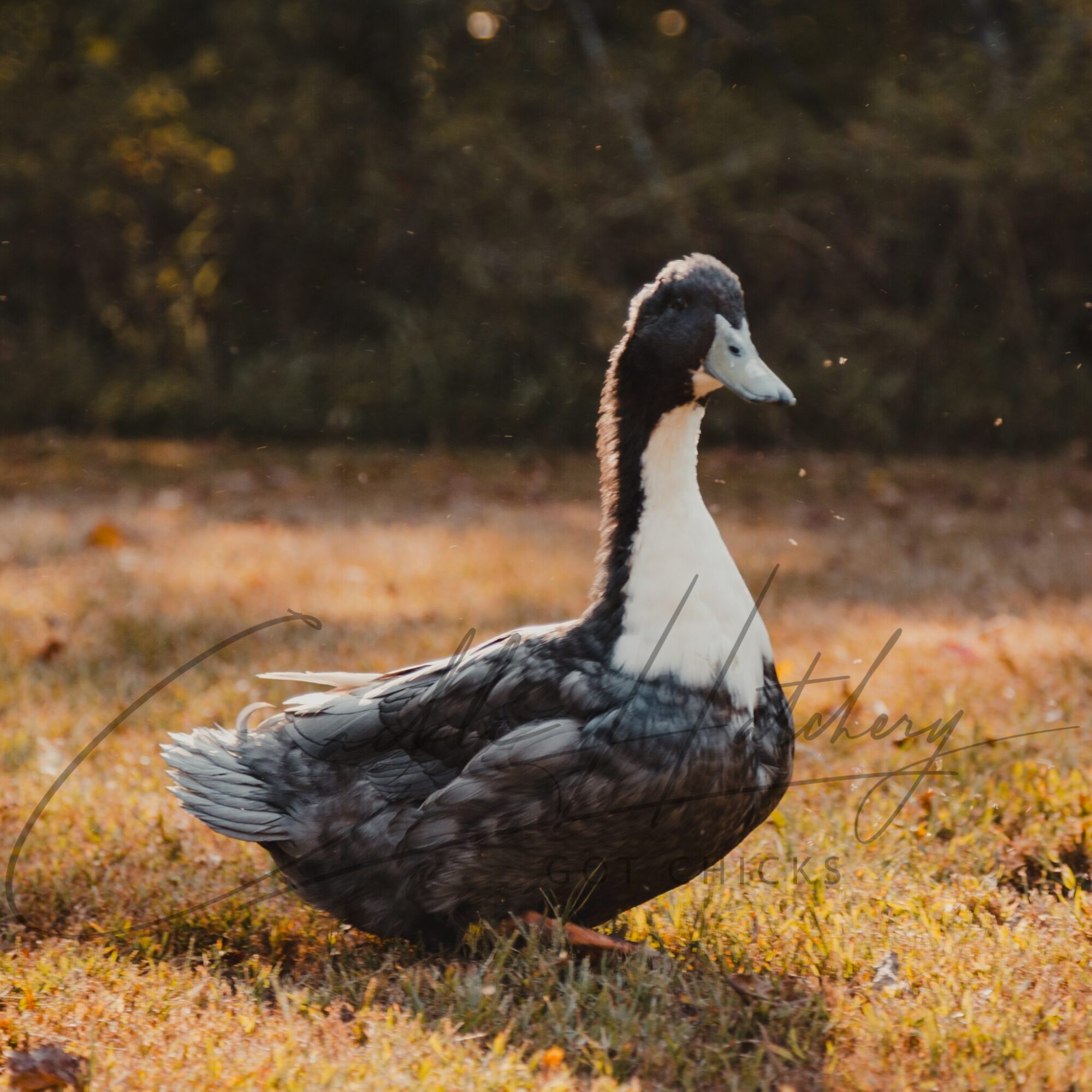
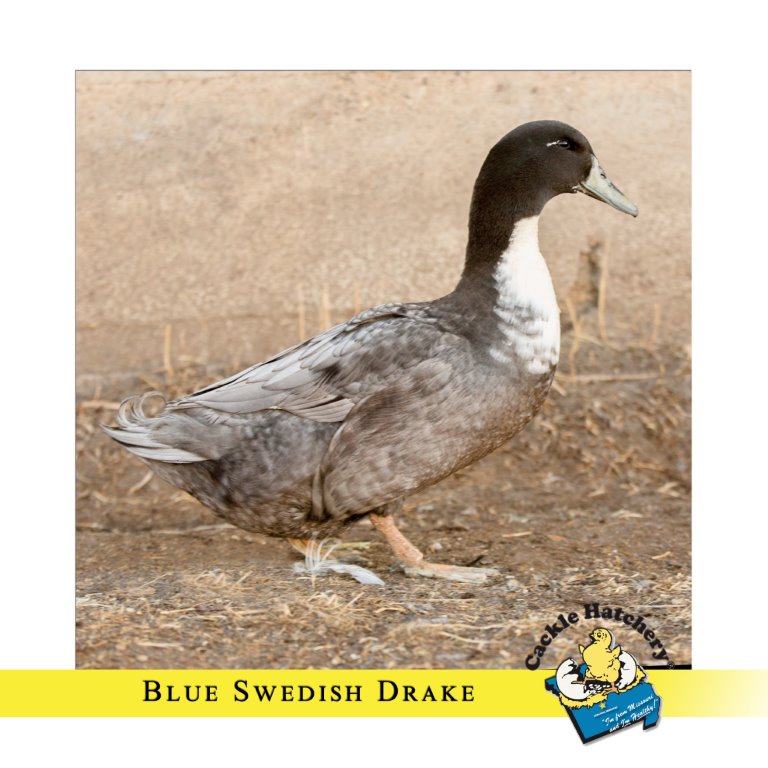
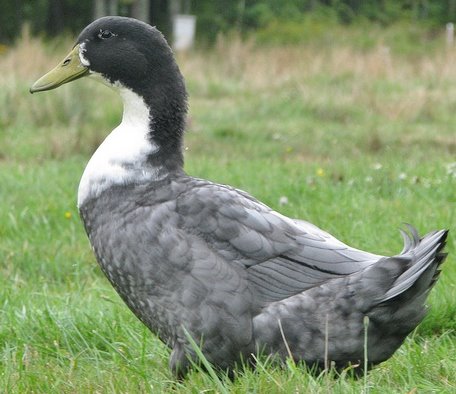
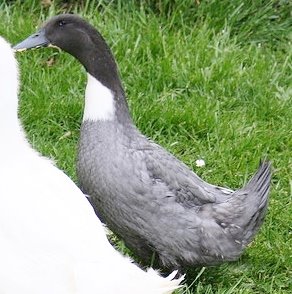
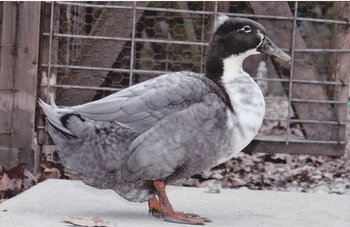
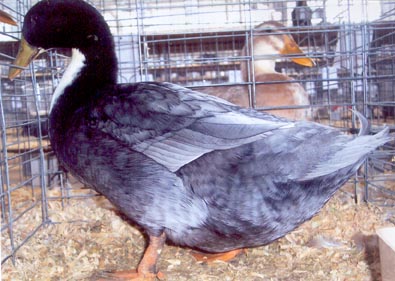
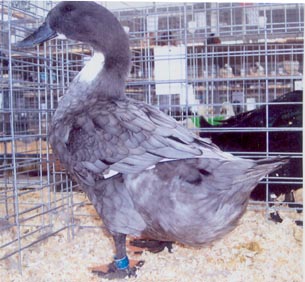
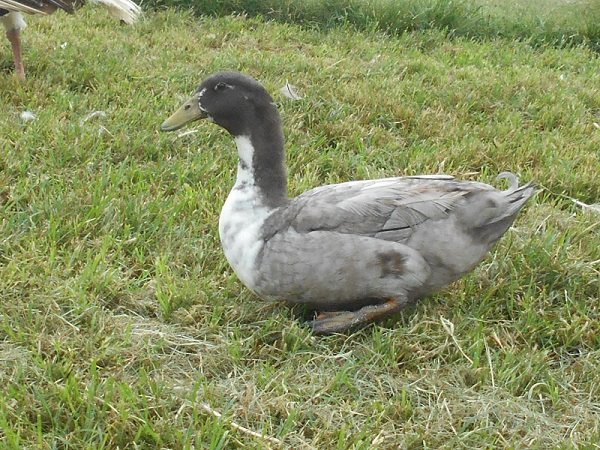
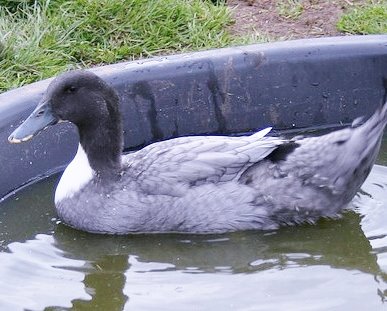
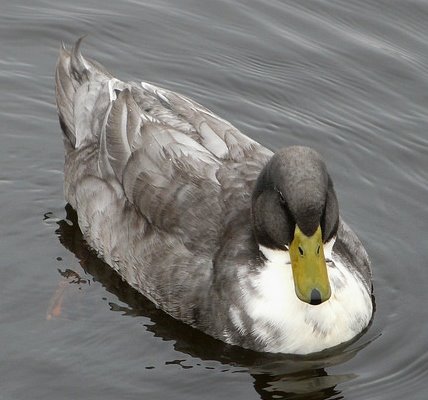
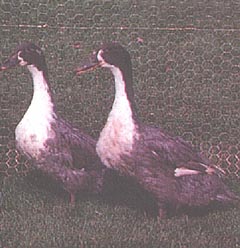
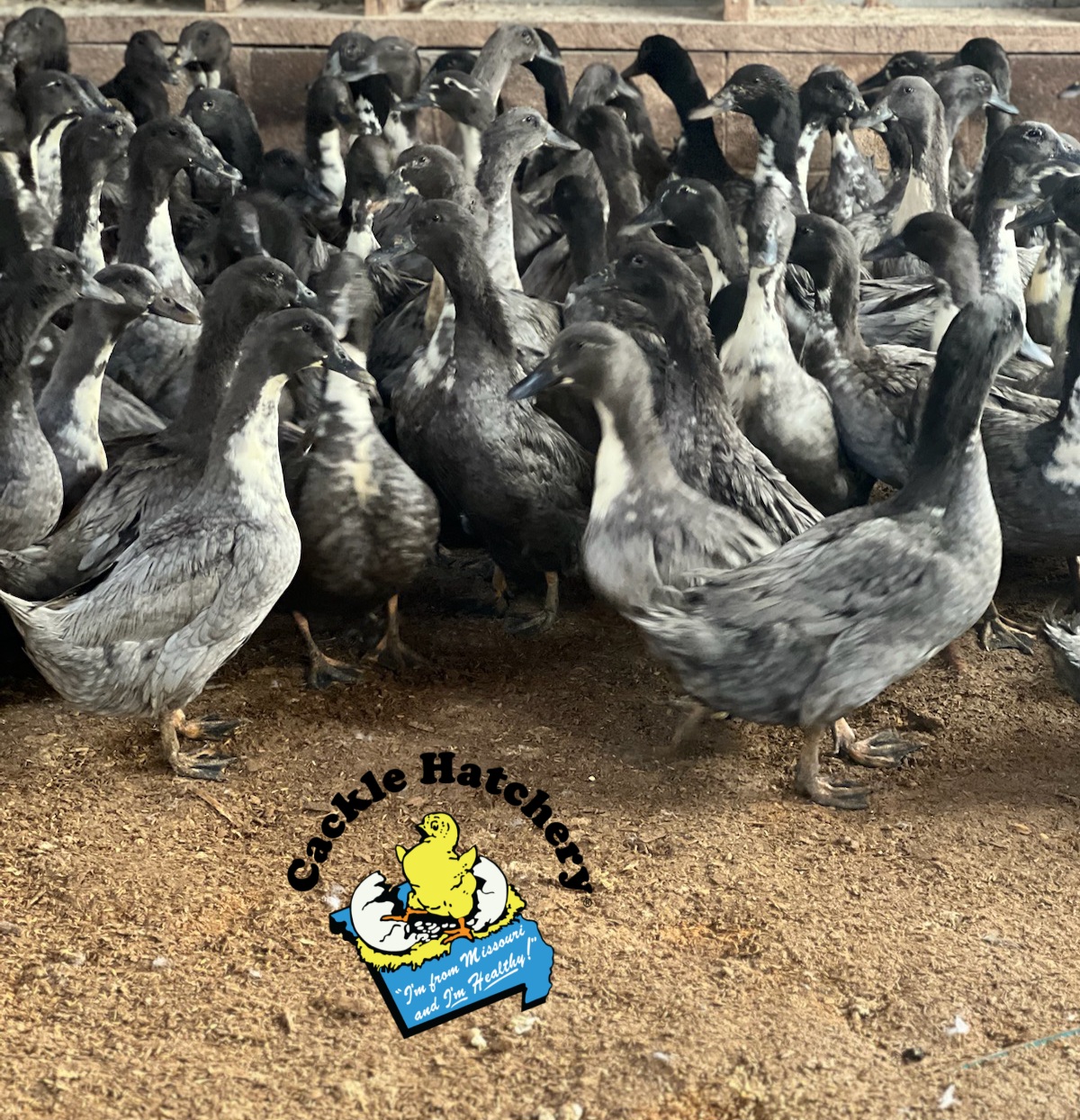
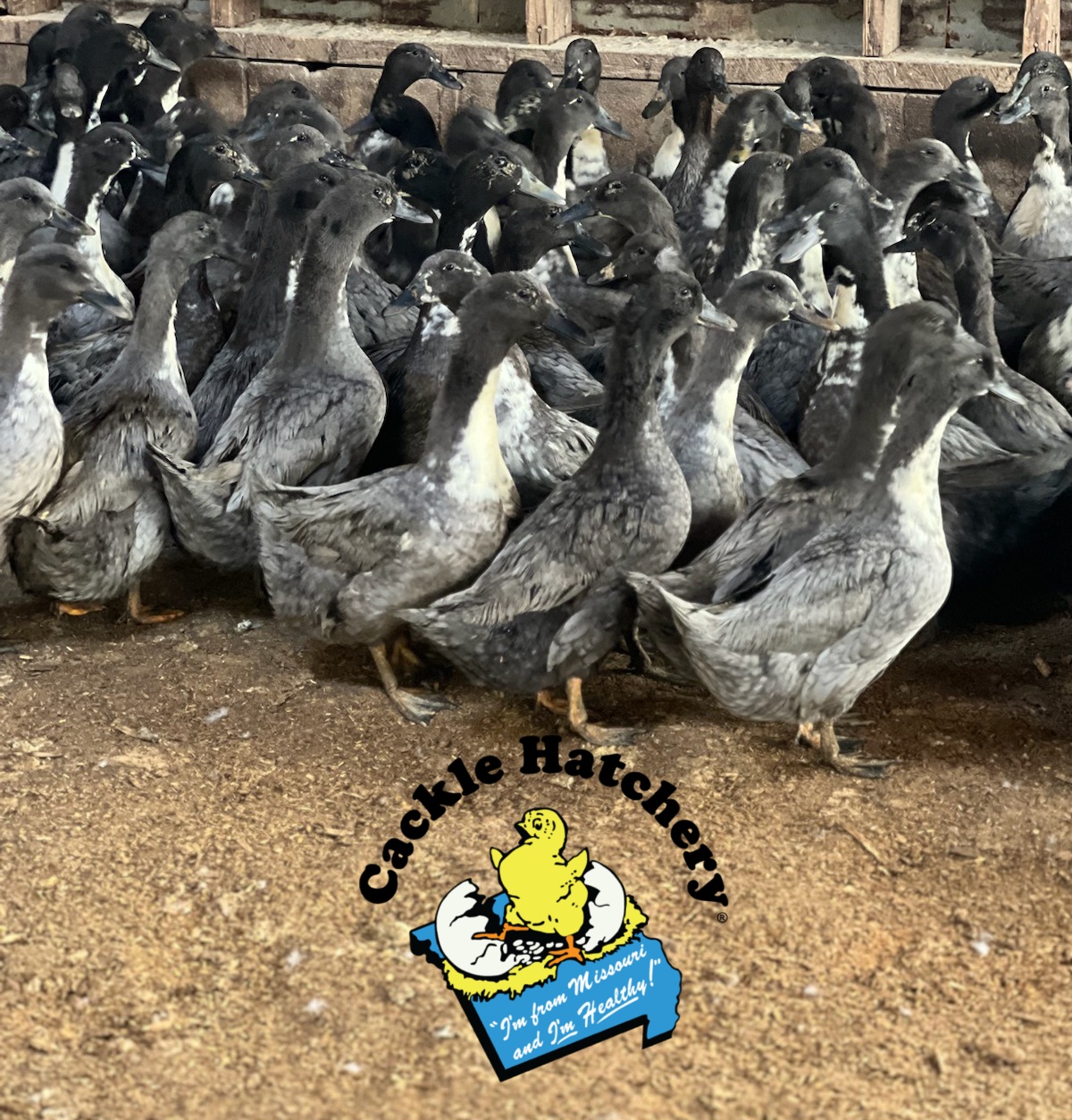
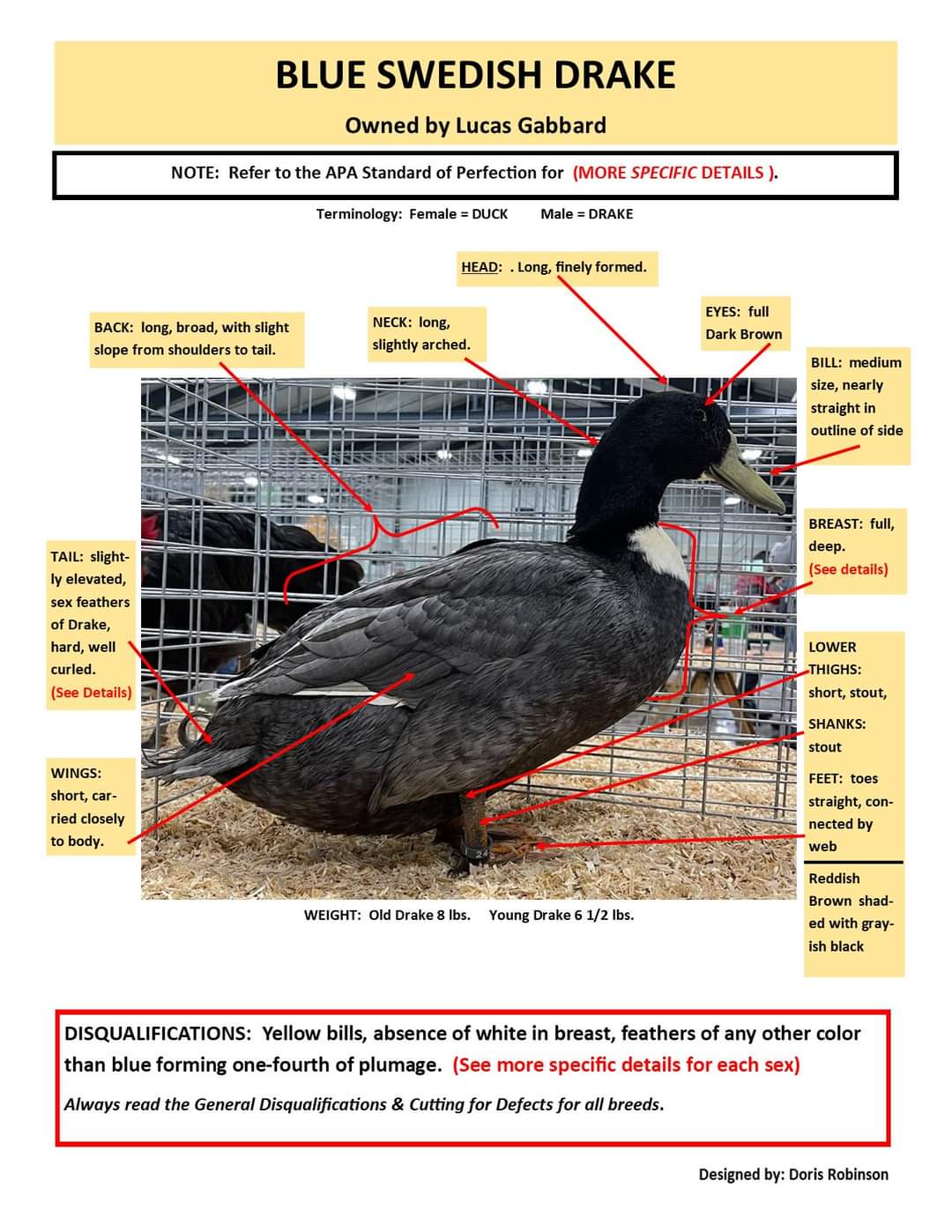
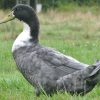
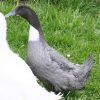
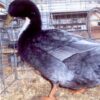
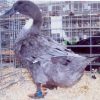
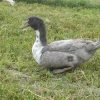
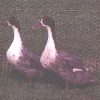
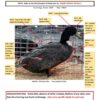
Blue Swedish Ducks have a beautiful bluish-gray color that makes them stand out from white, brown, and black duck breeds. Many birds also show the classic Swedish bib pattern, with a lighter chest area contrasting against the blue body.
Their blue-gray plumage can help them blend into some outdoor settings, which may make them harder for predators to visually target than bright white ducks. Even so, predator protection still matters. Ducks need secure nighttime housing, safe fencing, and protection from raccoons, foxes, dogs, hawks, and other threats.
Cackle’s Duck Breeds List Comparison Chart lists Swedish ducks as docile and calm, useful for egg laying, meat, and exhibition, and weighing about 5 to 6.25 pounds.
Blue Swedish Duck Color and Breeding Note
Blue is a beautiful color, but it does not always breed true. When breeding blue poultry, offspring can hatch in a range of shades, often including blue, black, and splash.
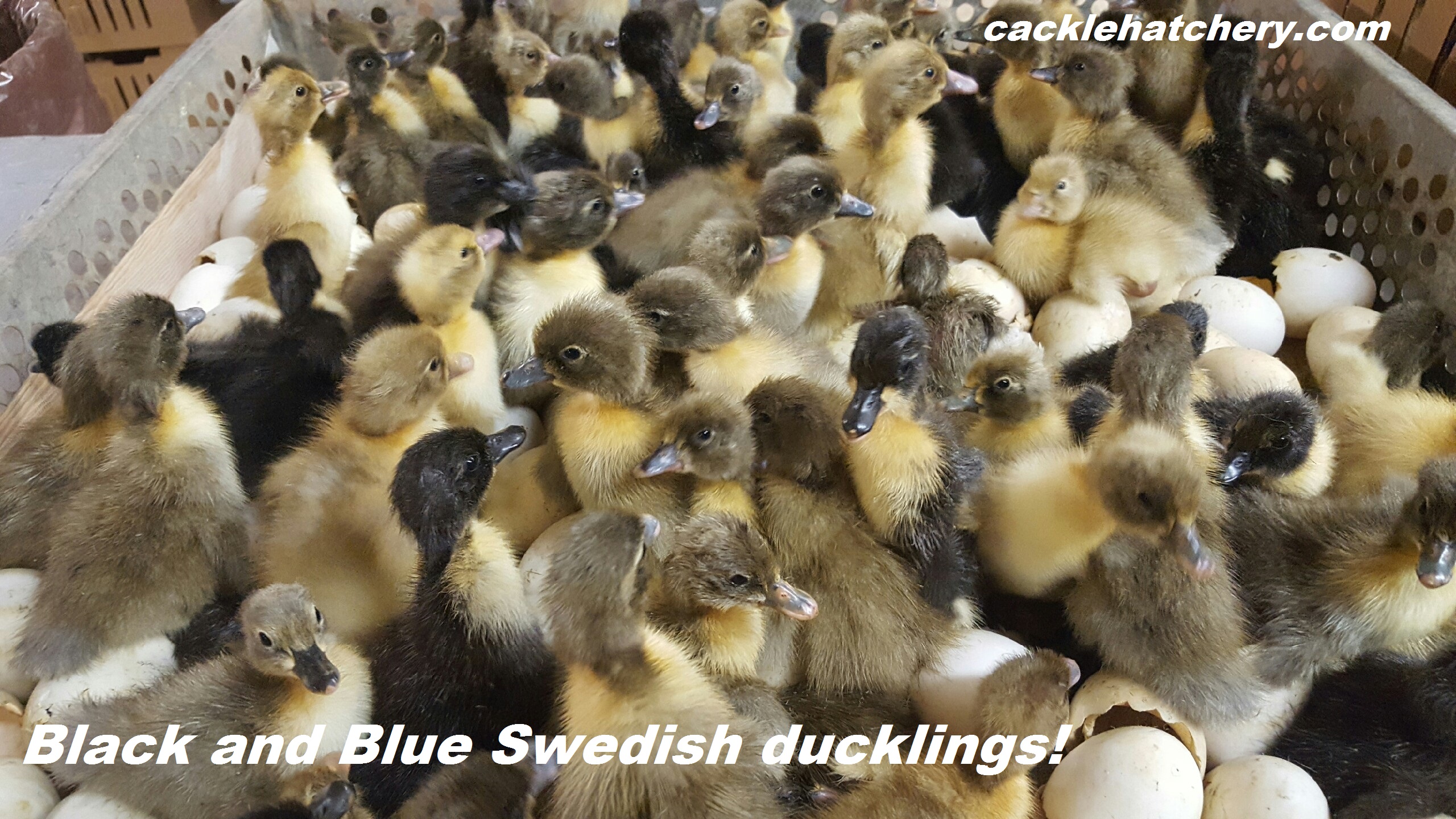
For customers, this means Blue Swedish ducklings may mature with some natural variation in color tone. That variation is normal for blue genetics and should not be confused with poor quality.
If customers like Swedish ducks but want a different color option, Cackle also offers Splash Swedish Ducks. Cackle’s Splash Swedish page notes that Splash Swedish ducks sell as baby ducklings only and ship seasonally.
Blue Swedish Duck vs Black Swedish Duck
Blue Swedish and Black Swedish ducks share the same general breed background, calm temperament, and all-purpose value. The main difference is feather color.
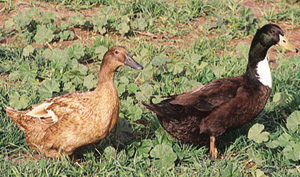
Choose Blue Swedish Ducks if you want a soft blue-gray duck with a classic Swedish look. Choose Black Swedish Ducks if you prefer darker plumage with a black body and similar Swedish breed traits.
Cackle’s breed facts PDF for Black Swedish Ducks says Cackle has developed its Blue and Black Swedish bloodlines since 1977. The Black Swedish facts list mostly white eggs with occasional gray eggs, egg and meat production, exhibition value, and Watch status with the Livestock Conservancy.
Blue Swedish Duck vs White Pekin Duck
Blue Swedish Ducks and White Pekin Ducks can both work well for backyard flocks, pets, eggs, and meat. However, they fit different customer goals.
Choose Blue Swedish Ducks if you want a calmer, heritage-style duck with blue-gray coloring, family-friendly temperament, and good all-purpose value. Choose White Pekins if you want a larger, faster-growing white duck that is especially popular for meat and pets.
Swedish ducks are lighter than Pekins and have a more unusual appearance. Pekins are more common as fast-growing meat ducks, while Blue Swedish ducks appeal to customers who want beauty, calm temperament, cold hardiness, and useful production.
Egg Production
Blue Swedish Ducks can provide a useful number of eggs for a backyard flock. Cackle’s Blue Swedish breed facts PDF lists egg production at 120 to 185 eggs per year, with mostly white eggs and occasional gray eggs.
Duck egg production can vary based on breed, strain, age, nutrition, health, daylight, and flock management. Cackle’s How Many Eggs Does a Duck Lay? is a helpful internal resource for customers who want to understand duck egg expectations. For customers focused on laying performance, Cackle’s Ducks for Eggs: How to Keep Your Ducks Laying Well explains several management factors that influence egg production.
Meat, Exhibition, and Backyard Use
Blue Swedish Ducks are useful all-purpose ducks. They can provide eggs, meat value, backyard enjoyment, and exhibition appeal.
Their medium-heavy body makes them more substantial than lightweight egg breeds, while their calm nature makes them easier to enjoy than some nervous or flighty ducks. In addition, their unique blue-gray plumage gives them strong visual appeal for customers who want a flock that looks different.
Cackle’s Duck Breeds List Comparison Chart identifies Swedish Ducks as useful for egg laying, meat, and exhibition, with good egg production and docile, calm temperament.
Temperament and Suitability
Blue Swedish Ducks are calm, good-natured, and well suited for families. Their friendly temperament makes them popular with children, backyard keepers, small farms, and customers who want ducks that are enjoyable to watch and easy to manage.
They are also hardy and adapt well to cold climates. Cackle’s Blue Swedish product page describes the breed as easy to raise, care for, and keep, with a calm personality and blueish-gray appearance.
Like all ducks, Blue Swedish Ducks need clean drinking water deep enough to dip and clean their bills and nostrils. They also need predator protection, dry bedding, shade in summer, safe housing, and enough room to move comfortably.
Keeping Ducks With Chickens
Some customers want to raise ducks and chickens together. This setup can work in some situations, but ducks and chickens have different water, bedding, and nighttime habits.
Ducks splash water and can make bedding wet. They may also be active at night while chickens prefer to sleep. Cackle’s Keeping Ducks Together with Chickens explains that separate shelters are often a better plan because ducks and chickens have different habits and needs.
For customers planning a mixed flock, dry bedding, smart water placement, and enough space are especially important.
Fall Duck Shipping
For customers looking for ducks outside the main spring season, Cackle notes that fall duck shipping may be available for Blue Swedish Ducks. Customers should check the Blue Swedish Duck fall shipping page and the Availability Chart for current hatch and shipping dates.
Cackle Hatchery® cannot ship ducks to Hawaii. Keep this shipping note clear so customers can plan before placing an order.
Is the Blue Swedish Duck Right for Your Flock?
Choose Blue Swedish Ducks if you want:
A calm backyard duck
A family-friendly pet duck
A cold-hardy duck breed
A blue-gray duck with a unique look
A duck for eggs, meat, and exhibition
A medium-weight duck for small farms
A breed with Watch status through The Livestock Conservancy
A duck with Swedish breed history
A good-natured bird for children with supervision
A fall duck shipping option when available
Overall, Blue Swedish Ducks are a great choice if you want a calm, attractive, all-purpose duck that brings personality and usefulness to the yard. They are not as fast-growing as White Pekins or as egg-focused as Khaki Campbells, but they offer a strong balance of beauty, temperament, cold hardiness, eggs, and meat value.
If customers are still comparing duck breeds, direct them to Cackle’s Duck Breeds List Comparison Chart or the main Ducks for Sale category.
Breed History and Preservation
The Swedish duck originated in the Pomerania region of the Baltic Sea, which was once controlled by Sweden. The breed came to the United States in 1884, and the Blue variety entered the American Standard of Perfection in 1904.
Swedish ducks have remained popular because they combine calm temperament, cold hardiness, good backyard value, and useful production. Their blue-gray color also gives them a distinctive appearance that many customers love.
Cackle’s Blue Swedish breed facts PDF identifies the breed as Watch status with the American Livestock Breeds Conservancy, now The Livestock Conservancy, and describes it as a sustainable heritage duck breed. For a deeper internal history resource, link to Cackle’s Swedish Duck in the Heritage Breed Spotlight.
Recognition and Availability
The Blue Swedish Duck entered the American Standard of Perfection in 1904. Cackle sells Blue Swedish Ducklings for customers who want a calm, blue-gray, all-purpose duck for eggs, meat, pets, exhibition, or backyard enjoyment.
Before planning an order, customers should check Cackle Hatchery’s Availability Chart for current hatch and shipping dates.
Cackle Hatchery® cannot ship ducks to Hawaii.
Related Breeds and Helpful Cackle Hatchery® Resources
If you like Blue Swedish Ducks, you may also want to compare Black Swedish Ducks, Splash Swedish Ducks, White Pekin Ducks, Rouen Ducks, Cayuga Ducks, Saxony Ducks, and other ducks in Cackle’s duck category.
Helpful Cackle articles include Swedish Duck in the Heritage Breed Spotlight, How Many Eggs Does a Duck Lay?, 12 Benefits of Keeping Ducks, Ducks for Eggs: How to Keep Your Ducks Laying Well, Keeping Ducks for Eggs, Furnishing Nests for Laying Ducks, and Keeping Ducks Together with Chickens.
For comparison shopping, use Duck Breeds List Comparison Chart, Ducks for Sale, and Availability Chart.
FAQ: Blue Swedish Duck
What is a Blue Swedish Duck?
A Blue Swedish Duck is a calm, medium-weight domestic duck with blue-gray plumage, all-purpose value, and good backyard temperament.
Where did Blue Swedish Ducks originate?
Swedish ducks originated in Pomerania, a Baltic Sea region once controlled by Sweden. The breed came to the United States in 1884.
When did Blue Swedish Ducks enter the American Standard of Perfection?
The Blue Swedish Duck entered the American Standard of Perfection in 1904.
What do Blue Swedish Ducks look like?
Blue Swedish Ducks have blue-gray plumage and may show a lighter bib on the chest. Their unique coloring helps them stand out from white or brown duck breeds.
Are Blue Swedish Ducks good family pets?
Yes. They are calm, good-natured ducks and can make great family pets, especially with gentle handling and adult supervision around children.
Are Blue Swedish Ducks good with children?
Yes. Their calm nature makes them popular with families and young children. Children should still handle ducks gently and with supervision.
Are Blue Swedish Ducks cold hardy?
Yes. They are hardy ducks that adapt well to cold climates when given proper shelter, dry bedding, and clean water.
Do Blue Swedish Ducks fly?
They are medium-weight domestic ducks and generally do not fly like lightweight or wild duck breeds.
Are Blue Swedish Ducks good egg layers?
Yes. Cackle’s Blue Swedish breed facts list egg production at about 120 to 185 eggs per year, with mostly white eggs and occasional gray eggs.
What color eggs do Blue Swedish Ducks lay?
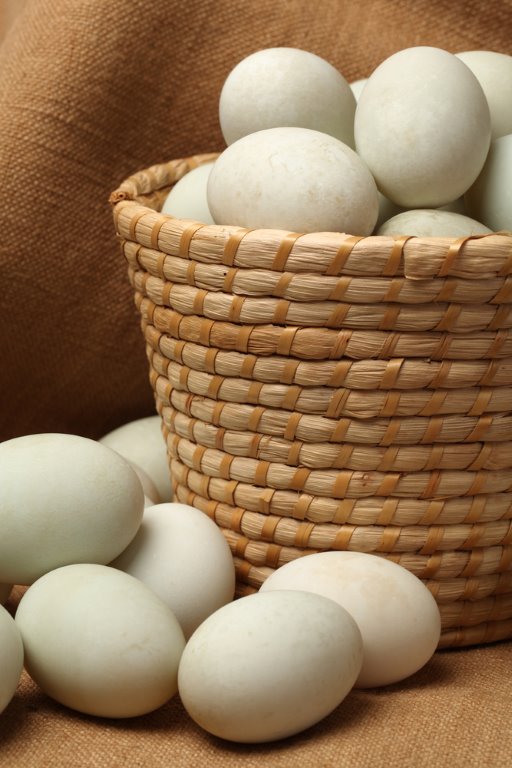
They usually lay mostly white eggs, with occasional gray eggs.
Are Blue Swedish Ducks good for meat?
Yes. Blue Swedish Ducks are useful for both egg and meat production, making them a good all-purpose breed.
Are Blue Swedish Ducks good show ducks?
Yes. Their blue-gray color, calm temperament, and Swedish breed type make them suitable for exhibition.
Does blue color breed true in Blue Swedish Ducks?
No. Blue color does not always breed true. Breeding blue ducks can produce blue, black, and splash offspring.
What is the difference between Blue Swedish and Splash Swedish Ducks?
Blue Swedish Ducks have blue-gray plumage. Splash Swedish Ducks are lighter, often with splash-patterned coloring. Both come from Swedish duck genetics, but they differ in color.
Can Blue Swedish Ducks live with chickens?
Sometimes, but ducks and chickens have different water, bedding, and nighttime needs. Cackle’s Keeping Ducks Together with Chickens can help customers plan a mixed flock.
Does Cackle Hatchery® offer Blue Swedish Ducks in the fall?
Cackle notes that customers looking for fall duck shipping should check the Blue Swedish Duck fall shipping page for current seasonal options.
Can Cackle Hatchery® ship Blue Swedish Ducks to Hawaii?
No. Cackle Hatchery® cannot ship ducks to Hawaii.
Where can I check Blue Swedish Duck availability?
Check Cackle Hatchery’s Availability Chart for current hatch and shipping options.




















Lauren M –
Great
Quick shipping, my small order of ducklings arrived alive and well. They have been vigorous and healthy. Easy and clear ordering process.
Cackle Hatchery Team –
Please send pictures!!!
So sorry please send us pictures and we will make this right with you. As far as requiring you to order 3 that is to ensure the safety of live poultry shipping through the mail. 1 or 2 ducks would not provide enough warmth to survive.
pen –
not blue
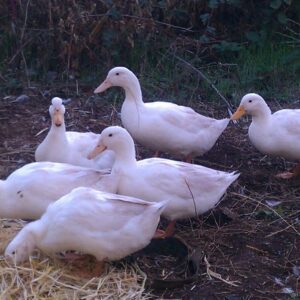
I specifically ordered BLUE Swedish ducks because they are pretty. I only wanted 1 female. they made me order 3. I now have 3 WHITE ducks. I contacted them but I could never get anywhere with them about it. poor quality control. Very Disappointed.
Theclassicalfarmer –
Pretty duck
I ordered three Swedish blues for my son because he liked that they were “blue.” Two of the three are mostly white with blue tinged beaks and feet. They are beautiful ducks and very sweet. I am definitely considering ordering more.
Lorrilee –
Beautiful ducks
I purchased 4 females last spring! They’re beautiful and entertaining! They also lay delicious large eggs!
BearMurdock –
Great Ducks
Our swedish blues have been great to have around the farm. We have four swedish blues that arrived healthy and grew fast. They are quite a comedy and lay eggs consistently. They stay close to the coop and don’t wander into trouble. They are vocal and communicate well when predators are near.. I highly recommend this breed.
Rob T. –
Great ducks, good sized and calm.
We have had a variety of ducks and so far other then wanting say a meat bird we like the Blue Swedish the best.
Personality wise they are calm and see WAY less skittish then other ducks (including Pekings, Campbells, and Roans raised in the same brood)
They are very pretty and have been fairly good layers for us.
They also seem to be less escape/wonder prone then others. Love em.
Sheila –
Blue Swedish Ducks—-Beautiful
They are beautiful birds and I will be ordering more in Spring 2020. Very calm. They were healthy and thriving until predators wiped us out.
birdntrees –
Pretty
I think the blues are a very pretty bird They fit right in with the rest of my chickens, cats, goats, and all the other critters.
Courtney B –
Great ducks
Super friendly ducks, have gotten along well with my Cayuga, Muscovy and Mallards. Would buy again.
Swede lover –
Swedish ducks are awesome!!!
Got these ducks and black Swedish 5 months ago. These are awesome ducks, great ducks to have in your yard. Really good for showing too! I got best breeding pair and best market ducks at my fair. Cackle is the best one I know for all of there things out there. HIGHLY recommend Cackle to everyone out there looking to have poultry.
Tiffany –
Love cackle- not a Blue fan
We have several different hen breeds and we found our blue Swedish was crazy! The description of the breed reads calm and great backyard pet… the one we received was spastic and wild even with taming and daily handling. She died from a heart attack recently as she got separated from her friends by accident and was so upset she killed over right in front of me. My Pekin, Rouen, Cayuga, and Ancona are super sweet and great layers in their first season. I plan to get more hens this spring but would not purchase this breed again as we like them to be very tame.
Ruby –
Good expierience
A couple months ago the three ducks I ordered came in alive and healthy. They were the cutest little things ever! But now since my ducks are grown up two of them are definitely blue Swedish ducks but another is white and sorta silver I’m not sure what happened there but other then that they’re all super cute and friendly! Thank you CackleHatchery!
Kim Washington May 2015 –
Cackle Hatchery
Thank You! The chicks arrived early this morning. On little turkey did not make it;however, you sent an extra so we received the exact number of (living) birds we ordered. They are all doing very well! As always, we are very happy with out ordering experience with Cackle Hatchery! Thank you!