

Description
Welsh Harlequin Ducks
The Welsh Harlequin Duck is a beautiful, productive duck breed known for excellent egg production, good foraging ability, and backyard flock value. This breed descends from the Khaki Campbell, which helps explain its strong laying reputation.
Welsh Harlequin Ducks can make a great choice for customers who want a duck that offers beauty, usefulness, and personality. They work well in backyard flocks, homesteads, small farms, and poultry show settings.
Cackle Hatchery® offers the Silver Welsh Harlequin variety.
This order ships from a different location through one of Cackle Hatchery®’s participating hatchery partners.
Cackle Hatchery® cannot ship ducks to Hawaii.
Breed Overview and Origin
Welsh Harlequin Ducks originated in 1949. Leslie Bonnet, a duck breeder from Wales, developed the breed.
The Welsh Harlequin later came to the United States between 1968 and 1980. Since then, customers and exhibitors across the country have valued the breed for egg production, color, calm flock appeal, and show potential.
Because Welsh Harlequins descend from Khaki Campbell Ducks, they carry strong laying ability while offering a softer, more decorative appearance.
Appearance and Characteristics
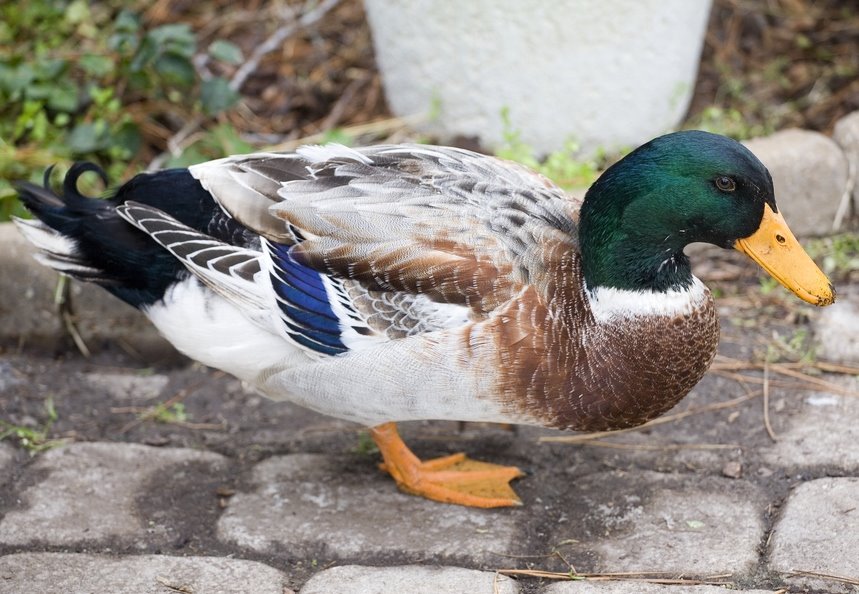
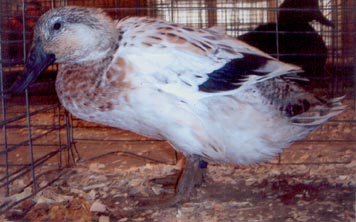
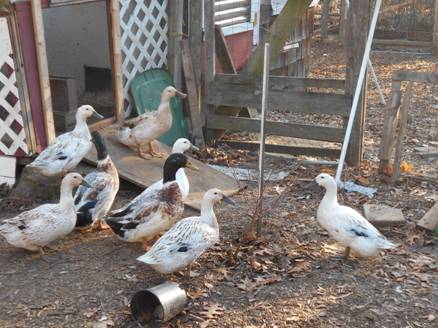
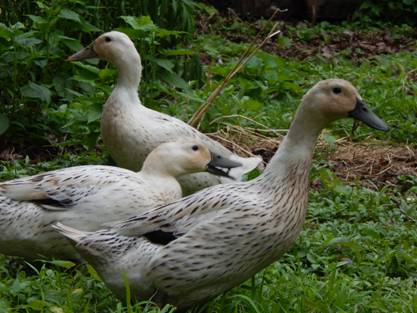
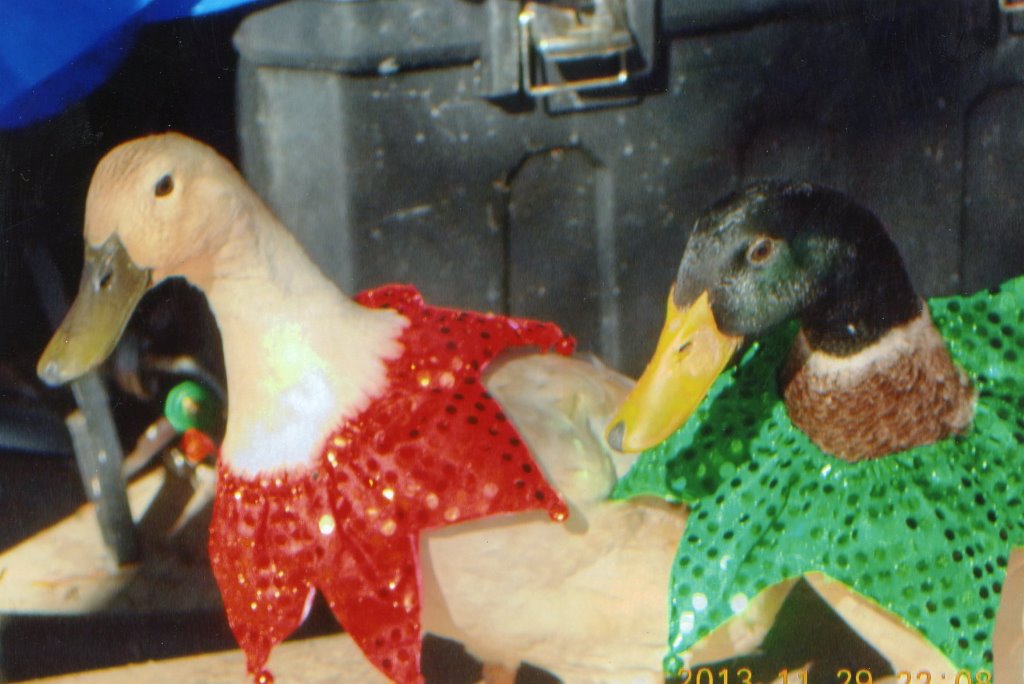
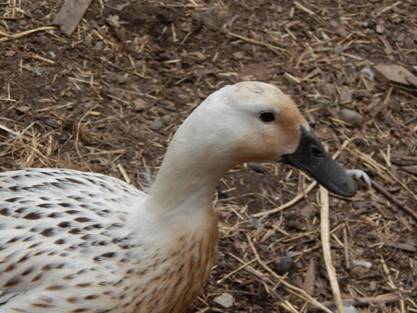
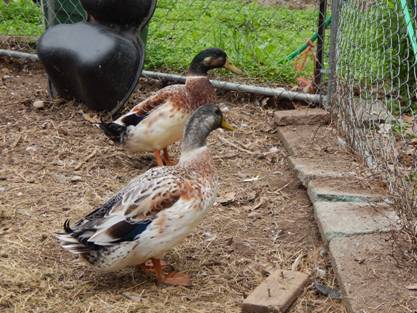
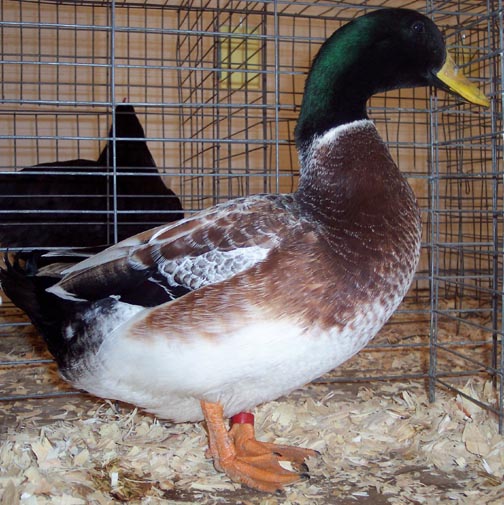
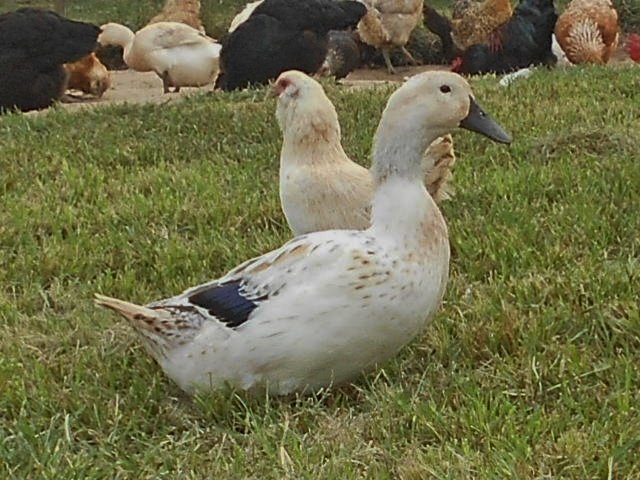
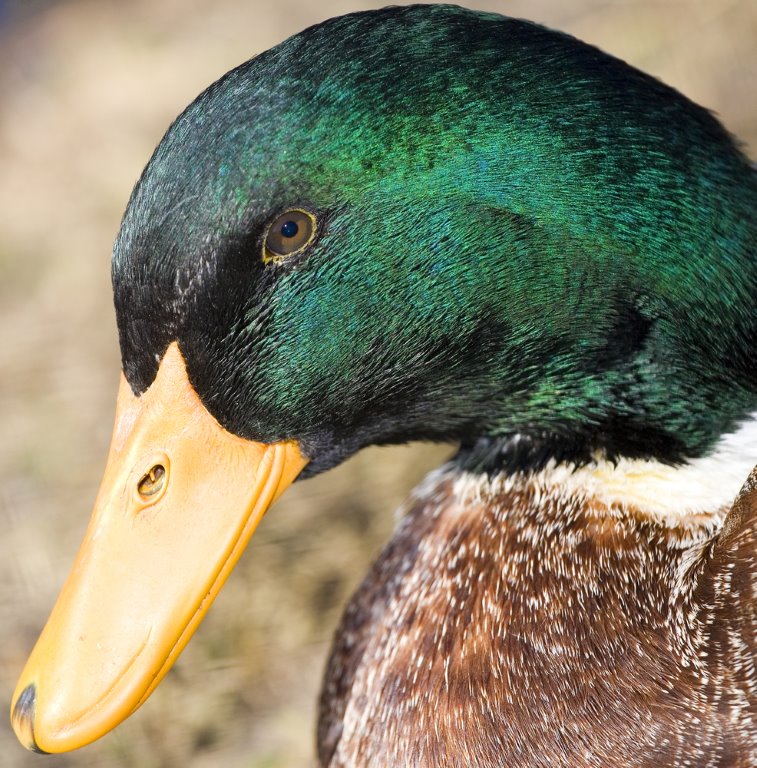
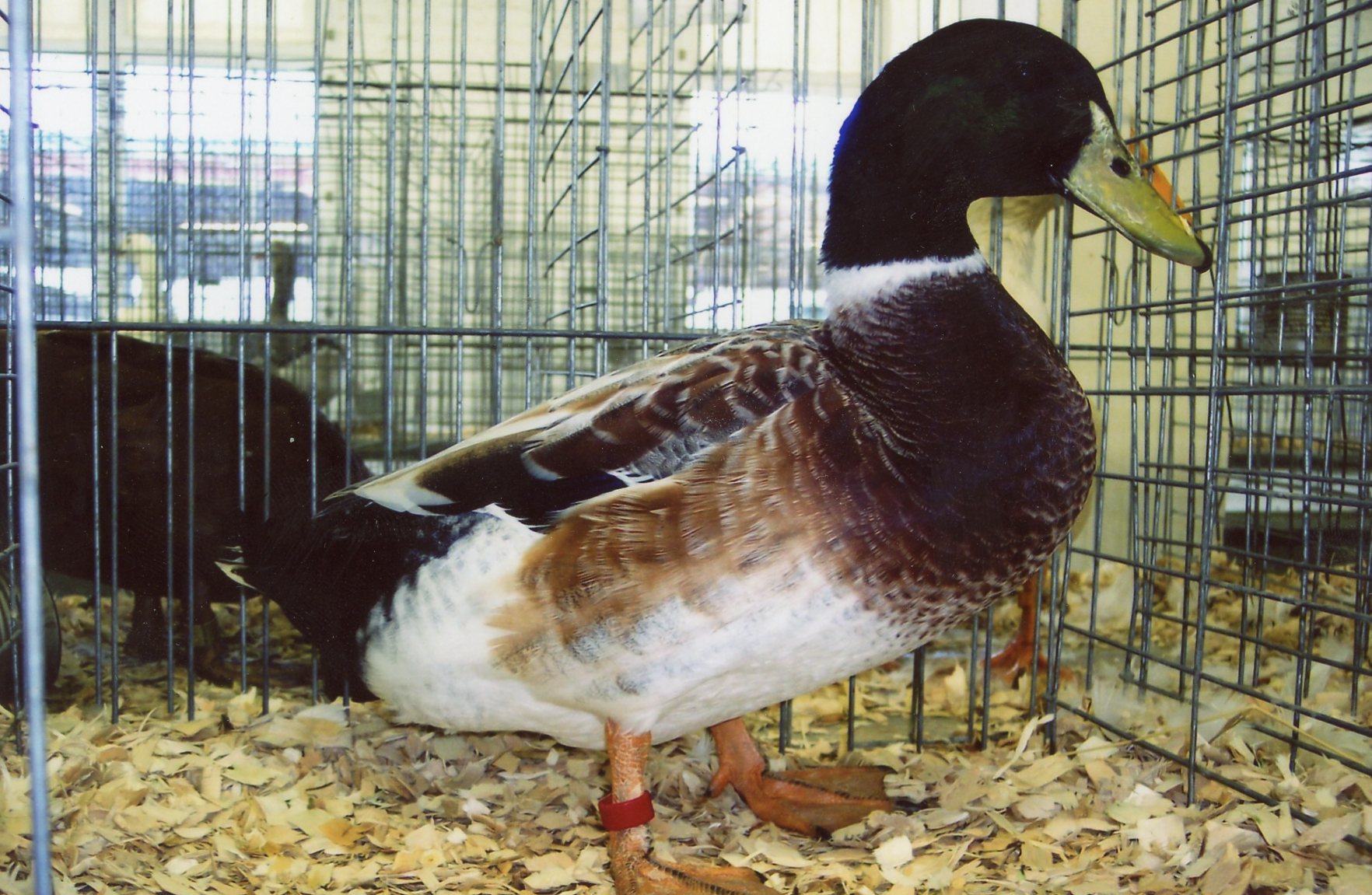
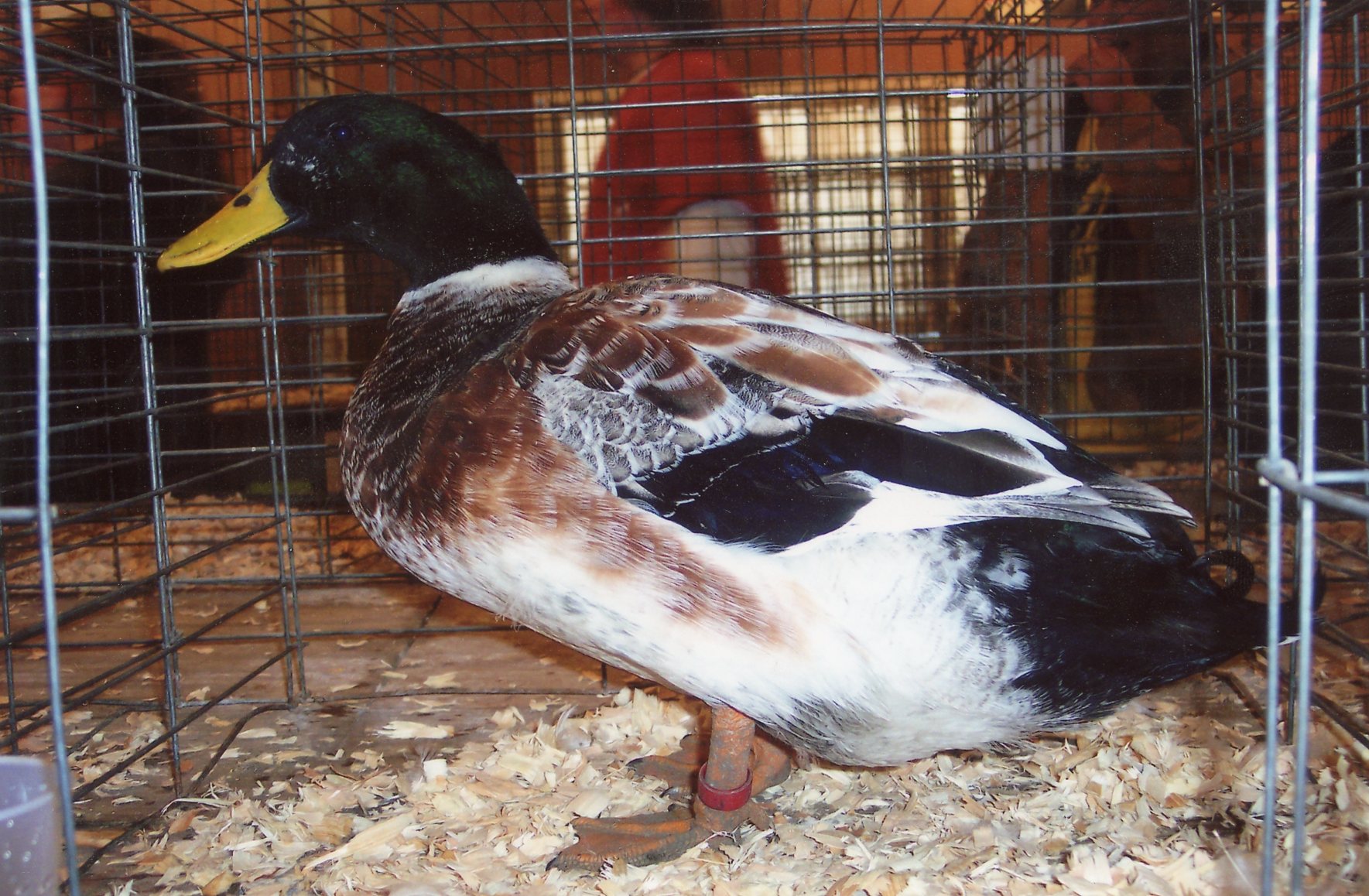
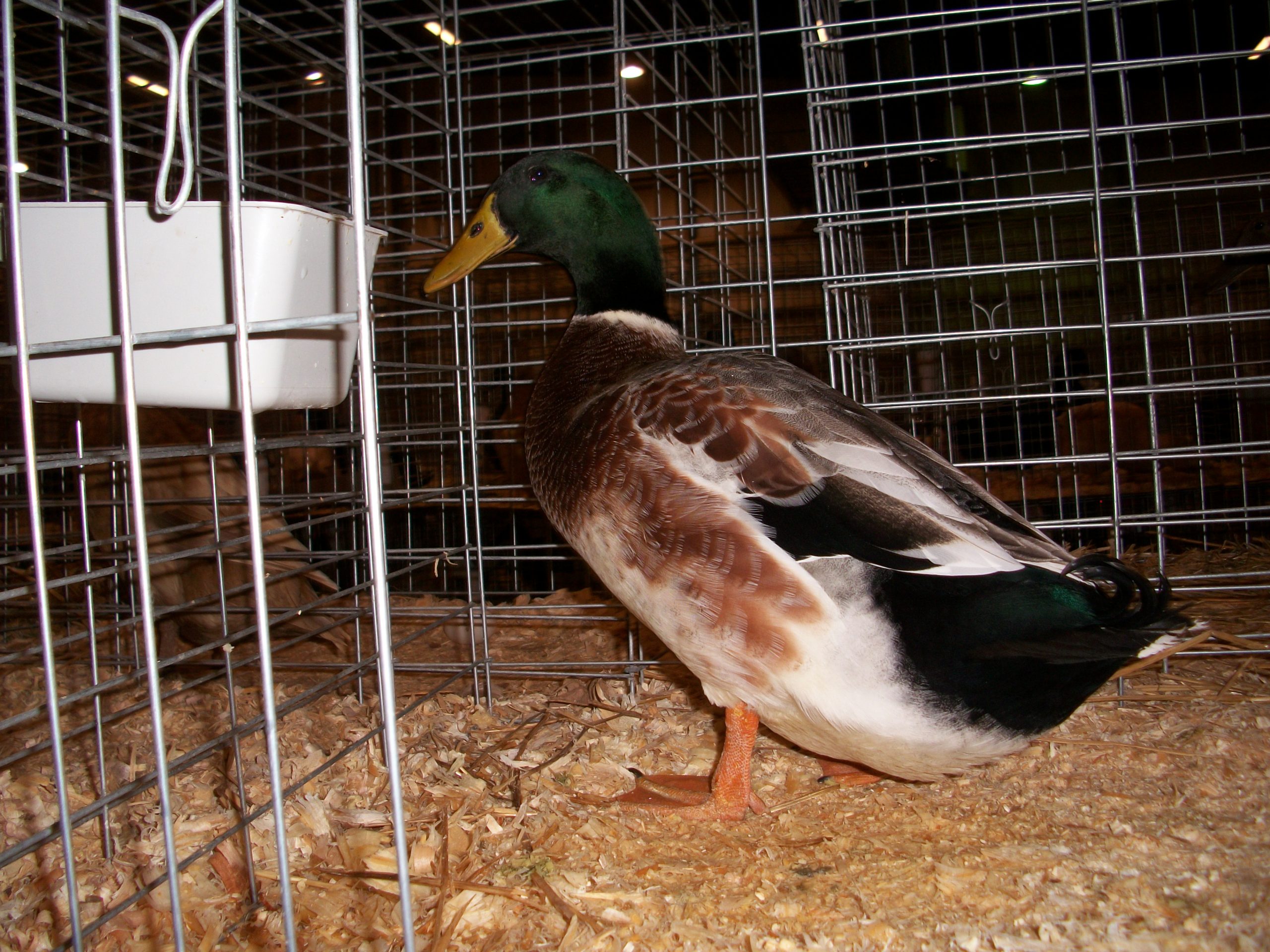
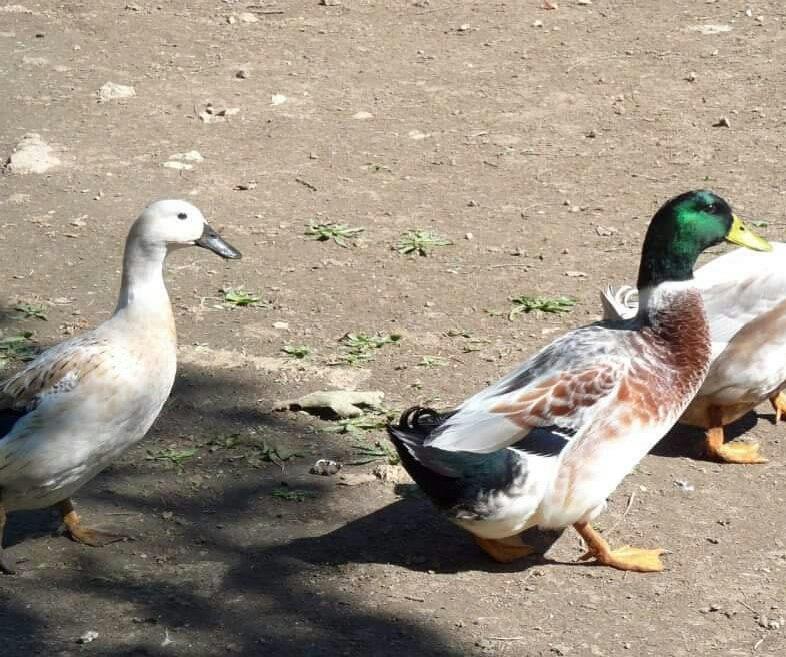
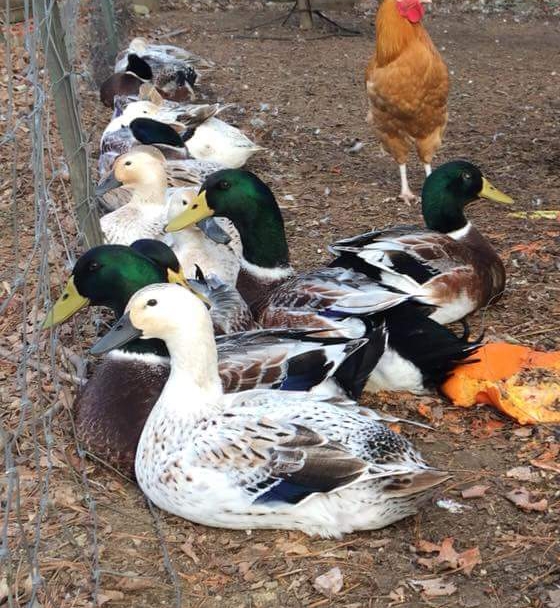
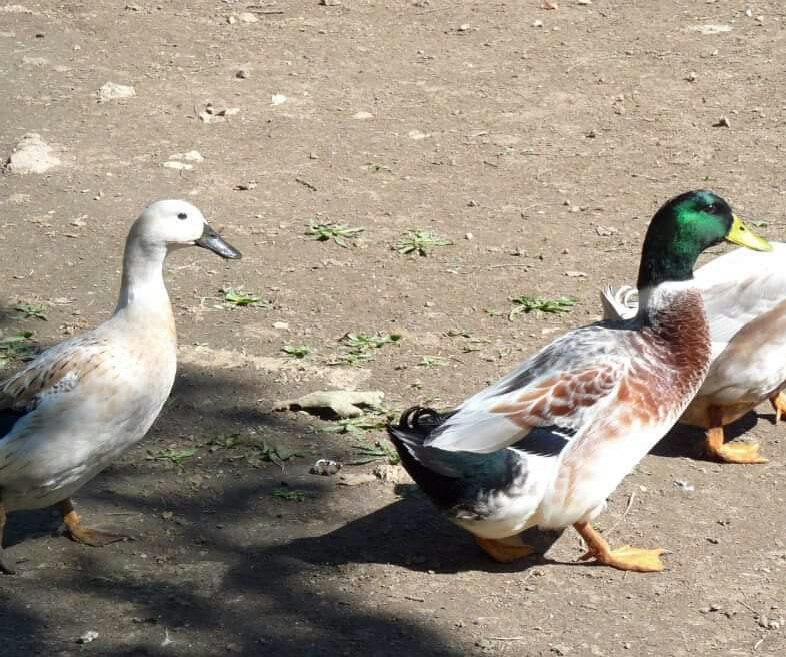
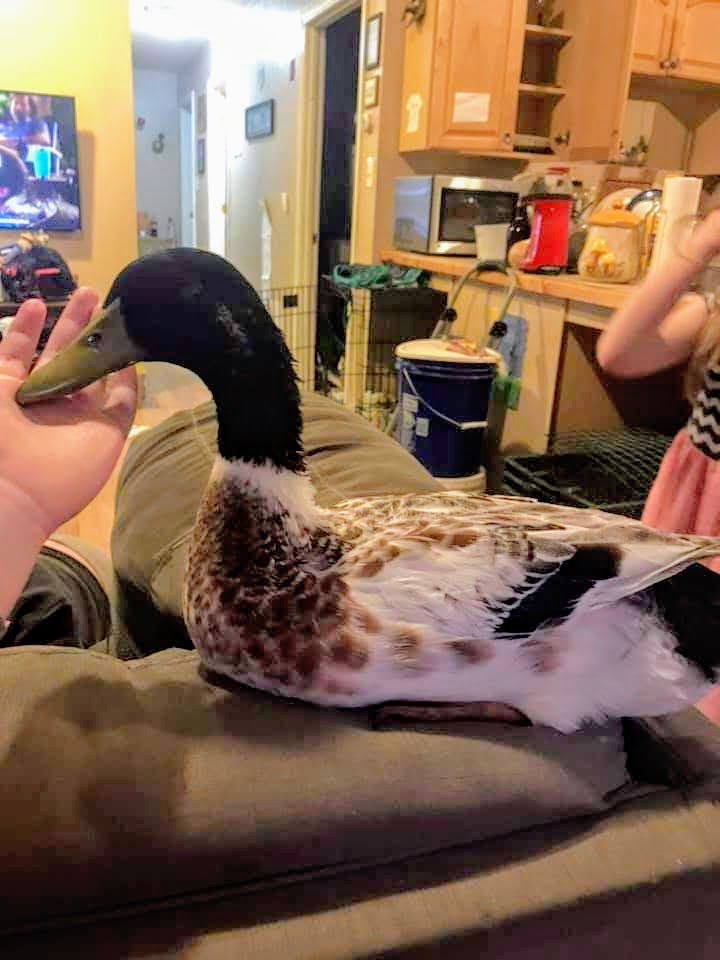
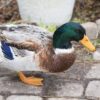
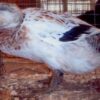
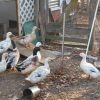
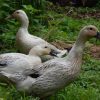
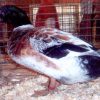
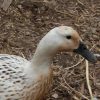
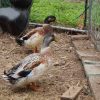
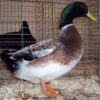
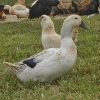
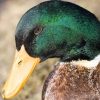
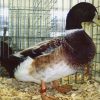
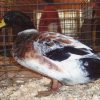
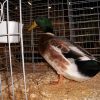
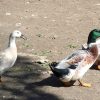
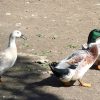
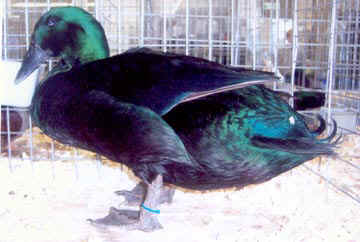
Welsh Harlequin Ducks have attractive, patterned plumage that gives them a refined look in the flock. Cackle Hatchery® offers the Silver Welsh Harlequin variety, which customers often choose for both beauty and productivity.
Their coloring makes them stand out from plain white ducks while still offering practical laying value. They can bring a bright, elegant look to backyard flocks, farm ponds, and poultry show pens.
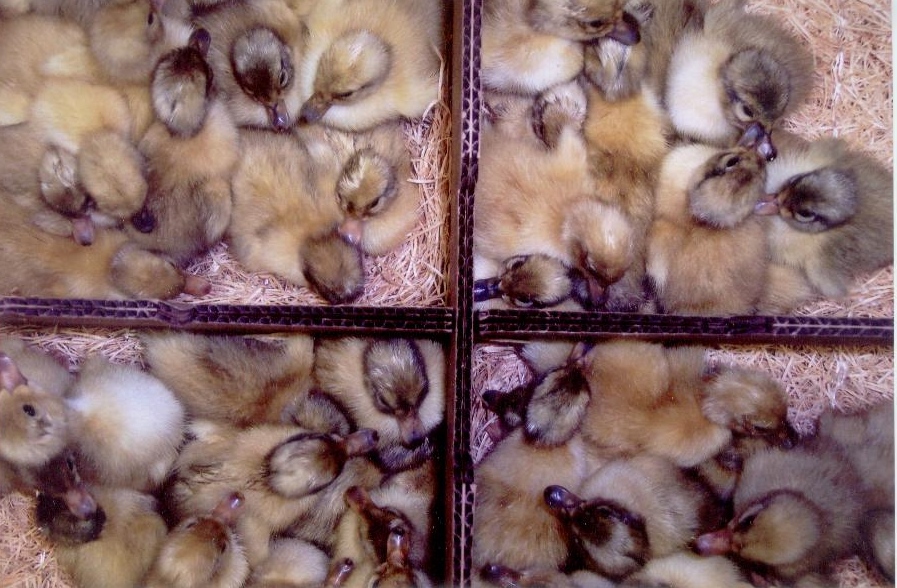
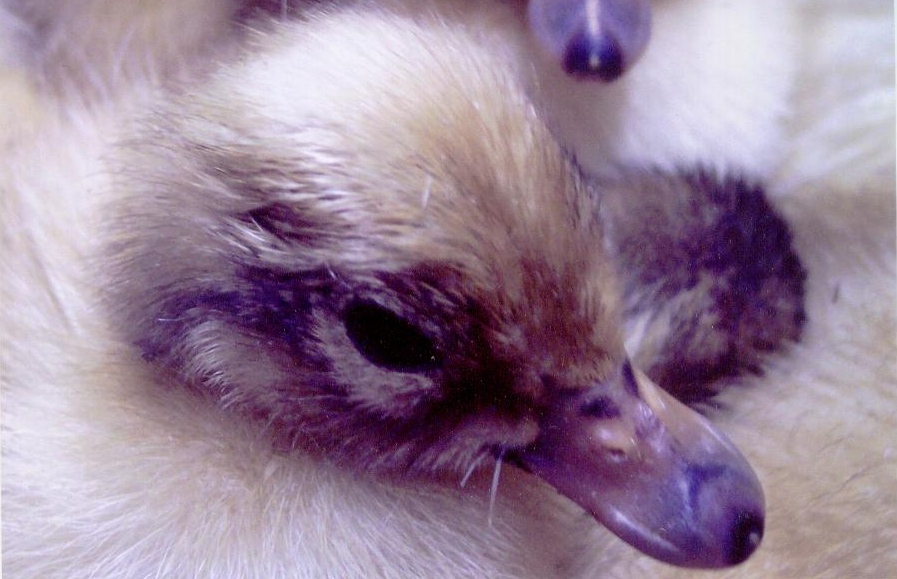
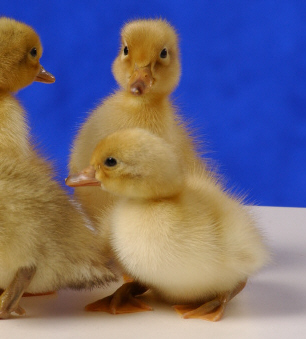
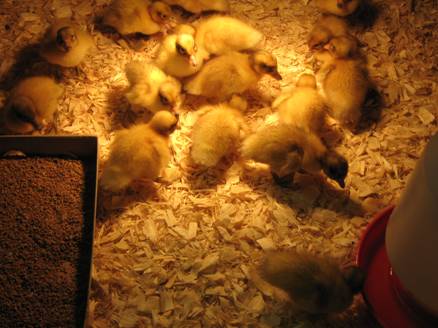
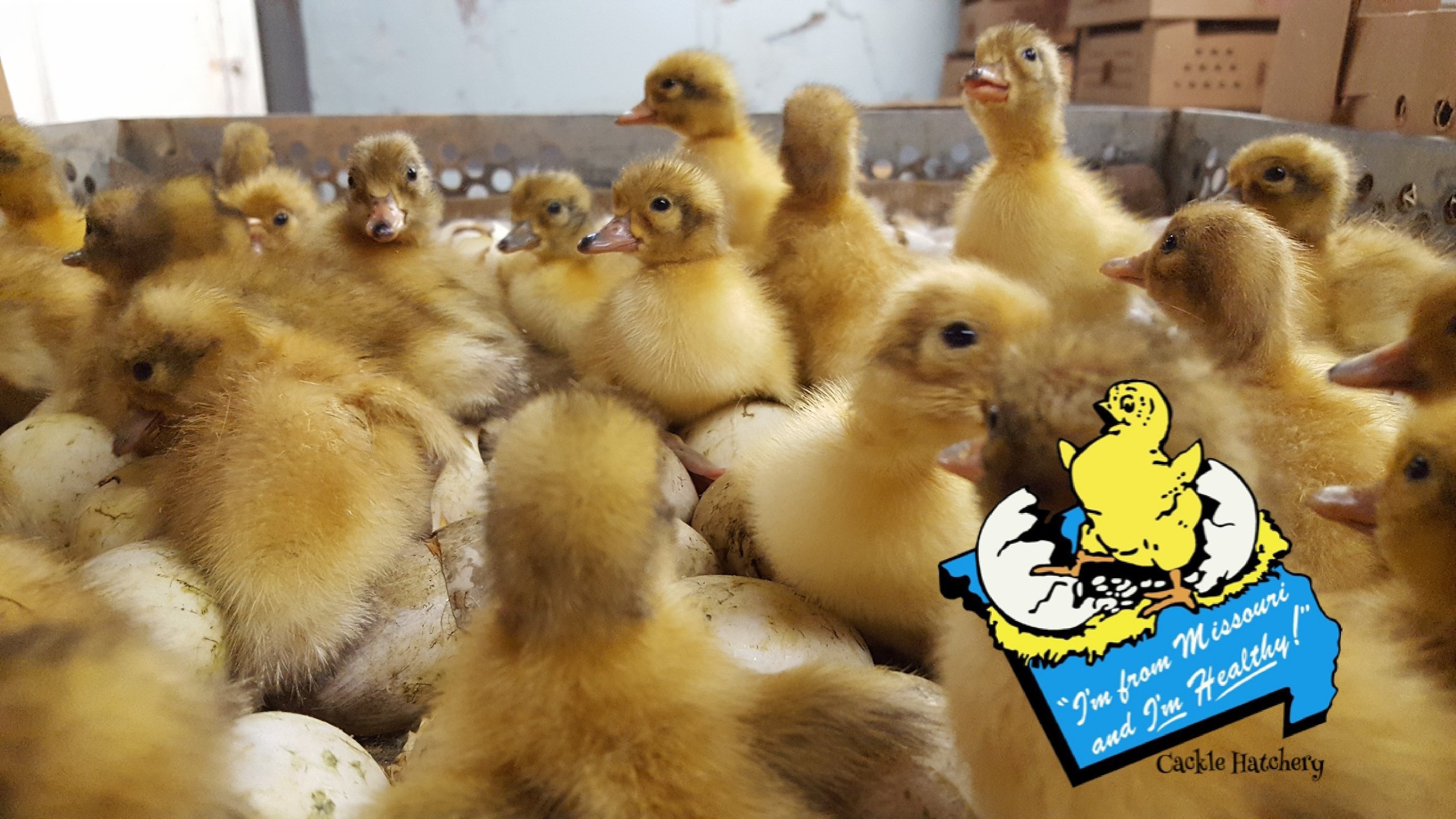
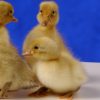
As ducklings, Welsh Harlequins can show subtle bill color differences that may help with early gender identification when handled by an experienced person.
Egg Production
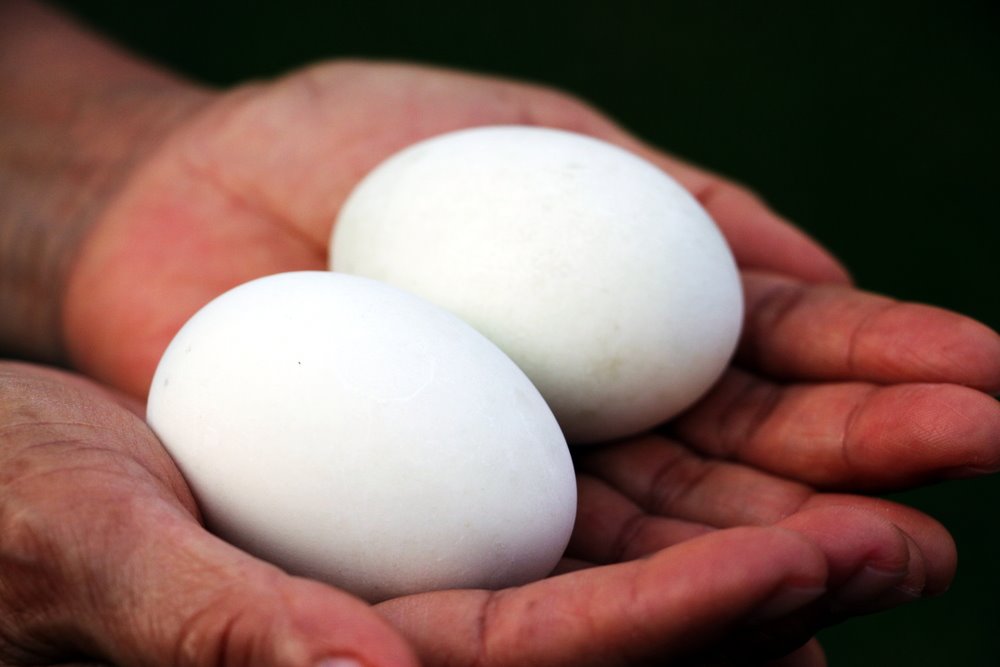
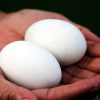
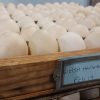
Welsh Harlequin Ducks are excellent egg producers. They are capable of laying at the top end of 240 to 300 eggs per year, depending on the bird, feed, daylight, season, weather, stress, and flock management.
This strong production makes them a valuable choice for customers who want duck eggs for home cooking, baking, farm use, or small-scale egg sales.
Customers focused on egg production may also want to compare Khaki Campbell Ducks, Golden 300 Hybrid Layer Ducks, and White Layer Ducks.
Foraging and Backyard Value
Welsh Harlequin Ducks are good foragers. They enjoy searching for greens, insects, slugs, and other small food items when given safe outdoor access.
Their foraging ability can make them useful around farms, homesteads, and backyard spaces. However, customers should still provide balanced duck feed, clean water, safe shelter, and predator protection.
Foraging supports natural behavior, but it should not replace a complete feeding program. A steady routine and good nutrition help support better egg production and overall health.
Temperament and Flock Management
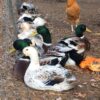
Welsh Harlequin Ducks can work well as backyard ducks because they combine laying ability with manageable flock value. They are useful, attractive, and enjoyable for customers who want more than a plain production duck.
A good Welsh Harlequin setup should include:
Clean drinking water
Balanced duck or waterfowl feed
Safe nighttime shelter
Dry bedding or resting areas
Predator protection
Shade in hot weather
Protection from wind and storms
Room for daily movement
Safe outdoor foraging access
Like all ducks, Welsh Harlequins splash water often. Therefore, customers should plan water and bedding setups that help keep resting areas as dry as possible.
Day-of-Hatch Sexing Note
Welsh Harlequin ducklings may show slight bill color differences at hatch. An experienced person may determine gender by bill color with about 85% accuracy.
Normally, males have an overall darker bill. Females usually have a lighter bill that ends with a dark spot. However, this difference disappears within several days.
The most accurate method for gender determination remains vent sexing, which involves inverting the vent and looking for the distinction. Customers should understand that bill color sexing is helpful but not perfect.
Show and Exhibition Value
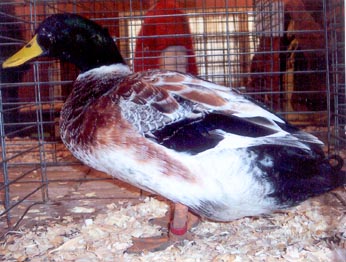
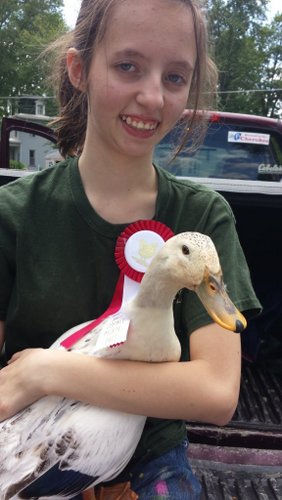
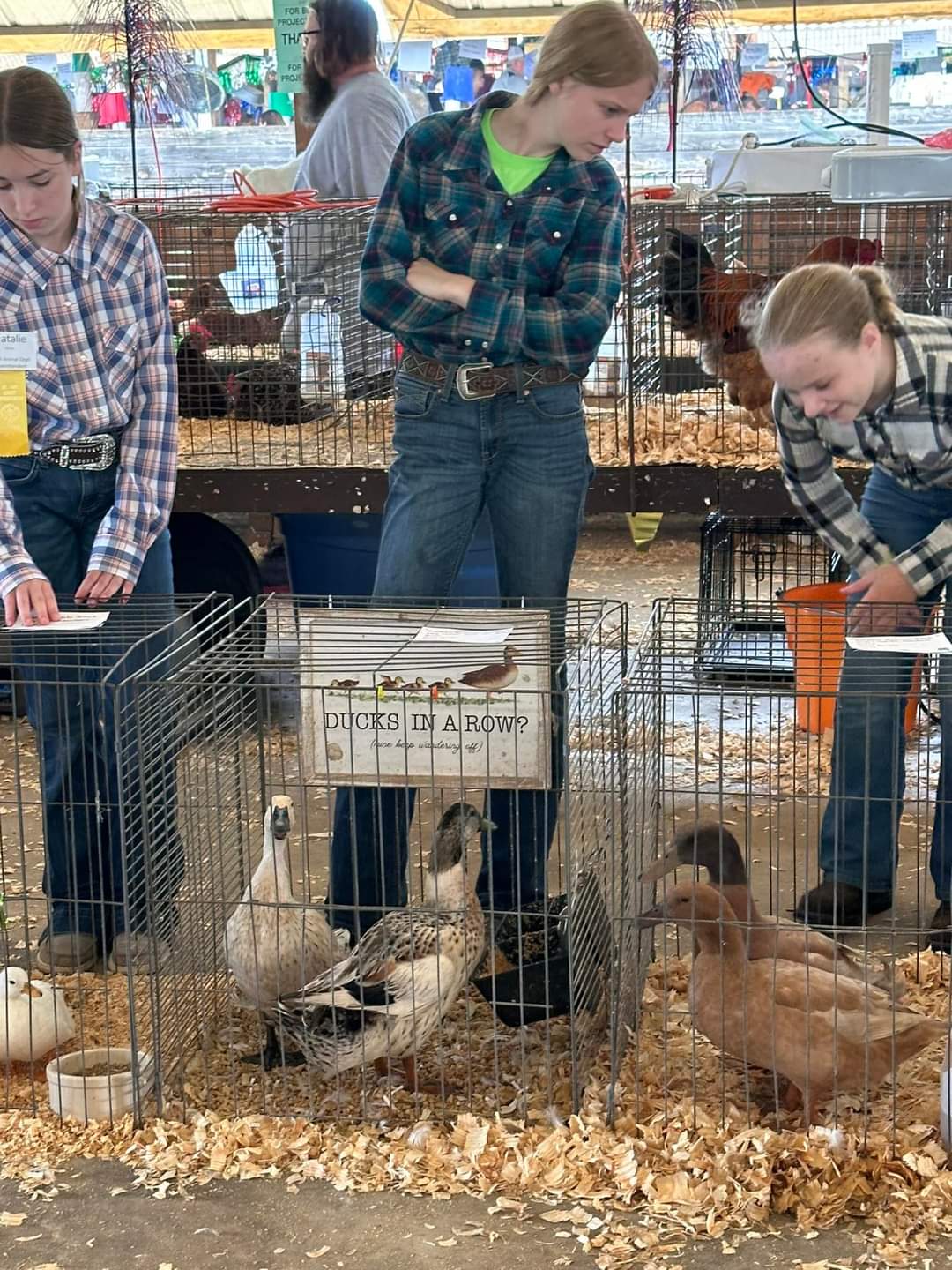
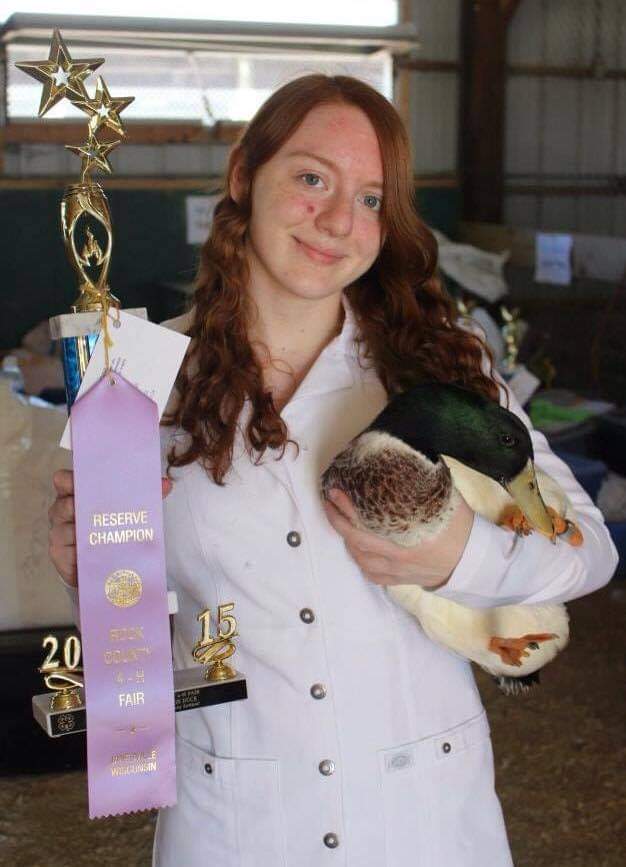
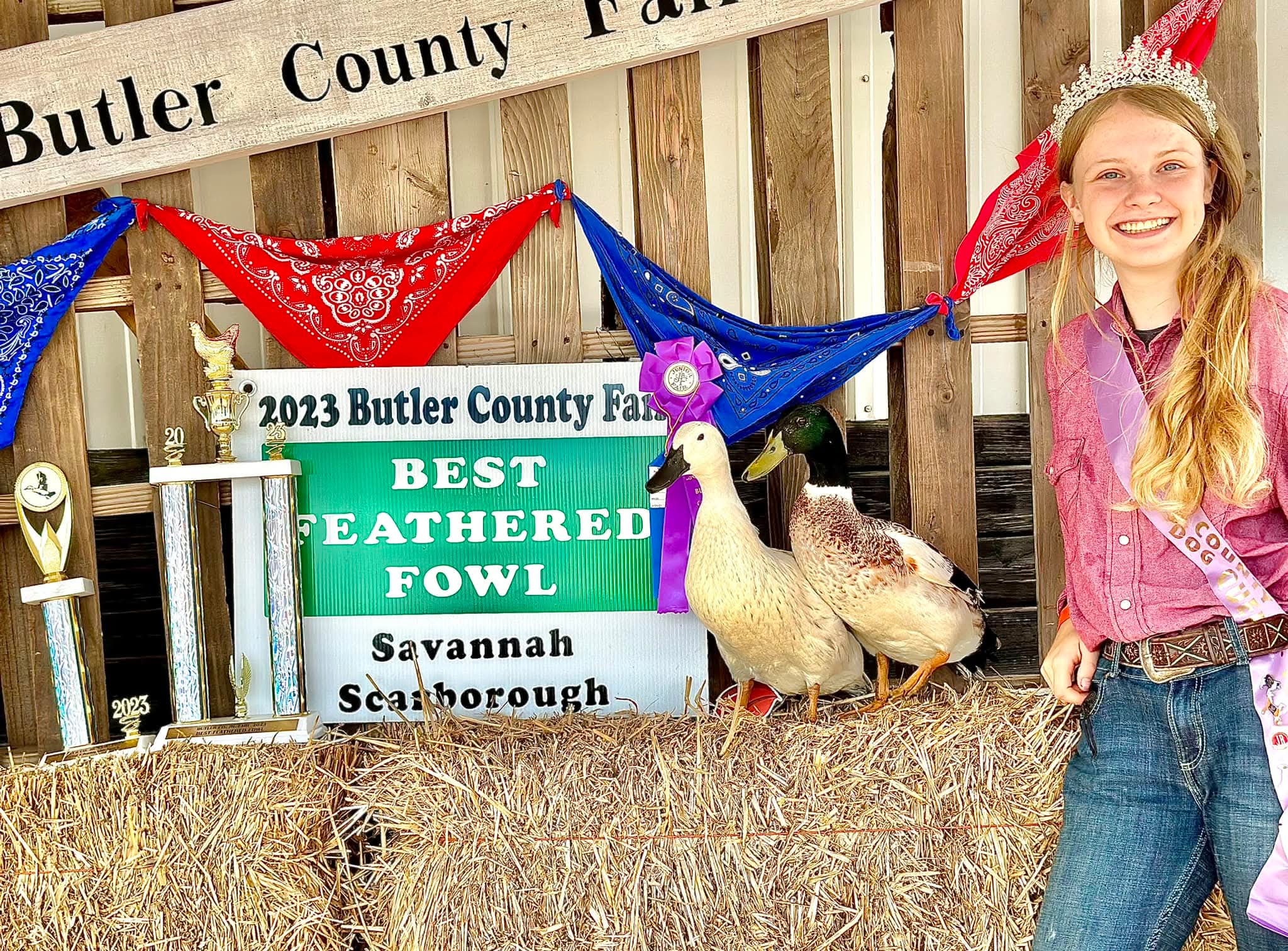
Welsh Harlequin Ducks are being shown at many poultry shows throughout the United States. Their attractive color, useful body type, and productive background make them a rewarding breed for customers who enjoy both utility and exhibition.
Customers interested in showing should study current standards and select birds carefully as they mature. As with any breed, show goals may require different selection priorities than egg production or backyard use.
Welsh Harlequin Duck vs Khaki Campbell Duck
Welsh Harlequin Ducks descend from Khaki Campbell Ducks, and both breeds appeal to customers who want good egg production.
Choose Welsh Harlequin Ducks if you want a productive laying duck with attractive patterned plumage and show appeal.
Choose Khaki Campbell Ducks if you want a traditional English laying duck with a long reputation for prolific egg production and active foraging.
Both breeds can serve egg-focused customers well. However, Welsh Harlequins often appeal to customers who want more visual variety.
Welsh Harlequin Duck vs Golden 300 Hybrid Layer Duck
Welsh Harlequin Ducks and Golden 300 Hybrid Layer Ducks both suit customers who want duck eggs.
Choose Welsh Harlequin Ducks if you want a recognized breed with attractive color, good foraging ability, and strong laying potential.
Choose Golden 300 Hybrid Layer Ducks if you want a modern hybrid developed for efficient egg production, larger eggs, higher fertility, and calmer production-flock behavior.
The best choice depends on whether you prefer a traditional breed type or a modern hybrid layer.
Welsh Harlequin Duck vs White Layer Duck
Welsh Harlequin Ducks and White Layer Ducks both serve laying goals, but they offer different advantages.
Choose Welsh Harlequins if you want an attractive, patterned duck with strong egg production and backyard appeal.
Choose White Layer Ducks if you specifically want a white egg laying duck for culinary, specialty egg, or balut production.
Both breeds can work well for customers who want duck eggs, but the right choice depends on egg color goals and flock appearance preferences.
Shipping Note
Welsh Harlequin Duck orders ship from a different location through one of Cackle Hatchery®’s participating hatchery partners.
Because this breed ships through a partner hatchery, customers should review ordering details carefully before placing an order. Availability, hatch dates, and shipping schedules may vary by season.
Cackle Hatchery® cannot ship ducks to Hawaii.
Duckling Care After Arrival
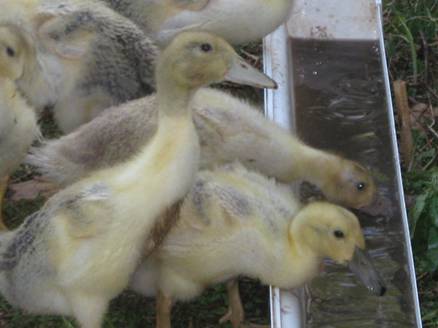
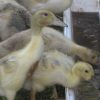
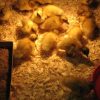
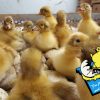
Before Welsh Harlequin ducklings arrive, customers should prepare a clean, warm, and safe brooder.
A proper duckling setup should include:
A secure brooder
A proper heat source
Clean drinking water
Duckling feed or appropriate waterfowl starter
Dry bedding
Enough room to move away from heat
Protection from drafts, pets, and predators
Ducklings should always have access to water when eating. However, customers should use a water setup that reduces splashing so the brooder stays as dry as possible.
As Welsh Harlequin ducklings grow, they will need more space, better bedding management, and safe outdoor transition areas.
Is This Breed Right for You?
Choose Welsh Harlequin Ducks if you want:
An excellent egg-laying duck
A duck capable of 240 to 300 eggs per year
A breed developed in Wales
A descendant of the Khaki Campbell
A good backyard duck
A good forager
A duck with poultry show value
The Silver Welsh Harlequin variety
A breed with attractive patterned plumage
A useful duck for farms, homesteads, and backyard flocks
Welsh Harlequin Ducks are not the best choice for customers who want a heavy meat duck, a plain white duck, a flying Mallard-type duck, or ducklings shipped to Hawaii.
Recognition and Availability
Cackle Hatchery® offers the Silver Welsh Harlequin variety for customers who want a productive, attractive, egg-laying duck with strong backyard and show value.
Customers may also want to compare Khaki Campbell Ducks, Golden 300 Hybrid Layer Ducks, White Layer Ducks, Fawn and White Runner Ducks, Silver Appleyard Ducks, and Cackle’s full Ducks for Sale category.
Related Ducks and Helpful Cackle Hatchery® Resources
If you like this breed, you may also want to compare Khaki Campbell Ducks, Golden 300 Hybrid Layer Ducks, White Layer Ducks, Fawn and White Runner Ducks, Silver Appleyard Ducks, Buff Ducks, Blue Swedish Ducks, Hatchery Choice Duck Assortment, and Ducks for Sale.
Helpful Cackle resources include Duck Breeds List Comparison Chart, Sexing Ducklings and Goslings, 12 Benefits of Keeping Ducks, Duck Eclipse and Nuptial Molts — What Do They Mean?, Chicken Guarantees and Policies, Cackle Hatchery FAQ, and Availability Chart.
FAQ: Welsh Harlequin Ducks
What are Welsh Harlequin Ducks?
Welsh Harlequin Ducks are attractive, productive ducks known for excellent egg production, good foraging ability, backyard value, and show appeal.
Where did Welsh Harlequin Ducks originate?
Welsh Harlequin Ducks originated in Wales.
Who developed the Welsh Harlequin Duck?
Leslie Bonnet, a duck breeder from Wales, developed the breed in 1949.
When did Welsh Harlequin Ducks come to the United States?
Welsh Harlequin Ducks came to the United States between 1968 and 1980.
Are Welsh Harlequin Ducks related to Khaki Campbell Ducks?
Yes. Welsh Harlequin Ducks descend from Khaki Campbell Ducks.
Are Welsh Harlequin Ducks good egg layers?
Yes. Welsh Harlequin Ducks are excellent egg producers.
How many eggs can Welsh Harlequin Ducks lay?
They are capable of laying at the top end of 240 to 300 eggs per year, depending on care, feed, daylight, season, and management.
Are Welsh Harlequin Ducks good backyard ducks?
Yes. They can make good backyard ducks when customers provide proper feed, clean water, housing, space, and predator protection.
Are Welsh Harlequin Ducks good foragers?
Yes. Welsh Harlequin Ducks are good foragers.
Are Welsh Harlequin Ducks shown at poultry shows?
Yes. Welsh Harlequin Ducks are shown at many poultry shows throughout the United States.
What variety of Welsh Harlequin does Cackle Hatchery® offer?
Cackle Hatchery® offers the Silver Welsh Harlequin variety.
Can Welsh Harlequin ducklings be sexed by bill color?
At day of hatch, experienced handlers may sex Welsh Harlequin ducklings by slight bill color differences with about 85% accuracy.
What bill color difference helps identify Welsh Harlequin ducklings?
Males usually have an overall darker bill, while females usually have a lighter bill ending with a dark spot.
How long does the bill color difference last?
The bill color distinction disappears within several days.
What is the most accurate way to sex Welsh Harlequin ducklings?
The most accurate method is vent sexing.
Do Welsh Harlequin Ducks ship from Cackle Hatchery®?
This order ships from a different location through one of Cackle Hatchery®’s participating hatchery partners.
Can Welsh Harlequin Ducks ship to Hawaii?
No. Cackle Hatchery® cannot ship ducks to Hawaii.


Michael Leidner –
Ordered 5 hens and 4 straight run. Ended up with 9 hens. I don’t intend on hatching eggs, so that just means more eggs for me to eat!!! No complaints there. Great birds. Fun to watch. Would get again!