Description
Barnevelder Chicken
Breed Overview and Origin
The Barnevelder chicken is a rare Dutch breed with beautiful feathering, a quiet nature, and a reputation for dark brown eggs. If you want a calm backyard bird that looks elegant and adds darker eggs to the basket, the Barnevelder is a strong choice.
This breed comes from the Barneveld region of Holland, now the Netherlands. Poultry keepers in that area developed Barnevelders as practical farm birds with good egg production and attractive dark brown egg shells. Today, they remain popular with people who want a bird that is useful, pretty, and a little harder to find than the most common backyard breeds.
Barnevelders are still rare in the United States, but they have become more popular each year. If you like heritage-style birds with a steady temperament and distinctive feather pattern, this breed is worth considering.
Appearance and Characteristics
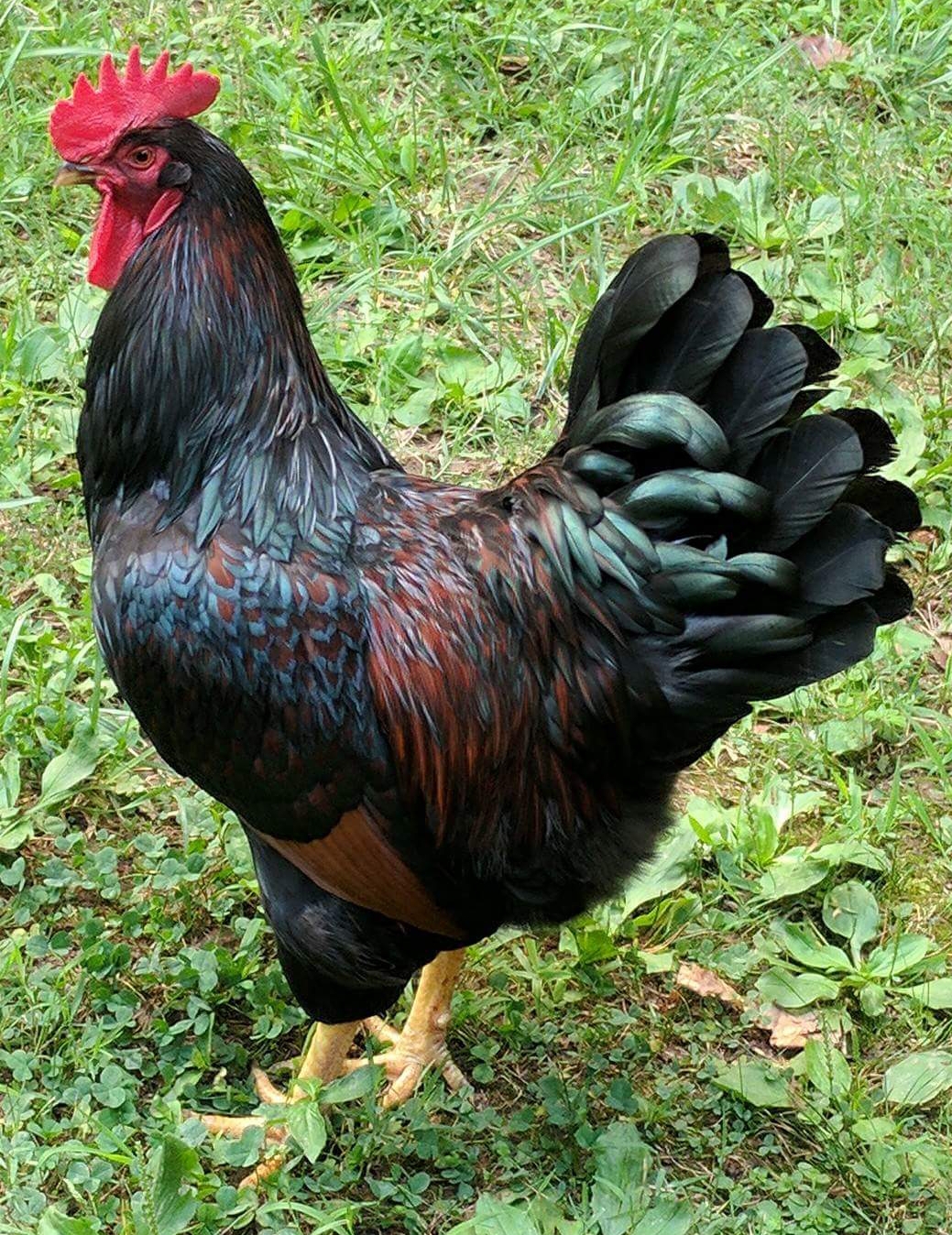
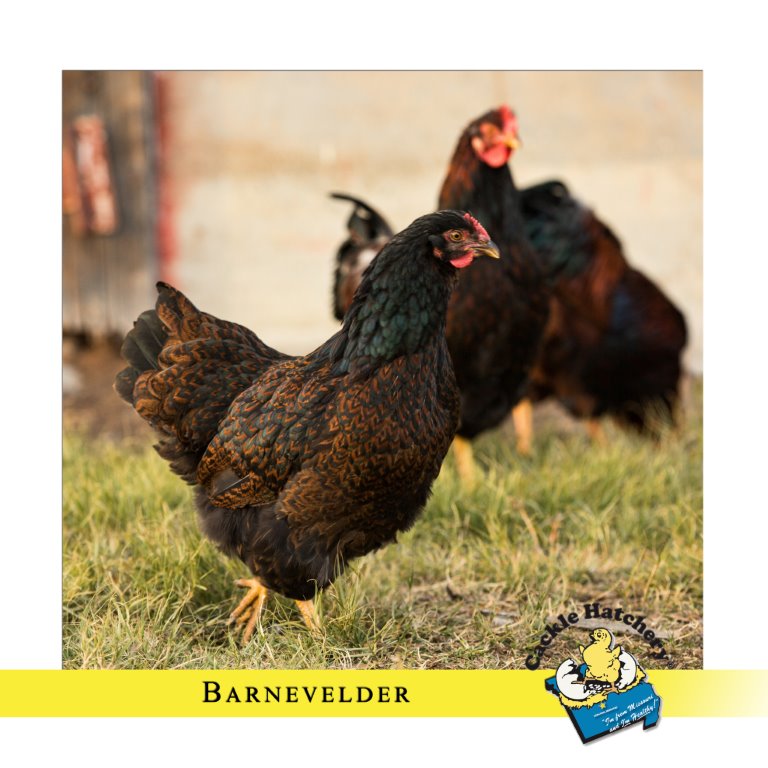
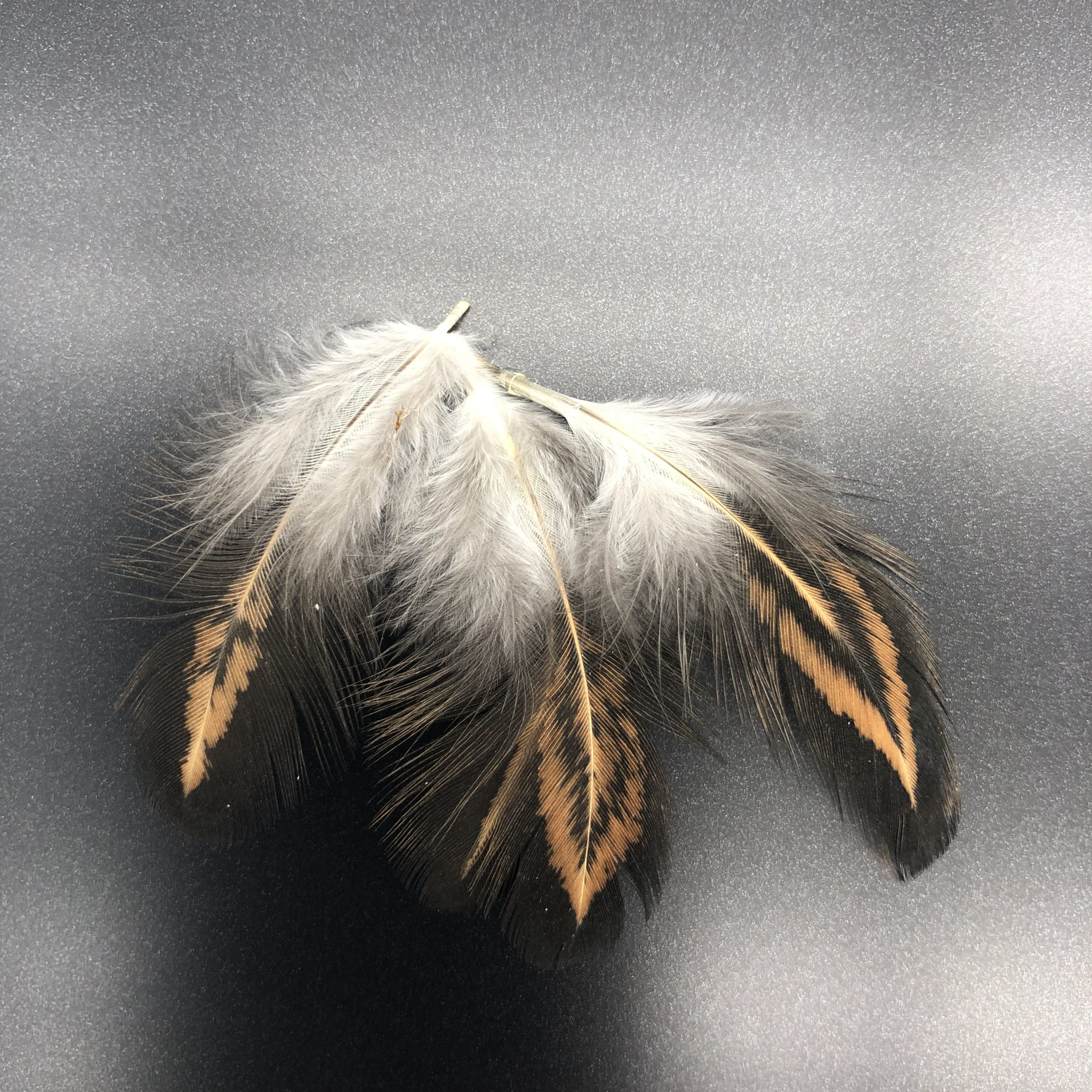
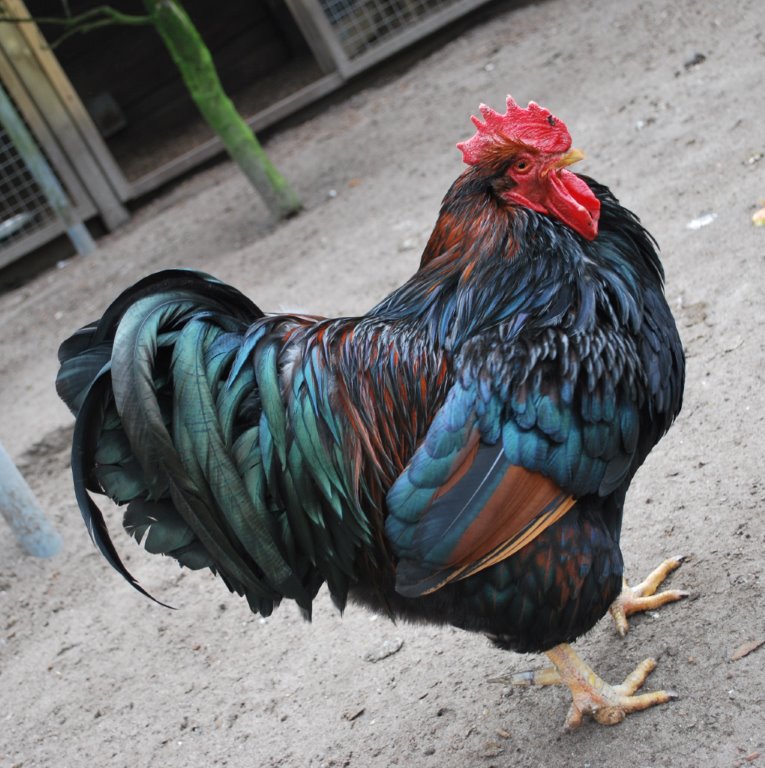
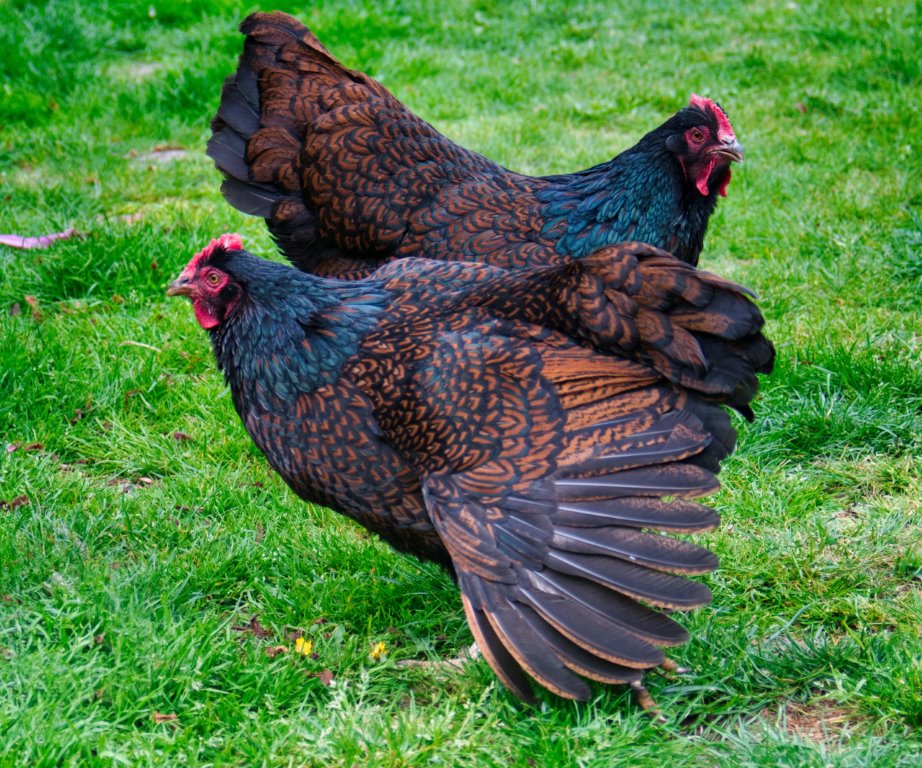
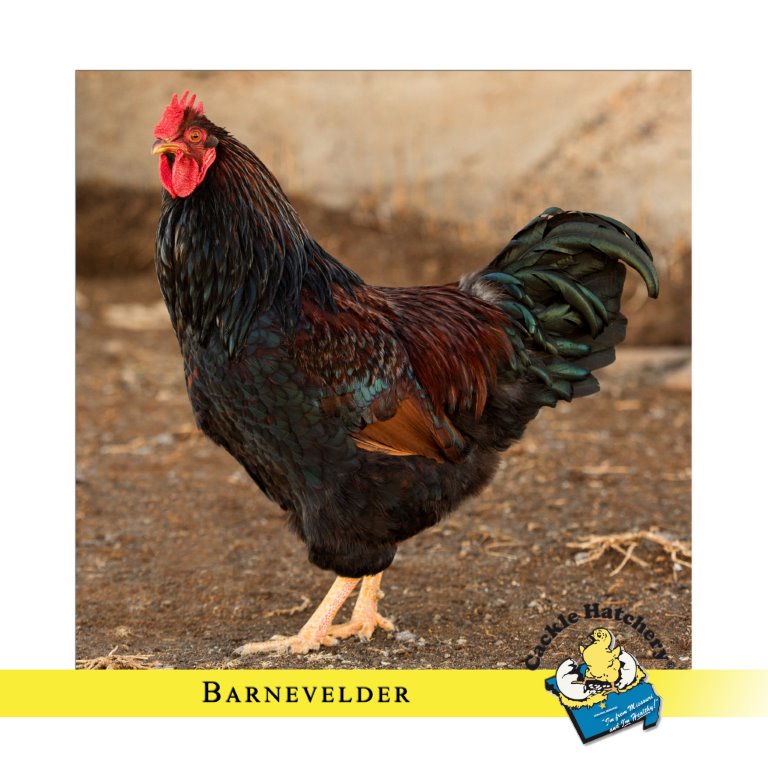
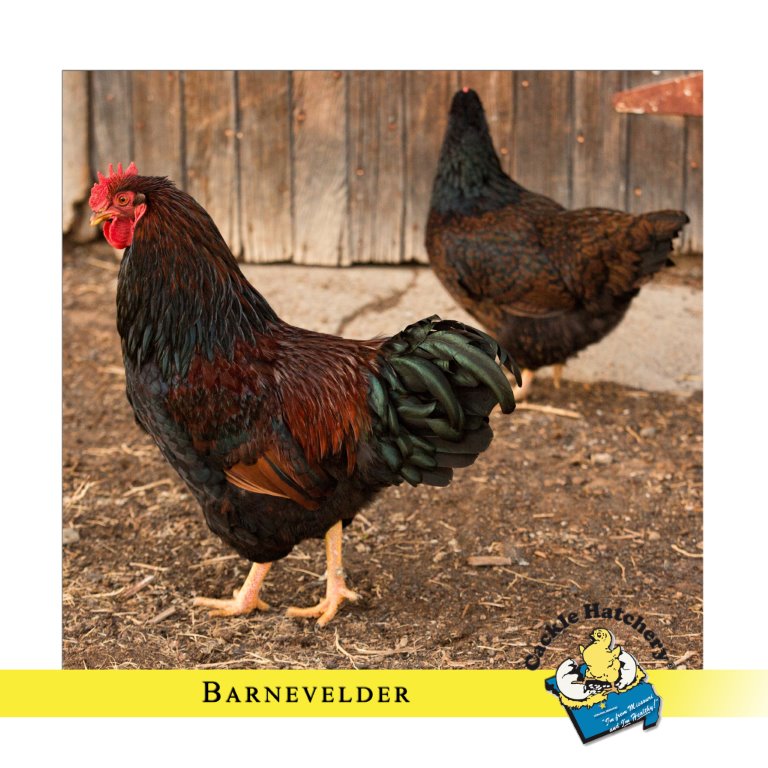
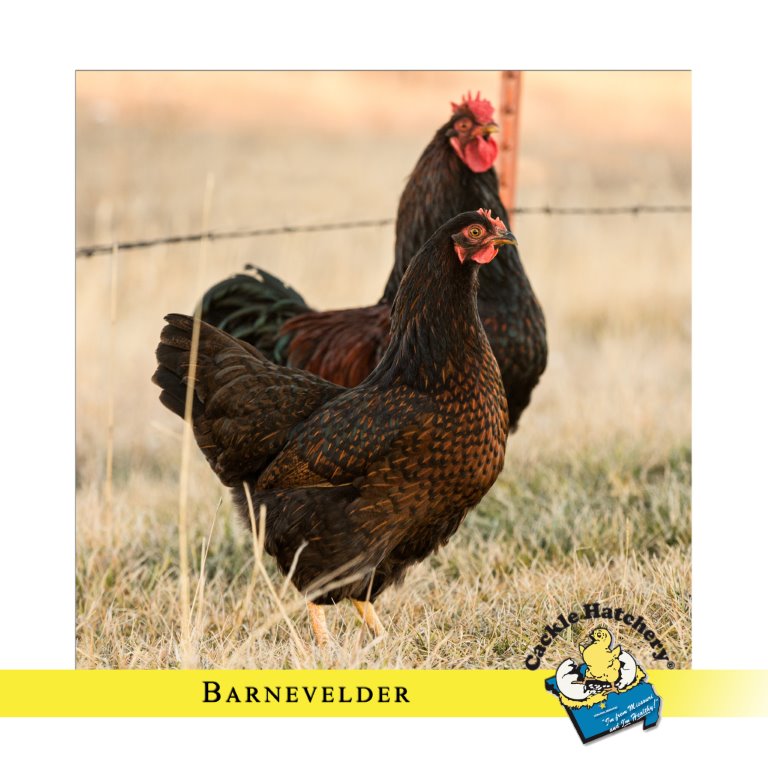
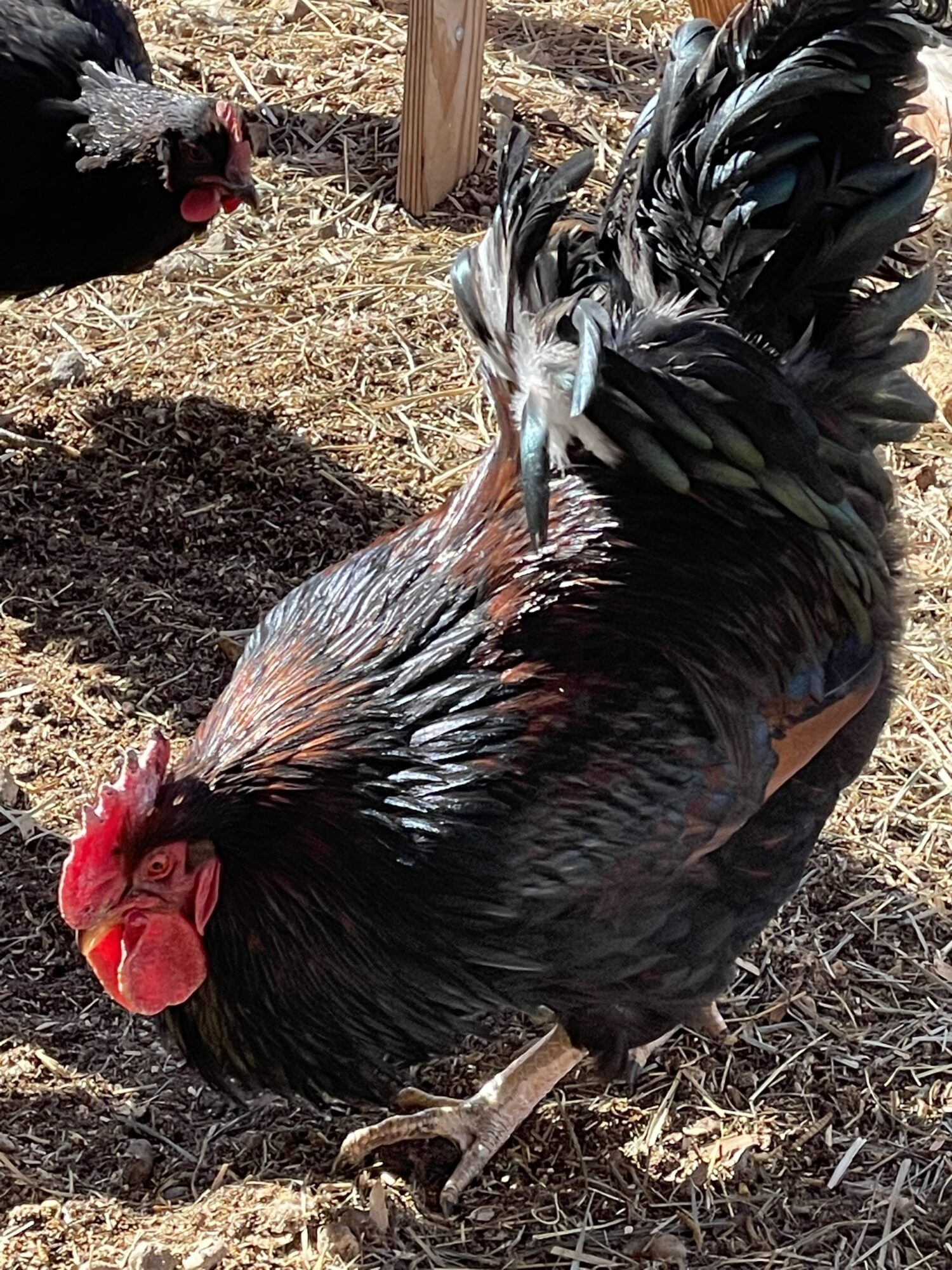
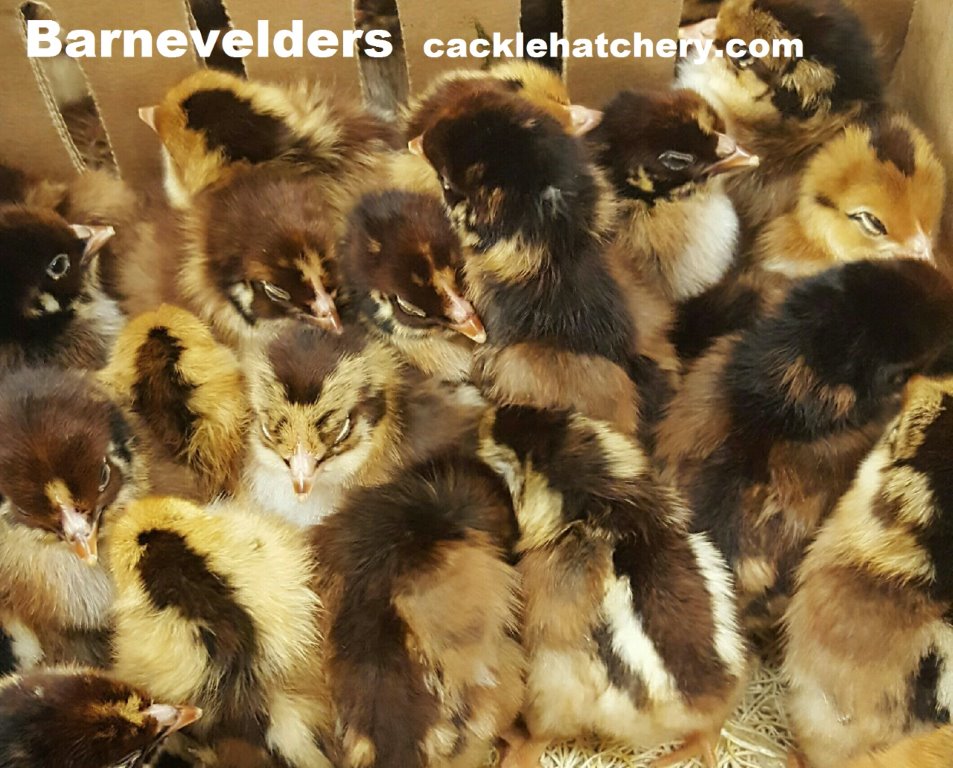
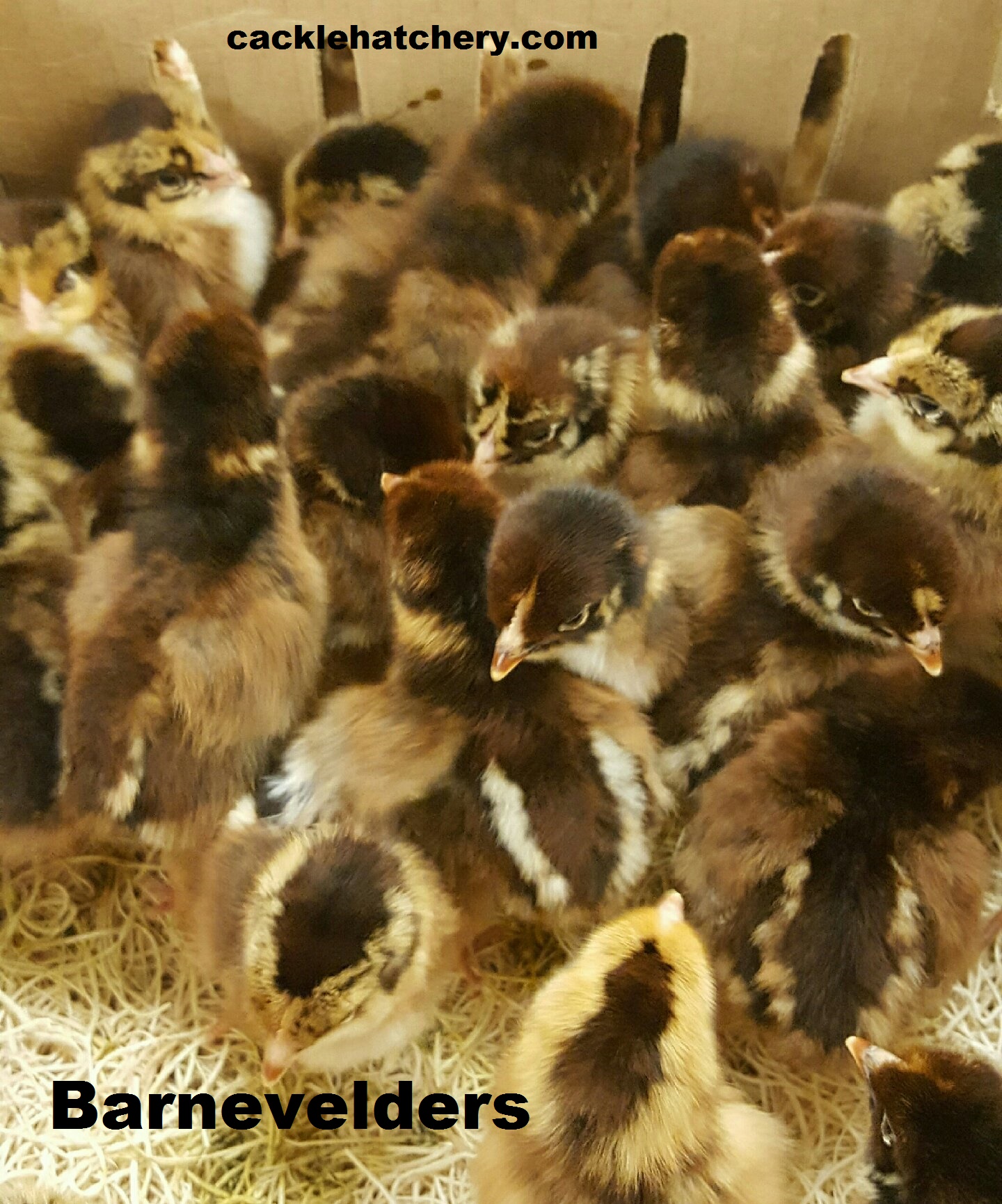
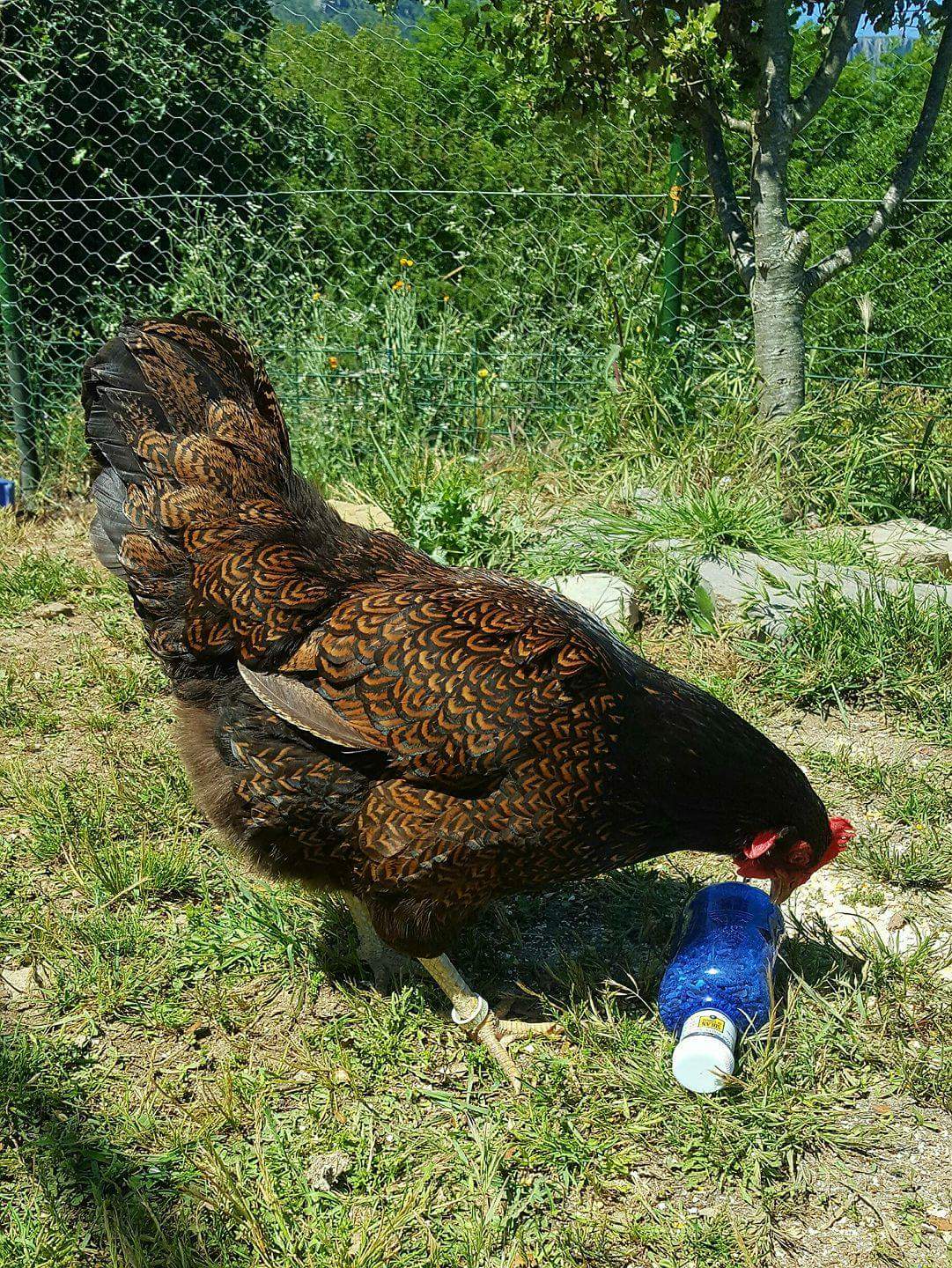
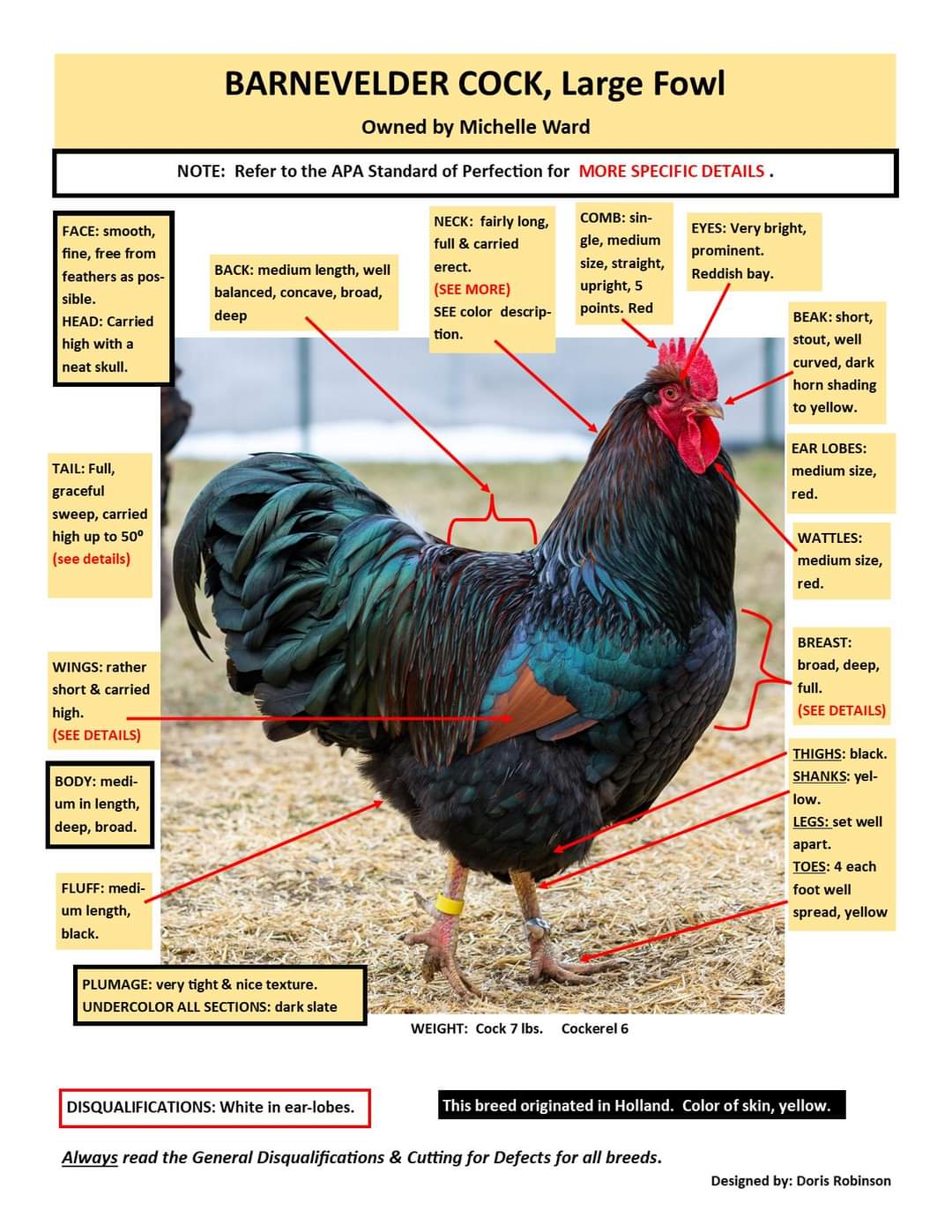
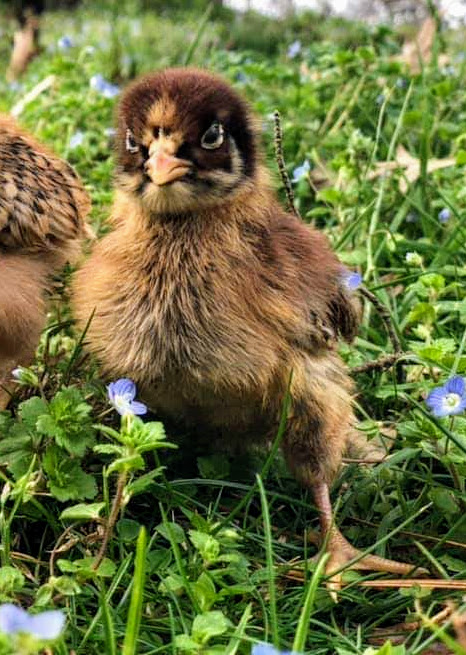
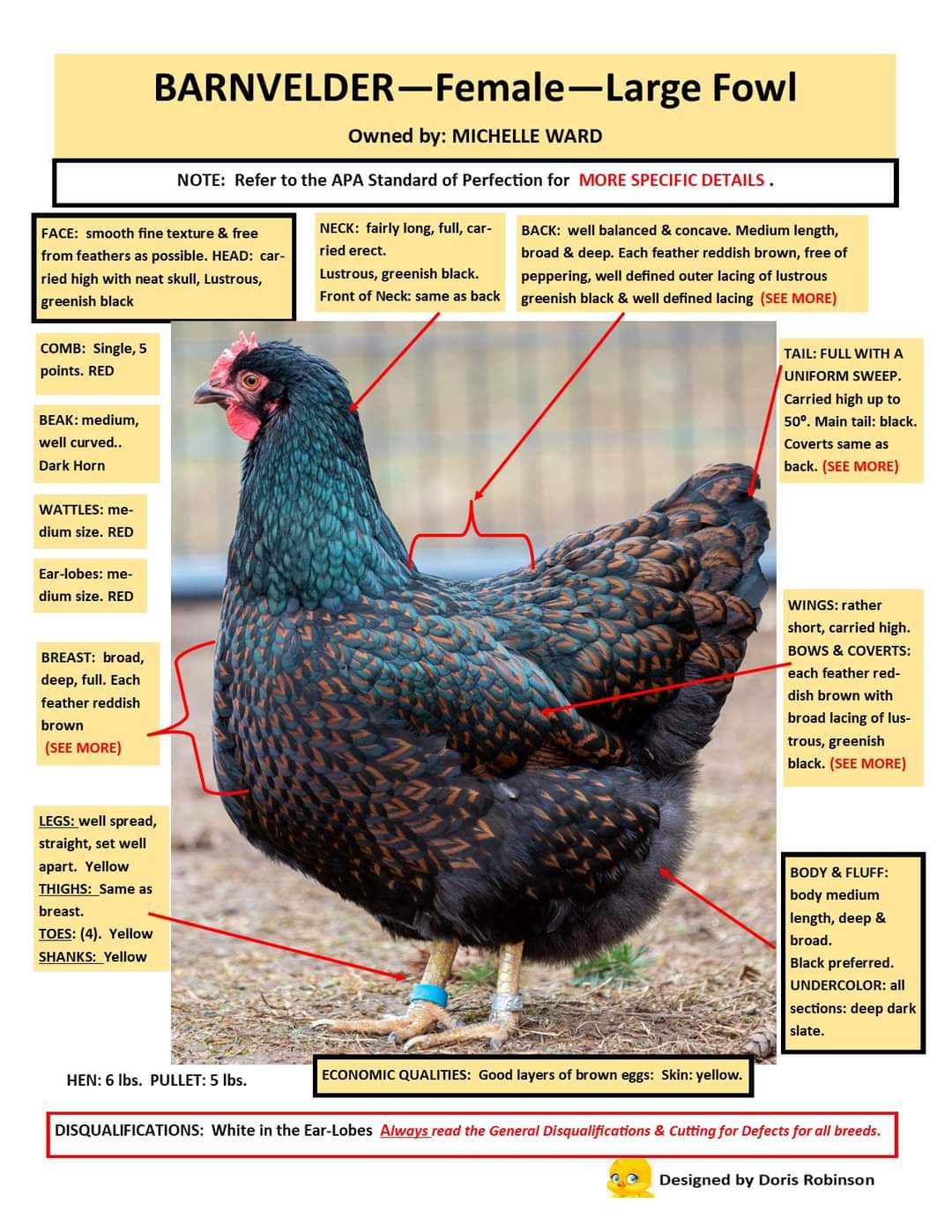
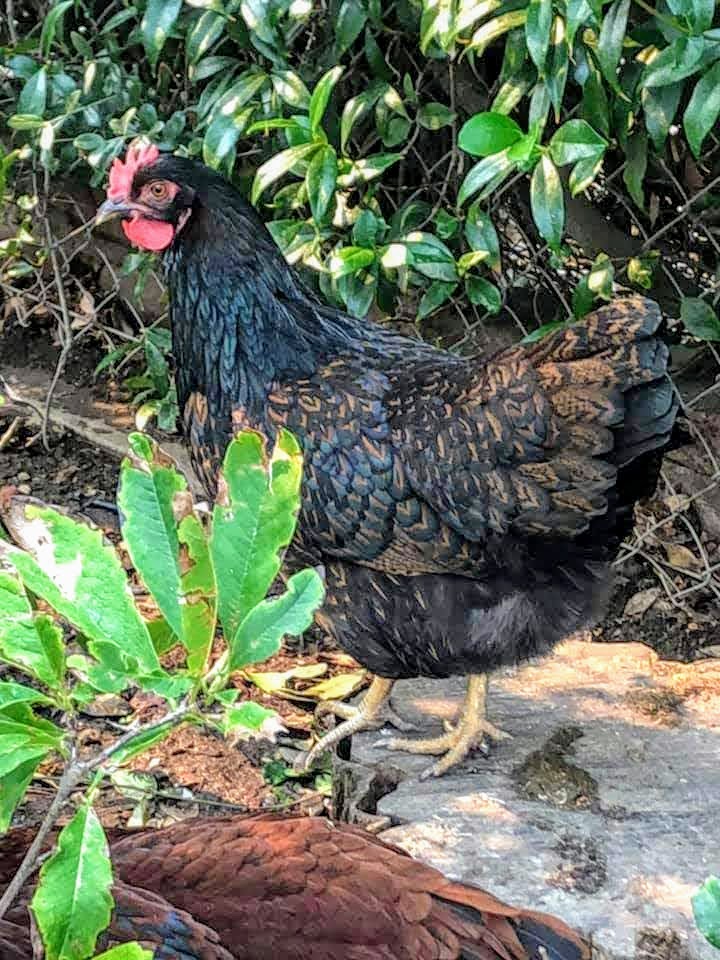
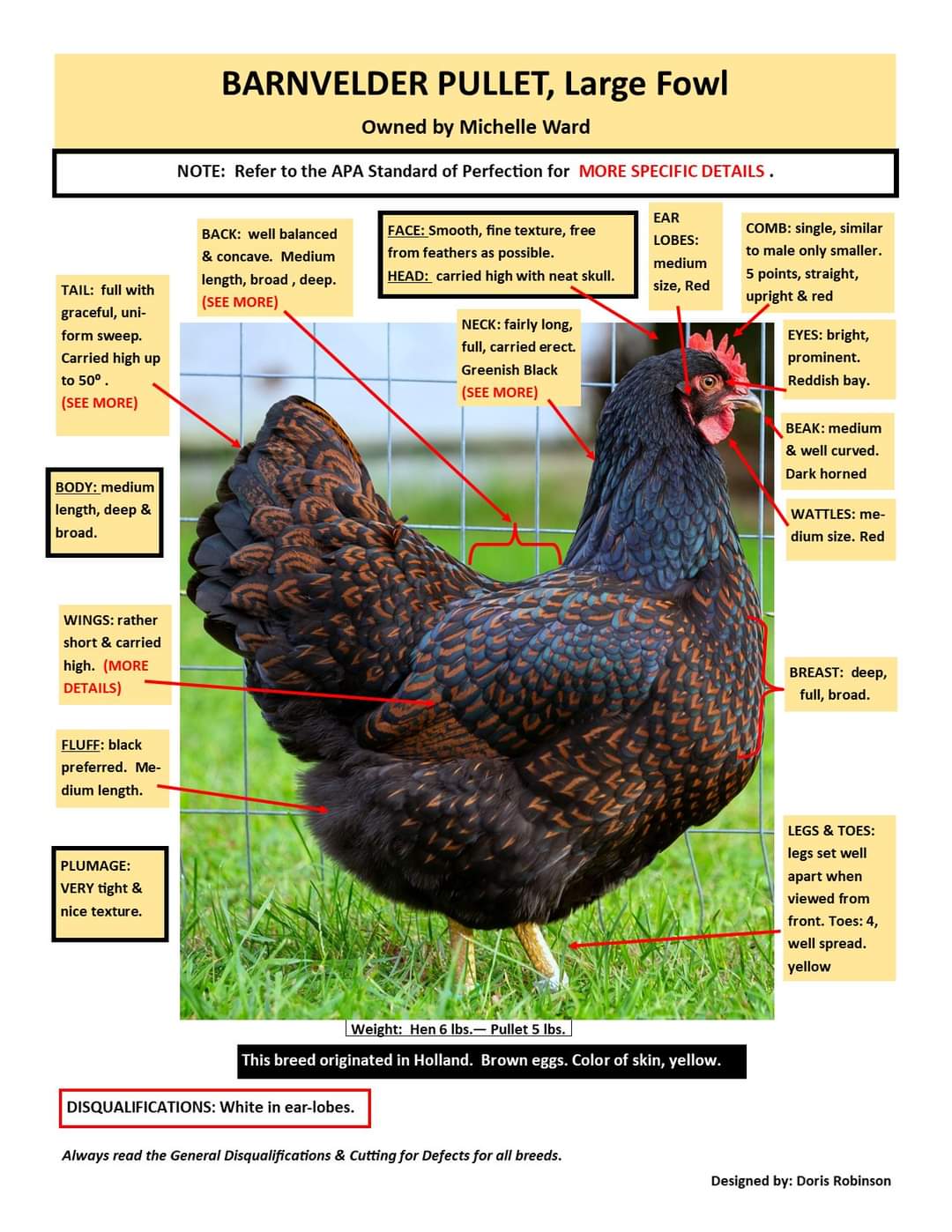
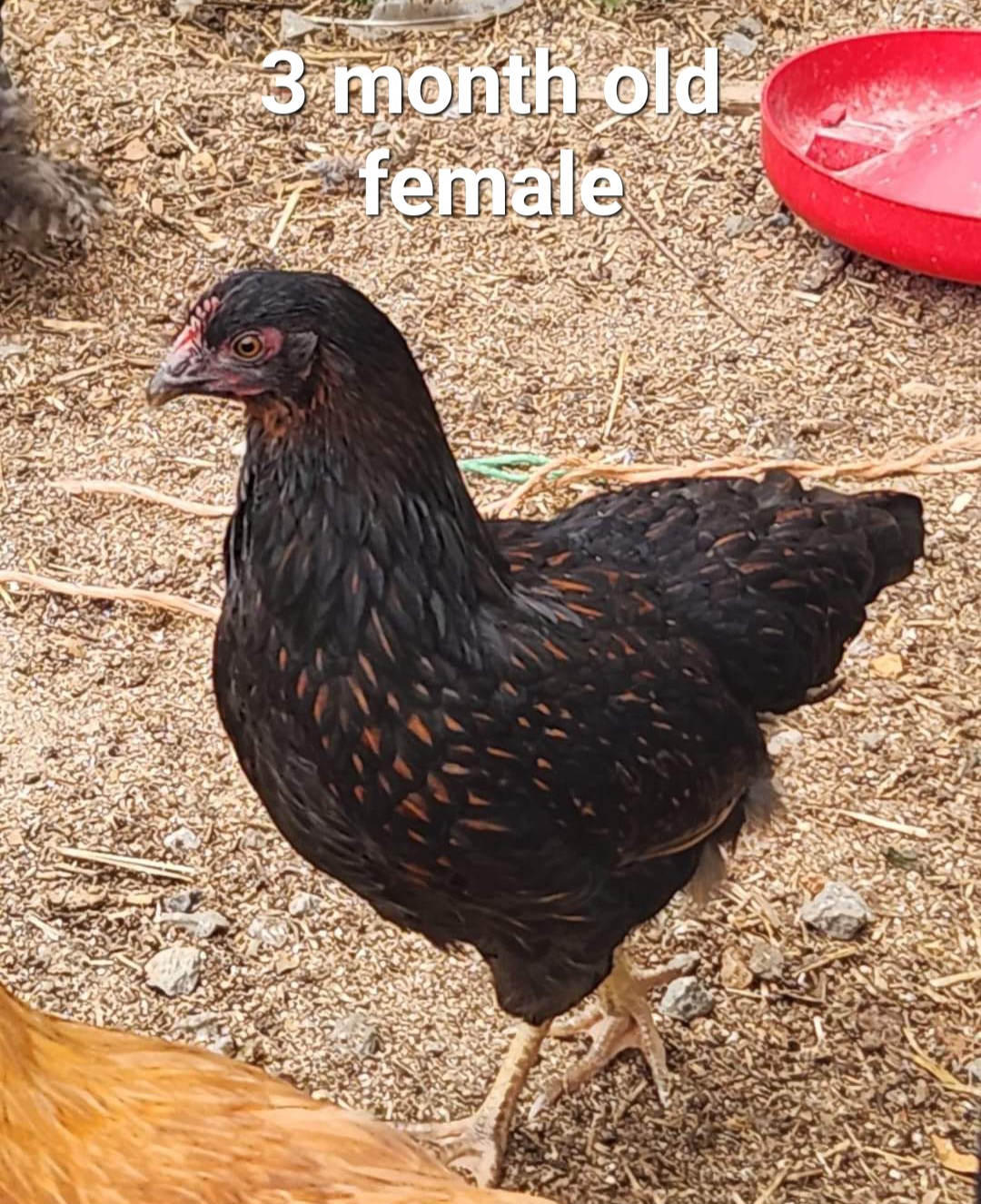
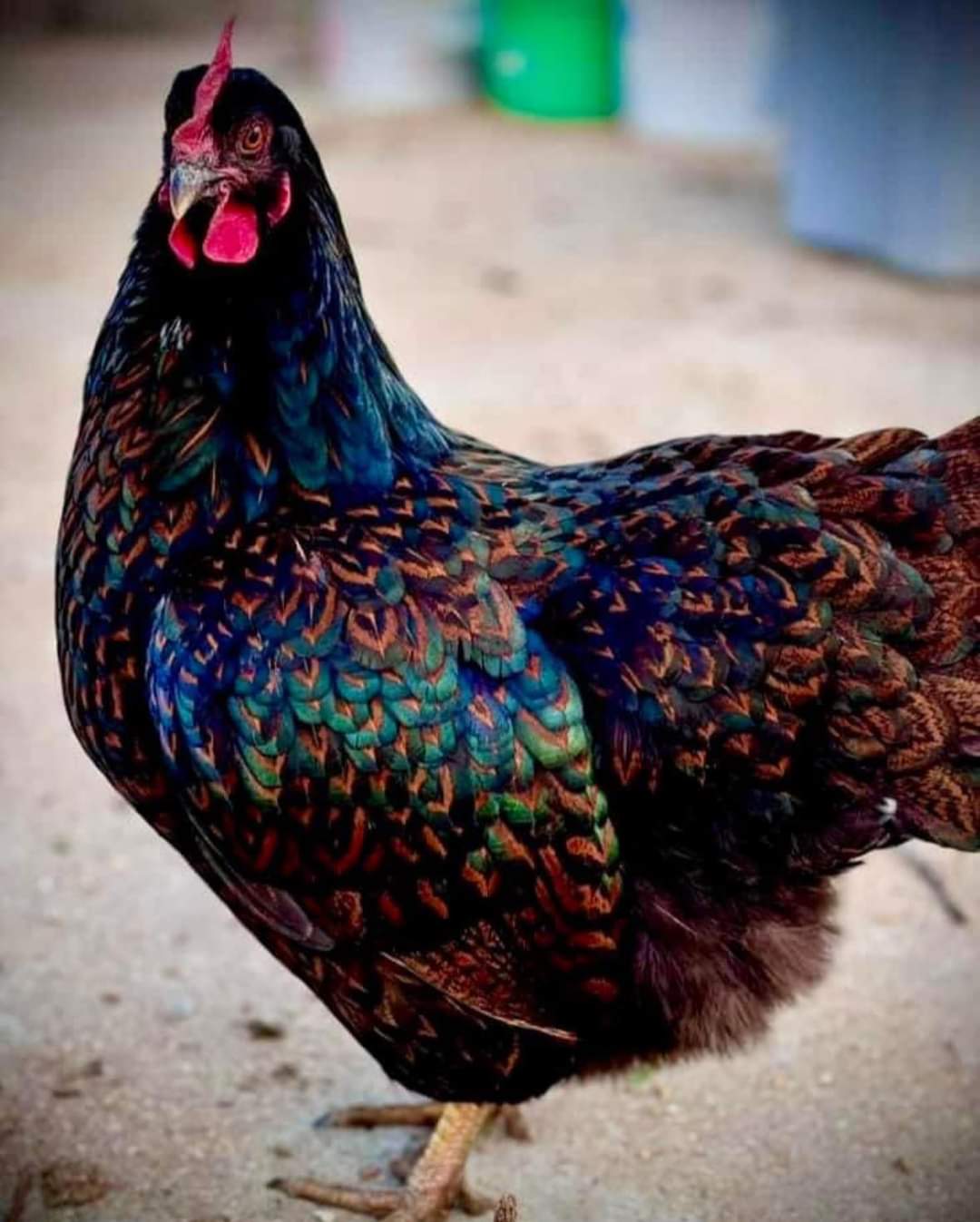
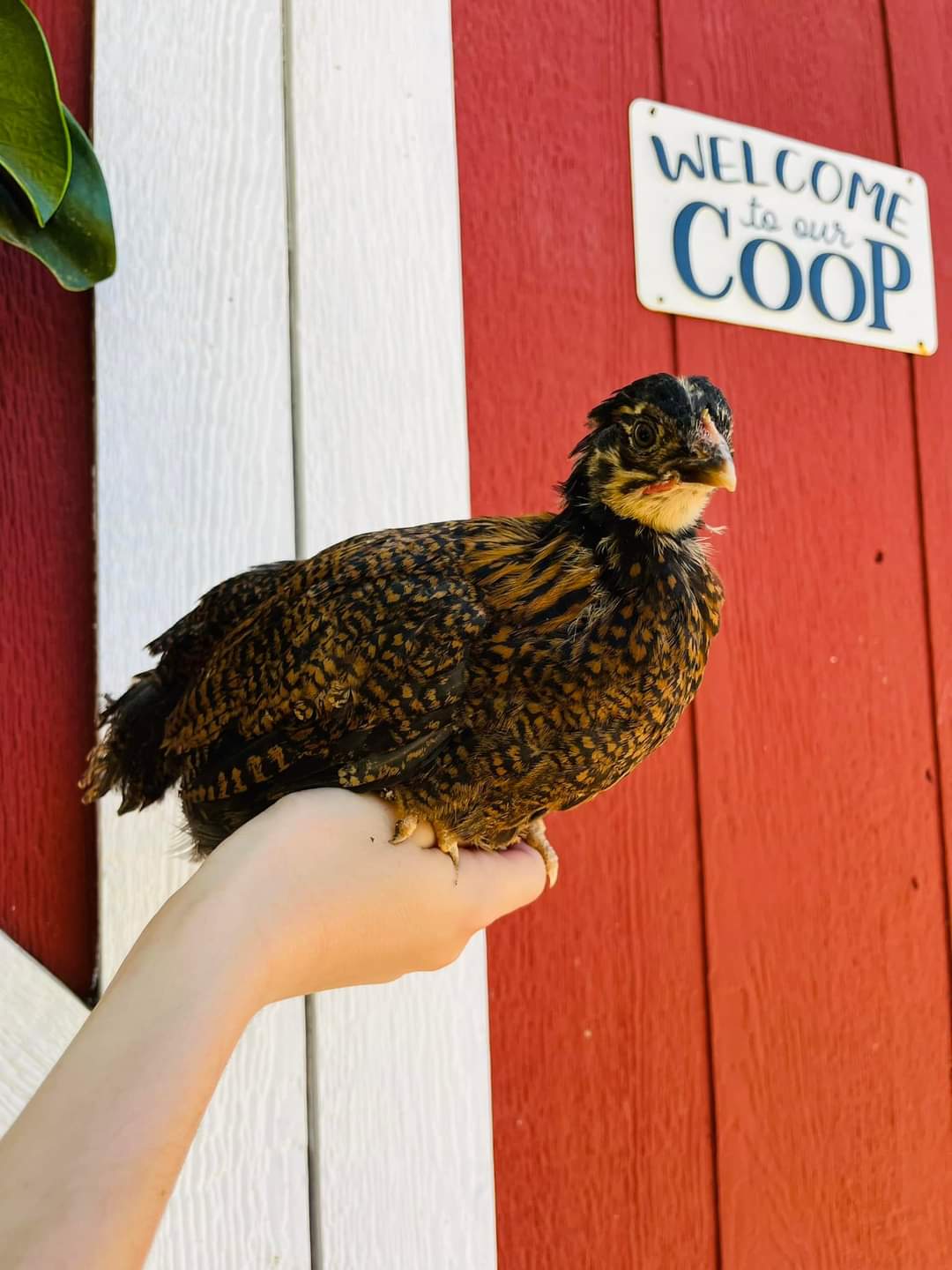
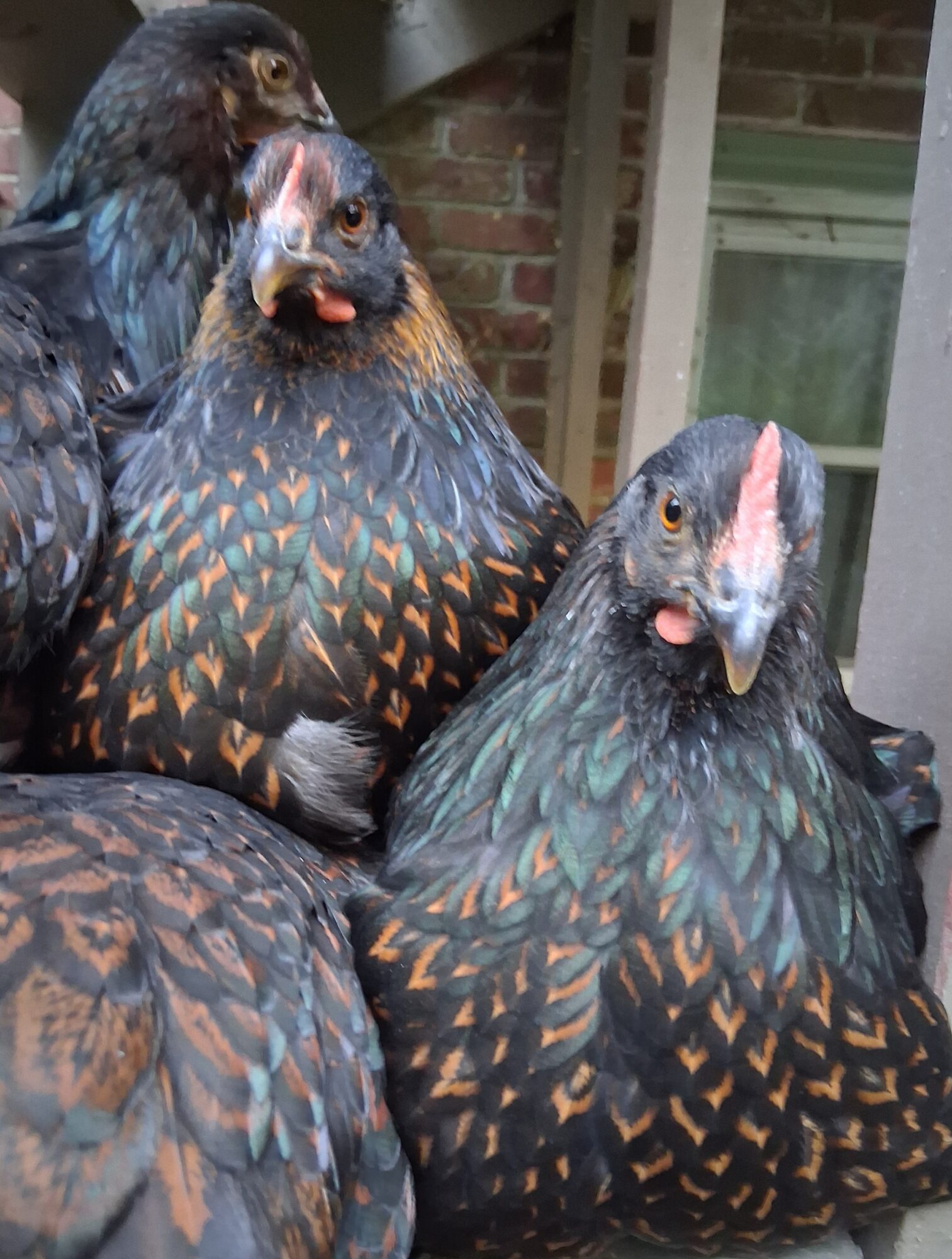
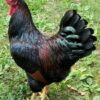
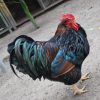
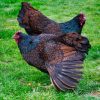
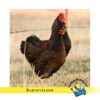
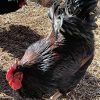
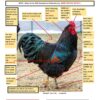
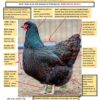
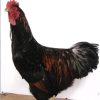
Barnevelders have a single comb, sturdy body, and rich patterned feathering. Cackle Hatchery®’s breeding stock may produce both partridge single-laced and double-laced feather patterns. Each breeding season, the goal is to keep improving toward the double-laced pattern.
That is important to know before ordering. Some birds may show stronger lacing than others, and the pattern can vary. If you enjoy beautiful feather detail and do not mind some natural variation, Barnevelders can be very rewarding birds to raise.
They are also hardy, quiet chickens that handle confinement well. That makes them a nice fit for backyard coops, runs, and smaller flock setups where temperament matters.
Single-Laced vs Double-Laced Barnevelders
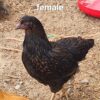
The classic Barnevelder look many people picture is the double-laced pattern, especially in hens. Double lacing creates a beautiful outlined feather effect that gives the bird a rich, polished appearance.
However, Cackle’s current Barnevelder breeding stock can produce both partridge single-laced and double-laced feathering. The breeding program continues working toward more double-laced birds each season.
Choose Barnevelders if you like the breed’s overall look, dark eggs, and quiet temperament. If you need show-perfect lacing in every bird, this production flock may not be the best fit. But for a backyard flock with beauty and utility, these birds offer plenty to enjoy.
Egg Production and Utility
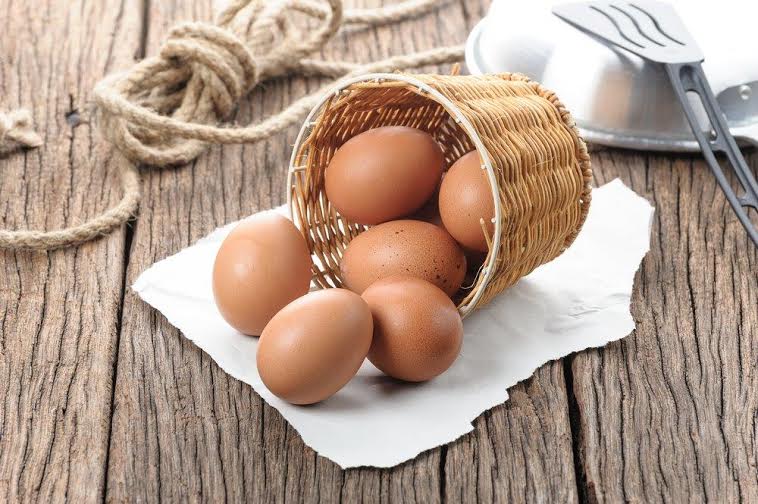
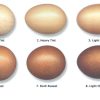
Barnevelders are known for dark brown eggs. Their egg color makes them a nice choice if you want to add richer shell color to your basket alongside standard brown, white, blue, or green eggs.
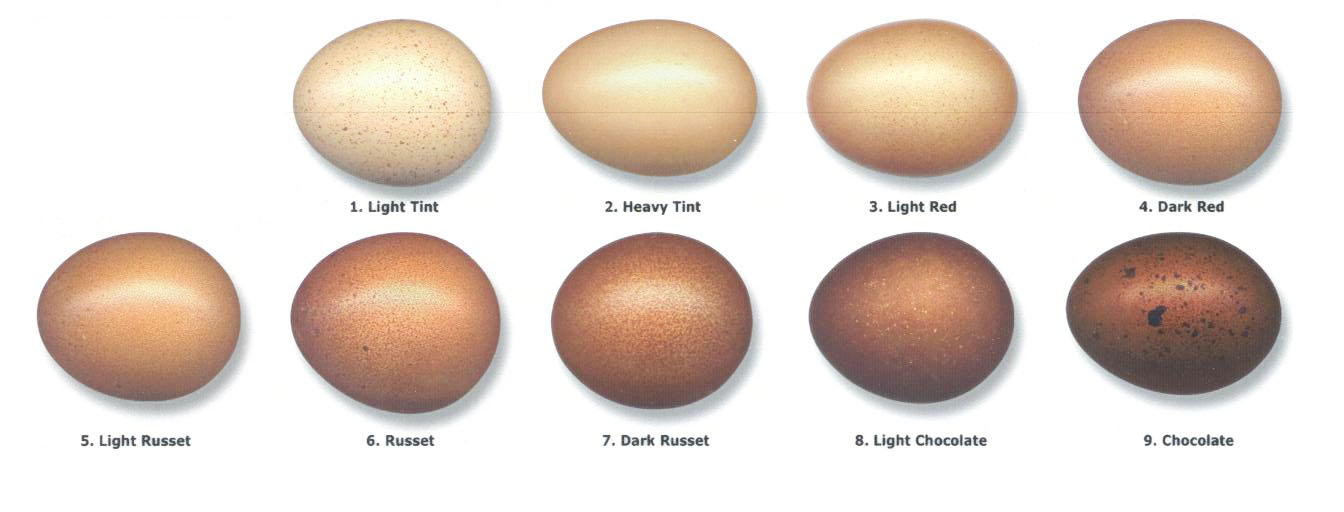
Cackle places Barnevelders in its dark brown egg layer category, along with breeds such as Marans and Welsummers. Cackle’s dark brown egg layer page notes that these breeds can lay shell colors from chocolate to deep brown, and some may even show speckles.
These birds also have practical backyard value. They are hardy, quiet, and able to handle confinement, which makes them useful for many home flock setups. Actual egg production and shell color can vary with age, daylight, feed, weather, stress, housing, and overall care.
Temperament and Suitability
Barnevelders are quiet, hardy, and generally easy to manage. They do not mind confinement, which helps if you keep birds in a coop and run instead of full free range.
Their calm nature makes them a nice option for backyard keepers who want a less flighty breed. They may not be as flashy in personality as some high-energy breeds, but that steady temperament is part of their appeal.
Give them clean water, balanced feed, dry bedding, predator protection, shade in summer, and enough room to move. With good care, they can fit well in family flocks, homesteads, and small backyard coops.
Is the Barnevelder Chicken Right for Your Flock?
Choose Barnevelders if you want:
A rare Dutch chicken breed
A dark brown egg layer
A quiet backyard bird
A hardy chicken that handles confinement well
A single-comb breed
A bird with attractive laced feathering
A flock addition that is becoming more popular in the U.S.
A dark egg option that is not a Marans
A possible Dark Brown Egg Female Surplus option
Overall, this is a good choice if you want a quiet, attractive layer with darker eggs and rare-breed appeal. It may not be the best fit if you need every bird to show perfect double lacing. However, if you value temperament, egg color, and beauty, Barnevelders are easy to like.
If you are still comparing breeds, the Chicken Breed Selector and Chicken Breeds List Comparison Chart can help you sort birds by egg color, temperament, size, and flock goals.
Breed History and Preservation
The Barnevelder breed developed in the Barneveld region of Holland, an area known for poultry and egg production. Farmers wanted birds that could lay well and produce the dark brown eggs valued in the market.
Over time, Barnevelders gained attention not only for their eggs, but also for their attractive laced feather pattern. The breed became one of the better-known Dutch chicken breeds, though it stayed relatively uncommon in the United States for many years.
The American Poultry Association recognized the Barnevelder in 1991. Today, backyard keepers continue to show more interest in the breed because it combines rare-breed appeal, dark eggs, quiet temperament, and good looks.
Recognition and Availability
The American Poultry Association recognized Barnevelders in 1991. Cackle Hatchery® lists them as a rare breed from the Netherlands, known in the U.S. for laying dark brown eggs.
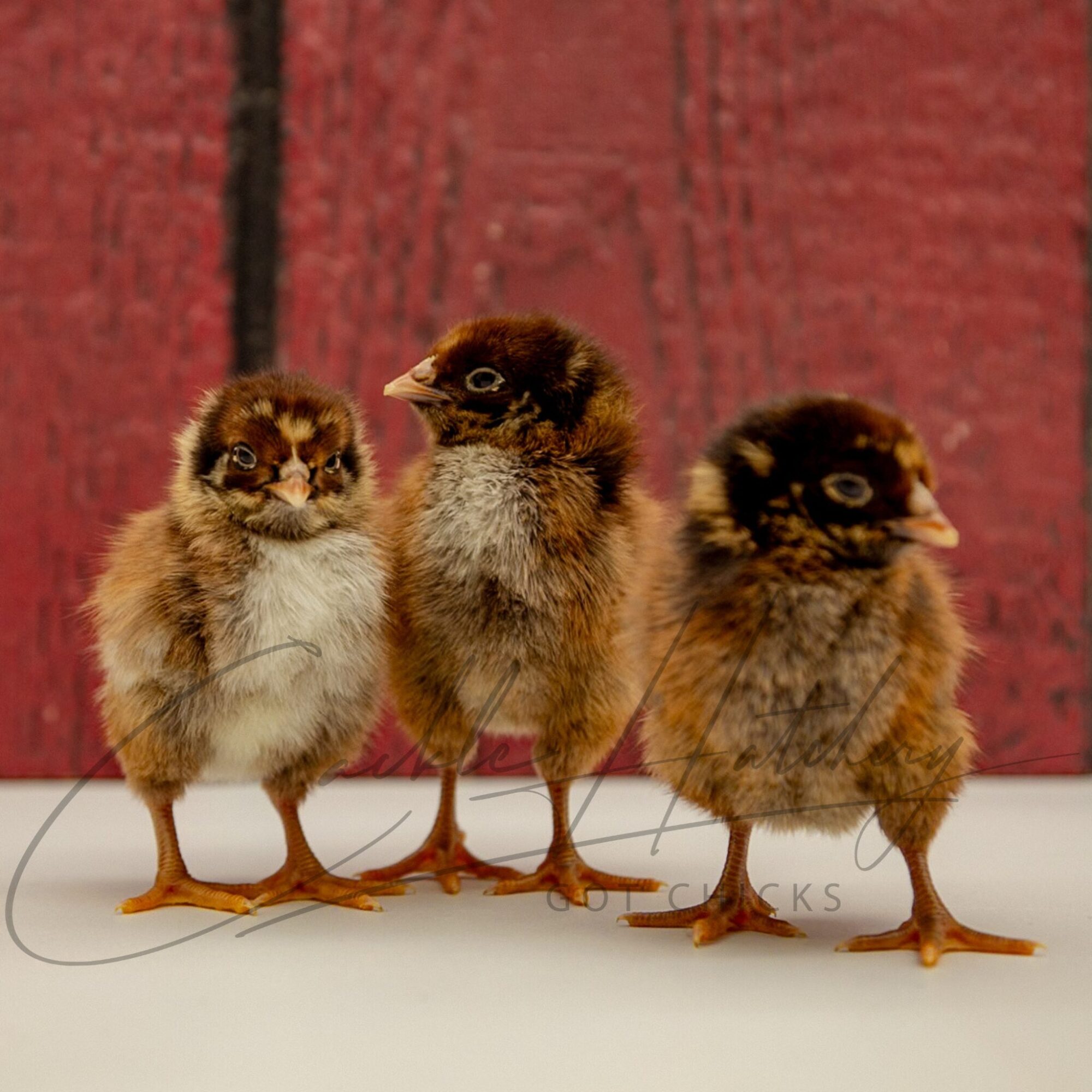
You can choose Barnevelder chicks when they are available. If you want a female dark brown egg layer assortment, Dark Brown Egg Pullet Surplus may also be worth comparing. That surplus option can include Barnevelders along with select Marans and Chocolate Eggers, depending on availability.
Before you plan your order, check the Availability Chart for current hatch and shipping options. Cackle notes that the chart updates often and that final shipping dates are selected during checkout.
Related Breeds and Helpful Cackle Hatchery® Resources
If you like Barnevelders, you may also want to compare Welsummer chickens, Cuckoo Marans, French Marans varieties, and other dark brown egg layers.
For broader flock planning, browse brown egg laying chickens, rare chicken breeds, baby chicks for sale, and the Chicken Breed Selector. Cackle’s rare breed category highlights unique, heritage, and hard-to-find breeds for backyard flocks and collectors.
FAQ: Barnevelder Chicken
What is a Barnevelder chicken?
A Barnevelder chicken is a rare Dutch breed from the Barneveld region of Holland. It is known for dark brown eggs, quiet temperament, hardiness, and attractive laced feathering.
Where did Barnevelder chickens originate?
They originated in the Barneveld region of Holland, now the Netherlands. The breed developed as a practical farm chicken known for darker brown eggs.
Are Barnevelders rare in the United States?
Yes. Barnevelders are still considered rare in the U.S., though they have become more popular with backyard keepers each year.
When did the APA recognize Barnevelders?
The American Poultry Association recognized the Barnevelder in 1991.
Are Barnevelders good egg layers?
Yes. They are useful layers and are best known for dark brown eggs. Actual production can vary with age, daylight, feed, weather, housing, and care.
What color eggs do Barnevelders lay?
They lay dark brown eggs. Egg shade can vary by hen, age, laying cycle, feed, and season.
Are Barnevelders friendly?
They are generally quiet and manageable. Many keepers like them because they are calmer than more flighty breeds.
Are Barnevelders good for beginners?
Yes, they can work well for beginners who want a quiet dark egg layer. Like all chickens, they need clean water, balanced feed, dry housing, predator protection, and enough space.
Do Barnevelders handle confinement well?
Yes. Barnevelders do not mind confinement, which makes them useful for backyard coops and runs.
Are Barnevelders hardy?
Yes. They are hardy birds and can adapt well with proper housing, feed, water, and weather protection.
What feather pattern do Barnevelders have?
Cackle’s breeding stock may produce partridge single-laced and double-laced feather patterns. The breeding goal is to keep improving toward the double-laced pattern.
Are all Barnevelders double-laced?
No. You may see both single-laced and double-laced feathering from Cackle’s current breeding stock.
Are Barnevelders good for dark egg projects?
Yes. They are a good option if you want dark brown eggs but prefer something different from Marans or Welsummers.
Can Barnevelders be included in Dark Brown Egg Female Surplus?
Yes. Cackle’s Dark Brown Egg Pullet Surplus can include Barnevelders, along with certain Marans and Chocolate Eggers, depending on availability.
Where can I check chick availability?
Check the Availability Chart for current hatch and shipping options. Availability can change by season, hatch date, and egg numbers.







Mary Buck –
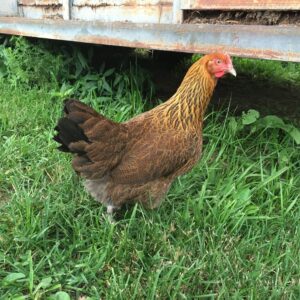
Honestly, what’s NOT to love about this breed! Beautiful colors, friendly and fun disposition. The roosters a good guys, protect the flock and take care of their ladies. The ladies are super sweet and inquisitive. Be prepared to be followed everywhere and be explored by them because they love people (and snacks!). I ordered 12 and was gifted with 13 (a baker’s dozen), the sexing was accurate to what I ordered 100%, and all of the chicks came to me healthy and intact! Definitely a breed you should purchase from Cackle Hatchery for your flock. I will also note that you should always order the vaccine with your chicks. You can purchase it on your own but save yourself the time and the energy and allow the professional to administer! Thank you Cackle Hatchery! My first time chicken owning experience and immense love of this breed is because of you!! P.S. Cackle Hatchery, I would love to see an option to upload saved photos instead of taking photos so we can provide pictures!
eac01 –
I am very happy with this breed. They lay 3-4 eggs per week and just keep laying even in winter and I don’t use supplemental lighting. They never seem to go broody. I will order more next year.
sharenhod –
I ordered 3 barnevelder females and received 3 barnevelder males and 1 female. The gender accuracy was within the percentage when considered with my entire order of 19. As stated, Cackle produces partridge single laced and standard double laced selecting more for double laced.I would like to see them separate these groups. All were very healthy and sweet! I rehomed two of the males and the male and female I kept are stunningly impressive and beautifully laced. He is my head rooster, supervises a flock of 31 and is tolerant of other roosters. She is beautifully laced and very sweet. Not laying yet at 6 1/2 months as to be expected for the breed and going into the fall. This has become one of my favorite breeds. I would love for Cackle to also carry the silver double laced Barnevelders. They are extremely hard to find. I would love to order more Barnevelders in the future. These birds are amazing and a breathtaking addition to the flock. Thanks Cackle!
Jeanette Cahill –
I purchased mine in April and they are laying! They are a beautiful feathered and calm breed. I can’t free range much but they don’t seem to mind and I would definitely get more Barnevelders! I am always very happy with cackle hatchery!
candacejernigan14 –
I love this breed. They are so beautiful. They have a very friendly demeanor. Always receive the best quality birds from Cackle ❤️
candacejernigan14 –
I love this breed. They are so beautiful. They have a very friendly demeanor. Always receive the best quality birds from Cackle ❤️
John Mirone –
What a beautiful breed. Purchased 8 hen and 3 roo chicks in may and absolutely thrilled. Should be getting eggs very soon.
jerry –
These are my new favorite type of chicken. I got a straight run of 6, received 7, all were healthy and survived and I ended up with 3 females and 4 males. Two of the males were sold at about 6 months of age. As chicks, they were very calm and easy to deal with. As adults, they’re basically the same. I’m looking at them compared to heritage RIRs and EEs, so these are very calm compared to my others. They don’t like being touched in general, and I don’t handle them enough to turn them into pets, but they’re calm when caught compared to the other breeds I’ve messed with. They’re very pretty and even the females have the blue/green sheen to their black feathers like males have. Some things to be aware of that I’ve noticed. The female vocalizations are very loud, sorta like a RIR, and they aren’t the quietest of birds when they get going. You don’t want them if noise is a concern. The males, being docile, don’t seem to be able to take care of as many ladies each like my more active roosters in the past, and you certainly want at least two of them if you have more than 7 hens if you plan on hatching. As for the eggs, you can tell them apart from the other eggs pretty easily, although the ones from my hens aren’t near as dark as I’d like, however, it is known that shell color has been lost due to breeding for plumage in this breed. As stated in descriptions of the breed, they DO take longer to mature and my first rooster started crowing at about 6 1/2 months and they’re at 8 months now with one hen left to start laying, I think. Maybe she is laying but I’m not recognizing it yet as everything matures. Anyway, don’t look for these things to mature before at least 7 months. I also ran across conflicting information on the cold hardiness of this breed, and they do appear to tolerate cold better based on the artic cold we got a few weeks ago, but they appear to get hot easy. I suspect that any egg production picked up by them laying throughout the winter will be lost in the middle of the summer due to lack of heat tolerance, but I need a few more months to know that for sure. Overall, I recommend them if you want a calm, rare breed to mess with.
Mtviewranch –
Love them!!
I’ve ordered from you guys twice now and I have not lost one chick. In the two orders you sent extra girls for warmth I think 7 all together bonus! Beautiful birds my barnevelders just started laying large dark speckled eggs. They have great personalities I highly recommend this breed.
AnaMaria –
Beautiful Birds
My 4 Barnevelders are 3 weeks old. They’ve arrived in 24 hours to Atlanta, in great health. They seem to grow by the second, but we’ve had no problems since their arrival. They are beutiful, full of personality, friendly and well behaved. Im very happy. Thank you. I will try to post a follow ip when they are older.
T Rathjen –
Beautiful Birds
I purchased my chicks in Sept of 2016. Everyone of them were healthy and lived. I purchased a combination of Sussex and Wyandotte’s. They were all hand raised and are very friendly and love to “talk” to you. We had no issues with health or poop and they have grown into beautiful, large birds, and produce plenty of eggs. We will definitely buy from you again when we are ready to expand our flock.
Jerry, Arizona March 2012 –
Chicken order
I just wanted to send you some feedback on an order you sent me. They arrived all healthy and are doing great!!! My wife and I wanted to thank you for the way you handled the order and the quality of the chicks you sent us.
Bill, Missouri February 2013 –
Thank You
I’m just wanting to express my thanks to you for the five different breeds of chicks that I got from your hatchery Feb 12th. They are doing quite well, one or two of the chicks has a soft poop but still seem to be full of energy. Being I never experienced chicks before, I was really surprised at how fast they grow. On the fifth day I had to extend my wall of the brooding area because they would jump and or fly over my twelve inch high pen. I did lose one of the barred rocks around the third or fourth day. I actually expected to lose two or three but I am blessed to have lost only one. Thanks for good service, information and kindly taking the time to answer my many questions.