Description
French Black Tailed Red Marans Chicken
Breed Overview and Origin
The French Black Tailed Red Marans Chicken is a very rare Marans project variety known for dark brown egg potential, chestnut-red feathering, black tail color, dual-purpose value, and broody-hen ability. If you want an unusual Marans variety with the potential for deep chocolate-colored eggs, this project line can make an exceptional addition to a homestead or specialty flock.
Marans chickens originated in the French port town of Marans and are known in France as Poule de Marans, or Chicken of Marans. French Marans traditionally have sparsely feathered legs, while English Marans were developed with clean legs. The breed was developed as a dual-purpose bird that could mature well, produce quality meat, and lay dark-shelled eggs. Cackle’s Marans article explains that this leg feathering remains one of the main differences between French and English Marans today.
The French Black Tailed Red Marans is still a project in progress. Cackle Hatchery® started this project in 2016, using selected birds from prominent breeders throughout the United States along with some bloodlines from Bill Grover. Because the variety is still being improved, customers should understand the strengths, limitations, and defect notes before ordering.
Appearance and Characteristics
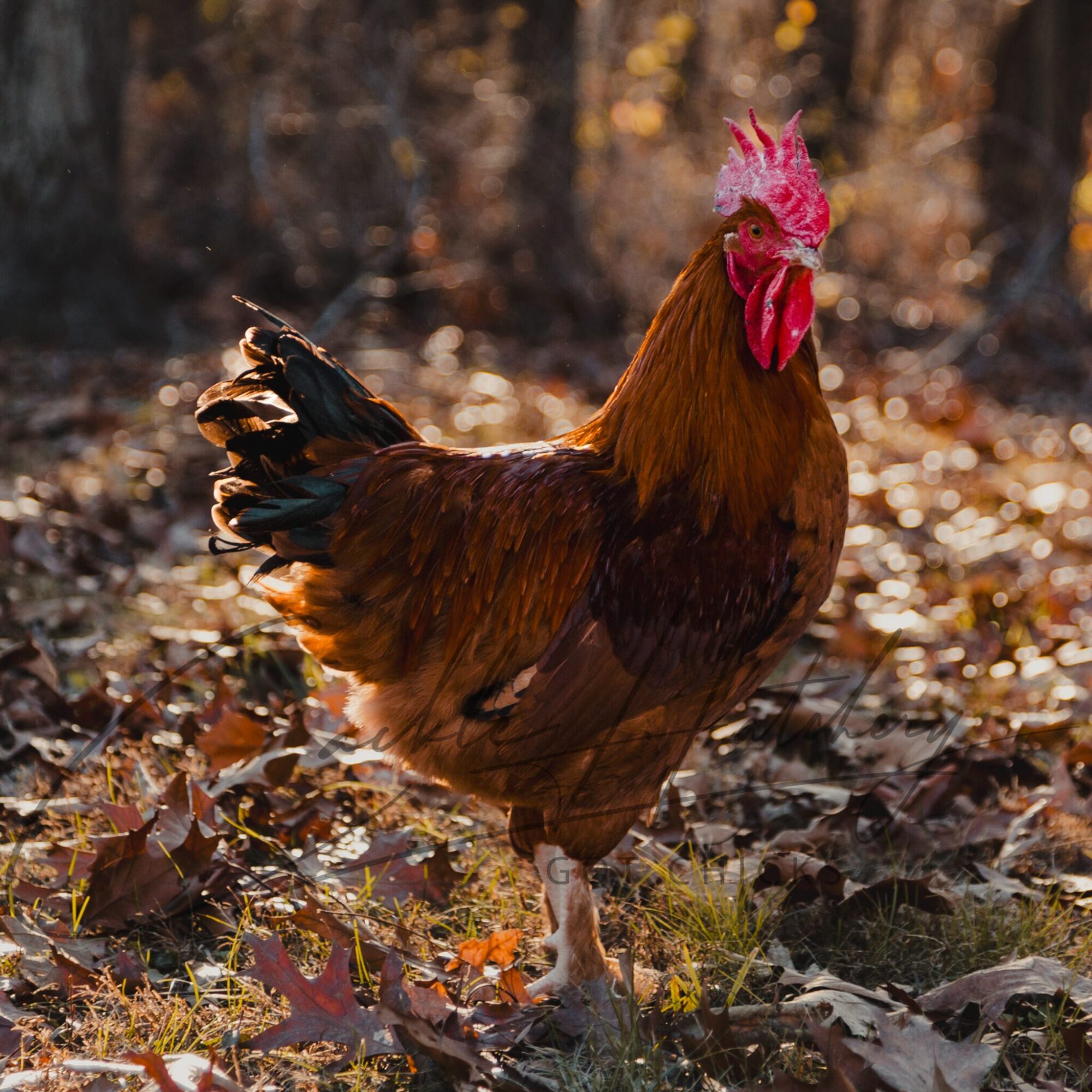
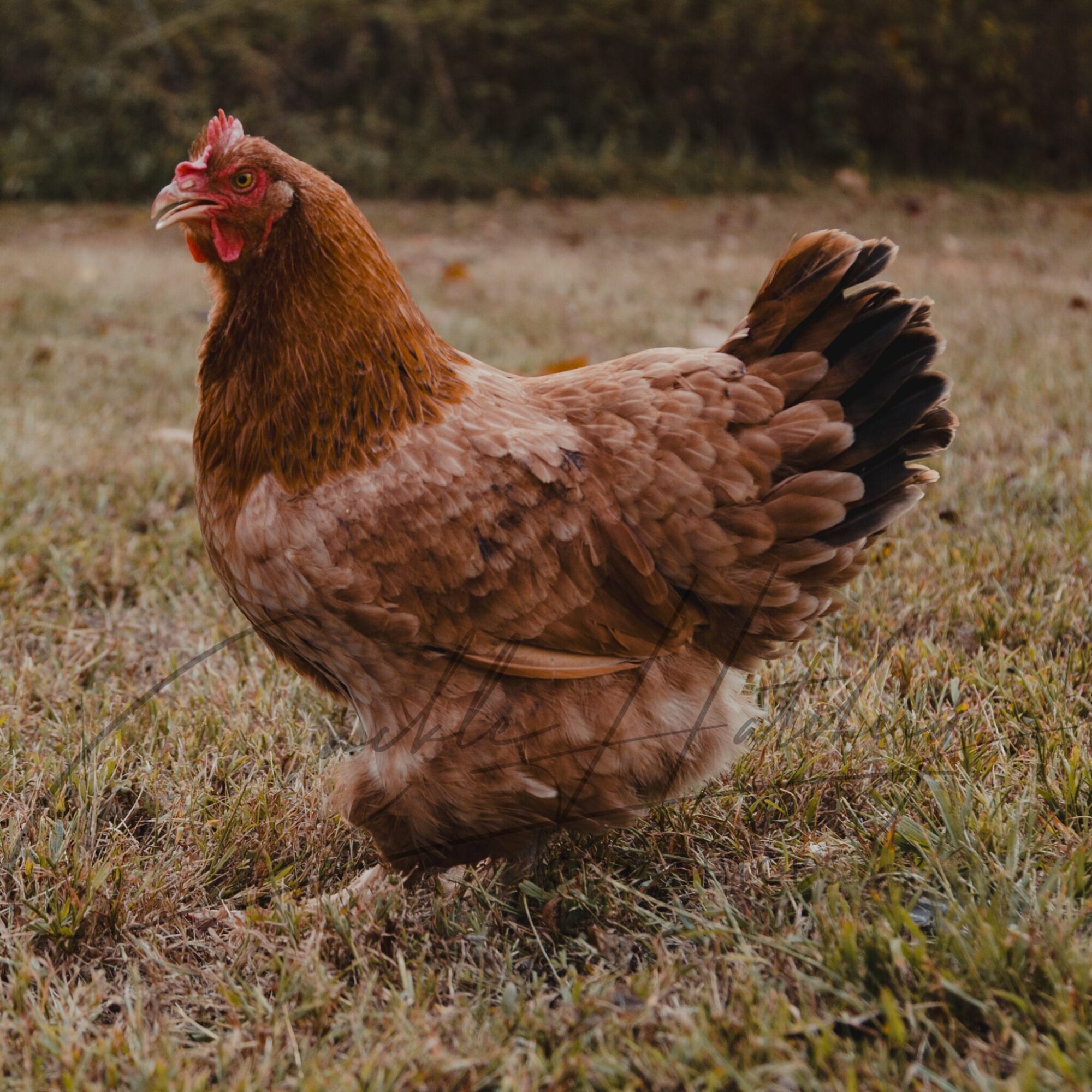
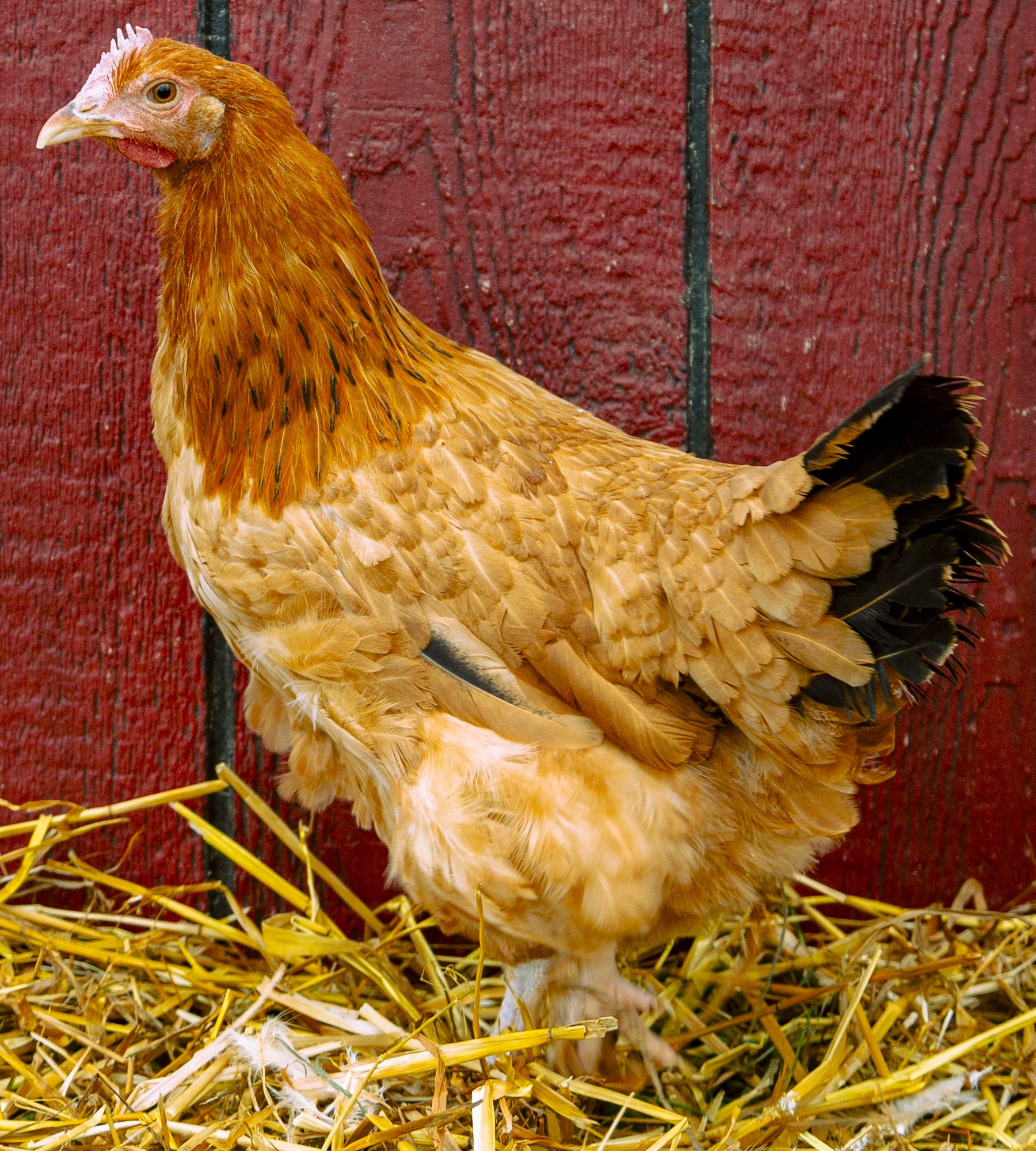
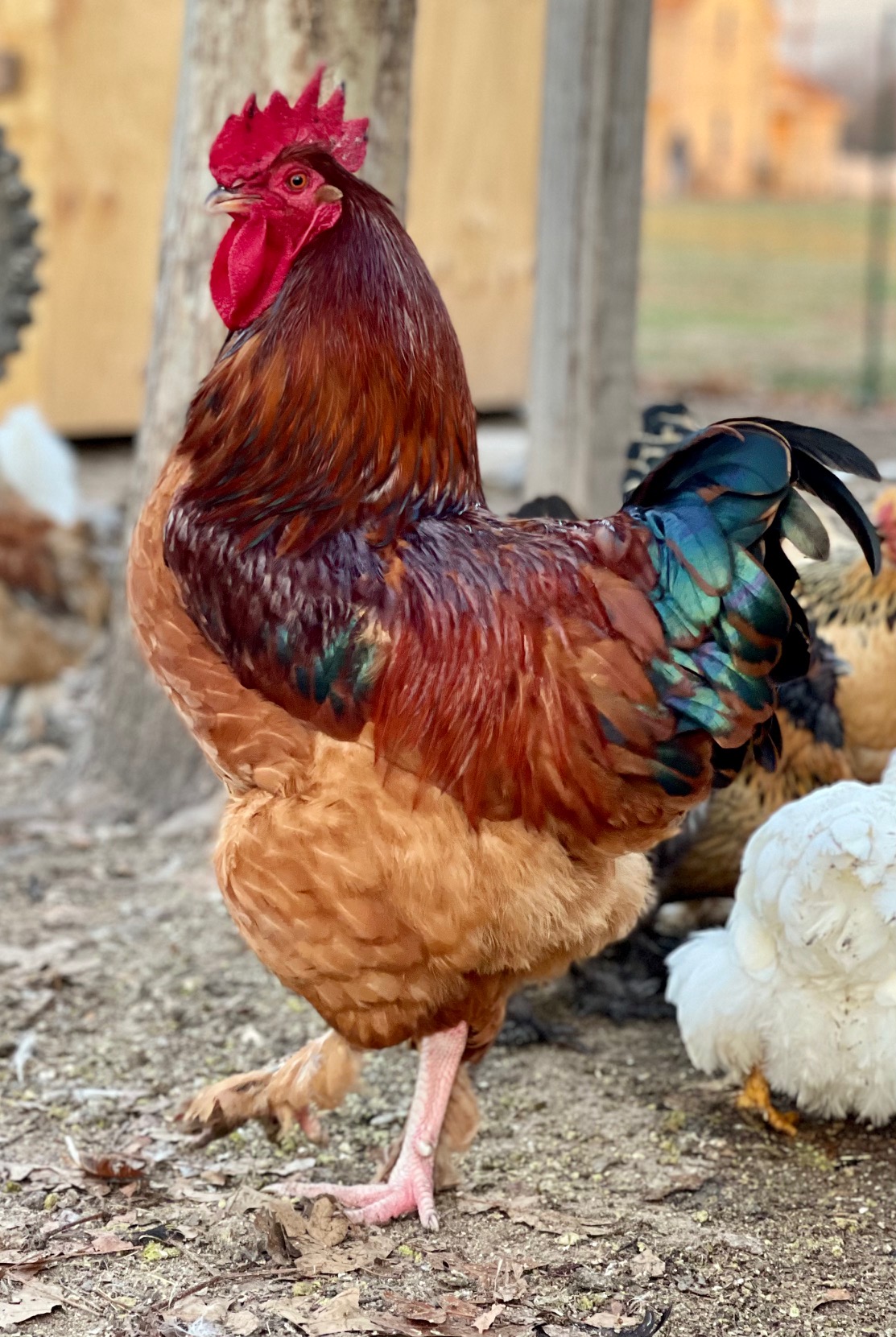
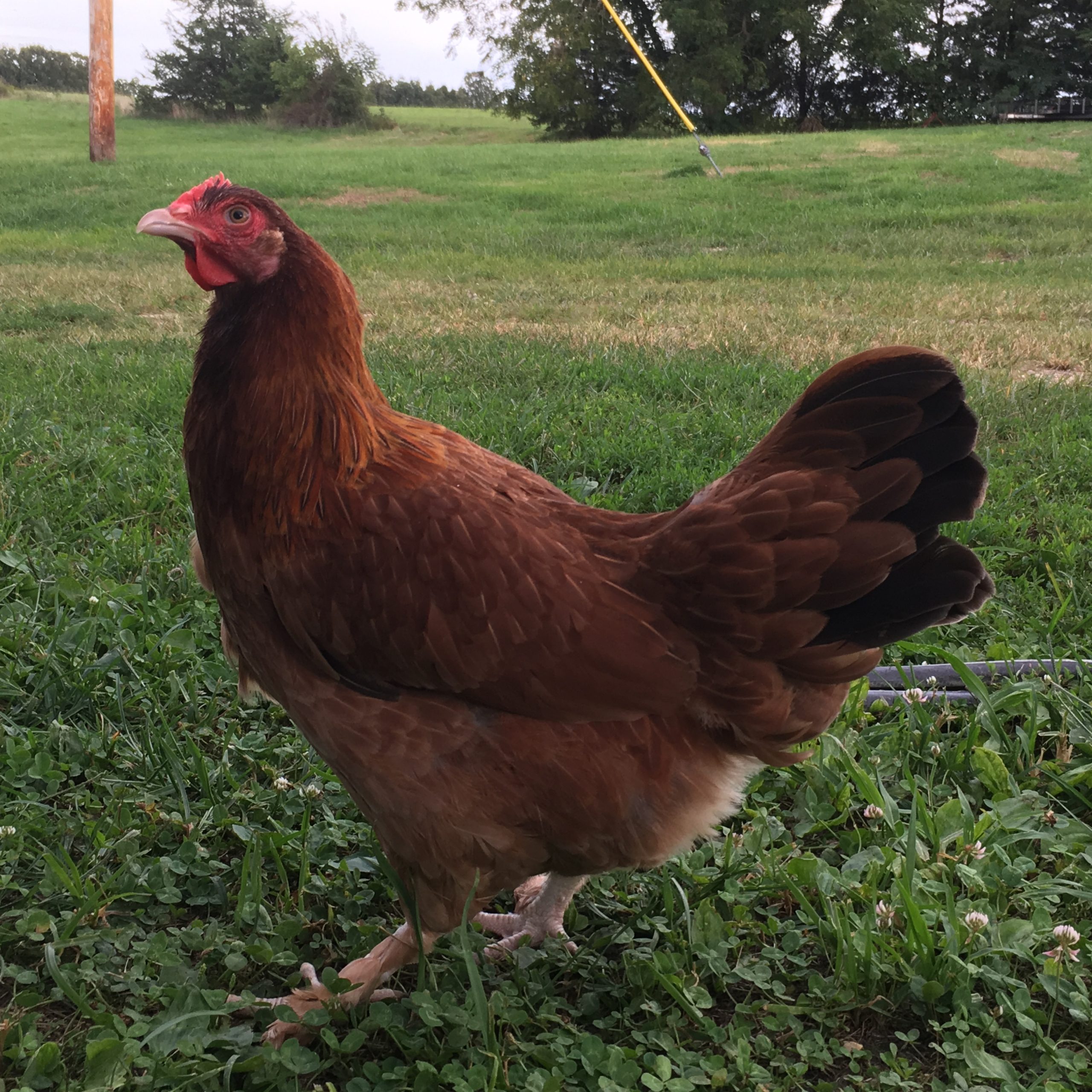
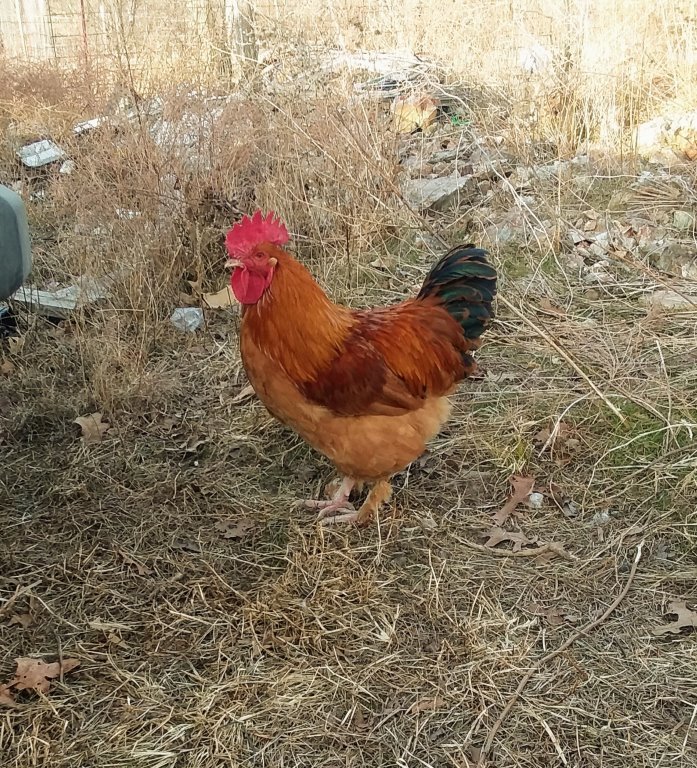
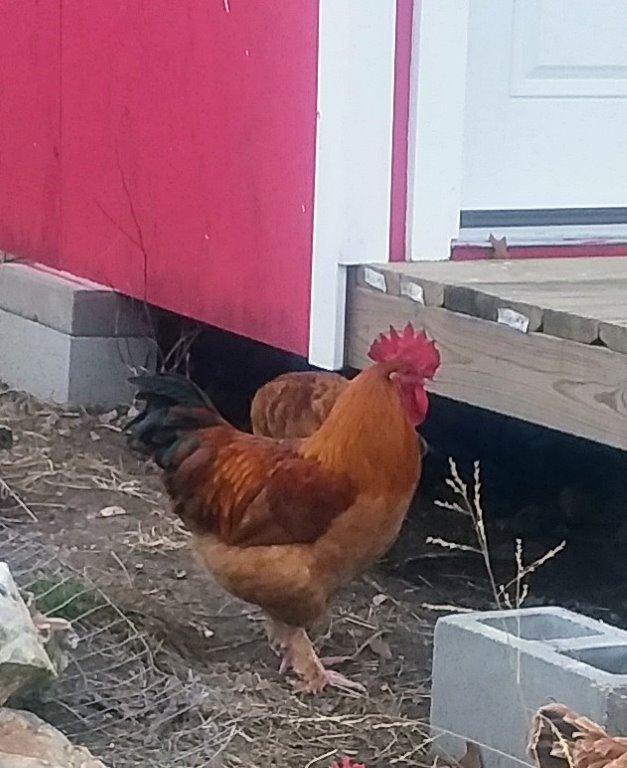
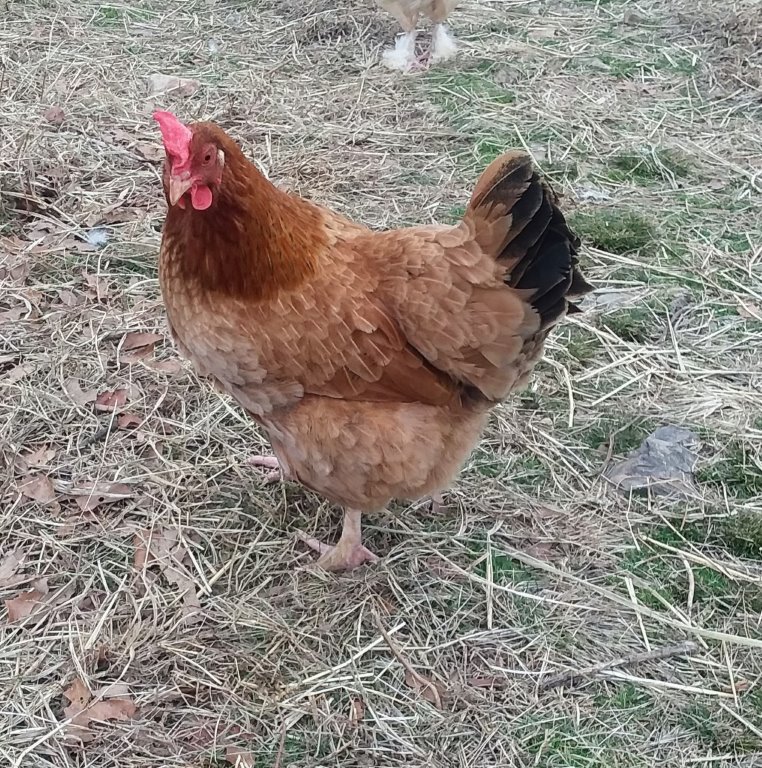
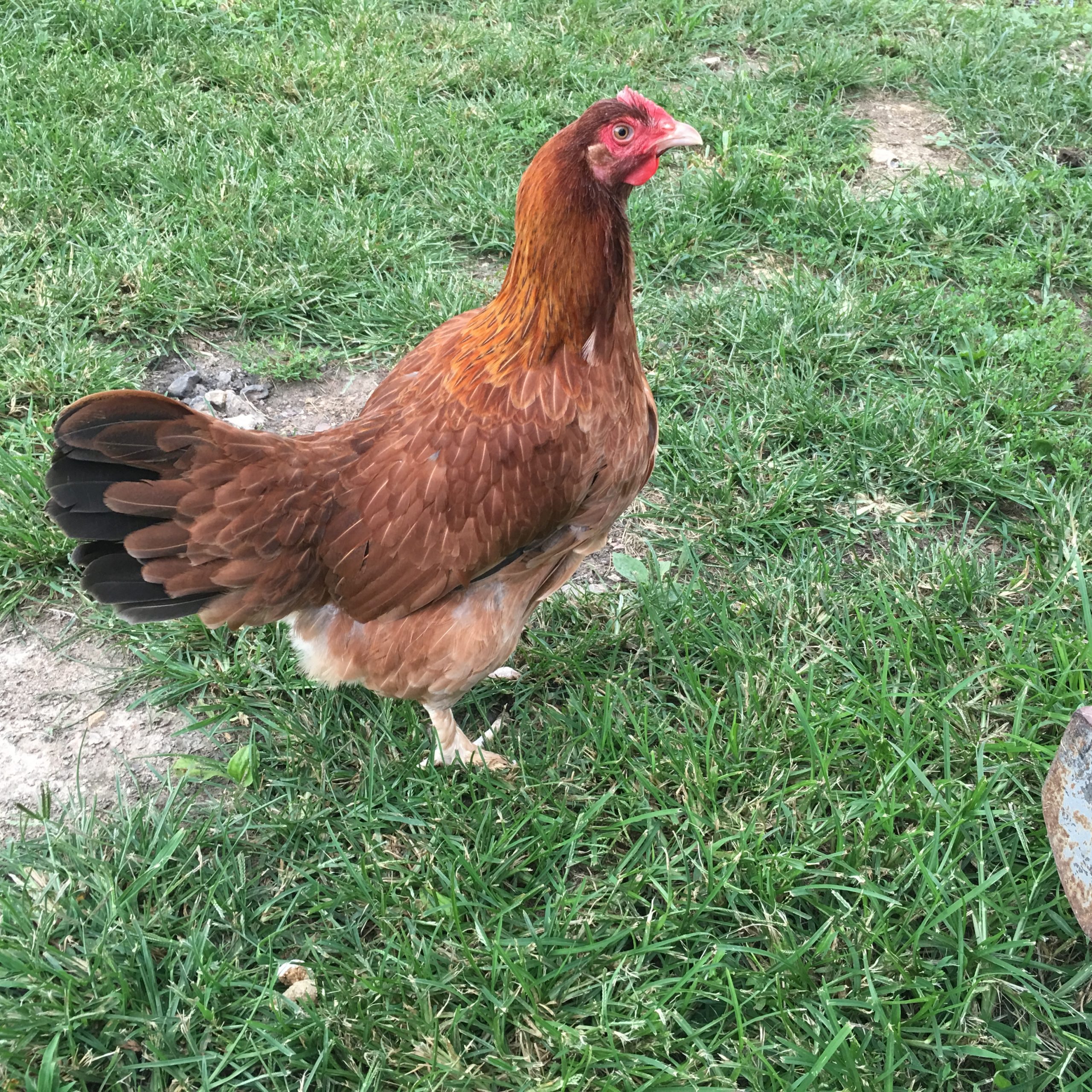
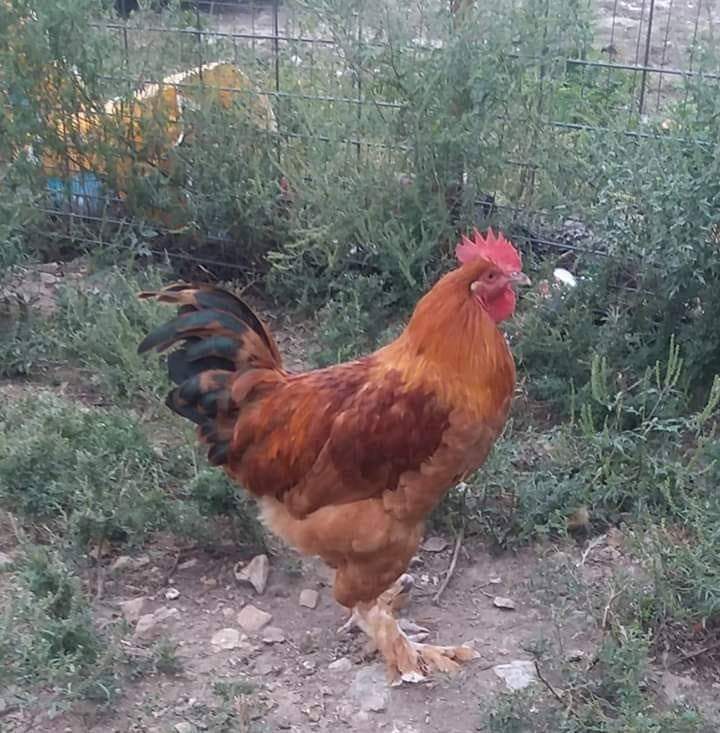
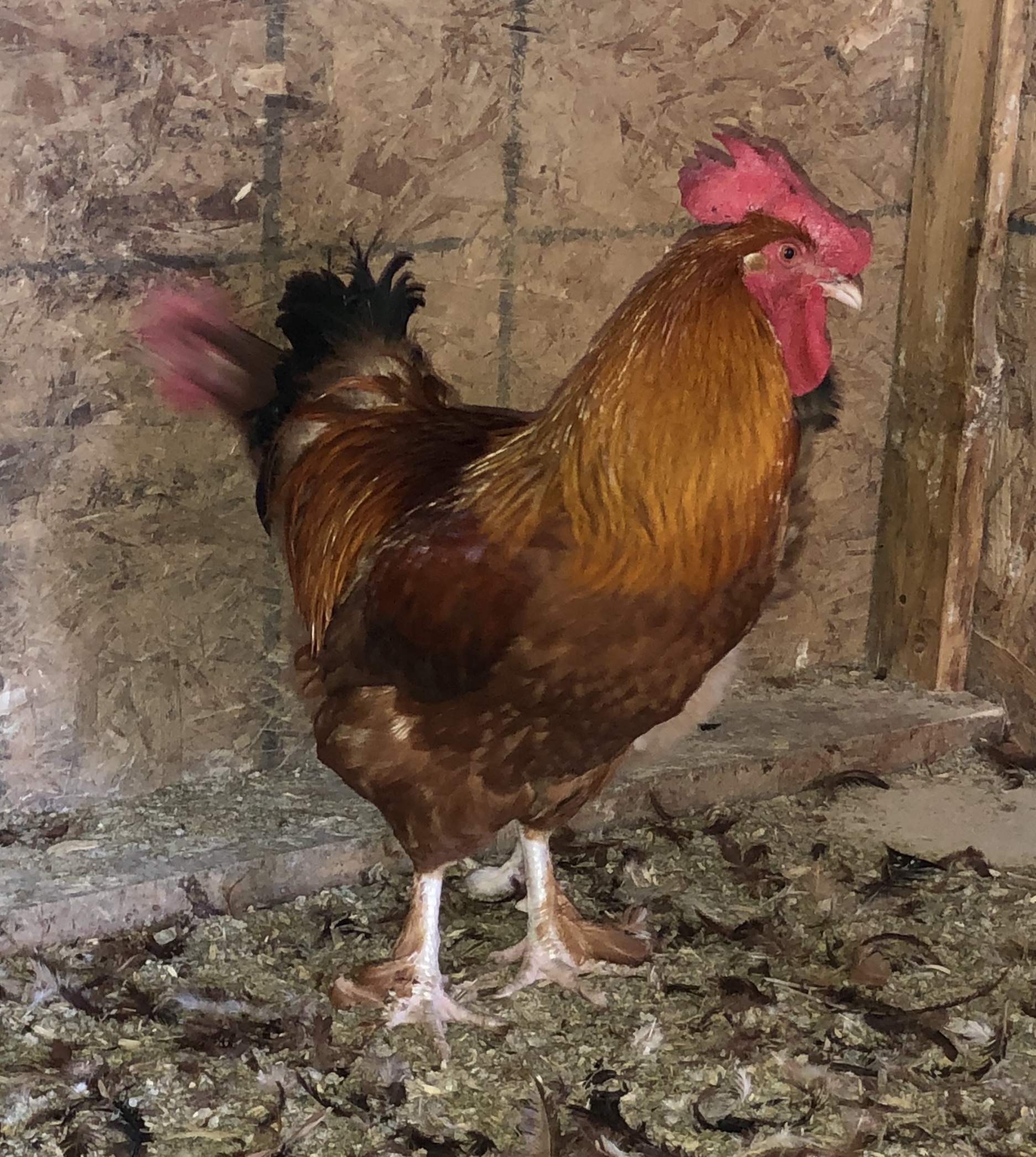
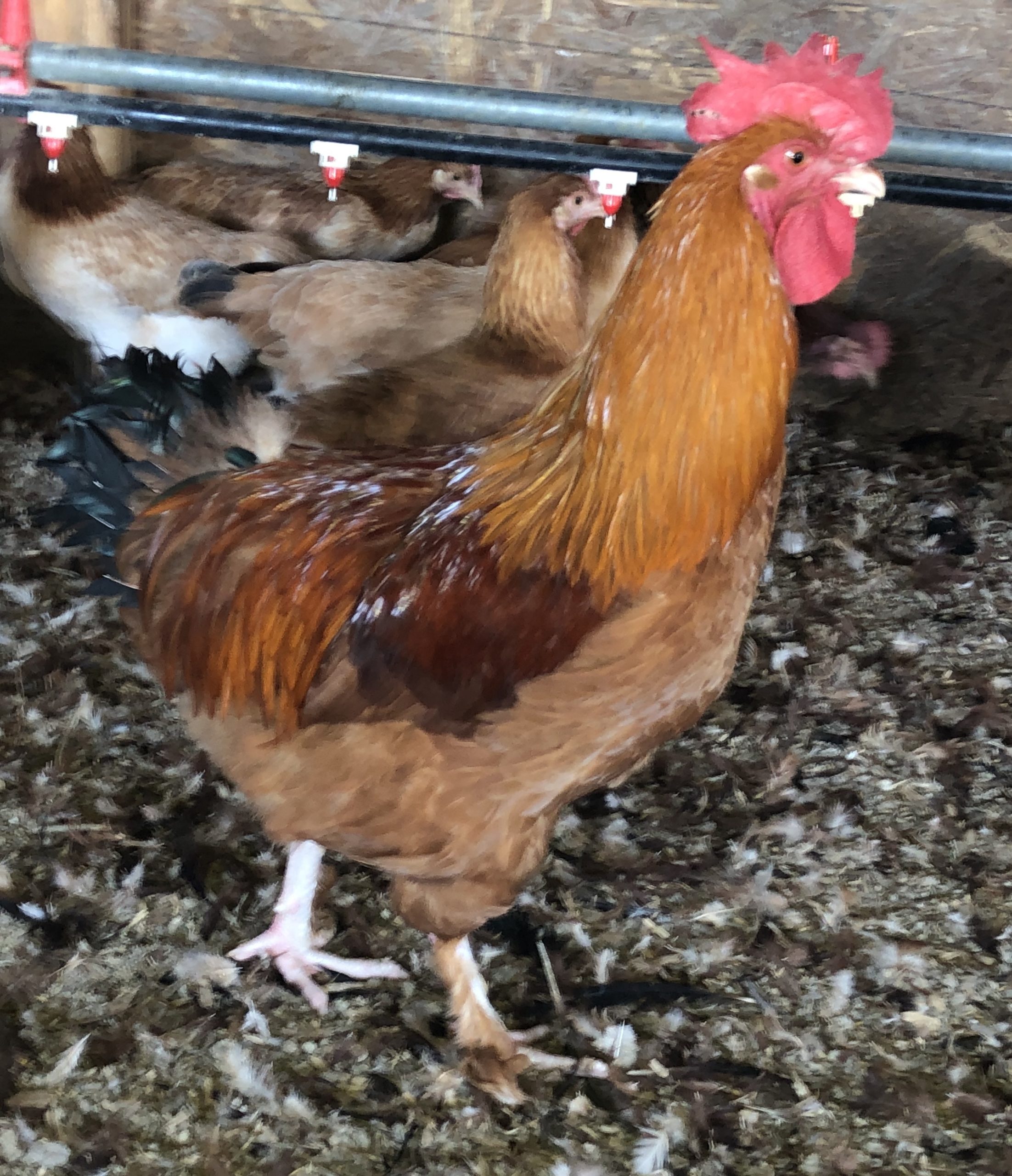
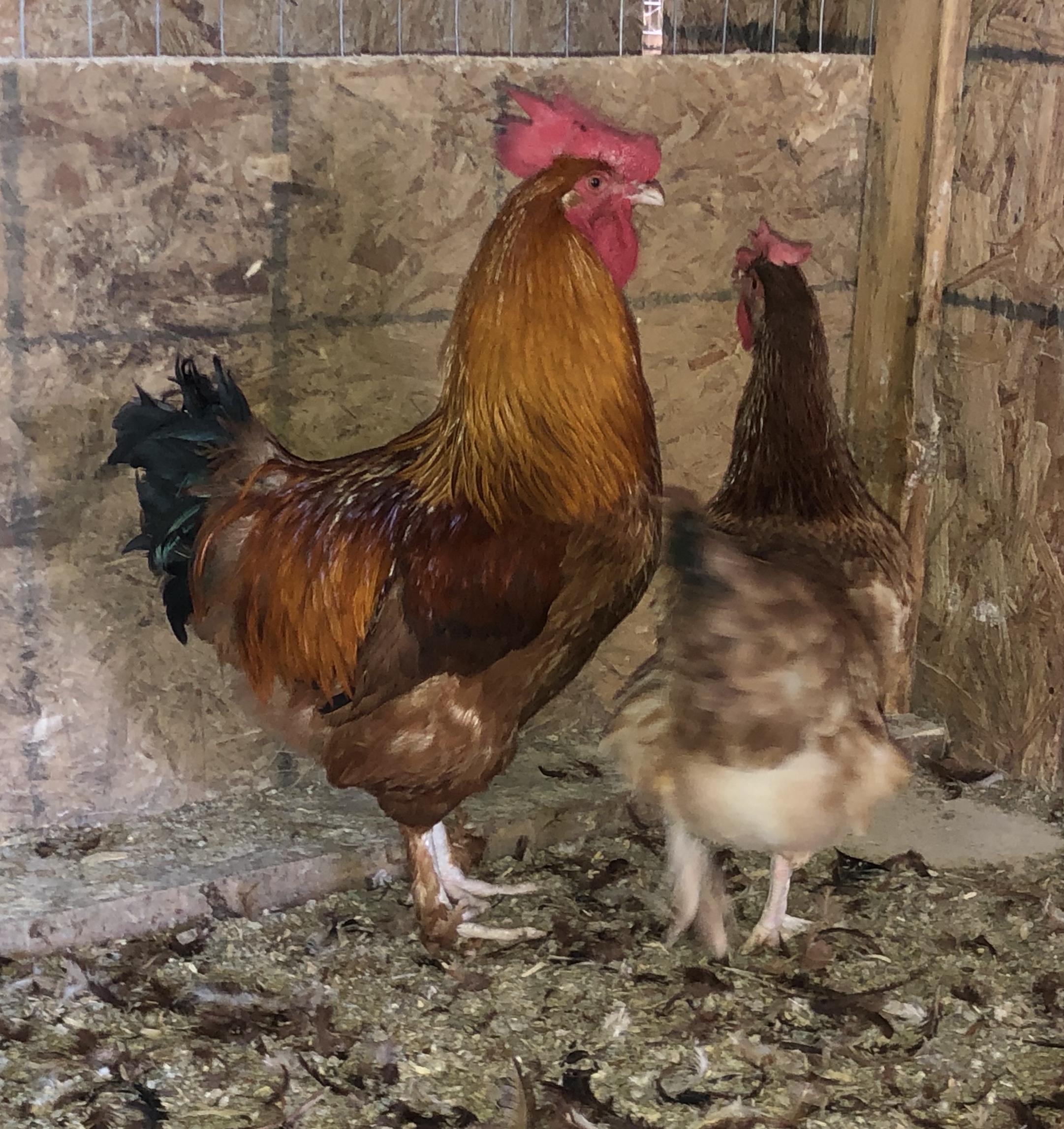
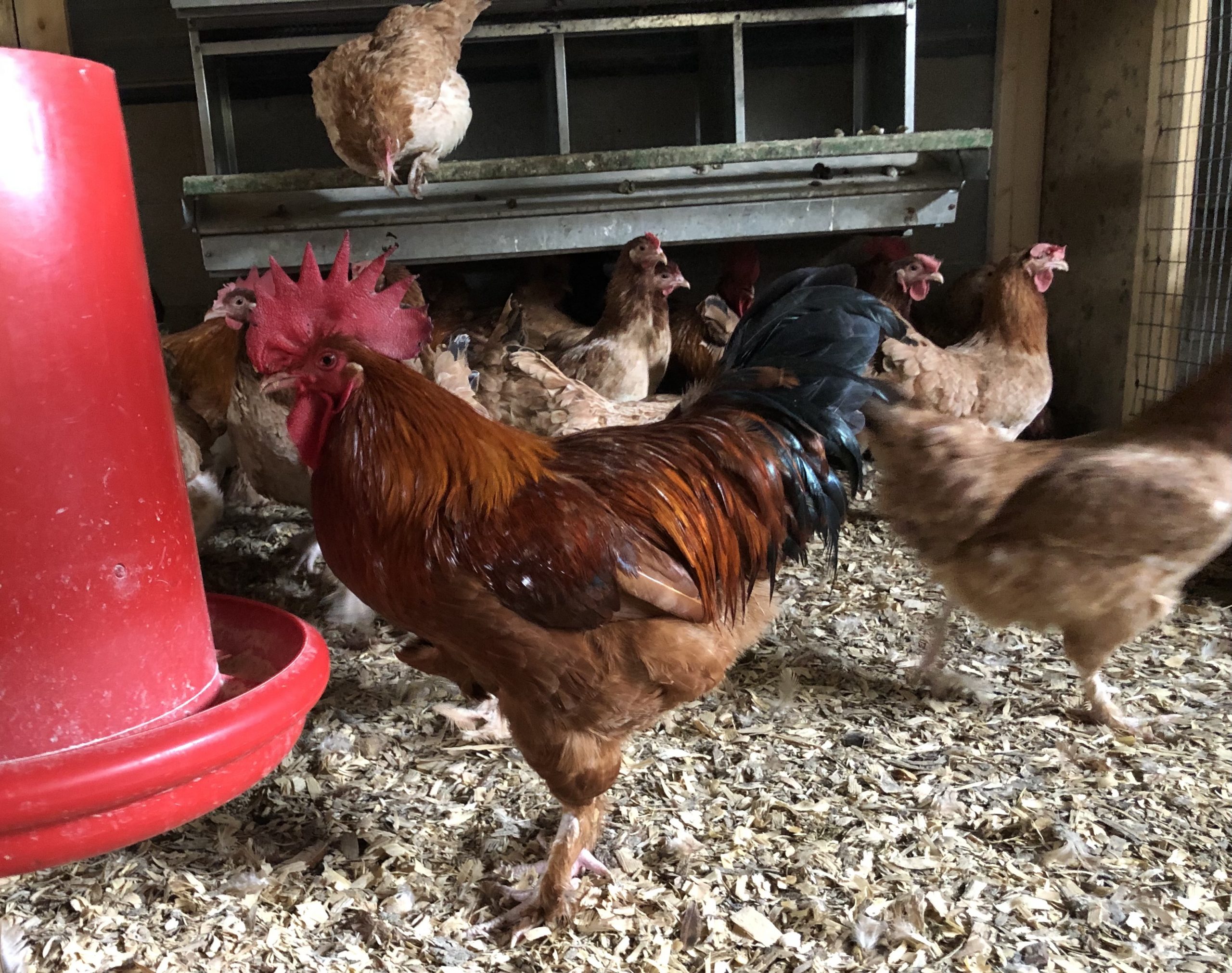
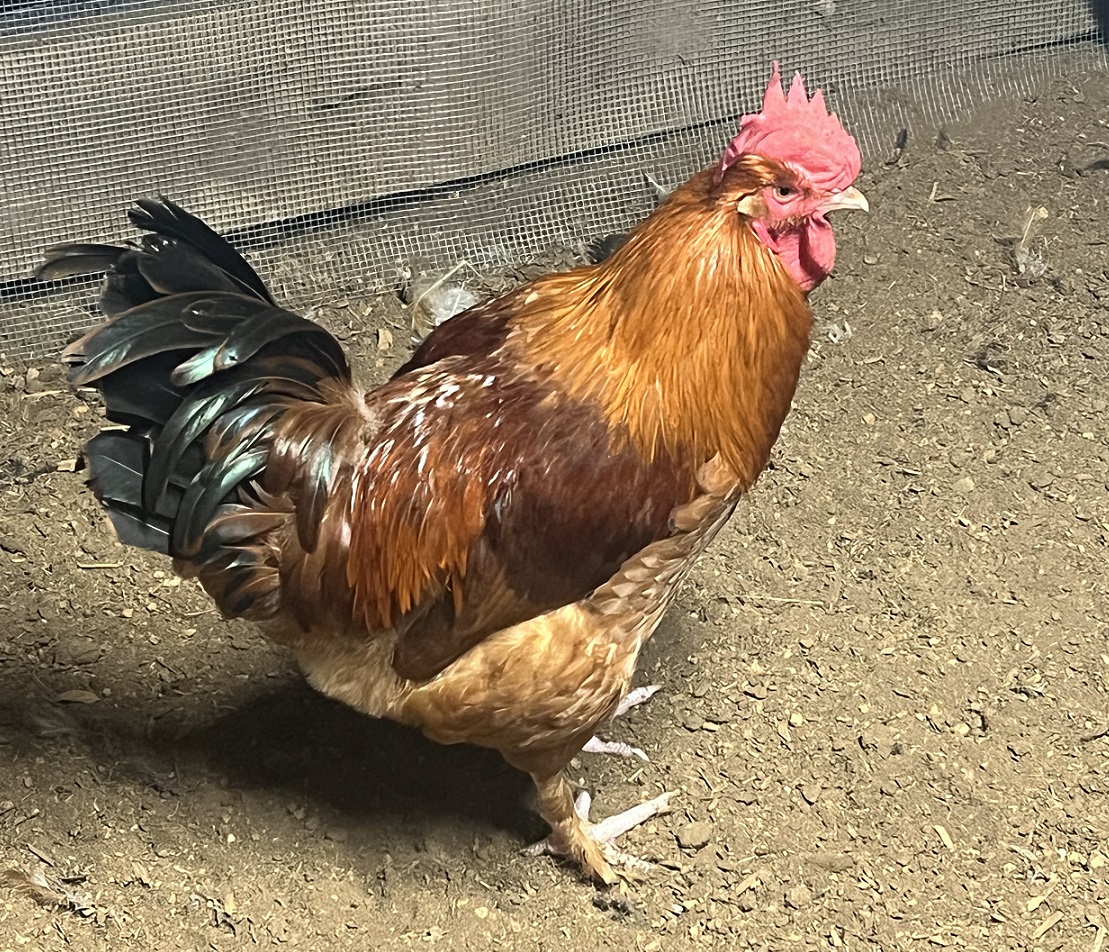
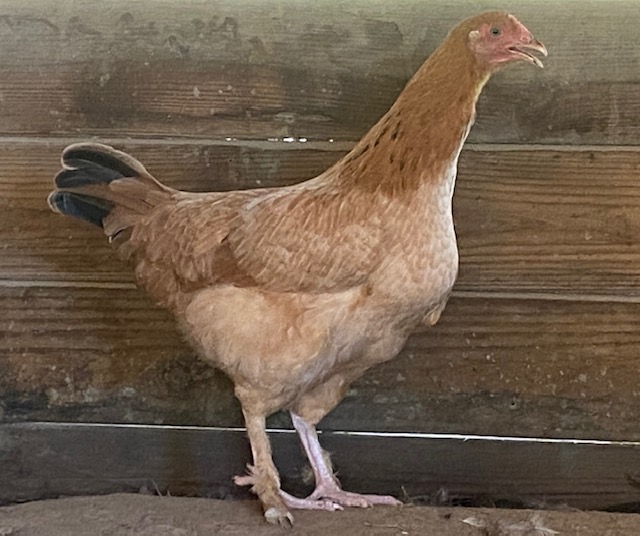
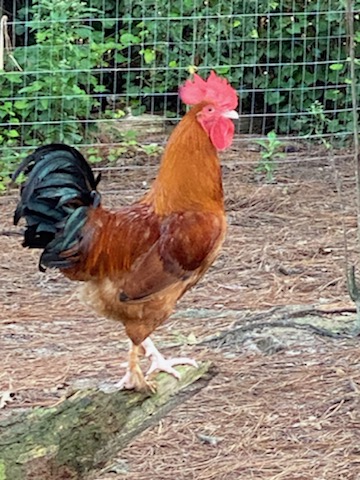
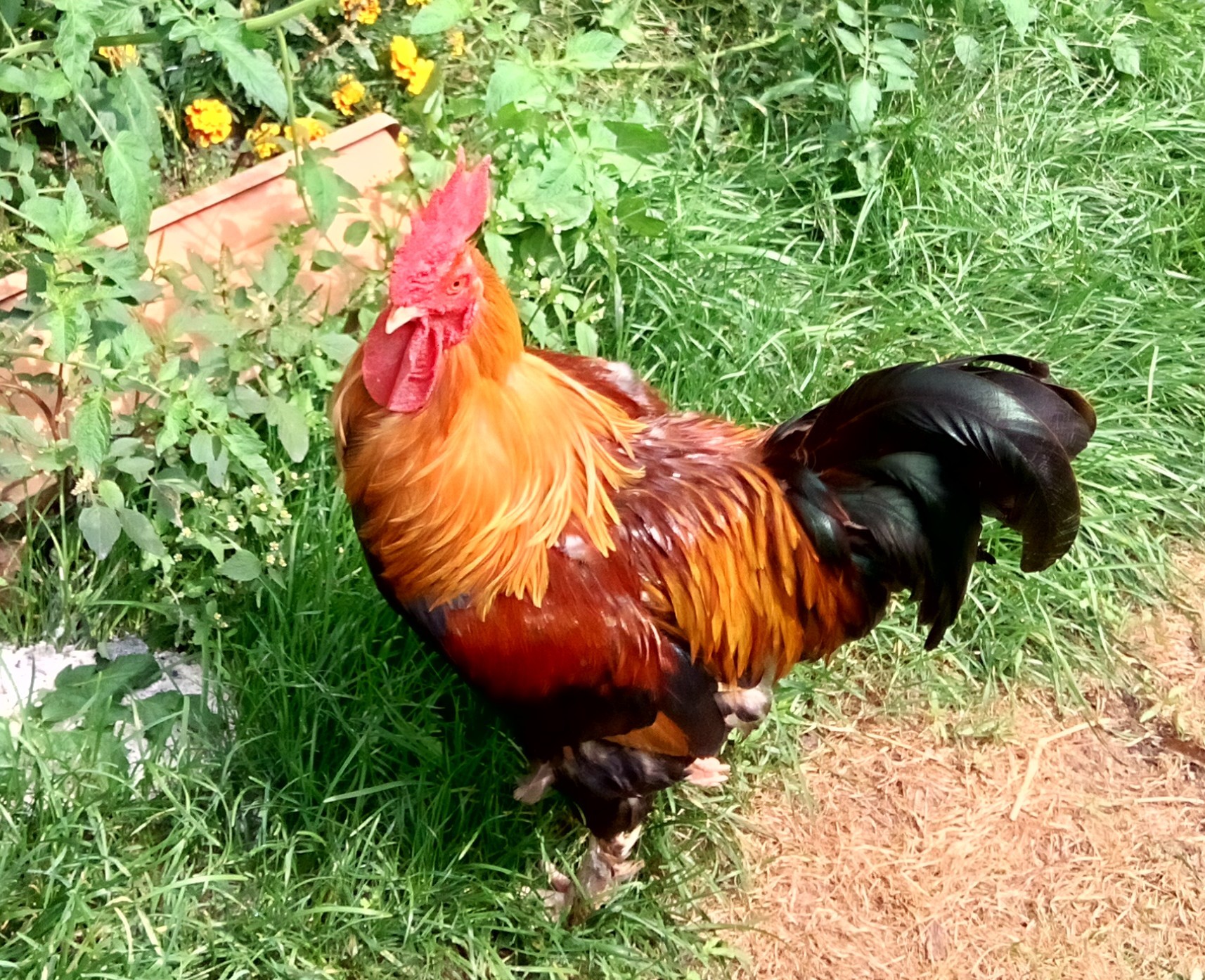
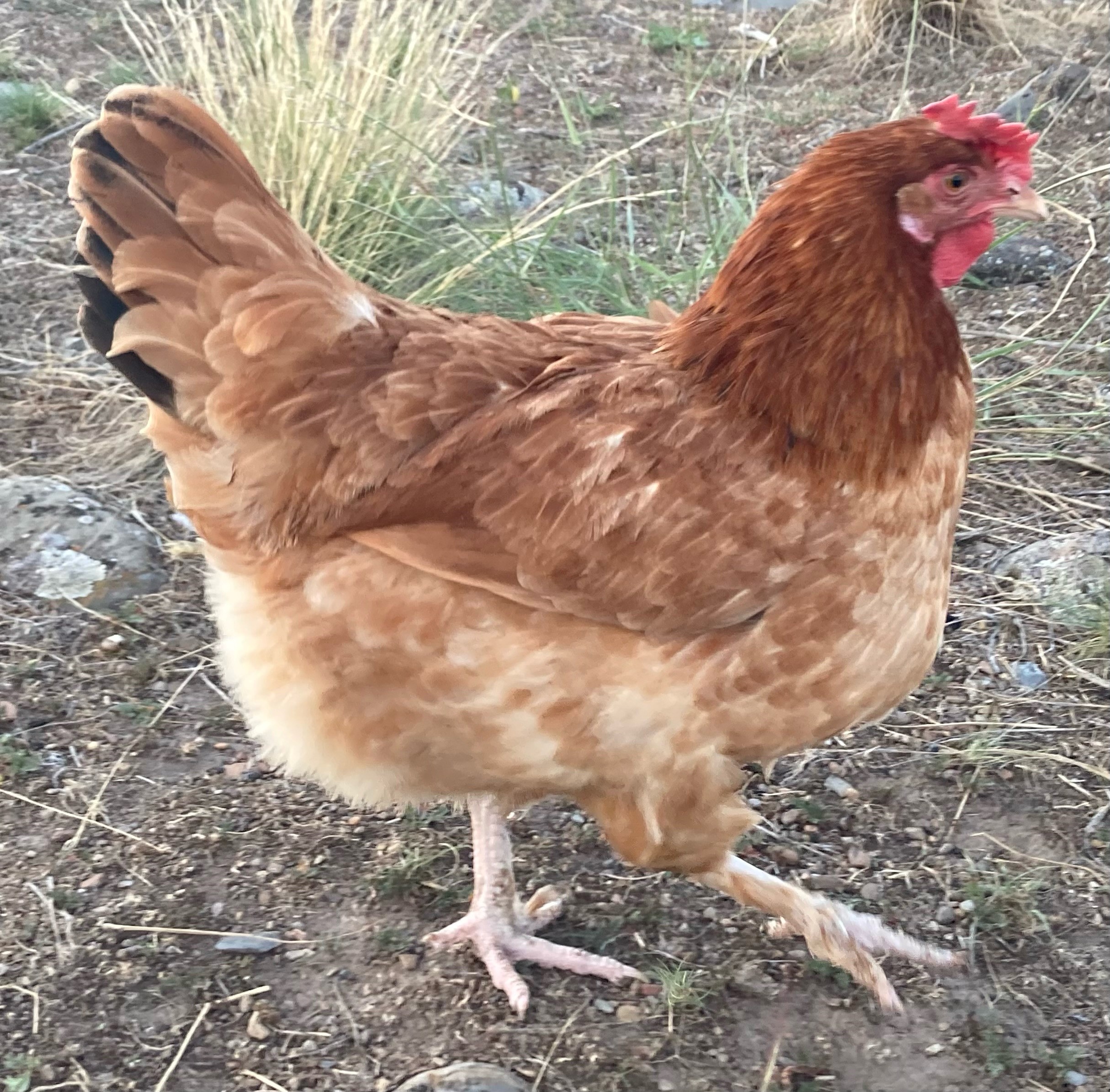
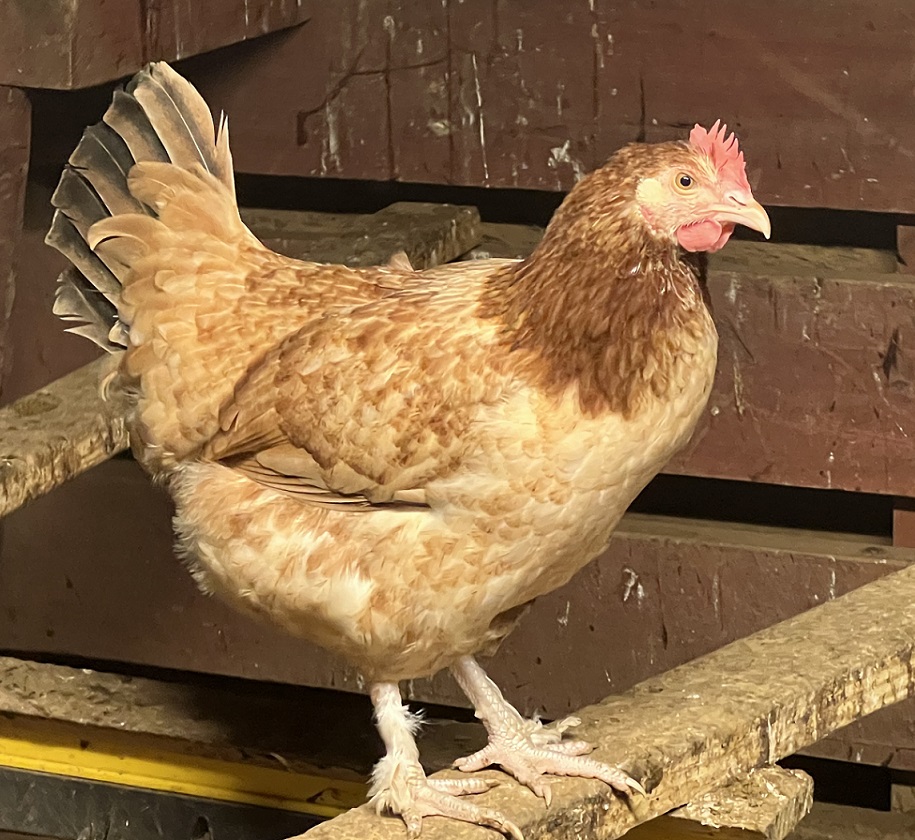
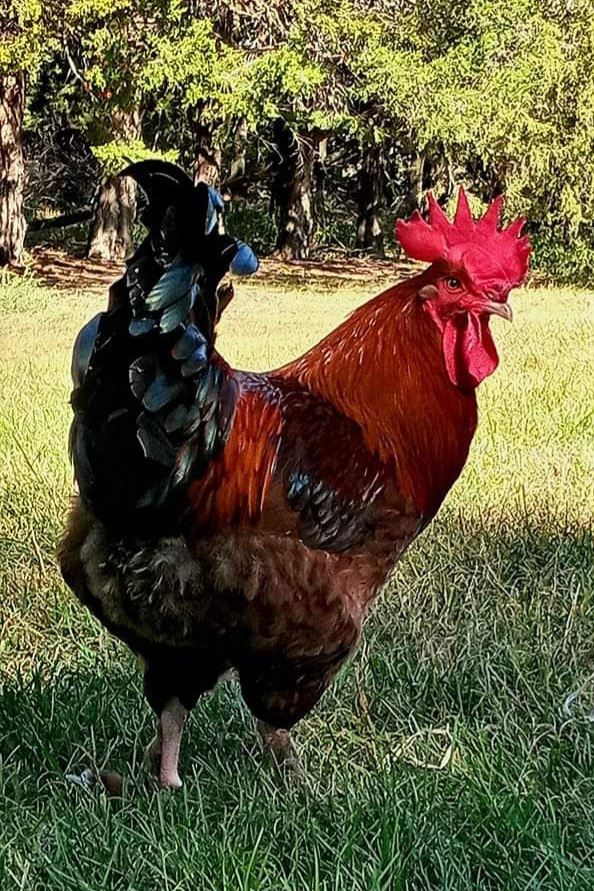
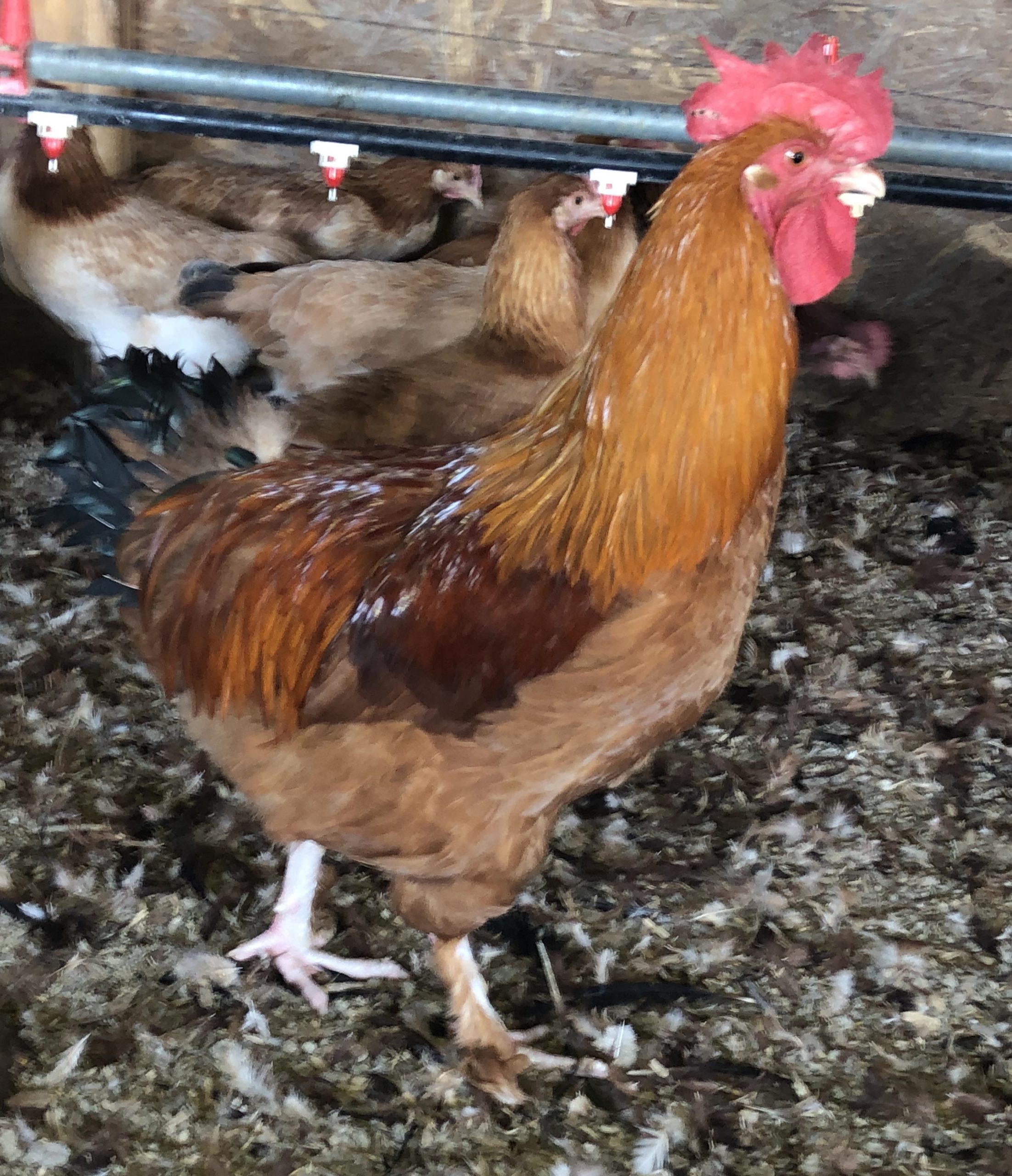
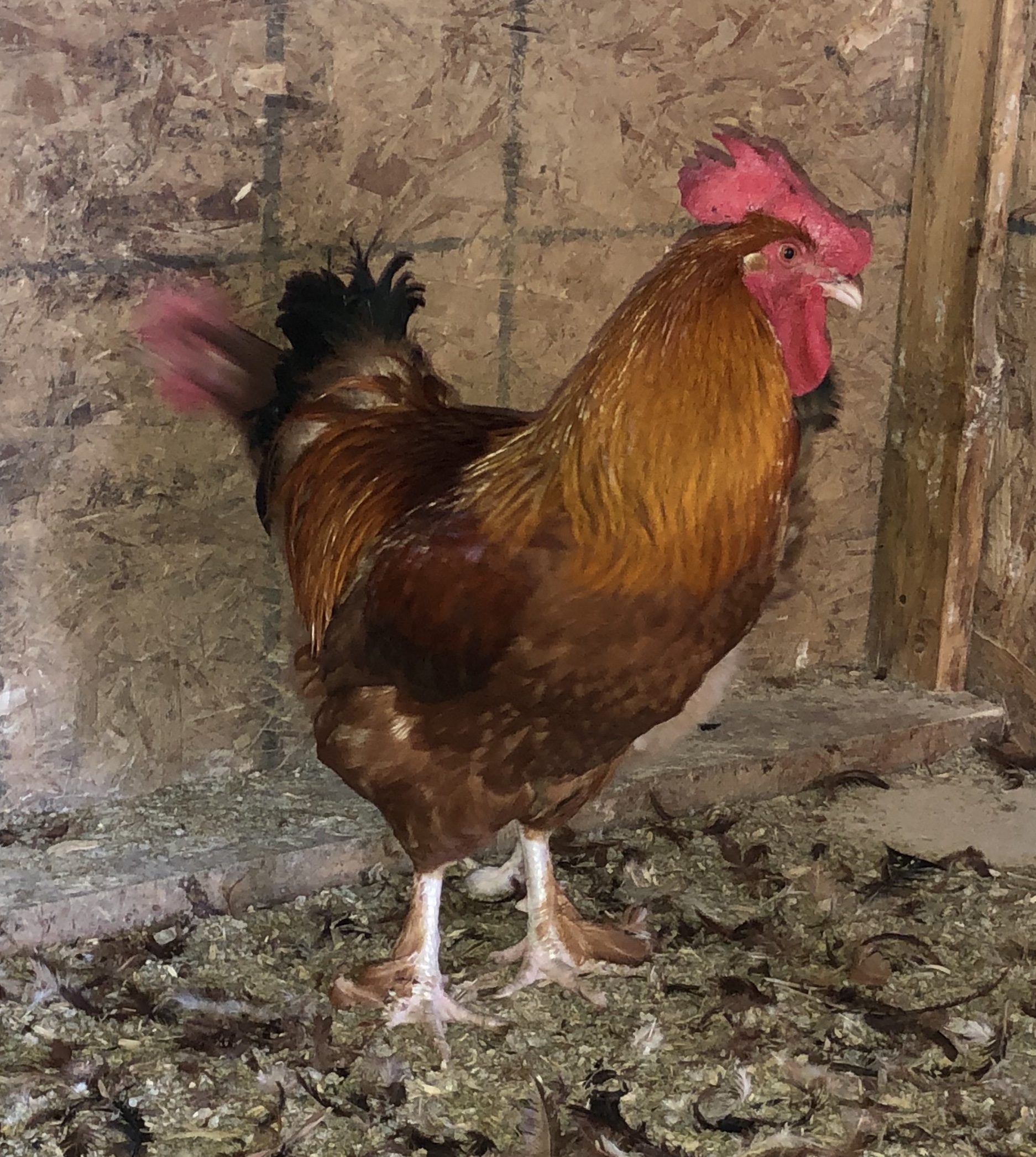
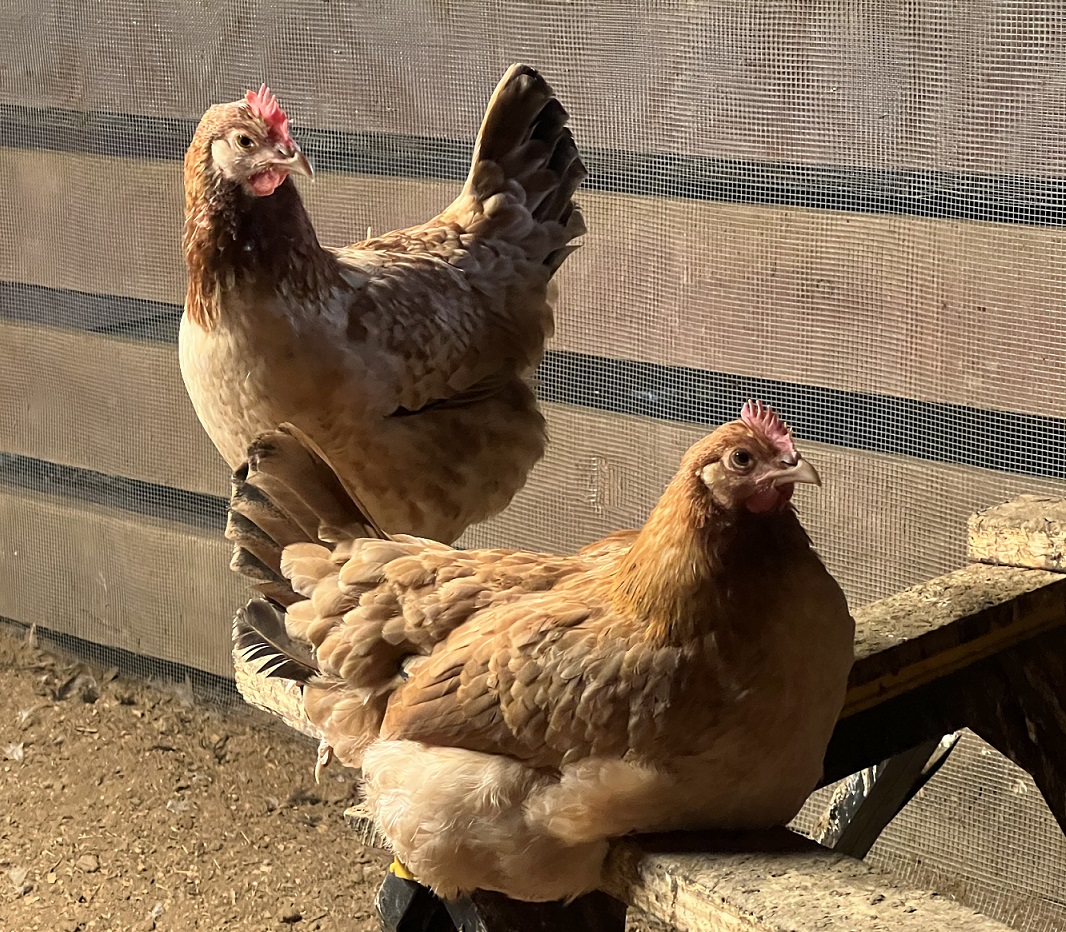
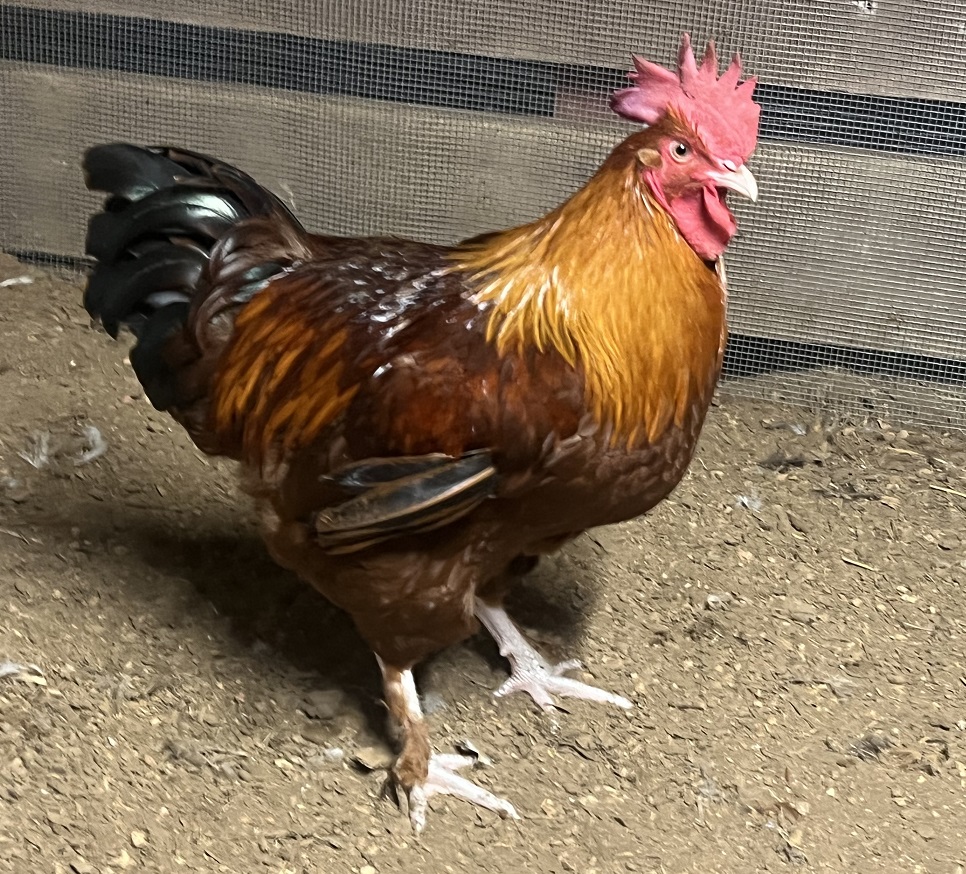
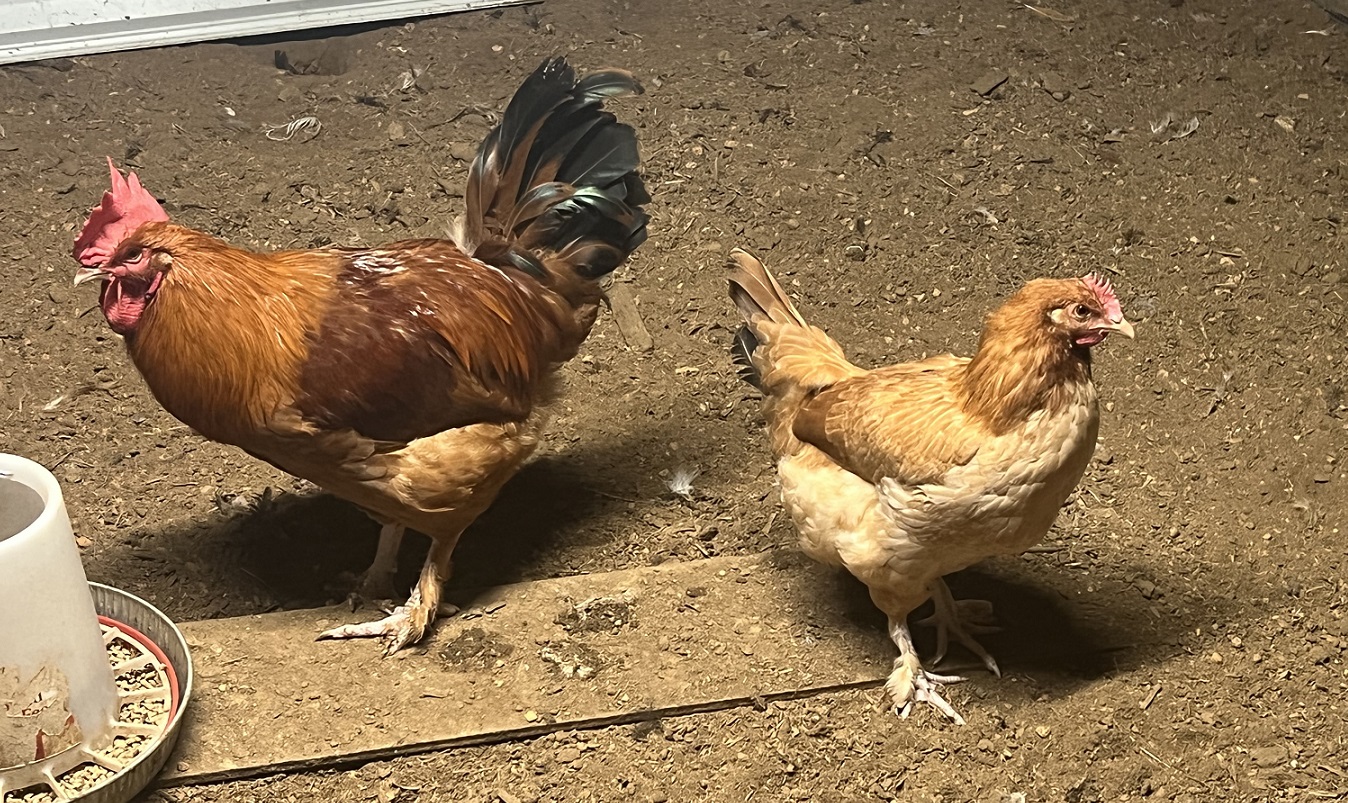
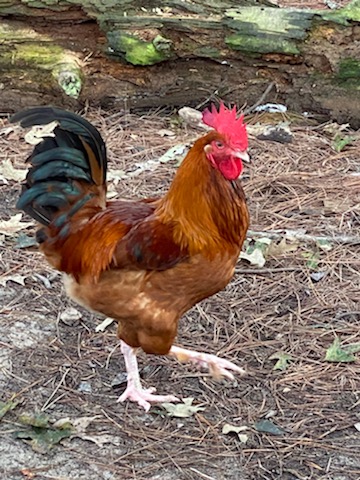
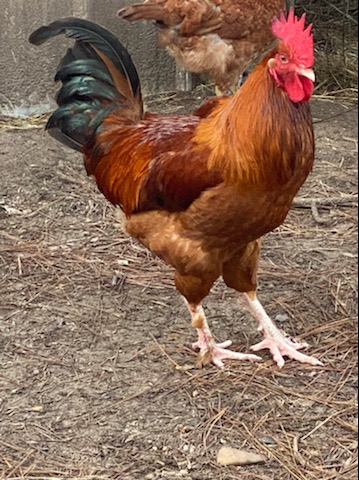
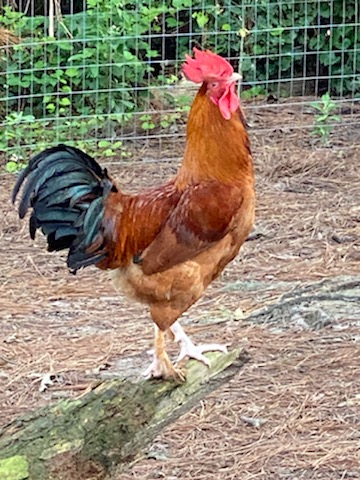
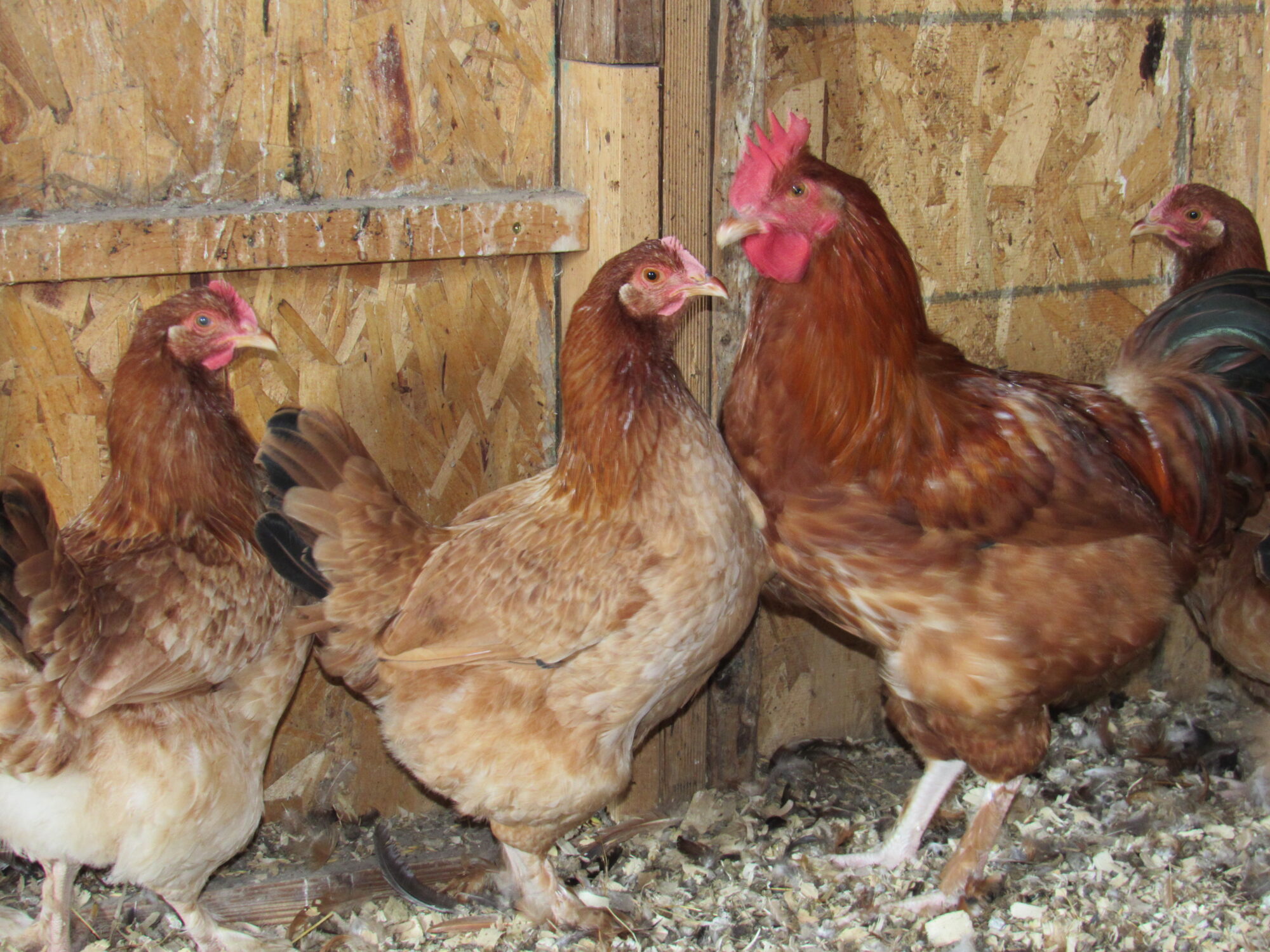
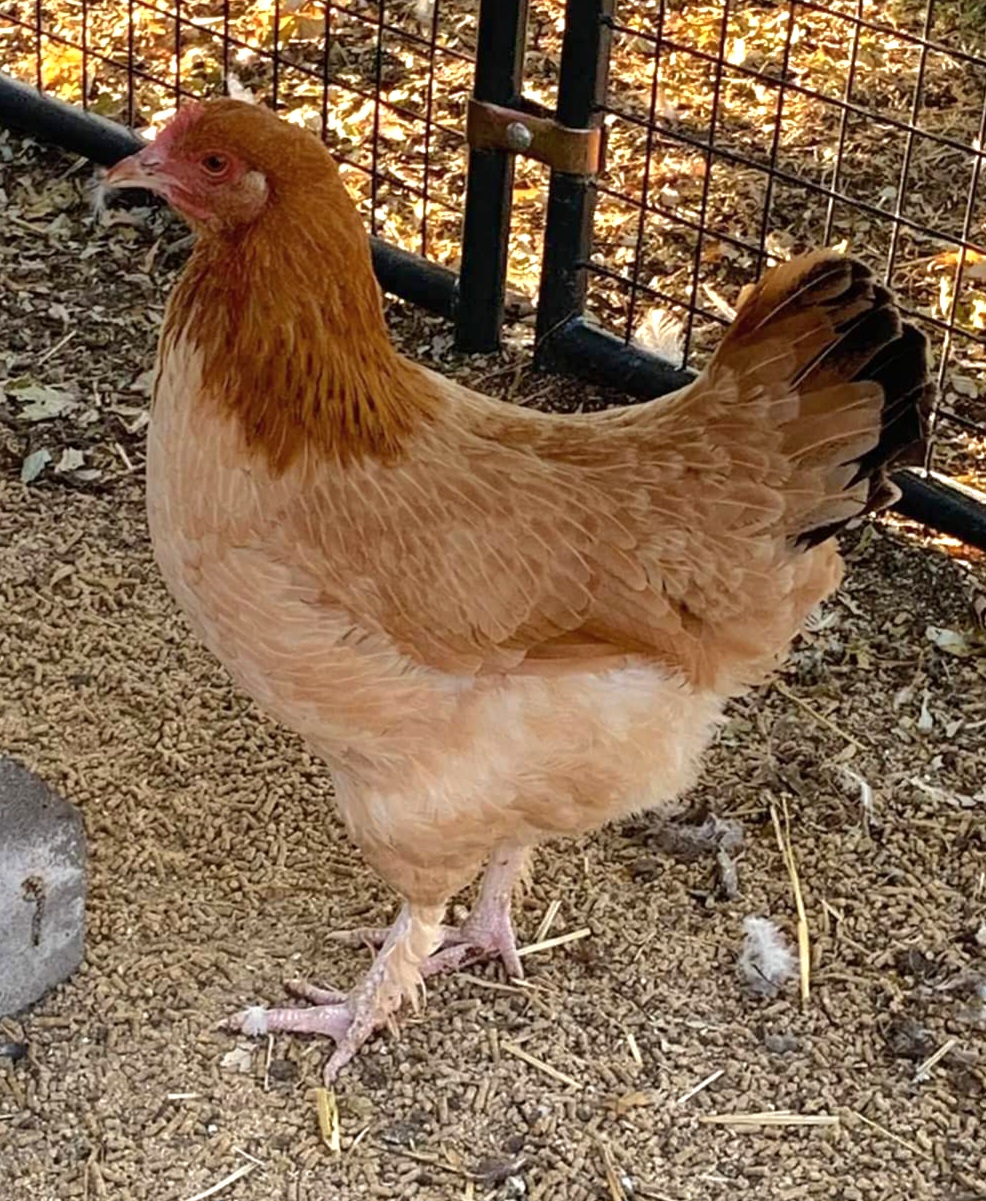
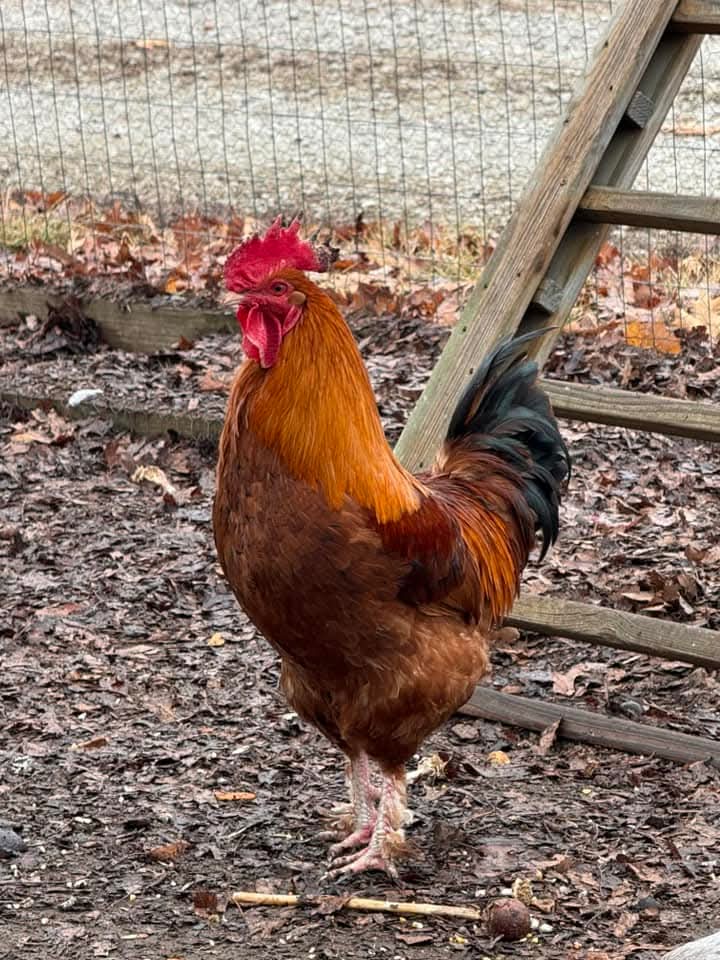
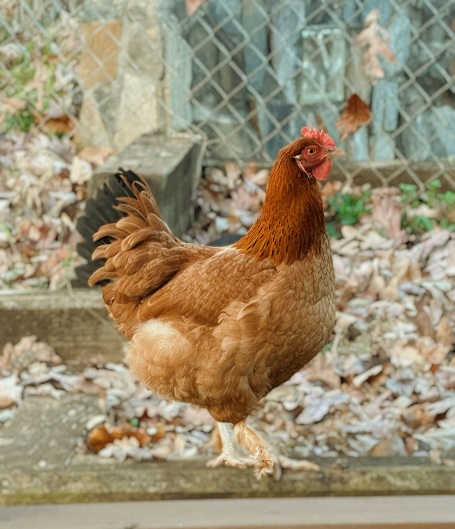
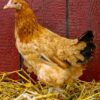
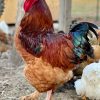
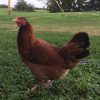
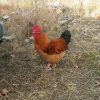
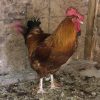
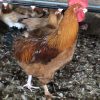
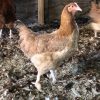
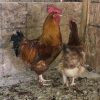
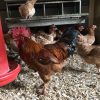
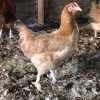
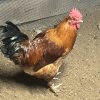
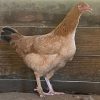
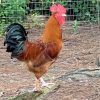
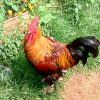
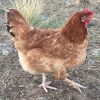
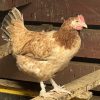
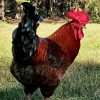
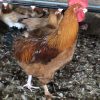
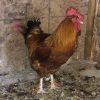
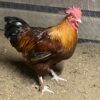
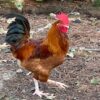
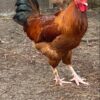
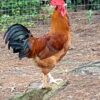
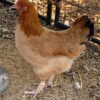
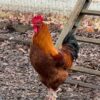
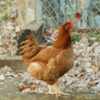
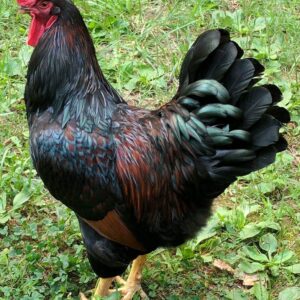
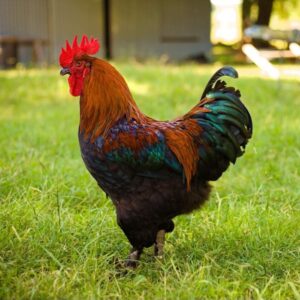
French Black Tailed Red Marans are selected toward a chestnut-red color with a black tail. The French Standard suggests that this variety should “correspond to those of the New Hampshire breed in color,” which means breeders are working toward a rich, warm chestnut feather color while maintaining Marans type and dark egg color.
This variety should balance three important goals:
- Correct Marans type
- Dark egg color
- Chestnut feather color similar to New Hampshire chickens
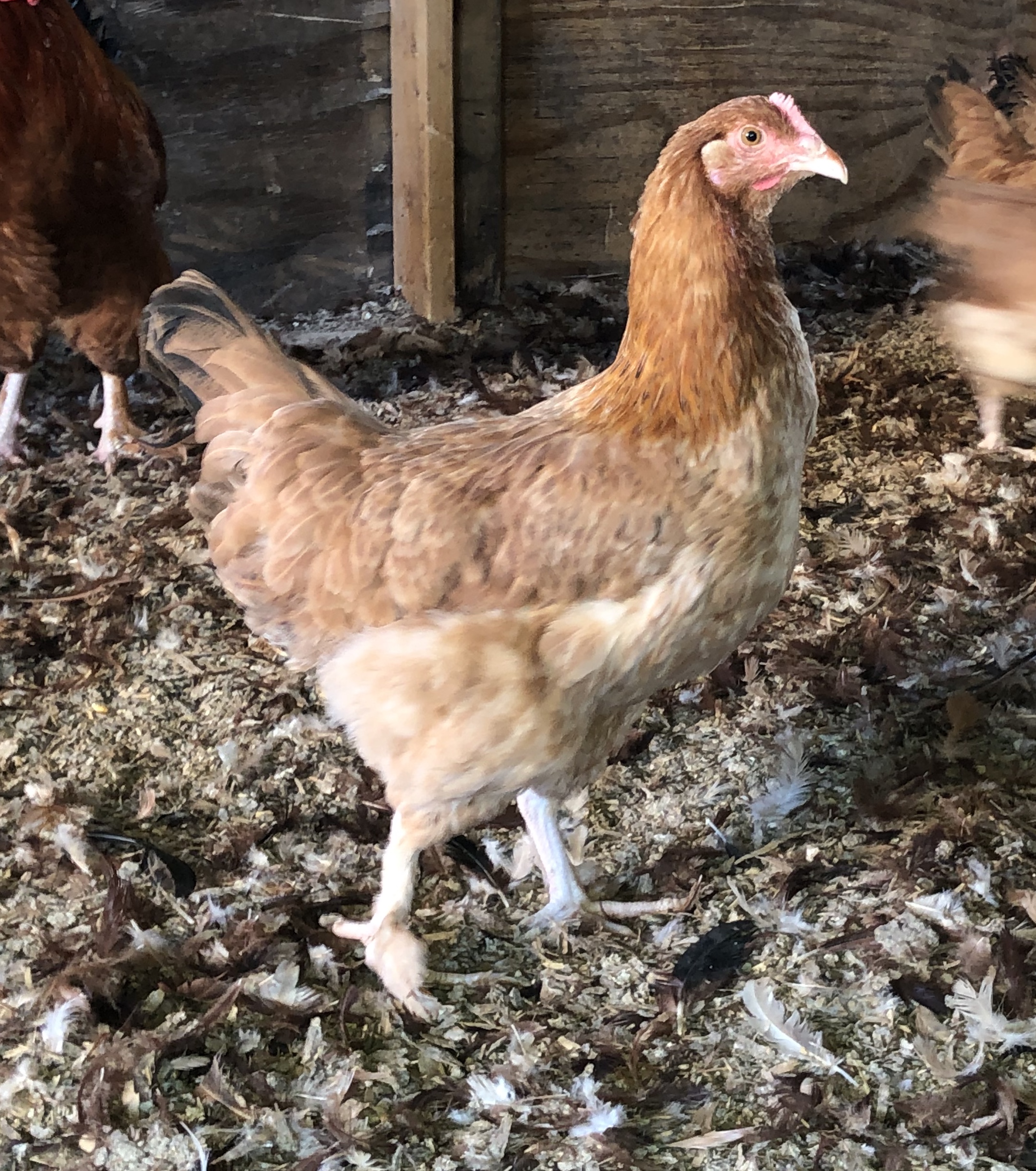
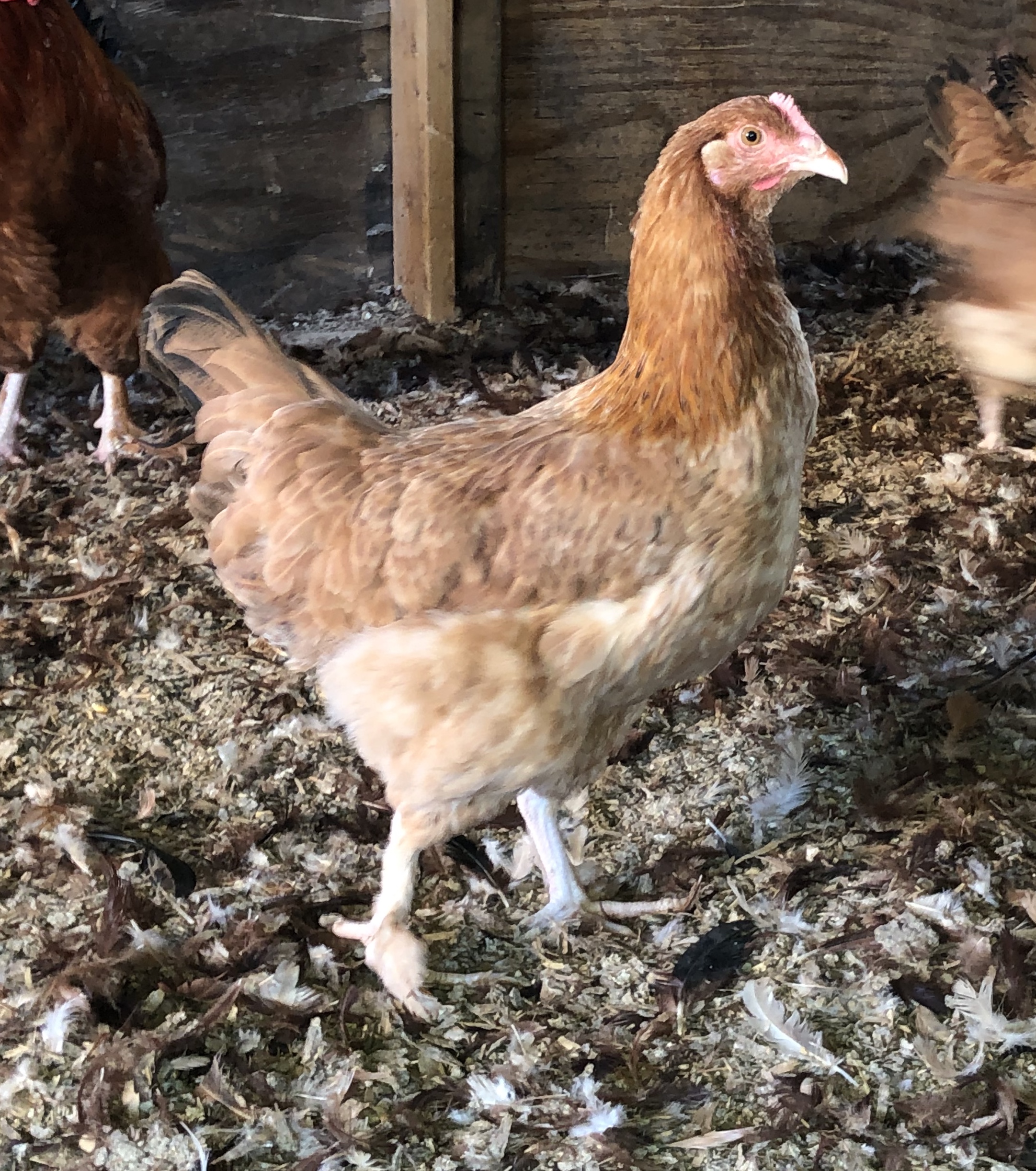
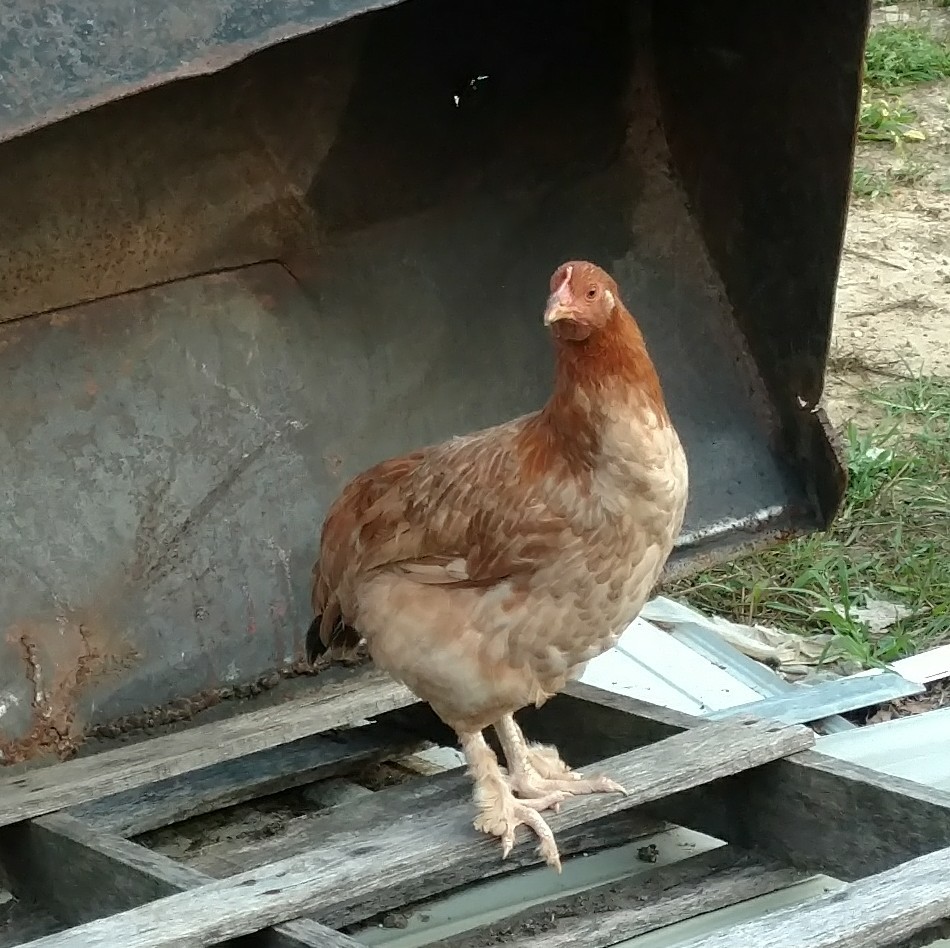
Because this is still a project line, feather color is not yet fully consistent. Cackle Hatchery® notes that the feather coloring is still a long way from the project standard they are working toward. Customers should expect variation as the project continues to develop.
Important Project-Line Transparency
This variety is not a finished, highly uniform line. Instead, it is a rare Marans project that Cackle Hatchery® continues to improve.
Cackle’s current project notes for the 2025 hatching season include:
- About a 30% chance of fused toes and/or web toes
- About a 30% chance of males with extremely large combs
- Feather color that is still being improved toward project goals
- Continued selection for better genetics, type, and color
These notes are important. Customers should not order French Black Tailed Red Marans expecting every chick to mature into a perfect standard example. Instead, this variety is best for customers who understand project breeds, value rare genetics, and are comfortable with honest developmental traits.
Egg Color and Dark Brown Egg Potential
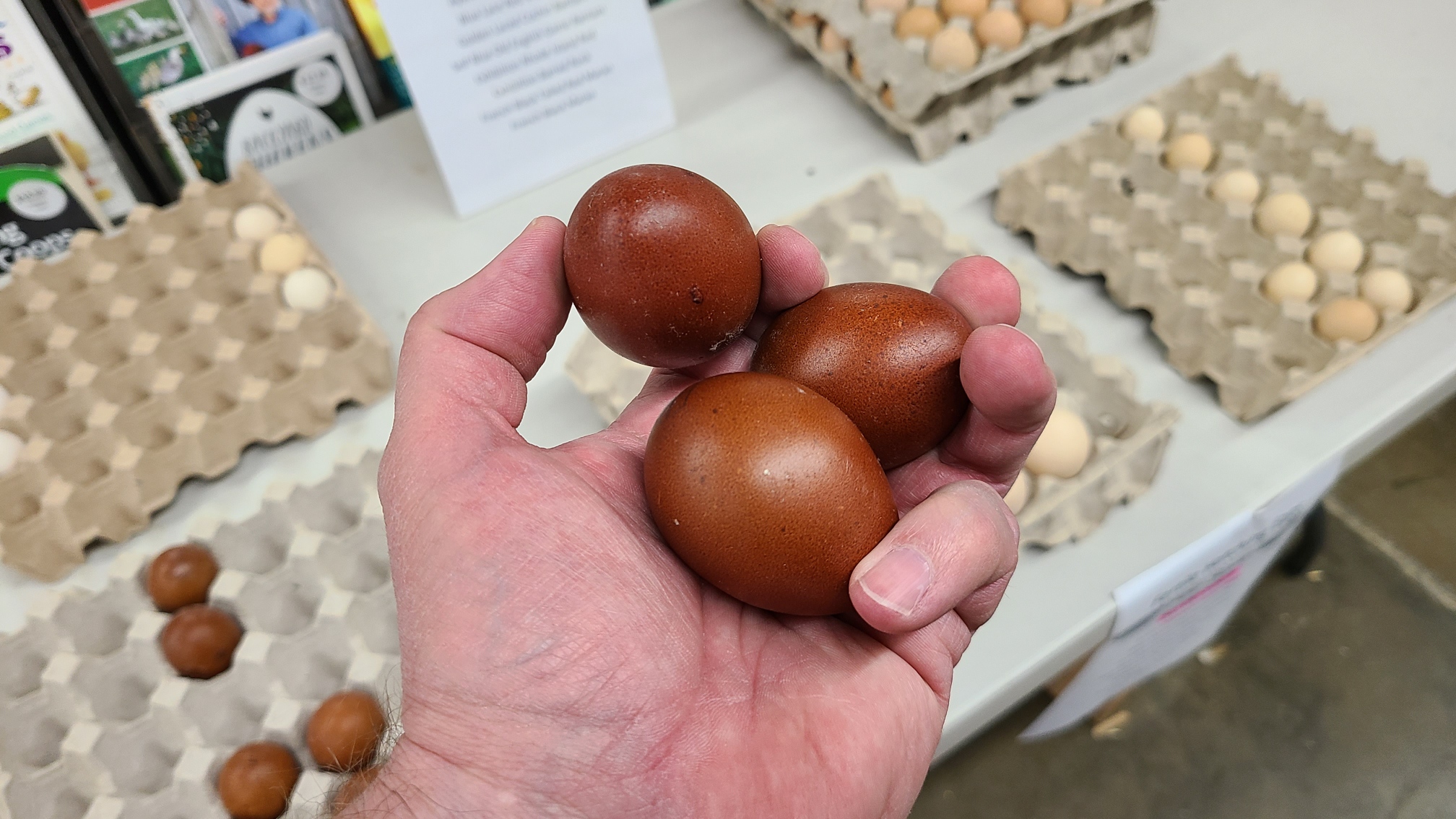
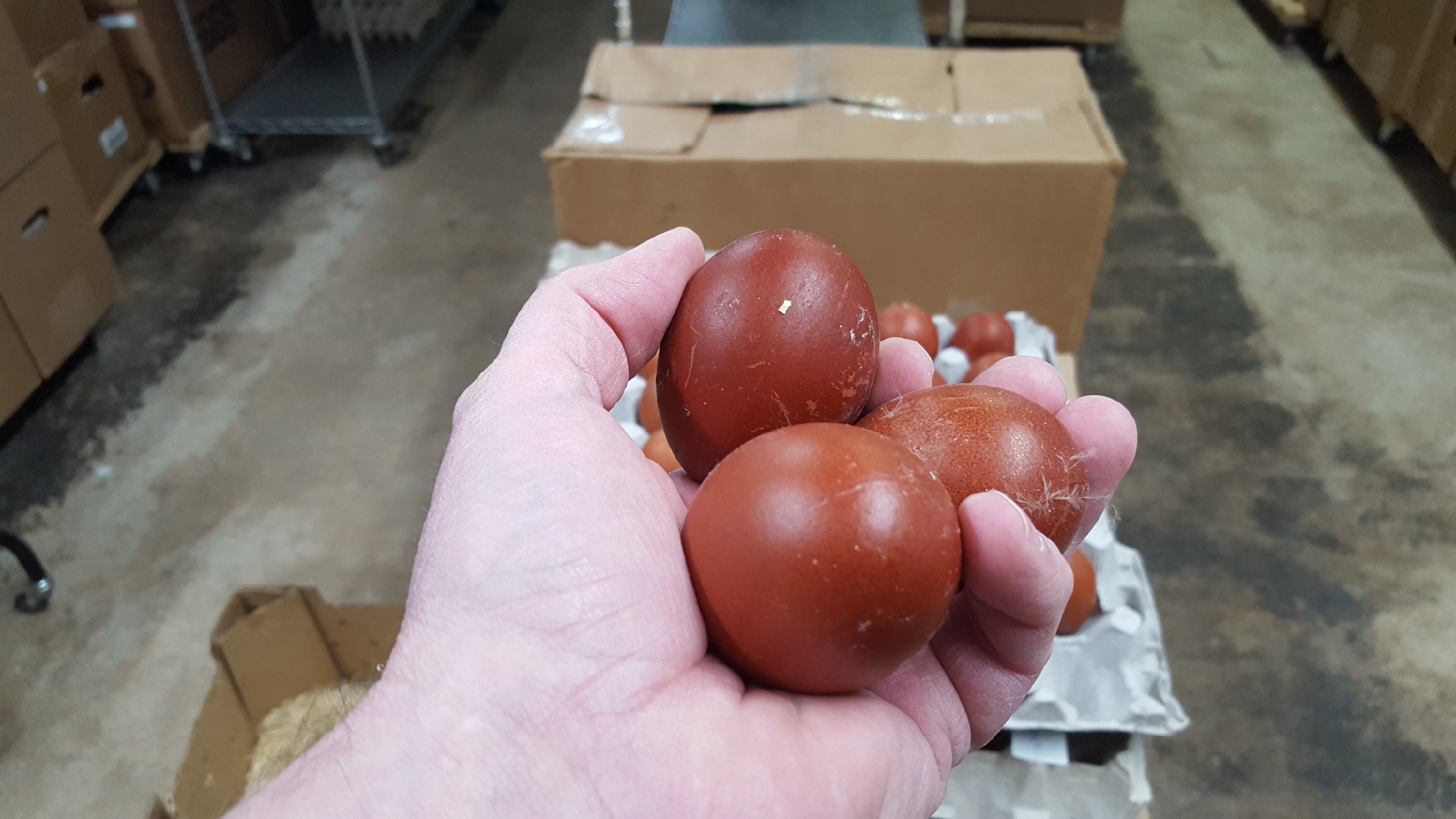
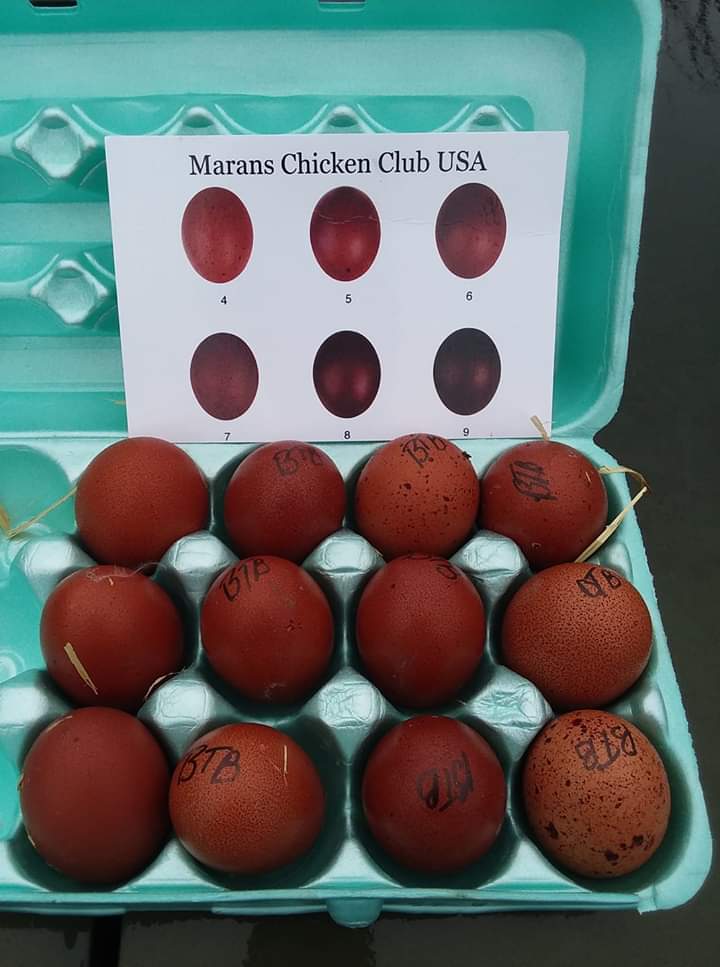
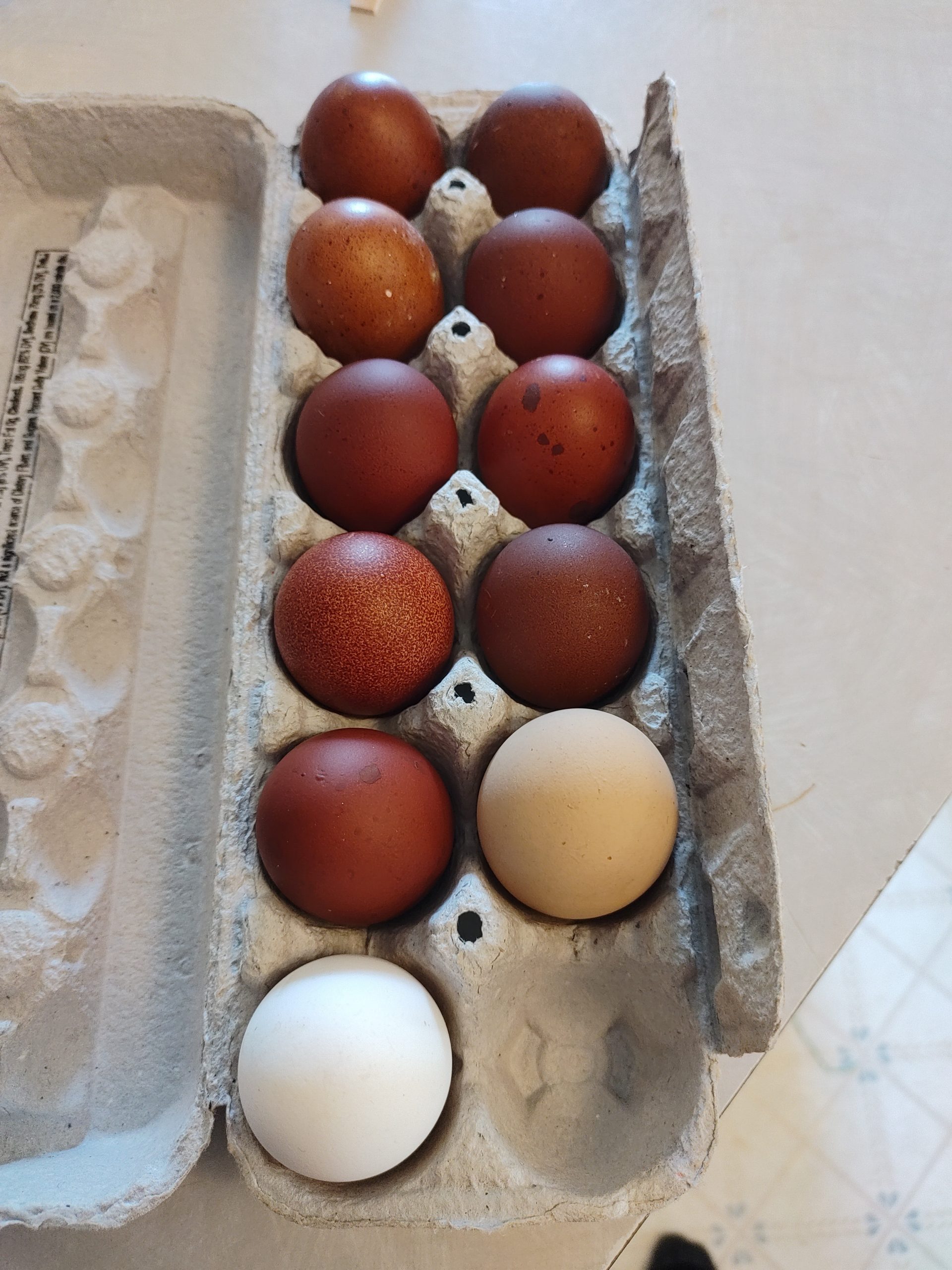
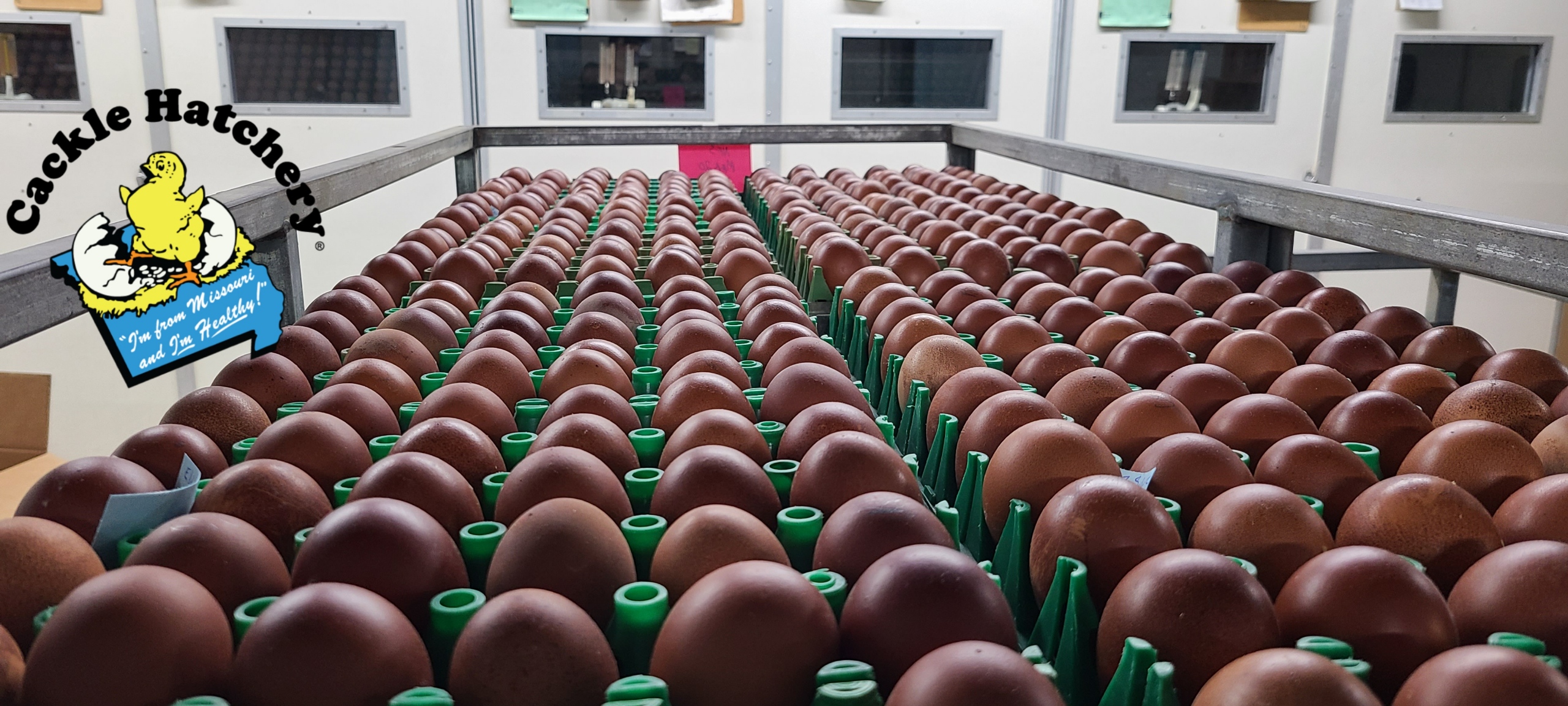
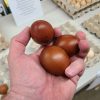
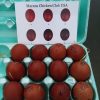
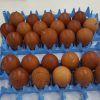
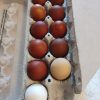
French Black Tailed Red Marans hens are capable of laying eggs as dark as any other Marans. Cackle Hatchery® notes that its flock lays eggshell colors of 6 to 9 on the French Marans egg color chart found in the product gallery.
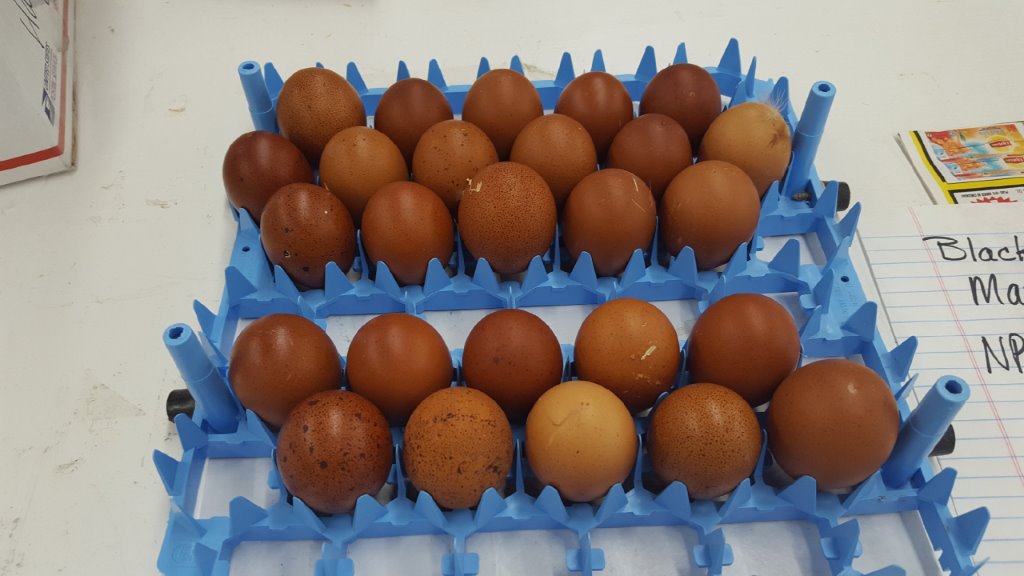
That dark egg potential is one of the biggest reasons customers choose Marans. Marans eggs are famous for their dark brown to chocolate-colored shells, although egg color can vary by individual hen, season, age, and point in the laying cycle.
Customers should also remember that dark brown egg color often lightens as a hen continues laying through the season. This is normal for Marans and other dark egg breeds.
For customers comparing dark egg layers, Cackle’s Dark Brown Egg Female Surplus and French Marans Female Surplus may also be useful options.
Dual-Purpose Value and Broodiness
Like other Marans, the French Black Tailed Red Marans is a dual-purpose chicken. That means customers may appreciate the breed for both eggs and body size.
The hens can also go broody and make excellent mothers. This makes the variety especially appealing for homesteaders and keepers who like natural chick raising.
This variety can work well for:
- Dark brown egg flocks
- Homesteads
- Rare breed projects
- Marans enthusiasts
- Customers who value broody hens
- Dual-purpose backyard flocks
- Breeders comfortable with project-line selection
- Flocks focused on dark egg color and rare genetics
However, customers who want a highly uniform show variety, very predictable chick traits, or the lowest-risk beginner breed may prefer a more established Marans variety or a production layer.
Important French Marans Sexing Note
Most Cackle Hatchery® breeds average about 90% accuracy on gender sexing. However, French Marans are more difficult for vent sexers to identify accurately.
For this reason, Cackle Hatchery® lists a 75% sexing accuracy guarantee for French Marans. Customers ordering females should understand this lower accuracy before checkout, especially if local rules do not allow roosters.
If you need very precise sexing, this breed may not be the best fit. If you are comfortable with the possibility of extra males, French Marans can still be a rewarding choice.
French Black Tailed Red Marans vs Other Marans Varieties
French Black Tailed Red Marans share the same general Marans appeal as other Marans varieties: dark egg potential, dual-purpose value, and French breed heritage. The biggest difference is that Black Tailed Red is still a very rare project variety.
Choose French Black Tailed Red Marans if you want a rare project variety with dark egg potential and chestnut-red coloring.
If you prefer a more familiar dark egg variety, compare French Black Copper Marans chickens.
For customers who want a lighter wheat-colored variety, French Wheaten Marans chickens may be a better fit.
If you want a hatchery-choice female assortment from French Marans varieties, consider the French Marans Female Surplus.
Customers comparing dark egg breeds can also browse Cackle’s Dark Brown Egg Layers for Sale.
French Marans vs English Marans
French Marans and English Marans differ mainly in leg feathering. French Marans have sparsely feathered legs, while English Marans have clean legs.
Cackle’s article English Marans or French Marans Chicken? explains that French Marans originated in France and were later imported by British poultry enthusiasts, who developed clean-legged English Marans. Today, that remains the main difference between the two types.
Choose French Black Tailed Red Marans if you want a French-style Marans project bird with lightly feathered legs and dark egg potential.
Is the French Black Tailed Red Marans Chicken Right for Your Flock?
Choose French Black Tailed Red Marans chickens if you want:
- A very rare Marans variety
- Dark chocolate egg potential
- Eggshell colors that may reach 6 to 9 on the French Marans chart
- A dual-purpose chicken
- Hens with broody potential
- Chestnut-red feathering with black tail color
- French Marans heritage
- A project variety with ongoing improvement
- A distinctive homestead flock bird
However, consider another breed if you need a fully finished variety, predictable feather color, lower defect risk, or higher sexing accuracy. In short, French Black Tailed Red Marans are best for customers who appreciate rare project birds, dark eggs, and honest breeding transparency.
Care and Housing Tips
French Black Tailed Red Marans need the same reliable care as other standard-size chickens. They do best with a clean coop, secure run, proper feed, fresh water, and predator protection.
For best results, provide:
- A dry, well-ventilated coop
- Predator-resistant fencing
- Clean bedding
- Fresh water at all times
- Balanced chick starter and age-appropriate feed
- Enough roosting space
- Nest boxes for dark brown eggs
- Shade and airflow during hot weather
- Protection from drafts and damp bedding in cold weather
- Regular checks of feet and toes, especially in this project line
Because French Marans may have feathered legs, keep bedding dry and watch for mud, mites, or debris around the feet. Since this specific project line has a noted chance of fused or webbed toes, customers should also monitor chick development carefully.
Recognition and Availability
French Black Tailed Red Marans are best described as a very rare project variety. They are still being improved for type, egg color, feather color, and genetic consistency.
Cackle Hatchery® started this project in 2016 and continues working to improve the line. Since hatch dates and shipping windows can change during the season, customers should check Cackle Hatchery’s Chicken Availability Chart before ordering.
Customers interested in Marans breed standards, dark egg selection, and breed education can also review resources from The Marans Club, which promotes breeding to the standard, dark eggs, showing, and utility purposes.
Related Breeds and Helpful Cackle Hatchery® Resources
Customers who like French Black Tailed Red Marans may also enjoy other Marans varieties, dark brown egg layers, and homestead-friendly dual-purpose breeds.
Helpful Cackle Hatchery® links for this product page include:
FAQ: French Black Tailed Red Marans Chicken
What is a French Black Tailed Red Marans Chicken?
A French Black Tailed Red Marans Chicken is a very rare Marans project variety selected for dark brown eggs, chestnut-red feathering, black tail color, dual-purpose value, and French Marans type.
Is French Black Tailed Red Marans a finished variety?
No. Cackle Hatchery® describes this line as a project in the works. Feather color, genetic consistency, and other traits are still being improved.
When did Cackle Hatchery® start the French Black Tailed Red Marans project?
Cackle Hatchery® started the project in 2016, using selected birds from prominent breeders throughout the United States and some bloodlines from Bill Grover.
What color should French Black Tailed Red Marans be?
The project goal is a chestnut-red bird with black tail color. The French Standard suggests the variety should correspond to the New Hampshire breed in color.
What color eggs do French Black Tailed Red Marans lay?
They lay dark brown eggs. Cackle Hatchery® notes that its flock lays eggshell colors of 6 to 9 on the French Marans egg color chart.
Are French Black Tailed Red Marans good dark egg layers?
Yes, hens are capable of laying eggs as dark as any other Marans. However, egg color can vary by hen, season, age, and point in the laying cycle.
Are French Black Tailed Red Marans dual-purpose chickens?
Yes. Like all Marans, the Black Tailed Red is a dual-purpose breed with value for both eggs and body size.
Are French Black Tailed Red Marans broody?
They can be. Cackle Hatchery® notes that hens can go broody and make excellent mothers.
What defects should customers know about?
Cackle Hatchery® notes a 30% chance of fused toes and/or web toes, plus a 30% chance of males with extremely large combs for the 2025 hatching season.
Why does this variety have defect notes?
Because French Black Tailed Red Marans are still a project variety. Cackle is working to improve genetic inefficiencies as the project develops.
Are French Black Tailed Red Marans good for beginners?
They are better for customers who understand project varieties and are comfortable with possible defects and variation. Beginners who want a more predictable breed may prefer an established Marans variety or a production layer.
What is the difference between French and English Marans?
French Marans have sparsely feathered legs. English Marans have clean legs. Cackle’s Marans article explains that this remains the main difference between the two types.
Are French Black Tailed Red Marans chicks easy to sex?
No. French Marans are harder to vent sex than many breeds.
What is Cackle Hatchery’s sexing guarantee for French Marans?
Cackle Hatchery® states that most breeds average about 90% sexing accuracy, but French Marans have a 75% sexing accuracy guarantee.
What is the difference between French Black Tailed Red Marans and French Black Copper Marans?
French Black Tailed Red Marans are a rare project variety selected toward chestnut-red feathering and black tail color. French Black Copper Marans are a more familiar dark egg Marans variety with black body plumage and copper hackle coloring.
Does Cackle Hatchery® offer other Marans options?
Yes. Cackle Hatchery® offers several Marans options, including French Black Copper Marans, French Wheaten Marans, French Cuckoo Marans, French Marans Female Surplus, and dark brown egg layer assortments, depending on availability.
What is the French Marans egg color chart?
The French Marans egg color chart is a scale used to compare Marans egg shell darkness. Cackle notes that its French Black Tailed Red Marans flock lays eggshell colors of 6 to 9 on that chart.
Where can I check French Black Tailed Red Marans availability?
Customers can check Cackle Hatchery’s Chicken Availability Chart for current hatch and shipping timing. Availability can change during the season, so checking the chart helps customers plan ahead.






Morgan Logston –
We ordered 10 hens in March 2025 and we received all hens. They even gave us an extra “of a different breed”, but we can’t tell which one is different. There was one that was super friendly and loved coming up to us as a chick, but the rest are more skittish. As they have gotten older, they will follow us around but aren’t too fond of being held. They started laying eggs around 6-8 months, and we get about 8 eggs on average per day (of 11 hens). The eggs are pretty dark brown. The hens are beautiful and we have been happy with them since we brought them home!
ebfoger –
I kept 3 of the 6 females I ordered and sold the other 3 as I didn’t need all 6 of them. I was hedging on mortality rate, which is why I ordered 6. All 6 survived to the early days which was great to see. Unfortunately, I lost one of 3 hens I kept to my dogs when it ventured into our fenced backyard. Of the two I have, they have not been consistent layers, maybe 3 eggs a week. I’ve also had one of them lay a shell-less egg twice, which is troubling. Both of them seem to lack in calcium uptake as shell crack or break easily, but I have plenty of calcium available. None of my other breeds exhibit this shell breaking / cracking, so not a calcium availability or feed issue. I will say the eggs are pretty as they are a nice chocolate color, probably a 6-7 on the Maran color chart. So, I’m happy with the egg color, but not happy with the quantity of eggs produced or the lack of calcium uptake / egg breakage.
Cheryl Wilson –
I purchased 10 of these hens in June 2025. They shipped during an extreme heat warning. All of the chicks arrived healthy! They are really docile birds. They are mixed with older hens and younger hens of different breeds and are doing well. They aren’t old enough to lay eggs yet, but I’m looking forward to seeing how dark their eggs are. Right now, my young hens are more buff color, super fluffy, and their tails are turning black. Mine do have feathers on their legs and feet. One of the ten hens is super friendly, the others are a bit skiddish, but my goal wasn’t to have pets. I think they could be handled and make good pets if someone wanted to do that. They are the most expensive chicks I’ve ever purchased. I may show a couple at the TN State Fair in August 2026; it’s for fun, but people seemed interested in the breed. If I can update my review once they start laying, I’ll let you know how they do.
forddieselpower –
I ordered 9 of these chicks, and they’ve grown into absolute gems. The hens now lay the **richest, most beautiful dark brown eggs**—a daily treat!
One turned out to be a rooster, which we hadn’t planned on, but he’s won us over completely. **Docile, easygoing, and stunningly gorgeous**, he’s gentle with the hens and even friendly with us.
Hands down, **these are the best birds in our coop**—healthy, calm, and full of personality. Couldn’t be happier! 🐓🥚
Jeanette Lawson –
I found these chickens to be lovely, but not loving. As a few days old chicks, one pecked out the eyes of its sister. I guess she thought the black eyes were bugs to eat. We separated her and she was raised by my broody hen. Eventually the three sisters were back together again. As little ones, I found they didn’t like being held, but now they are laying eggs I can hold them. Just more skitish of a breed than I am used to. We ordered 3 sexed females and that is what we got.
David –
Purchased 4 French Black Tailed Red Marans and they are beautiful and are starting to get there black tails feathers sweet girls let you handle them no fuss very good breed to have
Melanie –
I love these birds. They are sweet and docile, and very hardy. They also have beautiful plumage and lay lovely medium brown eggs. I give the French Black Tailed Red Marans 5 stars.
Audrey Gibbs –
All the birds I received arrived healthy of the 11 straight run I ordered- 5 turned out to be hens, 6 were boys. Overall the birds were healthy and calm as Marans tend to be with only one hen being excessively vocal even as an adult. Laying didn’t start until 7-8 months but the eggs are great color. Now the hens are almost a year old and only one hen lays regularly; all the others only lay 1-2 a week.
These are wheaten color marans; there is nothing unusually red about them and the coloring is mostly dark cream/tan.
mickicottam –
These are the most hardy chicks I’ve ever raised. I ordered 12 last year and I’m used to losing a couple of chicks (at least) with every shipment of chicks no matter where I order from, shipping is just rough. But I did not lose any of the BTR chicks, they were super healthy and hardy, visibly so compared to the other breeds I ordered at the same time. None of the chicks I received had fused toes! The grown birds are beautiful. The coloring in the feathers of the hens is inconsistent (it’s a new breed which is actively being improved upon so it’s to be expected) the boys have more consistent coloring. Some did have larger combs that I will be breeding out but it’s nothing that was alarming. The eggs are beautiful and have a dark cherry tint to it. I would say my hens lay between a 5-7 sometimes an 8 but they don’t have a pure brown look to them like the BCM, they definitely have a rosy undertone which I personally think is beautiful. Some of them lay speckles. I’m really excited to keep working with this breed!
lajems65 –
I ordered 3 straight run chicks in April, received 4, ended up with 2 females and 2 males. Now 6 months later they are laying beautiful dark eggs, one lays maybe a 7 on the darkness scale and the other slightly lighter at a 6 but with darker speckles. Gorgeous eggs and gorgeous birds. One hen is a beautiful even salmon color, the other a bit darker but not as even coloring. One rooster has coloring like a new hampshire, the others coloring is a little off. They all behave well and don’t cause any problems, also none had the webbed toes that was mentioned as a possibility in the description. Overall, love them, and would like to buy some more.
Dylan Ely –
Love these gals. Great layers, beautiful eggs, and very mild mannered hens.
k.kohtalo –
I ordered 3 pullets, and received 4. One was a little weirdo who was obsessed with pecking eyes, but after a long separation (for about 4 weeks!!) she finally grew out if it. They are very skittish, remind me of my leghorns, but they lay beautiful chocolate brown eggs. Mine grew to be a light brown tan, with just a bit of black on their tails! (They vary a bit, some more than others, but generally a relatively small black tail.) Overall, I would recommend these!
Jon Edwards –
Ordered 4 straight run chicks. Seven were sent, all very heathy. Of the seven, ONE was a pullet, way off the law of averages for any straight run I’ve ever ordered. One cockerel was “off color” (the coloring of a pullet not a cockerel) and the one I kept developed webbed feet as Cackle said these birds might. No eggs yet so cannot comment on their color. All in all, not a very satisfying experience, which is unusual for my experience with this hatchery.
ruf_girl –
I ordered 3 and received 4 but one was DOA. It was a rough shipment and I don not fault Cackle for it. They started out MEAN and would peck at the eyes of the other chicks. I had to place them in a separate brooder with some turkey chicks and they were fine. I chalk it up to stress. After about 10 days I was able to integrate them back into the chicken brooder and they have been perfectly nice ever since. At about 3 months I found one dead with no apparent cause and our birds are checked twice daily so it was a bit of a mystery. The 2 remaining hens are well mannered, matured early and both lay. One produces a beautiful dark chocolate egg (my favorite), the other’s is much lighter and speckled but I don’t mind the variety. I have had Lavender Marans and Black Coppers. These Black Tailed Reds are my favorite Marans so far. I will be purchasing again
Toni Johnson –
I wanted to add to my review that the shade of red varied.. some are darker red; some are creme on undercarriage, red on top; some have darker red head and neck and lighter red on the bodies and creme on the under carriage..I like them all.. enjoy!
Toni Johnson –
Ordered 14 females. all arrived healthy at the end of may..it’s almost first of Nov now.. still waiting on the eggs to start dropping.. the personality of the birds are inquisitive, not a cuddling type if that’s what you’re after.. they like to roam/forage..half of them have taken to roosting in a crepe myrtle in their run instead of the coop.. worried about all of that when and if it ever storms here..(drought conditions now).. the hens seem to be pretty layed back and don’t like confrontation..I’m enjoying them currently..
lily.alisa2899 –
Though the eggs were a gorgeous deep chocolate color, and all the hens were laying an egg a day, they only laid eggs for a year. Though their living conditions and diet are still exceptionally good, none of my 13 hens lay eggs. The last one I got was 7 months ago, and no, they’re not hiding them someplace.
Andrea Hunter –
I need more of these! I love this breed. Eggs are dark, hens are nice. And they lay almost every day!
audra oldham –
Beautiful birds. Docile and inquisitive. I really love them. We just started getting eggs and I was delighted that they were 7-9 on the egg color scale. Definitely the darkest eggs I’ve ever seen in person. I would highly recommend this breed. I would advise getting straight run though. I ordered hens and Roosters separately but got 50/50.
danamb45 –
Thank you for the excellent service and the extra baby. All Beautiful & healthy chicks.