Frostbite occurs when the cells of a chicken’s comb, wattles, or feet freeze, depriving the tissues of oxygen. After a short period of freezing, the affected part may recover. But if the frozen tissue does not soon thaw, the cells may die and become infected. Further, a bloody comb or wattles resulting from frostbite may attract pecking by other chickens. Timely treating frostbite in chickens lets you minimize the injury before serious damage occurs.
What are the early signs of frostbite in chickens?
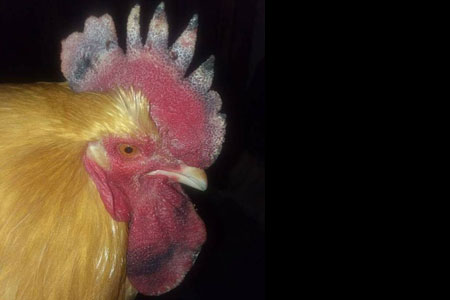
Frostbite in chickens has many of the same signs, and can be just as dangerous, as a heat-related burn. But if the bird remains active and the damaged area is small, treating a chicken with frostbite has a high rate of success. These are the early signs of frostbite:
- Frostnip — tips of comb and/or wattles are pale gray or whitish
- Stiffness — comb and wattles feel cold and stiff
- Swelling — toes or feet are red, may be swollen
- Discomfort — tender areas cause obvious discomfort
What are the signs of advanced frostbite in chickens?
Advanced frostbite results in loss of the blood supply, and therefore oxygen, to the affected parts. The tissue may eventually die back and fail to regrow.
Advanced signs of frostbite in chickens means the situation is already serious. Your job then is to prevent it from getting worse. Look for these advanced signs of frostbite:
- Blistering
- The frozen tissue is hard, brittle, or dry
- Tips of comb, wattles, and/or toes turn purple or black
- Black tissue shrivels and may fall away
- A hen stops laying
- The chicken is reluctant to walk or perch
- The bird loses interest in eating and other normal activities
- Other flock members peck the affected area(s)
What are the signs of infected frostbitten tissue in chickens?
Infection (wet gangrene) can be a serious and even life-threatening complication of frostbite. To prevent the spread of infection, the affected part may have to be surgically removed, requiring the attention of a veterinarian. These signs can indicate a serious injury or infection that requires veterinary assistance:
- Increased swelling
- Increased redness
- Exposed tissue
- Bleeding
- Fluid leaking from wound
- Foul odor
- Large areas affected
- Wounds fail to heal or get worse
- Chicken won’t eat, drink, walk, or perch
But note that frostbitten tissue can look scary without having an active infection. A vet can determine how severe the frostbite is and recommend the best treatments.
How to thaw frostbitten tissue.
Your first priorities when treating frostbite in chickens are to stop further cold exposure, slowly thaw the affected body parts, and prevent refreezing. Thawing and refreezing frostbitten tissue will cause even more damage.
- For comb and wattles — Gently apply a damp, warm cloth for 15 minutes, rewarming the cloth as needed.
- For feet or toes — Soak the foot in warm water (100°F) for 20 minutes at a time.
Do not use a heat lamp, heating pad, or other form of direct heat that warms rapidly, which would increase the pain. And do not rub or massage the affected area, which would increase damage to the fragile tissue.
Treating frostbite in chickens.
After the part has thawed, apply a hydrogel (water based) wound treatment. A spray such as Vetericyn is easy to apply without putting pressure on the affected part.
Isolate the bird in a warm, clean enviroment. Use a type of feeder and waterer that won’t rub against the affected part, causing pain.
For frostbitten feet, provide soft, clean, dry bedding. Keep feet clean and dry. If necessary, protect the toes with vet wrap or a protective shoe such as Birdy Bootie.
Frostbite is often discovered after the part thaws and becomes swollen and painful. The bird appears listless and loses appetite. Since the part has already thawed, warming it is no longer necessary. Coat the part with a hydrogel spray, and isolate the bird so the damaged area has a chance to heal without getting pecked by flock mates. Keep an eye on the wounds to see that they heal properly.
After the swelling goes down, the skin may peel, the part may itch, and it may be sensitive to cold for a while. It may turn scabby, develop blisters, turn black as the tissue dies (dry gangrene), and eventually slough off — resulting in permanent disfigurement. Do not pop blisters or remove black tissue, both of which aid healing by protecting the underlying tissue.
What not to do when treating frostbite in chickens.
Here’s what to avoid when treating frostbite in chickens:
- Do not rub the fragile frostbitten area, which increases the damage.
- Do not rapidly thaw the frostbitten area, which increases the pain.
- Do not pop blisters, which can lead to infection.
- Do not pick off scabs, which exposes the underlying tissue.
- Do not cut away dead-appearing tissue, which can lead to bleeding and more pain.
- Do not administer antibiotics without evidence of bacterial infection.
- Do not provide pain relievers without veterinary approval.
- Do not expose the chicken to more cold and refreezing of tissue.
Treating frostbite in chickens, step-by-step.
- Isolate the affected chicken where it is comfortable and warm.
- Slowly warm the frostbitten tissue.
- Apply a hydrogel wound spray.
- Keep the chicken well fed and watered.
- Watch the injury for infection.
- Improve coop ventilation to avoid future frostbite.
Conclusion
Frostbite in chickens is a painful experience that can result in a disfigured comb and wattles and the disabling loss of toes. Frostbite in a rooster can mean reduced fertility, and in a hen can reduce egg laying. Rather than wait until frostbite occurs, the better plan is to take proactive measures to protect your chickens from frostbite.
FAQs
What does frostbite in chickens look like?
In the early stages, the edges of frostbitten comb and wattles may appear pale. Feet may be red and swollen. Later the area may darken and blister.
Should a chicken with frostbite be warmed quickly?
No. Treating frostbite in chickens involves slowly thawing the frozen tissue to avoid further damage and increased pain.
Is frostbite contagious?
No. Frostbite is not contagious. It is similar to a heat-related burn, but occurs after prolonged exposure to cold.
Why should a frostbitten chicken be separated from the flock?
Separate a frostbitten chicken for these reasons:
- to keep it away from further exposure to cold
- to make sure the wound heals properly
- to make sure the bird eats and drinks while recovering
- to prevent pecking of affected areas by other chickens
How long does frostbitten tissue in chickens take to heal?
Healing after treating frostbite in chickens can take as long as 6 weeks, depending the severity of the damage. Until healing is complete, keep the affected chicken away from being pecked by flockmates.
Helpful Link
How to Prevent Frostbite in Chickens
And that’s today’s news from the Cackle Coop.
Gail Damerow has raised chickens and various other poultry for more than 5 decades and has written numerous books about them, including The Chicken Health Handbook and others available from the Cackle Bookstore.