Description
Rhode Island Red Chicken (Exhibition Type)
Breed Overview and Origin
The Rhode Island Red Chicken (Exhibition Type) is a single comb heritage show strain known for deep mahogany plumage, large blocky body type, docile temperament, broodiness, brown eggs, and classic American breed character. If you want a sharp-looking Rhode Island Red bred for exhibition quality rather than maximum egg production, this strain is a strong choice.
The Rhode Island Red is a distinctly American breed developed in Rhode Island and Massachusetts in the late 1800s. The Livestock Conservancy describes the Rhode Island Red as one of America’s best-known chicken breeds and a historically successful dual-purpose farm bird. The single comb Rhode Island Red was admitted to the American Poultry Association Standard of Perfection in 1904.
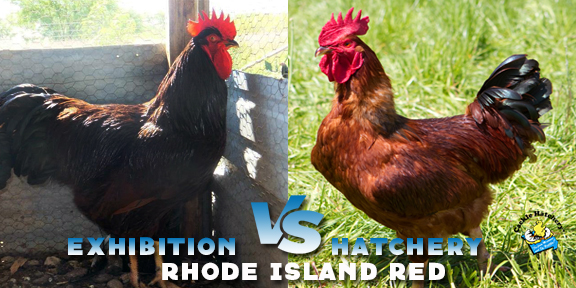
At one time, Rhode Island Reds were among the most popular chickens in the United States. However, starting in the 1940s, many lines were selectively bred for more efficient egg production. That production focus increased laying ability but often reduced body size, broodiness, docility, and the rich dark plumage that made the old-style Rhode Island Red famous.
Cackle Hatchery® began breeding the original Exhibition Type Rhode Island Red in 2019. Cackle acquired its start from Rhode Island Red breeder Ruth Lee Caron, whose strain came from Grand Master Exhibitor Lloyd Flanagan of Texas. Flanagan worked with his Rhode Island Red bloodline for more than 30 years and was inducted into the Rhode Island Red Club Hall of Fame in 2001.
Appearance and Characteristics
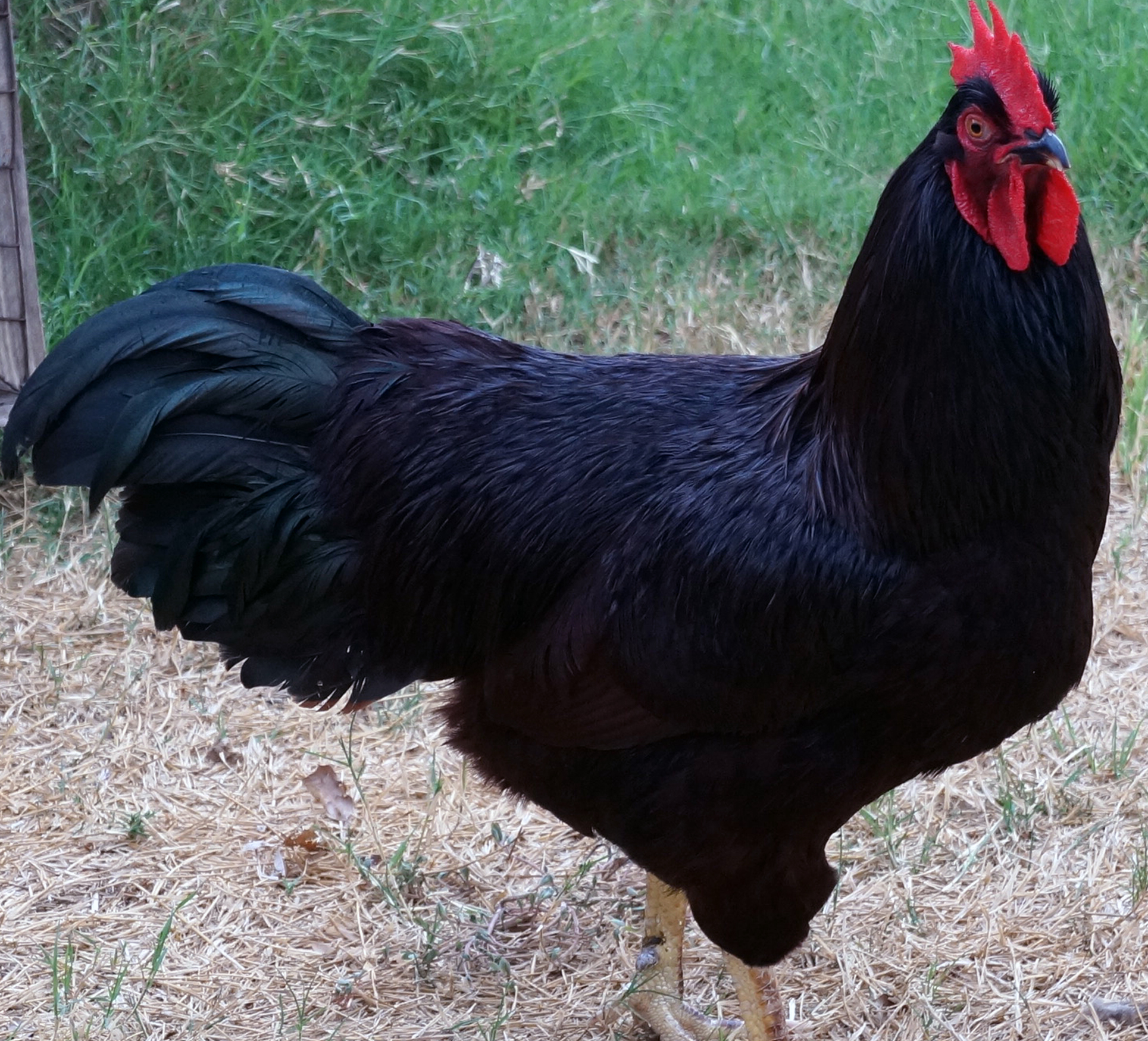
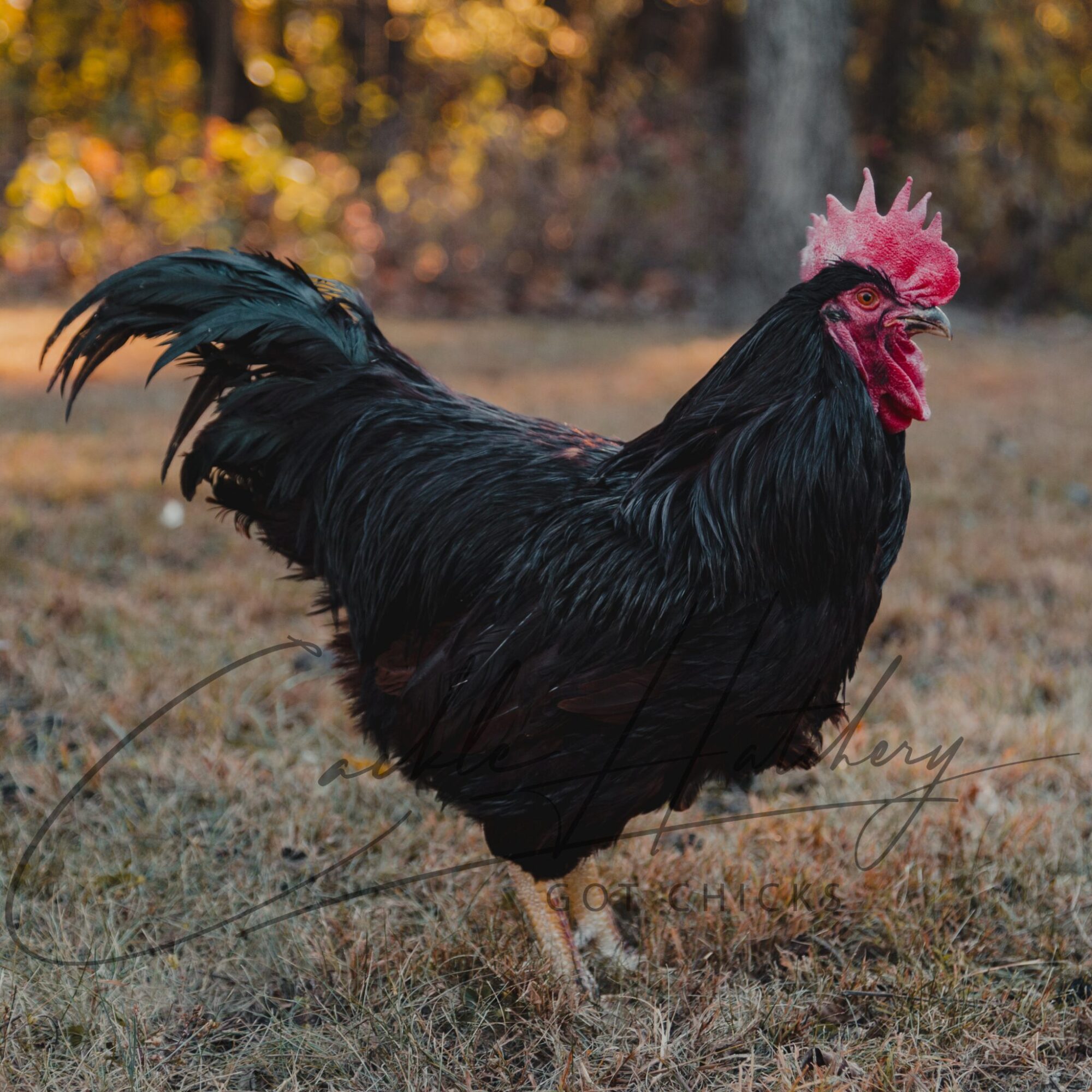
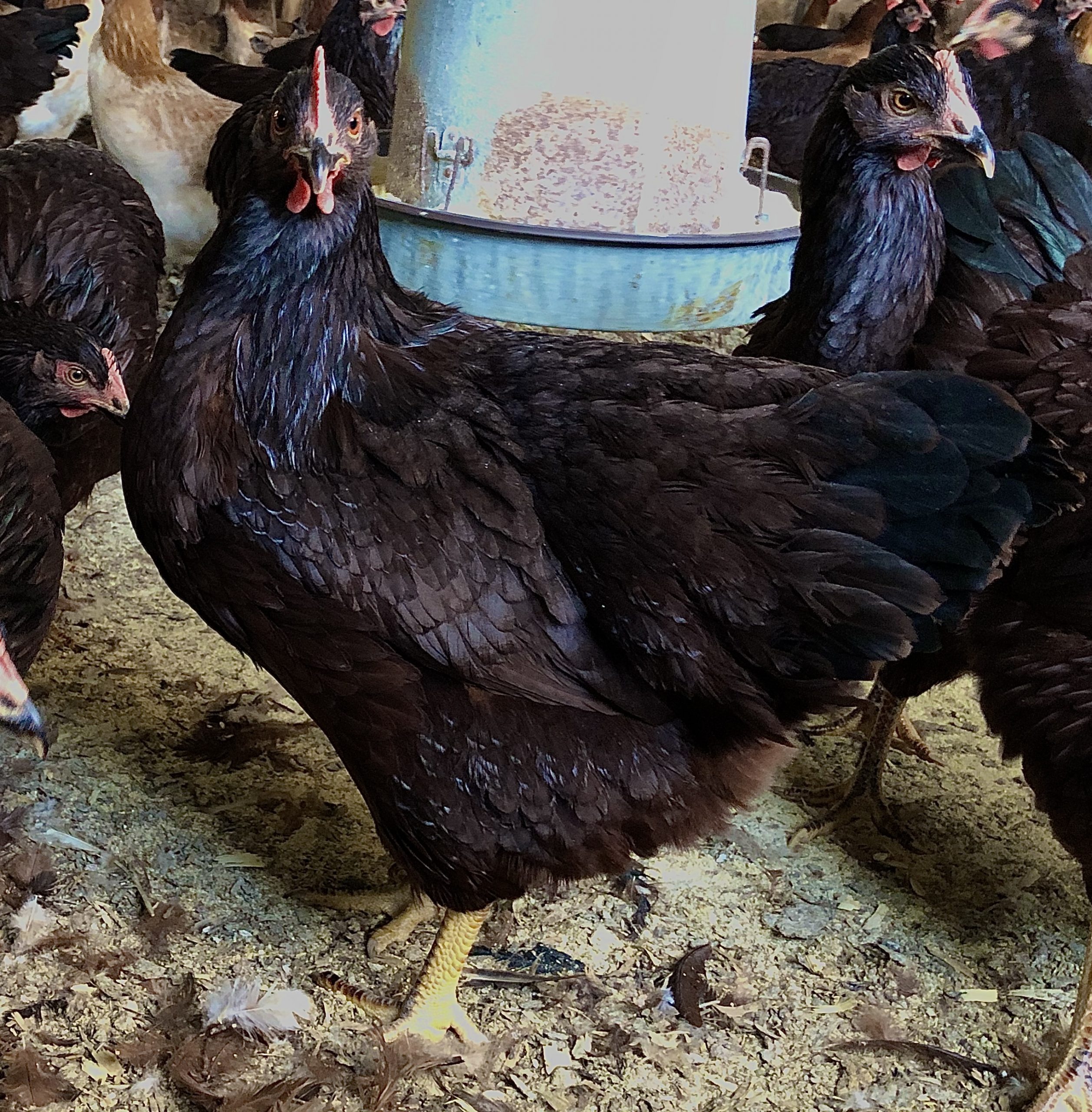
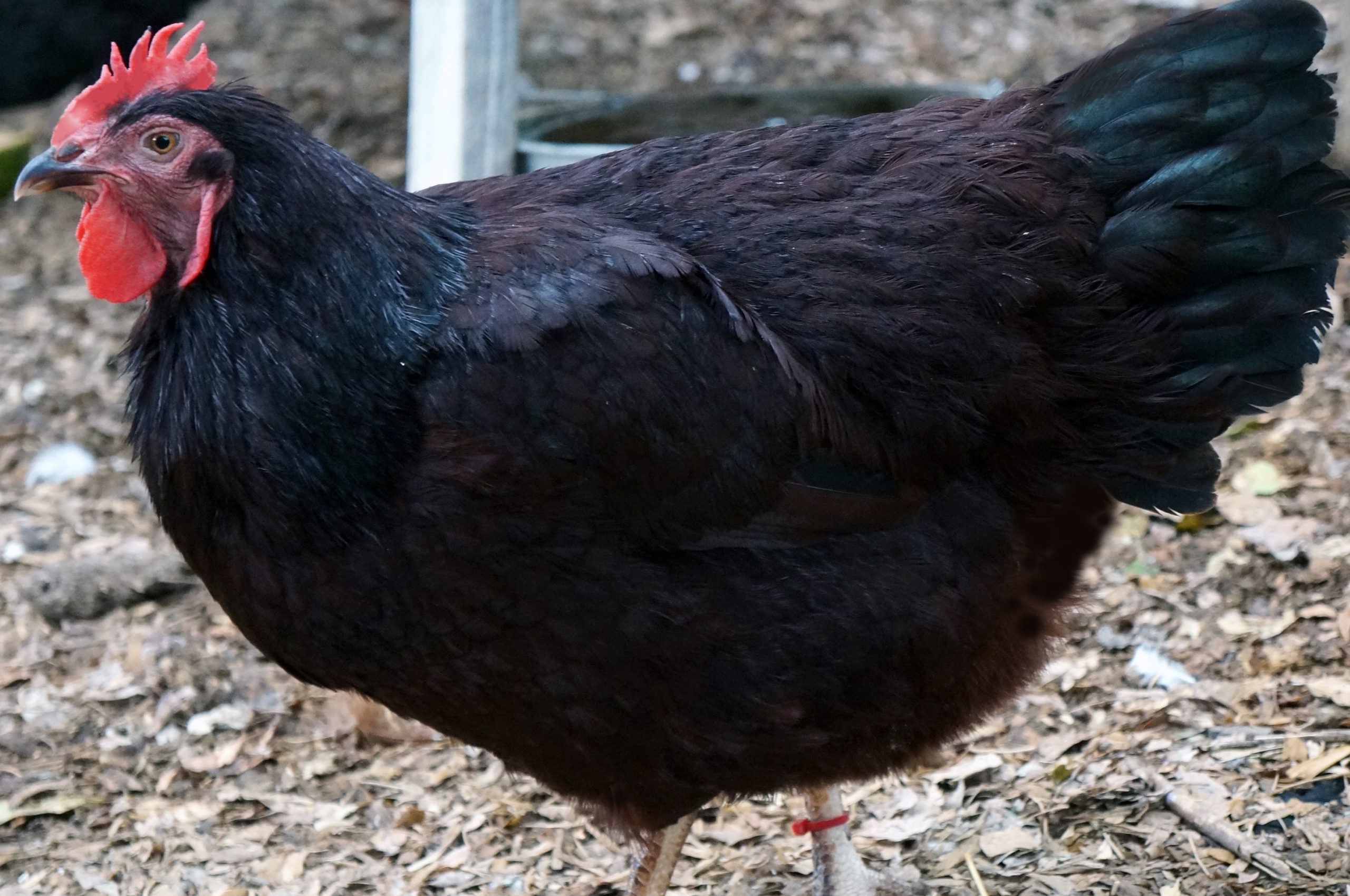
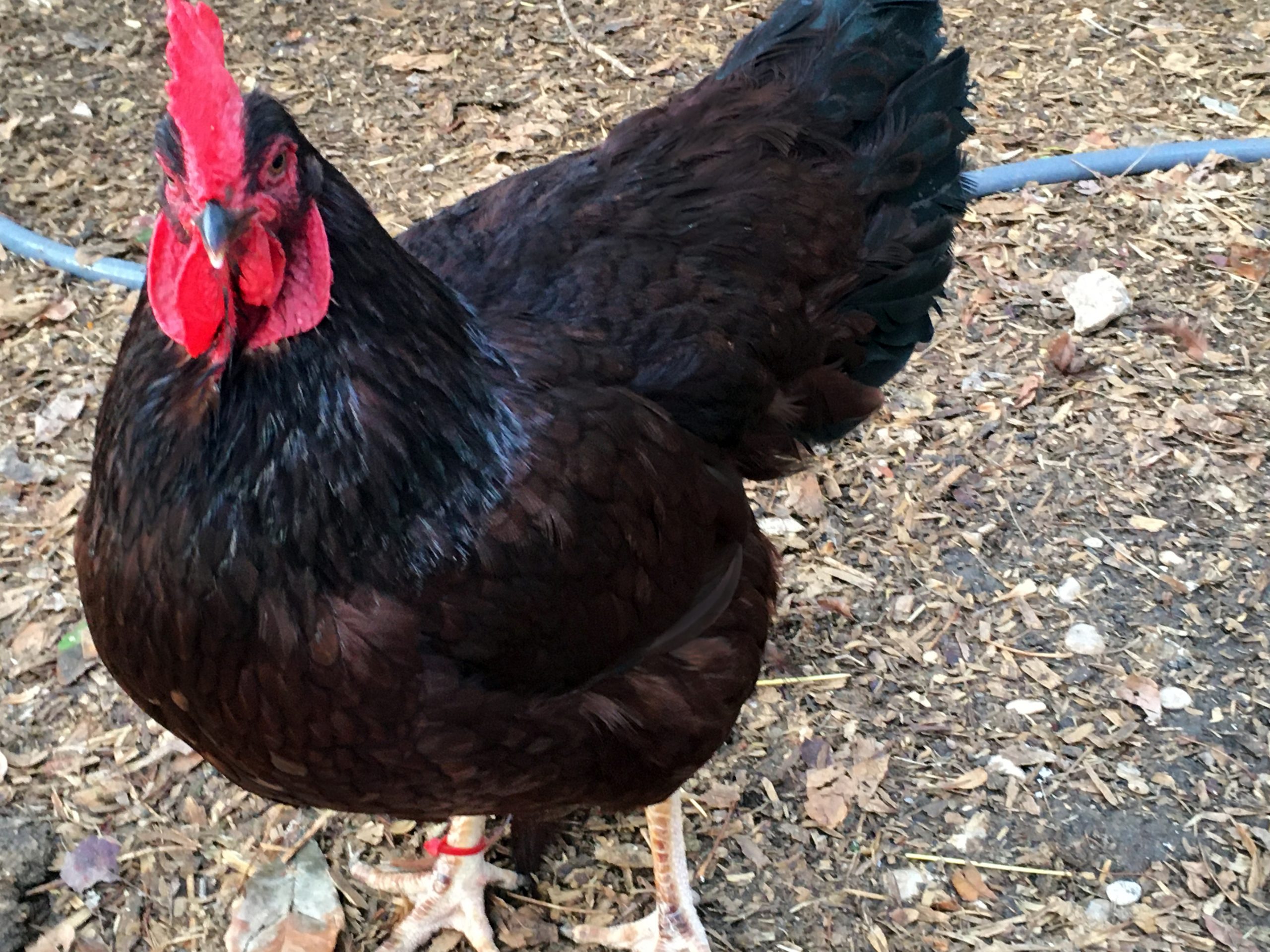
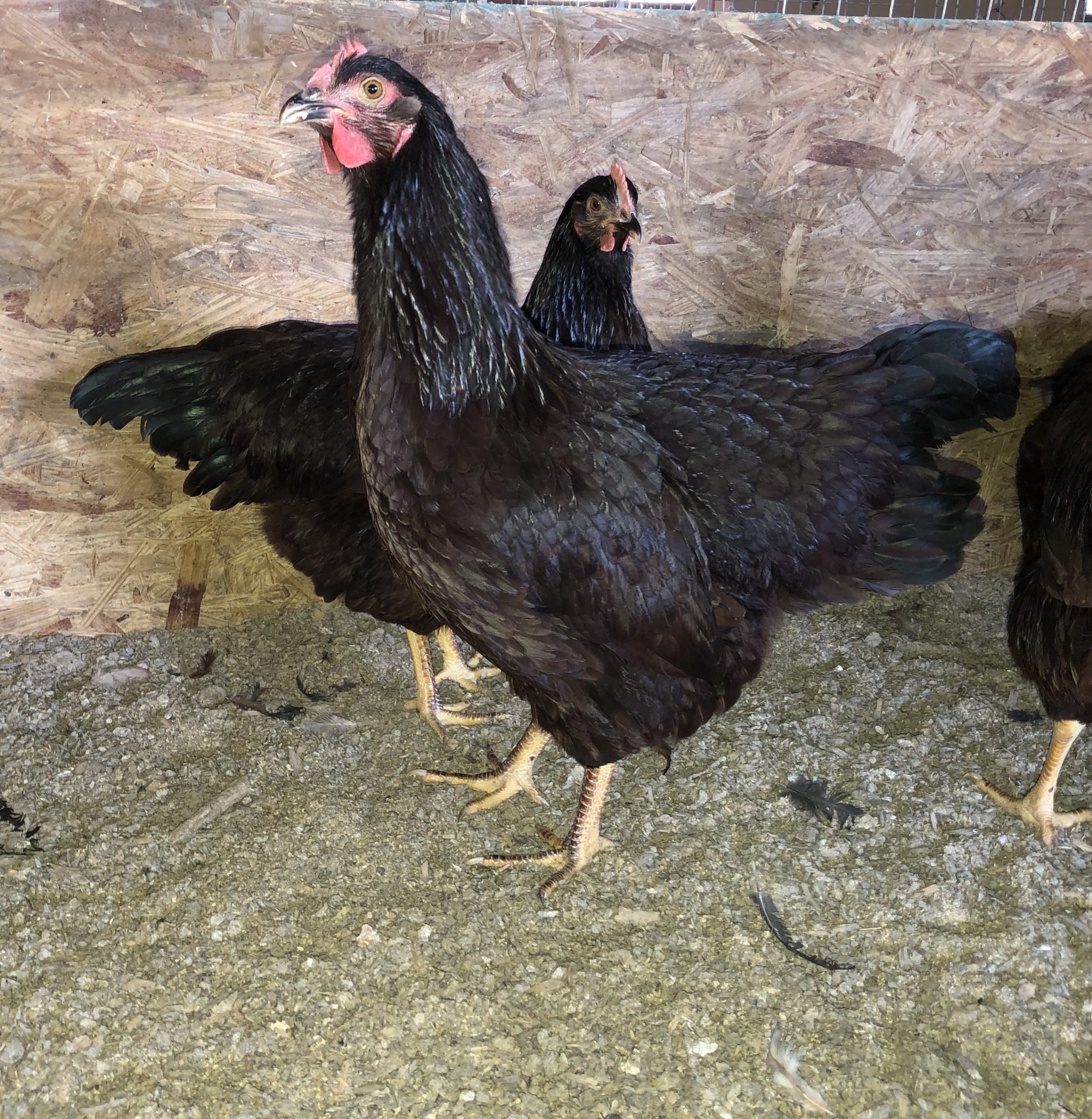
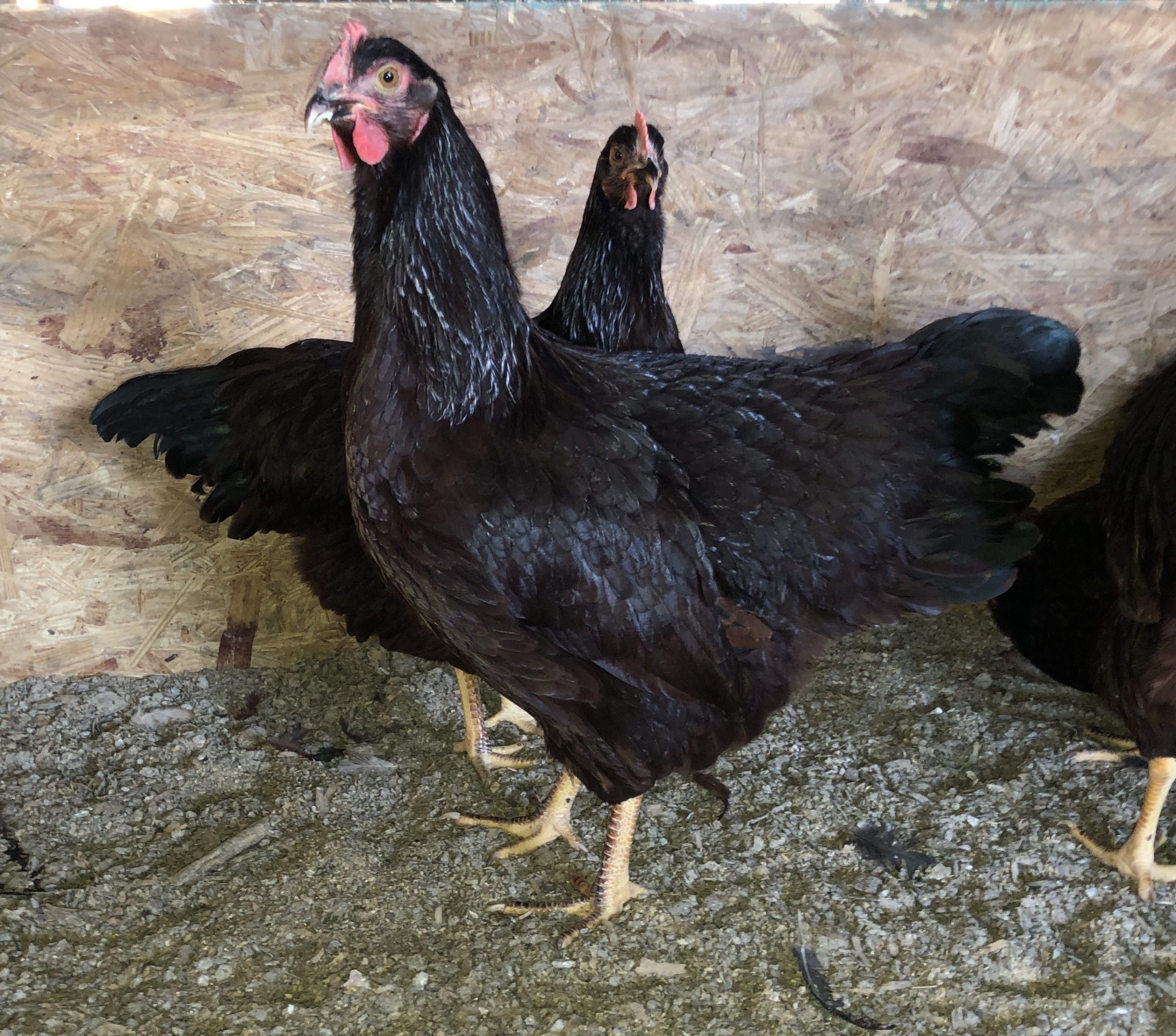
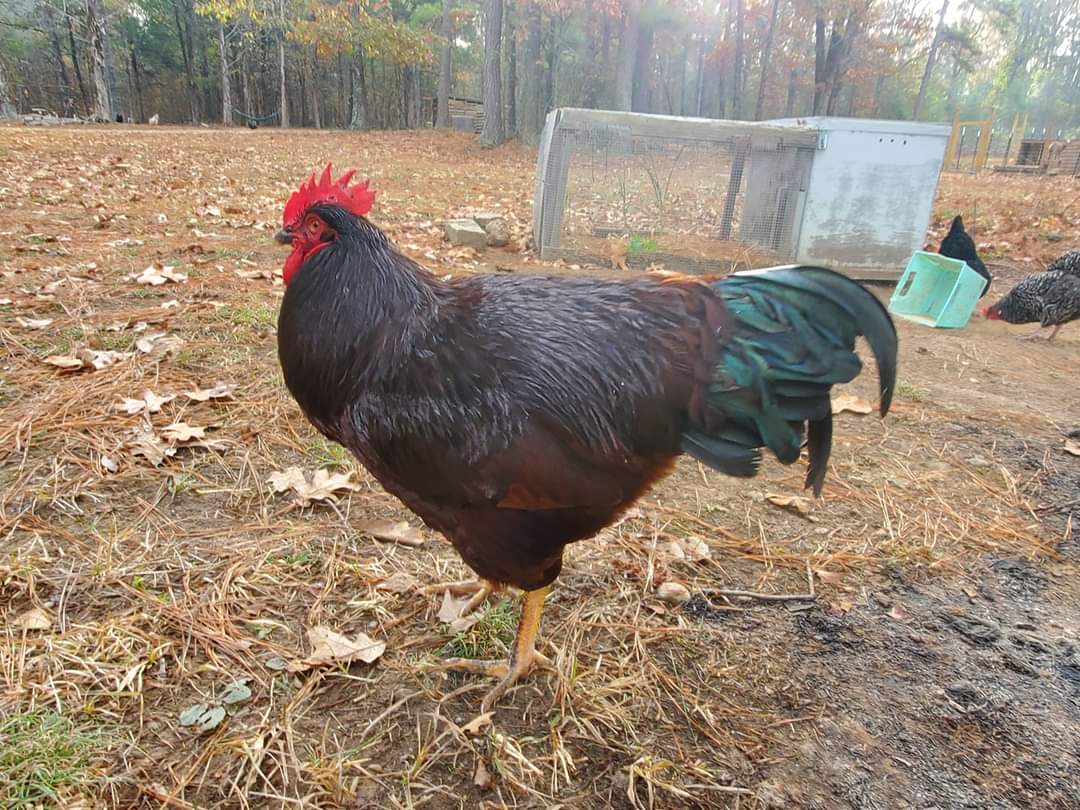
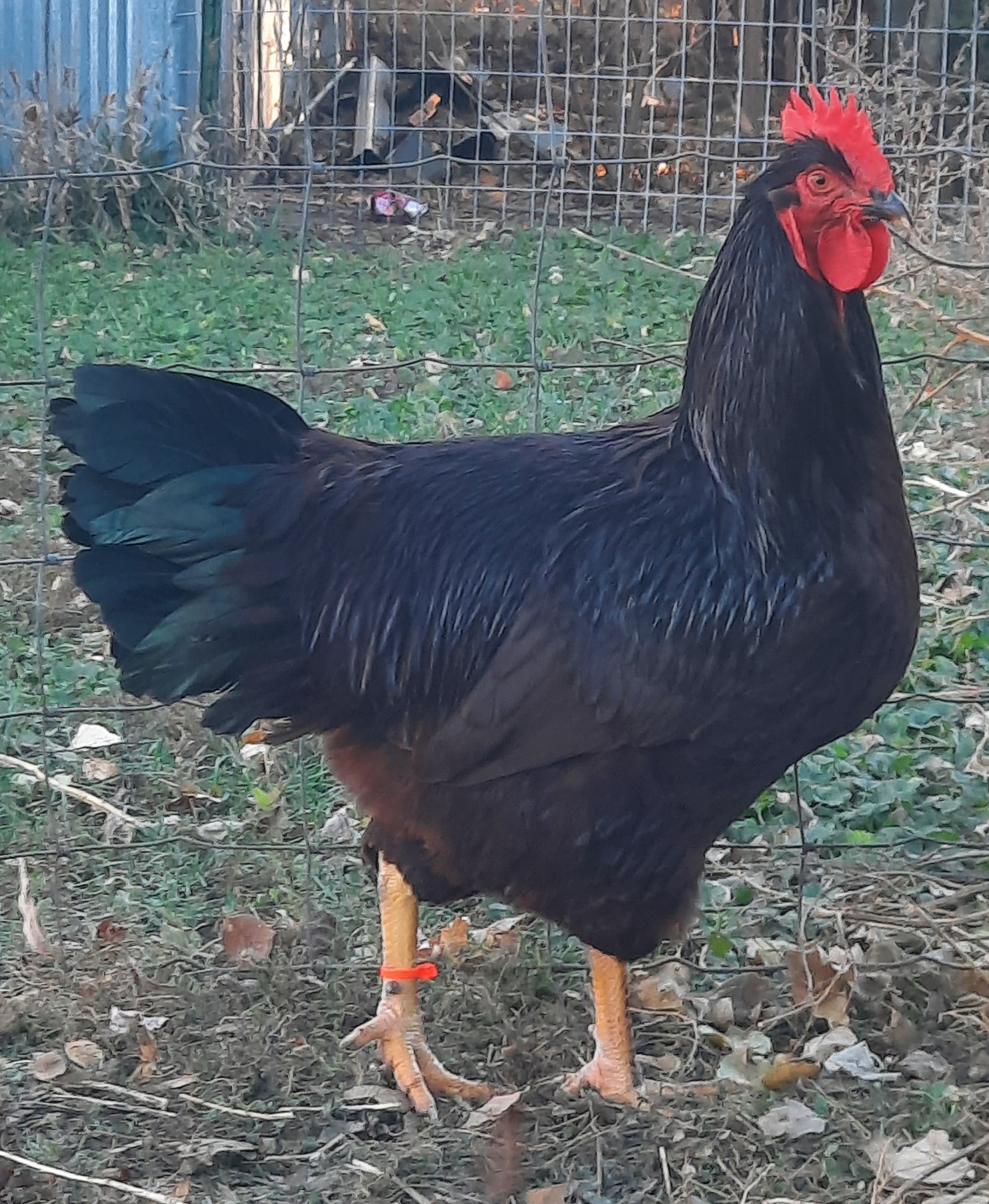
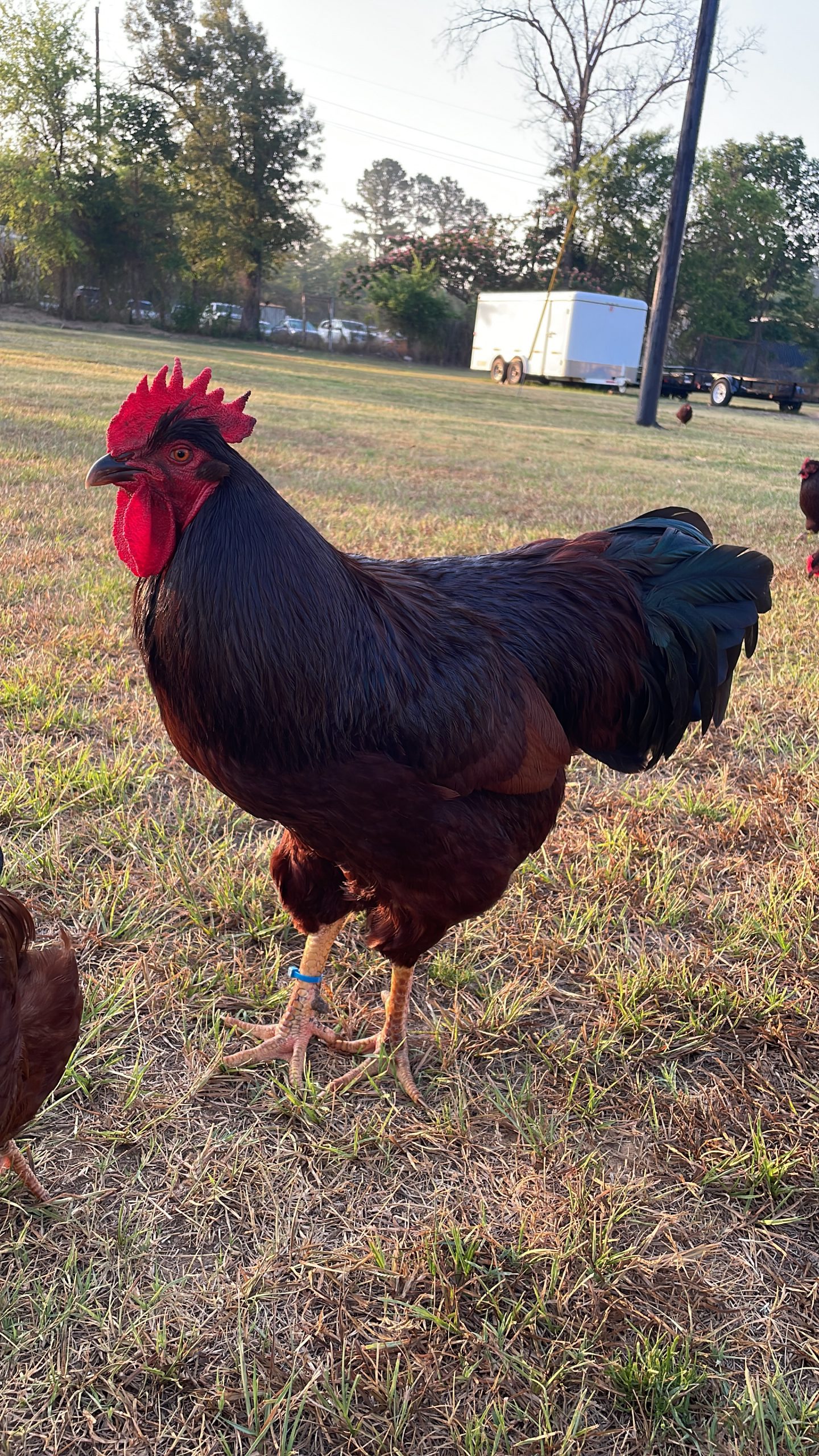
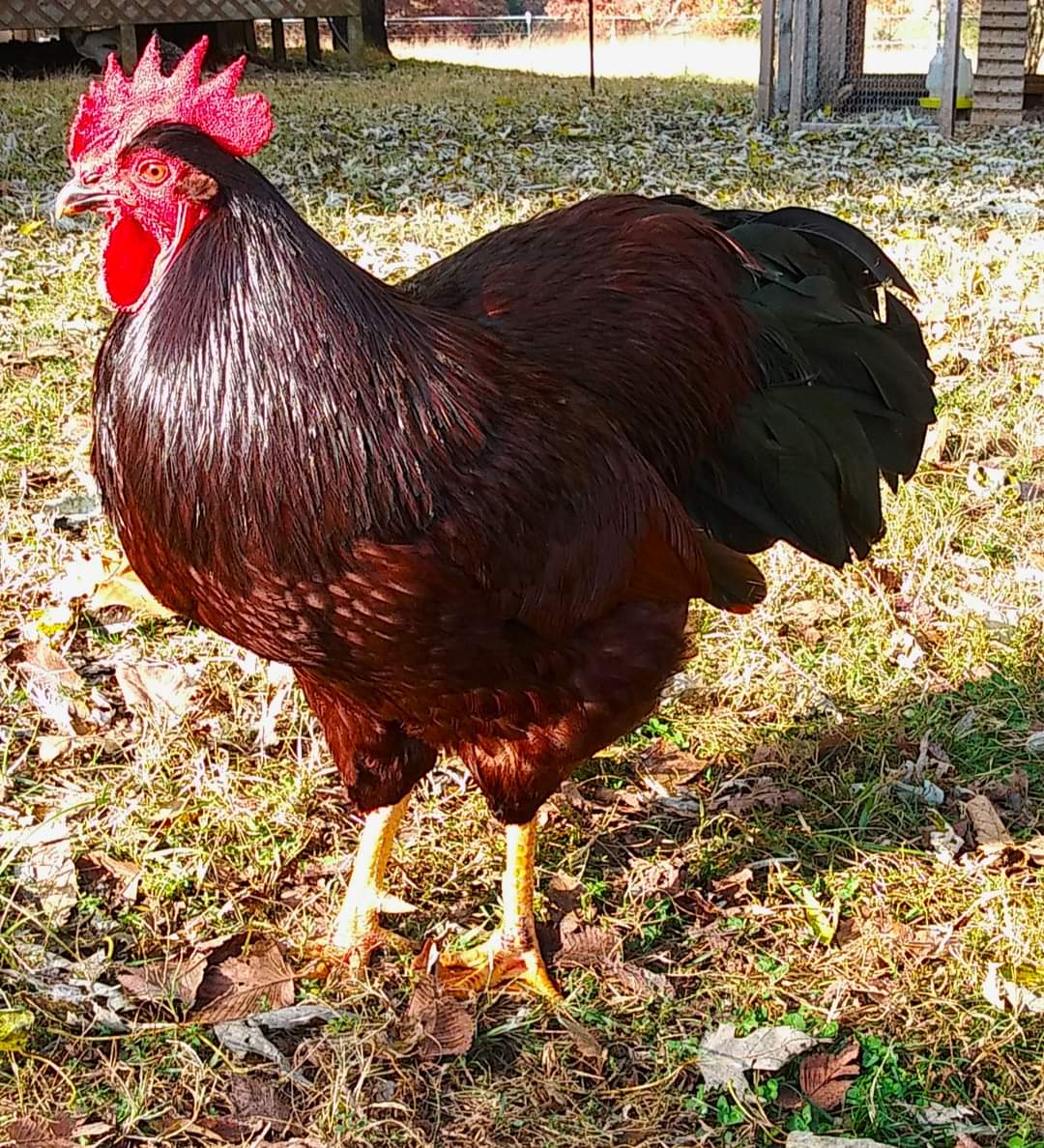
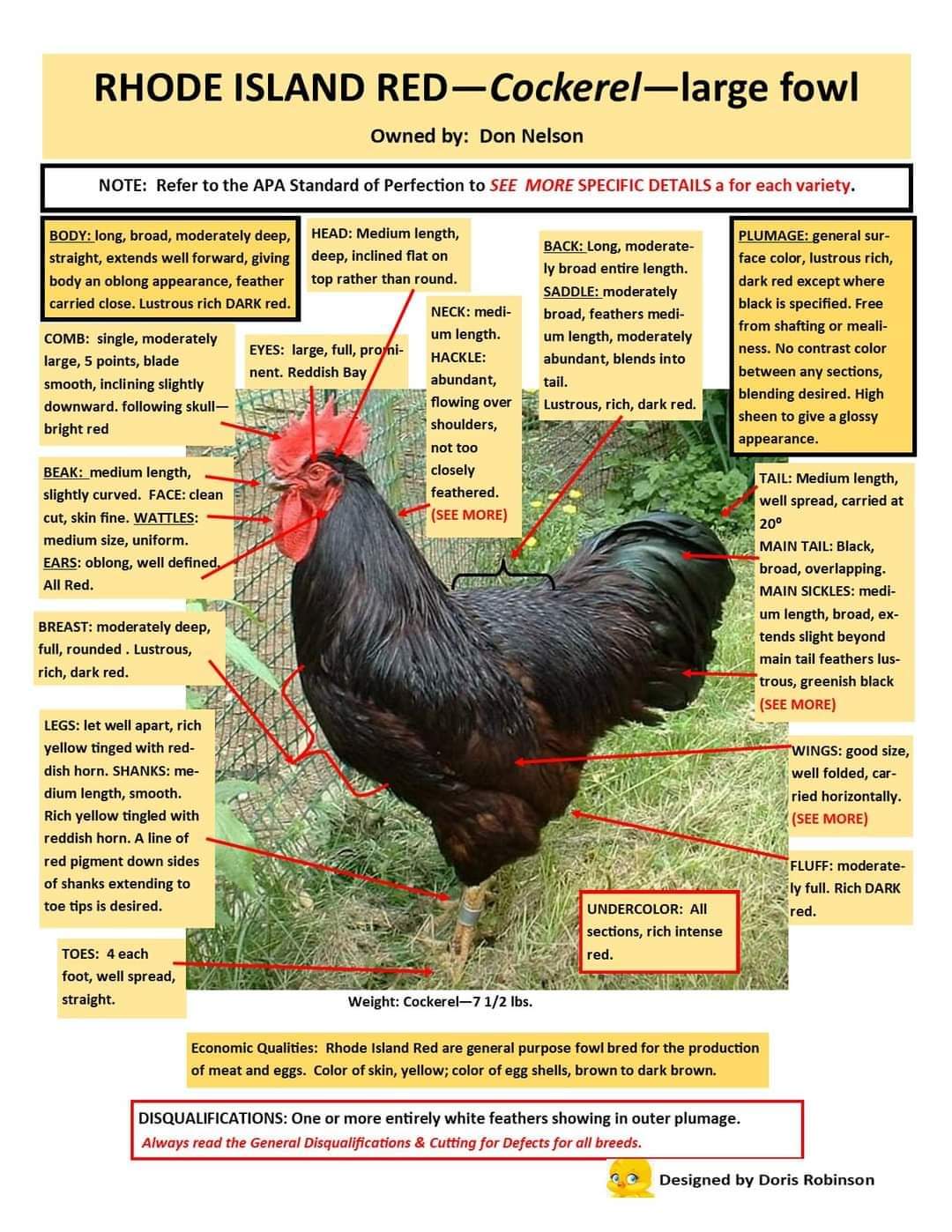
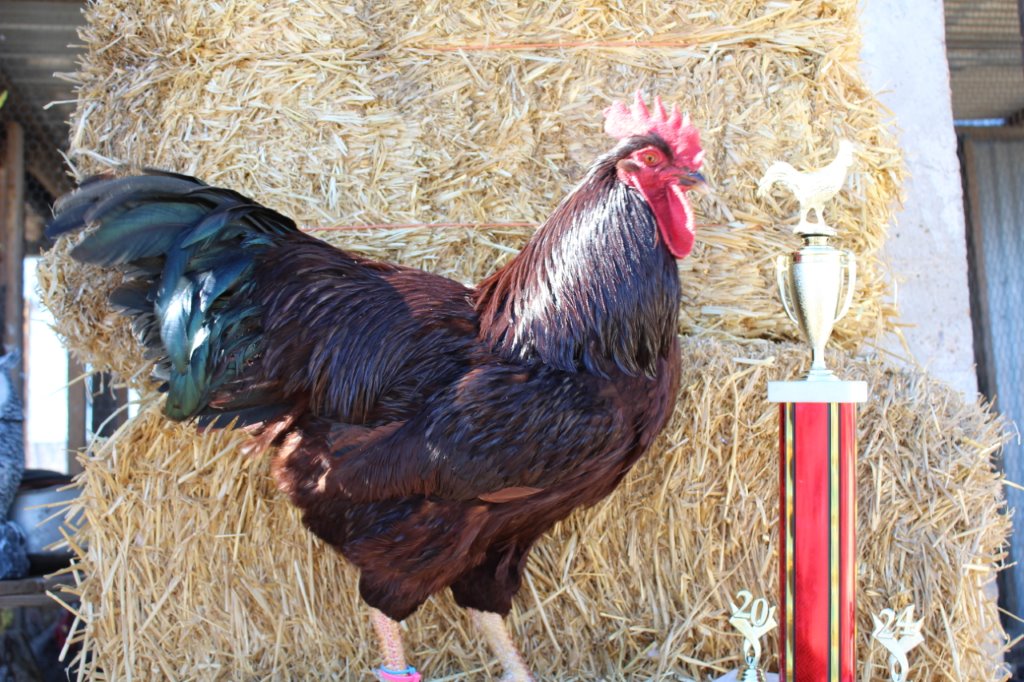
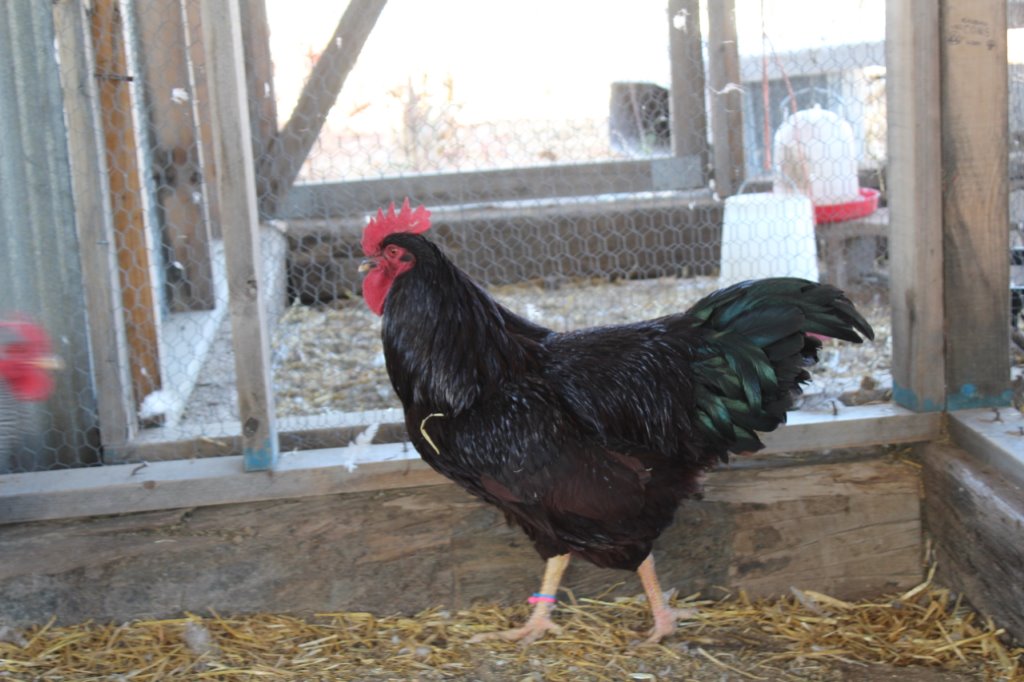
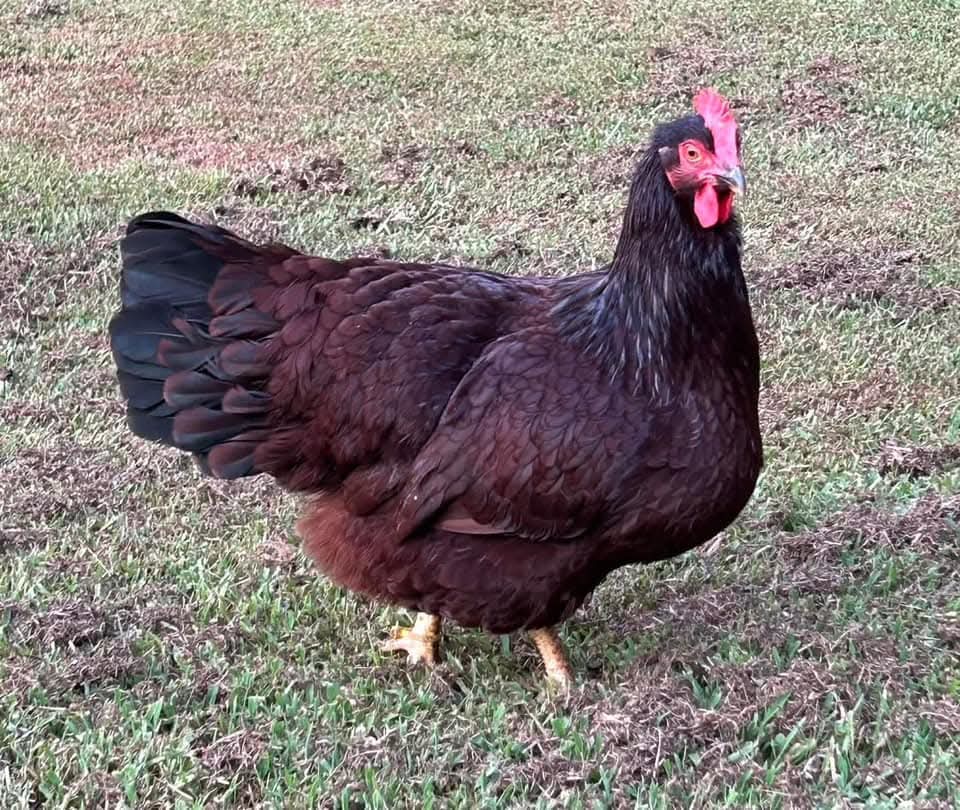
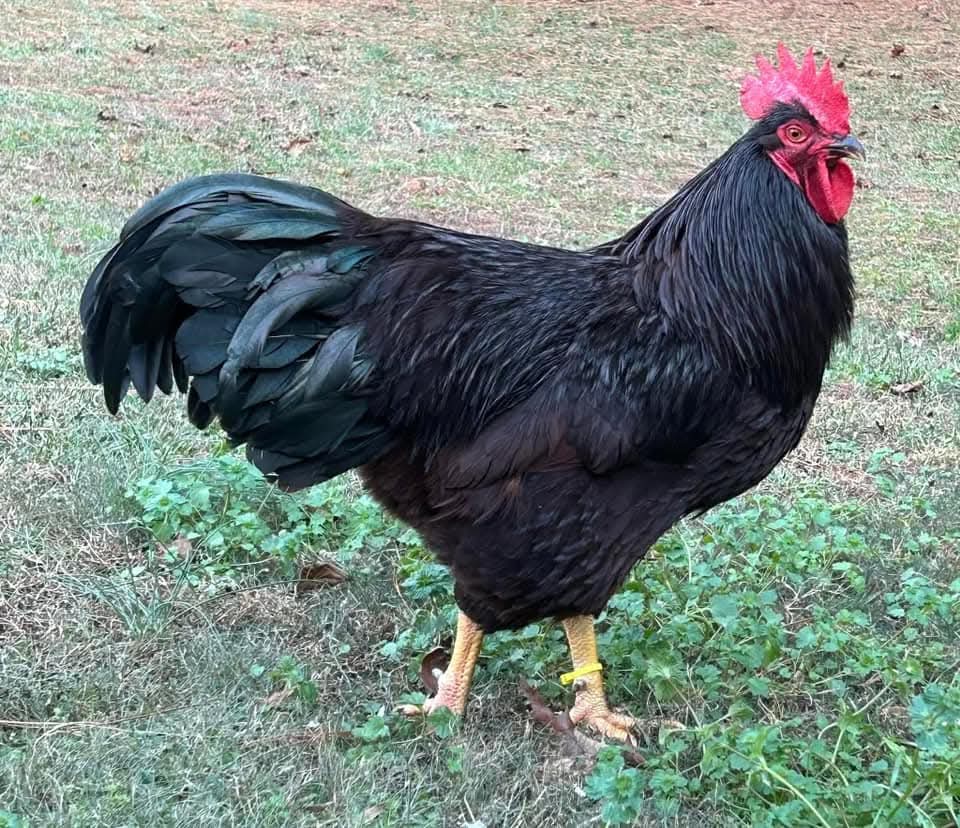
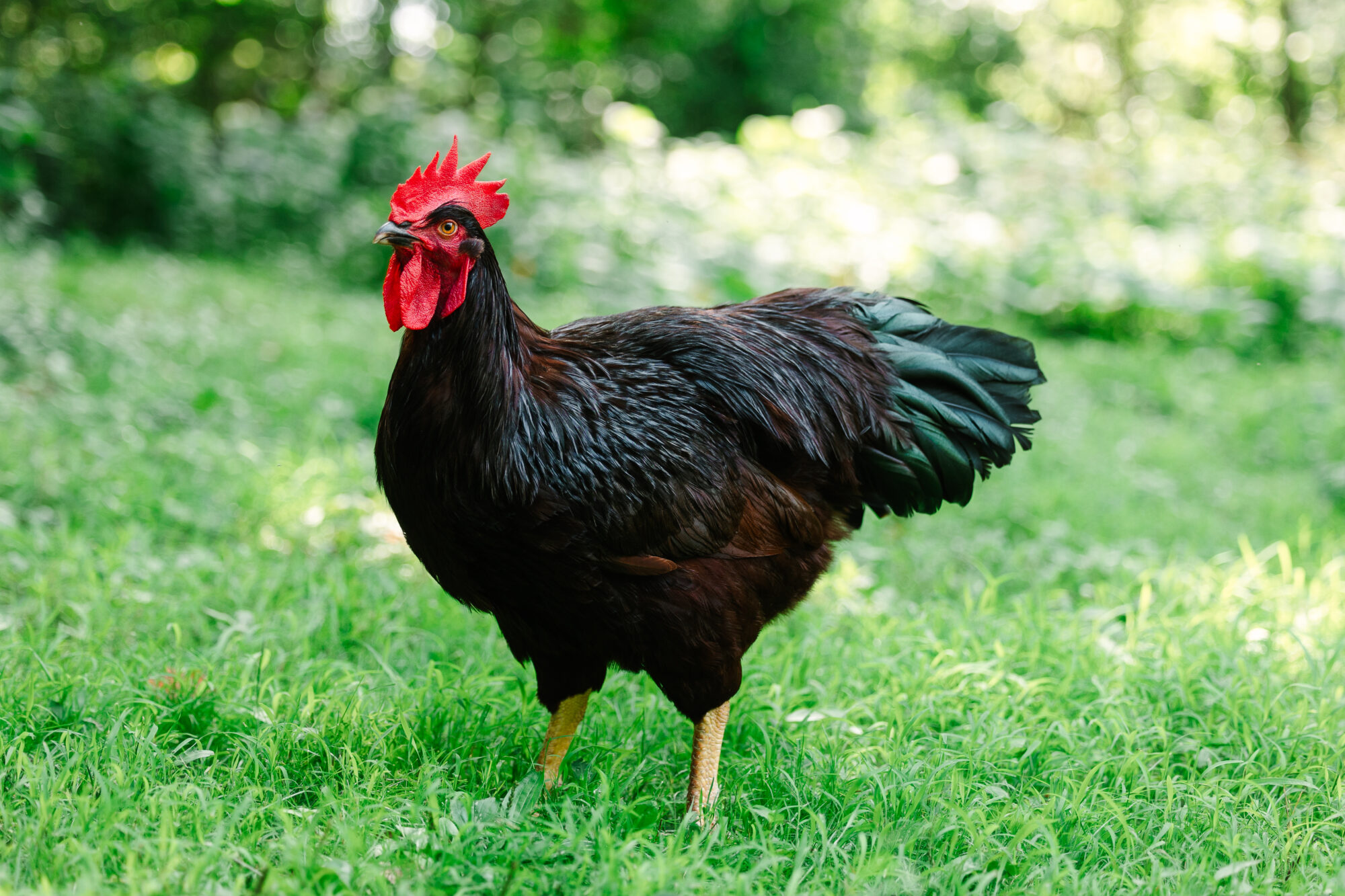
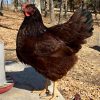
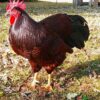
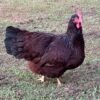
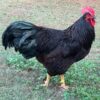
Exhibition Type Rhode Island Reds are bred to maintain the original show qualities that made the breed famous. They are larger, darker, and more blocky than many modern production strains.
Key appearance traits include:
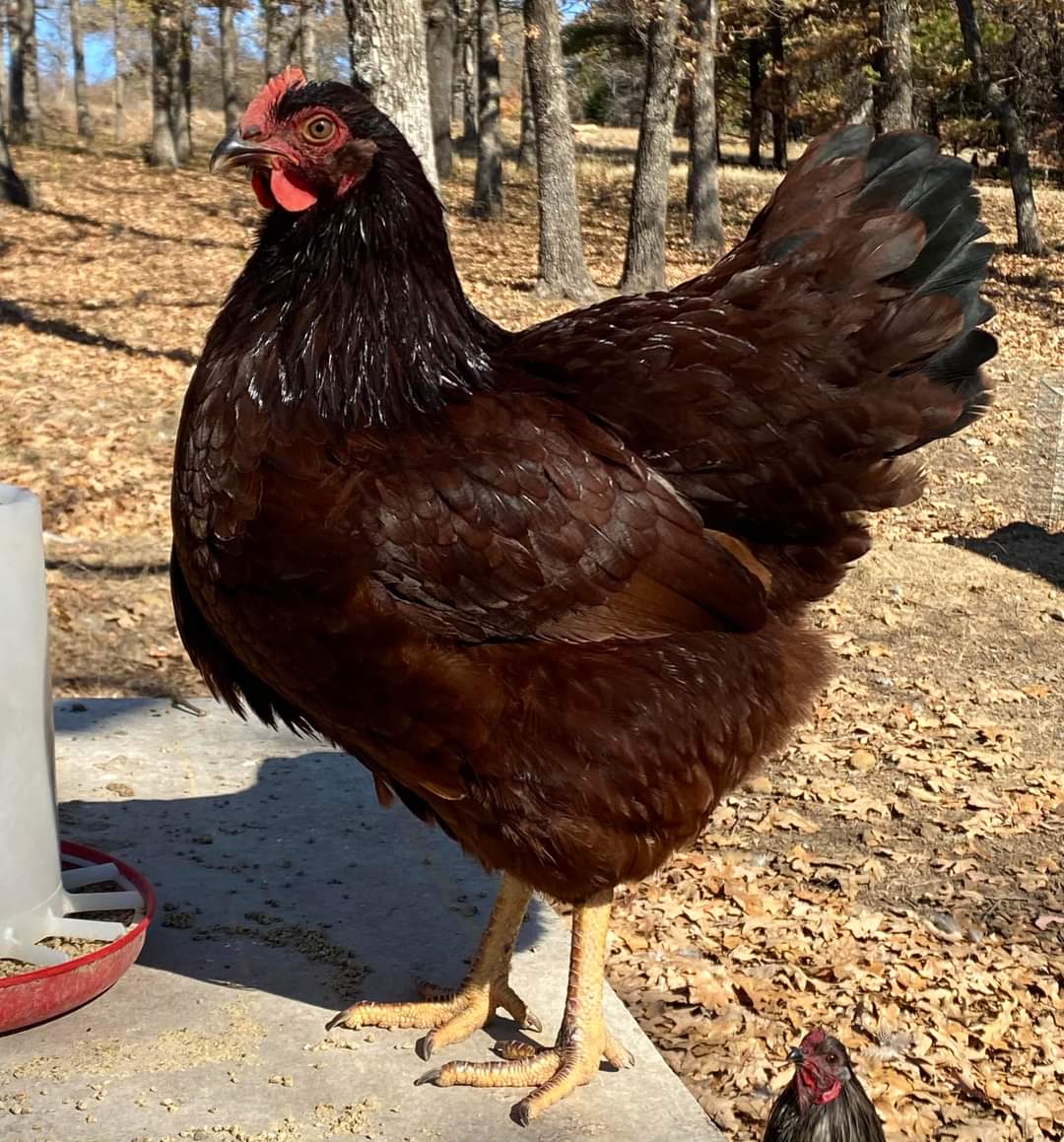
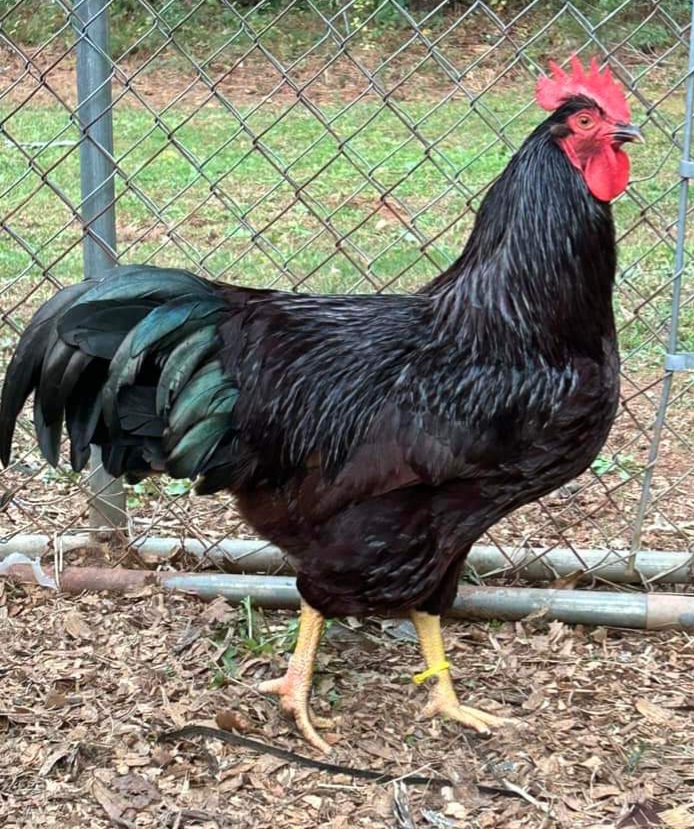
- Deep mahogany red plumage
- Large, brick-shaped body type
- Single comb
- Strong exhibition appearance
- Rich old-style breed color
- Classic Rhode Island Red type
- More traditional body size than production strains
The original old-style Rhode Island Reds were large and blocky, with dark mahogany plumage. That rich color is one of the main differences customers notice when comparing Exhibition Type birds to lighter production lines.
This strain is especially appealing for customers who want Rhode Island Reds that look like the classic showroom birds rather than modern, lighter red production layers.
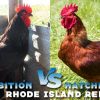
Exhibition Type vs Production Type Rhode Island Red
Cackle Hatchery® offers both Rhode Island Red Exhibition Type and Rhode Island Red Production Type. These strains serve different customer goals.
Choose Exhibition Type Rhode Island Reds if you want:
- Richer dark mahogany color
- A larger, blockier body
- A more docile old-style temperament
- More natural broodiness
- Better show potential
- Classic Rhode Island Red appearance
Choose Production Type Rhode Island Reds if your main goal is practical brown egg production. Cackle’s production strain is a heritage production type bred pure by Cackle Hatchery® Farms since 1936 and remains one of Cackle’s most popular brown egg laying breeds.
The simple difference is this: Exhibition Type is bred for show quality, color, body type, and old-style character. Production Type is bred primarily for efficient egg laying.
Egg Production and Brown Eggs
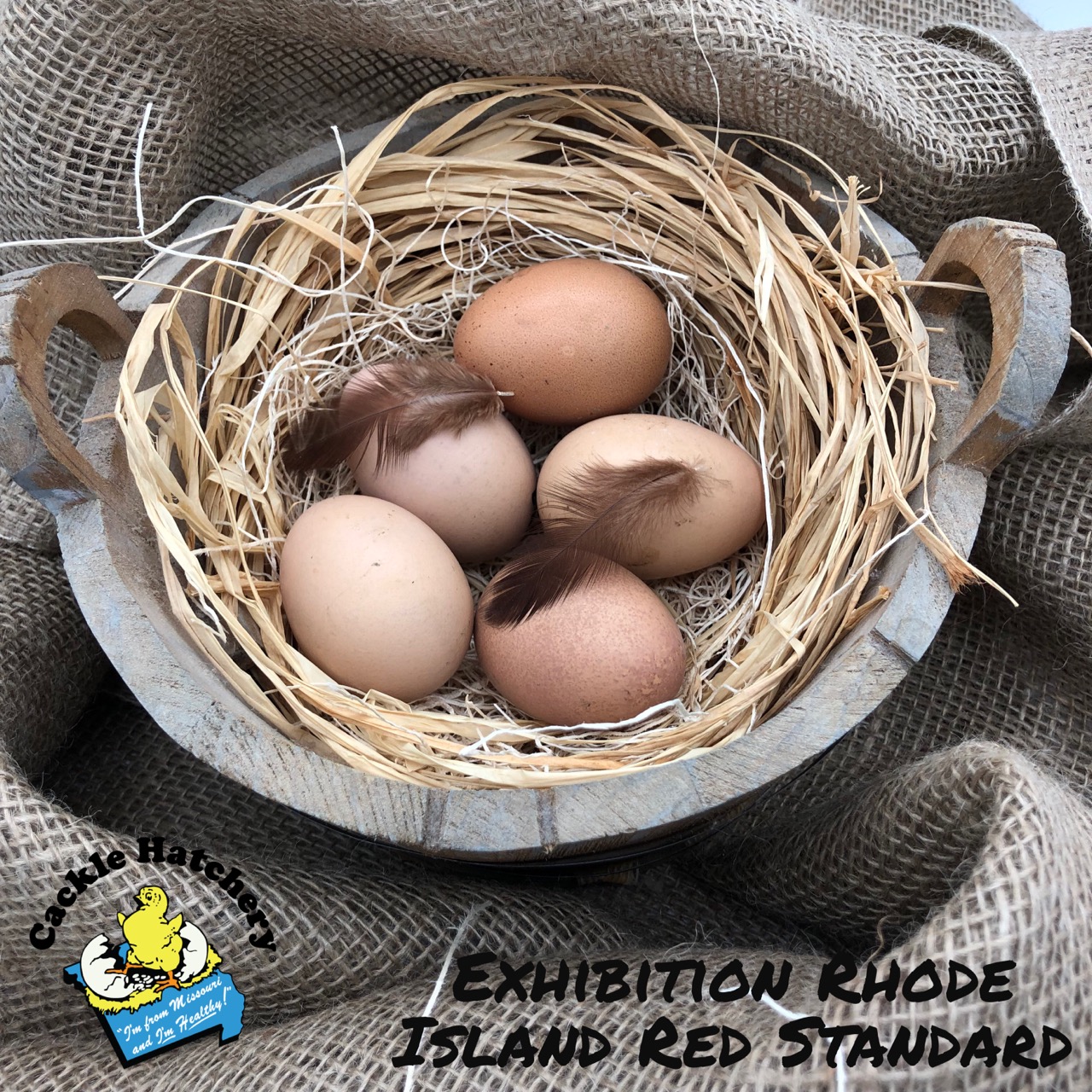
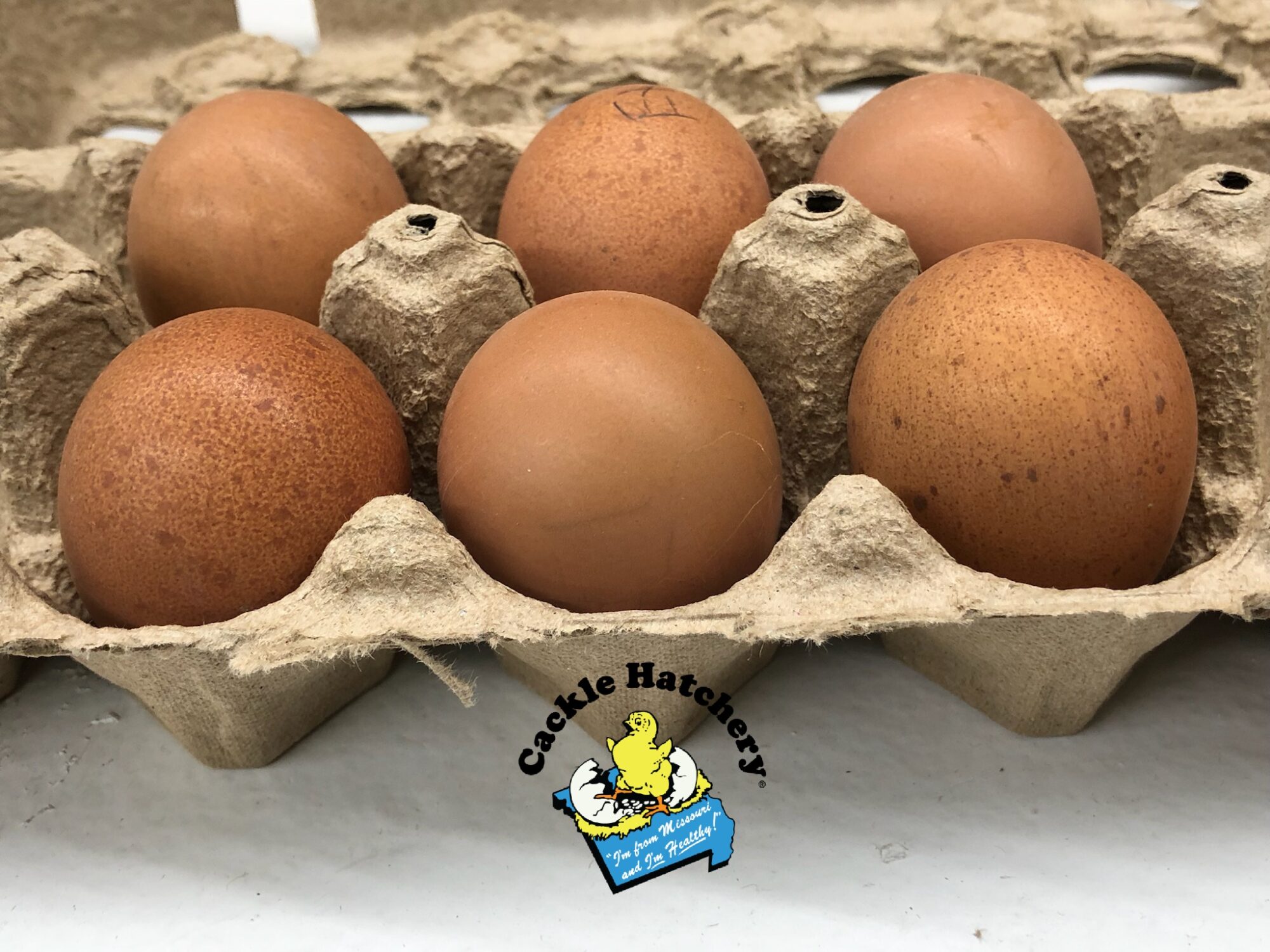
Exhibition Type Rhode Island Red hens lay brown eggs, but they are not bred to be the highest-output production layers. Instead, they offer a balance of eggs, beauty, body type, temperament, and heritage value.
Starting in the 1940s, production Rhode Island Reds were developed for more efficient laying. That shift helped increase egg numbers but often reduced broodiness, size, and breed appearance. Exhibition Type Rhode Island Reds preserve more of the original large, dark, blocky look.
Customers who want the most efficient egg layer should compare Cackle’s Rhode Island Red Production Type or Rhode Island Red Started Pullets. Customers who want a beautiful show-oriented Rhode Island Red should choose the Exhibition Type.
Temperament and Broodiness
Exhibition Type Rhode Island Reds are known for a more docile, old-fashioned temperament compared with many modern production lines. Lloyd Flanagan’s bloodline is valued for maintaining the original rich color, brick shape, docile nature, and broodiness.
This makes the Exhibition Type strain a good fit for customers who appreciate traditional breed behavior. Hens may be more likely to go broody than production strains, and broody hens may sit on eggs and raise chicks when conditions are right.
This strain can work well for:
- Poultry exhibition projects
- Heritage breed flocks
- Backyard brown egg flocks
- Customers who want docile Rhode Island Reds
- Keepers who value natural broodiness
- Small breeding projects
- Customers who prefer dark mahogany plumage
- Flocks focused on breed preservation and appearance
However, customers who want maximum egg production with reduced broodiness may prefer the Production Type Rhode Island Red.
Exhibition and Show Appeal
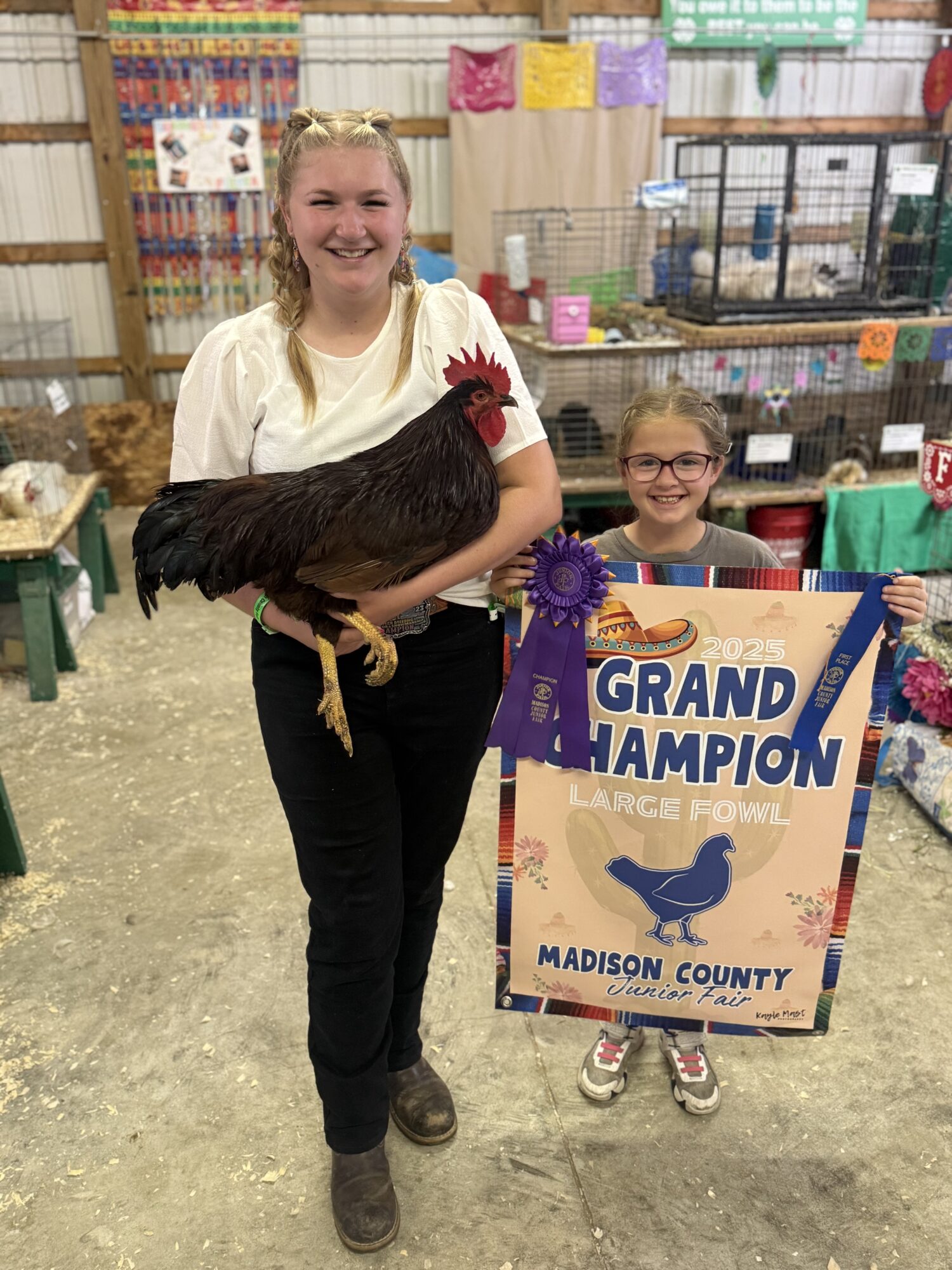
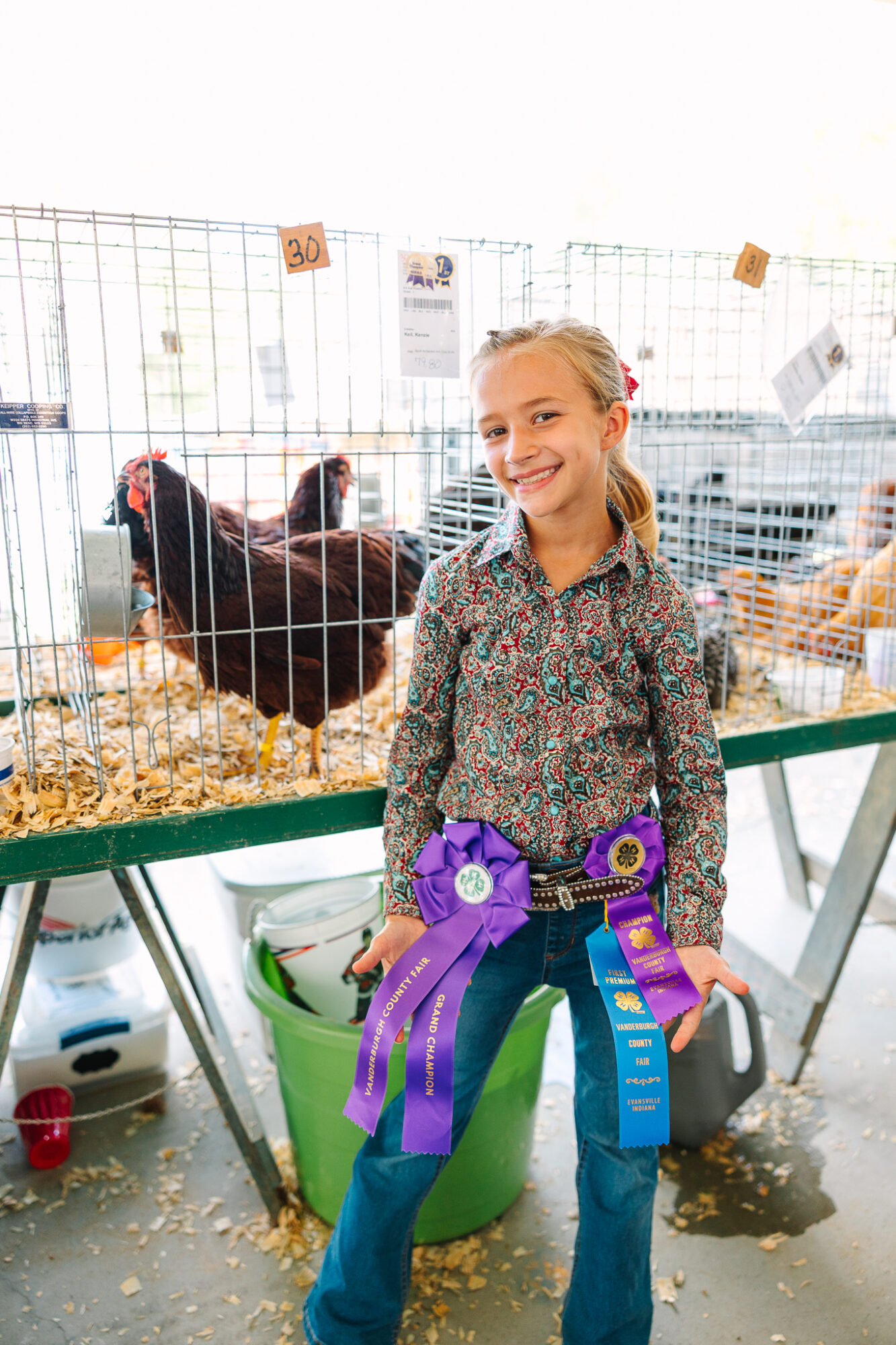
Exhibition Type Rhode Island Reds are popular in showrooms and often appear on Champion Row. Their deep color, brick-shaped body, and traditional type make them strong candidates for customers interested in poultry shows.
Cackle Hatchery® describes this strain as a sharp-looking breed that can do well at exhibition. Its foundation from Ruth Lee Caron and the Lloyd Flanagan bloodline adds valuable show-breeding context for customers who care about exhibition potential.
Customers planning to show birds should still review the current American Poultry Association Standard of Perfection and local show rules before entering poultry.
Rhode Island Red Exhibition Type vs Rhode Island Red Bantam
Customers who like Rhode Island Reds but want a smaller bird may also enjoy the Rhode Island Red Bantam Chicken.
A Rhode Island Red Exhibition Type is a large fowl, single comb show strain with old-style body size and deep mahogany color.
A Rhode Island Red Bantam is the miniature version of the breed. Bantams can be a better fit for customers with limited space or those who enjoy smaller exhibition birds.
Choose Exhibition Type Rhode Island Reds if you want the full-size show bird. Choose Rhode Island Red Bantams if you want the same classic breed appeal in a smaller package.
Started Pullets and Hatching Egg Options
Cackle Hatchery® also offers related Rhode Island Red options for customers with different flock goals.
Customers who want older females closer to laying age can compare Rhode Island Red Started Pullets, which are Production Type birds. Cackle notes that its Production Type Rhode Island Red bloodline has been bred pure by Cackle Hatchery® Farms since 1936.
At limited times of the year, Cackle also offers Rhode Island Red Fertile Hatching Eggs for the Production Type and Rhode Island Red Chicken Exhibition Type Hatching Eggs for customers who want to incubate the single comb Exhibition Type strain.
Choose day-old chicks if you want to raise birds from the beginning. Choose started pullets if you want Production Type females closer to laying age. Choose hatching eggs if you want the experience of incubating and hatching your own Rhode Island Reds.
Is the Rhode Island Red Exhibition Type Right for Your Flock?
Choose Rhode Island Red Exhibition Type chickens if you want:
- A single comb exhibition strain
- Deep mahogany plumage
- A large, blocky body type
- Classic American breed history
- Brown eggs
- Docile old-style temperament
- Hens with broody potential
- A bird with show appeal
- Ruth Lee Caron and Lloyd Flanagan bloodline influence
- A heritage-style Rhode Island Red rather than a production-focused layer
However, consider the Production Type Rhode Island Red if your main goal is efficient brown egg production. In short, Exhibition Type Rhode Island Reds are best for customers who want beauty, breed history, old-style body type, rich color, and show potential.
Care and Housing Tips
Rhode Island Red Exhibition Type chickens need the same dependable care as other standard-size chickens. They do best with a clean coop, secure run, proper feed, fresh water, and predator protection.
For best results, provide:
- A dry, well-ventilated coop
- Predator-resistant fencing
- Clean bedding
- Fresh water at all times
- Balanced chick starter and age-appropriate feed
- Enough roosting space for large birds
- Nest boxes for brown eggs
- Shade and airflow during hot weather
- Protection from drafts and damp bedding in cold weather
- Enough space to maintain feather condition and reduce stress
Because Exhibition Type Rhode Island Reds are valued for plumage color, body shape, and show potential, clean housing and adequate room help protect the birds’ appearance and health.
Recognition and Availability
The single comb Rhode Island Red was admitted to the American Poultry Association Standard of Perfection in 1904, followed by the rose comb variety in 1906.
Cackle Hatchery® offers the single comb Exhibition Type Rhode Island Red as day-old chicks and also offers Exhibition Type hatching eggs at limited times of the year. Since hatch dates and shipping windows can change during the season, customers should check Cackle Hatchery’s Chicken Availability Chart before ordering.
Related Breeds and Helpful Cackle Hatchery® Resources
Customers who like Exhibition Type Rhode Island Reds may also enjoy production Rhode Island Reds, Rhode Island Red Bantams, other brown egg layers, and heritage breed options.
Helpful Cackle Hatchery® links for this product page include:
FAQ: Rhode Island Red Chicken (Exhibition Type)
What is a Rhode Island Red Chicken Exhibition Type?
A Rhode Island Red Chicken Exhibition Type is a single comb show strain bred for deep mahogany color, large blocky body type, docile temperament, broodiness, brown eggs, and classic Rhode Island Red appearance.
Where did Rhode Island Red chickens originate?
Rhode Island Reds were developed in Rhode Island and Massachusetts in the late 1800s. The breed is distinctly American.
When were Rhode Island Reds admitted to the American Standard of Perfection?
The single comb Rhode Island Red was admitted to the American Poultry Association Standard of Perfection in 1904. The rose comb variety followed in 1906.
What is the difference between Exhibition Type and Production Type Rhode Island Reds?
Exhibition Type Rhode Island Reds are bred for show quality, deep mahogany color, brick-shaped body type, docility, and broodiness. Production Type Rhode Island Reds are bred more for efficient egg production.
Are Exhibition Type Rhode Island Reds good egg layers?
They lay brown eggs, but they are not bred mainly for maximum production. Customers who want higher egg production may prefer Cackle’s Production Type Rhode Island Reds.
What color eggs do Exhibition Type Rhode Island Reds lay?
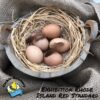
Exhibition Type Rhode Island Red hens lay brown eggs.
Are Exhibition Type Rhode Island Reds broody?
They may be more likely to show broodiness than production strains. The Lloyd Flanagan bloodline is known for maintaining broodiness along with rich color and brick shape.
Are Exhibition Type Rhode Island Reds docile?
Yes. This strain is valued for a more docile old-style temperament compared with many modern production-focused Rhode Island Reds.
What do Exhibition Type Rhode Island Reds look like?
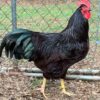
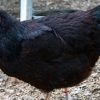
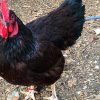
They have deep mahogany plumage, a large blocky or brick-shaped body, single comb, and classic old-style Rhode Island Red appearance.
Why are production Rhode Island Reds lighter in color?
Modern production strains were selected mainly for efficient egg laying. As production became the focus, body size, broodiness, docility, and darker plumage often became less emphasized.
Who is Lloyd Flanagan?
Lloyd Flanagan is a Grand Master Exhibitor from Texas who worked with his Rhode Island Red bloodline for more than 30 years and was inducted into the Rhode Island Red Club Hall of Fame in 2001.
Where did Cackle Hatchery® get its Exhibition Type Rhode Island Red start?
Cackle Hatchery® acquired its start from Rhode Island Red breeder Ruth Lee Caron. Her strain came from Lloyd Flanagan’s bloodline.
Are Exhibition Type Rhode Island Reds good for poultry shows?
Yes. Exhibition Rhode Island Reds are popular in showrooms and often appear on Champion Row.
Are Exhibition Type Rhode Island Reds good for beginners?
They can work well for beginners who want a heritage-style, docile, show-oriented bird. However, customers focused mainly on egg numbers may prefer Production Type Rhode Island Reds.
What is the difference between Rhode Island Red Exhibition Type and Rhode Island Red Bantam?
The Exhibition Type Rhode Island Red is a large fowl bird. The Rhode Island Red Bantam is the miniature version and may be better for customers with less space or those who enjoy bantam exhibition birds.
Does Cackle Hatchery® offer Rhode Island Red started pullets?
Yes. Cackle Hatchery® offers Rhode Island Red Started Pullets, but these are Production Type birds.
Does Cackle Hatchery® offer Rhode Island Red hatching eggs?
Yes. Cackle offers Production Type Rhode Island Red Fertile Hatching Eggs and Exhibition Type Rhode Island Red Hatching Eggs at limited times of the year.
What is the best Rhode Island Red option for egg production?
Cackle’s Rhode Island Red Production Type is the better choice for customers focused mainly on brown egg production.
What is the best Rhode Island Red option for showing?
Cackle’s Rhode Island Red Exhibition Type is the better choice for customers who want show appearance, deep mahogany color, and old-style body type.
Where can I check Rhode Island Red Exhibition Type availability?
Customers can check Cackle Hatchery’s Chicken Availability Chart for current hatch and shipping timing. Availability can change during the season, so checking the chart helps customers plan ahead.




















Jesse Walker –
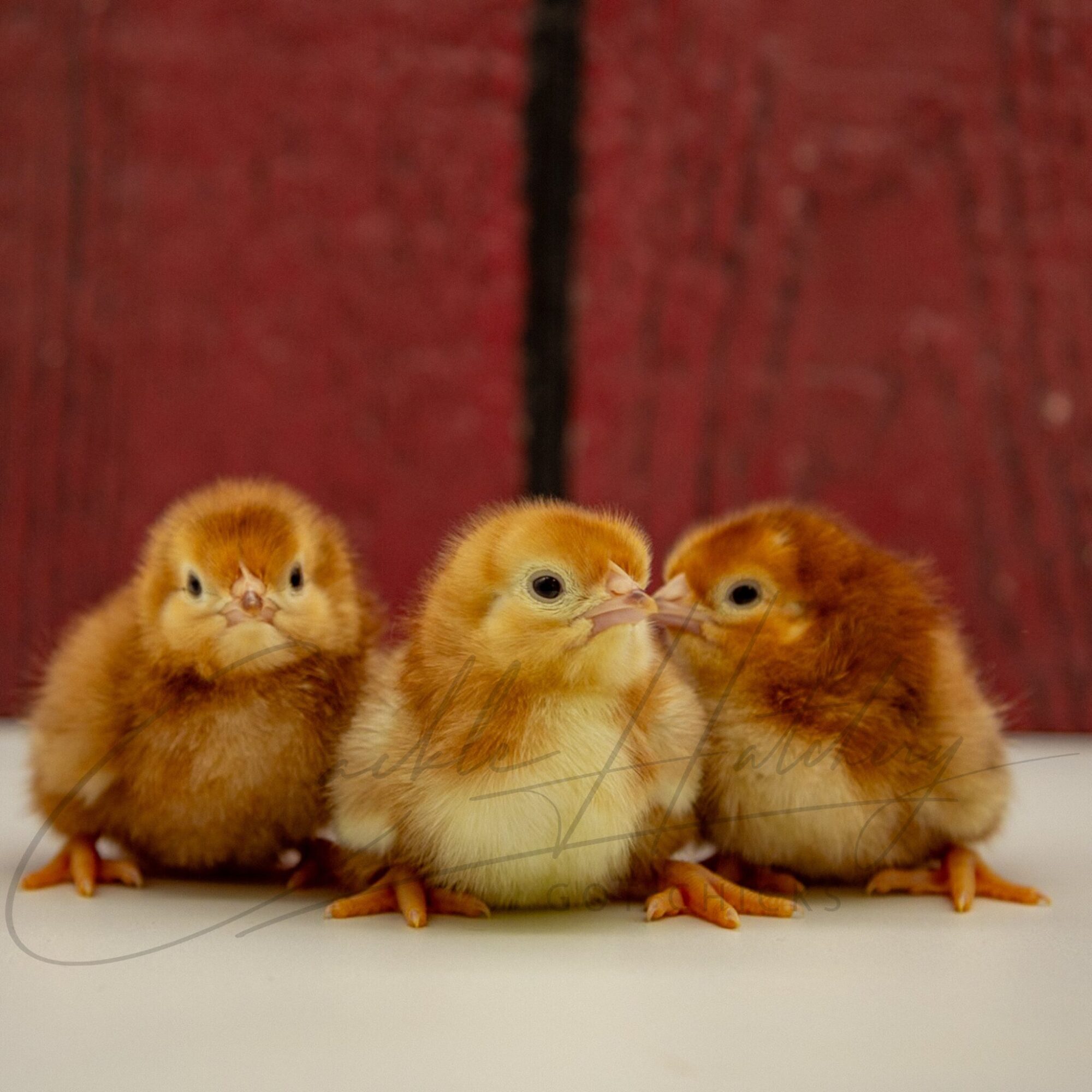
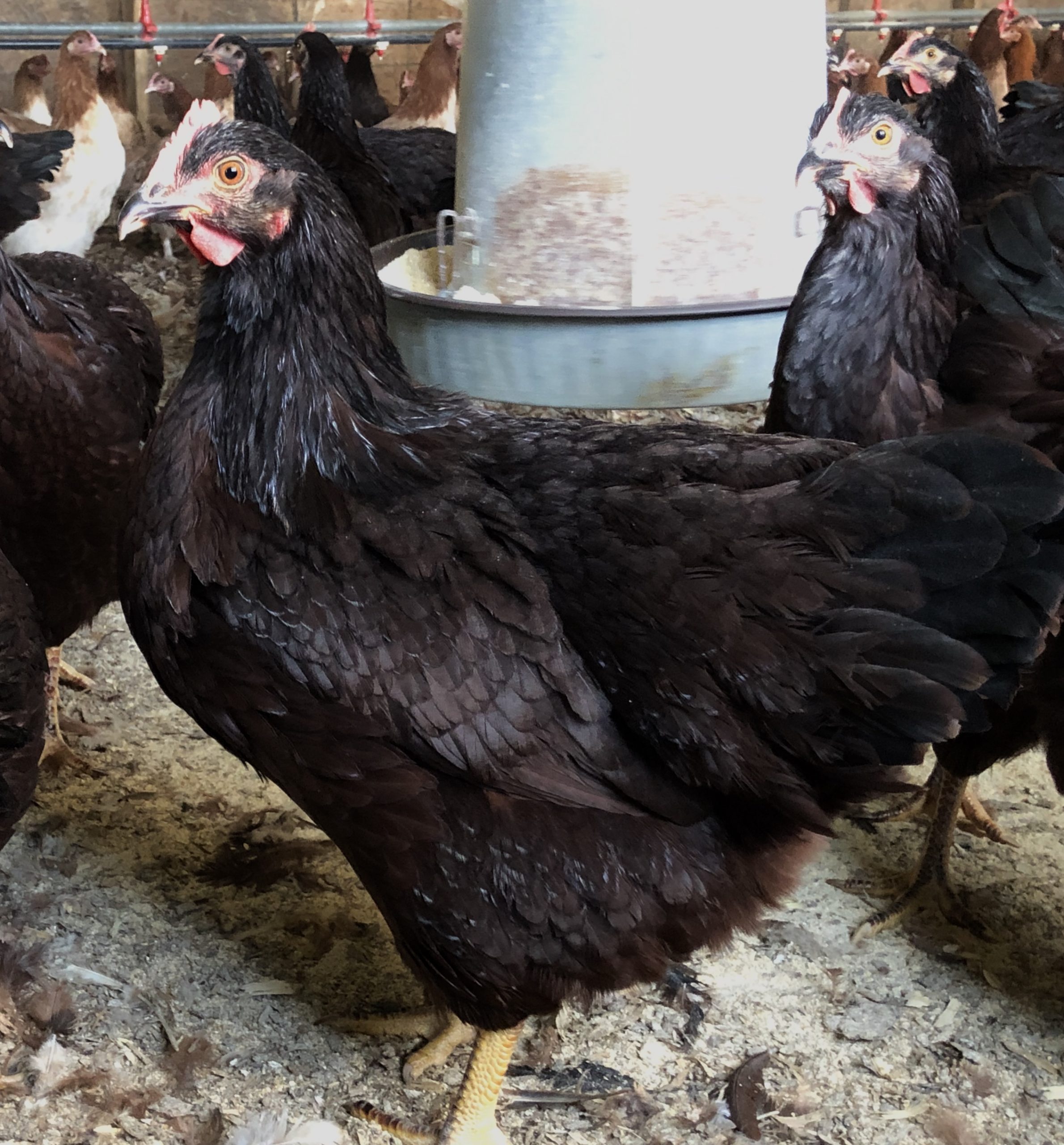
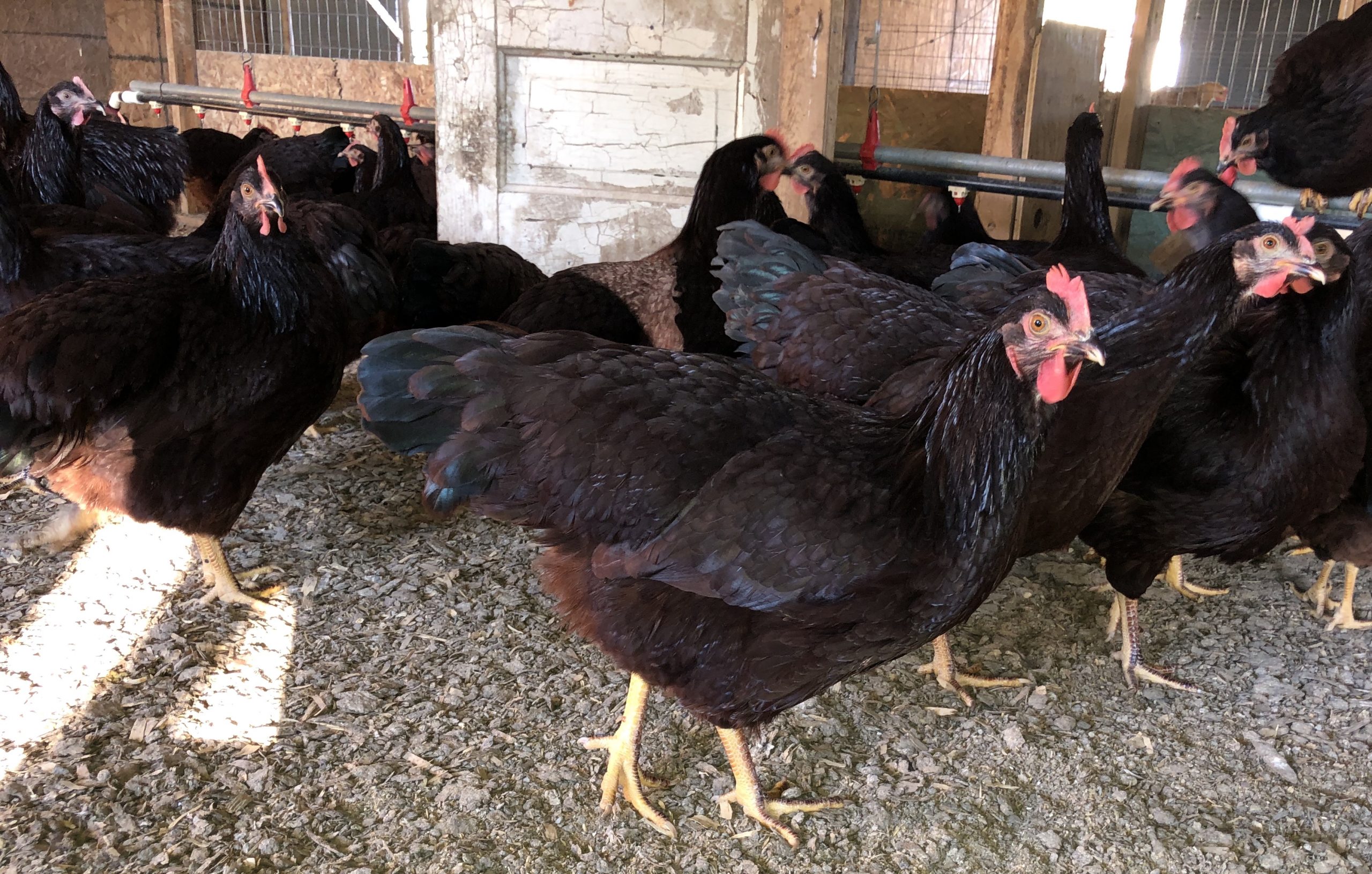
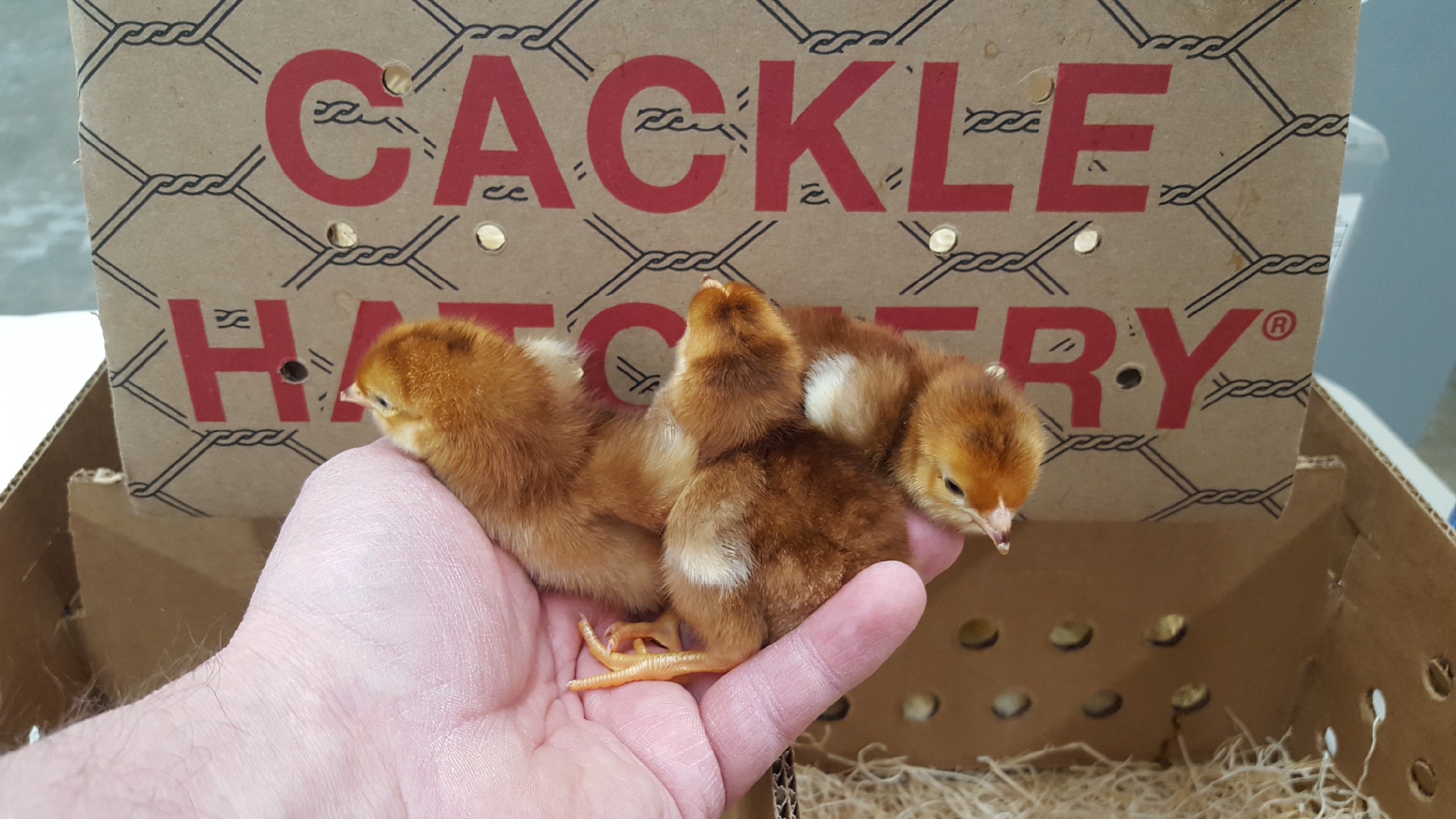
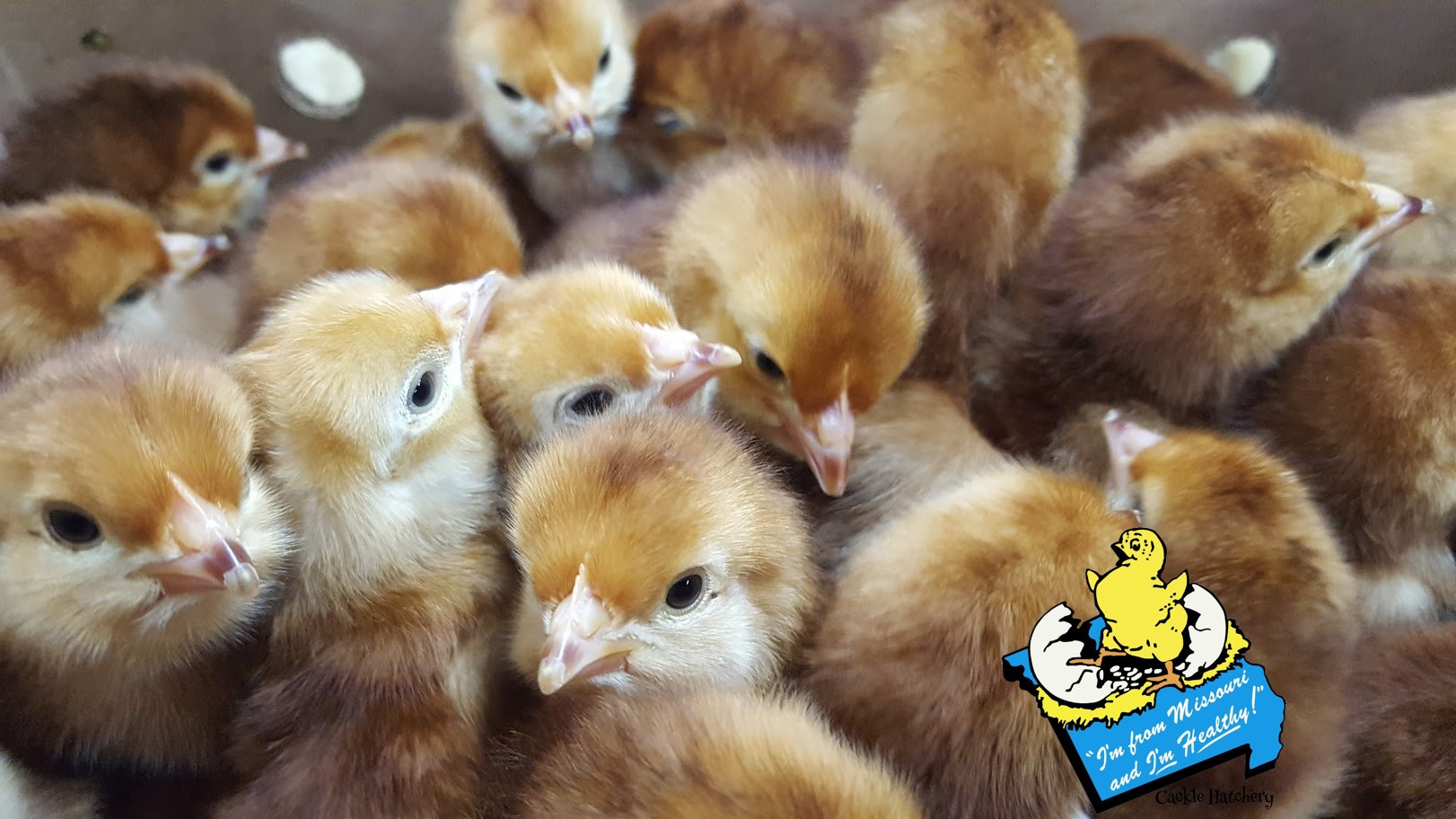
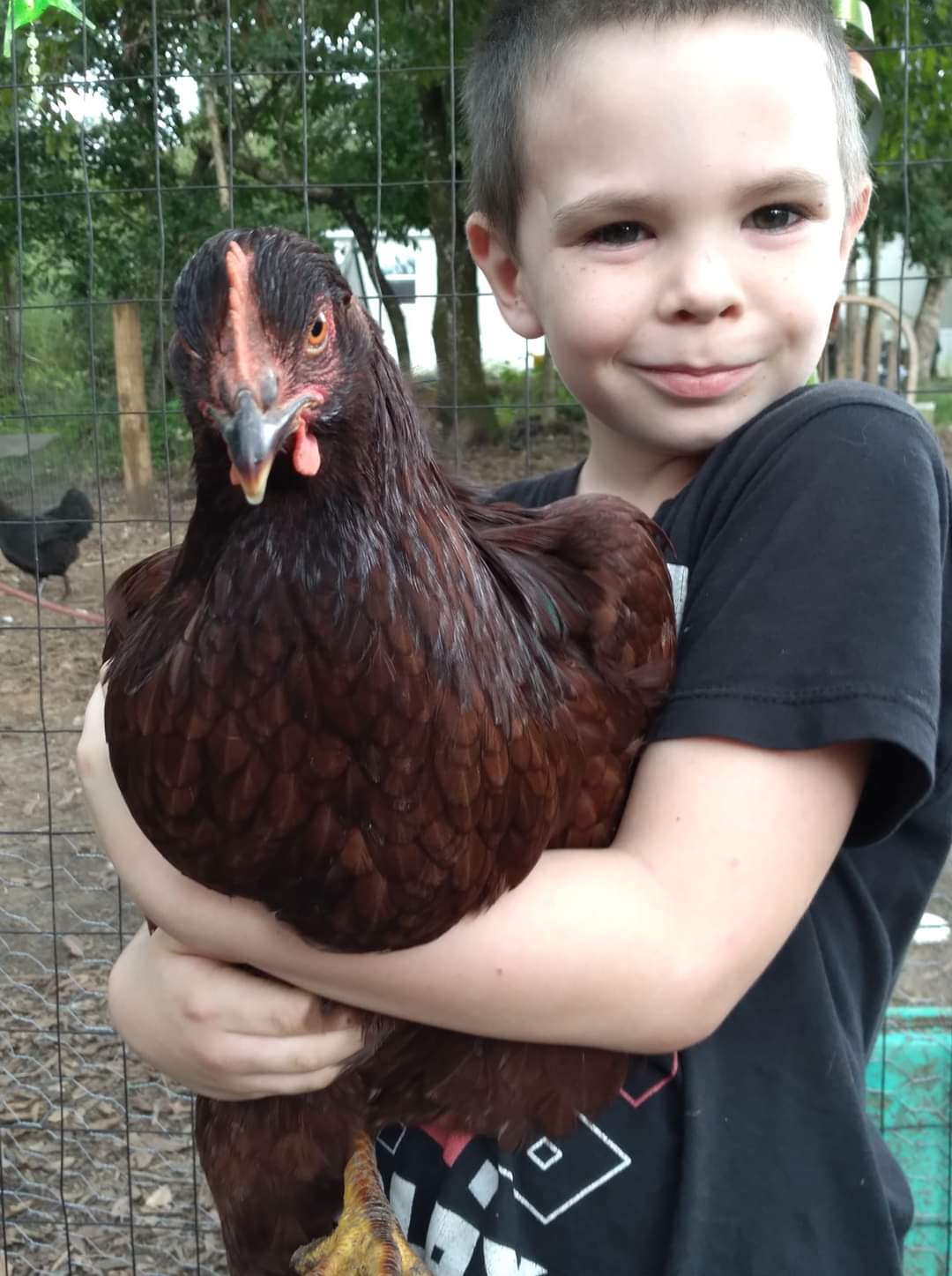
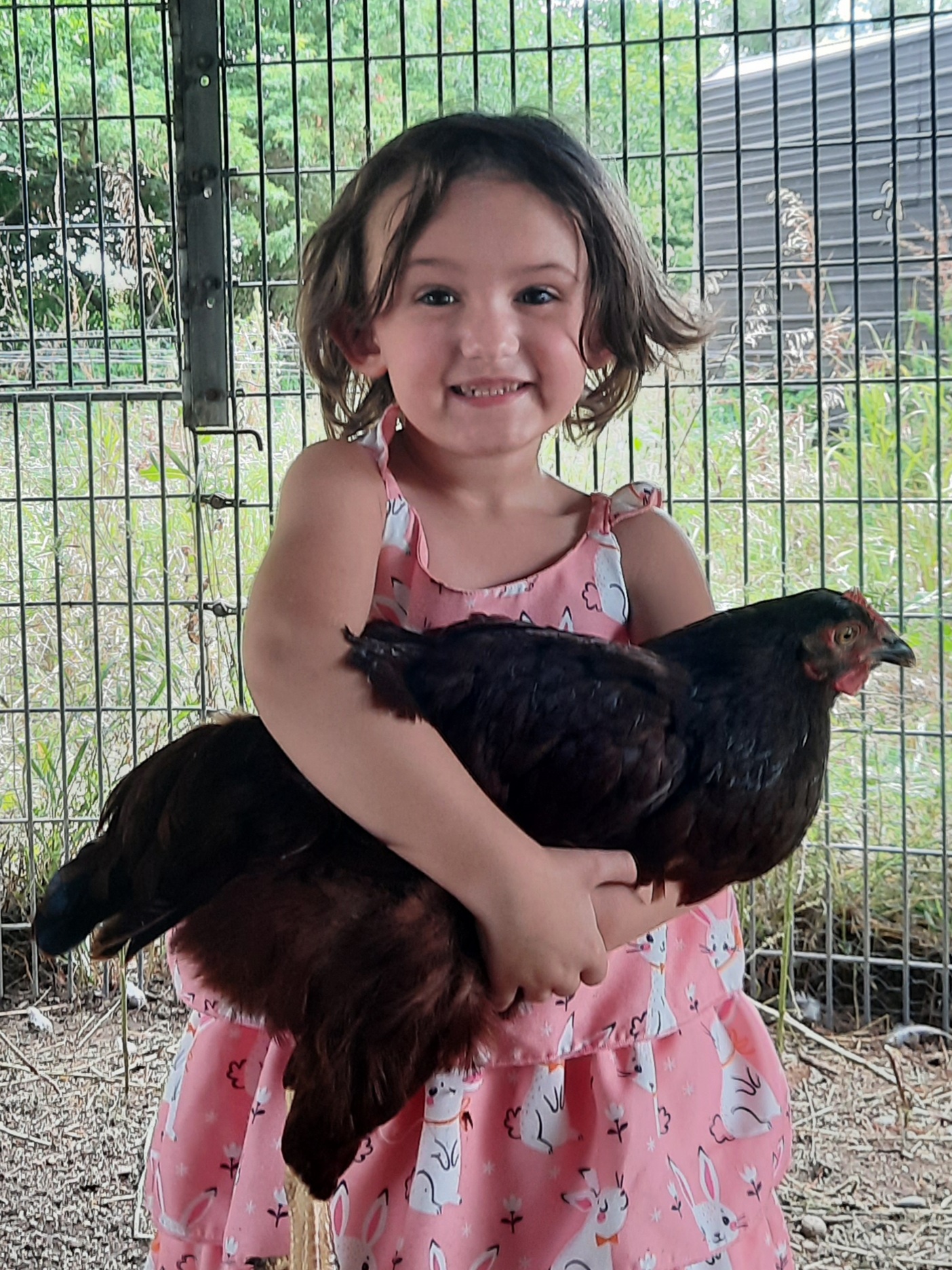
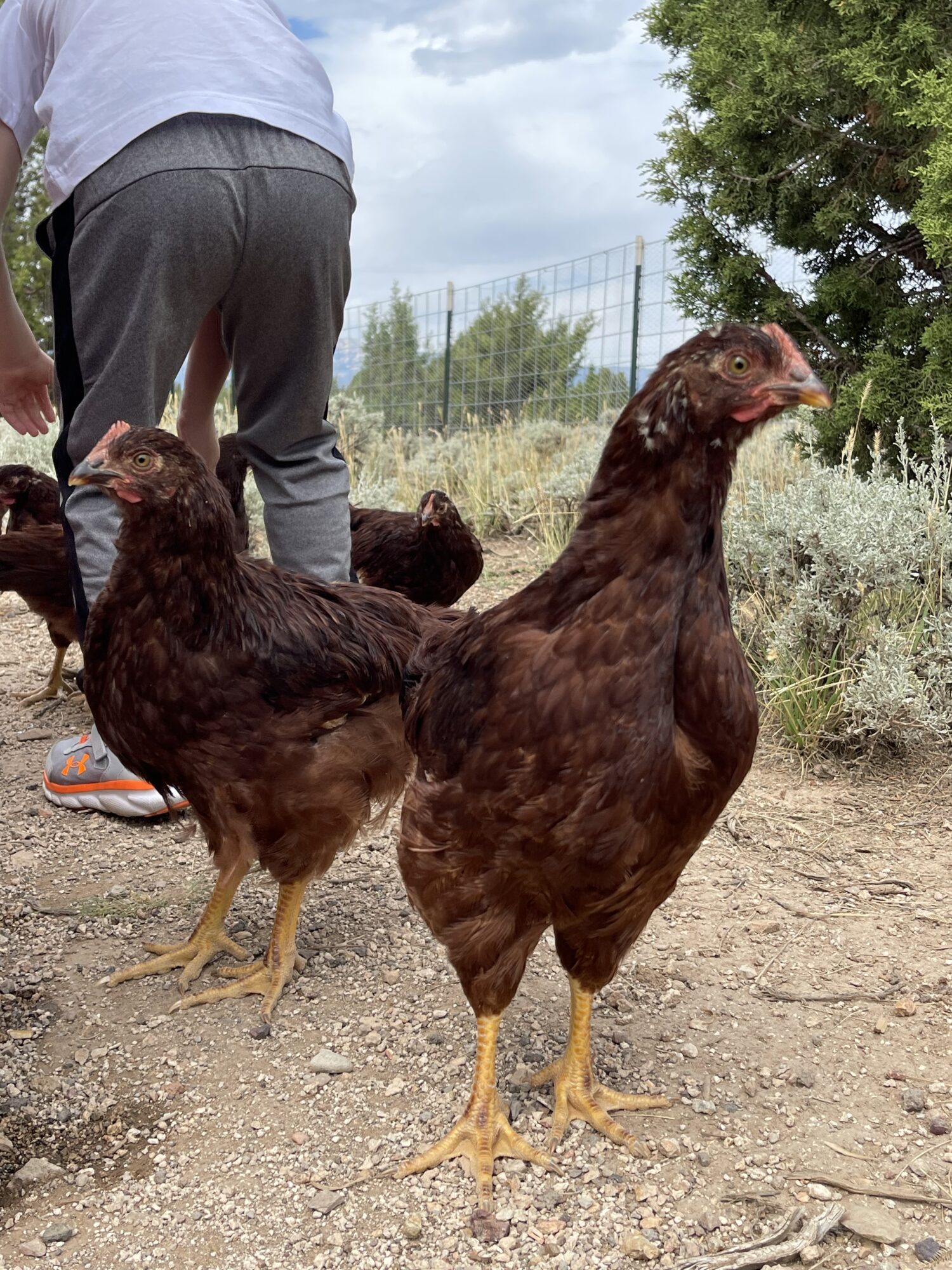
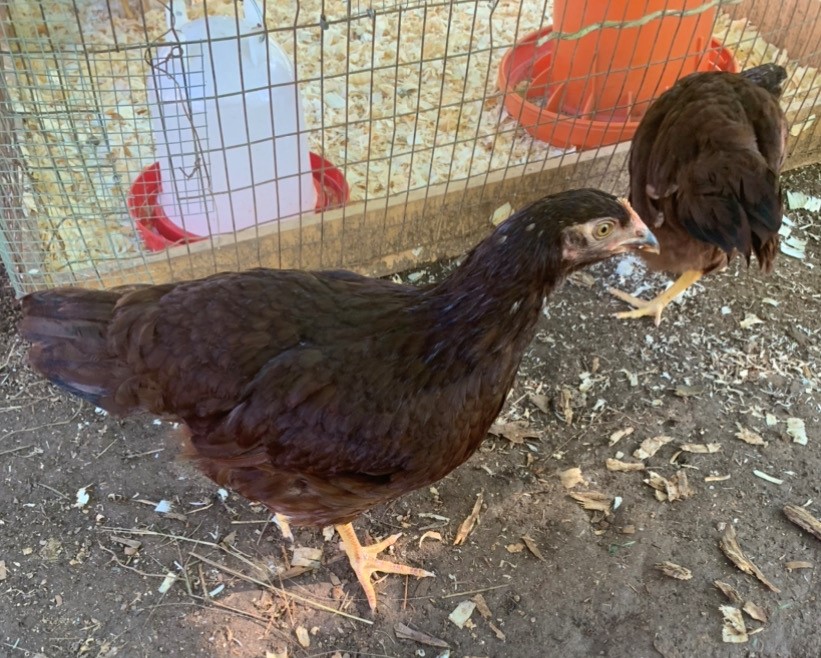
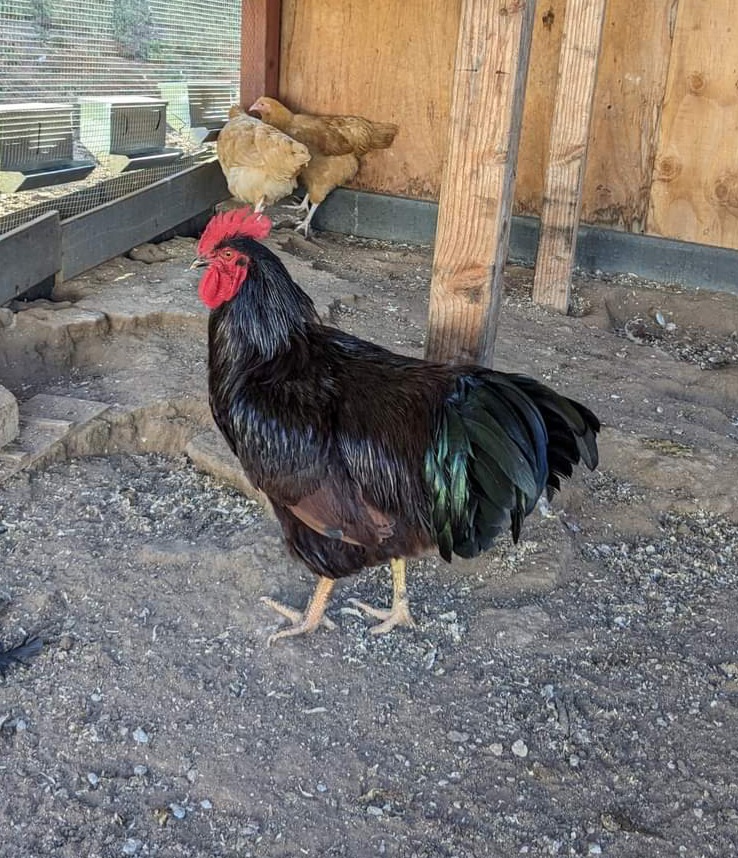
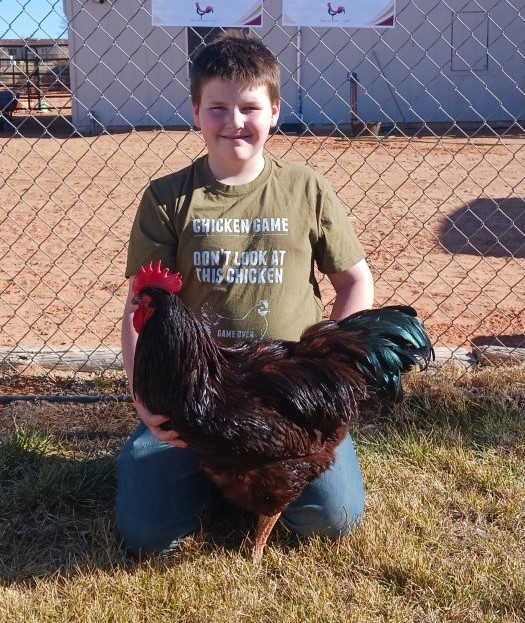
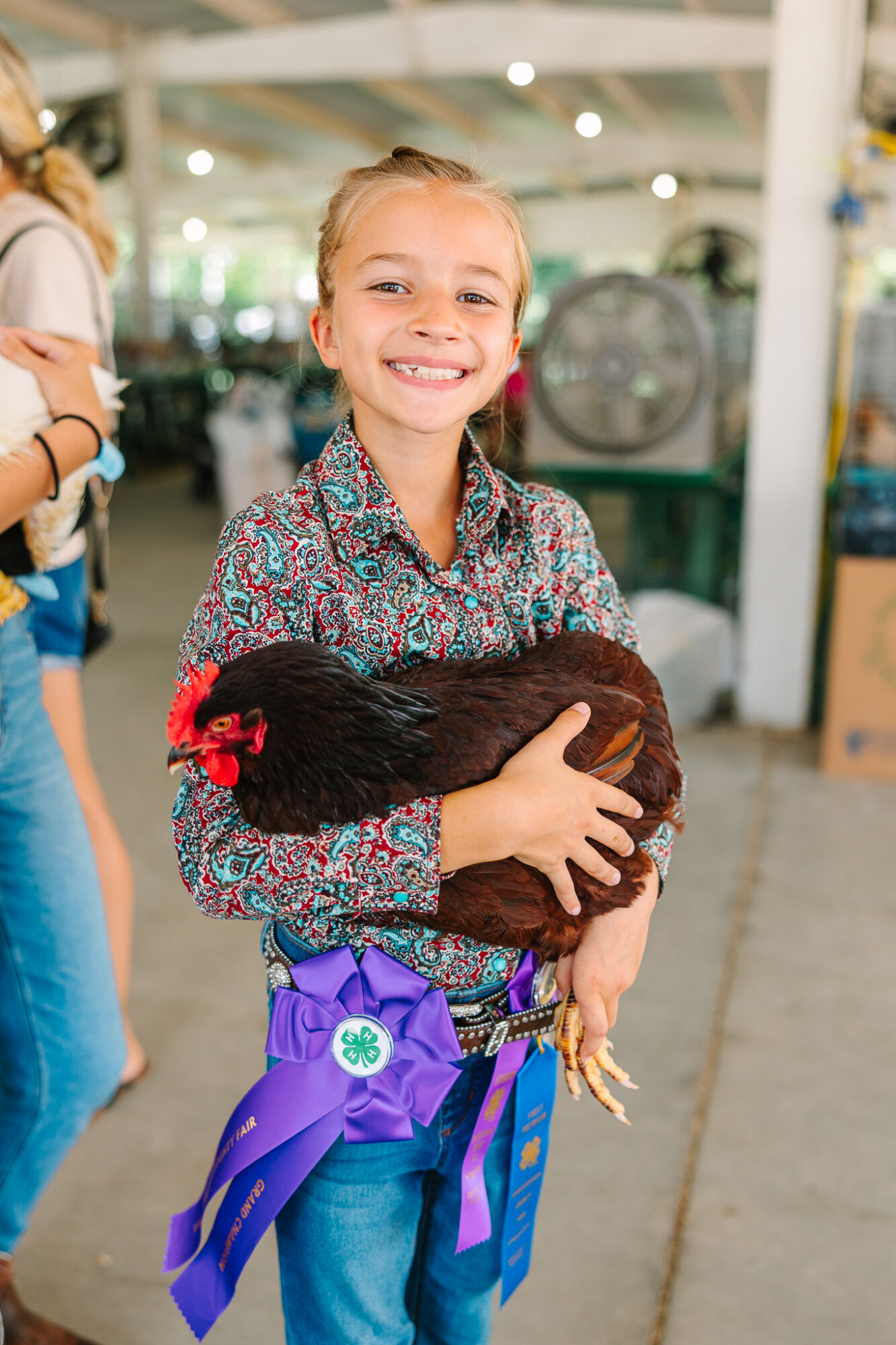
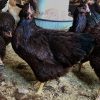
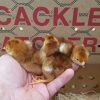
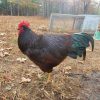
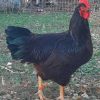
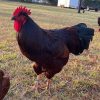
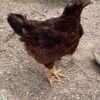
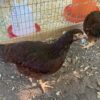
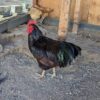
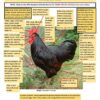
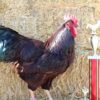
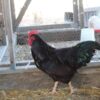
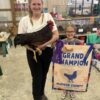
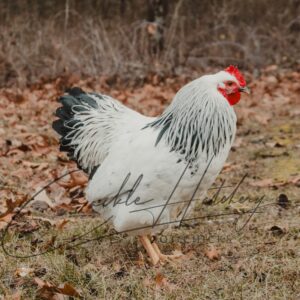
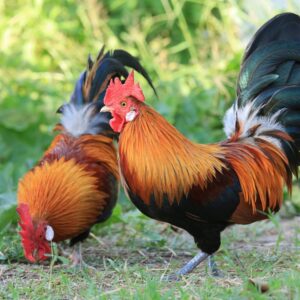
Old school classic Rhode Island Red chickens. A 4-H kids DREAM!!! These are the RIR chickens that I wanted as a child but couldn’t get my hands on until I had kids later in life! These are our great, great, grandparent’s chickens, the real deal, the big, dark, beautiful, “brick shaped and colored” birds the old timers used to talk about that helped feed their families through the Great Depression. The cocks are docile and gentle with children, and the hens have been great layers. In past years, half of the pullets have been great layers, but our most recent flock has been “exceptional” in laying through the winter months and in every way true to the Standard of Perfection (flock shown in attached photo). It is well understood within the chicken community that White Leghorn Chickens and Rhode Island Reds have long lost their ability to set eggs. I can say this is no longer true, these hens may set eggs for you (see attached hen and chicks’ photo)!!!!! I have two hens that have set this year so far, and one has already hatched a clutch of chicks!!! This is simply unbelievable! These chickens are great for 4-H exhibition. My wife reviewed a few years ago under “Chorusof1” and at the time my oldest son had won two county shows in open class. He went on to win Open Class 3 separate times with different judges’ opinions every time! I have raised chickens for 40 plus years, and these are the birds I choose to keep on my homestead. Young fowl should be encouraged to “roost” at a young age, because they are beginning to lose the ability to roost when not encouraged. Hen pecking of roosters hasn’t been a problem because our hens respect these exhibition type cocks as gentle but strong protectors of the flocks. We’ve found that the roosters don’t strip our hens back feathers and our hens seem to get along in harmony. Keeping these birds with other types of large fowl has been somewhat problematic because other breeds of chickens have felt compelled to “pick” out their “red” blood feathers and pin feathers, which has been frustrating preparing for shows. They grow fairly slow, so their food benefit come from “flock culling” during the summer. They are plump, meaty, chickens that make fantastic homemade chicken noodle soup! A flock of 7 hens and 1 rooster have been the perfect homestead number for my family of five. I hope Cackle Hatchery can maintain them for many years to come and breed them true to their heritage. I recommend continuing to breed to the Standard of Perfection and keeping chicks from February hatchings for brood selections to ensure the parent stock hens continue to be good layers as well as meet their exhibition qualities. I am so happy that Cackle Hatchery was able to preserve these wonderful, beautiful, and useful multi-purpose chickens!
The ULTIMATE CHICKENS (My personal favorite):
Great Egg Layers
Exhibition 4-H Quality (true to Standard of Perfection)
Good Meat Carcas Qualities
Docile Around Children
Gentian Bridgeman –
I wish I would have ordered more. These are the sweetest, friendliest, most curious girls in my flock. They always greet me and allow me to pet them and pick them up.
Melissa Nowak –
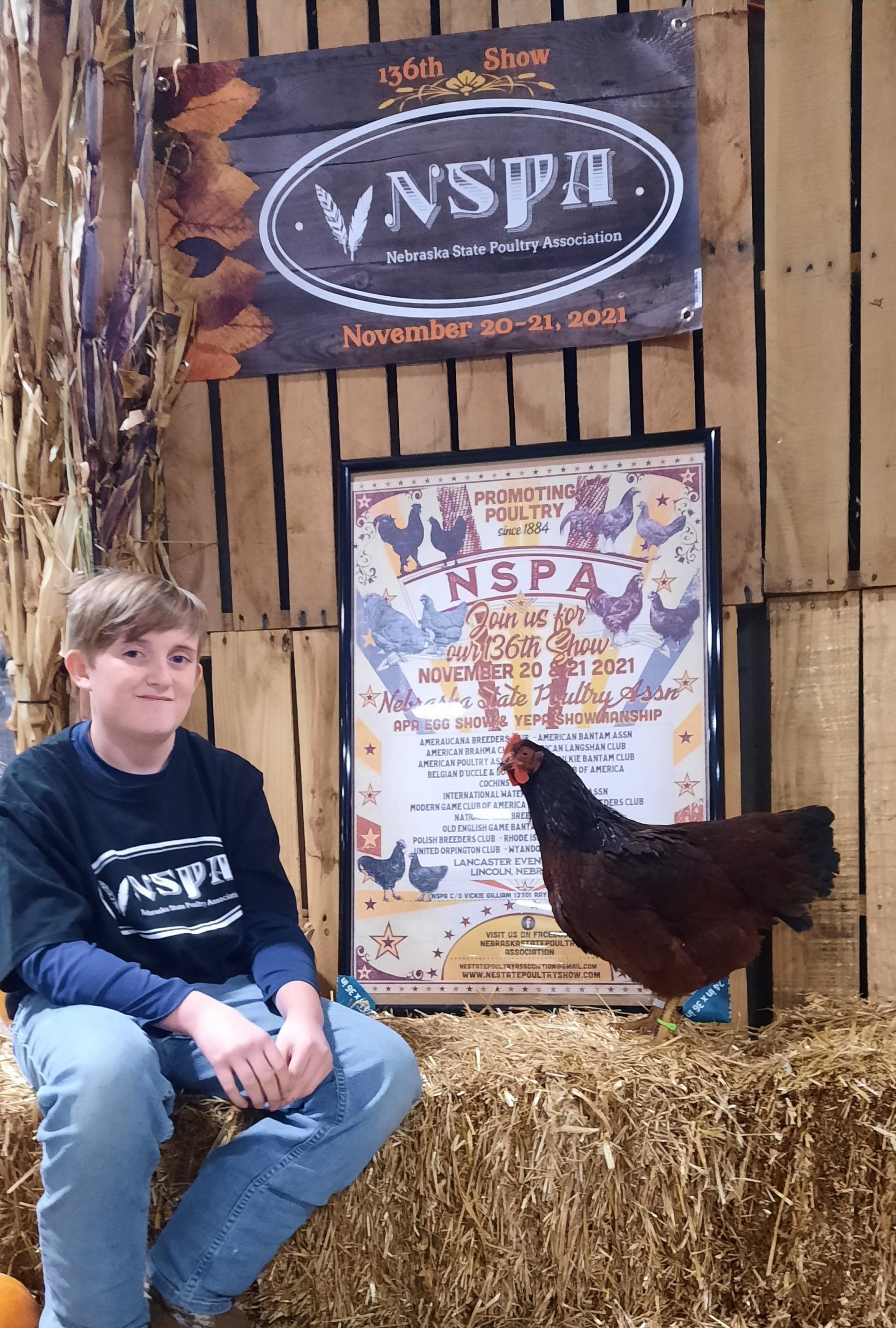
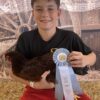
Great looking birds. Ordered ours for my kids 4h project. Two blue ribbons. Will order again.
Theresa Pospichal –
I got one of these Exhibition-type Rhode Island Reds in a hatchery surprise box the first year they had them available–that rooster is still alive (six years?) later. I call him a good dog. He is the nicest chicken I’ve ever had. The kids and I can walk up to him, pick him up, and he’s calm as can be. Never has been aggressive, never too rough to hens–very gentlemanly calling the hens when he has found a good treat. I have since gotten three of these hens for him–they are nearly as lovely though not as friendly with people.
James Collins –
I got 4 of these hens. They are so much brighter than our hatchery Rhode islands, beautiful colors. We did process one early. She had, possibly, Gynandromorphism (closest explanation google provided) and was growing at a rate at least 50% than the rest and wasn’t friendly.
Brittany Van Horn –
I ordered 12 back in April, they are now about 4 months old. They are very hardy and healthy birds! The red is so dark and beautiful! They are not like any Rhode Island I have had in the past, very docile and calm manner! They are lap chickens!!! I got more babies growing out as we speak bc I wanted more!
ccorbitt74 –
Hardy breed with a lot of personality. I love my bantams and they are doing well foraging with our jubilee Orpingtons and Buckeyes.
Jason Hatfield –
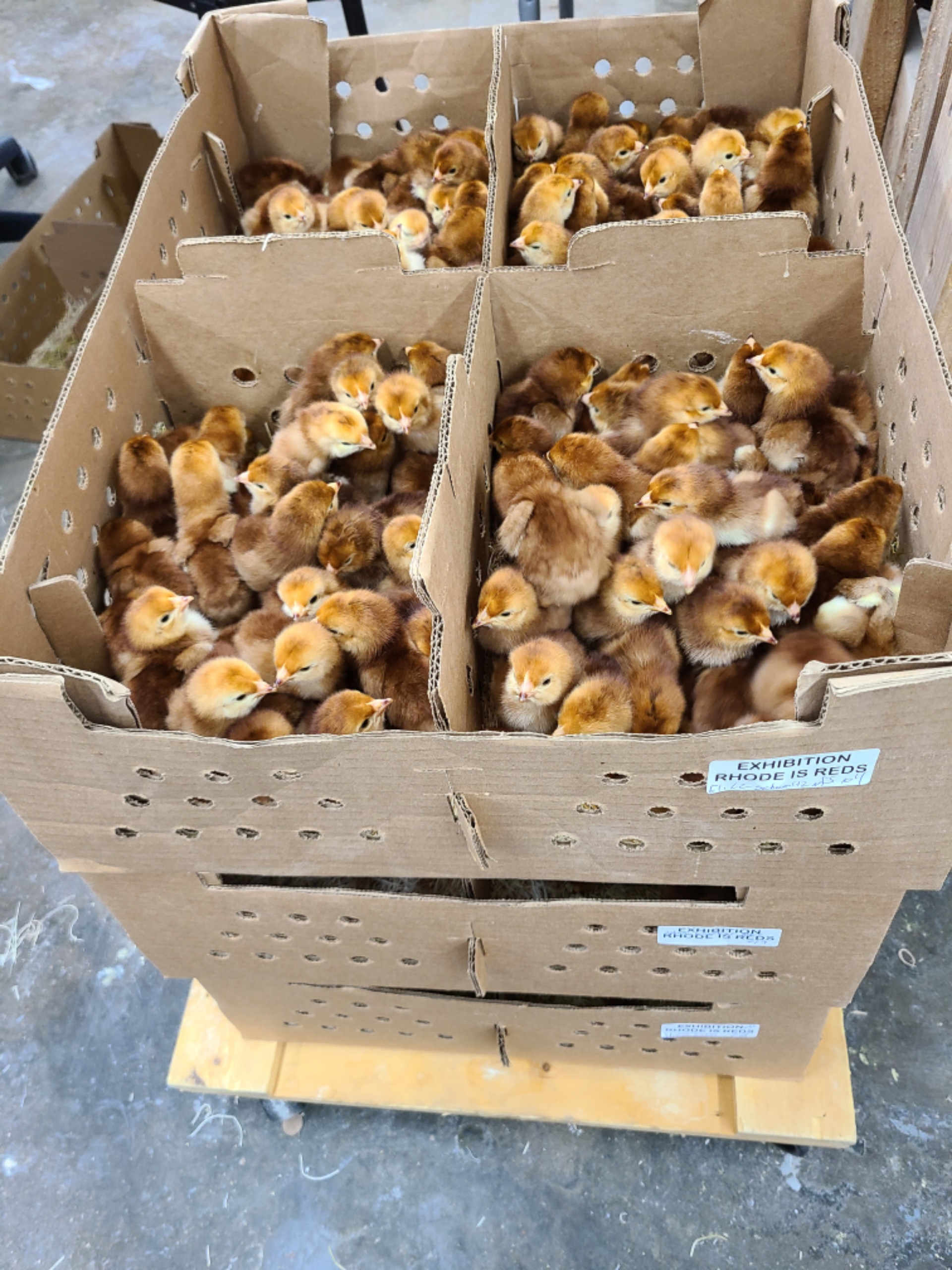
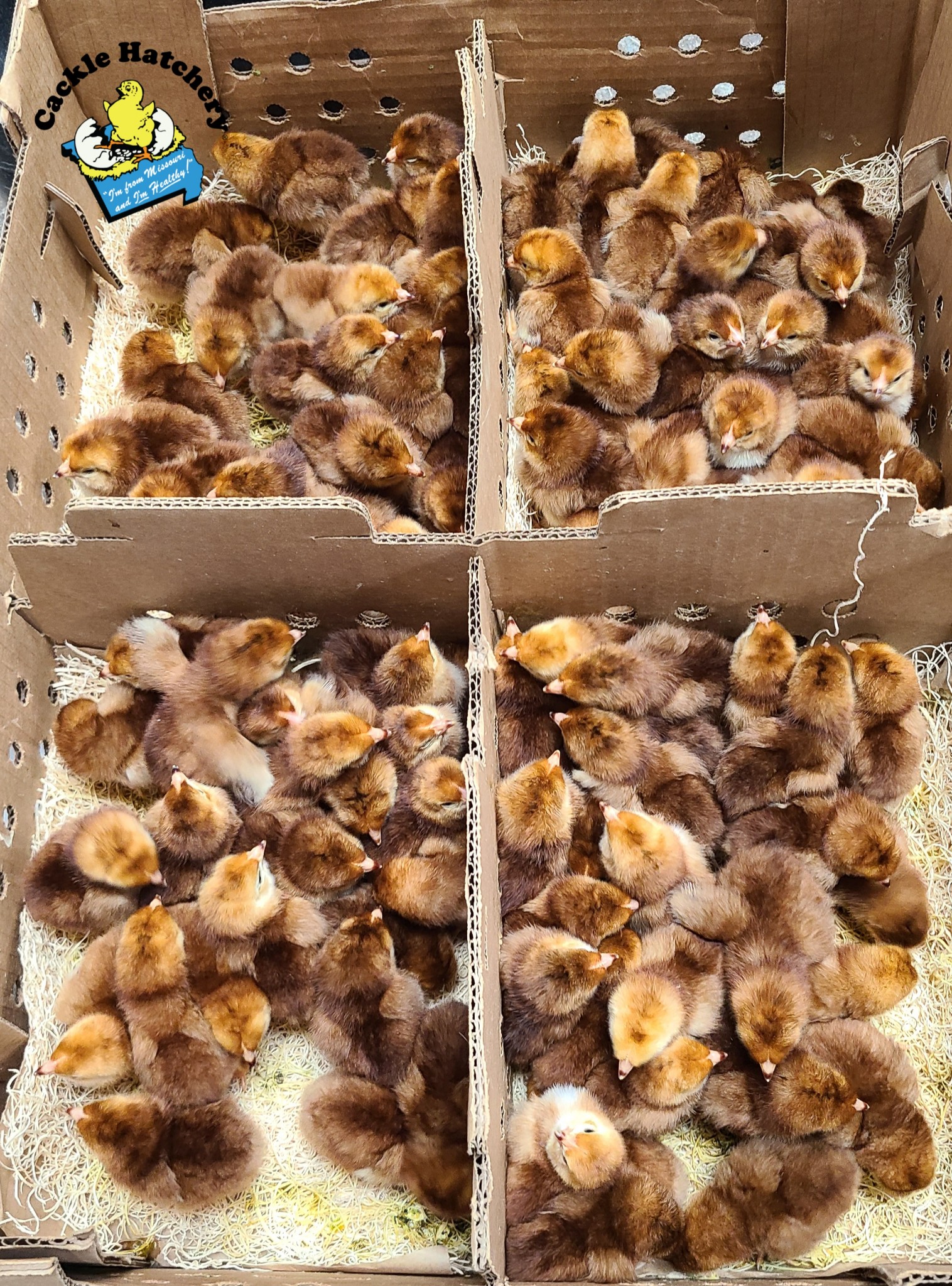
Just picked up 10 of these. They sent 11. All have been vibrant and healthy. They look big and strong already at just 1 week old. They have large, wide skulls…a good sign so far. Can’t wait to see them grown out!
Jack Wilson –
I ordered 25 chicks and received 27. They are a beautiful deep mahogany and are way stouter than other Rhode Island Reds I’ve ordered from other hatcheries. Would 100% recommend and I plan to continue using cackle in the future. My one complaint is that one chick had cross beak and died. All remaining 26 are healthy and growing.
chorusof1 –
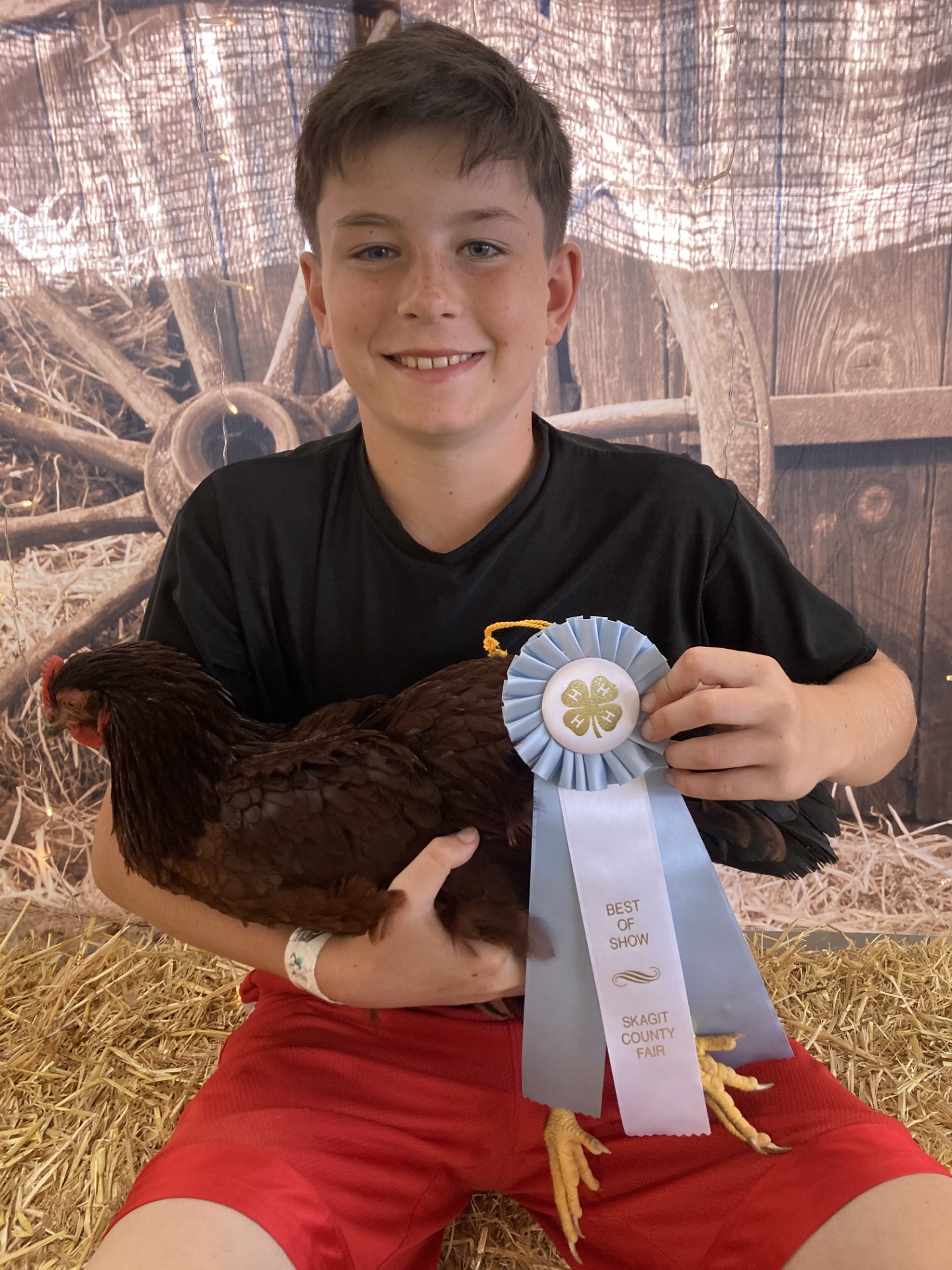
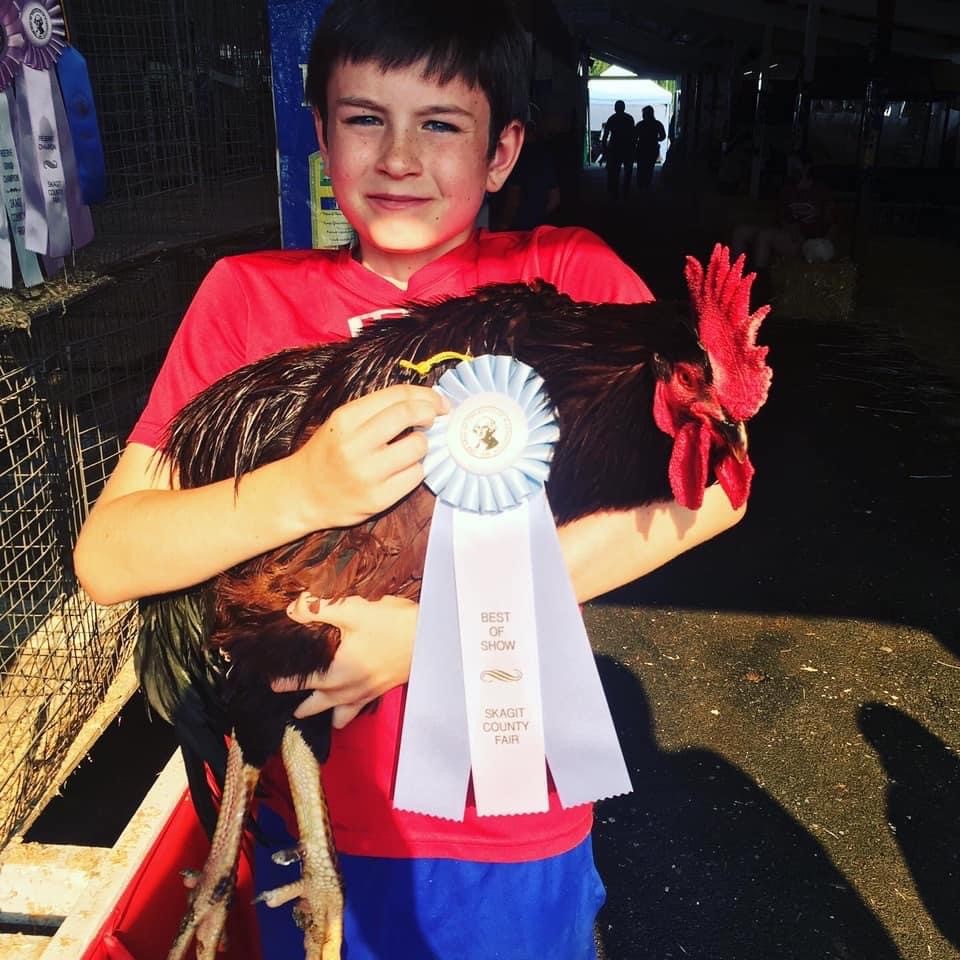
My son has won Best of Show at our county fair the last two years straight with his Rhode Island Reds from Cackle! Along with Champion and Reserve Champion in the American class AND large fowl. The judge went out of his way to tell us how great these birds were.
BamaFan50 –
I have owned or been around all kinds of chickens my whole life (50 years). These are my favorite of all. Sweet and friendly. I don’t have the time I would like to have to spend around them but these don’t care they are the calmest birds I have ever owned. Plan to order some more in 2023.
Joseph G Evans –
Very healthy and active as chick, big beautiful calm flock members, ordered 2 years ago and highly recommend, roos have a large comb for my norther climate but manageable.
plumcrazy1469 –
THESE ARE THE MOST “CHILL”, SWEET, CHICKENS I HAVE OWNED WITHOUT SPENDING MANY HOURS PAMPERING THEM…THEY ARE NATURALLY CALM. I MUST BE CAREFUL WHEN WALKING NEAR THEM AS THEY GET “UNDER FOOT” VERY EASILY….THESE ARE MY ALL TIME FAVORITE NOW….JUST LOVE THEM!!!.OH, AND THE BEAUTIFUL DEEP MAHOGANY COLOR IS DIFFICULT TO DESCRIBE. JUST STUNNING!!.SO HAPPY THAT I PURCHASED THESE…THANKS CACKLE HATCHERY FOR HAVING THEM AVAILABLE.
audra oldham –
These are really dark red old fashioned type RIR. They have such adorable personality. The roos are not really aggressive but a few decided to try it once or twice as they got older. These birds are huge. Seriously huge. The roos are every bit 11 lbs. This is also a bit of a downside for the breed. They need a lot of feed and room to roam to be productive. I found this to be true with several large bodied chickens. So I do recommend these Heritage RIR because they are really cool birds but make sure they have lots of yard. It will help keep from spending a lot on bag feed. They lay on par with other heritage breeds. Not as prolific as say the New Hampshire but on par with Sussex.
Thomas Tribble –
Very satisfied with these exhibition Rhode island reds! They have been good healthy birds. I really like the quality they are. This is also the first time we ordered from Cackle Hatchery. I’m very impressed with them. We ordered 20 straight run of these RIR’s and they sent us 3 extras! We only have 6 males. We will definitely be ordering from Cackle in the future! I certainly recommend the exhibition Rhode island reds and recommend Cackle Hatchery!