Description
Melanistic Pheasant
Product Overview
The Melanistic Pheasant is a dark, striking gamebird prized for farmland release, strong survival instincts, adaptability, and excellent reproductive ability. Also known as the black pheasant or melanistic mutant pheasant, this variety is a mutation of the common Ringneck Pheasant and is one of the top pheasant types for release projects.
Melanistic pheasants are exceptionally cold hardy and also handle hot weather well. They are active, alert birds that prefer a wild-style setting with room to forage, hide, fly, and establish themselves.
Cackle Hatchery® offers Melanistic Pheasant chicks for customers interested in gamebird release, farmland habitat projects, and specialty pheasant raising. Customers comparing gamebird options may also want to review Ringneck Pheasant, Chukar Partridge, and Cackle’s full Game Bird Chicks for Sale category.
Appearance and Characteristics
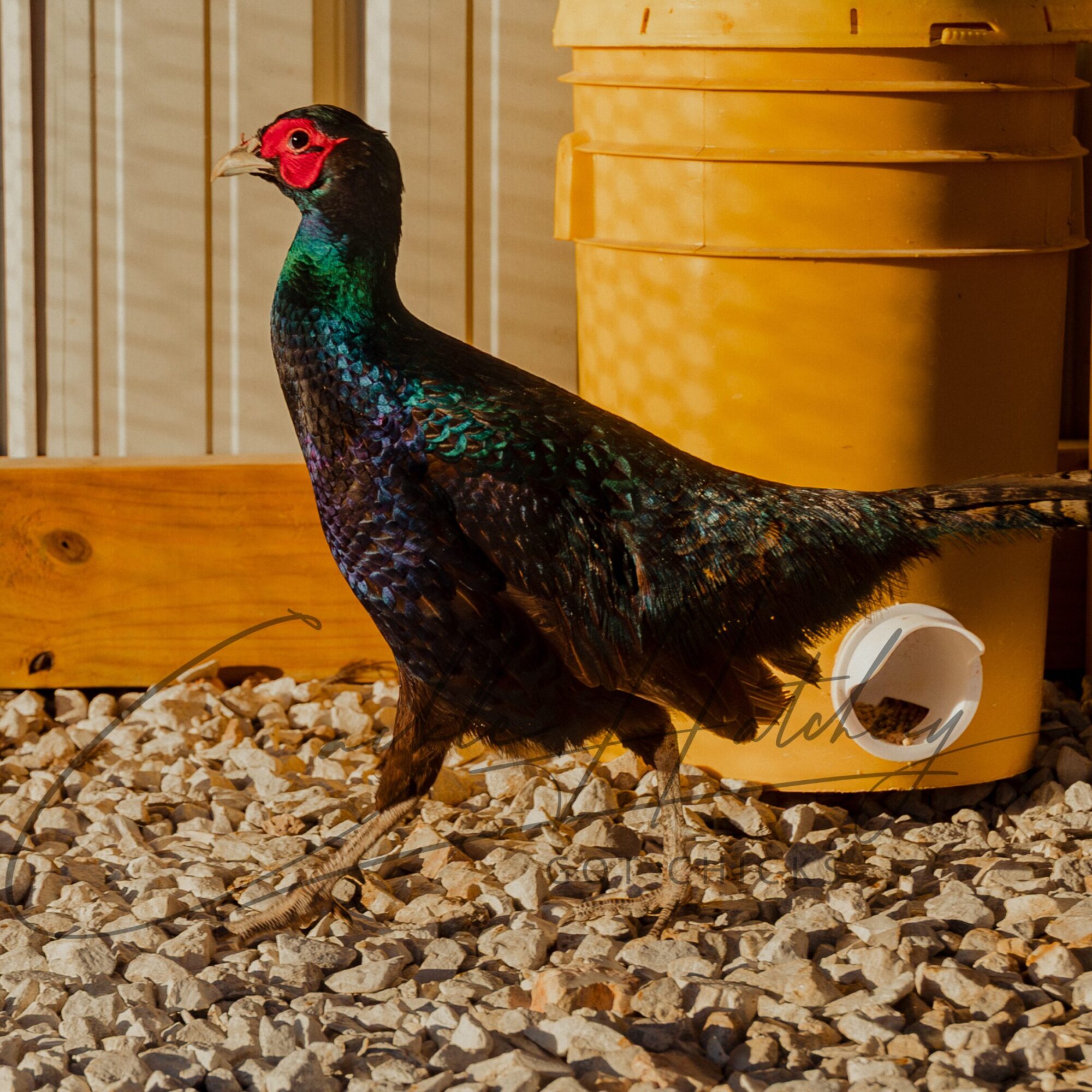
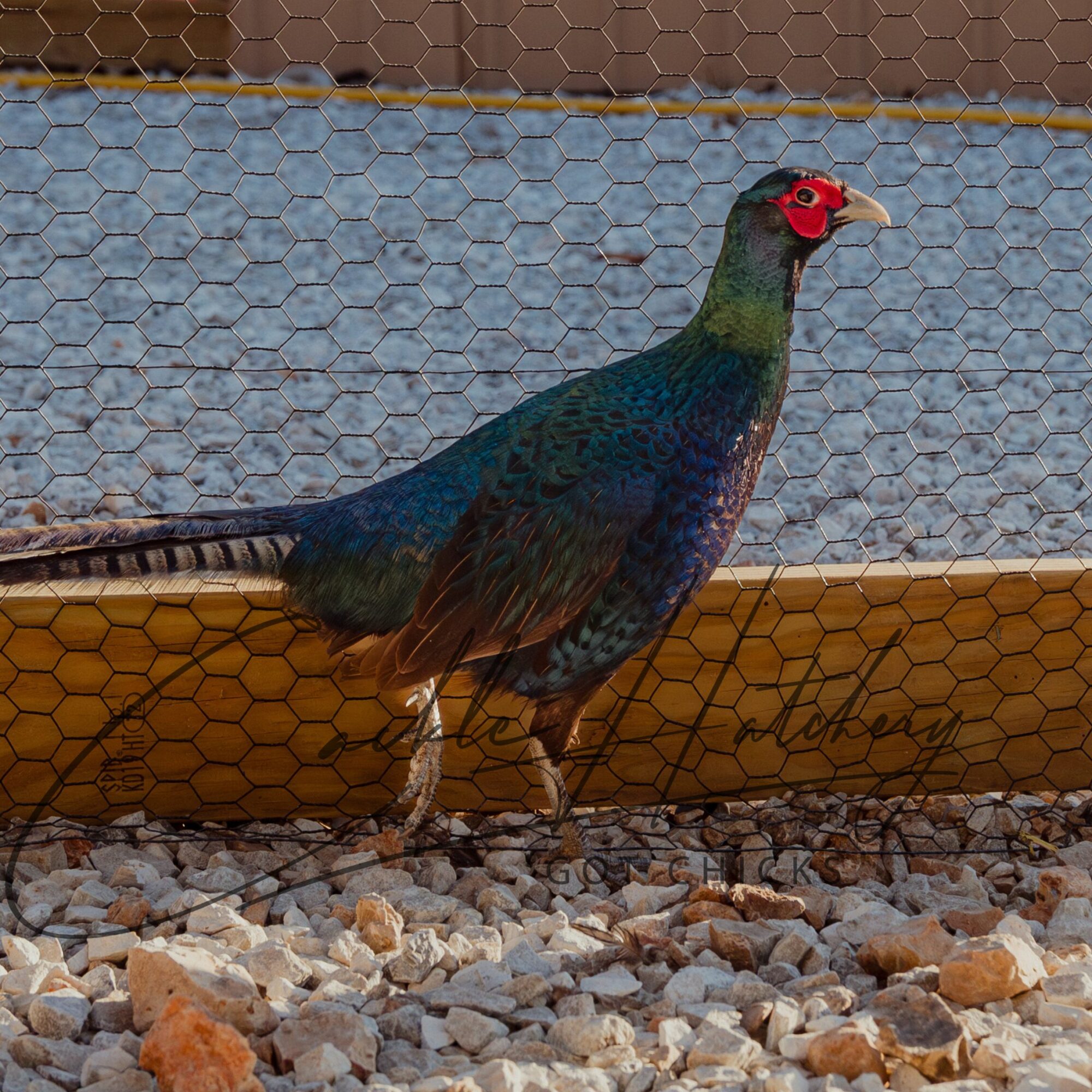
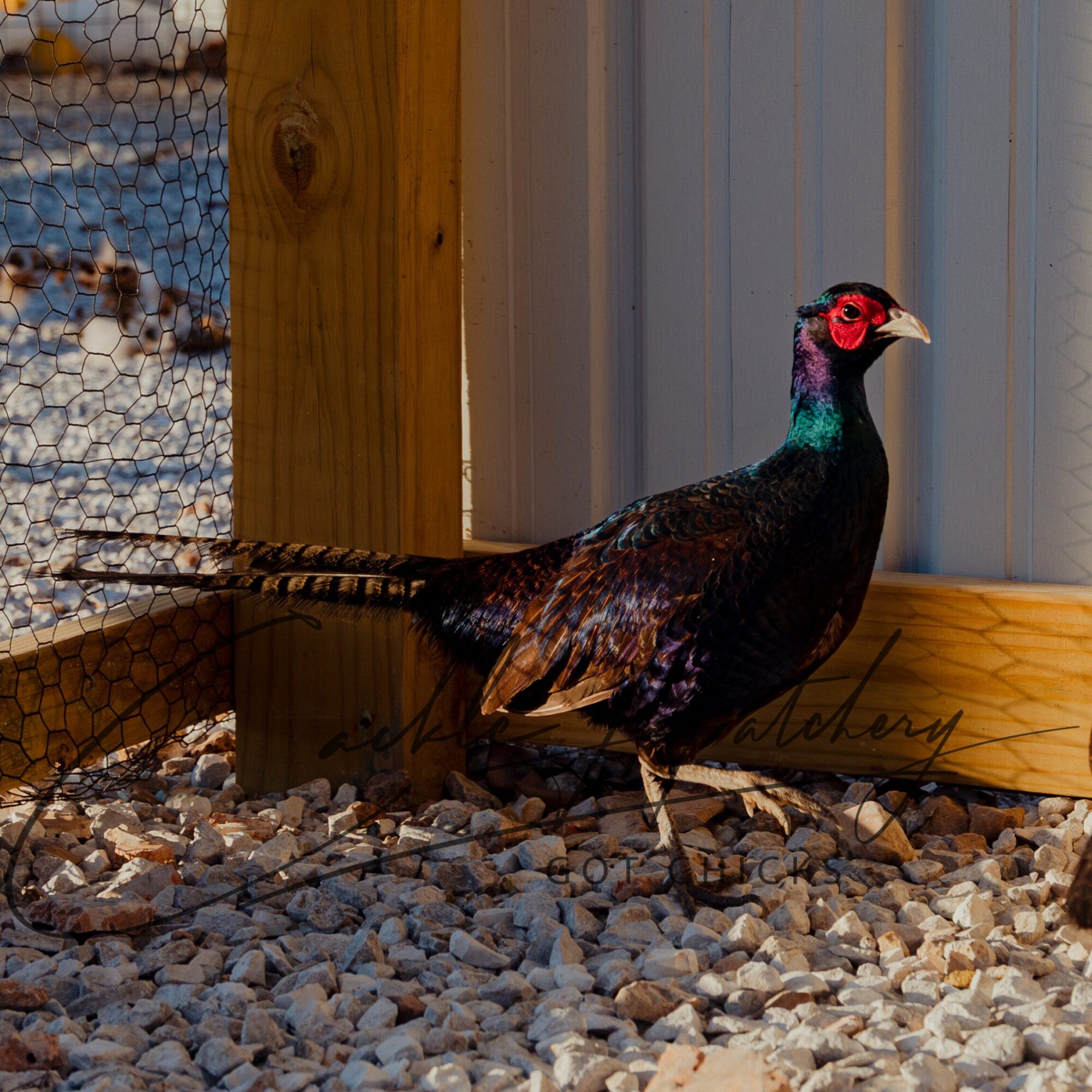
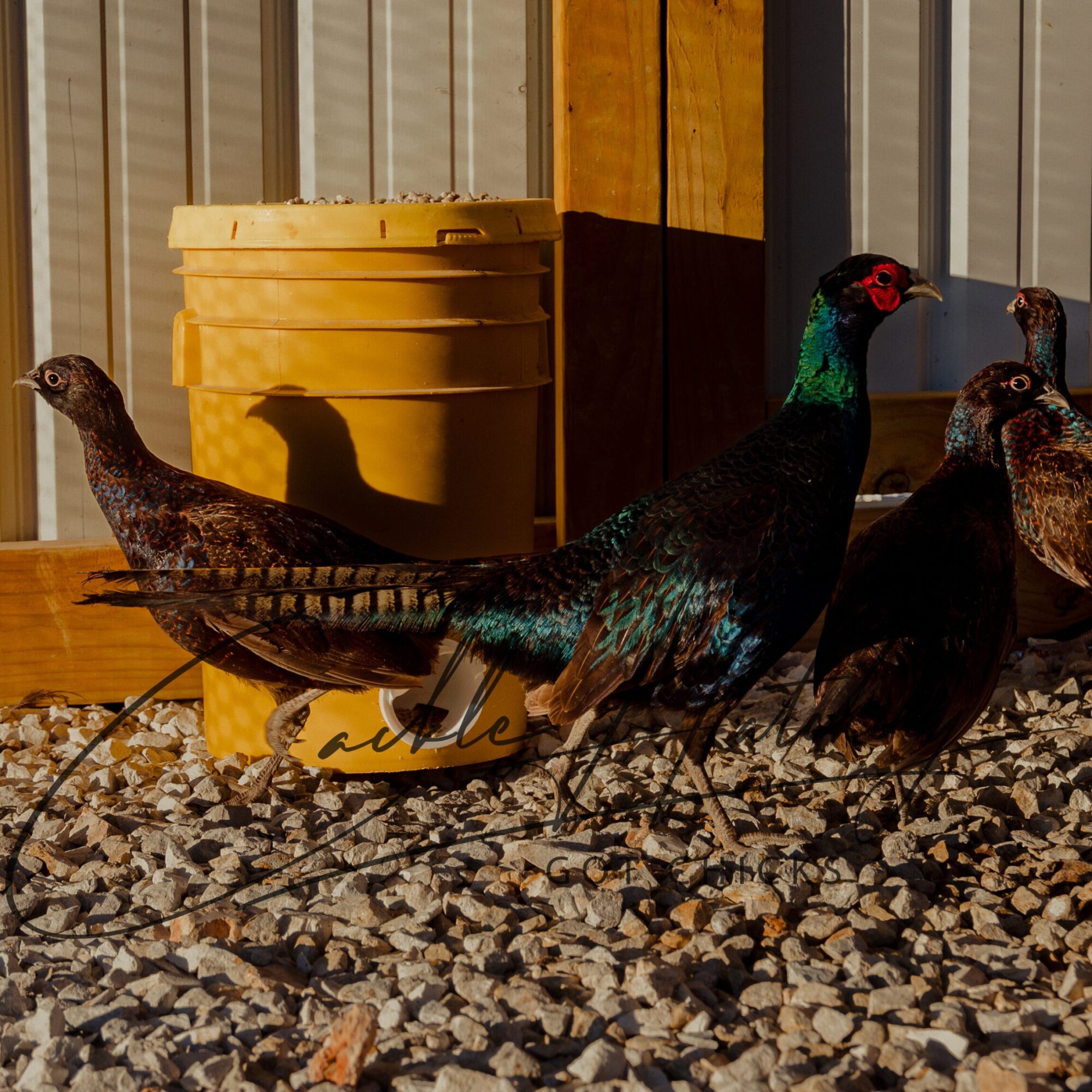
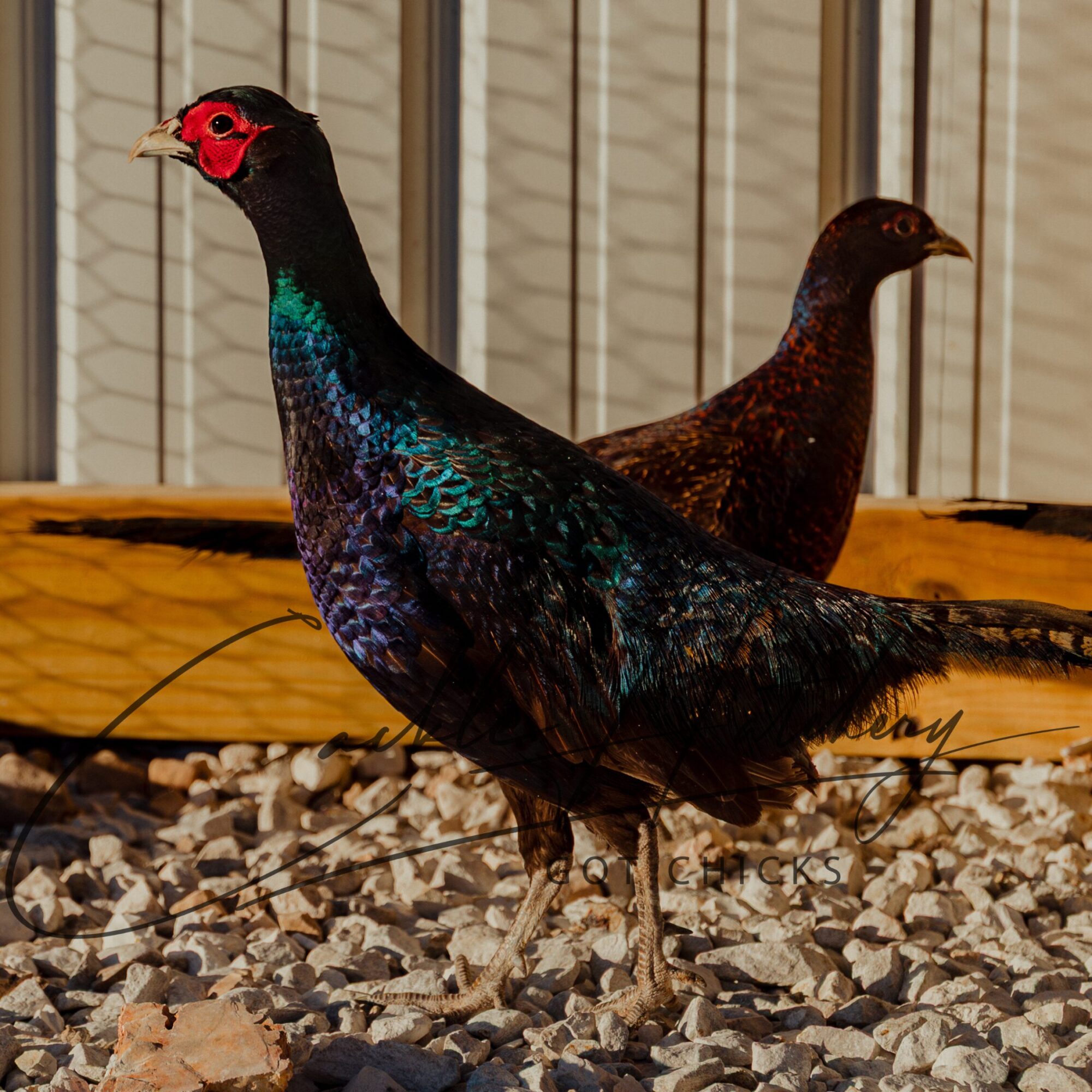
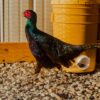
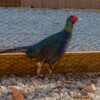
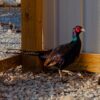
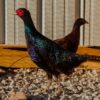
Male melanistic pheasants have black plumage with an iridescent blue-green sheen, a striped tail, and a red wattle. Their glossy dark coloring gives them a bold, impressive look compared with standard Ringneck Pheasants.
Females are also dark, but less glossy. That darker, muted coloring gives hens excellent camouflage while brooding and raising chicks.
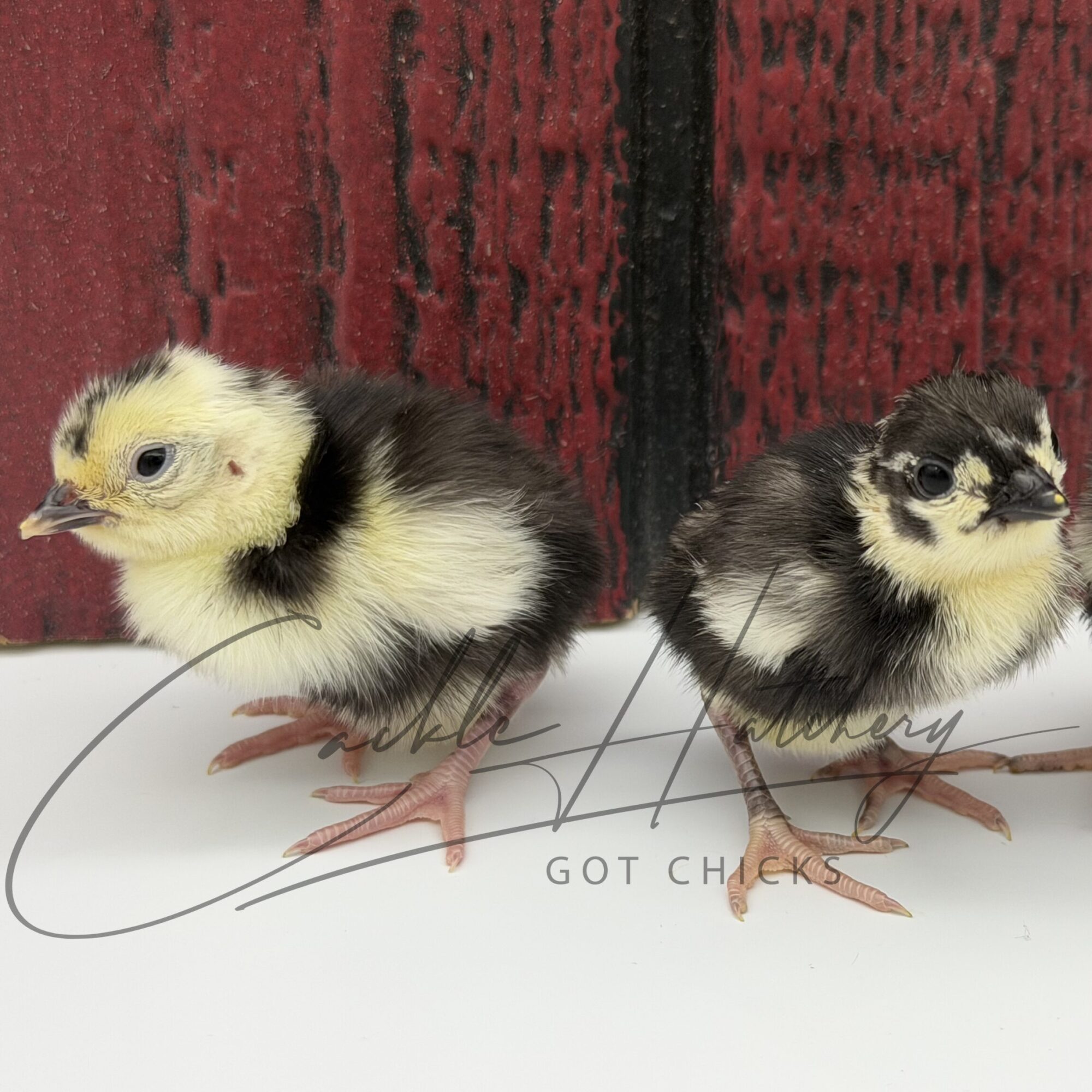
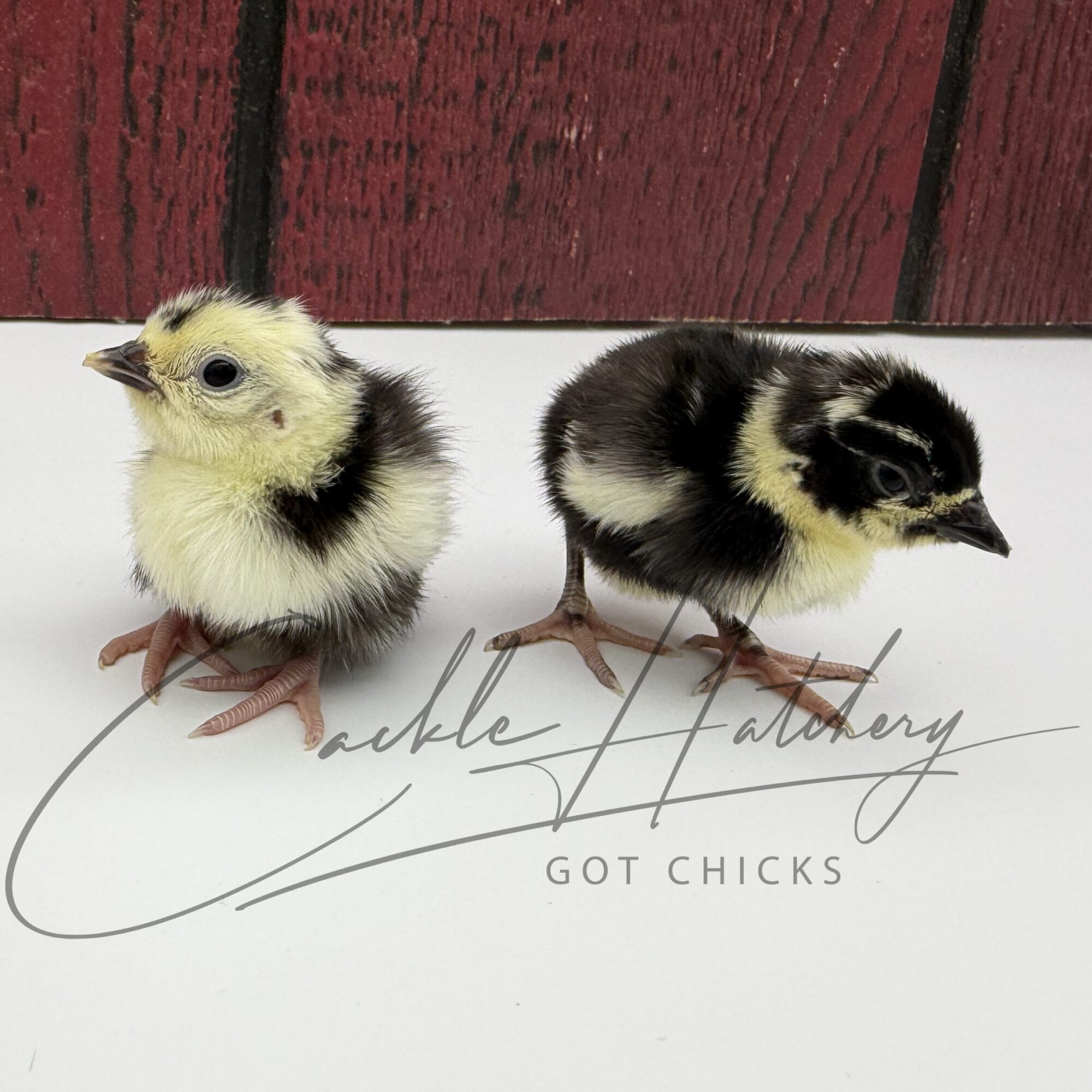
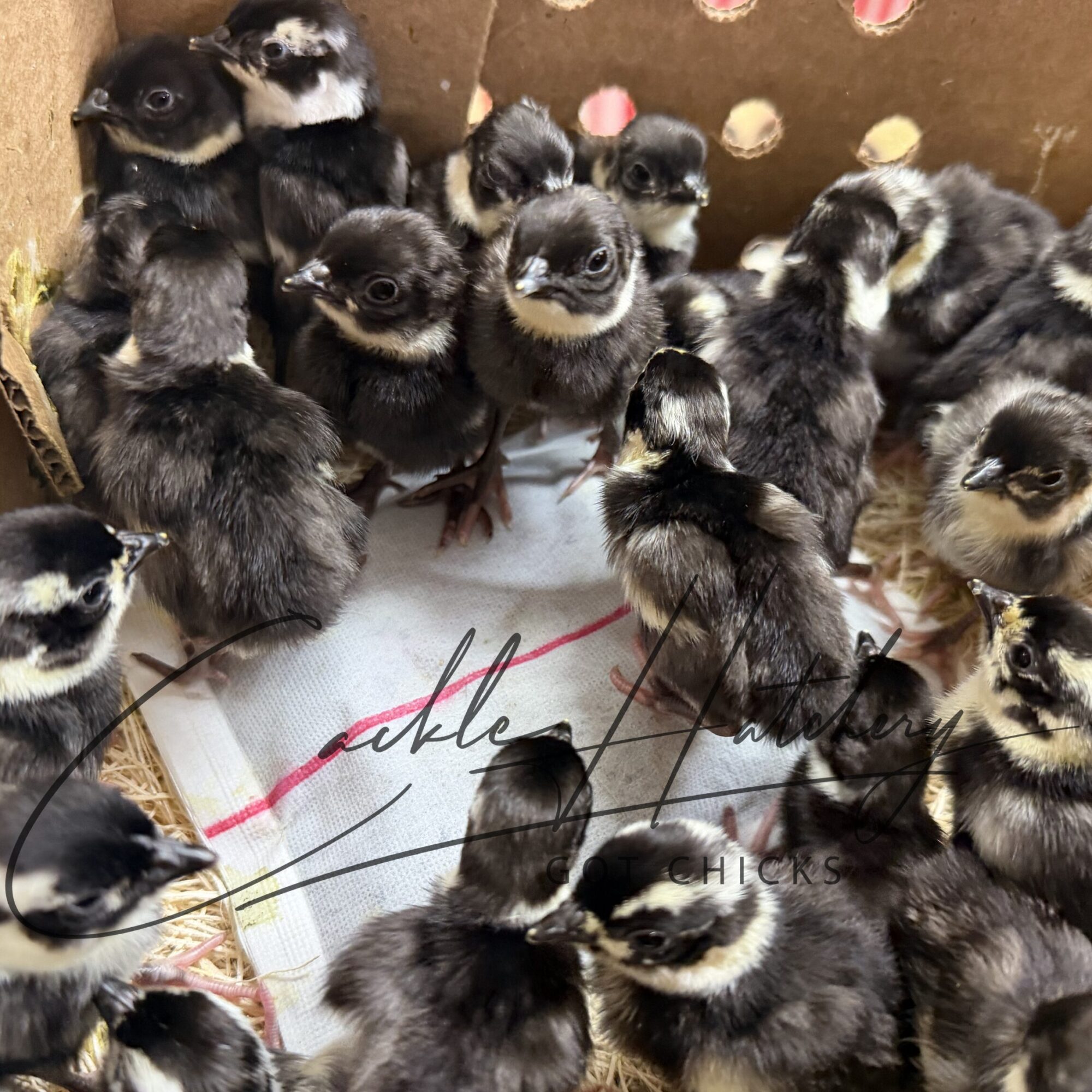
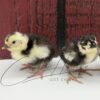
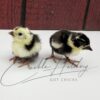
The chicks are tiny and dark, usually black with whitish spots or stripes on the neck. They grow quickly, may begin flying by about 2 weeks of age, and typically reach maturity around 16 to 18 weeks.
History and Background
Melanistic pheasants were first spotted in the British countryside in the late 1800s. They were later developed into a distinct variety from the common Ringneck Pheasant.
Because they are a mutation of the Ringneck, they share many general pheasant traits while offering a darker color pattern, strong release value, and good adaptability in suitable habitat.
Customers interested in learning more about pheasants and chukar can read Cackle’s blog Bird Watching: A Look at Pheasants and Chukar, which discusses popular gamebirds and their seasonal appeal.
Habitat for Release
Prime habitat for melanistic pheasants includes a mix of crop fields and cover. A good release property may be up to 70% crop fields, such as corn, soybeans, or small grains, with the remaining space in brushy thickets, grassland, wetlands, or woodland.
Released pheasants feed on grains, insects, plants, and small invertebrates such as slugs and worms. They do best where they have plenty of food, hiding places, nesting cover, and room to move naturally.
Before releasing gamebirds, customers should check state and local regulations. Some states may prohibit or regulate ownership, transport, or release of pheasants and other gamebirds.
Release Use and Survival Ability
Melanistic pheasants are among the top pheasant varieties for raising and releasing on farmland. They are valued for their survival instinct, adaptability, and strong reproduction rate.
Released hens may lay an average of 10 to 12 eggs. After that, they stop laying for the year and focus on hatching and raising chicks. Chicks from released hens may have a high survival rate when the property offers suitable food, cover, and protection.
This variety is best for customers who want pheasants that can perform well in a wild-style environment rather than birds meant only for long-term confinement.
Captivity and Breeding
Melanistic pheasants do not take kindly to crowded captivity. They constantly look for ways to escape and may become aggressive toward each other when overcrowded.
In captivity, hens may lay 30 to 60 eggs per season, but they rarely brood. Customers who want to hatch eggs from captive hens should plan to collect eggs and use an incubator rather than relying on hens to sit.
For best results, provide roomy pens, avoid overcrowding, and manage them as active gamebirds rather than domestic chickens.
Raising Melanistic Pheasant Chicks
When raising melanistic chicks for release, feed pheasant or gamebird rations. These birds grow fast and need feed designed for gamebird development.
Use a drown-proof waterer base or place marbles or small stones in the chick waterer to help prevent drowning. Because the chicks are small and active, water safety is especially important during the brooder stage.
At about 6 weeks of age, move them to a roomy flight pen where they can strengthen their flight muscles. A good flight pen helps prepare birds for release by building strength, coordination, and natural behavior.
Melanistic Pheasant vs Ringneck Pheasant
Melanistic Pheasants and Ringneck Pheasants are closely related. The main difference is color and release preference.
Choose Melanistic Pheasants if you want a dark, hardy, adaptable gamebird with strong survival instincts and excellent release potential. Choose standard Ringneck Pheasants if you want the classic pheasant appearance commonly associated with upland gamebird stocking and hunting.
Both can be useful for gamebird projects, but melanistic pheasants are especially prized for farmland release and adaptability.
Melanistic Pheasant vs Chukar Partridge
Melanistic Pheasants and Chukar Partridge are both gamebirds, but they are different species with different uses.
Choose Melanistic Pheasants if you want a larger pheasant-type gamebird for farmland release, cover-based habitat, and strong reproduction in the wild. Choose Chukar Partridge if you want a smaller partridge-type bird popular with hunters and gamebird farms.
Customers comparing both can browse Cackle’s Game Bird Chicks for Sale category or read Bird Watching: A Look at Pheasants and Chukar.
Legal Ownership and Release Notice
Before owning, transporting, or releasing gamebirds, customers should check legal requirements with their state wildlife agency.
Some states may regulate or prohibit ownership or release of pheasants. Rules can vary by location and may involve permits, release restrictions, disease testing, or other requirements.
This notice should remain clear on the product page because customers may need approval before starting a release project.
Is This Product Right for Your Gamebird Project?
Choose Melanistic Pheasants if you want:
A dark pheasant variety
A mutation of the common Ringneck Pheasant
A gamebird prized for farmland release
A bird with strong survival instinct
A hardy variety for cold and hot weather
A pheasant with excellent adaptability
A bird with strong reproductive ability
A release bird for crop fields and cover habitat
A gamebird that prefers wild-style living over crowded captivity
A fast-growing chick that can fly early
Overall, this is a good choice for customers who want a hardy, attractive pheasant for release, farmland habitat projects, or gamebird management. It is not the best choice for customers who want a calm domestic bird, a bird that will do well in crowded pens, or a captive hen that reliably sits on eggs.
Recognition and Availability
Cackle Hatchery® offers Melanistic Pheasant chicks for gamebird customers. Availability can change by season and hatch date, so customers should check the product page and Cackle’s Availability Chart before ordering.
Customers interested in other gamebirds may also want to compare Ringneck Pheasant, Chukar Partridge, Pharaoh Coturnix Quail, and Ornamental Pheasants for Sale.
Related Birds and Helpful Cackle Hatchery® Resources
If you like this product, you may also want to compare Ringneck Pheasant, Chukar Partridge, Chukar Partridge Hatching Eggs, Pharaoh Coturnix Quail, Game Bird Chicks for Sale, and Ornamental Pheasants for Sale.
Helpful Cackle resources include Bird Watching: A Look at Pheasants and Chukar, Availability Chart, and Yearly Chicken Shipping Calendar.
FAQ: Melanistic Pheasant
What is a Melanistic Pheasant?
It is a dark mutation of the common Ringneck Pheasant, also called a black pheasant or melanistic mutant pheasant.
Are Melanistic Pheasants good for release?
Yes. They are one of the top pheasant varieties for raising and releasing on farmland because of their survival instinct, adaptability, and reproductive rate.
Are they cold hardy?
Yes. They are exceptionally cold hardy and also handle hot weather well.
What does the male look like?
The male has black plumage with an iridescent blue-green sheen, a striped tail, and a red wattle.
What does the female look like?
The female is dark and less glossy, which gives her good camouflage while brooding.
What do the chicks look like?
The chicks are tiny and black with whitish spots or stripes on their necks.
How fast do the chicks grow?
They grow quickly, may begin flying by about 2 weeks old, and typically mature around 16 to 18 weeks.
What is the best habitat for release?
A good habitat may include up to 70% crop fields, such as corn, soybeans, or small grains, with the rest in brushy thickets, grassland, wetlands, or woodland.
What do released pheasants eat?
They eat grains, insects, plants, and small invertebrates such as slugs and worms.
Do captive hens lay eggs?
Yes. In captivity, hens may lay 30 to 60 eggs per season.
Will captive hens brood their eggs?
Rarely. Captive hens generally do not brood well, so customers should plan to incubate eggs if they want to hatch them.
Do Melanistic Pheasants do well in captivity?
They can be raised in captivity, but they do not take kindly to it. They look for ways to escape and may become aggressive when crowded.
When should chicks move to a flight pen?
When raising chicks for release, move them to a roomy flight pen at about 6 weeks of age so they can strengthen their flight muscles.
What should I feed the chicks?
Feed pheasant or gamebird rations to support proper growth and development.
Do I need to check local laws before releasing pheasants?
Yes. Before owning or releasing gamebirds, check with your state wildlife agency because some states may regulate or prohibit ownership or release.
Does Cackle Hatchery® sell this variety?
Yes. Cackle sells Melanistic Pheasant chicks.
Where can I check availability?
Check the Melanistic Pheasant product page and Cackle’s Availability Chart for current hatch and shipping options.



Reviews
There are no reviews yet