

Description
Pioneer Broiler Chicken
Breed Overview
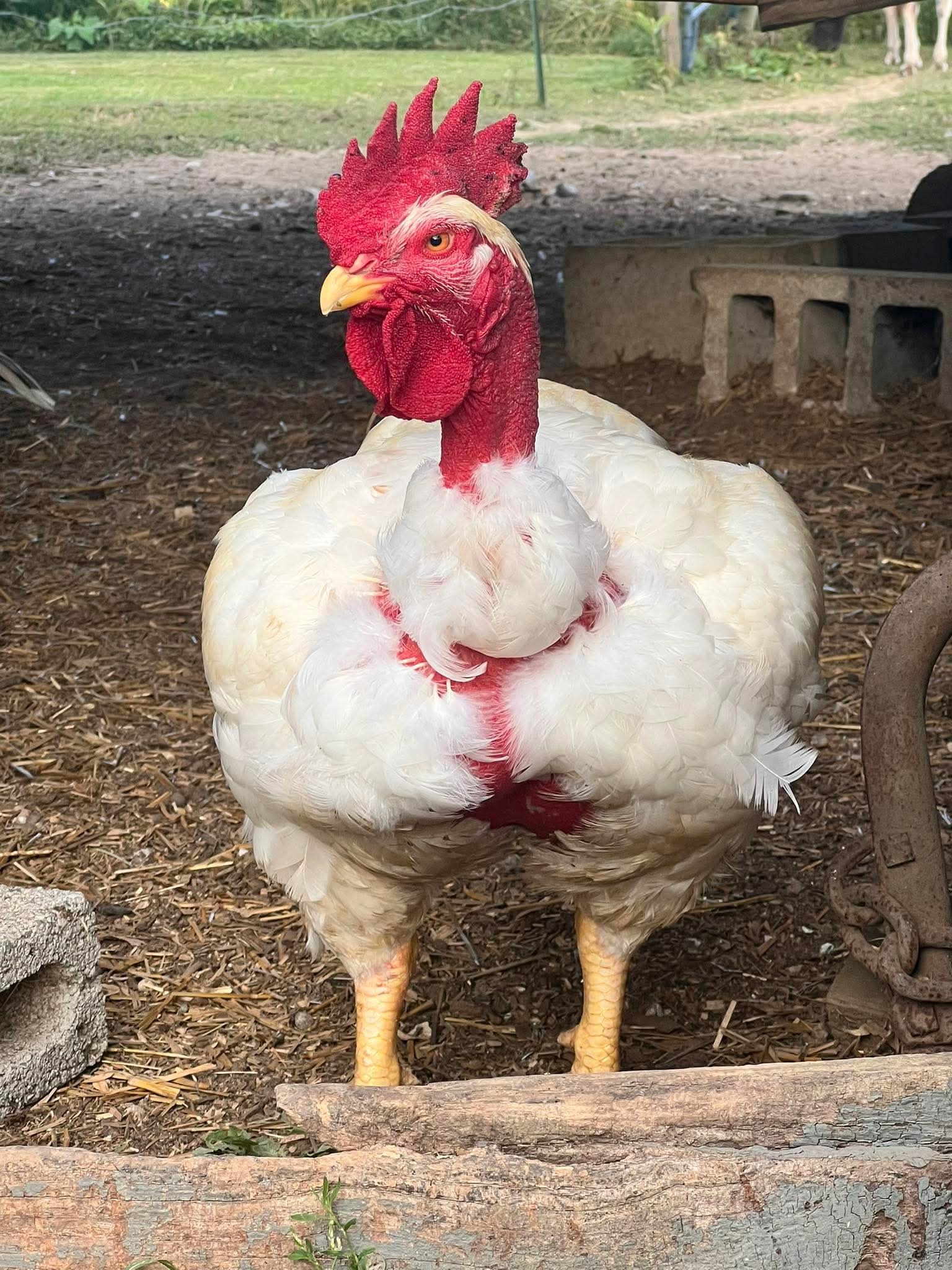
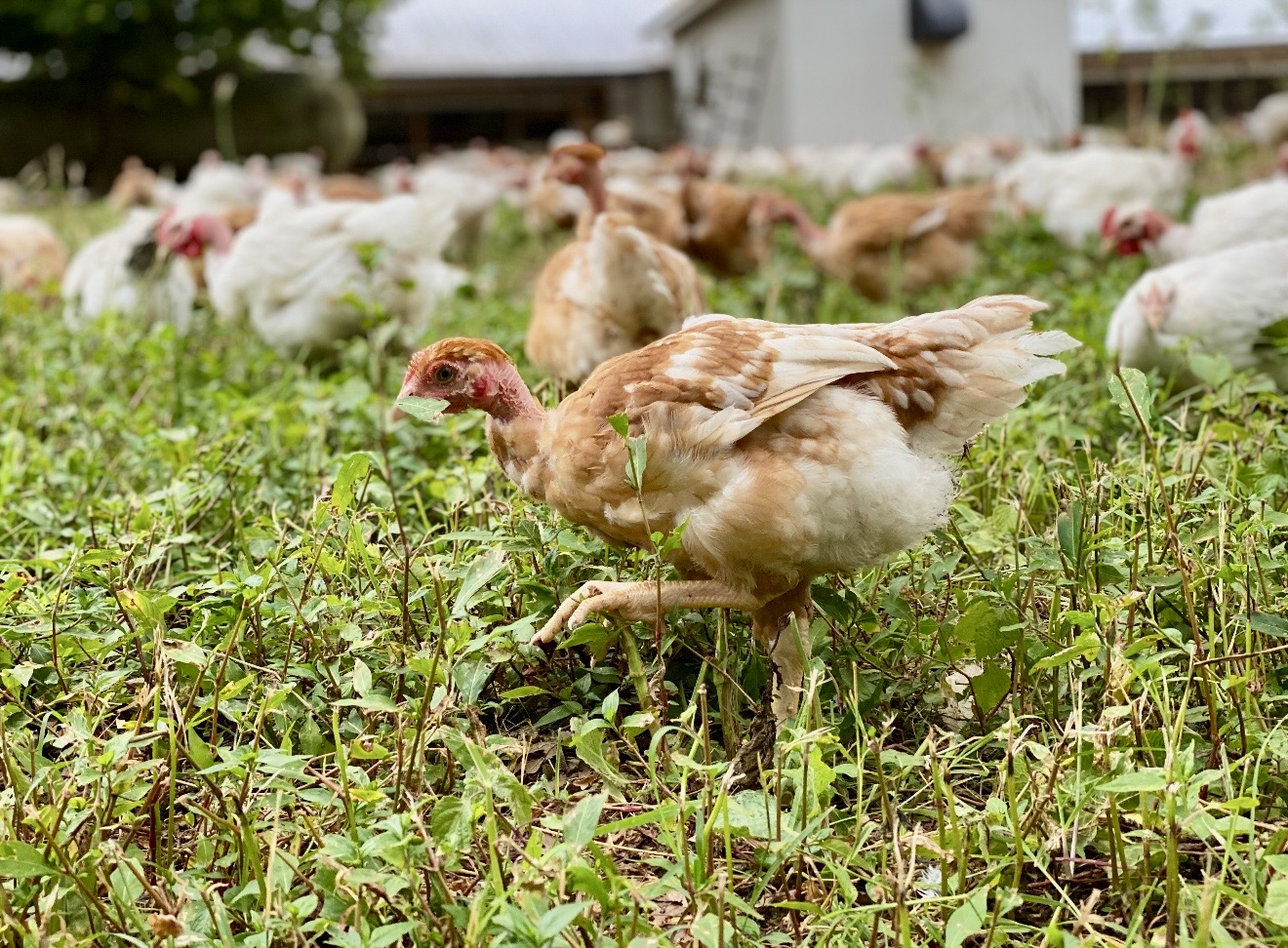
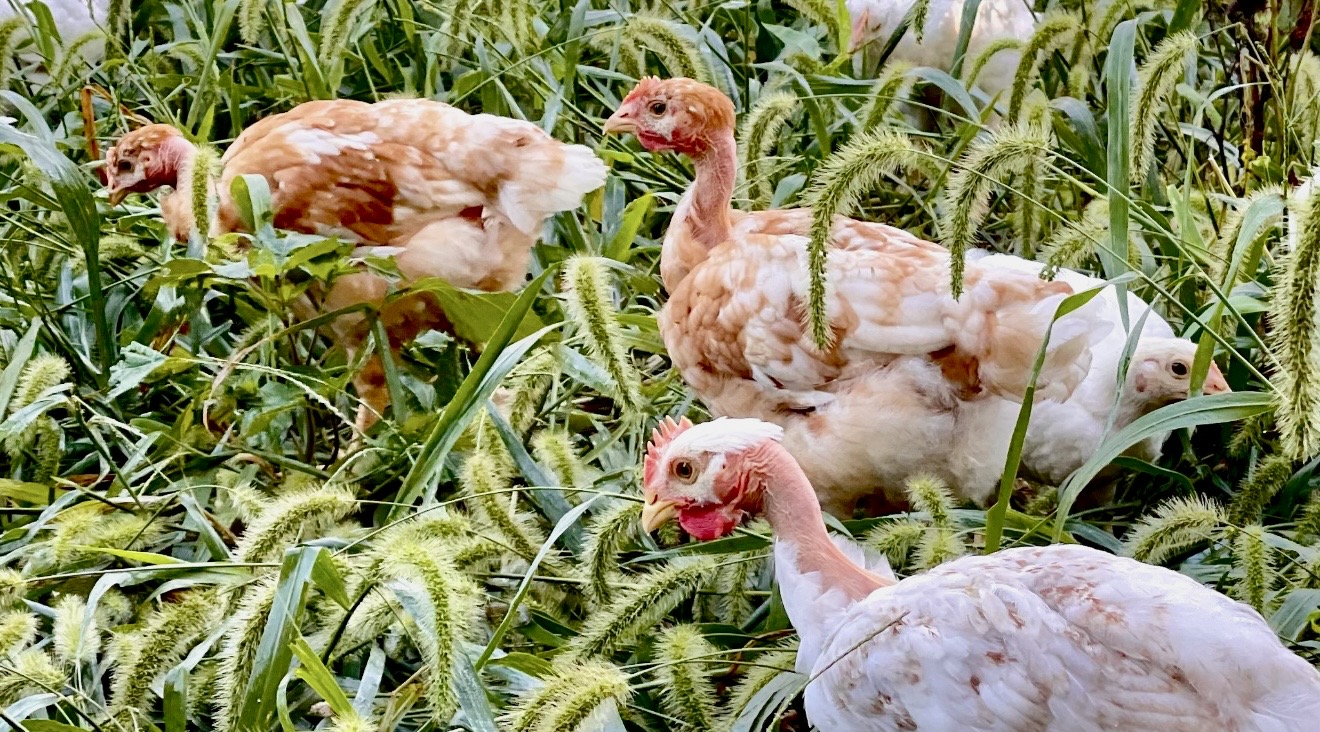
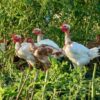
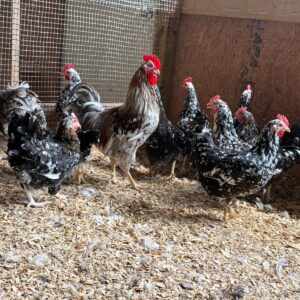
The Pioneer Broiler Chicken is a hardy, pasture-friendly meat chicken developed for homesteaders, small farms, regenerative systems, and customers who want an alternative to conventional commercial broilers. This hybrid combines Transylvanian Naked Neck, Delaware, and a heritage strain of Cornish Cross dating back to the 1940s to create a robust, low-maintenance bird with strong foraging instincts, better outdoor mobility, and practical meat value.
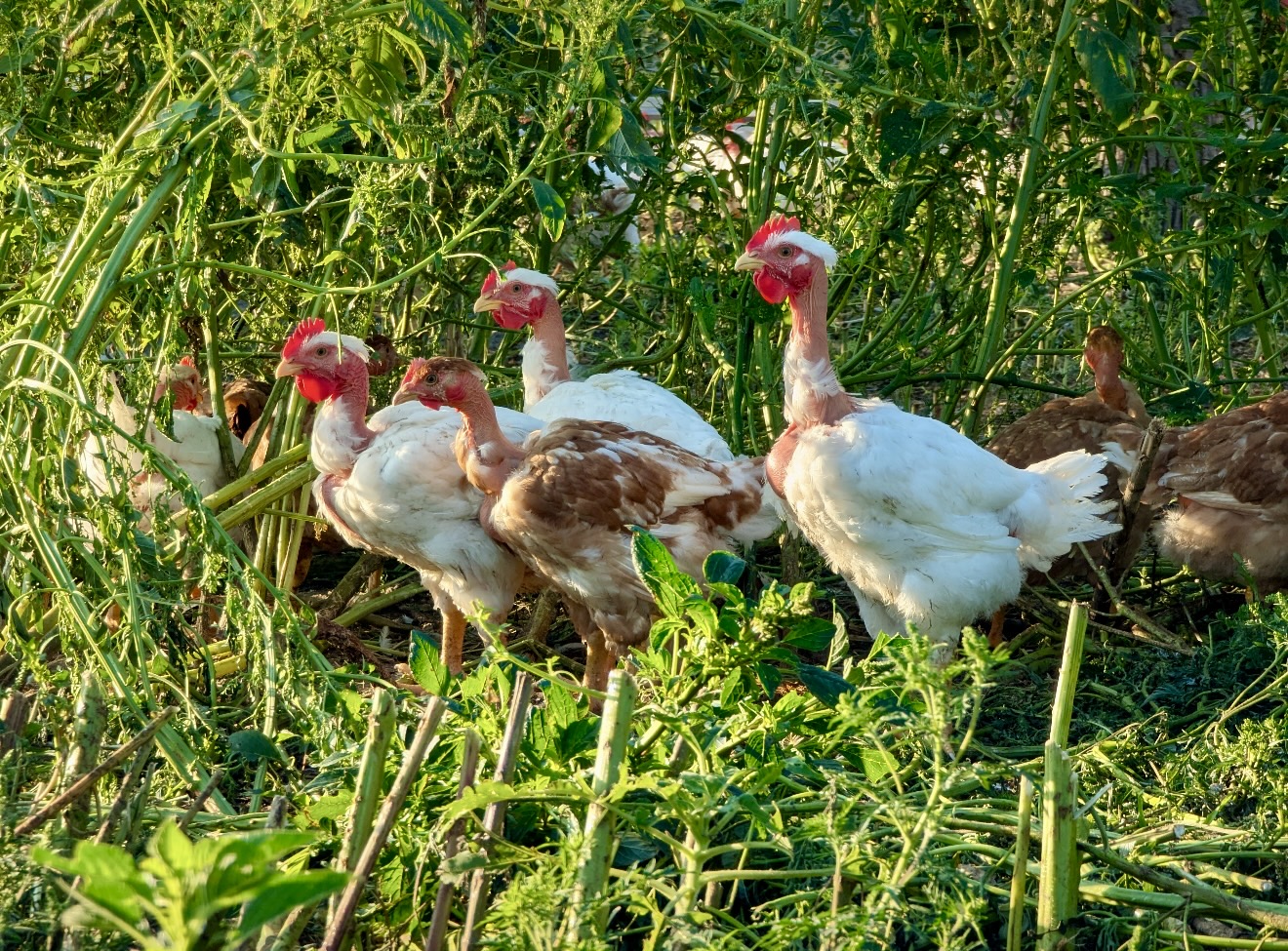
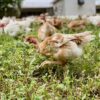
Unlike fast-growing commercial broilers that often need intensive management, Pioneer Broilers are bred to thrive outdoors. They actively forage, cover ground well, develop strong legs, and can perform in free-range or pasture-based systems. Cackle Hatchery® lists Pioneer Broilers as fast-developing, broad-breasted meat birds that are ready to dress in about 9 weeks.
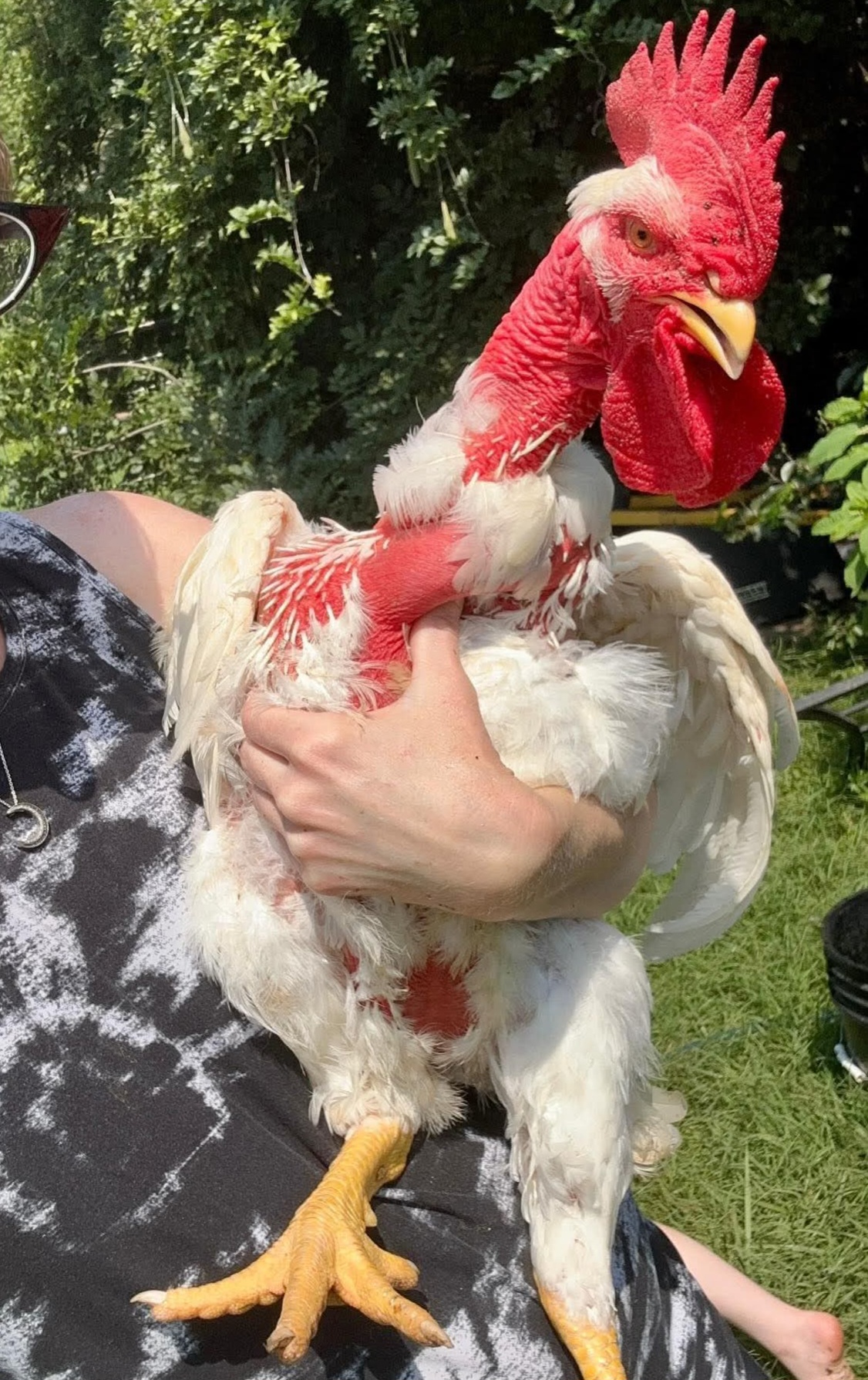
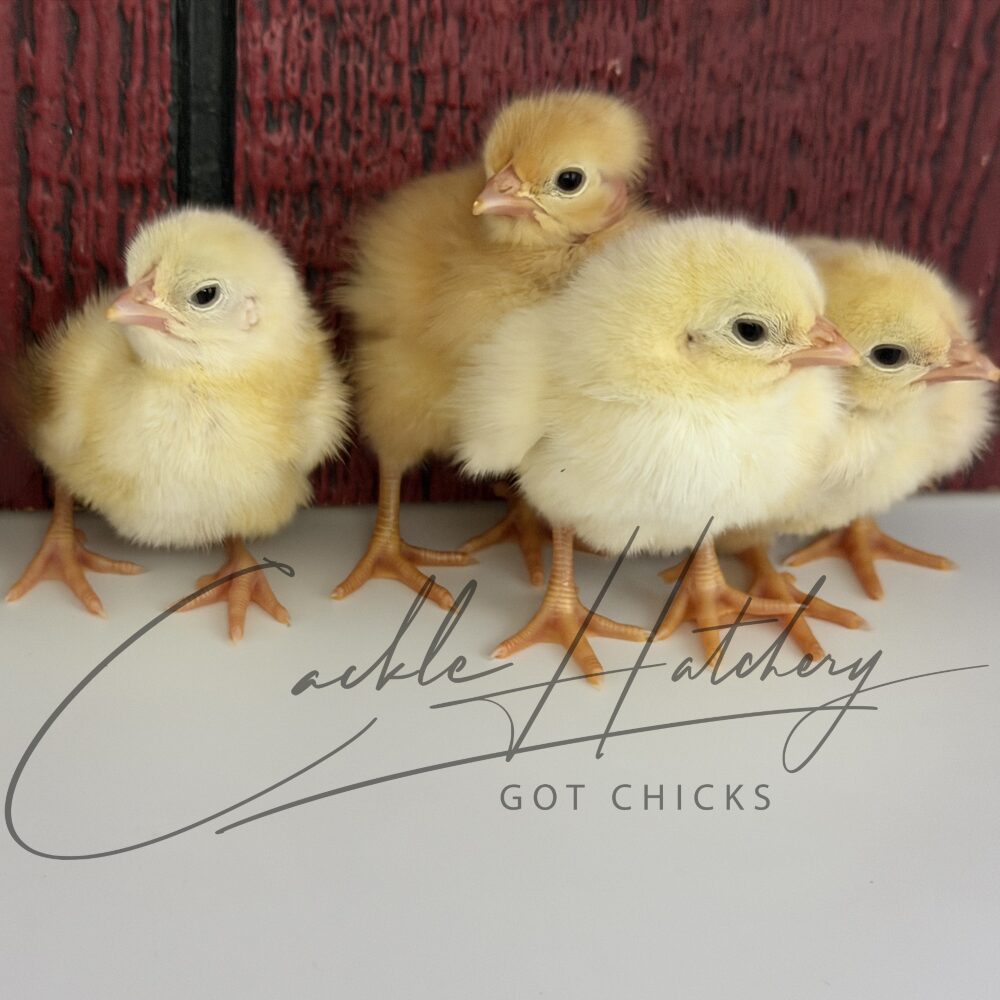
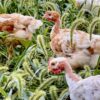
Because of their Naked Neck influence, some chicks may hatch with feathering on the neck. This is not a defect. These birds are still genetically Pioneer Broilers and should be managed the same way.
What Makes Pioneer Broilers Different?
Pioneer Broilers are designed for customers who want a more natural-growing, active, durable meat bird. Their genetics were selected for health, outdoor ability, stronger structure, and useful production rather than only maximum growth speed.
Key advantages include:
- Strong foraging instincts
- High heat tolerance
- Outdoor hardiness
- Stronger legs and natural gait
- Better endurance for pasture systems
- Robust immune system focus
- Good bone density
- Ability to handle a more diverse diet
- Fewer feathers because of Naked Neck influence
- Easier processing than heavily feathered meat birds
- Rich, flavorful meat with excellent texture
- Optional egg production if hens are kept
For homesteaders, the main appeal is balance. Pioneer Broilers can provide good meat yield while also offering better mobility, stronger outdoor behavior, and more flexibility than many standard commercial broilers.
Parentage and Hybrid Genetics
The Pioneer Broiler is a hybrid chicken. Cackle describes the cross as a carefully bred combination of:
- Transylvanian Naked Neck
- Delaware
- Heritage Cornish Cross genetics dating back to the 1940s
Each part contributes something useful.
The Transylvanian Naked Neck influence helps reduce feathering, improves heat tolerance, and can make processing easier.
The Delaware influence adds dual-purpose heritage value, structure, hardiness, and utility.
The heritage Cornish Cross influence contributes meat qualities, breast development, and broiler performance.
Because the Pioneer Broiler is a hybrid, it will not breed true. That means customers should not expect offspring from Pioneer-to-Pioneer matings to reliably match the parent birds in growth, body type, feathering, or performance.
Growth Rate and Harvest Timing
Pioneer Broiler Chickens grow at a natural, steady pace. They are typically ready to harvest around 9 to 10 weeks old, with an average live weight of about 6 pounds at that age. Cackle’s listing describes Pioneer Broilers as ready to dress in about 9 weeks.
Unlike some fast commercial broilers, Pioneer Broilers can also be grown longer without the same quality-of-life concerns associated with extremely fast growth. Their stronger legs, natural gait, and outdoor endurance help make them a better fit for customers who want to raise meat birds on pasture or in more natural systems.
Actual growth rate can vary by feed, weather, brooder setup, pasture quality, management, and processing goals.
Meat Quality and Processing Benefits
Customers report Pioneer Broilers as having rich, flavorful meat with excellent texture. Because they grow at a more natural pace and forage actively, they are a good fit for customers who value flavor, outdoor activity, and a more traditional meat-bird experience.
Their Naked Neck background can also make processing easier. With fewer feathers overall, plucking may be more efficient than with heavily feathered breeds.
Pioneer Broilers are a strong option for:
- Homestead meat production
- Pasture-raised poultry
- Regenerative agriculture systems
- Small farms
- Customers wanting better outdoor activity
- Customers who prefer natural growth
- Producers wanting a non-commercial broiler alternative
- Families wanting flavorful homegrown chicken
Egg Production Potential
Although Pioneer Broilers are primarily meat birds, hens can also be kept for eggs. Cackle’s Pioneer Broiler information notes that hens can produce 200 to 280 eggs per year if kept.
This makes Pioneer Broilers more flexible than many meat-only birds. Customers who want a dual-purpose-style flock may choose to process some birds and keep selected hens for egg production.
Egg production can vary by individual hen, feed, daylight, season, age, and management.
Foraging and Pasture Performance
Pioneer Broilers are bred to thrive outdoors. Their strong foraging instincts allow them to actively seek insects, greens, seeds, and other natural food sources. In pasture-based systems, this can support a more varied diet, reduce feed pressure, and help produce a flavorful bird.
They are especially well suited for:
- Free-range systems
- Pasture poultry systems
- Rotational grazing setups
- Homesteads
- Regenerative farms
- Backyard meat projects with space
- Small-scale meat and egg systems
However, foraging does not replace balanced feed. Pioneer Broilers still need proper nutrition, especially during growth. Pasture can support health and enrichment, but a complete ration helps ensure strong development and consistent performance.
Strong Legs, Natural Gait, and Endurance
Pioneer Broilers are selected for strong legs, natural movement, and endurance. These traits help them cover ground efficiently, forage more actively, and handle outdoor living better than many conventional broilers.
Their walking style is intended to mimic more natural fowl movement, supporting joint health and reducing stress. Stronger bone density and better leg development make them especially valuable in pasture and free-range systems.
This is one of the biggest reasons homesteaders choose Pioneer Broilers: they are not just meat birds. They are active outdoor birds that can move, forage, and behave more naturally.
Heat Tolerance and Weather Adaptability
Pioneer Broilers have high heat tolerance, helped in part by the Naked Neck genetics. Birds with less neck feathering can often handle warm weather better than heavily feathered chickens.
Even so, heat-tolerant birds still need good management. In hot weather, provide:
- Shade
- Fresh cool water
- Good airflow
- Room to spread out
- Avoid overcrowding
- Feed and water placement near shade
- Protection from heat stress during the hottest part of the day
Pioneer Broilers can also adapt to a variety of farming systems, but dry bedding, predator protection, and proper brooder care remain essential.
Certification and Better Chicken Context
The Pioneer Broiler is positioned as a higher-welfare alternative for meat production. The user-provided breed information notes that it is approved for use in GAP Certifications, including Animal Welfare Certified and Better Chicken Project Certified, along with the Better Chicken Commitment.
Global Animal Partnership describes its Better Chicken Project as a research-based framework for assessing broiler breed welfare, developed with scientists, breeding companies, producers, buyers, and animal welfare advocates. The Better Chicken Commitment describes itself as a leading set of broiler welfare standards aimed at improving chicken welfare in the food industry. A 2024 Better Chicken Commitment breed document lists Cooks Venture Pioneer among breeds approved for use to meet BCC requirements.
Customers using certification programs should always confirm current requirements directly with the certifying body before purchasing chicks for a certified operation.
Pioneer Broiler vs Cornish Cross
Pioneer Broilers and Cornish Cross chickens are both meat birds, but they are built for different management goals.
A Pioneer Broiler is bred for stronger legs, natural gait, outdoor performance, foraging, heat tolerance, and a more balanced growth rate.
A Cornish Cross is bred for fast growth, efficient feed conversion, and maximum meat production in a shorter window.
Choose Pioneer Broilers if you want a hardier, more active bird for pasture, free range, regenerative systems, or homestead meat production.
Choose Cornish Cross if your main goal is the fastest, most feed-efficient meat production in a more controlled environment.
Pioneer Broiler vs Red Broiler
Pioneer Broilers and Red Broilers can both appeal to customers who want an alternative to standard commercial meat birds.
A Pioneer Broiler is a specific hybrid built from Naked Neck, Delaware, and heritage Cornish Cross genetics, with a focus on pasture ability, strong legs, outdoor hardiness, and flavorful meat.
A Red Broiler is another meat-bird option often chosen for a slower-growing, more active alternative to commercial broilers.
Choose Pioneer Broilers if you want the Naked Neck-influenced heat tolerance, pasture performance, and Better Chicken-style welfare positioning.
Choose Red Broilers if you want a familiar alternative meat bird with red feathering and slower-growth appeal.
Is the Pioneer Broiler Chicken Right for Your Flock?
Choose Pioneer Broiler Chickens if you want:
- A hardy hybrid meat chicken
- A pasture-friendly broiler
- A free-range or regenerative system bird
- Strong foraging instincts
- High heat tolerance
- Strong legs and natural gait
- Better outdoor endurance
- Rich, flavorful meat
- Easier processing from reduced feathering
- 9 to 10 week harvest potential
- Optional hen egg production
- A broiler alternative to conventional commercial chickens
However, consider another meat bird if you need the fastest possible harvest time, the most uniform commercial broiler appearance, or a breed that breeds true. In short, Pioneer Broilers are best for customers who want a robust, outdoor-capable meat bird with useful egg potential and strong homestead appeal.
Care and Housing Tips
Pioneer Broilers are low maintenance compared with many commercial meat birds, but they still need proper chick care, balanced nutrition, clean housing, and predator protection.
For best results, provide:
- A warm brooder for chicks
- Clean, dry bedding
- Fresh water at all times
- Quality chick starter or broiler feed
- Enough feeder space for even growth
- Room to move and exercise
- Shade and cool water in hot weather
- Secure pasture or free-range areas
- Predator-resistant nighttime housing
- Rotational pasture when possible
- Dry shelter during wet weather
- Balanced feed even when birds forage
Because these birds are active foragers, they benefit from pasture access. However, they still need complete nutrition to support strong growth and healthy development.
Important Hybrid Disclaimer
The Pioneer Broiler is a hybrid. Hybrids are created by crossing different parent lines and do not breed true.
That means if you hatch chicks from Pioneer Broiler parents, the offspring may vary widely. They may not show the same growth rate, body shape, neck feathering, egg production, foraging traits, or meat qualities as the original Cackle Hatchery® Pioneer Broiler chicks.
For consistent results, customers should order new Pioneer Broiler chicks from Cackle Hatchery® rather than relying on home breeding.
Availability and Ordering Notes
Cackle Hatchery® lists Pioneer Broilers as meat and broiler chickens, with availability commonly offered in larger meat-bird quantities such as 25, 50, and 100 on Cackle’s meat/broiler category pages. Availability can change during the hatching season, so customers should check Cackle Hatchery’s Chicken Availability Chart before ordering. Cackle notes that its availability chart updates often and does not guarantee a reserved shipping date until checkout.
Related Breeds and Helpful Cackle Hatchery® Resources
Customers who like Pioneer Broilers may also enjoy other meat chickens, pasture-friendly birds, heat-tolerant breeds, and homestead poultry options.
Helpful Cackle Hatchery® links for this product page include:
- Meat and Broiler Chickens for Sale
- Jumbo Cornish Cross chickens
- Red Broiler chickens
- Transylvanian Naked Neck chickens
- Delaware chickens
- Hot Weather Chickens for Sale
- Dual Purpose Chickens for Sale
- Baby chicks for sale
- Chicken Breed Selector
- Chicken Breeds List Comparison Chart
- Chicken Availability Chart
FAQ: Pioneer Broiler Chicken
What is a Pioneer Broiler Chicken?
A Pioneer Broiler Chicken is a hardy hybrid meat bird bred from Transylvanian Naked Neck, Delaware, and heritage Cornish Cross genetics. It is designed for pasture, free-range, regenerative, and homestead meat production.
What breeds are used to create the Pioneer Broiler?
The Pioneer Broiler combines Transylvanian Naked Neck, Delaware, and a heritage strain of Cornish Cross dating back to the 1940s.
Are Pioneer Broilers a hybrid?
Yes. Pioneer Broilers are hybrids, and hybrids do not breed true.
Do Pioneer Broilers breed true?
No. Pioneer Broilers do not breed true, so offspring from Pioneer-to-Pioneer matings may not perform or look like the parent birds.
Why do some Pioneer Broilers have feathers on their neck?
Because of the Naked Neck genetics, some chicks may hatch with bare necks and others may show more neck feathering. Feathering on the neck is not a defect, and the bird is still genetically a Pioneer Broiler.
Are Pioneer Broilers good for pasture?
Yes. Pioneer Broilers are excellent for pasture-based and free-range systems because they have strong foraging instincts, natural movement, and outdoor endurance.
Are Pioneer Broilers good for regenerative agriculture?
Yes. Their foraging ability, diverse diet tolerance, outdoor hardiness, and natural gait make them a strong fit for regenerative agricultural systems.
Are Pioneer Broilers low maintenance?
Yes. They are bred for robust health, natural behavior, strong legs, and outdoor hardiness, which can reduce intensive management needs compared with some commercial broilers.
Are Pioneer Broilers heat tolerant?
Yes. Pioneer Broilers have high heat tolerance, helped in part by Naked Neck genetics.
How fast do Pioneer Broilers grow?
Pioneer Broilers grow at a steady natural pace and are typically ready to harvest around 9 to 10 weeks old.
What is the average live weight of a Pioneer Broiler at harvest?
At about 9 to 10 weeks old, Pioneer Broilers average around 6 pounds live weight.
Can Pioneer Broilers be grown longer than 10 weeks?
Yes. They can be grown longer with no negative impact on quality of life when managed properly.
Are Pioneer Broilers easier to process?
Yes. Their Naked Neck influence means they have fewer feathers overall, which can make processing easier.
What does Pioneer Broiler meat taste like?
Customers report rich, flavorful meat with excellent texture.
Do Pioneer Broiler hens lay eggs?
Yes. If kept for eggs, Pioneer Broiler hens may produce about 200 to 280 eggs per year.
Are Pioneer Broilers good for eggs and meat?
Yes. They are primarily meat birds, but hens can also provide useful egg production if kept.
What is the difference between Pioneer Broiler and Cornish Cross?
Pioneer Broilers are more pasture-oriented, active, heat tolerant, and naturally growing. Cornish Cross chickens are usually selected for faster growth and maximum feed efficiency in controlled meat-bird systems.
What is the difference between Pioneer Broiler and Red Broiler?
Pioneer Broilers are a specific Naked Neck, Delaware, and heritage Cornish Cross hybrid designed for pasture performance, strong legs, heat tolerance, and flavorful meat. Red Broilers are another alternative meat bird, often chosen for slower growth and outdoor performance.
Are Pioneer Broilers approved for Better Chicken programs?
The user-provided product information states that Pioneer Broilers are approved for GAP Certifications, Better Chicken Project Certified, and the Better Chicken Commitment. Current BCC documentation also lists Cooks Venture Pioneer among approved breeds for meeting BCC requirements.
Should certified farms confirm requirements before ordering?
Yes. Certification requirements can change, so farms should confirm current requirements directly with GAP, Better Chicken Commitment, or the relevant certifying body before purchasing chicks for certified production.
Where can I check Pioneer Broiler availability?
Customers can check Cackle Hatchery’s Chicken Availability Chart for current hatch and shipping timing. Availability can change during the season.



Reviews
There are no reviews yet