Description
Paint Silkie Bantam Chicken
Breed Overview
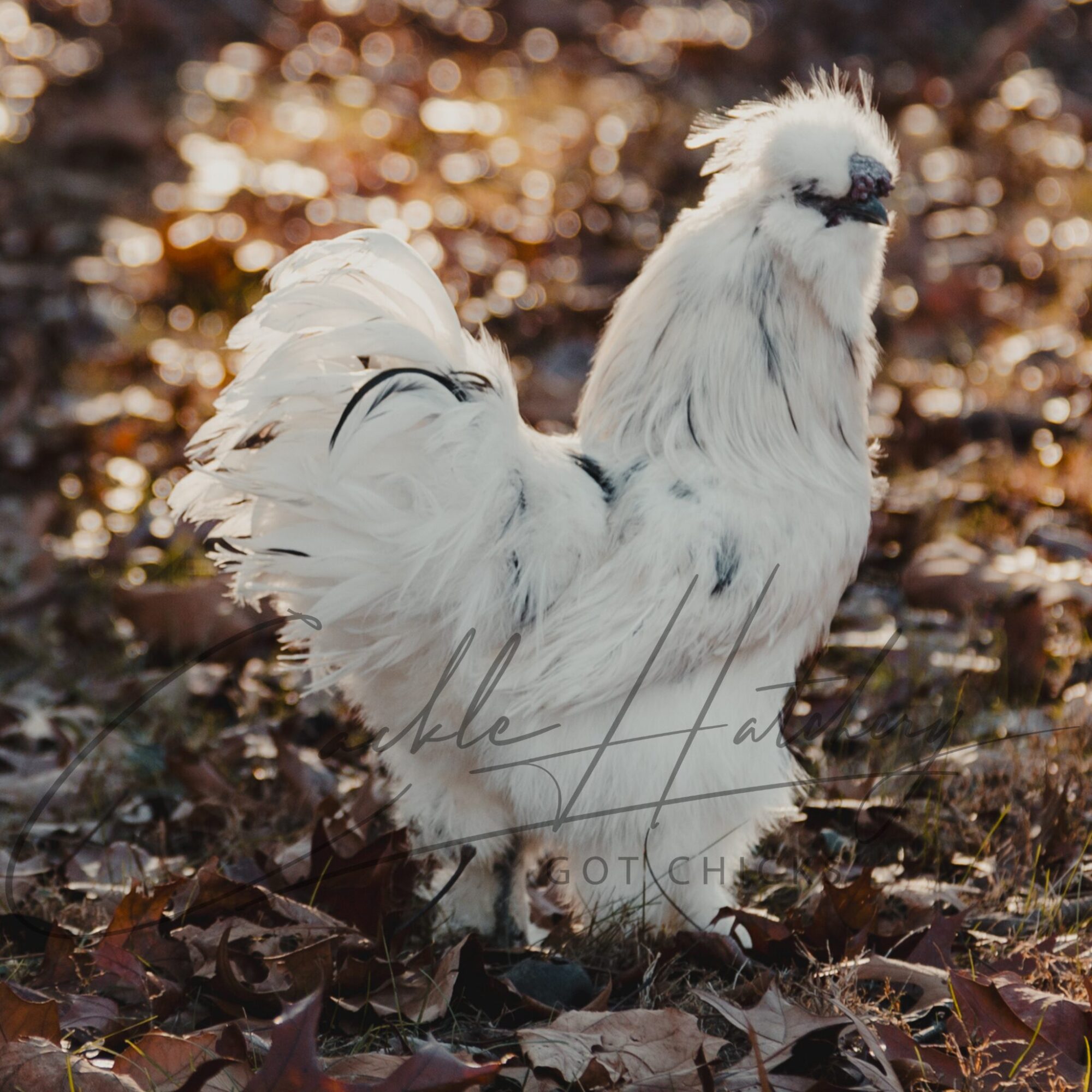
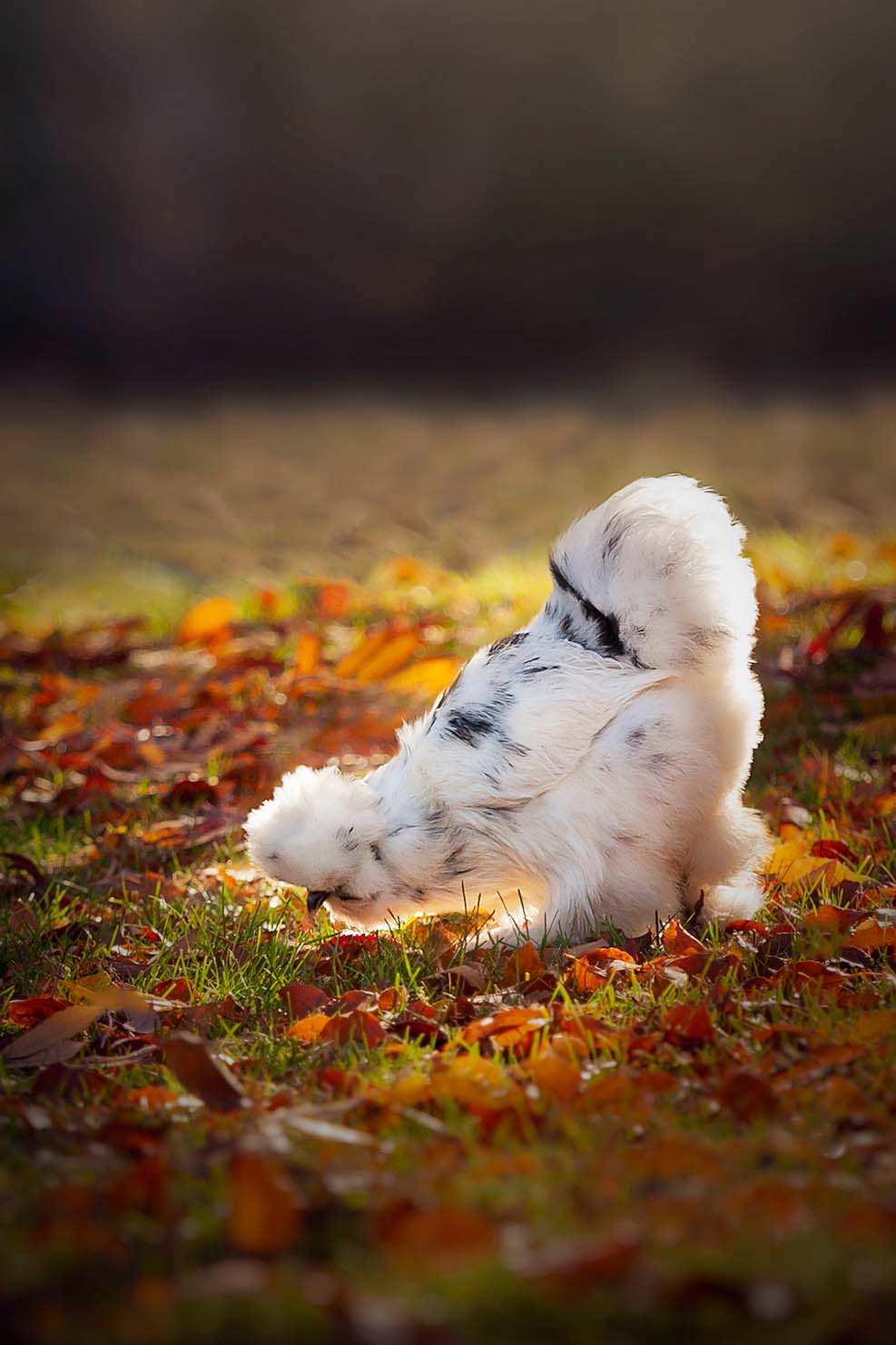
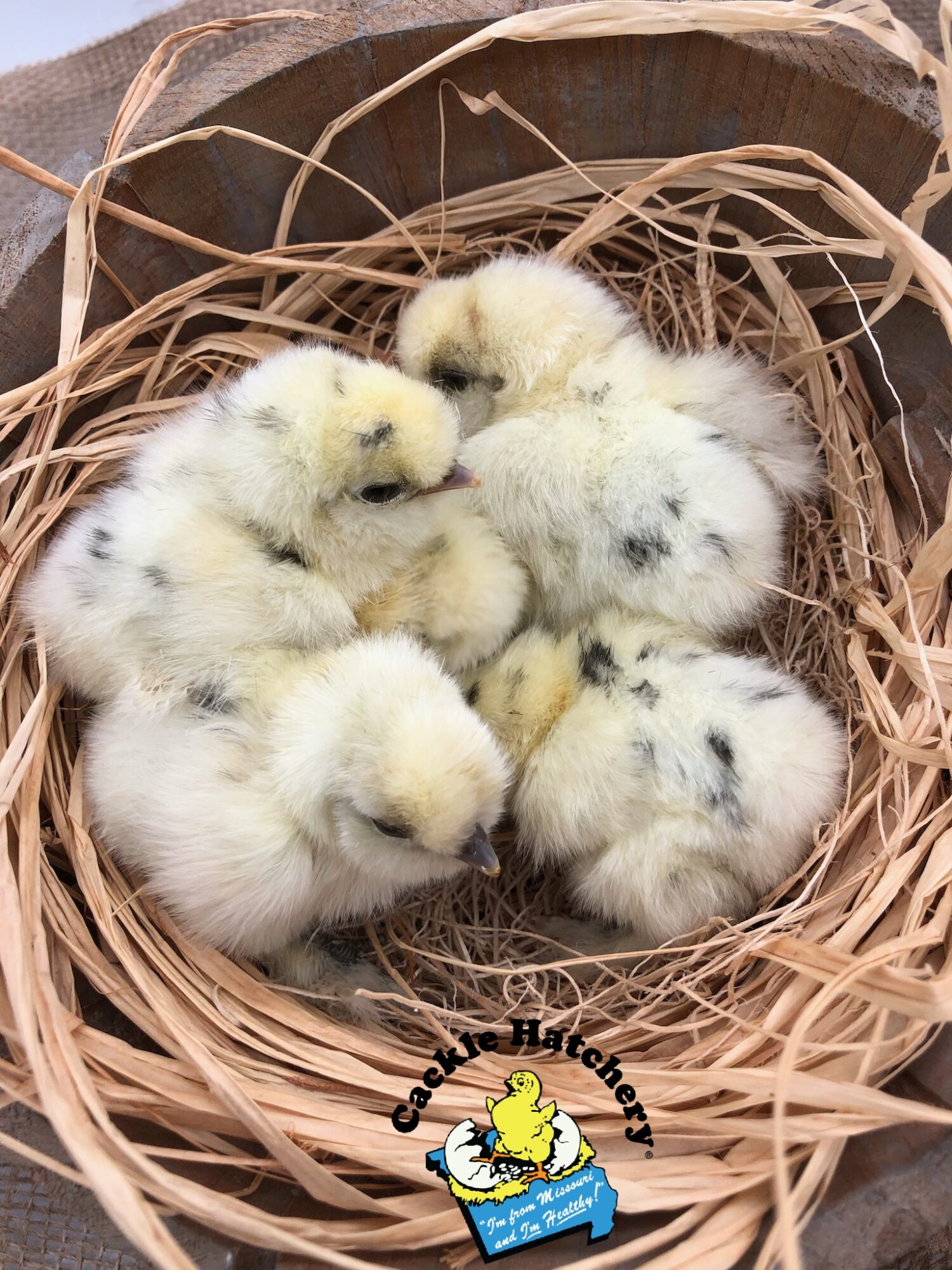
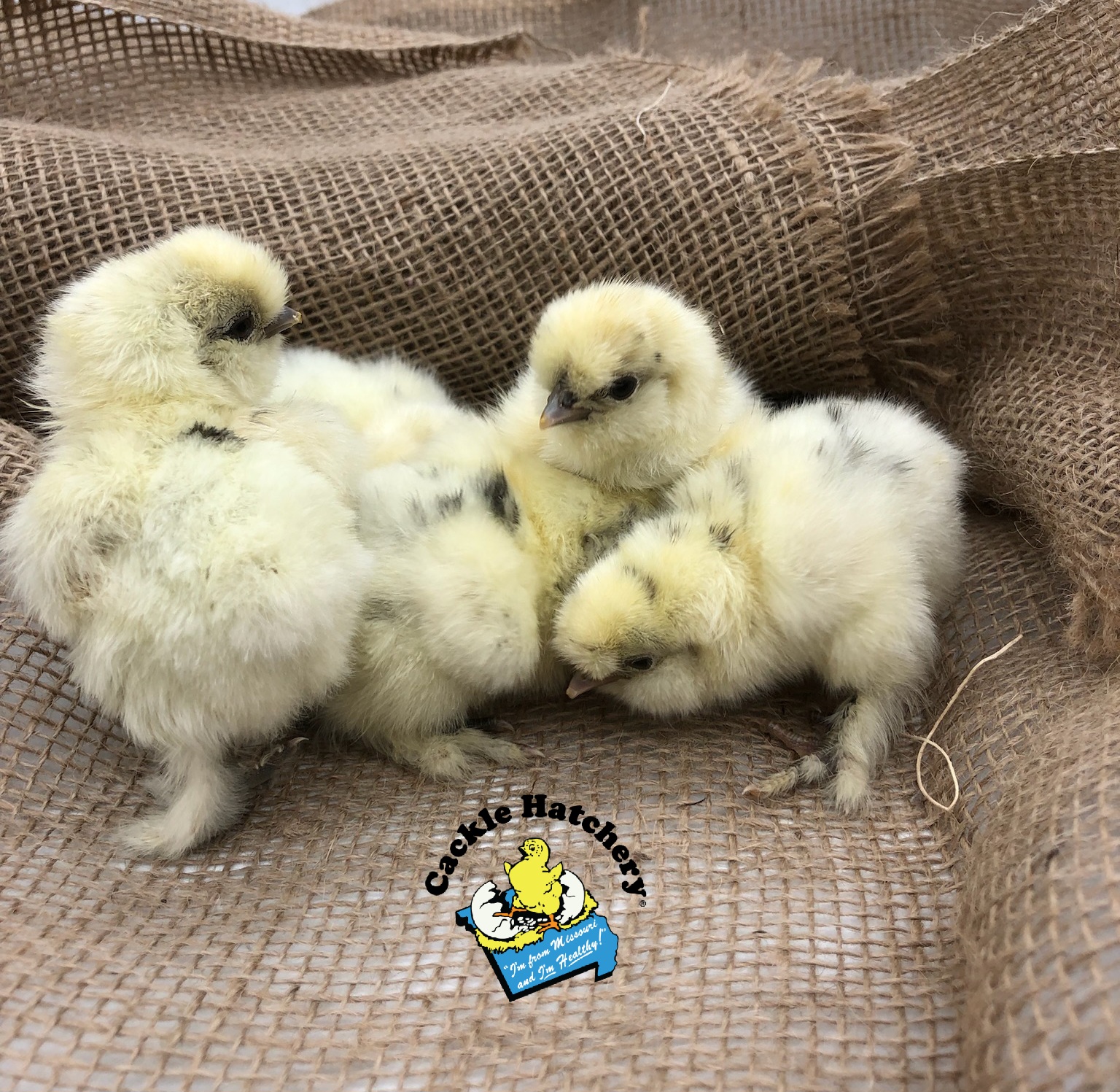
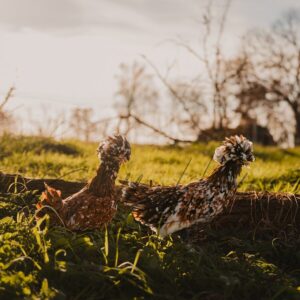
The Paint Silkie Bantam Chicken is a rare and eye-catching Silkie variety known for white plumage with black splotches, soft silk-like feathering, feathered legs, five toes, dark skin, broody-hen instincts, and gentle backyard personality. If you want a small ornamental chicken with a fun black-and-white pattern, Paint Silkies are one of the most unique Silkie varieties to consider.
Paint Silkies are often compared to pinto horses or Dalmatian dogs because every bird has its own pattern. Some Paint Silkies have large black patches, while others have only a few small black marks and may appear nearly white. The most desirable Paint Silkies often show bold black splotches across a bright white background.
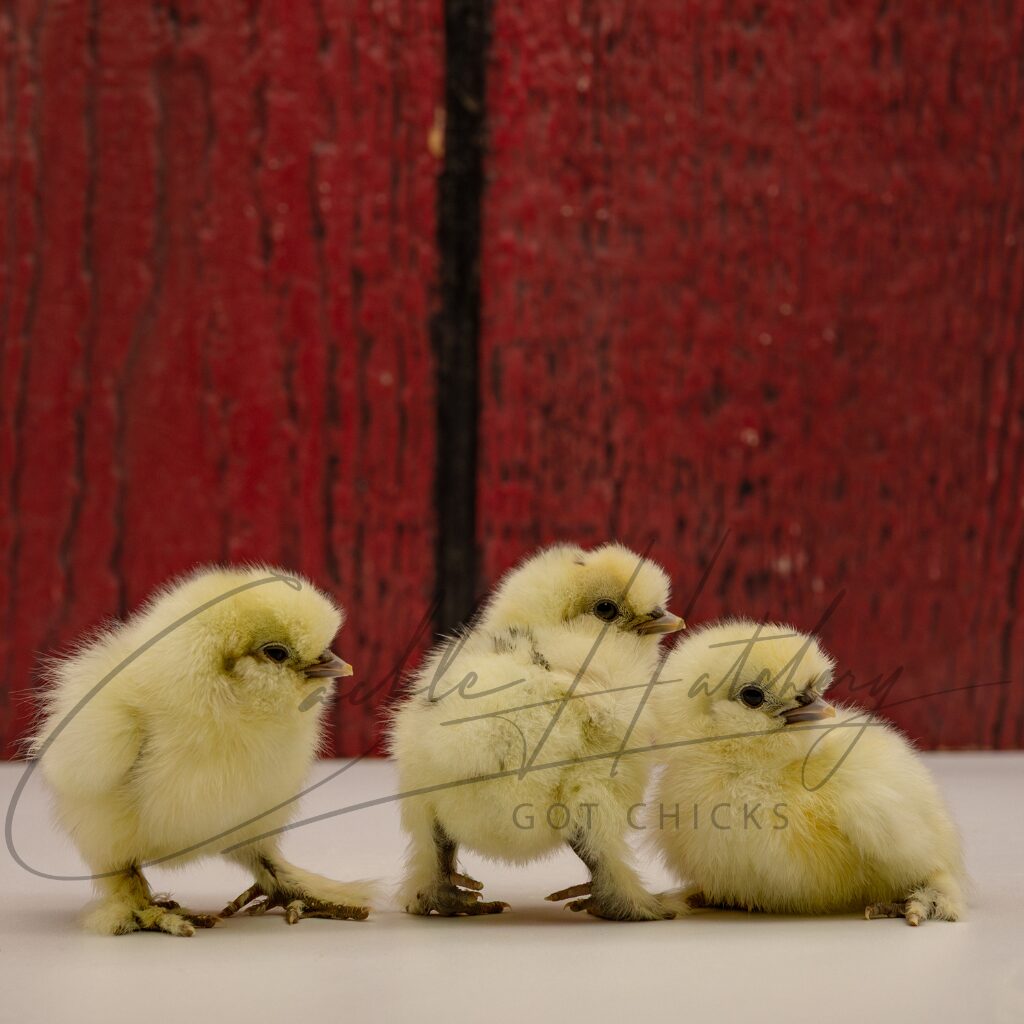
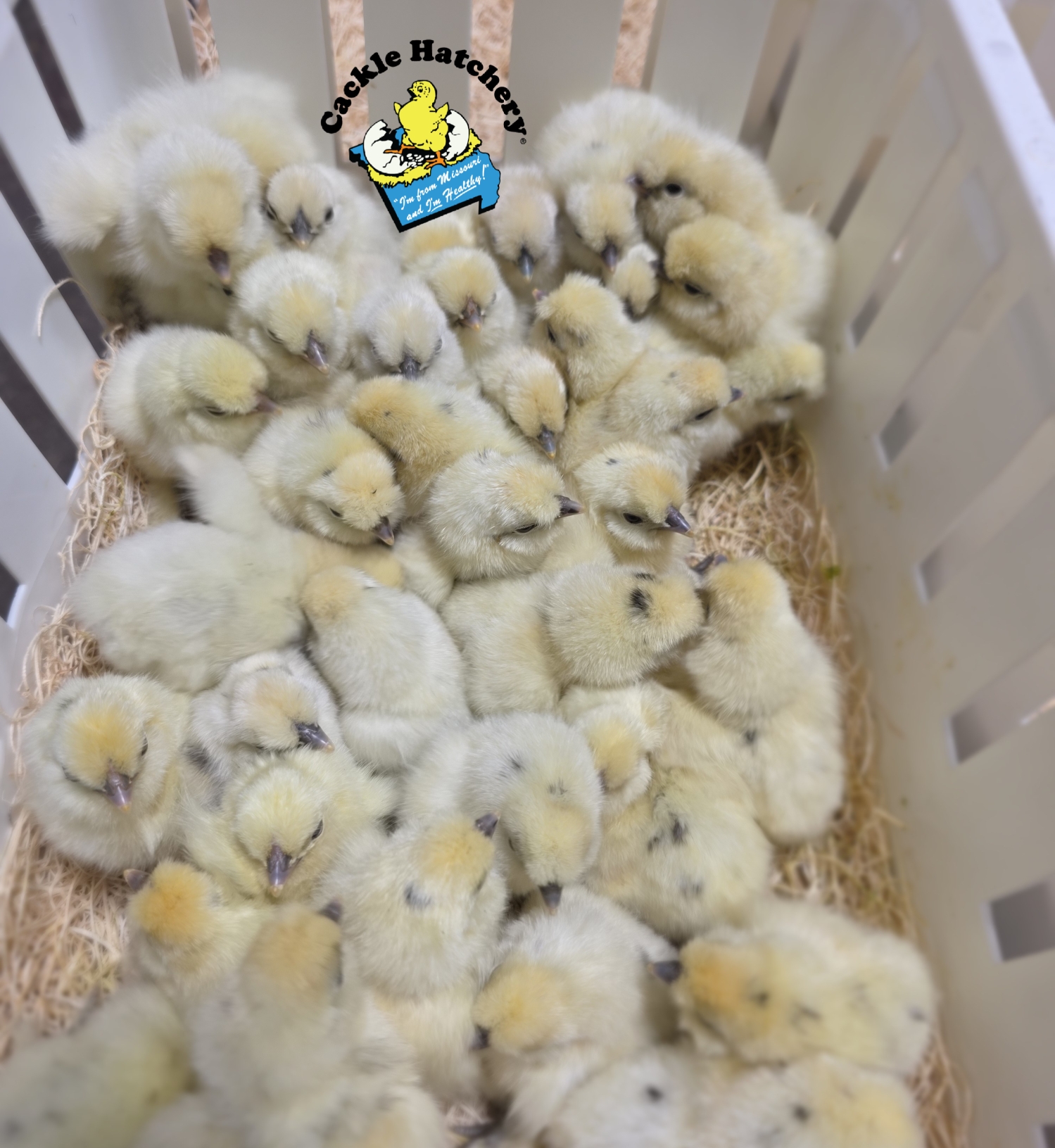
Cackle Hatchery® Poultry Breeding Farm has been developing its Paint Silkie Bantam bloodline since 2022. Cackle lists Paint Silkies as sold as baby chicks only, with no sexing available and seasonal shipping from early February through mid-August.
Appearance and Characteristics
Paint Silkie Bantams have the classic Silkie look with the added appeal of a black-and-white paint pattern. Their fluffy plumage feels soft because Silkie feathers lack the normal structure found in many other chicken feathers. Cackle’s Silkie spotlight describes Silkies as beloved ornamental bantams named for their fluffy, silk-like plumage.
Expected Paint Silkie traits include:
- White plumage with black splotches
- Soft, silk-like feathering
- Bearded Silkie type
- Feathered legs
- Five toes
- Small bantam size
- Gentle temperament
- Broody-hen potential
- Ornamental backyard appeal
- Individual pattern variation
Because the paint pattern varies, customers should not expect every chick to grow into the same amount of black-and-white spotting. That variety is part of the charm.
Paint Silkie vs Splash Silkie
Paint Silkies and Splash Silkies are easy to confuse, but they are genetically and visually different.
A Paint Silkie has a white background with larger black splotches. In a true paint feather, the entire feather may be black. Paints come from dominant white genetics modified by genes that allow black feathering to show through.
A Splash Silkie has a pale blue or whitish-blue background with black or blue markings, usually concentrated more on feather tips. Splash is part of blue color genetics. When Splash is bred to Splash, the chicks are Splash.
Choose Paint Silkie Bantams if you want a Dalmatian-like black-and-white pattern with larger black patches.
Choose Splash Bearded Silkie Bantams if you want a pale blue-white bird with softer blue or black splash markings.
Paint Silkie Genetics
Paint Silkies do not breed true. They are created from dominant white genetics combined with black feathering modifiers.
Paint Silkies can result from breeding a dominant white Silkie to a true black Silkie. The chicks receive a single dominant white gene, but modifier genes influence how much black feathering breaks through the white plumage.
When Paint is bred to Paint, expected results may be approximately:
- 50% Paint chicks
- 25% White chicks
- 25% Black chicks
Because of this, Paint Silkie breeding takes patience and careful selection. Customers who plan to breed Paint Silkies should understand that not every chick will hatch with the paint pattern.
Temperament and Backyard Suitability
Paint Silkie Bantams are small, gentle, and ornamental. Like other Silkies, they can make excellent backyard pets and are popular with families, hobby keepers, and customers who want sweet-natured bantams.
Paint Silkies can work well for:
- Backyard ornamental flocks
- Families wanting gentle bantams
- Customers who want small chickens
- Broody-hen projects
- Hobby breeding flocks
- Pet-quality poultry setups
- Flocks where beauty and personality matter more than egg production
Because they are bantams, Silkies do not need as much space as large fowl. However, they still need safe housing, predator protection, clean bedding, and proper feed.
Broodiness and Mothering Ability
Silkies are famous for broodiness. Paint Silkie hens may sit on eggs and can make excellent mothers when given a safe, quiet place to brood.
This trait makes Silkies popular with customers who want natural chick raising. Many poultry keepers use broody Silkie hens to hatch or raise chicks from other breeds.
Broodiness can vary by individual hen, season, and flock setup. Still, Silkies are among the most well-known broody bantam chickens.
Egg Production
Paint Silkie Bantams are primarily ornamental birds, not high-production egg layers. They may lay small cream or tinted eggs, depending on the individual bird and line.
Customers should choose Paint Silkies for beauty, temperament, broodiness, and pet value rather than heavy egg production. For customers wanting higher egg numbers, a production layer or standard-size egg breed will be a better fit.
Recognition and Show Notes
Many Silkie varieties have been accepted into the American Poultry Association Standard of Perfection, but Paint Silkie Bantams are not currently an APA-recognized Silkie color. The APA’s accepted breed and variety list is the current reference point for recognized varieties.
The American Bantam Association standardized the Paint Bearded Silkie in 2018, which is important for bantam exhibitors and breeders. Independent Silkie color resources also note that Paint Silkies were added to the ABA approved list in 2018.
Customers interested in showing Paint Silkies should review current ABA show rules and local show requirements before entering birds.
Paint Silkie vs Other Silkie Varieties
Paint Silkies share the same beloved Silkie traits as other Silkie colors: soft feathering, five toes, feathered legs, dark skin, broodiness, and pet-friendly temperament. The main difference is the rare black-and-white paint pattern.
Choose Paint Silkie Bantams if you want white plumage with black splotches and a unique look from bird to bird.
If you prefer a solid white bird, compare White Bearded Silkie Bantams.
If you prefer a solid black bird, review Black Bearded Silkie Bantams.
For customers who want several colors, Cackle’s Silkie Bantam Special can be a fun assortment option.
Paint Silkie vs Satin or Smooth-Feathered Bantams
Paint Silkies have true Silkie feathering, which gives them their soft, fluffy look. They are different from smooth-feathered bantams or satin-style birds that may have a similar body type but normal feather structure.
Choose Paint Silkie Bantams if you want the classic Silkie texture and a rare paint color pattern.
Choose another bantam if you prefer normal feathers, stronger outdoor weather resistance, or a more active bantam style.
Is the Paint Silkie Bantam Right for Your Flock?
Choose Paint Silkie Bantams if you want:
- A rare Silkie color pattern
- White plumage with black splotches
- A bearded bantam chicken
- Soft, silk-like feathering
- Five toes
- Feathered legs
- A gentle backyard pet
- A broody hen with mothering potential
- A small ornamental chicken
- A bird with a unique pattern from one individual to the next
However, consider another breed if you want high egg production, APA-recognized Silkie color status, predictable chick color, or a hardy free-range bird for rough outdoor conditions. In short, Paint Silkies are best for customers who want gentle temperament, rare beauty, broodiness, and ornamental flock value.
Care and Housing Tips
Paint Silkie Bantams need the same dependable care as other bantam chickens, with extra attention to keeping their fluffy feathering clean and dry.
For best results, provide:
- A dry, well-ventilated coop
- Predator-resistant fencing
- Clean bedding
- Fresh water at all times
- Balanced chick starter and age-appropriate feed
- Low, safe roosting options
- Nest boxes suited for bantams
- Shade and airflow during hot weather
- Protection from drafts and damp bedding in cold weather
- Dry ground or covered runs to protect feathered legs
Because Silkies have fluffy feathering and feathered feet, wet or muddy conditions can be harder on them. Clean, dry housing helps protect feather quality and overall health.
Availability and Ordering Notes
Cackle Hatchery® lists Paint Silkie Bantams as sold as baby chicks only, with no sexing available. The product feed notes seasonal shipping from early February through mid-August and a limit of 10.
Because specialty bantams and rare colors can have limited availability, customers should check Cackle Hatchery’s Chicken Availability Chart before ordering.
Related Breeds and Helpful Cackle Hatchery® Resources
Customers who like Paint Silkies may also enjoy other Silkie colors, bantam chickens, broody breeds, and Cackle’s Silkie education resources.
Helpful Cackle Hatchery® links for this product page include:
FAQ: Paint Silkie Bantam Chicken
What is a Paint Silkie Bantam Chicken?
A Paint Silkie Bantam Chicken is a rare Silkie variety with white plumage and black splotches, similar to a pinto horse or Dalmatian dog.
What do Paint Silkies look like?
Paint Silkies have a white background with black patches or splotches. The size and number of black patches vary from bird to bird.
Are Paint Silkies the same as Splash Silkies?
No. Paint and Splash Silkies are genetically different. Paints have larger black splotches on a white background, while Splash Silkies have blue or black markings on a pale blue or whitish-blue background.
What is the difference between Paint Silkie and Splash Silkie feathers?
In Paint Silkies, an entire feather may be black. In Splash Silkies, the black or blue color is usually more concentrated at the feather tips.
Do Paint Silkies breed true?
No. Paint Silkies do not breed true.
What happens when Paint Silkie is bred to Paint Silkie?
Paint-to-Paint breeding may produce about 50% Paint chicks, 25% White chicks, and 25% Black chicks.
How are Paint Silkies created?
Paint Silkies can result from breeding a dominant white Silkie to a true black Silkie, with modifier genes controlling how much black feathering appears.
Are Paint Silkies APA recognized?
No. Paint Silkie Bantams are not currently an APA-recognized Silkie color.
Are Paint Silkies ABA recognized?
Yes. The American Bantam Association standardized the Paint Bearded Silkie in 2018.
Do Paint Silkies have five toes?
Yes. Silkies are one of the chicken breeds known for having five toes.
Do Paint Silkies have feathered legs?
Yes. Paint Silkie Bantams have feathered legs and feet.
Are Paint Silkies good pets?
Yes. Paint Silkies can make excellent pets because of their gentle temperament, small size, and ornamental appearance.
Are Paint Silkies broody?
Yes. Like other Silkies, Paint Silkies may be broody and can make excellent mothers.
Are Paint Silkies good egg layers?
Paint Silkies are ornamental bantams, not high-production egg layers. Customers usually choose them for appearance, temperament, and broodiness.
What color eggs do Paint Silkies lay?
Paint Silkies may lay small cream or tinted eggs, depending on the individual bird and line.
Are Paint Silkies good for beginners?
Yes, they can be good for beginners who understand that Silkies need dry housing, predator protection, and extra care for fluffy feathering and feathered feet.
Can Paint Silkies free range?
They can enjoy outdoor time, but they are best kept in secure areas. Their small size and fluffy feathering can make them more vulnerable to predators and wet conditions.
Does Cackle Hatchery® sex Paint Silkie chicks?
No. Cackle lists Paint Silkie Bantams as no sexing available.
When did Cackle Hatchery® start developing Paint Silkie Bantams?
Cackle Hatchery® Poultry Breeding Farm has been developing its Paint Silkie Bantam bloodline since 2022.
Where can I check Paint Silkie Bantam availability?
Customers can check Cackle Hatchery’s Chicken Availability Chart for current hatch and shipping timing. Paint Silkies are a specialty bantam variety, so availability can change during the season.






Rachael Ibeling –
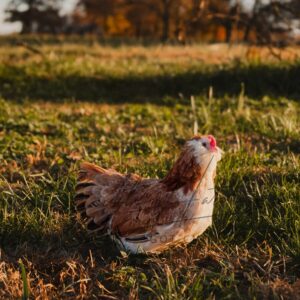
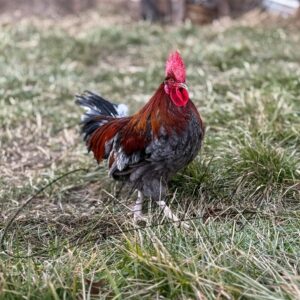
Love these little guys!!! They’re so entertaining and gentle. Would highly recommend for first time chicken owners, as we were. All arrived safely and in good health.
emmadochertyburns –
A beautiful silkie breed, they are so sweet and cuddly. Each paint silkie has their own beautiful unique personalities and unique features.