Description
Slate Red Dorking Chicken
Breed Overview and Origin
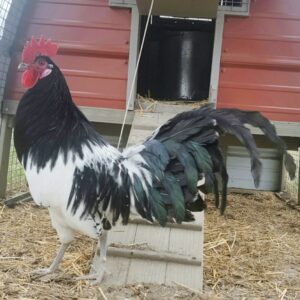
The Slate Red Dorking Chicken is a rare and beautiful variation of the classic Red Dorking, known for blue or slate-colored feathering where traditional Red Dorkings have black. In many other chicken breeds, this color pattern is called blue-breasted red. If you want a truly uncommon heritage chicken with old English breed history, five toes, docile temperament, creamy white eggs, and dual-purpose value, Slate Red Dorkings are a unique choice.
Dorking chickens are among the oldest known domestic chicken breeds. They originated in southeast England and are named for the market town of Dorking in Surrey. The Livestock Conservancy notes that this region was famous for high-quality table poultry and that the five-toed Dorking became one of the most sought-after breeds.
Cackle Hatchery® lists Slate Red Dorkings as a dual-purpose English breed with creamy white eggs, medium to large egg size, docile temperament, setter broodiness, and Threatened Status with The Livestock Conservancy. Cackle Hatchery® Poultry Breeding Farm has been developing its pure Slate Red Dorking strain from P. Allen Smith bloodlines since 2024.
Appearance and Characteristics
Slate Red Dorkings have the classic Dorking body type: a horizontal, blocky frame with a long back, short legs, and a low, substantial build. Like other Dorkings, they have white skin, white shanks, white feet, and the breed’s famous fifth toe.
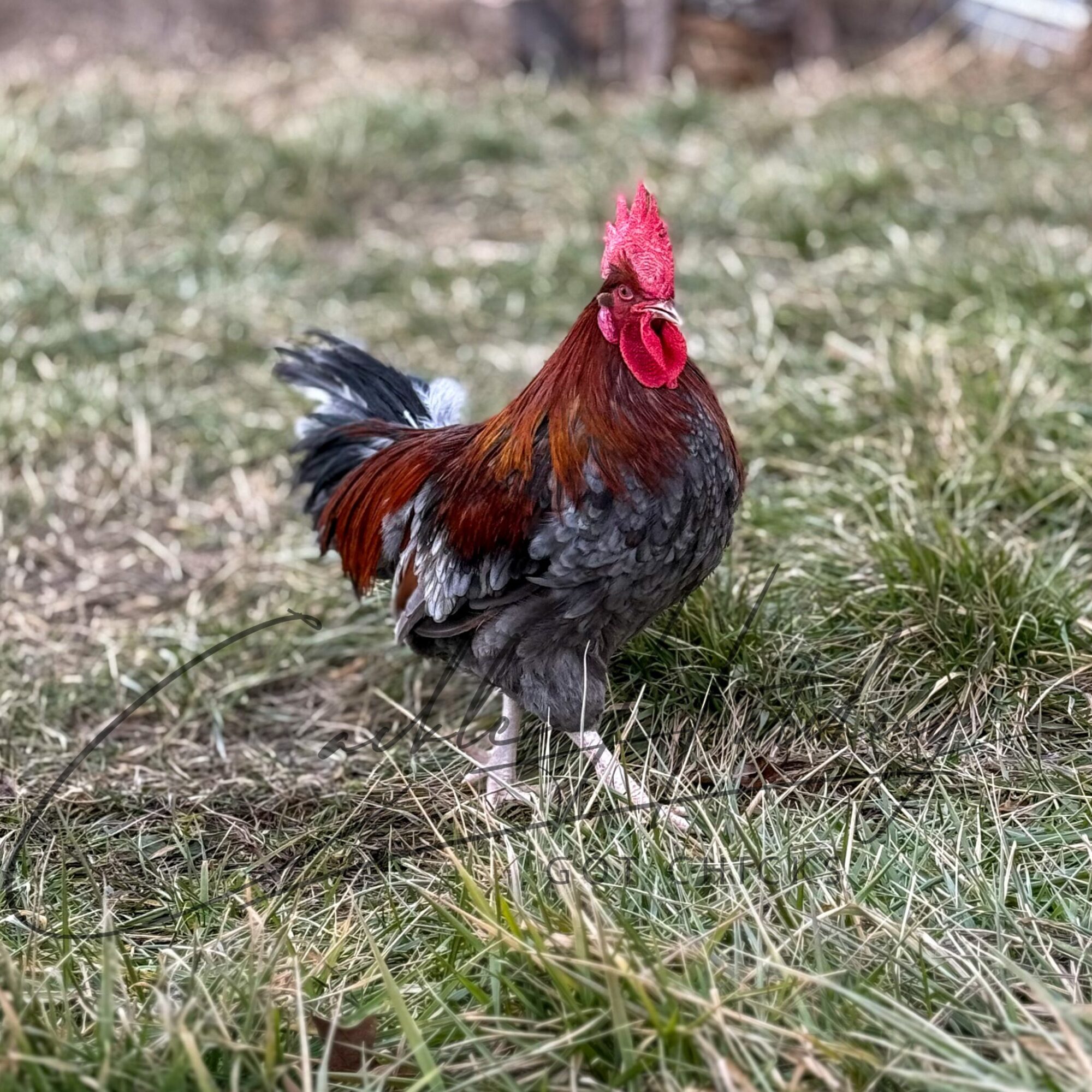
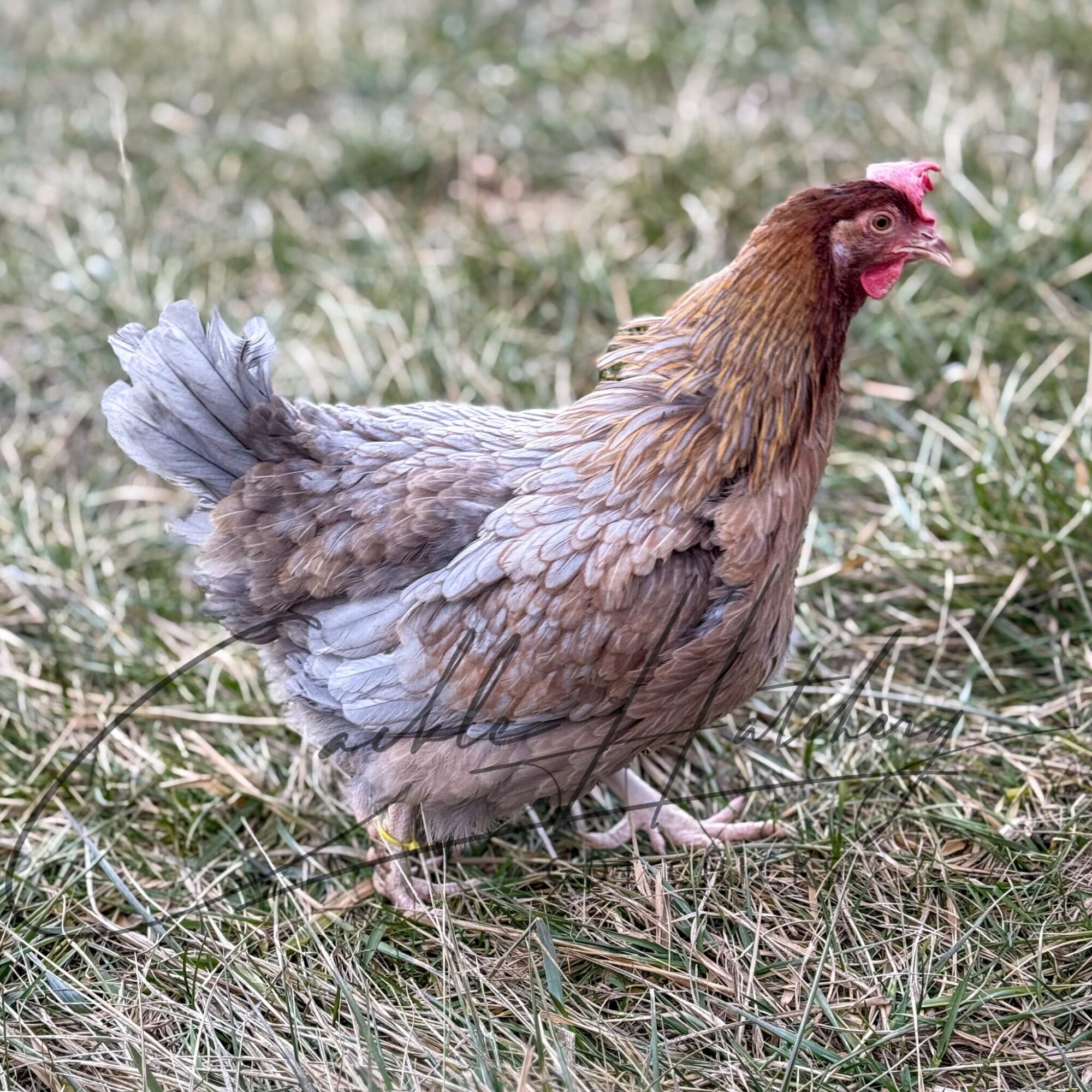
The Slate Red color is what makes this variety especially rare. Instead of the black breast and tail markings seen in a traditional Red Dorking, Slate Red birds show blue or slate feathering. This creates a softer, cooler-toned version of the classic red pattern.
Expected traits include:
- Five toes
- Slate-blue and red plumage
- Blue-breasted red color pattern
- Creamy white eggs
- Medium to large egg size
- Docile temperament
- Dual-purpose body type
- Strong foraging ability
- Broody-hen potential
- Rare English heritage appeal
The Dorking is traditionally valued as a dual-purpose bird for white-shelled eggs and white-skinned meat. Heritage Poultry Conservancy notes that the Dorking was once highly esteemed for meat quality and was an ideal market bird in its day.
Important Slate Red Color Genetics Note
Slate Red Dorkings are part of blue color genetics. Like other blue-pattern chickens, they can produce more than one color outcome when bred.
When you order Slate Red Dorking chicks, you may receive:
- Slate Red chicks
- Standard Red chicks
- Splash Red chicks
The black version is essentially a Standard Red Dorking, while the splash version creates a lighter, dustier variation of the Red Pyle-style pattern. This color variation is normal for blue-based poultry genetics.
Customers who want a flock where every bird matures into the same exact color may prefer a more predictable variety. However, customers who enjoy rare genetics and beautiful variation will appreciate the Slate Red Dorking.
Recognition and Rarity
The Slate Red Dorking has not yet been accepted into the American Poultry Association Standard of Perfection. Cackle Hatchery® lists the Slate Red Dorking as APA: No, while the Red Dorking is APA-recognized.
Although the Slate Red color has existed for many years, it never became widely popular. Its rarity makes it especially appealing for heritage poultry keepers, Dorking enthusiasts, and customers who want something unusual for a backyard flock.
Cackle’s rare breed feed lists Slate Red Dorking as sold as baby chicks only, with seasonal shipping from early February through mid-August.
Egg Production and Winter Laying
Slate Red Dorking hens lay creamy white eggs. Cackle Hatchery® estimates production at 170 to 190 eggs per year, with medium to large egg size.
Dorking hens are often valued for laying through winter better than many old breeds, depending on daylight, feed, age, weather, and management. They are not modern high-output production layers. Instead, Slate Red Dorkings offer a traditional balance of eggs, meat, broodiness, temperament, and heritage value.
Meat Quality and Dual-Purpose Value
Slate Red Dorkings are true dual-purpose chickens. Like other Dorking varieties, they carry the old table-bird reputation that made Dorkings famous.
The Livestock Conservancy describes the Dorking region as historically known for high-quality table poultry, while Heritage Poultry Conservancy notes that Dorkings were traditionally used for white-shelled eggs and white-skinned meat.
This makes Slate Red Dorkings a good fit for homesteaders, heritage breed keepers, and customers who value old-fashioned poultry quality over maximum production efficiency.
Temperament and Flock Suitability
Slate Red Dorkings are docile and friendly. Their calm nature makes them a good fit for backyard flocks, family poultry setups, small farms, and heritage breed collections.
This breed can work well for:
- Backyard heritage flocks
- Homesteads
- Dual-purpose poultry projects
- Families wanting calm chickens
- Creamy white egg flocks
- Customers who value broodiness
- Conservation-minded poultry keepers
- Mixed flocks with less aggressive breeds
Because Dorkings are generally docile, they may do best with other calm or moderately assertive breeds. Avoid housing them only with highly aggressive flockmates unless the setup provides plenty of room, feeders, waterers, and escape space.
Broodiness and Mothering Ability
Slate Red Dorking hens are listed by Cackle Hatchery® as setters, meaning they may go broody and sit on eggs.
When they do brood, Dorking hens can make excellent mothers. They may even raise chicks that they did not hatch themselves. This makes them useful for customers who enjoy natural chick raising and old-fashioned flock reproduction.
Broodiness can vary by individual hen, season, and flock setup, but Dorkings are a strong option for customers who value mothering instincts.
Climate Hardiness and Foraging
Slate Red Dorkings can do well in both warm and cold climates when managed properly. Their large combs may need frostbite protection in colder weather, especially in damp or poorly ventilated coops.
They are also excellent foragers and thrive when given room to explore. A secure yard, pasture, or roomy run helps them use their natural foraging ability while staying protected from predators.
For winter, provide dry bedding, good ventilation, draft protection, and unfrozen water. For summer, provide shade, airflow, and fresh water.
Slate Red Dorking vs Red Dorking
Slate Red Dorkings and Red Dorkings share the same ancient breed foundation, five-toe trait, docile temperament, creamy white eggs, dual-purpose value, and P. Allen Smith bloodline influence from Cackle Hatchery®.
The biggest difference is color and recognition.
A Slate Red Dorking has blue or slate feathering where the traditional Red Dorking has black. It is not currently APA-recognized.
A Red Dorking has the traditional red-and-black pattern and is APA-recognized. Cackle lists Red Dorkings as recognized by the Standard of Perfection since 1995.
Choose Slate Red Dorkings if you want a rarer blue-breasted red version of the breed.
Choose Red Dorkings if you want the oldest Dorking color variety and APA-recognized status.
Slate Red Dorking vs Dorking Assortment
Customers who want Dorkings but are flexible on color may also consider the Dorking Assortment. Cackle’s Dorking Assortment page confirms that Cackle uses P. Allen Smith bloodlines for its Dorking program.
Choose Slate Red Dorkings if you specifically want this rare slate-blue red color variety.
Choose Dorking Assortment if you want Dorking genetics and are flexible about which color variety you receive.
Is the Slate Red Dorking Chicken Right for Your Flock?
Choose Slate Red Dorking chickens if you want:
- A very rare Dorking variety
- Blue-breasted red plumage
- A five-toed chicken
- Creamy white eggs
- Medium to large egg size
- Dual-purpose value for eggs and meat
- Docile, friendly temperament
- Winter laying potential
- Hens with broody instincts
- P. Allen Smith bloodline influence
- A threatened heritage breed with conservation value
However, consider another breed if you want a high-output production layer, a fully APA-recognized variety, or a flock where every chick matures into the same exact color. In short, Slate Red Dorkings are best for customers who value rarity, history, temperament, five-toed heritage, and old-fashioned dual-purpose quality.
Care and Housing Tips
Slate Red Dorkings need the same dependable care as other standard-size chickens. They do best with clean housing, secure fencing, balanced feed, fresh water, and predator protection.
For best results, provide:
- A dry, well-ventilated coop
- Predator-resistant fencing
- Clean bedding
- Fresh water at all times
- Balanced chick starter and age-appropriate feed
- Roosts suited to their body type
- Nest boxes for medium to large eggs
- Shade and airflow during hot weather
- Protection from drafts and damp bedding in cold weather
- Extra attention to comb protection during freezing weather
- Enough space to reduce stress in mixed flocks
Cackle lists Slate Red Dorking roost height at about 4 feet and mating ratio at 8 females to 1 male. Fertility is listed at approximately 65% to 75%.
Recognition and Availability
Slate Red Dorkings are not currently APA-recognized, but Cackle Hatchery® lists them as a sustainable heritage chicken breed with Threatened Status from The Livestock Conservancy.
Cackle Hatchery® Poultry Breeding Farm has been developing its pure Slate Red Dorking strain from P. Allen Smith bloodlines since 2024. Since hatch dates and shipping windows can change during the season, customers should check Cackle Hatchery’s Chicken Availability Chart before ordering.
Related Breeds and Helpful Cackle Hatchery® Resources
Customers who like Slate Red Dorkings may also enjoy Red Dorkings, Dorking assortments, five-toed breeds, rare chickens, and dual-purpose heritage breeds.
Helpful Cackle Hatchery® links for this product page include:
FAQ: Slate Red Dorking Chicken
What is a Slate Red Dorking Chicken?
A Slate Red Dorking Chicken is a rare variation of the classic Red Dorking with blue or slate feathering where traditional Red Dorkings have black. It is a docile, five-toed, dual-purpose heritage chicken.
Where did Slate Red Dorking chickens originate?
The Dorking breed originated in southeast England and is named for Dorking in Surrey. The Slate Red variety is a rare color variation within the Dorking breed.
Are Slate Red Dorkings one of the oldest chicken breeds?
The Dorking breed is one of the oldest domestic chicken breeds. Slate Red is a rare color variety within that old breed family.
Are Slate Red Dorkings APA recognized?
No. Cackle Hatchery® lists Slate Red Dorkings as not recognized by the American Poultry Association.
What color are Slate Red Dorkings?
Slate Red Dorkings have blue or slate feathering in places where Red Dorkings normally have black. This pattern is often called blue-breasted red in other breeds.
Will every Slate Red Dorking chick be slate red?
Not always. Like other blue chickens, Slate Red Dorkings may produce Slate Red, Standard Red, and Splash Red color outcomes.
What is the difference between Slate Red and Red Dorking?
Slate Red Dorkings have blue or slate feathering instead of black. Red Dorkings have the traditional red-and-black pattern and are APA-recognized.
How many toes do Slate Red Dorking chickens have?
Slate Red Dorkings have five toes, like other Dorking chickens.
Why do Dorking chickens have five toes?
The fifth toe is one of the identifying heritage traits of the Dorking breed. The Livestock Conservancy notes that the fifth toe was part of early Dorking descriptions and helped define the breed.
What color eggs do Slate Red Dorkings lay?
Slate Red Dorking hens lay creamy white eggs.
How many eggs do Slate Red Dorkings lay?
Cackle Hatchery® estimates Slate Red Dorking hens lay about 170 to 190 eggs per year.
What size eggs do Slate Red Dorkings lay?
Slate Red Dorking hens lay medium to large eggs.
Are Slate Red Dorkings good winter layers?
Yes. Dorkings are known for laying during winter months better than many old breeds, though results depend on daylight, feed, age, and management.
Are Slate Red Dorkings good meat birds?
Yes. Dorkings are historically valued for flavorful meat and were once among England’s finest table poultry breeds.
Are Slate Red Dorkings dual-purpose chickens?
Yes. Slate Red Dorkings are dual-purpose birds used for eggs and meat.
Are Slate Red Dorkings friendly?
Yes. Cackle Hatchery® lists Slate Red Dorkings as docile.
Are Slate Red Dorkings good for mixed flocks?
Yes, especially with other calm breeds. Because they are docile, they may do best with less aggressive flockmates.
Are Slate Red Dorking hens broody?
Yes. Cackle Hatchery® lists Slate Red Dorkings as setters, meaning hens may go broody and sit on eggs.
Do Slate Red Dorkings do well in cold weather?
They can do well in cold climates, but their large combs may need frostbite protection during freezing or damp weather.
What bloodline does Cackle Hatchery® use for Slate Red Dorkings?
Cackle Hatchery® states that its Slate Red Dorking bloodline was obtained from P. Allen Smith and has been developed by Cackle Hatchery® Poultry Breeding Farm since 2024.
Are Slate Red Dorkings rare?
Yes. Slate Red Dorkings are rare and have not gained widespread popularity. Cackle lists them with The Livestock Conservancy Threatened Status.
Where can I check Slate Red Dorking availability?
Customers can check Cackle Hatchery’s Chicken Availability Chart for current hatch and shipping timing. Availability can change during the season.



Reviews
There are no reviews yet