
Description
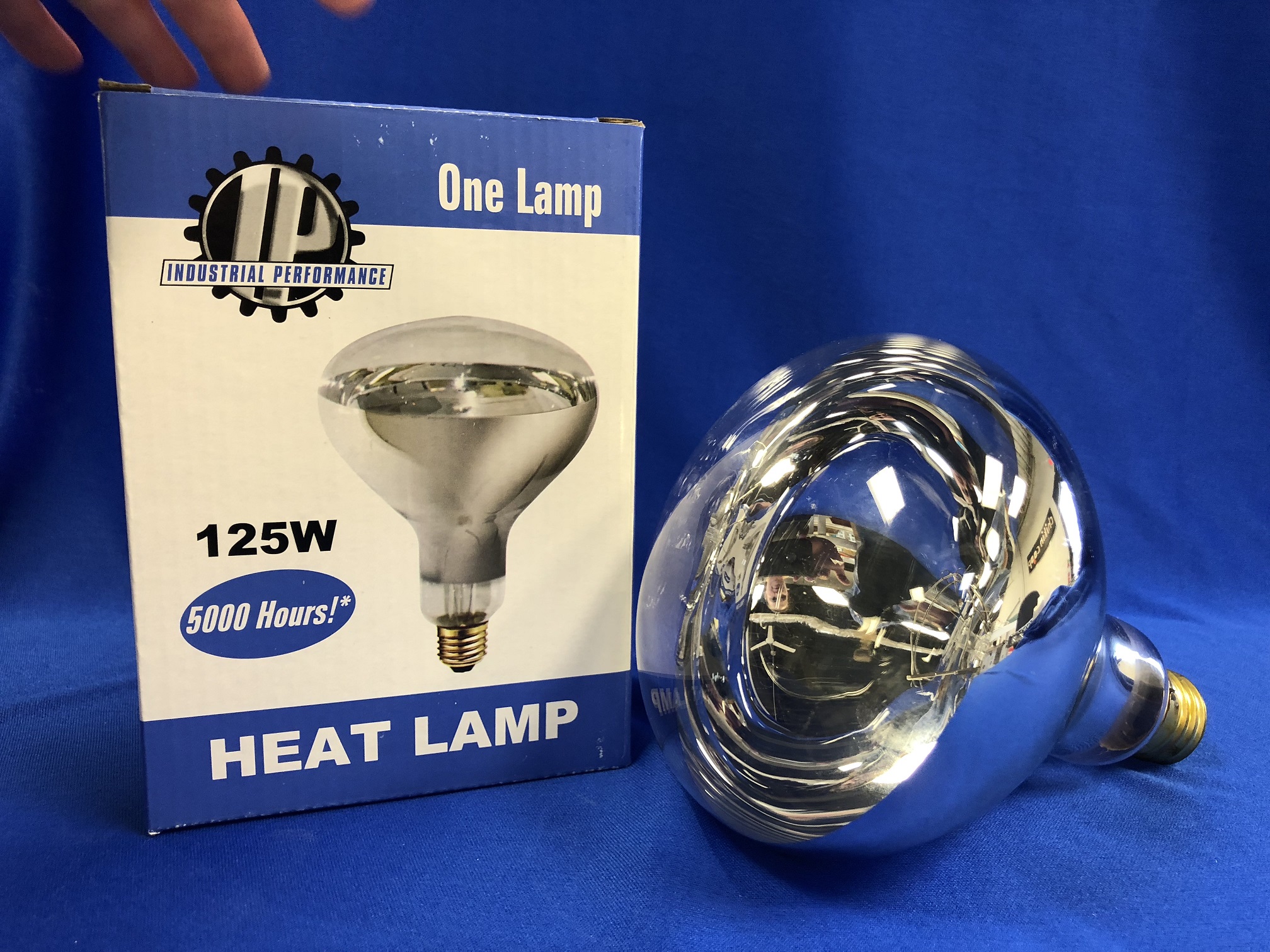
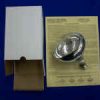
Clear Incandescent Heat Lamp Bulb
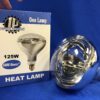
The Clear Incandescent Heat Lamp Bulb is a 125-watt clear infrared brooder heat lamp bulb designed to provide supplemental warmth for baby chicks and young poultry during the early brooder stage.
An infrared heat lamp bulb is different from a standard incandescent light bulb. It produces less visible light and more heat-producing infrared radiation, which makes it useful for brooder warmth.
This clear infrared bulb is a practical choice for customers setting up a chick brooder and preparing for new arrivals.
Product Features
This Clear Incandescent Heat Lamp Bulb offers:
125-watt heat output
Clear infrared brooder bulb
Industrial performance design
Supplemental heat for brooders
Expected life of about 30 weeks of continuous use
Useful early-stage chick brooder heat
Compatible with proper brooder heat lamp setups
For safety, customers should pair an infrared heat bulb with a heavy-duty steel clamp lamp designed for brooder use.
Clear Infrared Heat Bulb vs Standard Light Bulb
An infrared heat bulb differs from a regular incandescent light bulb because it gives off less light and more heat-producing infrared radiation.
That heat output helps warm the brooder area for young chicks.
Infrared heat bulbs may be clear or red. A clear bulb is usually a practical and affordable choice. A red bulb usually costs slightly more, may last a little longer, and can help discourage brooded chicks from picking at each other because of its red glow.
Expected Bulb Life
A clear infrared heat bulb should last for about 30 weeks of continuous use.
Even with that expected life, customers should always keep a spare bulb on hand. A bulb can break, burn out, or fail unexpectedly. Having a backup bulb ready helps prevent chicks from chilling if the main heat source stops working.
Young chicks need steady warmth, especially during the first days after arrival.
How Many Chicks Per Heat Bulb?
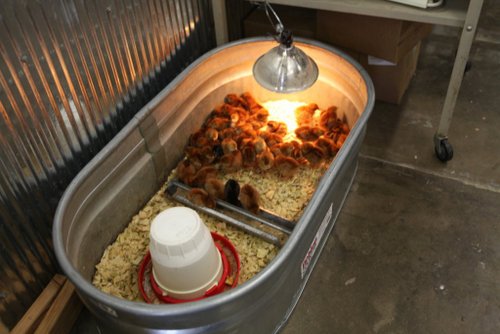
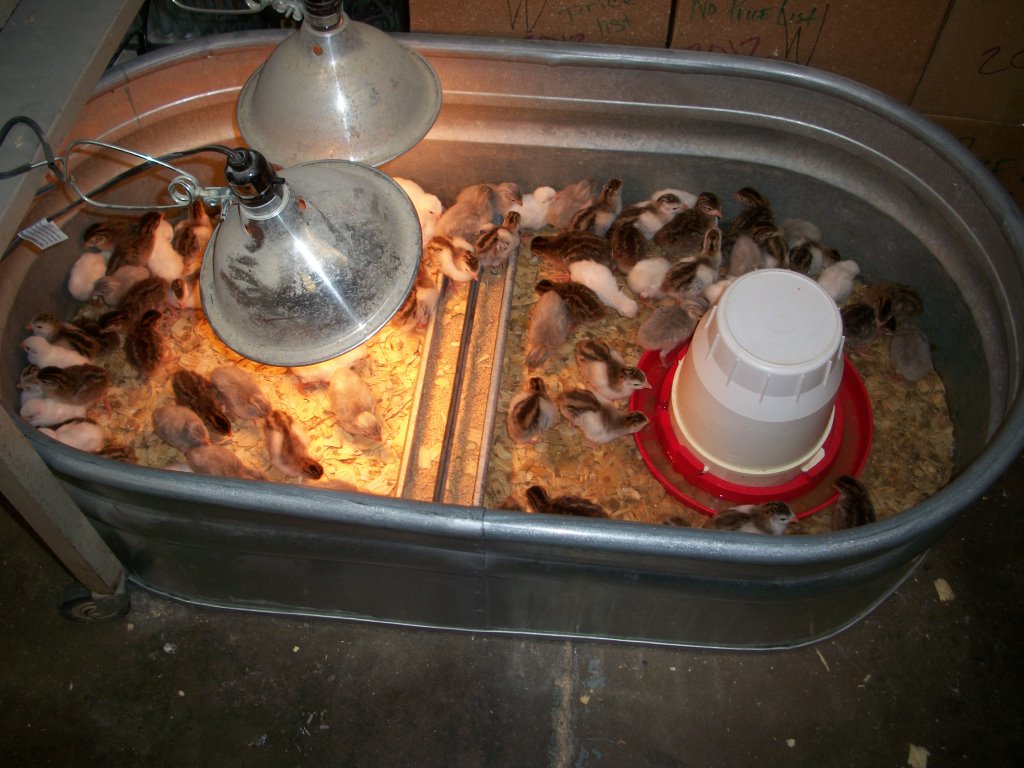
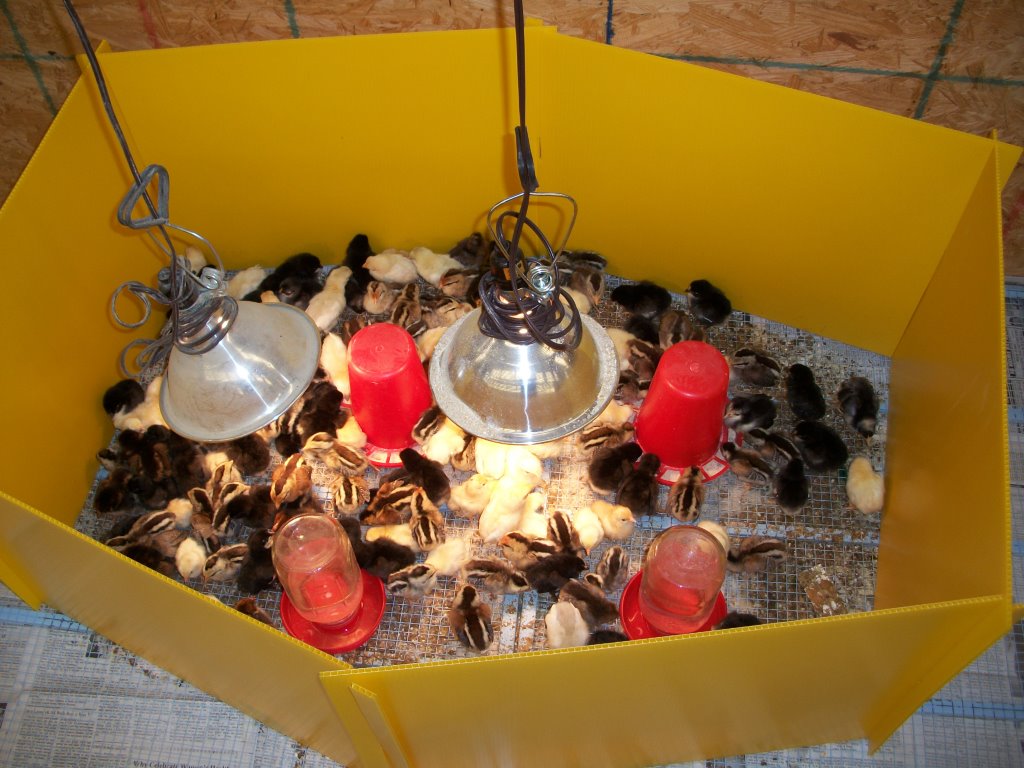
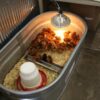
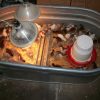
A common rule of thumb is to provide one heat bulb per 25 chicks in the brooder.
However, brooder size, room temperature, chick age, bedding, ventilation, and heat source placement can all affect the final setup. Always watch chick behavior and adjust as needed.
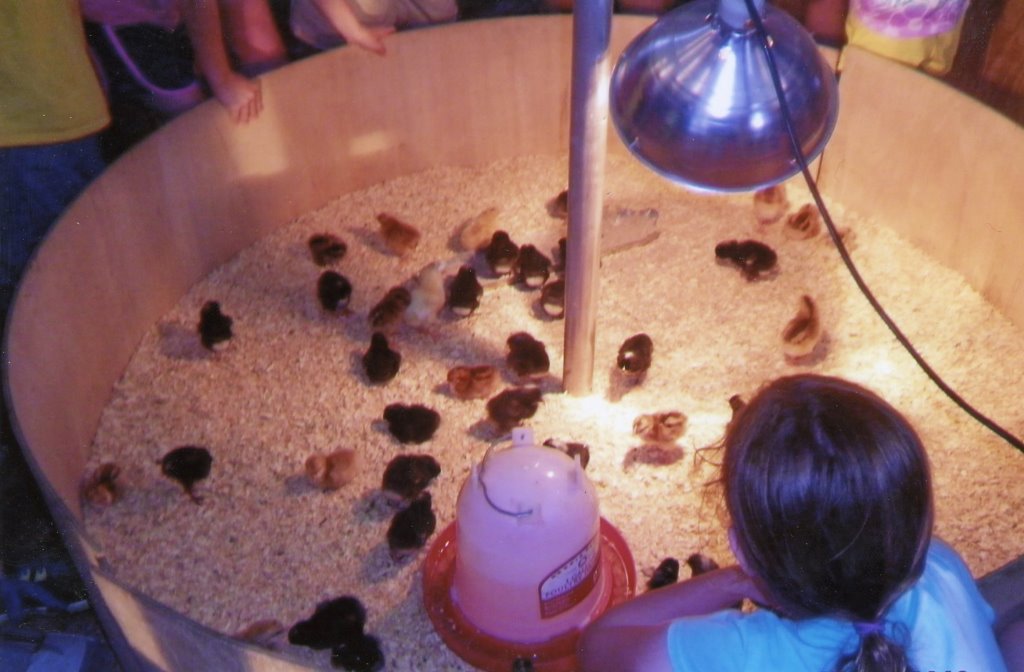
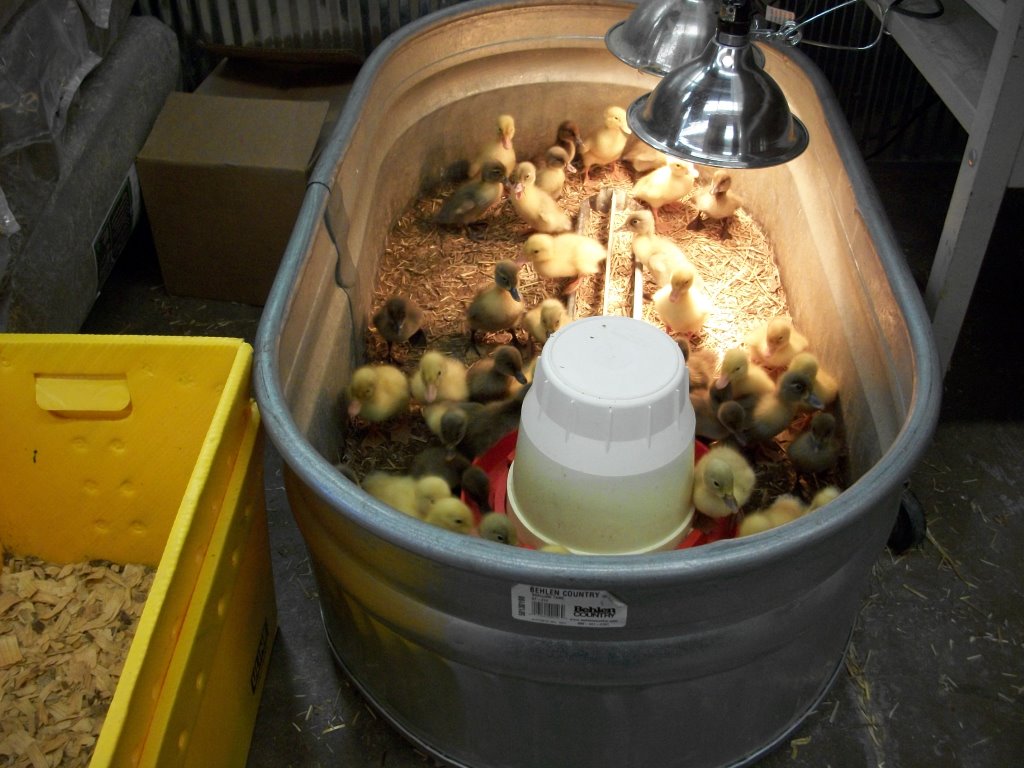
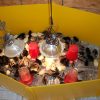
Chicks that crowd tightly under the heat may be too cold. Chicks that stay far away from the heat and pant may be too warm. Comfortable chicks usually spread out, eat, drink, rest, and move normally.
Tips for Longer Bulb Life
To help get the maximum life from your infrared heat bulb:
Avoid getting fingerprints on the glass
Avoid jolting the bulb while screwing it in
Avoid jolting the bulb while adjusting the clamp
Do not adjust the clamp while the bulb is hot
Let the bulb cool before handling
Keep a spare bulb ready
Use the bulb only in a proper brooder lamp setup
Heat bulbs can be fragile, especially when hot. Handle them carefully and install them before chicks arrive.
Heat Lamp Safety Notes
For safety, an infrared heat bulb should be used with a heavy-duty steel clamp lamp designed for brooder heat.
When using a brooder heat bulb:
Secure the lamp firmly
Use a backup chain or secondary support when possible
Keep the bulb away from bedding and flammable materials
Do not allow the lamp to fall into the brooder
Use the correct wattage for the lamp
Keep waterers away from the bulb and cord
Check the cord, socket, clamp, and bulb before use
Monitor the brooder often
Never adjust the clamp while the bulb is hot
A heat lamp can become very hot. Set it up carefully and check it often.
Use Light-Producing Heat Carefully
Brooded chicks can become overly stressed under 24/7 light. Because this clear heat bulb produces light along with heat, it is best used for the early brooder period only.
Use this form of heat for about two weeks, or until chicks are fully oriented in the brooder and can easily find feed and water.
After that, customers may want to shift to a radiant heat source that does not produce light, such as an infrared hanging heater or an EcoGlow-style radiant heater.
This helps reduce constant light exposure while still providing needed warmth.
Brooder Supply Reminder
Orders for brooder supplies do not ship with your chicks.
Brooder supplies need to be ordered ahead of time so everything is set up before chicks arrive. Baby chicks need heat, feed, water, bedding, and a secure brooder from the moment they are placed inside.
Ordering supplies early helps avoid last-minute problems and gives chicks a safer, more comfortable start.
Is This Heat Lamp Bulb Right for You?
Choose the Clear Incandescent Heat Lamp Bulb if you want:
A 125-watt clear infrared brooder bulb
A heat bulb for baby chicks
A bulb for early brooder warmth
A practical clear heat bulb option
A bulb expected to last about 30 weeks of continuous use
A heat source for about 25 chicks per bulb as a rule of thumb
A spare bulb for brooder backup
A product to use with a heavy-duty clamp lamp
This product is not a complete brooder setup. It should be used with a proper brooder lamp, secure brooder, bedding, feed, water, space, ventilation, and daily monitoring.
Related Products and Helpful Cackle Hatchery® Resources
If you are setting up a brooder, you may also want to browse Poultry Supplies, Chick Brooders, Chick Feeders, Chick Waterers, and Baby Chicks for Sale.
Helpful Cackle resources include Chicken Care Instructions, Cackle Hatchery FAQ, and Chicken Guarantees and Policies.
FAQ: Clear Incandescent Heat Lamp Bulb
What is the Clear Incandescent Heat Lamp Bulb used for?
The Clear Incandescent Heat Lamp Bulb is used to provide supplemental heat for baby chicks and young poultry in a brooder.
How many watts is this heat lamp bulb?
This clear infrared brooder bulb is 125 watts.
Is this an infrared heat bulb?
Yes. This is a clear infrared brooder heat lamp bulb.
How is an infrared heat bulb different from a regular incandescent bulb?
An infrared heat bulb emits less visible light and more heat-producing infrared radiation than a regular incandescent light bulb.
Is this bulb clear or red?
This product is a clear infrared heat lamp bulb.
How long should a clear heat bulb last?
A clear bulb should last about 30 weeks of continuous use.
Should I keep a spare bulb on hand?
Yes. Always keep a spare bulb ready in case the bulb breaks, burns out, or fails.
How many chicks can one heat bulb serve?
A common rule of thumb is one heat bulb per 25 chicks in the brooder.
Can chicks get stressed under constant light?
Yes. Brooded chicks can become overly stressed under 24/7 light.
How long should I use this light-producing heat source?
Use this form of heat for about two weeks, or until chicks are fully oriented in the brooder and can easily find feed and water.
What should I switch to after using a heat bulb?
After the early brooder stage, customers may want to shift to a radiant heat source that does not produce light, such as an infrared hanging heater or an EcoGlow-style radiant heater.
How can I make the bulb last longer?
Avoid fingerprints on the glass, avoid jolting the bulb during installation or adjustment, and do not adjust the clamp while the bulb is hot.
Should this bulb be used with a heavy-duty clamp lamp?
Yes. For safety, an infrared heat bulb should be paired with a heavy-duty steel clamp lamp designed for brooder use.
Do brooder supplies ship with chicks?
No. Orders for brooder supplies do not ship with your chicks.
When should I order brooder supplies?
Order brooder supplies ahead of time so everything is set up before your chicks arrive.


David –
Works well
I would recommend to always have one on back up. Ours burnt out after a year use and we did not have another one handy and our our chicks got chilled and sick. I am glad it did not happen at night or we would have lost all our chicks.