Description
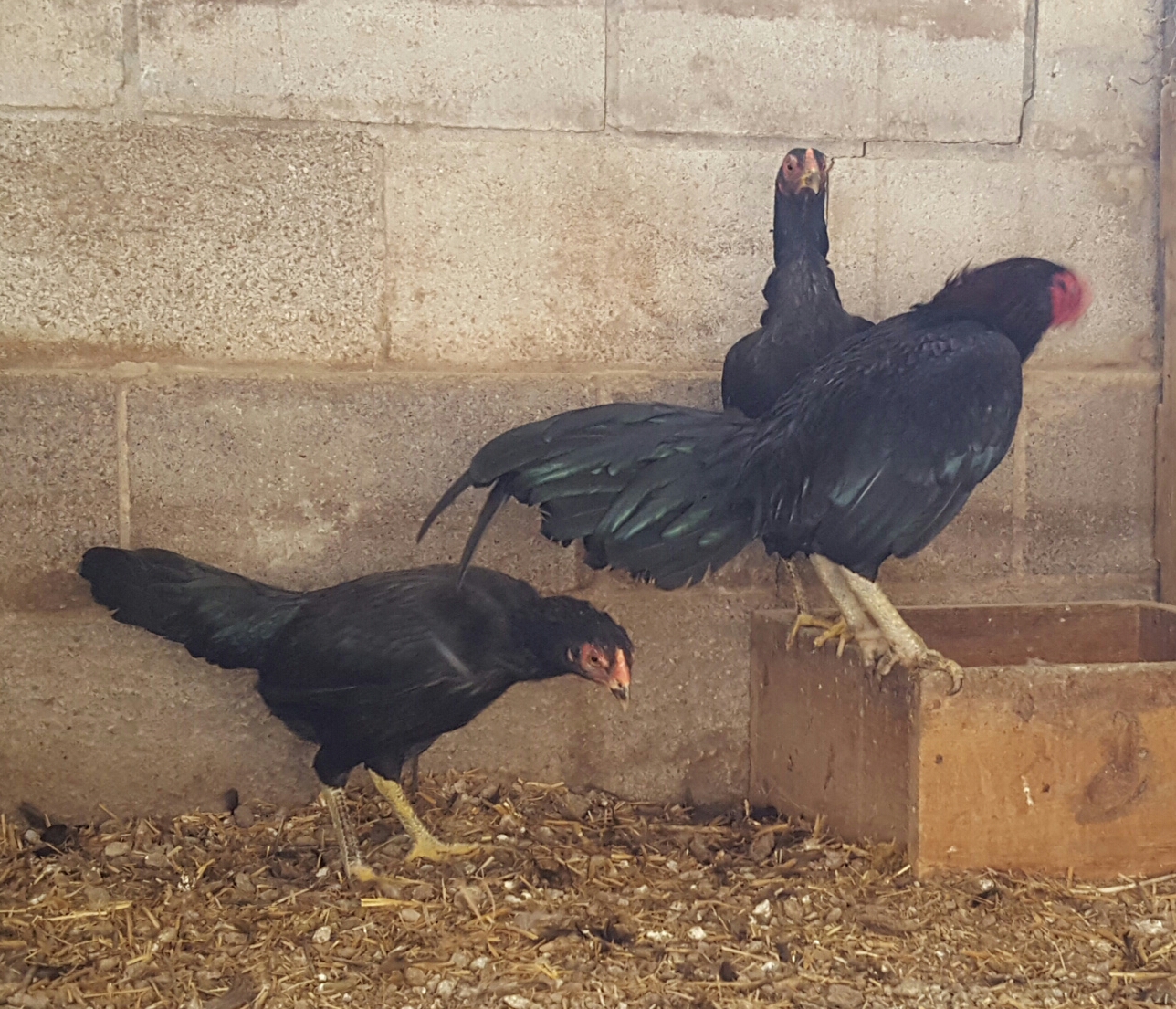
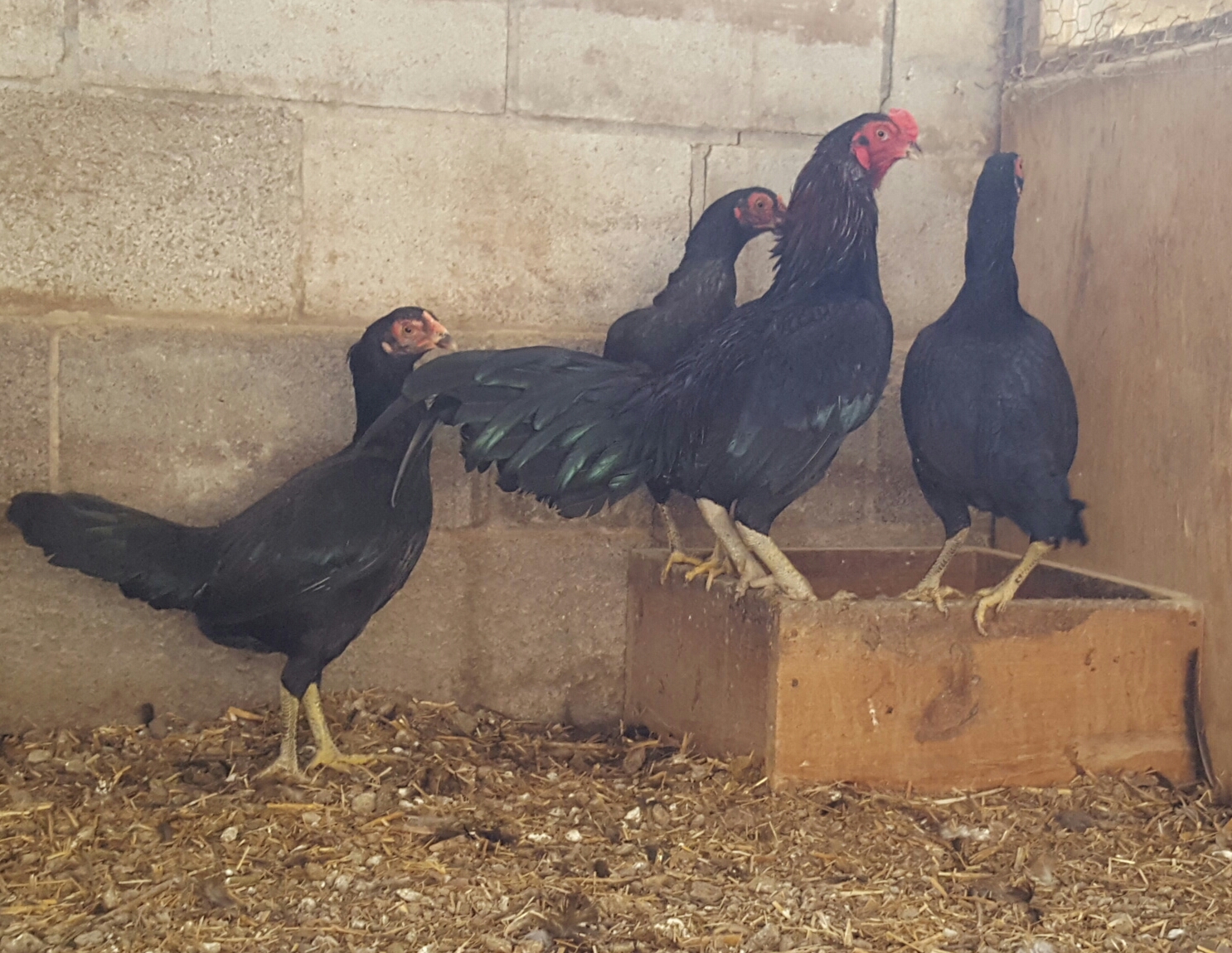
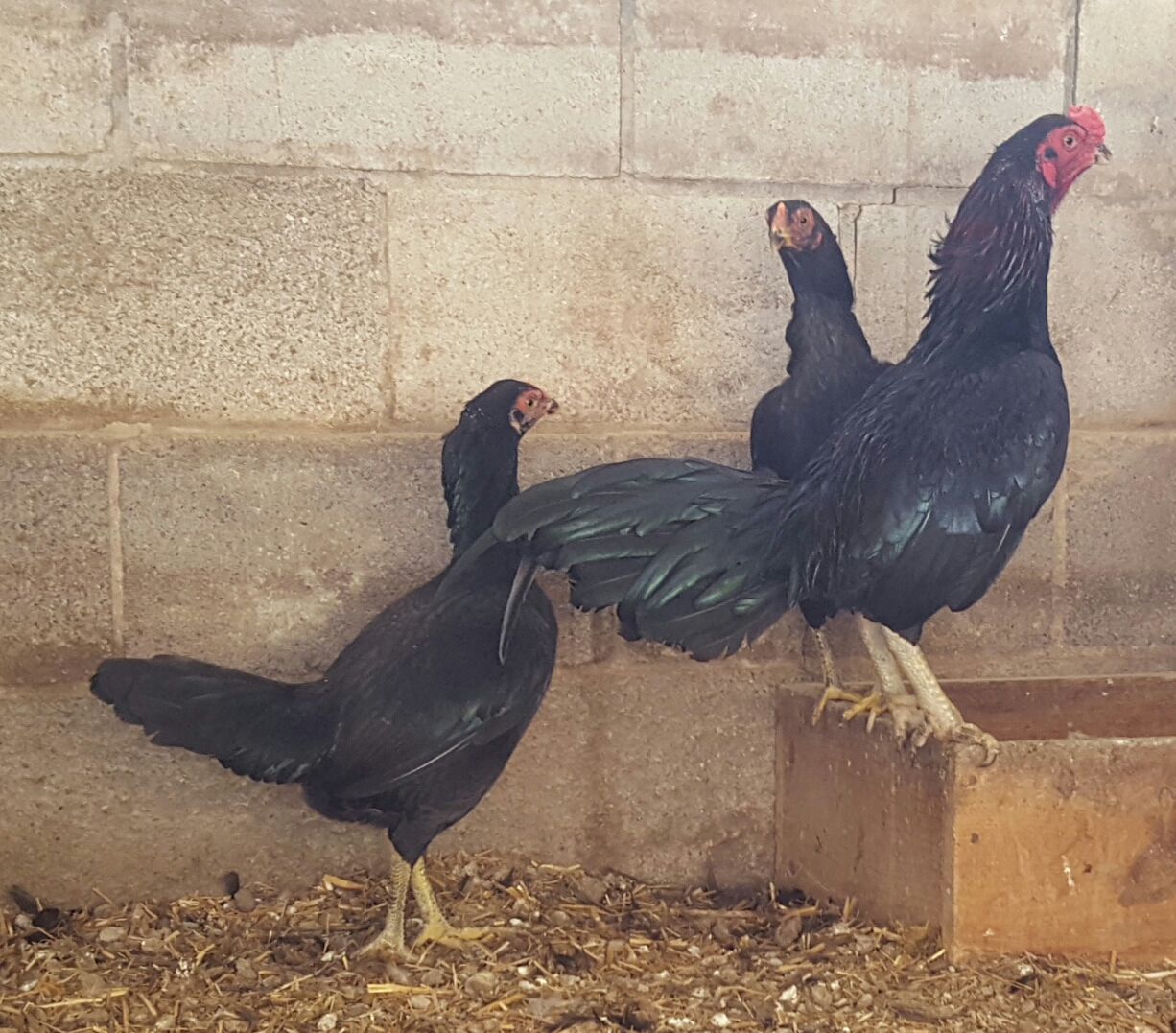
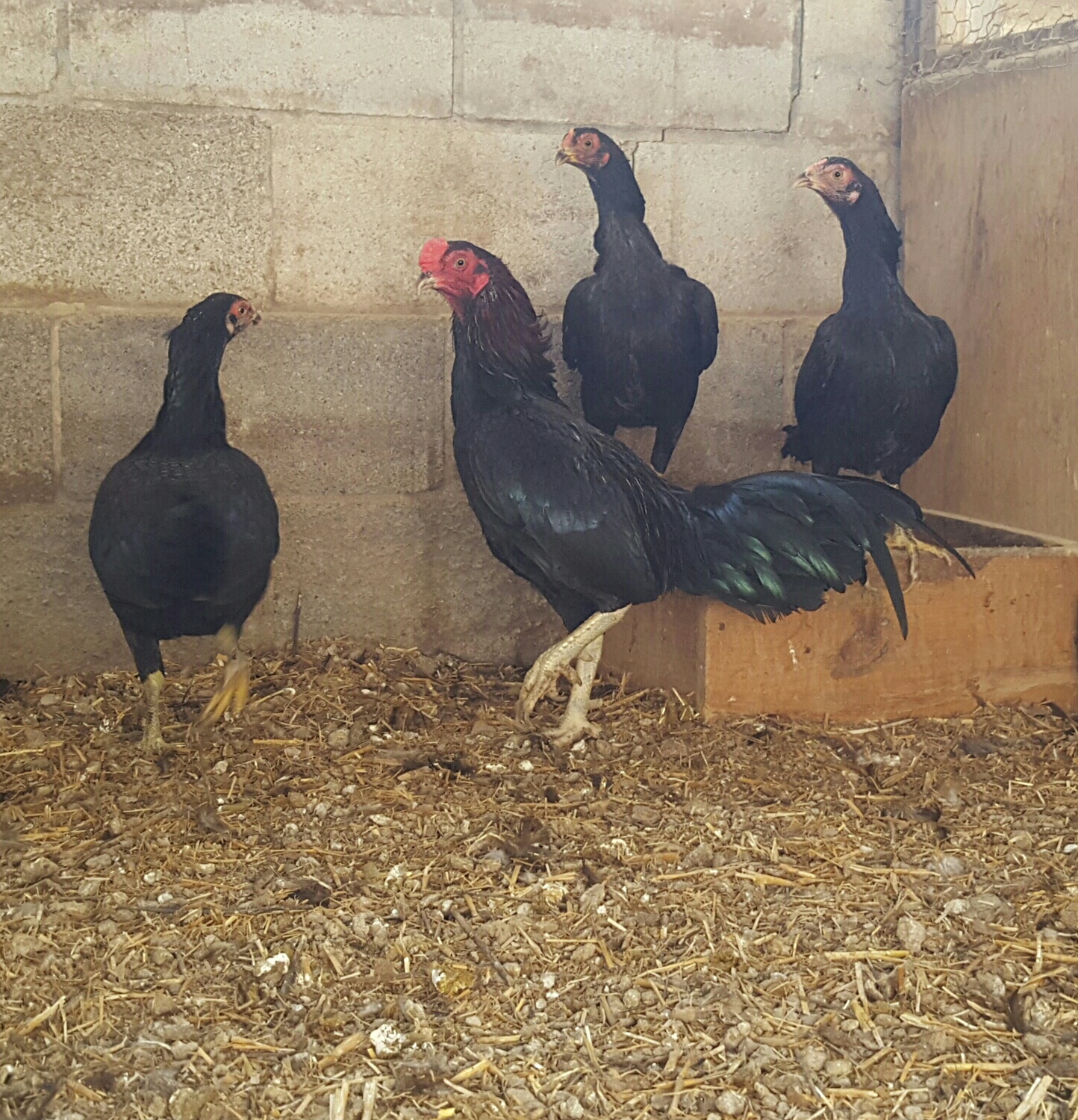
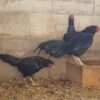
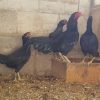
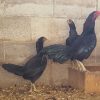
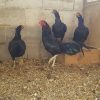
Dark Aseel
Important Availability Note
Cackle Hatchery® will not be offering Dark Aseel chickens this season. Customers interested in this rare breed may also want to review other Aseel varieties or check Cackle Hatchery’s availability chart for future updates.
Breed Overview and Origin
The Dark Aseel Chicken, also spelled Asil or Asli, is a rare Indian heritage gamefowl known for its compact muscular body, tight-fitting feathers, pea comb, territorial males, and historic breed value. If you want to learn about one of the world’s oldest gamefowl breeds, the Dark Aseel has an impressive and important background.
The Aseel originated on the Indian subcontinent and has a long reputation for strength, gameness, and endurance. Many poultry historians consider the Asil one of the oldest gamefowl breeds in the world. In addition, the names Asil, Aseel, and Asli generally mean “purebred” or “from pure descent.”
Cackle Hatchery® offers Reza-type Aseels in select varieties, using a blend of respected strains such as Sonatol, Atkinson, and a large percentage of Rampur. Cackle Hatchery® Breeding Farms works to preserve the Asil chicken breed through careful conservation and breeding criteria.
Appearance and Characteristics
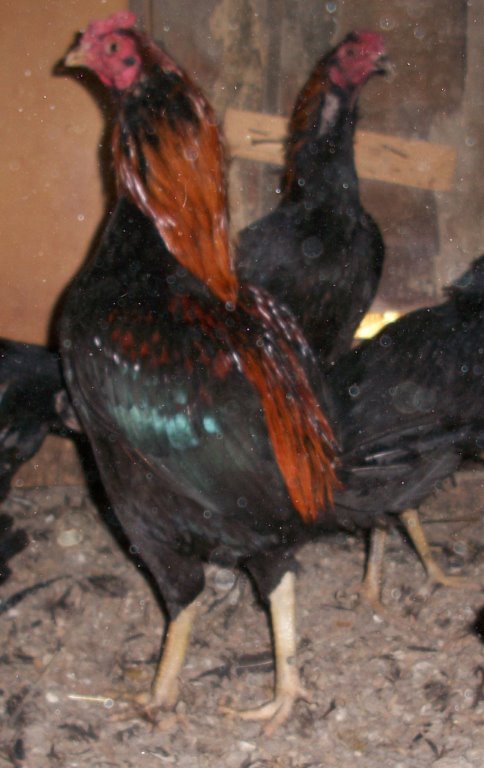
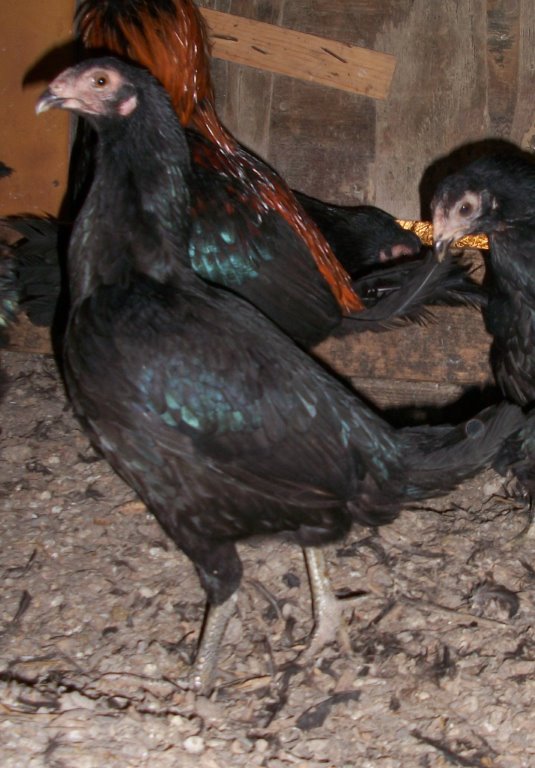
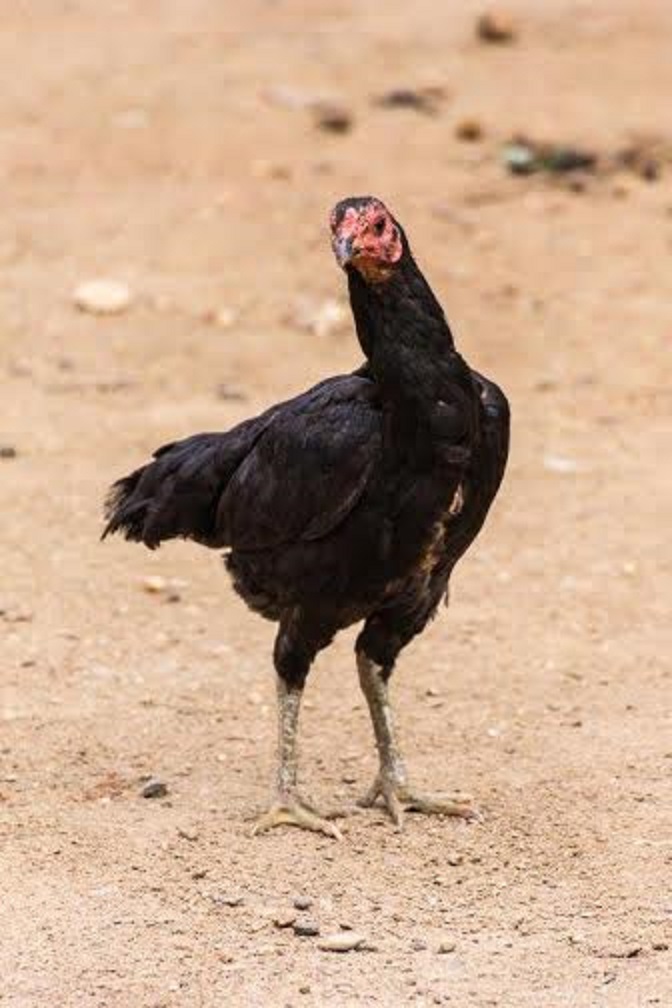
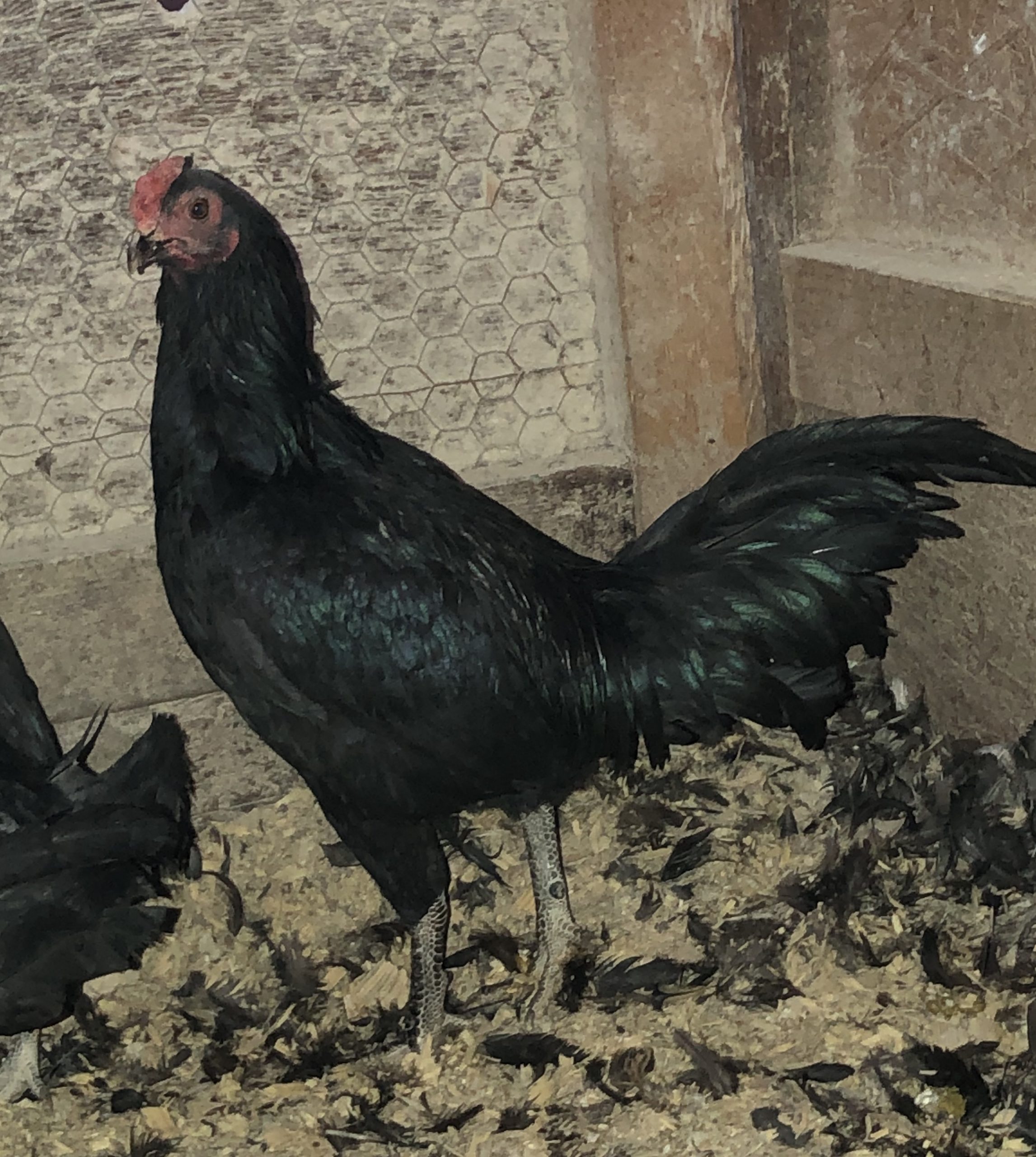
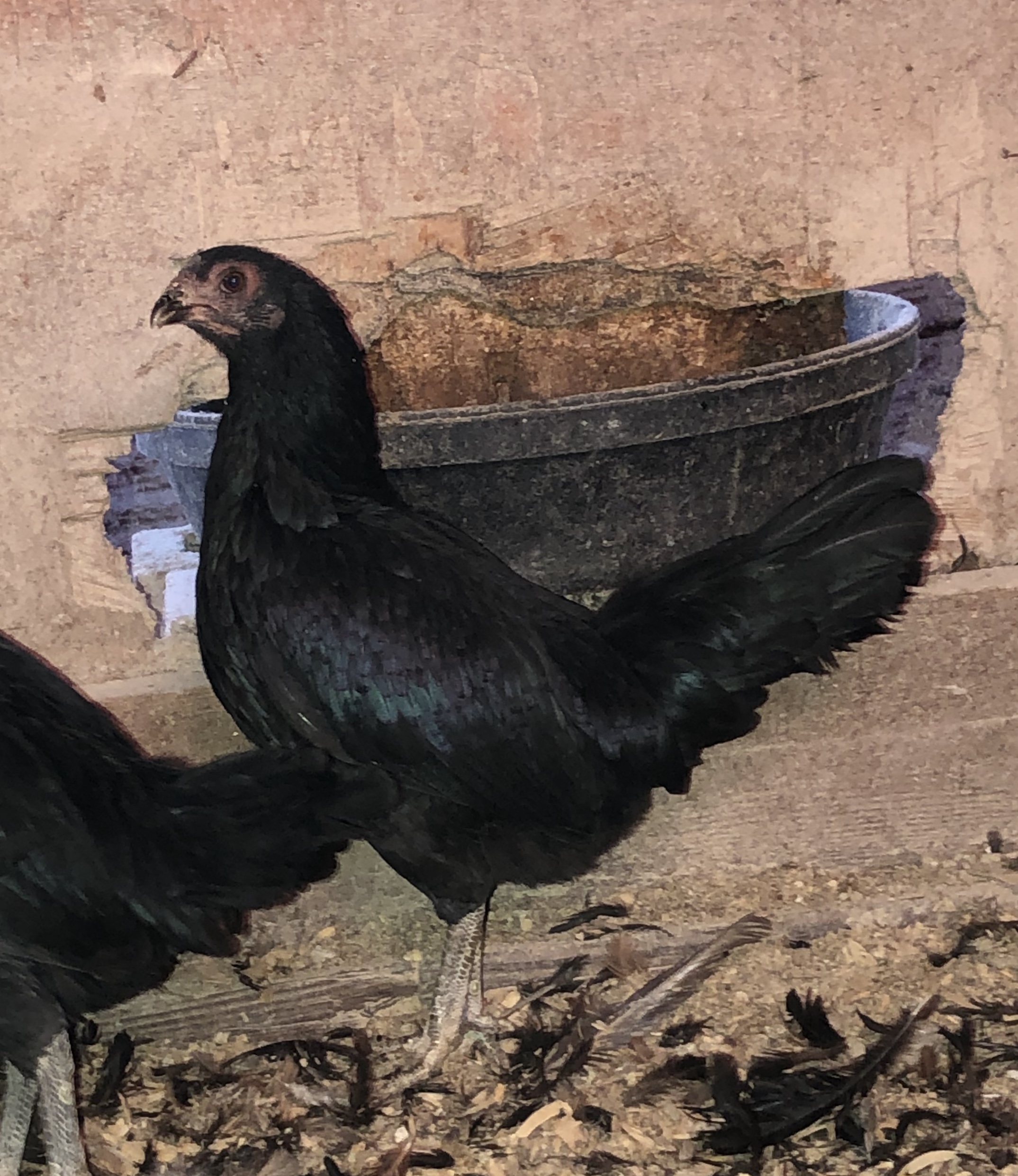
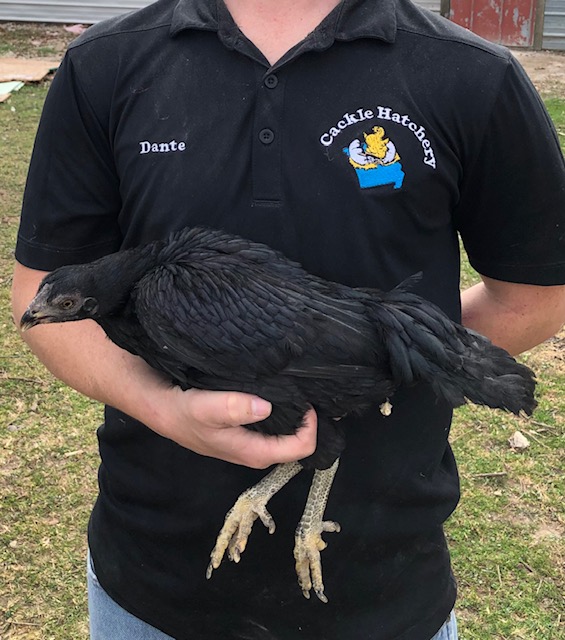
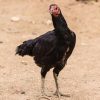
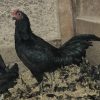
Dark Aseels have a strong, compact, muscular look. Although they may appear smaller than some loose-feathered breeds, they are heavier than they look because their feathers fit tightly against the body. As a result, their muscle tone, stance, and structure show clearly.
Expected traits include:
- Dark plumage
- Solid black or black with red in the neck and back hackles
- Compact, muscular body
- Tight-fitting feathers
- Pea comb
- Strong legs and broad stance
- Gamefowl heritage
- Territorial male behavior
- High need for space and range
- Strong conservation value
- Reza-type Aseel strain background
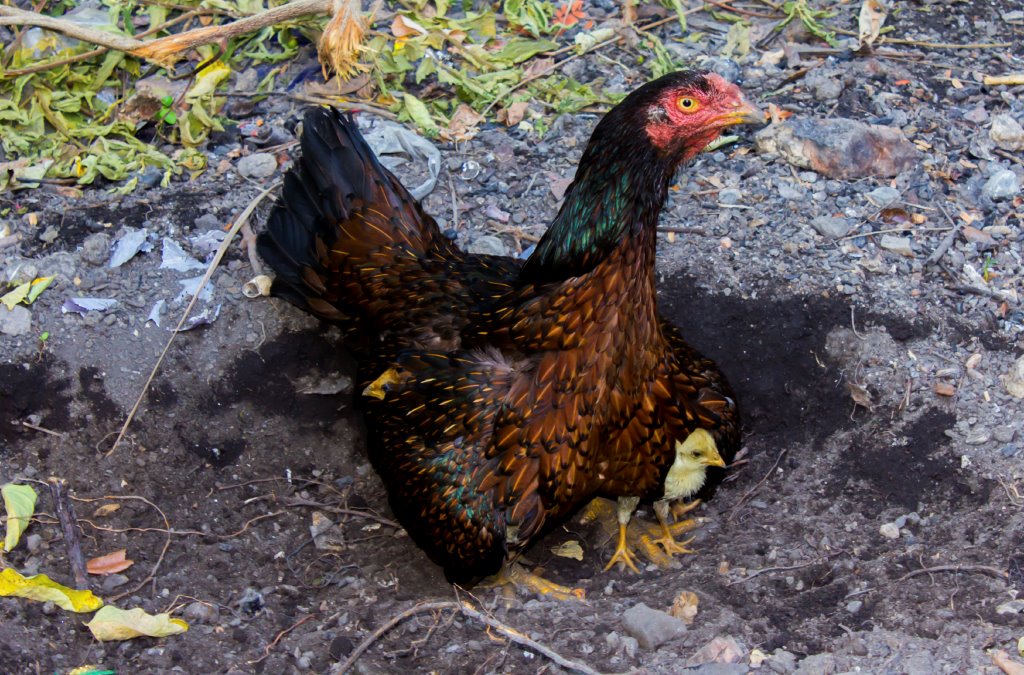
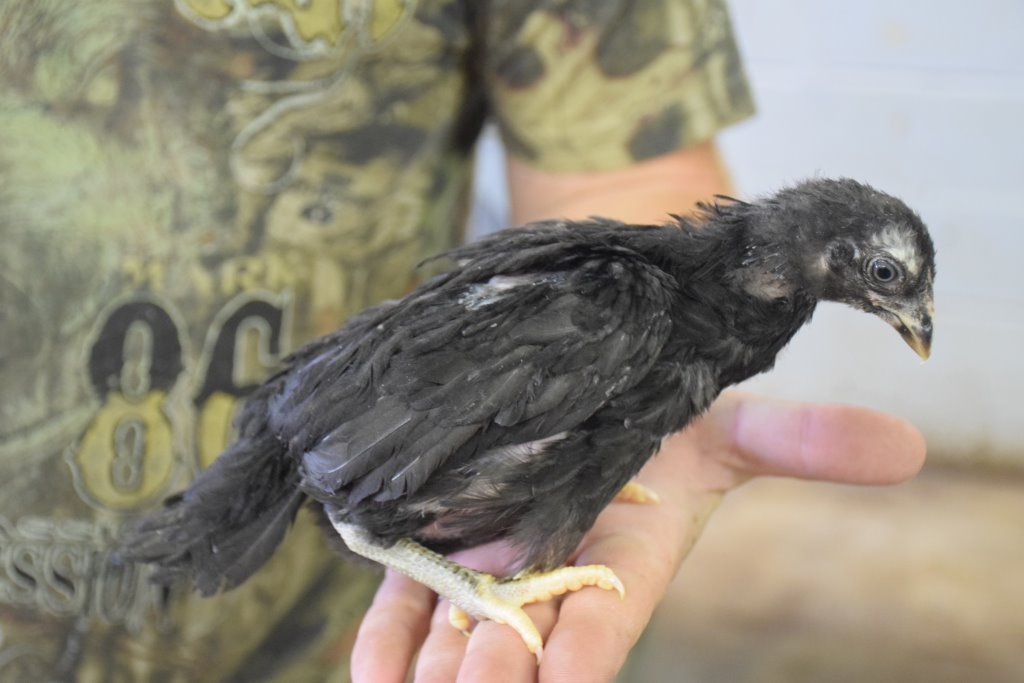
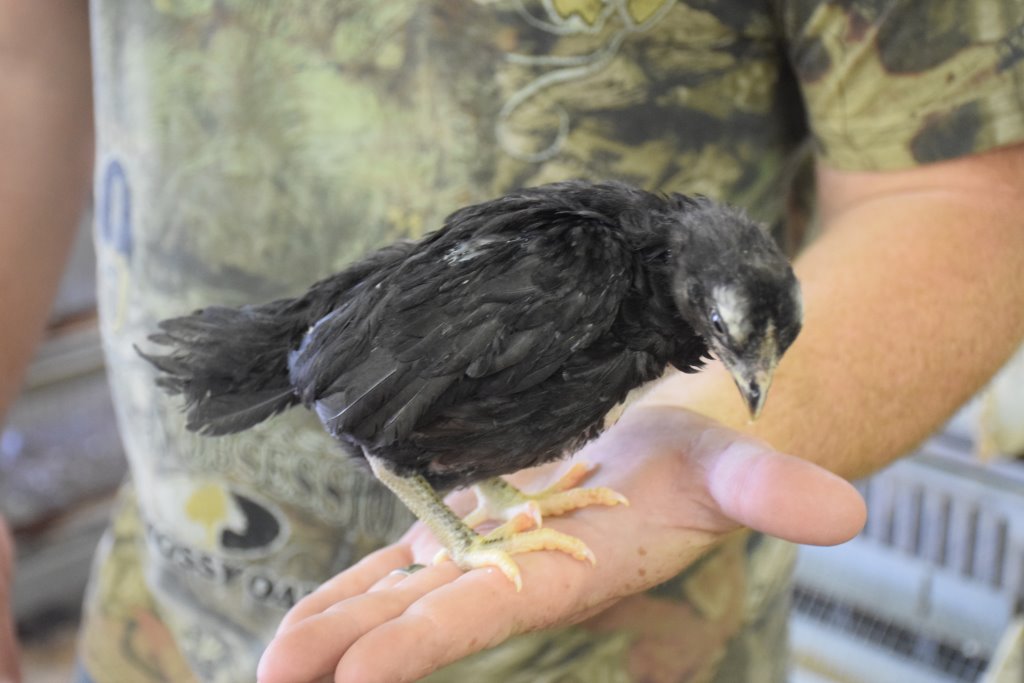
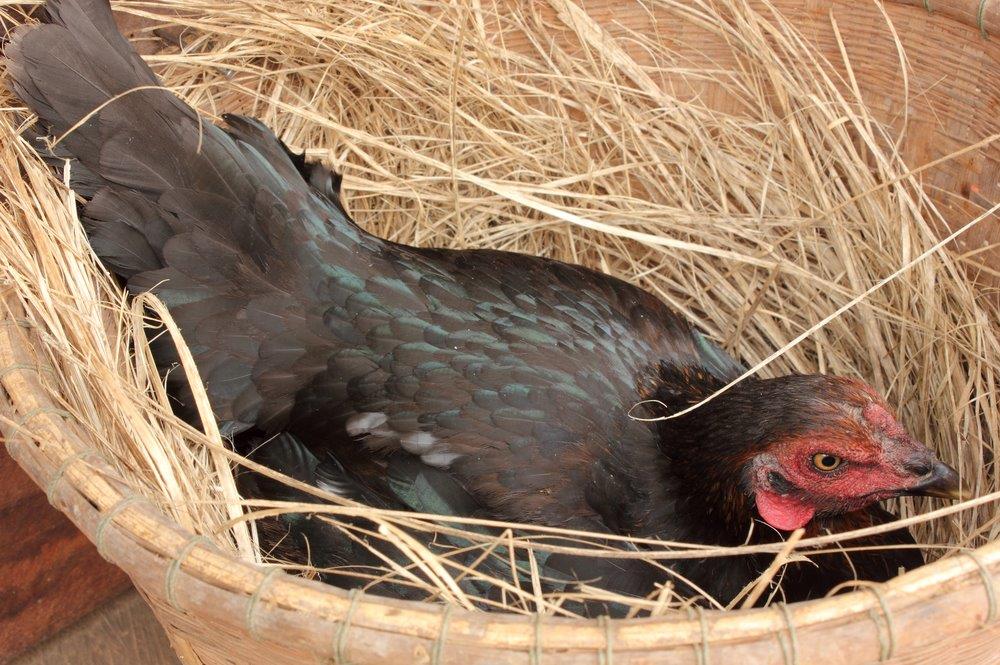
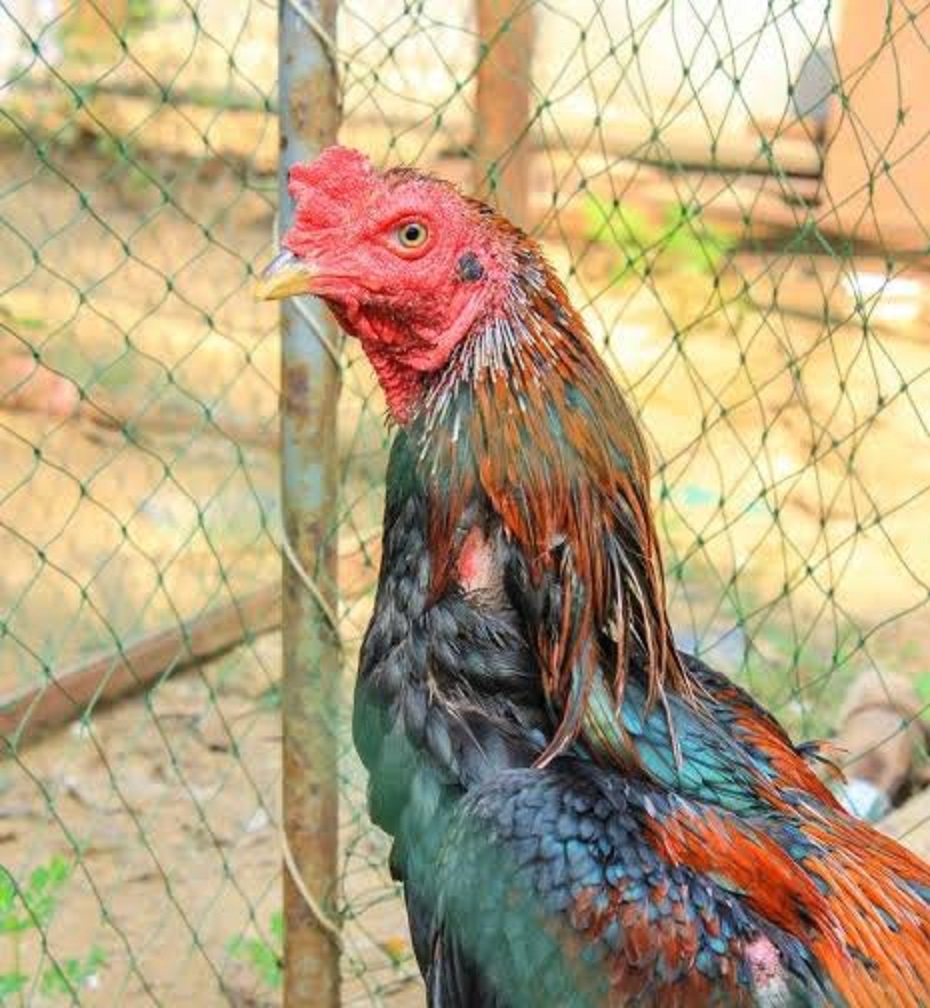
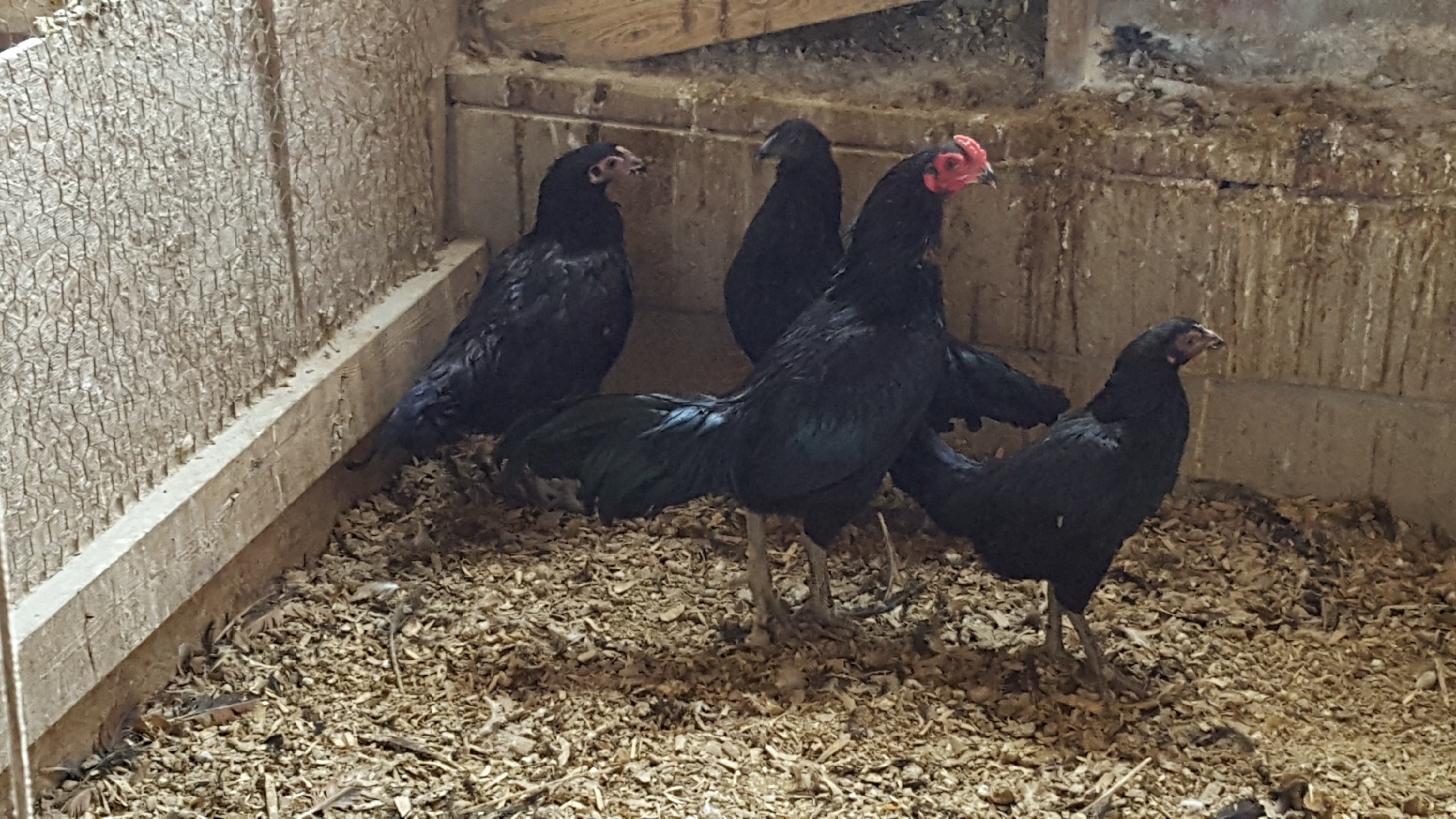
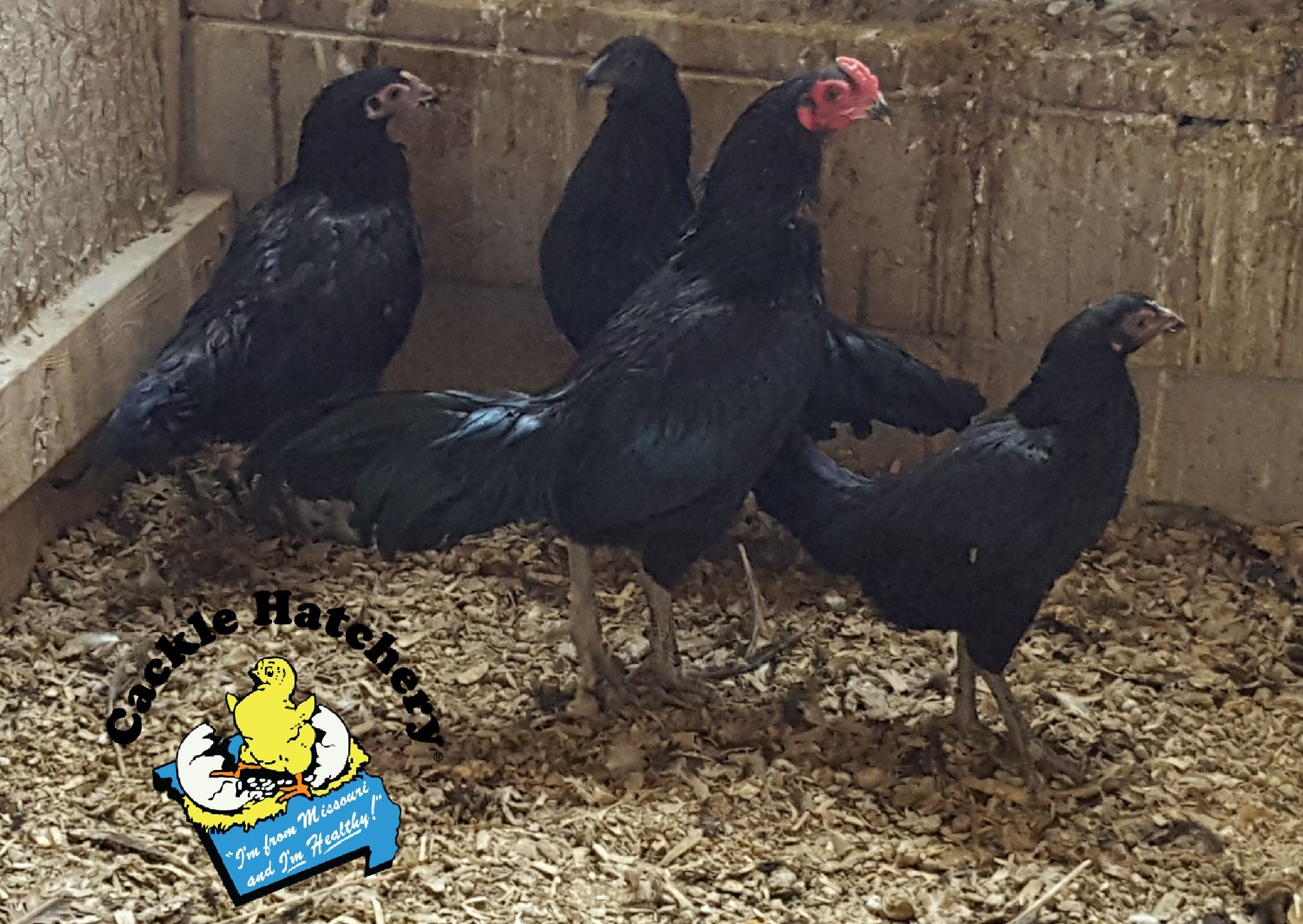
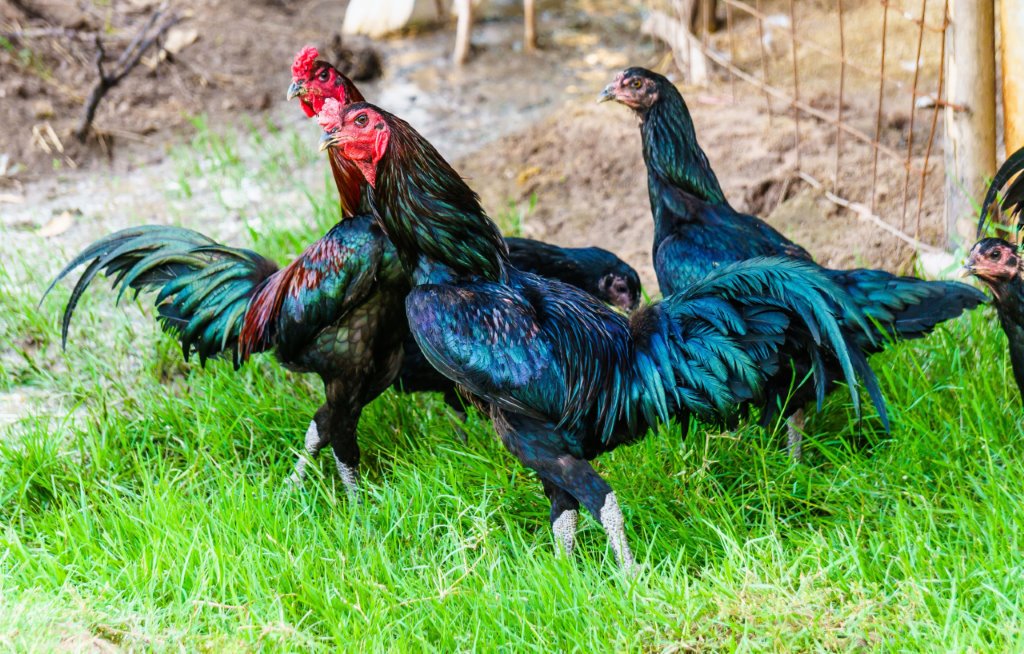
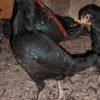
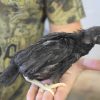
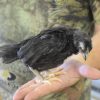
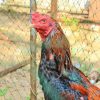
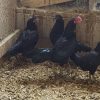
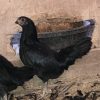
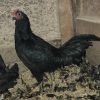
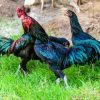
Cackle Hatchery’s Dark Aseel can appear solid black, or some birds may show red in the neck and back hackle. Therefore, customers should expect some natural color variation within this variety.
Dark Aseel Color Pattern
The Dark Aseel has one of the boldest appearances among Aseel varieties. Some birds grow out mostly solid black, while others develop red highlights in the neck or back hackles.
This darker color gives the bird a powerful and traditional look. Moreover, the tight feathering makes the dark plumage appear even sharper because it follows the muscular shape of the body.
Reza-Type Aseel and Cackle Hatchery® Strain Work
Cackle Hatchery® works with Reza-type Aseels, which generally refers to a smaller Aseel type compared with some larger Asil strains. The Dark Aseel line includes a blend of strains, including Sonatol, Atkinson, and a large percentage of Rampur.
This strain work matters because Aseels require careful preservation. Rather than breeding only for appearance, Cackle Hatchery® Breeding Farms focuses on maintaining the Asil chicken breed through proper conservation and breeding standards. Therefore, customers who study or keep Aseels responsibly help support an important rare poultry tradition.
Temperament and Male Management
Aseels are known for gameness and strong territorial instincts. Because of this, they require careful planning before they join a flock. The males can become aggressive toward other male chickens, especially as they mature.
For best results, separate males by about 3 months of age. This reduces fighting, stress, and injury. In addition, provide separate pens, strong fencing, and plenty of space before the birds reach maturity.
Dark Aseels are best for experienced poultry keepers who understand territorial gamefowl behavior. They are not a good fit for customers who want easy mixed-rooster management.
Space and Range Requirements
Dark Aseels need plenty of room and range. They do not thrive in crowded conditions. Instead, they need secure, spacious pens or range areas where they can move comfortably.
Aseels are best suited for:
- Experienced poultry keepers
- Conservation flocks
- Large pens
- Secure yards
- Spacious range systems
- Breed preservation projects
Because males can be territorial, customers should avoid keeping multiple males together in a standard mixed flock. Instead, plan separate housing and manage each bird carefully.
Egg Production and Broodiness
Aseels are not production egg layers. Customers usually keep them for heritage, conservation, body type, strength, and breed history rather than high egg output.
However, Aseel hens may show good natural sitting instincts. Because of that, some keepers appreciate them as broody hens. Even so, customers should not choose this breed for maximum egg production.
If eggs are the main goal, a production layer will be a better choice. However, if rare breed preservation and historic poultry genetics matter most, Dark Aseels offer tremendous value.
Conservation and Heritage Value
The Aseel is one of the most historically significant chicken breeds in the world. Its long connection to India, ancient gamefowl history, and “purebred” name meaning give it a special place in poultry heritage.
In addition, Cackle Hatchery® Breeding Farms works to preserve the Asil chicken breed with proper conservation and breeding criteria. As a result, customers who keep Aseels responsibly can help support the future of this rare and historic breed.
Dark Aseel vs Black Breasted Red Aseel
Dark Aseels and Black Breasted Red Aseels share the same compact body type, muscular build, tight feathering, pea comb, Indian heritage, and territorial male behavior. However, their color patterns differ.
A Dark Aseel may be solid black or black with some red in the neck and back hackles.
A Black Breasted Red Aseel chicken has a darker red-and-black pattern. Roosters usually show red saddle feathers with a black breast.
Choose Dark Aseels if you prefer a darker, more intense color variety.
Choose Black Breasted Red Aseels if you prefer the classic red-and-black gamefowl look.
Dark Aseel vs Wheaten Aseel
Dark Aseels and Wheaten Aseels are both rare Aseel varieties with strong heritage value. However, their plumage creates very different appearances.
A Dark Aseel has dark plumage and may appear solid black or black with red hackle coloring.
A Wheaten Aseel chicken has lighter wheaten, tan, buff, red, and orange tones.
Choose Dark Aseels if you want a bold, darker bird.
Choose Wheaten Aseels if you prefer a lighter, warm-toned Aseel variety.
Is the Dark Aseel Right for Your Flock?
Choose Dark Aseel chickens if you want:
- A rare Indian heritage gamefowl breed
- One of the world’s oldest gamefowl types
- A Reza-type Aseel
- Sonatol, Atkinson, and Rampur strain influence
- A compact, muscular chicken
- Tight-fitting feathers
- A pea comb
- Dark plumage
- Strong conservation value
- A bird for experienced poultry keepers
However, consider another breed if you need calm roosters, easy mixed-flock management, high egg production, small-space suitability, or beginner-friendly temperament. In short, Dark Aseels are best for experienced poultry keepers who understand territorial males, have adequate space, and want to help preserve a historic rare breed.
Care and Housing Tips
Dark Aseels need secure housing, plenty of space, and careful male management. Because the males can become territorial, customers should prepare separate pens before the birds mature.
For best results, provide:
- A dry, well-ventilated coop
- Strong predator-resistant fencing
- Plenty of room and range
- Separate pens for males
- Separation of males by about 3 months of age
- Clean bedding
- Fresh water at all times
- Balanced chick starter and age-appropriate feed
- Secure roosting space
- Careful observation during maturity
- No overcrowding
- Calm, experienced handling
Planning ahead makes a major difference. If customers wait until males begin fighting, injuries can happen quickly. Therefore, separate housing should be part of every Aseel management plan.
Recognition and Availability
Dark Aseels are rare heritage gamefowl and are best suited for customers who understand their space and management needs.
Cackle Hatchery® will not offer Dark Aseels this season. Since hatch dates and breed availability can change, customers should check Cackle Hatchery’s Chicken Availability Chart for current updates.
Related Breeds and Helpful Cackle Hatchery® Resources
Customers who like Dark Aseels may also enjoy other Aseel varieties, rare breeds, and conservation-focused chickens.
Helpful Cackle Hatchery® links for this product page include:
FAQ: Dark Aseel Chicken
What is a Dark Aseel Chicken?
A Dark Aseel Chicken is a rare Indian heritage gamefowl breed known for compact muscular build, tight feathering, pea comb, dark plumage, and strong territorial instincts.
Is it spelled Aseel or Asil?
Both spellings are used. Some sources also use Asli or Azeel.
What does Aseel mean?
Aseel, Asil, or Asli generally means pure, purebred, thoroughbred, original, or from pure descent.
Where did Aseel chickens originate?
Aseel chickens originated on the Indian subcontinent and are strongly associated with India.
Are Aseels one of the oldest chicken breeds?
Yes. Poultry historians often describe the Aseel as one of the oldest known gamefowl breeds in the world.
What type of Aseel does Cackle Hatchery® work with?
Cackle Hatchery® works with a Reza-type Aseel that includes Sonatol, Atkinson, and a large percentage of Rampur strain influence.
What do Dark Aseels look like?
Dark Aseels may be solid black or may show some red in the neck and back hackles.
Are Aseels heavy chickens?
Yes. Aseels are heavier than they appear because they have compact muscular bodies and tight-fitting feathers.
What kind of comb do Aseels have?
Aseels have a pea comb.
Are Dark Aseels good egg layers?
No. Aseels are not production egg layers. Customers usually keep them for heritage, conservation, and breed type.
Are Aseel hens broody?
Aseel hens may show good sitting instincts, although egg production remains modest.
Are Aseel roosters aggressive?
Aseel males are very territorial and may act aggressively toward other male chickens.
When should male Aseels be separated?
Male Aseels should be separated by about 3 months of age to reduce fighting and injury risk.
Do Aseels need a lot of space?
Yes. Aseels require plenty of room and range.
Are Dark Aseels good for beginners?
They are best for experienced poultry keepers because of their territorial males, space needs, and conservation-focused management.
Are Aseels good for mixed flocks?
They may not be ideal for standard mixed flocks, especially when multiple males are present. Therefore, careful management and separate male housing are important.
Are Dark Aseels rare?
Yes. Dark Aseels are rare heritage gamefowl and are best suited for conservation-minded poultry keepers.
What is the difference between Dark Aseel and Black Breasted Red Aseel?
Dark Aseels may be solid black or black with red in the neck and back hackles. Black Breasted Red Aseels have a red-and-black pattern with a black breast.
What is the difference between Dark Aseel and Wheaten Aseel?
Dark Aseels have darker plumage, while Wheaten Aseels have lighter wheaten, tan, buff, red, and orange tones.
Is Cackle Hatchery® offering Dark Aseels this season?
No. Cackle Hatchery® will not offer Dark Aseels this season.
Where can I check future Dark Aseel availability?
Customers can check Cackle Hatchery’s Chicken Availability Chart for current hatch and breed availability updates.






Georges –
Great
Great
Larry December 2015 –
Cackle Hatchery
Liked your youtube video!