The Wheaten Aseel Chicken, also spelled Asil or Asli, is a rare Indian heritage gamefowl known for its compact muscular body, tight-fitting feathers, pea comb, strong territorial instincts, and deep conservation value. If you want a historic breed with strength, presence, and ancient poultry heritage, the Wheaten Aseel is one of the most distinctive chickens available.
The Aseel originated on the Indian subcontinent and remains one of the world’s oldest known gamefowl breeds. In fact, many poultry historians describe the Asil as a breed with thousands of years of history in India. The names Asil, Aseel, and Asli generally mean “pure,” “purebred,” “thoroughbred,” or “from pure descent.”
Cackle Hatchery® offers the Reza-type Aseel, which includes a blend of respected strains such as Sonatol, Rampur, and Atkinson. In addition, Cackle Hatchery® Breeding Farms works to preserve the Asil chicken breed with proper conservation and breeding criteria.
Appearance and Characteristics
Wheaten Aseels have a compact, powerful look. Although they may not appear as large as some loose-feathered breeds, they often feel heavier than expected because their feathers fit tightly against the body. As a result, their muscular frame stands out clearly.
Expected traits include:
Wheaten plumage
Compact, muscular body
Tight-fitting feathers
Pea comb
Strong legs and broad stance
Gamefowl heritage
Territorial male behavior
High need for space and range
Strong conservation value
Reza-type Aseel strain background
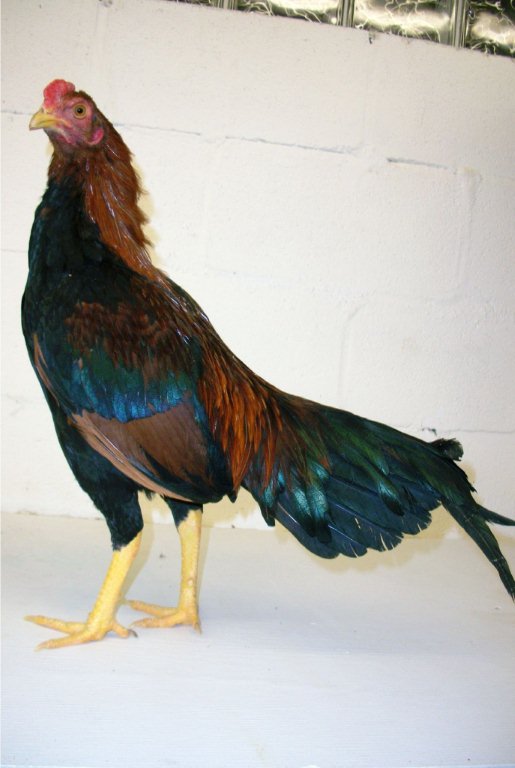
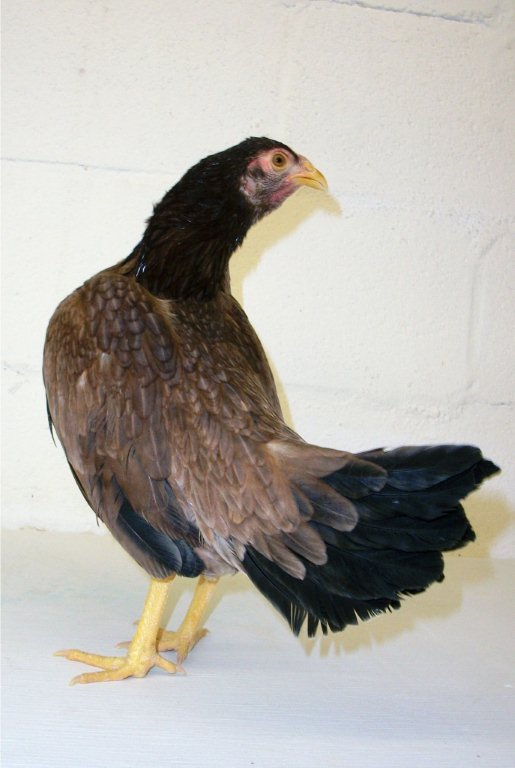
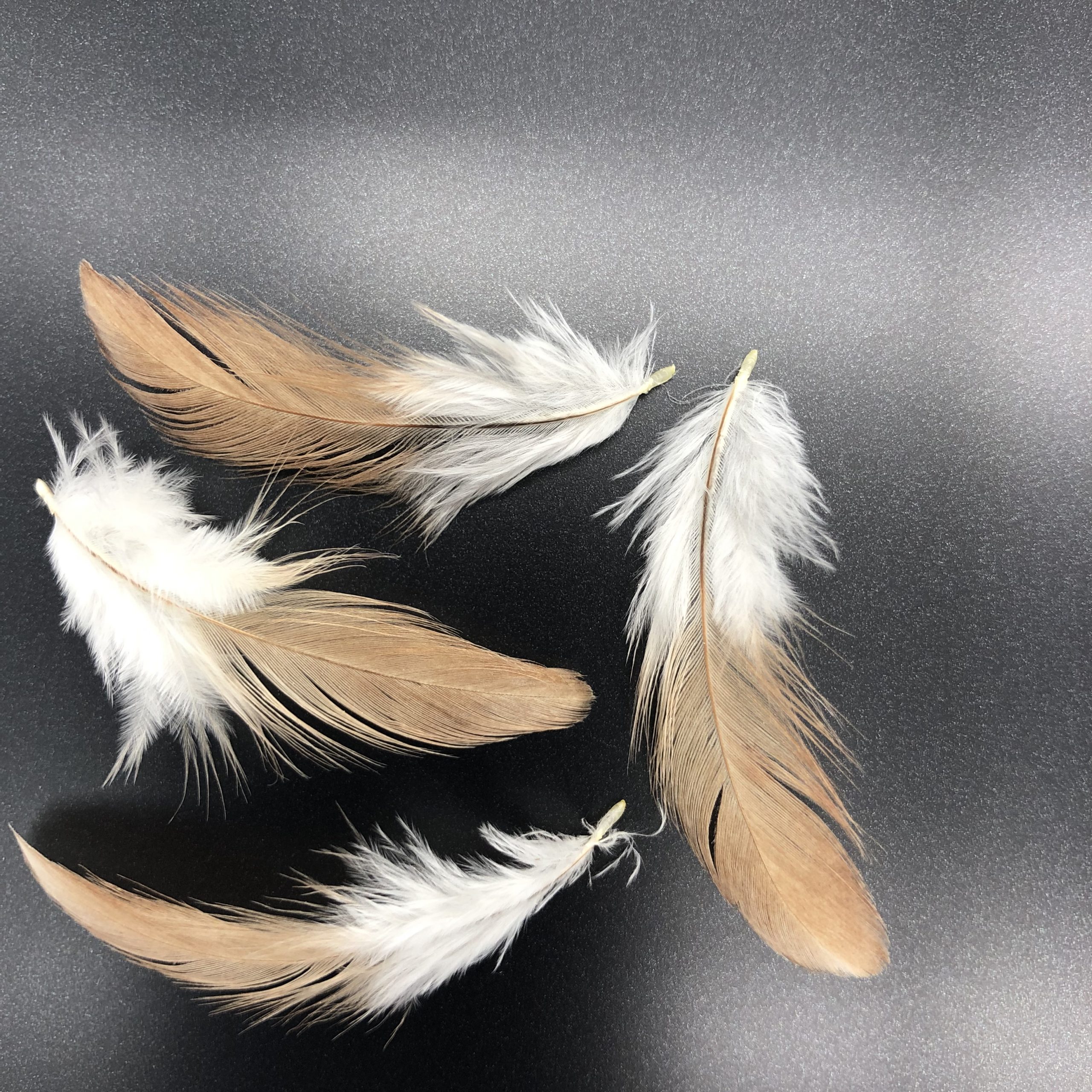
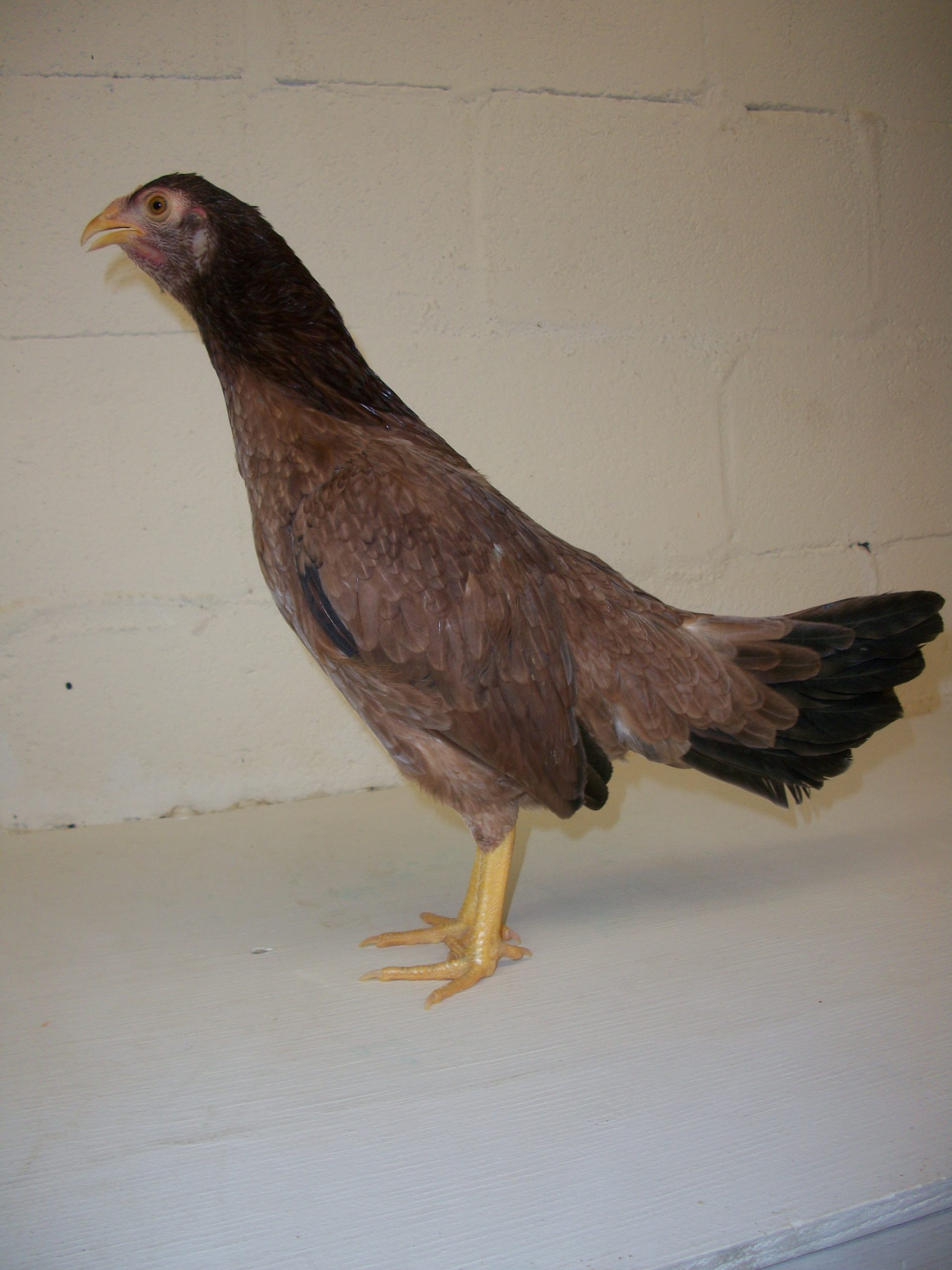
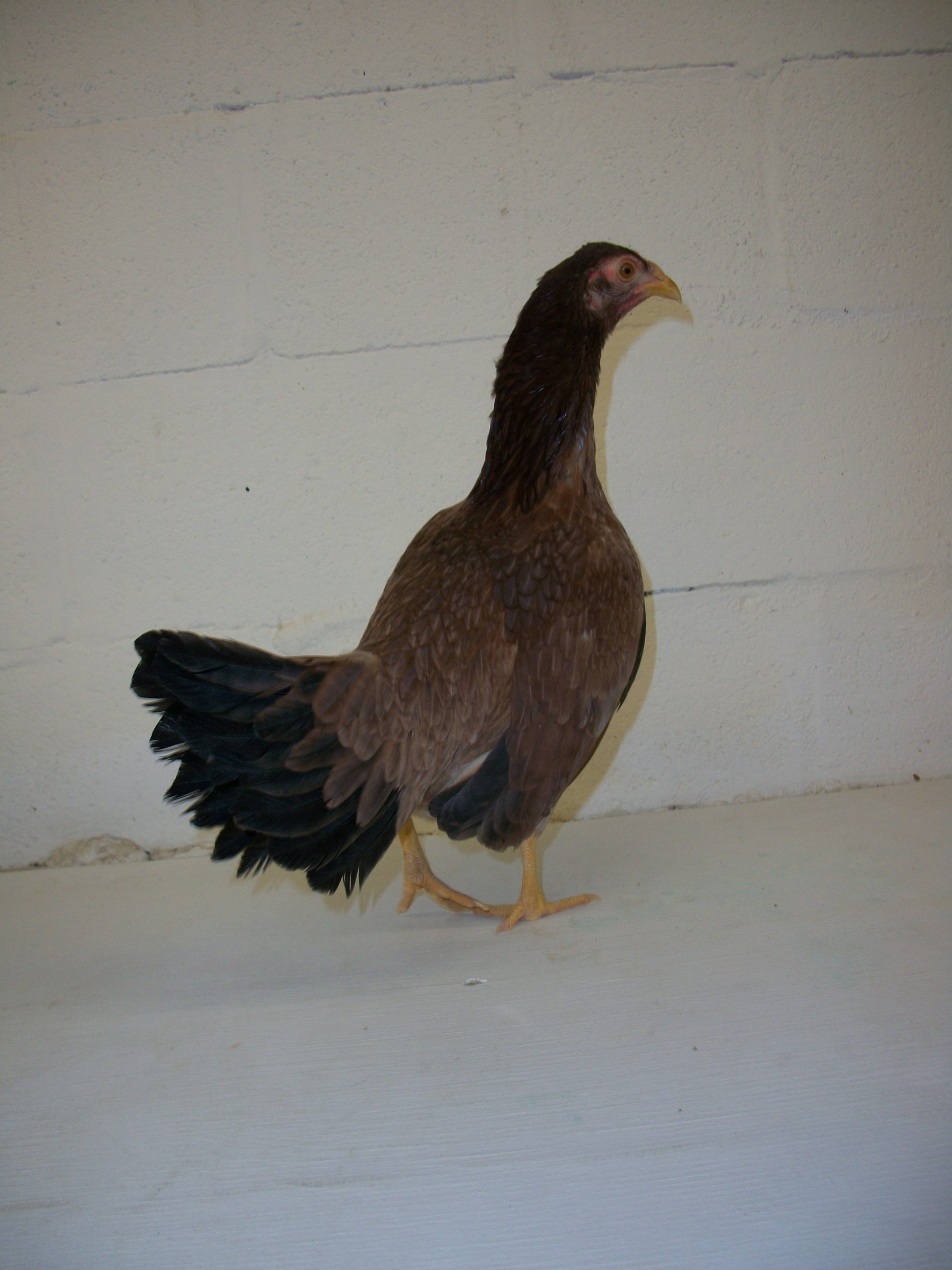
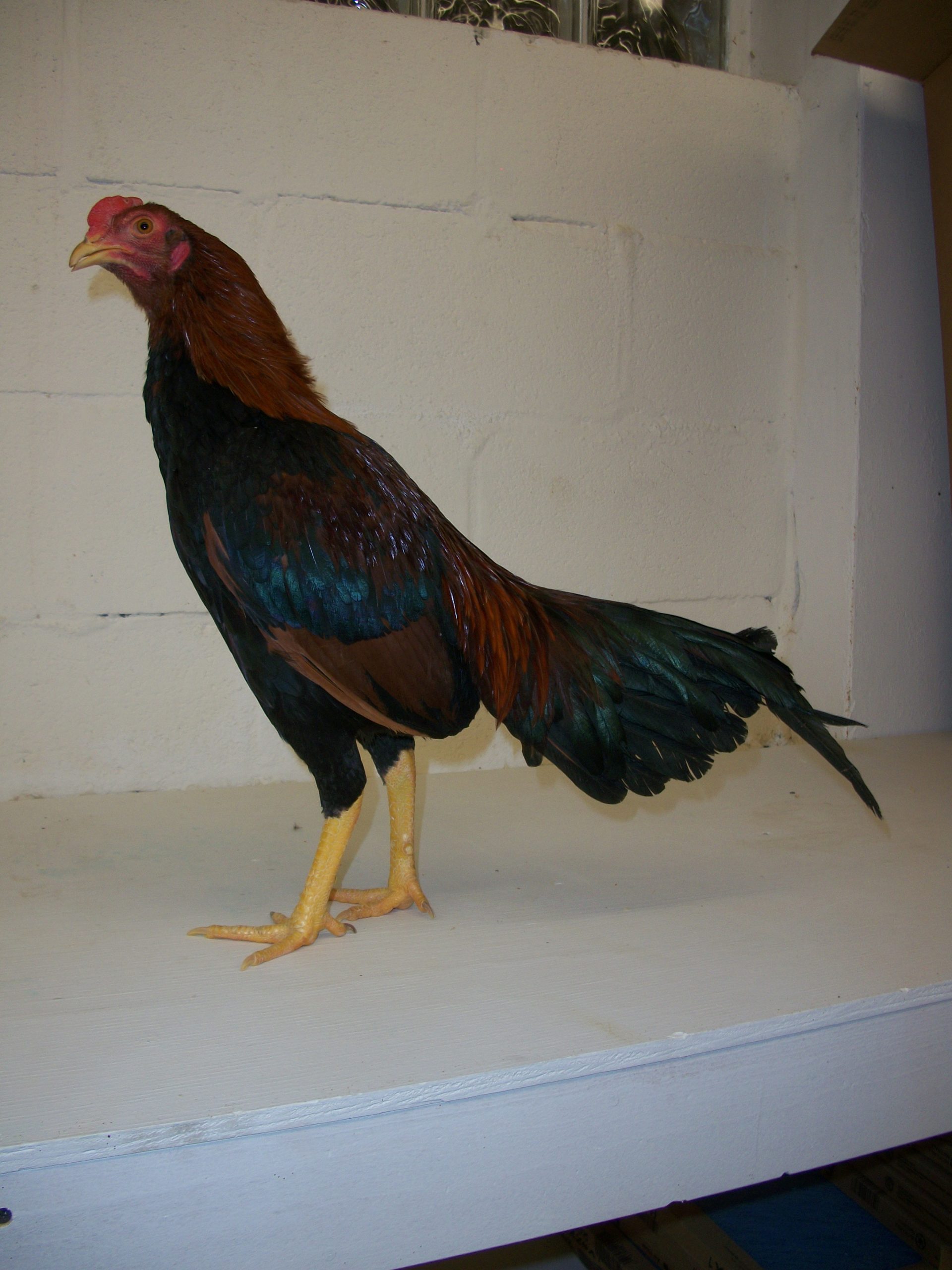
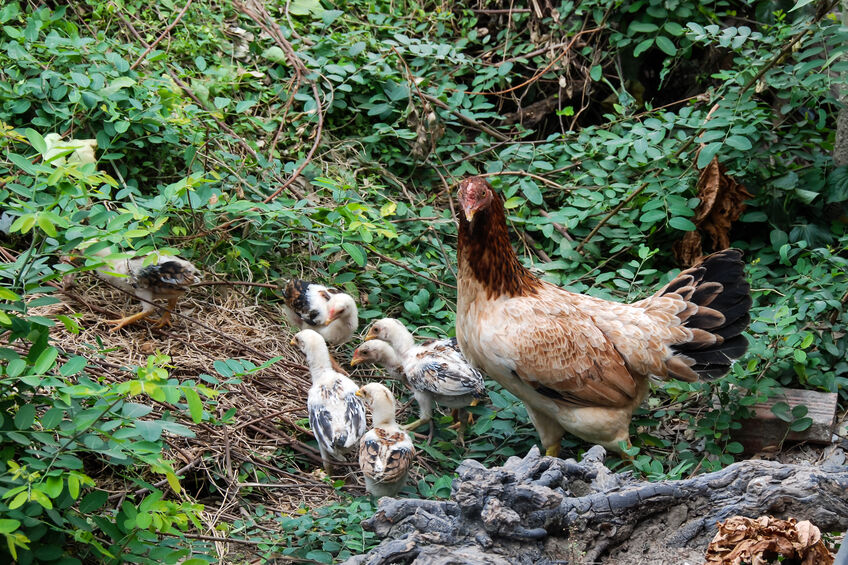
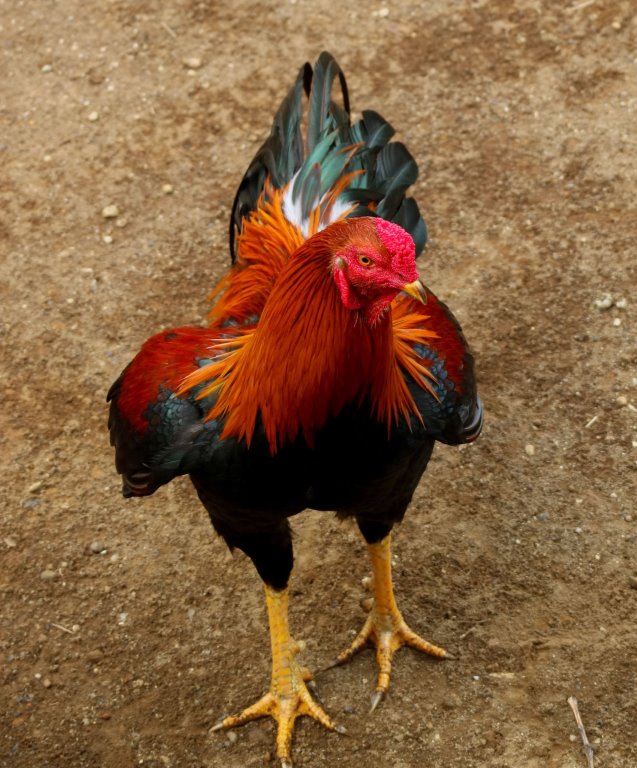
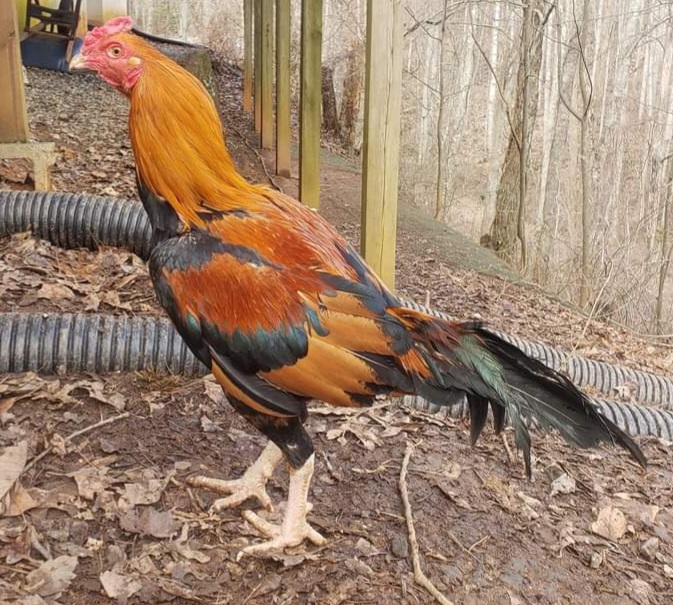
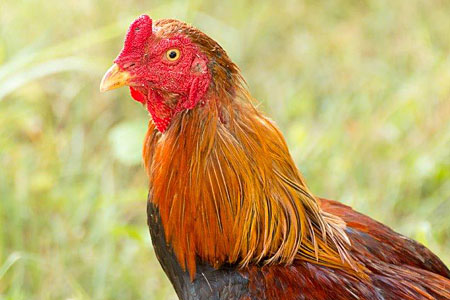
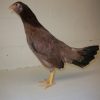
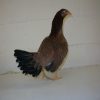
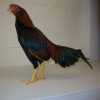
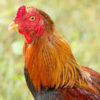
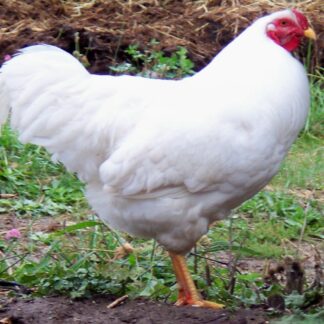
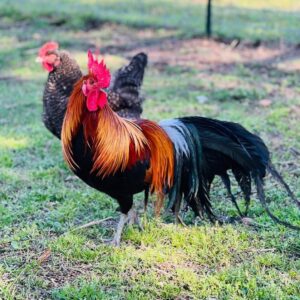
The Wheaten color pattern gives this variety a warm, classic look. Roosters often show rich red, orange, black, and wheaten tones, while hens usually display softer wheaten coloring.
Wheaten Color Pattern
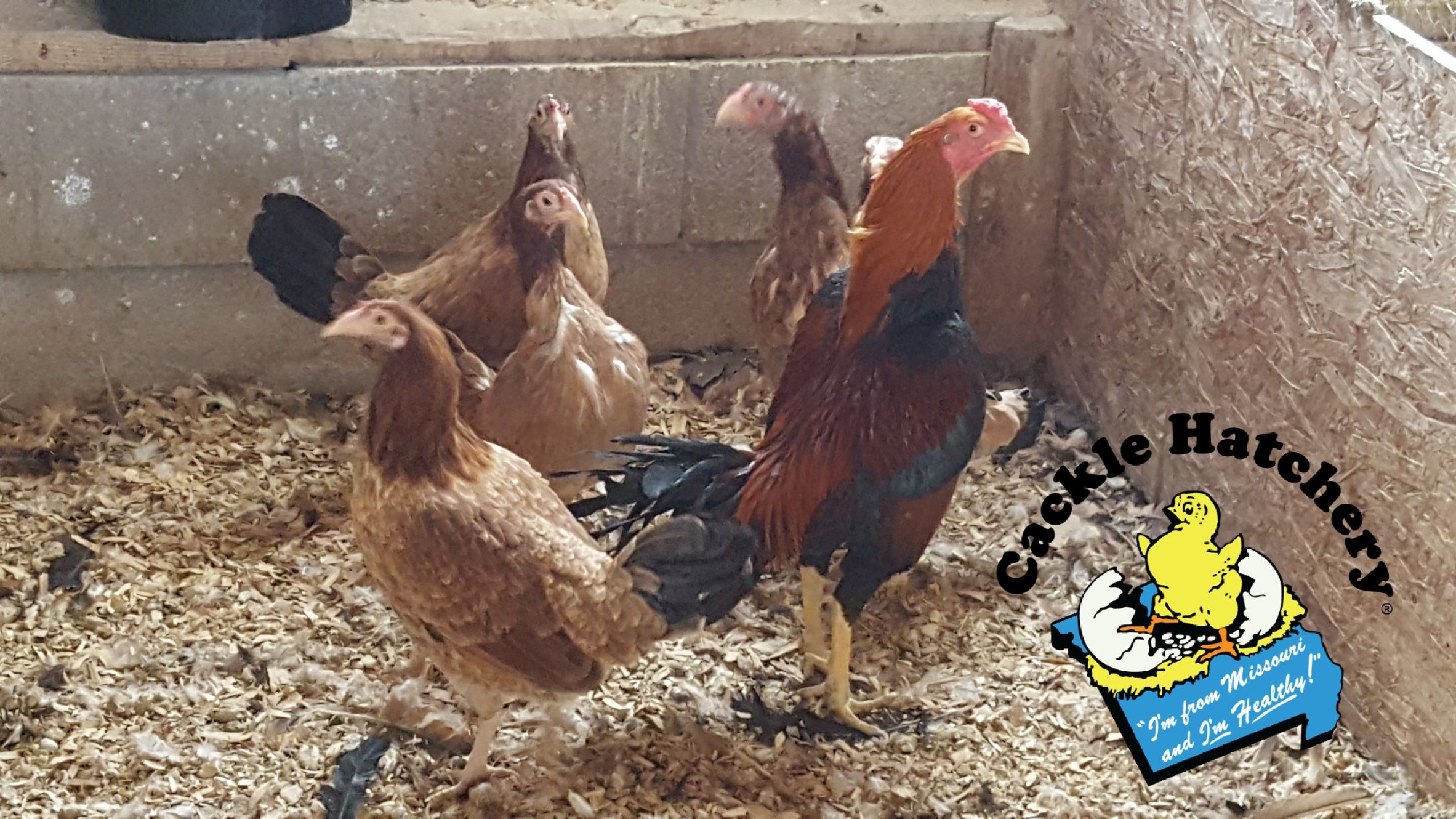
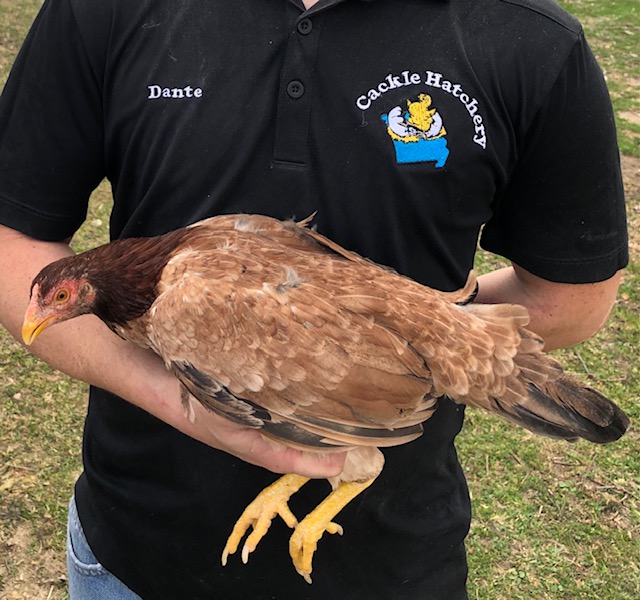
The Wheaten Aseel has a lighter color pattern than Black Breasted Red or Dark Aseel varieties. The roosters often show bold warm colors, including red-orange hackles, darker breast and tail feathers, and rich body tones. Meanwhile, the hens usually have softer tan, buff, and wheat-colored plumage.
This color pattern gives the Wheaten Aseel a bright, traditional appearance. In addition, the tight feathering helps show the breed’s strong body structure and muscular build.
Reza-Type Aseel and Cackle Hatchery® Strain Work
Cackle Hatchery® offers a Reza-type Aseel, which generally refers to a smaller Aseel type compared with some larger Asil strains. This line includes a blend of Sonatol, Rampur, and Atkinson genetics.
This strain work matters because Aseels need careful preservation. Cackle Hatchery® Breeding Farms focuses on maintaining the breed while following responsible conservation and breeding standards. Therefore, customers who choose Wheaten Aseels are also supporting a rare heritage breed with important poultry history.
Temperament and Male Management
Aseels are known for gameness and strong territorial instincts. Therefore, customers should plan carefully before adding them to a flock. The males can become aggressive toward other male chickens, especially as they mature.
For best results, separate males by about 3 months of age. This helps reduce fighting, stress, and injury. In addition, provide plenty of room, strong fencing, and separate housing areas before the birds reach maturity.
Because this breed requires careful male management, Wheaten Aseels are best for experienced poultry keepers who understand territorial gamefowl behavior.
Space and Range Requirements
Wheaten Aseels need plenty of room and range. They do not thrive in crowded conditions. Instead, they need secure, spacious pens or range areas where they can move comfortably.
Aseels are best suited for:
Experienced poultry keepers
Conservation flocks
Large pens
Secure yards
Spacious range systems
Breed preservation projects
Because males can be territorial, customers should avoid keeping multiple males together in a standard mixed flock. Instead, plan separate pens and manage each bird carefully.
Egg Production and Broodiness
Aseels are not production egg layers. Customers usually keep them for heritage, conservation, body type, strength, and breed history rather than high egg output.
However, Aseel hens may show good natural sitting instincts. Because of this, some keepers appreciate them as broody hens. Even so, customers should not choose this breed for maximum egg production.
If eggs are the main goal, a production layer will be a better choice. However, if rare breed preservation and historic poultry genetics matter most, Wheaten Aseels offer tremendous value.
Conservation and Heritage Value
The Aseel is one of the most historically significant chicken breeds in the world. Its long connection to India, ancient gamefowl history, and “purebred” name meaning give it a special place in poultry heritage.
In addition, Cackle Hatchery® Breeding Farms works to preserve the Asil chicken breed with proper conservation and breeding criteria. As a result, customers who keep Wheaten Aseels responsibly can help support the future of this rare and historic breed.
Wheaten Aseel vs Black Breasted Red Aseel
Wheaten and Black Breasted Red Aseels share the same compact body type, muscular build, tight feathering, pea comb, Indian heritage, and territorial male behavior. However, their color patterns differ.
A Wheaten Aseel has a lighter wheaten pattern with warm tan, buff, red, orange, and darker accent colors.
A Black Breasted Red Aseel chicken has a darker red-and-black pattern. Roosters usually show red saddle feathers with a black breast.
Choose Wheaten Aseels if you prefer a lighter, warm-toned Aseel variety.
Choose Black Breasted Red Aseels if you prefer the classic red-and-black gamefowl look.
Wheaten Aseel vs Dark Aseel
Wheaten and Dark Aseels are both rare Aseel varieties with strong heritage value. However, their plumage creates very different appearances.
A Wheaten Aseel has lighter wheaten, tan, buff, red, and orange tones.
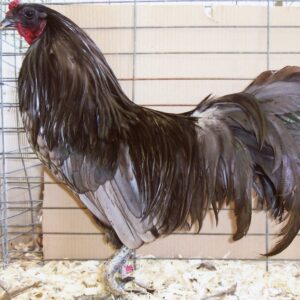
A Dark Aseel chicken has a much darker appearance, often with glossy black plumage and possible red showing in the hackles.
Choose Wheaten Aseels if you want a brighter, lighter-colored Aseel.
Choose Dark Aseels if you prefer a darker, more intense color variety.
Is the Wheaten Aseel Right for Your Flock?
Choose Wheaten Aseel chickens if you want:
A rare Indian heritage gamefowl breed
One of the world’s oldest gamefowl types
A Reza-type Aseel
Sonatol, Rampur, and Atkinson strain influence
A compact, muscular chicken
Tight-fitting feathers
A pea comb
Wheaten plumage
Strong conservation value
A bird for experienced poultry keepers
However, consider another breed if you need calm roosters, easy mixed-flock management, high egg production, small-space suitability, or beginner-friendly temperament. In short, Wheaten Aseels are best for experienced poultry keepers who understand territorial males, have adequate space, and want to help preserve a historic rare breed.
Care and Housing Tips
Wheaten Aseels need secure housing, plenty of space, and careful male management. Because the males can become territorial, customers should prepare separate pens before the birds mature.
For best results, provide:
A dry, well-ventilated coop
Strong predator-resistant fencing
Plenty of room and range
Separate pens for males
Separation of males by about 3 months of age
Clean bedding
Fresh water at all times
Balanced chick starter and age-appropriate feed
Secure roosting space
Careful observation during maturity
No overcrowding
Calm, experienced handling
Planning ahead makes a major difference. If customers wait until males begin fighting, injuries can happen quickly. Therefore, separate housing should be part of every Aseel management plan.
Recognition and Availability
Wheaten Aseels are rare heritage gamefowl and are best suited for customers who understand their space and management needs. Since hatch dates and availability can change during the season, customers should check Cackle Hatchery’s Chicken Availability Chart before ordering.
Related Breeds and Helpful Cackle Hatchery® Resources
Customers who like Wheaten Aseels may also enjoy other Aseel varieties, rare breeds, and conservation-focused chickens.
Helpful Cackle Hatchery® links for this product page include:
A Wheaten Aseel Chicken is a rare Indian heritage gamefowl breed known for compact muscular build, tight feathering, pea comb, wheaten plumage, and strong territorial instincts.
Is it spelled Aseel or Asil?
Both spellings are used. Some sources also use Asli or Azeel.
What does Aseel mean?
Aseel, Asil, or Asli generally means pure, purebred, thoroughbred, original, or from pure descent.
Where did Aseel chickens originate?
Aseel chickens originated on the Indian subcontinent and are strongly associated with India.
Are Aseels one of the oldest chicken breeds?
Yes. Poultry historians often describe the Aseel as one of the oldest known gamefowl breeds in the world.
What type of Aseel does Cackle Hatchery® offer?
Cackle Hatchery® offers a Reza-type Aseel with a blend of Sonatol, Rampur, and Atkinson strains.
What do Wheaten Aseel roosters look like?
Wheaten Aseel roosters often show warm red, orange, black, and wheaten tones, giving them a bright and traditional gamefowl appearance.
What do Wheaten Aseel hens look like?
Wheaten Aseel hens usually show softer tan, buff, and wheat-colored plumage.
Are Aseels heavy chickens?
Yes. Aseels are heavier than they appear because they have compact muscular bodies and tight-fitting feathers.
What kind of comb do Aseels have?
Aseels have a pea comb.
Are Wheaten Aseels good egg layers?
No. Aseels are not production egg layers. Customers usually keep them for heritage, conservation, and breed type.
Are Aseel hens broody?
Aseel hens may show good sitting instincts, although egg production remains modest.
Are Aseel roosters aggressive?
Aseel males are very territorial and may act aggressively toward other male chickens.
When should male Aseels be separated?
Male Aseels should be separated by about 3 months of age to reduce fighting and injury risk.
Do Aseels need a lot of space?
Yes. Aseels require plenty of room and range.
Are Wheaten Aseels good for beginners?
They are best for experienced poultry keepers because of their territorial males, space needs, and conservation-focused management.
Are Aseels good for mixed flocks?
They may not be ideal for standard mixed flocks, especially when multiple males are present. Therefore, careful management and separate male housing are important.
Are Wheaten Aseels rare?
Yes. Wheaten Aseels are rare heritage gamefowl and are best suited for conservation-minded poultry keepers.
What is the difference between Wheaten Aseel and Black Breasted Red Aseel?
Wheaten Aseels have a lighter wheaten pattern with tan, buff, red, orange, and darker accents. Black Breasted Red Aseels have a darker red-and-black pattern.
What is the difference between Wheaten Aseel and Dark Aseel?
Wheaten Aseels have lighter warm-toned plumage. Dark Aseels have a much darker appearance, often with glossy black plumage.
Where can I check Wheaten Aseel availability?
Customers can check Cackle Hatchery’s Chicken Availability Chart for current hatch and shipping timing. Availability can change during the season.
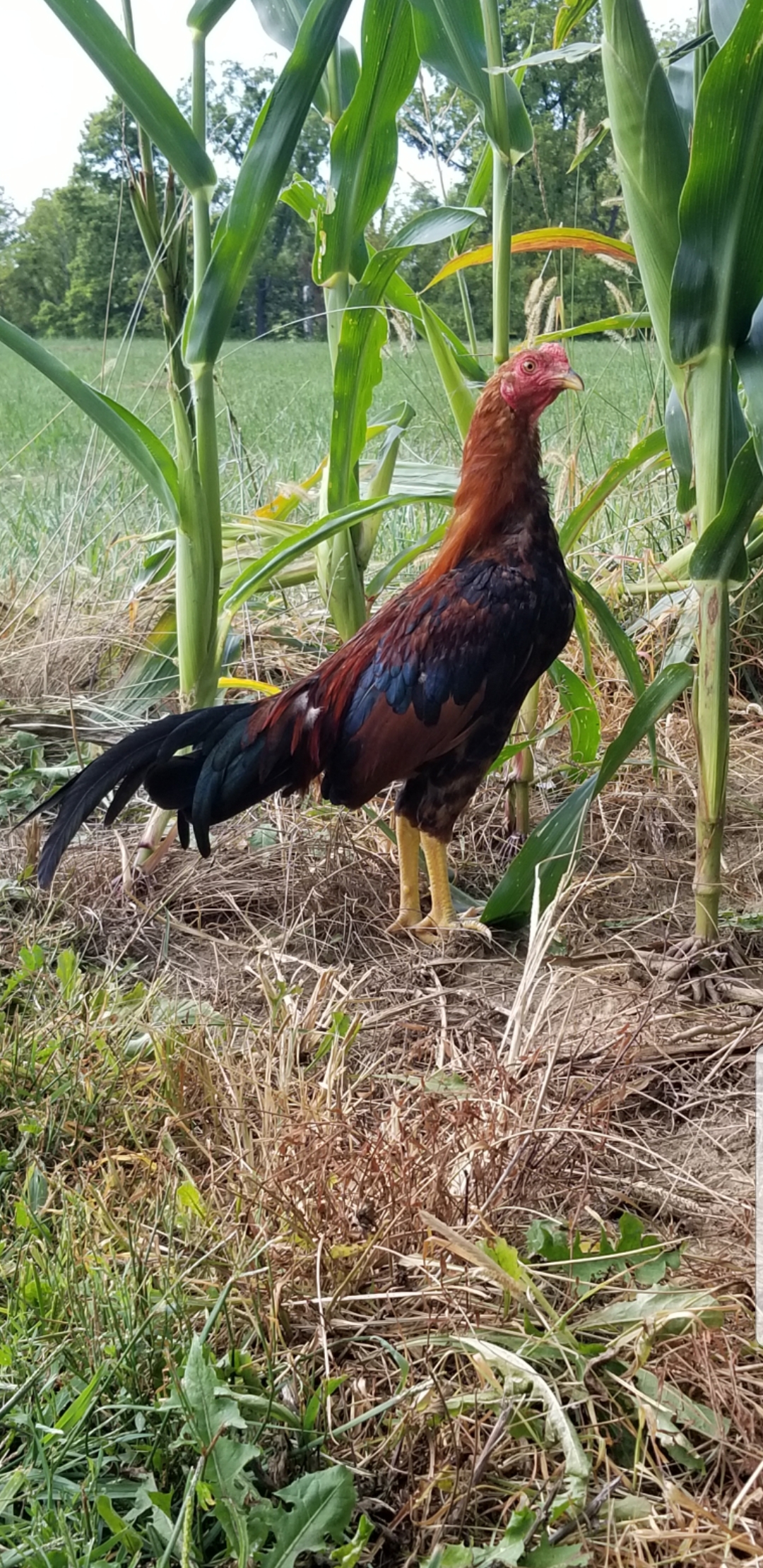
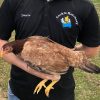
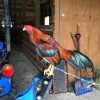
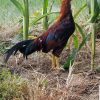
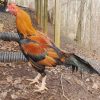
Grandpa Big Red is a marvelous bird. The Aseel is the Pit Bull of poultry: Love their owners, hate other roosters- EXCEPT for the Mexican miniature rooster, the Kikiriki. One of our neighbors’ miniature cocks flew into our backyard, fearing Big Red would rip it to shreds, he instead ignored the little guy, I think he assumed it was just a pigeon. He will kill pigeons that enter his “kennel”, I keep the birds in an AKC covered iron kennel. My birds receive live and packaged game bird kibble. See if you can age this bird by the length of his spurs.
Rated 4 out of 5
keblow –
Good lively chicks on arrival. At three months, all the birds seem vigorous save one hen who won’t be used for breeding. Another hen is a standout so far for type and breed conformity, but there is a variety of station and stance, and tails are uniformly too high. They work fine for starting a line because of these variations, giving you a lot of room to breed different style birds with some work. They are reasonably aggressive with each other and I’ve had to monitor closely from about 6 weeks. An OEG ordered with them has taken dominance and I suspect as soon as the Aseels mature around 6-7 months I’ll need to separate, if not before.
Overall, okay birds to start with, and plenty of genetic material to work with.
Rated 5 out of 5
kristin belghaouti –
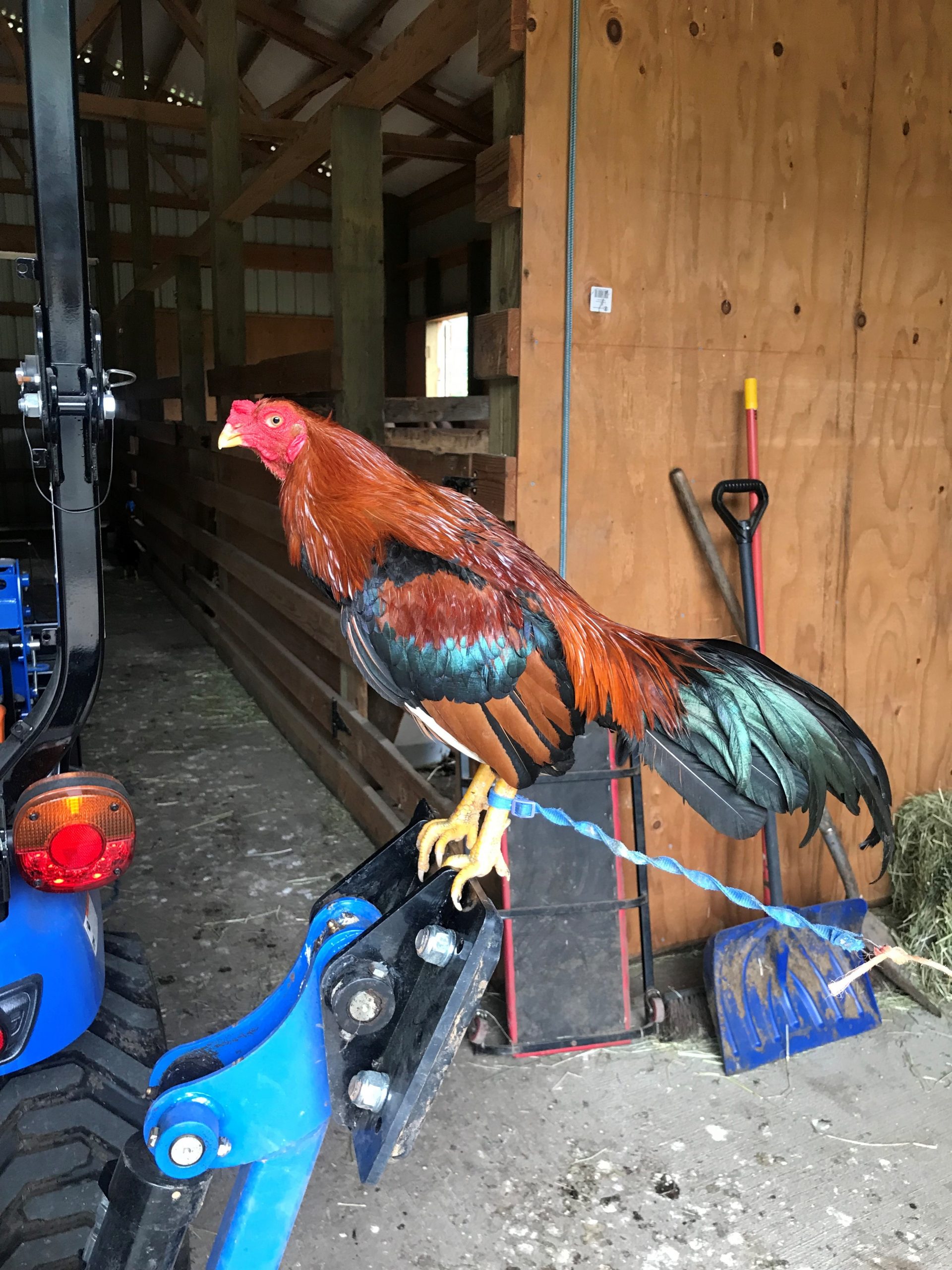
You are alerted to your birds arrival by the post office calling you direct- make sure your number is right in Cackle’s order. My order arrived in March 2020, for 3 Wheaten Asils & “long tailed surplus”. I received a number of “extras” and there was only one chick that passed on, but not for fault of poor packaging or health of birds, but to “coop violence”. The birds were in a substantial box, with LIVE BIRDS lettered in red block all over it. You could hear the “peep peepeep” just in the door of post office. First thing get the chicks out & in brooder, then take each chick One By One and dipped in their water bowl. If I do not do this I will lose birds as they are too naive to find the water on their own selves. I noticed I got some extra birds, Cackle’s way of making up for possible future loss. I ended up with more birds than I paid for, but I lost birds on my own stupidity. You must, must use Heat Lamp for baby chicks and not make-do with incandescents. It just is not the same. Infrared goes through the tissues, where warmth is needed. Oh what a dreadful thing, to cause loss of life due to one’s own carelessness. Not only that, but they were my “best birds” of the order. Sigh. I wrote a review already a year ago, but I am updating it now, as Ive seen the birds one year old. Wheaten Asil cock is the singularly most beautiful bird Ive owned. People on the internet were offering me money for the Asil when he became not a cute chick but a full grown rooster. The roosters are NO JOKE and very possibly can injure a human. They are extremely belligerent, strong, and fearless. My rooster’s eyes literally went to pinpoints and turned red, like a scary goblin- he flew at me in a rage and screaming when I went to break up his harem. Very beautiful bird, if Cackle wants (much better than their own website pics) photos of mine, just ask.
Rated 5 out of 5
Analogue –
Bright, healthy chicks
Shipped from you on 18th of the month- arrived 10am in Arizona (how far away?? far!) on the 20th! All chicks except one were bright, active & very THIRSTY. I suspect the weakly one was picked at by the others during transit. I immediately dipped each beak into fresh warm water (NOTE- VERY IMPORTANT TO DIP THEIR BEAKS INTO THE WATER AS THEY DON’T KNOW TO FIND WATER SOURCE EVEN IF PUT RIGHT IN FRONT OF THEM!) mixed with electrolytes (special new chick water supplement I got at feed store) all drank. They were quite active, I wanted them to quiet down & not use up their limited nutrients. I had a heat lamp issue that very night!! God help us, I lost about four chicks- Walmart because of the “Covid-19” had closed early & we could not find a SAFE heat lamp source for them, I cobbled together one mechanic’s lamp, house lamp, equaling 175 Watts. Temps now at 100F in “brooder” & all so far made it. Ive less than the “over-age” of the 15 chicks I ordered, but that was due to owner error & not planning for emergencies (& this is someone who KNEW better, no excuse) I am very pleased & satisfied with the quality of chicks. The Aseel’s are very assertive, cute, and darling. I can’t wait for them to grow up- or can I…? Thank you- God willing I will buy more again in future.
Rated 5 out of 5
shan –
Please bring more pure asil variety
Please bring more pure asil variety
Rated 1 out of 5
Hotroad –
Needs more gameness
Wish they was more aggressive
Rated 5 out of 5
Sparky –
Great Birds!!
Have done well through a Maine Winter and Summer, even enjoyed Mud Season. Confident but not aggressive, and really beautiful.
Rated 3 out of 5
Travis Miller –
Ordered 10
Only 6 have made it so far. 3 pea comb dark males and 3 single comb light brown females. One male has abnormal beak. I do hope they make it I really love them
Rated 5 out of 5
Mr t –
Far so good
All 15 are still kicking and looking good I hope it stays that way
Mobwife –
Love love love
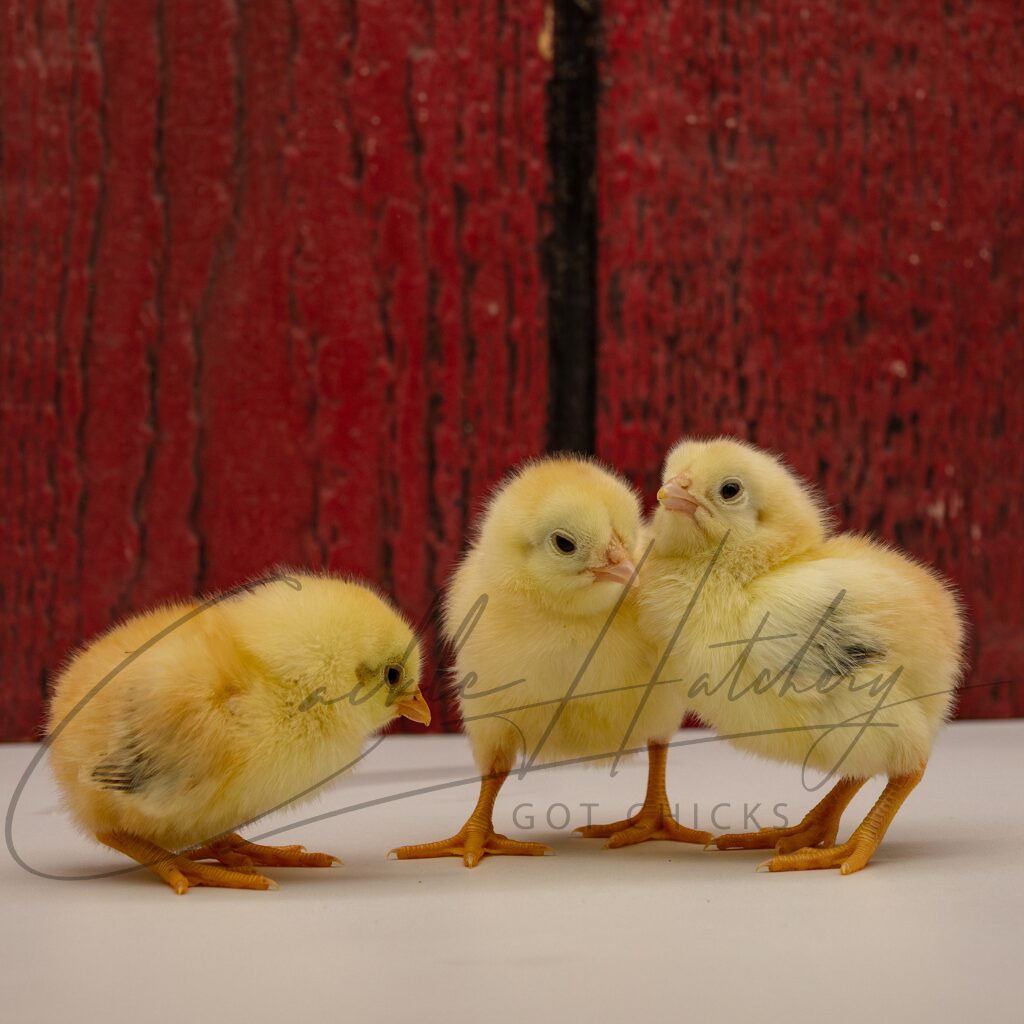
Awesome birds sooo cute and teeny as babies
Debora –
They definitely must be in spaces of their own.
They are aggressive and must be in an area of their own
Deb –
Fearless
There lively little things. Not afraid of anything.










kristin belghaouti –
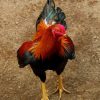
Grandpa Big Red is a marvelous bird. The Aseel is the Pit Bull of poultry: Love their owners, hate other roosters- EXCEPT for the Mexican miniature rooster, the Kikiriki. One of our neighbors’ miniature cocks flew into our backyard, fearing Big Red would rip it to shreds, he instead ignored the little guy, I think he assumed it was just a pigeon. He will kill pigeons that enter his “kennel”, I keep the birds in an AKC covered iron kennel. My birds receive live and packaged game bird kibble. See if you can age this bird by the length of his spurs.
keblow –
Good lively chicks on arrival. At three months, all the birds seem vigorous save one hen who won’t be used for breeding. Another hen is a standout so far for type and breed conformity, but there is a variety of station and stance, and tails are uniformly too high. They work fine for starting a line because of these variations, giving you a lot of room to breed different style birds with some work. They are reasonably aggressive with each other and I’ve had to monitor closely from about 6 weeks. An OEG ordered with them has taken dominance and I suspect as soon as the Aseels mature around 6-7 months I’ll need to separate, if not before.
Overall, okay birds to start with, and plenty of genetic material to work with.
kristin belghaouti –
You are alerted to your birds arrival by the post office calling you direct- make sure your number is right in Cackle’s order. My order arrived in March 2020, for 3 Wheaten Asils & “long tailed surplus”. I received a number of “extras” and there was only one chick that passed on, but not for fault of poor packaging or health of birds, but to “coop violence”. The birds were in a substantial box, with LIVE BIRDS lettered in red block all over it. You could hear the “peep peepeep” just in the door of post office. First thing get the chicks out & in brooder, then take each chick One By One and dipped in their water bowl. If I do not do this I will lose birds as they are too naive to find the water on their own selves. I noticed I got some extra birds, Cackle’s way of making up for possible future loss. I ended up with more birds than I paid for, but I lost birds on my own stupidity. You must, must use Heat Lamp for baby chicks and not make-do with incandescents. It just is not the same. Infrared goes through the tissues, where warmth is needed. Oh what a dreadful thing, to cause loss of life due to one’s own carelessness. Not only that, but they were my “best birds” of the order. Sigh. I wrote a review already a year ago, but I am updating it now, as Ive seen the birds one year old. Wheaten Asil cock is the singularly most beautiful bird Ive owned. People on the internet were offering me money for the Asil when he became not a cute chick but a full grown rooster. The roosters are NO JOKE and very possibly can injure a human. They are extremely belligerent, strong, and fearless. My rooster’s eyes literally went to pinpoints and turned red, like a scary goblin- he flew at me in a rage and screaming when I went to break up his harem. Very beautiful bird, if Cackle wants (much better than their own website pics) photos of mine, just ask.
Analogue –
Bright, healthy chicks
Shipped from you on 18th of the month- arrived 10am in Arizona (how far away?? far!) on the 20th! All chicks except one were bright, active & very THIRSTY. I suspect the weakly one was picked at by the others during transit. I immediately dipped each beak into fresh warm water (NOTE- VERY IMPORTANT TO DIP THEIR BEAKS INTO THE WATER AS THEY DON’T KNOW TO FIND WATER SOURCE EVEN IF PUT RIGHT IN FRONT OF THEM!) mixed with electrolytes (special new chick water supplement I got at feed store) all drank. They were quite active, I wanted them to quiet down & not use up their limited nutrients. I had a heat lamp issue that very night!! God help us, I lost about four chicks- Walmart because of the “Covid-19” had closed early & we could not find a SAFE heat lamp source for them, I cobbled together one mechanic’s lamp, house lamp, equaling 175 Watts. Temps now at 100F in “brooder” & all so far made it. Ive less than the “over-age” of the 15 chicks I ordered, but that was due to owner error & not planning for emergencies (& this is someone who KNEW better, no excuse) I am very pleased & satisfied with the quality of chicks. The Aseel’s are very assertive, cute, and darling. I can’t wait for them to grow up- or can I…? Thank you- God willing I will buy more again in future.
shan –
Please bring more pure asil variety
Please bring more pure asil variety
Hotroad –
Needs more gameness
Wish they was more aggressive
Sparky –
Great Birds!!
Have done well through a Maine Winter and Summer, even enjoyed Mud Season. Confident but not aggressive, and really beautiful.
Travis Miller –
Ordered 10
Only 6 have made it so far. 3 pea comb dark males and 3 single comb light brown females. One male has abnormal beak. I do hope they make it I really love them
Mr t –
Far so good
All 15 are still kicking and looking good I hope it stays that way
Mobwife –
Love love love
Awesome birds sooo cute and teeny as babies
Debora –
They definitely must be in spaces of their own.
They are aggressive and must be in an area of their own
Deb –
Fearless
There lively little things. Not afraid of anything.
JayBoy –
Do you’ll sale them fully grown
Love this bird one of my favorite breeds
Larry December 2015 –
Cackle Hatchery
Liked your youtube video!