Description
Black Japanese Bantam Chicken
Breed Overview and Origin
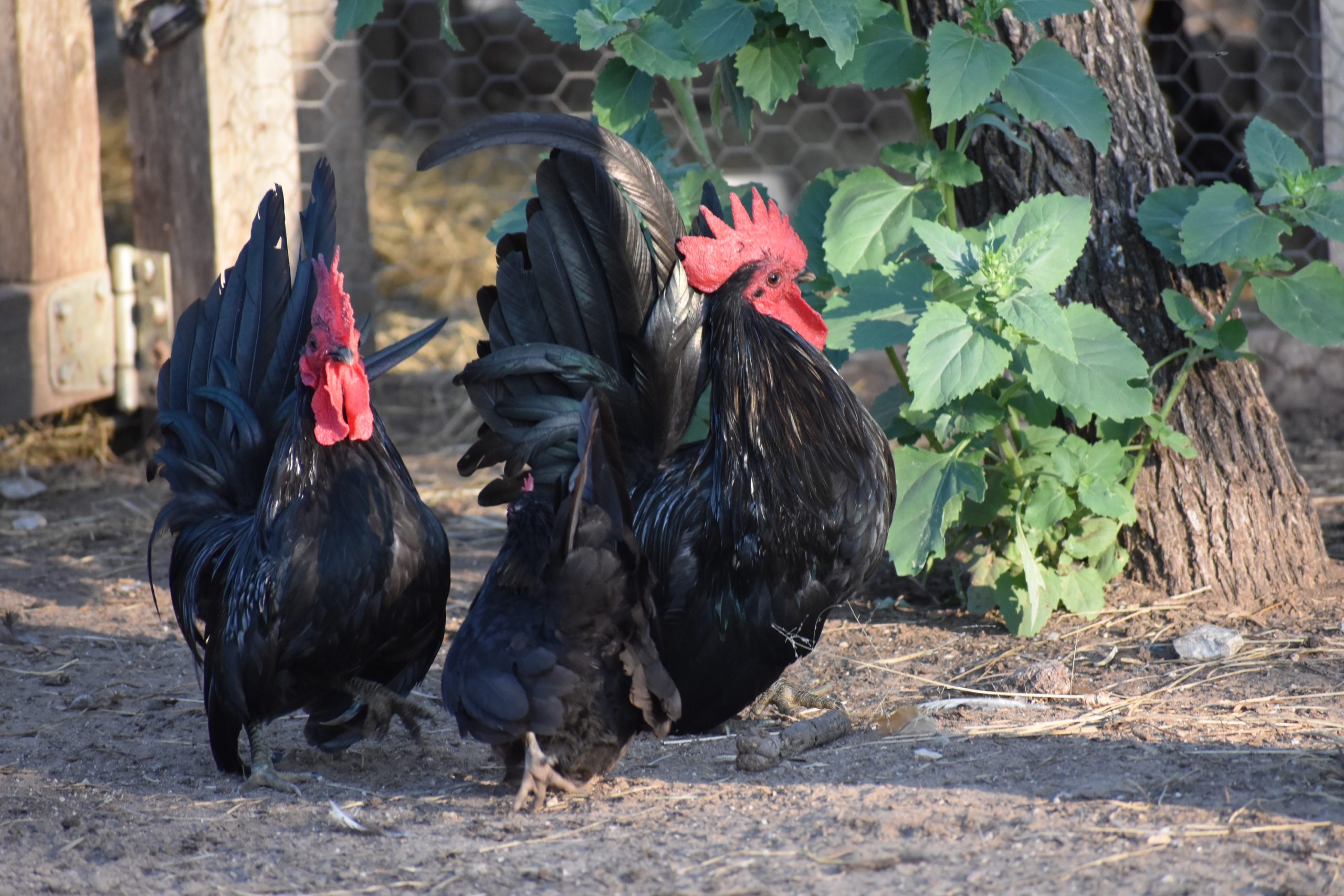
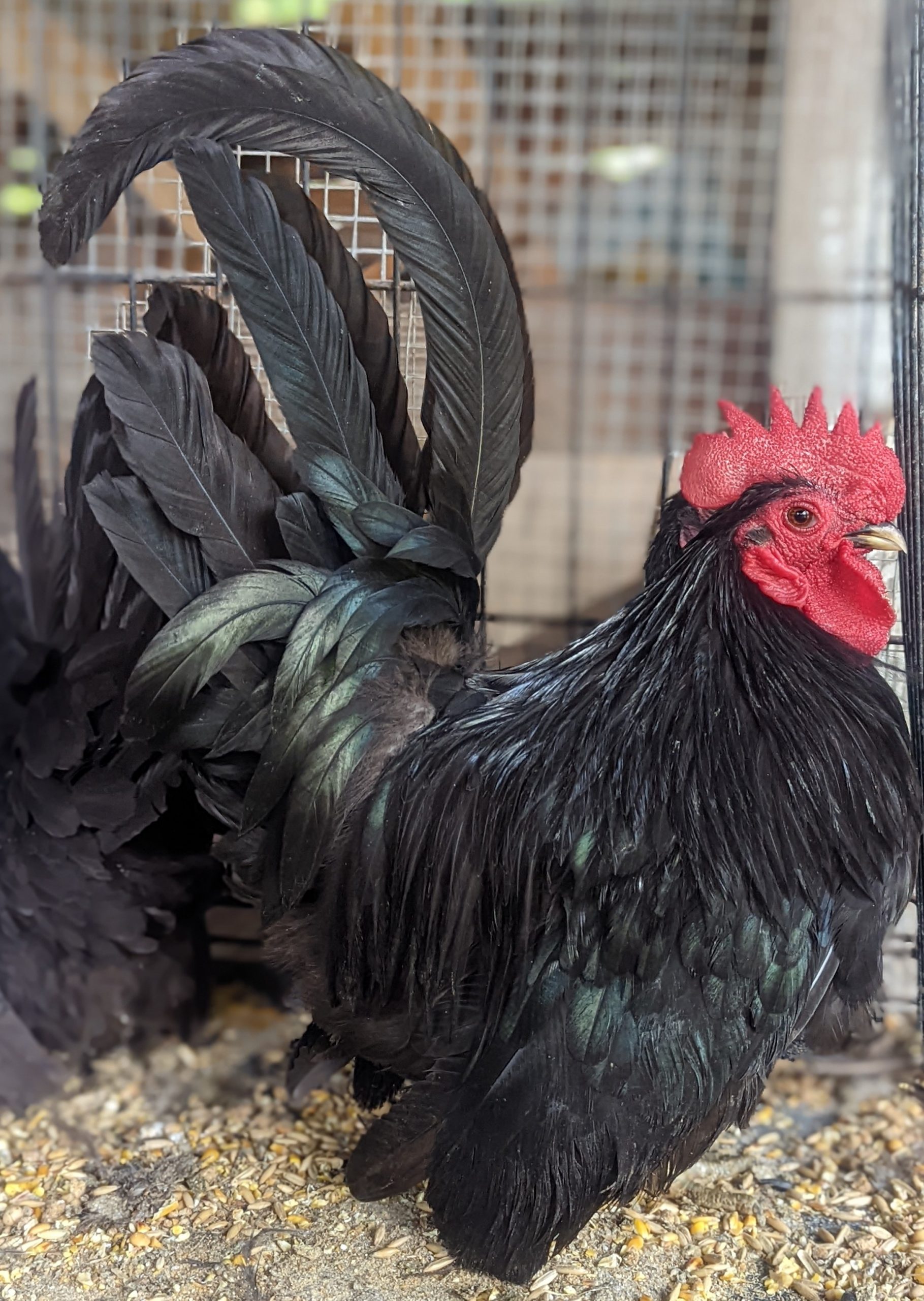
The Black Japanese Bantam chicken is a true miniature chicken with a proud stance, short legs, large wings, and striking black feathering. If you want a small ornamental bird that looks sharp in the yard and can impress in the show pen, this variety is a beautiful choice.
Japanese Bantams are also known as Chabo in Japan. The Livestock Conservancy describes them as true bantams, meaning they have no large-fowl counterpart. They were treasured as living garden ornaments and later spread to Europe, the United Kingdom, and the United States.
The Black Japanese Bantam is one of several Japanese Bantam color varieties offered by Cackle Hatchery®. This variety brings the breed’s classic short-legged, upright-tailed look together with rich black plumage and strong exhibition appeal.
Appearance and Characteristics
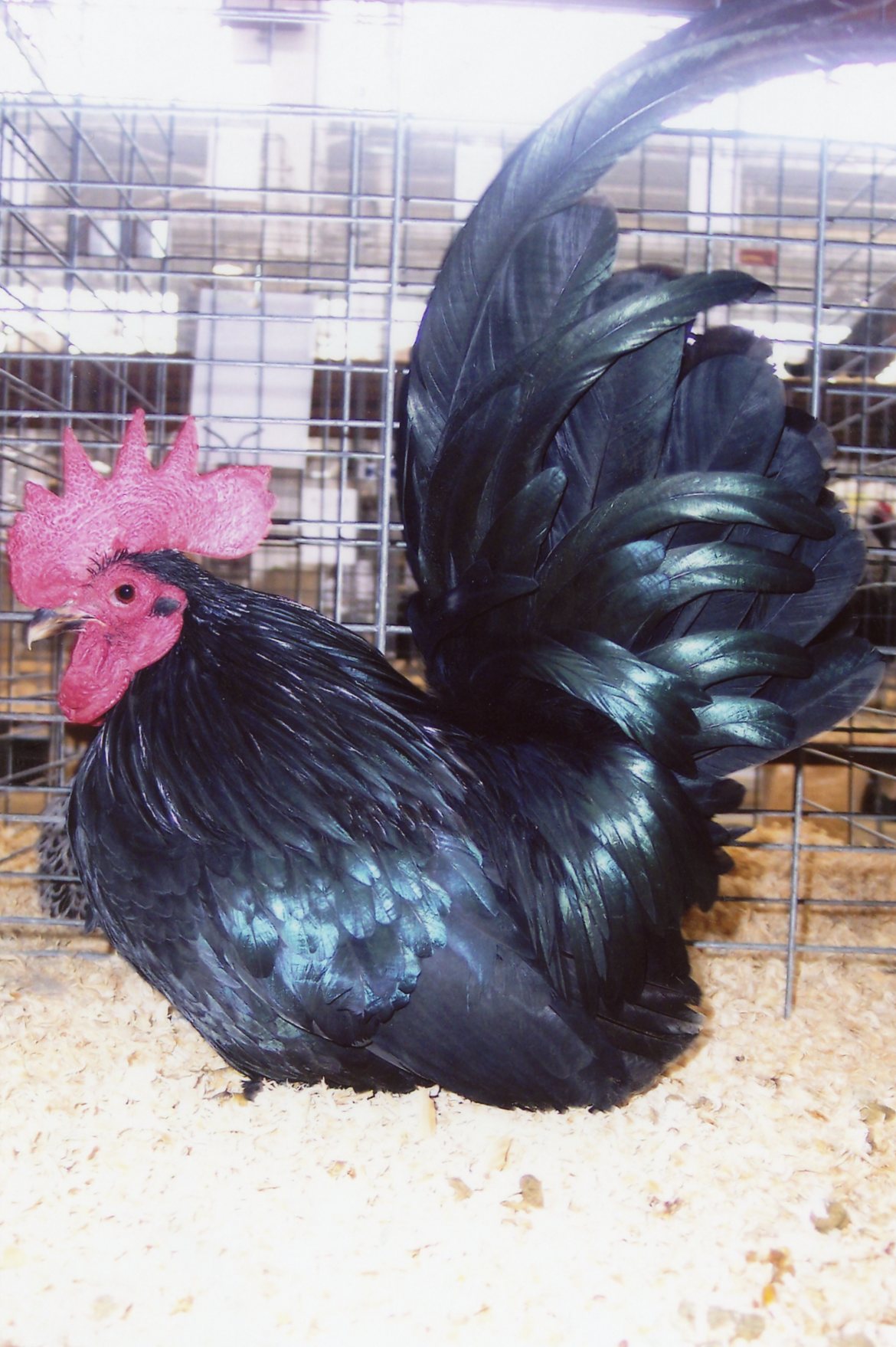
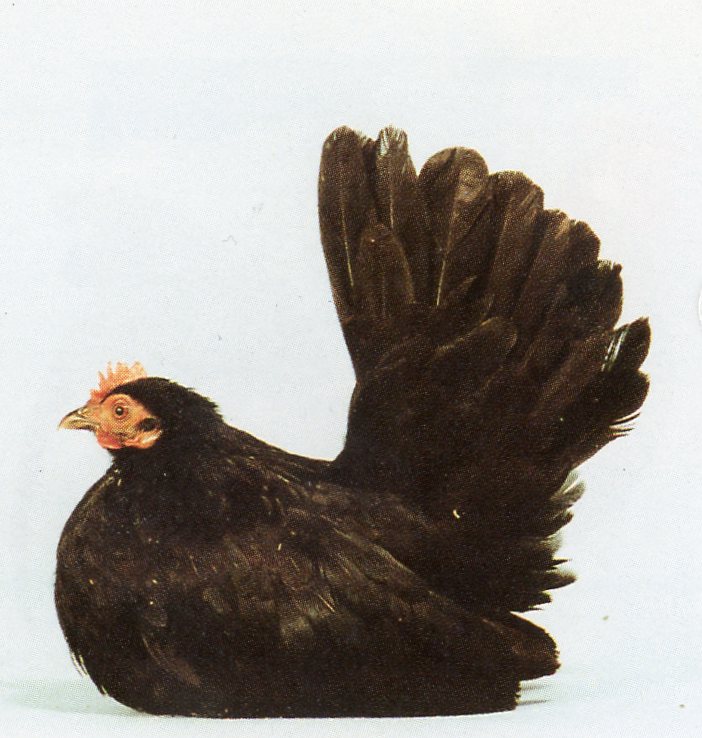
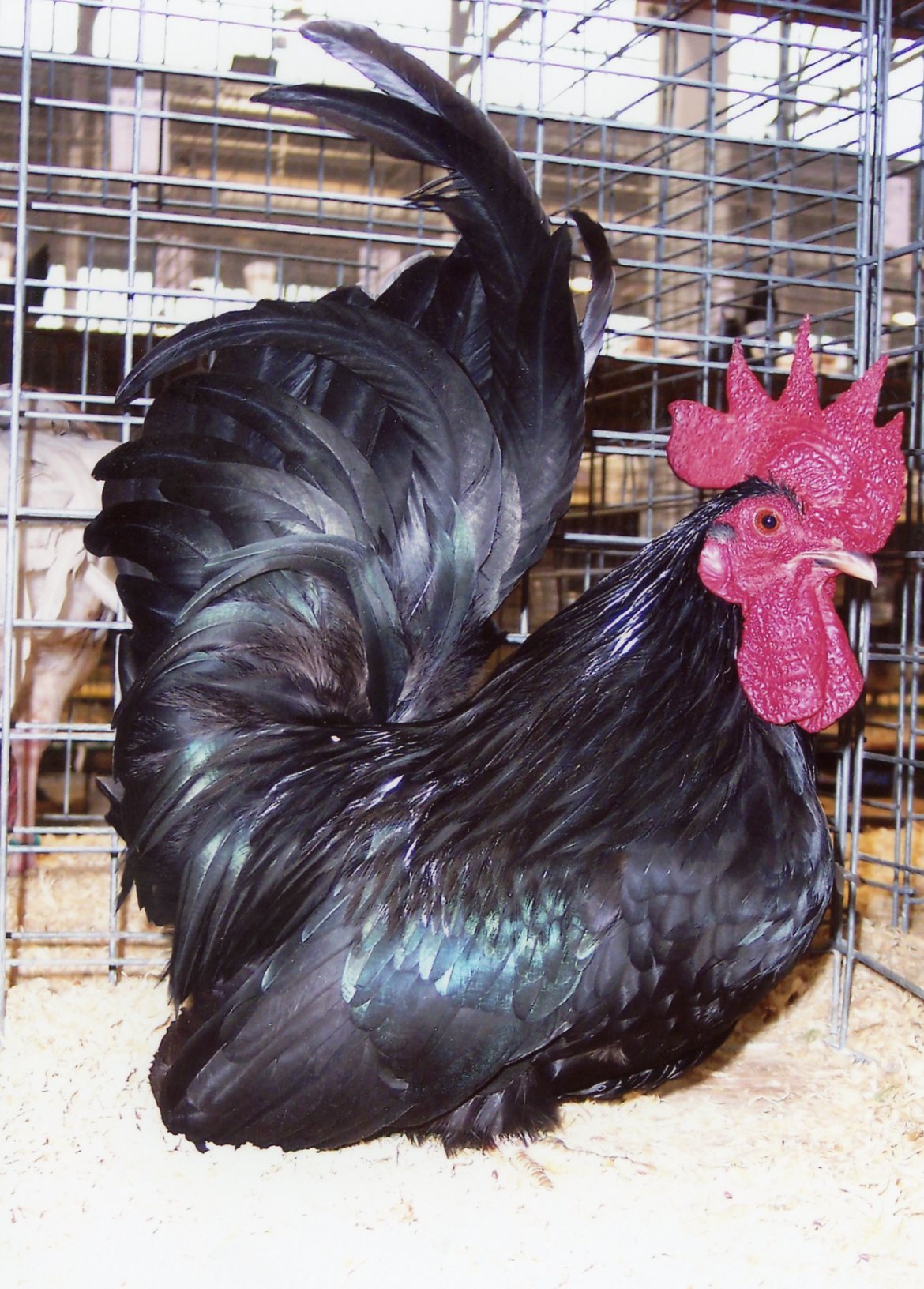
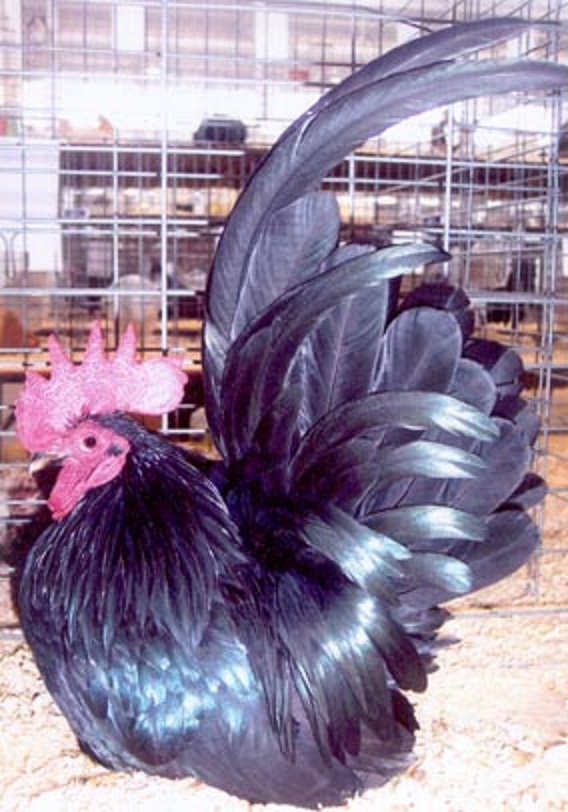
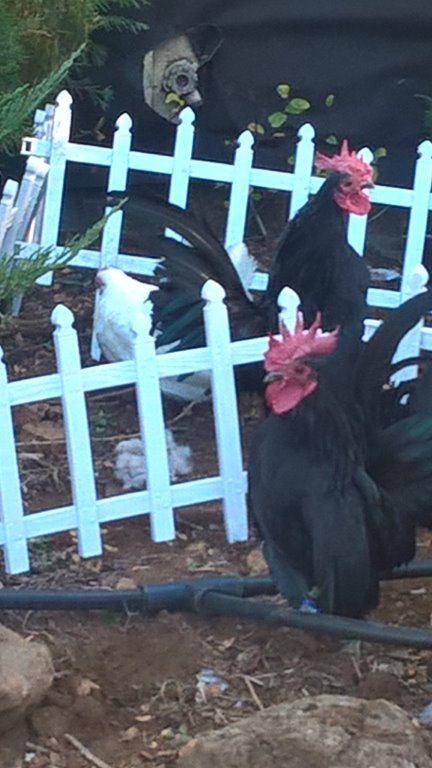
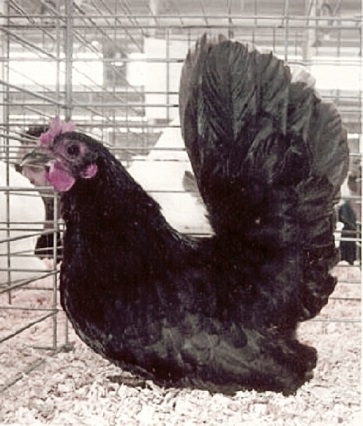
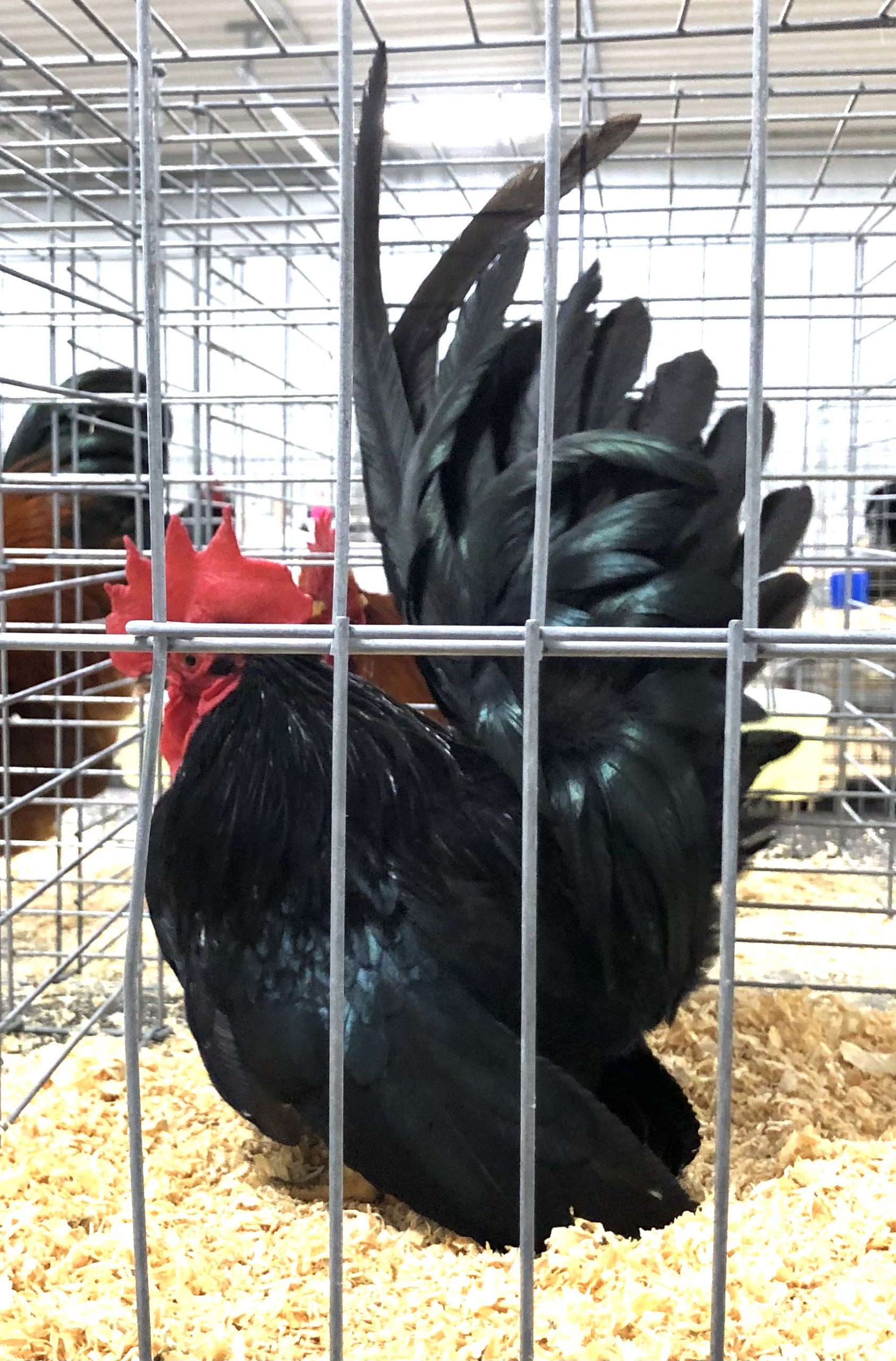
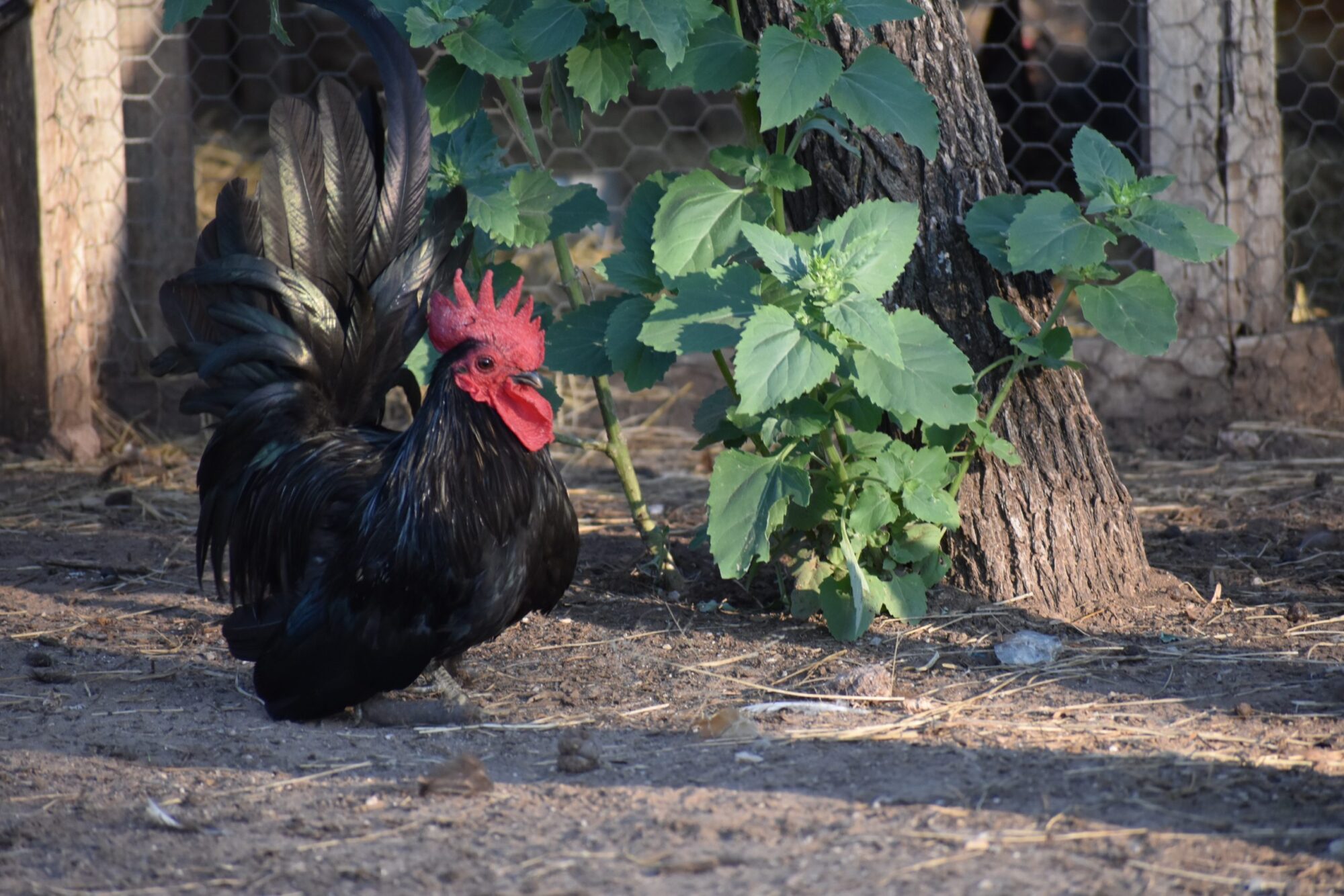
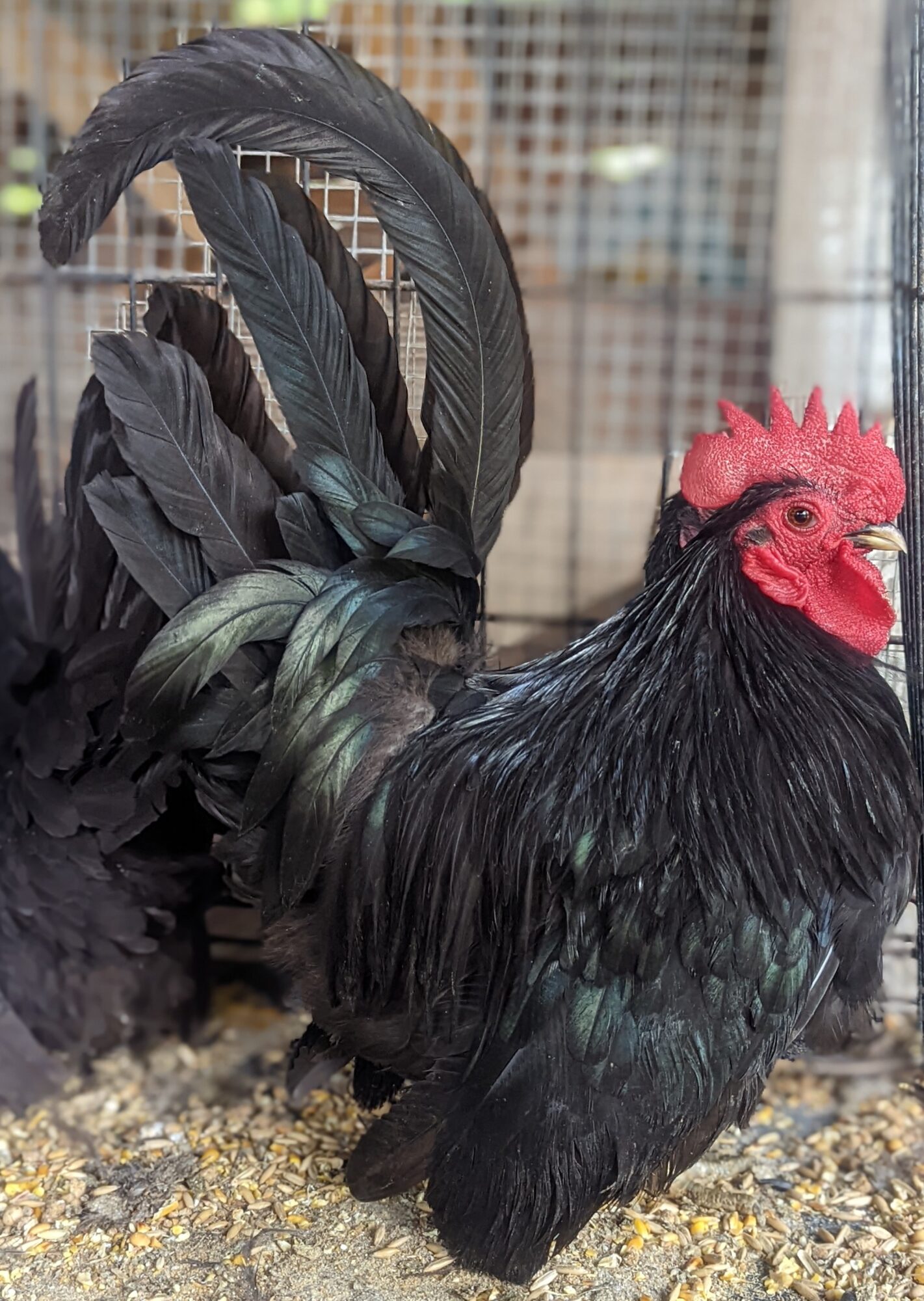
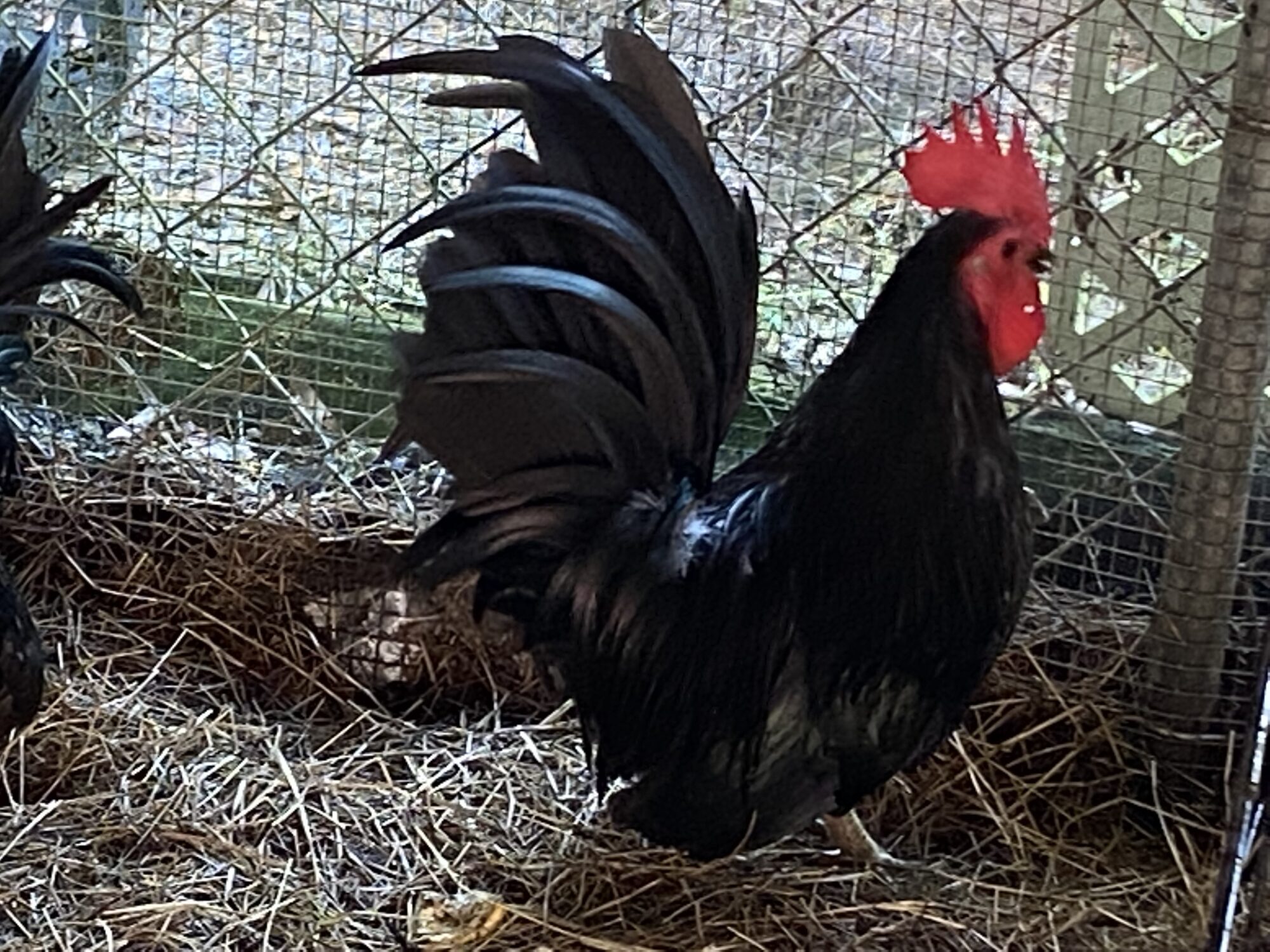
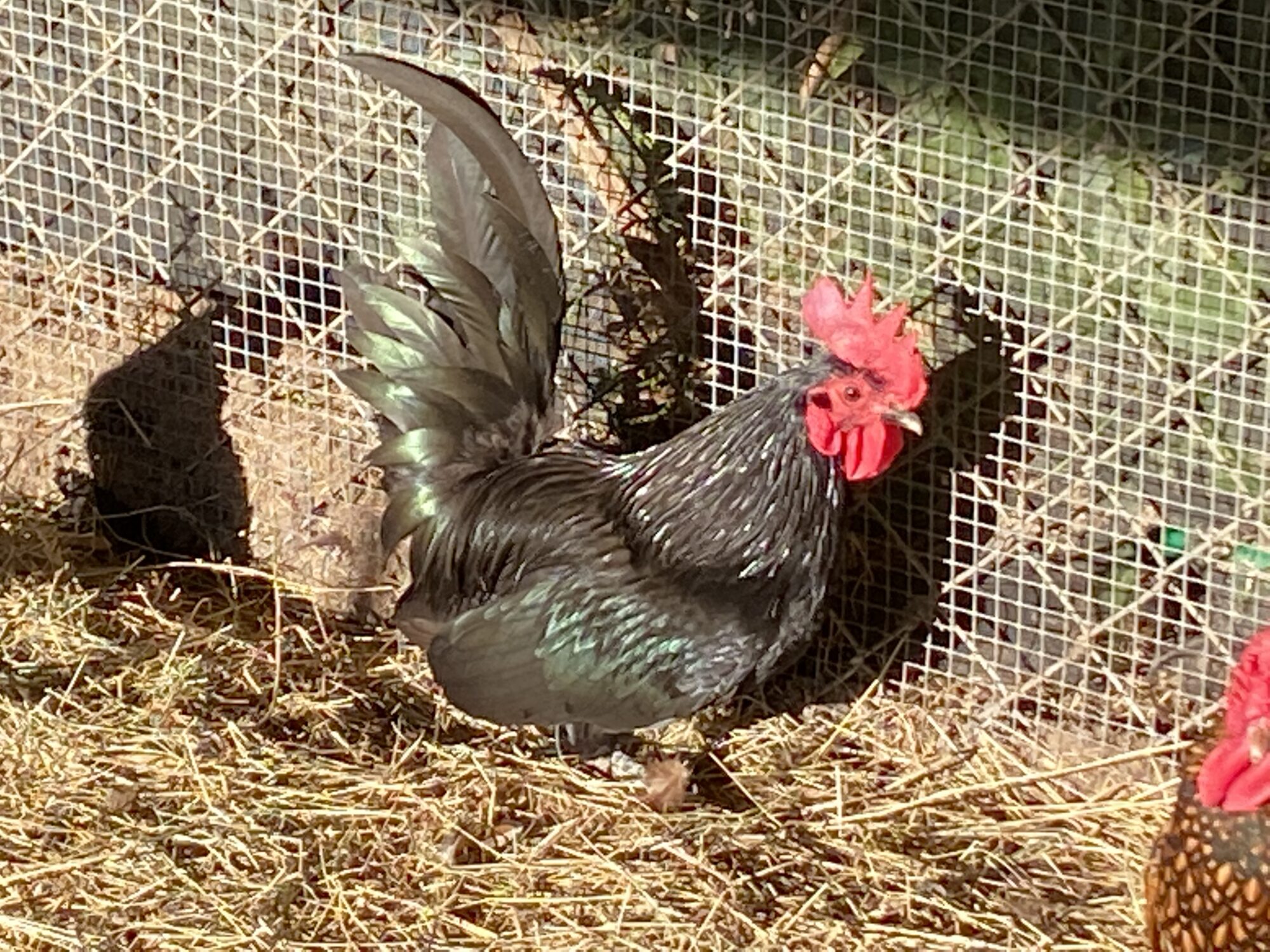
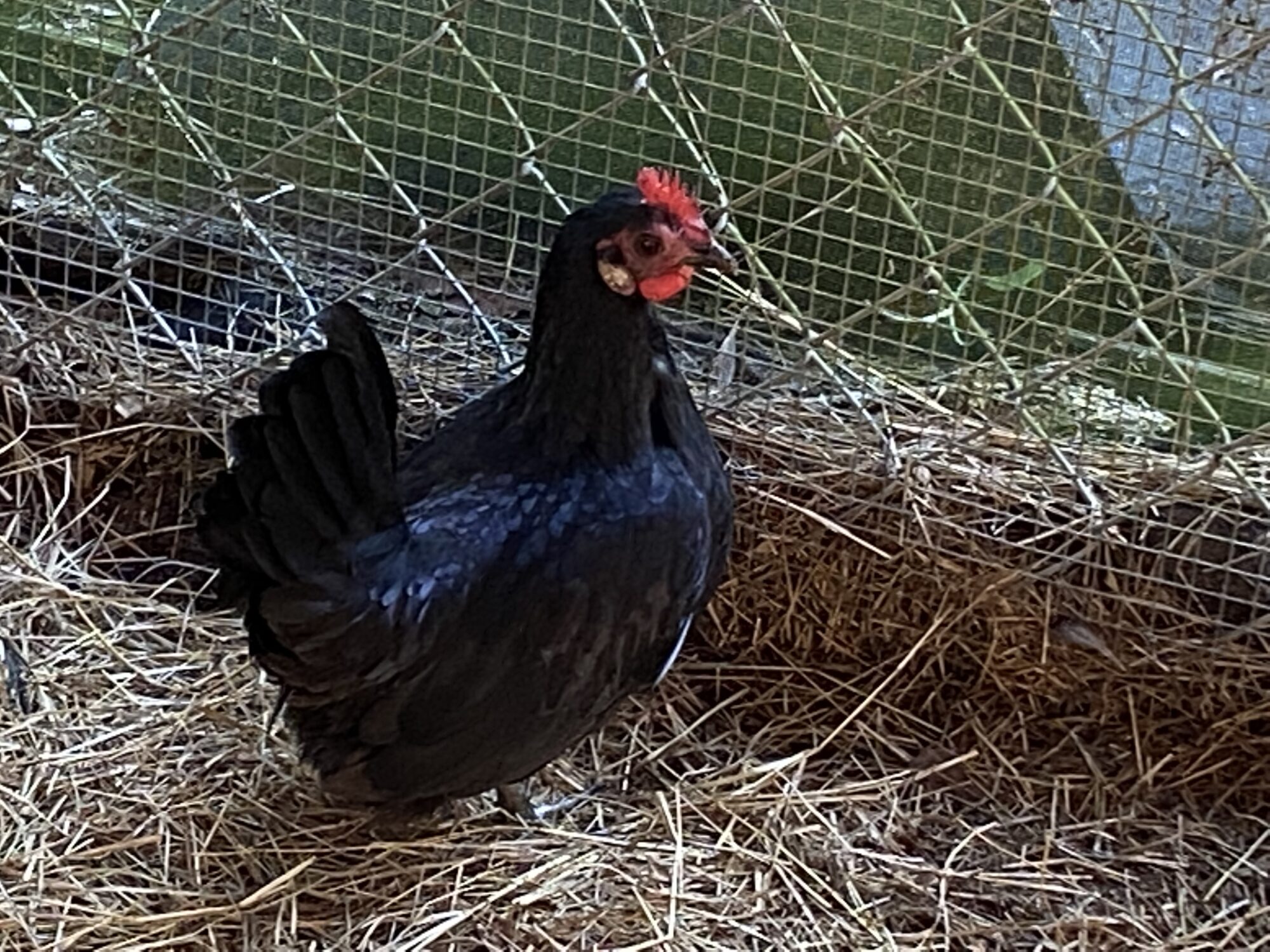
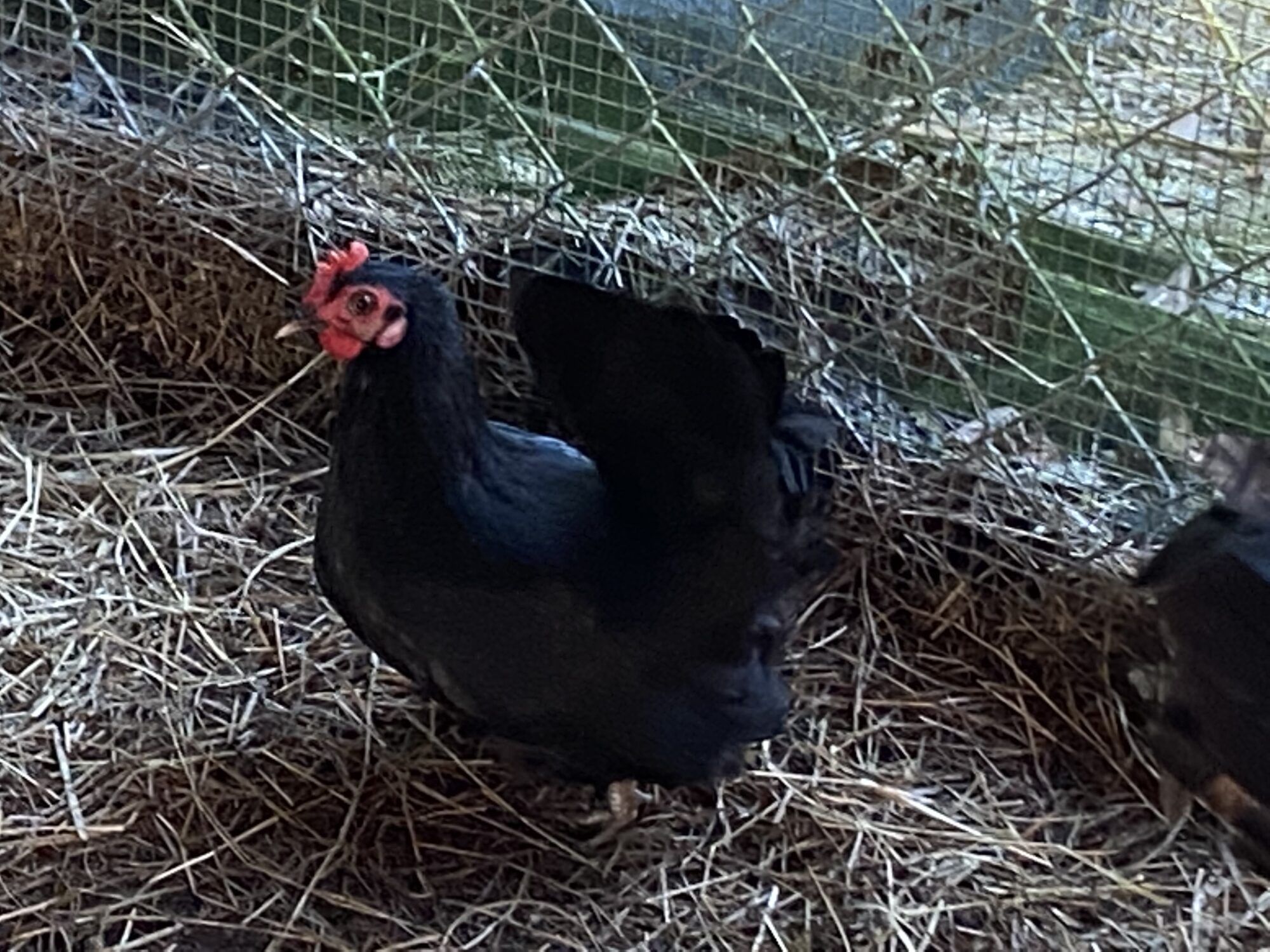
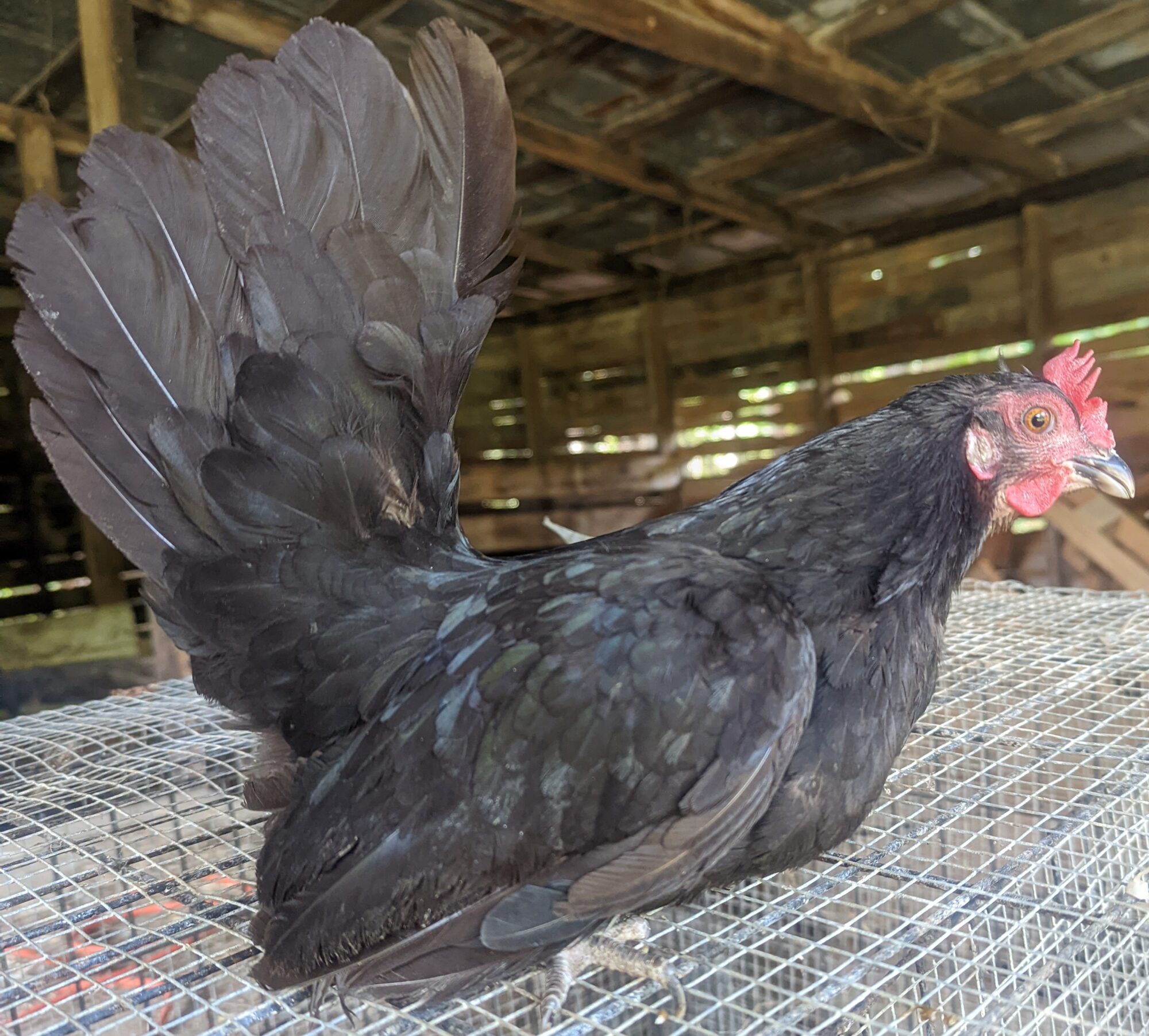
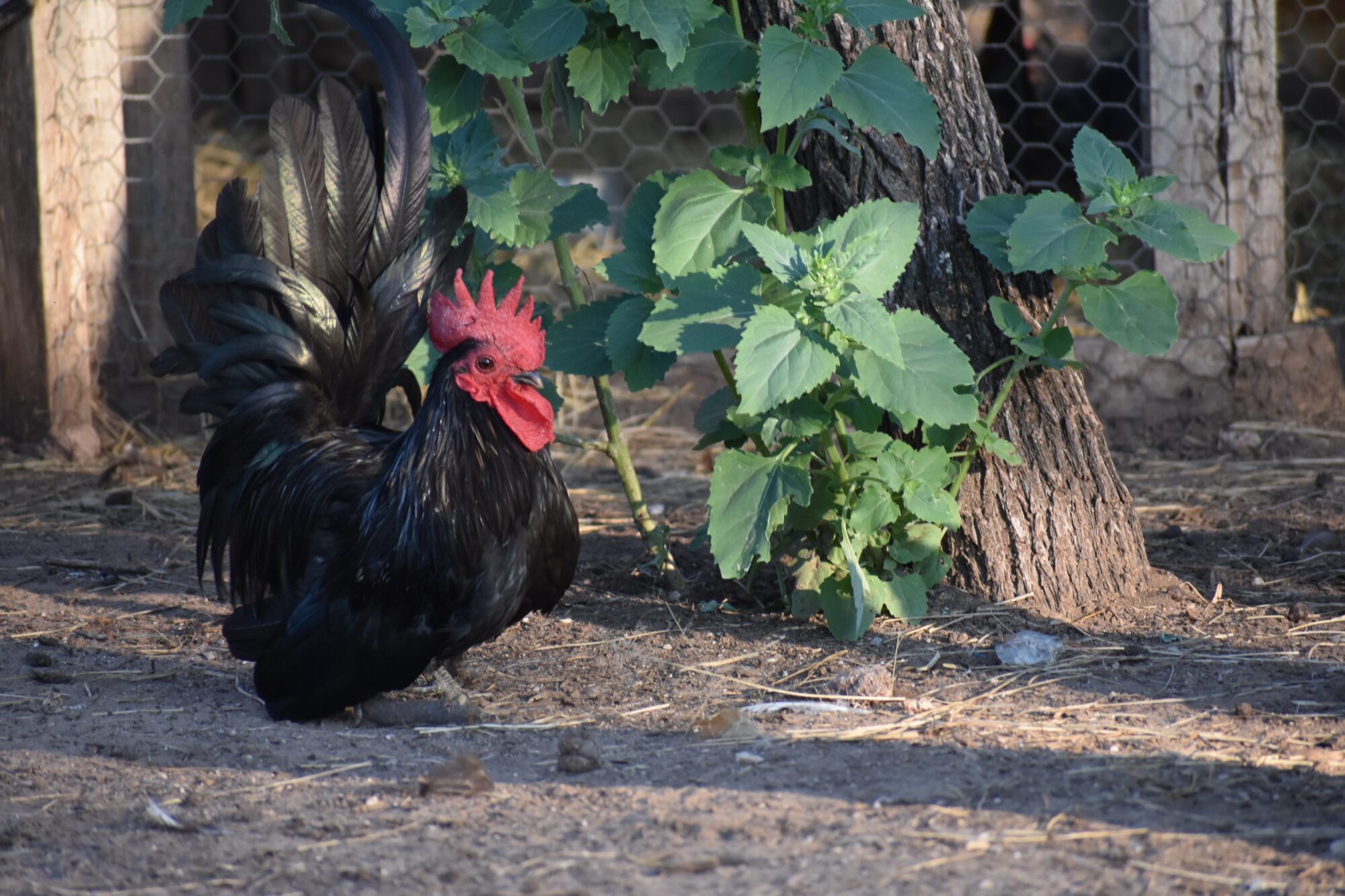
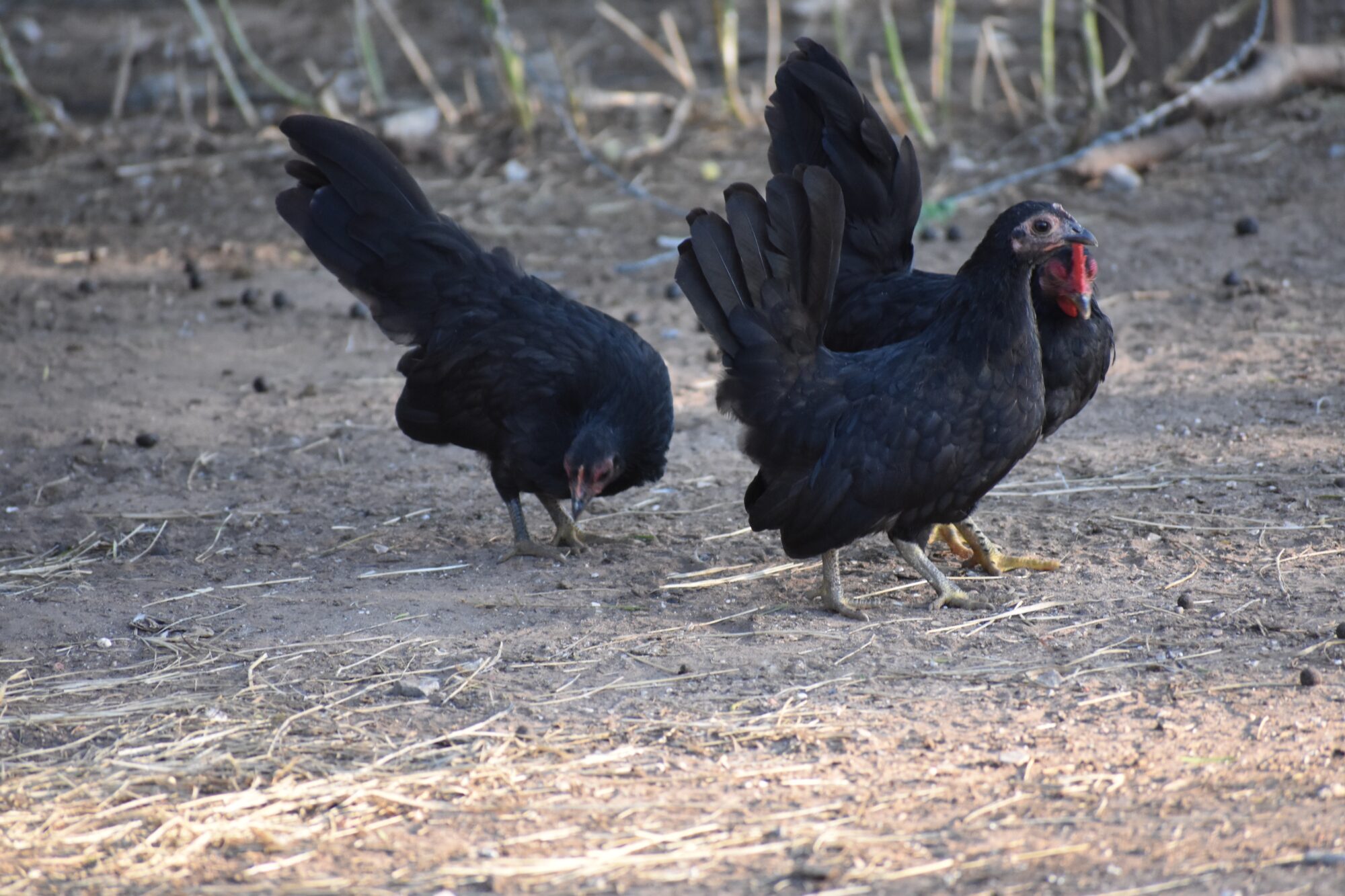
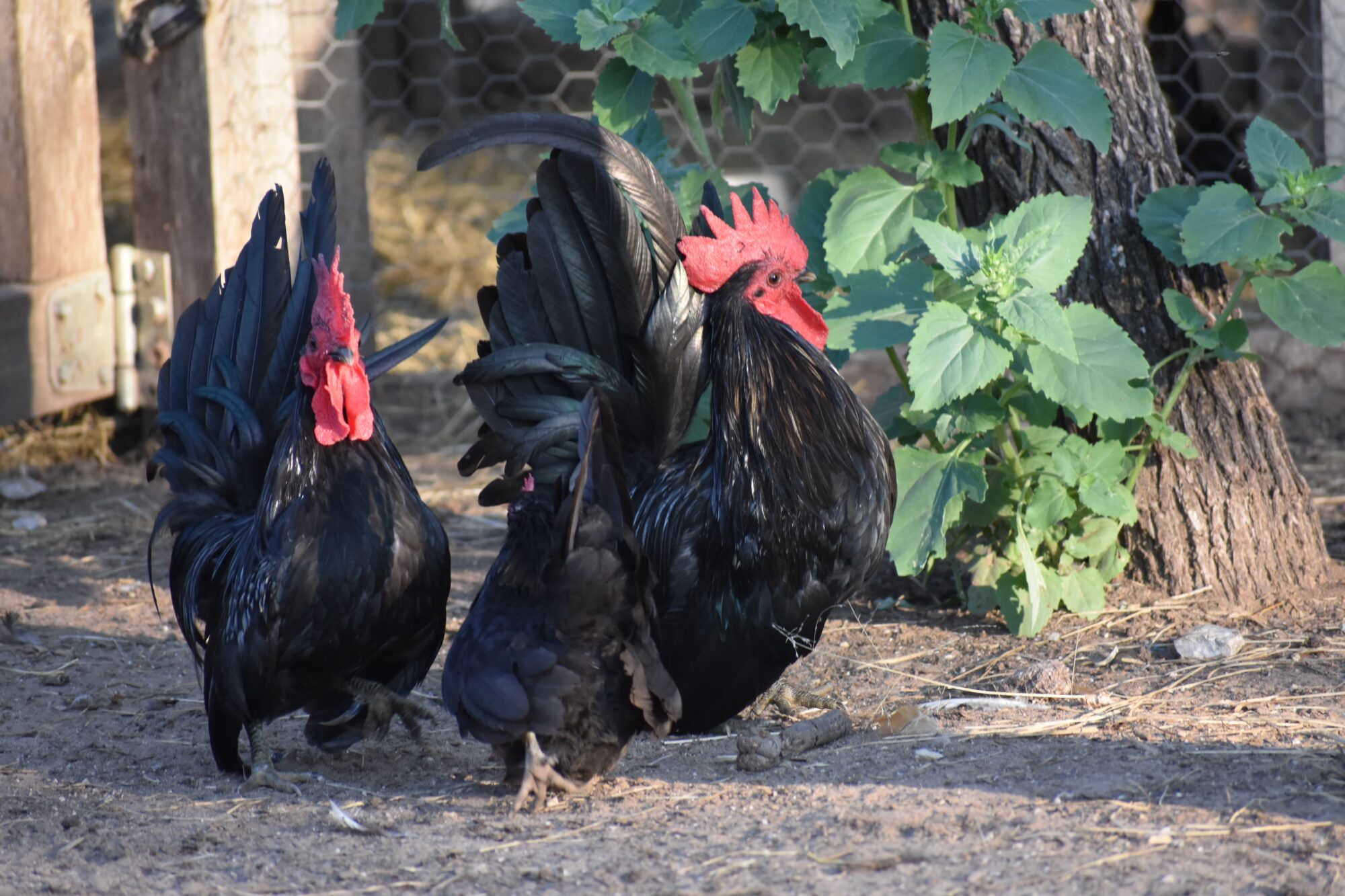
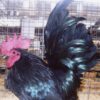
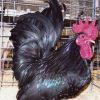
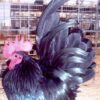
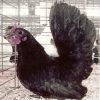
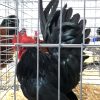
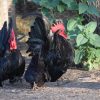
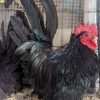
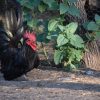
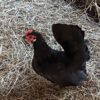
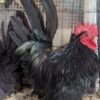
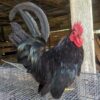
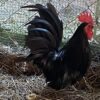
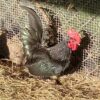
Black Japanese Bantams have all-black feathering, large wings, short legs, and a distinct comb. Their body type is dramatic for such a small bird. They stand low to the ground, yet carry themselves with a proud, upright look.
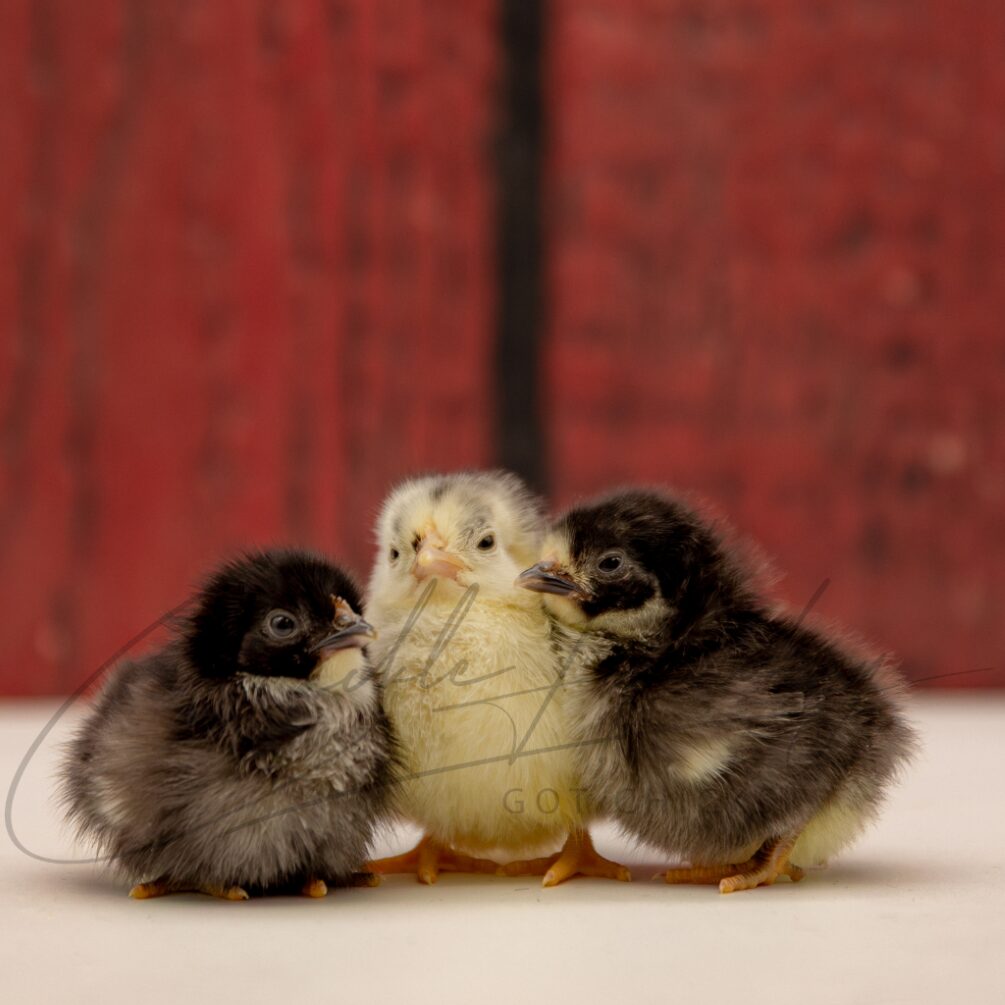
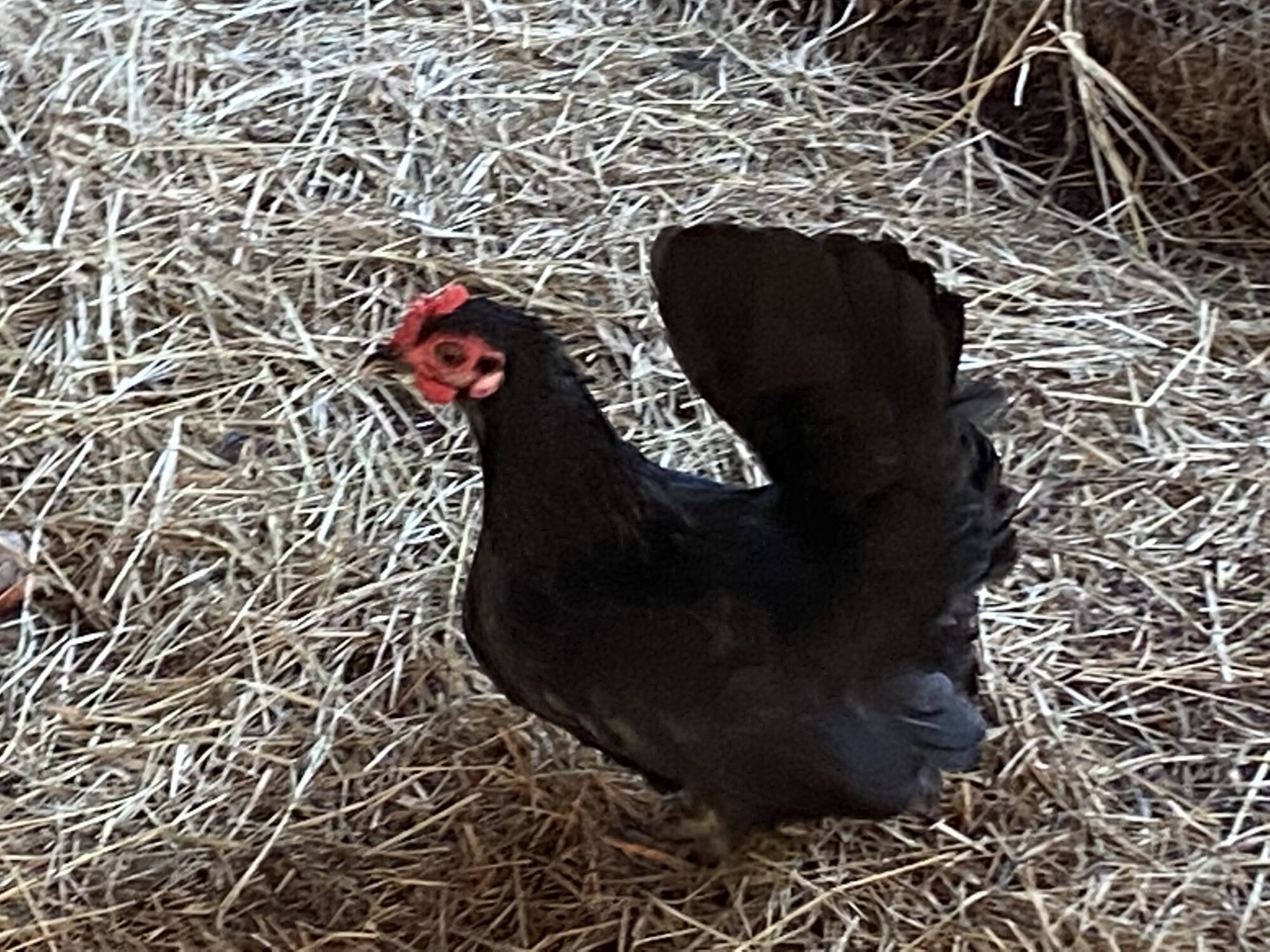
Young birds may show some white feathers during their first and second feathering stages. That is normal. By around 6 months of age, they should mature into solid black adult plumage.
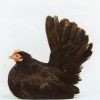
The breed’s short legs and large upright tail create the classic Japanese Bantam outline. The Livestock Conservancy notes that Japanese Bantams have larger heads, combs, and wattles in proportion to their size than many other bantams, and that their tiny legs and large tails give them a dramatic visual effect.
Black Japanese Bantam vs Black Tailed White Japanese Bantam
Black Japanese Bantams and Black Tailed White Japanese Bantams belong to the same true bantam breed family. The main difference is feather color.
Choose Black Japanese Bantams if you want a solid black ornamental bantam. Choose Black Tailed White Japanese Bantams if you prefer a mostly white bird with a contrasting black tail. Cackle lists Black Tailed White Japanese Bantams as baby chicks only, with no sexing available, and seasonal shipping from early February through mid-August.
Both varieties are small, ornamental, and showy. Your choice mostly comes down to color preference and availability.
True Bantam vs Miniature Bantam
The Black Japanese Bantam is a true bantam, not a miniature version of a standard-size breed. That means there is no large-fowl Japanese Bantam.
This makes Japanese Bantams different from breeds such as Cochin Bantams, Wyandotte Bantams, or Barred Rock Bantams, which have standard-size counterparts. With Japanese Bantams, the small size is the breed.
For customers with limited space, that can be a real advantage. However, small size also means extra care with predators, cold drafts, and rough flockmates.
The Lethal Creeper Gene in Japanese Bantams
Japanese Bantams are famous for their very short legs, but that trait comes with an important breeding note. Cackle Hatchery’s Gail Damerow article explains that exhibition Japanese Bantams must have short legs according to the Standard of Perfection, and that this trait is linked to the dominant lethal creeper gene, shown as Cp. The gene can cause some embryos to die during incubation, which reduces hatch rates.
This mostly matters if you plan to breed or hatch Japanese Bantams. The short-legged look is part of the breed’s charm, but breeders need to understand the genetics behind it. For a deeper explanation, read Cackle’s blog The Lethal Creeper Gene in Japanese Bantams.
Egg Production and Utility
Black Japanese Bantams are ornamental and exhibition birds first. They may lay small bantam eggs, but they are not production layers and should not be chosen for a full egg basket.
Their value comes from appearance, small size, show potential, and pet quality. They can make delightful backyard birds for customers who want beauty and personality more than egg volume.
Because they are very small, they are not meat birds. Choose them for pets, showing, ornamental flocks, and the joy of keeping a true bantam breed.
Temperament and Suitability
Black Japanese Bantams are generally well-behaved and can make good pets. They are not known as aggressive birds, and their small size makes them appealing for hobby flocks and show projects.
They can tolerate confinement, which helps in smaller backyard setups. At the same time, they are active little birds and may enjoy moving around, scratching, and exploring.
Because of their size, give them secure housing and careful predator protection. Hawks, cats, raccoons, and other predators can be a bigger risk for bantams than for larger chickens. Also, avoid housing them with large or pushy breeds that may bully or injure them.
Is the Black Japanese Bantam Right for Your Flock?
Choose Black Japanese Bantams if you want:
A true bantam breed
A small ornamental chicken
A show-quality bantam option
Glossy black feathering
Short legs and large wings
A proud, upright flock bird
A pet-friendly miniature chicken
A breed with no standard-size version
A Japanese Bantam assortment option to compare
A bird for exhibition or backyard enjoyment
Overall, this is a great choice if you want a small, striking, ornamental chicken with plenty of character. While Black Japanese Bantams are not the right bird for egg production or meat, they are excellent for customers who enjoy true bantams, show birds, and unique backyard poultry.
If you are still comparing bantams, browse Cackle Hatchery’s bantam chickens category or use the Chicken Breed Selector.
Breed History and Preservation
Japanese Bantams have a long history as ornamental chickens. In Japan, the breed is known as Chabo and was kept as a living garden ornament. The Livestock Conservancy notes that the name Chabo comes from words meaning South China, and that the birds were passed down in families from generation to generation.
The breed later spread beyond Japan and became popular with poultry fanciers because of its short legs, large tail, and dramatic shape. Today, Japanese Bantams remain a specialty breed for customers who enjoy ornamental and exhibition poultry.
The short-legged type also makes the breed genetically unique. Because of the creeper gene, breeders must understand why hatch rates may be lower when working with Japanese Bantams. Cackle’s creeper gene article is a useful resource for customers who want to breed them responsibly.
Recognition and Availability
Japanese Bantams are recognized exhibition bantams, and Black is one of the classic color varieties. Cackle Hatchery® offers Black Japanese Bantams as baby chicks when available.
You may also want to compare Japanese Bantam Assortment Special if you enjoy Japanese Bantams and do not need one exact color variety. Assortment specials are hatchery choice and may include multiple Japanese Bantam colors depending on availability.
Before you plan your order, check the Availability Chart for current hatch and shipping options. Cackle’s availability chart helps customers see which breeds are hatching and when chicks may ship.
Related Breeds and Helpful Cackle Hatchery® Resources
If you like Black Japanese Bantams, you may also want to compare Black Tailed White Japanese Bantams, Japanese Bantam Assortment Special, Sebright Bantams, Rosecomb Bantams, and other bantam chickens.
For breeding information, link to The Lethal Creeper Gene in Japanese Bantams. For broader browsing, use baby chicks for sale, rare chicken breeds, and the Chicken Breed Selector.
FAQ: Black Japanese Bantam Chicken
What is a Black Japanese Bantam chicken?
A Black Japanese Bantam is a true bantam chicken with black feathering, short legs, large wings, and a proud ornamental look. Customers often choose it for showing, pets, or backyard enjoyment.
Is the Black Japanese Bantam a true bantam?
Yes. Japanese Bantams are true bantams, which means they do not have a standard-size large-fowl version.
What do Black Japanese Bantams look like?
These bantams have black plumage, short legs, large wings, and a distinct comb. Their low body and upright tail give them a dramatic show-bird shape.
Are Black Japanese Bantams good show birds?
Yes. Japanese Bantams are popular exhibition birds because of their short legs, large tails, and proud carriage.
Are Black Japanese Bantams good pets?
Yes. They can make good pets for customers who want a small, well-behaved ornamental chicken.
Are Black Japanese Bantams aggressive?
No, they are not known for being aggressive. Even so, individual temperament can vary, and gentle handling helps.
Are Black Japanese Bantams good egg layers?
No. They may lay small bantam eggs, but they are ornamental birds first and should not be chosen for heavy egg production.
What color eggs do Black Japanese Bantams lay?
They lay small bantam eggs. Customers usually choose them for beauty, small size, and show appeal rather than egg production.
Are Black Japanese Bantams good for meat?
No. They are very small and are best kept as ornamental or exhibition bantams.
Can Black Japanese Bantams fly?
They can be active and may enjoy moving around, but their very short legs and ornamental body type make secure, low-stress housing important.
Do Black Japanese Bantams tolerate confinement?
Yes. They can tolerate confinement, which helps in small backyard or exhibition setups. However, they still need clean bedding, fresh water, good feed, and room to move.
Why do young Black Japanese Bantams have white feathers?
Some young birds may show white feathers during their first and second feathering stages. By around 6 months, they should mature into solid black adult plumage.
What is the lethal creeper gene in Japanese Bantams?
The creeper gene helps create the breed’s short-legged look. However, Cackle’s Gail Damerow article explains that it can also cause some embryos to die during incubation, reducing hatch rates.
Should beginners worry about the creeper gene?
Customers buying chicks do not need to manage the genetics directly. However, anyone planning to breed or hatch Japanese Bantams should understand the creeper gene before starting.
Can Black Japanese Bantams come in a Japanese Bantam Assortment?
Yes. Japanese Bantam Assortment Specials may include Black Japanese Bantams, but assortment specials are hatchery choice and do not guarantee a specific color.
Where can I check chick availability?
Check the Availability Chart for current hatch and shipping options.








Cw –
Very Hardy
Chickens arrived earlier than expected, which was great. Very hardy and prolific chickens! In hindsight maybe we should not have ordered so many. They all survived and are very healthy. 7 of the hens all have biddies on the ground. They have been awesome little chickens.
Edsel Michigan May 2015 –
Thanks a Million
I want to thank you for packing my chick order. You did an outstanding job. The chickens came at 8:15 am Wednesday morning in good health. I also would like to thank Tiffany for calling me on my replacement of short legged chicks. Thank again for the wonderful service and i will recommend friends to your hatchery.