Description
Silver Laced Wyandotte Chicken (Exhibition Type)
Breed Overview and Origin
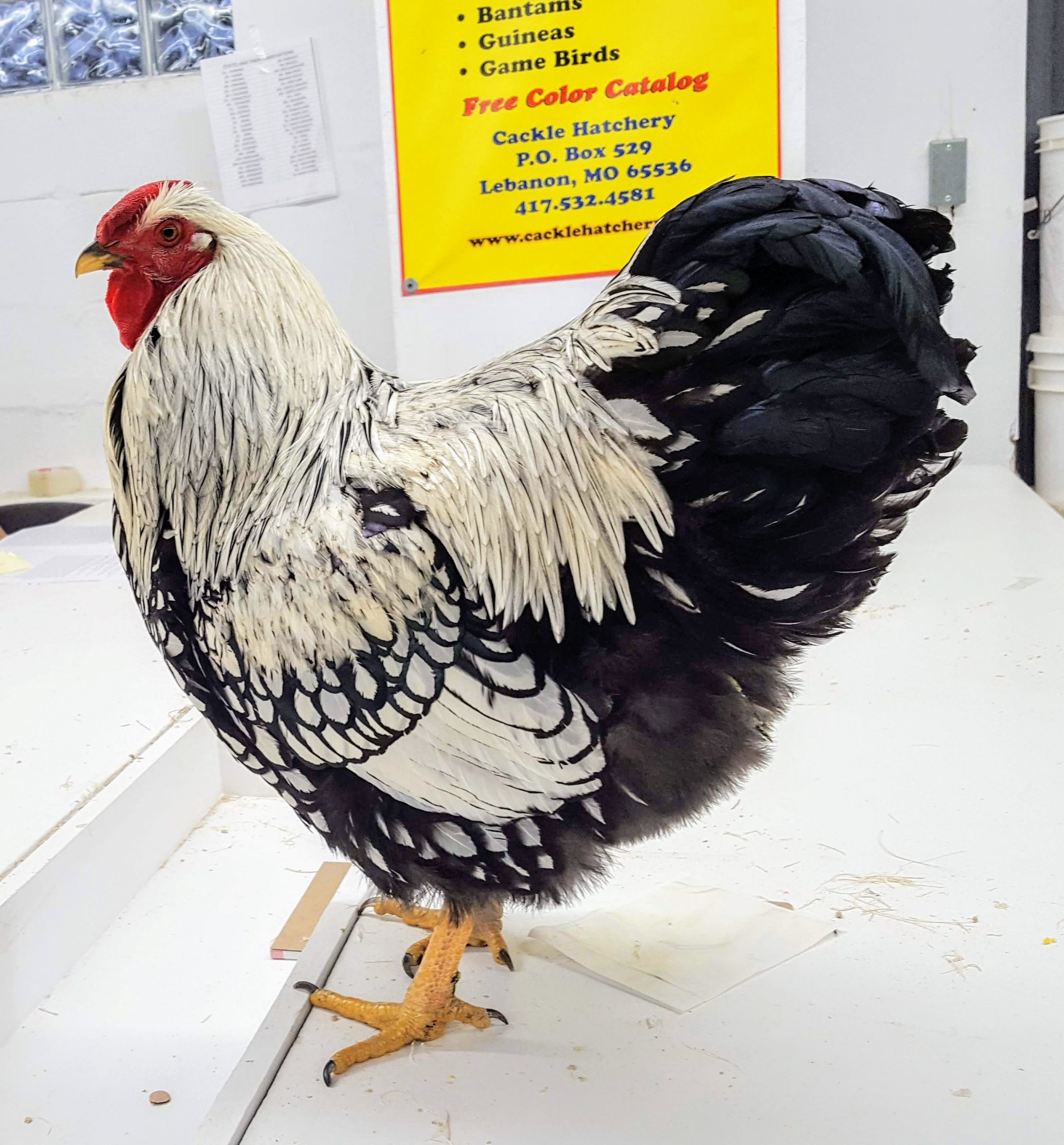
The Silver Laced Wyandotte Chicken, also called the Black Laced Silver Wyandotte by Cackle Hatchery®, is a historic American breed known for black-laced silvery white feathers, docile temperament, rose combs, cold hardiness, brown eggs, and strong exhibition appeal. If you want a beautiful show-type Wyandotte with classic lacing and heritage breed character, this exhibition strain is an excellent choice.
Silver Laced Wyandottes originated in New York State and were admitted to the American Poultry Association Standard of Perfection in 1883. They were the first Wyandotte color variety and became the parent variety for the many Wyandotte colors that followed. The Livestock Conservancy notes that the breed was first known as the American Sebright before being renamed Wyandotte when it entered the APA Standard in 1883.
Cackle Hatchery® uses the more descriptive name Black Laced Silver Wyandotte to help reduce confusion with other Wyandotte colors, especially newer varieties such as Blue Laced Red Wyandottes. Cackle’s Exhibition Type page explains that this strain is bred for feather quality, lacing precision, and body conformation rather than production traits.
Appearance and Characteristics
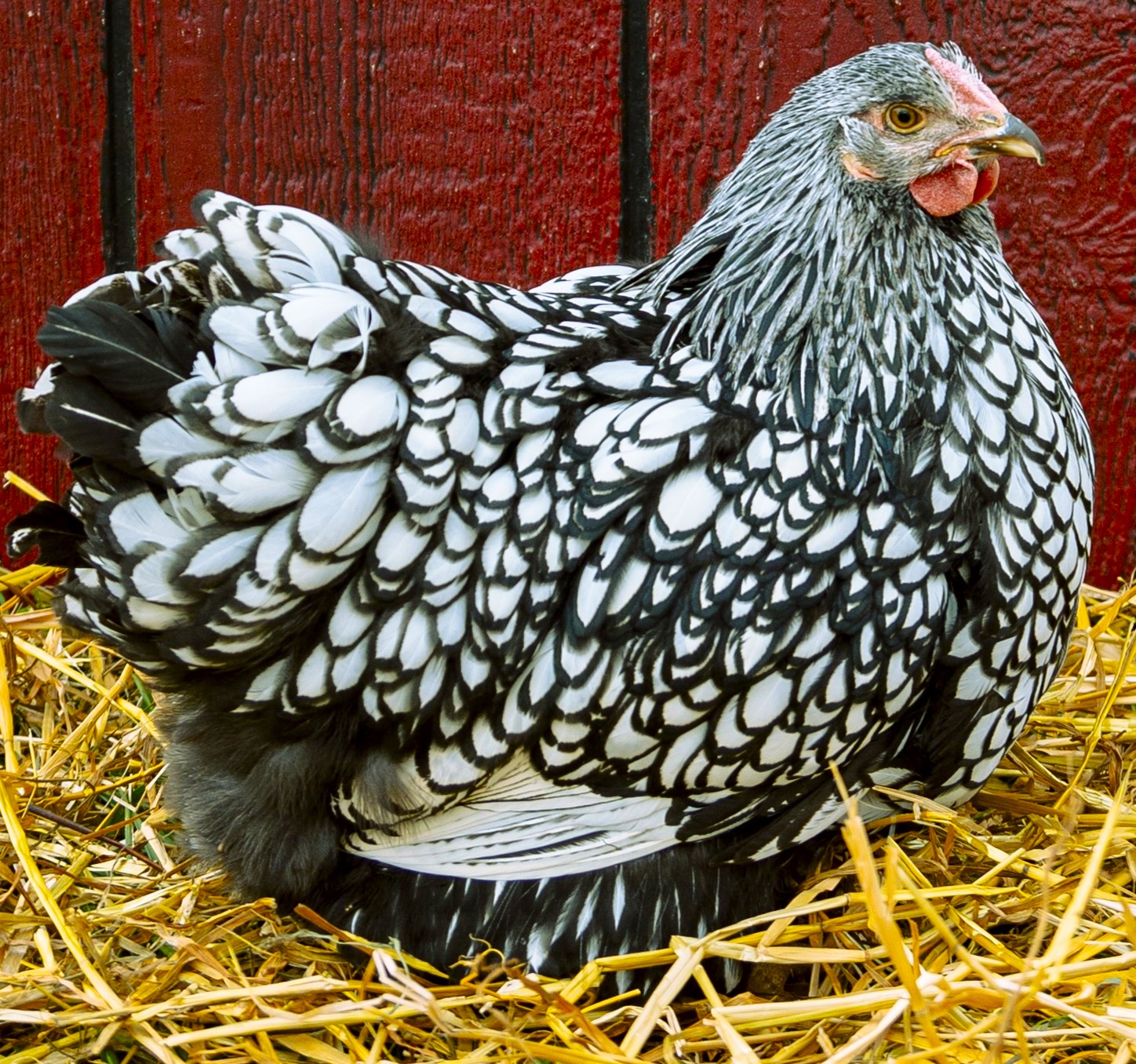
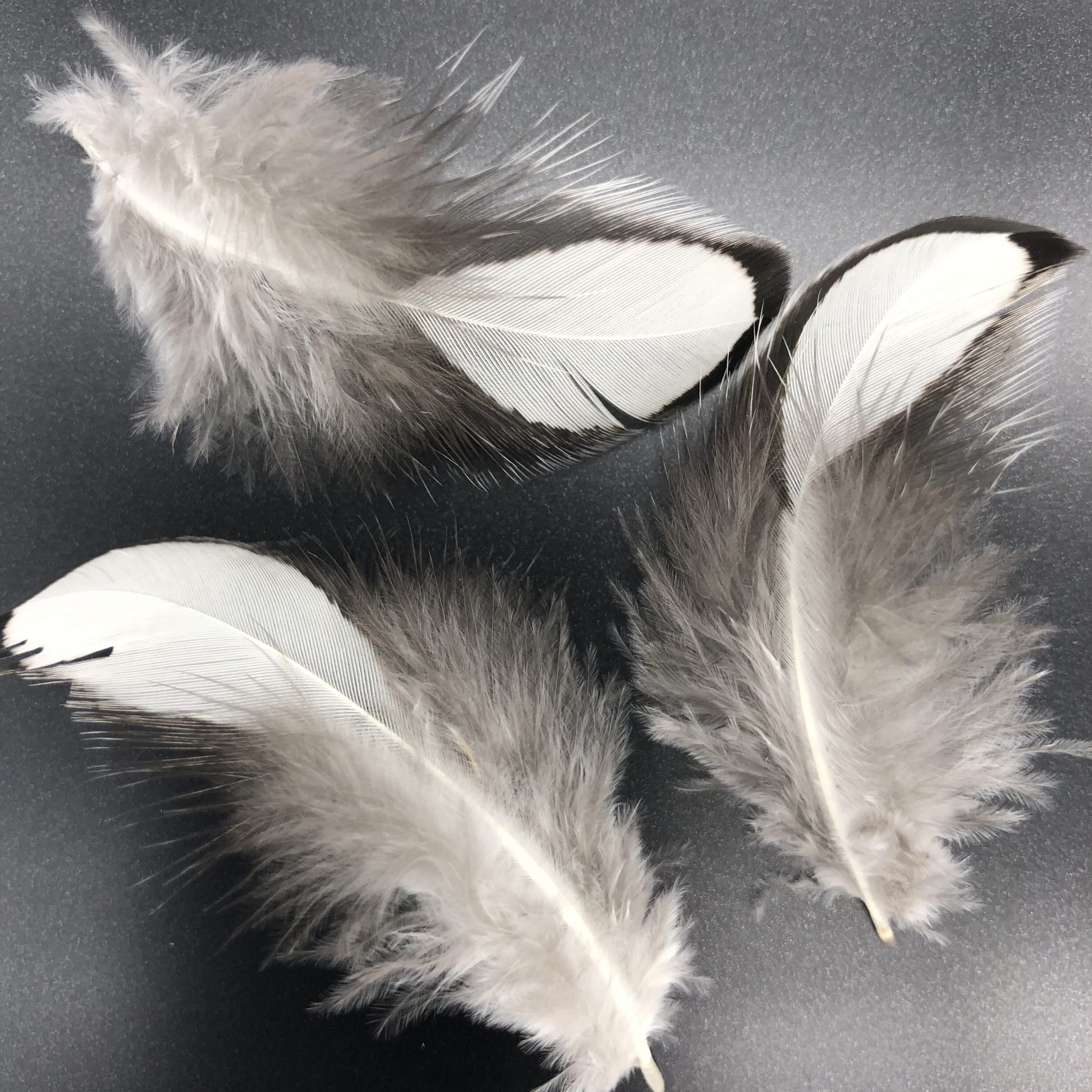
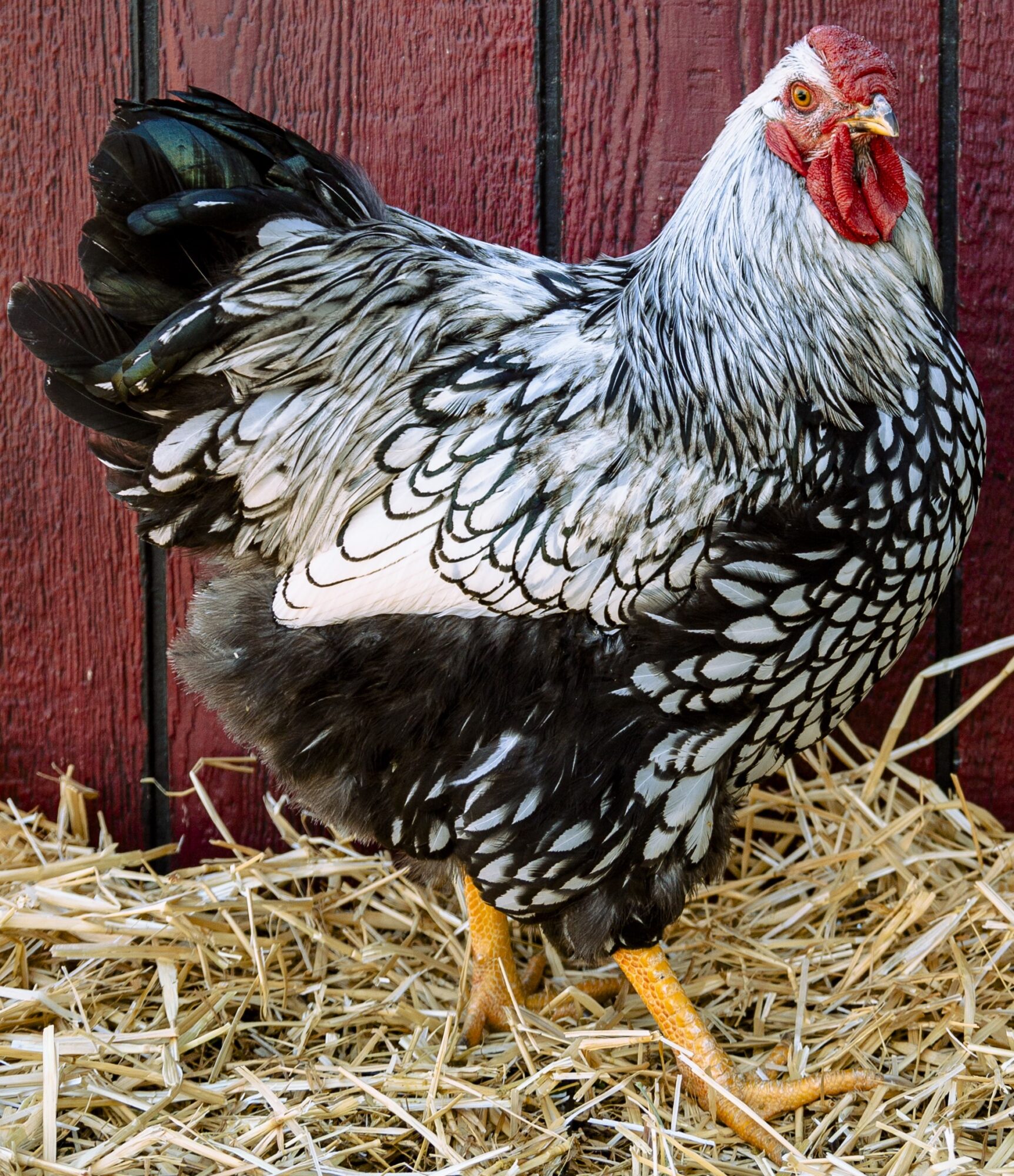
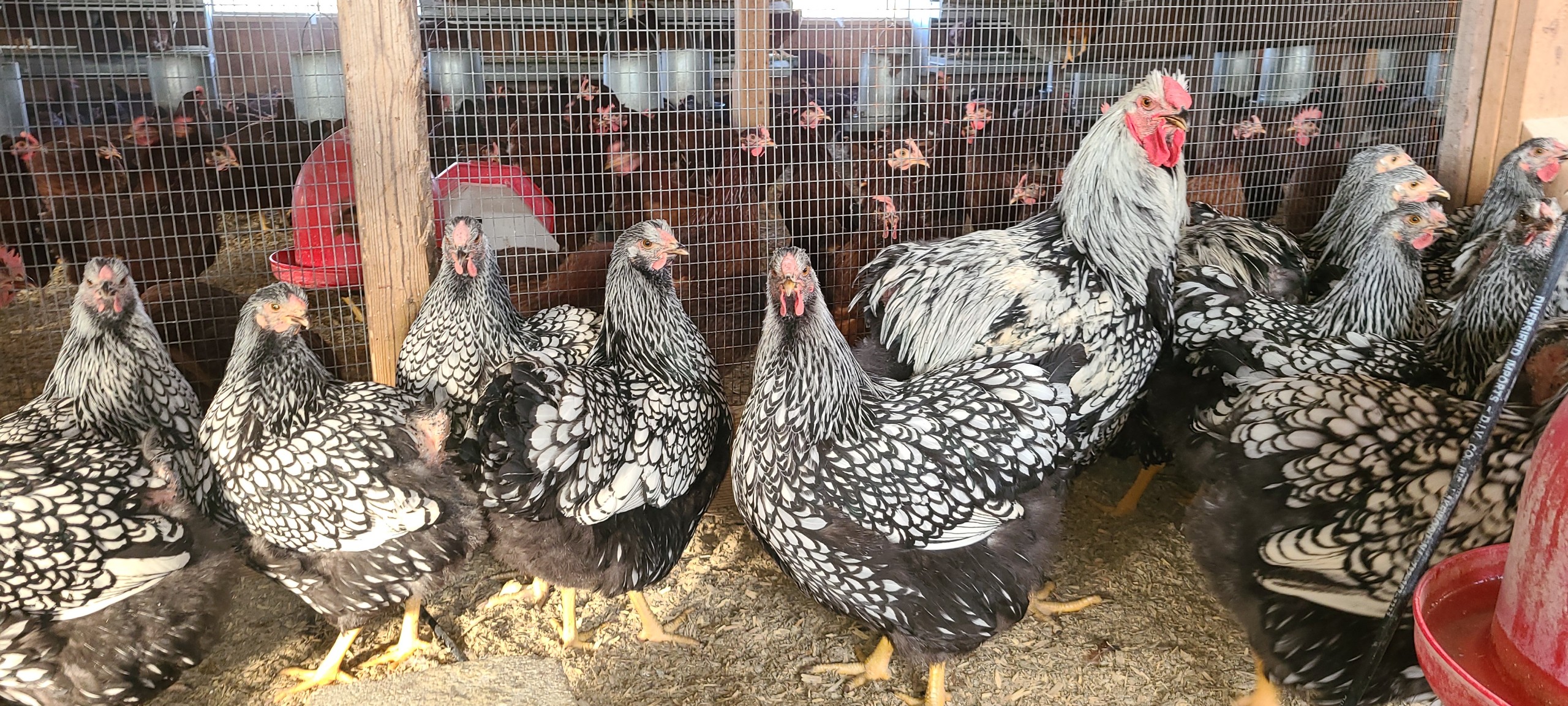
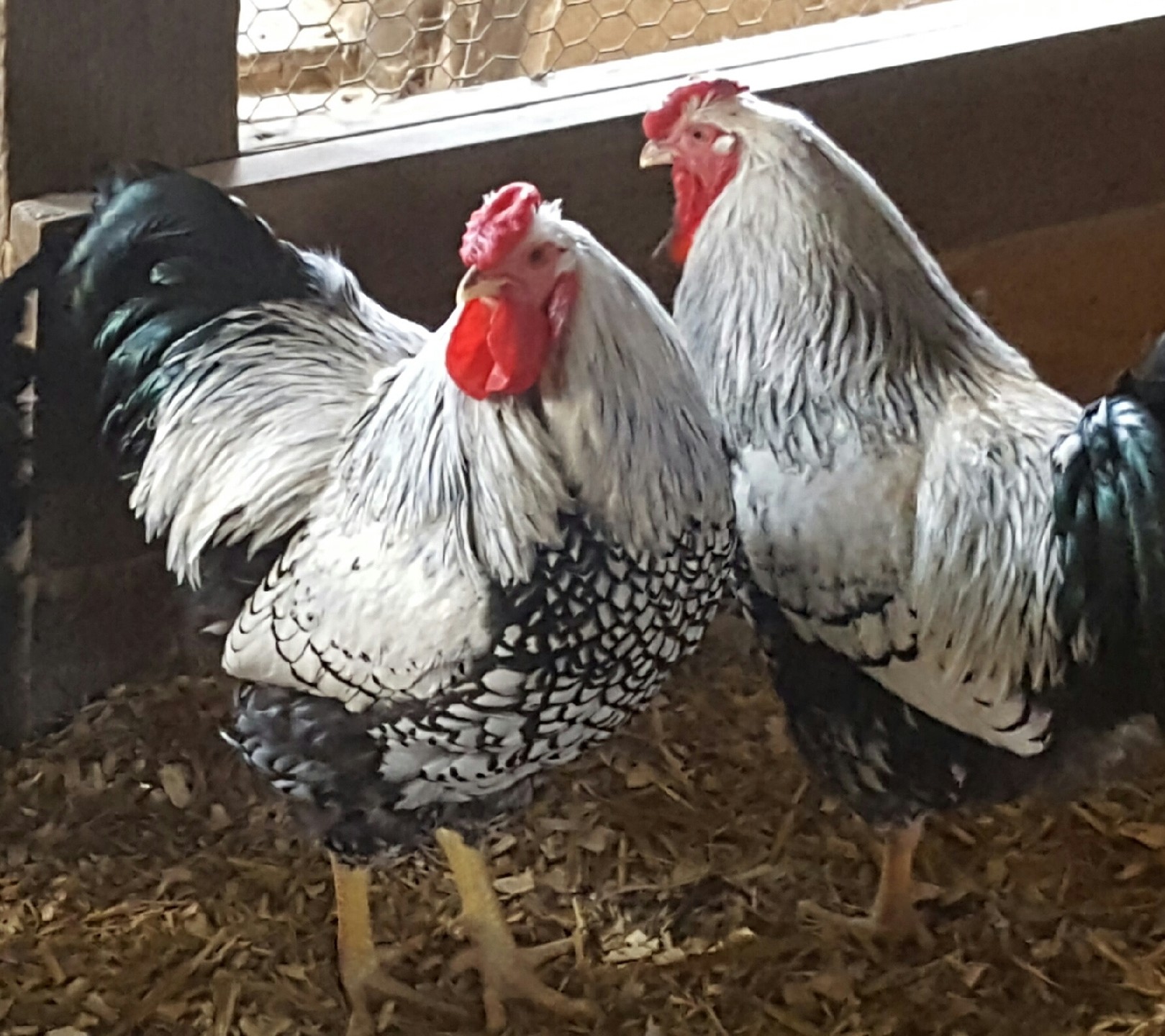
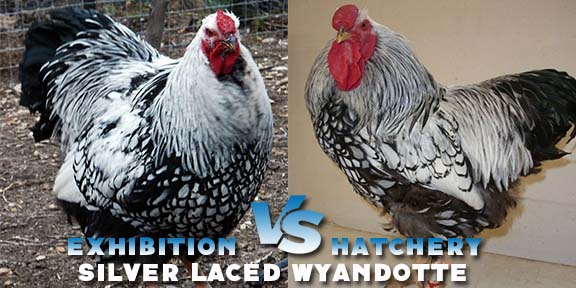
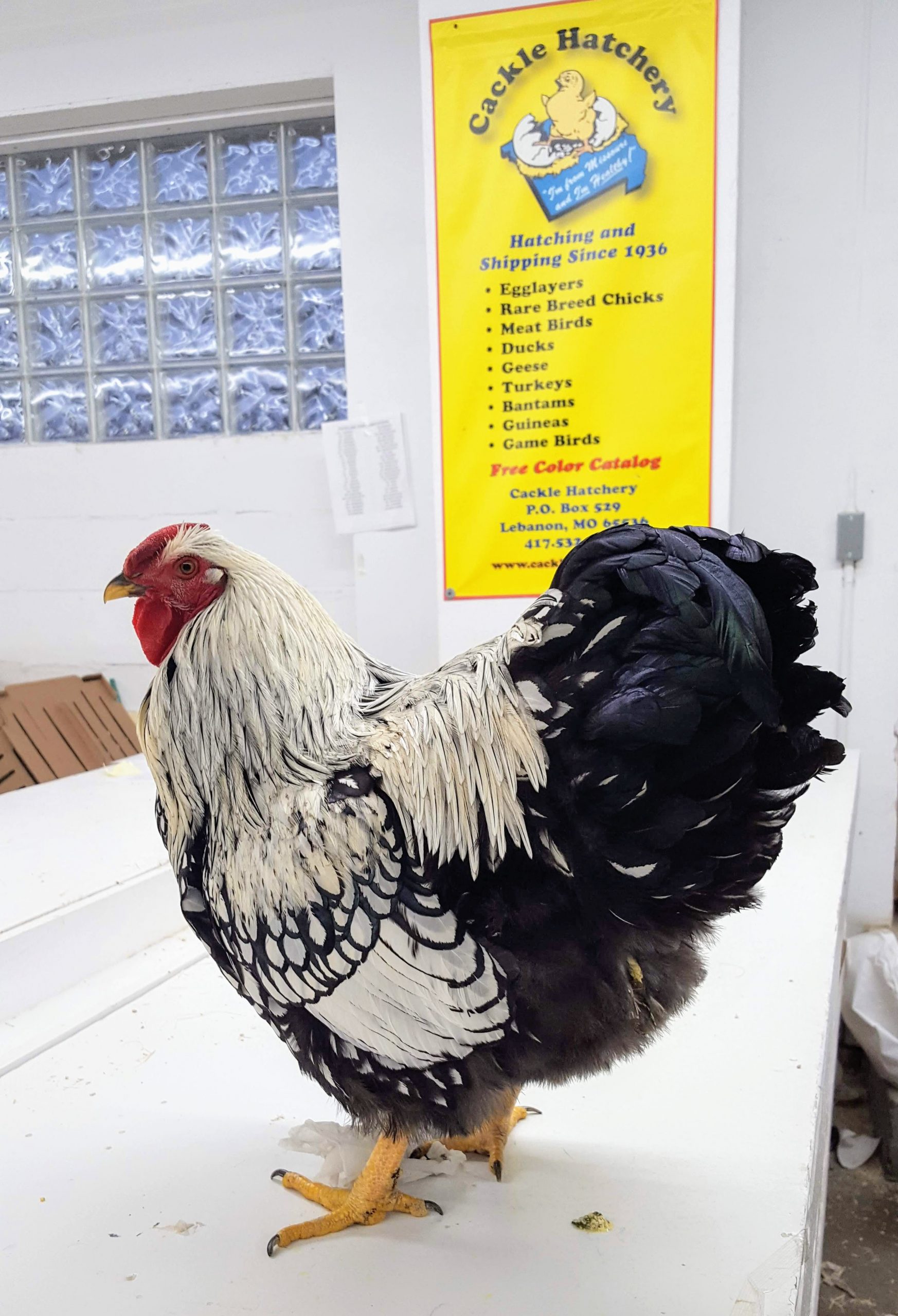
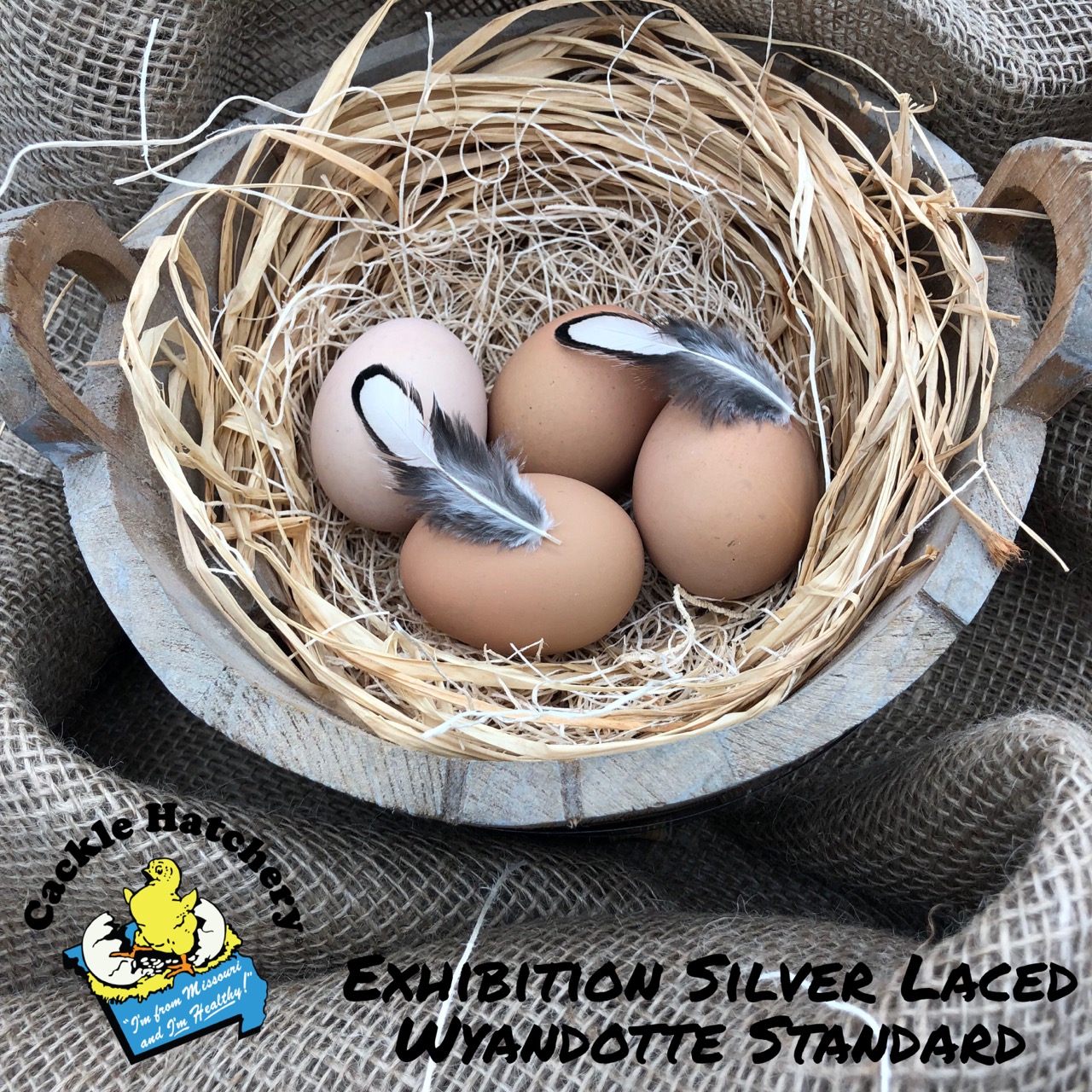
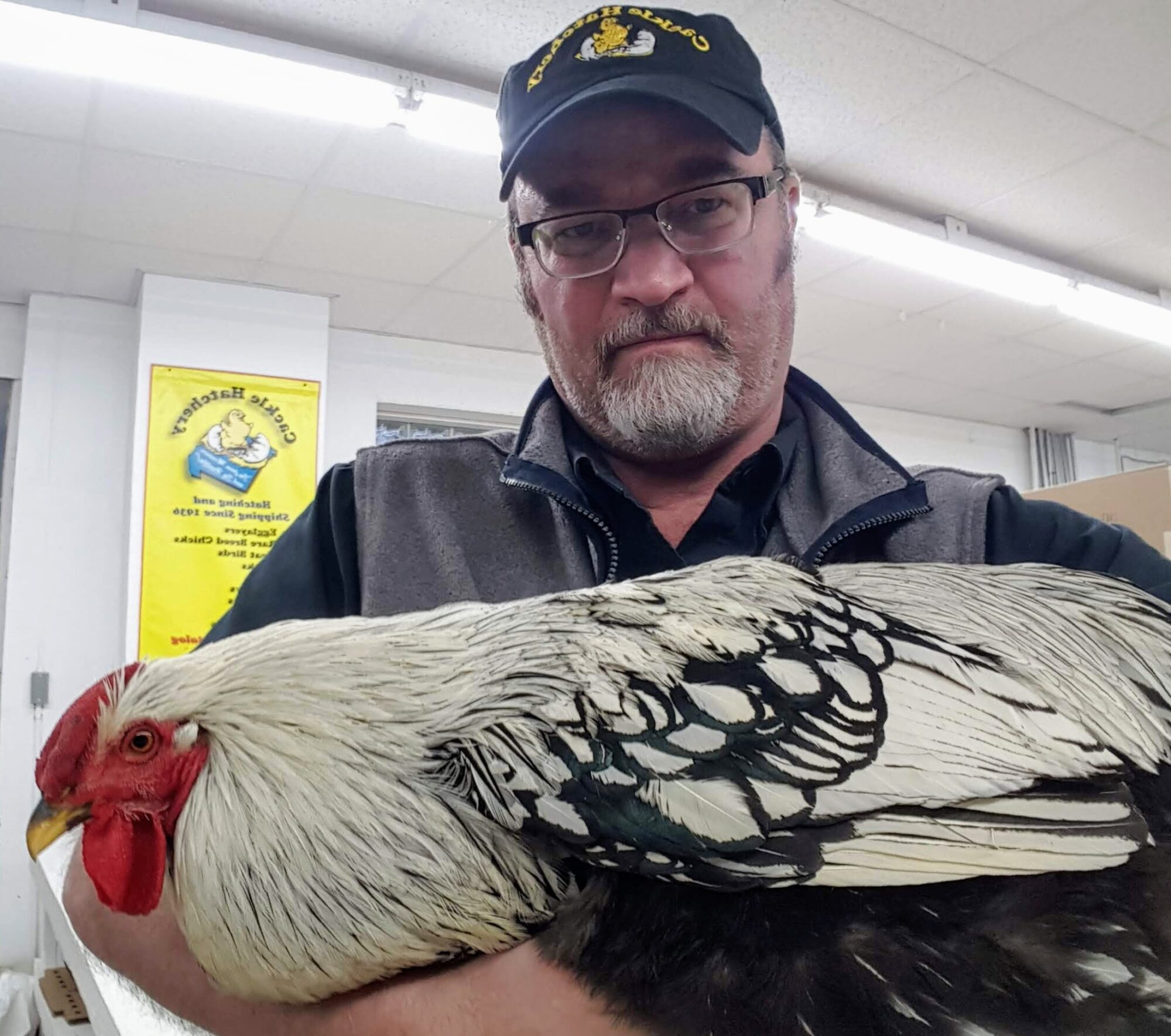
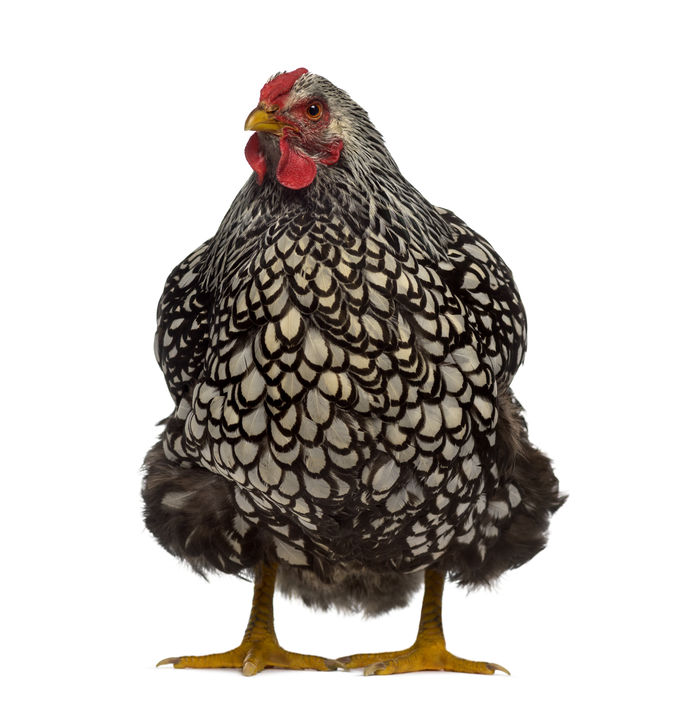
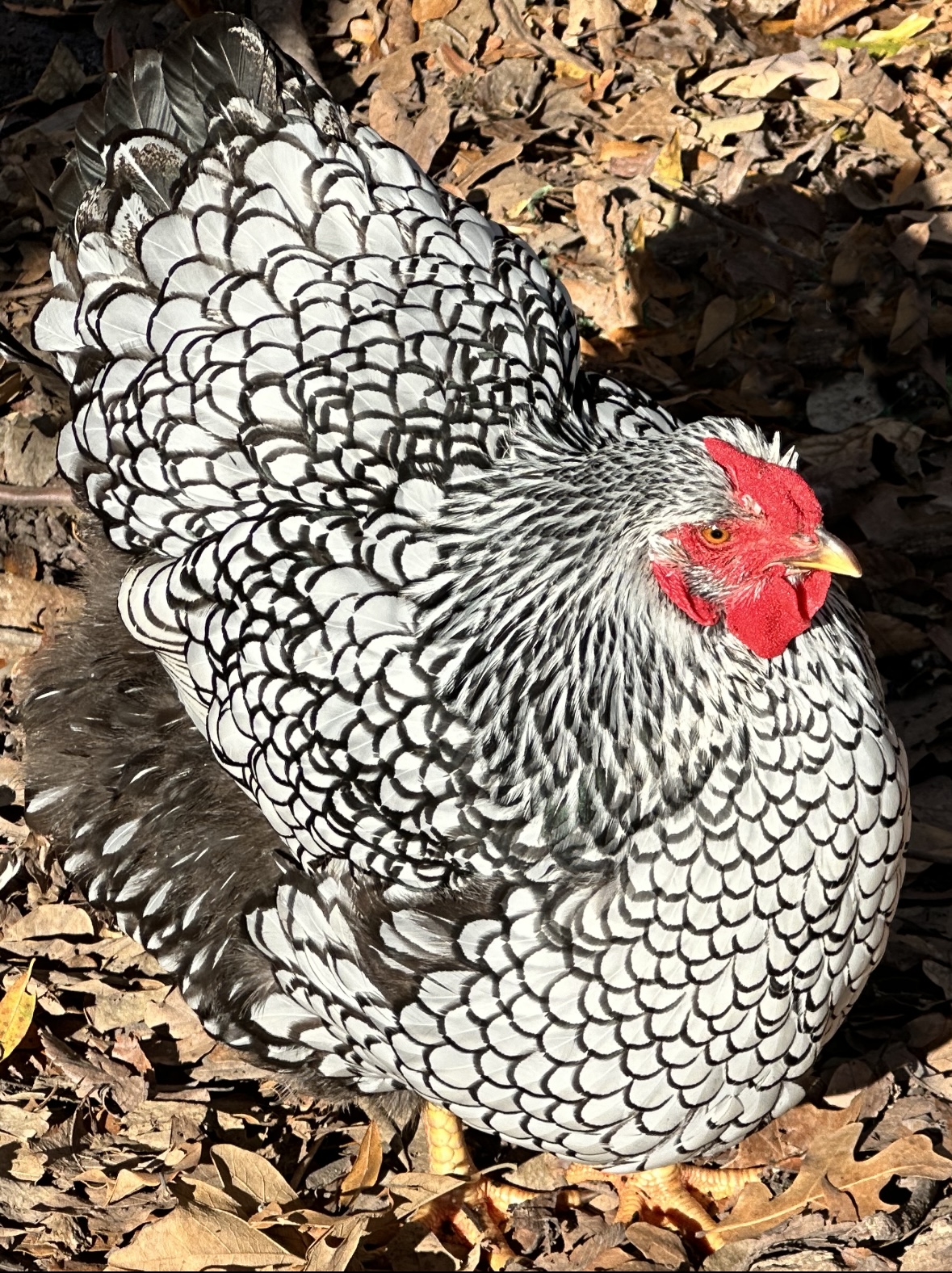
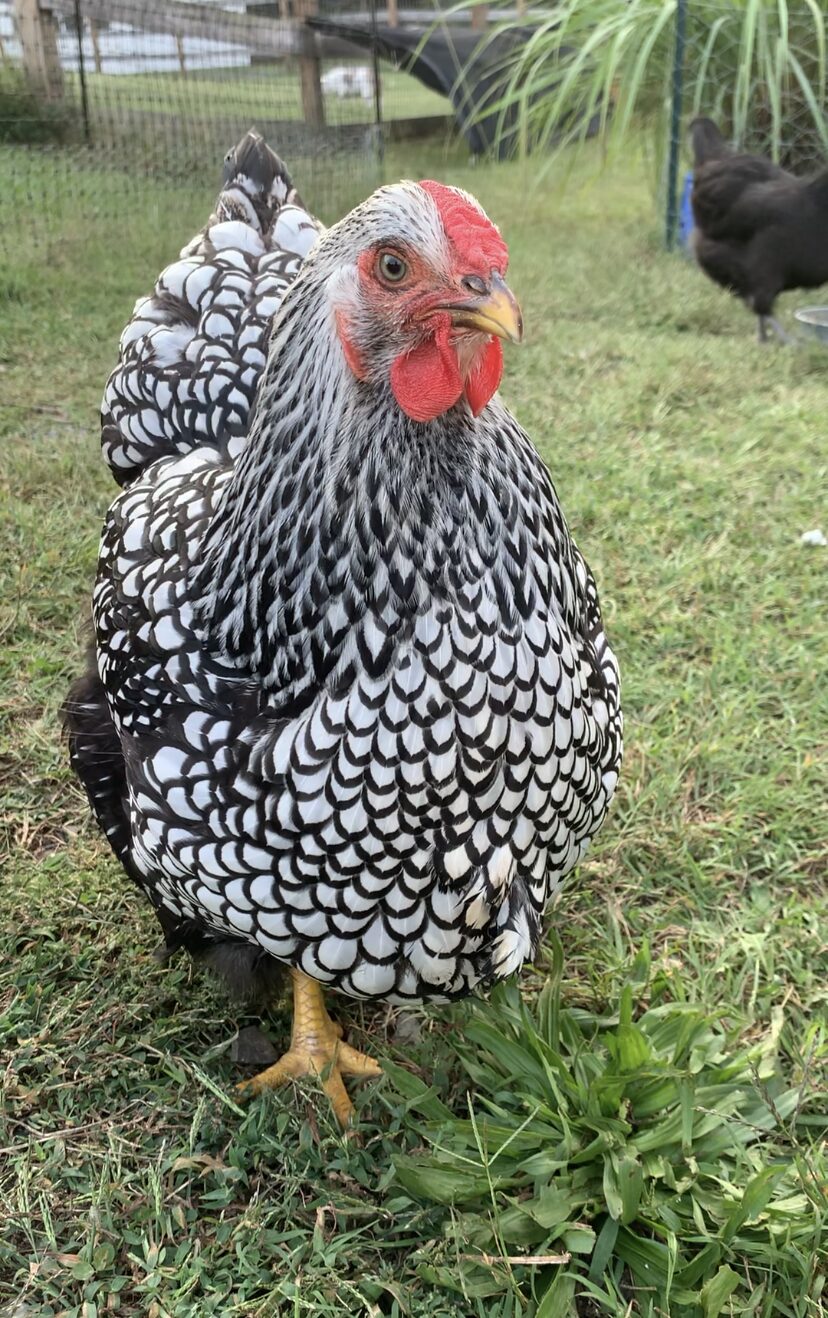
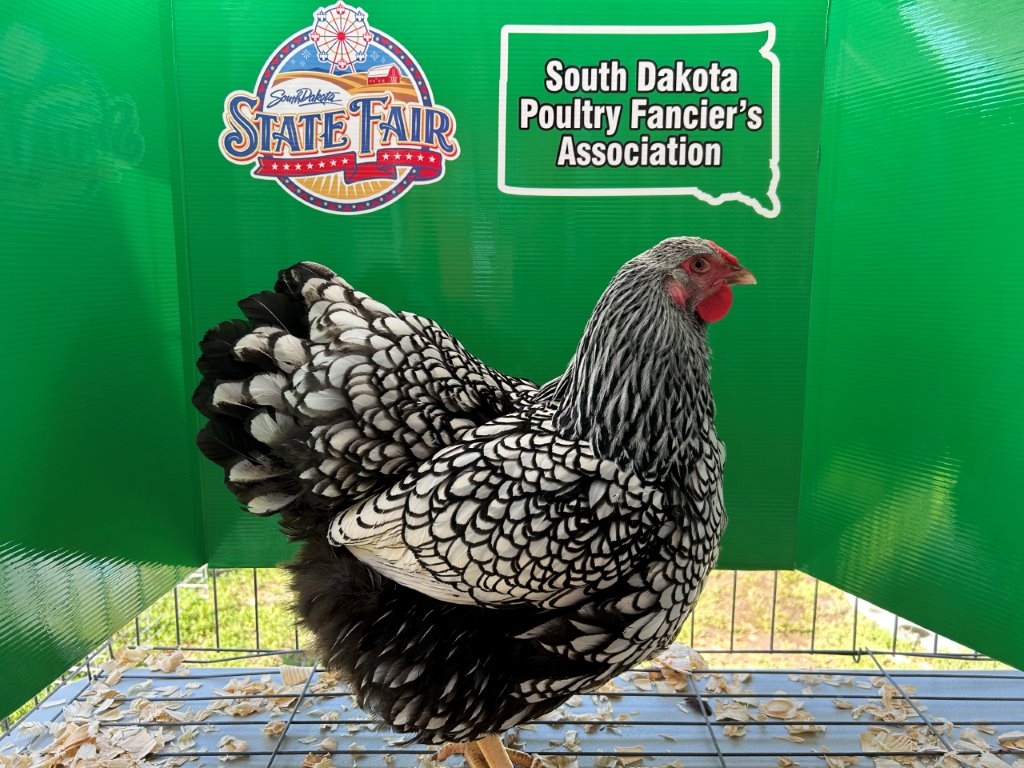
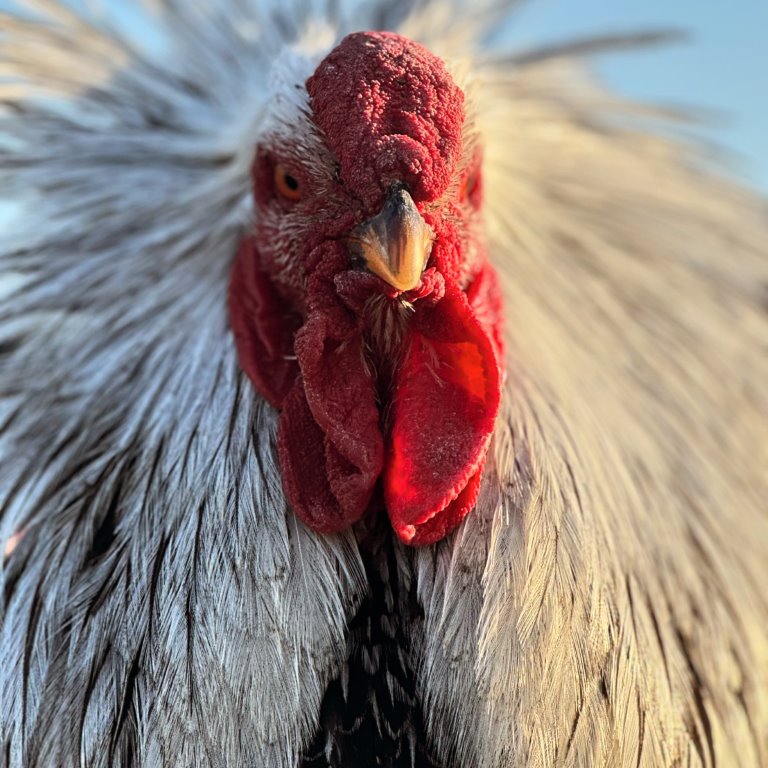
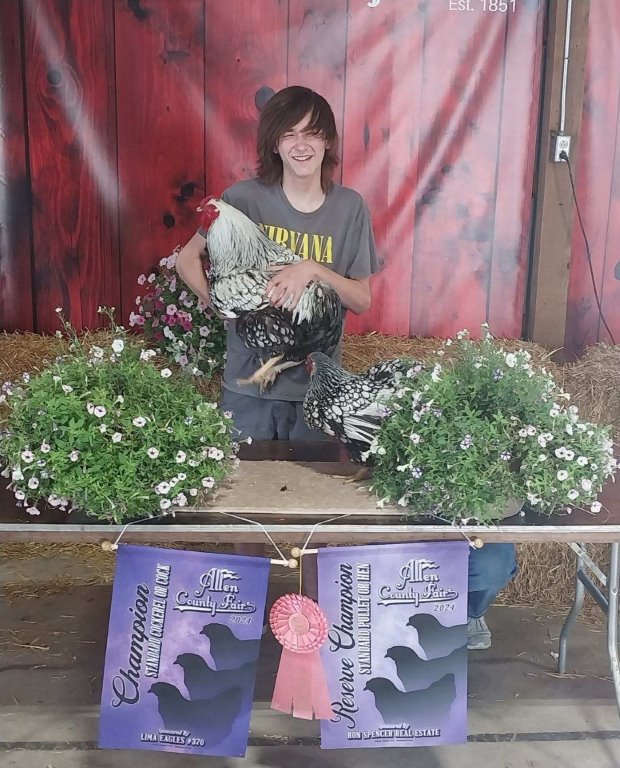
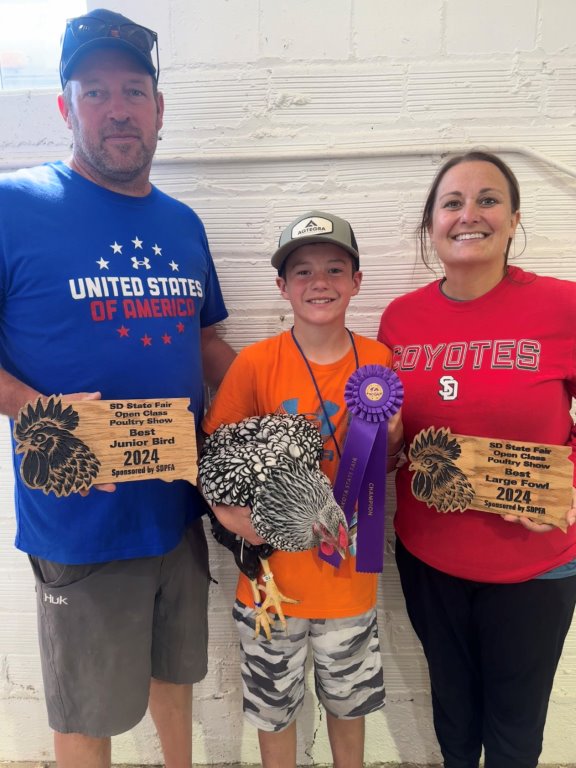
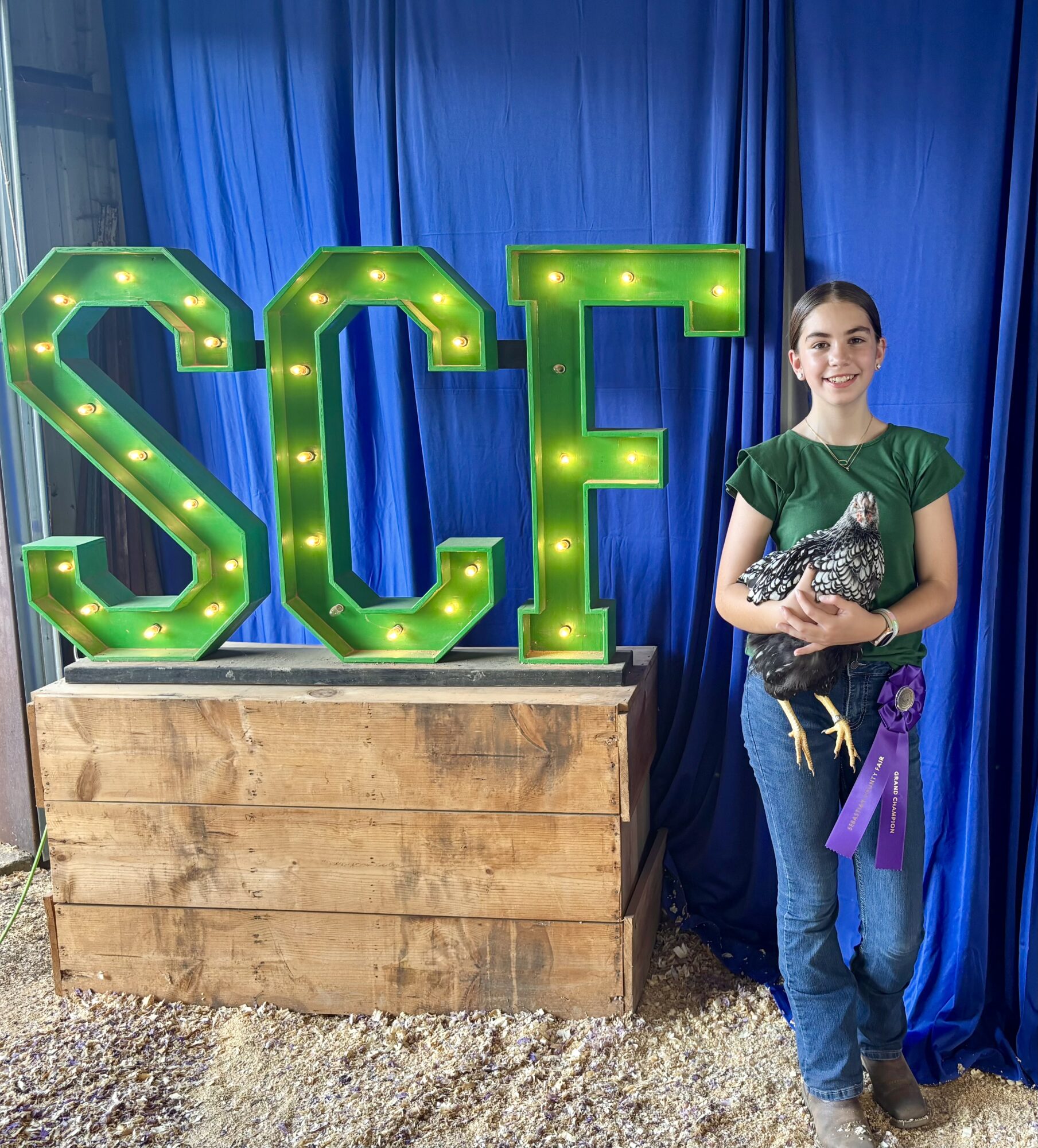
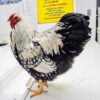
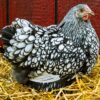
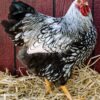
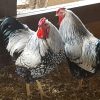
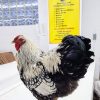
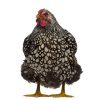
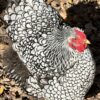
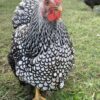
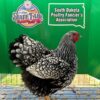
Exhibition Type Silver Laced Wyandottes are known for crisp black lacing around silvery white feathers. They also have clean legs, a black tail, red rose comb, red earlobes, red wattles, and a broad, rounded Wyandotte body type.
The rose comb is one of the breed’s most practical features. Because it sits close to the head, it can be less prone to frostbite than large single combs, making Wyandottes a strong choice for colder climates.
Cackle Hatchery® notes that this exhibition strain includes seed stock from respected Wyandotte breeders Jerry Foley in 2014 and 2020, as well as Rick Hare in 2020. These bloodline notes are important for customers who care about exhibition potential, conformation, and feather quality.
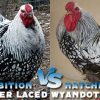
Exhibition Type vs Production Type Wyandottes
Cackle Hatchery® offers both an Exhibition Type Silver Laced Wyandotte and a Production Type Black Laced Silver Wyandotte. These are not the same flock goal.
Choose Exhibition Type Silver Laced Wyandottes if you want birds selected for show traits, including:
- Better feather lacing
- Stronger Wyandotte body conformation
- Show-style appearance
- Heritage breed character
- A more ornamental flock bird
- Potential for poultry exhibition projects
Choose Production Type Black Laced Silver Wyandottes if your main goals are backyard egg production, flock utility, and a more production-focused bird. Cackle’s production listing describes that strain as a docile brown egg layer with silver feathers and black lacing.
For customers who are unsure which type to choose, the simple rule is this: Exhibition Type is best for show quality and appearance; Production Type is best for practical egg-laying focus.
Egg Production and Broodiness
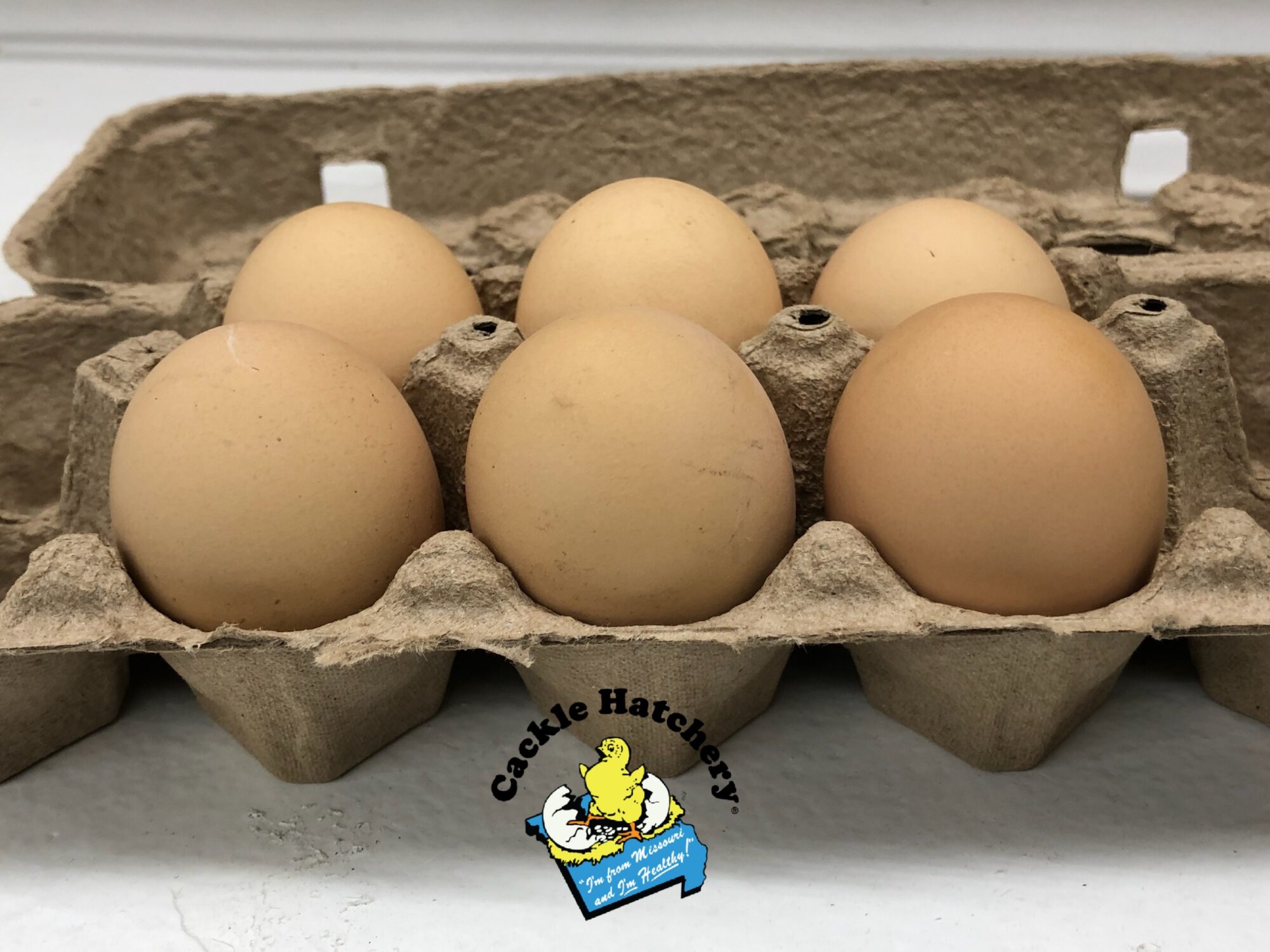
Silver Laced Wyandotte hens lay medium to large brown eggs. Exhibition Type birds may not be as production-focused as Cackle’s production strain, but they can still provide useful eggs for a backyard flock.
Wyandotte hens may occasionally go broody. When they do, they can make excellent mothers. This makes them appealing to customers who enjoy natural chick raising or want a breed with old-fashioned broody potential.
For customers focused mainly on egg numbers, the Production Type Black Laced Silver Wyandotte may be the better choice. However, for customers who want eggs plus exhibition quality, the Exhibition Type strain offers a strong balance of beauty, breed history, and usefulness.
Temperament and Backyard Suitability
Silver Laced Wyandottes are generally docile, hardy, and practical backyard chickens. They can work well in confinement or free-range setups, making them a flexible option for many flock owners.
This variety can work well for:
- Backyard flocks
- Exhibition poultry projects
- Brown egg layer flocks
- Cold-weather flocks
- Families wanting docile chickens
- Heritage breed enthusiasts
- Customers who want broody-hen potential
- Keepers who want a beautiful American breed
Because Exhibition Type Wyandottes are bred more for show appearance than maximum production, customers should choose them for their combination of beauty, temperament, brown eggs, and breed type.
Cold Hardiness and Climate Suitability
Silver Laced Wyandottes do well in many climates, but they perform especially well in colder areas. Their compact body and rose comb help make them a practical cold-weather breed.
That said, cold hardy does not mean care-free. During winter, provide dry bedding, good ventilation, draft protection, and unfrozen water. In summer, provide shade, airflow, and cool water, especially for larger-bodied birds.
For customers in northern climates, Wyandottes are one of the classic brown egg layer choices because they combine cold hardiness, docility, and useful egg production.
Silver Laced vs Black Laced Silver Wyandotte: Why the Name Changed
Cackle Hatchery® explains that in 2014 it began using more descriptive Wyandotte names. As additional Wyandotte colors became more popular, especially Blue Laced Red Wyandottes and other laced varieties, Cackle found that a full descriptive name helped reduce confusion.
For that reason, Cackle refers to Silver Laced Wyandottes as Black Laced Silver Wyandottes.
Both names refer to the same classic color idea: silvery white feathers edged or laced in black. The more descriptive name simply makes the color pattern clearer for customers browsing multiple Wyandotte varieties.
Silver Laced Wyandotte vs Other Wyandotte Varieties
Silver Laced Wyandottes are the original Wyandotte variety and remain one of the most recognizable. They share the broad body, rose comb, brown eggs, and docile nature associated with the breed.
Choose Silver Laced Wyandotte Exhibition Type if you want the original historic Wyandotte color, black-laced silver feathering, and show-oriented breeding.
If you prefer gold and black coloring, compare Golden Laced Wyandotte chickens.
For customers who like red plumage with blue lacing, Blue Laced Red Wyandotte chickens may be a better fit.
If you want a practical hatchery-choice option, Wyandotte Assortment chicks can be a good choice when available.
Customers comparing the full group can browse Cackle’s Wyandotte Chickens for Sale category.
Hatching Eggs and Started Pullet Options
Cackle Hatchery® offers related Black Laced Silver Wyandotte options at limited times of the year, including non-show type Black Laced Silver Wyandotte Fertile Hatching Eggs and Black Laced Silver Wyandotte Started Pullets.
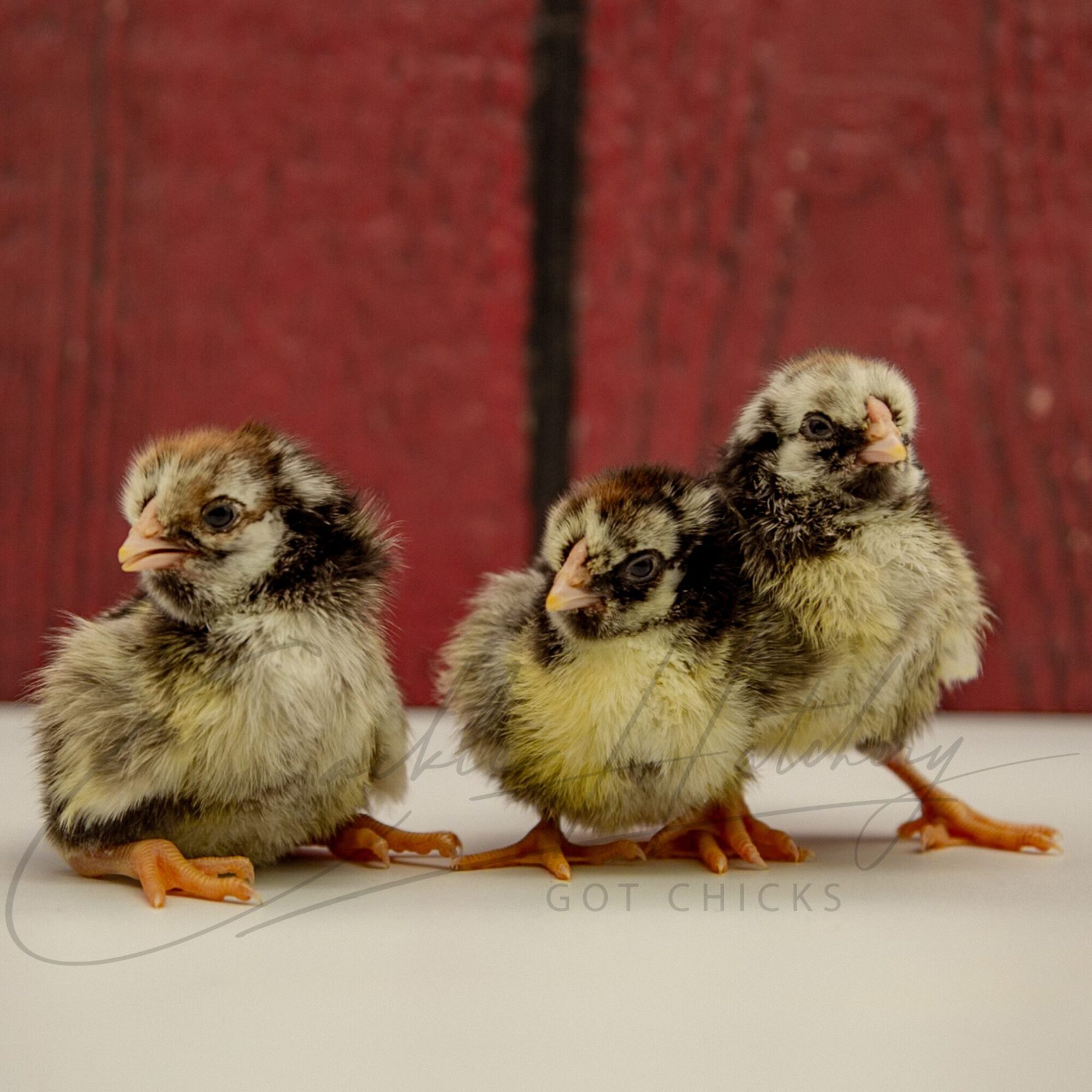
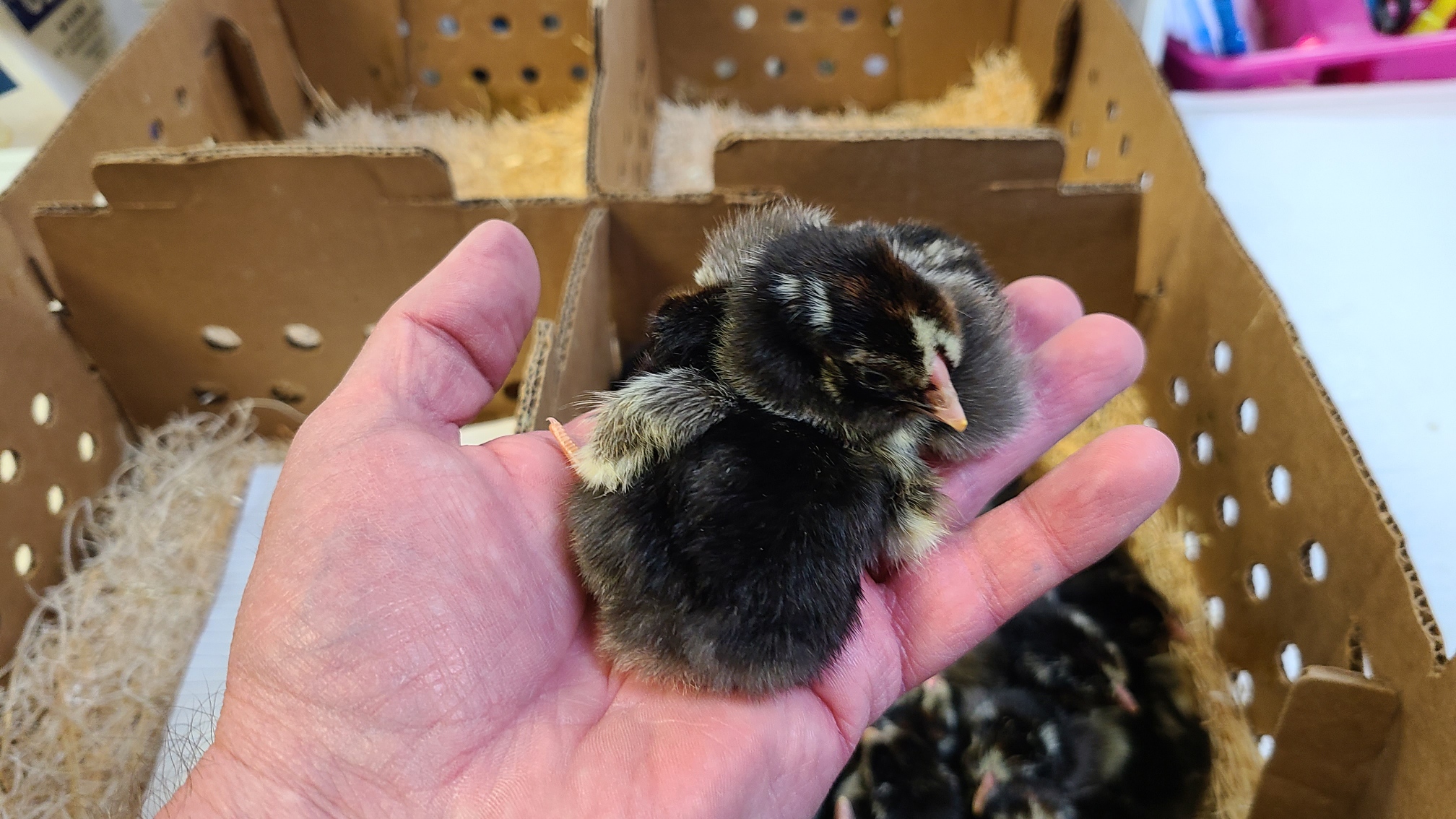
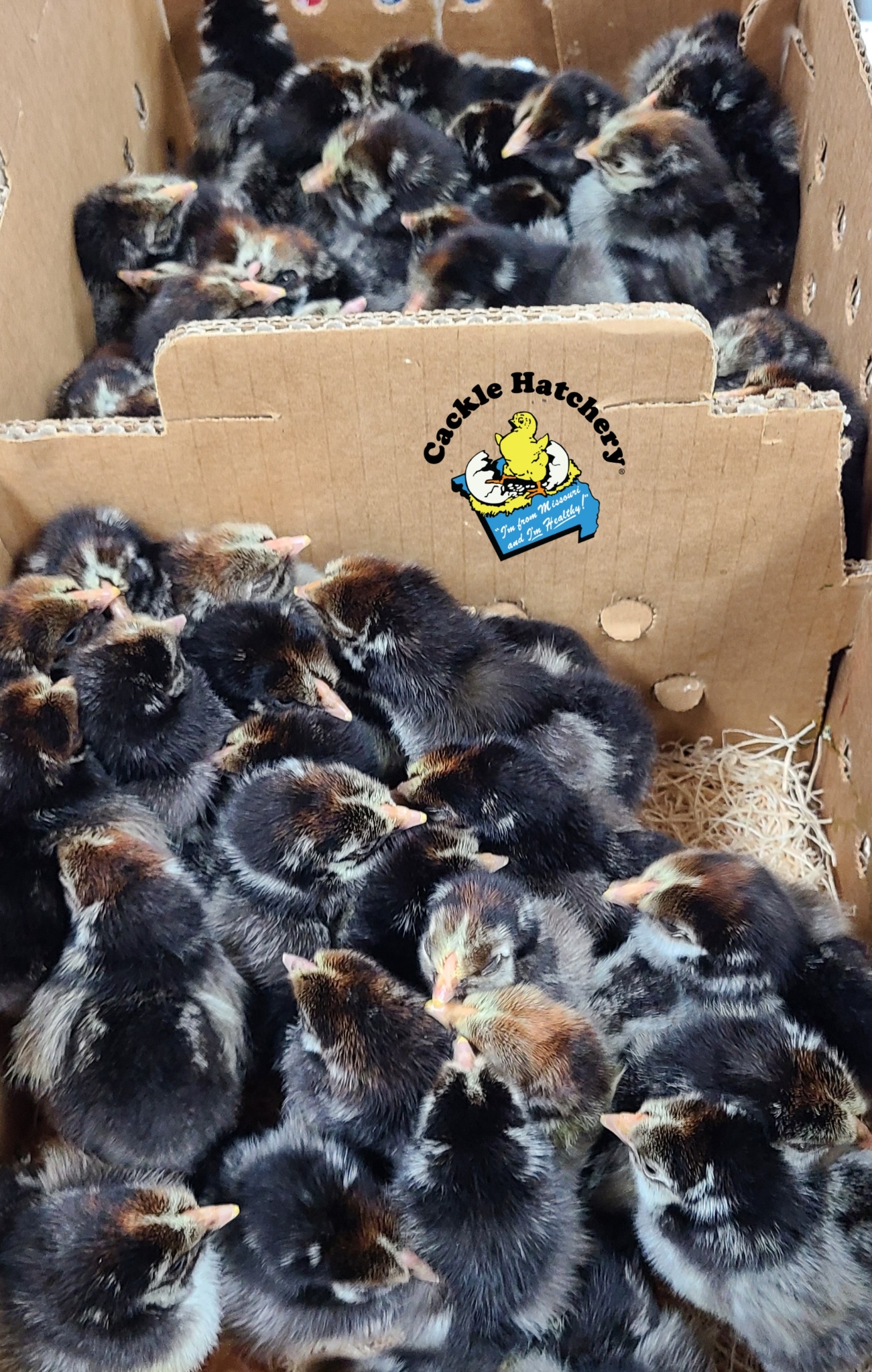
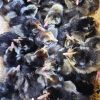
Cackle’s started pullet page notes that Cackle offers both day-old production type Black Laced Silver Wyandotte chicks and day-old show baby chicks for the Exhibition/Show Type strain.
Choose chicks if you want to raise birds from day-old. Choose started pullets if available and you want older female birds closer to laying age. Choose hatching eggs if you want the experience of incubating and hatching your own birds.
Is the Silver Laced Wyandotte Exhibition Type Right for Your Flock?
Choose Silver Laced Wyandotte Exhibition Type chickens if you want:
- A historic American chicken breed
- The original Wyandotte color variety
- Black-laced silver feathering
- A docile backyard bird
- Medium to large brown eggs
- Rose comb cold hardiness
- Occasional broodiness and good mothering ability
- A show-focused Wyandotte strain
- Seed-stock influence from respected Wyandotte breeders
However, consider another option if you want maximum egg production, the lowest-cost layer, or a bird selected primarily for production rather than exhibition type. In short, this strain is best for customers who want classic Wyandotte beauty, heritage value, and show-oriented quality.
Care and Housing Tips
Silver Laced Wyandottes need the same dependable care as other standard-size chickens. They do best with clean housing, secure fencing, proper feed, fresh water, and predator protection.
For best results, provide:
- A dry, well-ventilated coop
- Predator-resistant fencing
- Clean bedding
- Fresh water at all times
- Balanced chick starter and age-appropriate feed
- Enough roosting space
- Nest boxes for medium to large brown eggs
- Shade and airflow during hot weather
- Protection from drafts and damp bedding in cold weather
- Room to keep feather quality clean and intact
Because Exhibition Type Wyandottes are valued for lacing and conformation, clean housing and enough space help preserve feather condition and overall appearance.
Recognition and Availability
Silver Laced Wyandottes were admitted to the American Poultry Association Standard of Perfection in 1883 and were the first Wyandotte color variety. The Wyandotte Breeders of America notes that the original Wyandotte was the Silver Laced variety, developed in New York and accepted into the APA Standard in 1883.
Cackle Hatchery® offers the Exhibition Type strain as a show-focused version of the breed. Since hatch dates and shipping windows can change during the season, customers should check Cackle Hatchery’s Chicken Availability Chart before ordering.
For customers who want more background, Cackle’s Wyandotte Chickens in the Heritage Breed Spotlight is a helpful resource.
Related Breeds and Helpful Cackle Hatchery® Resources
Customers who like Silver Laced Wyandotte Exhibition Type chickens may also enjoy other Wyandotte varieties, brown egg layers, and cold hardy breeds.
Helpful Cackle Hatchery® links for this product page include:
FAQ: Silver Laced Wyandotte Chicken (Exhibition Type)
What is a Silver Laced Wyandotte Chicken?
A Silver Laced Wyandotte Chicken is a historic American chicken breed with silvery white feathers edged in black, a rose comb, clean legs, brown eggs, docile temperament, and strong backyard or exhibition value.
Why does Cackle Hatchery® call it Black Laced Silver Wyandotte?
Cackle Hatchery® began using more descriptive Wyandotte color names in 2014 to reduce confusion as more laced Wyandotte colors became popular. Black Laced Silver describes the classic silver feathers edged in black.
What does Exhibition Type mean?
Exhibition Type means the birds are bred more for show traits such as lacing precision, feather quality, and Wyandotte body conformation rather than maximum egg production.
What is the difference between Exhibition Type and Production Type Silver Laced Wyandottes?
Exhibition Type Wyandottes are selected for show appearance and breed type. Production Type Wyandottes are selected more for practical egg-laying and backyard flock utility.
Where did Silver Laced Wyandottes originate?
Silver Laced Wyandottes originated in New York State and are considered the original Wyandotte color variety.
When were Silver Laced Wyandottes admitted to the APA Standard?
Silver Laced Wyandottes were admitted to the American Poultry Association Standard of Perfection in 1883.
Are Silver Laced Wyandottes the original Wyandotte variety?
Yes. Silver Laced was the first Wyandotte color variety and the parent variety for other Wyandotte colors.
What do Silver Laced Wyandottes look like?
They have silvery white feathers edged in black, clean legs, black tails, red rose combs, red earlobes, and red wattles.
What color eggs do Silver Laced Wyandottes lay?
Silver Laced Wyandotte hens lay brown eggs.
What size eggs do Silver Laced Wyandottes lay?
They lay medium to large eggs.
Are Silver Laced Wyandottes good layers?
Yes, they can be useful brown egg layers. However, Exhibition Type birds are selected more for show quality and appearance than maximum egg production.
Are Silver Laced Wyandottes friendly?
Yes. They are generally docile birds and can make good backyard chickens.
Are Silver Laced Wyandottes good for beginners?
Yes. Their docile temperament, cold hardiness, and flexibility in confinement or free range can make them a good choice for many beginners.
Are Silver Laced Wyandottes cold hardy?
Yes. Their compact body and rose comb make them especially suitable for colder climates when they have dry, draft-free housing.
Do Silver Laced Wyandottes go broody?
They may go broody on occasion. When they do, they can make excellent mothers.
Can Silver Laced Wyandottes free range?
Yes. They can work well in free-range setups with proper predator protection. They also do well in confinement when given enough space.
Does Cackle Hatchery® offer Silver Laced Wyandotte hatching eggs?
Yes. Cackle offers non-show type Black Laced Silver Wyandotte Fertile Hatching Eggs at limited times of the year.
Does Cackle Hatchery® offer started pullets?
Yes. Cackle offers Black Laced Silver Wyandotte Started Pullets at limited times of the year when available.
What seed stock is in Cackle Hatchery’s Exhibition Type line?
Cackle notes that it has seed stock from Jerry Foley in 2014 and 2020, as well as seed stock from Rick Hare in 2020.
Where can I check Silver Laced Wyandotte availability?
Customers can check Cackle Hatchery’s Chicken Availability Chart for current hatch and shipping timing. Availability can change during the season, so checking the chart helps customers plan ahead.










Rebekah Shamoun –
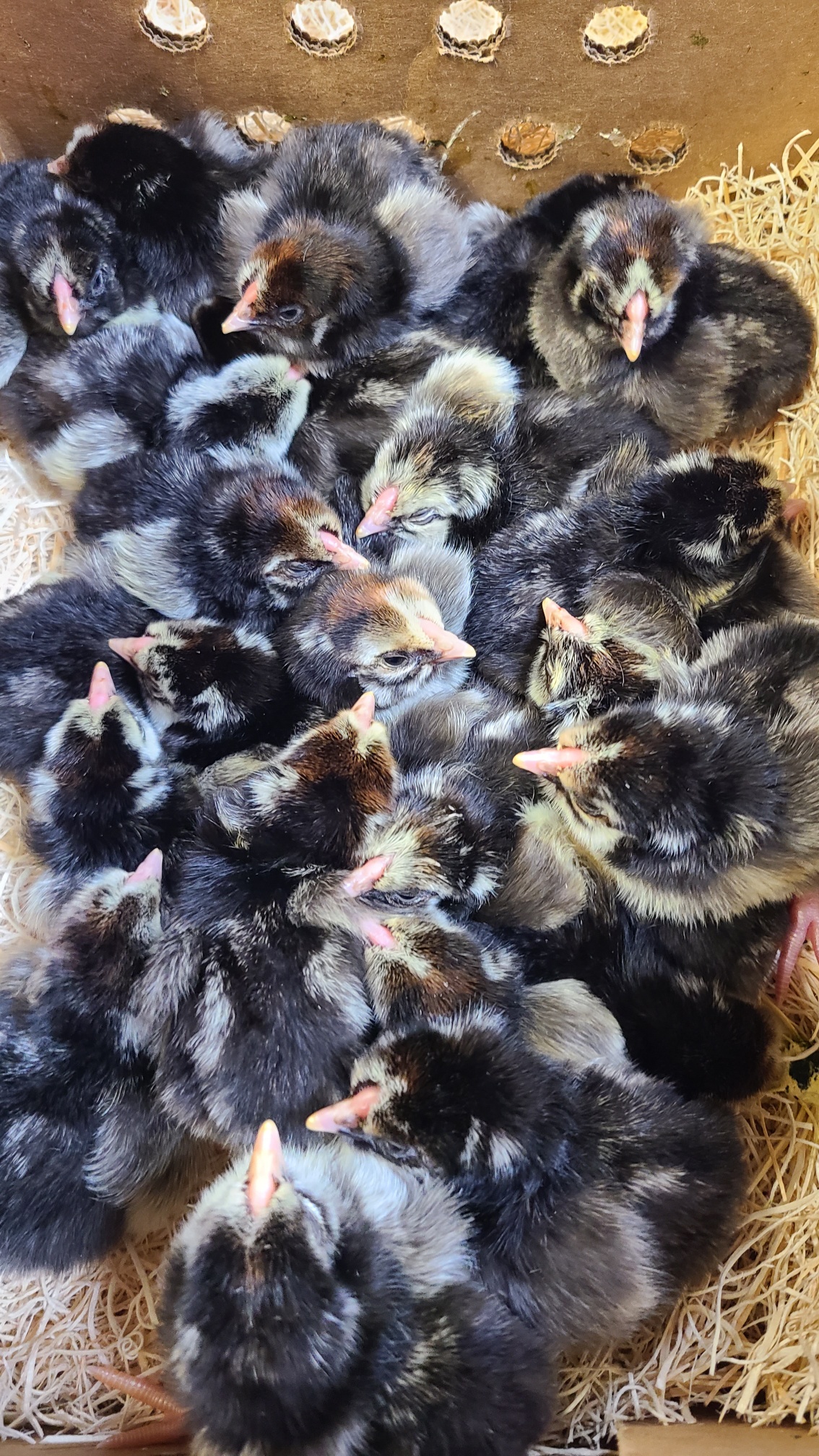
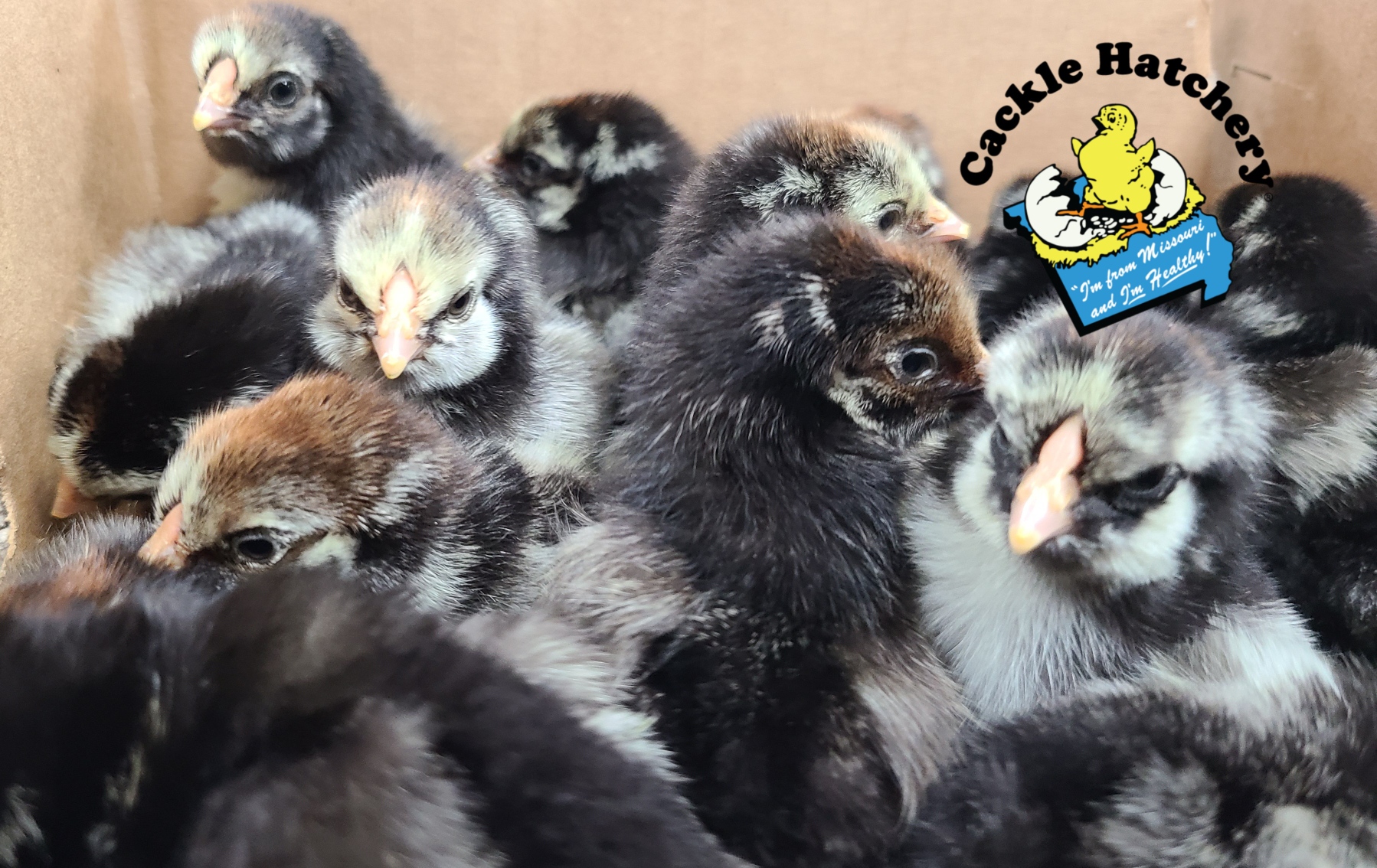
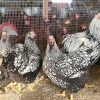
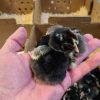
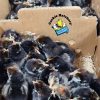
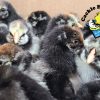
We received four of these stunningly beautiful chicks in April and they are certainly the farm favorite. All turned out to be healthy hens with gorgeous feathers and sweet personalities. These truly are exhibition hens!
Moon Haven Farms
Fallbrook, California.