Description
Dorking Assortment
Breed Overview and Origin
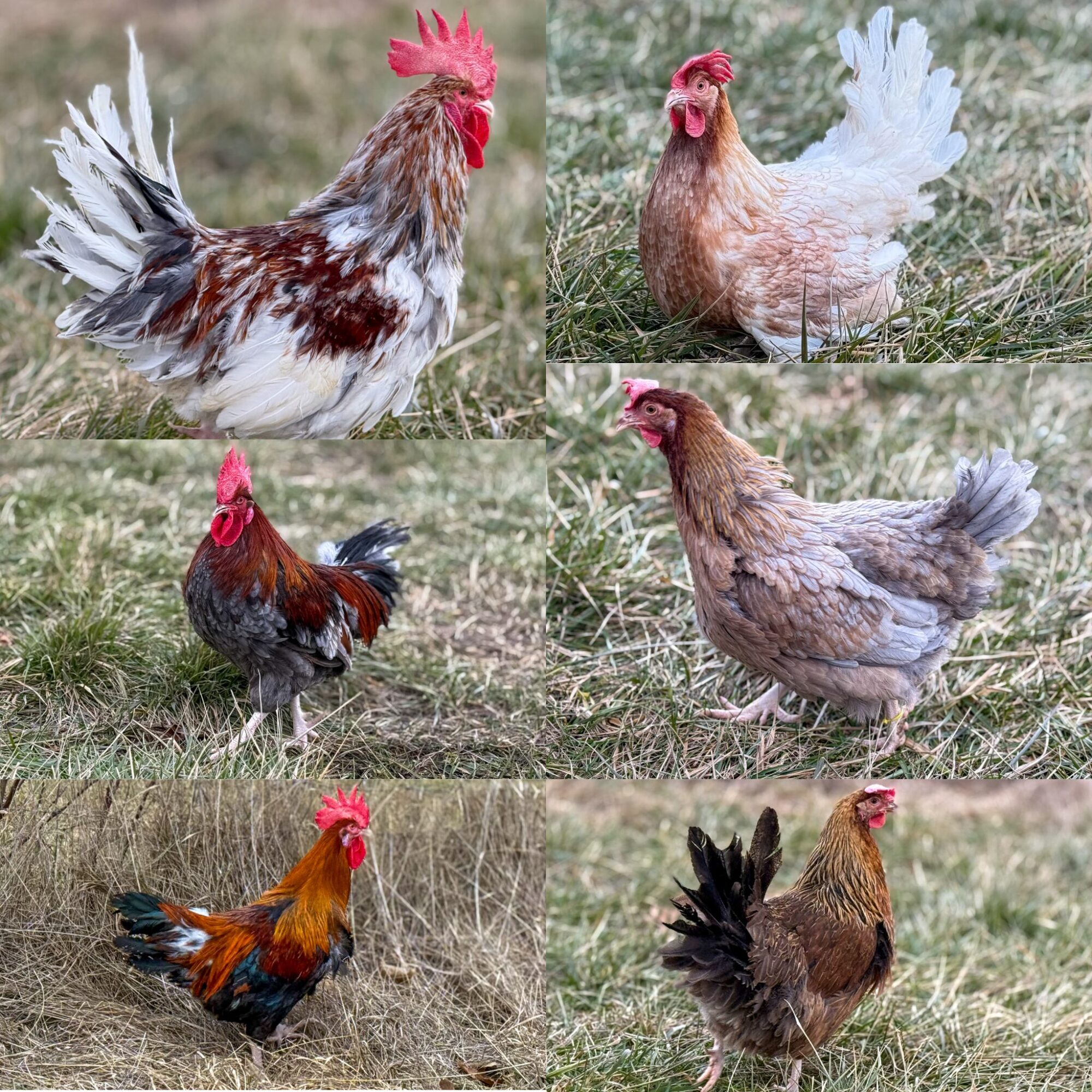
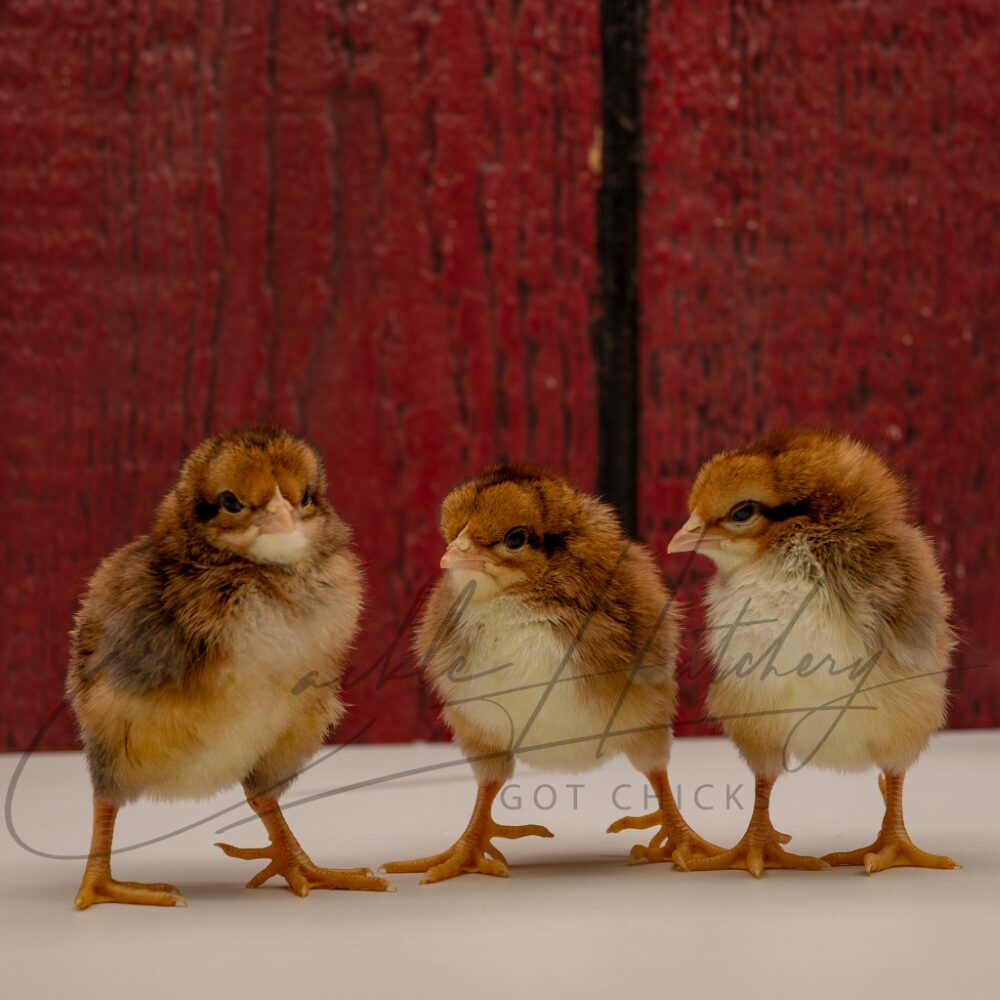
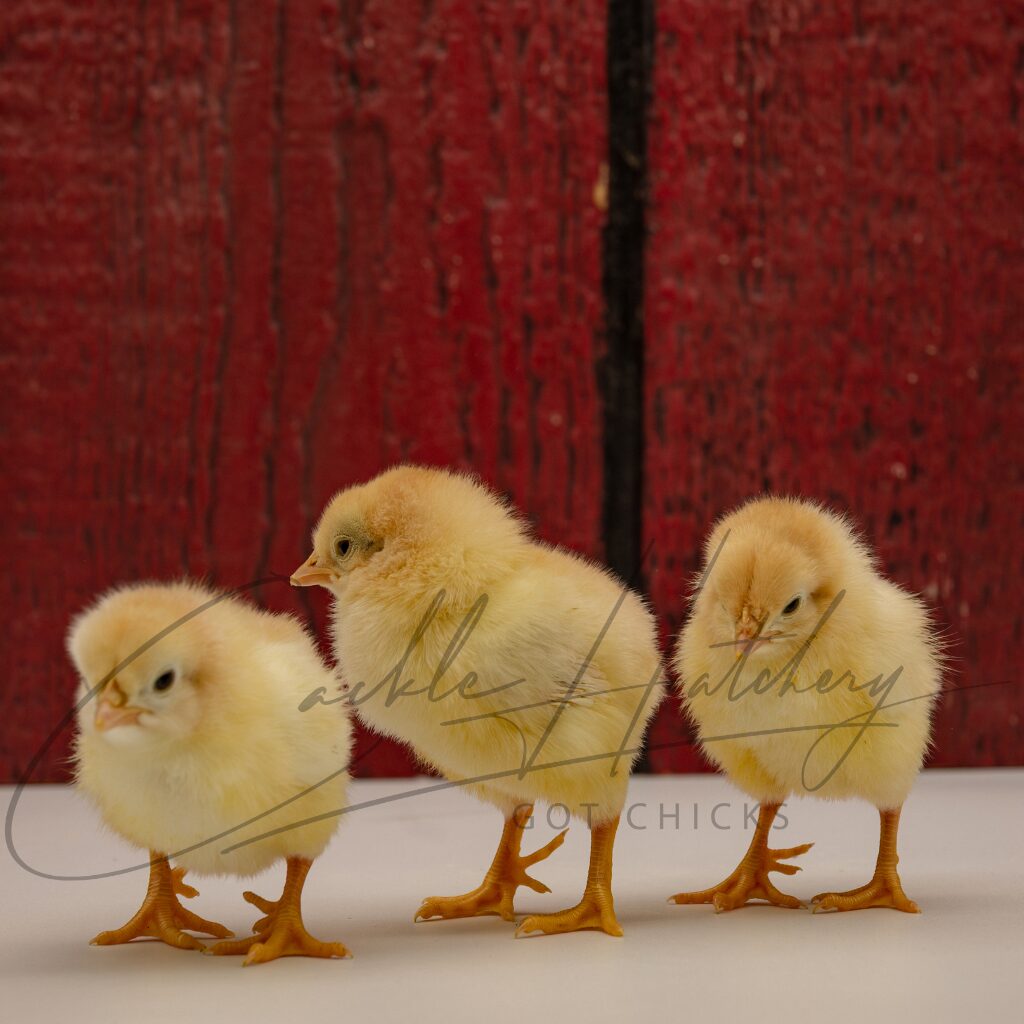
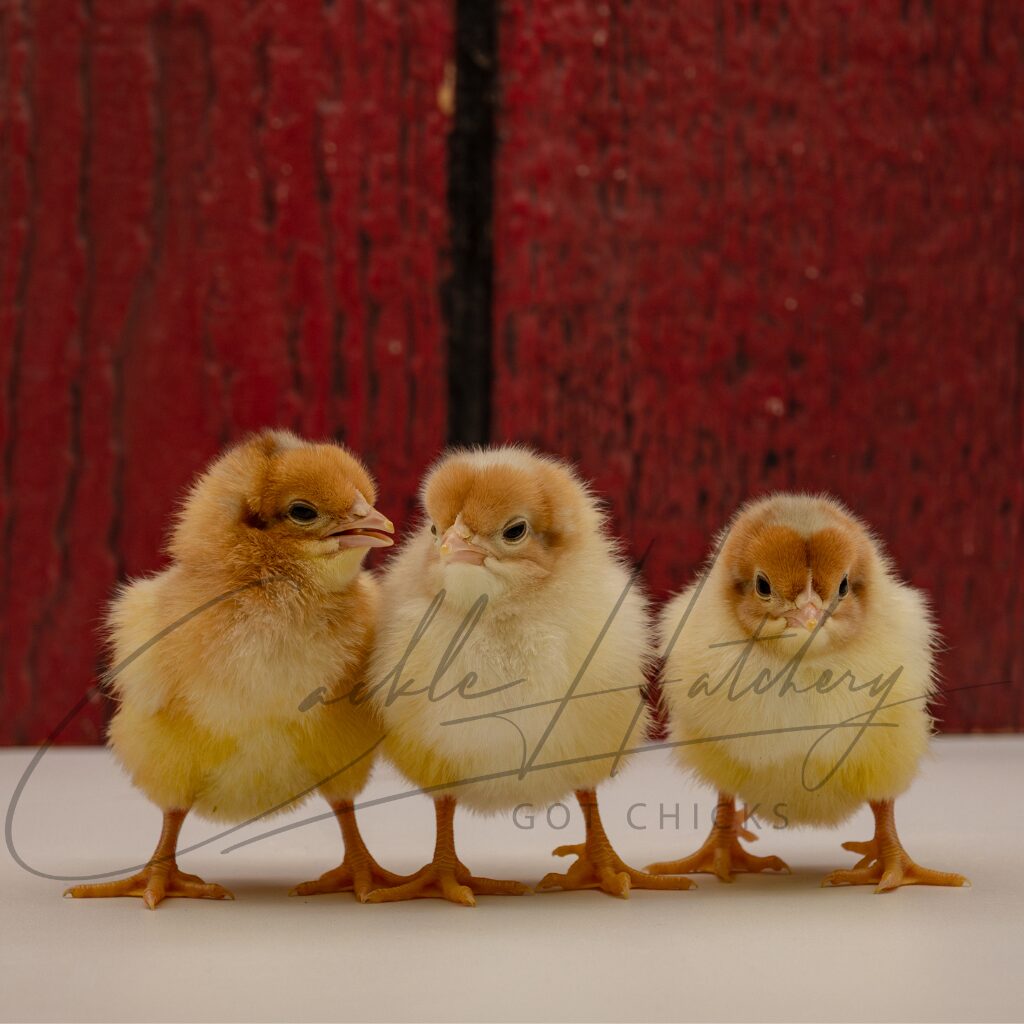
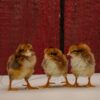
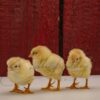
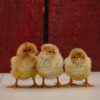
The Dorking Assortment from Cackle Hatchery® gives customers a unique opportunity to raise one of the oldest and most historic chicken breeds. This rare heritage assortment may include Dorking varieties such as the classic Red Dorking and the rare Slate Red Dorking, depending on availability.
Dorking chickens are ancient English heritage birds known for five toes, creamy white eggs, docile temperament, excellent meat quality, broodiness, winter laying ability, and a low, blocky body type. The breed is named for the market town of Dorking in Surrey, England. The Livestock Conservancy notes that Dorkings likely developed in southeast England, especially Kent, Sussex, and Surrey, and that the area was historically famous for high-quality table poultry.
Cackle Hatchery® lists the Dorking Assortment as a dual-purpose eggs-and-meat option with creamy white eggs, medium to large egg size, docile temperament, setter broodiness, and Threatened Status with The Livestock Conservancy. Cackle also notes that its Dorking Assortment bloodline was obtained from P. Allen Smith and has been developed by Cackle Hatchery® Poultry Breeding Farm since 2024.
What Comes in the Dorking Assortment?
The Dorking Assortment may include different Dorking varieties offered by Cackle Hatchery®, such as:
- Red Dorking
- Slate Red Dorking
- Possible color variations connected to Slate Red breeding
The exact mix depends on hatch availability. Customers should choose the assortment if they want Dorking genetics and are flexible about which Dorking variety they receive.
Choose the Dorking Assortment if you want heritage breed value, five-toed Dorking traits, creamy white eggs, docile temperament, and variety in your flock.
Choose a specific Dorking variety if you want only Red Dorkings or only Slate Red Dorkings.
Appearance and Characteristics
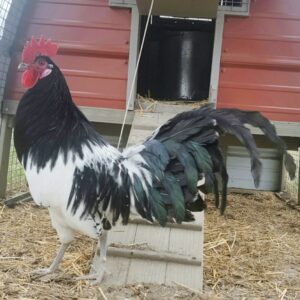
Dorkings have a distinct old-fashioned body type. They are known for their horizontal, blocky structure, short legs, long back, white skin, and five toes. This gives them a unique profile compared with many taller, more upright chicken breeds.
Expected Dorking Assortment traits include:
- Five toes
- Low, horizontal body type
- Short legs
- Long back
- White skin
- Creamy white eggs
- Medium to large egg size
- Docile temperament
- Broody-hen potential
- Dual-purpose value
- Strong foraging ability
- Rare English heritage appeal
The Livestock Conservancy notes that the Dorking’s fifth toe was one of the breed’s identifying characteristics in early descriptions, and once the fifth toe became consistent on colored birds, those birds were also officially considered Dorkings.
Red Dorking in the Assortment
The Red Dorking is the oldest Dorking color variety and one of the most historically significant. Cackle Hatchery® lists Red Dorkings as APA-recognized since 1995, with creamy white eggs, 170 to 190 eggs per year, docile temperament, setter broodiness, and P. Allen Smith bloodline influence.
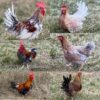
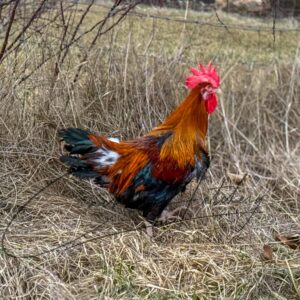
Red Dorking roosters often show rich red plumage with black accents, while hens display deep red coloring with darker markings. They are calm, useful, and appealing for customers who want a classic Dorking with recognized variety status.
Choose Red Dorkings if you want the traditional Red variety, APA recognition, and deep heritage appeal.
Slate Red Dorking in the Assortment
The Slate Red Dorking is a rare color variation of the Red Dorking. Instead of black feathering, Slate Red birds show blue or slate coloring. In other breeds, this pattern is often called blue-breasted red.
Cackle Hatchery® lists Slate Red Dorkings as a dual-purpose English breed with creamy white eggs, 170 to 190 eggs per year, medium to large egg size, docile temperament, setter broodiness, Threatened Status, and P. Allen Smith bloodline influence. Cackle also lists Slate Red Dorkings as not APA recognized.
Because Slate Red is tied to blue color genetics, customers may see Slate Red, Standard Red, or Splash Red color outcomes. This makes the assortment especially interesting for customers who enjoy rare color variety.
Egg Production and Winter Laying
Dorking hens lay creamy white eggs. Cackle Hatchery® estimates Dorking Assortment production at 170 to 190 eggs per year, with medium to large egg size.
Dorkings are not modern high-output production layers. Instead, they offer a practical heritage balance of eggs, meat, temperament, broodiness, and breed history.
Many Dorking keepers value the hens for laying through winter better than many old breeds, depending on feed, daylight, age, weather, and flock management. For customers who want a rare heritage breed that still contributes eggs in the colder months, Dorkings are a strong option.
Meat Quality and Dual-Purpose Value
Dorkings are true dual-purpose chickens. Historically, they were prized as table birds and valued for their white skin, substantial body type, and flavorful meat. The Livestock Conservancy describes the Dorking region as famous for producing high-quality table poultry and notes that the five-toed Dorking was one of the most sought-after chickens.
This makes the Dorking Assortment a meaningful choice for homesteaders, heritage breed keepers, and customers who value old-fashioned poultry quality over maximum industrial production.
Choose the Dorking Assortment if you want a chicken that combines eggs, meat quality, temperament, and conservation value.
Temperament and Flock Suitability
Dorkings are docile, friendly, and calm. Their temperament makes them a good fit for backyard flocks, family poultry setups, homesteads, and small farms.
The Dorking Assortment can work well for:
- Backyard heritage flocks
- Homesteads
- Dual-purpose poultry projects
- Families wanting calm chickens
- Creamy white egg flocks
- Customers who value broodiness
- Conservation-minded poultry keepers
- Mixed flocks with less aggressive breeds
- Poultry keepers who enjoy rare English breeds
Because Dorkings are generally docile, they may do best with calm or moderately assertive flockmates. Avoid pairing them only with aggressive breeds unless the setup has plenty of space, multiple feeders, and good flock management.
Broodiness and Mothering Ability
Dorking hens are known for broodiness. Cackle Hatchery® lists the Dorking Assortment as setter, meaning hens may sit on eggs and raise chicks.
When they go broody, Dorking hens can make excellent mothers. They may even raise chicks they did not hatch themselves, making them valuable for customers who enjoy natural chick raising.
Broodiness can vary by individual hen, season, and environment, but Dorkings remain a strong choice for customers who appreciate old-fashioned mothering instincts.
Climate Hardiness and Foraging
Dorkings can do well in both warm and cold climates when managed properly. Their large combs may need frostbite protection in freezing or damp weather, especially in poorly ventilated coops.
They are also good foragers and enjoy space to explore. A secure yard, pasture, or roomy run helps them use their natural foraging ability while staying protected from predators.
For winter, provide dry bedding, good ventilation, draft protection, and unfrozen water. For summer, provide shade, airflow, and fresh water.
Dorking Assortment vs Red Dorking
Choose the Dorking Assortment if you want Dorking traits and are flexible about which variety you receive.
Choose Red Dorking chickens if you specifically want the classic Red variety, APA recognition, and the oldest Dorking color variety. Cackle lists Red Dorkings as APA-recognized since 1995.
Both options offer creamy white eggs, docile temperament, five toes, setter broodiness, and dual-purpose value.
Dorking Assortment vs Slate Red Dorking
Choose the Dorking Assortment if you want variety and are comfortable receiving more than one possible Dorking color.
Choose Slate Red Dorking chickens if you specifically want the rare blue-breasted red look and are comfortable with a non-APA-recognized variety. Cackle lists Slate Red Dorkings as APA: No.
Both choices are rare, docile, five-toed, dual-purpose Dorking options with strong heritage value.
Is the Dorking Assortment Right for Your Flock?
Choose the Dorking Assortment if you want:
- A rare English heritage chicken
- One of the oldest domestic chicken breeds
- A five-toed flock addition
- Creamy white eggs
- Medium to large egg size
- Dual-purpose value for eggs and meat
- Docile, friendly temperament
- Winter laying potential
- Hens with broody instincts
- P. Allen Smith bloodline influence
- A threatened heritage breed with conservation value
- Variety within the Dorking breed family
However, consider ordering a specific variety if you want only Red Dorkings or only Slate Red Dorkings. In short, the Dorking Assortment is best for customers who value history, calm temperament, rare genetics, and the surprise of heritage breed variety.
Care and Housing Tips
Dorkings need the same dependable care as other standard-size chickens. They do best with clean housing, secure fencing, balanced feed, fresh water, and predator protection.
For best results, provide:
- A dry, well-ventilated coop
- Predator-resistant fencing
- Clean bedding
- Fresh water at all times
- Balanced chick starter and age-appropriate feed
- Roosts suited to their body type
- Nest boxes for medium to large eggs
- Shade and airflow during hot weather
- Protection from drafts and damp bedding in cold weather
- Extra attention to comb protection during freezing weather
- Enough space to reduce stress in mixed flocks
Cackle lists the Dorking Assortment roost height at about 4 feet and mating ratio at 8 females to 1 male. Fertility is listed at approximately 65% to 75%.
Recognition and Availability
Cackle Hatchery® lists the Dorking Assortment as APA-recognized since 1995, though customers should remember that individual varieties may differ in recognition status. Red Dorking is APA-recognized, while Slate Red Dorking is not currently APA-recognized.
Cackle lists Dorking Assortment chicks as sold as baby chicks only, with seasonal shipping from early February through mid-August, not sexed minimums of 3, and a limit of 15.
Since hatch dates and shipping windows can change during the season, customers should check Cackle Hatchery’s Chicken Availability Chart before ordering. Cackle notes that its availability chart updates often and does not guarantee a reserved shipping date until checkout.
Related Breeds and Helpful Cackle Hatchery® Resources
Customers who like the Dorking Assortment may also enjoy individual Dorking varieties, five-toed breeds, rare chickens, and heritage dual-purpose breeds.
Helpful Cackle Hatchery® links for this product page include:
FAQ: Dorking Assortment
What is the Dorking Assortment?
The Dorking Assortment is a rare heritage chicken assortment from Cackle Hatchery® that may include Dorking varieties such as Red Dorkings and Slate Red Dorkings, depending on hatch availability.
What Dorking varieties may be included?
The assortment may include Red Dorkings, Slate Red Dorkings, and possible related color outcomes depending on availability and hatch results.
Where did Dorking chickens originate?
Dorkings originated in southeast England and are named for the market town of Dorking in Surrey. The area was historically famous for high-quality table poultry.
Are Dorkings one of the oldest chicken breeds?
Yes. Dorkings are considered one of the oldest domestic chicken breeds.
How many toes do Dorking chickens have?
Dorking chickens have five toes, unlike most chicken breeds that have four.
Why do Dorking chickens have five toes?
The fifth toe is one of the identifying heritage traits of the Dorking breed. Early Dorking descriptions used the fifth toe as an important identifying characteristic.
What color eggs do Dorking hens lay?
Dorking hens lay creamy white eggs.
How many eggs do Dorking hens lay?
Cackle Hatchery® estimates Dorking Assortment hens lay about 170 to 190 eggs per year.
What size eggs do Dorkings lay?
Dorking hens lay medium to large eggs.
Are Dorkings good winter layers?
Yes. Dorkings are known for laying through winter better than many old breeds, although production depends on age, feed, daylight, and management.
Are Dorkings good meat birds?
Yes. Dorkings were historically prized as table birds, and the Dorking region was known for high-quality table poultry.
Are Dorkings dual-purpose chickens?
Yes. Cackle Hatchery® lists the Dorking Assortment as dual-purpose for eggs and meat.
Are Dorkings friendly?
Yes. Dorkings are docile and friendly, making them a good choice for many backyard and family flocks.
Are Dorkings good for mixed flocks?
Yes, especially with other calm breeds. Because Dorkings are docile, they may do best with less aggressive flockmates.
Are Dorking hens broody?
Yes. Cackle Hatchery® lists the Dorking Assortment as setter, meaning hens may go broody and sit on eggs.
What is the difference between Dorking Assortment and Red Dorking?
The Dorking Assortment may include more than one Dorking variety. Red Dorking is the specific classic Red variety and is APA-recognized.
What is the difference between Dorking Assortment and Slate Red Dorking?
The Dorking Assortment may include Slate Red Dorkings and other Dorking varieties. Slate Red Dorking is the rare blue-breasted red version and is not currently APA-recognized.
Are all Dorking Assortment chicks APA-recognized varieties?
Not necessarily. Cackle lists the Dorking Assortment as APA-recognized since 1995, but individual varieties may differ. Red Dorking is APA-recognized, while Slate Red Dorking is not.
What bloodline does Cackle Hatchery® use for Dorkings?
Cackle Hatchery® states that its Dorking Assortment bloodline was obtained from P. Allen Smith and has been developed by Cackle Hatchery® Poultry Breeding Farm since 2024.
Are Dorkings rare?
Yes. Cackle Hatchery® lists the Dorking Assortment with The Livestock Conservancy Threatened Status.
Where can I check Dorking Assortment availability?
Customers can check Cackle Hatchery’s Chicken Availability Chart for current hatch and shipping timing. Availability can change during the season.



Reviews
There are no reviews yet