Description
Easter Egger Bantam Chicken
Breed Overview and Origin
The Easter Egger Bantam chicken is the miniature version of the standard Easter Egger. If you want a smaller backyard bird with colorful eggs, mixed feather patterns, and plenty of hobby-flock charm, this bantam is a fun choice.
Easter Egger Bantams are not a standardized show breed with one set color pattern. Instead, they are bred for variety. Cackle Hatchery® does not offer one specific feather color in this bantam, but the breeding program does aim for a wide range of mixed feather colors and natural egg shell colors.
Cackle’s article Easter Egger Bantam Chickens in the Spotlight explains that Easter Egger bantams are a smaller version of chickens that come from blue-egg-laying Ameraucana-type background crossed with breeds that lay brown eggs. That background helps explain why egg colors can vary from blue to green and sometimes brownish or pinkish tones.
Appearance and Characteristics
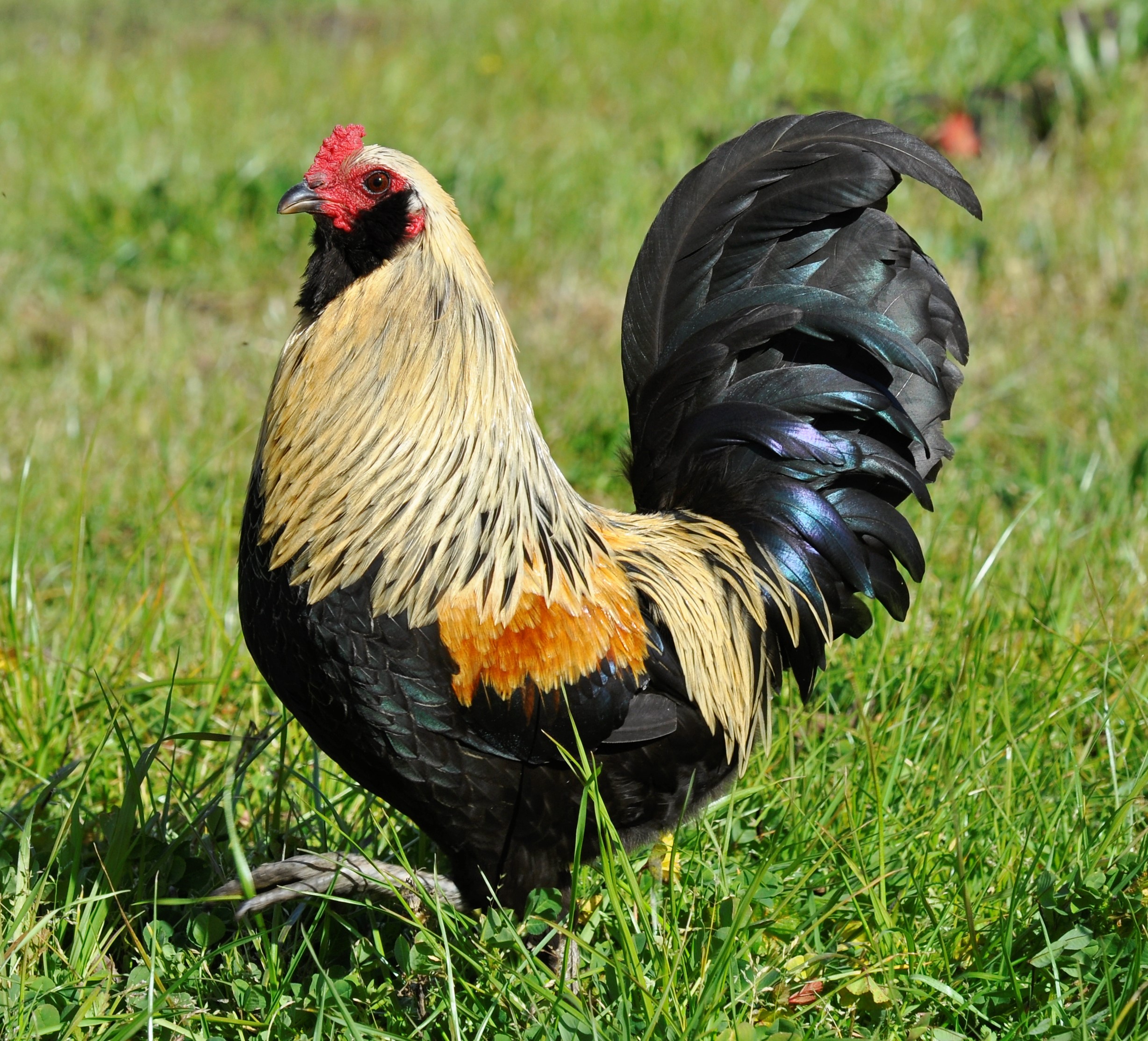
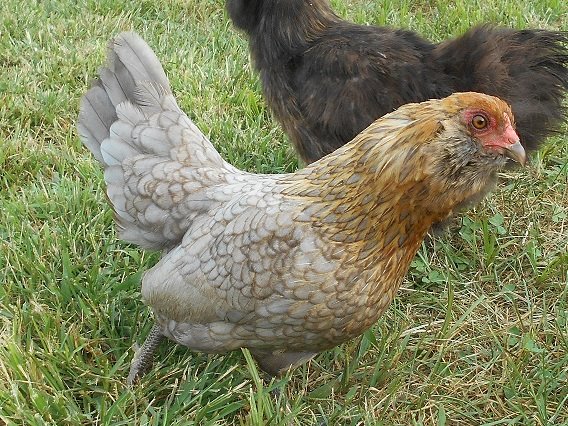
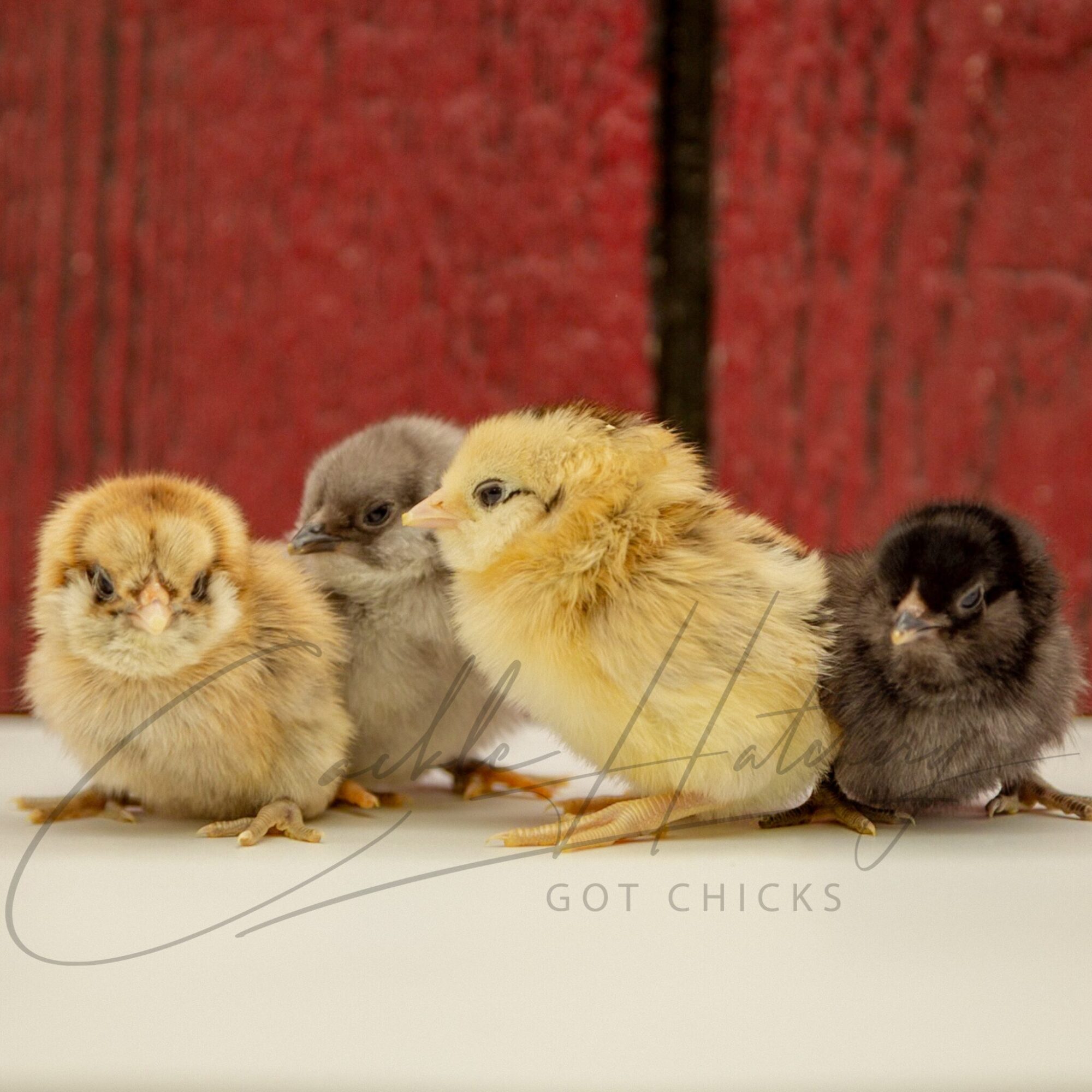
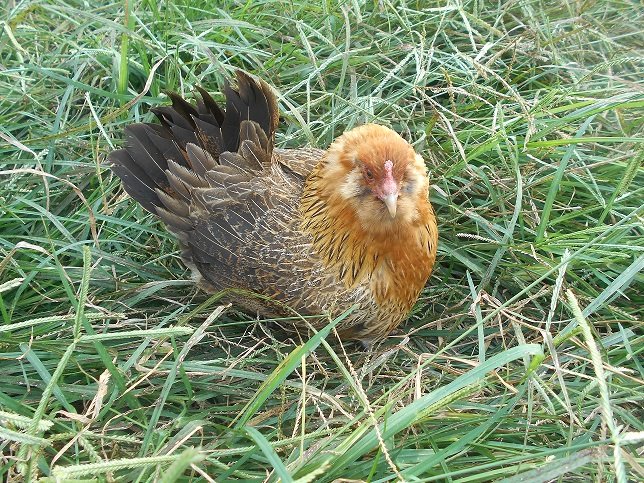
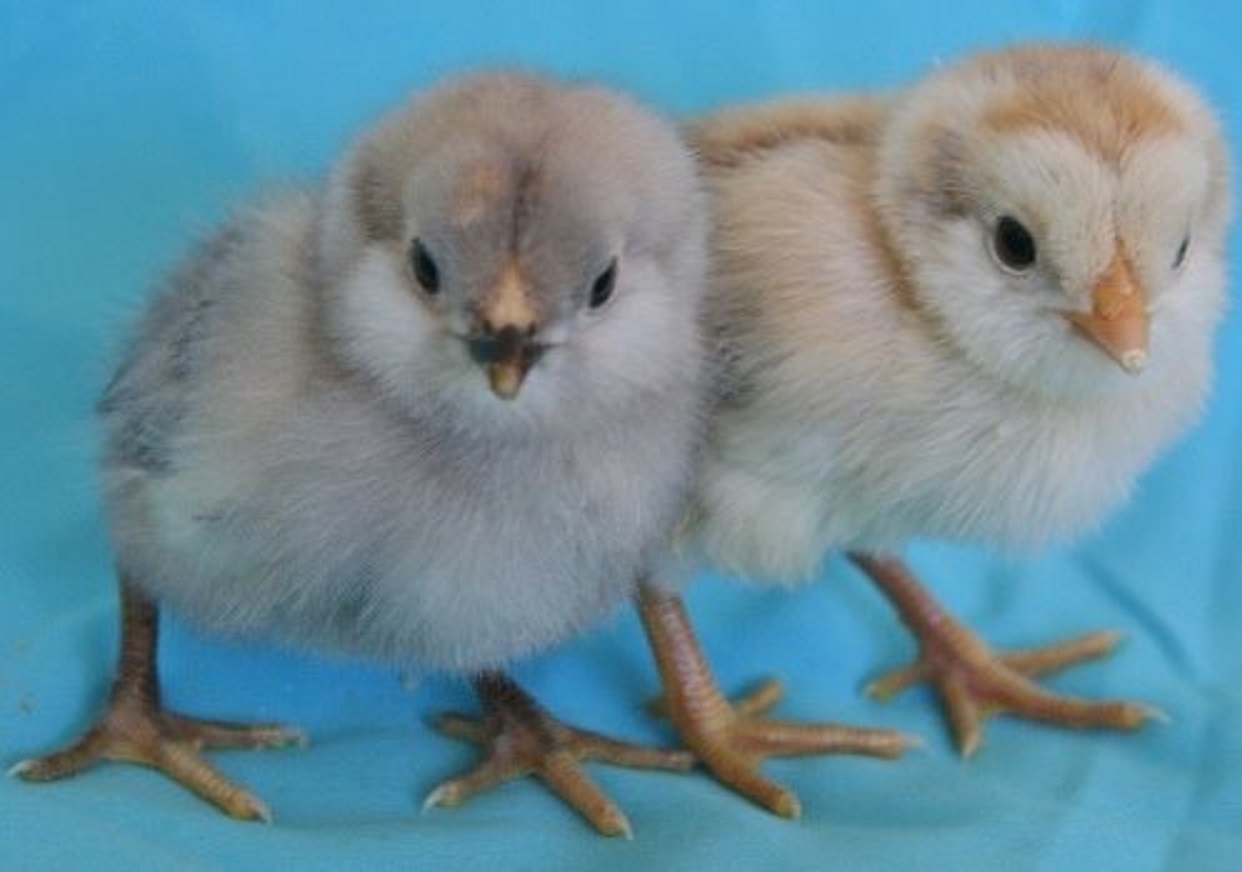
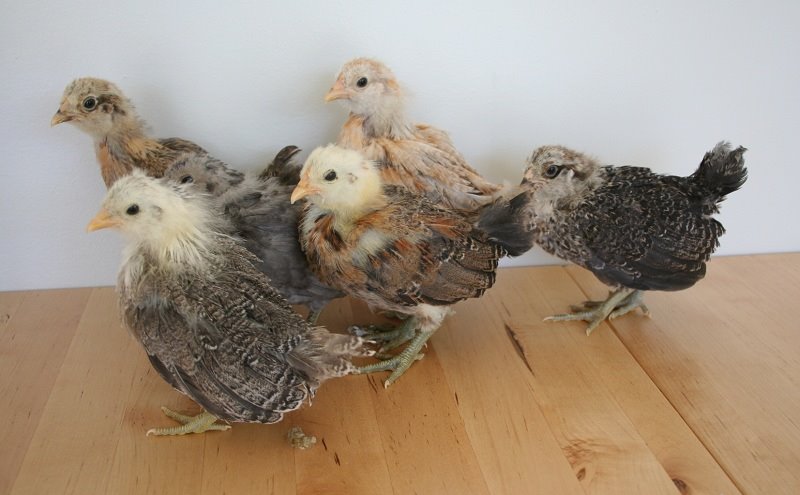
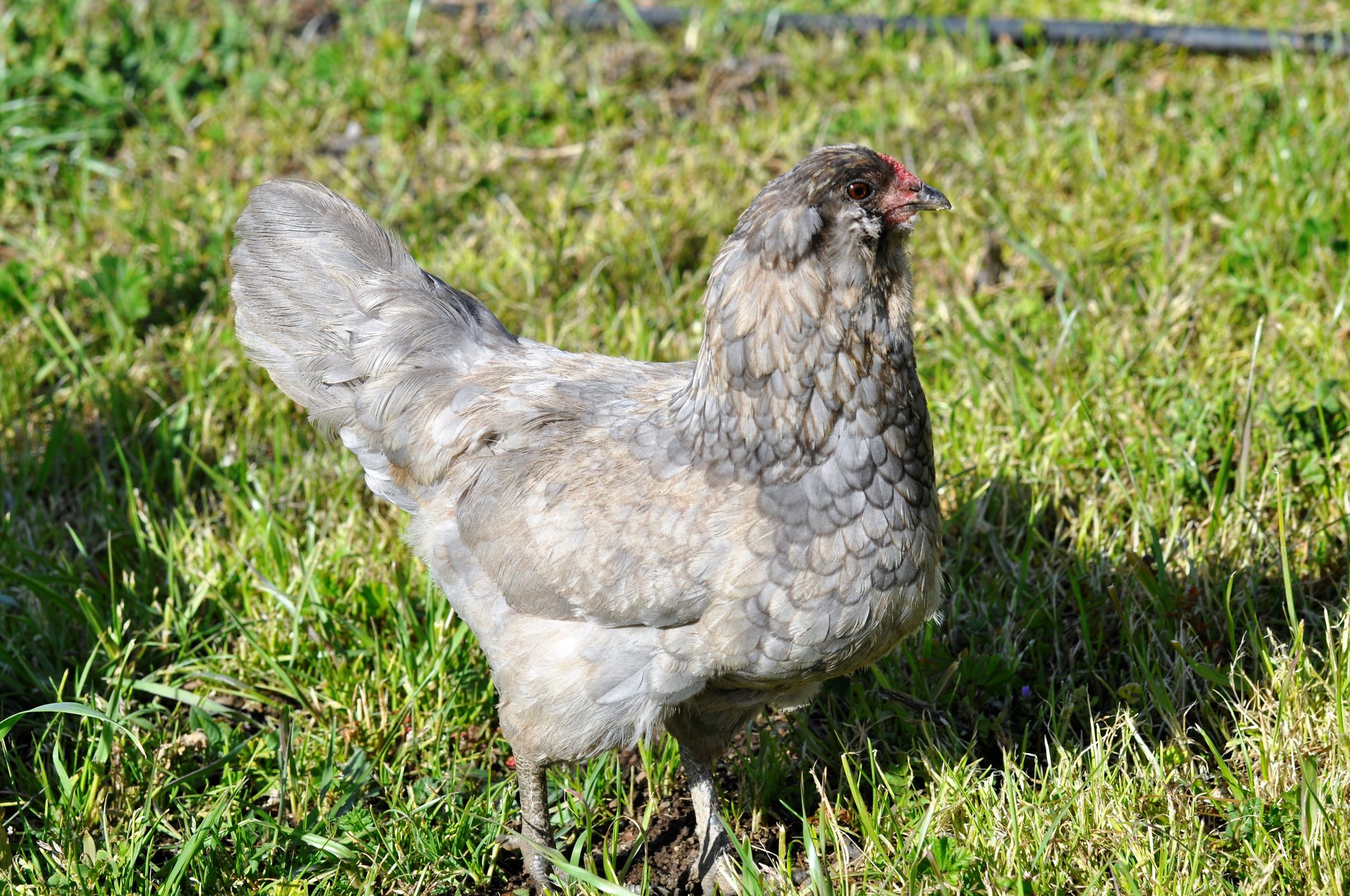
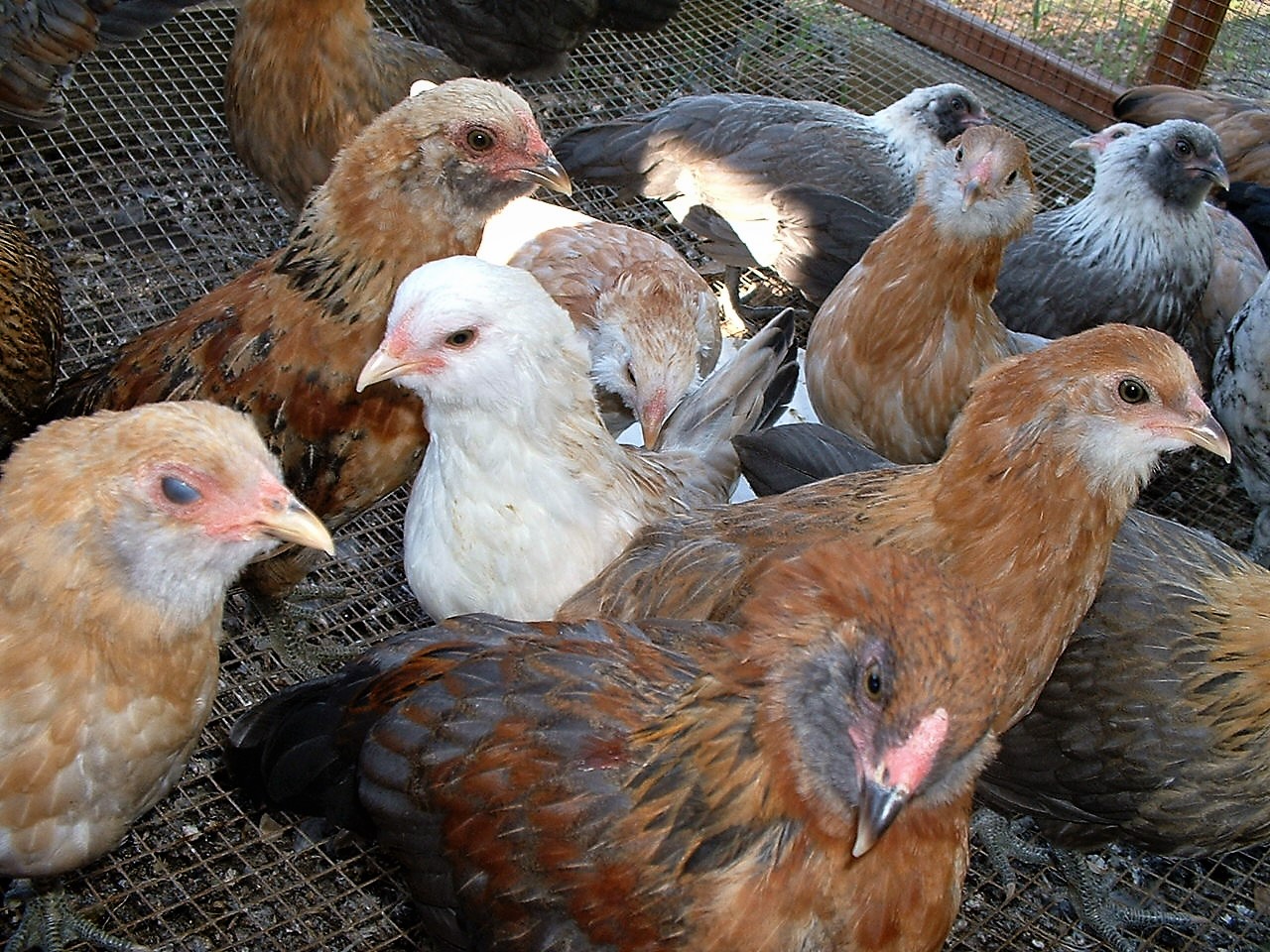
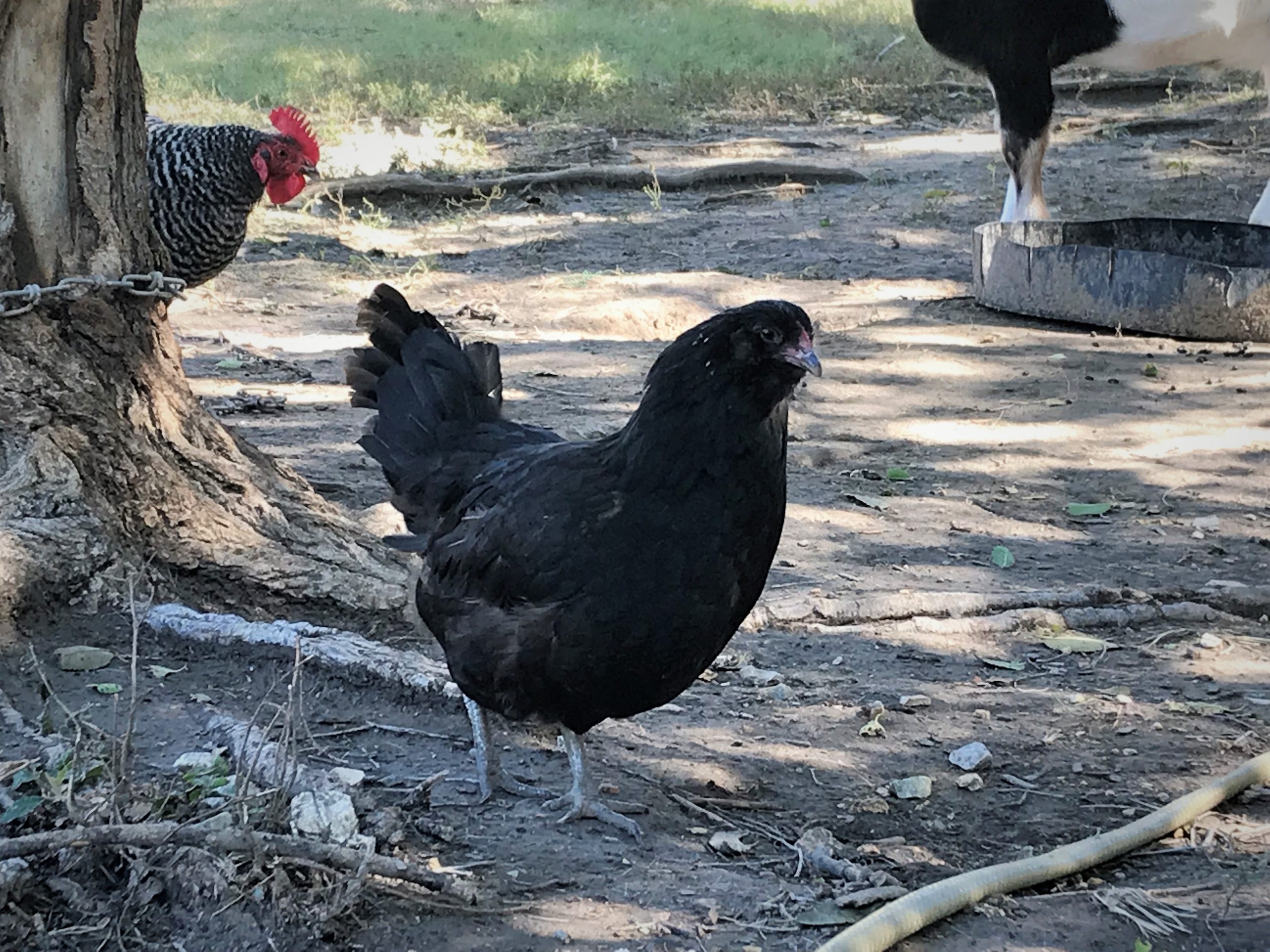
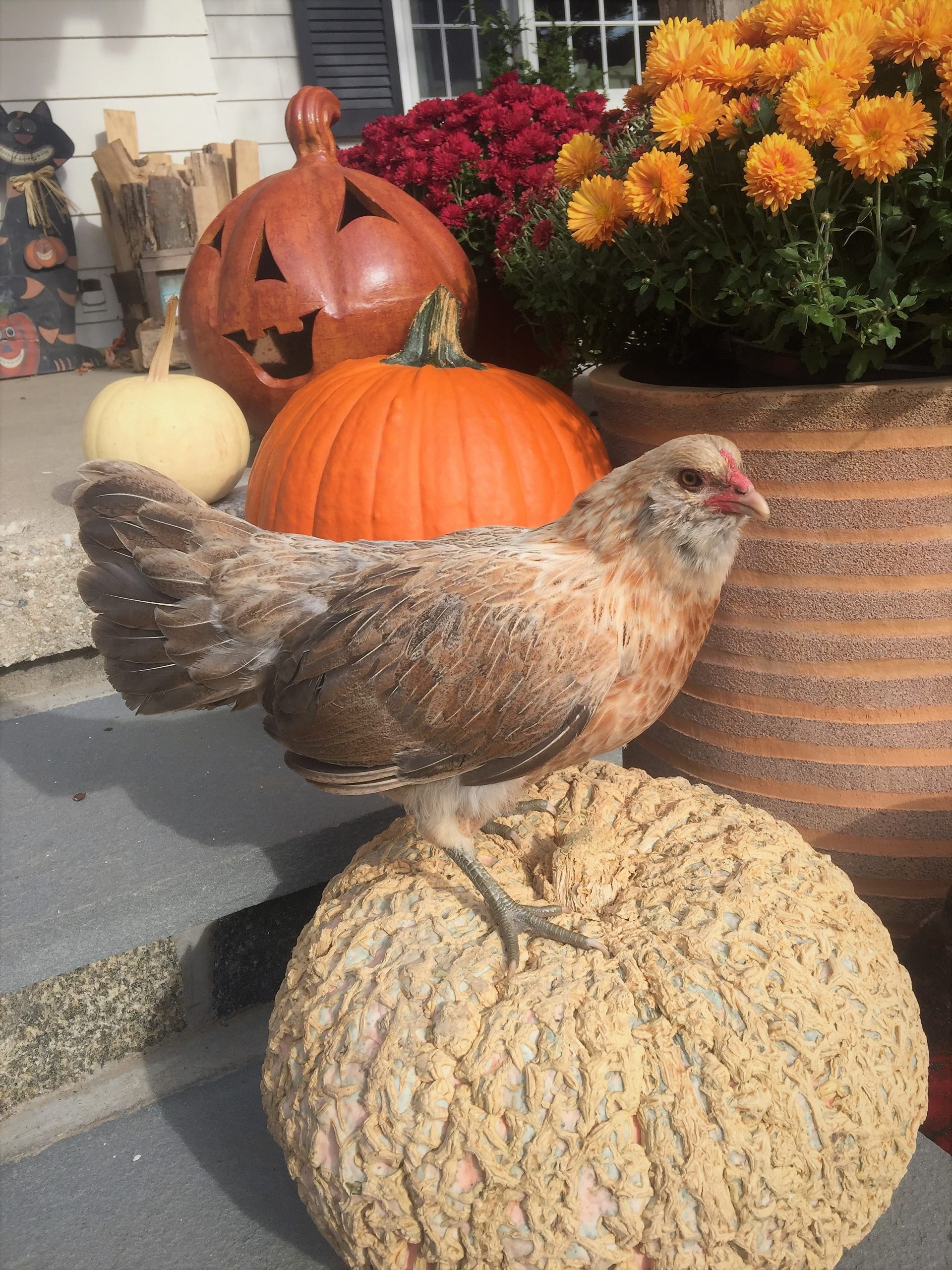
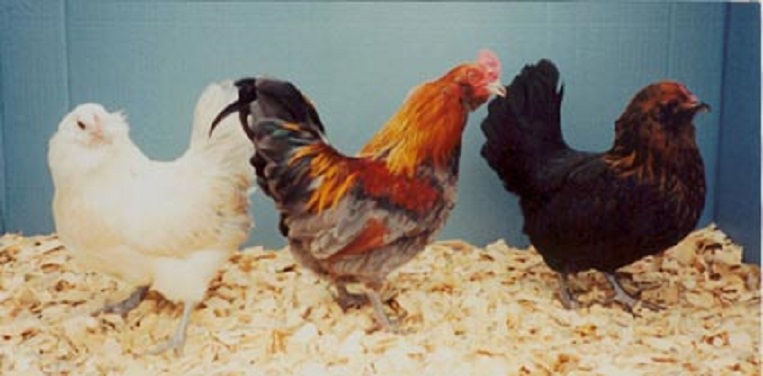
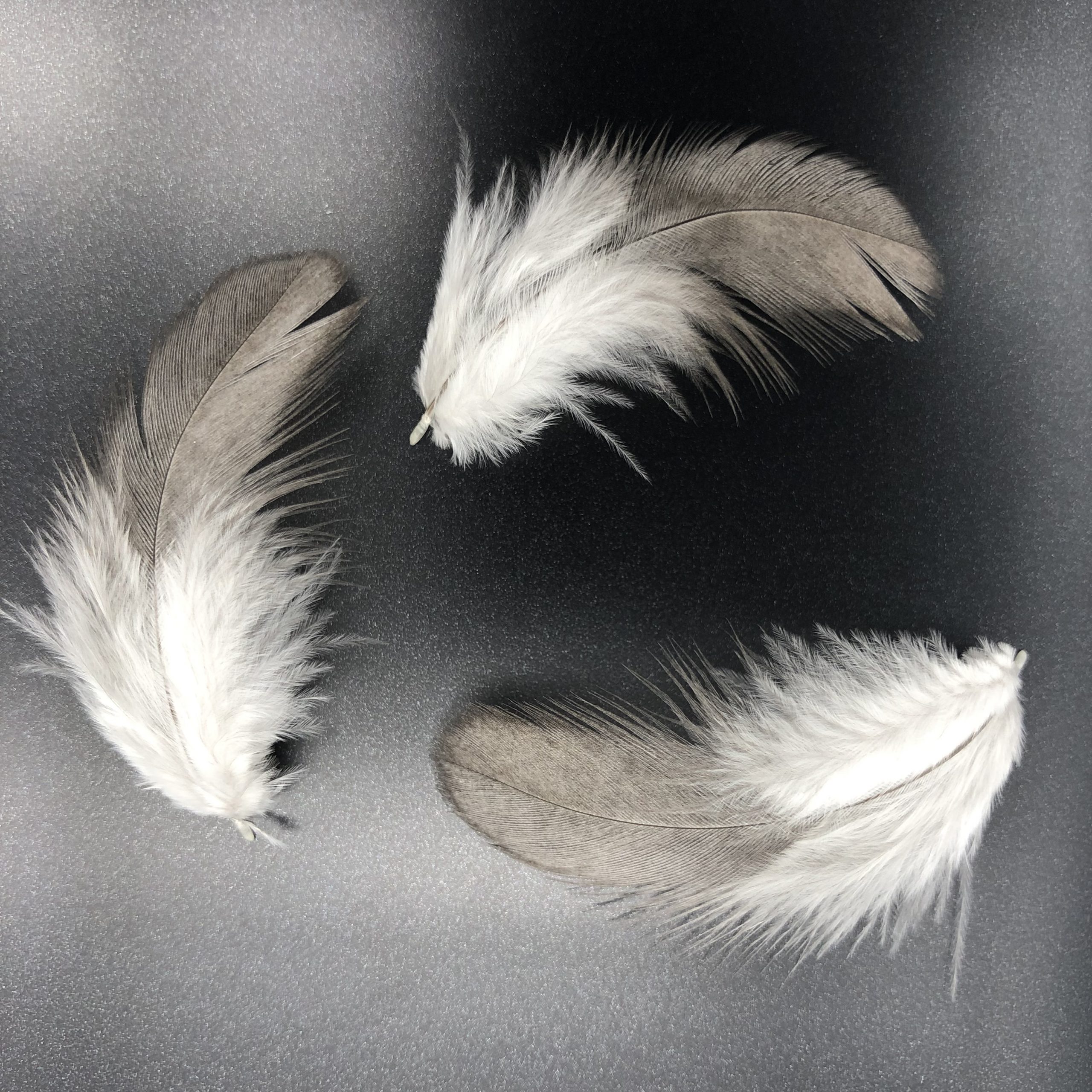
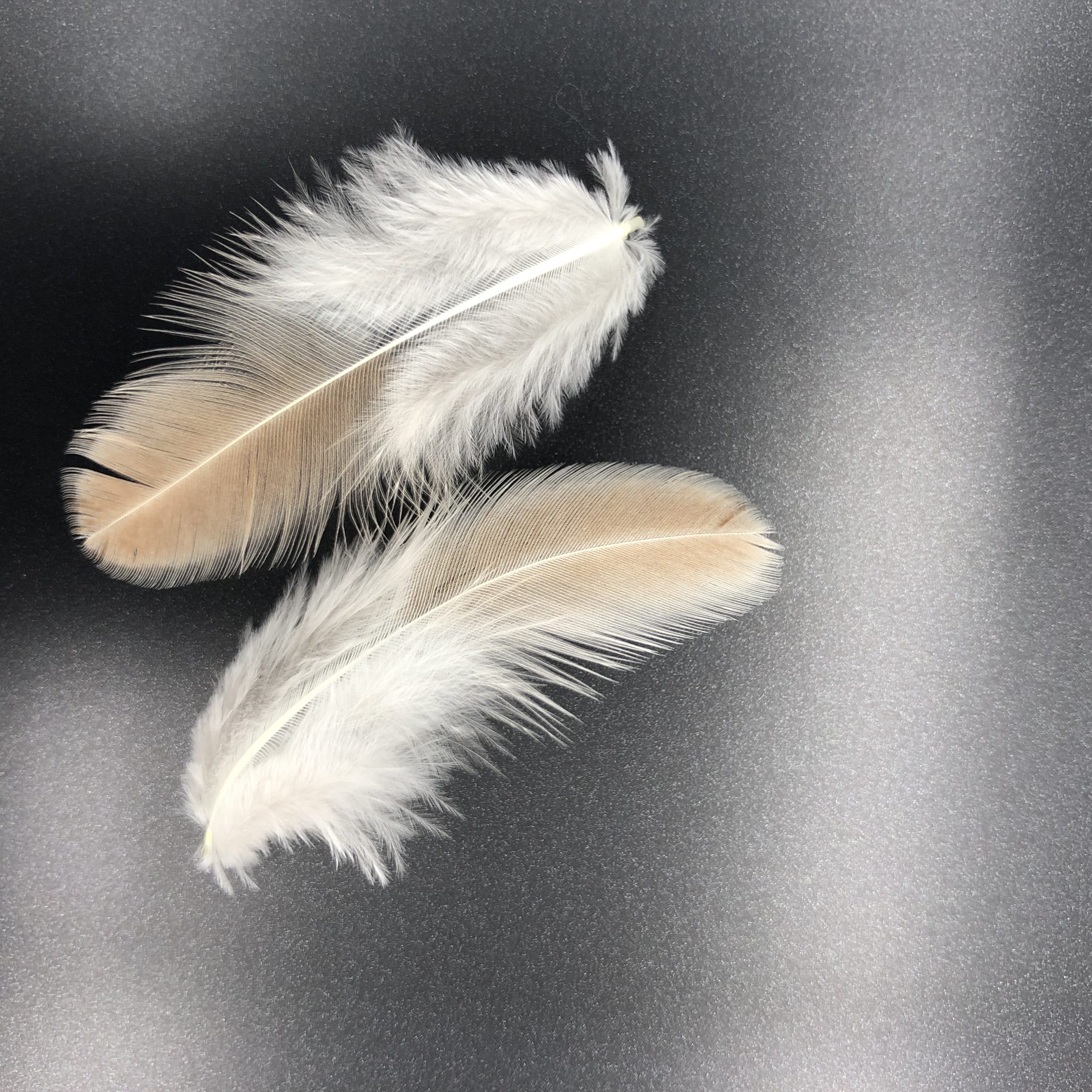
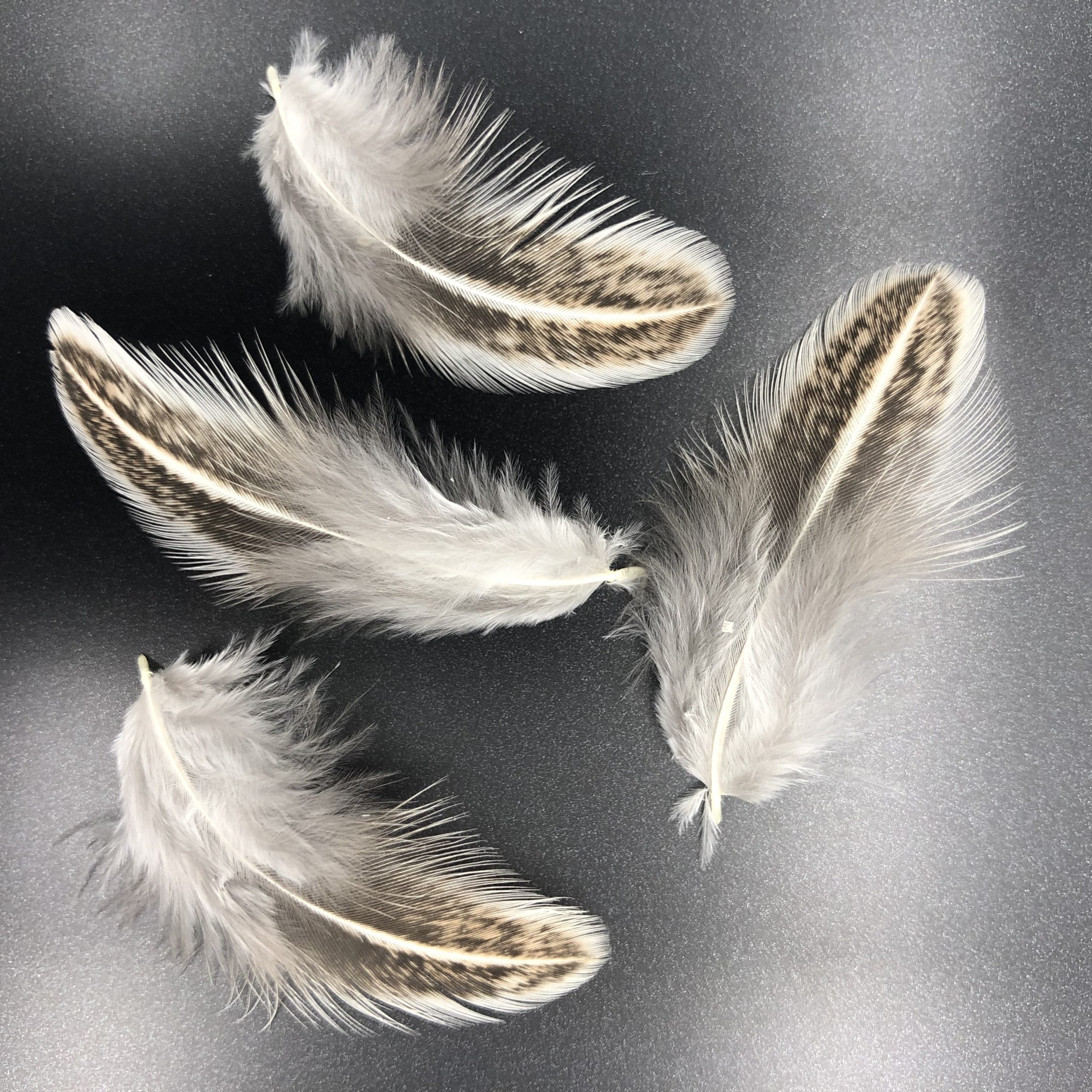
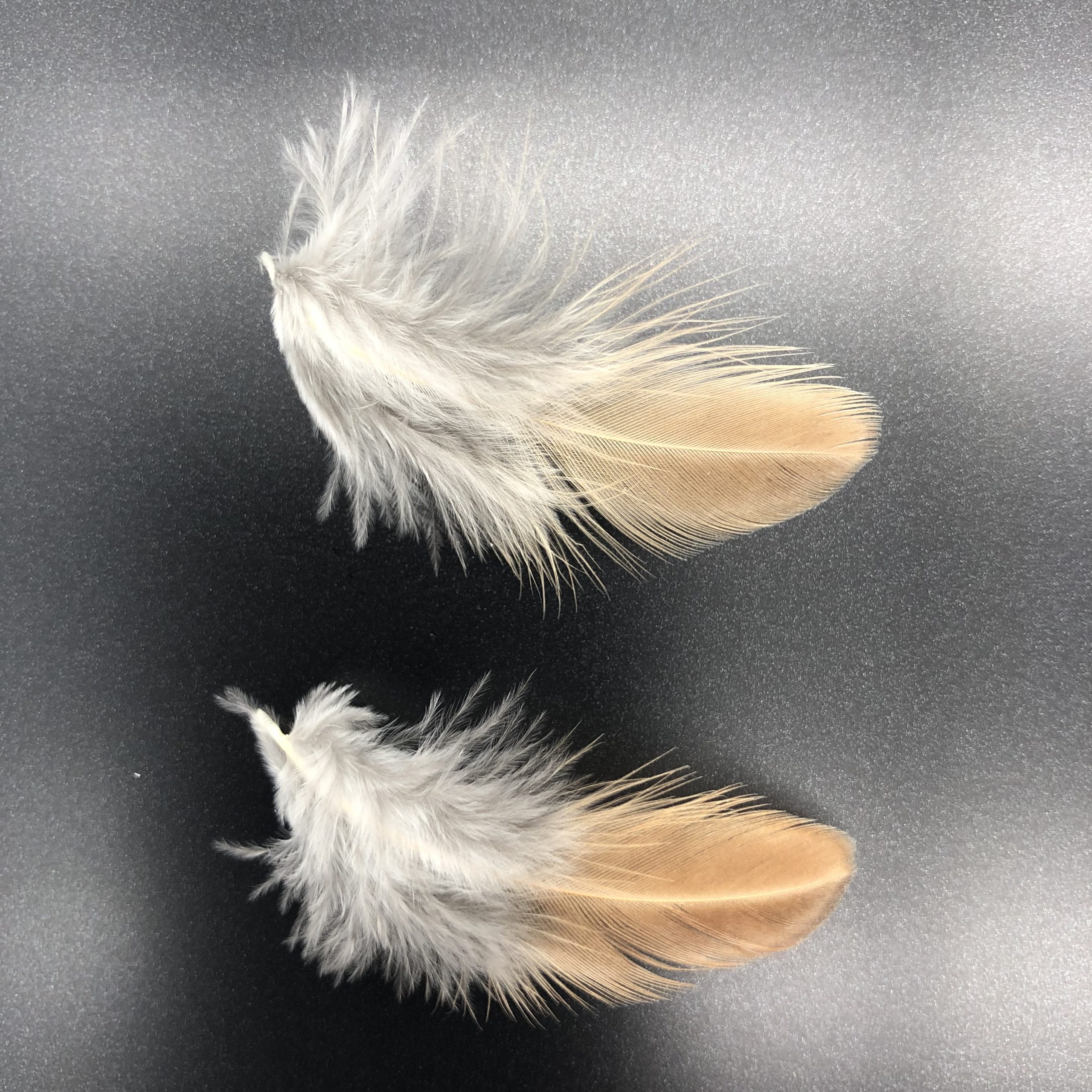
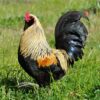
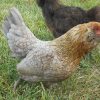
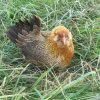
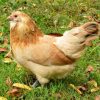
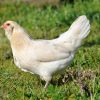
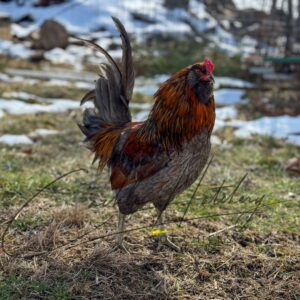
Easter Egger Bantams come in many mixed feather colors and patterns. That variety is part of the fun. You may see different shades, markings, and combinations within the same order or flock.
Because this is a bantam, the birds stay smaller than standard Easter Eggers. Their size makes them a good fit for hobby flocks, smaller coops, family backyard setups, and customers who simply enjoy miniature chickens.
Many Easter Eggers have beards or muffs, though appearance can vary. Since this is not a standardized breed variety, do not expect every chick to mature into the same color, pattern, or look. That said, the surprise is one of the reasons people enjoy them.
Easter Egger Bantam vs Standard Easter Egger
Easter Egger Bantams and standard Easter Egger chickens share the same colorful egg appeal, but the bantam is much smaller. Cackle’s standard Easter Egger page describes Easter Eggers as friendly backyard chickens that lay colorful eggs in shades of blue, green, and sometimes pinkish brown.
Choose Easter Egger Bantams if you want a miniature chicken for hobby keeping, broody mothering, smaller spaces, and colorful bantam eggs. Choose standard Easter Eggers if you want larger birds and larger eggs.
Both versions bring variety to the flock. However, the bantam is especially nice when you want a small chicken with a big personality.
Easter Egger Bantam vs Araucana and Ameraucana
Easter Eggers often get confused with Araucanas and Ameraucanas, but they are not the same thing.
True Araucanas have specific breed traits, including rumpless bodies and ear tufts. Cackle’s Araucana category explains that the tufted trait can carry a lethal gene and that rumplessness can create fertility challenges.
Ameraucanas are also a true breed with recognized traits and color varieties. Easter Eggers, including bantams, are different because they are mixed-color birds selected mainly for colorful eggs, backyard usefulness, and variety rather than strict show standards.
So, if you want a standardized exhibition breed, compare Araucanas or Ameraucanas. If you want a small, colorful, backyard-friendly bird with surprise egg colors, Easter Egger Bantams are a better fit.
Egg Production and Utility
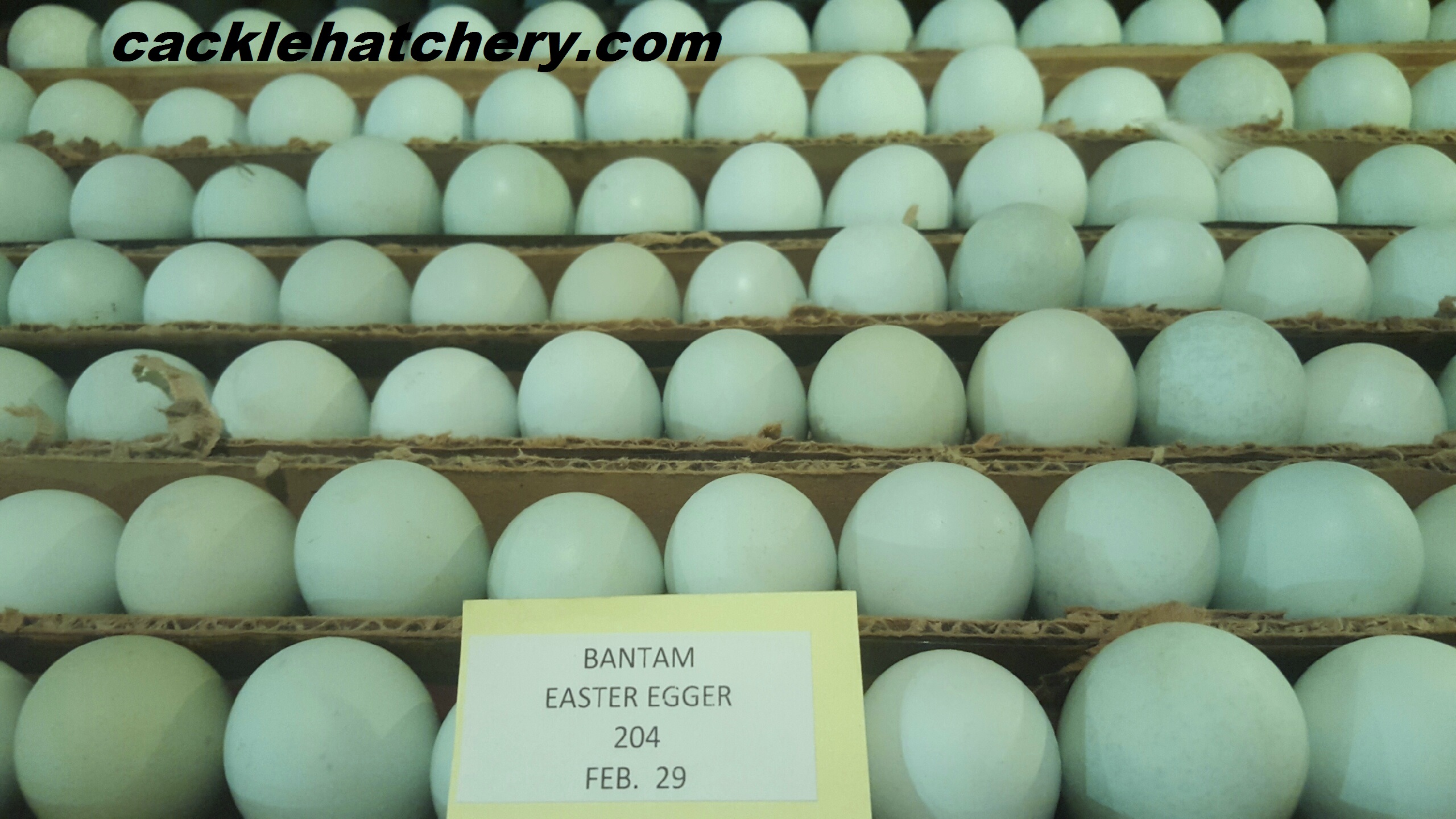
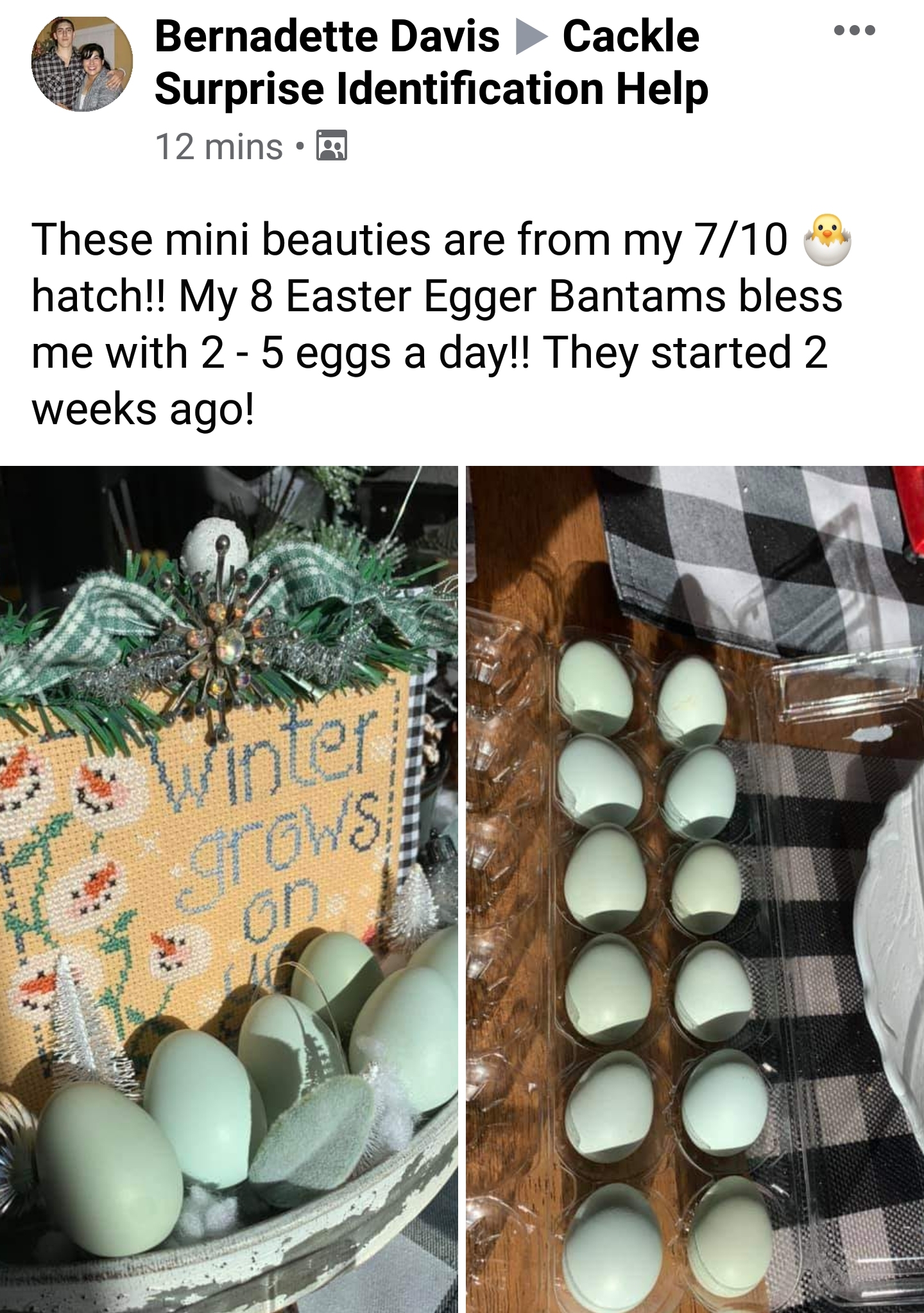
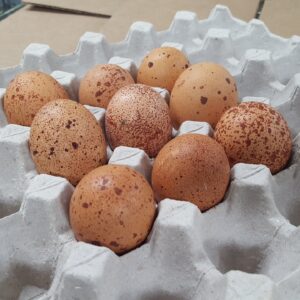
Easter Egger Bantams lay natural-colored eggs that may range from shades of blue and green to a few brownish or pinkish eggs. Each hen usually lays one shell color consistently. In other words, one hen does not lay blue on Monday and pink on Tuesday. A colorful egg basket comes from having multiple hens with different shell colors.
These bantams can be useful layers for their size, but they lay bantam-sized eggs. If you want full-size eggs, choose the standard Easter Egger or another large-fowl colored egg layer.
Cackle’s colored egg layer category notes that colored egg layers can add color to your flock and generally hatch and ship from February through September, depending on availability.
Broodiness and Mothering Ability
Easter Egger Bantams are great broody mothers for hatching and raising babies. That makes them especially useful for hobby keepers who enjoy natural chick raising.
Because bantams are smaller, they cannot cover as many eggs as a large hen. However, their broody instinct and smaller size can work well for bantam eggs, small clutches, or carefully managed hatching projects.
If you want a miniature colored egg layer that also brings mothering ability to the flock, this bantam offers both.
Temperament and Suitability
Easter Egger Bantams make great hobby backyard chickens. They are enjoyable, colorful, and well suited for customers who want something more interesting than a plain egg layer.
Their small size makes them easier to house than standard birds, but they still need good care. Provide clean water, balanced feed, dry bedding, predator protection, and enough room to move. Since bantams are small, hawks, cats, and other predators can be a bigger risk than they are for larger chickens.
These birds are a good fit for backyard enjoyment, colorful eggs, broody mothering, and small flock projects. If your main goal is maximum egg size or maximum egg count, a standard-size production layer will suit you better.
Crossbeak and Beak Development Note
Easter Eggers can have an inherited beak issue called crossbeak or scissor beak. This happens when the top and bottom beak do not line up correctly. In mild cases, a bird may still eat and drink with extra management. In more severe cases, the condition can worsen as the chick grows.
Cackle notes on related blue egg layer pages that about 1 out of 100 chicks may show some level of crossbeak, and that the condition can get worse as the bird matures.
This note is not meant to scare customers away. Instead, it helps customers know what to watch for as chicks grow. Early attention, feeder adjustments, and careful flock care can help some mild cases.
Is the Easter Egger Bantam Right for Your Flock?
Choose Easter Egger Bantams if you want:
A miniature Easter Egger
A bantam colored egg layer
Blue, green, or pinkish egg possibilities
A wide range of feather colors
A broody bantam mother
A hobby backyard chicken
A smaller bird for limited space
A fun family flock addition
A standard Easter Egger version to compare
A colorful egg layer with personality
Overall, this bantam is a great choice if you want small chickens, colorful eggs, and backyard enjoyment. While it is not the right bird for large eggs or high-output production, it is a delightful choice for hobby flocks and customers who enjoy variety.
If you are still comparing bantams, browse Cackle Hatchery’s bantam chickens category. Cackle notes that bantams are popular for pets, showing, broody hens, and small backyards where space is limited.
Breed History and Preservation
Easter Egger Bantams come from the broader Easter Egger background, which connects to blue egg genetics and mixed-color breeding. They are not a standardized heritage breed in the same way as Plymouth Rocks, Wyandottes, or Brahmas.
Instead, their value comes from variety, colored eggs, and backyard usefulness. Cackle’s spotlight article describes Easter Egger Bantams as smaller birds that originated from a cross between blue-egg-laying Ameraucanas and brown-egg-laying breeds.
Because Easter Egger Bantams are not a standard breed variety, preservation works differently. The focus is not one exact feather color or show standard. Instead, the goal is a small, useful, colorful bird that brings natural egg color and enjoyment to backyard flocks.
Recognition and Availability
The American Poultry Association does not recognize Easter Egger Bantams as a standard breed variety. They are best understood as miniature colored egg layers selected for variety, egg color, and backyard charm.
You can choose Easter Egger Bantam chicks when they are available. Cackle’s bantam category notes that many bantam breeds typically hatch and ship from February through August, depending on the breed and hatch schedule.
Before you plan your order, check the Availability Chart for current hatch and shipping options. Cackle notes that the chart updates often and may change as egg numbers become more accurate.
Related Breeds and Helpful Cackle Hatchery® Resources
If you like Easter Egger Bantams, you may also want to compare the standard Easter Egger Chicken, Easter Egger Started Pullets, blue egg layers, and other colored egg layers. Cackle’s Easter Egger Started Pullet page explains that Easter Eggers have tails, do not have pure color types, and are bred for a wide variety of feather colors and egg colors.
For more background, read Easter Egger Bantam Chickens in the Spotlight and Cackle Hatchery’s Best Blue Egg Layers. The Best Blue Egg Layers blog explains that blue shell color is dominant, but breeding for the best blue egg layers still takes careful selection.
For broader flock planning, browse baby chicks for sale, bantam chickens, and the Chicken Breed Selector.
FAQ: Easter Egger Bantam Chicken
What is an Easter Egger Bantam chicken?
An Easter Egger Bantam is the miniature version of the standard Easter Egger. This small chicken comes in mixed feather colors and may lay blue, green, or sometimes brownish/pink bantam eggs.
Are Easter Egger Bantams a true breed?
No. Easter Egger Bantams are not a standardized APA breed. They are mixed-color bantams selected for colorful eggs, variety, and backyard usefulness.
What color eggs do Easter Egger Bantams lay?
They may lay shades of blue, green, and sometimes brownish or pinkish eggs. Egg color can vary by hen.
Does one Easter Egger Bantam hen lay different colored eggs?
No. Each hen usually lays one egg color consistently. A colorful basket comes from keeping multiple hens that each lay different shell colors.
Are Easter Egger Bantams good egg layers?
They can be useful layers for bantams, but the eggs are bantam-sized. For larger eggs, choose a standard Easter Egger or another large-fowl colored egg layer.
Are Easter Egger Bantams broody?
Yes. These bantams can make great broody mothers and are useful for hatching and raising chicks.
Are Easter Egger Bantams good mothers?
Yes. Their broody nature makes them a good choice for hobby keepers who enjoy natural chick raising.
What do Easter Egger Bantams look like?
They come in a wide range of mixed feather colors and patterns. Since they are not a fixed color variety, each bird may look different.
Are Easter Egger Bantams good backyard chickens?
Yes. They are great hobby backyard chickens, especially for customers who want small birds, mixed colors, and natural-colored eggs.
Are Easter Egger Bantams good for beginners?
Yes, they can be a good fit for beginners who want small colored egg layers. However, they still need secure housing, clean water, balanced feed, dry bedding, and predator protection.
Are Easter Egger Bantams the same as Ameraucana Bantams?
No. Easter Egger Bantams may have Ameraucana-type blue egg background, but they are not the same as standardized Ameraucana Bantams.
Are Easter Egger Bantams the same as Araucana Bantams?
No. Araucanas have specific traits such as rumplessness and ear tufts. Easter Eggers are mixed-color birds selected mainly for colorful eggs and backyard usefulness.
Do Easter Egger Bantams have crossbeak issues?
They can. Cackle notes that about 1 out of 100 Easter Egger-type chicks may develop some level of crossbeak or scissor beak as they grow.
What is crossbeak?
Crossbeak, also called scissor beak, happens when the top and bottom beak do not line up correctly. The condition may become more noticeable as the chick grows.
Do Easter Egger Bantams carry the lethal alleles found in some Araucanas?
Most Easter Egger chickens do not inherit the lethal alleles associated with tufted Araucanas. That is one reason many backyard keepers choose Easter Eggers for colorful eggs without the same Araucana breeding concerns.
Where can I read more about Easter Egger Bantams?
Read Cackle Hatchery’s Easter Egger Bantam Chickens in the Spotlight for more breed background.
Where can I check chick availability?
Check the Availability Chart for current hatch and shipping options. Availability can change as hatch dates and egg numbers change.

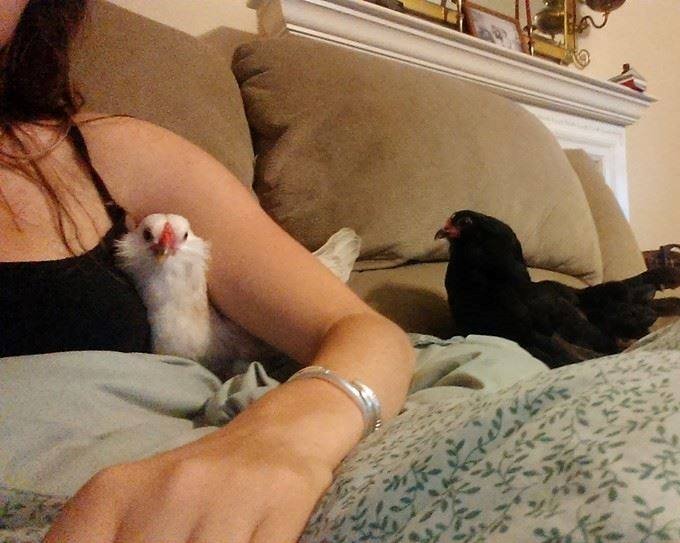
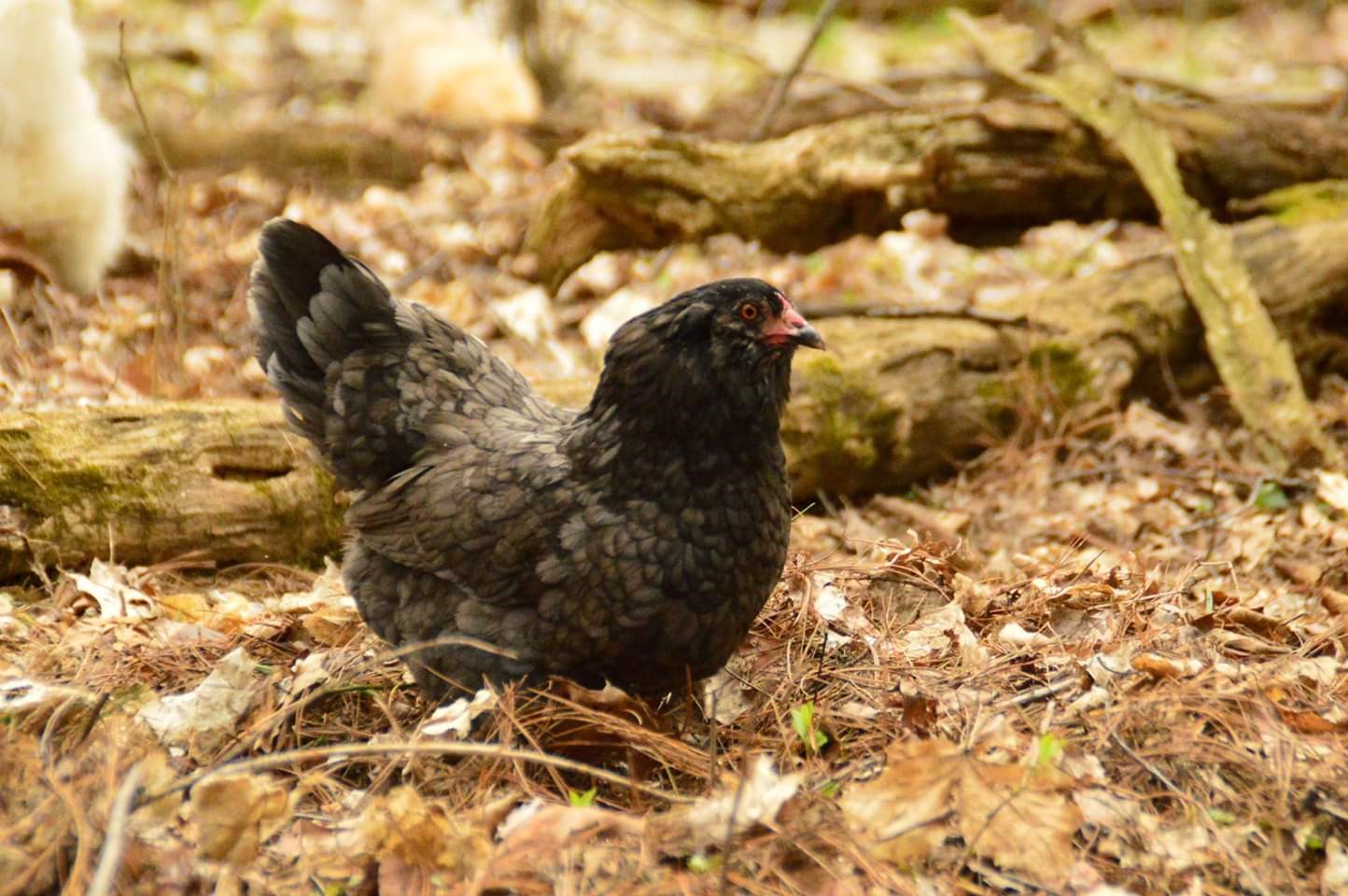
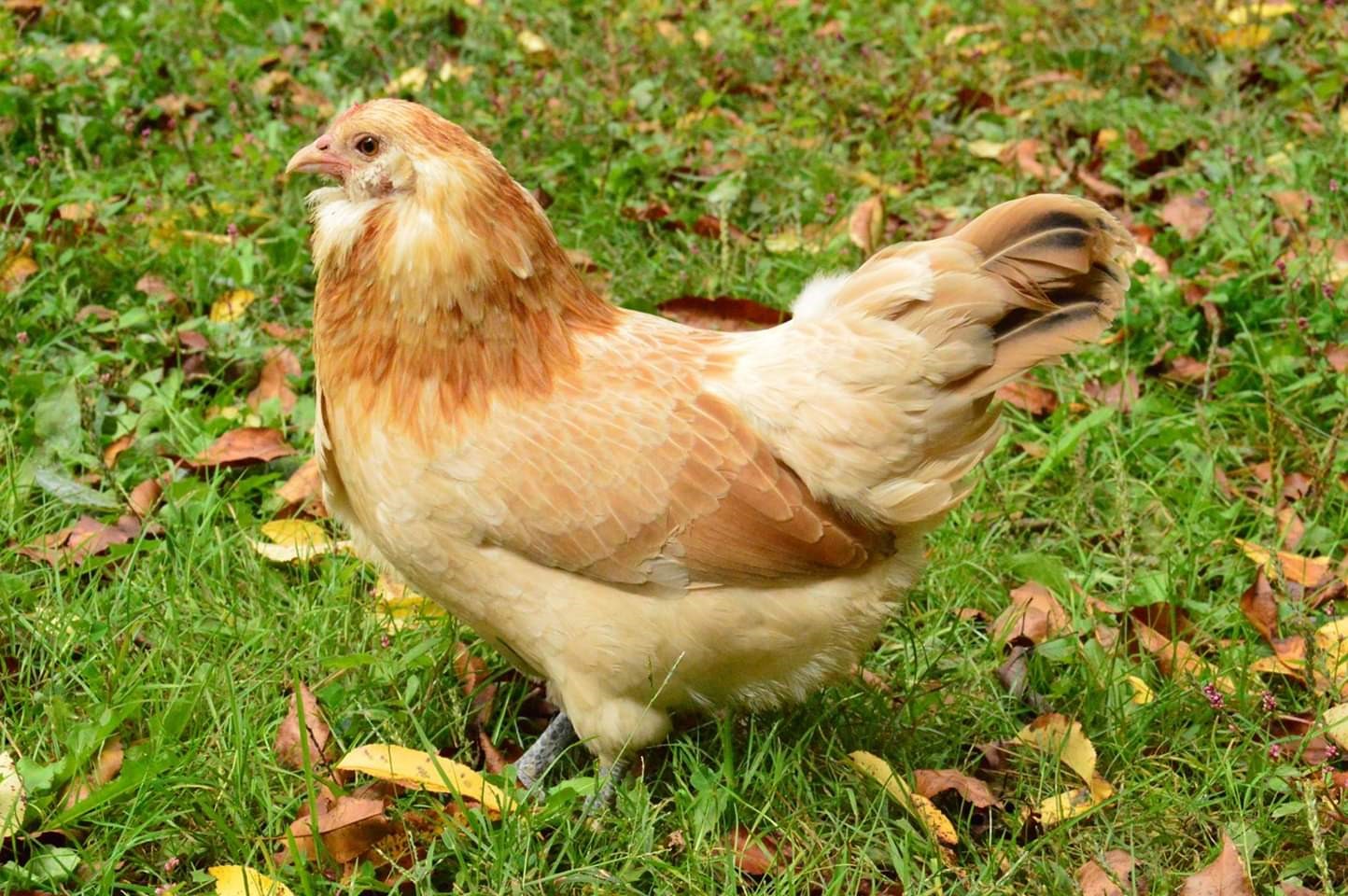

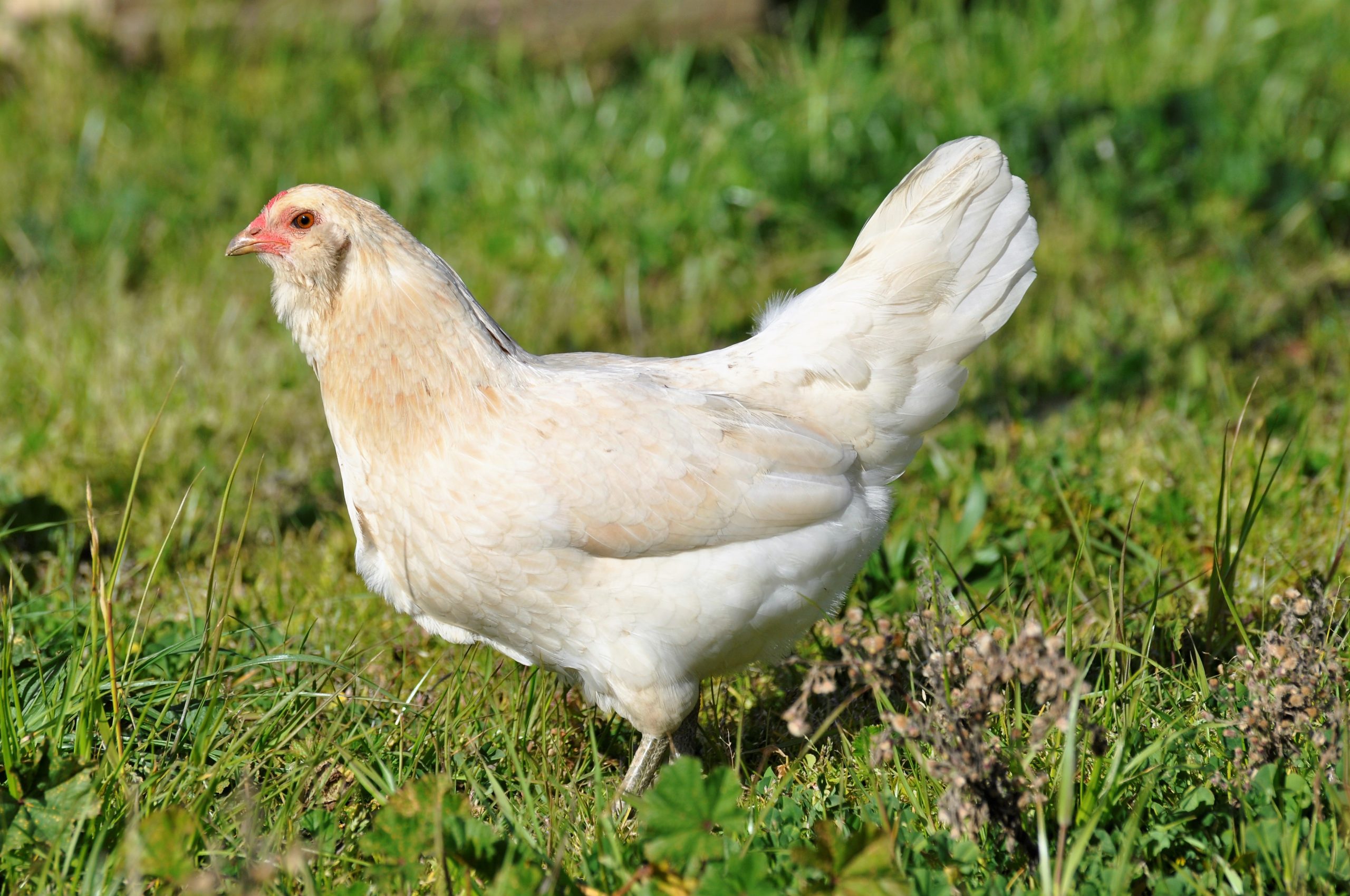





















Carly Kubinski –
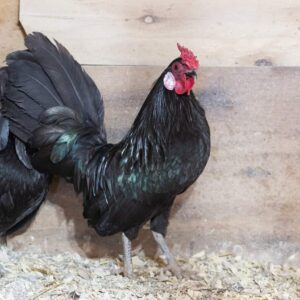
Out of 11 chicks- 7 ended up roosters. Which is pretty disappointing.
I realize this was a “straight run only.” But I won’t be ordering anymore unless they start offering sexing for this breed. Other than that, the roosters are beautiful. The hens haven’t started laying yet.