Description
F2 Olive Egger™ Chickens
Unique Genetics and Development
Cackle Hatchery® has developed this second-generation (F2) Olive Egger™ by crossing our F1 Olive Egger hens back with a select mix of males, including Black Tailed Red Marans, Black Ameraucana, and Cream Legbar.
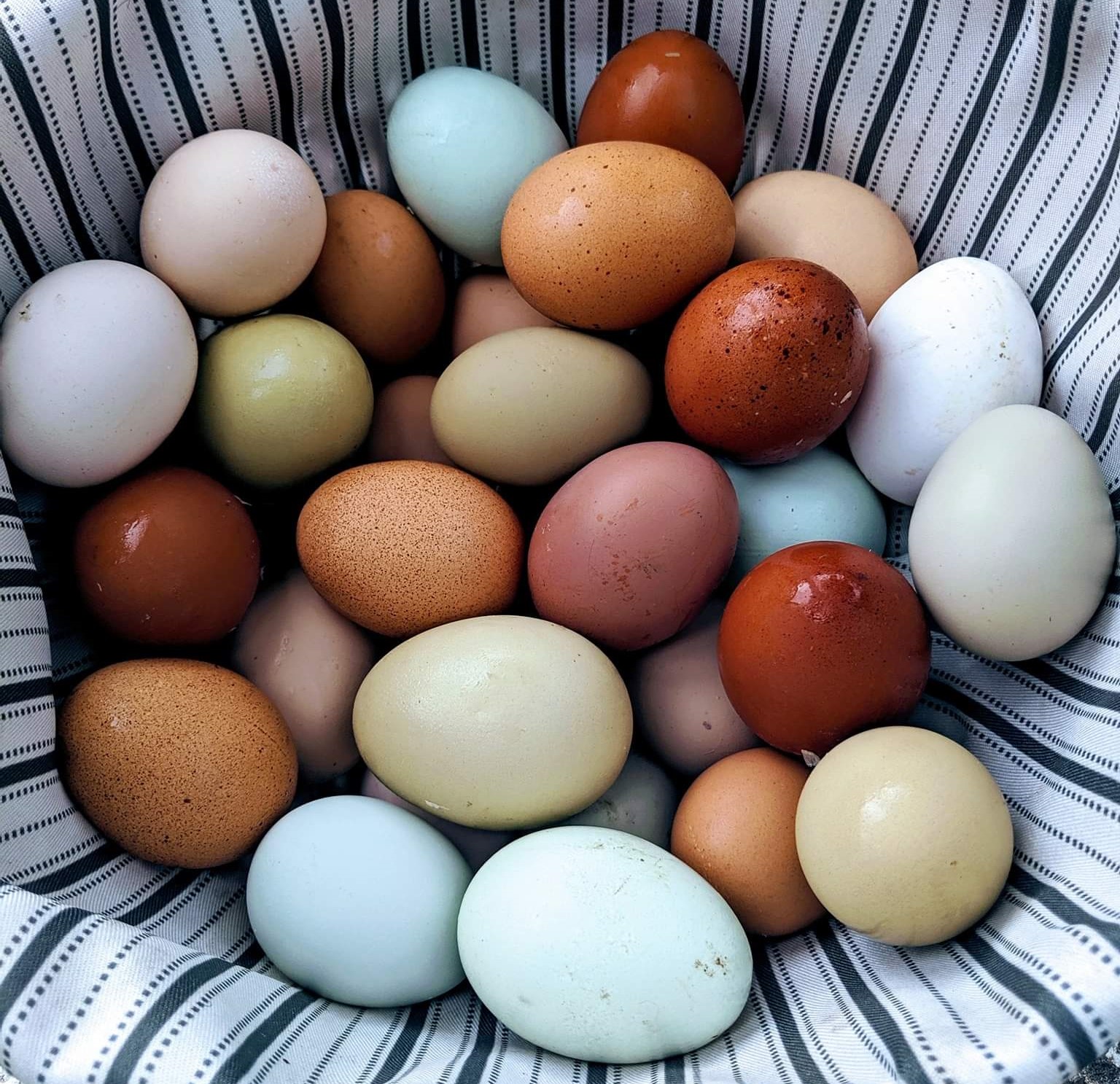
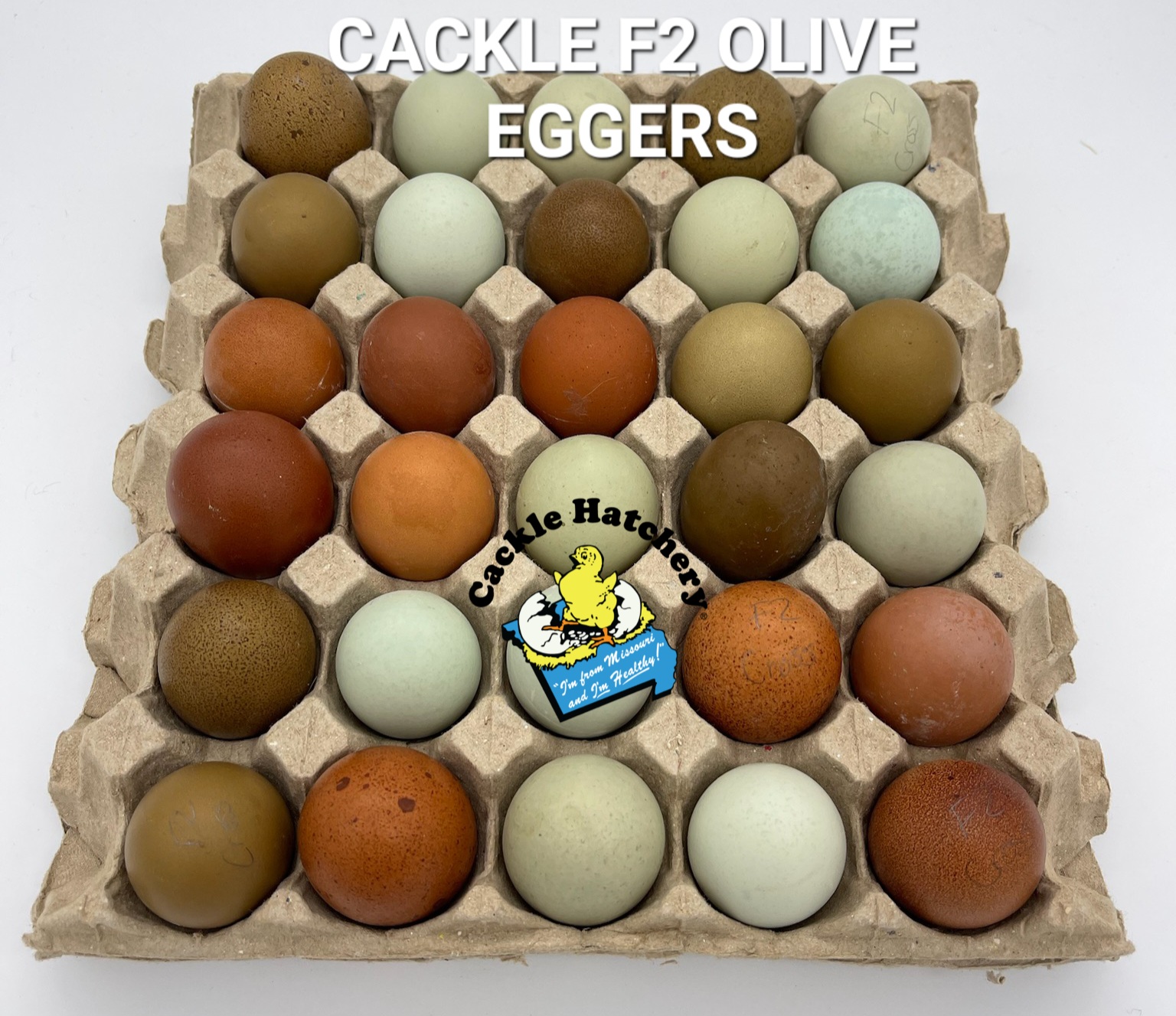
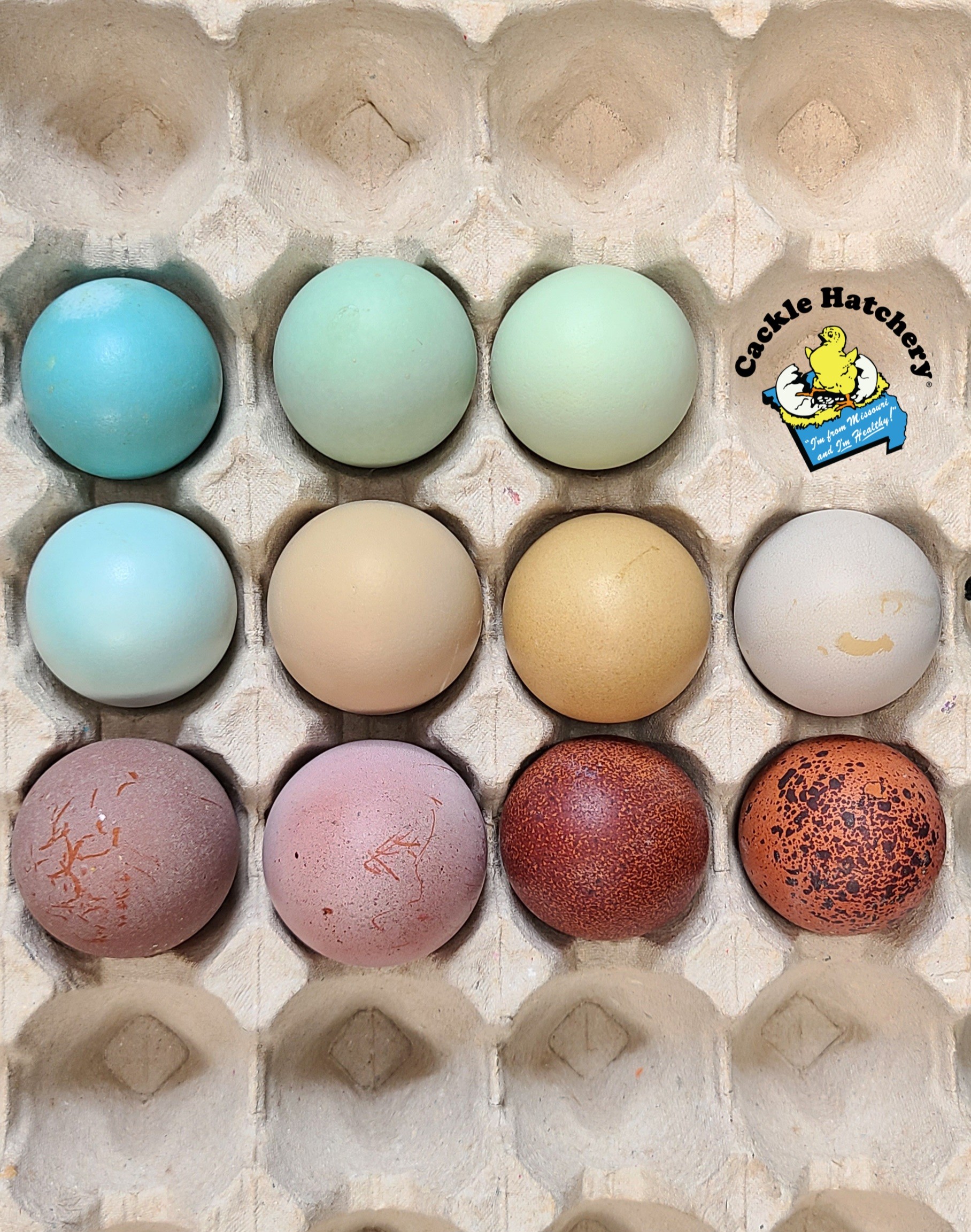
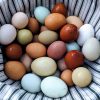
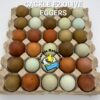
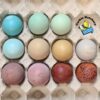
This intentional breeding approach expands the range of egg colors beyond traditional olive, producing a broader, more dynamic egg basket with shades that may include:
- Deep olive green
- Lighter olive tones
- Blue and blue-green hues
- Darker brown or chocolate influences
If you’re looking for variety rather than uniformity, this cross delivers exactly that.
Egg Production and Color Variety
F2 Olive Egger™ hens are strong, reliable layers, producing approximately 180–200 eggs per year. Eggs are typically medium to large in size, with color variation being one of the biggest highlights of this hybrid.
Unlike first-generation Olive Eggers™, the F2 generation introduces more diversity in shell color, making each flock unique.
Appearance and Traits
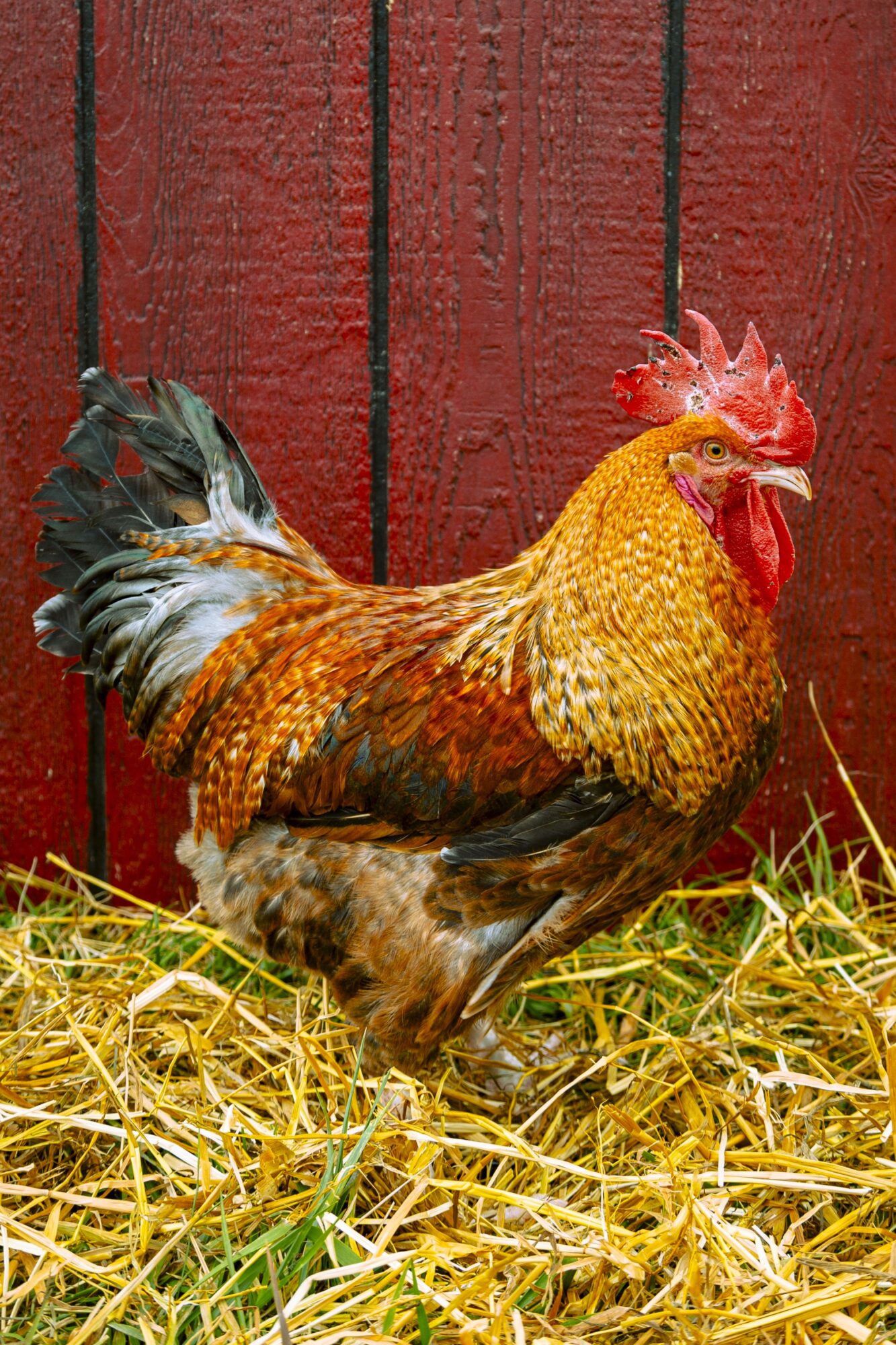
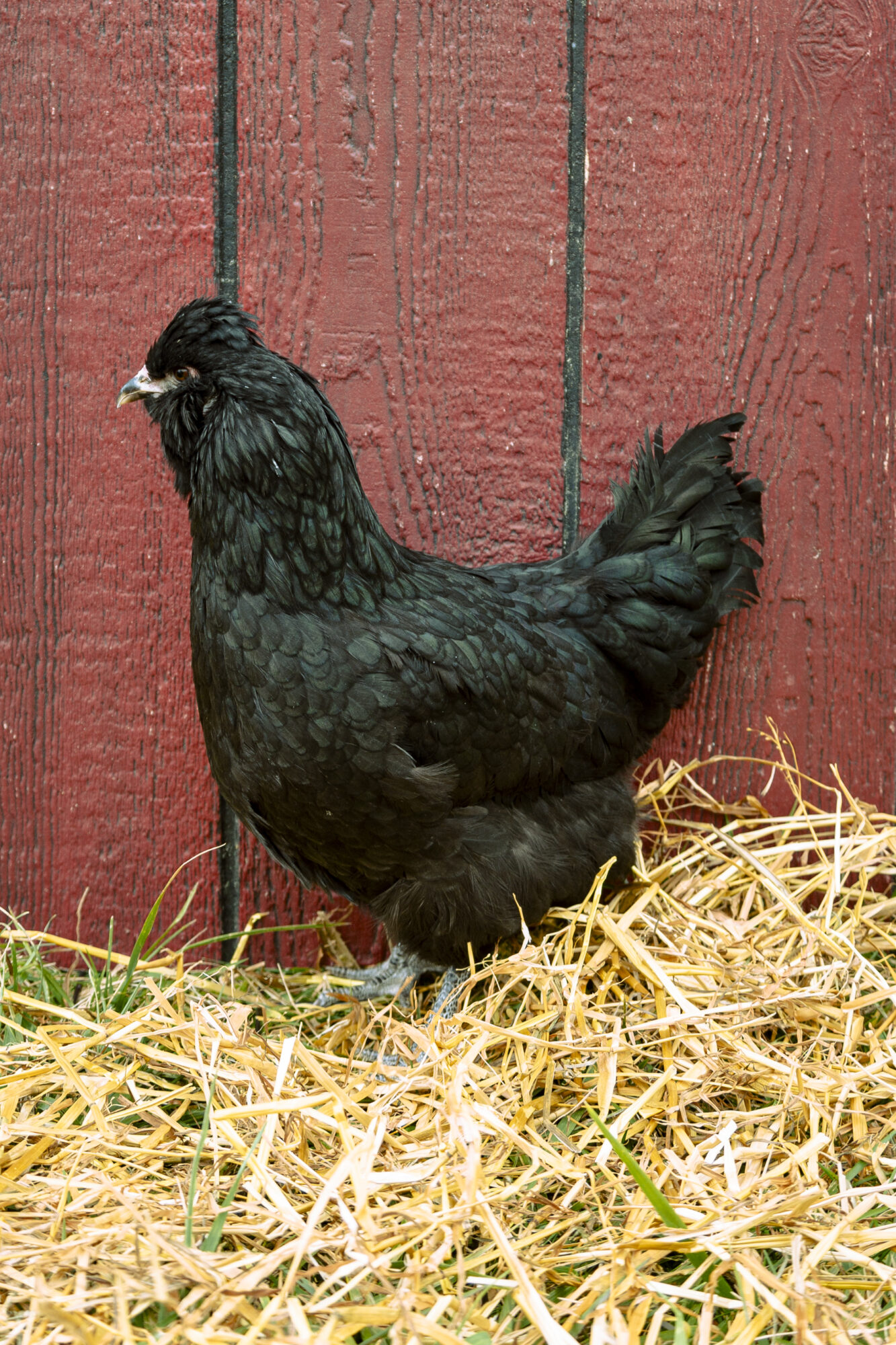
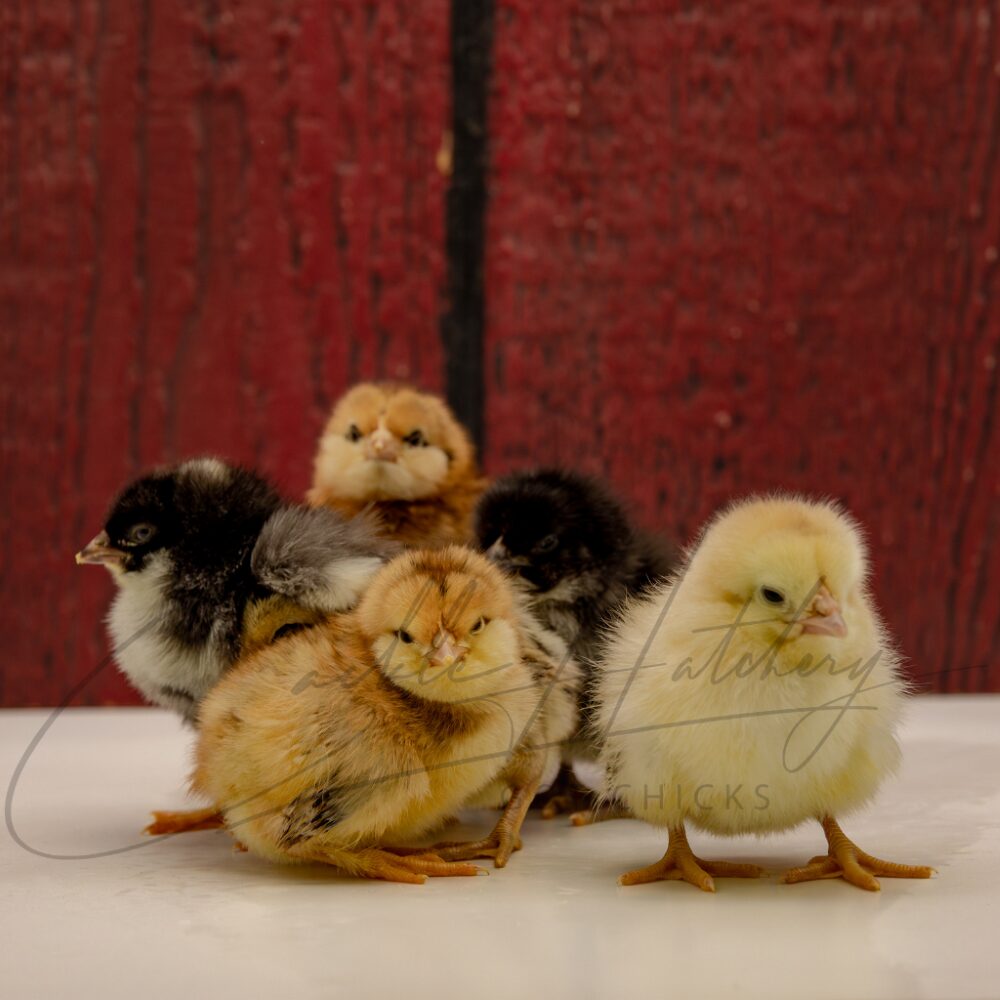
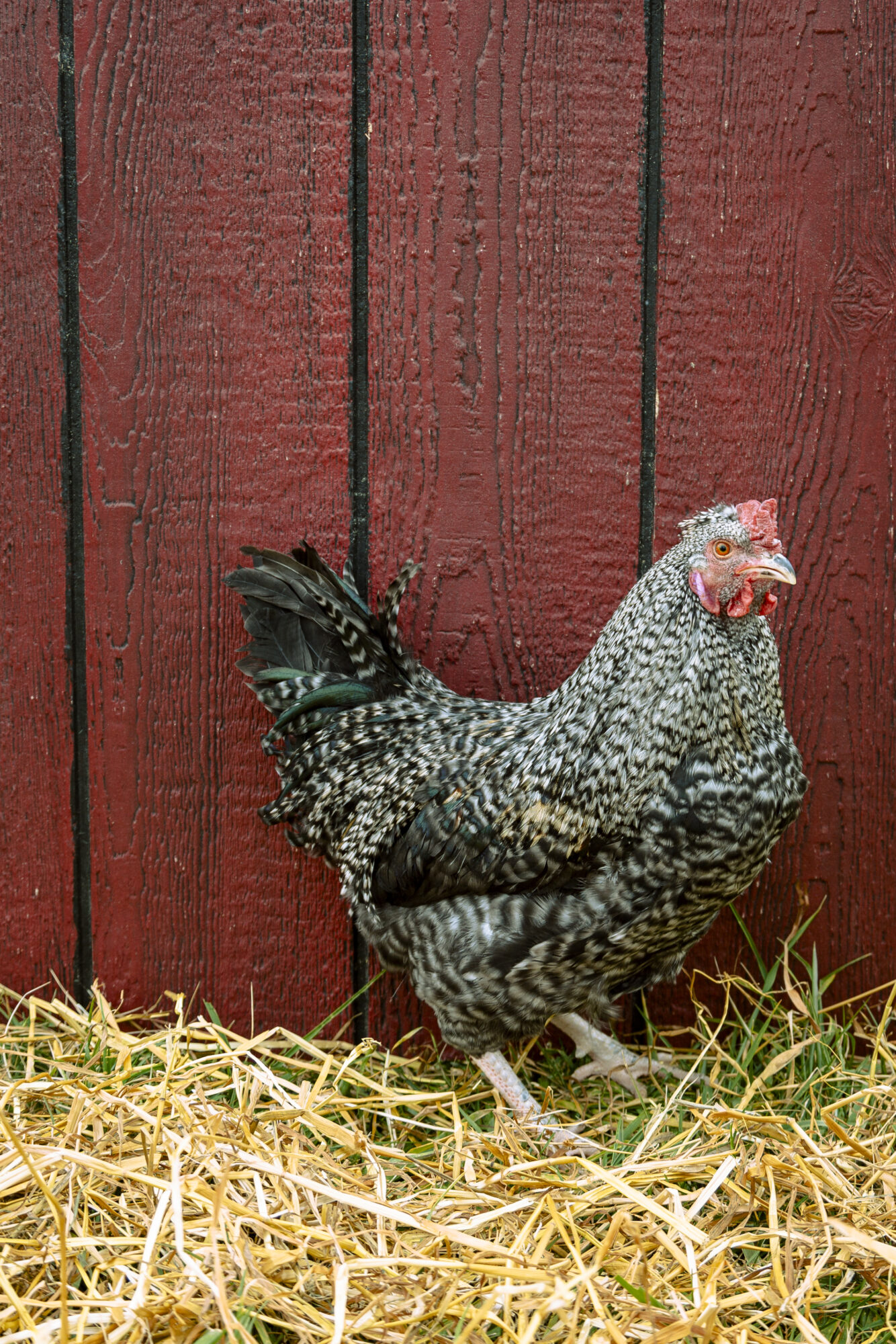
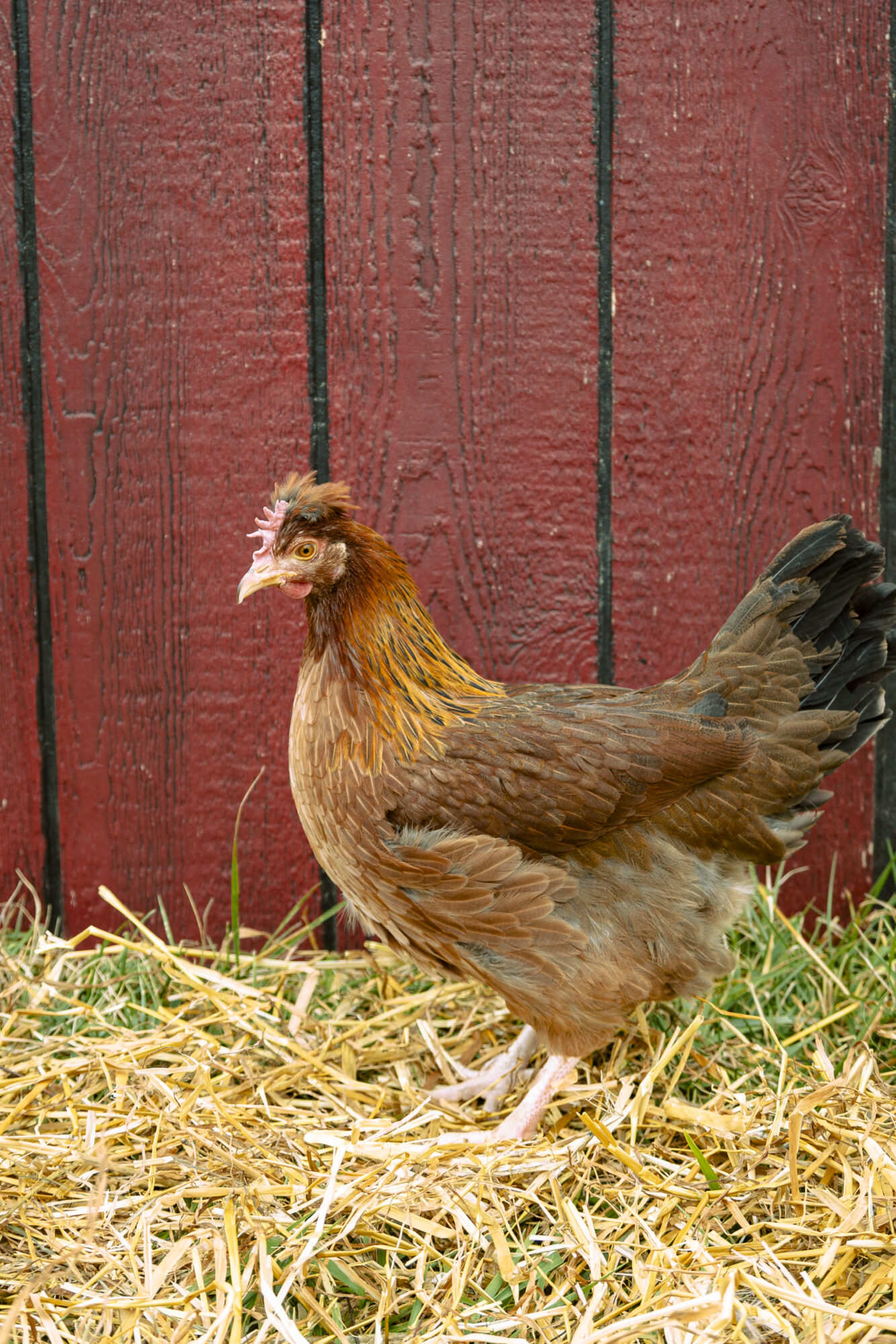
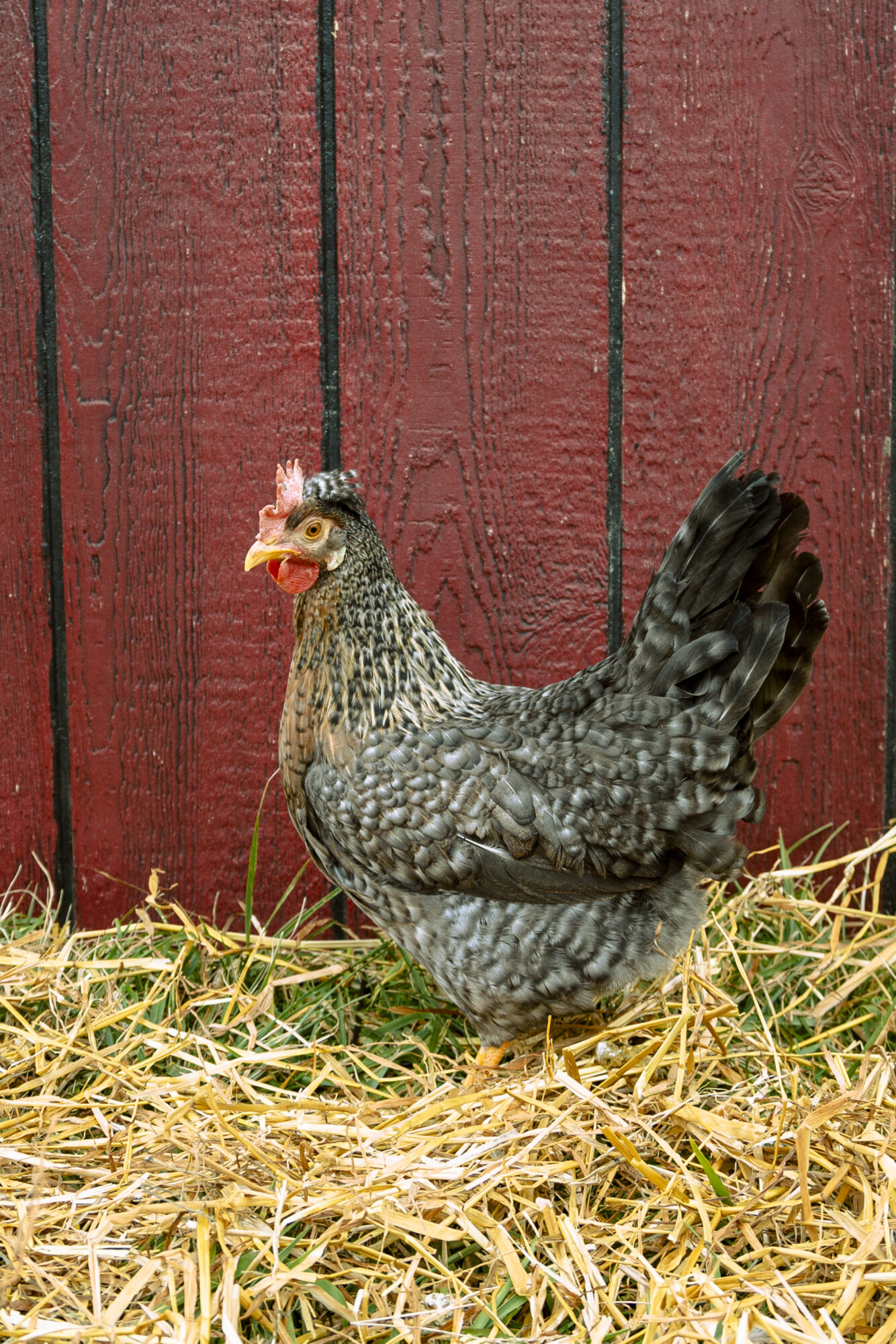
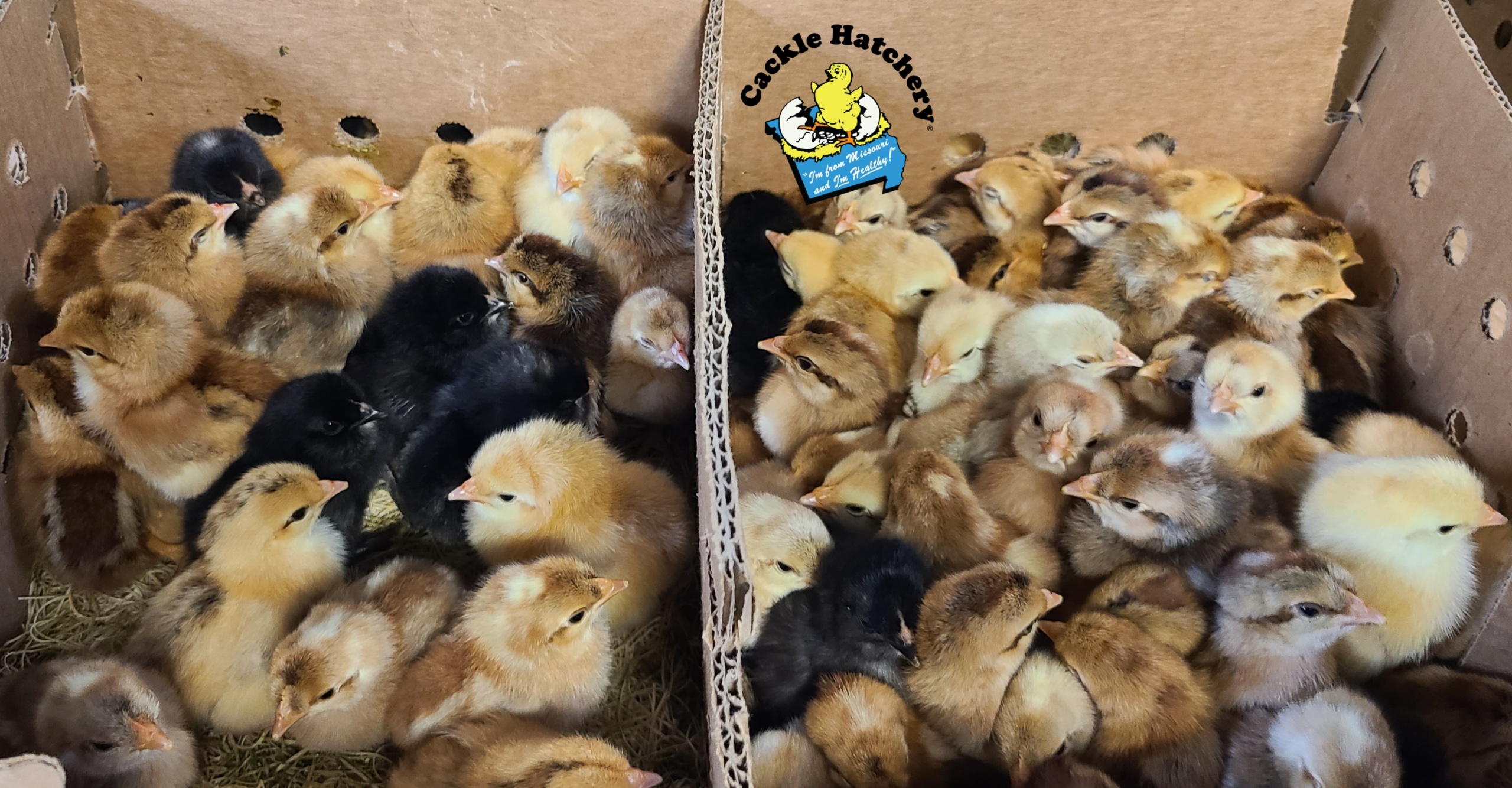
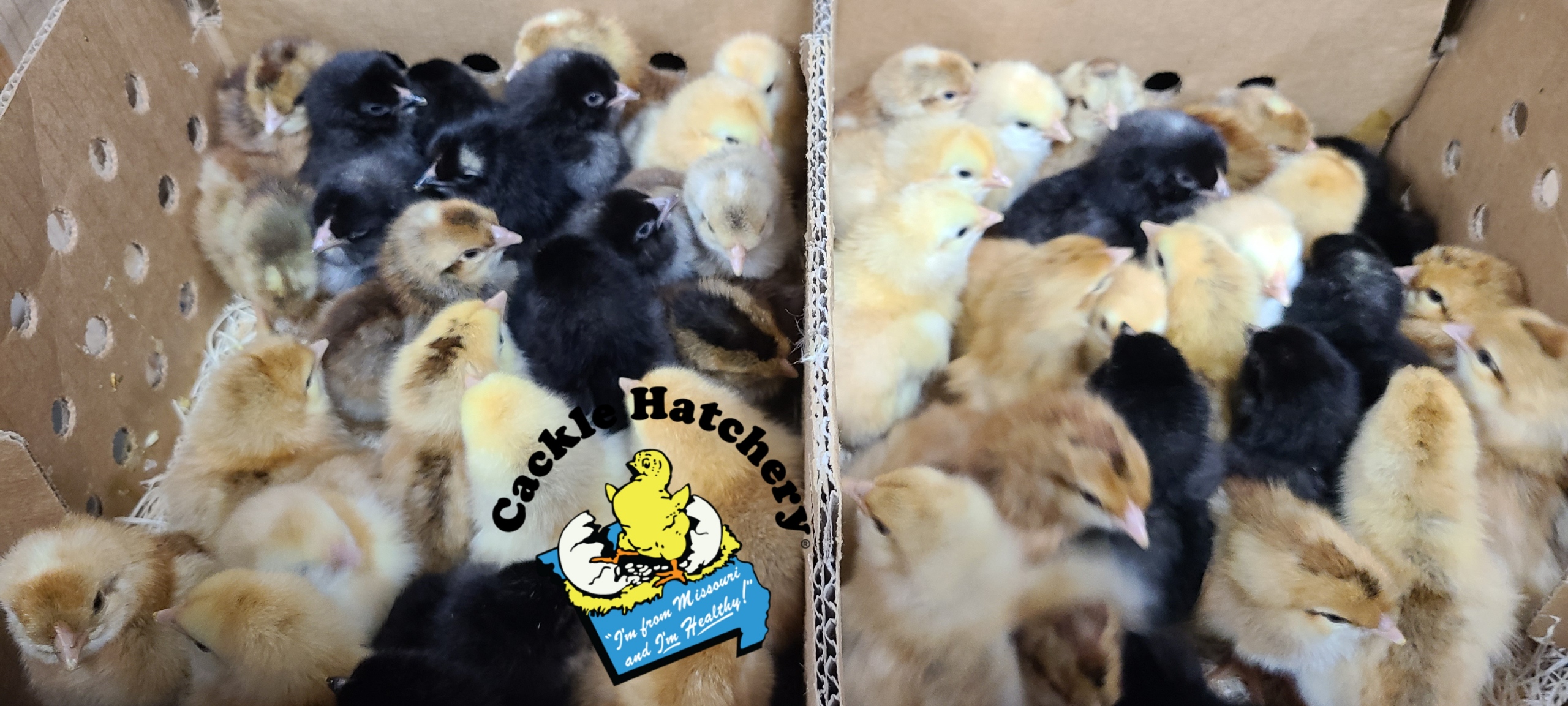
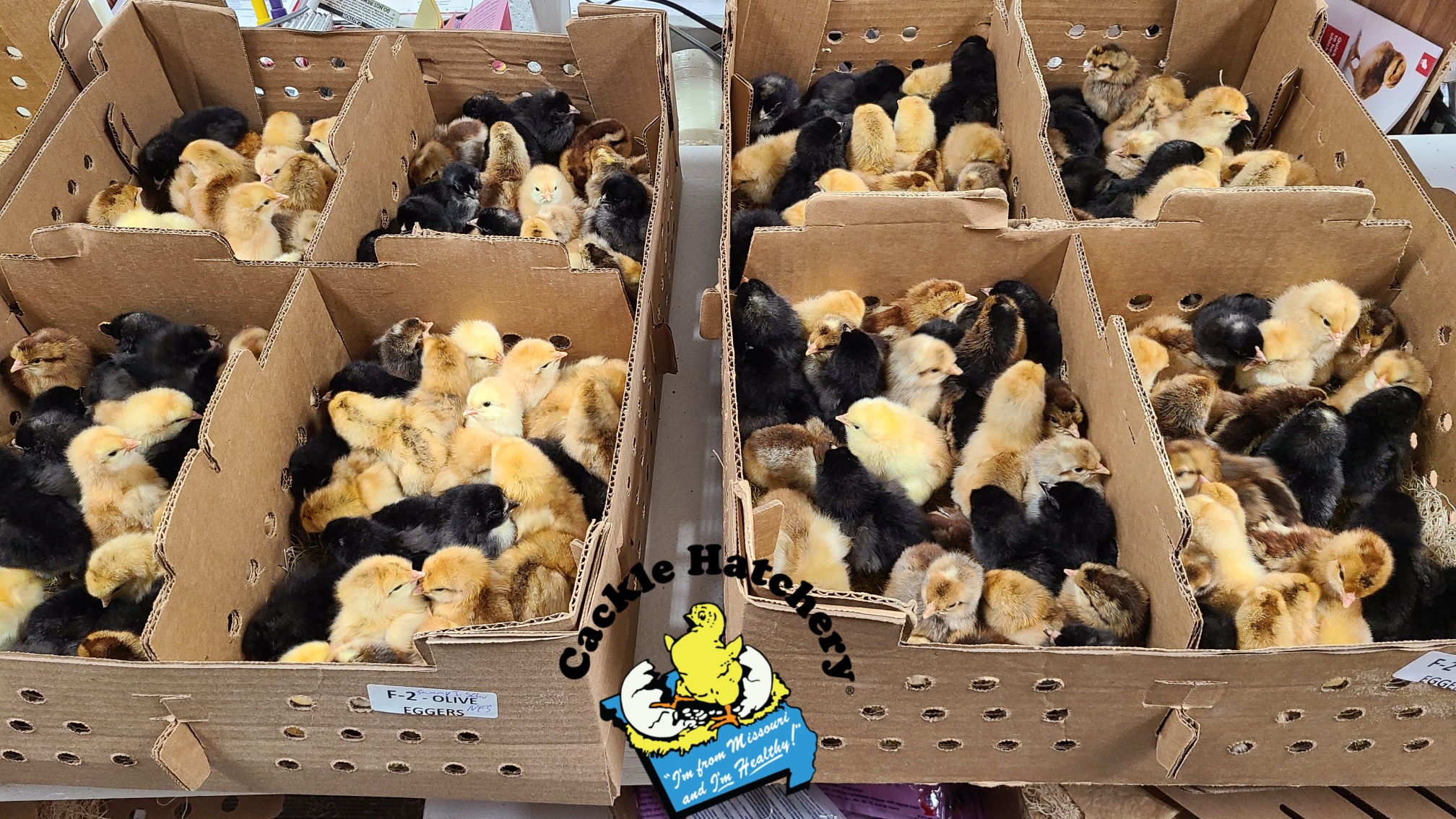
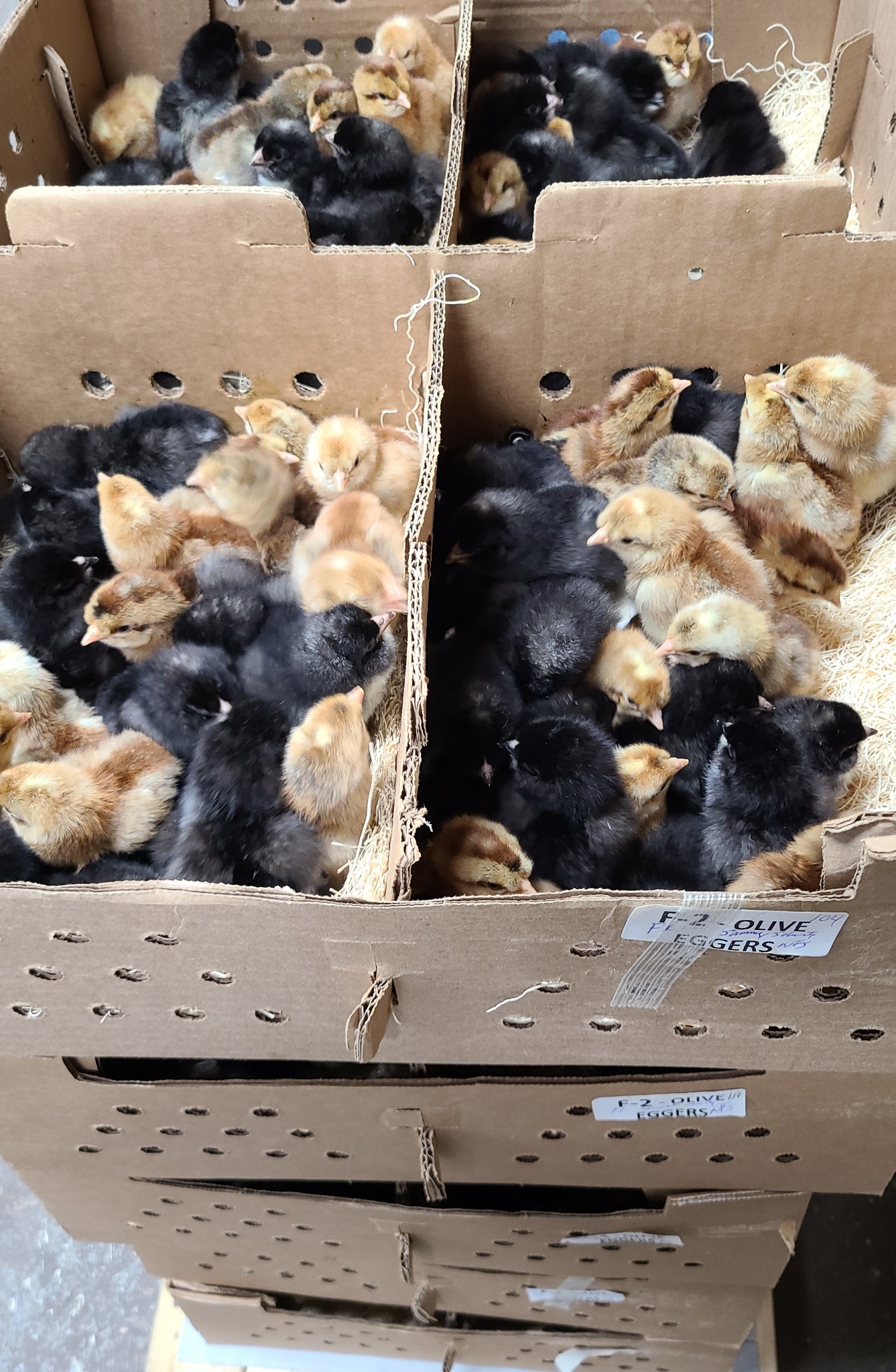
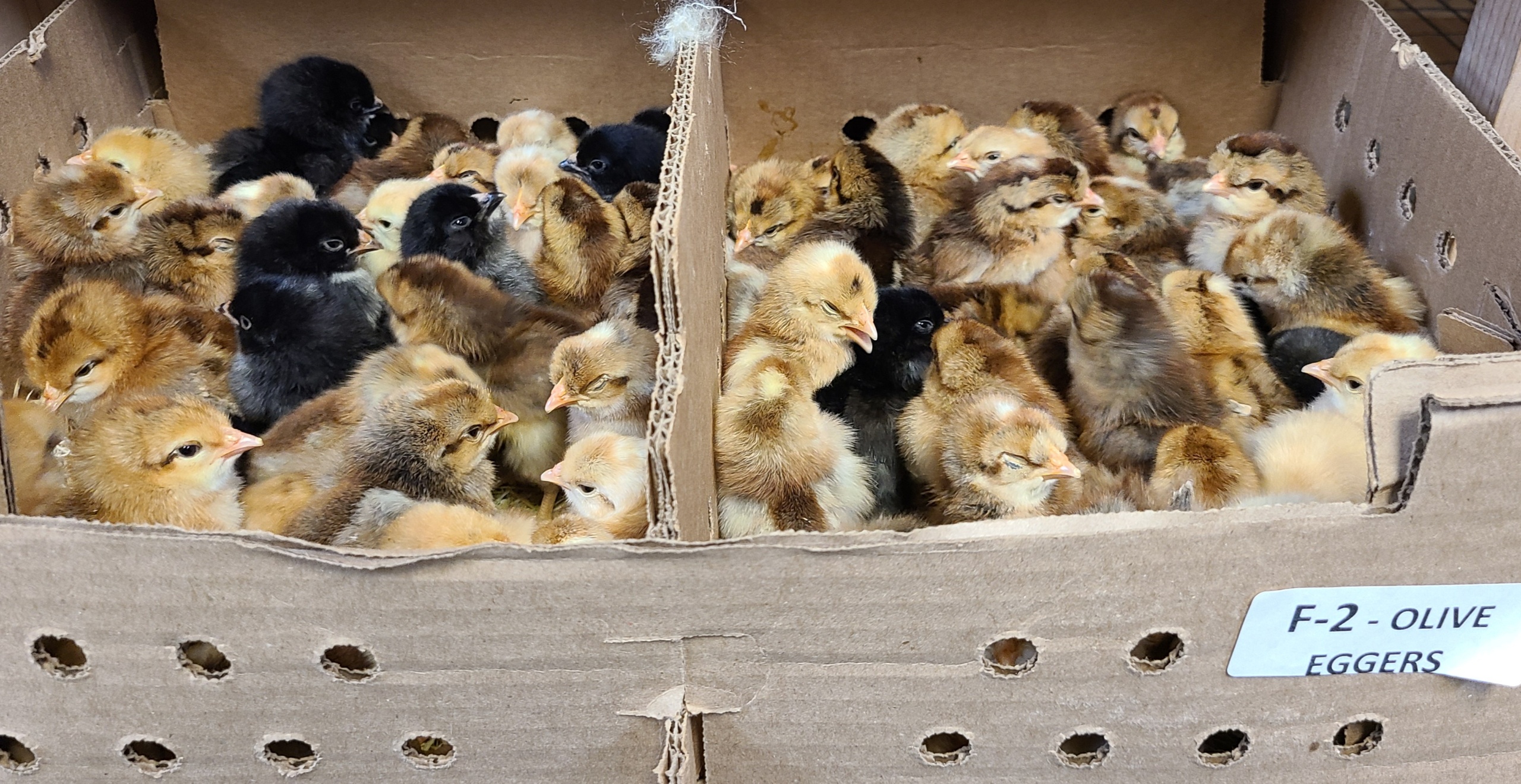
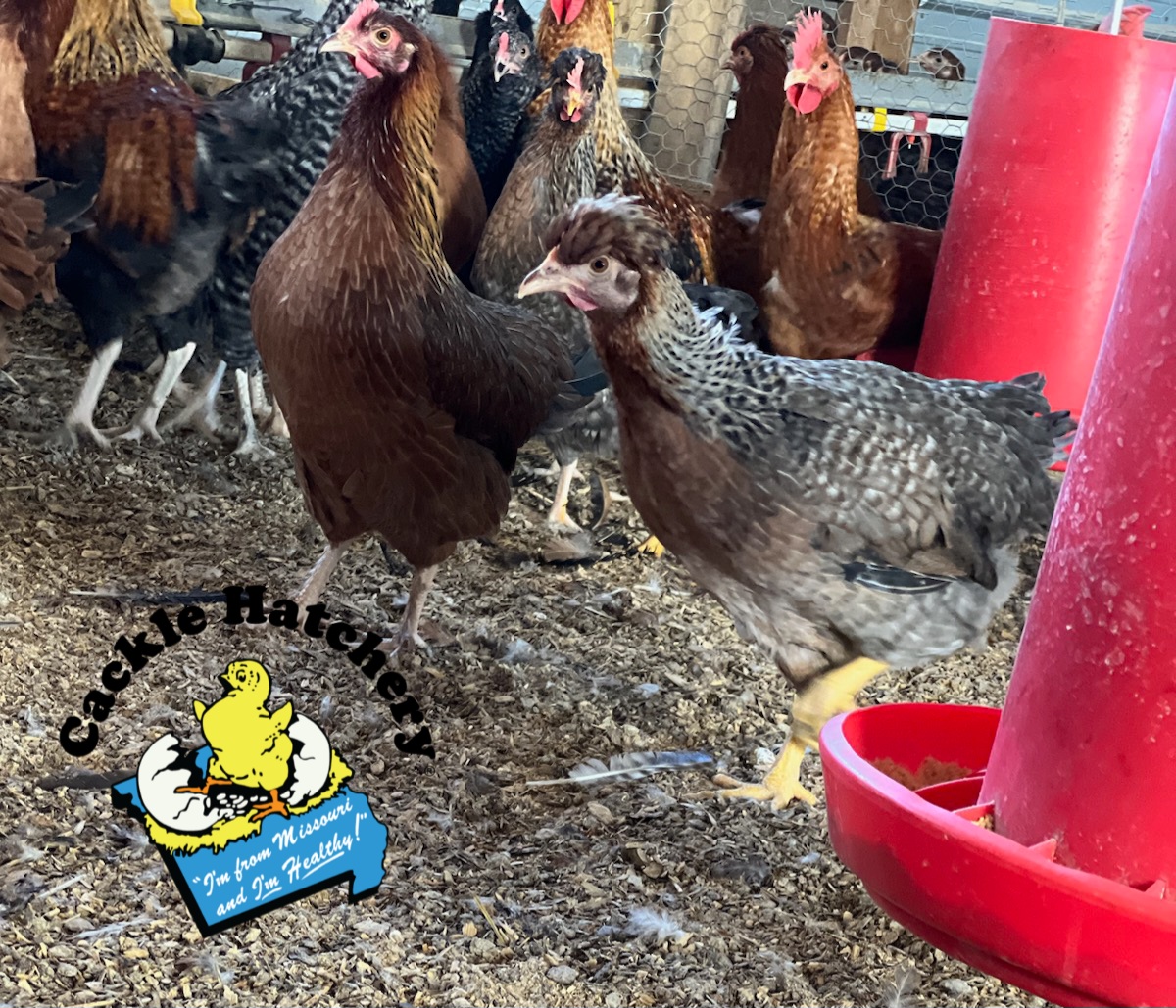
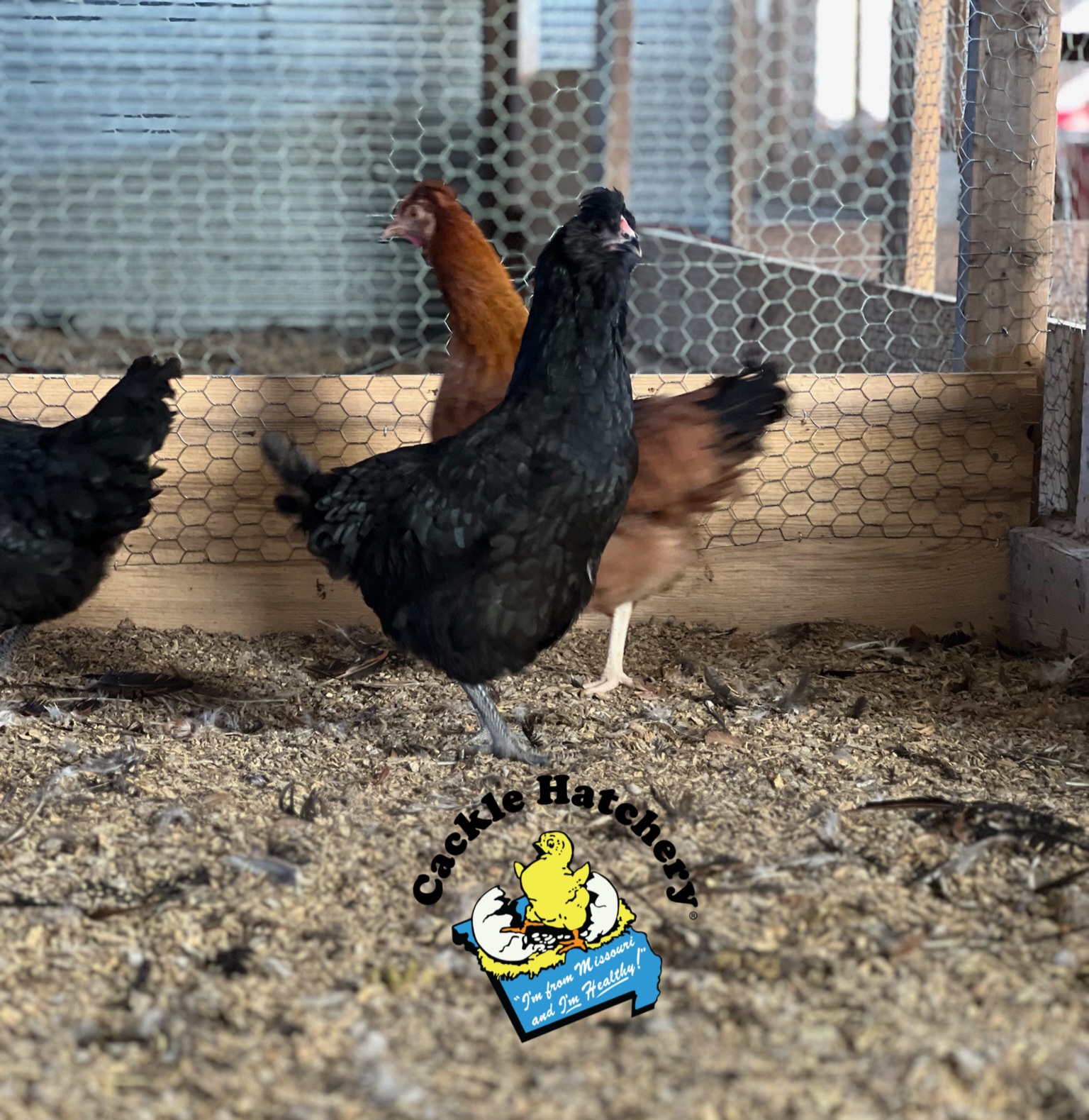
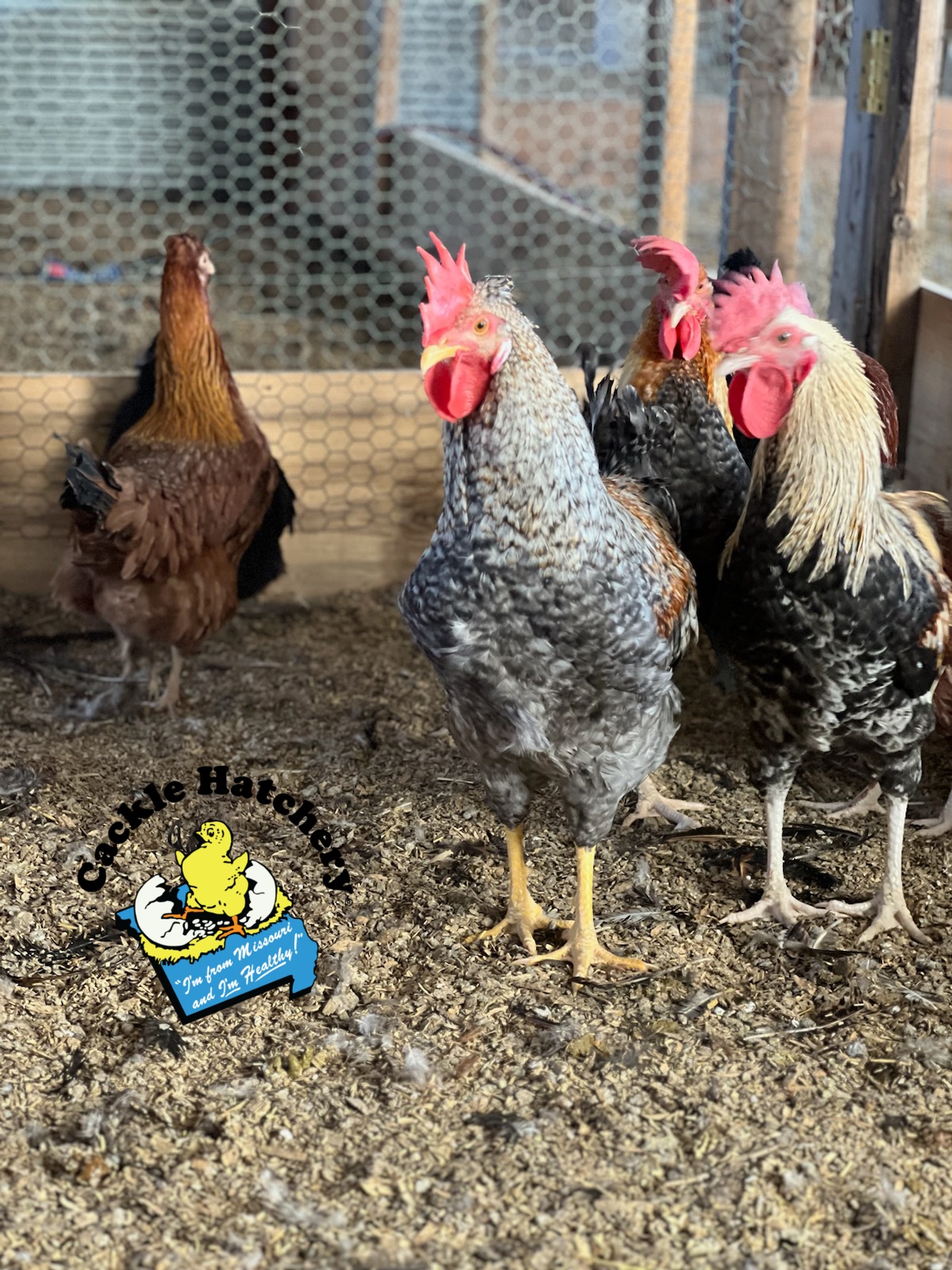
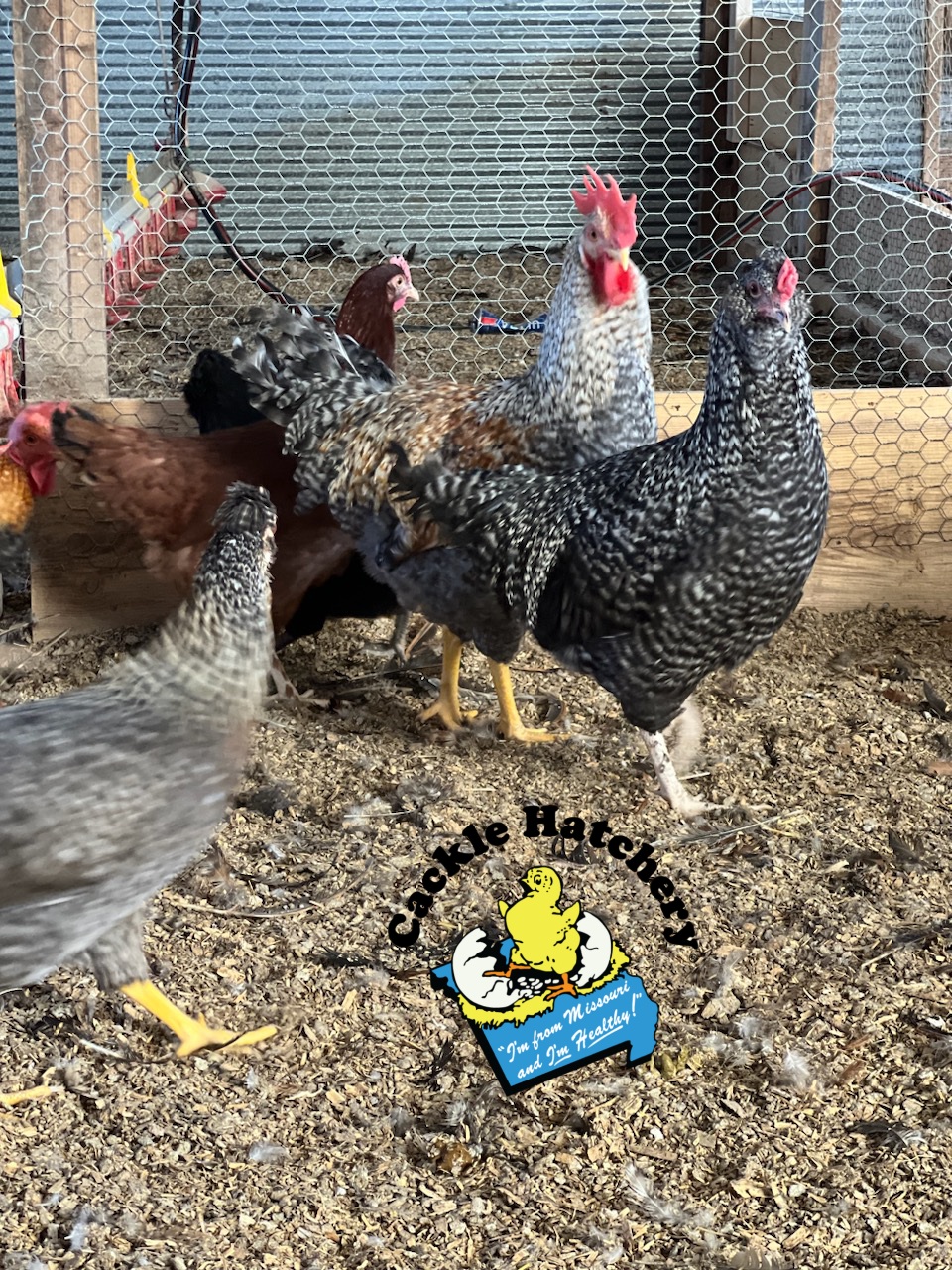
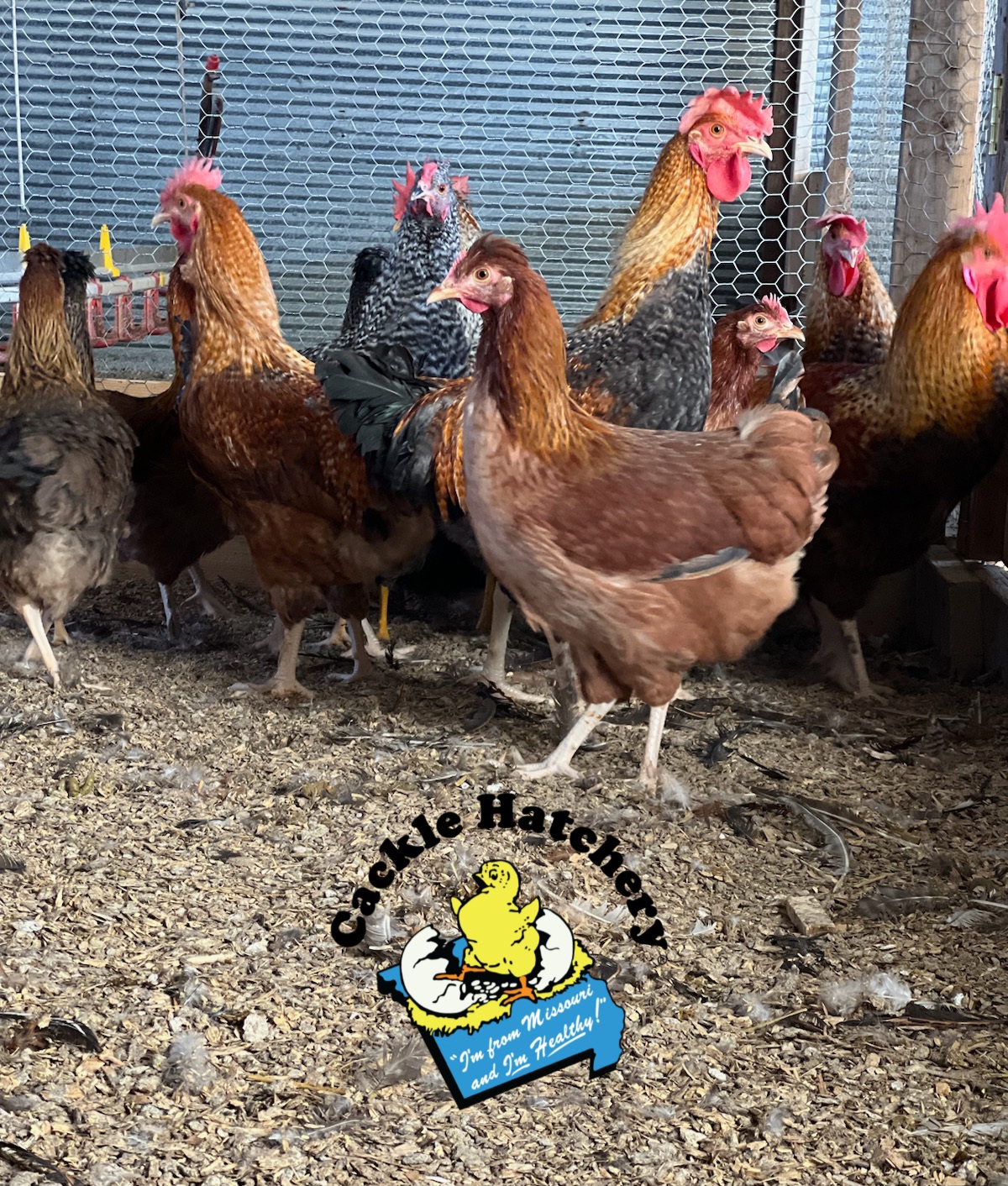
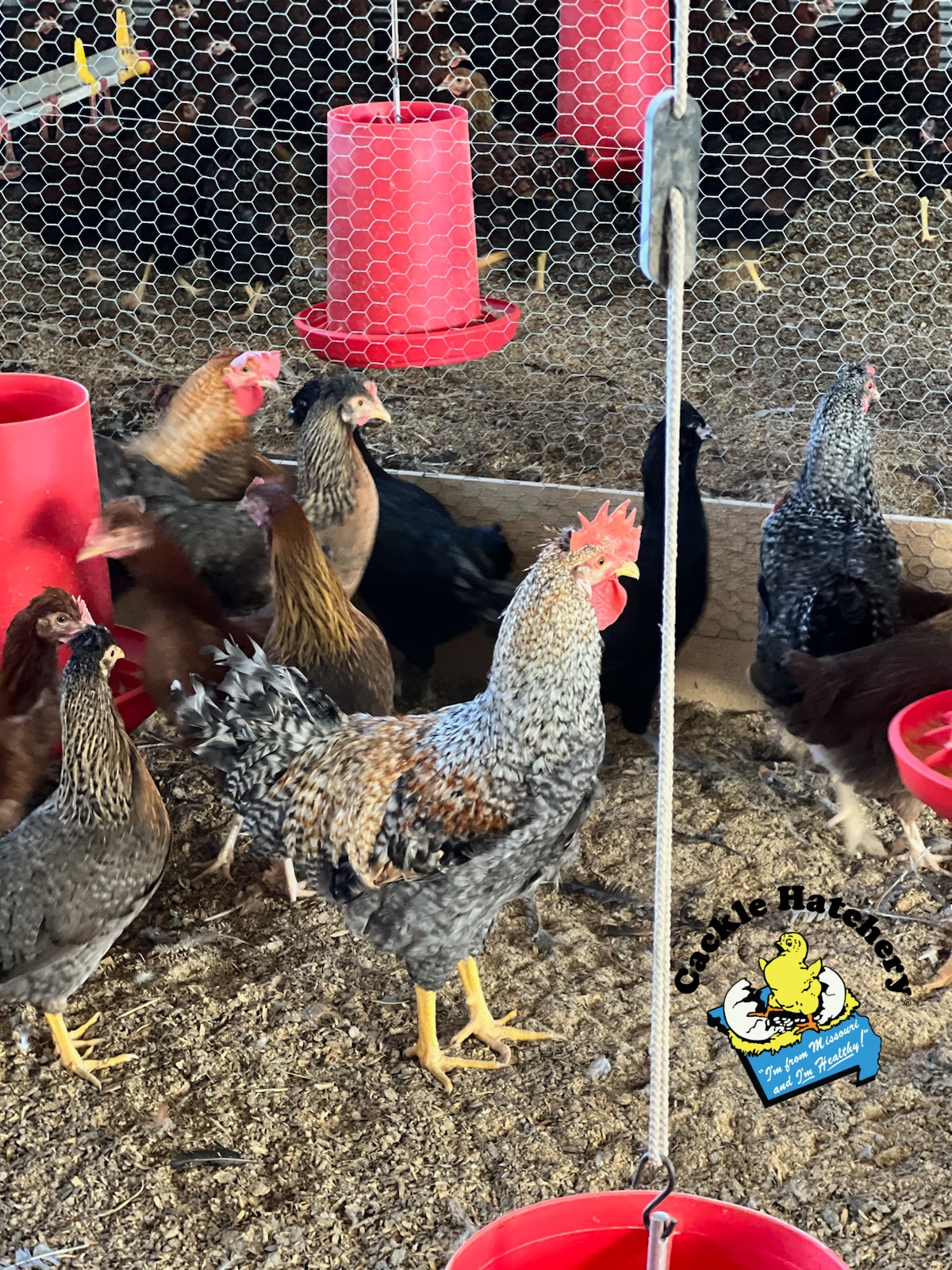
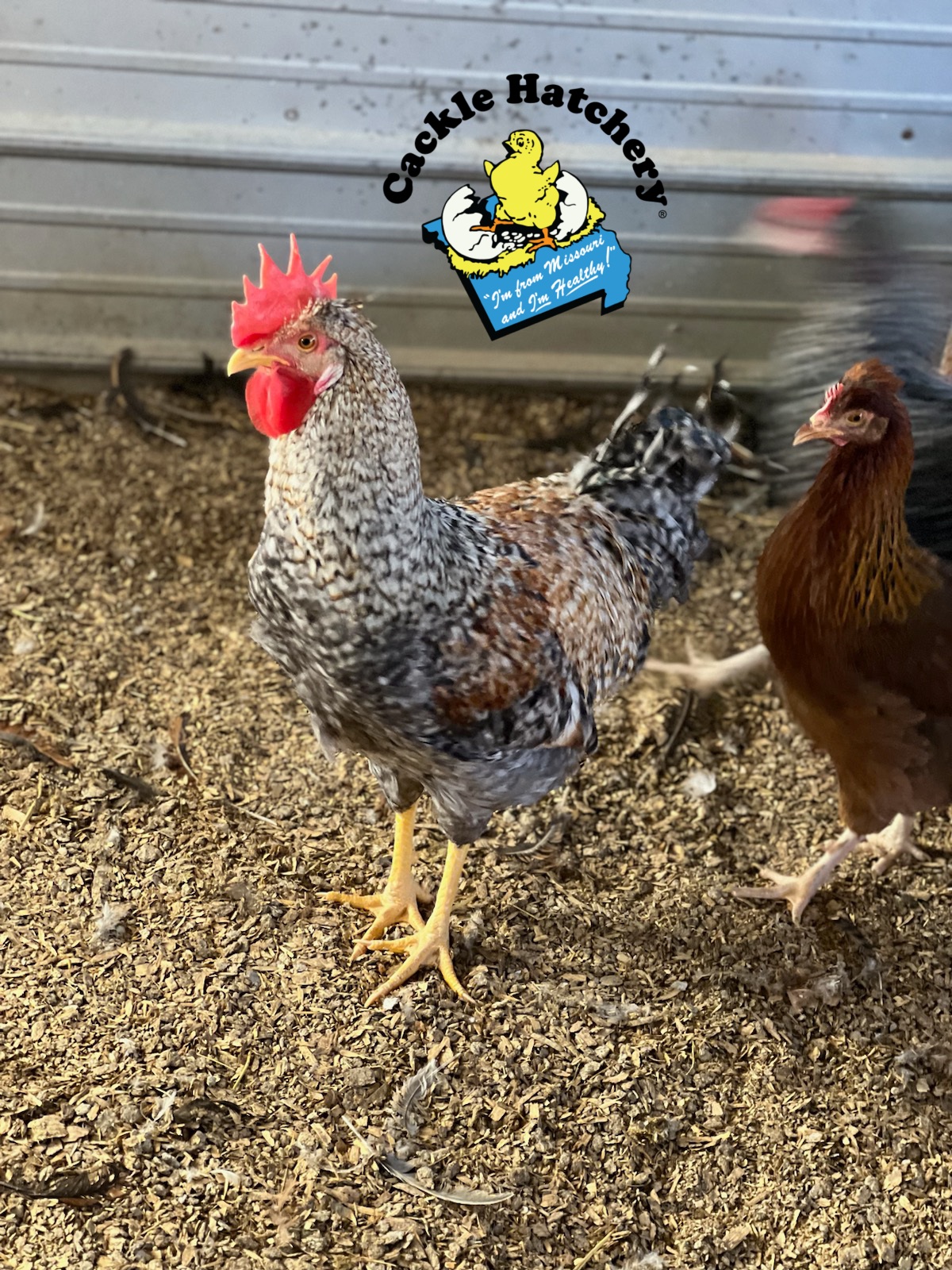
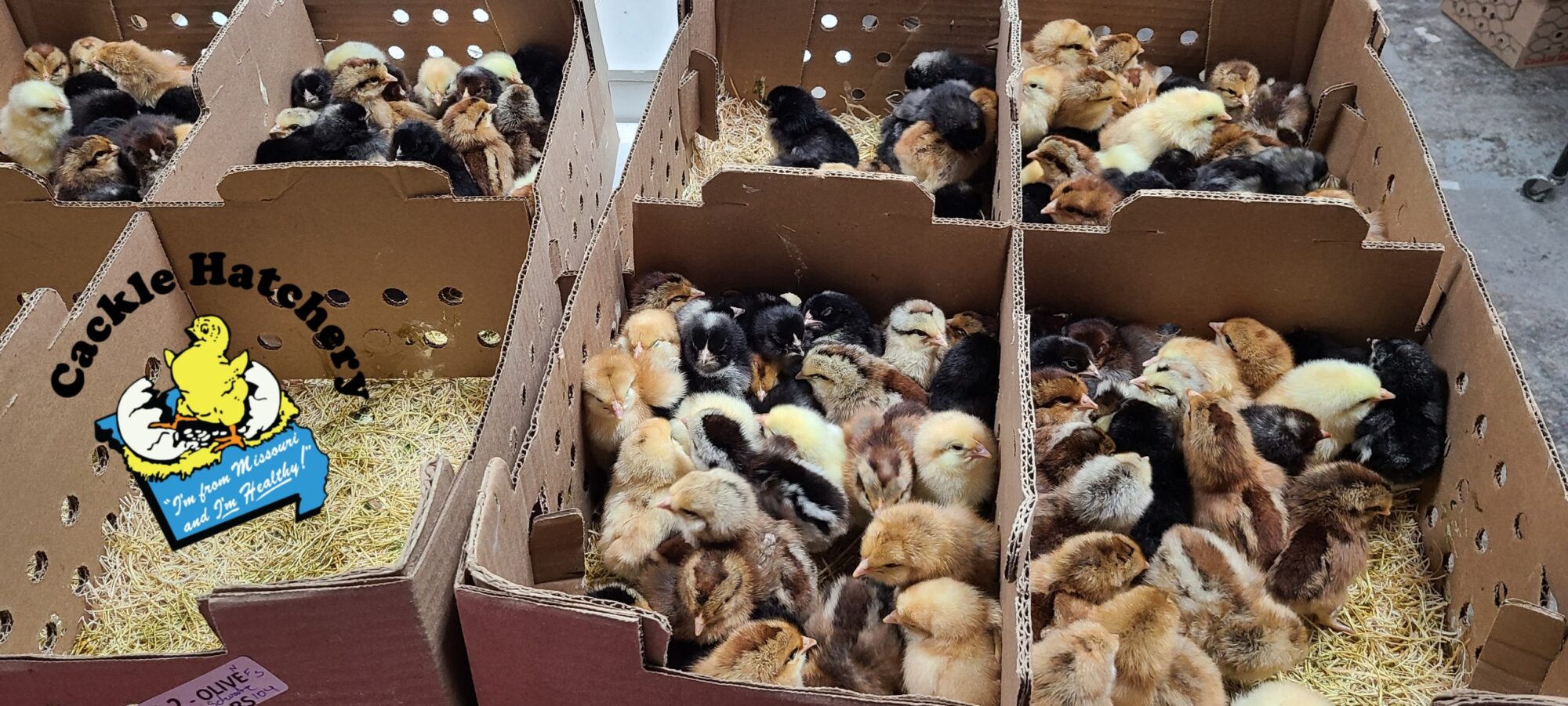
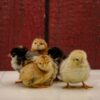
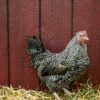
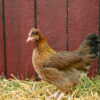
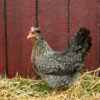
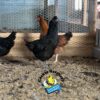
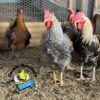
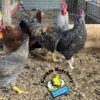
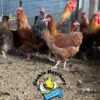
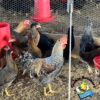
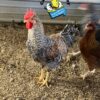
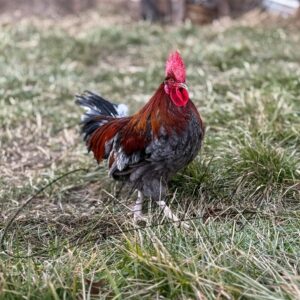
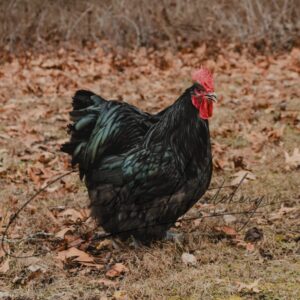
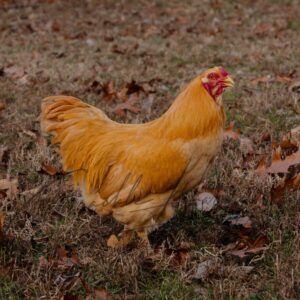
Because this is a hybrid cross, appearance will vary from bird to bird. Feather colors, patterns, and body types can differ, reflecting the diverse genetics behind this line.
This variability is part of the appeal—no two birds will look exactly the same.
Temperament and Suitability
F2 Olive Egger™ chickens are generally active and adaptable, making them a good fit for a variety of flock setups. They integrate well into mixed flocks and perform well in both free-range and contained environments.
Sexing and Breeding Notes
Due to the mixed genetics of this hybrid, sexing accuracy averages around 80%, which is slightly lower than many standard breeds.
Fertility typically ranges from 55–70%, with a recommended mating ratio of 10 females to 1 male.
Key Considerations
- Hybrid Variation: Egg color and appearance are not uniform and will vary.
- Not APA Recognized: As a hybrid, this is not a standardized or recognized breed.
- Egg Color Diversity: Expect a mix of olive, blue, and darker tones rather than a single consistent color.
FAQ
What is the difference between F1 and F2 Olive Eggers™?
F1 birds are more consistent in olive egg color, while F2 birds produce a wider range of colors including blue and darker brown shades.
Will all hens lay olive eggs?
No, F2 birds are bred for variety, so egg color will differ from hen to hen.
Are they good layers?
Yes, they produce around 180–200 eggs per year.
Can I expect uniform birds?
No, both appearance and egg color will vary due to hybrid genetics.
Are they beginner-friendly?
Yes, they are hardy and adaptable, making them suitable for most backyard flocks.
Availability
Available Low Availability Unavailable
| Date |
Available? |
| 2026-05-27 |
|
| 2026-06-01 |
|
| 2026-06-02 |
|
| 2026-06-03 |
|
| 2026-06-08 |
|
| 2026-06-09 |
|
| 2026-06-10 |
|
| 2026-06-15 |
|
| 2026-06-16 |
|
| 2026-06-17 |
|
| 2026-06-22 |
|
| 2026-06-23 |
|
| 2026-06-24 |
|
| 2026-06-29 |
|
| 2026-06-30 |
|
| 2026-07-01 |
|
| 2026-07-06 |
|
| 2026-07-07 |
|
| 2026-07-08 |
|
| 2026-07-13 |
|
| 2026-07-14 |
|
| 2026-07-15 |
|
| 2026-07-20 |
|
| 2026-07-21 |
|
| 2026-07-22 |
|
| 2026-07-27 |
|
| 2026-07-28 |
|
| 2026-07-29 |
|
| 2026-08-03 |
|
| 2026-08-04 |
|
| 2026-08-05 |
|
| 2026-08-10 |
|
| 2026-08-11 |
|
| 2026-08-12 |
|
| 2026-08-17 |
|
| 2026-08-18 |
|
| 2026-08-19 |
|
| 2026-08-24 |
|
| 2026-08-25 |
|
| 2026-08-26 |
|
| 2026-08-31 |
|
| 2026-09-01 |
|
| 2026-09-02 |
|
| 2026-09-07 |
|
| 2026-09-08 |
|
| 2026-09-09 |
|
| 2026-09-14 |
|
| 2026-09-15 |
|
| 2026-09-16 |
|
| 2026-09-21 |
|
| 2026-09-22 |
|
| 2026-09-23 |
|
| 2026-10-05 |
|
| 2026-10-06 |
|
| 2026-10-07 |
|
| 2026-10-12 |
|
| 2026-10-13 |
|
| 2026-10-14 |
|
| 2026-10-19 |
|
| 2026-10-20 |
|
| 2026-10-21 |
|




Robert Coogan –
Ordered 5 and got 1 rooster and 5 hens. My rooster ran away and I haven’t seen him since. So I have 5 hens of various colors…and not one lays eggs. Not one. So I am disappointed, as they will be headed for the stewpot eventually.
daennagarcia94 –
Chicks arrived healthy. Ordered 8 back in May, received 9. So far 8 have turned out to be roos, and I’m not sure about the 9th one. I understand it’s straight run, but I wish they had a sexed option because I wanted olive eggs, not 8 (or 9) roosters.