Description
Sicilian Buttercup
Breed Overview and Origin
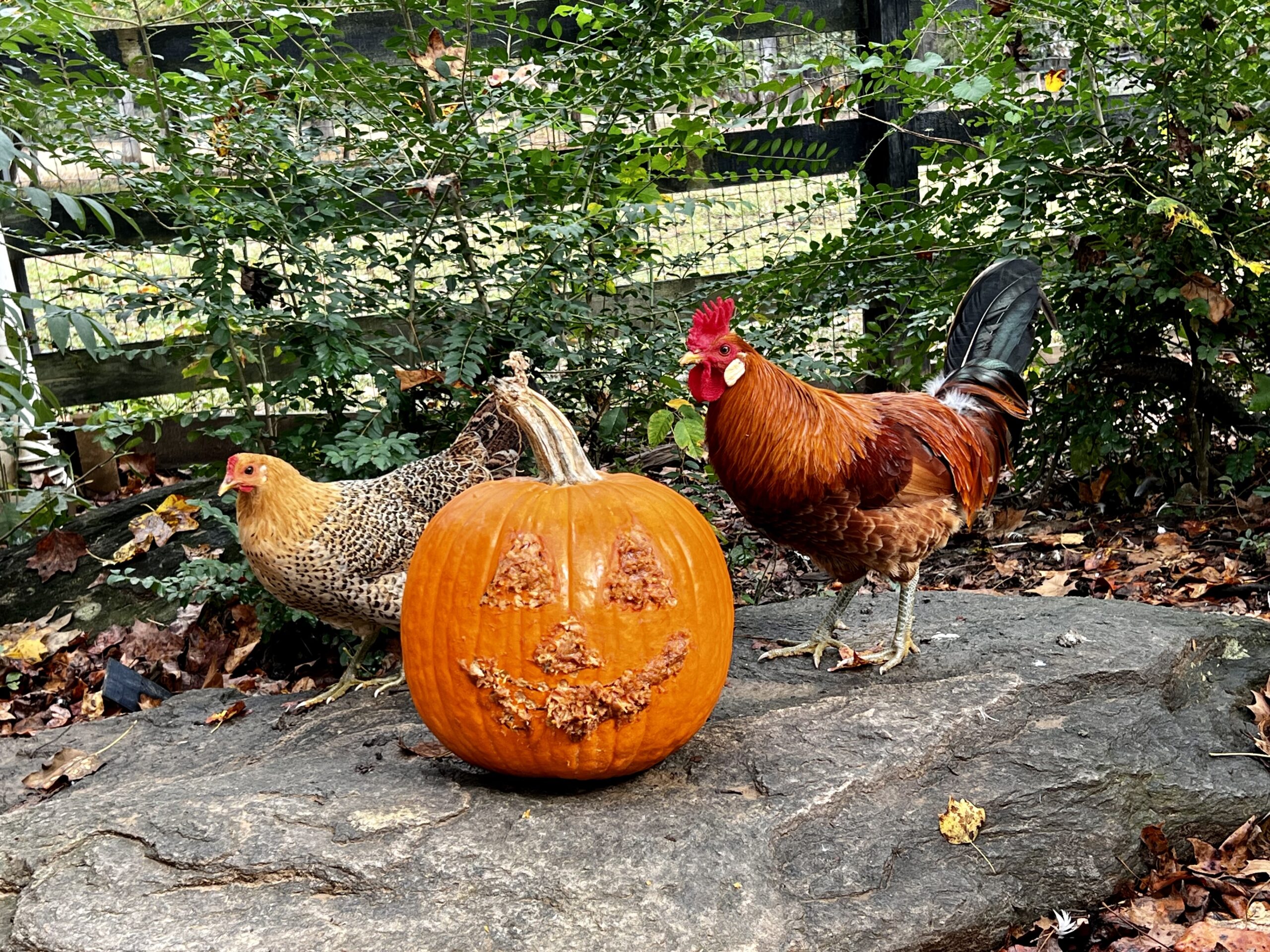
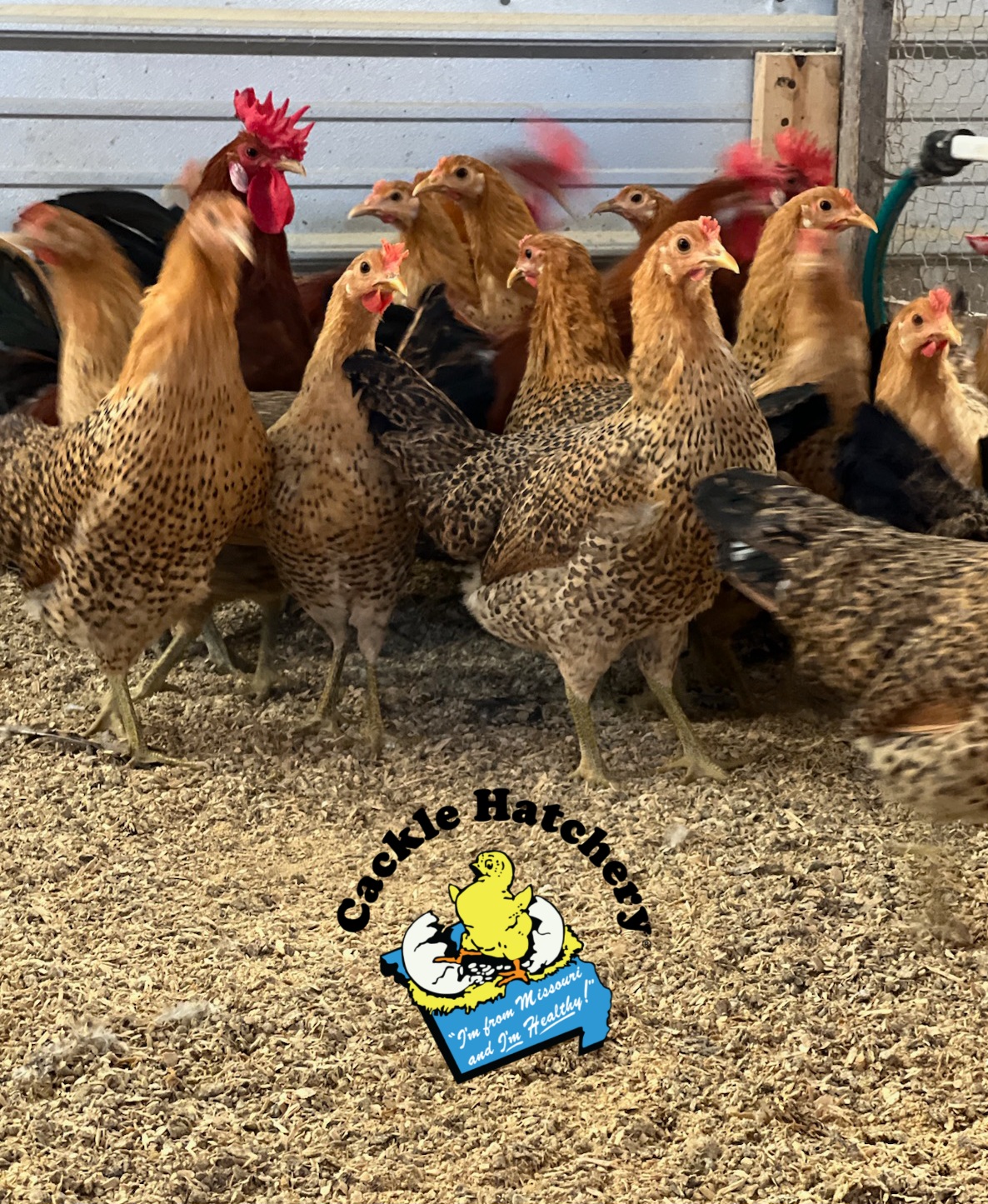
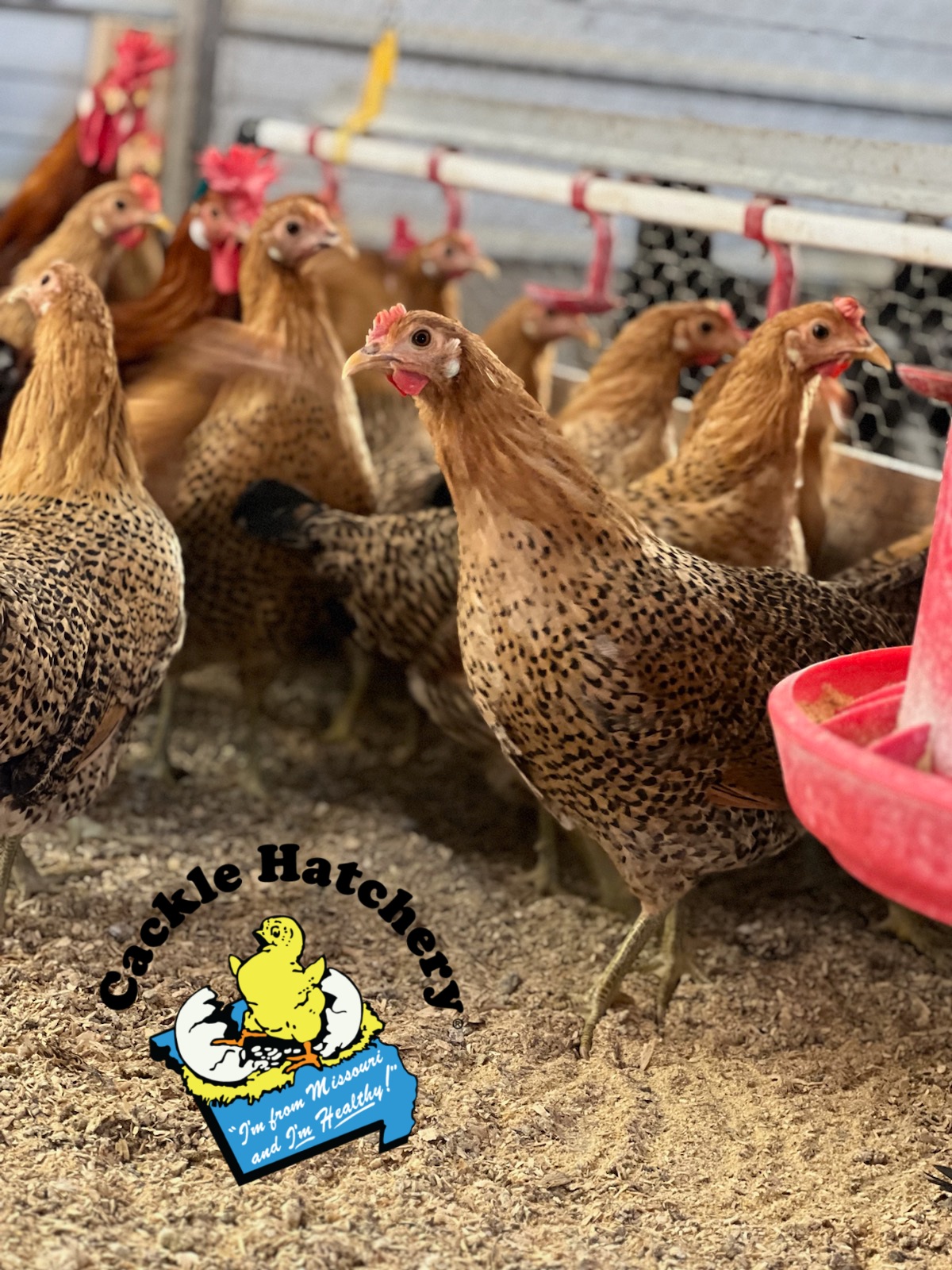
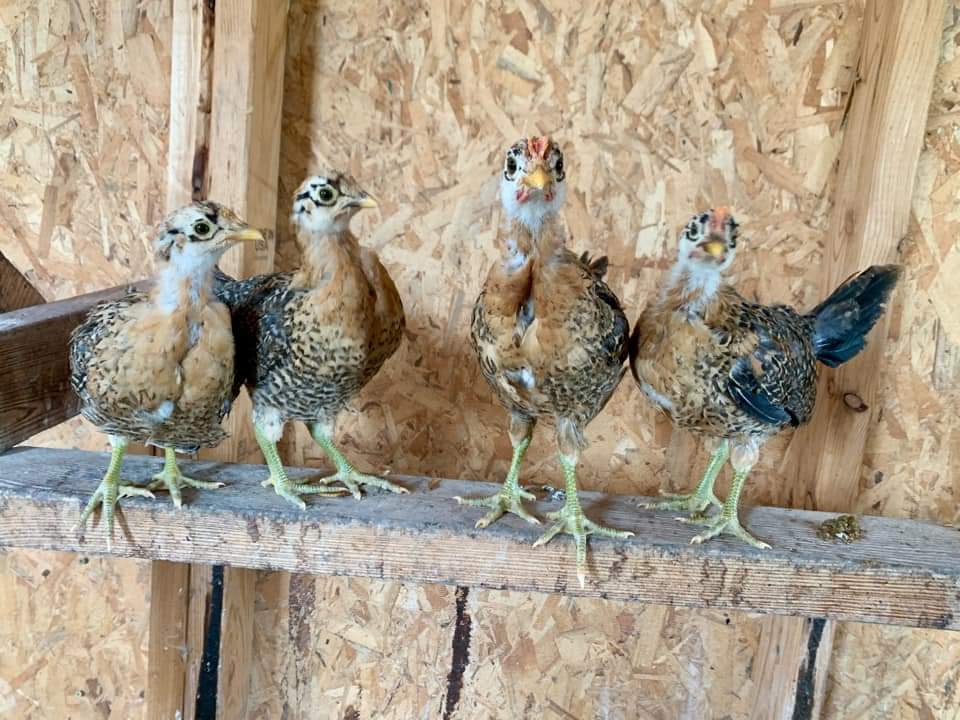
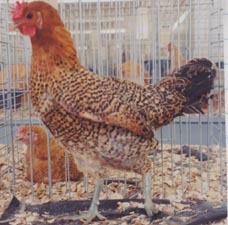
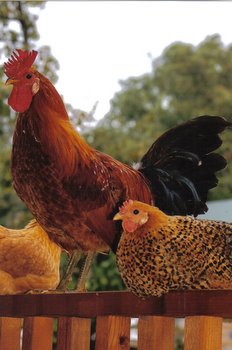
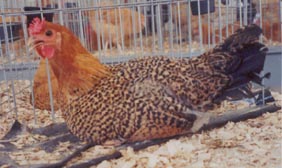
The Sicilian Buttercup Chicken is a rare Mediterranean heritage breed known for its unusual cup-shaped comb, golden plumage, white eggs, active free-range behavior, and elegant exhibition appeal. If you want a beautiful, lively chicken with a one-of-a-kind comb and historic Italian roots, the Sicilian Buttercup is a memorable choice.
The breed originated on the island of Sicily, off the coast of Italy. The Livestock Conservancy notes that the breed is believed to have developed from Sicilian farm chickens that were maintained for their cup-shaped comb and green legs. The American Buttercup Club also describes the breed as originating from Sicily and taking its name from its unique cup-shaped comb and rich golden plumage.
Sicilian Buttercups reportedly first appeared on American shores in 1835, and the breed was later admitted to the American Poultry Association Standard of Perfection in 1918. Cackle Hatchery® lists Sicilian Buttercups as a Mediterranean Class breed from Italy, APA-recognized in 1918, and a sustainable heritage chicken breed with The Livestock Conservancy Threatened Status.
Appearance and Characteristics
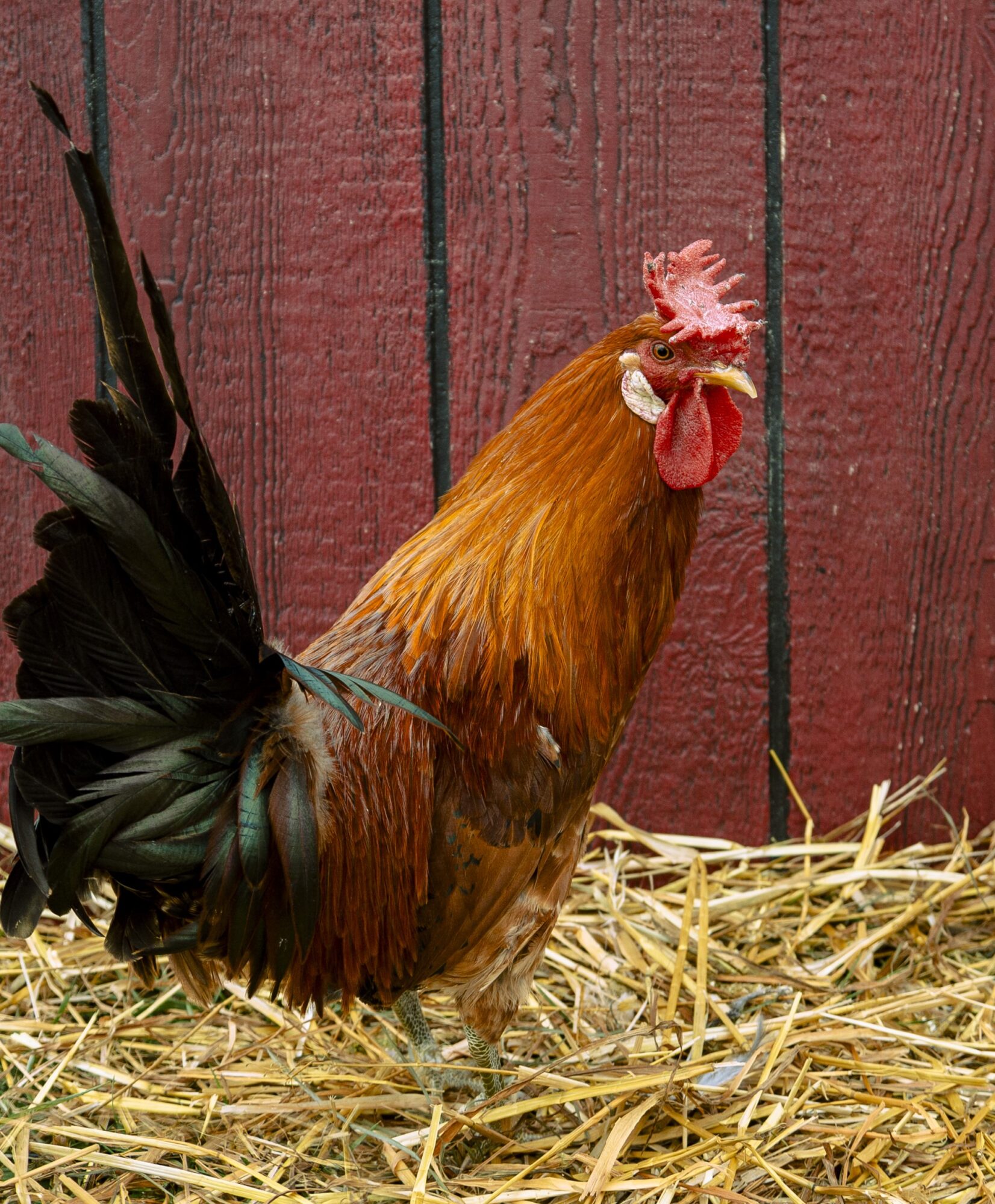
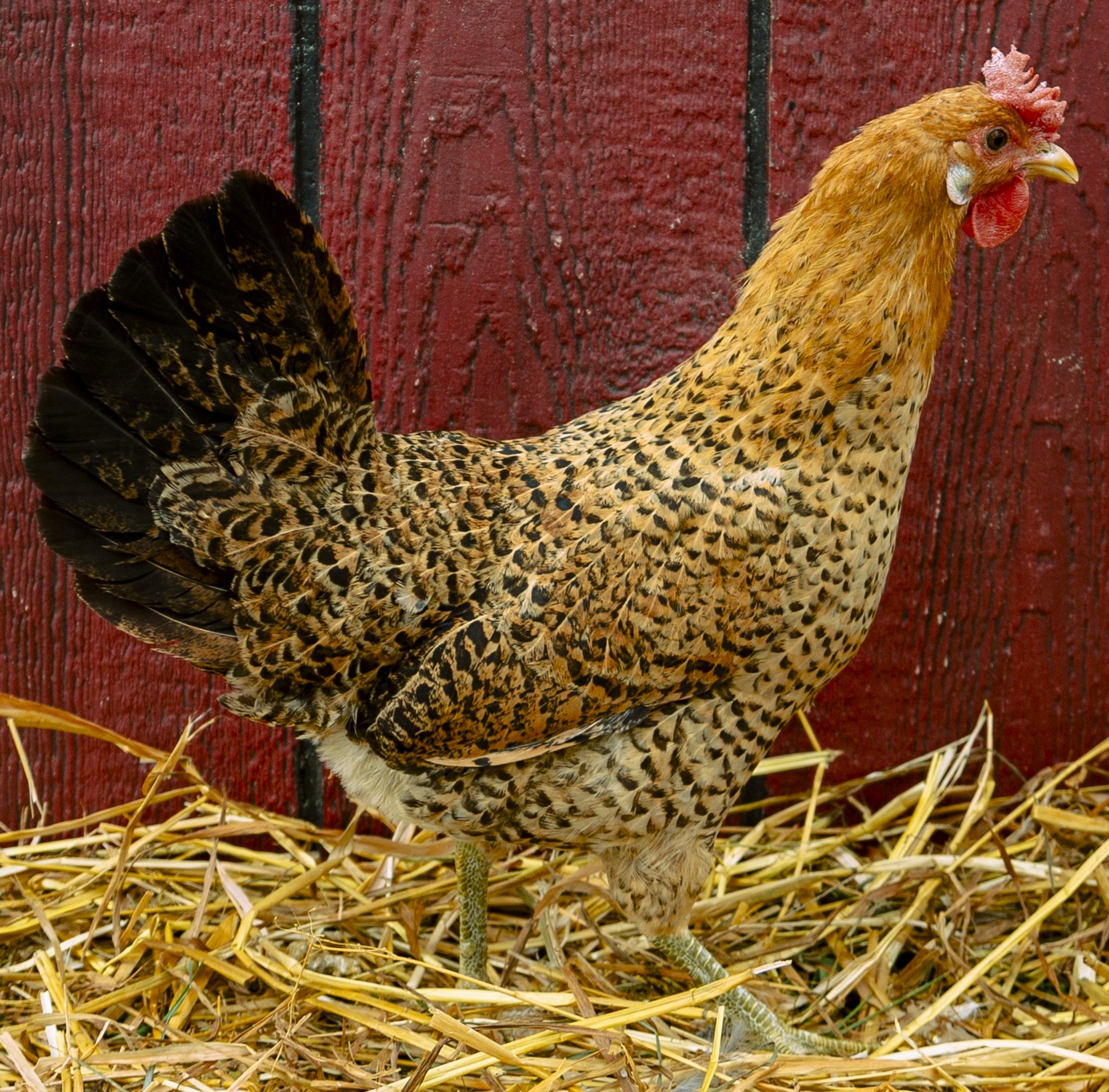
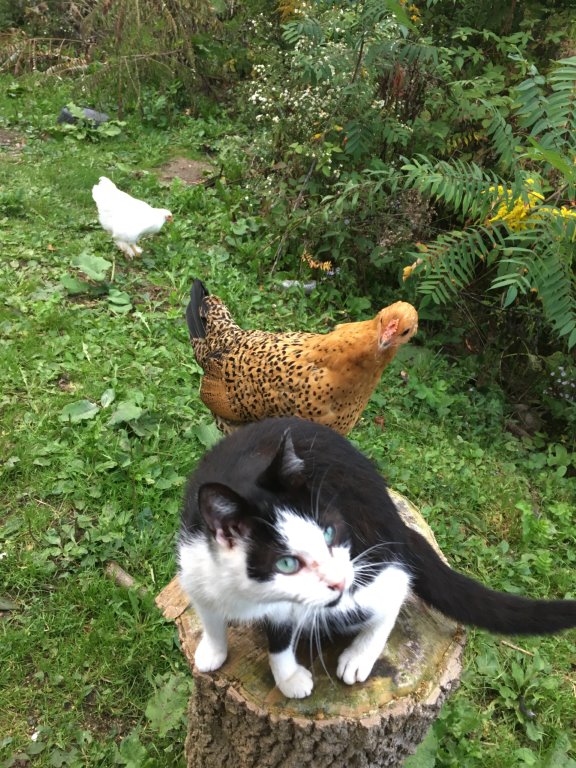
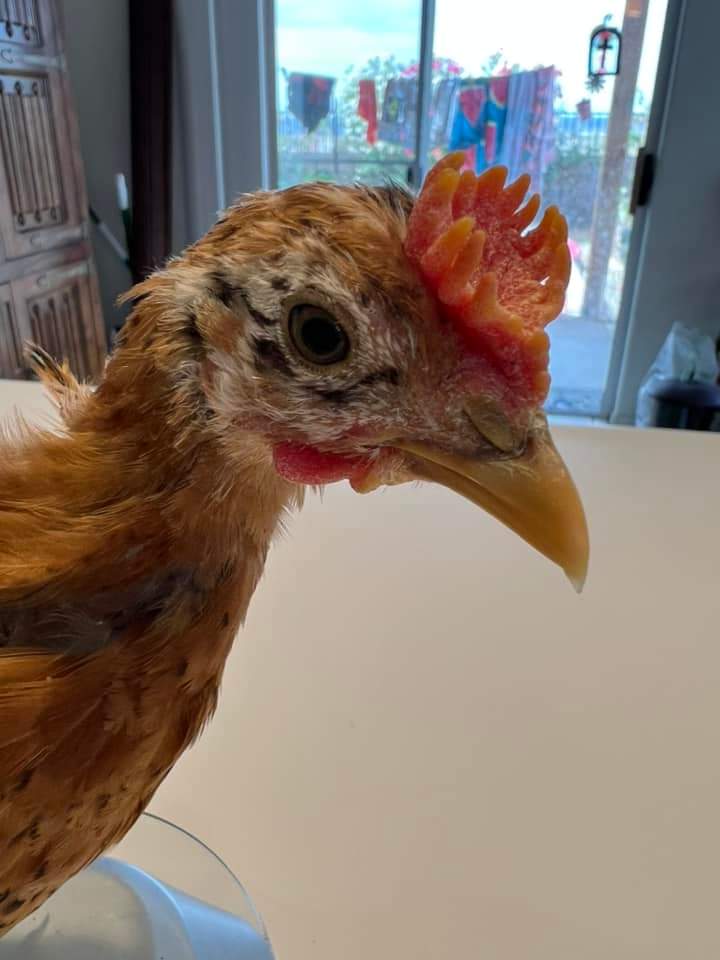
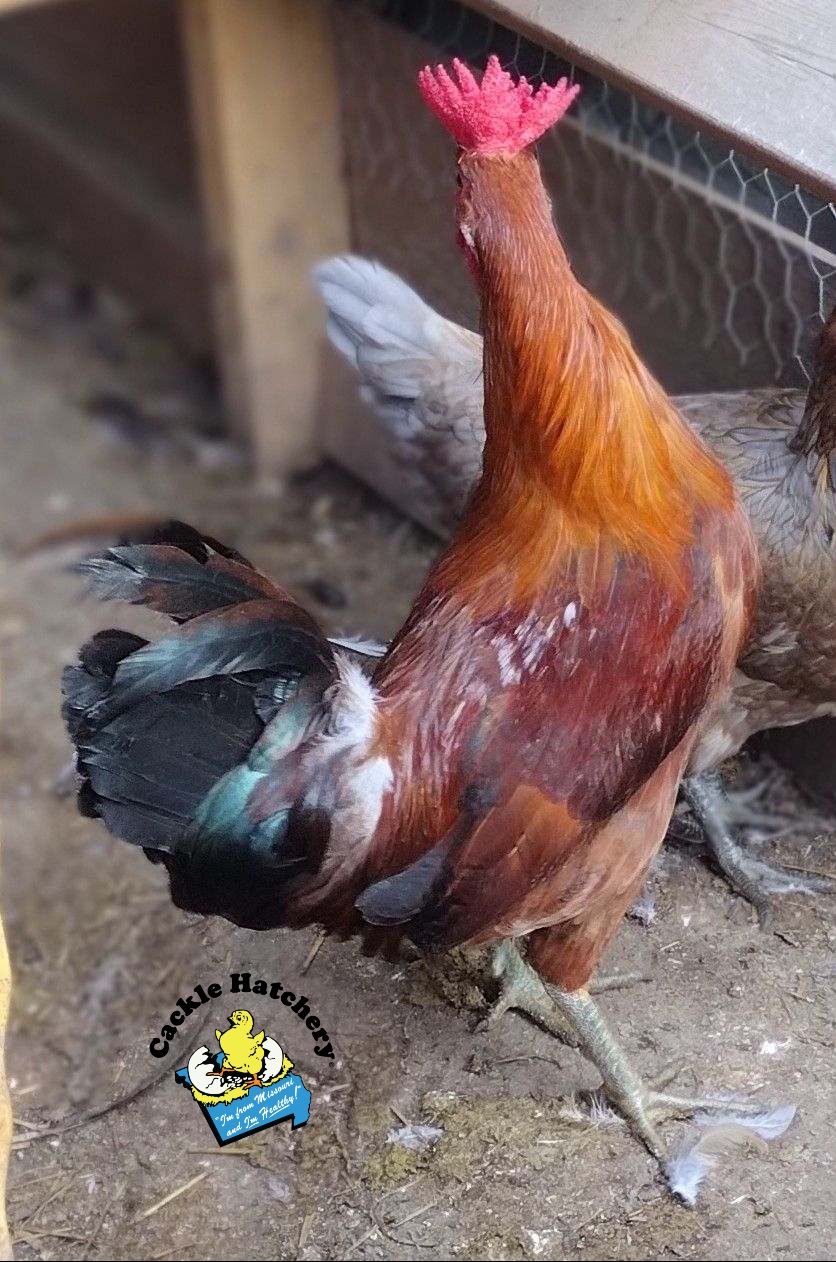
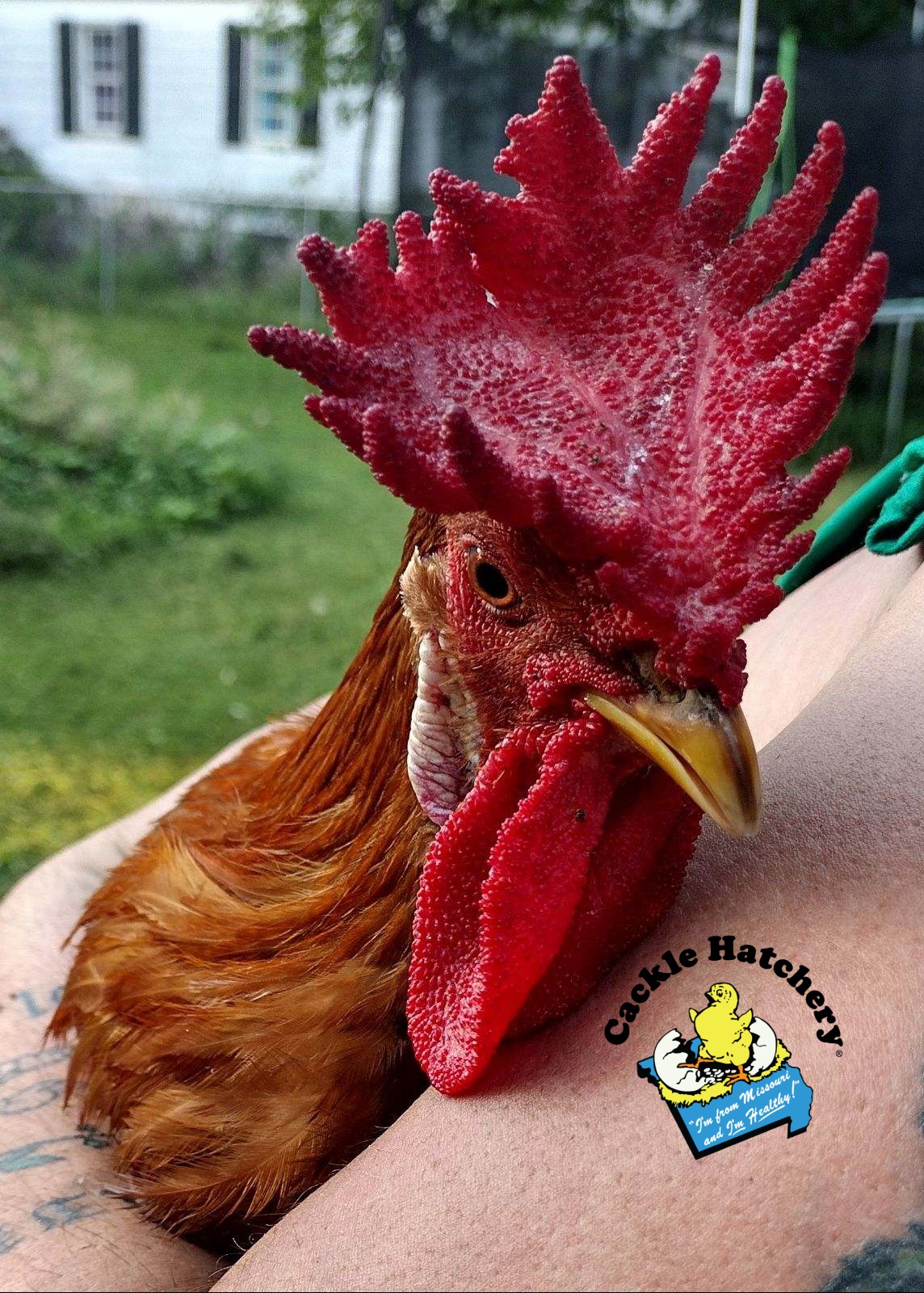
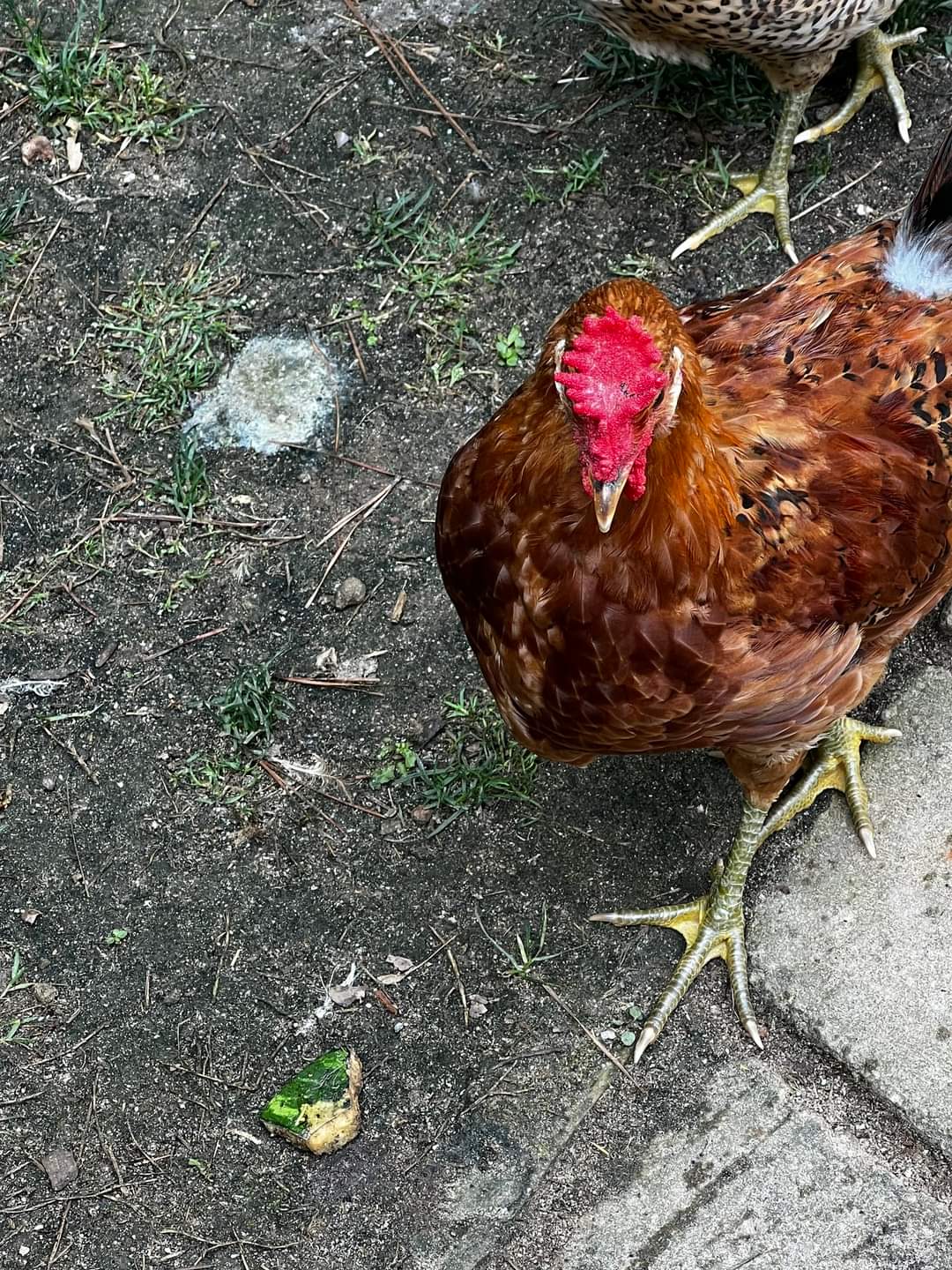
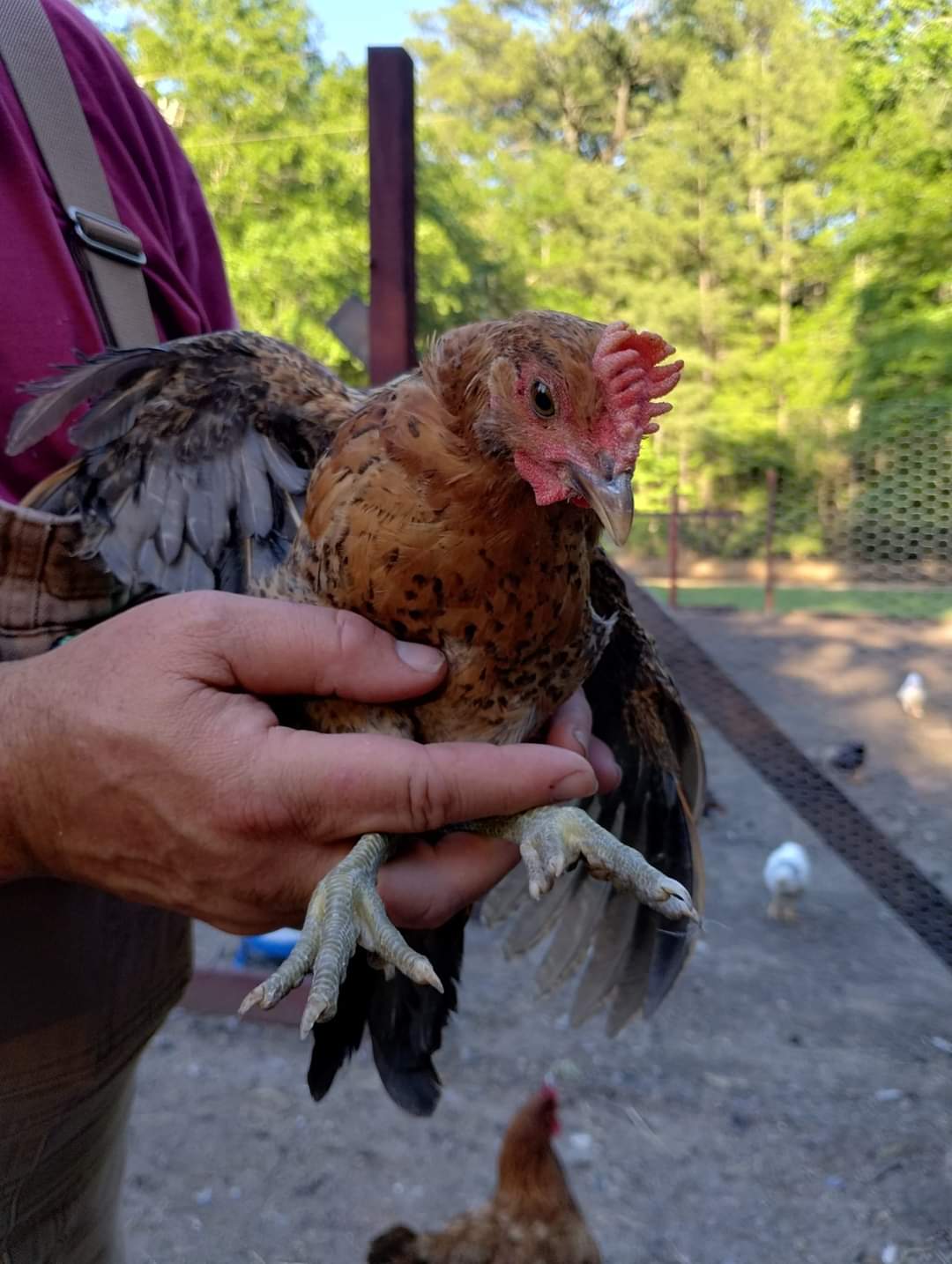
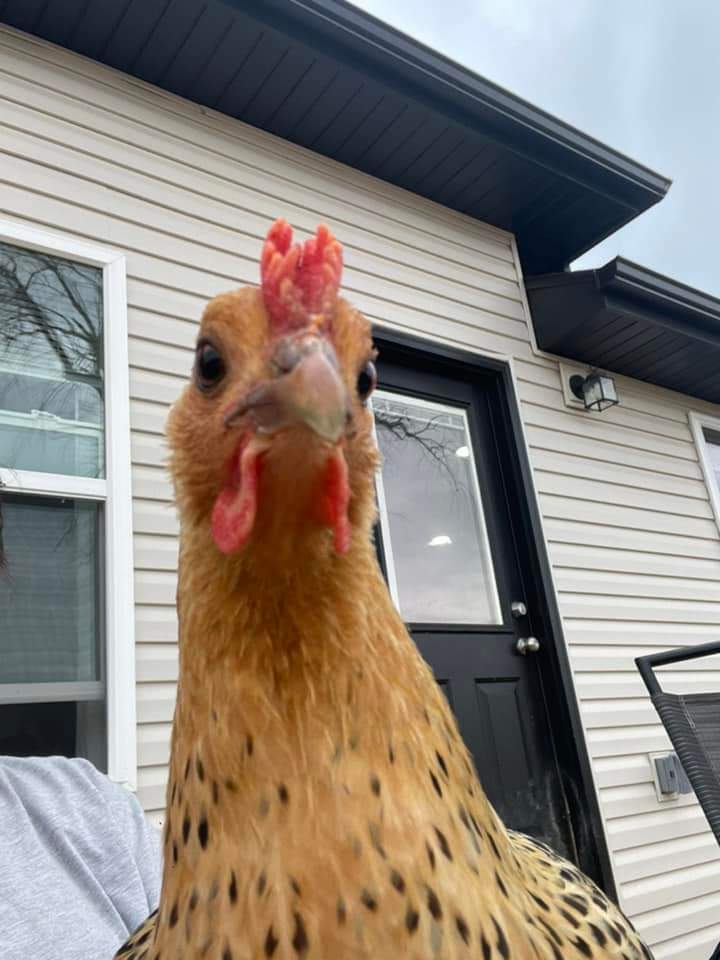
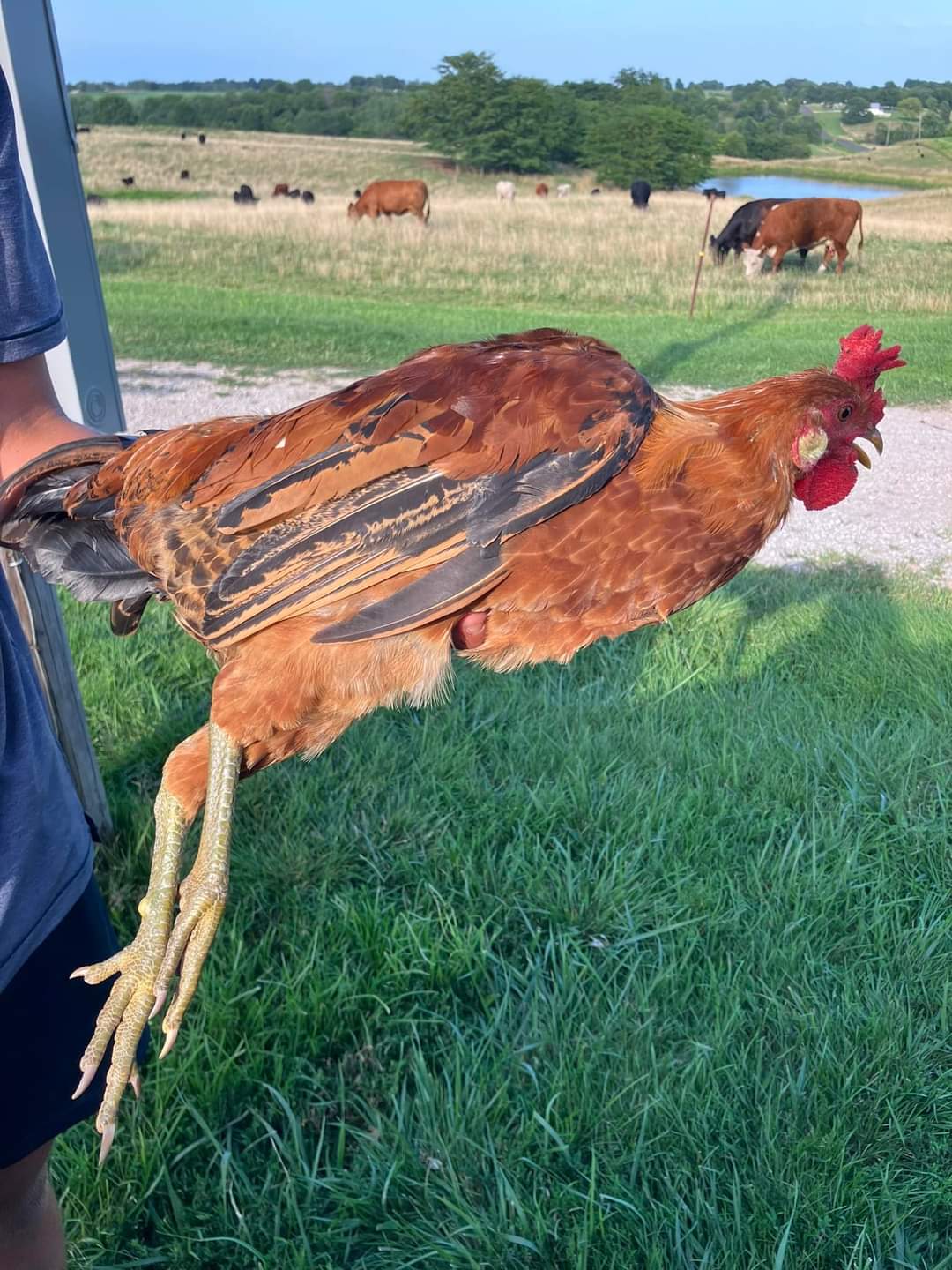
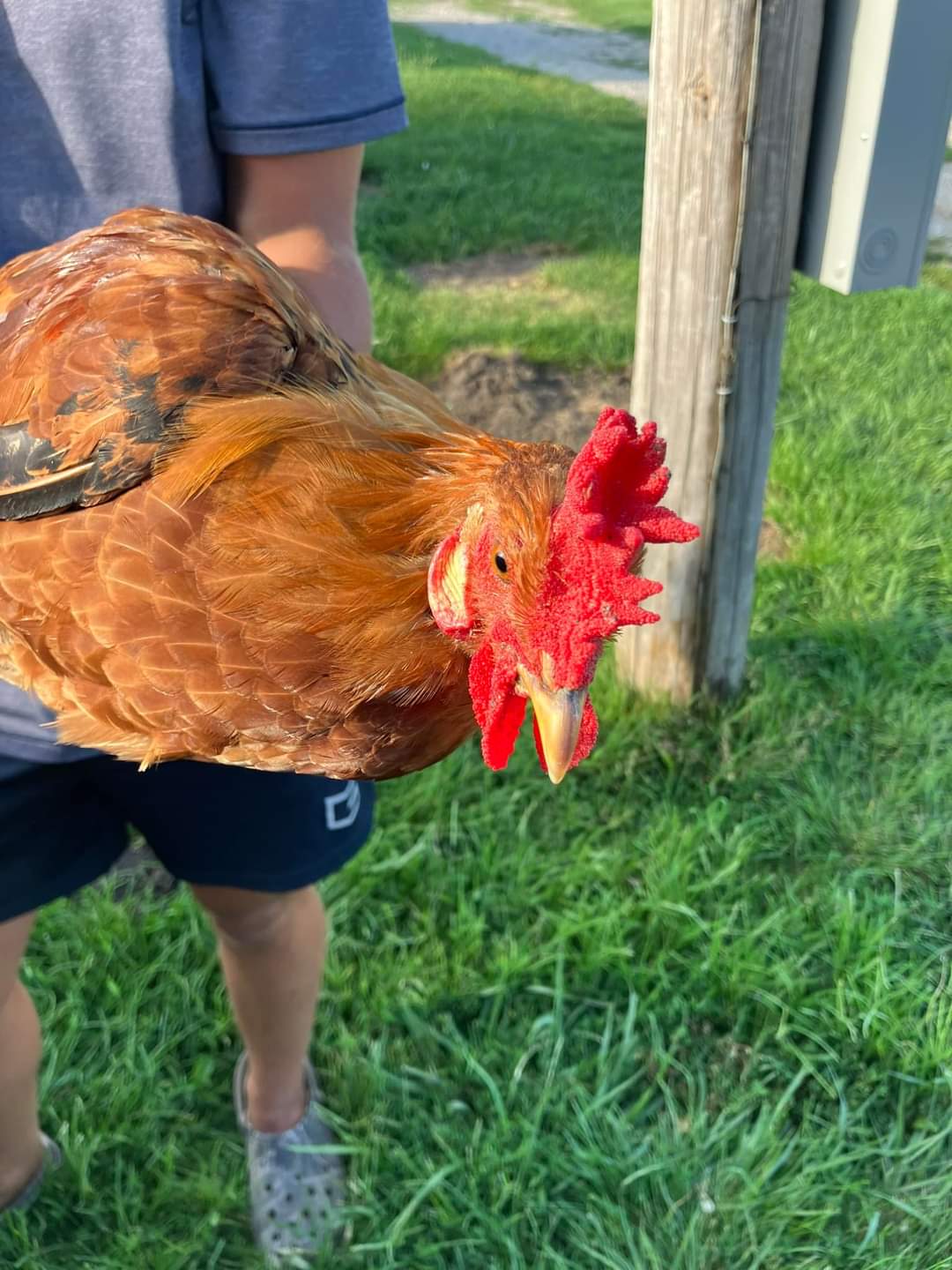
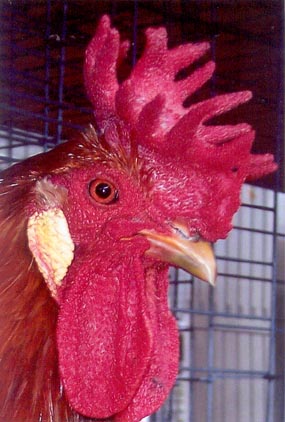
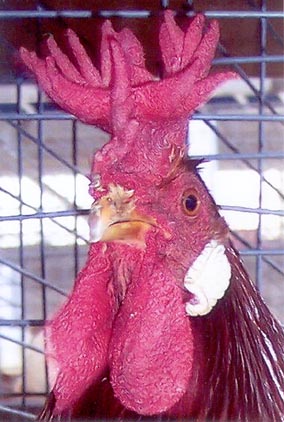
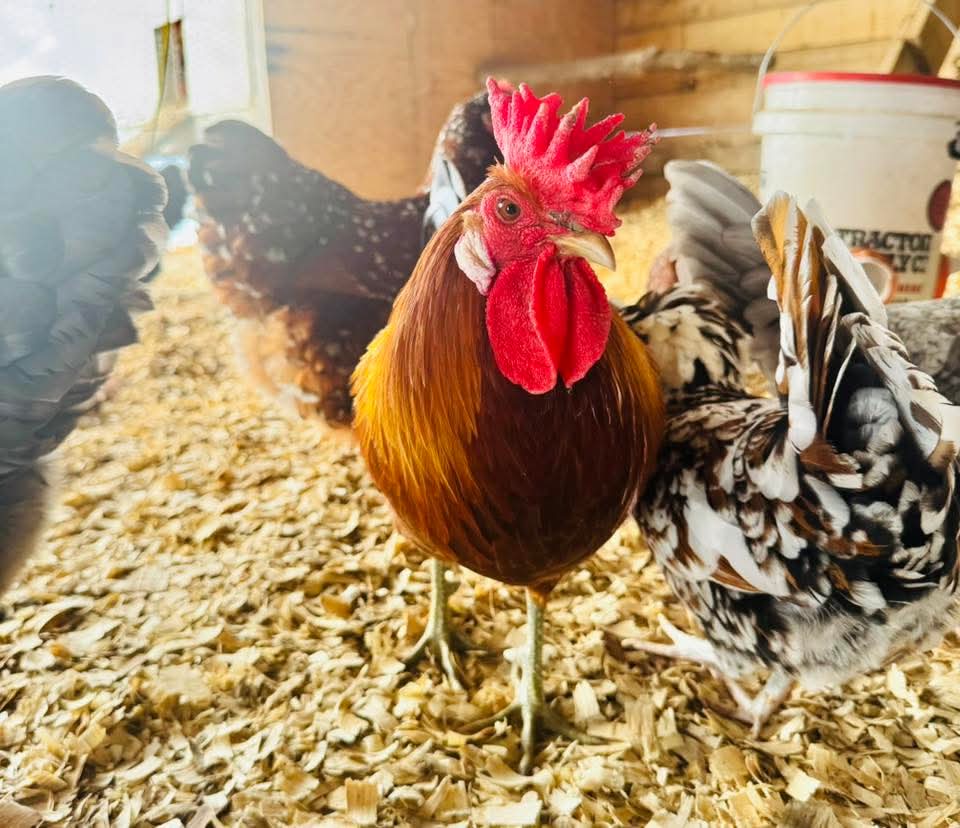
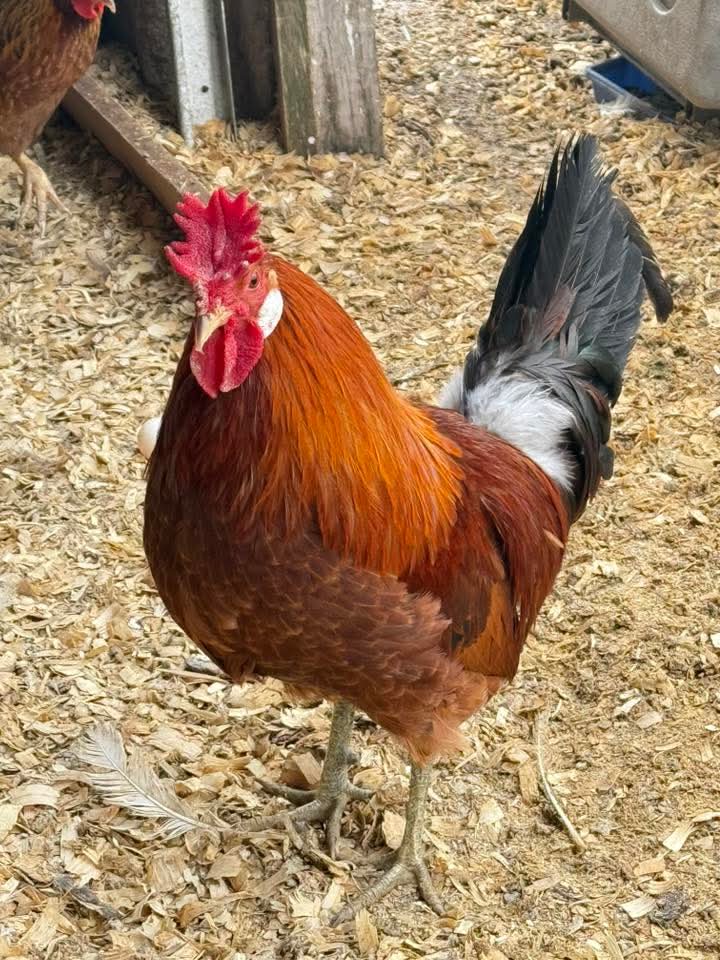
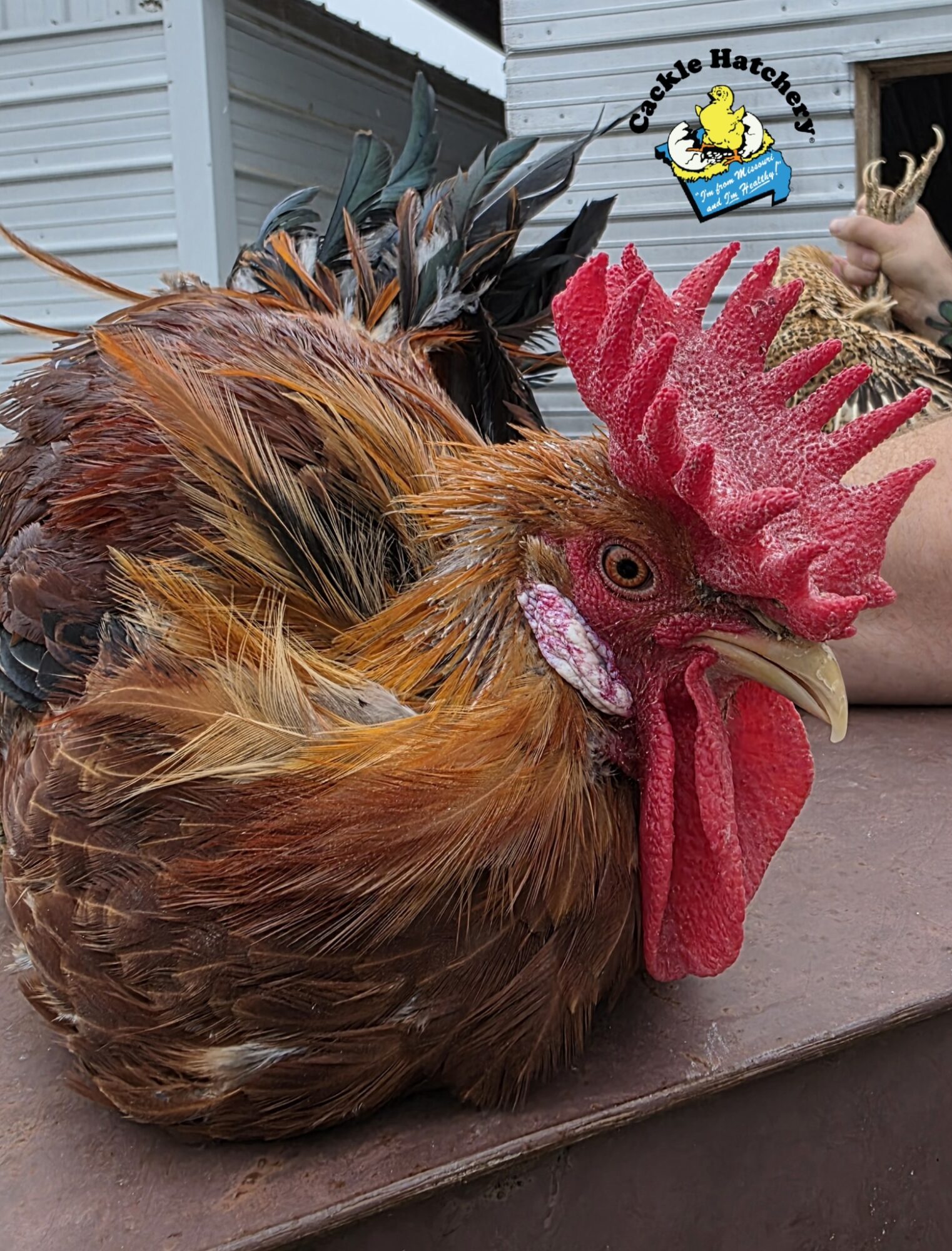
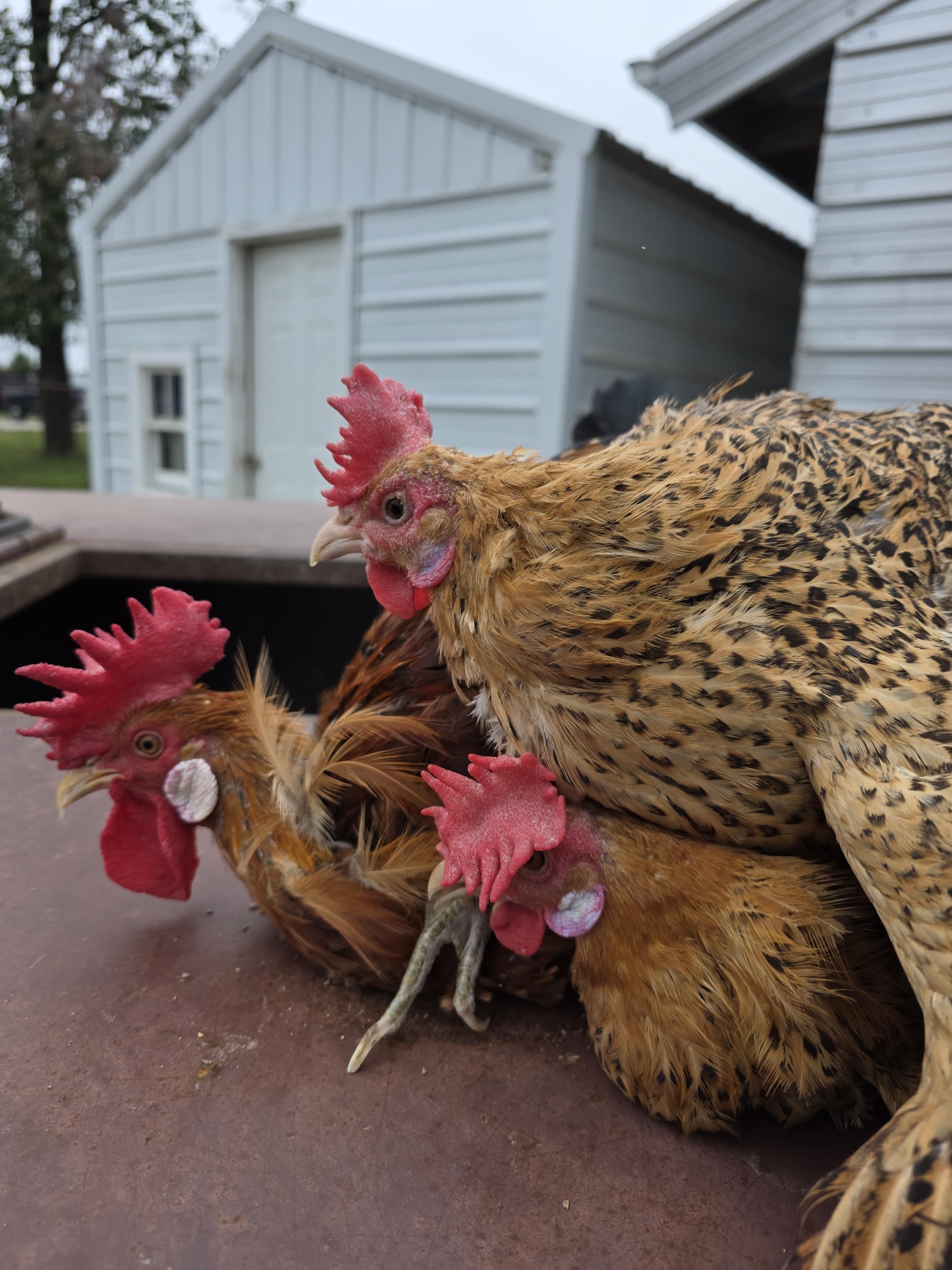
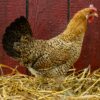
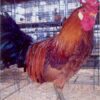
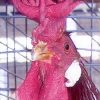
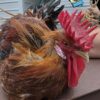
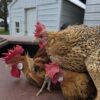
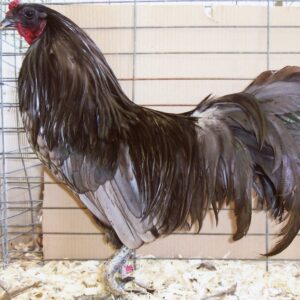
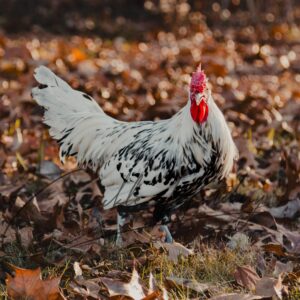
Sicilian Buttercups are famous for their beautiful cup-shaped comb. Unlike a single comb, the Buttercup comb forms a crown-like circle with points around the rim and no points in the center. This unusual comb is one of the breed’s defining traits and gives the bird a fancy, ornamental look.
Expected traits include:
- Unique cup-shaped comb
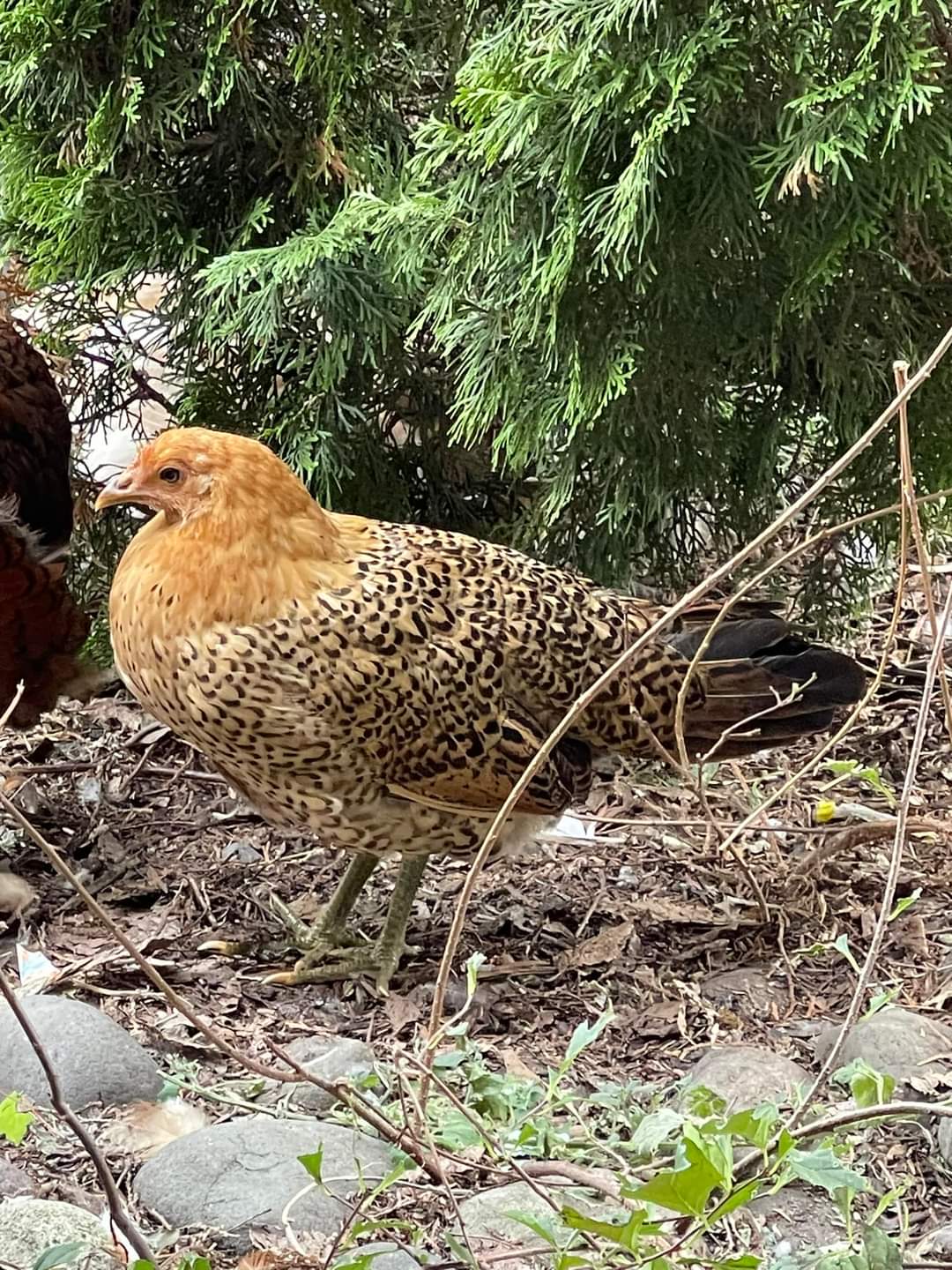
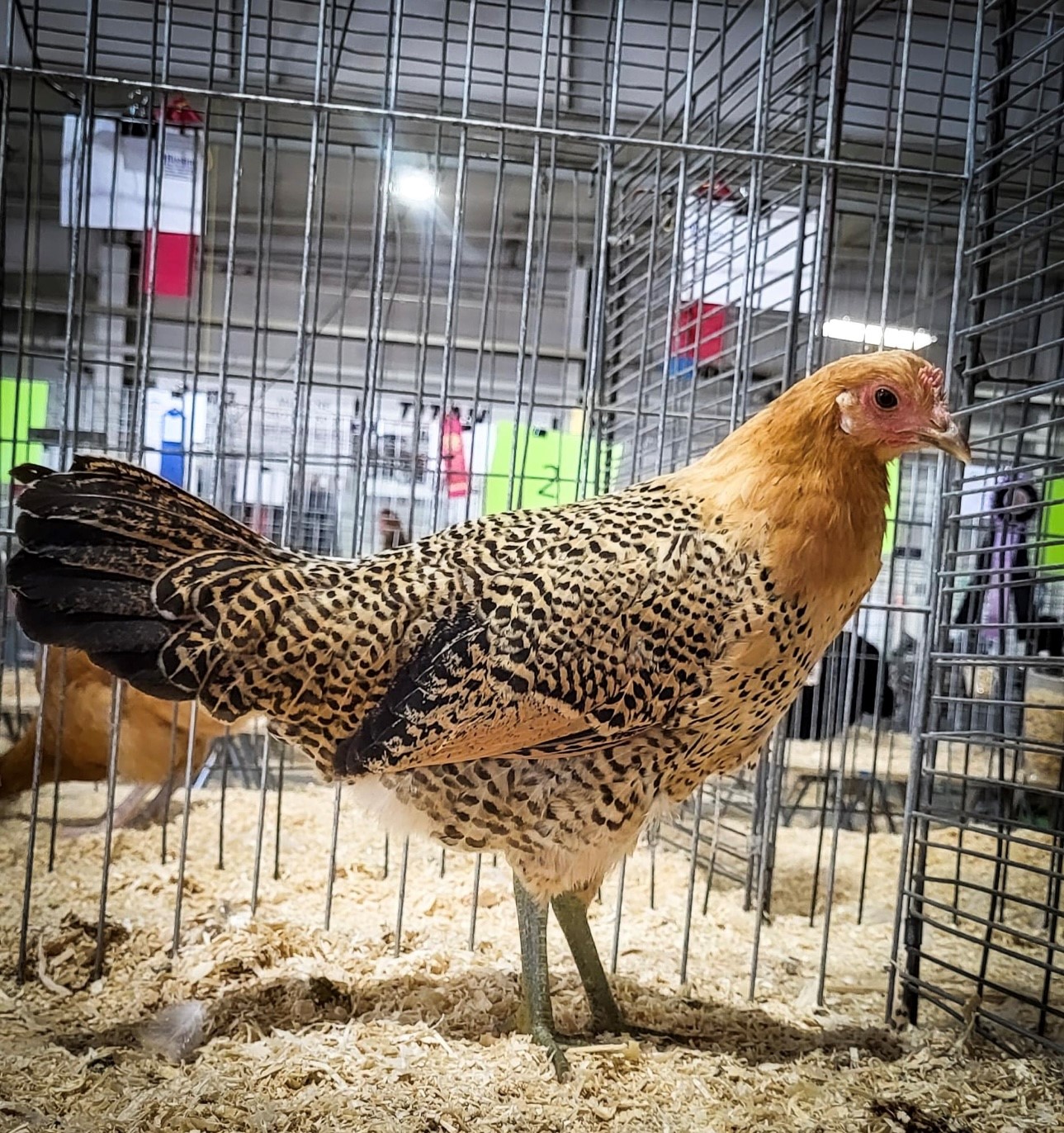
- Golden plumage
- Mediterranean body type
- Active temperament
- White eggs
- Non-setter hens
- Free-range ability
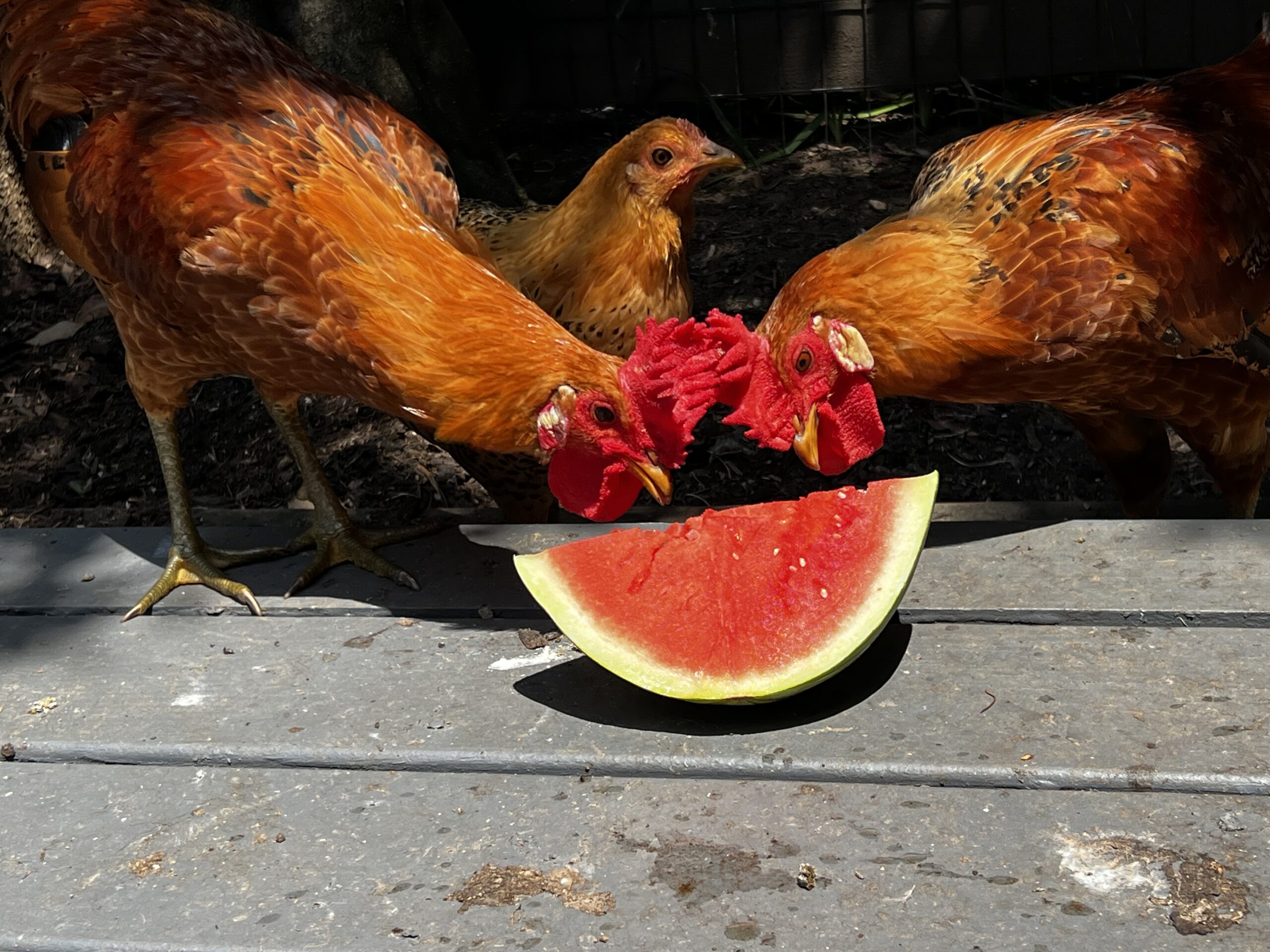
- Good foraging instincts
- Exhibition appeal
- Greenish or willow-toned legs
- Rare heritage breed status
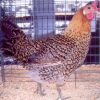
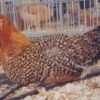
Cackle’s Heritage Breed Spotlight explains that the Buttercup name comes from both the hen’s golden plumage and the shape of the comb, which resembles a teacup with serrated edges or a flower with a single circle of petals.
The Unique Buttercup Comb
The cup-shaped comb is the Sicilian Buttercup’s most famous feature. It creates a crown-like appearance that separates the breed from nearly every other chicken.
A proper Buttercup comb should form a cup with evenly spaced points around the outside edge. This trait is beautiful, but it can also be challenging to maintain in breeding programs.
Cackle Hatchery® previously paused its Buttercup breeding program in 2013 because the cup comb quality was declining, with combs splitting more in each generation. Although Cackle had worked with the bloodline since 1971, the team chose not to continue offering the breed until better genetics could be found. In 2020 and 2021, Cackle found two breeders willing to provide seed stock, and in 2023 Cackle began offering Sicilian Buttercups again.
That breeding history matters because comb quality is central to this breed’s identity.
Egg Production and White Eggs
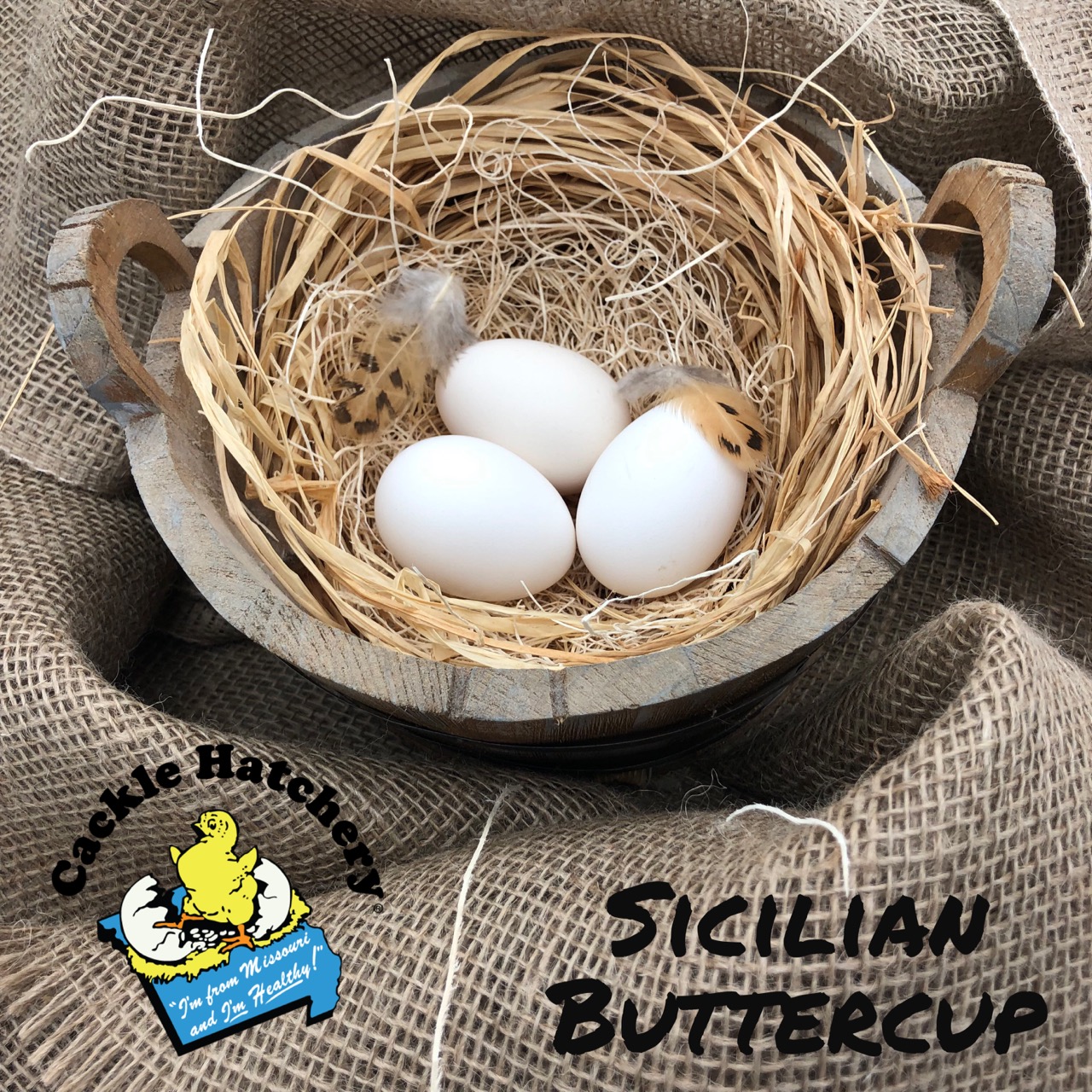
Sicilian Buttercup hens lay white eggs. Cackle Hatchery® lists egg production as good, and the breed is classified as an exhibition and egg-laying chicken.
Because Buttercups are a light Mediterranean breed, they are valued more for active laying, beauty, and foraging than for meat production. Egg production can vary by individual hen, feed, daylight, age, season, and flock management.
Choose Sicilian Buttercups if you want a rare white egg layer with ornamental beauty and free-range ability. Choose a modern production layer if maximum egg numbers are your main goal.
Temperament and Activity Level
Sicilian Buttercups are very active chickens. They are alert, quick, and better suited to spacious outdoor setups than tight confinement.
This breed can work well for:
- Free-range flocks
- Farms and acreages
- Large backyard setups
- Exhibition projects
- Rare breed collections
- White egg flocks
- Warm-climate poultry setups
- Customers who enjoy active chickens
Sicilian Buttercups are not the best fit for small coops, close confinement, or customers wanting calm lap-style chickens. They are better for poultry keepers who appreciate lively birds that like to roam and forage.
Free-Range and Foraging Ability
Sicilian Buttercups are excellent foragers and do best when they have room to move. Backyard Poultry describes Sicilian Buttercups as a rare heritage breed with excellent foraging skills for free-ranging.
They are especially well suited to:
- Free-range systems
- Large runs
- Farmyards
- Acreage flocks
- Warm-weather regions
- Active outdoor management
Even though they forage well, they still need complete feed, fresh water, and predator protection. Foraging should support their diet, not replace balanced nutrition.
Confinement and Climate Notes
Sicilian Buttercups do not take well to confinement. They are active birds that prefer free-range or spacious outdoor systems.
They are also more delicate than many heavier breeds and are not as winter hardy as most chickens. Their Mediterranean background makes them better suited to milder or warmer climates than harsh northern winters.
In cold weather, provide:
- Dry bedding
- Draft protection
- Good ventilation
- Unfrozen water
- Protection from damp conditions
- Monitoring for comb frostbite
In hot weather, provide shade, airflow, and cool fresh water.
Broodiness
Sicilian Buttercup hens are non-setters, meaning they generally do not go broody. This can be helpful for customers who want hens to keep laying rather than sitting on eggs.
However, customers who want natural chick-raising hens may prefer another breed. If you want to hatch Sicilian Buttercup chicks, use an incubator or a dependable broody hen from another breed.
Exhibition and Show Value
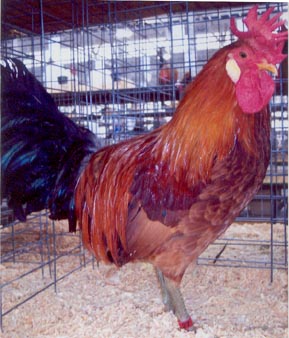
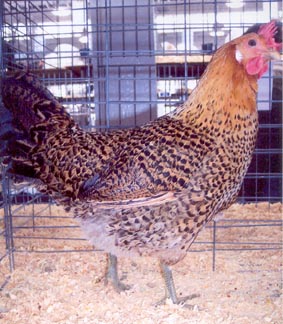
Sicilian Buttercups are beautiful barnyard and show birds. Their golden plumage, cup-shaped comb, elegant build, and rare heritage status make them stand out in exhibition settings.
The breed was admitted to the American Standard of Perfection in 1918. Customers interested in showing should review the current American Poultry Association Standard and local show rules. Comb quality is especially important for this breed.
For breed club information, customers may visit the American Buttercup Club, which was first established in 1912 and continues to support interest in this rare breed.
Sicilian Buttercup vs Egyptian Fayoumis
Sicilian Buttercups and Egyptian Fayoumis are both active Mediterranean-style chickens that can work well in warm climates and free-range settings.
A Sicilian Buttercup has a unique cup-shaped comb, golden plumage, white eggs, and Italian island heritage.
An Egyptian Fayoumis chicken is an ancient Egyptian breed known for fast maturity, predator awareness, high roosting, flight ability, and tinted white eggs.
Choose Sicilian Buttercups if you want a rare exhibition bird with a one-of-a-kind comb.
Choose Egyptian Fayoumis if you want a highly alert, flighty, predator-aware acreage bird.
Sicilian Buttercup vs Lakenvelder
Sicilian Buttercups and Lakenvelders are both rare, active white egg layers that prefer room to move.
A Sicilian Buttercup has golden plumage, a cup-shaped comb, and Mediterranean origin from Sicily.
A Lakenvelder chicken has black-and-white plumage, slate legs, white eggs, and Dutch-German heritage.
Choose Sicilian Buttercups if you want a warm golden bird with a crown-like comb.
Choose Lakenvelders if you prefer bold black-and-white contrast and the “shadow under a sheet” look.
Is the Sicilian Buttercup Chicken Right for Your Flock?
Choose Sicilian Buttercup chickens if you want:
- A rare Italian heritage breed
- A chicken from Sicily
- A unique cup-shaped comb
- Golden plumage
- White eggs
- Good egg production
- A non-setter hen
- An active free-range bird
- A good forager
- A warm-climate chicken
- Exhibition and ornamental appeal
- A breed connected to Cackle Hatchery® breeding work since 1971
However, consider another breed if you need strong winter hardiness, calm confinement behavior, broodiness, or a heavy meat bird. In short, Sicilian Buttercups are best for customers who want a rare, beautiful, active white egg layer with a truly unique comb and free-range personality.
Care and Housing Tips
Sicilian Buttercups need space, security, and thoughtful climate management. They are active and delicate compared with many heavier breeds, so they do best in roomy, well-managed setups.
For best results, provide:
- A dry, well-ventilated coop
- Predator-resistant nighttime housing
- Large run or safe free-range access
- Secure fencing
- Fresh water at all times
- Balanced chick starter and age-appropriate feed
- Nest boxes for white eggs
- Roosting space for active birds
- Shade and airflow during hot weather
- Protection from drafts and damp bedding in cold weather
- Extra comb protection in freezing conditions
Because they do not take well to confinement, give Sicilian Buttercups as much safe outdoor room as possible.
Recognition and Availability
Sicilian Buttercups are APA-recognized and were admitted to the American Standard of Perfection in 1918. Cackle Hatchery® lists the breed with The Livestock Conservancy Threatened Status and notes that Cackle Hatchery® Poultry Breeding Farm has been developing its pure Sicilian Buttercup strain since 1971.
Cackle paused the breed in 2013 because of cup comb quality concerns, found new seed stock in 2020 and 2021, and began offering Buttercups again in 2023.
Because this is a rare breed, availability may be limited. Customers should check Cackle Hatchery’s Chicken Availability Chart before ordering. Cackle notes that its availability chart updates often and that a shipping date is not guaranteed until checkout.
Related Breeds and Helpful Cackle Hatchery® Resources
Customers who like Sicilian Buttercups may also enjoy other rare, active, Mediterranean, exhibition, and white-egg-laying breeds.
Helpful Cackle Hatchery® links for this product page include:
FAQ: Sicilian Buttercup Chicken
What is a Sicilian Buttercup Chicken?
A Sicilian Buttercup Chicken is a rare Mediterranean breed from Sicily known for golden plumage, a unique cup-shaped comb, white eggs, active free-range behavior, and exhibition appeal.
Where did Sicilian Buttercup chickens originate?
Sicilian Buttercups originated on the island of Sicily, off the coast of Italy.
When did Sicilian Buttercups come to America?
The breed reportedly first appeared on American shores in 1835, and American Buttercups trace to later imported stock that helped establish the breed.
When were Sicilian Buttercups admitted to the American Standard of Perfection?
Sicilian Buttercups were admitted to the American Poultry Association Standard of Perfection in 1918.
What is special about the Sicilian Buttercup comb?
The comb forms a unique cup-shaped crown with points around the rim and no points in the center. It is the breed’s most distinctive feature.
Why is it called a Buttercup chicken?
The name comes from both the hen’s golden plumage and the cup-shaped comb, which resembles a small flower or cup.
What color eggs do Sicilian Buttercups lay?
Sicilian Buttercup hens lay white eggs.
Are Sicilian Buttercups good egg layers?
Yes. Cackle Hatchery® lists their egg production as good and describes the breed as useful for exhibition and egg laying.
Are Sicilian Buttercups broody?
No. Sicilian Buttercups are generally non-setters and do not usually go broody.
Are Sicilian Buttercups good for free range?
Yes. They are active foragers and do best with room to roam.
Do Sicilian Buttercups do well in confinement?
No. They do not take well to confinement and are better suited to free-range or spacious outdoor setups.
Are Sicilian Buttercups winter hardy?
They are not as winter hardy as many chicken breeds. Their Mediterranean background makes them better suited to mild or warm climates.
Are Sicilian Buttercups delicate?
Yes. Compared with many heavier breeds, Sicilian Buttercups can be more delicate and need thoughtful care, especially in cold or damp conditions.
Are Sicilian Buttercups good for show?
Yes. Their golden plumage, unusual cup comb, and rare breed status make them attractive barnyard and exhibition birds.
Are Sicilian Buttercups rare?
Yes. Cackle Hatchery® lists the breed with The Livestock Conservancy Threatened Status.
What is the American Buttercup Club?
The American Buttercup Club is a breed club first established in 1912 to support and promote the Sicilian Buttercup chicken.
Why did Cackle Hatchery® stop breeding Sicilian Buttercups in 2013?
Cackle paused the breed because the cup comb was splitting apart more with each generation, and the hatchery could not find suitable new genetics at that time.
When did Cackle Hatchery® start offering Sicilian Buttercups again?
Cackle found new seed stock from two breeders in 2020 and 2021 and began offering Sicilian Buttercups again in 2023.
What is Cackle Hatchery’s Sicilian Buttercup bloodline history?
Cackle Hatchery® Poultry Breeding Farm has been developing its pure Sicilian Buttercup bloodline since 1971.
Where can I check Sicilian Buttercup availability?
Customers can check Cackle Hatchery’s Chicken Availability Chart for current hatch and shipping timing. Availability can change during the season.







































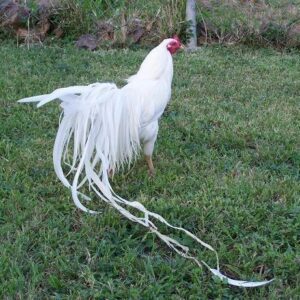


newmoonfarm18 –
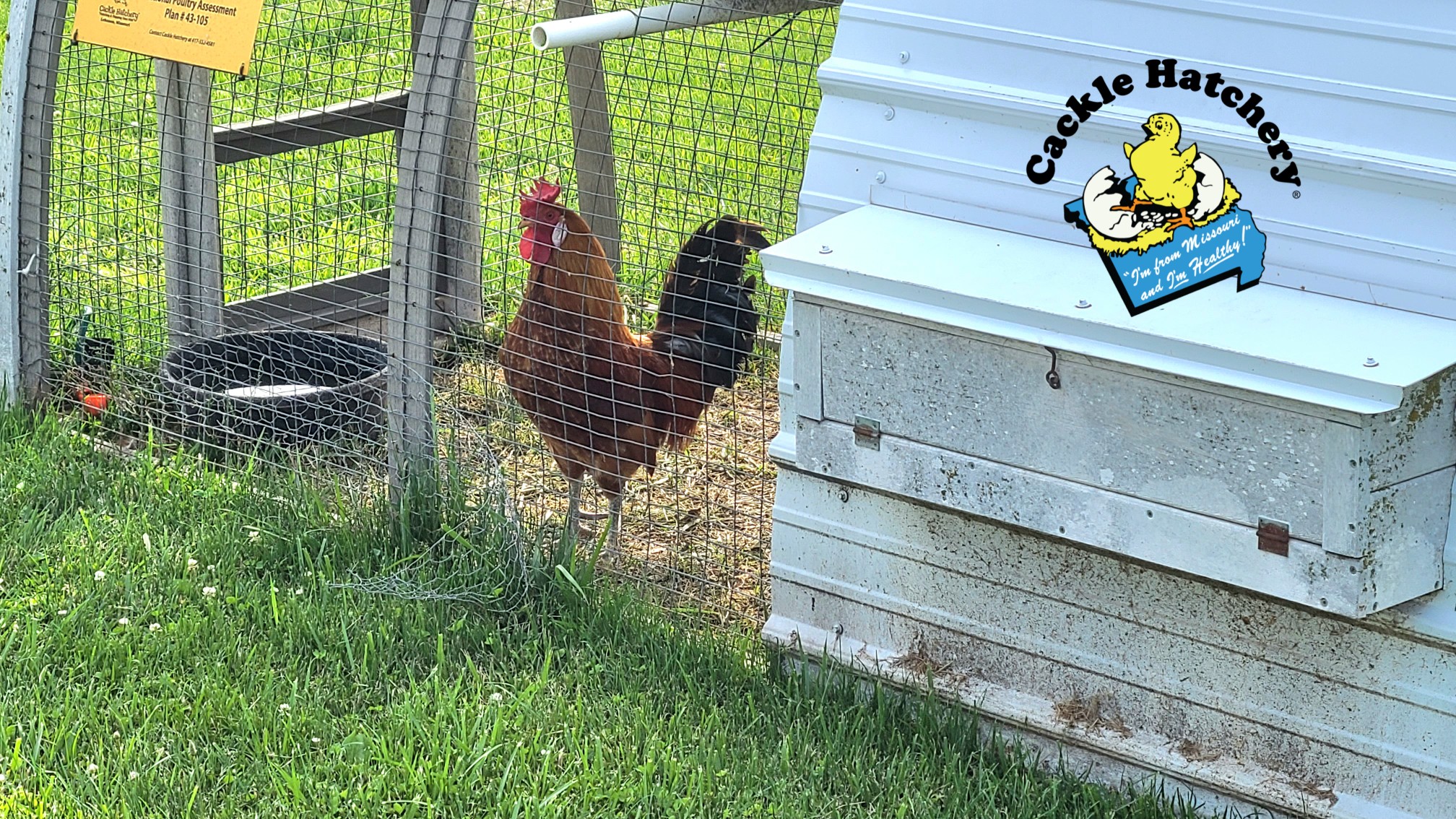
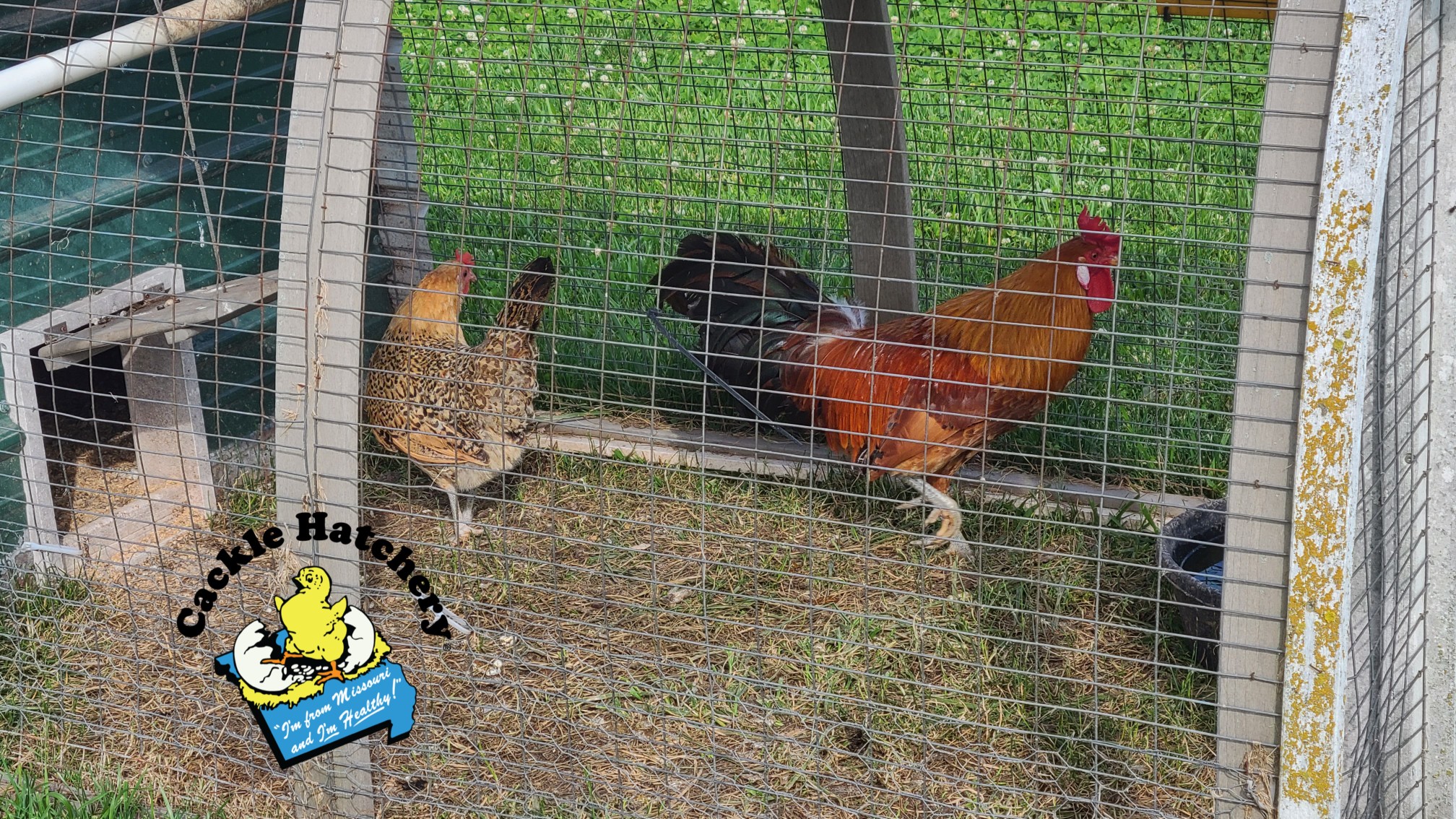
These were a great addition to my flock. They are alert, predator resistant, and beautiful. The rooster is also polite towards humans, which is a big plus.
Theresa –
Love it!
I have one and she’s great! I’d never heard of this breed before. She lays beautiful pinkish white eggs. A lil smaller than the other eggs I get. She’s a lil smaller too. But she doesn’t let the other chickens push her around. Love her!
Abby Iowa May 2012 –
Thanks!
I showed in the American, English, Mediterranean, All Other Standard Breed, Mixed Breed, Pairs, Bantam Single Comb, Clean Legged and Showmanship Classes. This was my first year showing. I got 1 Red and 9 Blue Ribbons. I also received 4 best of breed awards and 1 Reserve Champion and 1 Champion. I also got 3rd in showmanship.