Description
Swedish Flower Hen Chicken
Breed Overview and Origin
The Swedish Flower Hen Chicken is a rare traditional landrace from Sweden, known for colorful millefleur plumage, genetic diversity, hardiness, strong foraging ability, gentle temperament, and dependable egg production. If you want a beautiful, useful, and historically meaningful backyard chicken, Swedish Flower Hens are an excellent choice.
The breed’s Swedish name is Skånsk Blommehöna, meaning “Scanian flower chicken.” This name reflects its origin in Skåne, or Scania, in southern Sweden, as well as its flower-like feather pattern. Backyard Poultry identifies the Swedish Flower Hen as a landrace from southern Sweden, especially Scania, and notes that the colorful millefleur plumage inspired the “flower” name.
As a landrace, the Swedish Flower Hen developed through natural selection and long-term adaptation rather than strict modern breed standardization. Because of that, these chickens are hardy, genetically diverse, and variable in appearance. Cackle Hatchery® describes the Swedish Flower Hen as a traditional landrace from Sweden and lists it among rare chicken breeds and What’s New offerings.
The breed was brought back from near extinction in Sweden during the 1970s and was first imported into the United States in 2010. Several breed histories note that remaining Swedish Flower Hens were preserved through conservation efforts before U.S. importation began in 2010.
Appearance and Characteristics
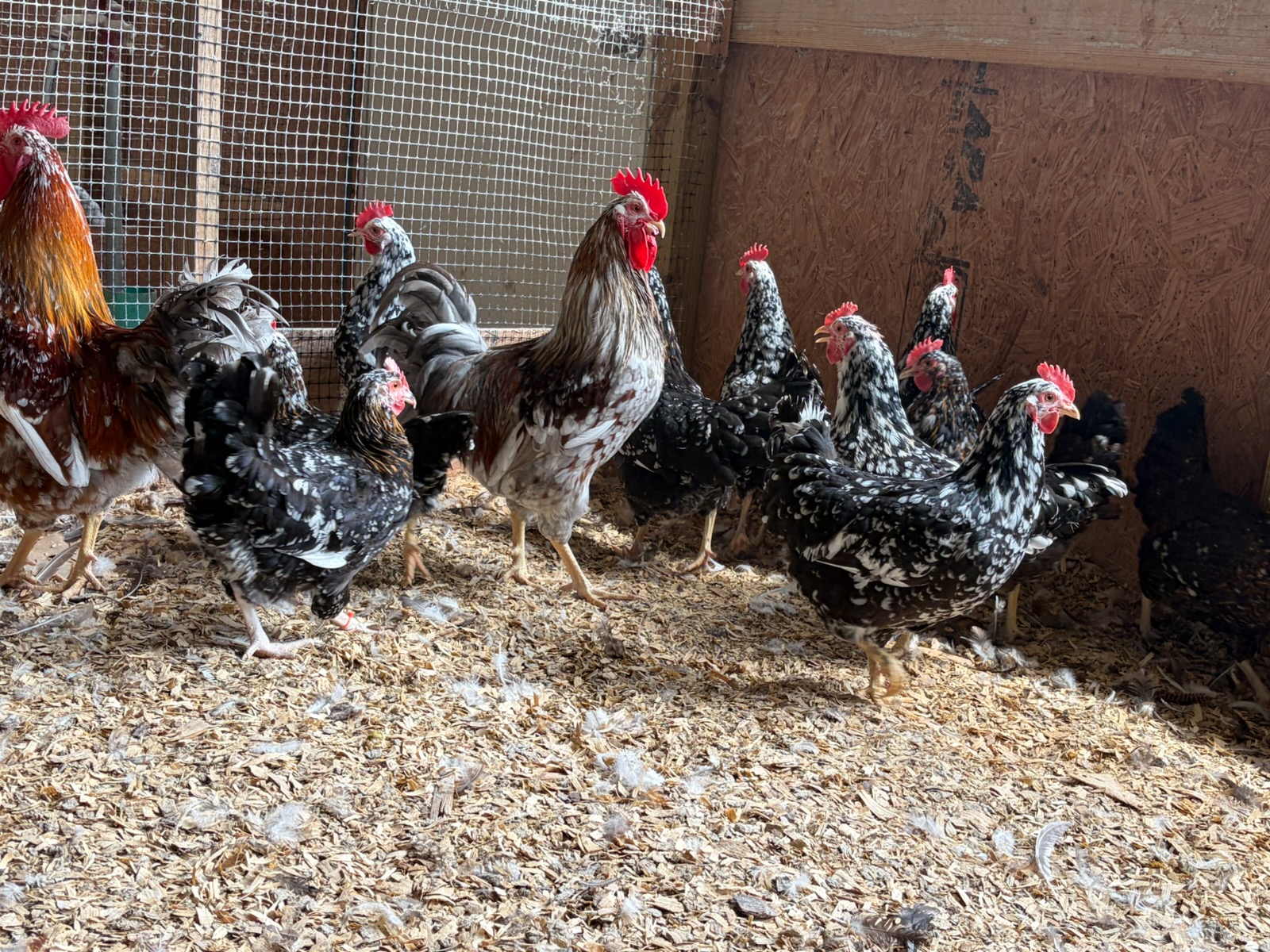
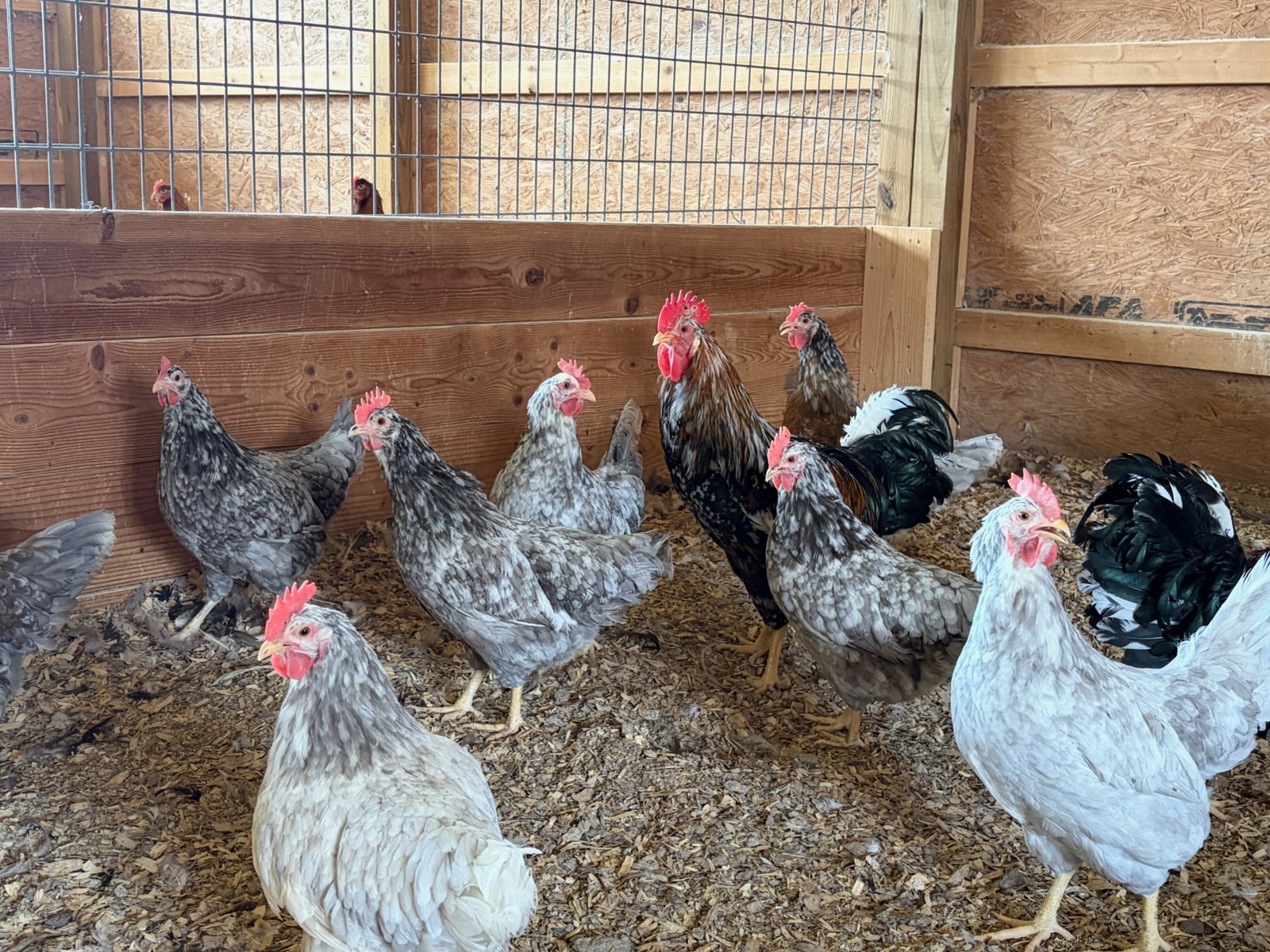
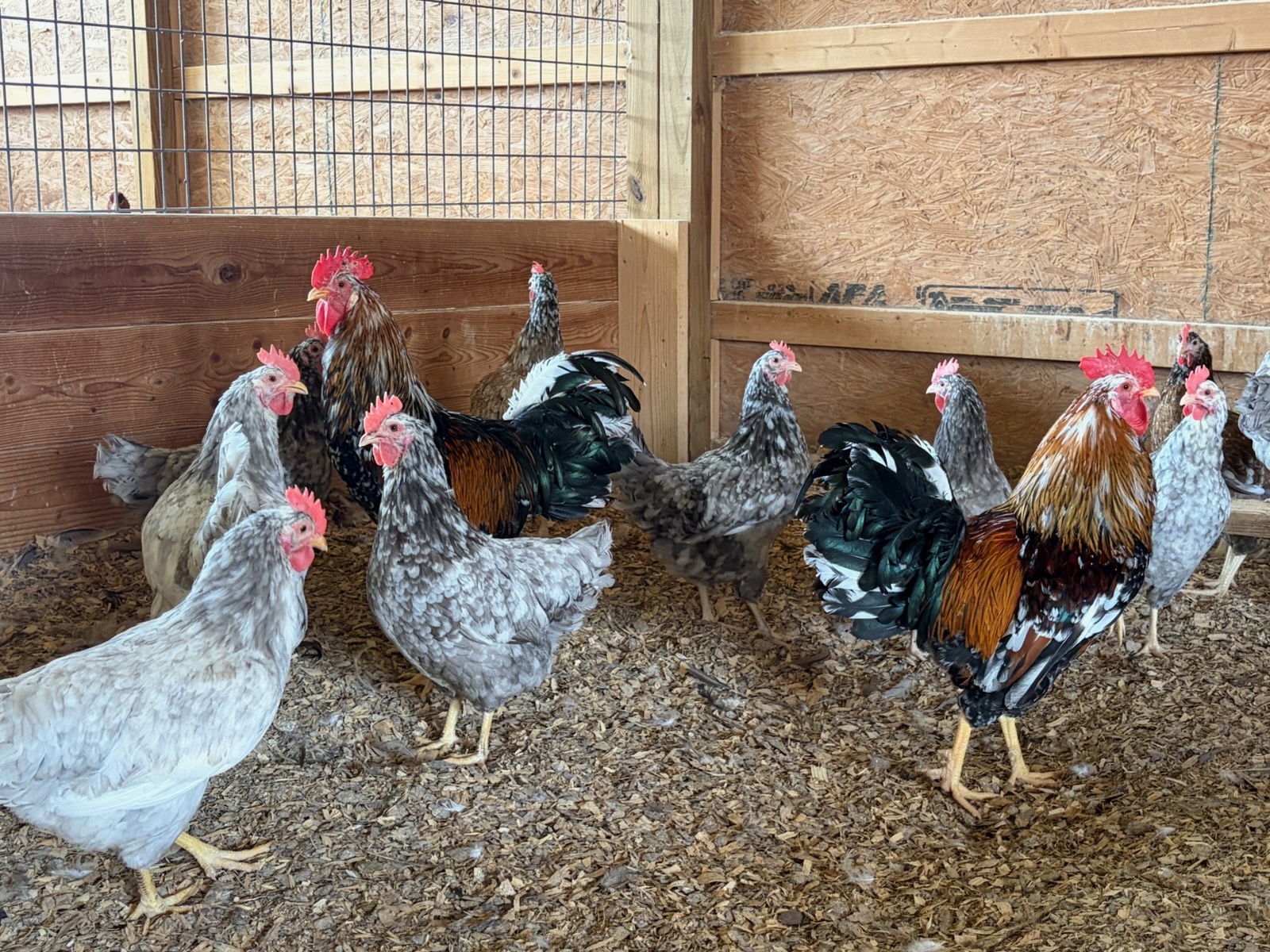
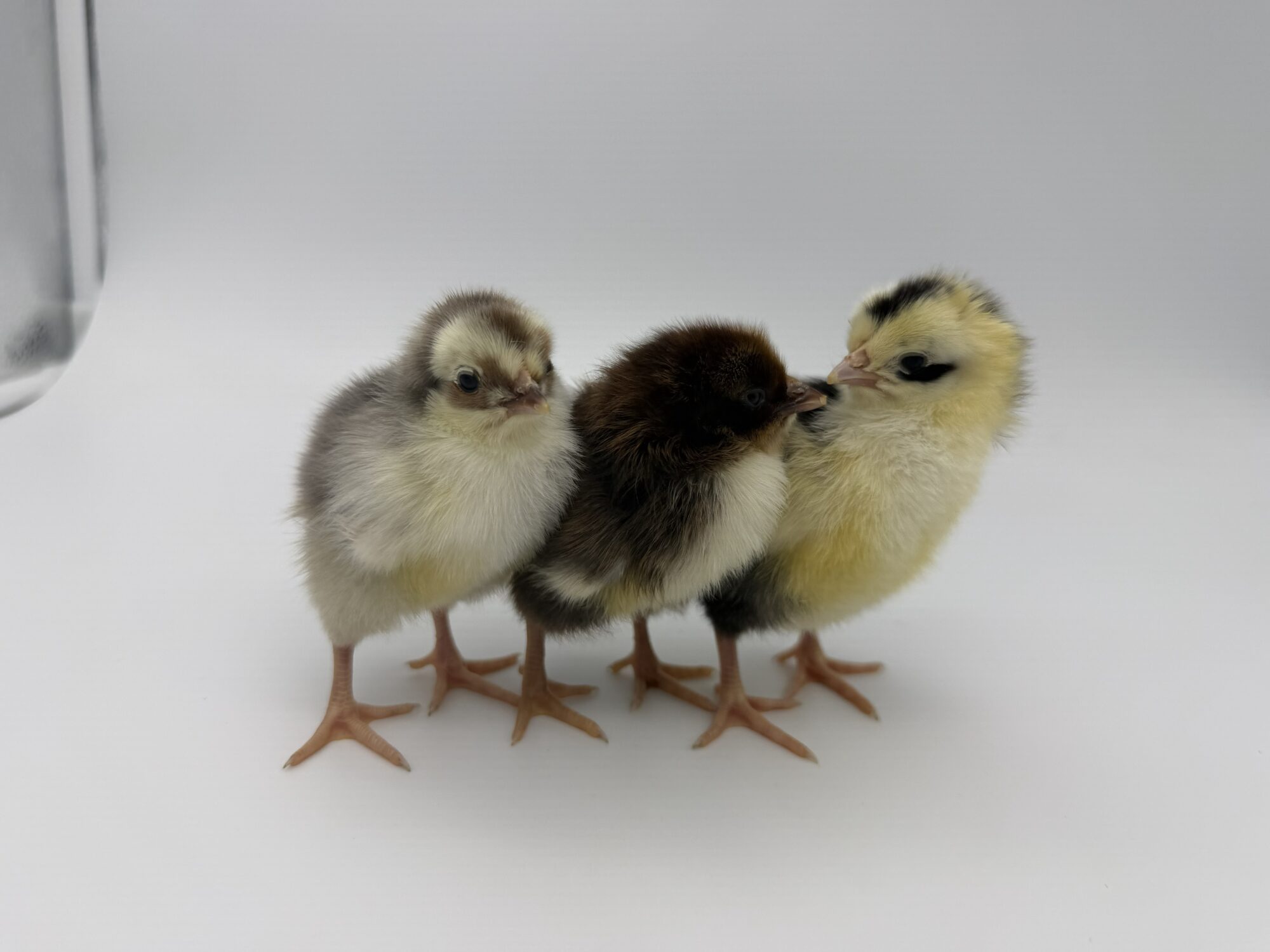
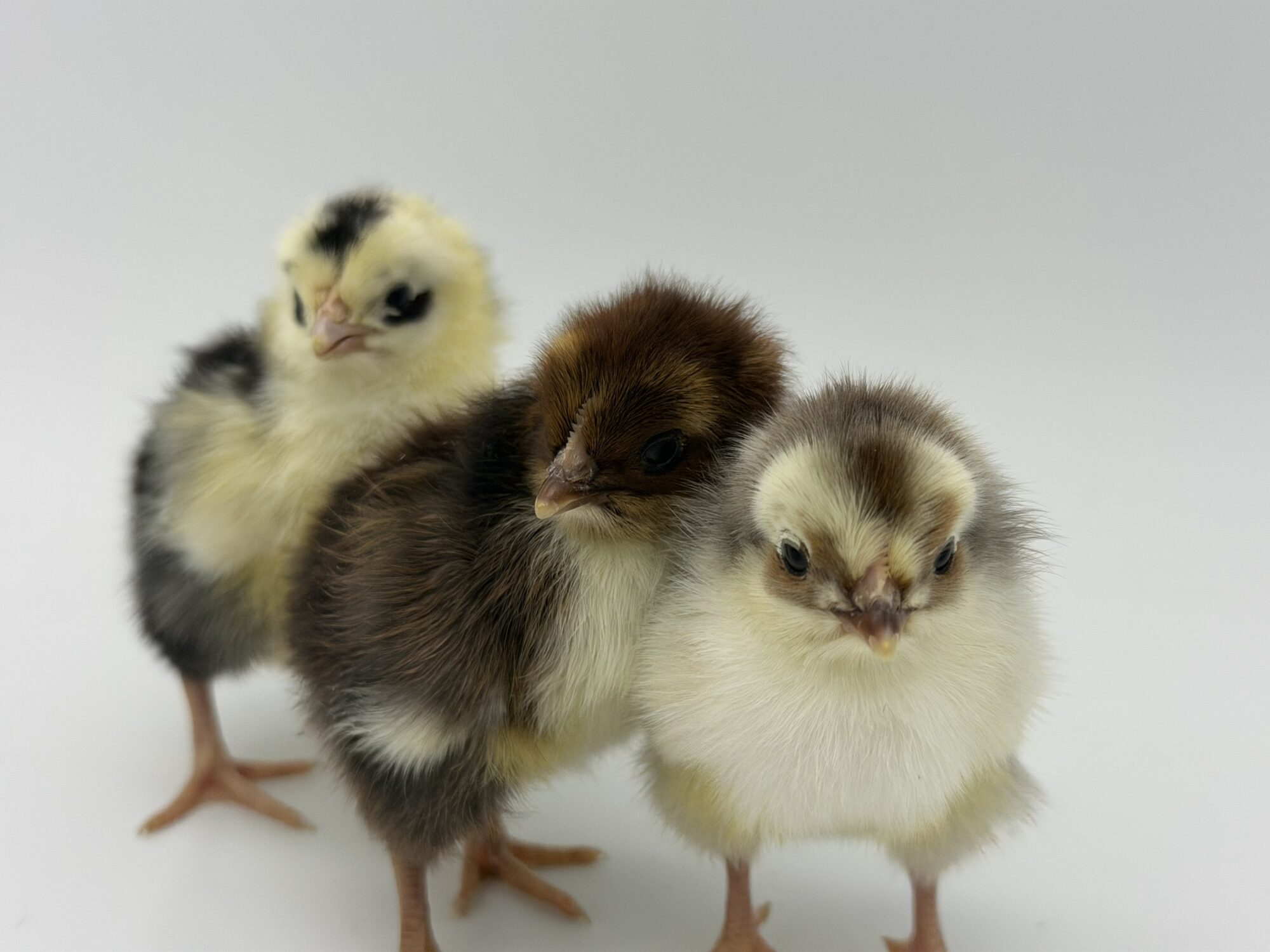
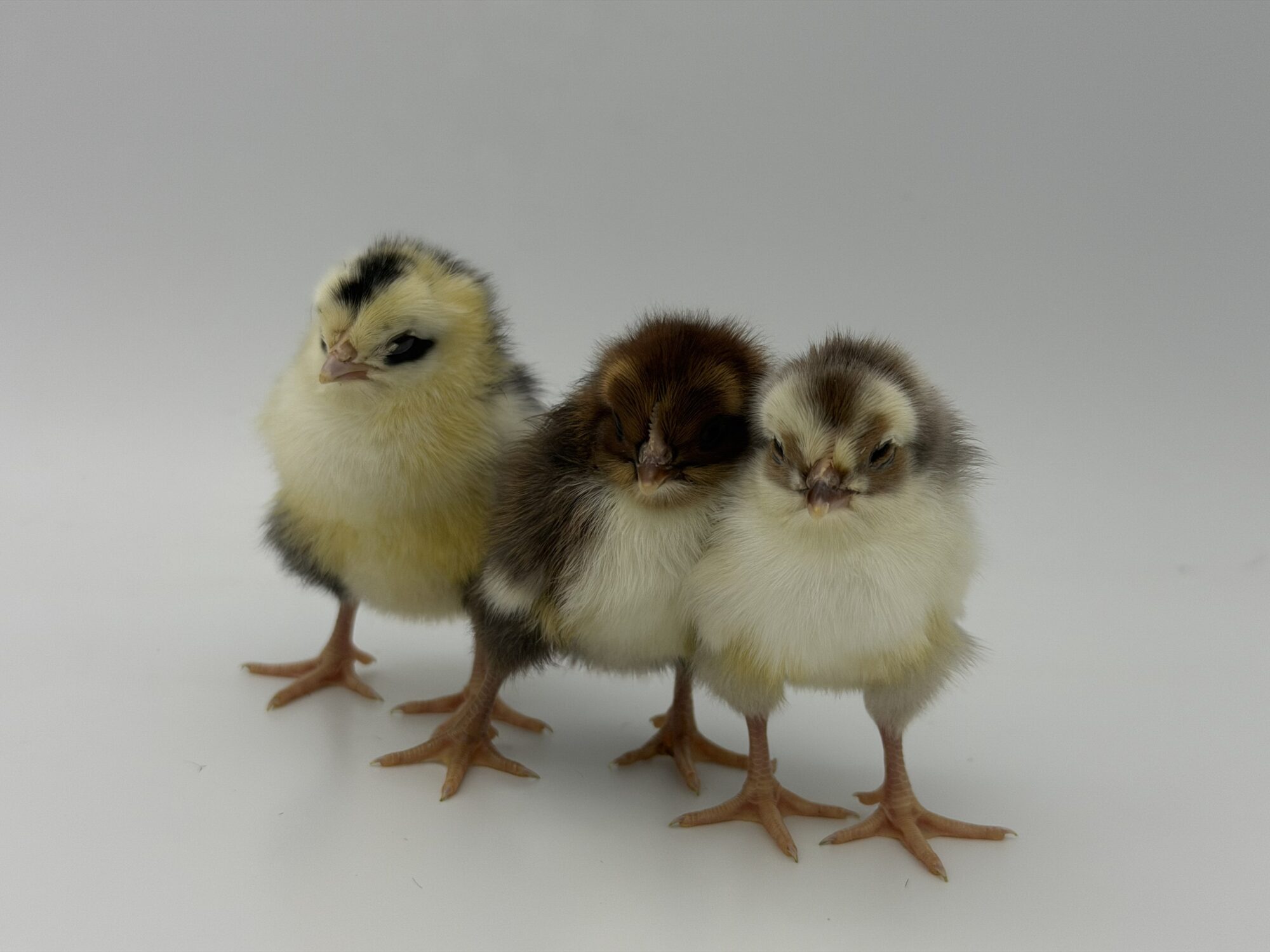
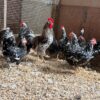
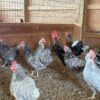
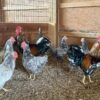
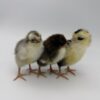
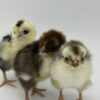
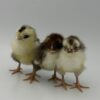
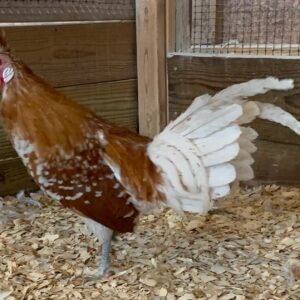
No two Swedish Flower Hens look exactly alike. Their basic plumage pattern is millefleur, meaning the feather tips create a flower-like effect. Many birds have feathers ending in a black crescent and a white V-shaped tip, while the background color can vary widely.
Possible background colors include:
- Black
- Blue
- Brown
- Buff
- Red
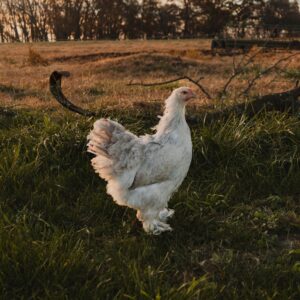
Some Swedish Flower Hens may also have a small crest, while others do not. This variation is normal for the breed and adds to its charm.
Expected traits include:
- Colorful millefleur plumage
- Wide variation from bird to bird
- Possible small crest
- Strong genetic diversity
- Good foraging ability
- Predator awareness
- Calm, gentle temperament
- Winter laying ability
- Variable broodiness
- Rare landrace conservation value
Because the Swedish Flower Hen does not conform to one fixed appearance standard, it is not listed in the American Poultry Association Standard of Perfection.
What Is a Landrace Chicken?
A landrace chicken is a population that developed over time through natural selection in a specific region. Instead of being shaped mainly by strict show standards, landrace chickens adapt to local climate, food sources, predators, and farm conditions.
For Swedish Flower Hens, this means:
- Strong natural hardiness
- Broad genetic diversity
- Variation in color and pattern
- Good survival instincts
- Practical farm traits
- Less uniform appearance than standardized breeds
This landrace background is one reason the Swedish Flower Hen is valuable for rare breed preservation. By keeping a flock, customers help support genetic diversity in poultry.
Egg Production and Winter Laying
Swedish Flower Hen pullets may start laying small eggs at around 17 weeks of age. As they mature, their eggs may increase in size, and fully mature hens may lay large to extra-large eggs.
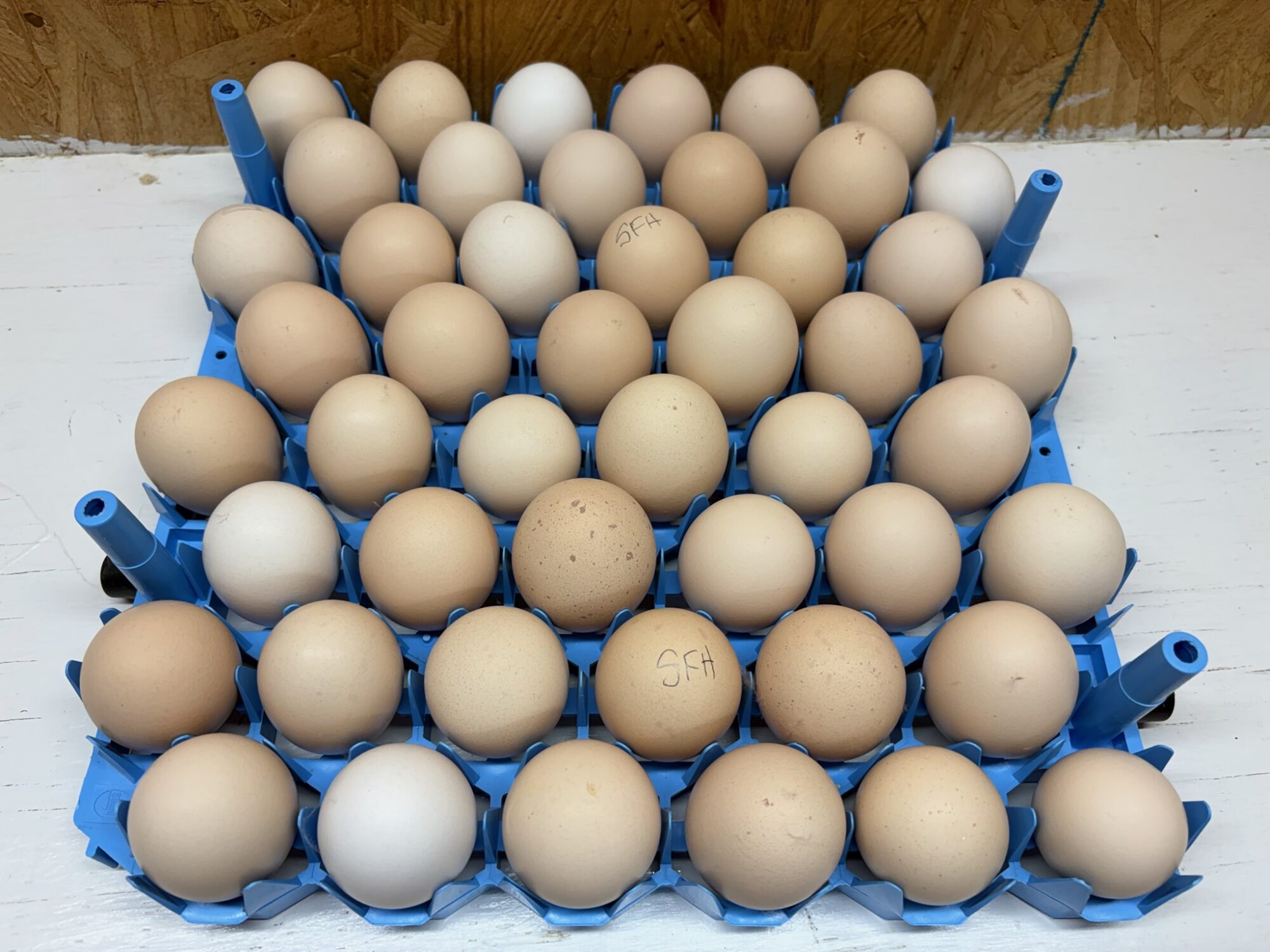
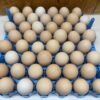
Customers can generally expect 150 to 200 eggs per year, and sometimes more, depending on the individual hen, feed, season, daylight, age, and flock management. Independent breed profiles commonly describe Swedish Flower Hens as producing about 150 to 200 large light-brown eggs per year.
Swedish Flower Hens are also valued as good winter layers. They may continue producing eggs well into their fourth or fifth year, making them a practical choice for customers who want more than short-term production.
Temperament and Backyard Suitability
Swedish Flower Hens are calm, gentle, and friendly with people. Although they are independent and good at taking care of themselves in a free-range setting, they can still be enjoyable family flock birds.
This breed can work well for:
- Backyard flocks
- Family poultry keepers
- Rare breed enthusiasts
- Free-range setups
- Homesteads
- Foraging flocks
- Customers who want colorful chickens
- Customers interested in preservation breeding
- Mixed flocks with compatible breeds
Their gentle nature makes them especially appealing for families with children. However, because they are active foragers, they appreciate room to roam and explore.
Foraging and Predator Awareness
Swedish Flower Hens are excellent foragers. They enjoy searching for insects, greens, seeds, and other natural food sources when given safe outdoor space.
They are also predator wary. Roosters are particularly alert, and the colorful speckled plumage can help birds blend into natural surroundings. This does not make them predator-proof, but it can give them an advantage compared with birds that are bright, slow, or less aware.
For best results, provide secure nighttime housing, predator-resistant fencing, and supervised or protected free-range access when needed.
Climate Suitability
Swedish Flower Hens prefer cooler conditions and generally do best in climates around 70°F or less. However, they can tolerate warmer weather when given proper care.
In warm climates, provide:
- Shade
- Fresh cool water
- Good coop ventilation
- Airflow in the run
- Room to spread out
- Protection from heat stress
In cold weather, provide dry bedding, good ventilation, draft protection, and unfrozen water. Their Swedish landrace background gives them strong hardiness, but all chickens still need proper shelter and care.
Broodiness and Mothering Ability
Broodiness is variable in Swedish Flower Hens. Some hens may go broody, while others may not. When a hen does brood, she can make an excellent mother.
This gives the breed flexibility. Customers focused on eggs may appreciate hens that do not brood heavily, while customers who enjoy natural chick raising may value the occasional broody hen.
Broodiness depends on the individual hen, season, age, and flock environment.
Swedish Flower Hen vs Speckled Sussex
Swedish Flower Hens and Speckled Sussex can both have colorful speckled plumage, but they are very different breeds.
A Swedish Flower Hen is a Swedish landrace with wide variation in color, possible crests, strong genetic diversity, and no fixed APA standard.
A Speckled Sussex chicken is an English breed with a more established breed type and standardized appearance.
Choose Swedish Flower Hens if you want a rare landrace chicken with unique individual variation.
Choose Speckled Sussex if you want a more standardized speckled breed with classic English breed history.
Swedish Flower Hen vs Appenzeller Spitzhauben
Swedish Flower Hens and Appenzeller Spitzhaubens are both colorful, active, European breeds with strong foraging ability.
A Swedish Flower Hen is a Swedish landrace with millefleur plumage and variable cresting.
An Appenzeller Spitzhauben is a Swiss breed known for its forward-pointing crest, V comb, active personality, and spangled feathering.
Choose Swedish Flower Hens if you want a rare Swedish landrace with calm temperament and unique individual patterns.
Choose Appenzeller Spitzhaubens if you want a lighter, more active, crested Swiss breed with a distinct spangled look.
Is the Swedish Flower Hen Chicken Right for Your Flock?
Choose Swedish Flower Hen chickens if you want:
- A rare Swedish landrace
- Colorful millefleur plumage
- A flock where no two birds look alike
- Genetic diversity
- Strong foraging ability
- Predator-aware behavior
- Calm, gentle temperament
- Family-friendly backyard appeal
- 150 to 200 eggs per year
- Winter laying ability
- Variable broodiness
- A breed with conservation value
However, consider another breed if you need a standardized show bird, predictable feather color, or maximum commercial egg production. In short, Swedish Flower Hens are best for customers who want beauty, hardiness, genetic diversity, useful eggs, and a rare breed preservation opportunity.
Care and Housing Tips
Swedish Flower Hens are easy to keep when given proper housing, nutrition, and predator protection. They are hardy and independent, but they still need dependable care like any backyard chicken.
For best results, provide:
- A dry, well-ventilated coop
- Predator-resistant fencing
- Clean bedding
- Fresh water at all times
- Balanced chick starter and age-appropriate feed
- Nest boxes for large eggs
- Roosting space suited to active birds
- Shade and airflow during hot weather
- Protection from drafts and damp bedding in cold weather
- Safe outdoor space for foraging
Because Swedish Flower Hens are good foragers, they benefit from secure outdoor access. Still, complete feed is important for steady laying, good feather quality, and overall health.
Recognition and Availability
The Swedish Flower Hen is not listed in the American Poultry Association Standard of Perfection because it does not conform to one established standard of appearance. Instead, it is valued as a genetically diverse landrace breed.
Cackle Hatchery® lists Swedish Flower Hens as rare breed baby chicks and notes the breed’s traditional Swedish landrace background. Since hatch dates and shipping windows can change during the season, customers should check Cackle Hatchery’s Chicken Availability Chart before ordering. Cackle notes that its availability chart updates frequently and does not guarantee a reserved shipping date until checkout.
Related Breeds and Helpful Cackle Hatchery® Resources
Customers who like Swedish Flower Hens may also enjoy other rare, colorful, foraging, and heritage-style chickens.
Helpful Cackle Hatchery® links for this product page include:
FAQ: Swedish Flower Hen Chicken
What is a Swedish Flower Hen Chicken?
A Swedish Flower Hen Chicken is a rare traditional landrace from Sweden known for colorful millefleur plumage, genetic diversity, strong foraging ability, calm temperament, and useful egg production.
Where did Swedish Flower Hens originate?
Swedish Flower Hens originated in southern Sweden, especially the Skåne, or Scania, region. Their Swedish name, Skånsk Blommehöna, means Scanian flower chicken.
What does Swedish Flower Hen mean?
The name refers to the breed’s Swedish origin and colorful flower-like plumage pattern.
Is the Swedish Flower Hen a landrace?
Yes. Swedish Flower Hens are a landrace, meaning they developed through natural selection and regional adaptation rather than strict modern standardization.
Why do Swedish Flower Hens all look different?
Because the breed is genetically diverse and not standardized for one exact appearance. Background colors can vary, and some birds may have small crests while others do not.
What is millefleur plumage?
Millefleur means “thousand flowers.” In Swedish Flower Hens, the feather tips often create a flower-like pattern with black crescents and white V-shaped tips.
What colors can Swedish Flower Hens be?
Background plumage may be black, blue, brown, buff, red, or other combinations, often with white-tipped flower-like markings.
Do Swedish Flower Hens have crests?
Some Swedish Flower Hens have a small crest, while others do not.
Are Swedish Flower Hens APA recognized?
No. Swedish Flower Hens are not listed in the American Poultry Association Standard of Perfection because they do not conform to one established standard of appearance.
Are Swedish Flower Hens rare?
Yes. Swedish Flower Hens are rare, and the breed was brought back from near extinction in Sweden before being imported into the United States in 2010.
When were Swedish Flower Hens imported into the United States?
Swedish Flower Hens were first imported into the United States in 2010.
What color eggs do Swedish Flower Hens lay?
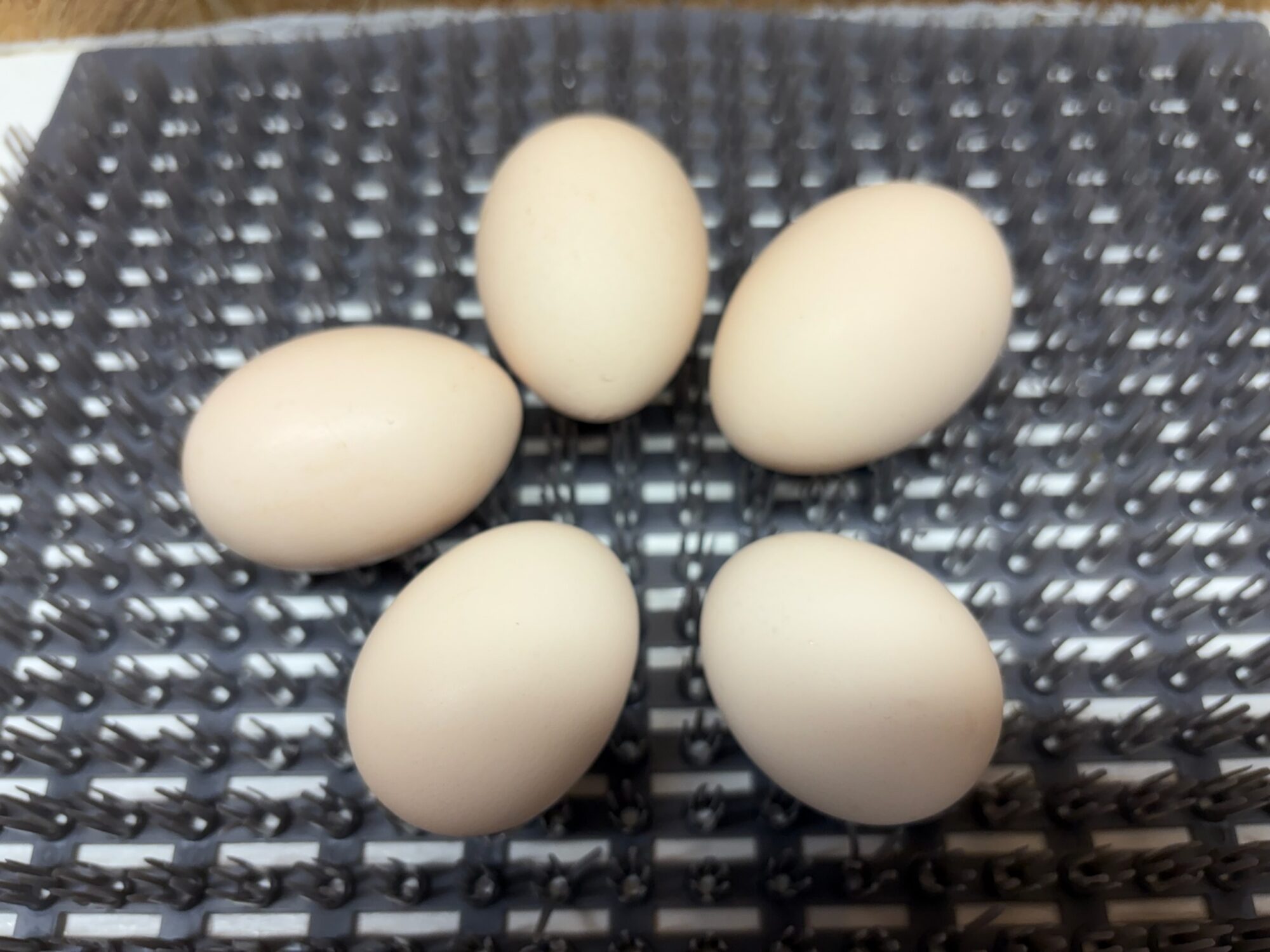
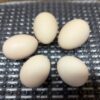
Swedish Flower Hens generally lay light brown eggs.
How many eggs do Swedish Flower Hens lay?
Customers can expect about 150 to 200 eggs per year, and sometimes more, depending on the hen and management.
What size eggs do Swedish Flower Hens lay?
Pullets may start with small eggs, but mature hens can lay large to extra-large eggs.
When do Swedish Flower Hens start laying?
They may start laying at around 17 weeks of age, although timing varies by bird, season, feed, and management.
Are Swedish Flower Hens good winter layers?
Yes. Swedish Flower Hens are good winter layers and may continue producing well into their fourth or fifth year.
Are Swedish Flower Hens broody?
Broodiness is variable. Some hens may go broody, and when they do, they can make excellent mothers.
Are Swedish Flower Hens friendly?
Yes. They are generally calm, gentle, and friendly with people.
Are Swedish Flower Hens good with children?
Yes. Their gentle temperament can make them a good choice for family flocks when children handle birds respectfully.
Are Swedish Flower Hens good foragers?
Yes. Swedish Flower Hens are excellent foragers and do well with safe outdoor access.
Are Swedish Flower Hens predator aware?
Yes. They are alert and predator wary, and roosters can be especially watchful.
What climate is best for Swedish Flower Hens?
They prefer cooler climates around 70°F or less, but they can tolerate warmer weather with shade, water, and good coop ventilation.
Are Swedish Flower Hens good for beginners?
Yes. They can be good for beginners who provide proper housing, predator protection, and enough space for active foraging.
Where can I check Swedish Flower Hen availability?
Customers can check Cackle Hatchery’s Chicken Availability Chart for current hatch and shipping timing. Availability can change during the season.




Reviews
There are no reviews yet