Description
White Japanese Bantam Chicken
Breed Overview and Origin
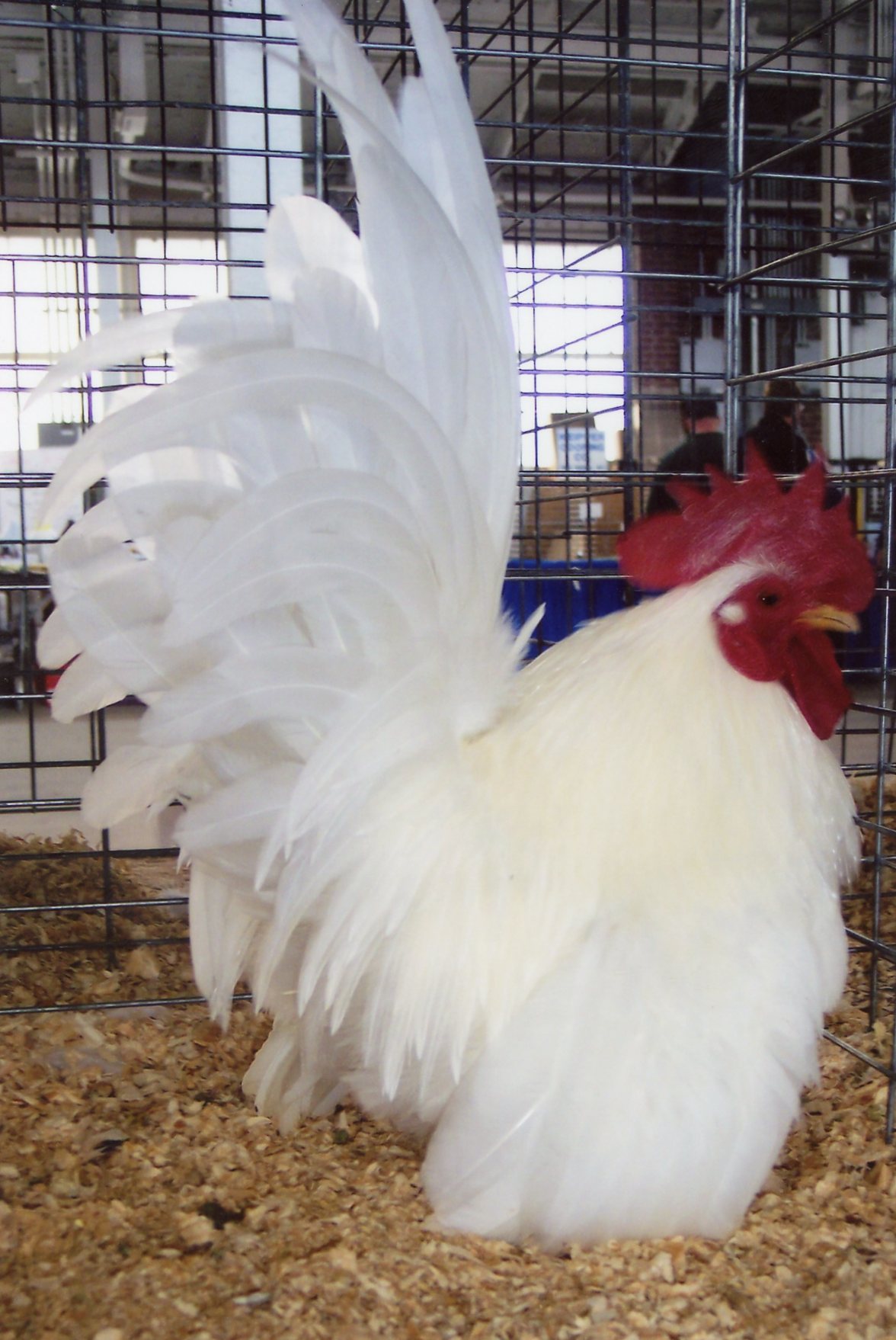
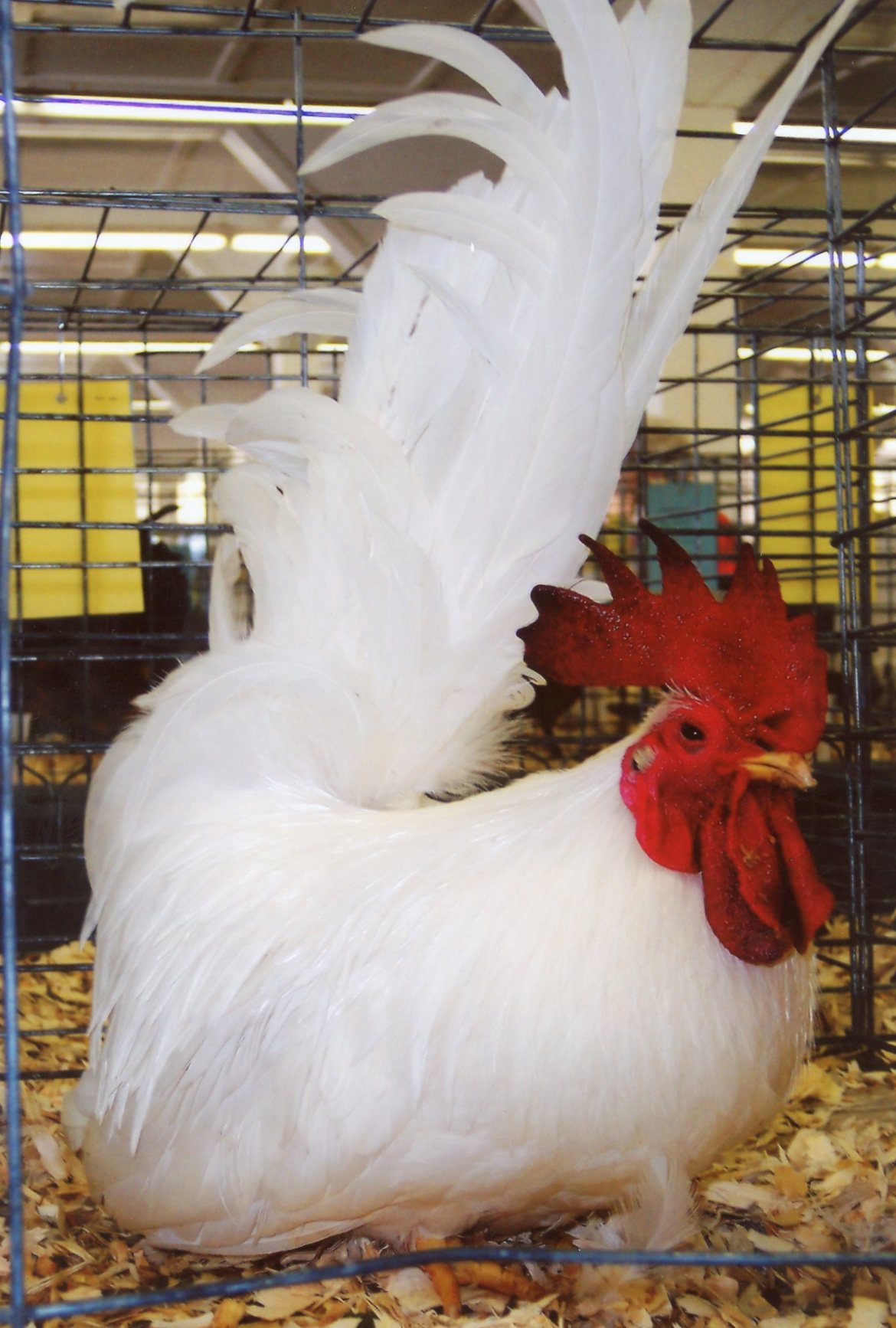
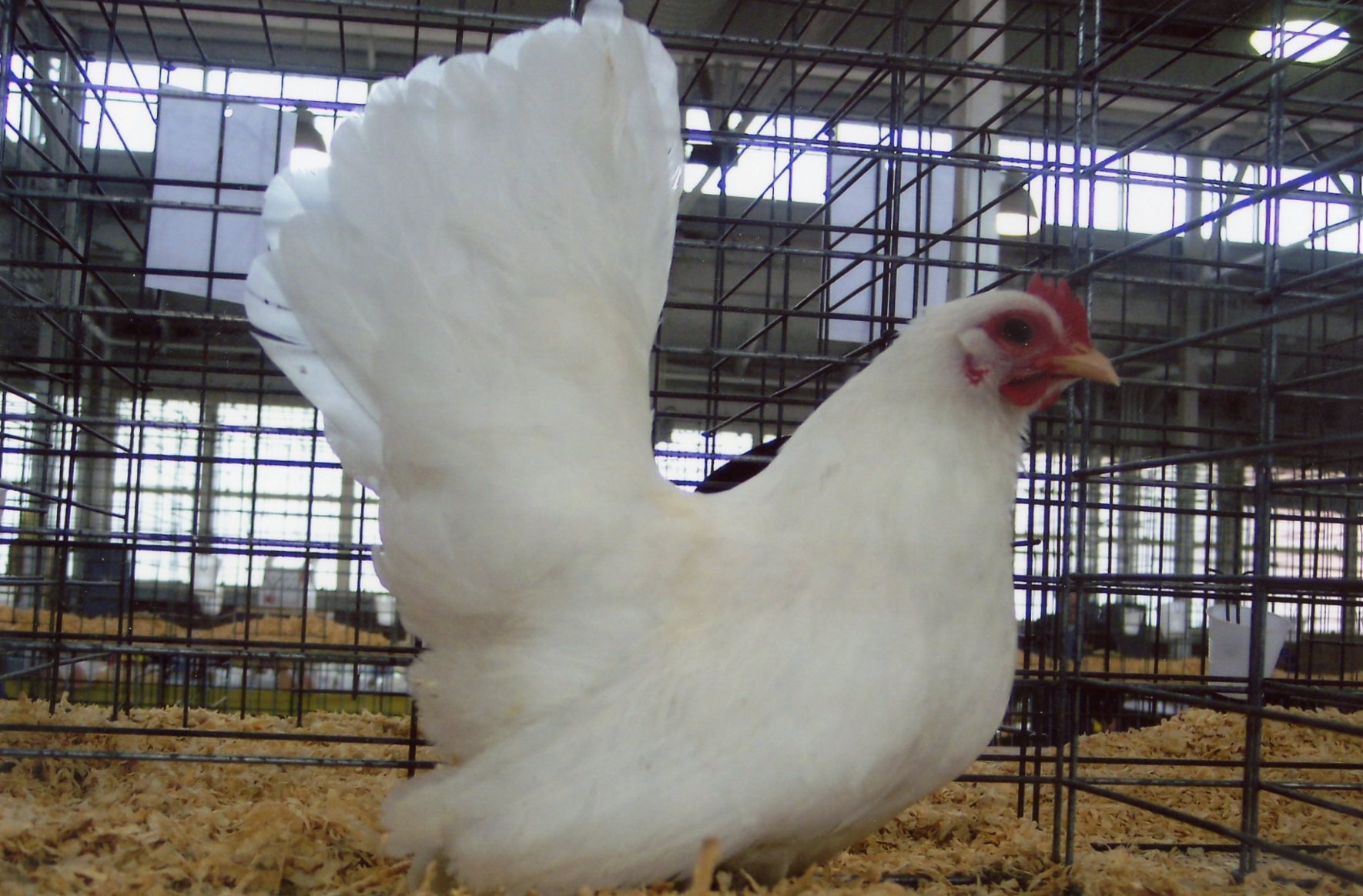
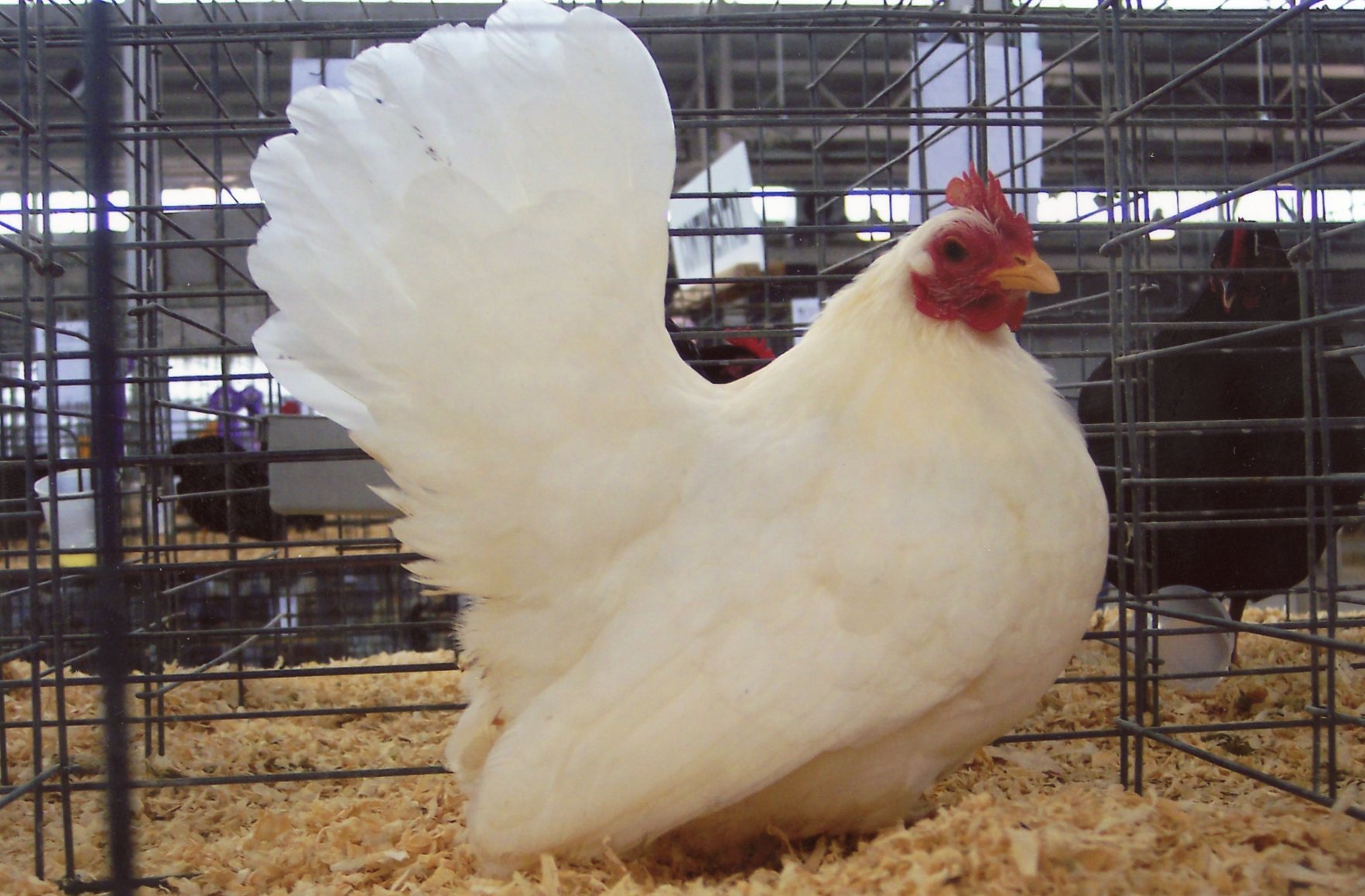
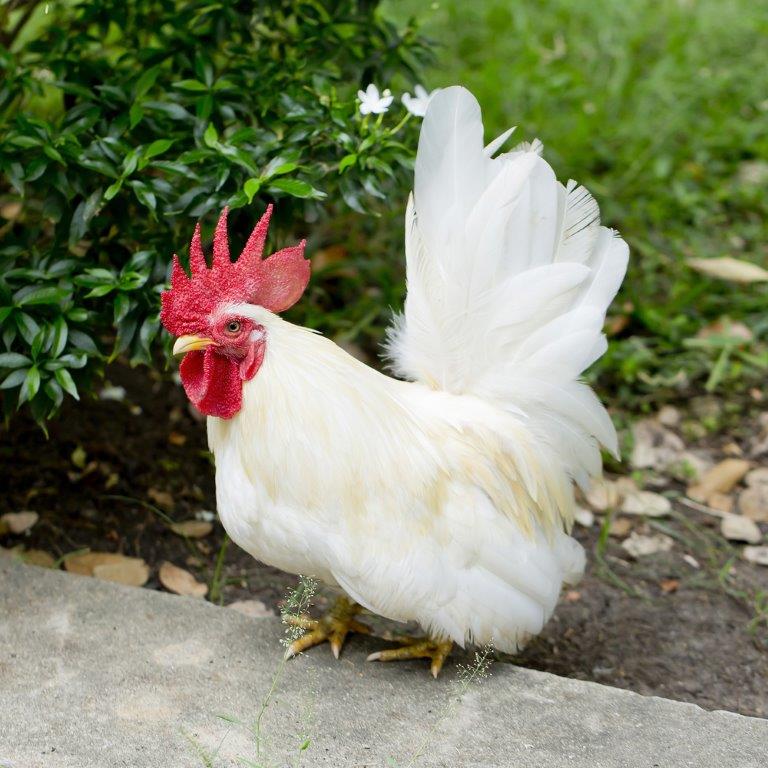
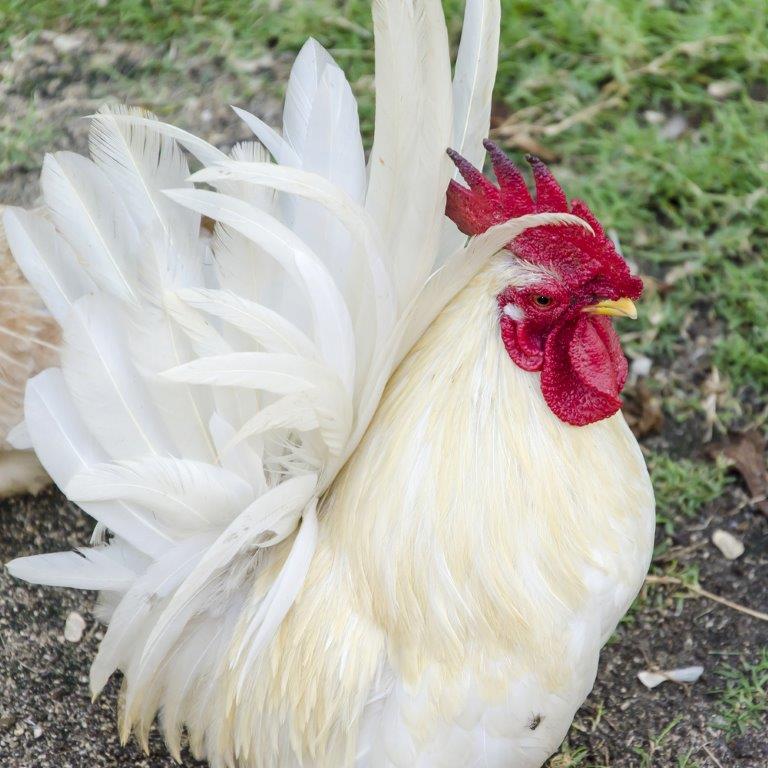
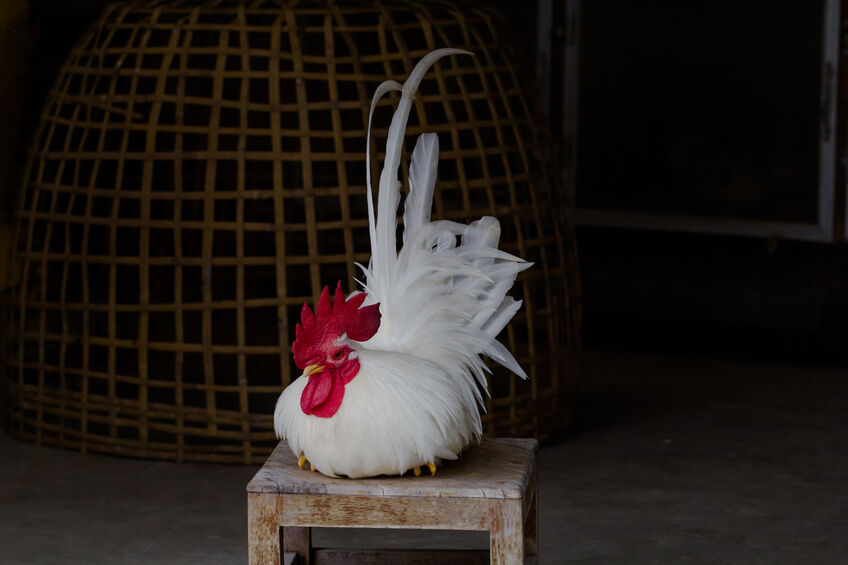
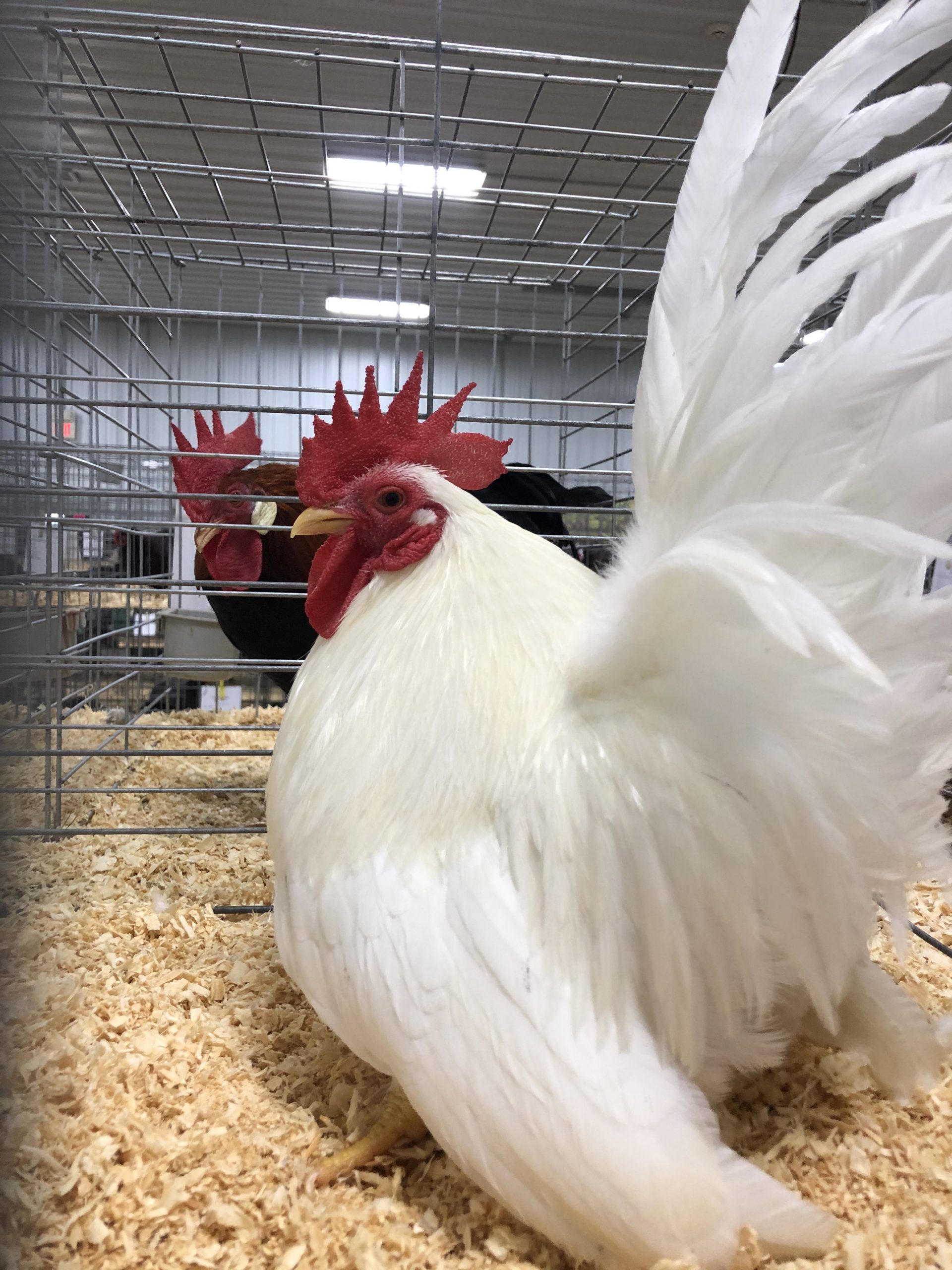
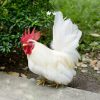
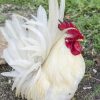
The White Japanese Bantam chicken is a true miniature chicken with full white feathering, short legs, large wings, a large comb, and a proud ornamental stance. If you want a small show bird with a clean, elegant look, this variety makes a beautiful choice for exhibition, 4-H, hobby flocks, and small backyard coops.
Japanese Bantams, also known as Chabo, have a long history as ornamental chickens. The Livestock Conservancy describes Japanese Bantams as one of the oldest recorded true bantam breeds in the world and notes that they were treasured in Japan as living garden ornaments. The same source explains that Japanese Bantams have no large-fowl counterpart, which makes them true bantams rather than miniature versions of standard-size chickens.
Cackle Hatchery’s guide to True Bantam Chicken Breeds also explains that true bantams are naturally small breeds. That distinction matters for customers who want a genuinely miniature chicken with a long ornamental history.
Cackle Hatchery® offers several Japanese Bantam varieties, and the White Japanese Bantam gives customers a simple, classic color option with the same short-legged, upright-tailed Japanese Bantam type. Customers often choose this variety for pets, poultry shows, small coops, and ornamental bantam flocks.
Appearance and Characteristics
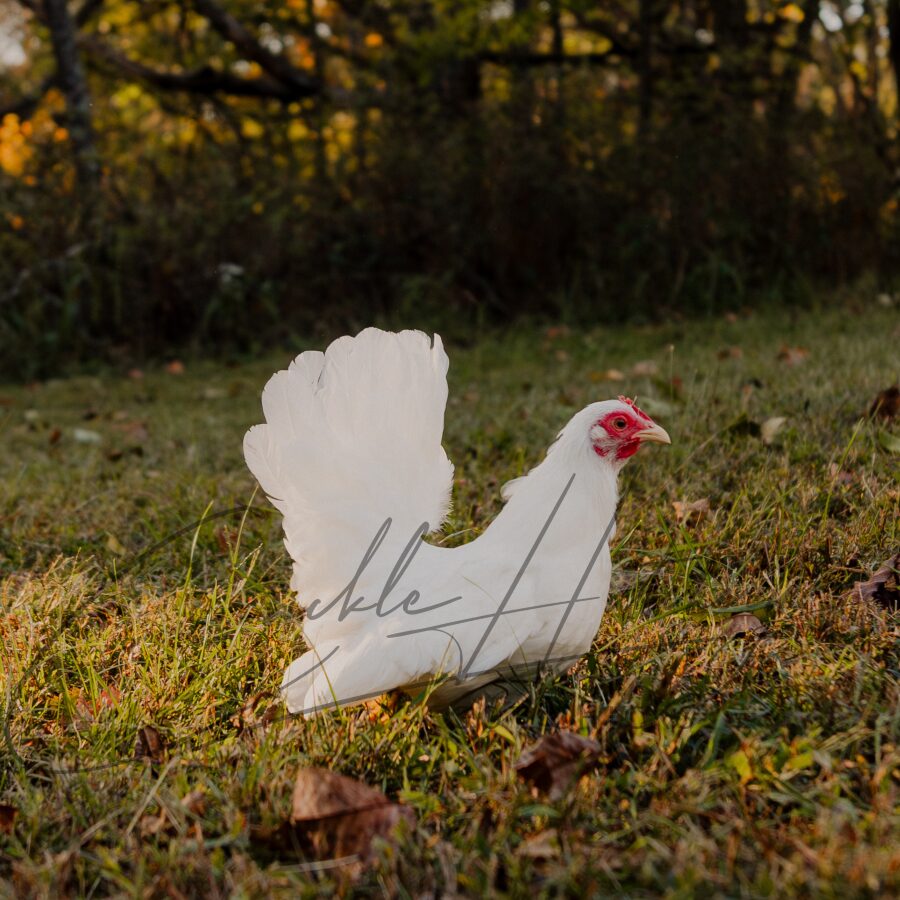
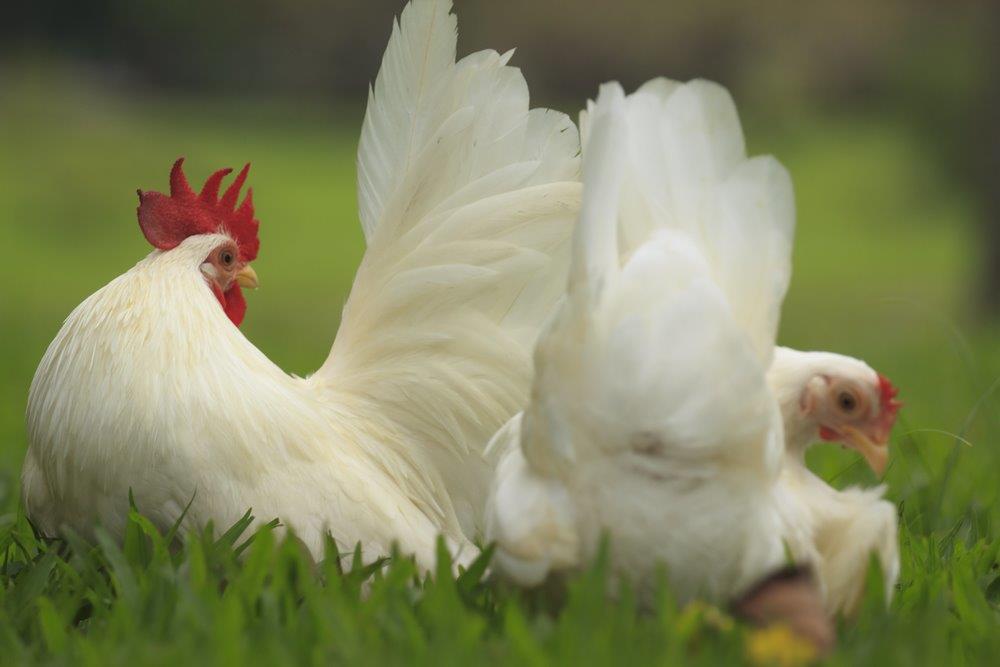
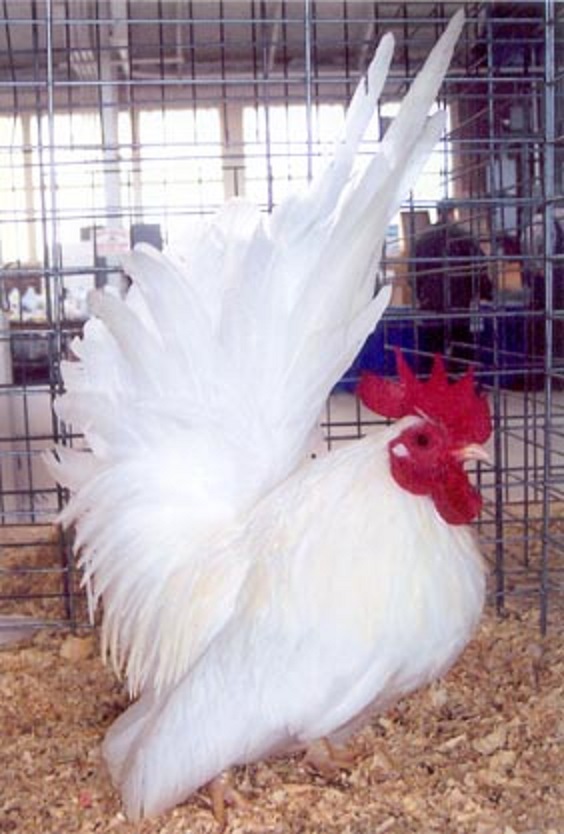
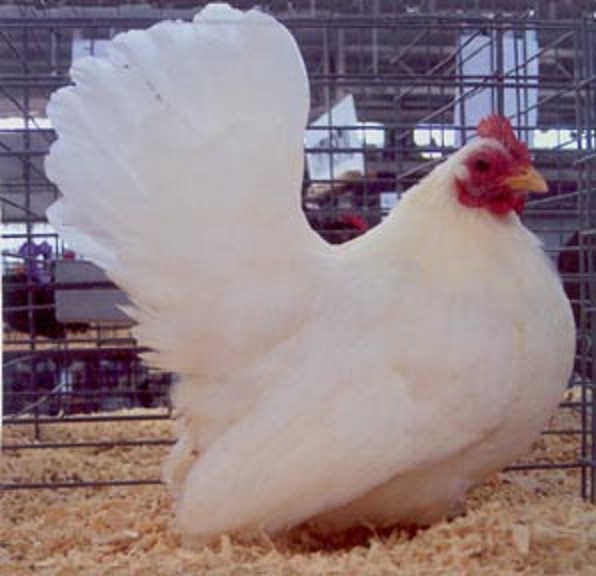
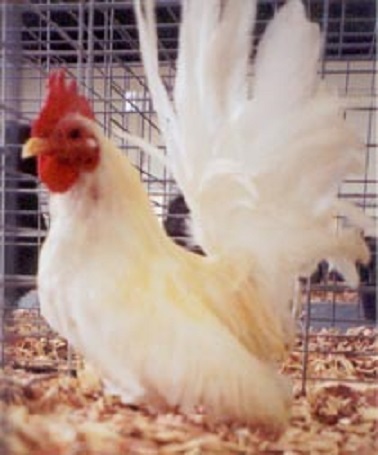
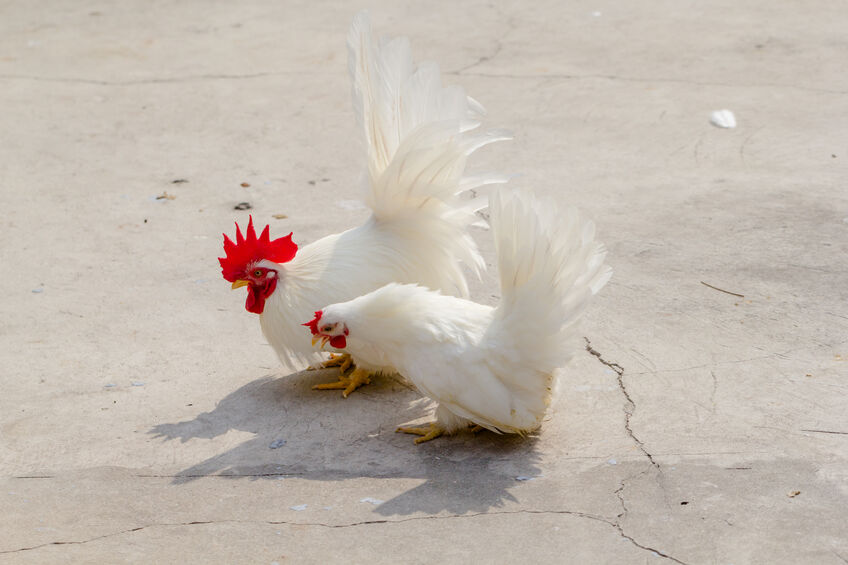
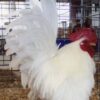
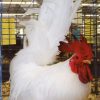
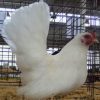
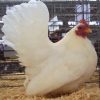
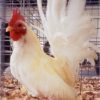
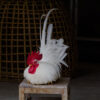
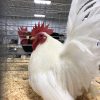
White Japanese Bantams have a clean, polished look. Their white feathering gives them a bright appearance, while their short legs and large wings create the low, dramatic body shape that Japanese Bantams are known for.
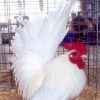
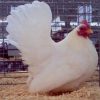
The large comb adds to the breed’s showy profile. Meanwhile, the wings often touch or nearly touch the ground, which gives the bird a wide, ornamental stance. A high, arched tail completes the classic Japanese Bantam silhouette.
Because of their short legs, these bantams need thoughtful housing. Low roosts, clean bedding, and dry ground help keep them comfortable. Muddy runs, deep wet bedding, and rough terrain can be harder on short-legged birds than on taller breeds.
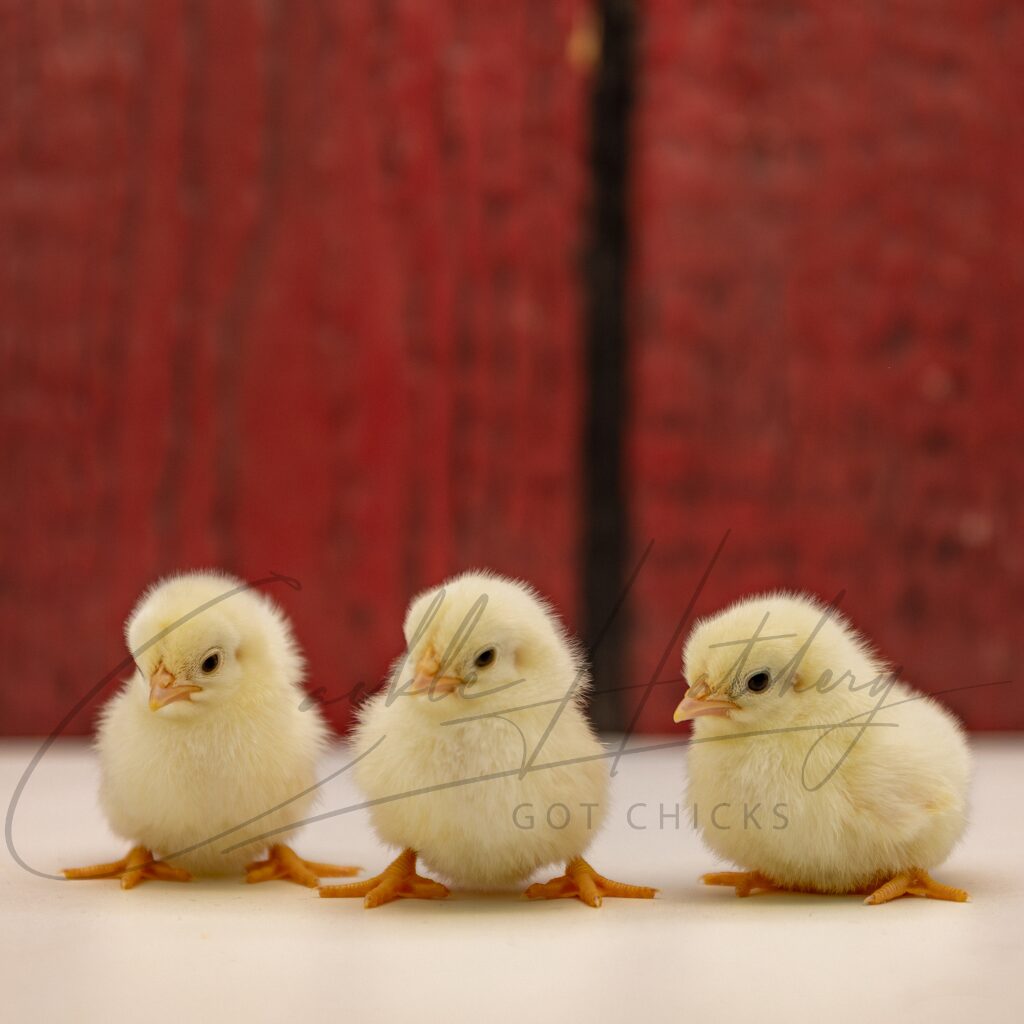
Cackle Hatchery® lists White Japanese Bantams as baby chicks only, with no sexing available and seasonal shipping from early February through mid-August.
White Japanese Bantam vs Other Japanese Bantams: How to Choose
White Japanese Bantams share the same short-legged, upright-tailed body type as other Japanese Bantam varieties. The main difference is color.
Choose White Japanese Bantam if you want an all-white true bantam with short legs, large wings, a large comb, and classic exhibition appeal.
Choose Black-Tailed White Japanese Bantam chickens if you prefer a white body with contrasting black tail feathers. Cackle lists that variety as baby chicks only, with no sexing available and seasonal shipping from early February through mid-August.
Choose Black-Tailed Buff Japanese Bantam chickens if you prefer warm buff body coloring with a black tail.
Choose Black Japanese Bantam chickens if you like glossy black feathering, short legs, and large wings. Cackle describes Black Japanese Bantams as true bantams with glossy black feathering, short legs, and large wings.
Choose Mottled Japanese Bantam chickens if you want a black-and-white mottled pattern, or choose Gray Japanese Bantam chickens if you prefer a softer gray color variety.
For customers who enjoy surprise assortments, the Japanese Bantam Assortment Special offers hatchery-choice Japanese Bantam varieties based on what hatches.
Egg Production and Utility
White Japanese Bantams serve mainly as ornamental, pet, and exhibition chickens. Their small size, short legs, large wings, and clean white feathering make them more valuable for show and enjoyment than for production.
Hens may lay small eggs, but customers should not choose this breed for steady egg production. If you want a flock focused on eggs, a standard-size layer or a more productive bantam will usually fit better. However, if your goal is a true bantam with beauty, personality, and show appeal, the White Japanese Bantam offers plenty of charm.
Because Japanese Bantams are small, they also do not serve as meat birds. Their value comes from ornamental type, companionship, exhibition potential, and breed preservation.
Temperament and Suitability
White Japanese Bantams can make enjoyable small-flock birds for customers who like ornamental chickens. Their miniature size makes them practical for smaller coops, and their showy type makes them popular with poultry hobbyists.
Still, small birds need careful protection. Secure fencing, covered runs, and predator-safe housing help protect them from hawks, cats, raccoons, and other threats. Since Japanese Bantams have short legs, clean and dry ground also matters.
This variety can work well for:
- Poultry exhibitors
- 4-H and youth show projects
- Bantam hobby flocks
- Small backyard coops
- Customers who want true miniature chickens
- Keepers who enjoy ornamental breeds
- Families who want a small pet chicken with personality
A different breed may suit you better if you want heavy egg production, a meat bird, or a rugged free-range chicken for rough outdoor conditions.
Is the White Japanese Bantam Chicken Right for Your Flock?
Choose White Japanese Bantam chickens if you want:
- A true bantam chicken breed
- A small ornamental show bird
- Full white feathering
- Short legs and large wings
- A large comb and classic Japanese Bantam profile
- A chicken that needs less feed and space than larger breeds
- A pet or hobby bird with exhibition appeal
- A breed that works well in secure small-flock setups
- A bantam that pairs well with other small, calm chickens
Consider another breed if you mainly want high egg production, meat, or a hardy free-range chicken for rough conditions. White Japanese Bantams shine when customers value compact size, beauty, and show-bird character.
Important Note About the Lethal Creeper Gene
Japanese Bantams carry an important genetic trait that customers should understand, especially if they plan to breed them. The short legs that define exhibition Japanese Bantams connect to the creeper gene. Cackle Hatchery’s article The Lethal Creeper Gene in Japanese Bantams explains that Japanese Bantams bred for exhibition must have short legs under the Standard of Perfection. Unfortunately, the creeper gene can reduce hatch rates because embryos with two copies usually die during incubation.
This genetic pattern does not mean the birds are unhealthy. Instead, it explains why Japanese Bantam eggs may hatch at lower rates than customers expect from some other breeds. Breeders should learn how the short-leg trait works before planning a breeding pen.
For customers who simply want pets or show birds, the creeper gene mostly provides helpful background. For breeders, however, it becomes an important part of responsible flock planning.
Breed History and Preservation
Japanese Bantams have a long ornamental history. The Livestock Conservancy notes that the breed, known as Chabo in Japan, was revered and passed down in families as a living garden ornament. Today, Japanese Bantams appear in Europe, the United Kingdom, and the United States, where fanciers appreciate their tiny legs, large tails, and dramatic proportions.
Poultry references describe Japanese Bantams as true bantams with very short legs and a large upright tail. These features give the breed its dramatic outline and help explain why Japanese Bantams became so popular in ornamental and exhibition poultry circles.
Cackle Hatchery® continues to offer multiple related Japanese Bantam varieties, including Black-Tailed White, Black-Tailed Buff, Black, Gray, Mottled, and assortment options. For customers who enjoy heritage-style exhibition poultry, the White Japanese Bantam connects a small backyard flock to centuries of Japanese ornamental breeding and American bantam shows.
Recognition and Availability
Japanese Bantams have more than a century of recognition in the American Poultry Standard of Perfection, and Cackle Hatchery® offers several varieties for customers who enjoy true miniature chickens. The White Japanese Bantam belongs to the clean-legged, single-comb bantam type and remains a classic show choice for customers who want an elegant white ornamental bird.
Cackle Hatchery® lists White Japanese Bantams as baby chicks only, with no sexing available and seasonal shipping from early February through mid-August.
Availability can vary by hatch date, season, egg numbers, and order timing. Cackle Hatchery’s Bantam Chickens for Sale category notes that many bantam breeds and colors hatch and ship from February through August, with booking often starting in January.
Customers should check the Chicken Availability Chart before ordering because bantam availability can change throughout the season.
Related Breeds and Helpful Cackle Hatchery® Resources
Customers who like White Japanese Bantams may also enjoy other Japanese Bantam varieties and clean-legged bantam breeds from Cackle Hatchery®. Start with the Bantam Chickens for Sale category to compare miniature chickens, true bantams, and ornamental show birds.
For customers who want a hatchery-choice mix, the Japanese Bantam Assortment Special offers assorted Japanese Bantam varieties based on what hatches. The Clean Leg Bantam Assortment Special may also include Japanese Bantams along with other clean-legged bantam breeds.
Helpful Cackle Hatchery® links for this product page include:
FAQ: White Japanese Bantam Chicken
What is a White Japanese Bantam chicken?
A White Japanese Bantam chicken is a true bantam variety with full white feathering, short legs, large wings, a large comb, and an arched tail. Customers usually choose it for pets, exhibition, 4-H, and ornamental backyard flocks.
Are White Japanese Bantams true bantams?
Yes. Japanese Bantams are true bantams, which means they do not have a large-fowl counterpart. Cackle’s True Bantam Chicken Breeds article explains that true bantams are naturally miniature chicken breeds.
What color eggs do White Japanese Bantams lay?
White Japanese Bantam hens may lay small eggs. Customers should choose this breed mainly for ornamental and exhibition value rather than heavy egg production.
Are White Japanese Bantams good egg layers?
No. Japanese Bantams do not rank as heavy egg layers. They serve mainly as ornamental, pet, and show chickens rather than production birds.
Are White Japanese Bantams friendly?
White Japanese Bantams can make enjoyable pet chickens when keepers handle them calmly and provide a safe setup. Their small size and showy personality make them fun for hobby flocks.
Are White Japanese Bantams good for beginners?
They can work for beginners who understand bantam care. New keepers should provide secure housing, low roosts, dry bedding, predator protection, and a safe setup for short-legged chickens.
Are White Japanese Bantams good for children or 4-H?
Yes. White Japanese Bantams can work well for 4-H and youth exhibition projects when children handle them gently and adults help with care.
Are White Japanese Bantams good for free range?
They can enjoy outdoor time, but a secure covered run usually works better than open free range. Their small size and short legs make predator protection especially important.
Are White Japanese Bantams cold hardy?
White Japanese Bantams can handle cool weather with a dry, draft-free coop and good ventilation. Because they are small and short-legged, they need clean bedding and protection from wet ground.
Are White Japanese Bantams heat tolerant?
They can do well in warm weather when keepers provide shade, ventilation, and cool clean water. During extreme heat, small bantams need close attention because they can stress quickly.
Do White Japanese Bantams go broody?
Japanese Bantams may show broodiness, but customers should not choose this variety only for hatching. Broodiness can vary by individual hen, season, age, and flock management.
How big do White Japanese Bantams get?
White Japanese Bantams are very small chickens. They are true bantams, so they stay much smaller than standard-size chickens and fit well in small ornamental or exhibition flocks.
Are White Japanese Bantams good for showing?
Yes. White Japanese Bantams make excellent show birds because of their short legs, large wings, full white feathering, large comb, and classic Japanese Bantam type.
What is the lethal creeper gene in Japanese Bantams?
The lethal creeper gene affects the short-leg trait in Japanese Bantams. Cackle Hatchery explains that birds with one copy show short legs, while embryos with two copies usually die during incubation, which can reduce hatch rates.
What is the difference between White Japanese Bantam and Black-Tailed White Japanese Bantam?
White Japanese Bantams have full white feathering. Black-Tailed White Japanese Bantam chickens have white body feathering with contrasting black tail feathers.
What is the difference between White Japanese Bantam and Black Japanese Bantam?
White Japanese Bantams have full white plumage. Black Japanese Bantam chickens have glossy black feathering with the same short-legged Japanese Bantam type.
Does Cackle Hatchery® offer other Japanese Bantams?
Yes. Cackle Hatchery® offers several related varieties, including Black-Tailed Buff Japanese Bantam chickens, Black-Tailed White Japanese Bantam chickens, Black Japanese Bantam chickens, Gray Japanese Bantam chickens, and Mottled Japanese Bantam chickens.
Where can I check White Japanese Bantam chick availability?
Customers can check Cackle Hatchery’s Chicken Availability Chart for current hatch and shipping timing. Bantam availability can change during the season, so checking the chart helps customers plan ahead.








alexiavelasco82 –
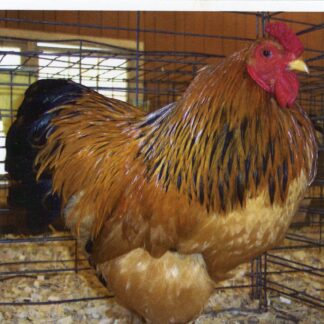
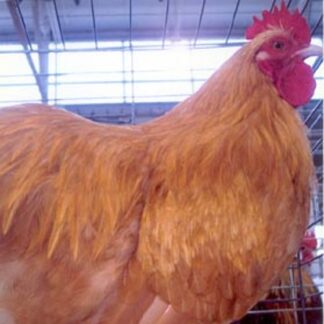
I ordered five Japanese White Bantam chicks on March 2, 2023. The company sent me six, which seemed like a nice gesture at first. However, only four survived. To make matters worse, they weren’t even the breed I ordered. Instead of Japanese White Bantams, they sent me orange Japanese Bantams, and out of all of them, only one turned out to be the correct breed.
Additionally, the chicks were too young to distinguish their gender at the time of arrival, but as they grew, I realized I had received mostly roosters—only one was a hen. This was disappointing, as I had expected a more balanced mix.
While I appreciate the extra chick, the order was inaccurate, and the survival rate was lower than expected. If you’re looking for specific breeds, I would advise caution before ordering.
Cackle Hatchery (store manager) –
If you believe you were sent the wrong breed please reach out to us with pictures to verify this. Send to help@cacklehatchery.com.
charlieleejr –
Chicks arrived safely and lively!! I will definitely be ordering from Cackle again. I’m extremely pleased with the quality of the shipping and the quality of the chicks!
Kathleen –
Japanese white bantams
They are beautiful, very pet friendly! Not so hardy! I lost half of my flock! I still don’t know why! I would do it again, tho!
Deborah Ohio April 2008 –
Chicks arrived safely!
Just a note to let you know that all is well with my order. I was impressed with the packaging that you had the chicks in. It was very secure and the “nest” kept them well protected from bumps and the cold. This was my first time ordering any type of animal through the mail and I admit I had concerns about this, especially since my order was all bantam chicks. But all peeps were healthy and alert and adjusted to the brooder no problems. Also since this is my first try at chickens I appreciated the care sheet that came with the birds. I would definitely recommend your hatchery to anyone interested in poultry. You handled my small order promptly and exactly as stated on your website.