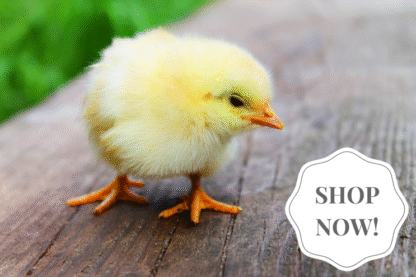

Chickens, and people, commonly carry Salmonella bacteria in their intestines, but don’t necessarily get sick. Chickens shed the bacteria in their poop, which — you know if you have chickens — ends up everywhere chickens go. Bacteria that enter your mouth can result in a common intestinal infection (salmonellosis). You can easily avoid this infection by not kissing your chickens and by thoroughly washing your hands after visiting your flock.
What is Salmonella in chickens?
Salmonella bacteria live in the intestines of animals, including chickens. It is shed in poop and contaminates everything poop touches. Chickens get it on their feet, beaks, feathers, and skin. In fact, Salmonella bacteria occur throughout the flock’s entire environment, including the coop bedding, waterers, and feeders.
Chickens are unlikely to be infected unless they are crowded and living in a dirty coop with damp bedding. But they can get Salmonella from wild bird or rodent droppings in feed or water that isn’t protected.
Signs of infection in chickens include diarrhea and loss of appetite. But many infected chickens don’t show any signs.
How do people get Salmonella?
People get infected when bacteria get into their mouth after they’ve handled chickens or anything in the flock’s environment. Washing your hands before putting them near your mouth, or putting anything you touch (including food) into your mouth, is the best way to avoid infection.
Kissing a chicken skips the hand-to-mouth transmission by directly putting Salmonella bacteria on your lips. Young children, and enthusiastic chicken keepers, need to know that kissing a chick, duckling, or gosling can make you sick.
Many types of Salmonella bacteria
Salmonella bacteria are so common you would have a hard time finding any meat, eggs, or any other food that did not harbor one of more than 2,600 known serotypes. This vast number of serotypes organize into two species. The species commonly linked to human illness is Salmonella enterica, which is also the most common one in chickens.
The serotype S. Enteriditis is responsible for periodic outbreaks of food poisoning reported in the news. In particular, it has a strong link to poultry.
But it isn’t just chickens
To be fair, most cases of salmonella in humans are not from live poultry, but more commonly from eating contaminated food. As Jeff Smith of Cackle Hatchery® says, “It seems we need to be constantly vigilant of Salmonella in our vegetables, meats, pets, and livestock.”
Chick Season Outbreaks
Every year during chick season, outbreaks of Salmonella are tracked and investigated. Chicks are often the cause because they grow so fast that their brooders tend to rapidly get crowded and dirty. Here are some outbreak statistics for recent years:
|
Year |
||||
|
Cases |
1072 |
470 |
559 |
184 |
|
Hospitalizations |
247 |
125 |
125 |
53 |
|
Deaths |
0 |
1 |
2 |
1 |
|
States involved |
48 + P. Rico |
48 |
48 |
31 |
What are the symptoms of Salmonella infection?
Some infected people, like some infected chickens, develop no symptoms at all. When symptoms do occur, they usually appear within 6 to 72 hours.
Most people develop diarrhea that lasts 4 to 7 days, then it goes away without treatment other than keeping yourself hydrated. Many people believe they had stomach flu. Symptoms include:
- Nausea
- Vomiting
- Stomach cramps
- Diarrhea
- Fever
- Chills
- Headache
- Bloody poop
Who is most likely to be infected?
Children younger than 5 years are among those likely to become infected, because their immune systems are still immature and vulnerable to infections and diseases. Also they tend to frequently put their fingers and other objects into their mouths.
Others likely to become infected are older adults, pregnant women, and people with weakened immune systems. Additionally, recently taken antibiotics can change the normal balance of bacteria in the gut, impairing a person’s ability to fight infection.
What to do if you believe you are infected?
Drink plenty of fluids and electrolytes to avoid dehydration. Severe dehydration may require hospitalization to receive IV fluids. An infection that spreads beyond the intestines may require antibiotics. See a doctor if:
- Symptoms don’t go away
- You have high fever
- Your stool is bloody
How to avoid Salmonella bacteria from chickens.
Biosecurity reduces the risk of your flock carrying infectious diseases. Additionally, clean any equipment or materials associated with raising or caring for live poultry outside your house. That includes not washing feeders and waterers in your kitchen or bathroom.
Do not keep live poultry in the house, either, especially anywhere you store, prepare, or serve food. And do not eat or drink (or smoke) when visiting your chicken yard.
Avoid kissing or snuggling baby (or even mature) poultry. Always wash your hands with soap and warm water after touching chickens or visiting their environment. Adults should supervise hand washing for young children. Where soap and water are not readily available, keep a hand sanitizer handy for use until you are able to access soap and water.
Frequently Asked Questions
Why do Salmonella outbreaks typically occur during chick season?
Baby poultry are often the cause of Salmonella outbreaks, because they rapidly outgrow their brooders, which quickly get crowded and dirty. Also baby chicks, ducklings, and goslings are cute, cuddly, and kissable.
Do people get Salmonella infection only from chickens?
Heavens, no! People can get a Salmonella infection from other pets, including cats and dogs. But humans are more commonly infected by eating contaminated or undercooked foods.
What factors increase the risk of Salmonella infection from chickens?
- Coming into contact with Salmonella bacteria while visiting the home chicken flock.
- Any issue that weakens resistance, such as young or old age, or having a compromised immune system.
What is the most common complication of infection in humans?
The most common complication of Salmonella infection from chickens is dehydration, caused by not drinking enough to replace fluids and electrolytes lost to diarrhea. Signs of dehydration include:
- Peeing less than usual
- Dark urine
- Dry mouth
- Tiring unusually easily
- Being irritable
- Confusion
What’s the best way to prevent Salmonella infection from chickens?
- Practice good biosecurity, including frequently cleaning feeders, waterers, and chicken coop litter.
- Thoroughly wash your hands after handling poultry or anything in their environment before touching your mouth or touching anything you put into your mouth.
- Above all, avoid the temptation to kiss a chicken!
Helpful Links
What is NPIP? Poultry Health Improvement
And that’s today’s news from the Cackle Coop.
Gail Damerow has raised chickens and various other poultry for more than 5 decades and has written numerous books about them, including the Chicken Health Handbook, available from the Cackle Bookstore.