Description
Blue Ameraucana Chicken
Breed Overview and Origin
The Blue Ameraucana Chicken is a true Ameraucana variety known for blue-gray plumage, blue egg potential, muffs, beard, pea comb, slate legs, and rare backyard appeal. If you want a genuine blue egg layer that is not an Easter Egger™ and not an Araucana, Blue Ameraucanas are an excellent choice.
Ameraucanas were developed in the United States from blue-egg-laying Araucana ancestry. However, Ameraucanas are a separate breed with tails, muffs, beards, pea combs, and blue egg genetics. They are also different from Easter Eggers™, which may vary widely in body type, feather color, and egg color.
Cackle Hatchery® began offering Blue Ameraucana day-old chicks in 2015. This rare variety was created by Master Breeder John W. Blehm, an important name in modern Ameraucana breeding. Cackle also notes that its Blue Ameraucana line is a production-type bloodline developed by Cackle Hatchery® Poultry Breeding Farm since 2015.
Because Blue Ameraucanas are limited and popular, customers should plan ahead. Cackle Hatchery® notes that customers can be ready to order as early as late November, with delivery requests typically available from early February through early August, depending on hatch availability.
Appearance and Characteristics
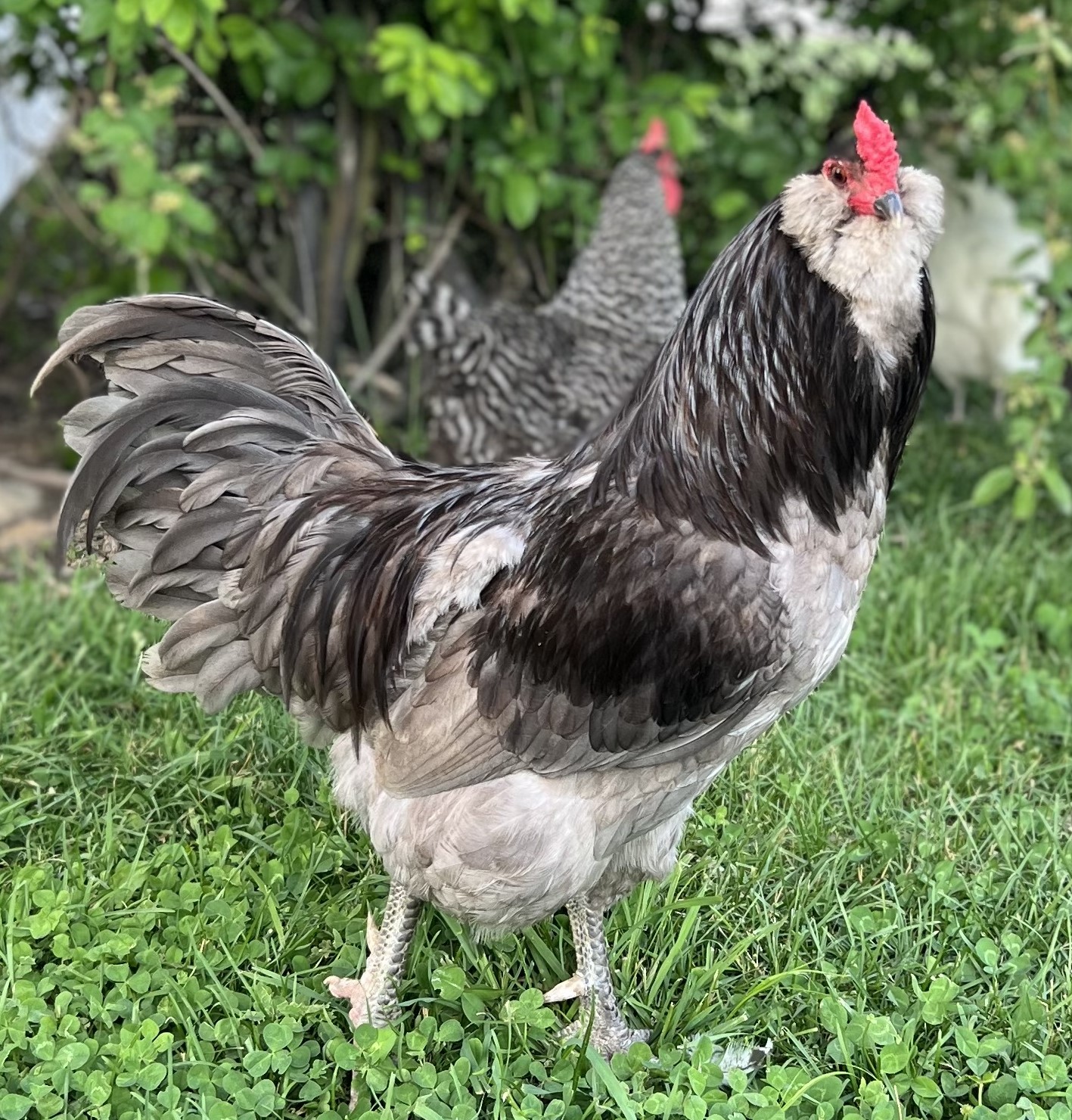
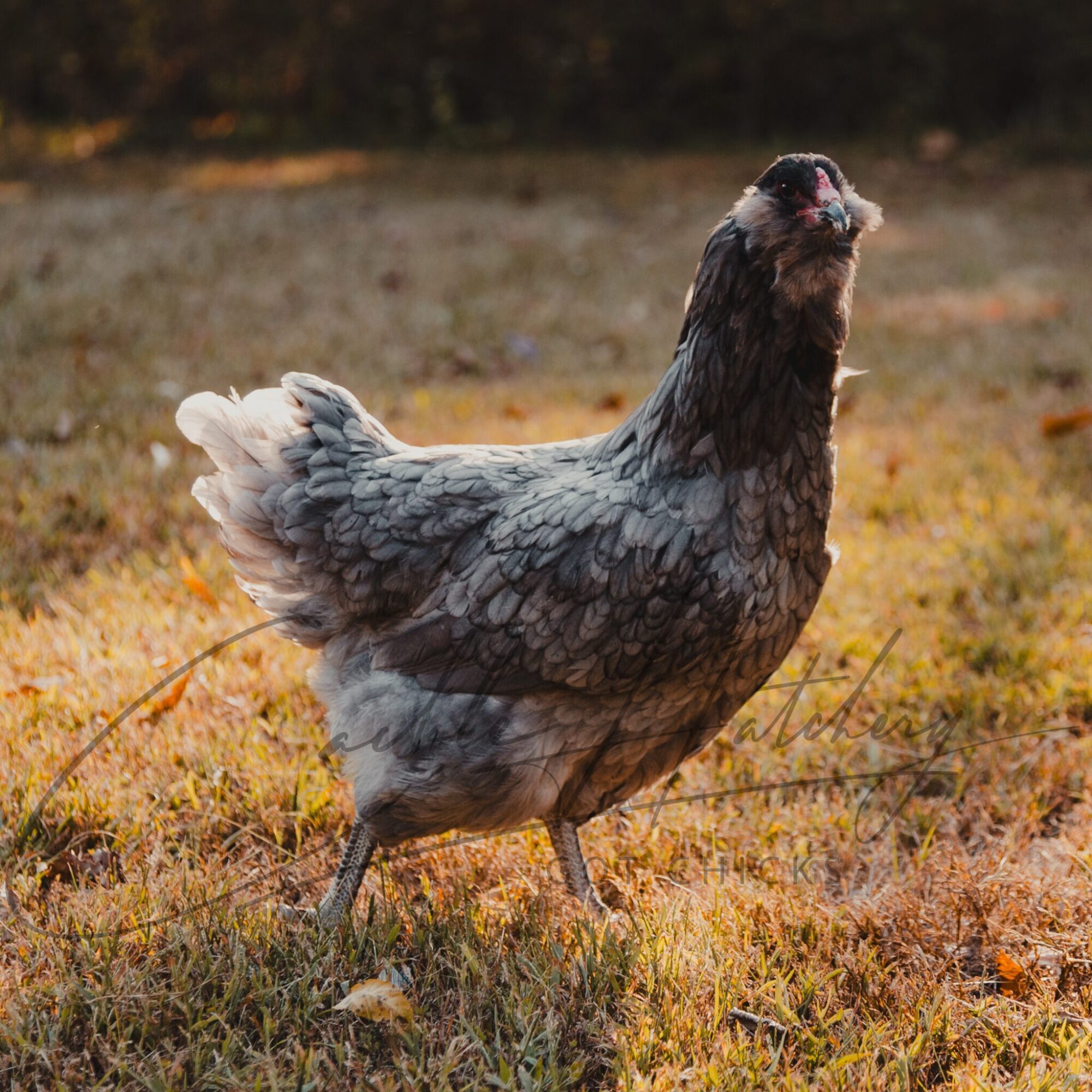
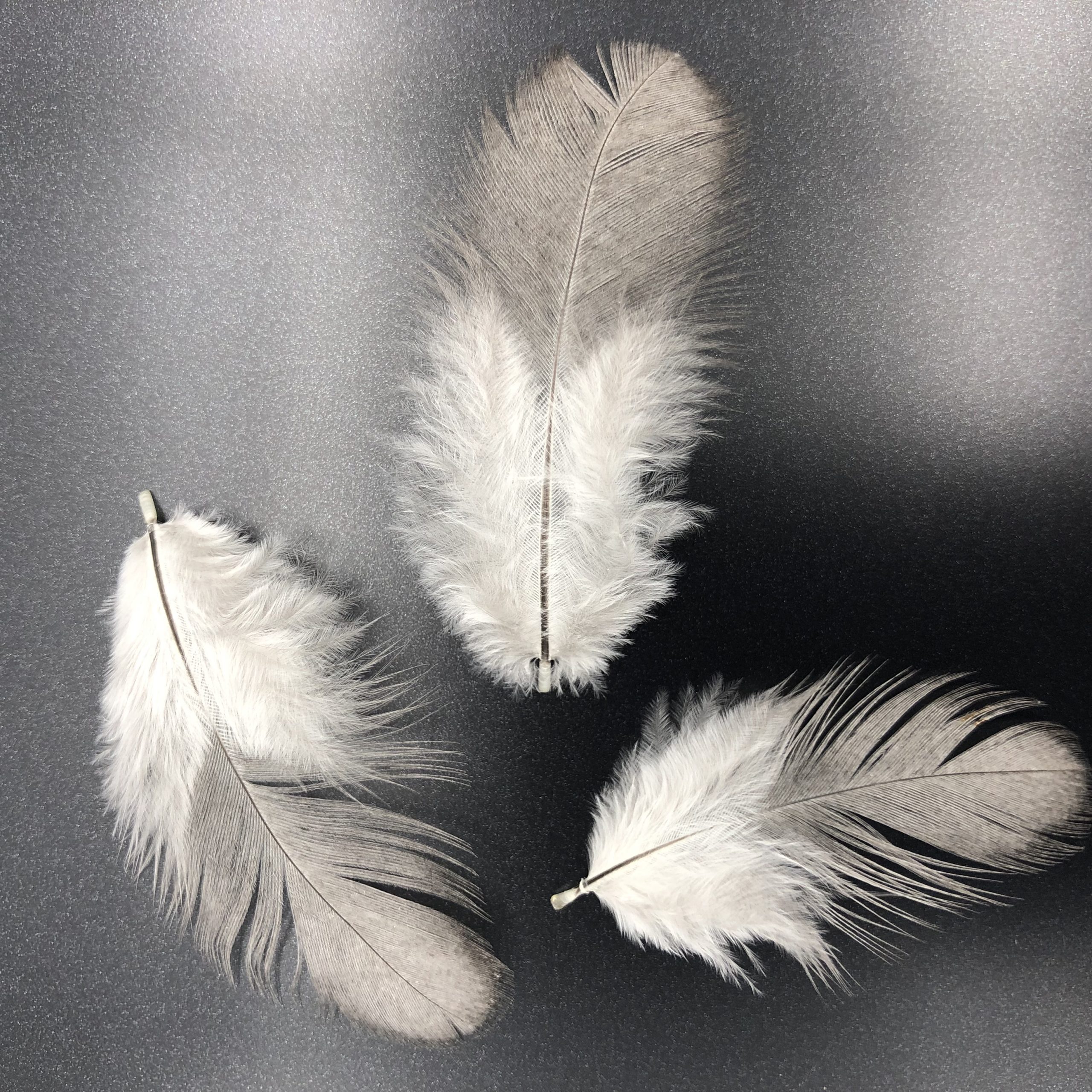
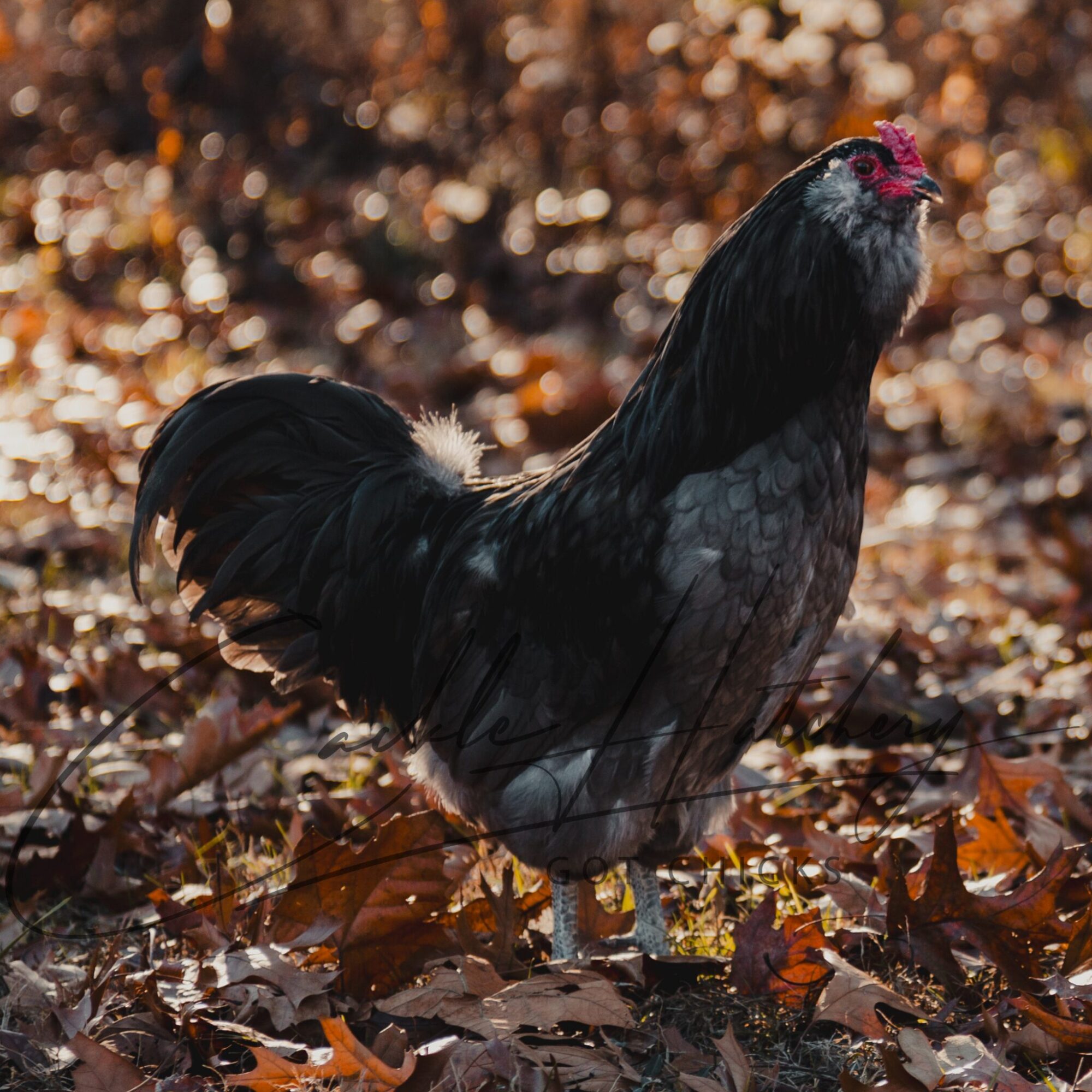
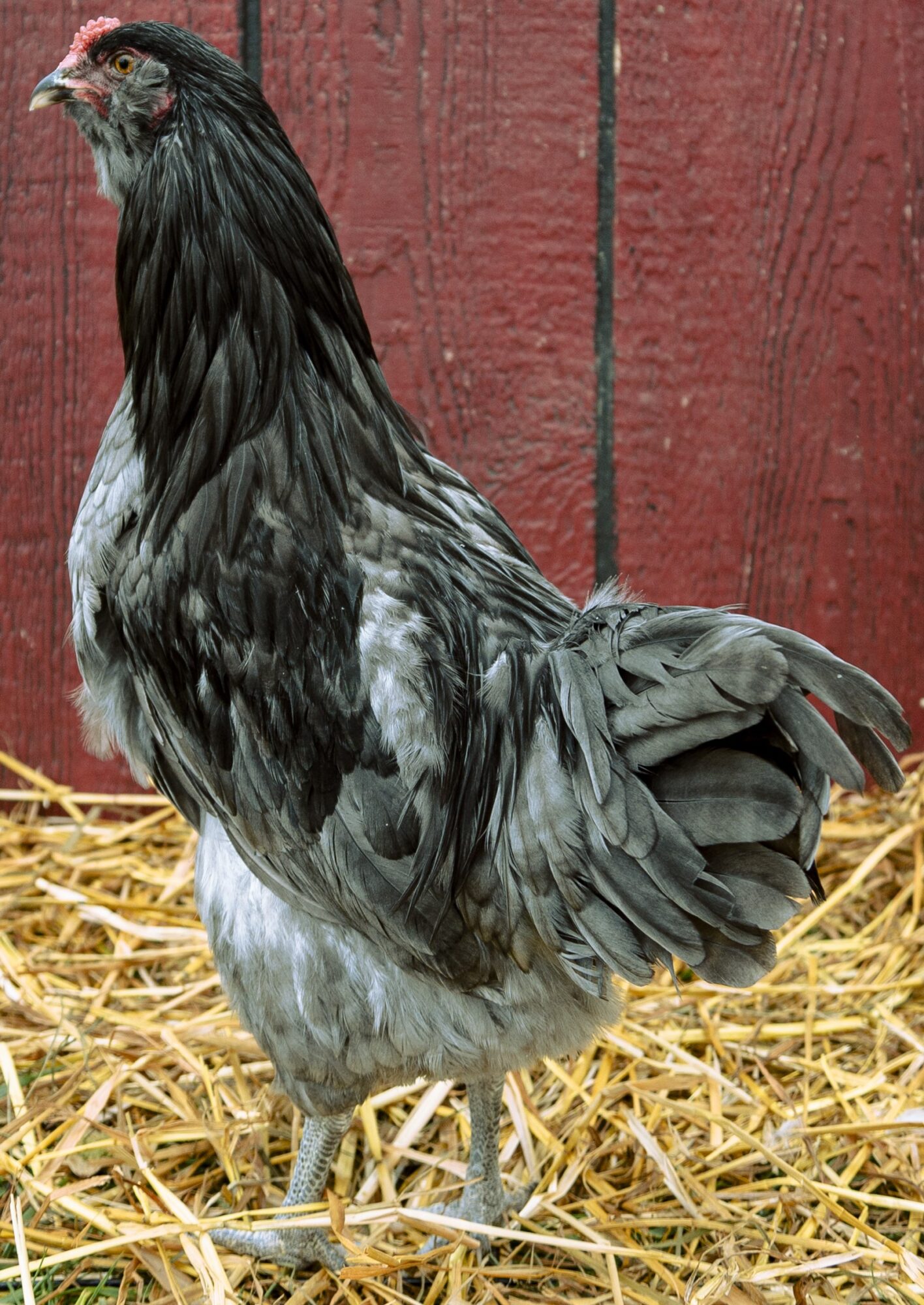
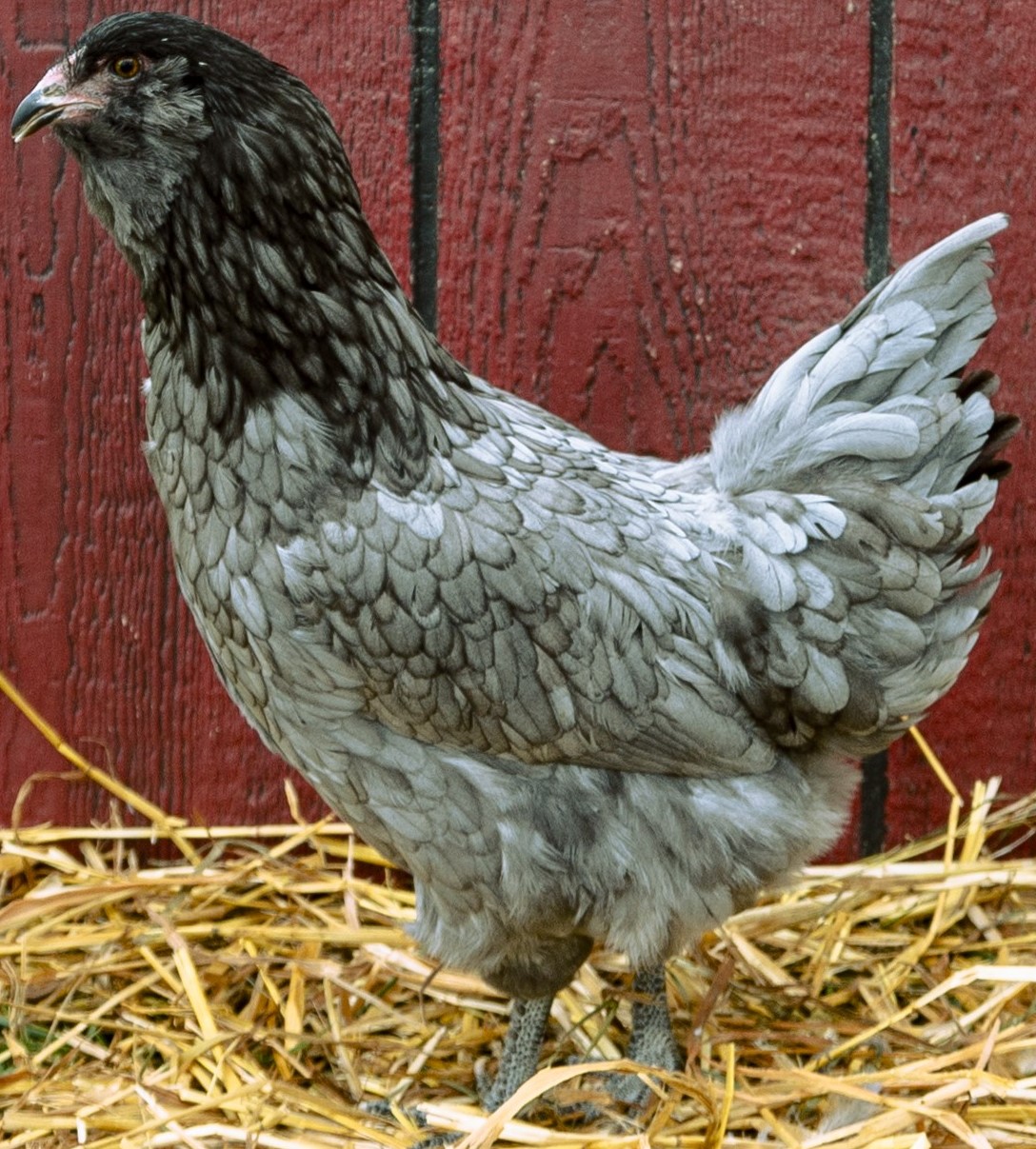
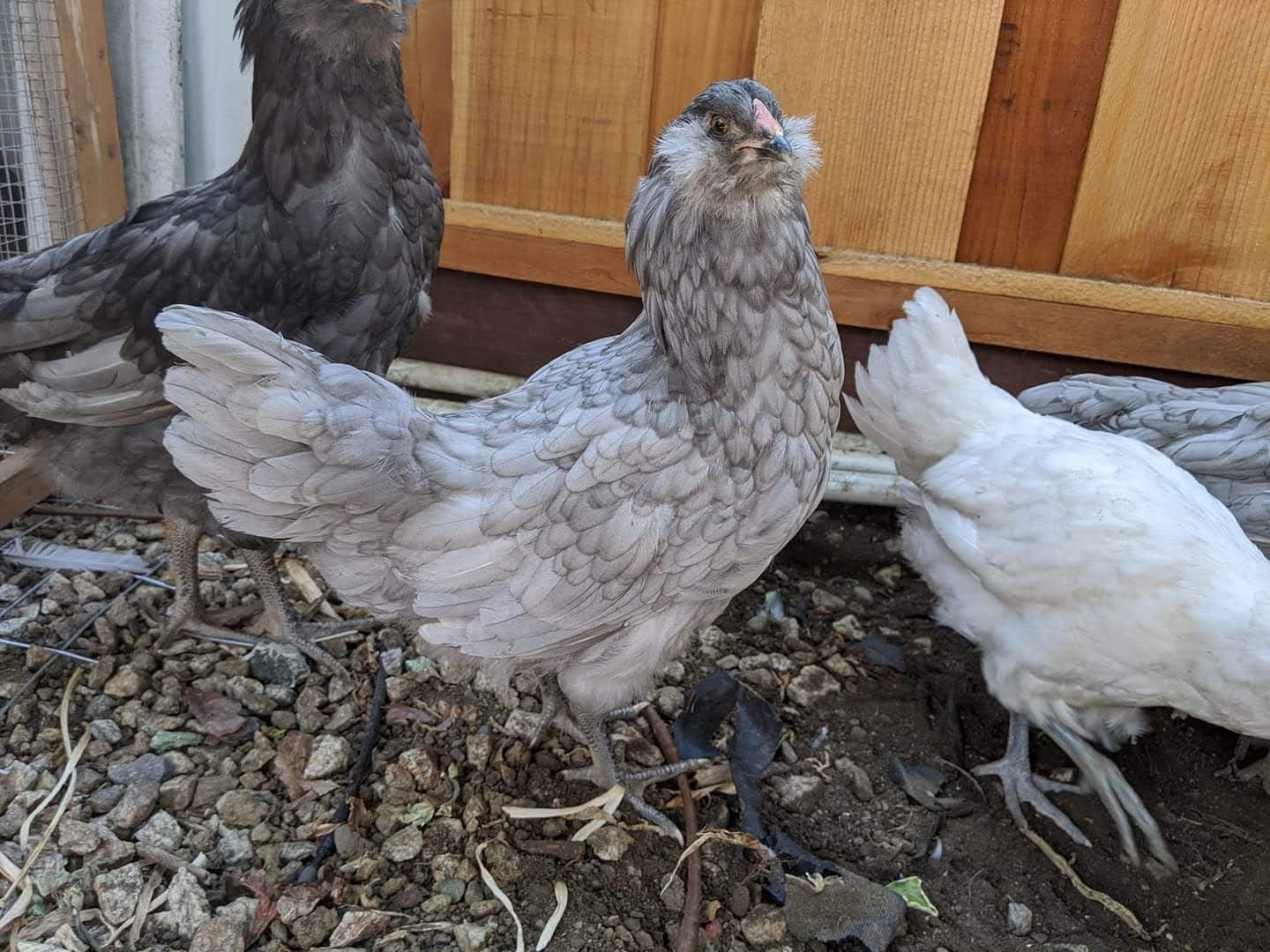
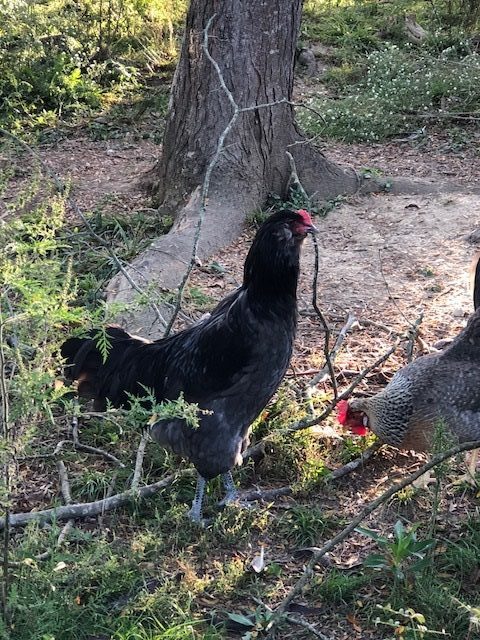
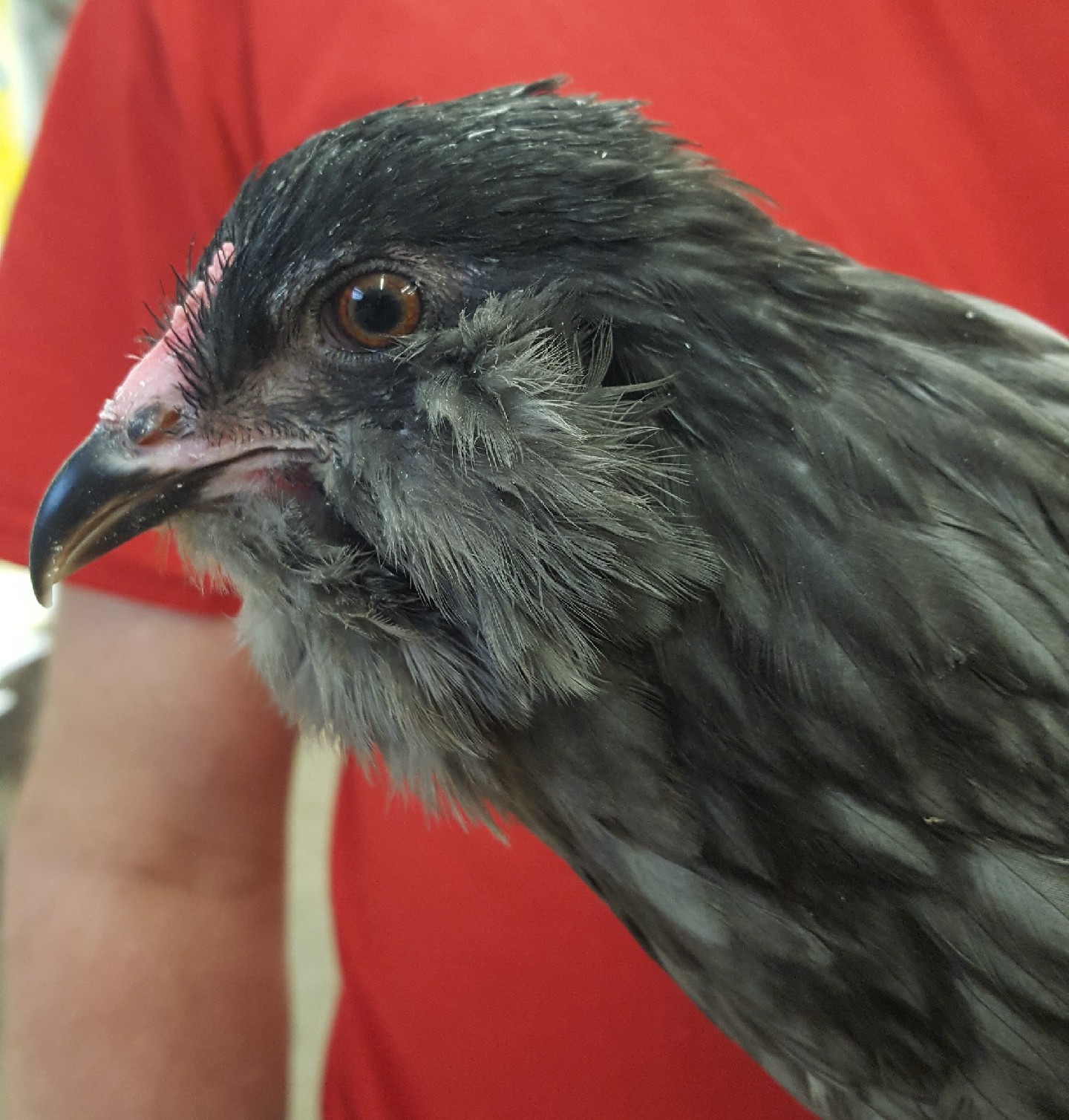
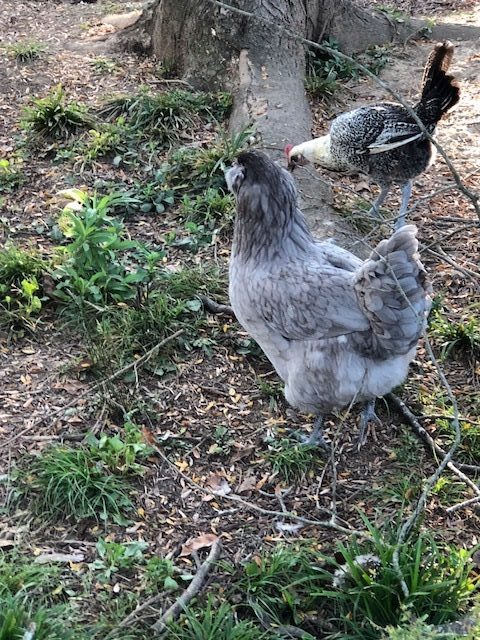
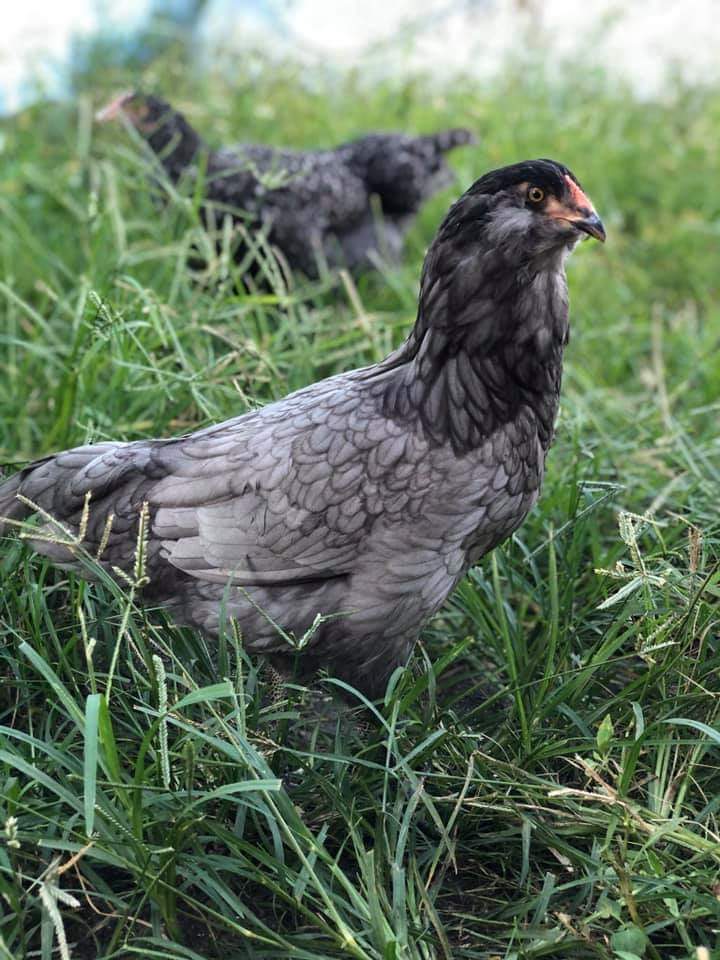
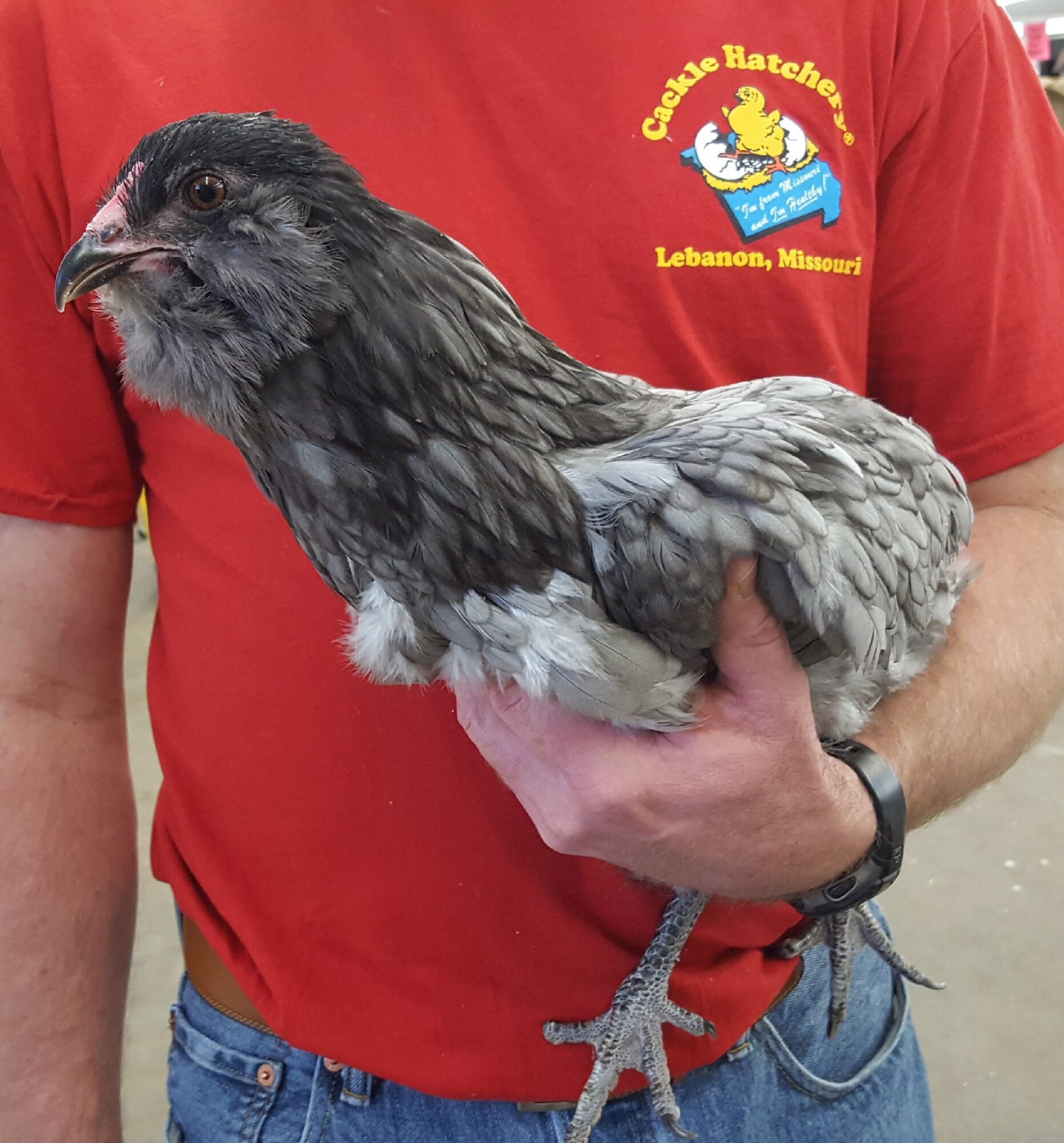
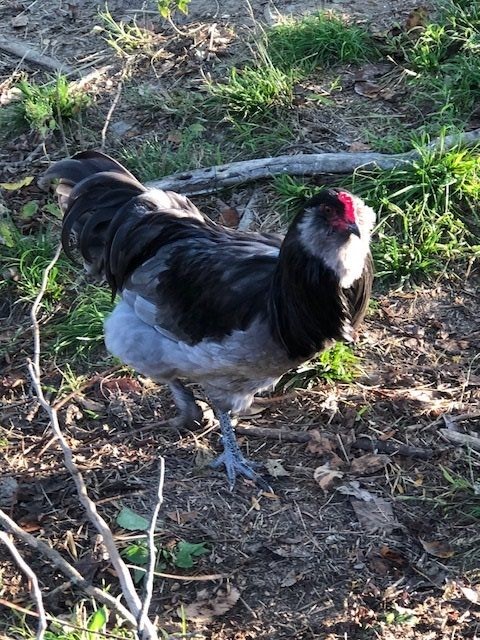
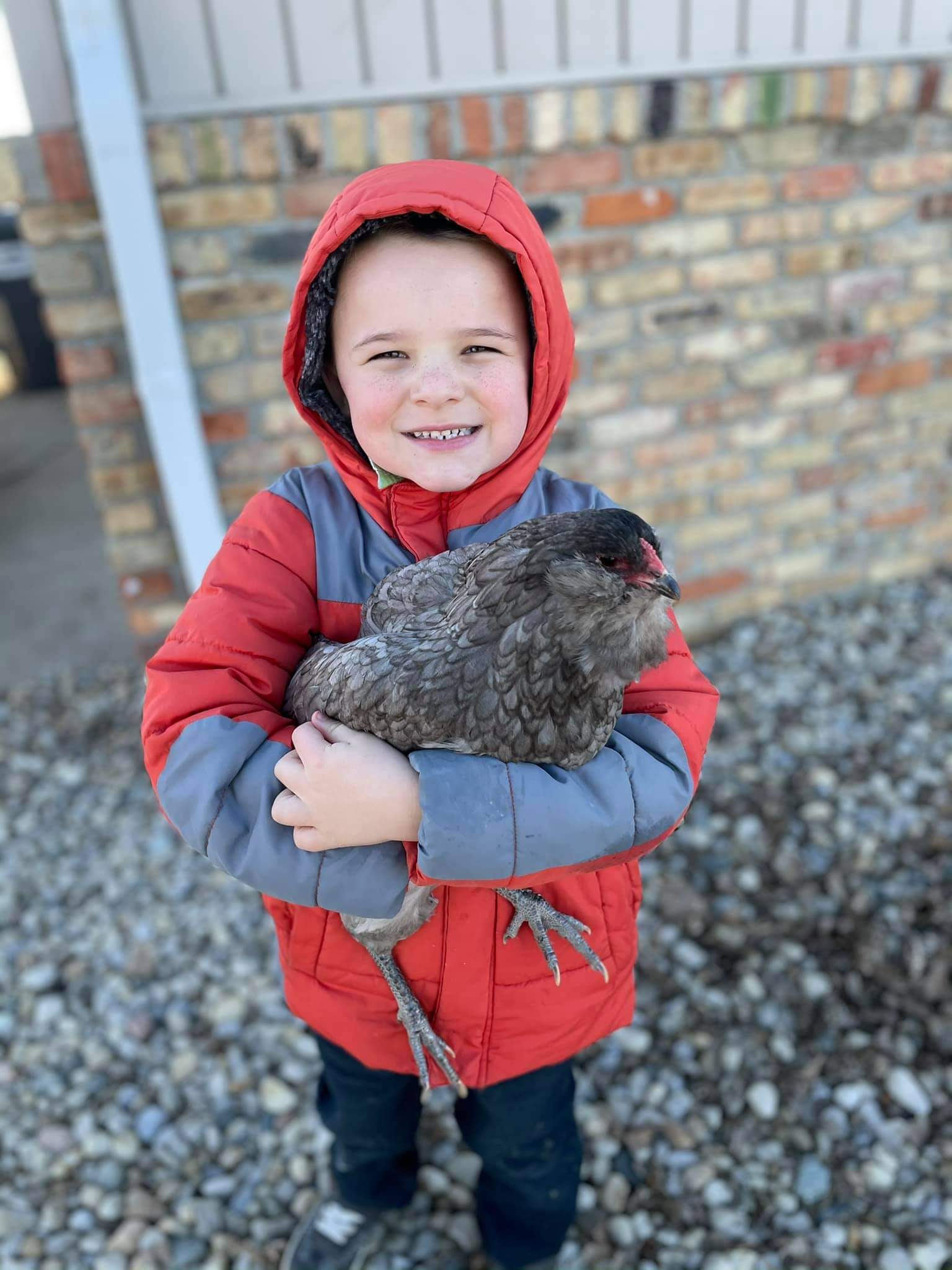
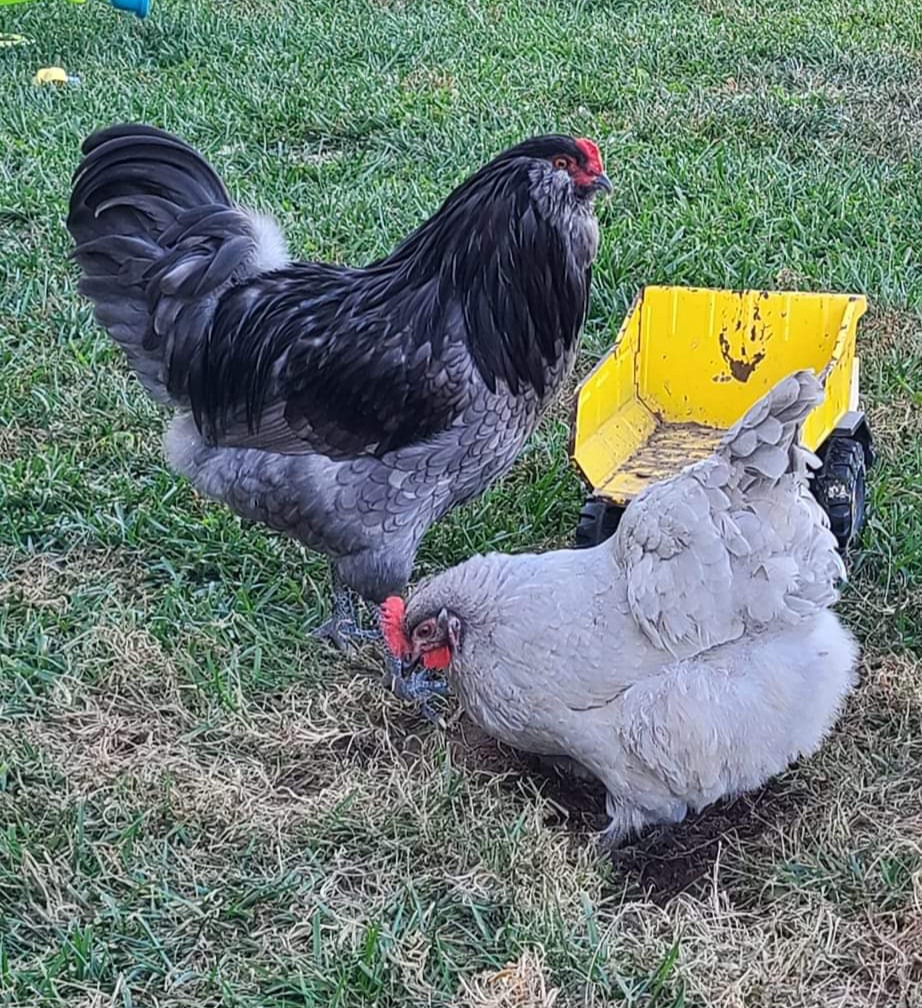
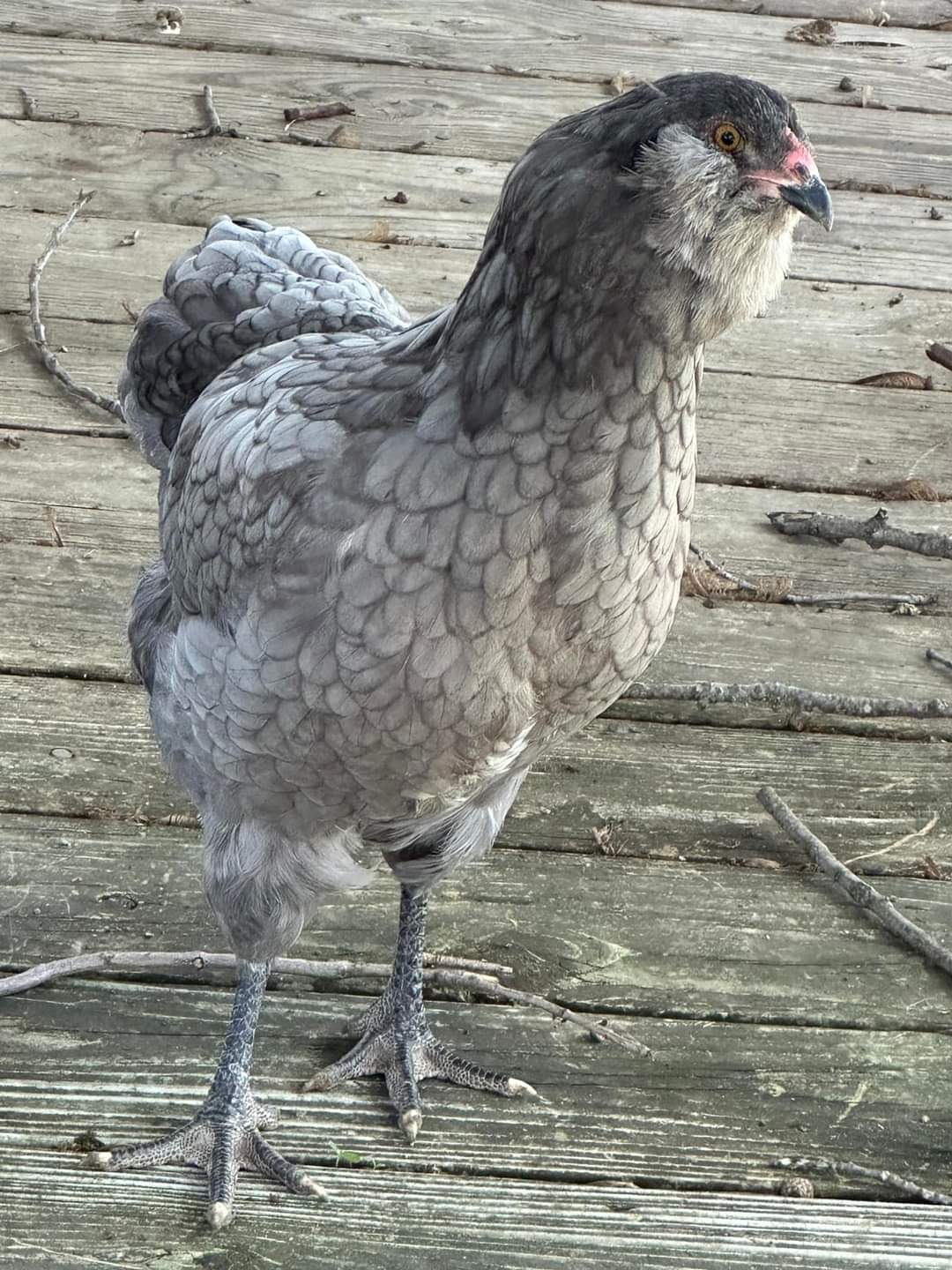
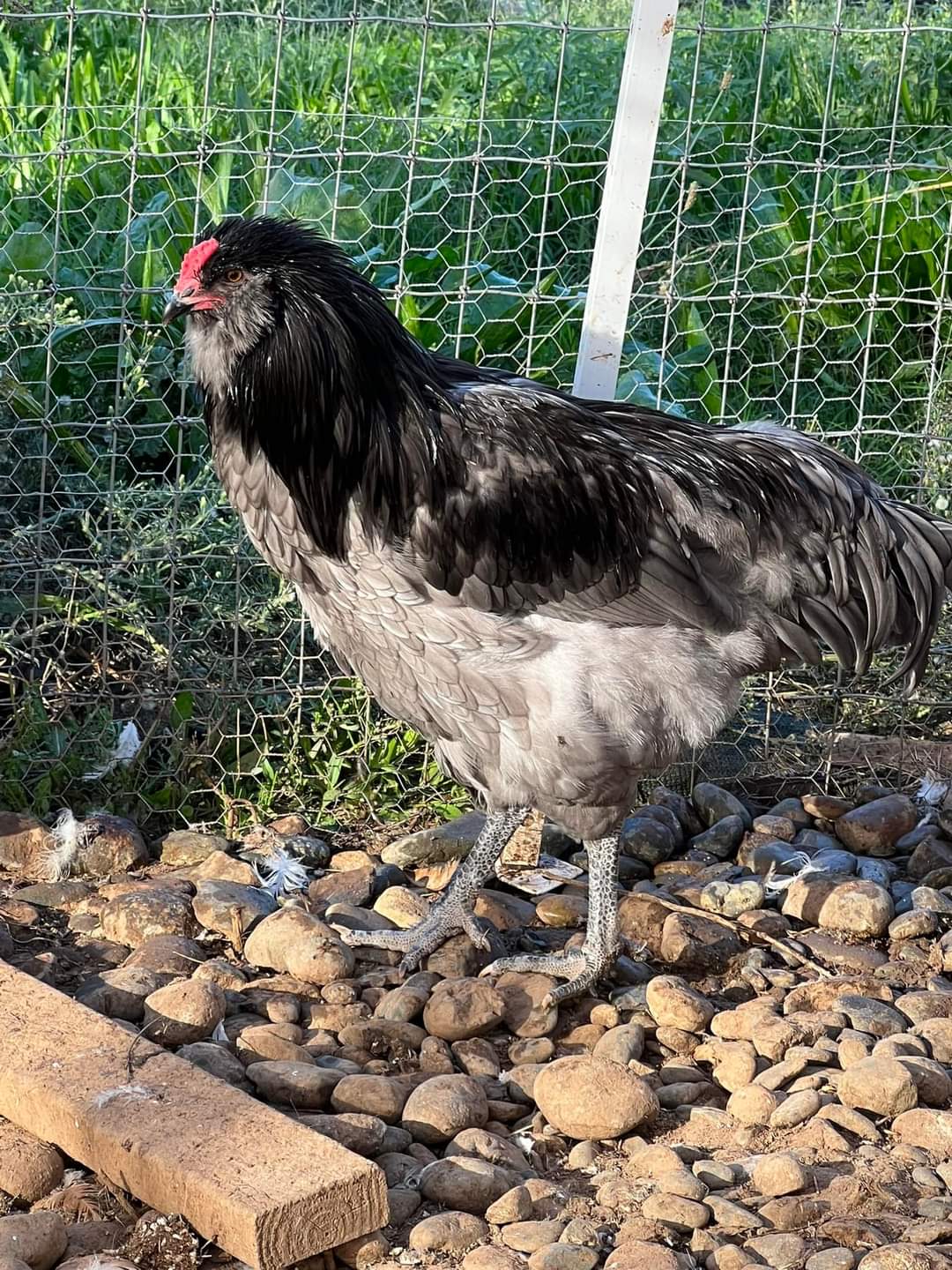
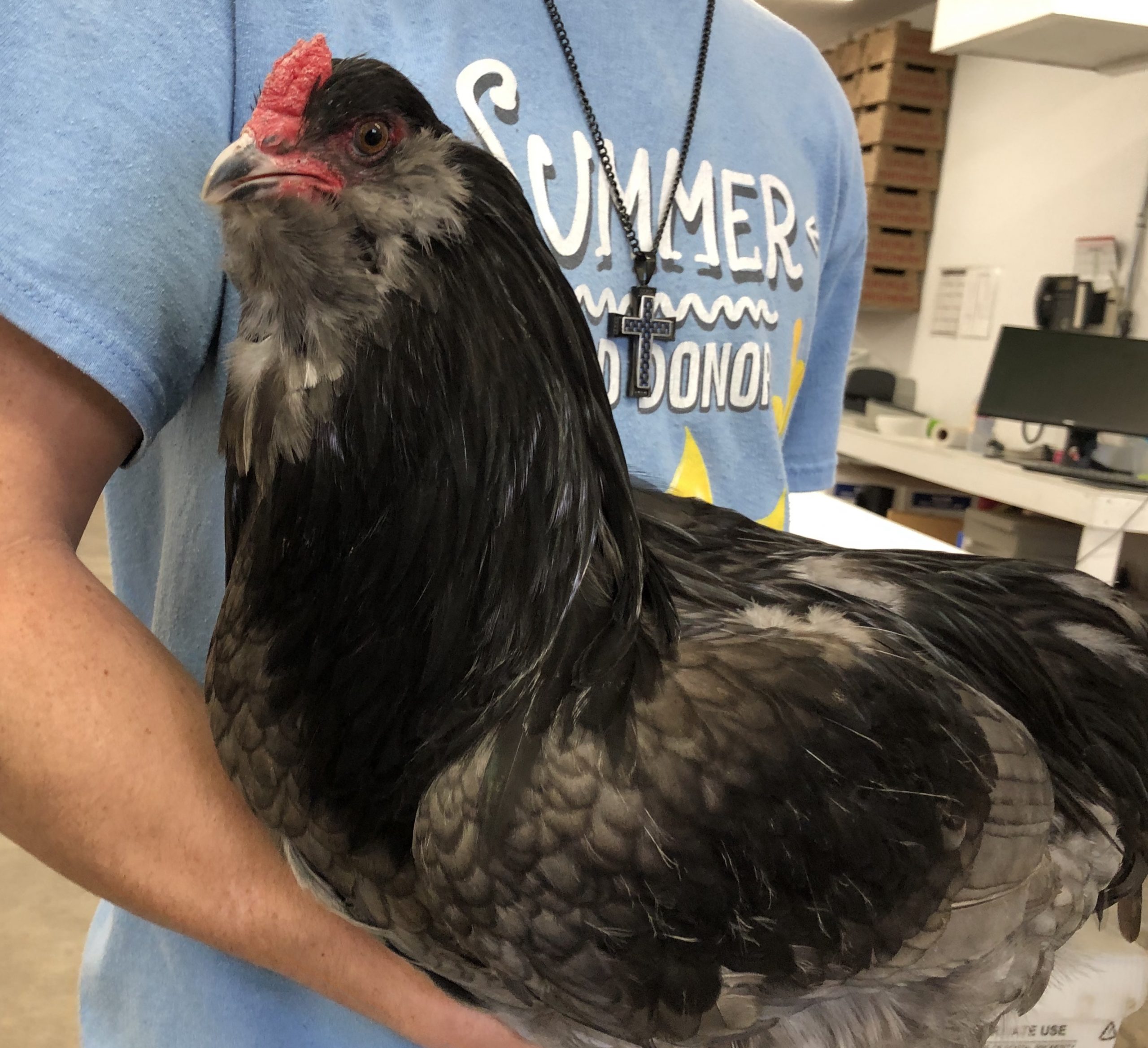
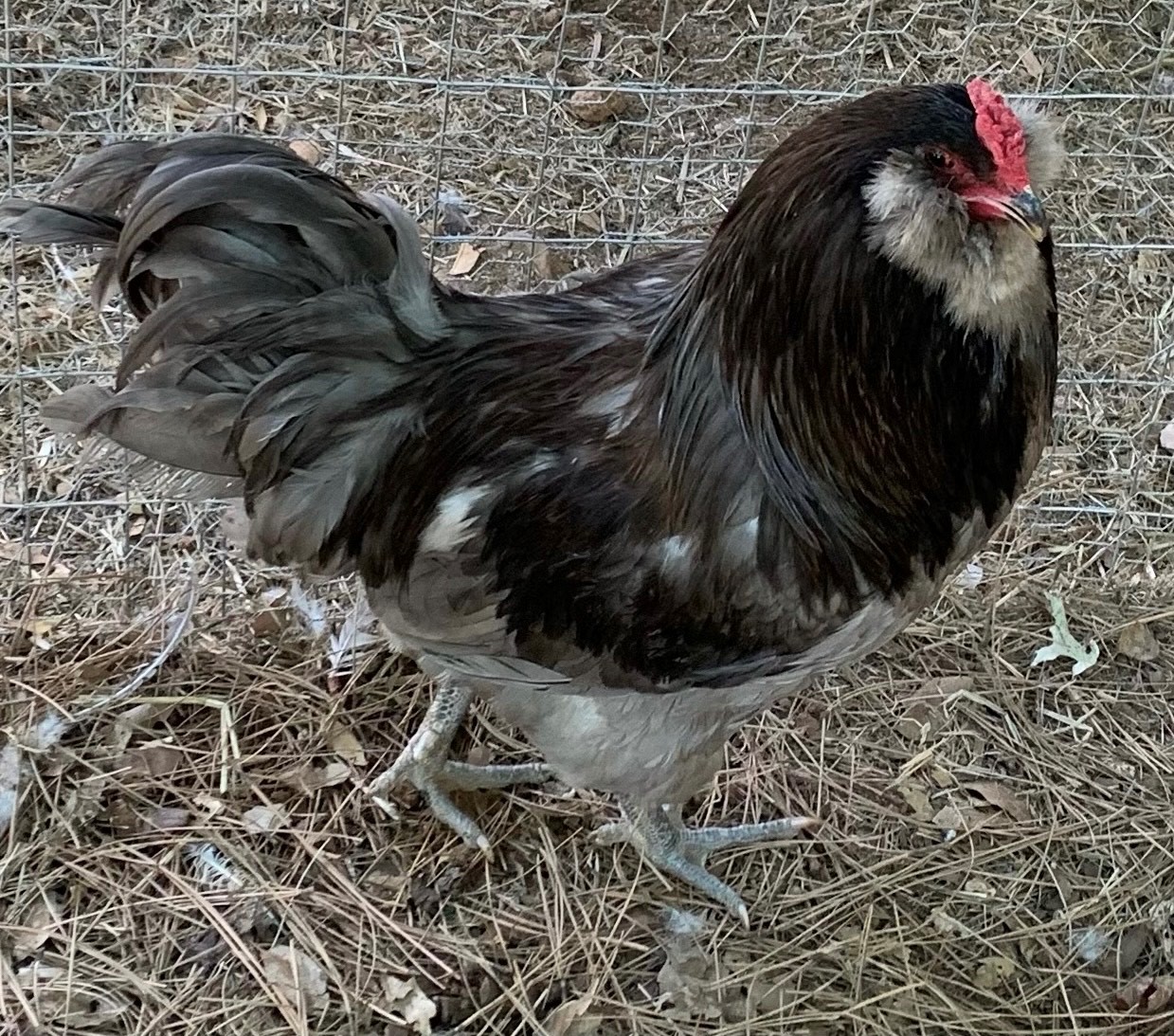
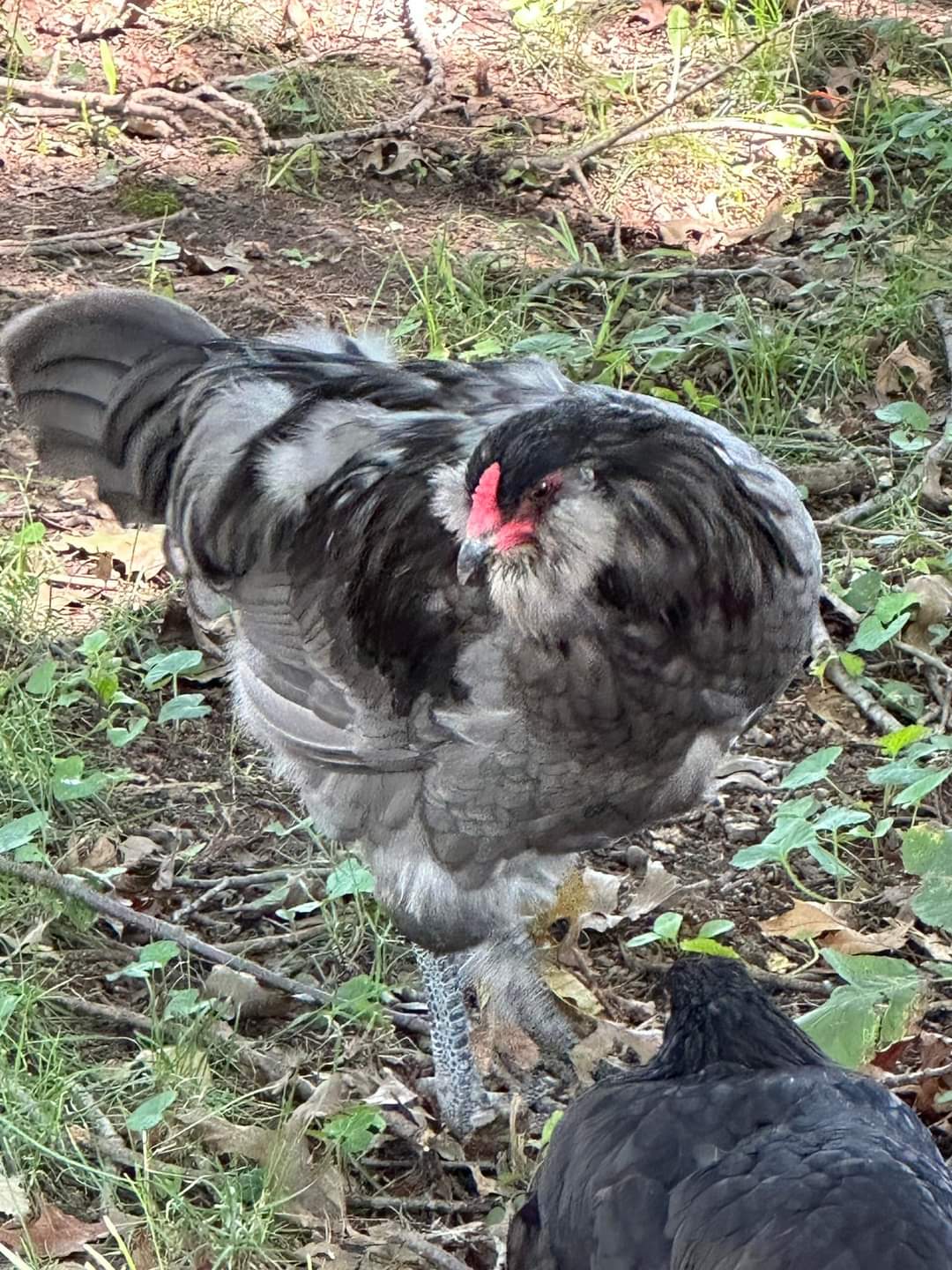
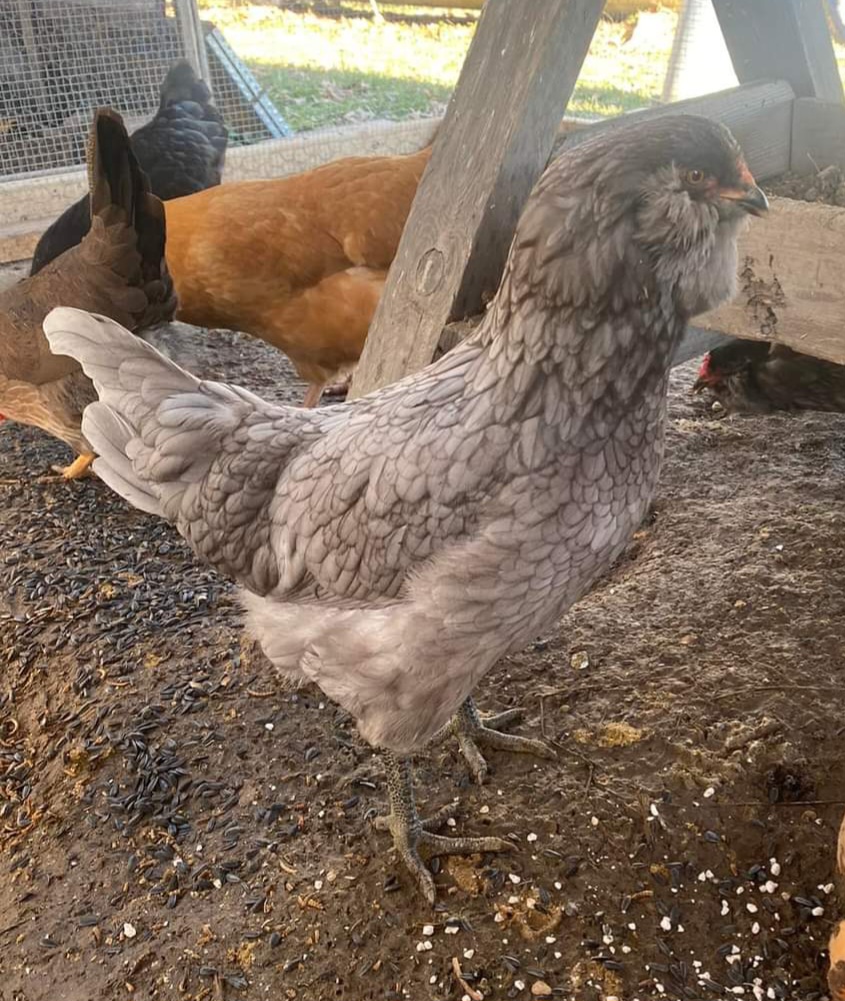
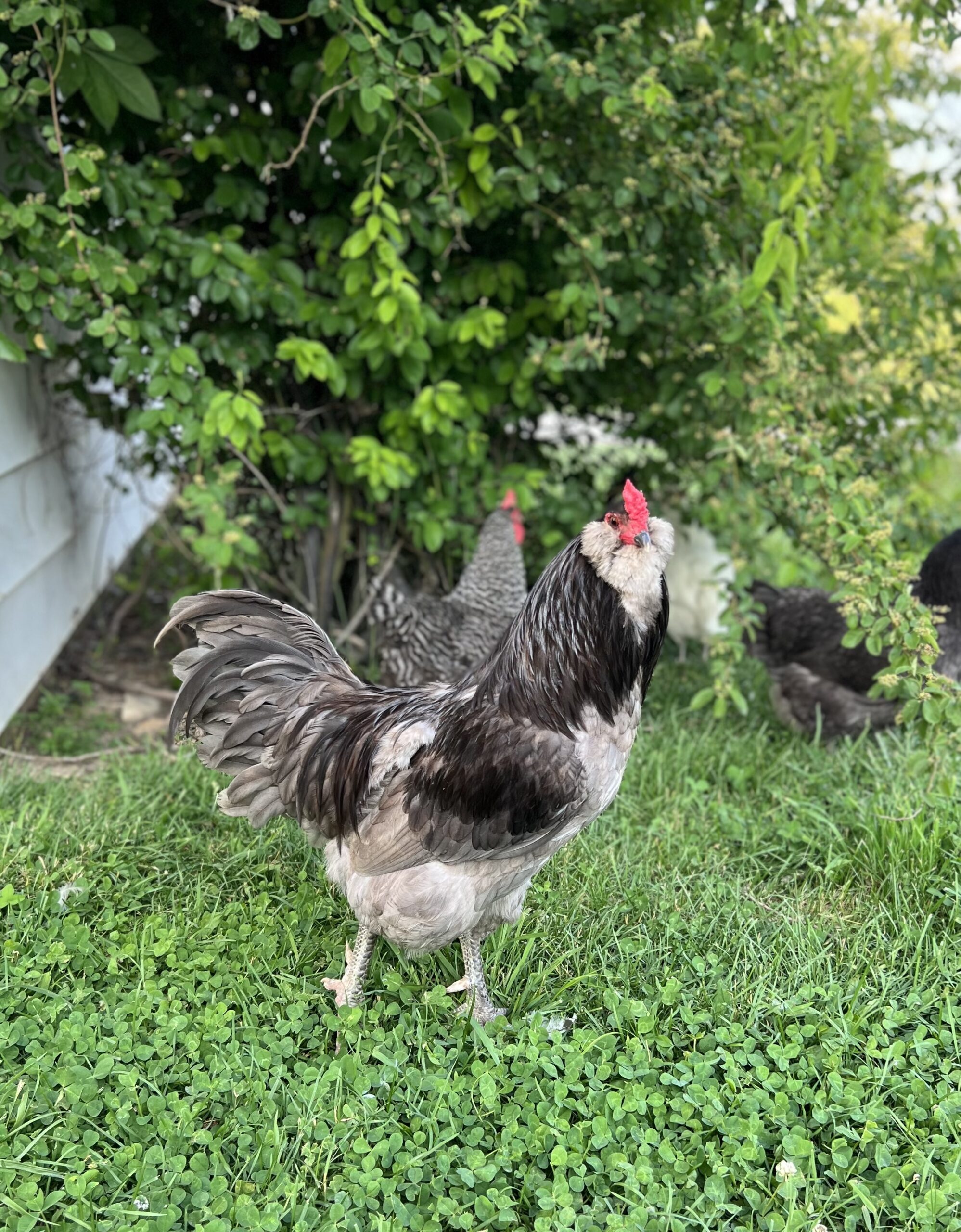
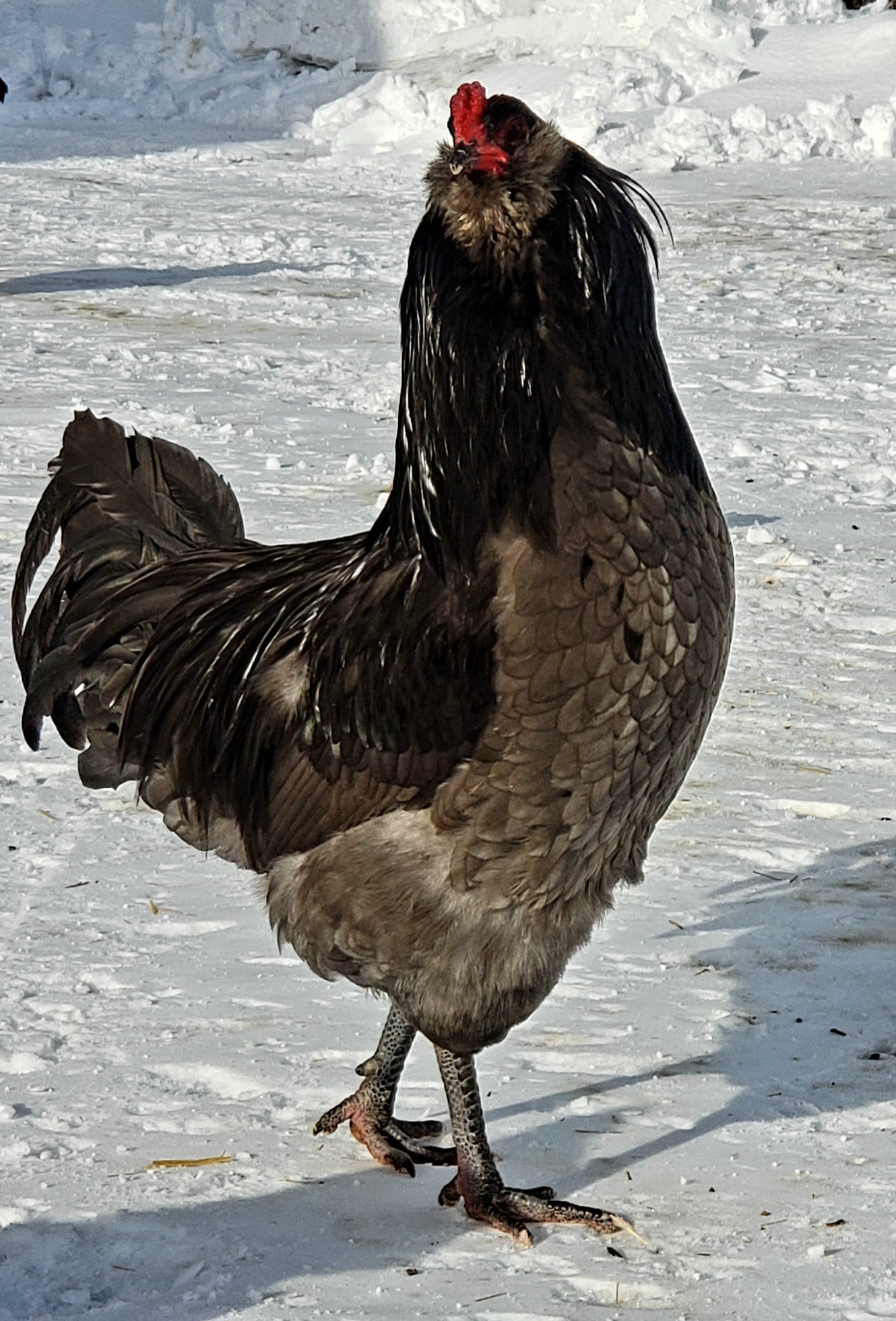
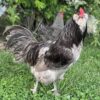
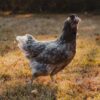
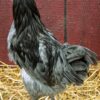
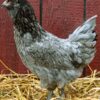
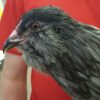
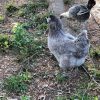
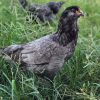
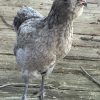
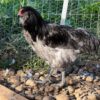
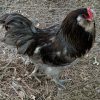
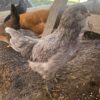
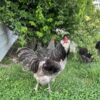
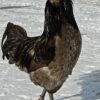
Blue Ameraucana chickens have blue-gray plumage, muffs, beard, pea comb, slate-colored legs, and a full tail. Ideally, each blue feather has darker lacing, creating a refined blue pattern that looks beautiful in a backyard flock.
The blue color comes from the blue gene, which dilutes black feathers into a blue or blue-gray shade. Because of that, Blue Ameraucanas are based on black feather genetics, with the black color diluted to blue.
This variety can be especially appealing for customers who want:
- A true Ameraucana variety
- Blue egg potential
- Blue-gray plumage
- Muffs and beard
- A pea comb
- Slate-colored legs
- A rare colored egg layer
- A bird created from John W. Blehm’s Ameraucana work
Blue Ameraucanas bring both visual interest and egg basket value, making them a strong choice for colored egg layer flocks.
Blue Ameraucana Egg Color and Laying Expectations
Blue Ameraucanas are best known for true blue egg potential. Cackle Hatchery® notes that the plumage is blue-gray, but the eggs are true blue. However, a small percentage of hens may lay eggs with a light green shade.
This is one of the main reasons customers choose true Ameraucanas over generic colored egg layers. While Easter Eggers™ can be fun and useful birds, their egg colors can vary more widely. Blue Ameraucanas offer a more specific breed type and a stronger blue egg focus.
Egg color and production can vary by individual hen, age, nutrition, daylight, season, and flock management. Even so, Blue Ameraucanas remain one of the most popular options for customers who want a beautiful chicken that can add blue eggs to a colorful egg basket.
For customers comparing blue egg options, Cackle’s Best Blue Egg Layers article is a helpful resource.
Important Note About Blue Breeding Genetics
Blue chickens do not breed true. This is one of the most important details customers should understand before ordering Blue Ameraucanas.
Cackle Hatchery® notes that blue-to-blue matings produce approximately:
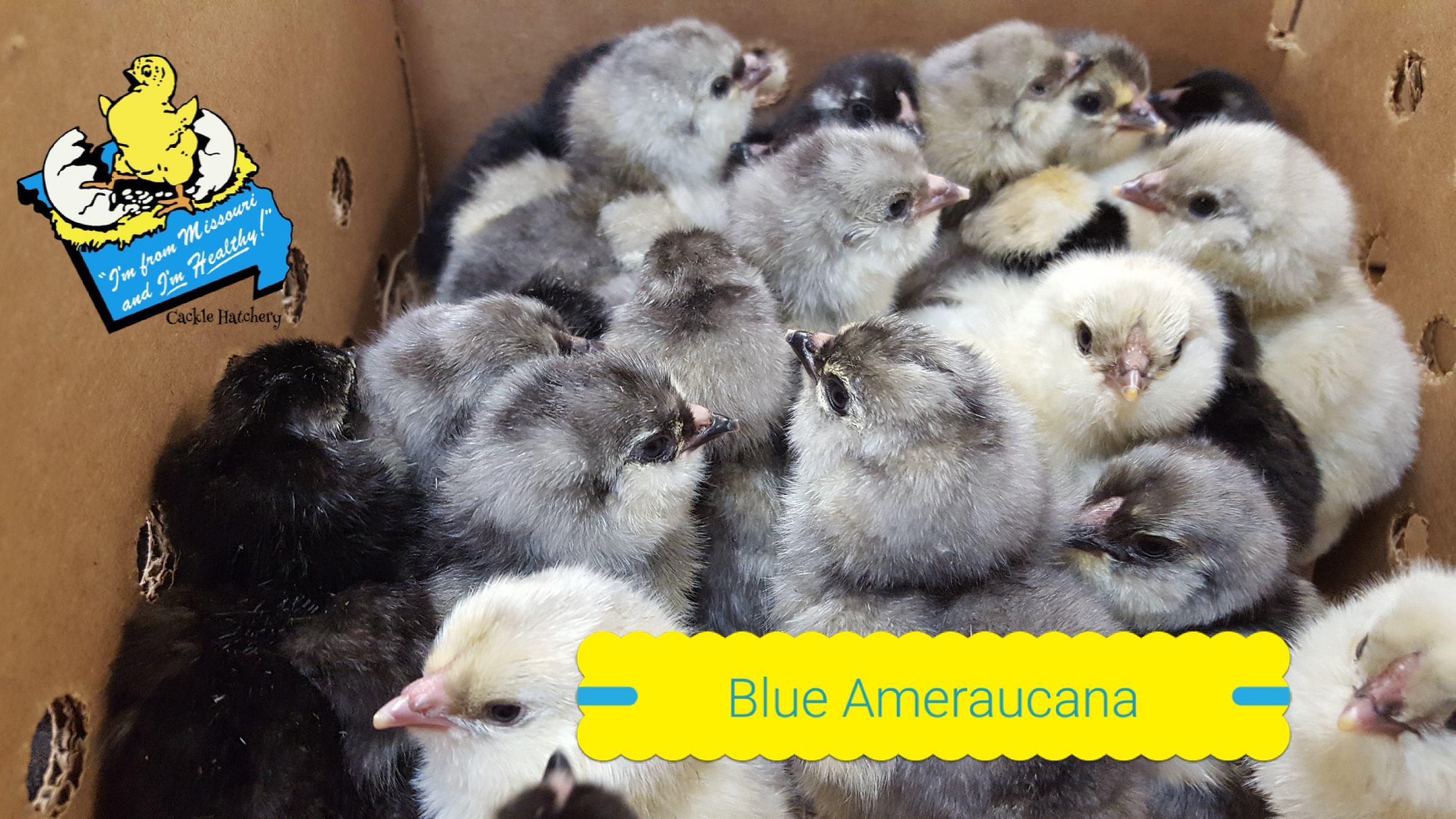
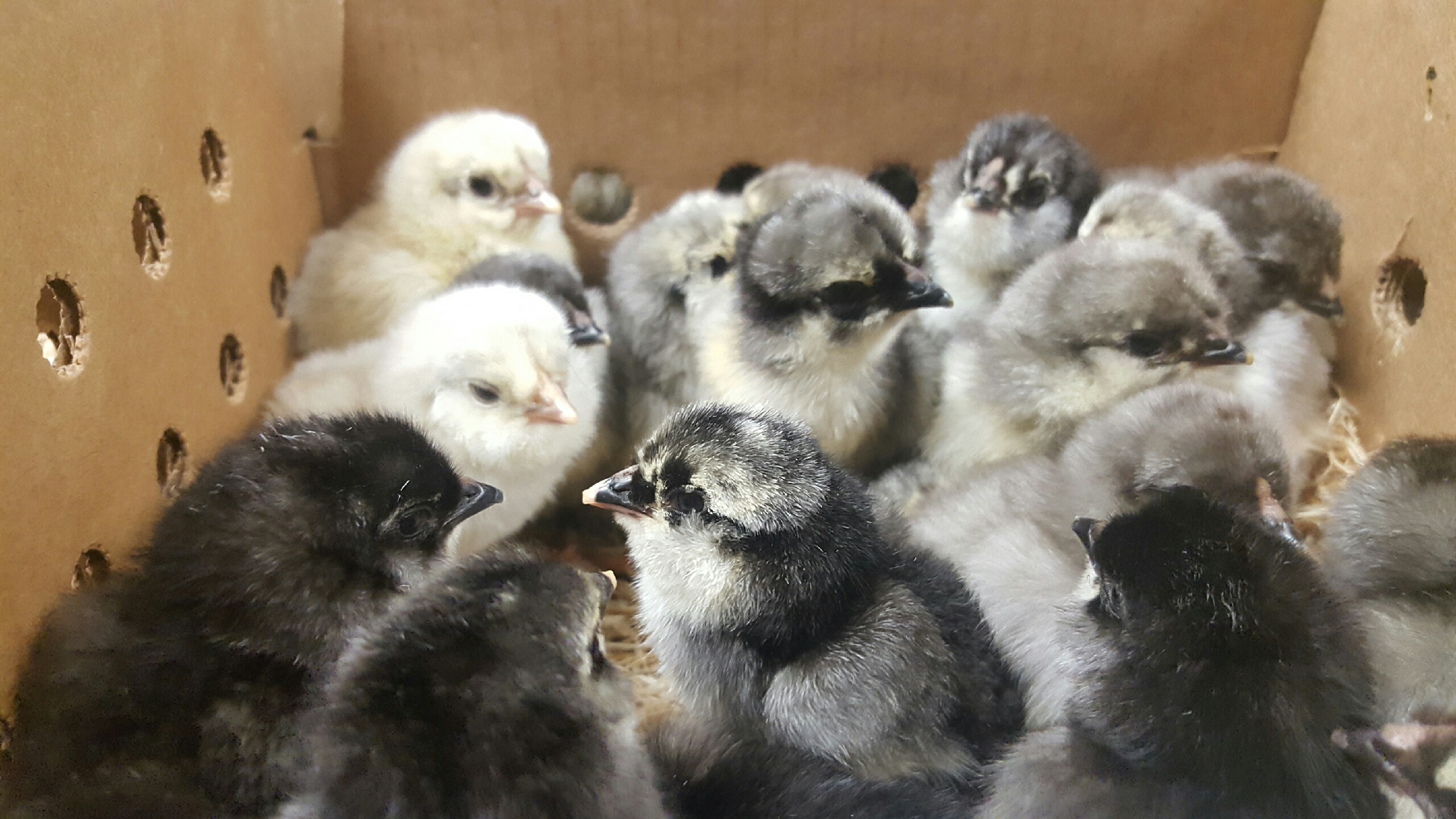
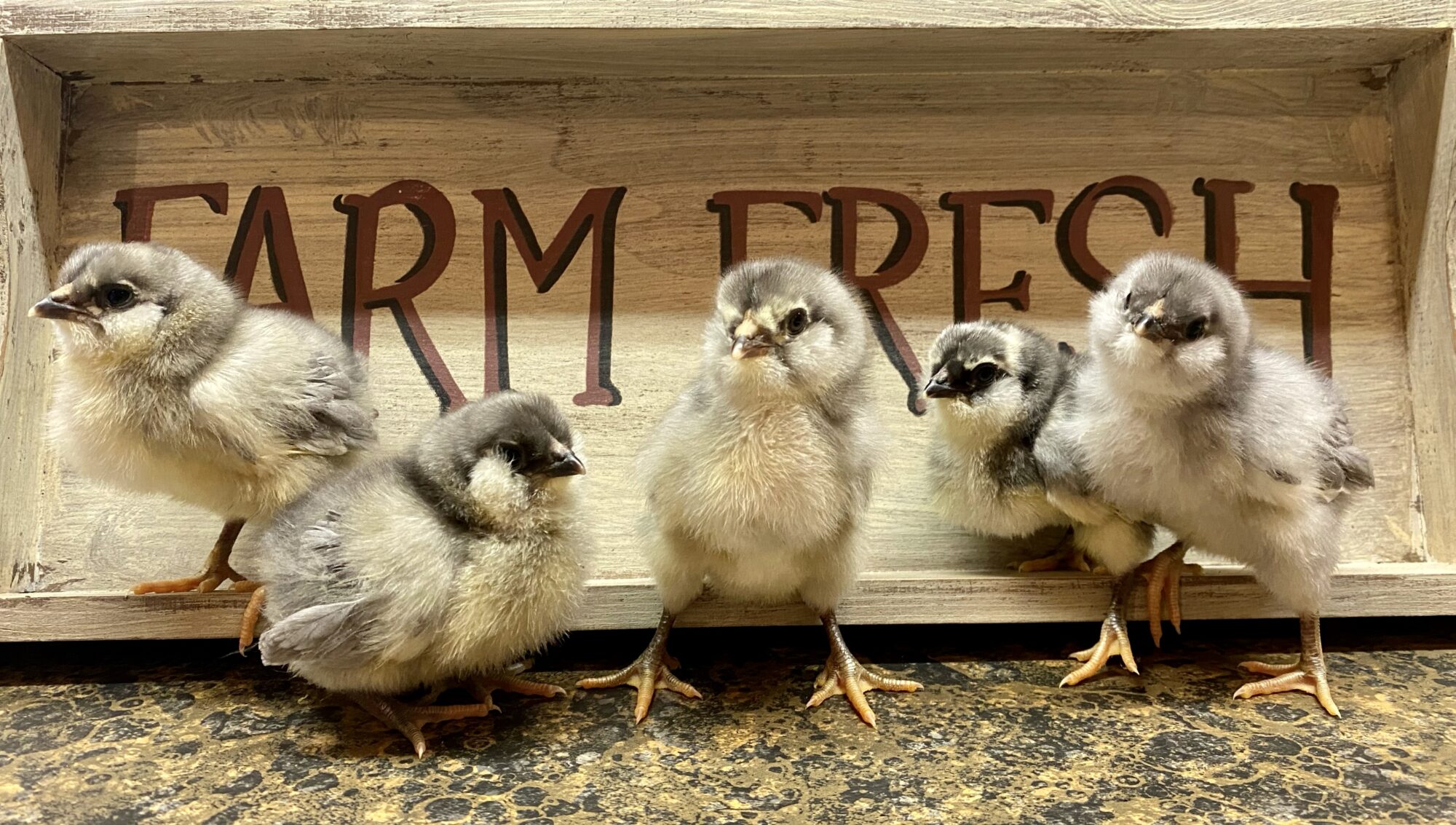
- 50% blue chicks
- 25% black chicks
- 25% splash chicks
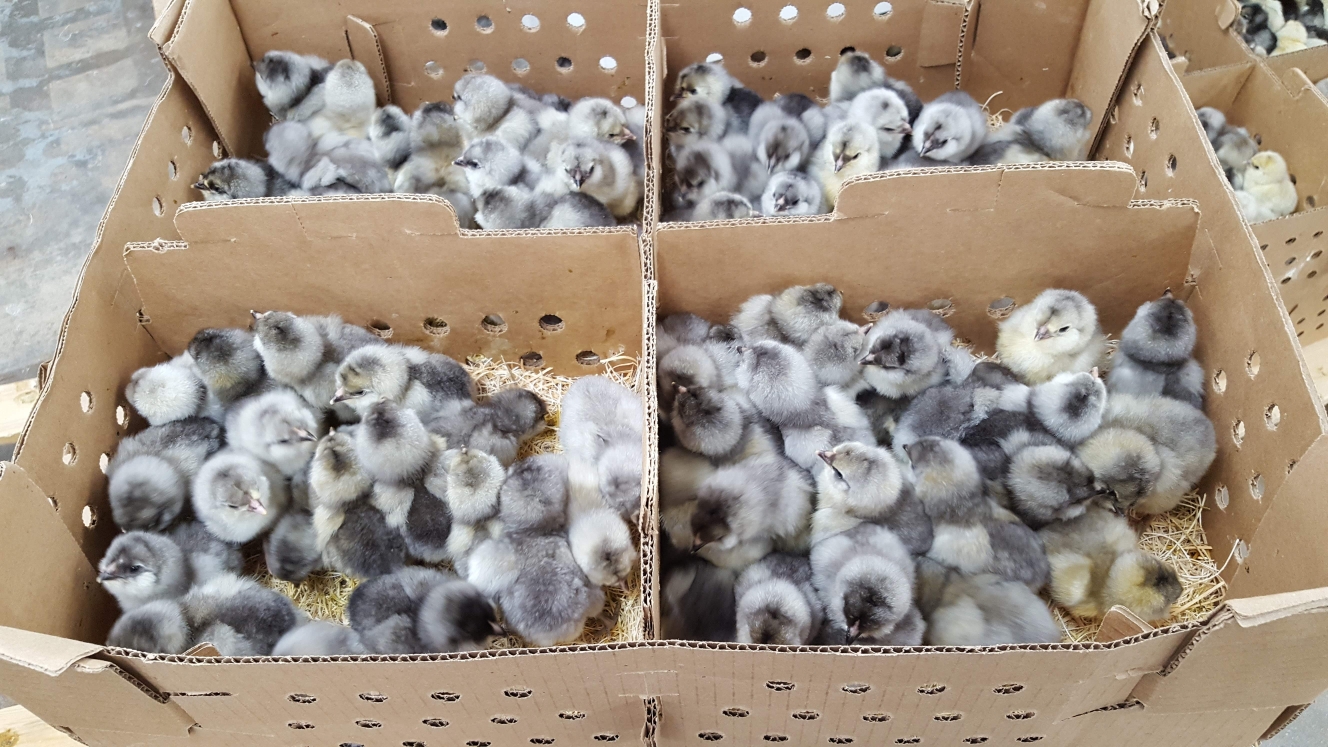
Cackle will send as many blue chicks as possible in your order. However, customers should also expect that some black and splash Ameraucana chicks may be included because of how blue genetics work.
This does not mean the birds are wrong or mixed. It is the normal result of blue breeding genetics. Customers who want only one exact feather color should understand this before ordering.
Blue Ameraucana vs Splash Ameraucana
Blue and Splash Ameraucanas come from the same blue-color genetics, but they look different.
A Blue Ameraucana has blue-gray plumage, ideally with darker lacing.
A Splash Ameraucana chicken has much lighter plumage with darker splash markings. Splash birds result when a chick inherits two copies of the blue gene.
Choose Blue Ameraucana if you want blue-gray feathering and true Ameraucana type.
Choose Splash Ameraucana chickens if you like the lighter splash color pattern and still want Ameraucana blue egg potential.
Blue Ameraucana vs Lavender Ameraucana
Blue Ameraucanas and Lavender Ameraucanas can look somewhat similar, but the genetics are different.
A Blue Ameraucana carries the blue gene. Blue does not breed true, so blue-to-blue matings can produce blue, black, and splash chicks.
A Lavender Ameraucana chicken carries the lavender gene, also called self blue in poultry standard language. Lavender bred to lavender should produce lavender chicks.
Choose Blue Ameraucana if you like blue-gray plumage and understand blue breeding results.
Choose Lavender Ameraucana chickens if you want a true-breeding lavender/self-blue color variety, while also understanding the lavender feather-quality notes.
Blue Ameraucana vs Easter Egger™
Blue Ameraucanas and Easter Eggers™ are often confused, but they are not the same.
A Blue Ameraucana is a true Ameraucana variety with specific breed traits, including muffs, beard, pea comb, slate legs, tail, and blue egg genetics.
An Easter Egger™ chicken is usually a mixed or non-standard colored egg layer. Easter Eggers™ can be excellent backyard chickens, but they may vary widely in feather color, body type, and egg color.
Choose Blue Ameraucana if you want a true Ameraucana with recognized breed traits and blue egg potential.
Choose Easter Egger™ chickens if you want a fun colored egg layer and are flexible on final egg shade or breed type.
Cackle’s Blue Egg Chicken: Ameraucana or Americana? article is a helpful resource for customers comparing Ameraucanas, Americanas, Araucanas, and Easter Eggers™.
Blue Ameraucana vs Araucana
Blue Ameraucanas are also different from Araucanas.
Araucanas are a separate blue egg breed known for rumplessness and ear tufts in the American standard. Ameraucanas, by comparison, have tails, muffs, and beards. Cackle Hatchery® explains that Araucanas can be difficult to breed to standard and have poor hatch rates, which is one reason Cackle discontinued Araucanas after offering them from 2012 to 2016.
Choose Blue Ameraucana if you want a blue egg breed with a tail, muffs, beard, better fertility, and a more practical backyard option than Araucana.
For customers who want blue eggs but do not need a true Ameraucana, Easter Eggers™ or other colored egg layers may also be worth comparing.
Important Note About Scissor Beak / Cross Beak
Cackle Hatchery® notes that Ameraucanas have an inherent genetic beak issue. About 1 out of 100 chicks may develop some degree of scissor beak or cross beak as they grow.
Scissor beak, also called cross beak, means the top and bottom beak do not align properly. The condition can vary in severity, and it often becomes more noticeable as the chick matures.
Customers should understand this breed note before ordering Ameraucanas. Many chicks grow normally, but the genetic risk exists in the breed. Cackle recommends reviewing poultry care resources and the Cackle Hatchery® blog for more information on this condition.
Important Note About Sexing Accuracy
Ameraucanas can be harder to vent sex than many other breeds. Cackle Hatchery® notes that sexing accuracy for this breed averages about 80%, compared with the usual average of about 90% for many other breeds.
This matters most for customers ordering females. If you live where roosters are not allowed, or if you need a very exact male-to-female ratio, keep this lower sexing accuracy in mind before checkout.
Because Blue Ameraucanas are limited and popular, customers should also check availability early and plan ahead.
Blue Ameraucana vs Other Ameraucana Varieties
Blue Ameraucanas share the same general Ameraucana traits as other Cackle Ameraucana varieties. The main differences are feather color, genetics, availability, and customer preference.
For customers who want blue-gray plumage, true Ameraucana traits, and blue egg potential, Blue Ameraucana is a strong fit.
If you prefer a classic show favorite with solid black adult plumage, compare Black Ameraucana chickens.
For customers who like a lighter variety produced from blue genetics, Splash Ameraucana chickens may be a better match.
If you want a true-breeding lavender/self-blue color, review Lavender Ameraucana chickens.
Customers who want to compare several Ameraucana options can review Cackle’s Ameraucana Chickens resource, which covers Ameraucana standards, eggs, housing, health, genetics, breeding, hatching, and exhibiting.
For broader egg color comparisons, Cackle’s Colored Egg Layers for Sale category is another helpful place to start.
Temperament and Suitability
Blue Ameraucanas can work well in backyard flocks, colored egg flocks, and small breeding programs. They appeal to customers who want true Ameraucana identity, blue egg potential, and a beautiful blue-gray bird.
This variety can work well for:
- Backyard blue egg flocks
- Colored egg basket projects
- Ameraucana enthusiasts
- Customers who want true Ameraucana traits
- Keepers who like rare feather colors
- Small breeding programs with careful selection
- Flocks with other colored egg layers
- Customers who want a blue egg breed that is not an Easter Egger™
However, customers who want guaranteed blue feathering in every chick should understand blue breeding genetics before ordering. In addition, customers who need the highest possible sexing accuracy should review the Ameraucana sexing note.
Overall, Blue Ameraucanas fit best with customers who value true breed type, blue egg potential, rare color, and the genetics that come with breeding blue poultry.
Is the Blue Ameraucana Chicken Right for Your Flock?
Choose Blue Ameraucana chickens if you want:
- Blue egg potential
- A true Ameraucana variety
- Blue-gray plumage
- Muffs and beard
- Pea comb and slate legs
- A bird created by Master Breeder John W. Blehm
- A rare colored egg layer
- A breed that is not an Easter Egger™ or Araucana
- A beautiful addition to a backyard egg basket
However, consider another breed if you need guaranteed blue feather color in every chick, very high sexing accuracy, or a lower-cost colored egg layer. In short, Blue Ameraucanas are best for customers who want true Ameraucana type, blue eggs, and a rare blue-gray chicken.
Care and Housing Tips
Blue Ameraucanas need the same dependable care as other standard-size chickens. They do best with a clean coop, secure run, proper feed, fresh water, and predator protection.
For best results, provide:
- A dry, well-ventilated coop
- Clean bedding
- Predator-resistant fencing
- Fresh water at all times
- Balanced chick starter and age-appropriate feed
- Enough roosting space
- Nest boxes when pullets near laying age
- Shade and ventilation during hot weather
- Protection from drafts and damp bedding in cold weather
Because Ameraucanas have pea combs and small wattles, they can be a practical choice for many climates. Even so, customers should still provide shade in hot weather, dry bedding in wet weather, and draft-free shelter during cold weather.
If you plan to breed Blue Ameraucanas, remember that blue does not breed true. Plan matings carefully and expect blue, black, and splash offspring from blue-to-blue pairings.
Recognition, Clubs, and Availability
Blue Ameraucana is a recognized Ameraucana variety. The Ameraucana Breeders Club lists Blue among the recognized large fowl Ameraucana varieties. Cackle Hatchery® notes that its Blue Ameraucana supply is limited and that it began offering day-old Blue Ameraucana chicks in 2015.
Jeff Smith and Cackle Hatchery® are members of the Ameraucana Alliance Club. Customers who want to learn more about Ameraucana standards, history, and breeders can review the Ameraucana Alliance and Ameraucana Breeders Club websites.
Since hatch dates and shipping windows can change during the season, customers should check Cackle Hatchery’s Chicken Availability Chart before ordering.
Related Breeds and Helpful Cackle Hatchery® Resources
Customers who like Blue Ameraucanas may also enjoy other Ameraucana varieties, Easter Eggers™, blue egg layers, and Cackle’s comparison tools.
Helpful Cackle Hatchery® links for this product page include:
FAQ: Blue Ameraucana Chicken
What is a Blue Ameraucana Chicken?
A Blue Ameraucana Chicken is a true Ameraucana variety with blue-gray plumage, muffs, beard, pea comb, slate legs, tail, and blue egg genetics.
Are Blue Ameraucanas real Ameraucanas?
Yes. Blue Ameraucanas are true Ameraucanas. They are not Easter Eggers™ and they are not Araucanas.
Do Blue Ameraucanas lay blue eggs?
Yes, Blue Ameraucanas are bred as blue egg layers. Cackle Hatchery® notes that a small percentage may lay a light green egg.
Are Blue Ameraucana eggs blue or green?
The goal is true blue eggs. However, a small percentage of hens may lay light green eggs.
Who created the Blue Ameraucana?
Cackle Hatchery® notes that this rare variety was created by Master Breeder John W. Blehm.
Does blue breed true in Ameraucanas?
No. Blue does not breed true. Blue-to-blue matings can produce blue, black, and splash chicks.
What colors can come from Blue Ameraucana matings?
Cackle Hatchery® notes that blue-to-blue matings produce approximately 50% blue chicks, 25% black chicks, and 25% splash chicks.
Will every Blue Ameraucana chick in my order be blue?
Not always. Cackle sends as many blue chicks as possible, but customers should expect that some black and splash Ameraucana chicks may be included because blue genetics do not breed true.
What is the difference between Blue Ameraucana and Splash Ameraucana?
Blue Ameraucanas have blue-gray plumage. Splash Ameraucanas are much lighter with darker splash markings and result from two copies of the blue gene.
What is the difference between Blue Ameraucana and Lavender Ameraucana?
Blue Ameraucanas do not breed true and may produce blue, black, or splash chicks. Lavender Ameraucanas carry the lavender gene, and lavender bred to lavender should produce lavender chicks.
What is the difference between Blue Ameraucana and Easter Egger™?
Blue Ameraucanas are true Ameraucanas with specific breed traits and blue egg genetics. Easter Eggers™ are mixed or non-standard colored egg layers that may vary widely in appearance and egg color.
What is the difference between Blue Ameraucana and Araucana?
Ameraucanas have tails, muffs, and beards. Araucanas are a separate breed known for rumplessness and ear tufts in the American standard.
What do Blue Ameraucanas look like?
They have blue-gray plumage, muffs, beard, pea comb, slate legs, and a full tail. Ideally, each feather has darker lacing.
What is scissor beak or cross beak in Ameraucanas?
Scissor beak, also called cross beak, means the top and bottom beak do not align properly. Cackle Hatchery® notes that about 1 out of 100 Ameraucana chicks may develop some degree of this condition.
Does scissor beak get worse as chicks grow?
It can. Cackle Hatchery® notes that the condition normally gets worse as the chick grows, although severity can vary.
Are Blue Ameraucana chicks easy to sex?
No. Cackle Hatchery® notes that Ameraucanas are harder to vent sex than many breeds. Sexing accuracy averages about 80% for Ameraucanas, compared with about 90% for many other breeds.
Are Blue Ameraucanas good for backyard flocks?
Yes. Blue Ameraucanas can work well in backyard flocks for customers who want blue eggs, true Ameraucana traits, and attractive blue-gray plumage.
Are Blue Ameraucanas good for beginners?
They can work for beginners who understand blue breeding genetics, lower sexing accuracy, possible scissor beak risk, and limited availability.
Does Cackle Hatchery® offer other Ameraucana varieties?
Yes. Cackle Hatchery® offers several Ameraucana varieties, including Black, Blue, Lavender, Splash, and White Ameraucanas, depending on availability.
Is Cackle Hatchery® connected with Ameraucana breed clubs?
Yes. Jeff Smith and Cackle Hatchery® are members of the Ameraucana Alliance Club. Customers can also learn more from Ameraucana breed organizations such as the Ameraucana Alliance and Ameraucana Breeders Club.
Where can I check Blue Ameraucana availability?
Customers can check Cackle Hatchery’s Chicken Availability Chart for current hatch and shipping timing. Since Blue Ameraucanas are limited, ordering early is recommended.













Michaelene Klem –
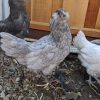
Ordered three last spring. One ended up having cross beak. They are so pretty. Beautiful coloring. Very friendly. Love the puffy cheeks.
Jess Cruse –
I had ordered 3 females and received 5 at the start of June. They have all grown up to be healthy and beautiful birds. We are in city limits so very happy they were all females. Very friendly and smart.
chrisguthrie0406 –
I am a first time customer of cackle hatchery and to say I am impressed is an understatement. Our blue ameruacanas arrived happy and healthy and they are absolutley stunning. Thank you cackle hatchery!!!
hopeloveschickens –
Ordered 3 received 4, them along with the 15 other large birds I ordered are all happy and eating. Would be five stars but one thing to note is that one the birds came with crossbeak, not sure if this is due to genetics (i know this is a common defect in easter eggers) or incubation factor. But be aware your purchase may contain one. I saw other customers got refunds on this defect, I didn’t call for a refund personally because she was an extra, we will see how bad this defect and make decisions about her life from there.
kathrynjallenesq –
I ordered three, received four. Unfortunately, one died within hours of arrival. One turned out to have a severe cross beak. The other two are gorgeous, one a dark blue and one more of a medium color perfect slate colored legs nice lacing on the feathers no leakage. The Crossbeak has some dark, solid leakage, very minor. All three are very friendly and gentle and have great personalities the two perfect ones have gorgeous, muffs, and beards, I reported the cross speak to cackle and they gave me a refund for the one . I joined a cross beak group on Facebook, and have learned of others having blue Ameraucanas with cross beaks. This is unfortunate because this breed and color is hard to find. Overall, I would recommend, but expect to have some that are imperfect, or possibly with a cross beak. For the two that are perfect I would give five stars. Three stars due to the cross beak.
meagalina –
I had ordered straight run blue Ameraucanas from Cackle in 2020 and out of 12 ended up with mostly very attractive and productive birds and 1 especially stunning rooster. The girls laid amazing Tiffany blue eggs! I lost many to predators so i ordered more… This is my experience with the Blue Ameraucana females I got 8/2022. There are 5 and they are very different looking. A very poor breed standard. They lay blue green and pale blue eggs at alarmingly slow rates. Yes they are still pretty chickens and eggs but NOWHERE NEAR the quality of the ones I ordered in 2020. I think Cackle needs to refresh their genetics. It’s so disappointing because the first batch were SO great, I’m so sad they were killed:(((( I hope if Cackle improves their genetics they’ll mention it in the description and I’d like to get more one day.
Rachel Manciocchi –
One chick arrived with problems I had to nurse him for a few weeks, I didn’t think she would make it but she did. Fast forward 7 months, 3 of the 4 girls have crop issues. They are so full they weigh them down. They do not empty at night. I give them grit and help massage the crop. Makes me think they have issues with there breed. Makes me upset, don’t see them living to long.
saramiera –
I received 2 blue Americanas in my order of 25 chicks!! They are absolutely gorgeous!!! Evan as chicks their plumage was so beautiful!! They are a beautiful slate gray color. Each feather is slightly darker around the edge so they almost look laced!! They are slightly more flighty than my Easter eggers, splash Americanas, and black Americanas. However they are sweet, friendly, beautiful, and gentle towards the other hens. They are the favorites of my Easter Egger rooster. He takes good care of them and makes sure they get their share of the treats. Overall they are great hens, not as cuddly as the other varieties of Americanas but still friendly and sweet!! I would definitely recommend this breed and will probably add some to my spring order.
hillarybrooke4280 –
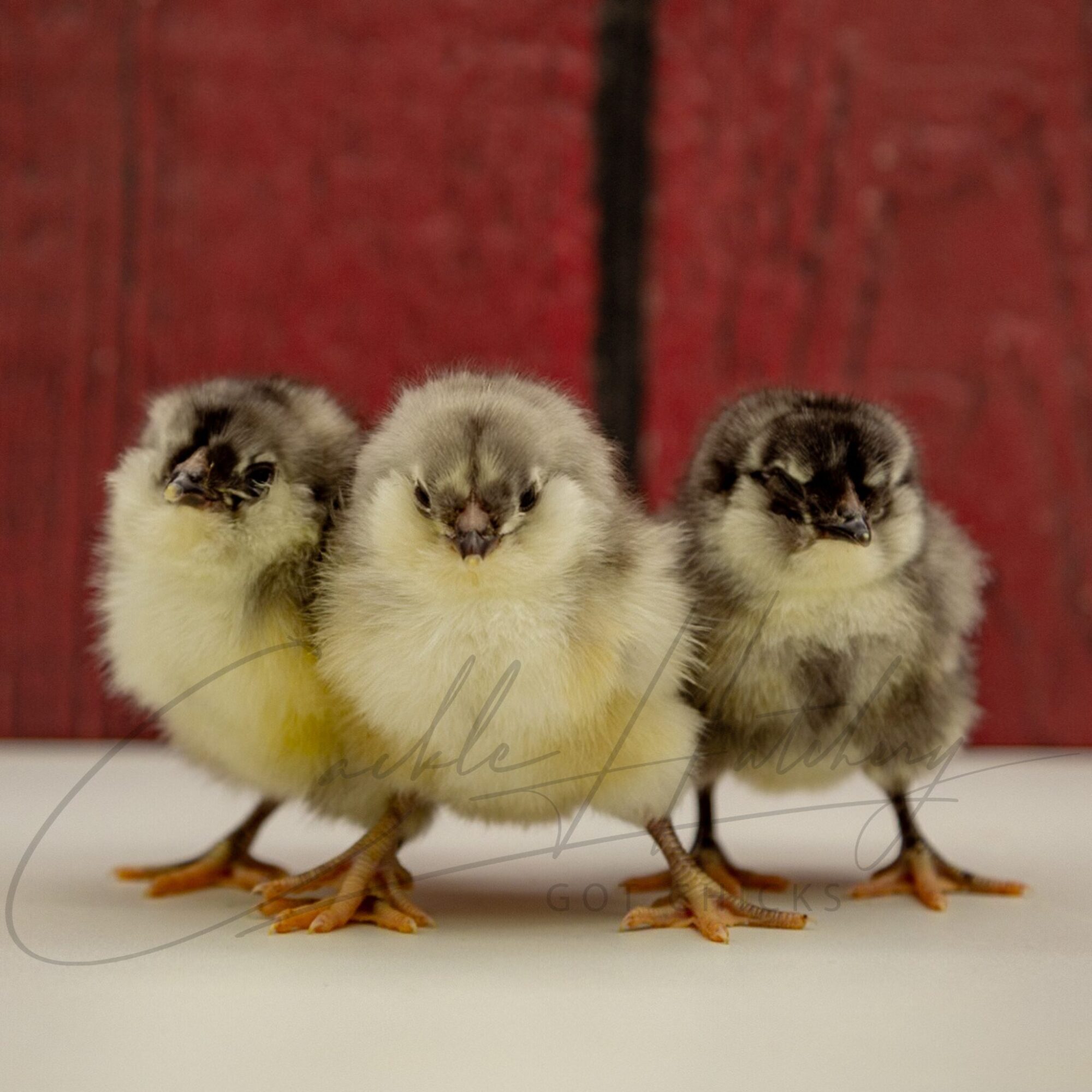
We ordered 3 pullets, we received 4 (not sure on sex yet as we’ve only had them a week). These are by far the CUTEST chicks we’ve ever had. Their cheeks look like cotton balls, actually the whole chick looks like multiple cotton balls stuck together. They are so sweet and seem fairly healthy, two are a bit sluggish but I’m supplementing and hoping.
Ashley Holzheimer –
Of the 15 I ordered I received 1 extra of each breed except ym blue ameraucanas. One passed away the second day at home and one we discovered last week is cross beaked, and I fear she will not make it. If only chicken orthodontics were a thing…
The others are all doing okay, but as a new chicken mom I am really worried about my little cross beak. She is not gaining weight as quickly as the others.
audra oldham –
These birds wow factor for any flock. Just gorgeous. They can be a bit flighty but I find that it’s more like you get a few nuts in the bunch and the rest are cool. Choose the rooster you keep wisely for this reason. I do highly recommend these birds from my experience. They do well on less feed but need range. They are also good in mixed flocks. Buy early in the year to have maturity by late spring. Getting late in the year means they mature in winter and may delay laying. I have noticed most of the Blue egg layers are not top notch winter layers. But excel in warmer weather.
RA –
I’m a first time chicken-keeper and I’m very pleased with the chicks I purchased from Cackle. I ordered 4 Blue Ameraucanas (received 5), 5 Rhode Island Reds (received 6), 3 Black Jersey Giants (received 3), so I received a total of 14 chicks although I only ordered 12. They hatched on March 29th and all arrived healthy, active, and peeping at my post office on March 31st. I ordered 12 female chicks hoping that, (given sexing accuracy and so much that can go wrong with baby chicks), I’d still have at least 6 to 8 females when they grew up. 5 months later, I still have all 14 of my chickens and all are female.
I live in a very rural area with a lot of hawks, coyotes, foxes, etc. and wanted chickens that would be good foragers (to eat insects, especially ticks, in my yard), and that would be predator savvy (so they would be more alert to predators while free-ranging and eating ticks in my yard), and of course I ordered these because of their blue eggs. So far these chickens have proven to be both good foragers, and alert to predators.
My blue ameraucana plumage colors vary somewhat, but I think they are all blue (as opposed to black/splash). One is a much lighter heather gray, and one is a much darker charcoal gray, and the other three are all about the same medium shade of bluish gray. Their cheek poofs and beards are really cute, and none of my five blue ameraucanas have shown any sign of scissor beak. (The only problem I have had with any of my blue ameraucanas is one who developed sour crop. Her crop is slightly pendulous. She is still skinnier that the others from having been sick, but since the sour crop cleared up, I hope she will fill out and catch up to the others.)
My first blue ameraucana pullet to lay laid her first pale blue egg at 20 weeks and 3 days, and has laid 6 total eggs in her first 8 days of laying. When I reached out to Cackle for average ages of laying, they told me that the blue ameraucanas should start laying between 6 and 9 months of age, so I was delighted that one began laying pale blue eggs before she was five months old. Another started squatting a few days ago, and her pelvic bones are nearly three fingers apart, so I hope she will begin laying soon, too.
Of the three types of chickens I ordered, the blue ameraucanas started out being much flightier than others. However, I have been luring/bribing them with small pinches of scratch, and while they don’t really like being picked up, they will let me pick them up, and tolerate being petted in exchange for scratch. They also sound different than the other two types. (They make more of a whiny screeching/honking noise than the squawky chicken noises that the RIRs and BJGs make). The largest, lightest gray ameraucana seems to be at the top of the pecking order, and the one who has been laying also seems to be higher up in the pecking order. Overall, I’m very pleased with them. They are active and have been mostly healthy and lay blue eggs! I had hoped to end up with a cockerel, given the lower sexing accuracy, but plan to order a blue ameraucana cockerel with my Cackle next order.
DB –
Beautiful birds
I ordered 6 blue Ameraucana hens last June along with 24 other chicks. All came healthy and active. They have developed into beautiful blues. Their color is excellent with beautiful full cheeks. They have the typical personality for this breed and lay beautiful blue eggs. Very happy with them.
Amanda –
Beautiful Healthy Fun Chickens
We ordered 5 female and 1 male Ameraucana (along with other breeds). We ended up with 4 female and 2 male. They do say the sexing is about 80% so can’t say we weren’t warned and agreed to the chance when purchasing. We had 1 black male, 1 blue male, 3 blue female and 1 splash female. The different colors are so fun. The chicks arrived healthy and have all grown well at around 6 months old now. They are very pretty. Most are friendly due to the time we have spent with them and they will follow us around some as well as come for treats (mealworms and appropriate food scraps).
Bill in Florida –
Quality healthy chicks
I received my mixed (34) chick order 8 months ago. They were very healthy. I’m very pleased with Cackle Hatchery’s chicks. The Blue Ameracauns are fabulous. Very pretty and they have nice eggs. I will definitely get more.
Bryan –
Blue ameraucanas
Very friendly yet true they won’t you get within touching distance. They’re comfortable with the family but choose they’re distance. We have 7 of the 8 we ordered. One lacey light grey hen, a splash hen, three smokey grey hen two black twin roosters. The roosters have just started to crow and they are beautiful. The hen have yet to lay and the winter has fallen so no blue eggs till next year. I am so proud of my blues. The girls love them too. Once in awhile they catch one and carry it around.
Patty –
Ameraucanas
I received 3 Ameraucana. Very pretty hens except one ended up with severe scissor beak. I have to feed her by hand since she can’t pick up her food very well.
Janie –
Blue Americana thoughts☺
These birds are beautiful I love to just watch them the only thing I can say that I wish they were friendlier they are very flighty but on the good side of that they are good preditor proof as they run for cover when they startle which if you live in the country like us that is a good thing with so many owls and hawks around us. We have not lost a bird yet of course at night they get locked in there shelter and out during the day to free range. They are just so pretty.
Maureen –
Update to above review
Of the 10 Ameraucana chicks we received one turned out to be a rooster. We only actually ordered 9 chicks so the extra we got was the rooster. The chicks were hatched 7/29/19. (Today is 11/5/19). So far the chickens have not layed any eggs. Hopefully soon. The color of the blues that we ordered look more like the splash which from the description on Cackle that can happen. Our chickens and even the rooster are pretty flighty- hoping that changes after they start laying. Overall we are satisfied.
Patti Dubler –
You sent the wrong chickens, but would not refund the total amount of the difference.
I had originally ordered ameraucana chickens, but you sent blue ameraucanas. They seem different (I’ve only had EE’s for 30 yrs). They are 5 1/2 mos. now & haven’t gotten in the nests at all yet, or sat on either roosting poles. They haven’t bonded with me like my past set of chickens & I’m actually a bit worried about all these differences. I’m hoping they start laying soon & will feel the need to jump into the nests. The extra one you sent turned out to be a rooster, so I’ll have to just give it away, even though it’s the prettiest one!
Jenny –
Beautiful Healthy Chicks
Ordered six Blue Americauna female chicks. All arrived healthy. They’re now 4 months old & gorgeous pullets … three are blue & three are black. Hoping to get some beautiful blue eggs soon!
Annalyst –
Beautiful Chickens but….
I ordered 3 blue ameraucanas and so far 1 is now laying, but the one issue I had is one of the ameraucanas has a cross-beak or scissor beak as they are called. I didn’t notice it until she was around a month old and it was only slightly crossed however as time went by it got much worse. I grind her food up and mix with water and usually feed her three times a day. I have my doubts she will lay any eggs but only time will tell.
Nanci –
Chicks arrived very healthy
I ordered 3 female Americana’s and 3 female French Marans. They threw in an extra of each breed which was very nice but they were both roosters. I called to see what they could do and they told me they would do nothing for me. The person I talked to said that because they gave me extras they would do nothing. What’s the point of giving me extras if they’re roosters.
Maureen –
Healthy Happy Chicks
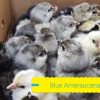
Rec’d 10 chicks one week ago today in the mail two days after hatching. Three Black, three Blue and three Splash Ameraucana Chicks. They are really energetic and appear to be very healthy babies. One of the blacks is hoping on the roost we placed in the brooder already. So cute. Thanks Cackle for your great service and care of the shipped chicks. This is the third time ordering from Cackle and have never been dissatisfied.
Sonia @ Bella Haga Farms –
Beautiful!
I originally ordered Lavender Ameraucanas but accepted Blue Ameraucanas and FBCMs since the Lavender weren’t available. I threw that out there to say the customer service was excellent. One of the three Blues turned out to be a rooster and all three are gorgeous! The two hens lay beautiful blue eggs.
SteveWin –
Happy little chicks!
My chicks arrived yesterday at 7:53 am – I got a call from the post office at 7:05, he said that if I got there before the service counter opened, I could just come around to the dock in back. Less than 48 hours in transit – awesome! They came out of the box alert and energetic, they had no trouble finding and taking the food and water. One thing I did which I haven’t seen anyone suggest, was to take a cup of their feed and crush it under a rolling pin. This reduced the particle size to about 1/4 of the supplied chickens crumble size. I put this in a low dish next to their main feeder with regular crumbles, they seemed to prefer the smaller pieces. I did sugar their water for the first two hours. I ordered six chicks – I’m sure that two are black and three are blue, and I think the last is a splash. They’re all adorable, and they already have their own personalities! I’m handling them often – I want them to learn to accept and trust me handling them, to facilitate care in the future. The splash? fell asleep in my hand! Anyway, great job.. wonderful chicks.. I’ll be back for some Salmon Favs soon!
Chevalier –
Chick Delivery Day
We just picked up Blue Ameraucana and Easter Egger chicks. They all came out of box bright eyes and full of energy. The chicks are runners get around from warm sugar water to the feed. All alive and well. Thank you Cackle Hatchery.