Description
Olive Egger™ Chicken
Breed Overview and Origin
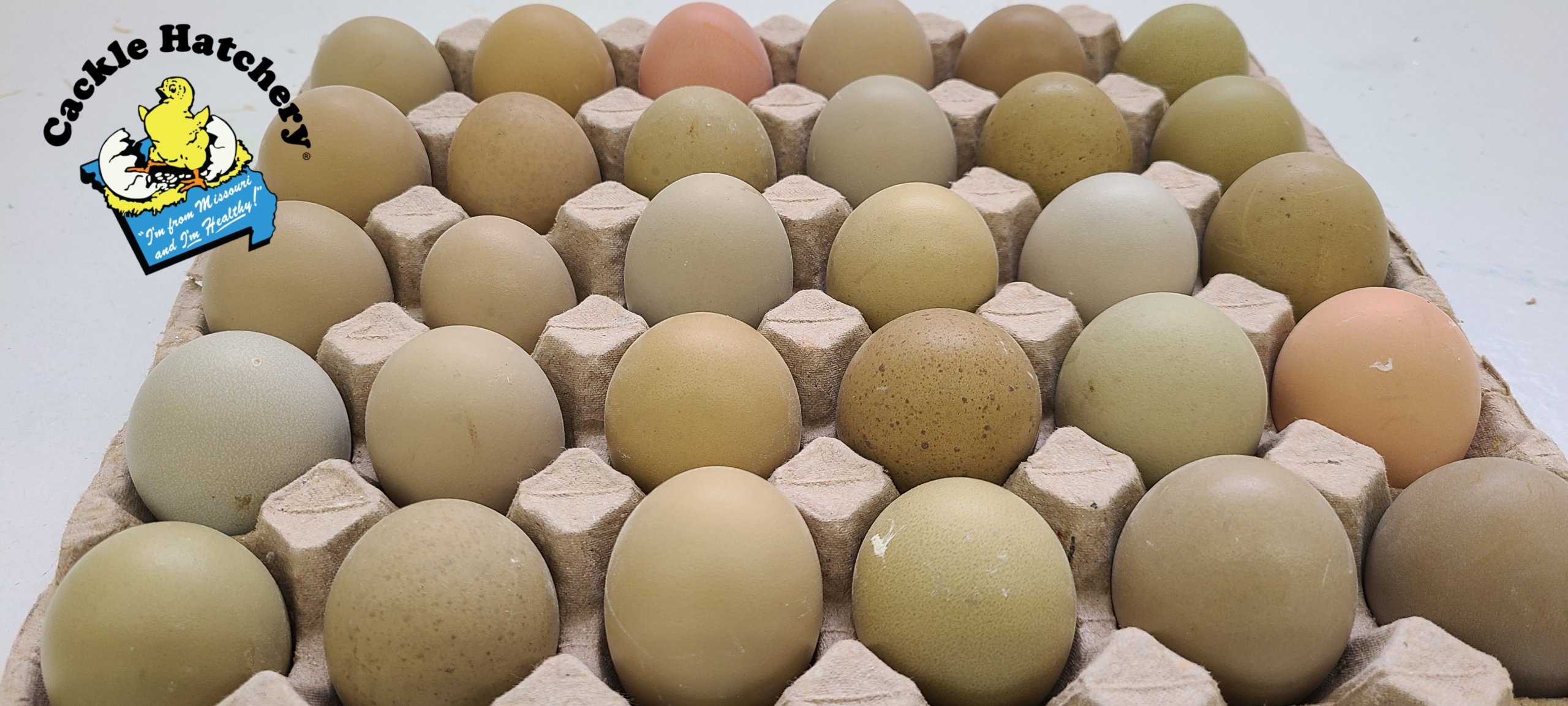
The Olive Egger™ Chicken is a productive hybrid layer bred for one special purpose: beautiful olive-colored eggs. If you want a backyard flock that lays a colorful egg basket, Olive Eggers™ are an excellent choice. These chickens combine the blue egg genetics of a Cream Legbar with the dark brown egg genetics of a Welsummer, creating hens that can lay eggs in attractive shades of olive green.
Cackle Hatchery® produces its Olive Eggers™ by crossing purebred Cream Legbar chickens with purebred Welsummer chickens. The result is a first-generation hybrid layer with a strong chance of producing olive-colored eggs.
Because Olive Eggers™ are hybrids, they are not a standardized chicken breed. Instead, they are created from carefully selected parent breeds to achieve a specific egg color goal. That makes them especially popular with backyard keepers who want novelty, productivity, and egg basket variety.
Cackle Hatchery® has been developing its production Olive Egger chickens since 2015, using blue-egg-laying Cream Legbars and brown-egg-laying Welsummers to create good layers of olive-green eggs.
What Makes Olive Egger™ Chickens Special?
Olive Eggers™ are special because they bring together two different eggshell color traits. Cream Legbars contribute blue eggshell genetics, while Welsummers contribute dark brown egg pigment. When those traits combine, the result can be an olive-colored shell.
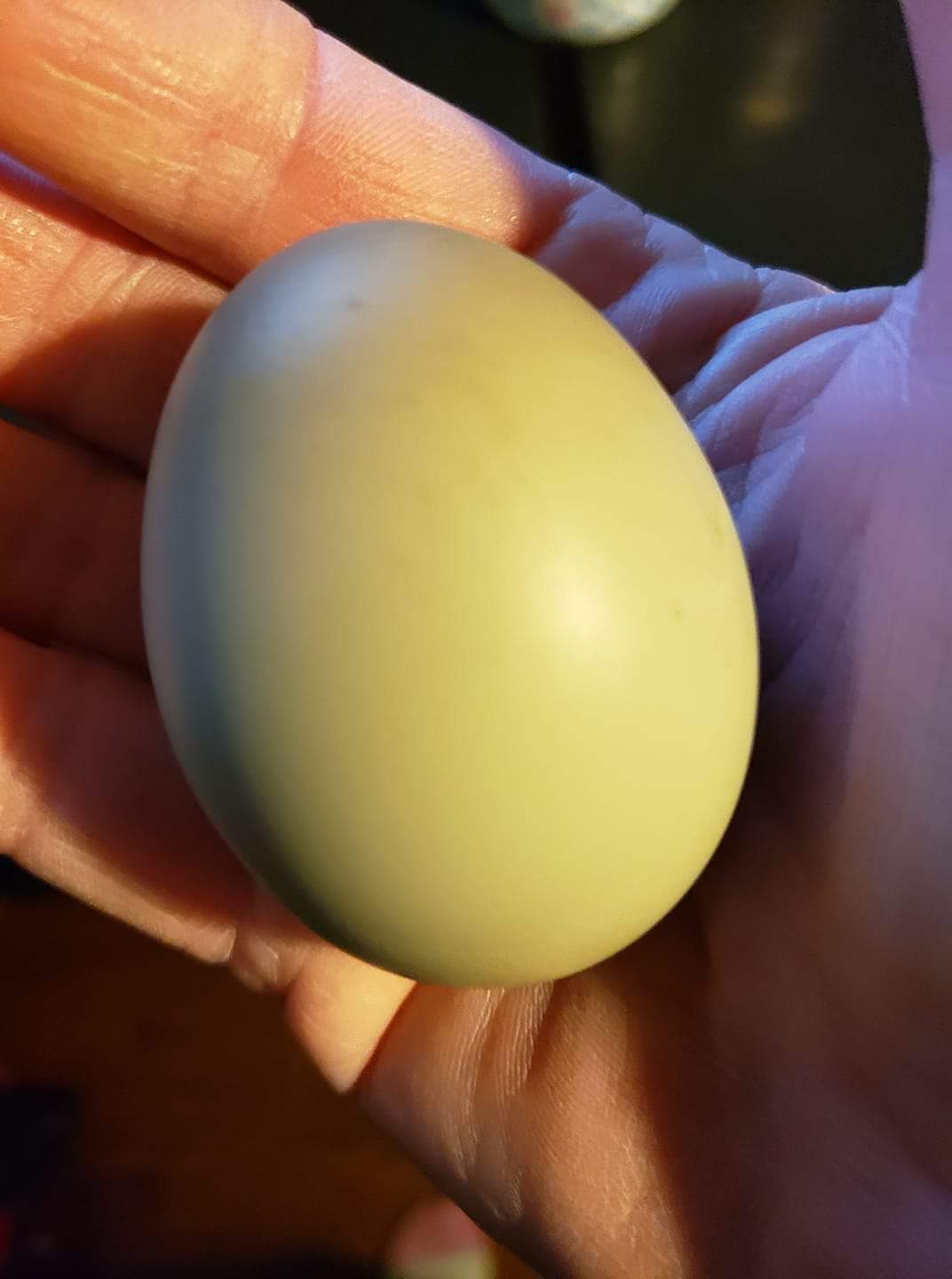
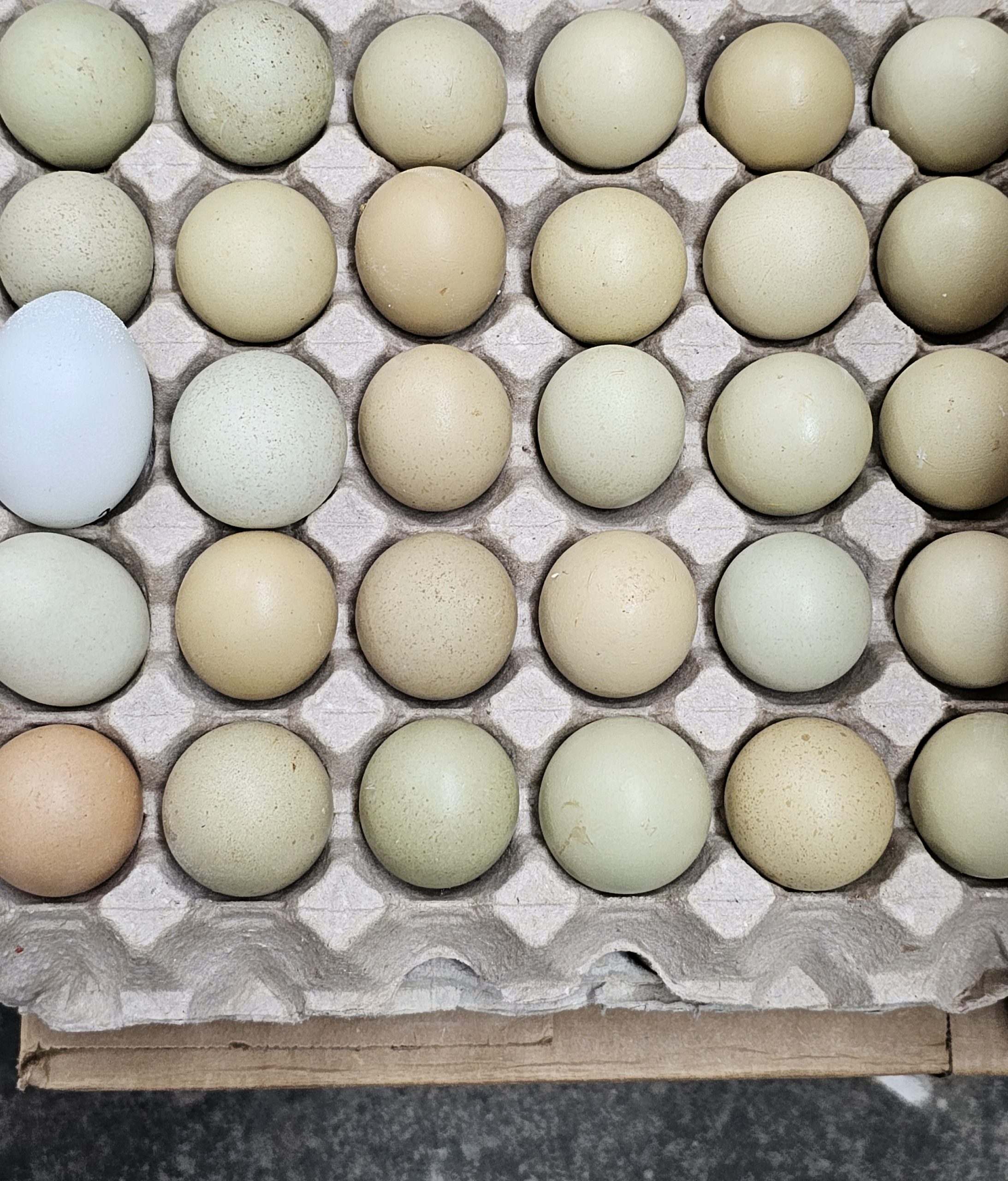
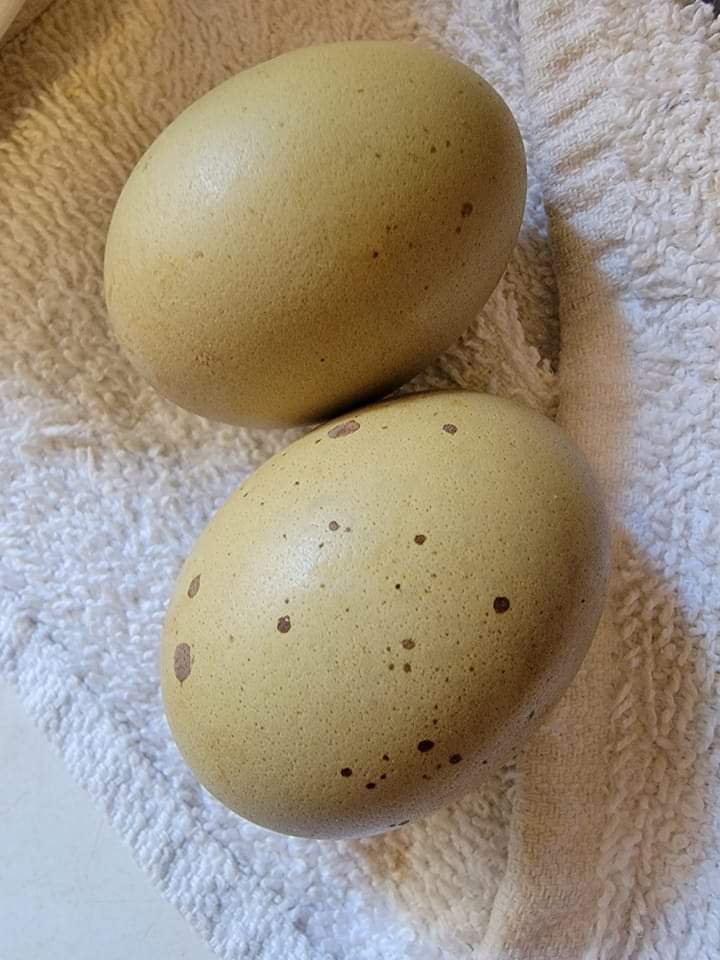
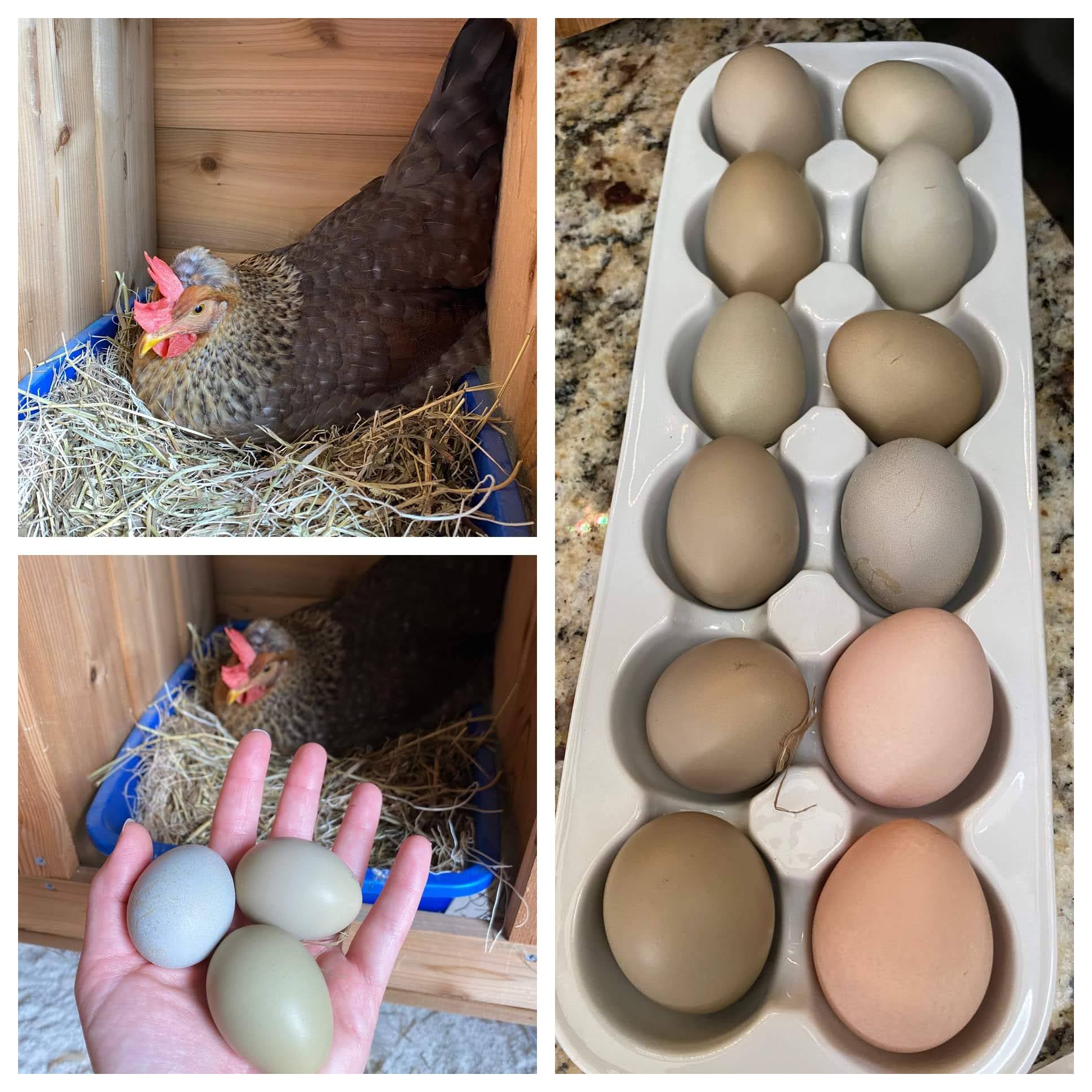
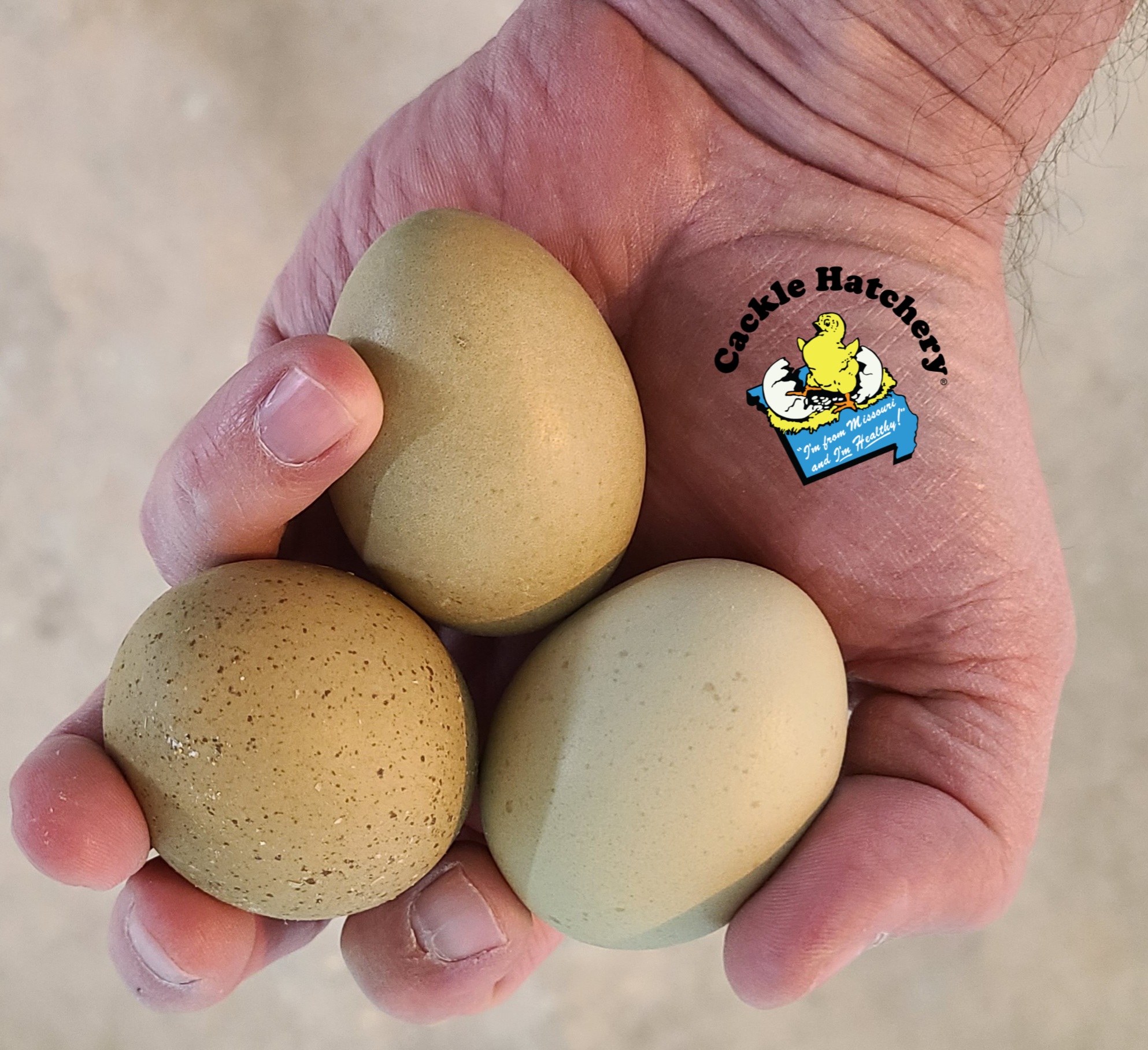
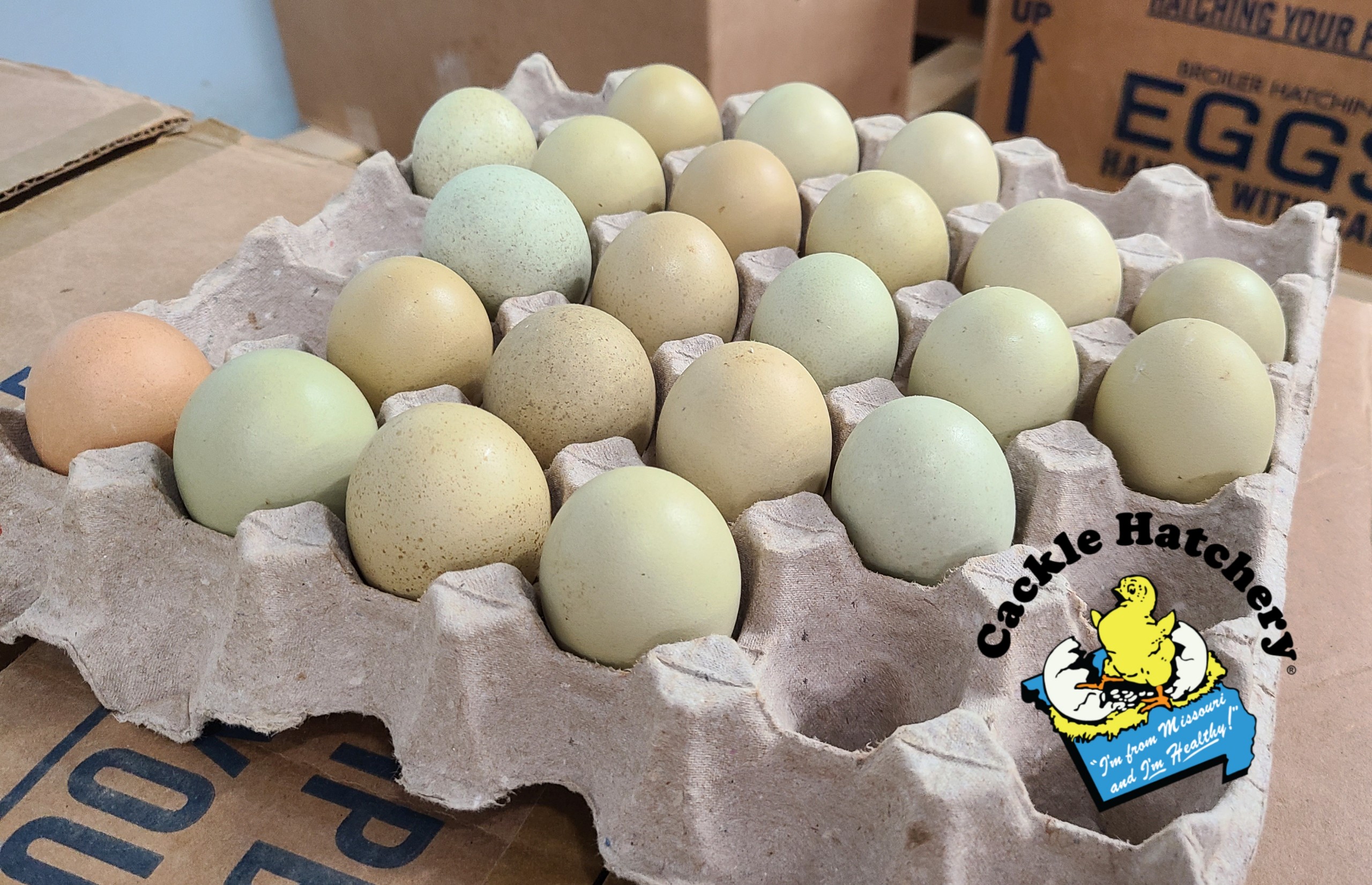
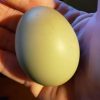
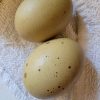
That olive color happens because blue egg color goes through the shell, while brown pigment sits on the outside. When brown pigment overlays a blue shell, the egg can appear olive green. Since each hen may express those traits a little differently, Olive Egger™ eggs can range from lighter olive to deeper green shades.
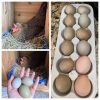
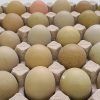
Cackle Hatchery® notes that about 97% of its Olive Egger™ hens lay olive-colored eggs. However, egg shade may vary by bird. Some hens may lay darker olive eggs, while others may lay lighter olive or green-toned eggs.
For customers who enjoy colorful egg baskets, this variety brings a fun and useful layer to the coop.
Appearance and Characteristics
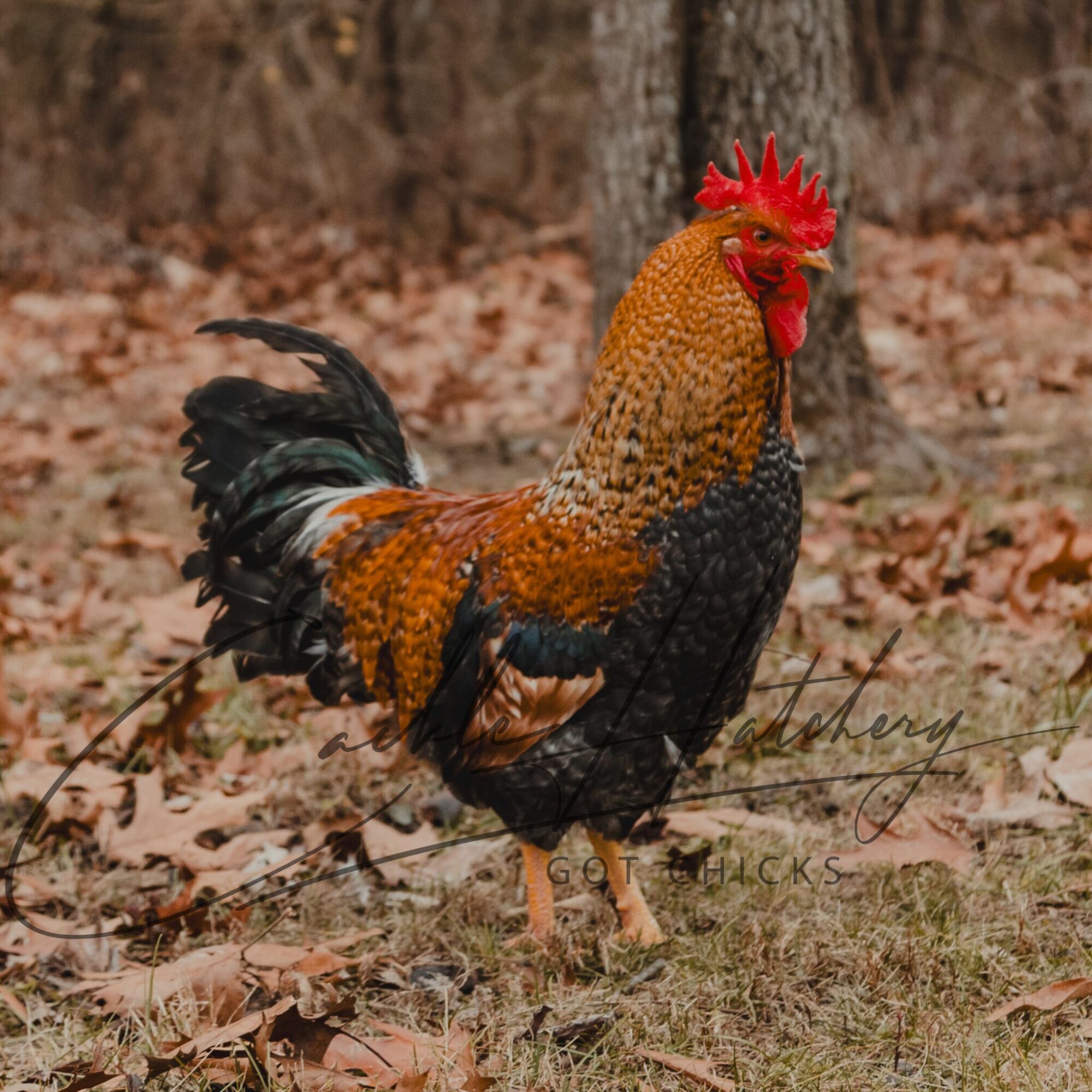
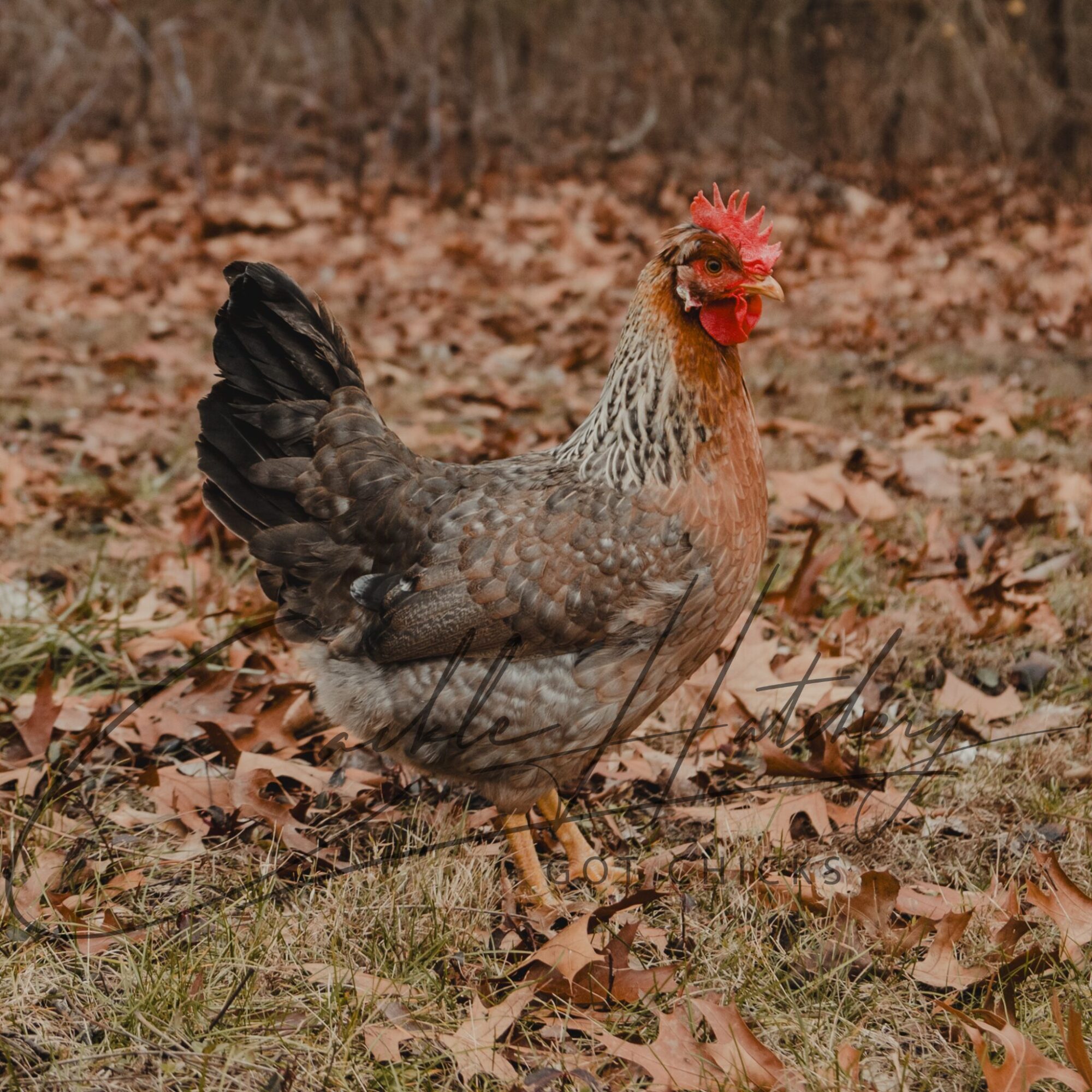
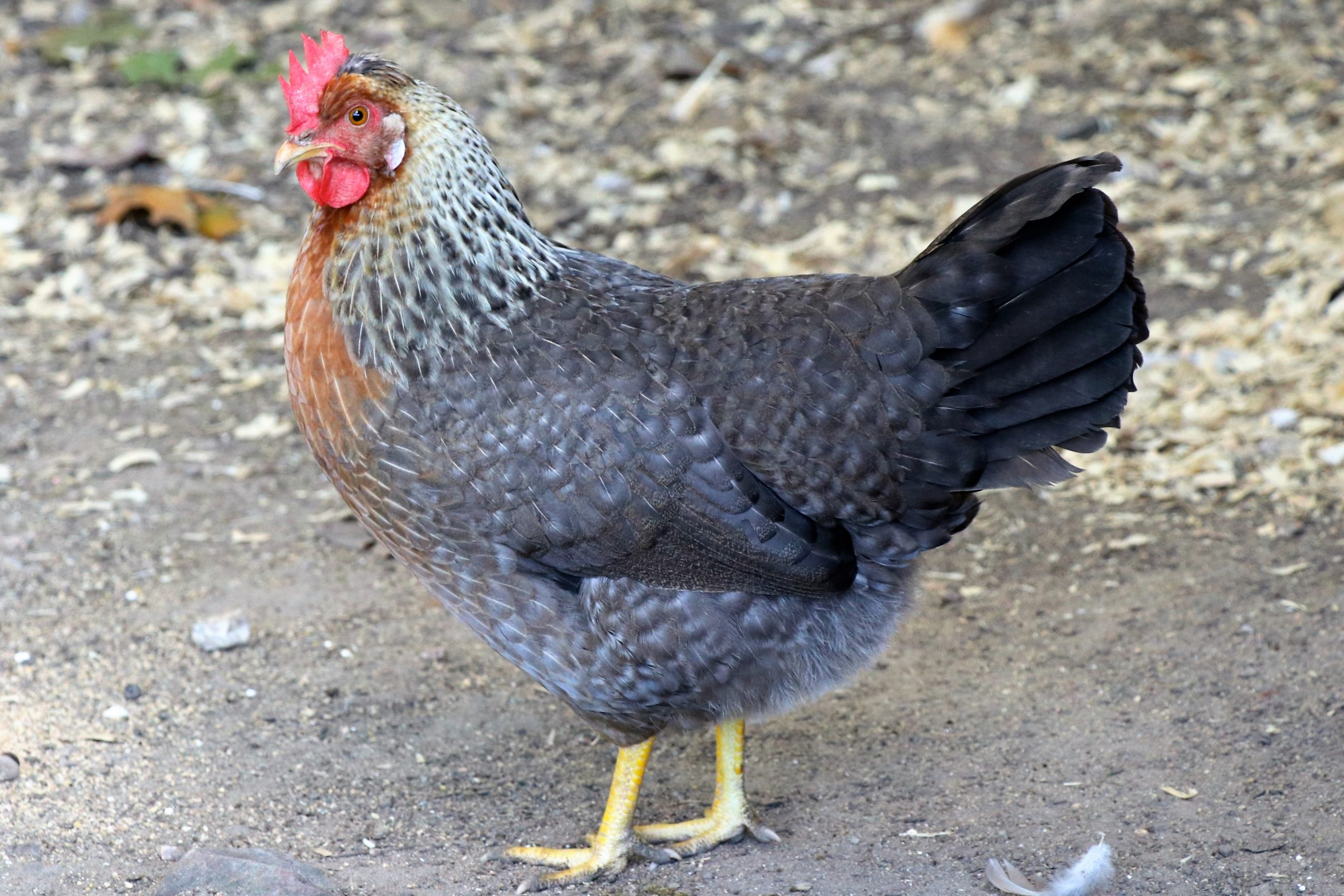
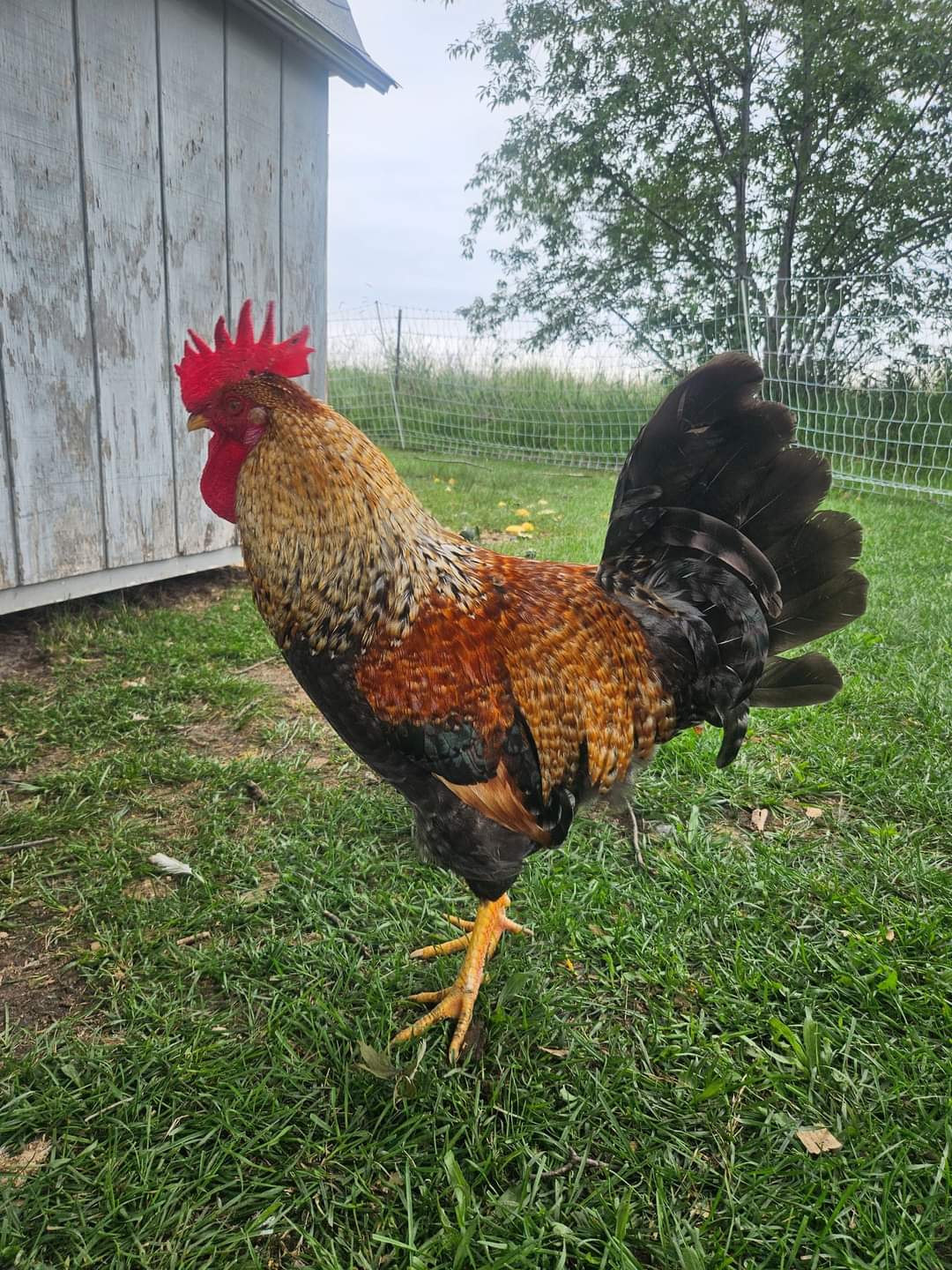
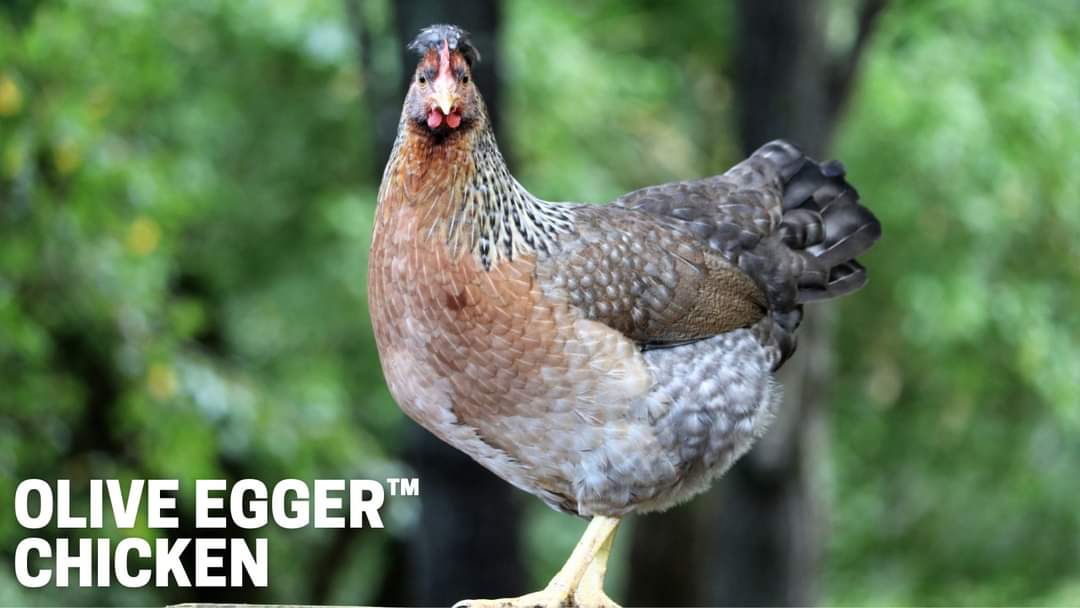
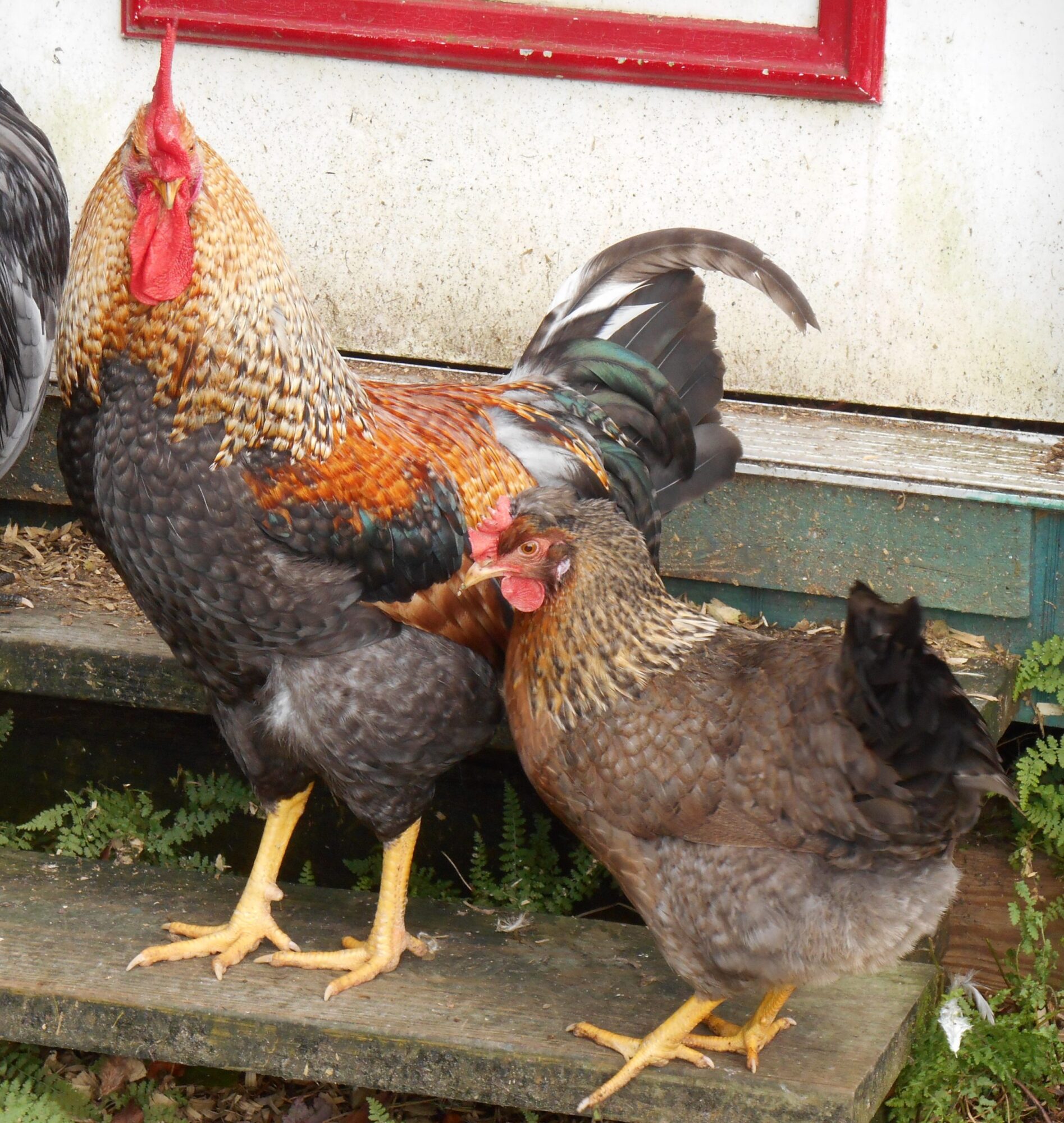
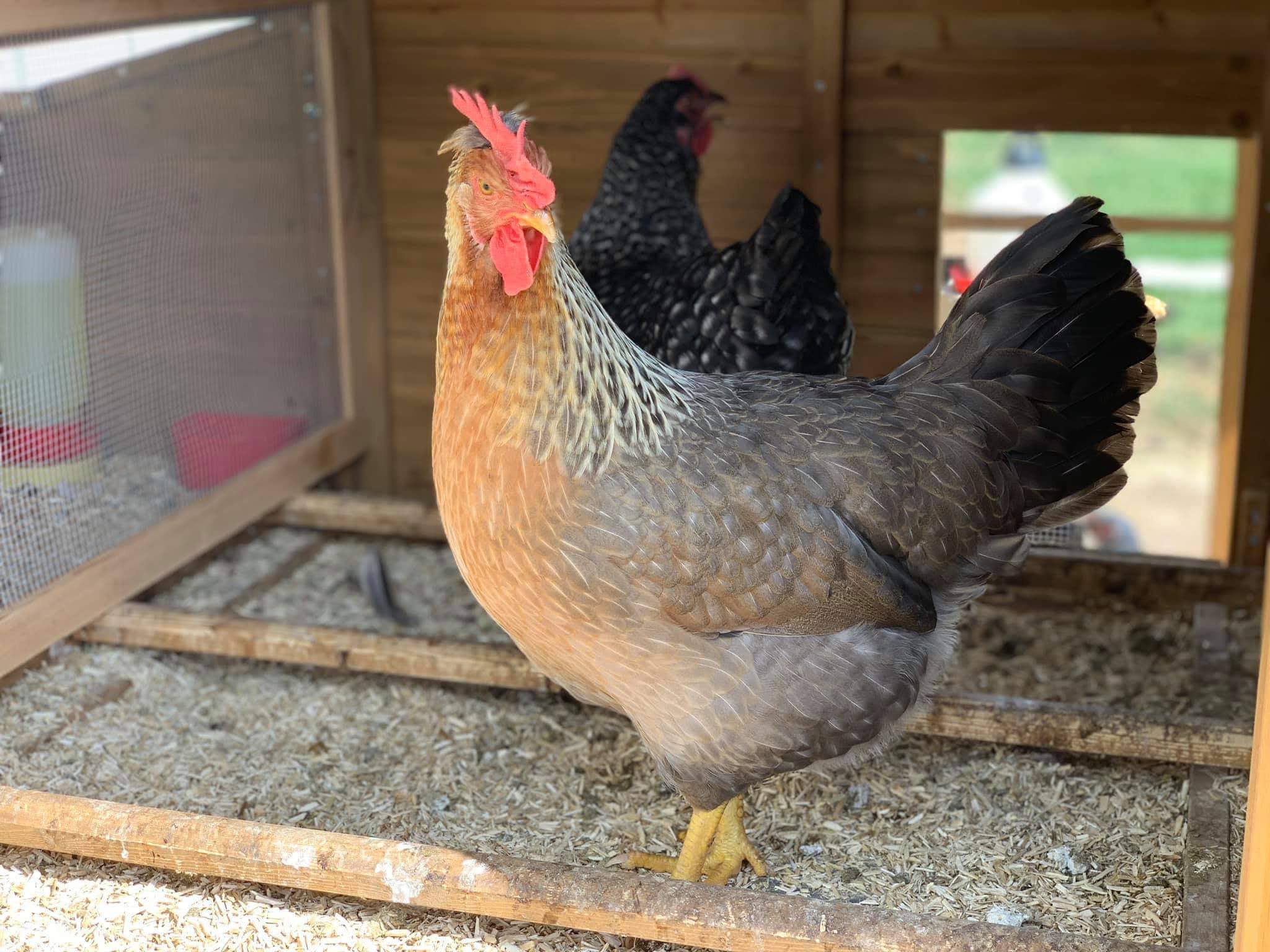
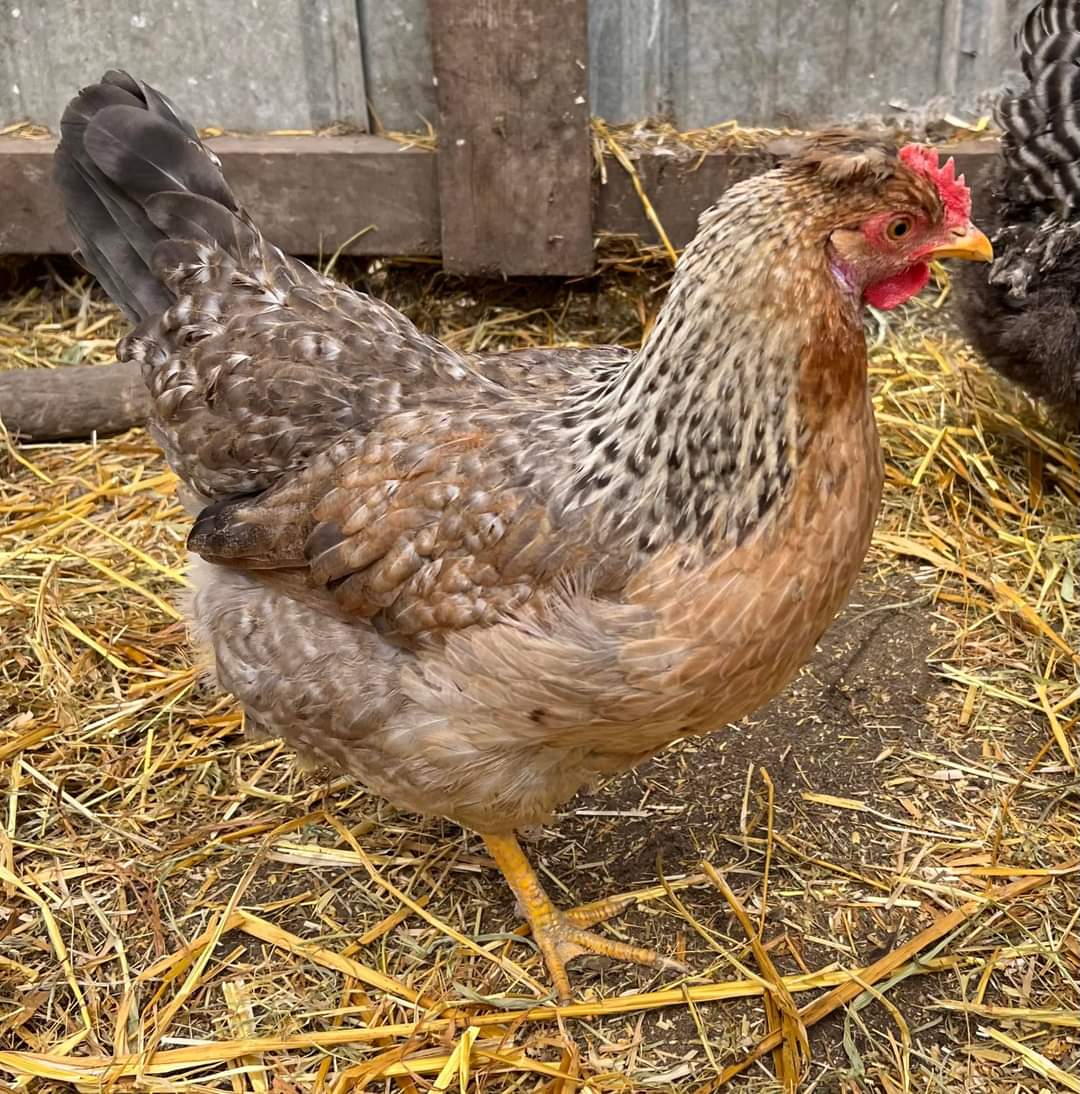
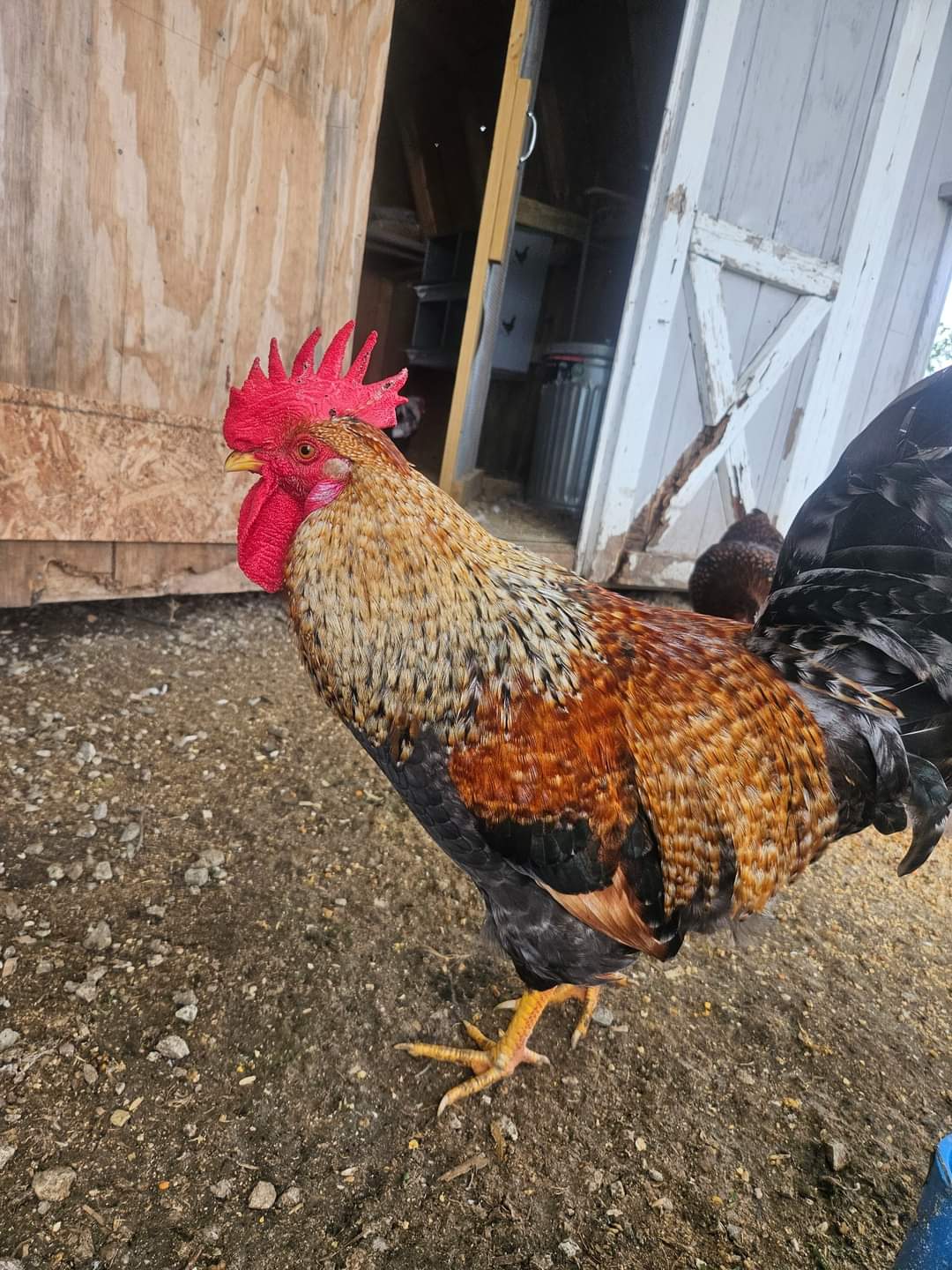
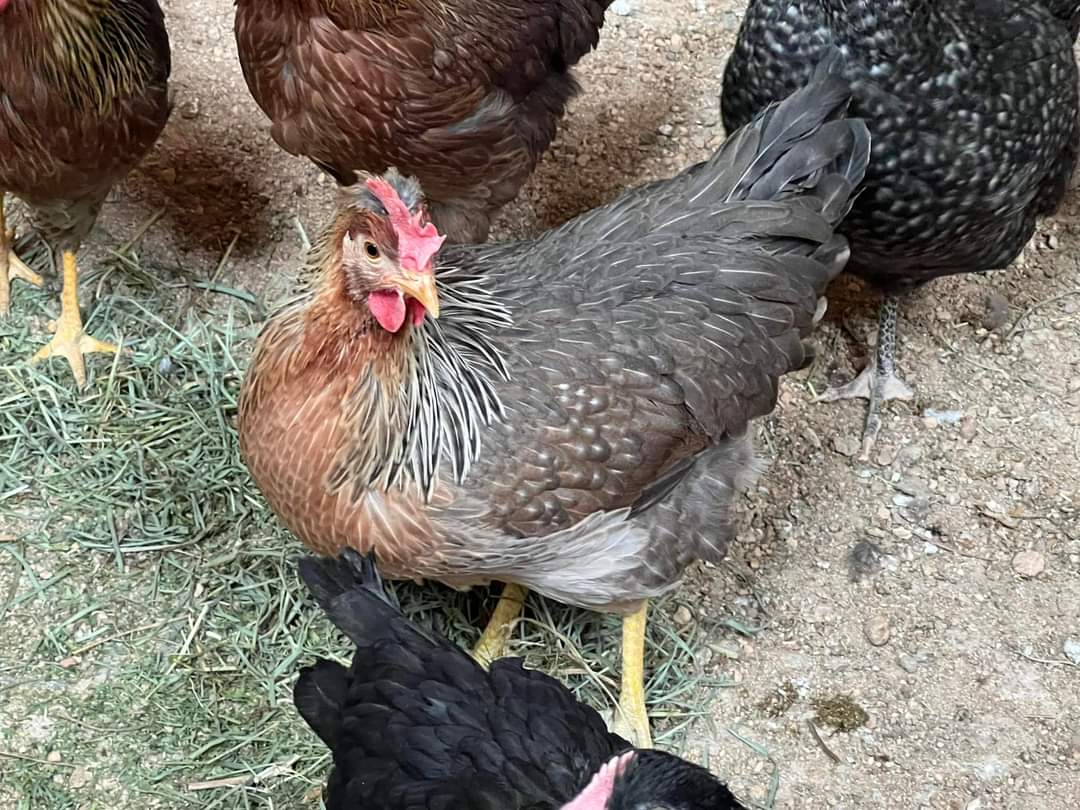
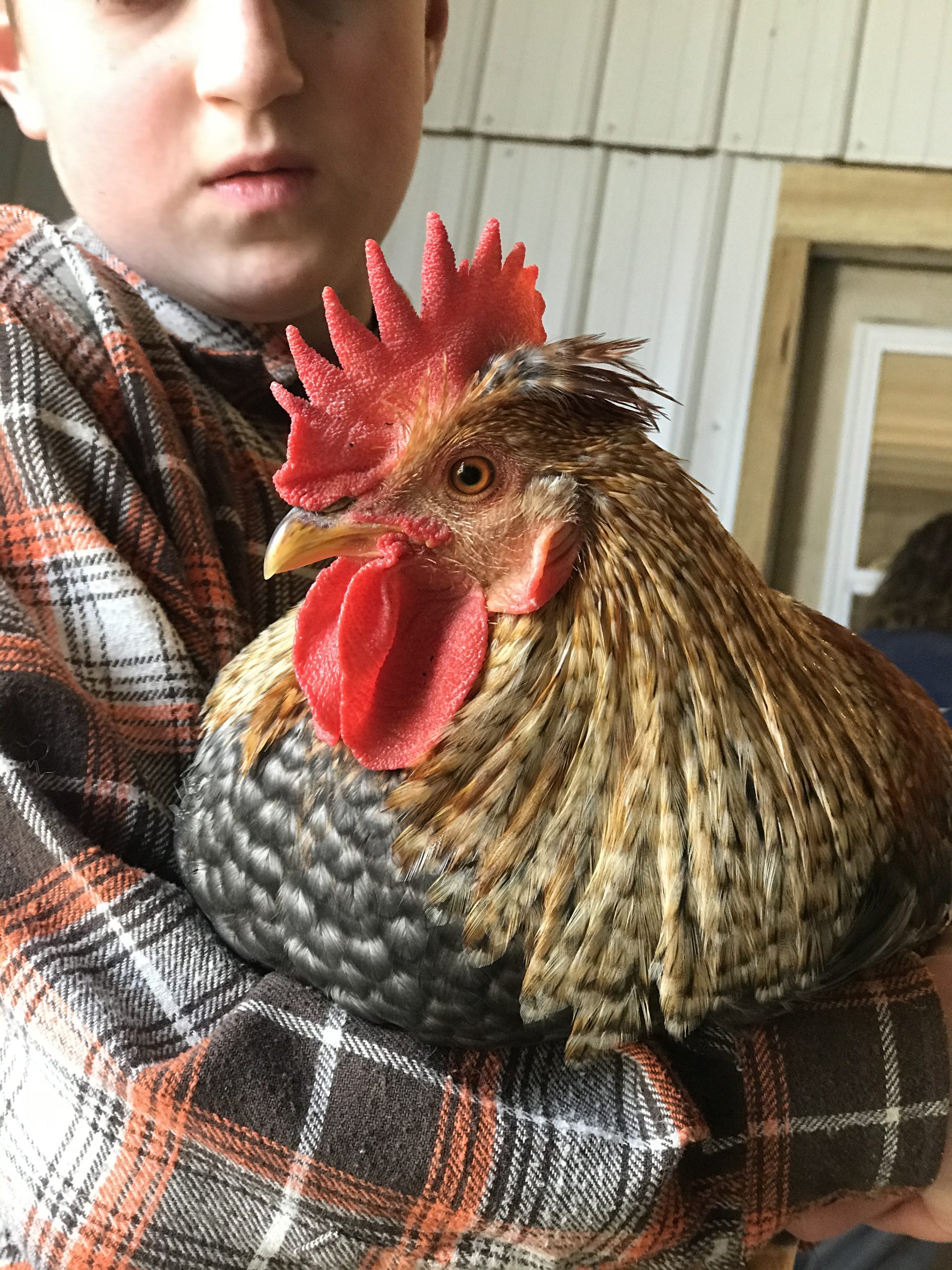
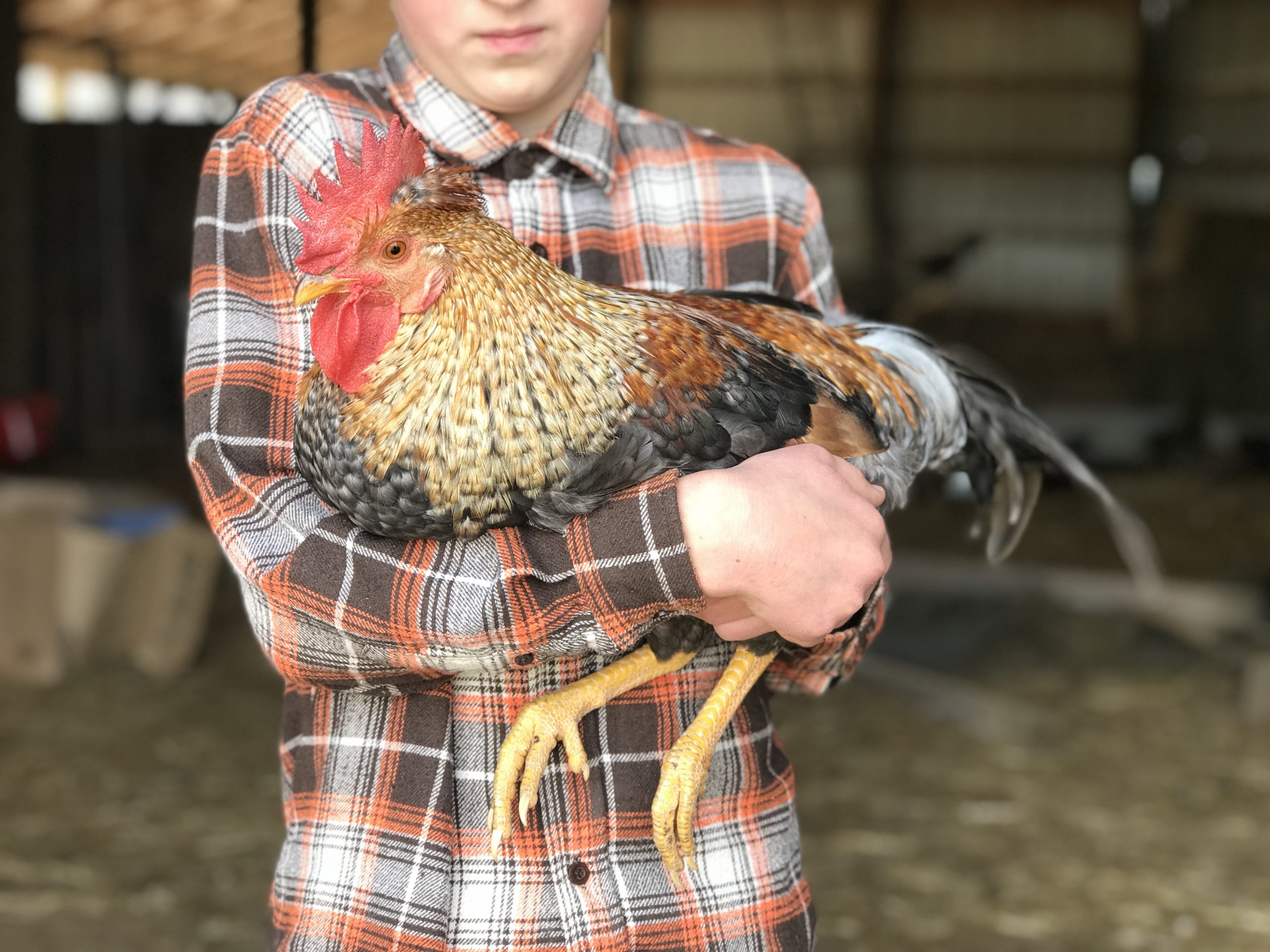
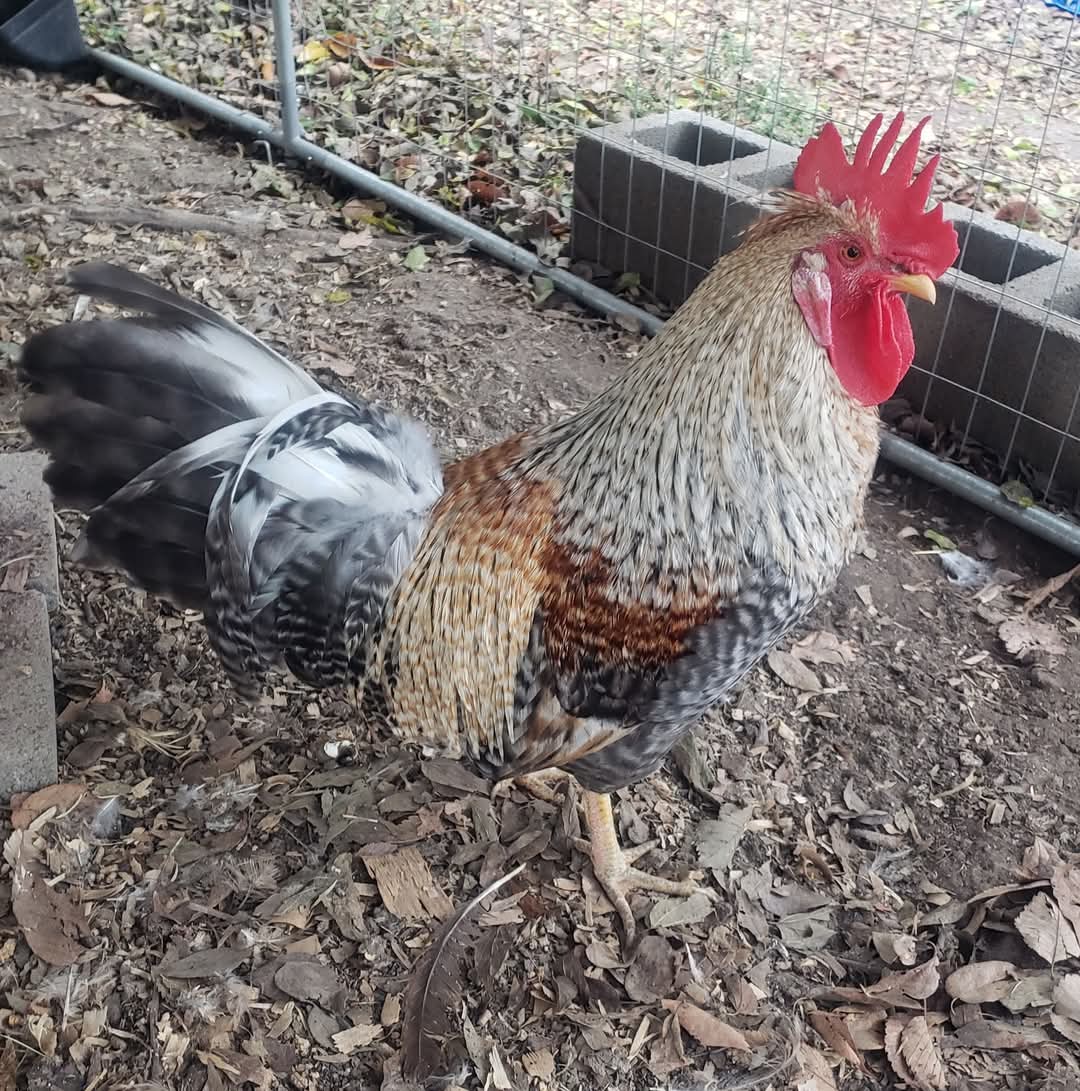
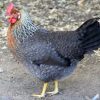
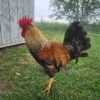
Olive Egger™ chickens can vary in appearance because they are hybrids. However, Cackle Hatchery’s Olive Eggers™ come from a specific cross: Cream Legbar roosters over Welsummer hens. As a result, customers can expect a more consistent parentage than random mixed colored egg layers.
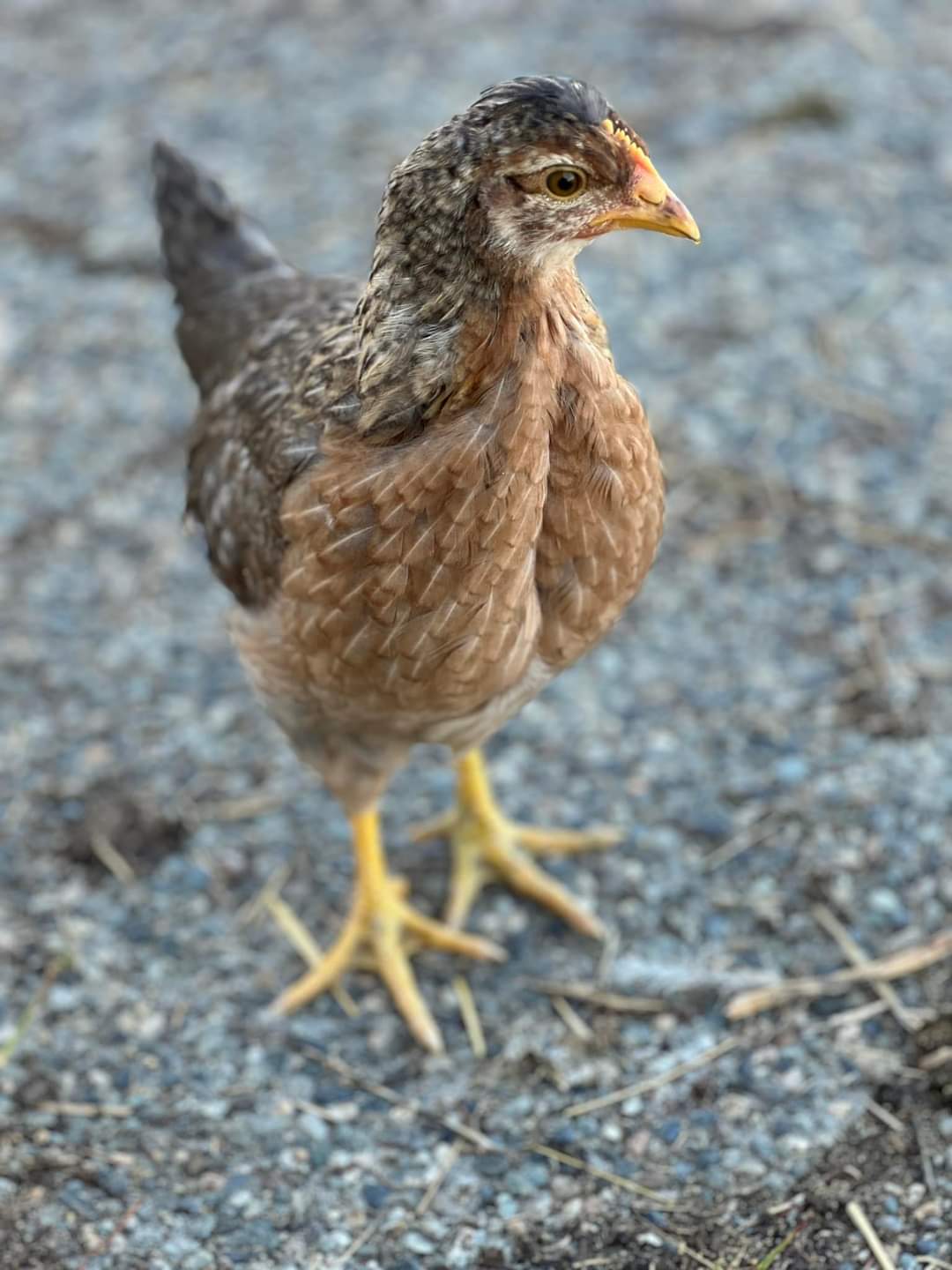
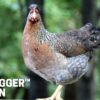
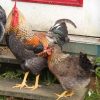
These birds often show a practical layer build with attractive feathering, active movement, and good backyard flock appeal. Since the parent breeds both have strong colored egg reputations, Olive Eggers™ are especially valuable for customers who want egg color first.
The first few eggs from young hens may be smaller. However, as pullets mature, egg size usually increases to medium or large. Therefore, customers should give young Olive Egger™ hens time to mature before judging final egg size.
Olive Egger™ Egg Color and Production
Olive Egger™ hens are bred to lay olive-colored eggs. Most customers choose them for egg color, but they can also be dependable backyard layers.
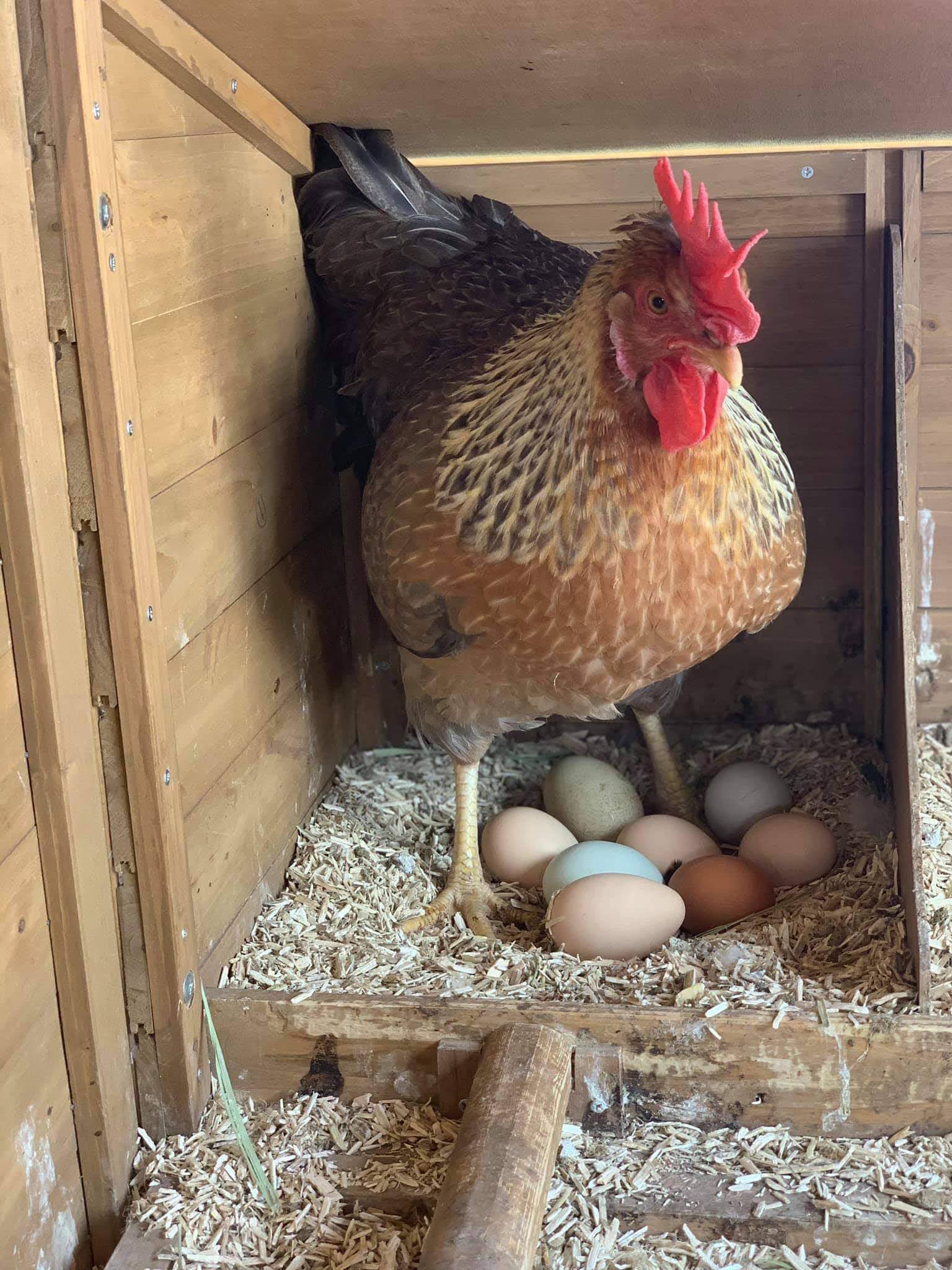
Cackle Hatchery® states that 97% of its Olive Egger™ hens lay olive-colored eggs. That is an important selling point for customers who want a strong chance of getting olive eggs rather than a random range of colored eggs.
Possible egg shades may include:
- Light olive green
- Medium olive
- Dark olive
- Green-brown tones
- Rich earthy green shades
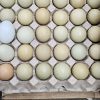
Even so, egg color can vary by individual hen. One hen may lay a lighter olive egg, while another may lay a darker shade. That natural variation is part of the fun, especially for customers building a colorful egg basket with blue, brown, cream, and green eggs.
For more information about how olive egg color works, Cackle’s How to Breed Olive Egger Chickens article explains how blue egg genetics and brown shell pigment combine to create olive-colored eggs.
Olive Egger™ vs F2 Olive Egger: How to Choose
Cackle Hatchery® offers Olive Egger™ chickens and may also offer F2 Olive Egger chickens depending on availability. These options are related, but they are not exactly the same.
Choose Olive Egger™ chickens if you want Cackle’s first-generation cross using Cream Legbar roosters and Welsummer hens. This is a strong choice for customers who want dependable olive egg potential with known parent breeds.
Choose F2 Olive Egger chickens if you want a next-generation Olive Egger option with green-tinted egg potential and unique backyard flock appeal.
For customers comparing a wider range of colorful egg layers, Cackle’s Colored Egg Layers for Sale category is a helpful place to compare Ameraucanas, Easter Eggers, Cream Legbars, Olive Eggers™, and other colored egg options.
Olive Egger™ vs Easter Egger: What’s the Difference?
Olive Eggers™ and Easter Egg Chickens both appeal to customers who want colorful eggs, but they are not the same.
An Olive Egger™ is bred specifically to produce olive-colored eggs by crossing a blue egg layer with a dark brown egg layer. Cackle’s Olive Egger™ cross uses Cream Legbar roosters and Welsummer hens.
An Easter Egger may lay blue, green, cream, pinkish, or other tinted eggs, depending on genetics. Easter Eggers are fun and popular backyard birds, but they are less specific if your main goal is olive-green eggs.
Choose Olive Egger™ chickens if your main goal is olive egg color.
Choose Easter Egg Chickens if you want a colorful surprise layer and are flexible on final egg shade.
Parent Breeds: Cream Legbar and Welsummer
Cackle Hatchery® uses two well-known colored egg breeds to create its Olive Eggers™.
Cream Legbar chickens contribute blue egg genetics. Cream Legbars are popular colored egg layers and help create the blue base needed for olive egg color.
Welsummer chickens contribute dark brown egg pigment. Welsummers are known for attractive brown eggs that may have darker color and speckling.
Together, these parent breeds create the Olive Egger™ cross. As a result, customers get a hybrid chicken bred specifically for olive-green egg production.
Temperament and Suitability
Olive Egger™ chickens are a good fit for many backyard flocks. They are especially appealing for customers who want friendly, useful hens that add color and personality to the egg basket.
This variety can work well for:
- Backyard egg flocks
- Colorful egg basket projects
- Families who enjoy unique eggs
- Homesteads and small farms
- Customers who want productive hybrid layers
- Flocks with blue, brown, cream, and green egg layers
- Keepers who want a fun alternative to standard brown egg layers
However, customers who want a recognized show breed should choose a standardized breed instead. Olive Eggers™ are hybrids, so they are bred for egg color and usefulness rather than poultry show standards.
Overall, Olive Eggers™ are best for customers who want dependable backyard layers with a high chance of olive-green eggs.
Is the Olive Egger™ Chicken Right for Your Flock?
Choose Olive Egger™ chickens if you want:
- Olive-green eggs
- A colorful backyard egg basket
- A friendly hybrid layer
- A Cream Legbar and Welsummer cross
- A high chance of olive egg color
- A productive backyard chicken
- A fun addition to a mixed flock
- A layer that offers novelty and usefulness
However, consider another breed if you need a standardized show bird, guaranteed identical egg shades from every hen, or a purebred breeding project. In short, Olive Eggers™ fit best with customers who want colorful eggs, practical laying ability, and a fun backyard flock experience.
Care and Housing Tips
Olive Egger™ chickens need the same reliable care as other standard-size laying chickens. They do best with a clean coop, secure run, proper feed, fresh water, and protection from predators.
For best results, provide:
- A dry, well-ventilated coop
- Clean bedding
- Predator-resistant fencing
- Fresh water at all times
- A balanced chick starter and layer feed at the right ages
- Enough roosting space
- Nest boxes when pullets near laying age
- Shade and ventilation during hot weather
- Protection from drafts and damp bedding in cold weather
Because pullets may lay smaller first eggs, customers should be patient as hens mature. Over time, egg size typically improves, and the olive color becomes the main reward.
Related Breeds and Helpful Cackle Hatchery® Resources
Customers who like Olive Eggers™ may also enjoy other colored egg layers, blue egg breeds, brown egg breeds, and Cackle’s egg color resources.
Helpful Cackle Hatchery® links for this product page include:
FAQ: Olive Egger™ Chicken
What is an Olive Egger™ Chicken?
An Olive Egger™ Chicken is a hybrid chicken bred to lay olive-colored eggs. Cackle Hatchery® creates its Olive Eggers™ by crossing Cream Legbar roosters with Welsummer hens.
What color eggs do Olive Egger™ chickens lay?
Olive Egger™ hens are bred to lay olive-colored eggs. Shades may range from light olive to darker green or earthy green-brown tones.
Do all Olive Egger™ hens lay olive eggs?
Cackle Hatchery® notes that about 97% of its Olive Egger™ hens lay olive-colored eggs. However, egg shade can vary by individual bird.
How are Olive Egger™ chickens bred?
Cackle Hatchery® breeds Olive Eggers™ by crossing purebred Cream Legbar roosters with purebred Welsummer hens. Cream Legbars contribute blue egg genetics, while Welsummers contribute dark brown egg pigment.
Are Olive Eggers™ a pure breed?
No. Olive Eggers™ are hybrid chickens, not a standardized pure breed. They are bred for olive egg color and backyard laying value.
What is an F1 Olive Egger™?
An F1 Olive Egger™ is a first-generation cross between a blue egg layer and a brown egg layer. Cackle’s Olive Egger™ cross uses Cream Legbar and Welsummer parent stock.
Why are Olive Egger™ eggs green?
Olive egg color happens when brown pigment overlays a blue eggshell. The combination can create green or olive-toned eggs.
Are Olive Egger™ chickens good layers?
Yes, Olive Eggers™ are bred to be useful backyard layers. They are especially popular with customers who want productive hens and colorful eggs.
What size eggs do Olive Egger™ chickens lay?
The first few eggs may be smaller. However, as pullets mature, eggs typically increase to medium or large size.
Are Olive Egger™ chickens friendly?
Yes, Olive Eggers™ can make friendly, useful backyard flock members. Temperament may vary by individual bird, but they are generally good additions to mixed laying flocks.
Are Olive Eggers™ good for beginners?
Yes, they can work well for beginners who want colorful eggs and are prepared to provide basic chicken care, including a secure coop, clean bedding, proper feed, and predator protection.
What is the difference between Olive Egger™ and Easter Egger chickens?
Olive Eggers™ are bred specifically for olive-colored eggs by crossing blue and brown egg genetics. Easter Eggers may lay blue, green, cream, pinkish, or other tinted eggs, but the final egg color can be less predictable.
What is the difference between Olive Egger™ and F2 Olive Egger chickens?
Olive Egger™ chickens are Cackle’s first-generation Cream Legbar and Welsummer cross. F2 Olive Eggers are a next-generation Olive Egger option that may also produce green-tinted eggs.
Can I breed Olive Egger™ chickens and get the same results?
Breeding Olive Eggers™ can produce interesting results, but offspring may vary in egg color and appearance. For a deeper explanation, Cackle’s How to Breed Olive Egger Chickens article explains how olive egg genetics work.
What breeds does Cackle Hatchery® use to make Olive Eggers™?
Cackle Hatchery® uses purebred Cream Legbar roosters and purebred Welsummer hens to create its Olive Egger™ chickens.
Are Olive Egger™ chickens good for colorful egg baskets?
Yes. Olive Eggers™ are one of the best choices for customers who want olive-green eggs in a colorful egg basket.
Does Cackle Hatchery® offer other colored egg layers?
Yes. Cackle Hatchery® offers many Colored Egg Layers, including Ameraucanas, Easter Eggers, Cream Legbars, Olive Eggers™, and other specialty layers.
Where can I check Olive Egger™ availability?
Customers can check Cackle Hatchery’s Chicken Availability Chart for current hatch and shipping timing. Since availability can change during the season, checking the chart helps customers plan ahead.



ruf_girl –
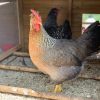
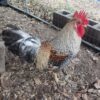
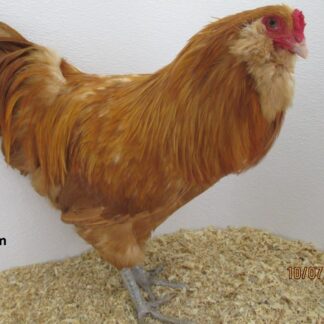
I bought 5 Non-Sexed. One died in shipping, it must have been a hard trip because several other breeds died in transit as well and I don’t fault Cackle for it since I live in a rural west coast area. One had to be culled as it seemed to have no control of it’s neck, did not respond to treatment of vitamins and progressively got worse within hours of arriving. Of the 3 remaining, 1 is a rooster that looks identical to a Welsummer except for barely noticeable barring on his hackles and his white ear lobes and comb shape resemble Crested Legbar. He sexually matured early, he’s huge and chased my young pullets around too aggressively so he had to be separated and currently lives alone. We thought we may have to eat him, however, on a whim my daughter took him to an expo and he was so well behaved that we named him Teriyaki. I will be trying to reintegrate him with some hens to see if he’s calmed down: If so, he stays and if not he becomes dinner. The two others are hens look a lot more like Cream Legbars. They do lay nice olive colored eggs beginning at 4-4.5 months. Like others have mentioned I would be very interested to see a Cream Legbar & Marans mix. My favorite Marans so far has been the Black Tailed Reds that we ordered in this same shipment.
Dulce Ramirez Fink –
We ordered our Olive Eggers on hatch date 3/30 and started laying around the 18 week marks I am loving the variations of colors in the green area. They are my friendliest chicken so far and follow me everywhere.
Kerry Johnson –
I ordered three olive egger females and four arrived healthy and strong – shipped all the way to Oregon in two days – as promised. I ordered these along with the Blue Egger Surplus and I’m excited to watch them all grow up! We were so happy with them – that true to chicken math, we’ve ordered three Splash Ameraucanas to arrive this week. Thank you, Cackle Hatchery!
CRYSTAL YOUNG –
First-time customer got gosling surplus offering and 11 Olive Egger Chicks. Cackle math gave me 12 chicks. Had one DOA, not a big deal still had my original 11 that I order. The 11 I have been doing great! Very happy!! Lost my gosling to my kids but they are happy as well. Thanks for making my first-time experience so easy and carefree! Cackle you are the best!!
Rachel Edwards –
I received one olive egger and she is absolutely perfect. She’s the smartest of the 4 chicks I received and a leader by example. She’s thriving and is growing like a weed. It’ll be a while till she starts laying eggs so i cannot confirm whether or not she lays olive eggs, but even if she doesn’t it doesn’t matter too much to me since I bought my chickens as pets more so than egg production.
Robyn –
Healthiest chicks we have received
Overall fantastic experience with the Crackle team. They were very responsive to our inquiries. The chicks were received right on time and they sent a few extra just in case. The chicks are the healthiest we have bought — despite having bought directly from a store and on online before. We would definitely buy these again!
Wendy in ID –
Beauty, charm, output!
After twenty five years of chicken-keeping I’ve found my “heart hen” at last. In our small flocks I’ve raised all kinds of laying breeds, from various bantams to sex-links to a half dozen or so heritage types, and have to say our Olive Eggers are my hands-down favorite. I love my Cackle Hatchery OEs for their beauty, charm, independence, trusting nature, unique egg color and remarkable egg-to-hen size ratio. I’ve had my OEs for nearly a year. I ordered three females on special, and received four (thanks, Cackle!), including one roo.
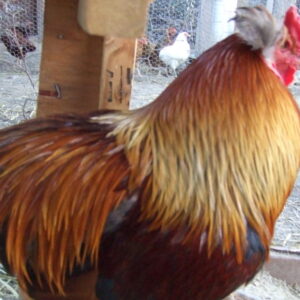
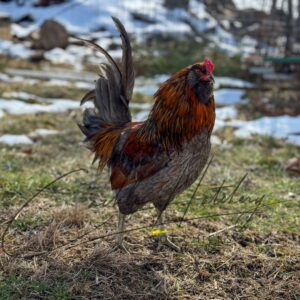
About the Roo: Doodledoo has grown into a gorgeous, feisty and very protective rooster. He tolerates my husband, who *never* handles his hens. With me, it’s another story. One day Doodledoo watched in horror and panic thru the plexiglass coop door as I did a routine mite-check and preventative dusting of his hens’ bottoms with diatomaceous earth. When a few of them—the barred rock, black star and Wyandotte—squawked an objection, that was IT: I was henceforth The Enemy, and Doodledoo began attacking me on sight. In the yard I was subject to ambush at any time. So I began packin’ “heat”: a spray bottle of water; a stick to tap his tail with; earnest threats of a trip to the processor… Nothing worked until I eventually tumbled on the advice of an experienced flock herd who said, “never let a mean roo bully you or he’ll keep doing it; if he tries to, hold him down.” Well, that maneuver did the trick! Wearing thick gloves I’d just grab a leg when he leapt, and then pin him down to the ground on his side for a minute or so (it may or may not have been a little hard for him to breathe during that minute). After a few days of this treatment Doodledoo came around. Now he just eyes me warily, but will cede ground and walk away if I give him a moment to think things thru. So Doodledoo can stay:) There. ‘Nuff said about my OE roo!
My Olive Egger *hens* are the cutest, sweetest birds ever! Right from the start they’ve behaved…’differently.’ When I pick them up they relax in my arms and wait to see what will happen next. I can flip them gently this way and that to dust their bottoms, and they patiently, trustingly put up with it. They never seem to struggle or flap in a panic like other breeds. Out in the yard they are filled with curiosity and an ‘aware’ independence. They explore further, and seem to have their own agenda regardless of what the rest of the flock is doing. They are interested in what we’re up to tho, and if we’re inside they may hang around the door and just peer in the window after us. They are visibly more petite than our other birds but lay eggs just as big or bigger. Today a random olive egg and a Wyandotte egg found in the same nest box both weighed in at exactly 2-1/8 ounces. My OEs have the most beautiful, sleek plumage; I much prefer it to the frumpy, ruffled look of Ameraucanas, for example. The OEs are perhaps not as flashy as some breeds, but are dressed instead in protective coloration, which is a real asset considering their tendency to actively explore and forage. I love their remarkable, bright salmon breast color and how it blends to a subtle russet brown and then into dove grey wings as velvety smooth and tight as those of a wild cedar waxwing. They move so gracefully as they forage, too; their large, upright, dark grey tail turns and sways like a giant sail or rudder. Their feathered topknot and floppy red crest lends them a jaunty look that is so adorable it just melts my heart! So by now you can guess how I felt when tragedy struck a couple of weeks ago, and a security breech (due to human error) led to the loss of our barred rock and two of my three OE hens to a hungry raccoon. I. Was. Devastated. Doodledoo too! He called and grieved for days. As I type, I watch my remaining OE busily scratch and peck all by herself in the garden, while Doodledoo and his mixed flock roam elsewhere. It’s sad to know that for the moment we are left with only one source of beautiful green eggs to offset the various soft browns in our egg cartons.
For two weeks I agonized over what to replace the lost hens with (and also how to augment our flock in this time of global pandemic). I wanted to research every possibility before settling on my choices. Perhaps unsurprisingly, I thought of getting both Welsummers and Cream legbars—the two parent breeds of my Cackle Hatchery OEs. But in the end I decided that only a new batch of OEs—along with some Welsummers for their dark brown eggs—will do. I’m sure the Cream Legbars are just as charming as my OEs, but somehow plain blue eggs just don’t do it for me. I much prefer the rich, earthy, varied olive tones of the OEs’ eggs. Plus, people I share my eggs with get such a kick out of telling their grandkids they’ll be eating green eggs! Just like those in the “Green Eggs and Ham” story by Dr. Seuss. If I had the room I’d get some of every breed on Cackle’s list. But given their beauty, charm, petite size and and remarkably big, green egg output, Cackle’s Olive Eggers are the clear winner with me.
Alex –
Green Eggs
All 4 of my olive egger girls laid gorgeous green eggs. One of them went broody and hatched out 15 babies! She wasn’t that big so I was quite impressed.
Army Eggers –
Love!
We bought ours because our son was deployed to Afghanistan and it was honoring him! They a Re beautiful and so friendly! We are incredibly grateful and buying again!
Jess –
Just as described!
We just love our Olive Eggers! Ordered three and was shipped four. All are healthy, super friendly and lay the most gorgeous shade of Olive eggs. Thanks, Cackle!
Ashley –
Beautiful eggs
My olive eggers just started laying! Just turned 4 months what a pretty olive color so excited. The small crests are the cutest. Last year I got your olive eggers mixed with welsummers and amerucanas they didn’t lay an olive egg one is blue and one tan speckled. I’m really like these legbar crosses. Next I’d love to see a maran as the dark layer.
Pale –
Well just ordered 5 F.
I just ordered 5 hens 2/1/19. Shopping was easy. I will review when chicks are received, and when they start laying. But so far 5 stars.
Cindy –
Love My Olive Egger
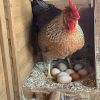
I absolutely love my girl! She recently started laying the most gorgeous olive eggs that become deeper in hue with each egg she lays. I wish I could share a picture. I’m definitely buying more this spring.
Tia –
Olive egger lays peach egg
My olive Eggers does NOT lay olive eggs. They look like a cream legbar with welsummer mixed colors but they are not a first generation olive egger, because they don’t lay Olive. Dissapointed 🙁
Abby –
Olive Eggers
I ordered 5 olive eggers this summer. Two of them started laying eggs. Both are laying cream colored eggs. I’m very disappointed as I really wanted olive colored shells. I’m absolutely in love with my girls, and I hope the other three lay the olive colored eggs. I’ll guess I’ll have to wait and see.
Jackie-Cackle Hatchery –
Please call us!
If your Olive Eggers are not laying green eggs, please contact us so we can work with you.and make it right.
The Hen House –
Brown Eggs
Beautiful chickens! BUT… our olive eggers lay light brown eggs, not olive green.
mejane –
Love these OE’s
We received our OE’s in the spring with a mix of other chickens. We ordered pullets. They sent 3 extra chicks. Out of 15 ordered and 3 extra, we only ended up with one Rooster. I didn’t want a rooster but he is beautiful and so far not aggressive towards humans. The hens started laying beautiful olive eggs about a month ago. Very pleased. Will order from Cackle again.
Melzie –
Cream Legbar?
We have had 2 sets of these olive eggers. On other sites the pictures above show as Cream Legbars. Hoping they lay green eggs and not blue. We kept two from the bunch and they are sweet and quiet.
Alabama Chick –
Super chicks!
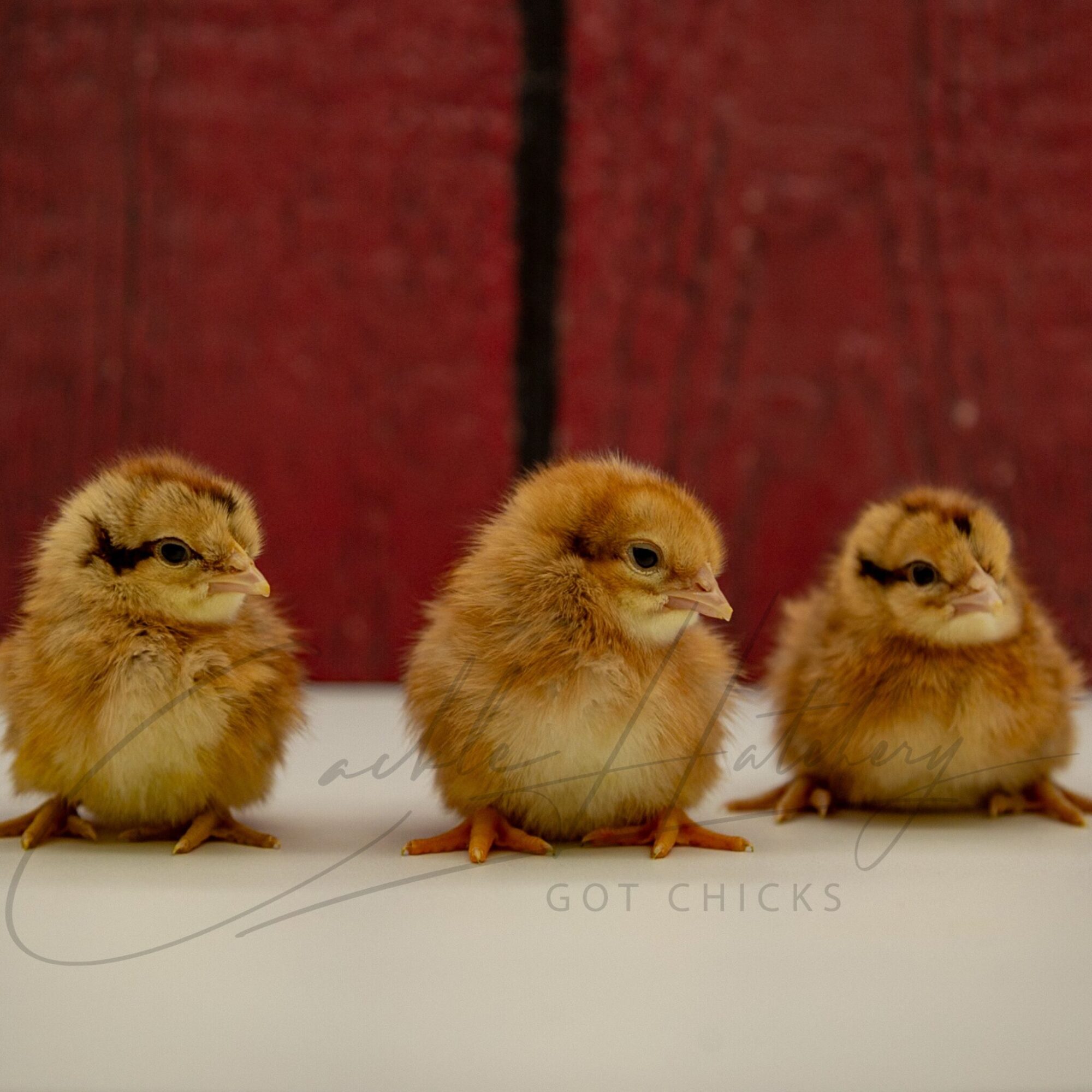
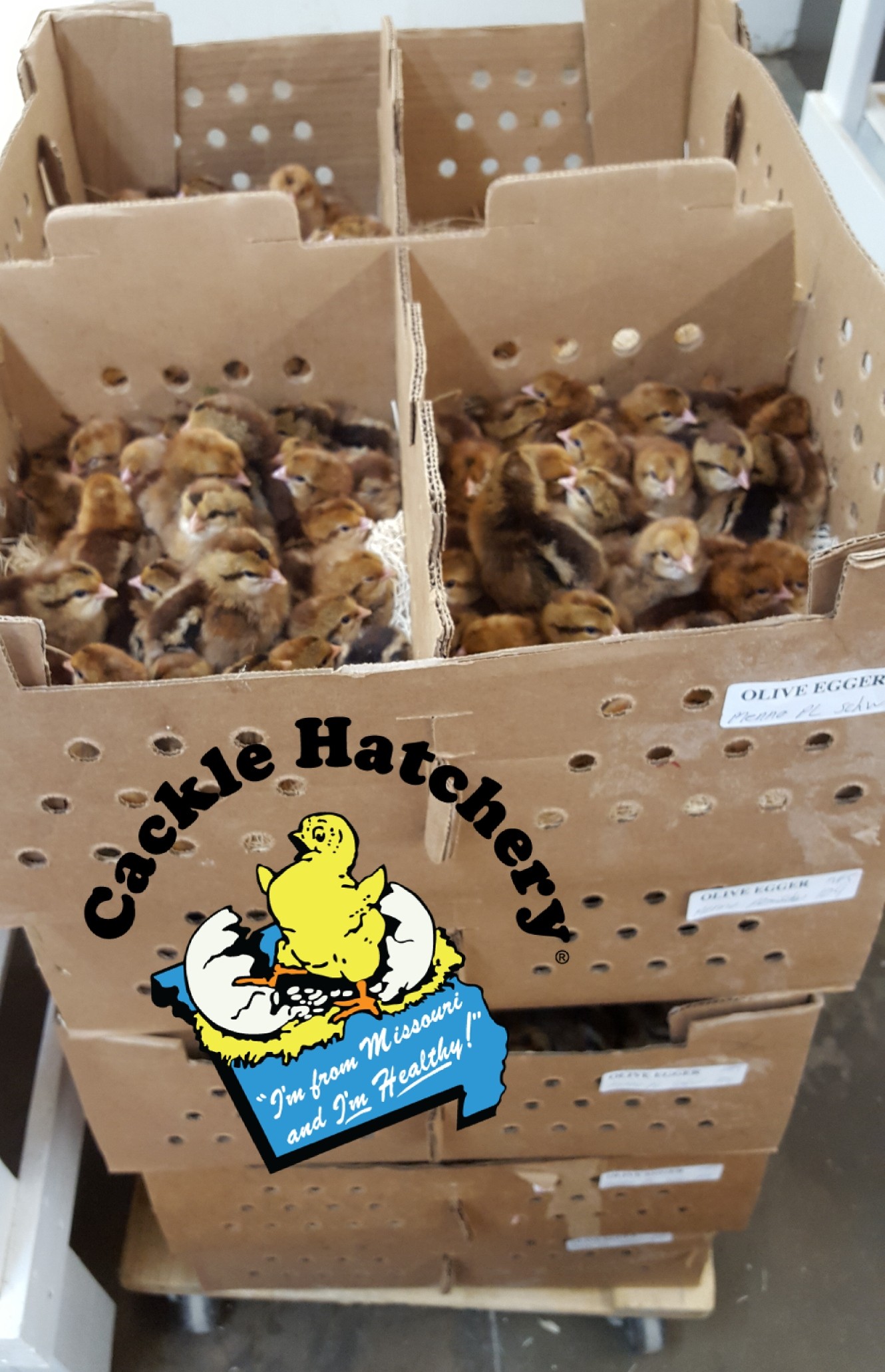
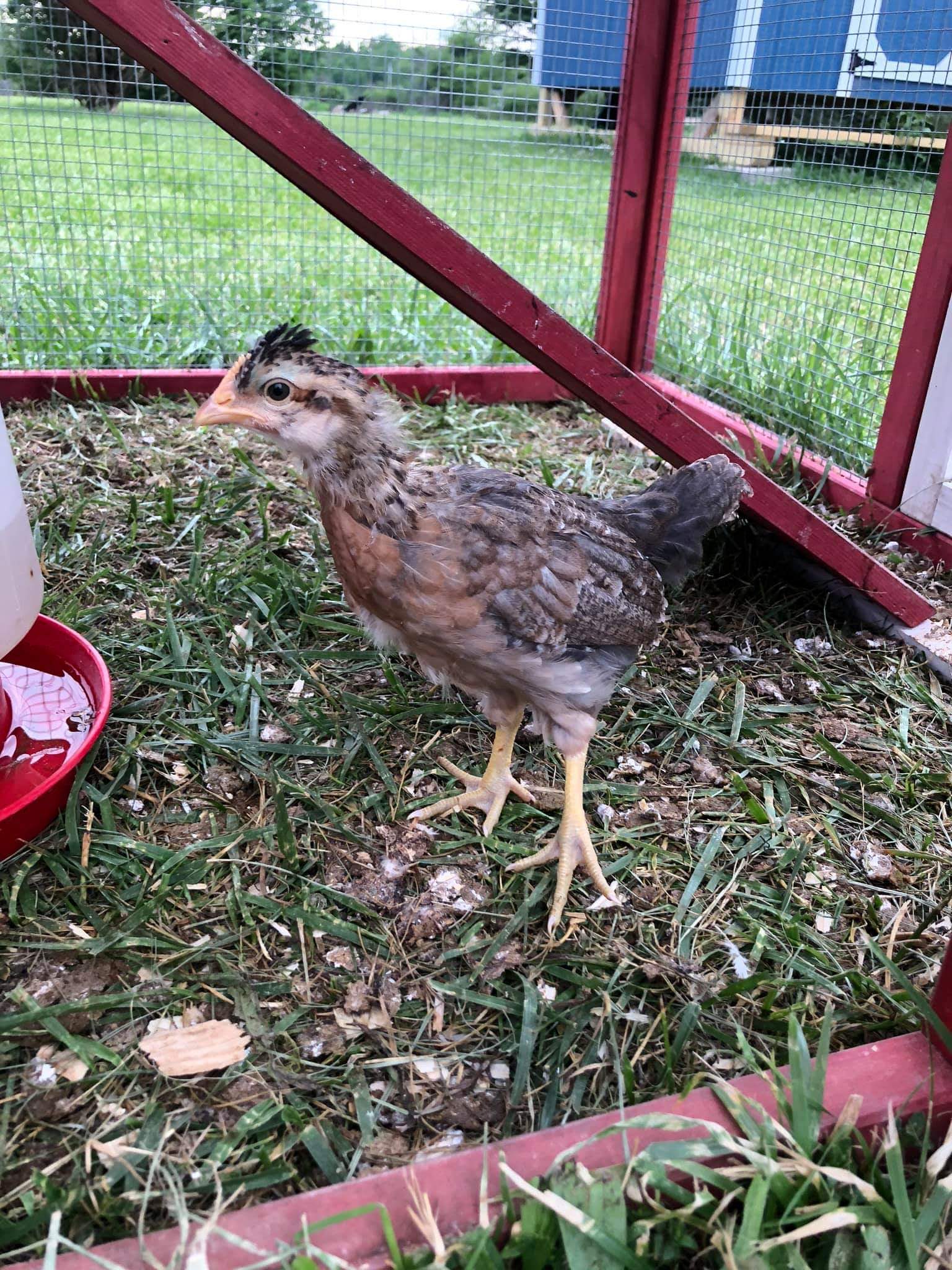
Love these chipmunk-striped chicks. One week after receiving, all are doing great. So glad I ordered them!
Smoeller –
Oliver Egger Chicks
Received 3 OE chicks last week and they are doing great! They are healthy, friendly, and a beautiful chipmunk pattern. Can’t wait to see them as adults!
Katsandhu –
Olive eggers
Just got my chicks and there healthy and once they got their Electrolite water with probiotics, they are peeping up a storm. Quite pretty black to chipmunk striped.
Colorado –
Great arrival
Received 3 olive eggerror chicks last week. Big chicls,very healthy. I love forward to see what color of eggs they will lay.
The Craigs –
Healthy chicks!
Just picked up three olive egger chicks – healthy and active and we are very excited to see you offer this breed option! It would be great to know if these are F1, F2 or F3 generation chicks for breeding purposes – thanks again!