Description
Barred Plymouth Rock Chicken (Exhibition Type)
Breed Overview and Origin
The Barred Plymouth Rock Chicken (Exhibition Type) is a classic American show strain known for crisp black-and-white barring, calm temperament, brown eggs, early feathering, cold hardiness, and strong dual-purpose heritage. If you want a Barred Rock bred for exhibition quality rather than maximum egg production, this strain is an excellent choice.
The Barred Plymouth Rock, often simply called the Barred Rock, was the first Plymouth Rock variety recognized by the American Poultry Association. It appeared in the first American Standard of Perfection in 1874. The Livestock Conservancy notes that the original Plymouth Rock was barred, and later varieties such as White, Buff, Silver Penciled, Partridge, Columbian, and Blue were developed afterward.
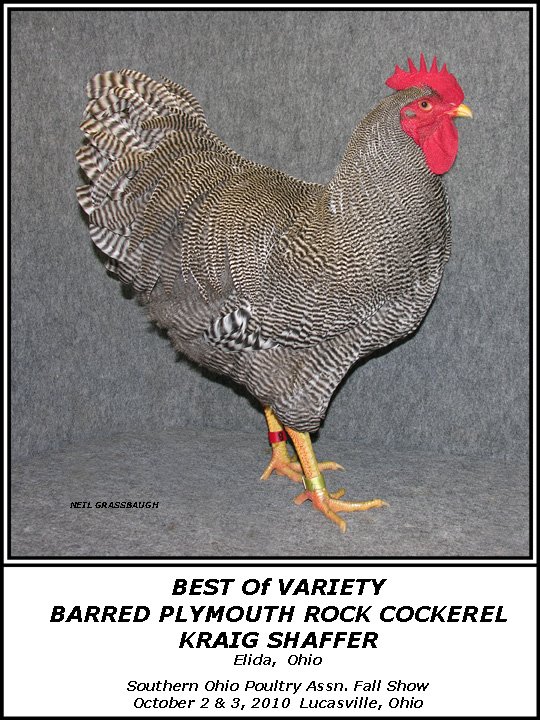
Cackle Hatchery® Poultry Breeding Farm acquired Exhibition Type Barred Plymouth Rock seed stock from renowned breeder Kraig Shafer in 2020. This makes the line especially appealing for customers interested in show type, body conformation, feather quality, and traditional Barred Rock appearance.
Appearance and Characteristics
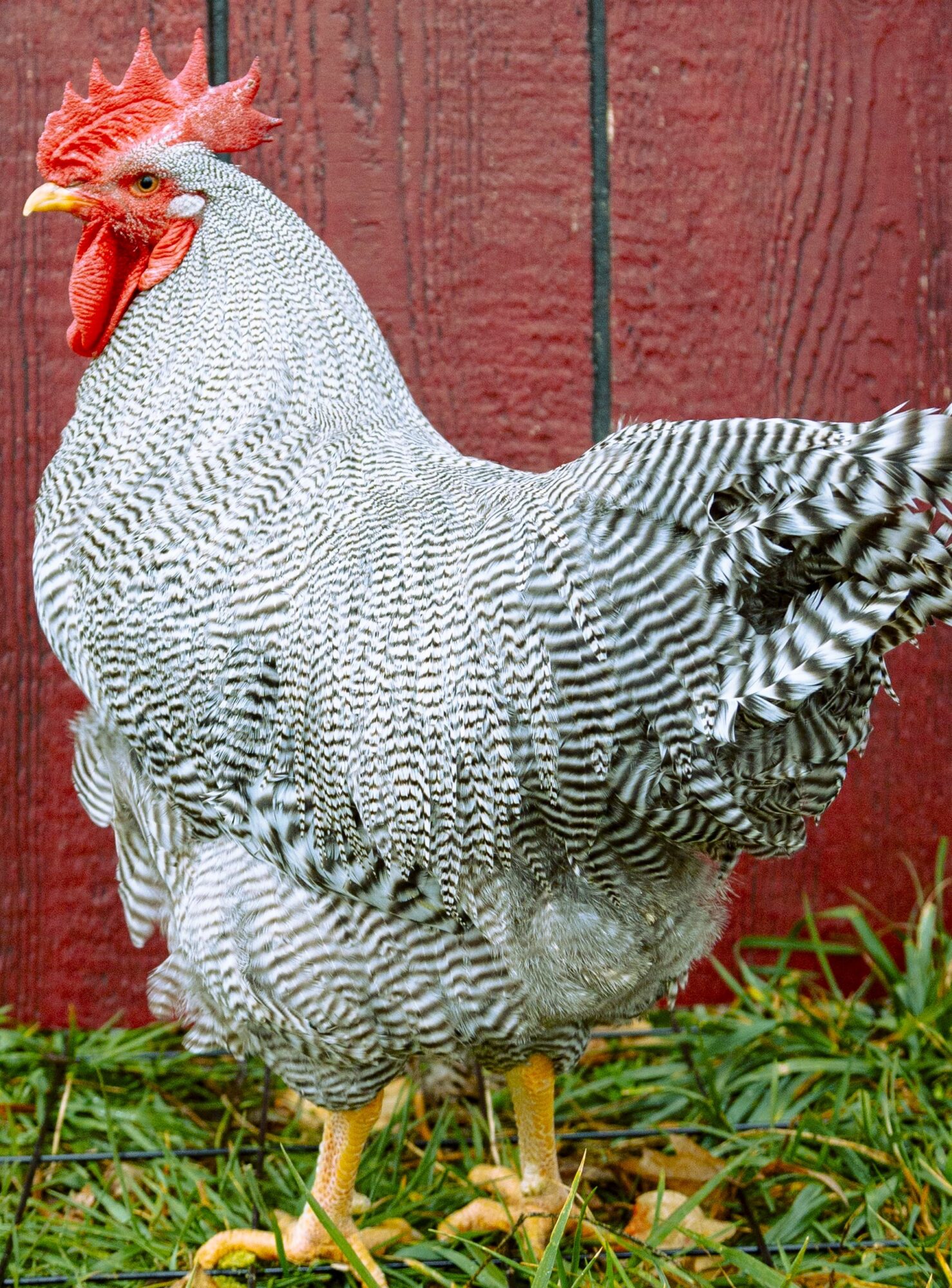
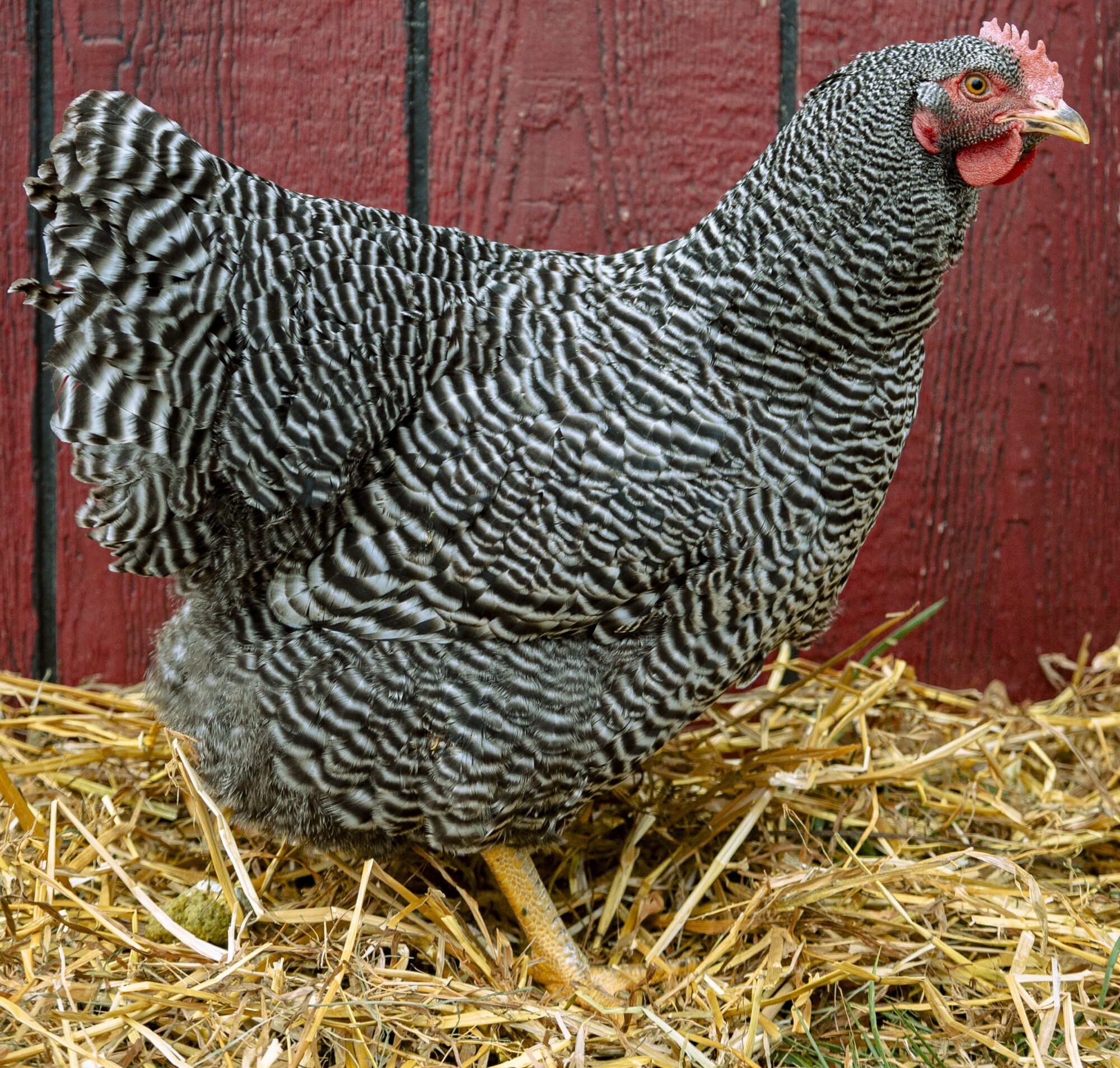
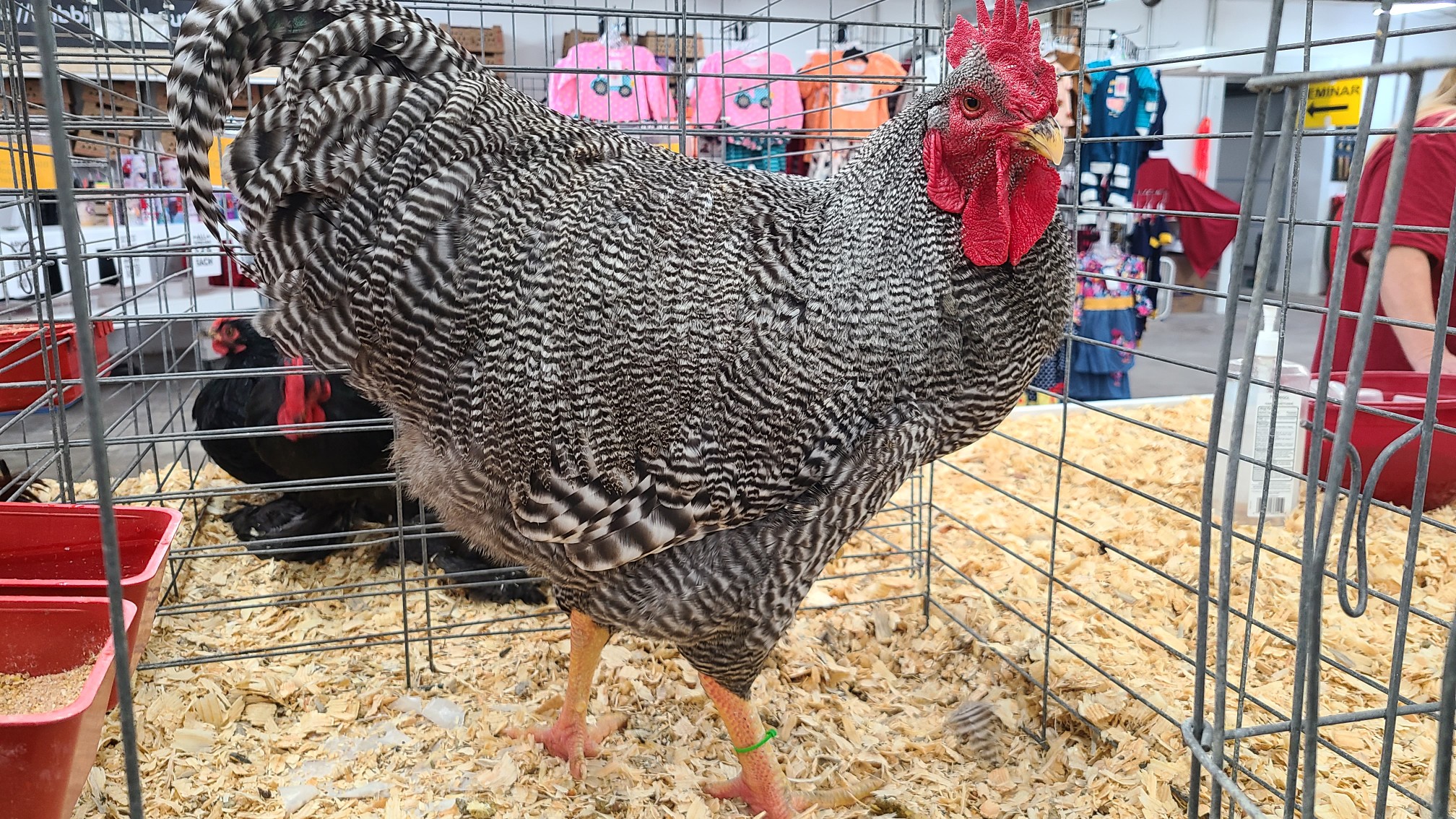
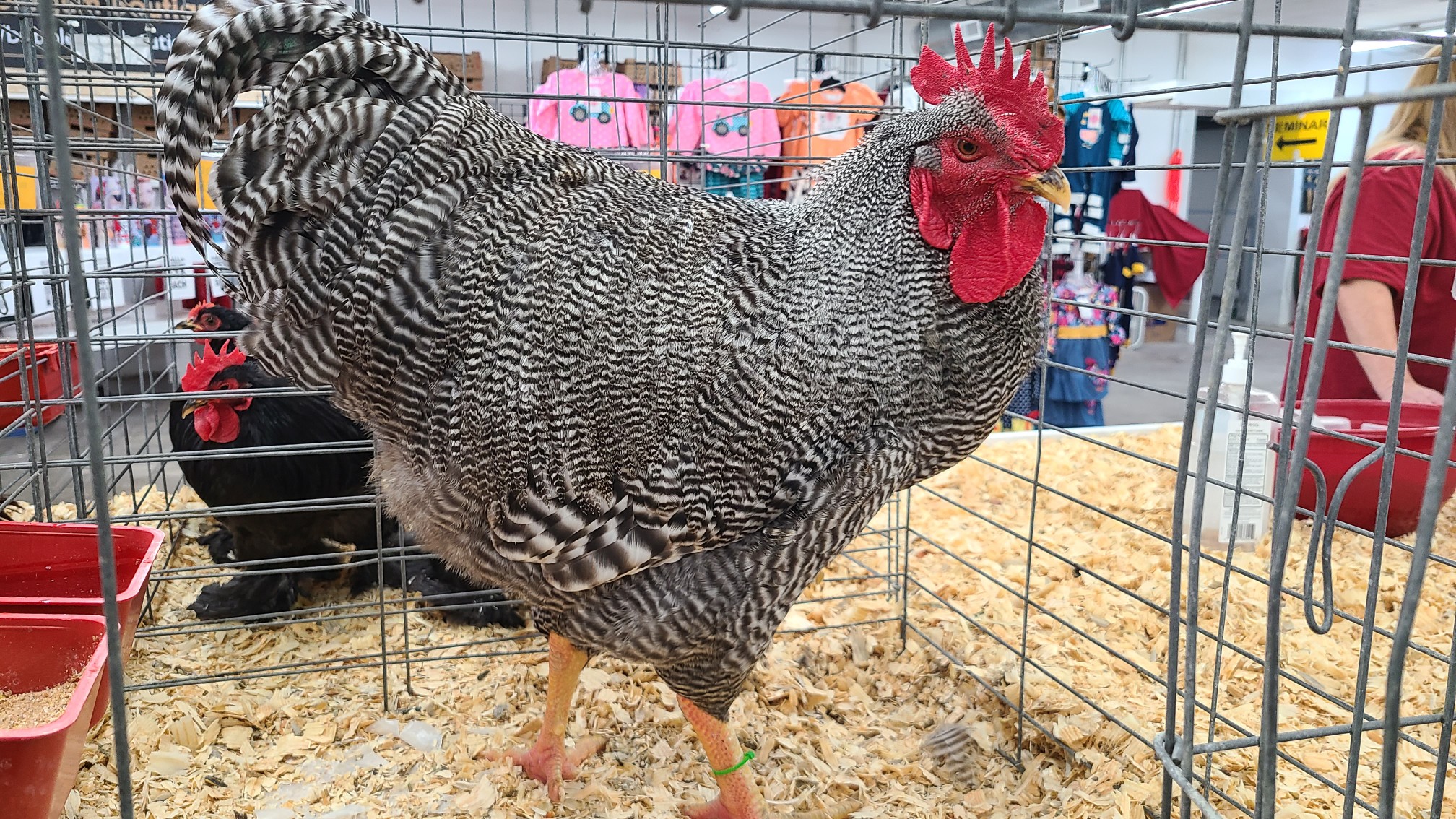
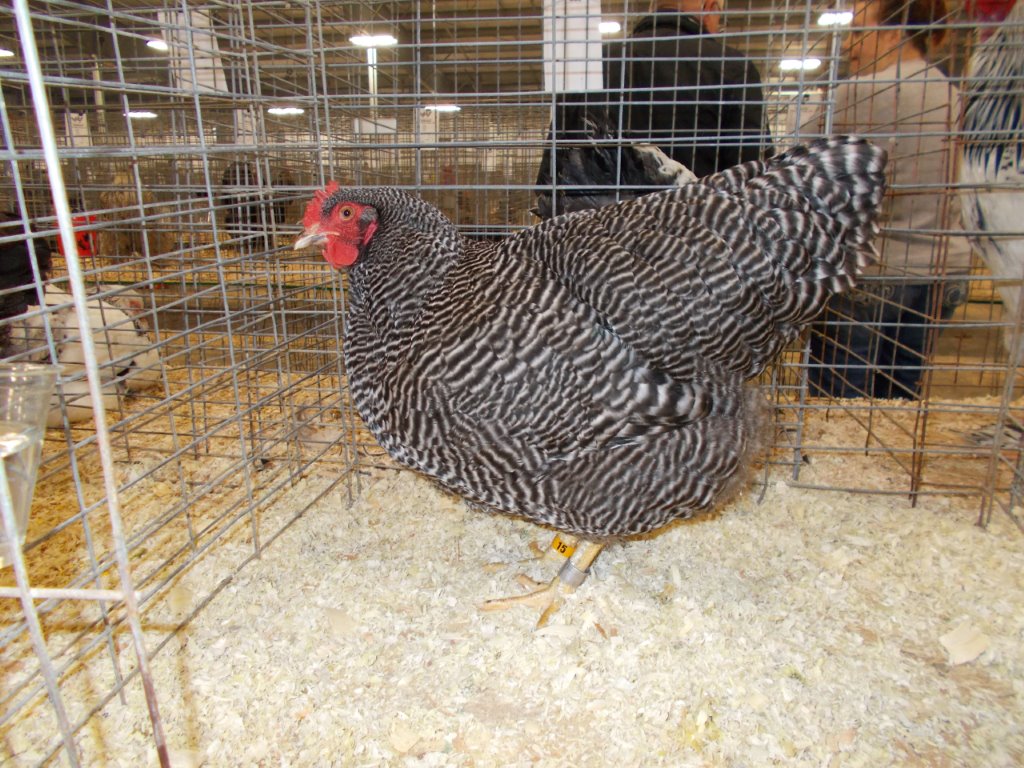
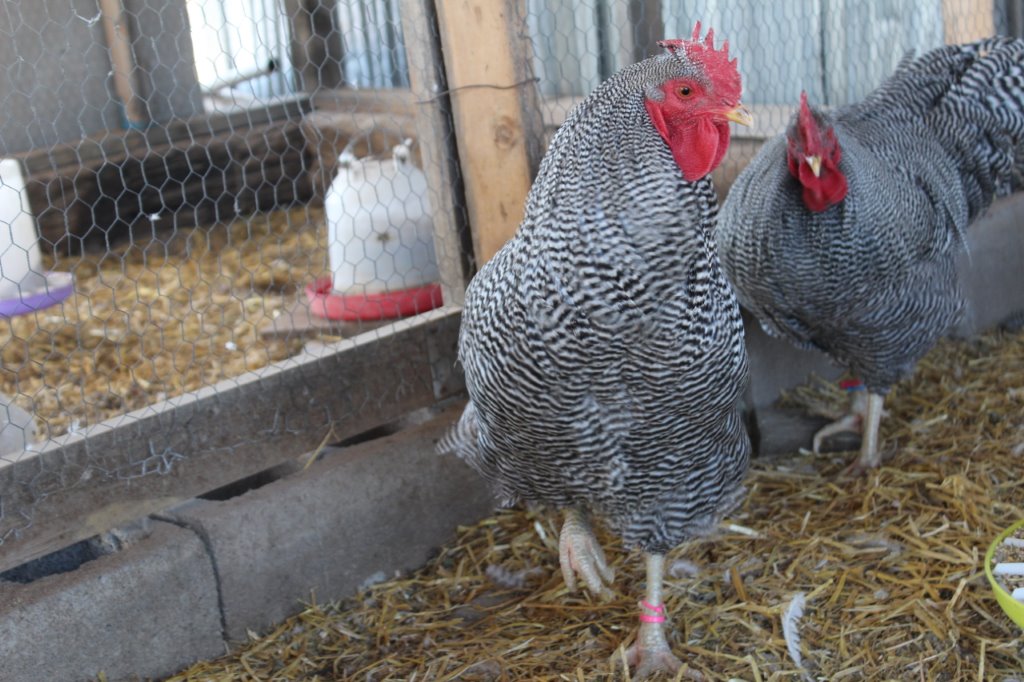
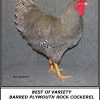
Exhibition Type Barred Plymouth Rocks have the strong, balanced body shape described in the Standard. They should have a long, broad back, broad and well-rounded breast, yellow beak, yellow shanks, yellow toes, and clean legs.
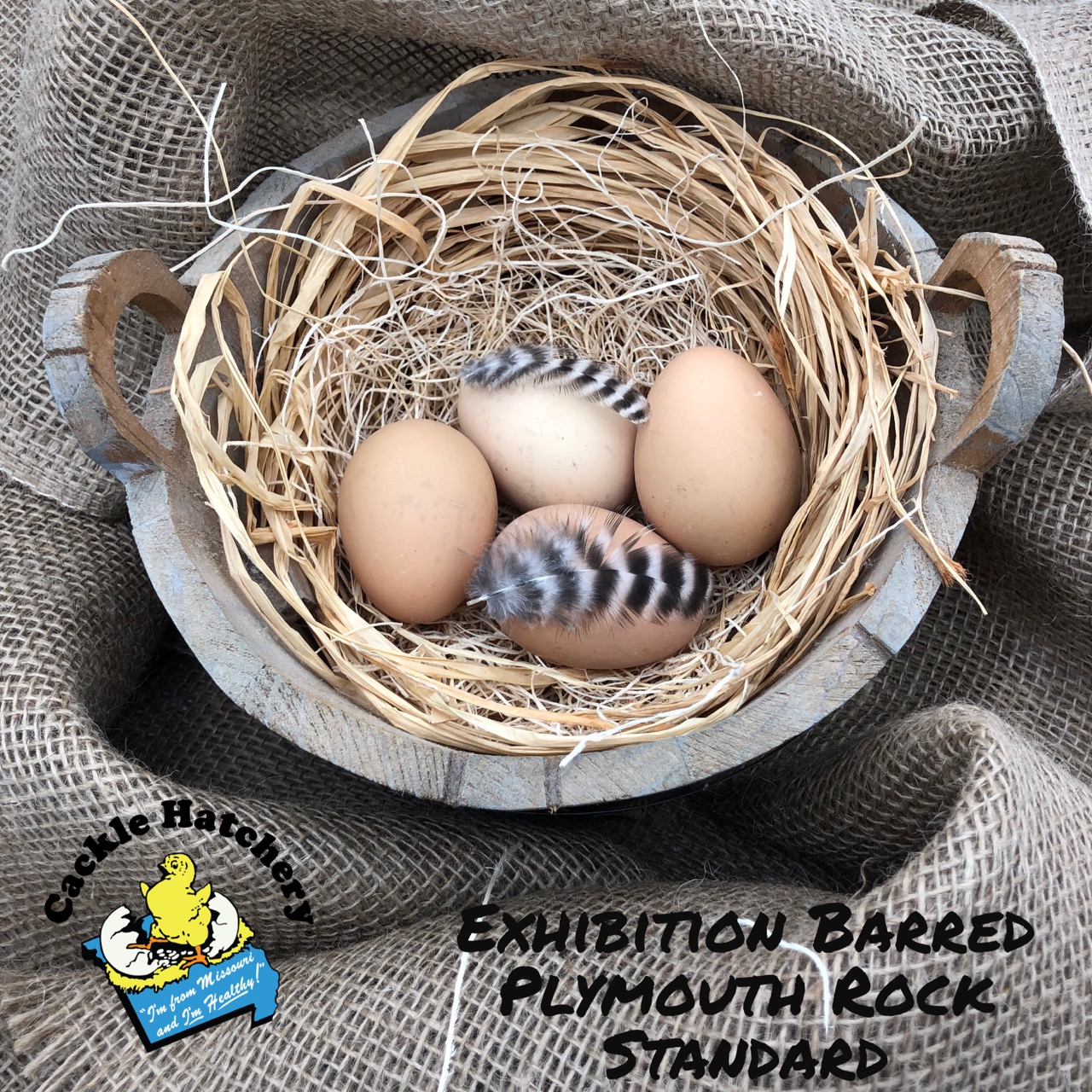
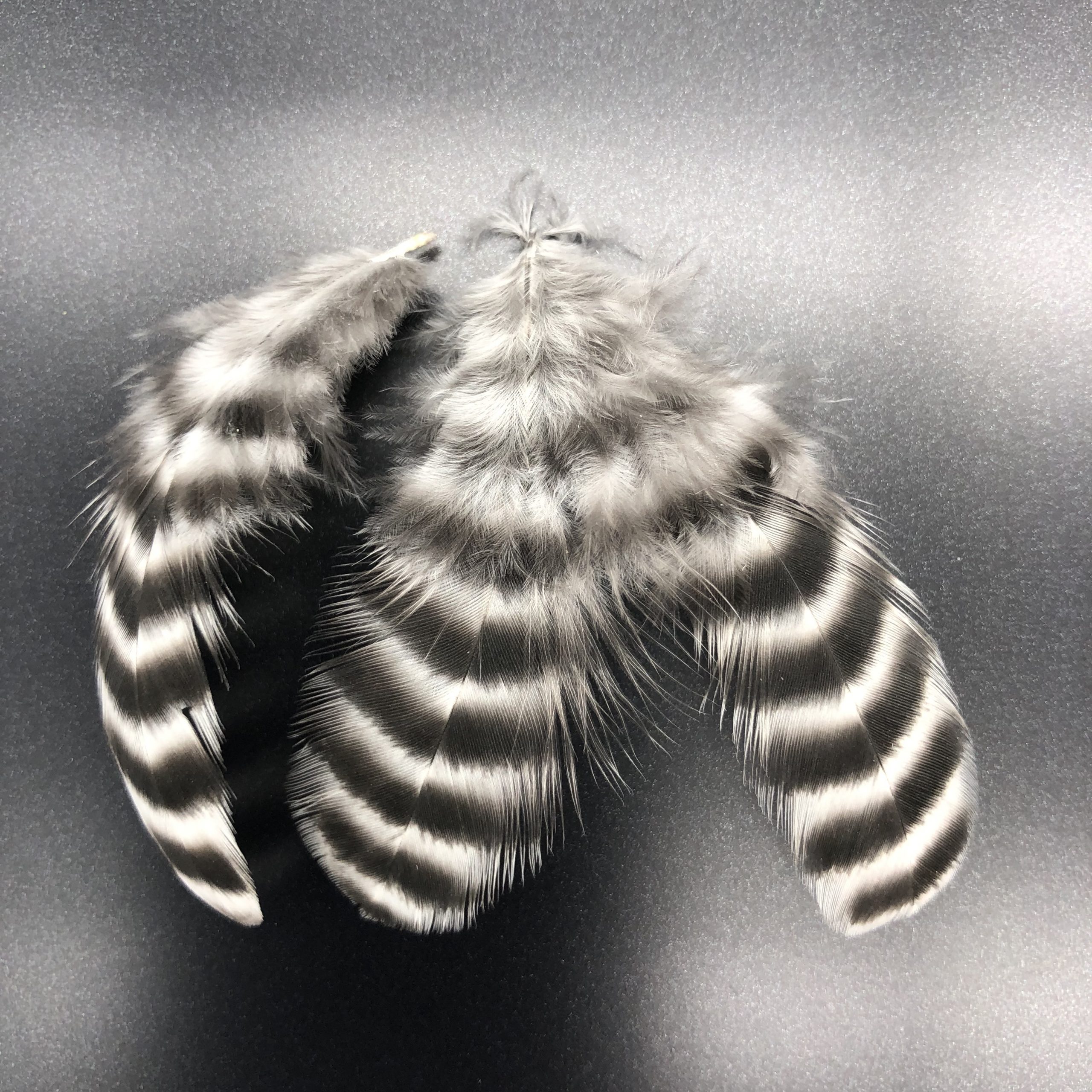
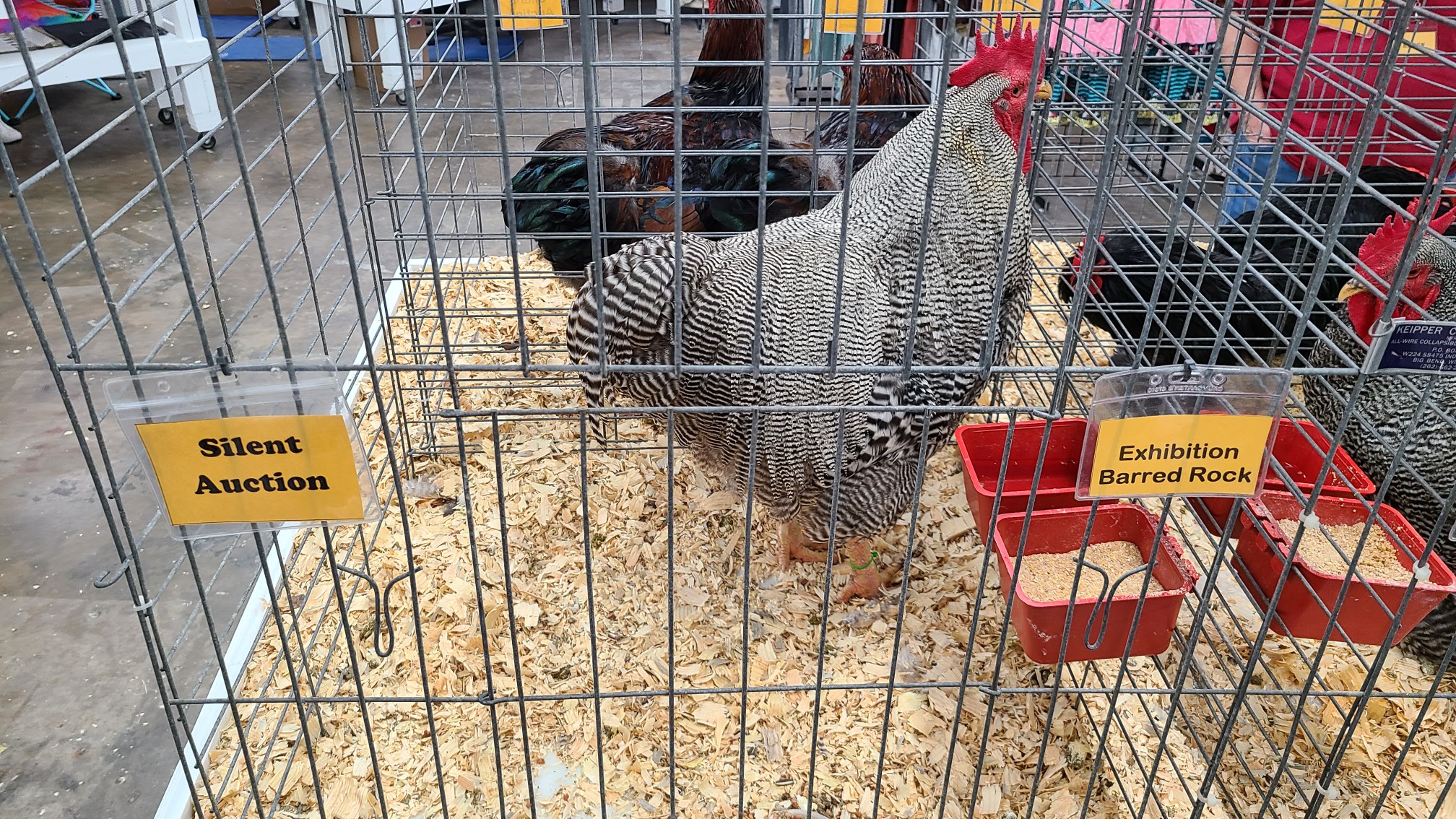
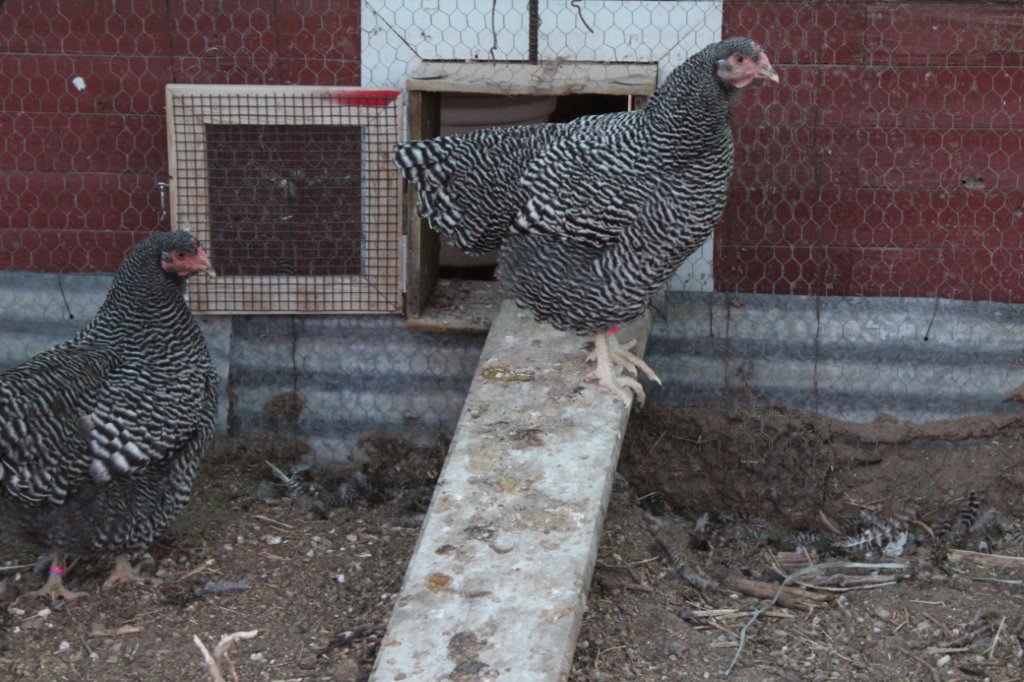
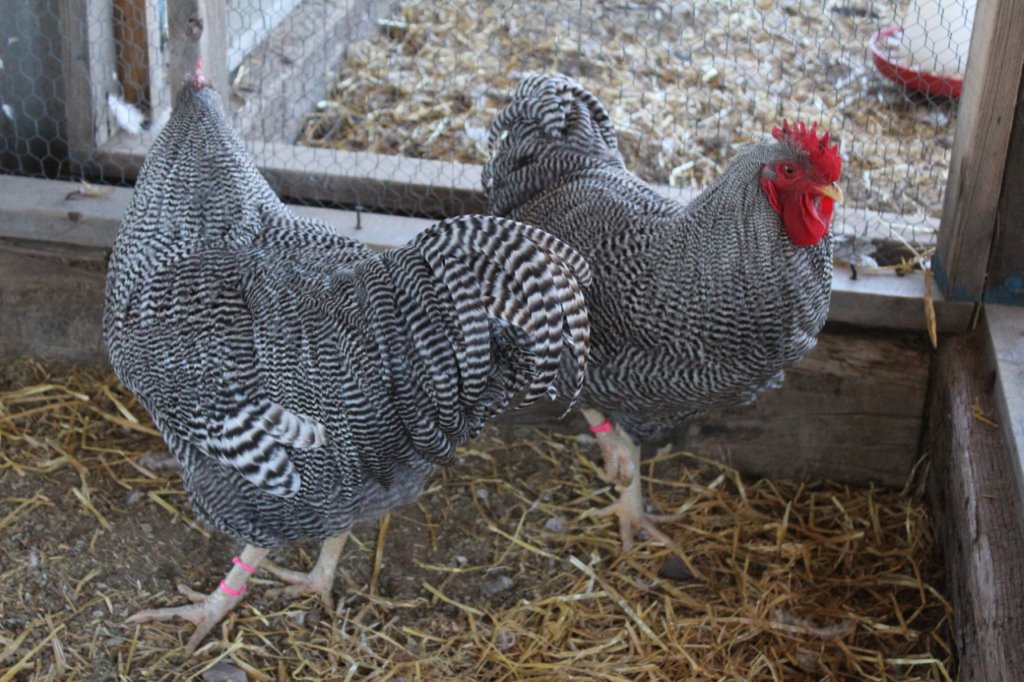
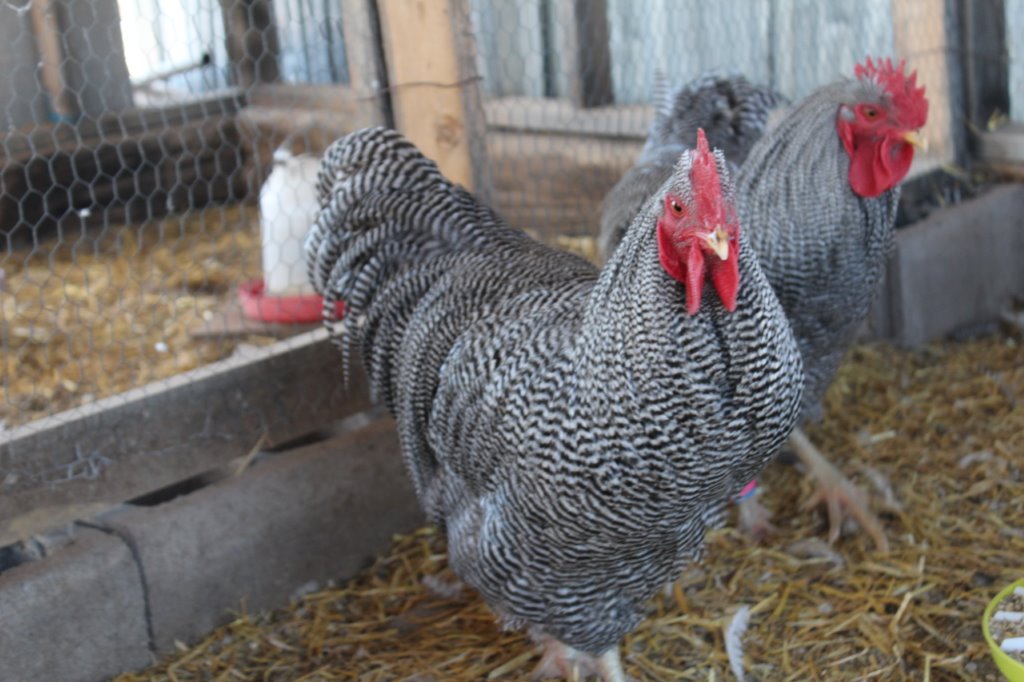
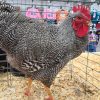
Their barred plumage is the signature feature. Barred Rocks have black-and-white barring across the feathers, with males usually appearing slightly lighter than females. This lighter male appearance comes from sex-linked barring genetics and is one of the visual differences customers may notice as birds mature.
Key Exhibition Type traits include:
- Crisp barred plumage
- Long, broad back
- Broad, well-rounded breast
- Medium-length tail
- Yellow beak, shanks, and toes
- Single comb
- Clean legs
- Calm, docile temperament
- Historic American breed type
Cackle’s original description notes that the cock’s comb should have five evenly serrated points, with the middle points longer than the points at the front and rear. It also notes that the cock carries the tail at about a 30-degree angle, while the hen carries the tail at about a 20-degree angle.
Exhibition Type vs Production Type Barred Rock
Cackle Hatchery® offers both Exhibition Type Barred Plymouth Rocks and Production Type Barred Rocks. These strains serve different goals.
Choose Exhibition Type Barred Plymouth Rocks if you want birds selected for:
- Show appearance
- Better body conformation
- Correct barred pattern
- Traditional Plymouth Rock type
- Calm handling for exhibition
- Early feathering for show preparation
Choose Production Type Barred Rocks if your main goal is practical egg production, backyard utility, and a slightly higher laying rate. Cackle notes that its production type Barred Rocks are not suitable for exhibition, but hens lay slightly more eggs than the exhibition type.
The simple difference is this: Exhibition Type is bred for show quality and breed type. Production Type is bred more for practical backyard egg production.
Egg Production and Brown Eggs
Exhibition Type Barred Plymouth Rock hens lay eggs in shades of brown. Egg shell shade can vary by strain, hen age, season, and where the bird is in the laying cycle.
Because this is an Exhibition Type strain, customers should not expect the same egg output as a production-focused Barred Rock. However, these birds still offer useful brown eggs while preserving show style, body type, and traditional appearance.
Customers focused mainly on egg numbers may prefer Cackle’s Production Type Barred Rocks or Barred Rock Started Pullets. Customers who want a stronger exhibition bird should choose this Exhibition Type strain.
Temperament and Show Suitability
Barred Plymouth Rocks are known for calm, docile behavior, which makes them a good candidate for training and handling in exhibition settings. Their steady temperament also makes them enjoyable for backyard flocks.
This variety can work well for:
- Poultry exhibition projects
- Heritage breed flocks
- Backyard brown egg flocks
- Families wanting docile chickens
- Cold-weather flocks
- Customers who want a classic American breed
- Keepers interested in show-quality Plymouth Rocks
- 4-H, FFA, or youth poultry projects with proper guidance
Cackle also notes that this strain is early feathering, which can give birds an advantage for early-season shows.
Cold Hardiness and Seasonal Care
Barred Plymouth Rocks are cold hardy. Their body type, feathering, and practical American farm-breed history make them a strong choice for many climates.
Cold hardy does not mean no care is needed. During winter, provide dry bedding, good ventilation, draft protection, and unfrozen water. In hot weather, provide shade, airflow, and cool water.
Because Exhibition Type birds are valued for appearance, clean bedding and dry runs are especially helpful for keeping feathers in good condition.
Barred Plymouth Rock vs Dominique
Barred Rocks and Dominiques can look similar at first glance, but they are different breeds. Cackle’s Dominique comparison resource explains that comb type is one of the clearest differences: Barred Rocks have a single comb, while Dominiques have a rose comb.
A Barred Plymouth Rock has a single comb, clean legs, yellow skin, and the heavier Plymouth Rock body type.
A Dominique has a rose comb, barred plumage, and a different breed history. Dominiques are often described as one of America’s oldest chicken breeds.
Choose Barred Plymouth Rock Exhibition Type if you want a show-focused Plymouth Rock with single comb type and classic barred appearance.
Choose Dominique if you want a rose-combed barred American heritage breed with a different body type and history.
Barred Plymouth Rock vs Barred Rock Bantam
Customers who like the Barred Rock look but want a smaller bird may also enjoy Barred Plymouth Rock Bantams.
A Barred Plymouth Rock Exhibition Type is a standard-size large fowl bird bred for show type and traditional Plymouth Rock body shape.
A Barred Plymouth Rock Bantam is the miniature version. Bantams can be a better choice for customers with limited space or those who enjoy smaller exhibition birds.
Choose the large fowl Exhibition Type if you want a full-size show bird. Choose the bantam if you want the classic barred look in a smaller package.
Hatching Eggs and Started Pullet Options
Cackle Hatchery® offers related Barred Rock options for customers with different flock goals.
Customers who want older females closer to laying age can compare Barred Rock Started Pullets. These are Production Type birds, not Exhibition Type.
At limited times of the year, Cackle also offers Barred Rock Fertile Hatching Eggs. Cackle’s hatching egg page also points customers to Barred Rock Bantams, Started Pullets, and the Barred Rock vs Dominique comparison resource.
Choose day-old chicks if you want to raise birds from the beginning. Choose started pullets if you want Production Type females closer to laying age. Choose hatching eggs if you want the experience of incubating and hatching your own Barred Rocks.
Is the Barred Plymouth Rock Exhibition Type Right for Your Flock?
Choose Barred Plymouth Rock Exhibition Type chickens if you want:
- A historic American chicken breed
- The original Plymouth Rock variety
- Crisp black-and-white barred plumage
- A calm, docile temperament
- Brown eggs
- Cold hardiness
- Early feathering
- Strong exhibition potential
- Kraig Shafer seed-stock influence
- A dual-purpose heritage bird with showroom style
However, consider Production Type Barred Rocks if your main goal is higher egg production. In short, Exhibition Type Barred Plymouth Rocks are best for customers who want traditional breed type, show quality, calm handling, and classic American poultry history.
Care and Housing Tips
Barred Plymouth Rock Exhibition Type chickens need the same dependable care as other standard-size chickens. They do best with a clean coop, secure run, proper feed, fresh water, and predator protection.
For best results, provide:
- A dry, well-ventilated coop
- Predator-resistant fencing
- Clean bedding
- Fresh water at all times
- Balanced chick starter and age-appropriate feed
- Enough roosting space
- Nest boxes for brown eggs
- Shade and airflow during hot weather
- Protection from drafts and damp bedding in cold weather
- Enough space to keep feather condition clean for exhibition
Because these birds are bred for show appearance, regular handling, clean housing, and good nutrition can help them develop into better exhibition candidates.
Recognition and Availability
The Barred Plymouth Rock was admitted to the American Poultry Association Standard of Perfection in 1874. It is the original Plymouth Rock variety and remains one of the most recognizable American chicken breeds.
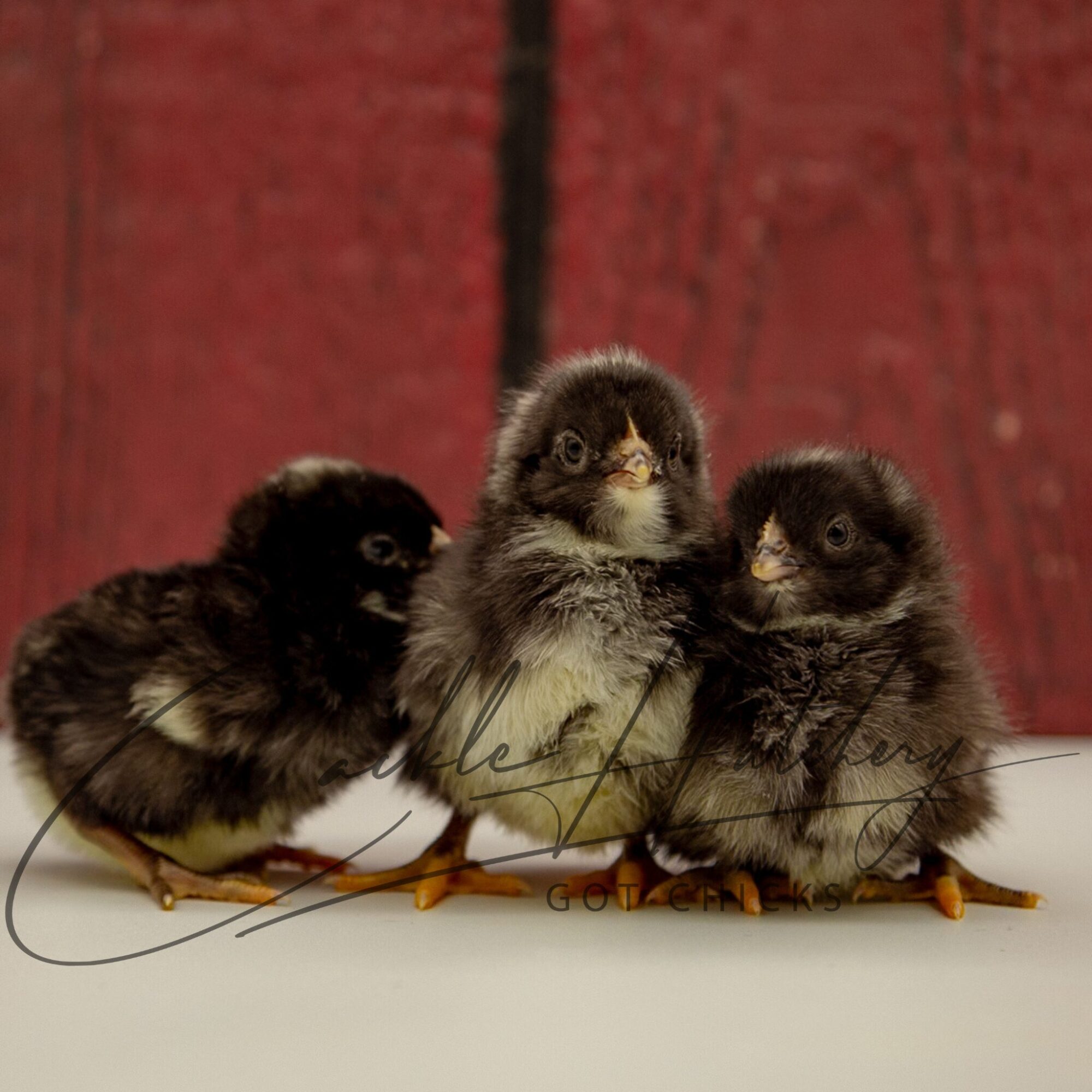
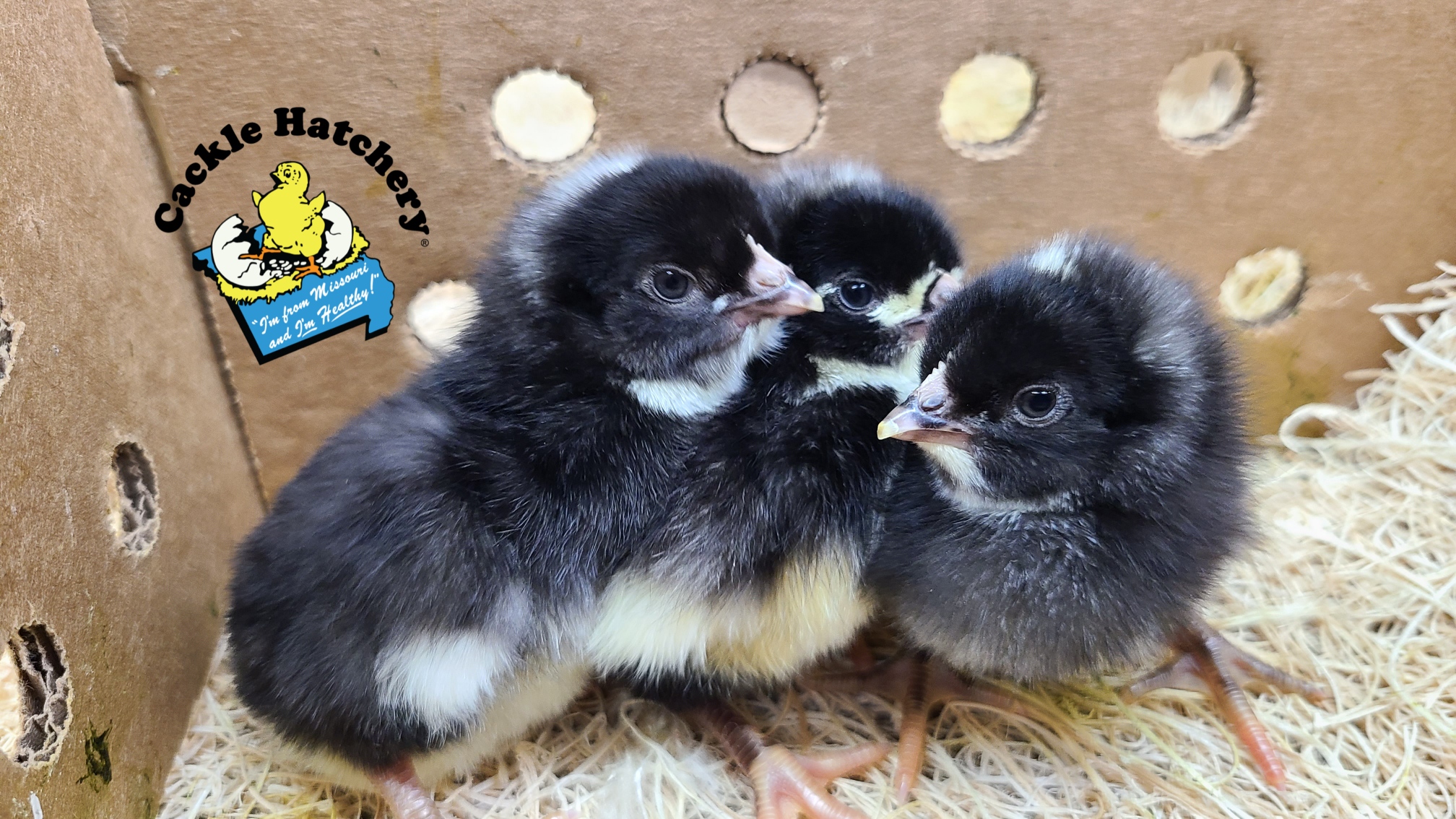
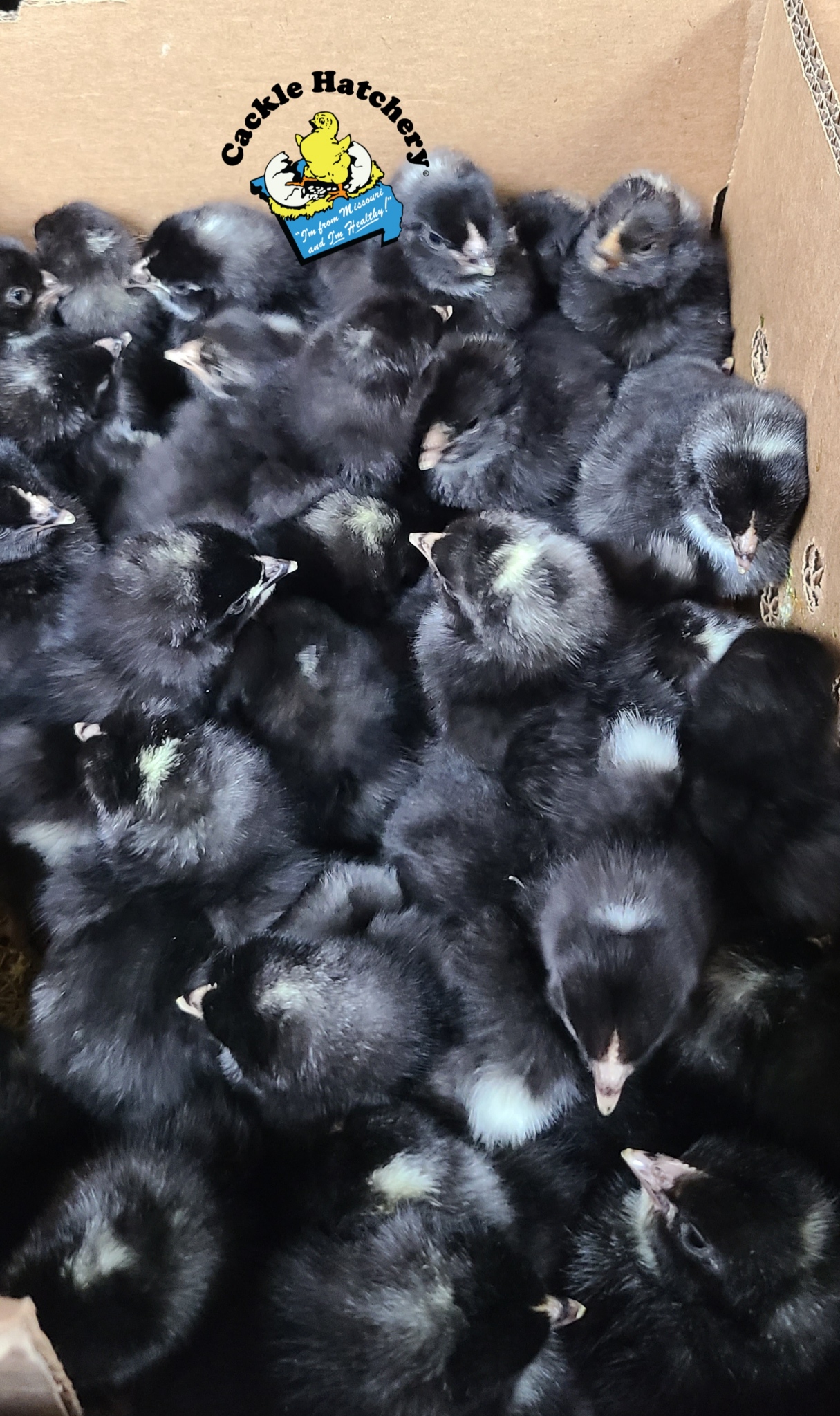
Cackle Hatchery® offers the Exhibition Type Barred Plymouth Rock as day-old chicks. Customers can place orders as early as late November for delivery from February through September, depending on hatch timing and availability.
Since hatch dates and shipping windows can change during the season, customers should check Cackle Hatchery’s Chicken Availability Chart before ordering.
Related Breeds and Helpful Cackle Hatchery® Resources
Customers who like Exhibition Type Barred Plymouth Rocks may also enjoy production Barred Rocks, Barred Rock Bantams, other brown egg layers, and classic American heritage breeds.
Helpful Cackle Hatchery® links for this product page include:
FAQ: Barred Plymouth Rock Chicken (Exhibition Type)
What is a Barred Plymouth Rock Chicken Exhibition Type?
A Barred Plymouth Rock Chicken Exhibition Type is a show-focused Barred Rock strain bred for correct barred plumage, body conformation, calm handling, cold hardiness, brown eggs, and traditional Plymouth Rock type.
Are Barred Rock and Barred Plymouth Rock the same chicken?
Yes. “Barred Rock” is the common short name for the Barred Plymouth Rock.
Where did Plymouth Rock chickens originate?
Plymouth Rocks are an American breed. The Livestock Conservancy notes that several individuals claimed to have created the breed using crosses that may have included Spanish, White Cochin, Dominique, Buff Cochin, Black Java, and Brahma.
When were Barred Plymouth Rocks admitted to the APA Standard?
Barred Plymouth Rocks were admitted to the American Poultry Association Standard of Perfection in 1874.
Was Barred the first Plymouth Rock variety?
Yes. Barred was the original Plymouth Rock variety. Other Plymouth Rock colors were developed later.
What does Exhibition Type mean?
Exhibition Type means the birds are bred more for show appearance, barred pattern quality, body conformation, and traditional breed type rather than maximum egg production.
What is the difference between Exhibition Type and Production Type Barred Rocks?
Exhibition Type Barred Rocks are selected for show quality and breed type. Production Type Barred Rocks are selected more for practical egg production and backyard utility.
Do Exhibition Type Barred Plymouth Rocks lay eggs?
Yes. Hens lay brown eggs, although they may lay slightly fewer eggs than Production Type Barred Rocks.
What color eggs do Barred Plymouth Rocks lay?
Barred Plymouth Rock hens lay brown eggs. Egg shade can vary by strain, age, and stage of the laying cycle.
Are Exhibition Type Barred Plymouth Rocks friendly?
Yes. They are calm and docile, which makes them useful for exhibition training and enjoyable in backyard flocks.
Are Barred Plymouth Rocks good for beginners?
Yes. Their docile temperament, cold hardiness, and classic dual-purpose value can make them a good choice for many beginners.
Are Barred Plymouth Rocks cold hardy?
Yes. Barred Plymouth Rocks are cold hardy when provided with dry bedding, good ventilation, and draft protection.
Do Barred Plymouth Rocks feather early?
Yes. Cackle Hatchery® notes that this Exhibition Type strain is early feathering, which can help for early-season shows.
What do Exhibition Type Barred Plymouth Rocks look like?
They have black-and-white barred plumage, yellow beak, yellow shanks and toes, clean legs, broad body type, single comb, and a medium-length tail.
Why are male Barred Rocks lighter than females?
Males often appear slightly lighter because of sex-linked barring genetics.
What is the difference between a Barred Rock and a Dominique?
Barred Rocks have single combs, while Dominiques have rose combs. Cackle’s comparison resource explains this as one of the easiest ways to tell the breeds apart.
Does Cackle Hatchery® offer Barred Rock Bantams?
Yes. Cackle offers Barred Plymouth Rock Bantams for customers who want the miniature version.
Does Cackle Hatchery® offer Barred Rock Started Pullets?
Yes. Cackle offers Barred Rock Started Pullets, but these are Production Type birds.
Does Cackle Hatchery® offer Barred Rock hatching eggs?
Yes. Cackle offers Barred Rock Fertile Hatching Eggs at limited times of the year.
Where can I check Barred Plymouth Rock Exhibition Type availability?
Customers can check Cackle Hatchery’s Chicken Availability Chart for current hatch and shipping timing. Availability can change during the season, so checking the chart helps customers plan ahead.


mikevetovich –
Beautiful, friendly birds. Larger and more docile than standard barred rocks we have. Only issue was, we ordered three females and they gave us an extra chick free. Found out later the free bird was a rooster. Just terrible that Cackle did this, the money spent raising it then the heartache having to give it away. Not sure I would order again just because of this poor decision they made.
Cackle Hatchery (store manager) –
Thank you for sharing your experience and for the kind words about your Barred Rock exhibition birds. We’re glad to hear you’re enjoying their size and temperament! We want to clarify that sexing chicks is not an exact science especially with exhibition types and mistakes can happen despite our best efforts. We would never intentionally send a chick of the wrong sex, and we understand the frustration and extra effort this can cause. We appreciate your feedback and hope your flock continues to thrive.
Jason Hatfield –
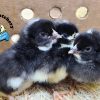
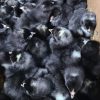
Just picked up 5 of the unsexed chicks of this variety. I wish I could order more than just 5 at a time, but so far the chicks have been vibrant and look good. Growing quickly and no issues. Shipping was fast and well done. Can’t wait to see these full grown