Description
Isabel Brahma Chicken
Breed Overview and Origin
The Isabel Brahma Chicken is a rare and striking Brahma variety known for pale golden and lavender feathering, large size, feathered legs, brown eggs, winter hardiness, and gentle temperament. If you want a big, beautiful, people-friendly chicken with soft pastel coloring, the Isabel Brahma makes an impressive addition to a backyard flock.
Brahmas are one of the largest chicken breeds, second only to the Jersey Giant. Large feather-legged chickens were imported from Asia into the United States in the mid-1800s, and Brahmas later became one of America’s leading meat breeds until about 1930. The Livestock Conservancy notes that Brahmas developed from large feather-legged birds imported through trade with China in the 1840s, and the breed is known for feathered shanks and toes, pea comb, broad head, and “beetle brow.”
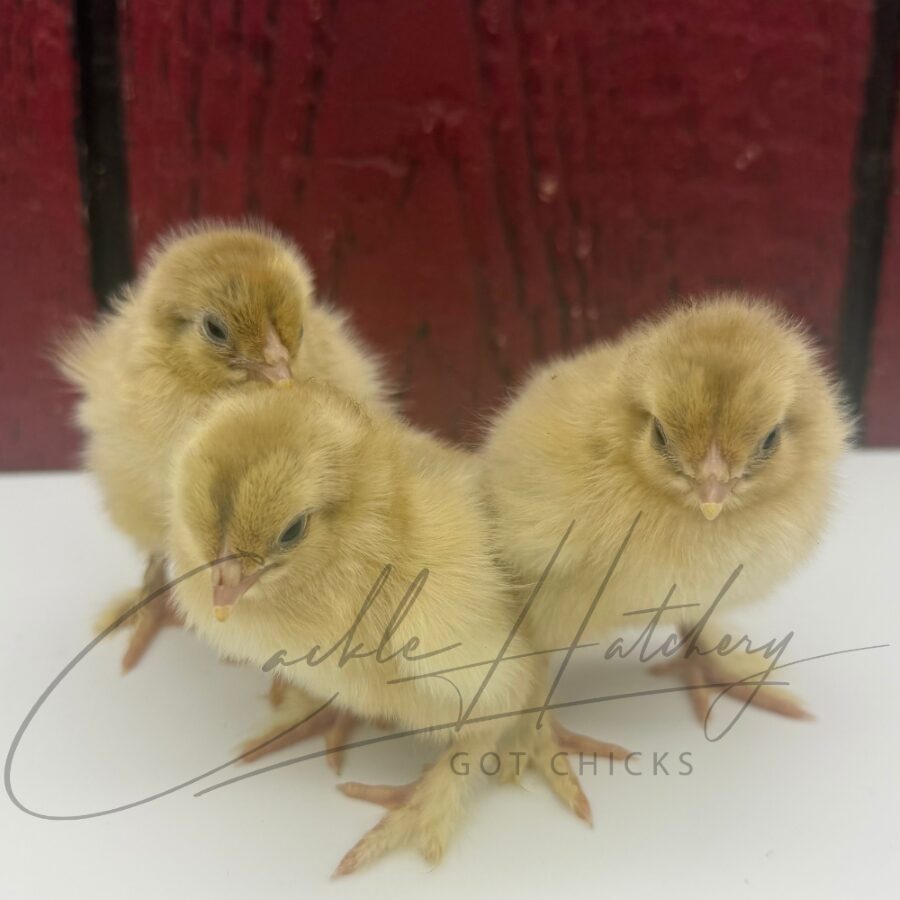
Brahmas first appeared in the American Poultry Association Standard of Perfection in 1874. However, the Isabel Brahma variety is not yet listed as an APA-recognized Brahma variety. Cackle Hatchery® offers Isabel Brahma chicks seasonally and lists them as sold as baby chicks only, with male, female, and not-sexed ordering options.
Appearance and Characteristics
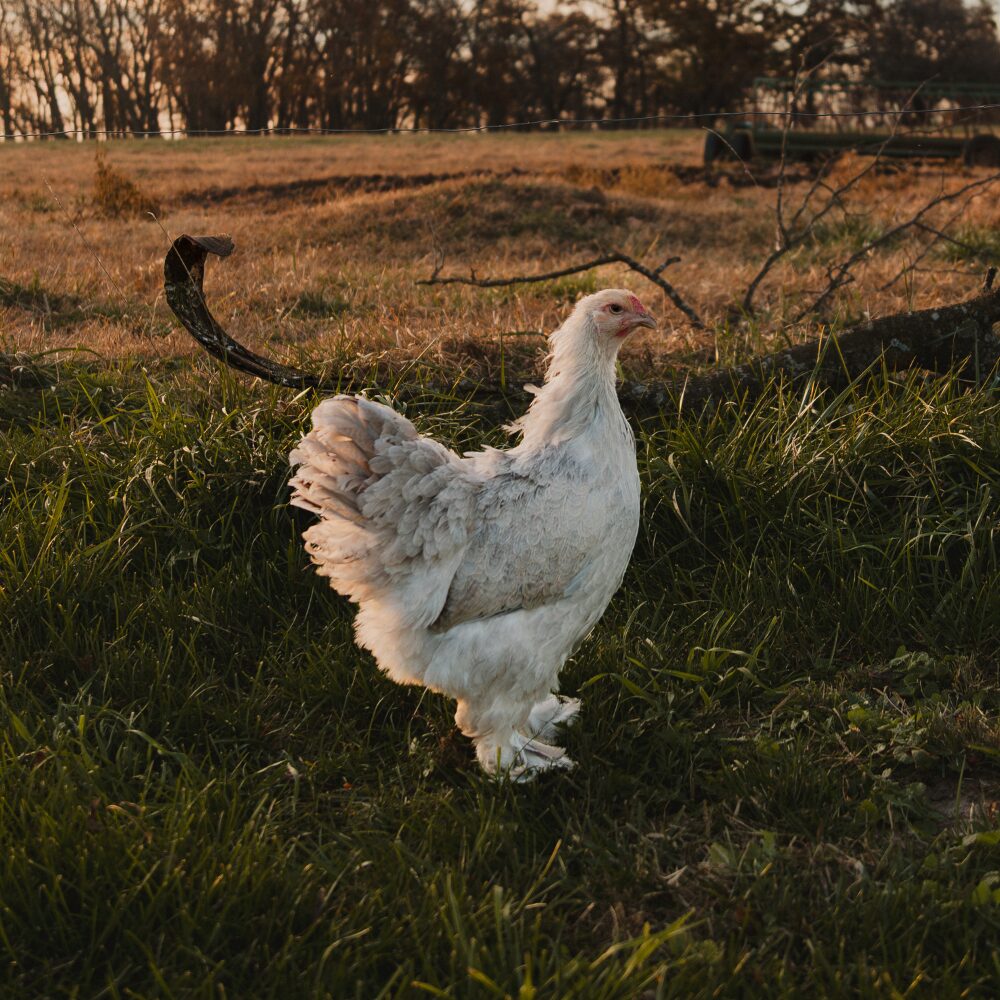
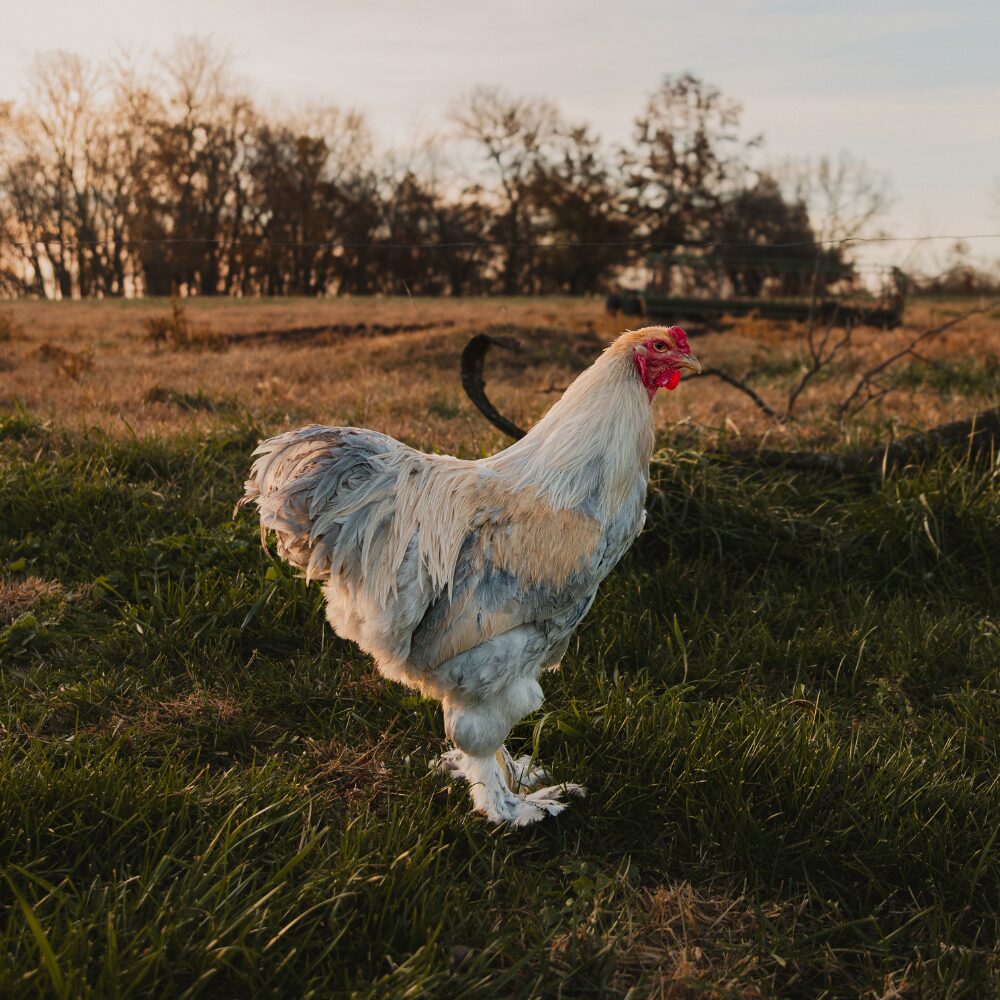
Isabel Brahmas combine the impressive size of the Brahma with a soft pastel feather pattern. Their plumage blends pale golden tones with lavender feathering, creating a rare and elegant look on a large, stately bird.
Expected traits include:
- Pale golden and lavender plumage
- Large Brahma body size
- Wide body
- Broad head and short beak
- Beetle brow expression
- Small pea comb
- Feathered legs and feet
- Brown eggs
- Winter hardiness
- Gentle temperament
- Dual-purpose value
- Good confinement ability
The Brahma’s body type makes it stand out in a flock. Cackle Hatchery® describes Brahmas as exceptionally quiet, gentle, easy to handle, feather-legged brown egg layers that are very child friendly. Cackle also notes that roosters can weigh up to 12 pounds and hens close to 10 pounds.
What Does Isabel Mean in Chickens?
In poultry color terms, Isabel or Isabella generally describes a soft diluted pattern that blends pale gold, cream, and lavender tones. In Isabel Brahmas, the result is a warm pastel look that differs from darker Partridge Brahmas, classic Light Brahmas, or solid Lavender Brahmas.
Choose Isabel Brahmas if you want a rare Brahma color with both golden warmth and lavender softness.
Choose Lavender Brahmas if you prefer an even light slate-blue bird.
Choose Partridge Brahmas if you prefer richer red, black, and penciled patterning.
Egg Production and Winter Laying
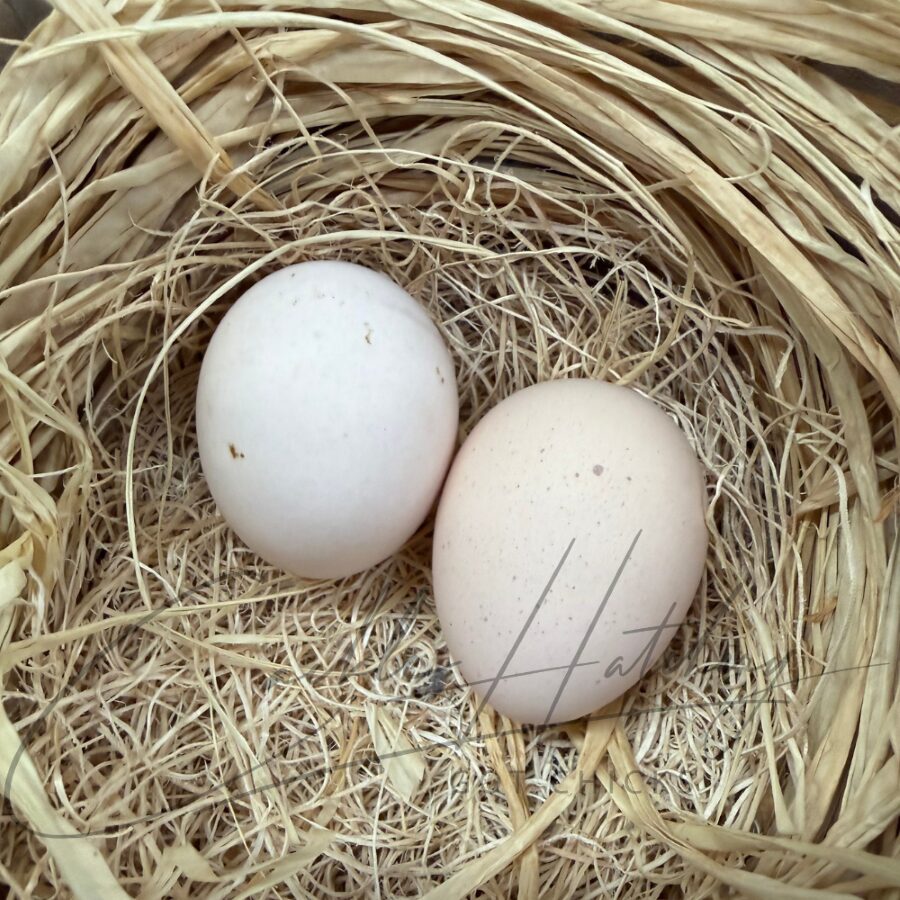
Isabel Brahma hens lay brown eggs. As with other Brahmas, they are especially valued as winter layers, often continuing to lay during colder months when many breeds slow down.
Brahmas are slow-growing, dual-purpose chickens. They are not bred for fast maturity or maximum egg output. Instead, they offer a balanced mix of brown eggs, meat value, cold hardiness, calm temperament, and ornamental appeal.
Egg production can vary by hen, age, feed, daylight, season, and flock management. For customers who want the most eggs possible, a production layer may be a better fit. However, customers who want large, gentle brown egg layers with rare feather color will appreciate Isabel Brahmas.
Meat Quality and Dual-Purpose Value
Isabel Brahmas are dual-purpose chickens, meaning they have value for both eggs and meat. Brahmas are large, meaty birds that grow slowly and require patience compared with modern meat breeds. However, their impressive size and traditional farm-breed history make them appealing to homesteaders and backyard poultry keepers who want more than just egg production.
Because they are heavy birds, Brahmas are also easy to keep in many backyard setups. They are generally too heavy to fly well, which makes confinement easier than with lighter, more flighty breeds.
Temperament and Family-Friendly Traits
Despite their impressive size and fierce-looking beetle brow, Isabel Brahmas are surprisingly quiet, calm, and gentle. They are usually good with people of all ages and can be an excellent choice for family flocks.
This variety can work well for:
- Family backyard flocks
- First-time chicken keepers
- Young poultry keepers
- Gentle mixed flocks
- Brown egg flocks
- Cold-weather flocks
- Homesteads wanting dual-purpose birds
- Customers who want large, beautiful chickens
- Keepers who enjoy rare pastel feather colors
Brahmas generally do not bully more timid breeds, yet their size helps them avoid being easily intimidated by more assertive flockmates. Even so, proper introductions and enough feeder, waterer, roost, and floor space are still important.
Winter Hardiness and Warm Weather Care
Isabel Brahmas are exceptionally winter hardy. Their large size, tightly held feathers, heavy plumage, and small pea comb help protect them in cold weather. Heritage Poultry Conservancy notes that Brahmas are very cold hardy and that their pea comb helps reduce cold exposure risk.
Brahmas can also tolerate warm weather when managed well. In hot weather, provide shade, airflow, cool water, and enough space. Large, heavy birds still need extra care during heat waves.
For winter, provide dry bedding, good ventilation, draft protection, and unfrozen water. Since Brahmas have feathered legs and feet, keep runs well drained and check foot feathers for mud, snow, ice, or debris.
Feathered-Leg Care
Isabel Brahmas have feathered legs and feet. This is one of the breed’s signature traits, but it also requires practical care.
For best results:
- Keep bedding dry and clean
- Avoid muddy runs when possible
- Check leg feathers after snow, rain, or ice
- Watch for debris caught in foot feathering
- Provide well-drained outdoor areas
- Monitor feet and toes during wet seasons
Feathered legs make Brahmas beautiful, but wet or dirty conditions can be harder on them than on clean-legged breeds.
Recognition and Show Notes
Brahmas have appeared in the American Standard of Perfection since 1874, but the Isabel variety is not currently listed as an APA-recognized variety. The Livestock Conservancy identifies the traditional Brahma color varieties as Light, Dark, and Buff.
That means Isabel Brahmas are best chosen for backyard beauty, rare color, temperament, brown eggs, and dual-purpose value rather than official APA variety status. Customers interested in exhibition should review current show rules before entering Isabel Brahmas.
Isabel Brahma vs Lavender Brahma
Isabel Brahmas and Lavender Brahmas both offer rare color and gentle Brahma temperament, but they look different.
An Isabel Brahma has pale golden and lavender feathering, creating a soft pastel patterned appearance.
A Lavender Brahma chicken has even light slate-blue, or self-blue, plumage.
Choose Isabel Brahmas if you want a rare blend of pale gold and lavender.
Choose Lavender Brahmas if you want a more uniform self-blue color.
Isabel Brahma vs Partridge Brahma
Isabel and Partridge Brahmas are both patterned Brahma varieties with strong visual appeal.
An Isabel Brahma has a softer diluted look with pale golden and lavender tones.
A Partridge Brahma chicken has richer red, black, and penciled patterning.
Choose Isabel Brahmas if you want a pastel, elegant pattern.
Choose Partridge Brahmas if you want a darker, more traditional patterned look.
Isabel Brahma vs Light Brahma
Isabel Brahmas and Light Brahmas share the same large size, feathered legs, pea comb, brown eggs, winter hardiness, and gentle temperament.
An Isabel Brahma has rare pale golden and lavender plumage and is not yet an APA-recognized variety.
A Light Brahma chicken has the classic white body with black neck, tail, and wing markings and is one of the traditional Brahma varieties.
Choose Isabel Brahmas if you want a rare pastel color variety.
Choose Light Brahmas if you want the classic recognized Brahma look.
Is the Isabel Brahma Chicken Right for Your Flock?
Choose Isabel Brahma chickens if you want:
- A rare Brahma color variety
- Pale golden and lavender plumage
- A large, gentle chicken
- Feathered legs and feet
- A small pea comb
- Strong winter hardiness
- Brown eggs
- Winter laying ability
- Dual-purpose value for eggs and meat
- A calm bird for backyard flocks
- A family-friendly chicken for young or first-time keepers
- A heavy bird that is easy to confine
However, consider another breed if you need fast maturity, maximum egg production, official APA-recognized Isabel status, or a small chicken for limited spaces. In short, Isabel Brahmas are best for customers who want rare beauty, gentle temperament, cold hardiness, brown eggs, and the impressive size of a Brahma.
Care and Housing Tips
Isabel Brahmas need dependable care and enough room for their large bodies and feathered legs. They do best with clean housing, secure fencing, balanced feed, fresh water, and predator protection.
For best results, provide:
- A dry, well-ventilated coop
- Predator-resistant fencing
- Clean bedding
- Fresh water at all times
- Balanced chick starter and age-appropriate feed
- Wide roosts for large birds
- Low or moderate roost height to protect heavy bodies
- Roomy nest boxes for large hens
- Shade and airflow during hot weather
- Protection from drafts and damp bedding in cold weather
- Dry ground or covered runs to protect feathered feet
- Regular checks for mud, snow, or debris in leg feathers
Because Brahmas are large and slow growing, give them time to mature. Their calm personality and impressive size are worth the wait.
Availability and Ordering Notes
Cackle Hatchery® lists Isabel Brahmas as sold as baby chicks only, with seasonal shipping from early February through mid-August. The current listing includes minimums of 3 not-sexed, 3 female, or 1 male, with limits of 5 females and males and 10 not-sexed chicks.
Availability can change during the hatching season, so customers should check Cackle Hatchery’s Chicken Availability Chart before ordering.
Cackle offers several Brahma varieties in both large fowl and bantam options, giving customers multiple choices if they love the Brahma temperament and feather-legged look.
Related Breeds and Helpful Cackle Hatchery® Resources
Customers who like Isabel Brahmas may also enjoy other Brahma varieties, brown egg layers, cold-weather breeds, feather-legged breeds, and gentle family chickens.
Helpful Cackle Hatchery® links for this product page include:
FAQ: Isabel Brahma Chicken
What is an Isabel Brahma Chicken?
An Isabel Brahma Chicken is a rare Brahma variety with pale golden and lavender plumage, feathered legs, large body size, brown eggs, winter hardiness, and gentle temperament.
Is Isabel the same as Isabella in Brahma chickens?
Yes. The Isabel color is sometimes called Isabella.
What color are Isabel Brahmas?
Isabel Brahmas have a soft combination of pale golden and lavender feathering.
Are Isabel Brahmas APA recognized?
No. Brahmas entered the APA Standard in 1874, but Isabel Brahmas are not currently listed as an APA-recognized variety.
Where did Brahma chickens originate?
Brahmas developed in the United States from large feather-legged birds imported from Asia in the 1840s. The Poultry Club of Great Britain describes Brahmas as having been created in America from large feather-legged birds imported from China and crossed with Malay-type Grey Chittagong birds, which helped introduce the pea comb and beetle brow.
Are Isabel Brahmas large chickens?
Yes. Brahmas are the second largest chicken breed after Jersey Giants, and individual Brahmas can grow especially large.
Are Isabel Brahmas good meat birds?
Yes. Brahmas are slow-growing, meaty, dual-purpose chickens that were historically important as meat birds.
Are Isabel Brahmas friendly?
Yes. Isabel Brahmas are quiet, gentle, and people friendly.
Are Isabel Brahmas good with children?
Yes. Their calm temperament makes them a good choice for young poultry keepers when children handle birds respectfully.
Do Isabel Brahmas get along with other chickens?
Yes. Brahmas usually get along well with other breeds. They are not aggressive bullies, and their size helps them avoid being easily intimidated.
What color eggs do Isabel Brahmas lay?
Isabel Brahma hens lay brown eggs.
Are Isabel Brahmas good winter layers?
Yes. Brahma hens are known as good winter layers compared with many breeds.
Are Isabel Brahmas cold hardy?
Yes. Their large size, heavy feathering, tightly held feathers, and small pea comb make them exceptionally winter hardy.
Can Isabel Brahmas tolerate warm weather?
Yes. They can tolerate warm weather with shade, airflow, and plenty of fresh water.
Do Isabel Brahmas have feathered legs?
Yes. Brahmas have feathered legs and feet.
Do feathered Brahma feet need special care?
Yes. Feathered legs and feet should be checked for mud, snow, ice, or debris, especially during wet or winter weather.
Can Isabel Brahmas fly?
They are generally too heavy to fly well, which makes them easier to confine than many lighter breeds.
What is the difference between Isabel Brahma and Lavender Brahma?
Isabel Brahmas have pale golden and lavender feathering. Lavender Brahmas have even light slate-blue plumage.
What is the difference between Isabel Brahma and Partridge Brahma?
Isabel Brahmas have softer pastel golden and lavender tones. Partridge Brahmas have richer red, black, and penciled patterning.
Are Isabel Brahmas good for beginners?
Yes. Isabel Brahmas can be a good choice for beginners who have enough space for large birds and understand that Brahmas grow slowly.
Where can I check Isabel Brahma availability?
Customers can check Cackle Hatchery’s Chicken Availability Chart for current hatch and shipping timing. Availability can change during the season.






Reviews
There are no reviews yet