Description
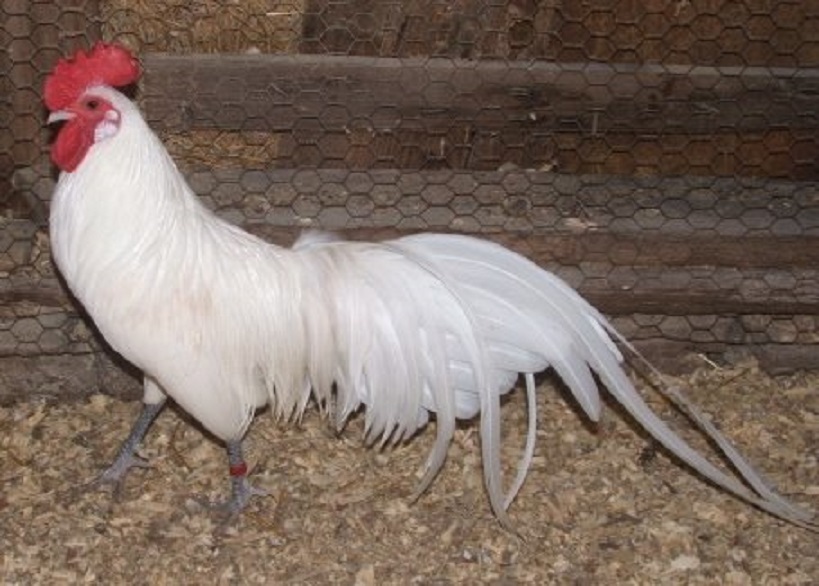
White Standard Phoenix Chicken
Breed Overview and Origin
The White Standard Phoenix Chicken is a rare ornamental longtail breed known for its graceful white plumage, long saddle feathers, long tail feathers, broody hens, and elegant show-bird appearance. If you want a chicken that stands out for beauty, history, and exhibition appeal, the White Phoenix is one of the most striking standard-size longtail options available from Cackle Hatchery®.
Phoenix chickens were developed in post-World War II Germany using Japanese longtail ancestry, including Onagadori-type fowl, along with additional game bird influence. Although people often confuse Phoenix chickens with Onagadori, they are not the same breed. The Phoenix was bred for long, flowing tails, but not for the extreme tail length of the Onagadori.
Cackle Hatchery’s Breed Spotlight: Lovely Longtail Chickens explains that longtail roosters carry specialized genes that help some tail feathers grow longer than normal, including a nonmolting gene that prevents some tail feathers from molting every year. Because of that, Phoenix roosters need more careful tail management than ordinary chicken breeds.
Cackle’s White Phoenix product information also lists White Phoenix as a rare ornamental longtail chicken and notes that Cackle Hatchery® Poultry Breeding Farm has developed its pure White Phoenix bloodline since 2014. In addition, Cackle lists the Phoenix breed as a sustainable heritage chicken breed with threatened status.
Appearance and Characteristics
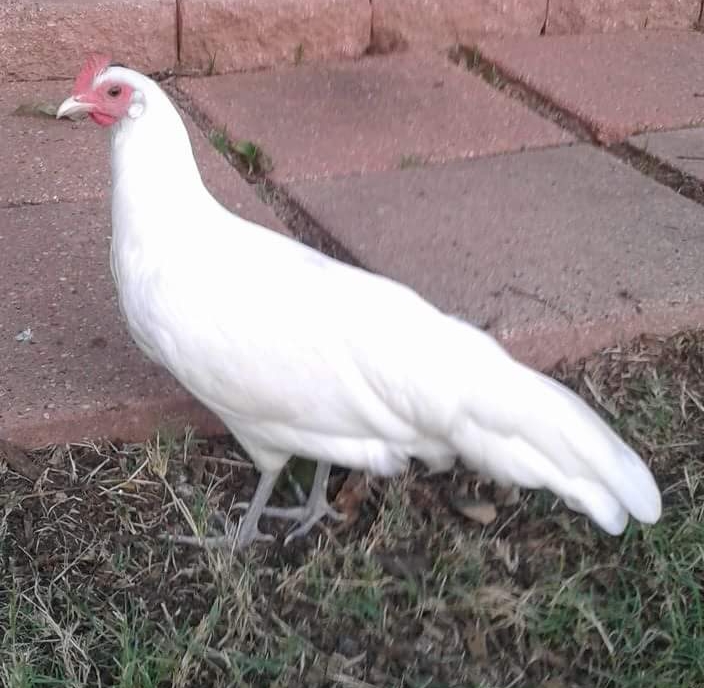
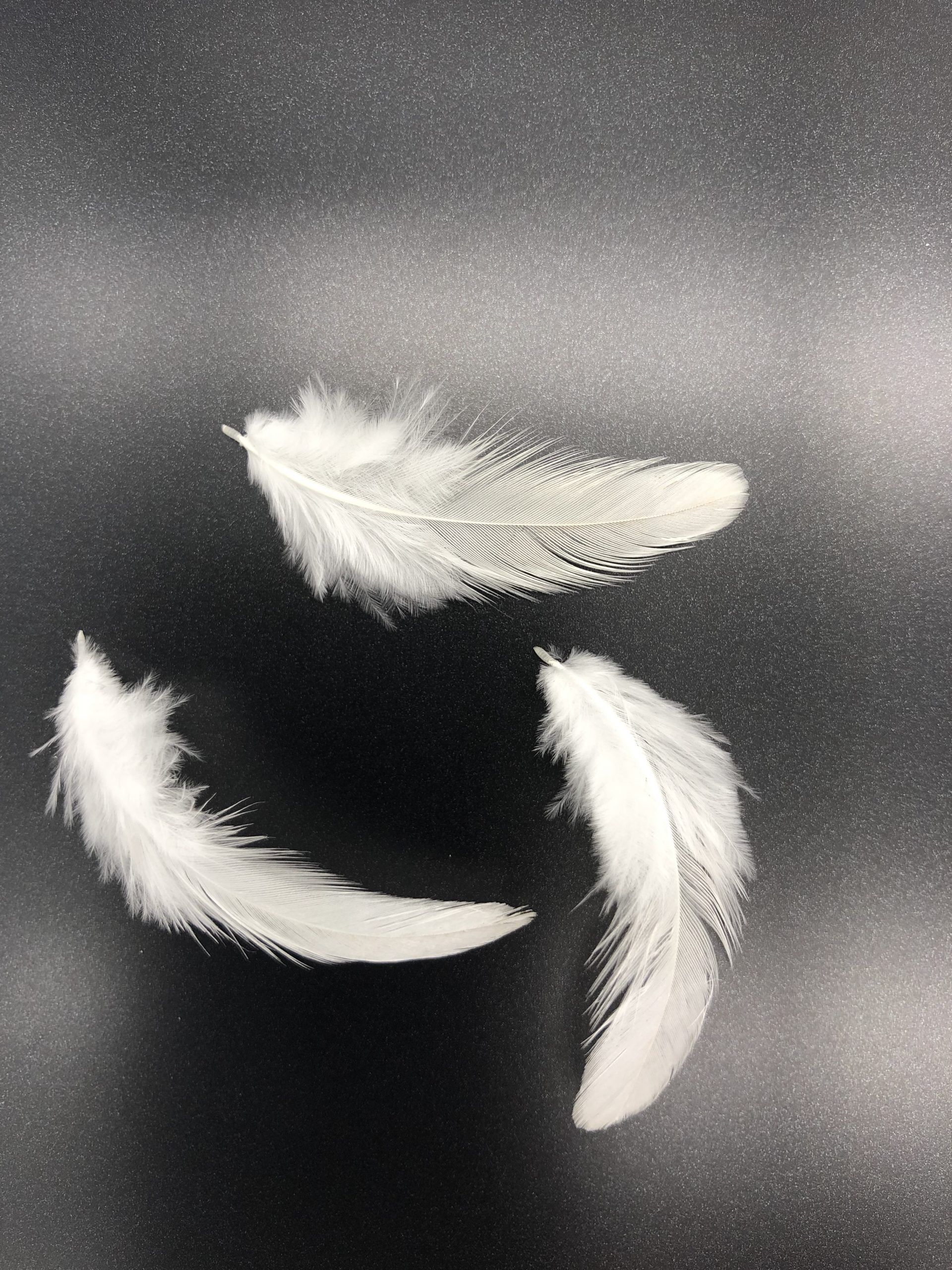
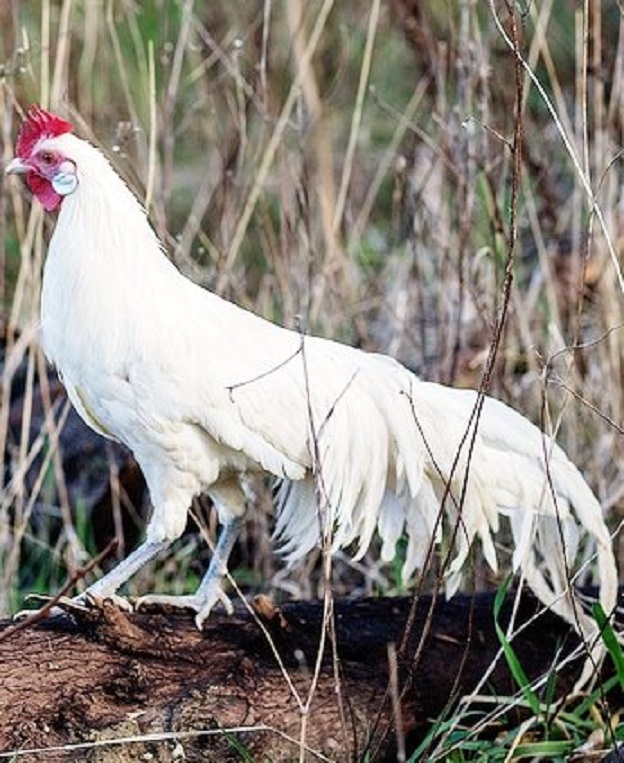
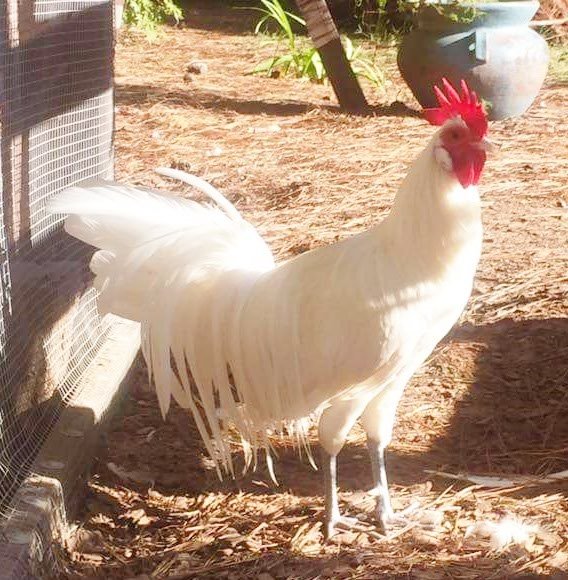
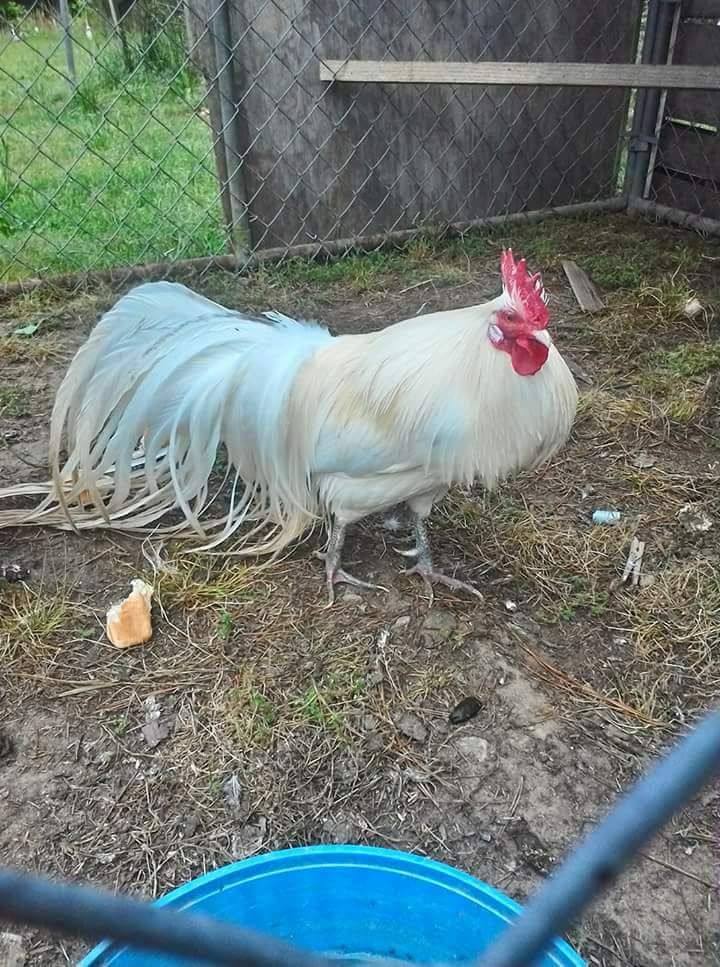
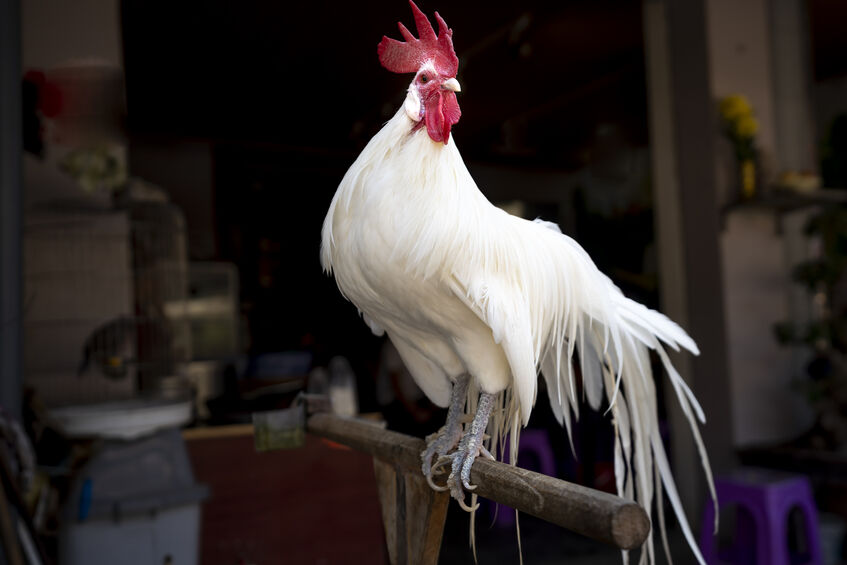
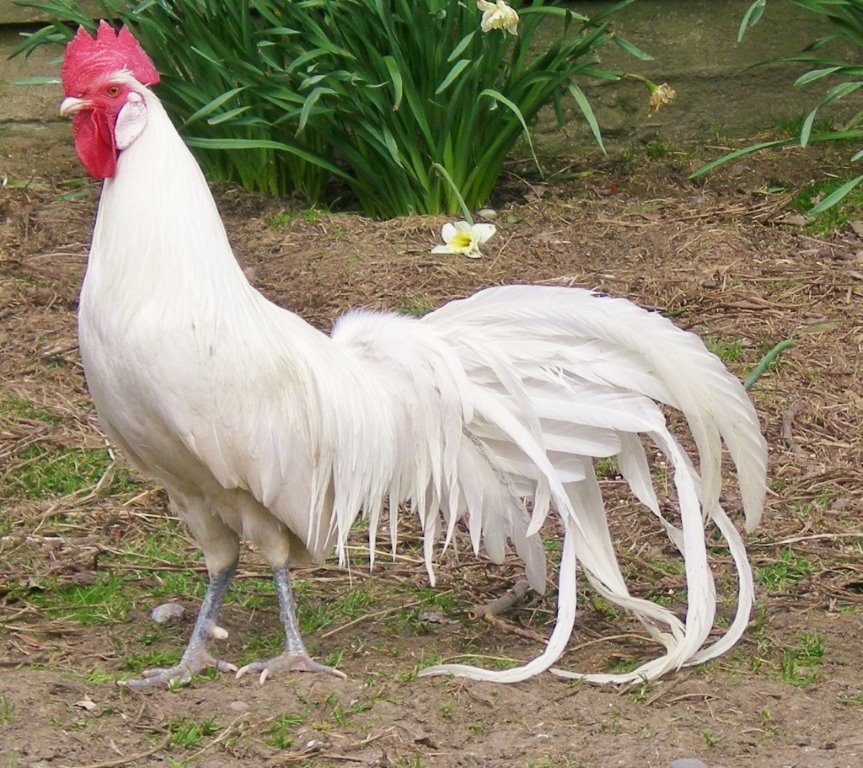
White Standard Phoenix chickens have beautiful white plumage, long saddle hackles, white shoulder hackles, and graceful long tail feathers. The males are especially impressive because their tail feathers can keep growing longer than those of regular chicken breeds.
Depending on the bloodline and care, male Phoenix tails may reach 4 to 5 feet. The original Cackle Hatchery® description notes that Phoenix tail feathers stay blood-filled, which allows them to continue growing. Their genes can also prolong molting periods.
This breed works best for customers who enjoy ornamental poultry and can provide extra care for long tail feathers. A Phoenix rooster’s tail can break, soil, or tangle if the bird lives in a rough pen, muddy run, or cramped coop. Therefore, housing setup matters more with Phoenix chickens than with most standard backyard breeds.
White Standard Phoenix vs Onagadori: What’s the Difference?
White Standard Phoenix chickens come from Japanese longtail ancestry, but they are not Onagadori. The Onagadori is famous for extremely long tails that can grow to extraordinary lengths under specialized management. By comparison, Phoenix chickens have long, beautiful tails but usually not the extreme tail length of true Onagadori.
Choose White Standard Phoenix if you want a rare ornamental longtail chicken with white plumage, graceful tail feathers, show appeal, and more practical management than an extreme Onagadori-type bird.
Choose a different longtail breed only if you have the specialized housing, grooming, and experience required for more demanding longtail poultry.
White Standard Phoenix vs Other Phoenix Varieties
White Standard Phoenix chickens share the same general longtail character as other Phoenix varieties. The main difference is feather color.
For customers who want clean white plumage, graceful long saddle feathers, and classic longtail beauty, White Standard Phoenix is the best fit.
If you prefer silver duckwing plumage, compare Silver Duckwing Standard Phoenix chickens. Cackle describes Silver Duckwing Phoenix as rare ornamental longtail chickens with silver duckwing plumage, long saddle feathers, long tail feathers, and graceful flock presence.
For customers who like the miniature version, White Phoenix Bantam chickens may be a better match. Cackle describes White Phoenix Bantams as miniature longtail chickens with white plumage and strong ornamental show appeal.
Meanwhile, the Phoenix Standard Surplus Special can be a good option if you like Standard Phoenix chickens but do not need one exact color variety. Cackle notes that the special can include one or two of all four Phoenix color varieties and that its pure Phoenix bloodline has been developed since 1973.
For a broader longtail assortment, customers can also compare the Long Tail Surplus Special, which may include Phoenix, Yokohama, or other longtail varieties depending on hatch availability.
Egg Production and Broodiness
White Standard Phoenix hens lay small tinted eggs. However, customers should not choose this breed mainly for egg production. Phoenix chickens are best known for ornamental value, exhibition quality, longtail feathering, and rare breed appeal.
The hens are also known for broodiness. That means they may sit on eggs and help hatch chicks when conditions are right. Broodiness can vary by individual hen, season, and flock setup, but Phoenix hens can be useful for customers who appreciate natural mothering instincts.
If your main goal is steady egg production, a production layer may be a better fit. However, if you want a beautiful rare breed with broody potential and longtail character, White Standard Phoenix chickens can bring something truly special to your flock.
Temperament and Suitability
White Standard Phoenix chickens are ornamental, active, and graceful. They fit best with customers who enjoy rare breeds, exhibition poultry, and longtail feather care. Because of their tails, they need more thoughtful housing than regular backyard layers.
This variety can work well for:
- Rare breed enthusiasts
- Poultry exhibitors
- Longtail chicken keepers
- Backyard flocks focused on beauty
- Customers who want broody hens
- Small breeding projects with proper setup
- Keepers who can provide clean, dry housing
However, customers who want a low-maintenance egg layer, a rugged mud-tolerant chicken, or a bird for rough free-range conditions may prefer another breed. Overall, White Standard Phoenix chickens fit best with keepers who value ornamental beauty and are ready to protect the tail feathers that make this breed special.
Longtail Care and Housing Tips
White Standard Phoenix chickens need clean, dry, well-planned housing. Their long tail feathers require extra protection from mud, crowding, rough perches, and dirty bedding.
Cackle Hatchery’s Care and Feeding of Longtail Roosters article explains that longtail chickens need specialized treatment to maintain their beauty. The article highlights that longtail roosters differ from other breeds in housing, cleanliness, handling, exercise, and care.
For best results, provide:
- A dry, clean coop
- Clean bedding that stays loose and dry
- Plenty of space to prevent tail damage
- Higher, safe roosting options
- Predator-resistant fencing
- A covered or well-drained run
- Protection from mud and standing water
- Gentle handling to avoid breaking tail feathers
- Good ventilation without drafts
In addition, avoid overcrowding. Longtail birds need enough room to turn, walk, roost, and move without dragging their tail feathers through manure, mud, or rough surfaces.
Is the White Standard Phoenix Chicken Right for Your Flock?
Choose White Standard Phoenix chickens if you want:
- A rare ornamental longtail chicken
- White plumage with graceful tail feathers
- A breed developed from Japanese longtail ancestry
- A standard-size Phoenix variety
- Hens with broody potential
- A bird for exhibition or rare breed enjoyment
- A longtail rooster with impressive feather growth
- A flock addition with unusual beauty and history
However, consider another breed if you want high egg production, low-maintenance flock care, or a chicken suited to rough muddy conditions. In short, White Standard Phoenix chickens are best for customers who enjoy ornamental poultry and can provide the extra care longtail feathers require.
Recognition and Availability
Cackle Hatchery® lists White Phoenix as a rare chicken breed and identifies the Phoenix as a sustainable heritage chicken breed with threatened status. Cackle’s White Phoenix product information also notes that Cackle Hatchery® Poultry Breeding Farm has developed its pure White Phoenix bloodline since 2014.
The broader Phoenix Standard Surplus Special states that Cackle has developed its pure Phoenix bloodline since 1973. That special may include one or two of all four Phoenix color varieties, depending on hatch availability.
Since hatch dates and shipping windows can change during the season, customers should check Cackle Hatchery’s Chicken Availability Chart before ordering. Cackle notes that the availability chart updates every 60 seconds and may change as egg numbers become more accurate.
Related Breeds and Helpful Cackle Hatchery® Resources
Customers who like White Standard Phoenix chickens may also enjoy other Phoenix varieties, Phoenix Bantams, longtail assortments, and Cackle’s longtail care articles.
Helpful Cackle Hatchery® links for this product page include:
FAQ: White Standard Phoenix Chicken
What is a White Standard Phoenix Chicken?
A White Standard Phoenix Chicken is a rare ornamental longtail chicken with white plumage, long saddle feathers, long tail feathers, small tinted eggs, and strong exhibition appeal.
Where did White Phoenix chickens come from?
Phoenix chickens were developed in post-World War II Germany using Japanese longtail ancestry, including Onagadori-type birds, along with game bird influence.
Is a Phoenix chicken the same as an Onagadori?
No. Phoenix chickens and Onagadori are often confused, but they are not the same breed. Phoenix chickens have long tails, while Onagadori are known for much more extreme tail length.
How long can a White Standard Phoenix rooster’s tail get?
The original Cackle Hatchery® description notes that male Phoenix tails may reach 4 to 5 feet, depending on bloodline and care.
Why do Phoenix chickens have long tails?
Phoenix chickens carry longtail genetics that help some tail feathers keep growing longer than normal. Cackle’s longtail breed spotlight explains that longtail roosters have specialized genes that can reduce or delay normal tail feather molting.
Do White Standard Phoenix hens lay eggs?
Yes. White Standard Phoenix hens lay small tinted eggs. However, customers usually choose this breed for ornamental value and longtail beauty rather than egg production.
Are White Standard Phoenix hens broody?
Yes, Phoenix hens can be very broody. They may sit on eggs and raise chicks when conditions are right.
Are White Standard Phoenix chickens good for beginners?
They can work for beginners who are prepared for extra longtail care. However, customers who want a low-maintenance laying breed may prefer a more practical production chicken.
Are White Standard Phoenix chickens good show birds?
Yes. Their long tail feathers, white plumage, and graceful appearance give them strong ornamental and exhibition appeal.
Do White Standard Phoenix chickens need special housing?
Yes. They need clean, dry, spacious housing to help protect the long tail feathers from mud, manure, breakage, and tangling.
Can White Standard Phoenix chickens free range?
They may enjoy outdoor space, but rough free-range conditions can damage their tail feathers. A clean, protected run usually works better for preserving longtail beauty.
What do White Standard Phoenix chickens eat?
They need a balanced chick starter when young and an appropriate grower or layer feed as they mature. Longtail roosters may also benefit from excellent nutrition to support feather growth.
What is the difference between White Standard Phoenix and White Phoenix Bantam?
White Standard Phoenix chickens are standard-size longtail chickens. By comparison, White Phoenix Bantam chickens are the miniature version with similar white plumage and ornamental longtail appeal.
Does Cackle Hatchery® offer other Phoenix varieties?
Yes. Cackle Hatchery® offers several Phoenix varieties and Phoenix specials, including Silver Duckwing Phoenix, Black Breasted Red Phoenix, White Phoenix Bantam, Phoenix Standard Surplus Special, and Long Tail Surplus Special.
What is the Phoenix Standard Surplus Special?
The Phoenix Standard Surplus Special is a hatchery-choice Phoenix option that can include one or two of all four Phoenix chicken color varieties, depending on hatch availability.
Where can I check White Standard Phoenix availability?
Customers can check Cackle Hatchery’s Chicken Availability Chart for current hatch and shipping timing. Since availability can change during the season, checking the chart helps customers plan ahead.





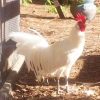
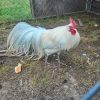

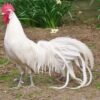
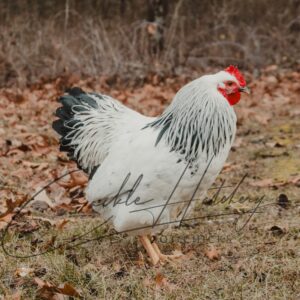


Virginia M –
Sweet disposition, pretty girl
Received one of these beautiful birds as part of the Rare Breed Special back in May 2019.
She is a beautiful, friendly girl that cohabits well with a mix of other ladies. Started laying at 6 months of age.
This was our first “lap chicken”, and is content to either roam around the yard or sit quietly with us.
Great addition to our backyard flock!
Drew –
Good strong chicks
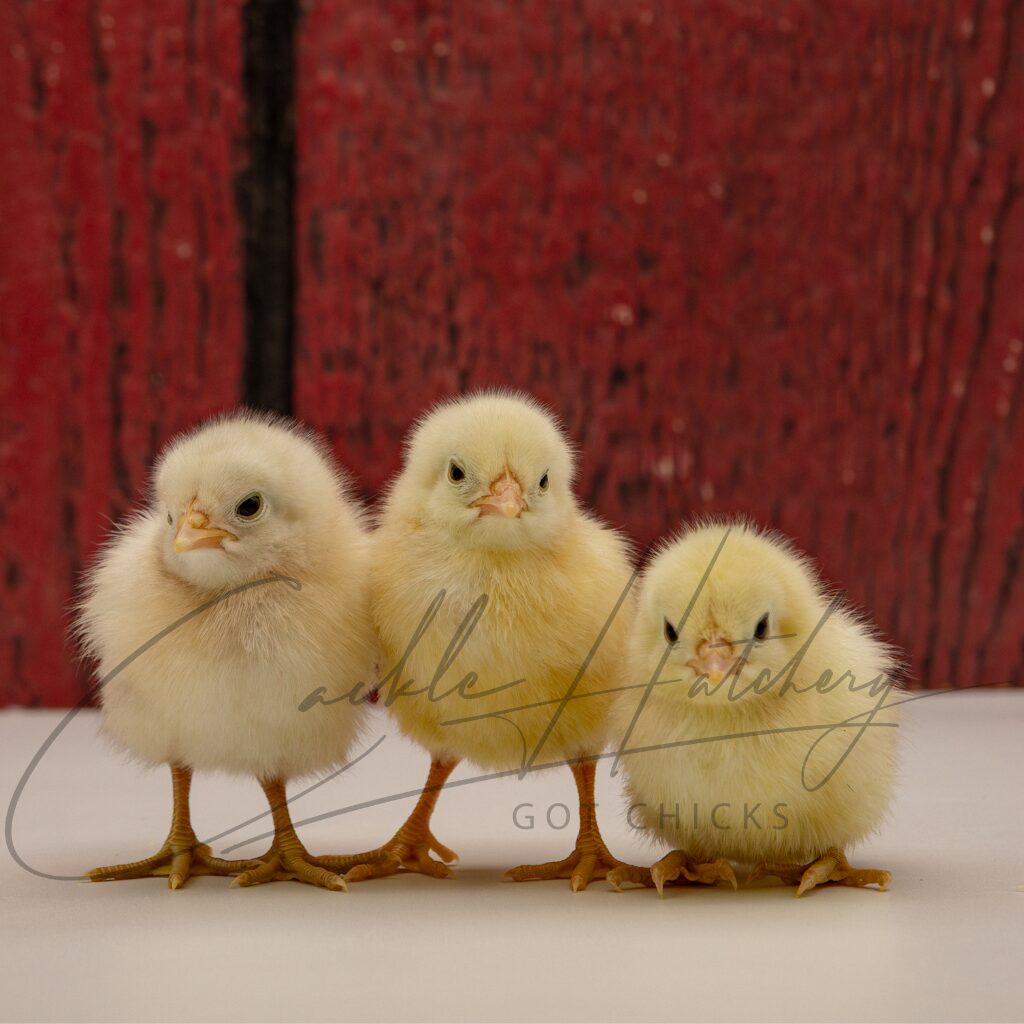
I ordered 3 a month ago and still have them doing good