Description
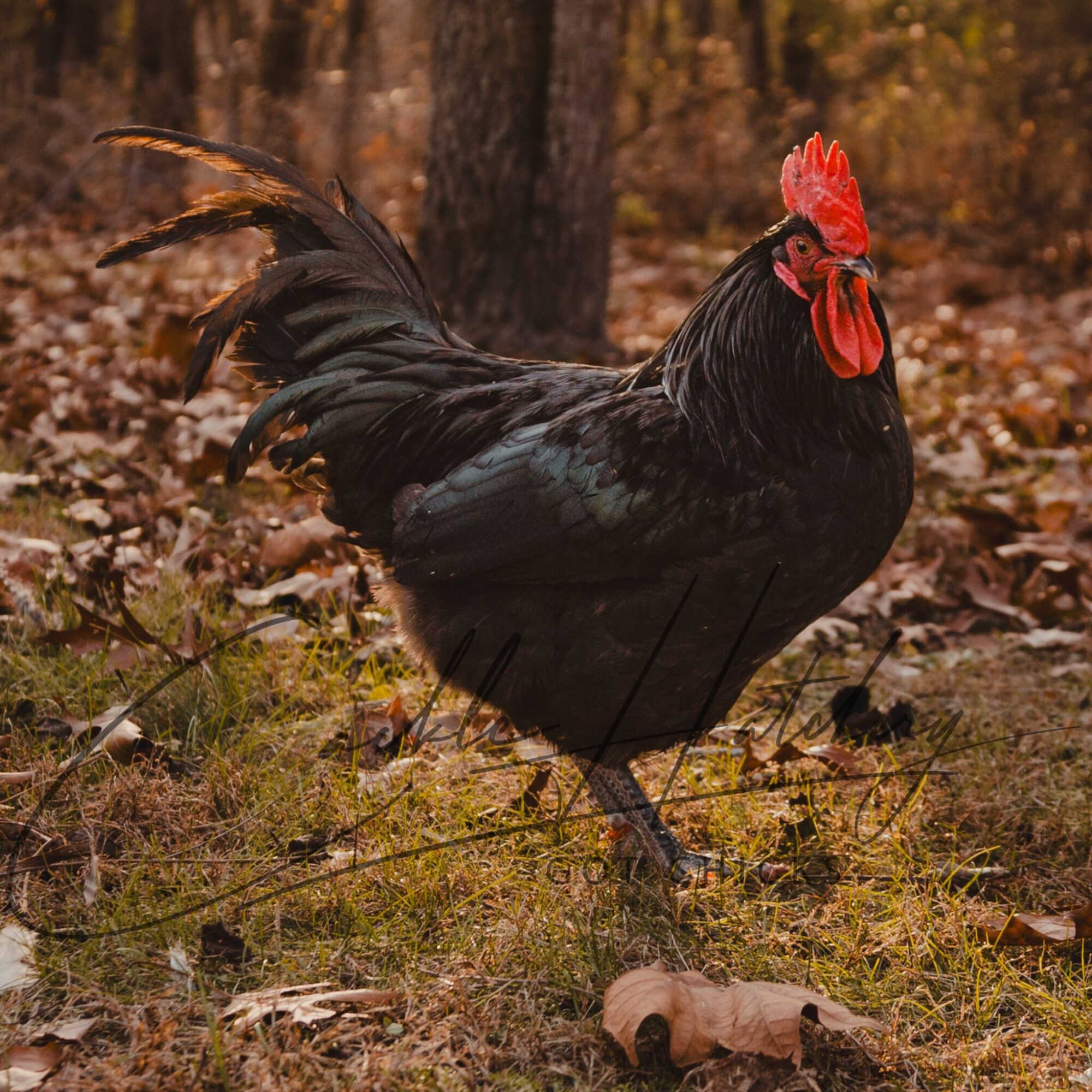
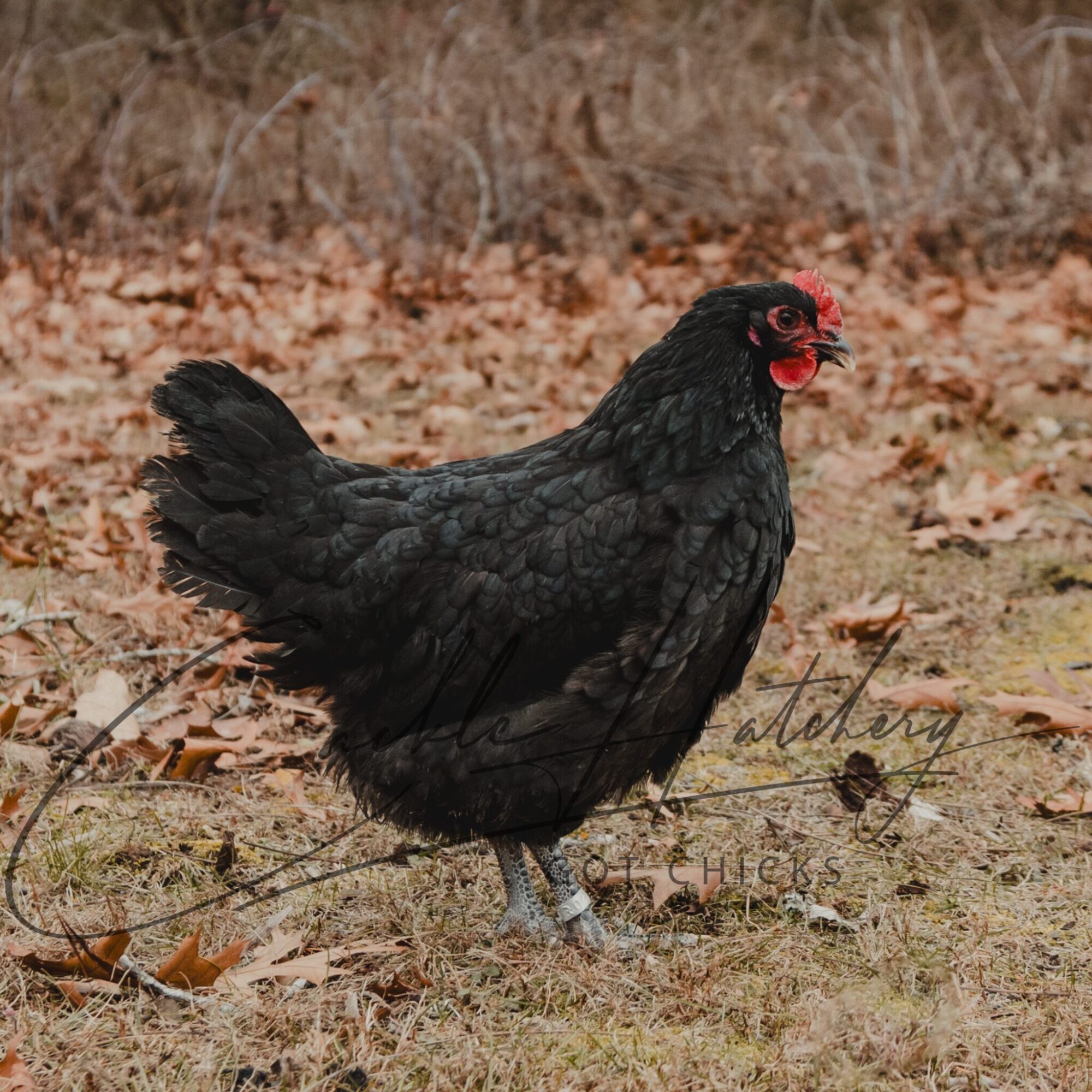
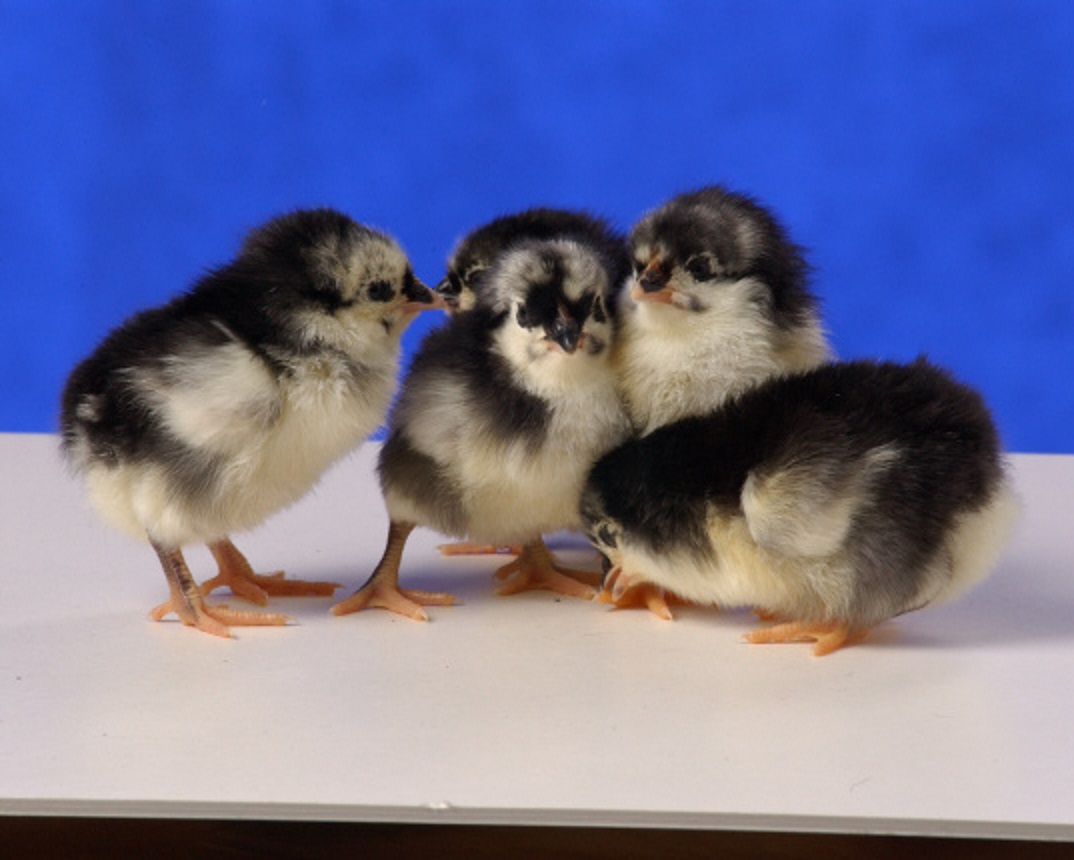
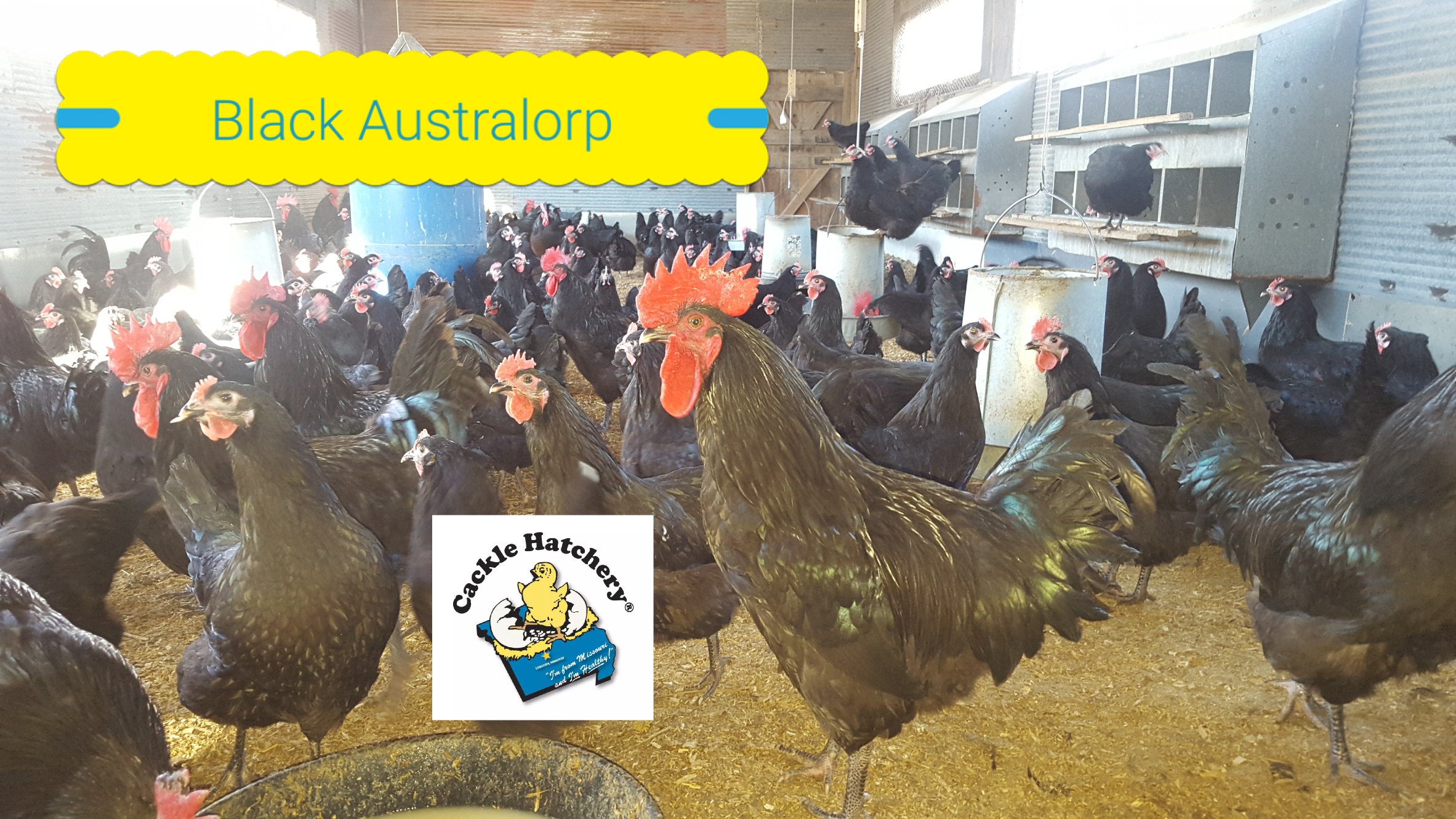
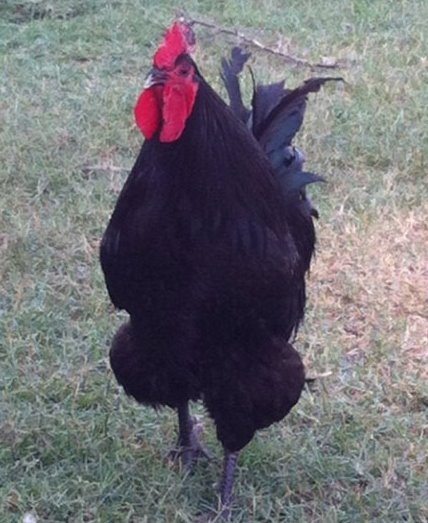
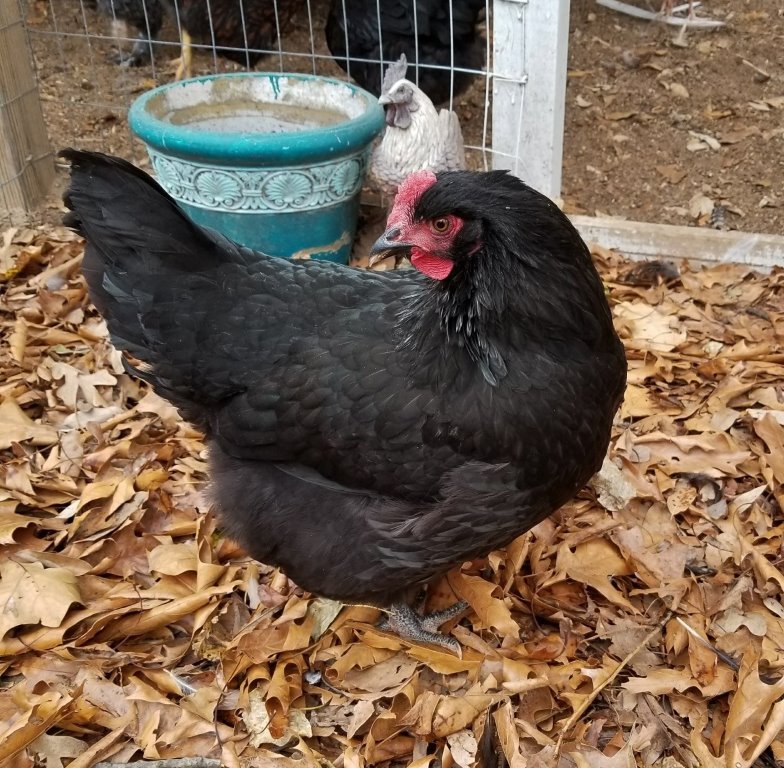
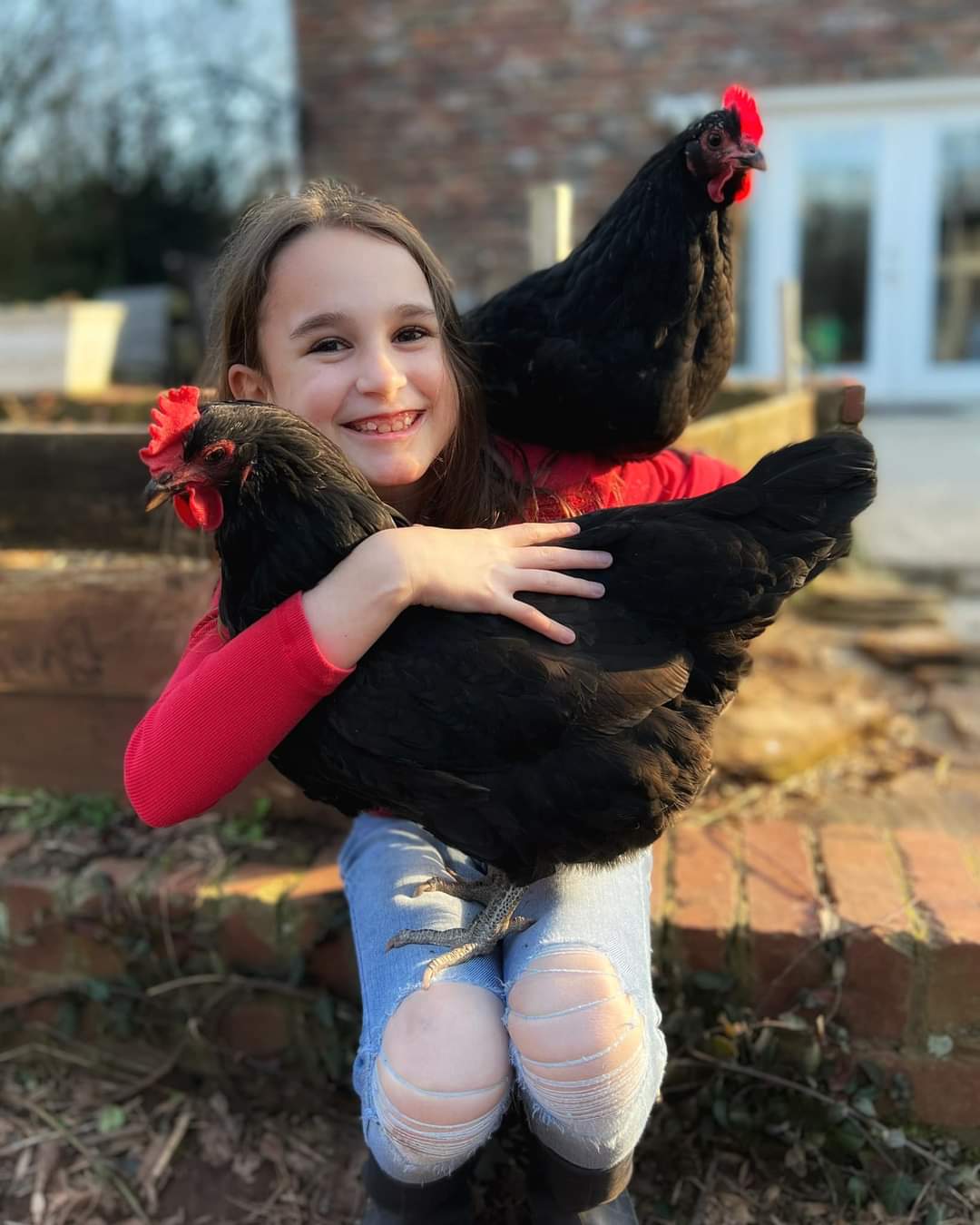
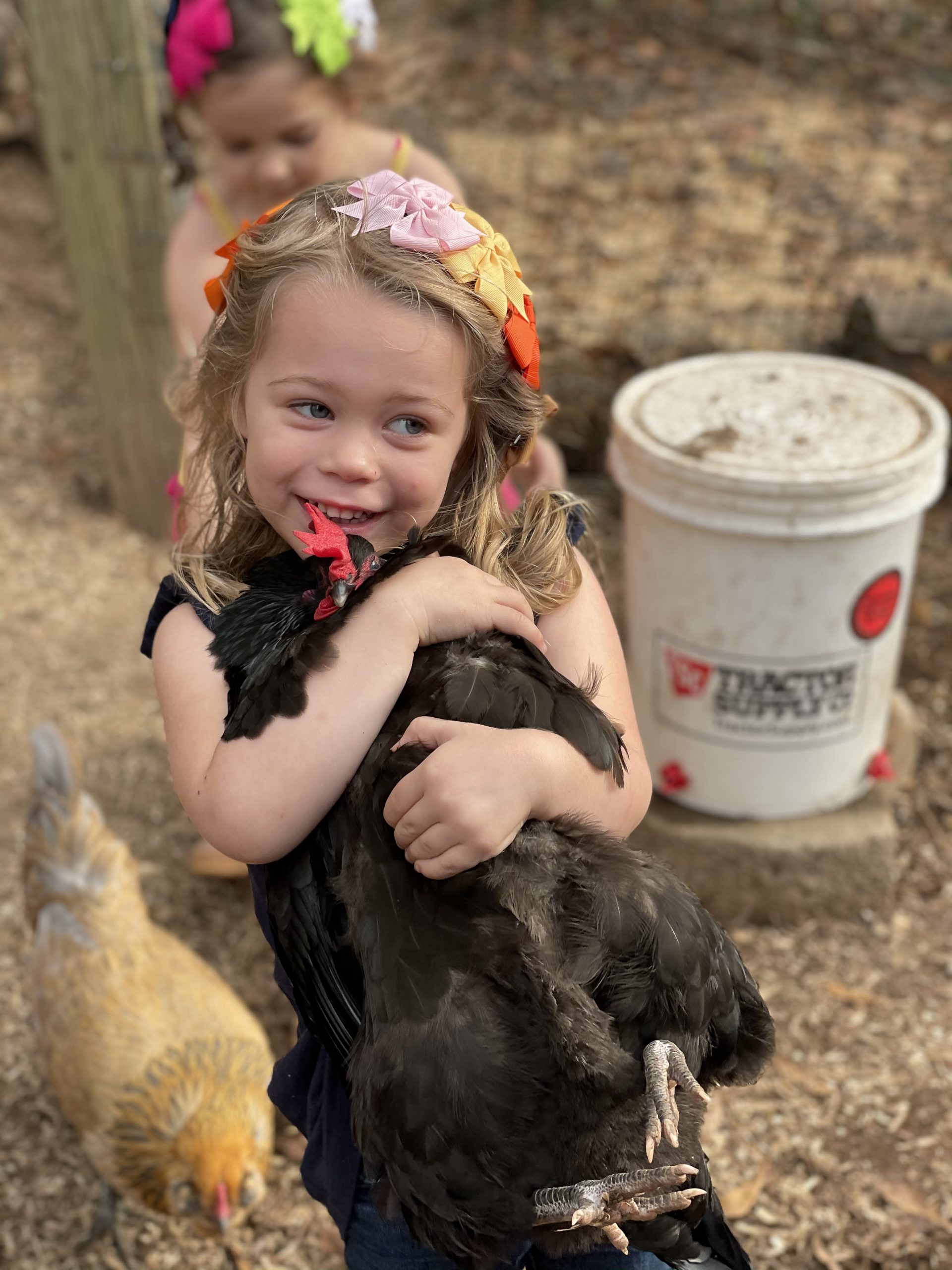
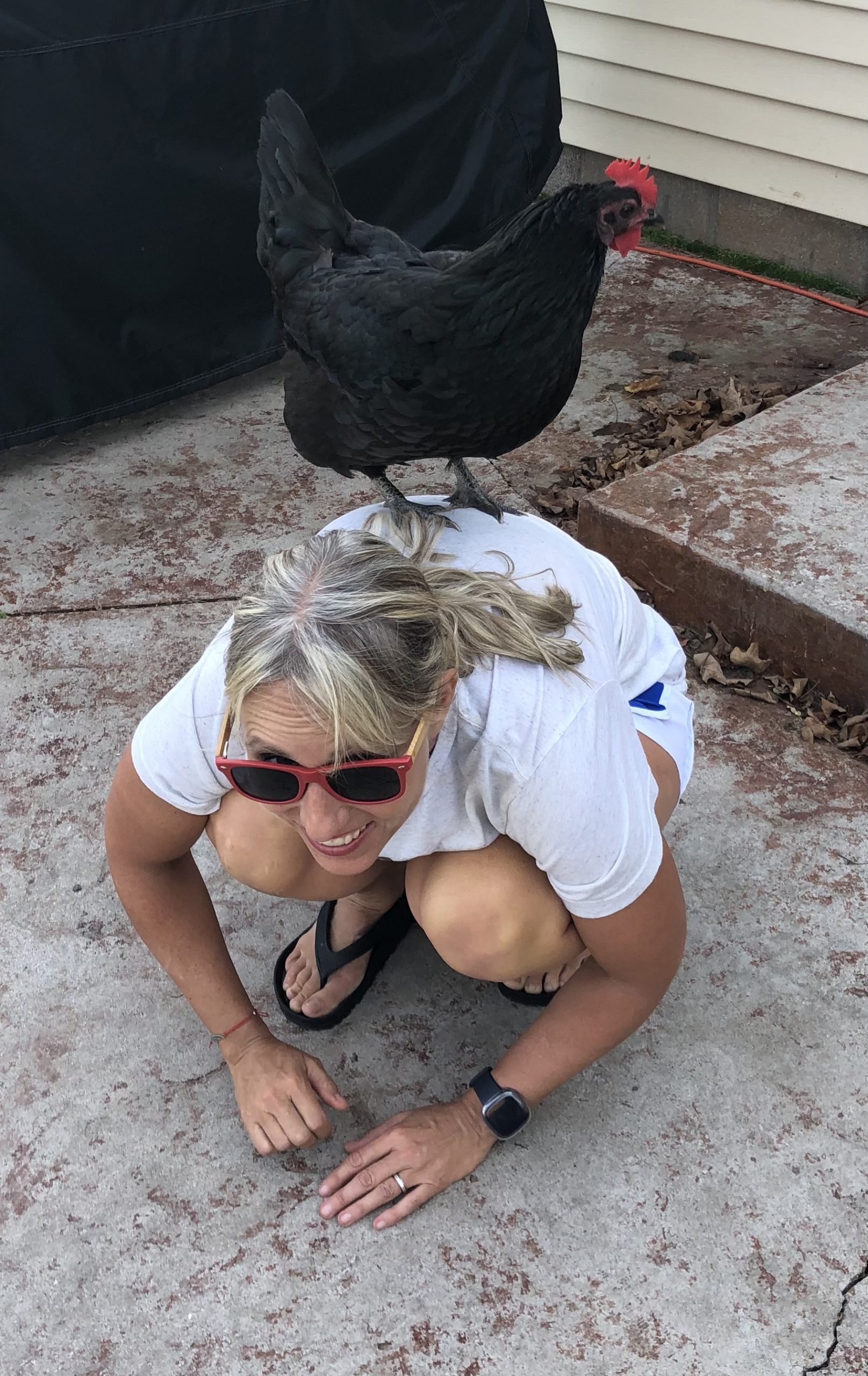
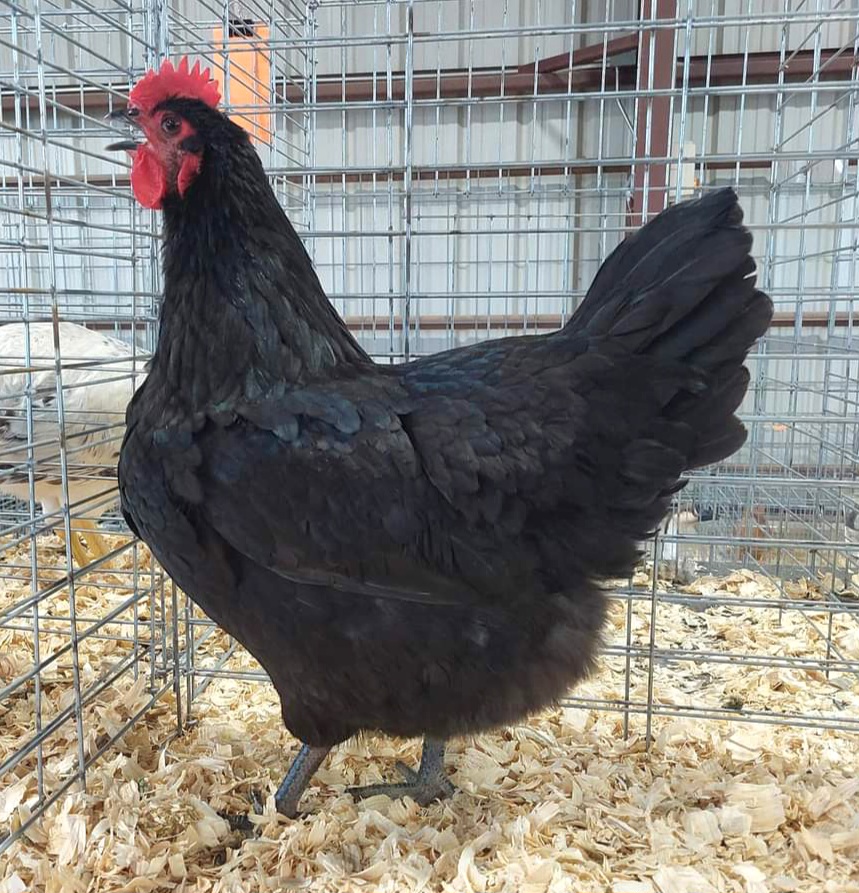
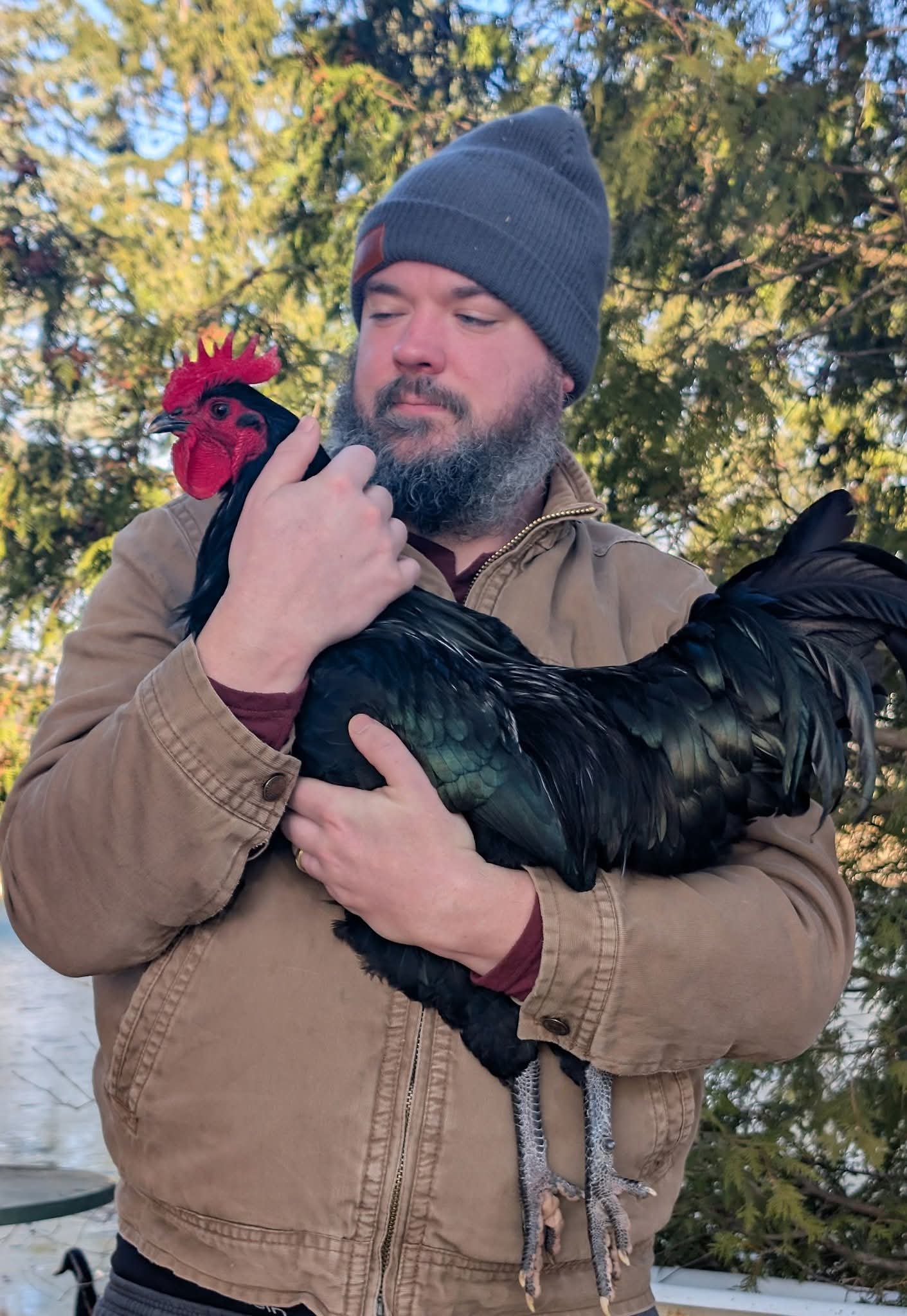
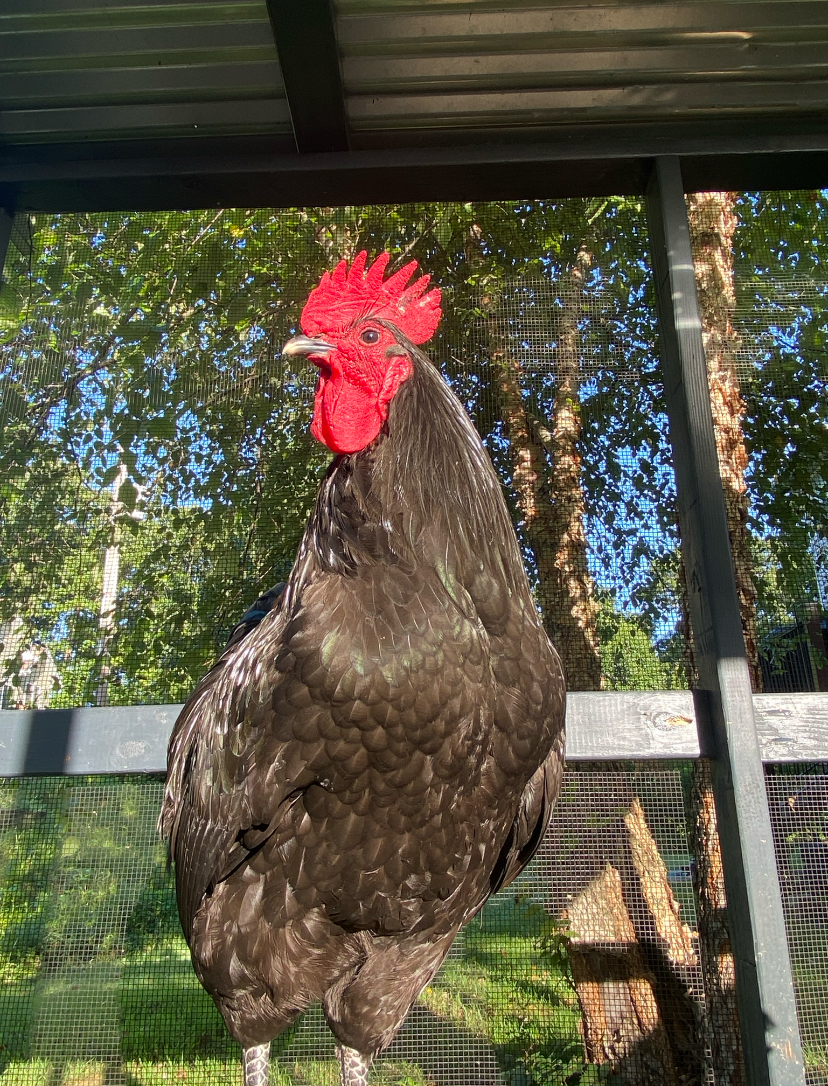
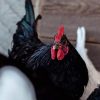
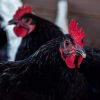
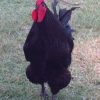
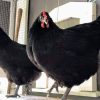
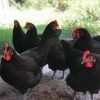
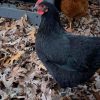
Black Australorp Chicken
Breed History and Origin
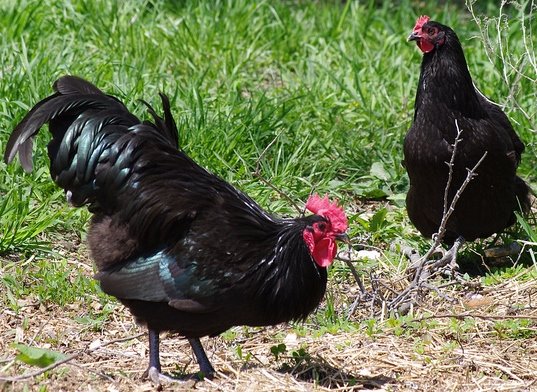
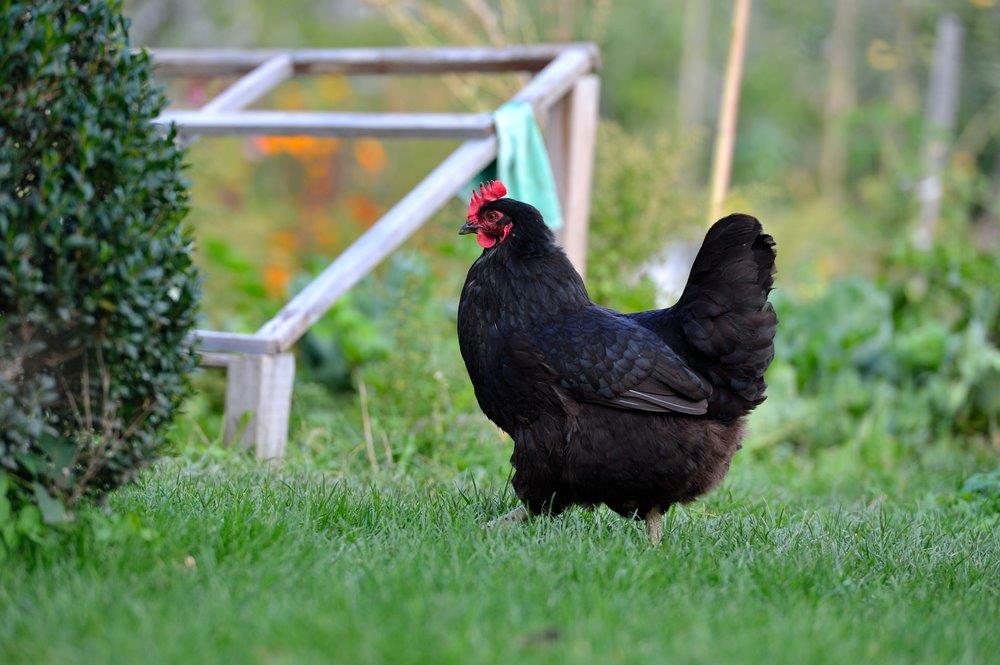
The Black Australorp chicken originated in Australia and was developed for strong egg production while maintaining meat qualities. It was admitted to the American Standard of Perfection in 1929 as part of the English Class and remains one of the most dependable winter laying heritage breeds available.
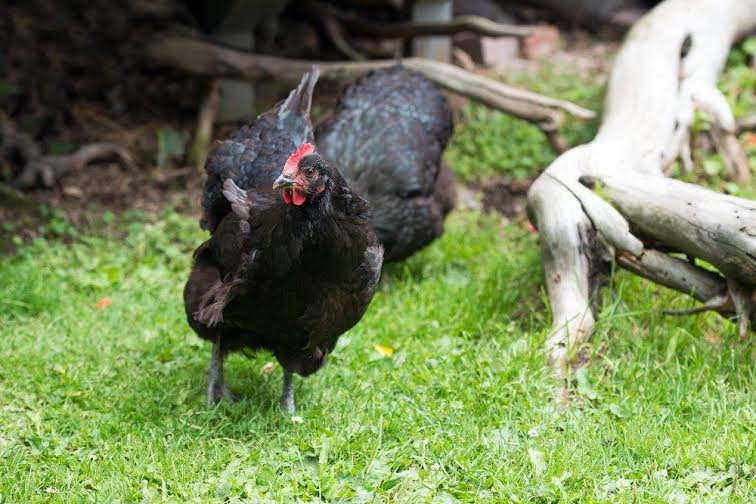
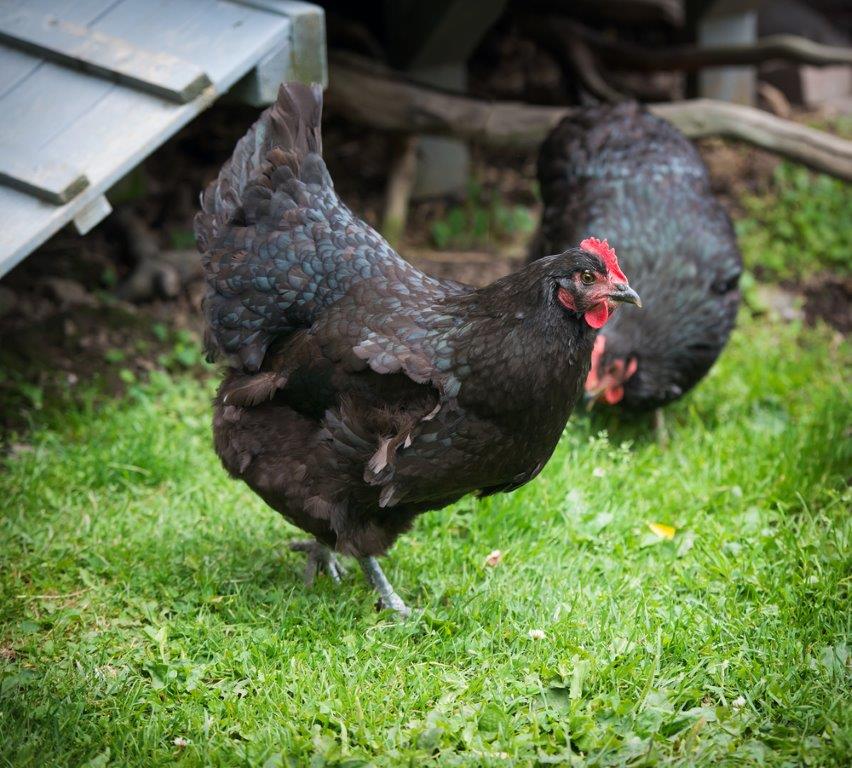
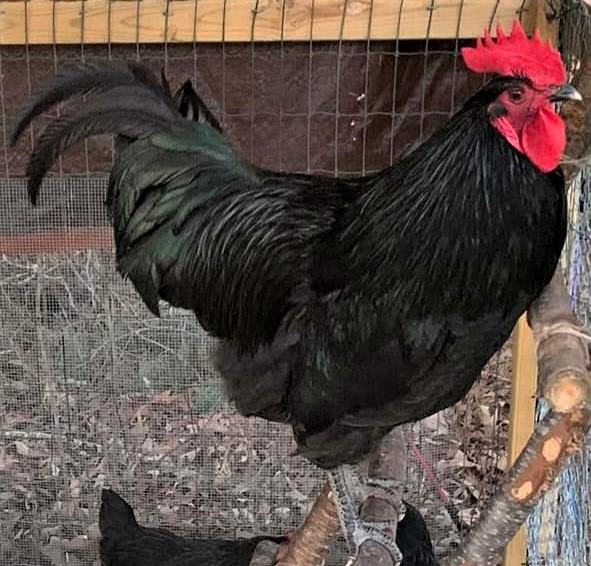
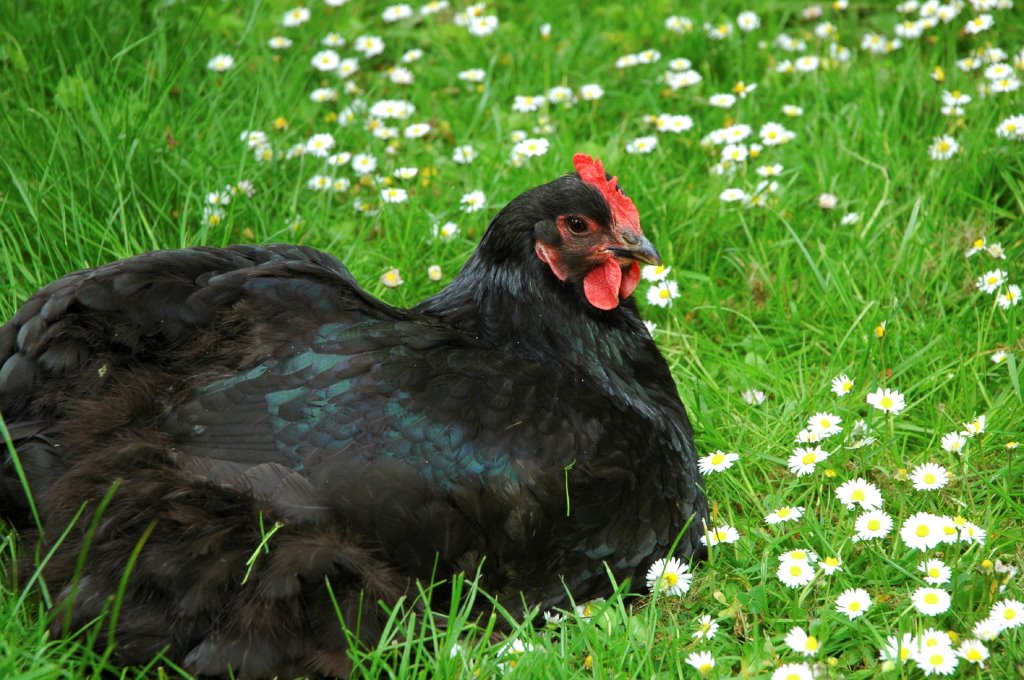
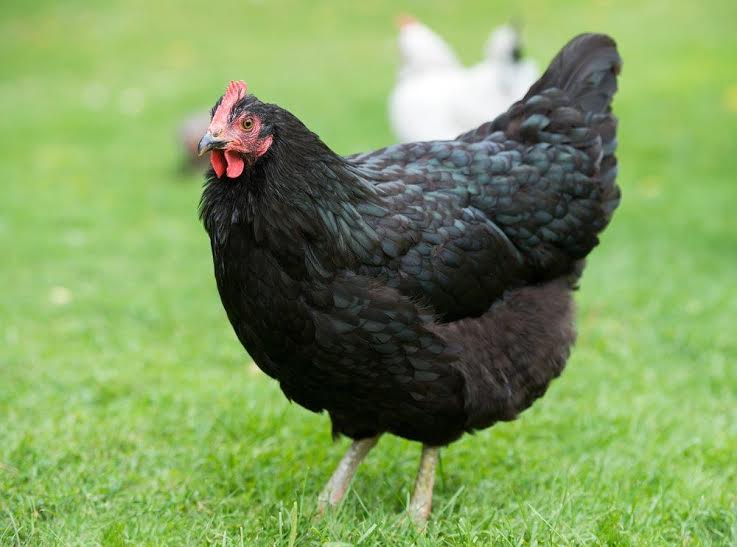
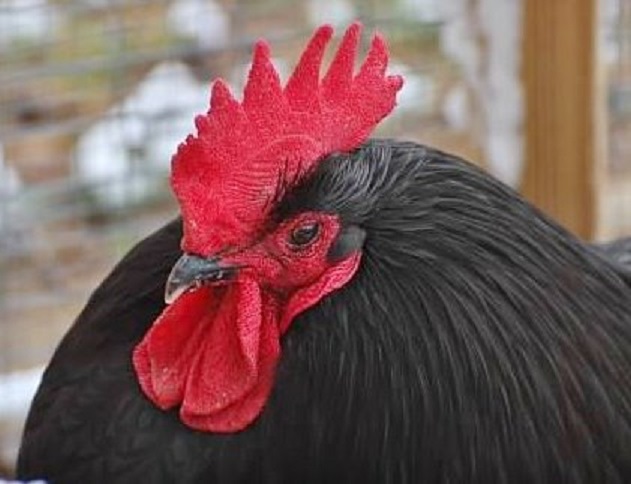
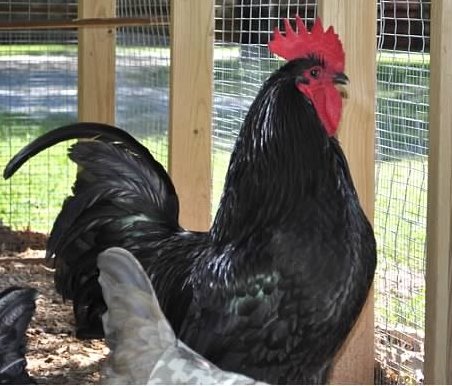
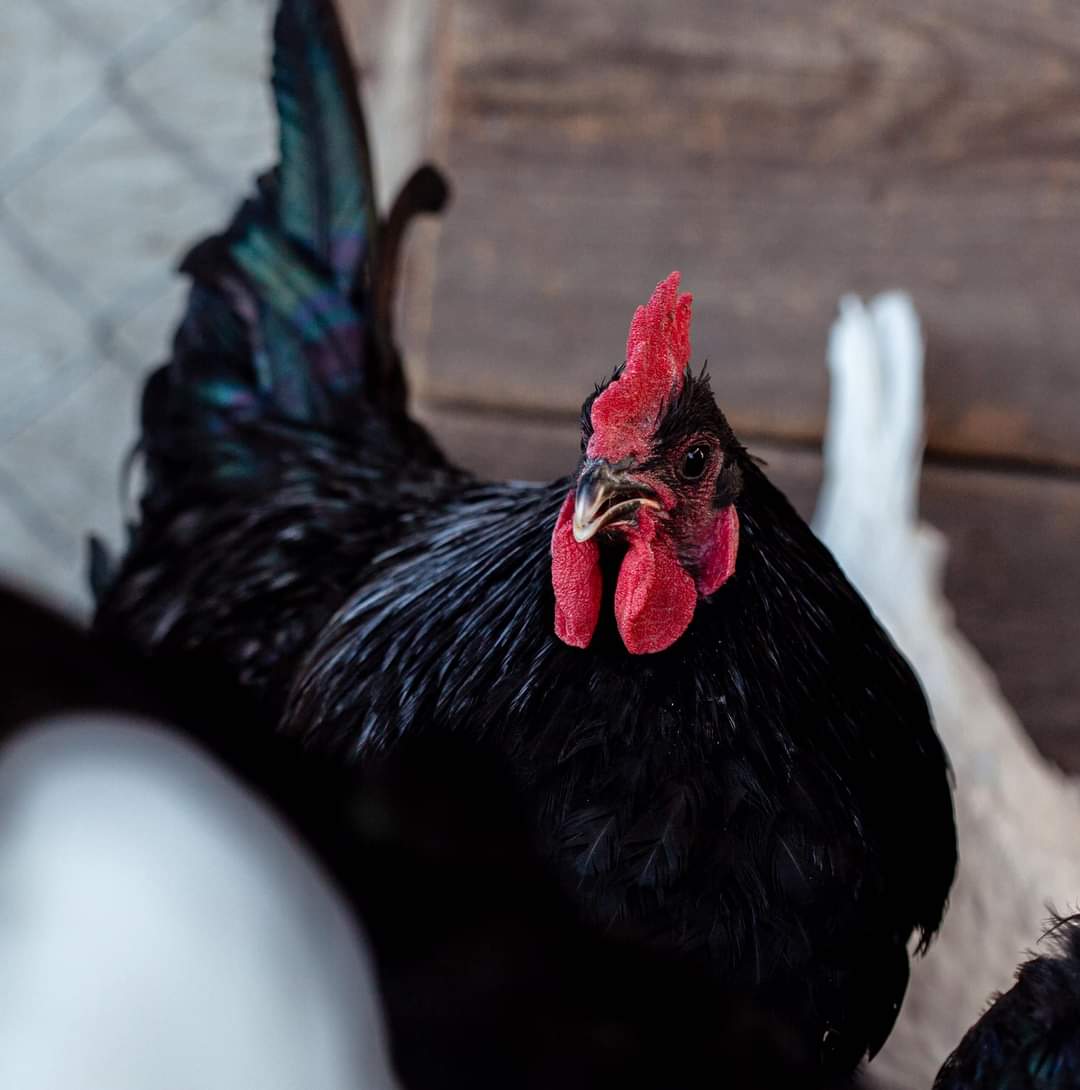
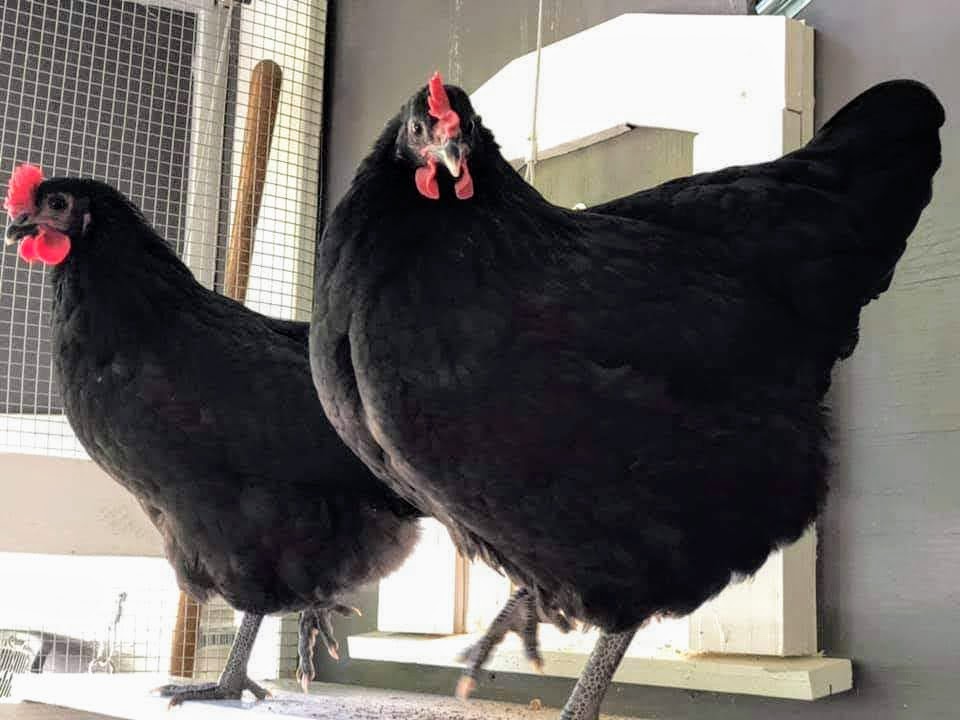
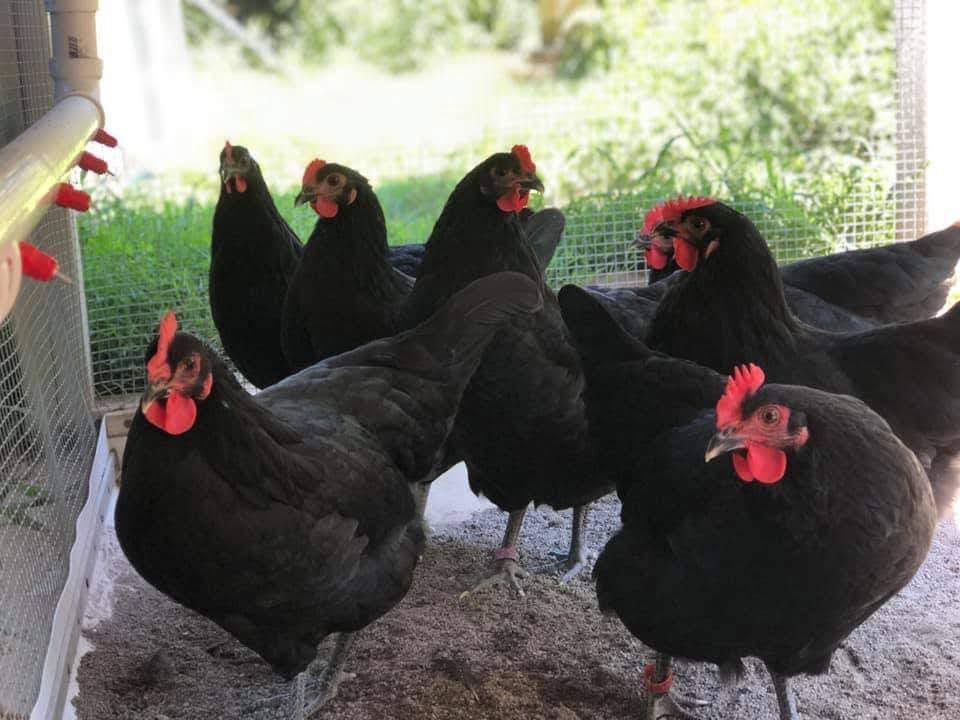
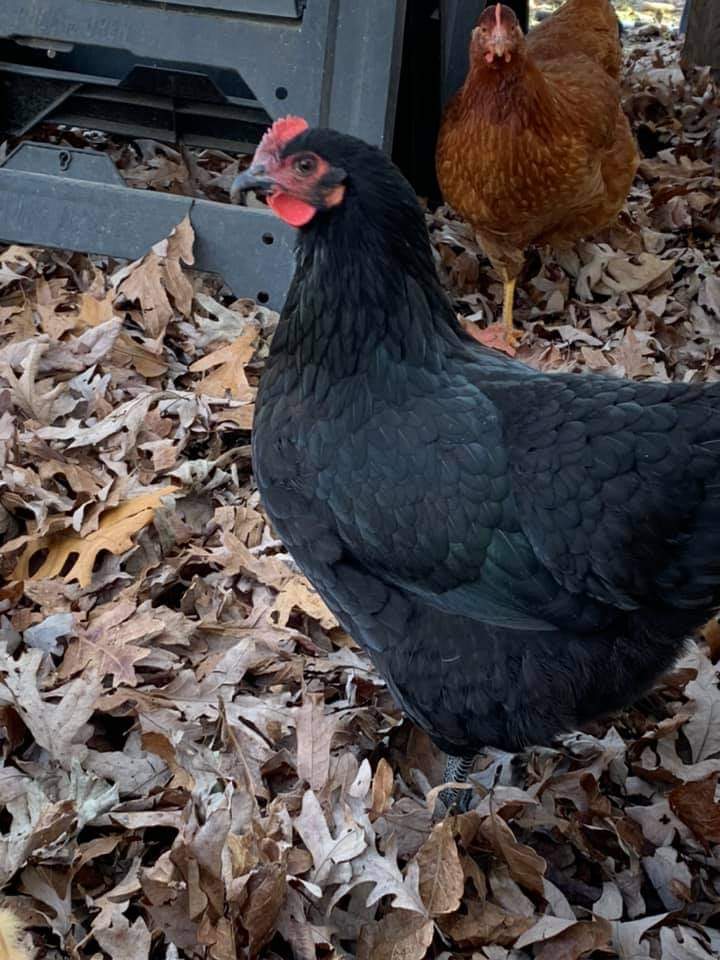
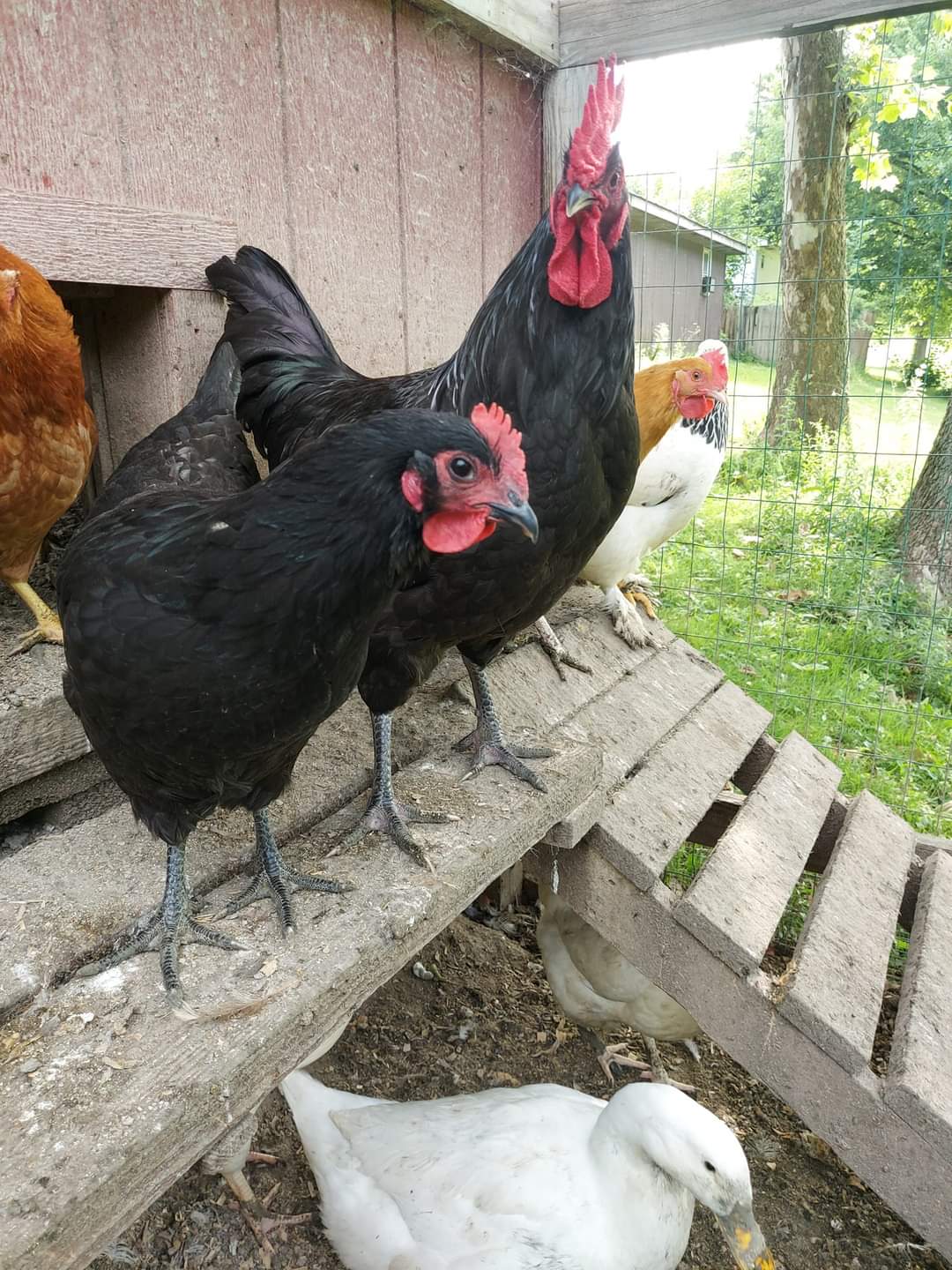
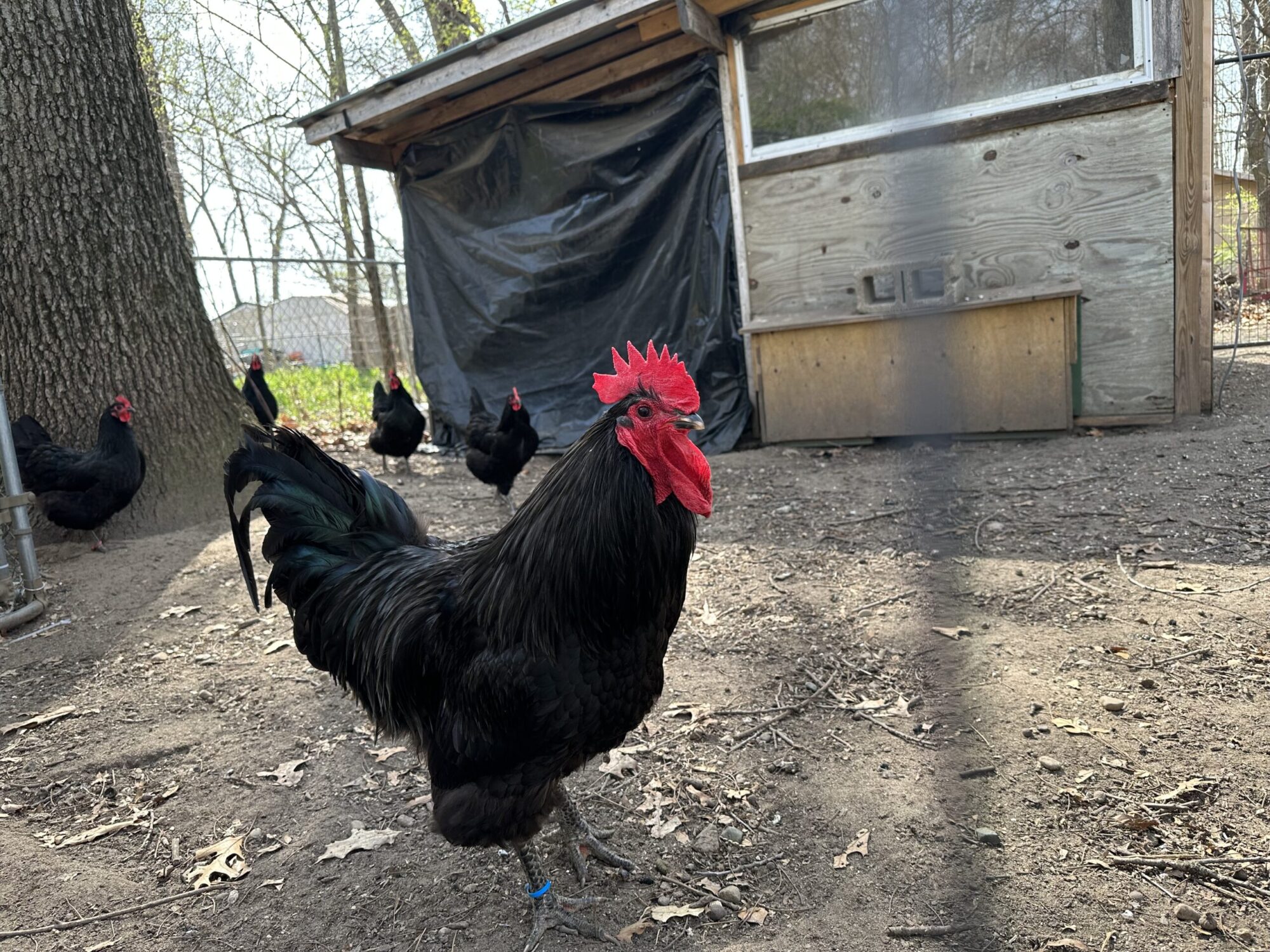
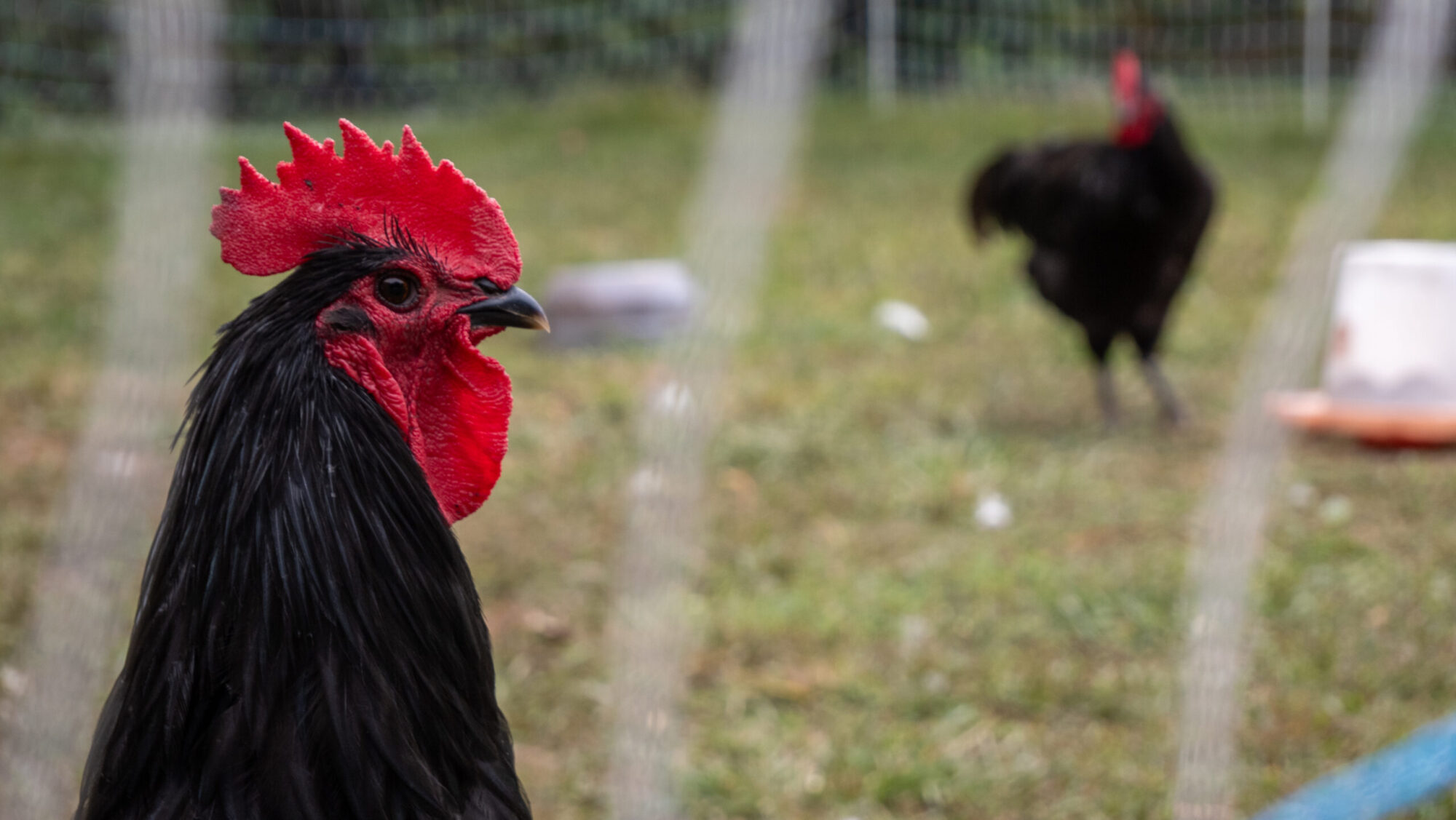
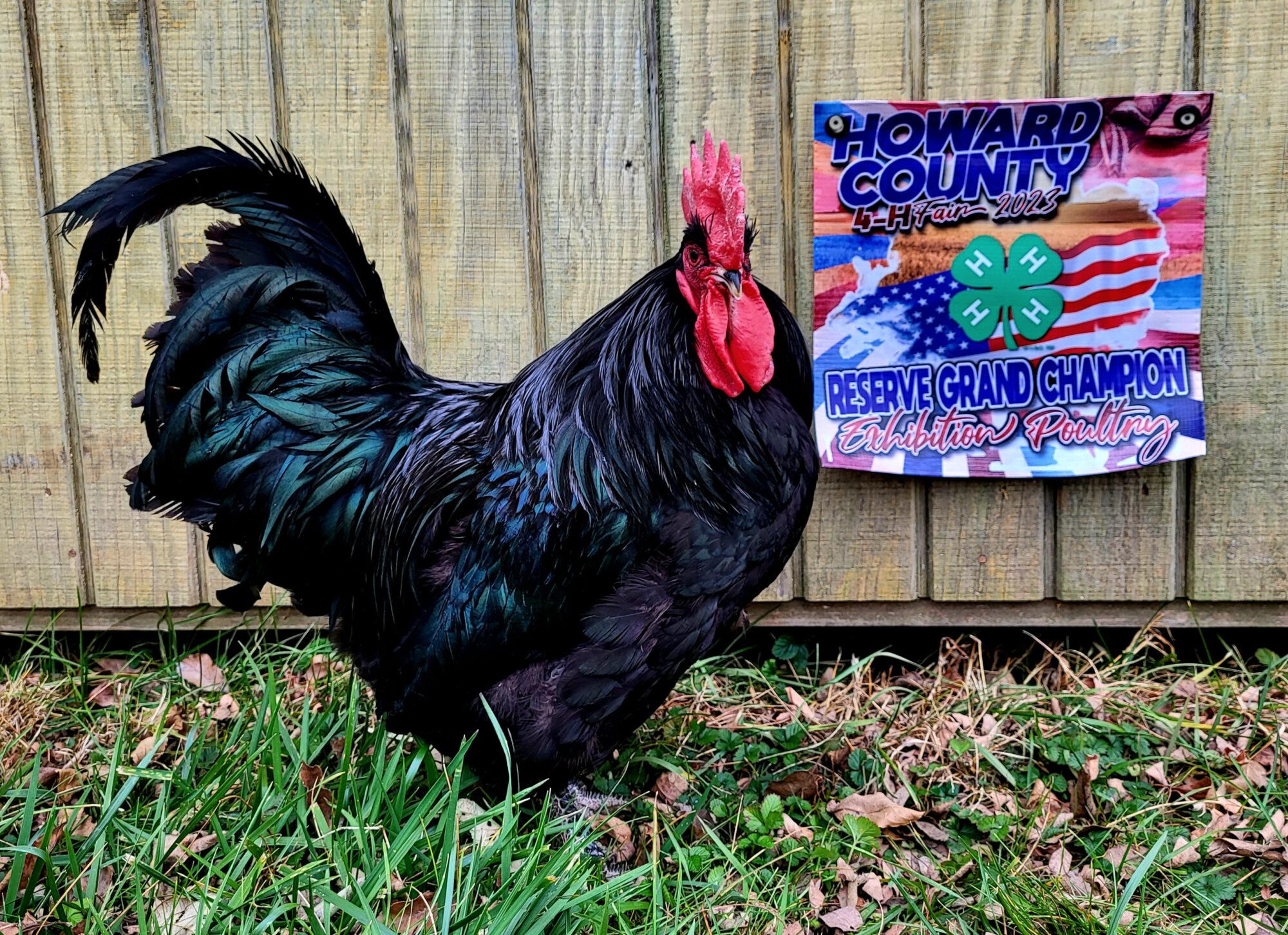
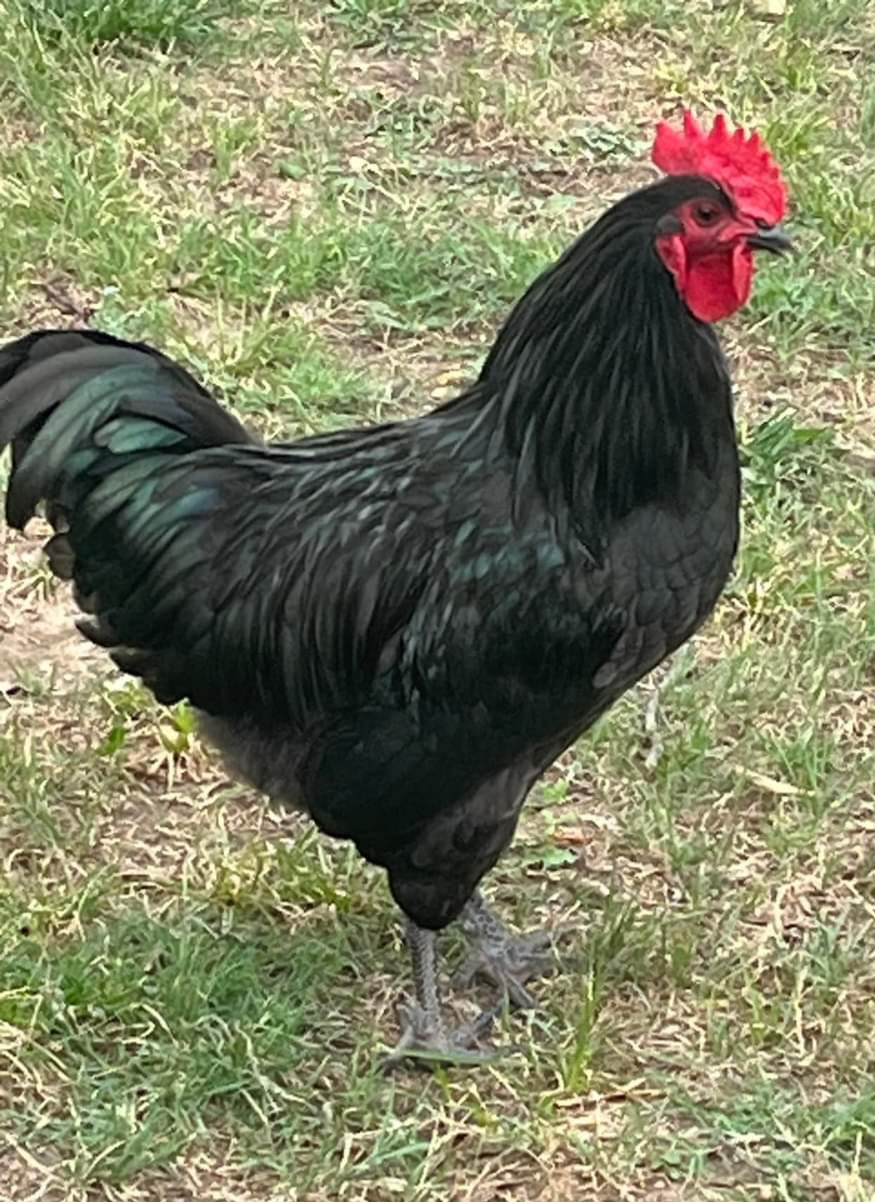
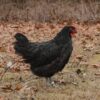
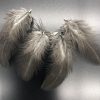
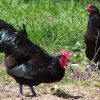
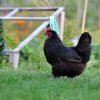
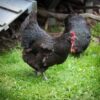
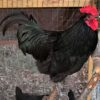
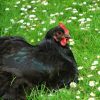
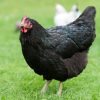
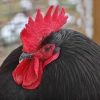
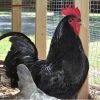
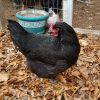
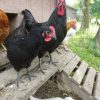
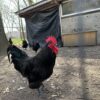
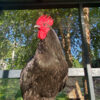
Known for their rich, glossy black feathering that shines with a green sheen in sunlight, Black Australorps are both attractive and productive. As a sustainable heritage chicken breed, they continue to be valued in backyard and small farm flocks across the country.
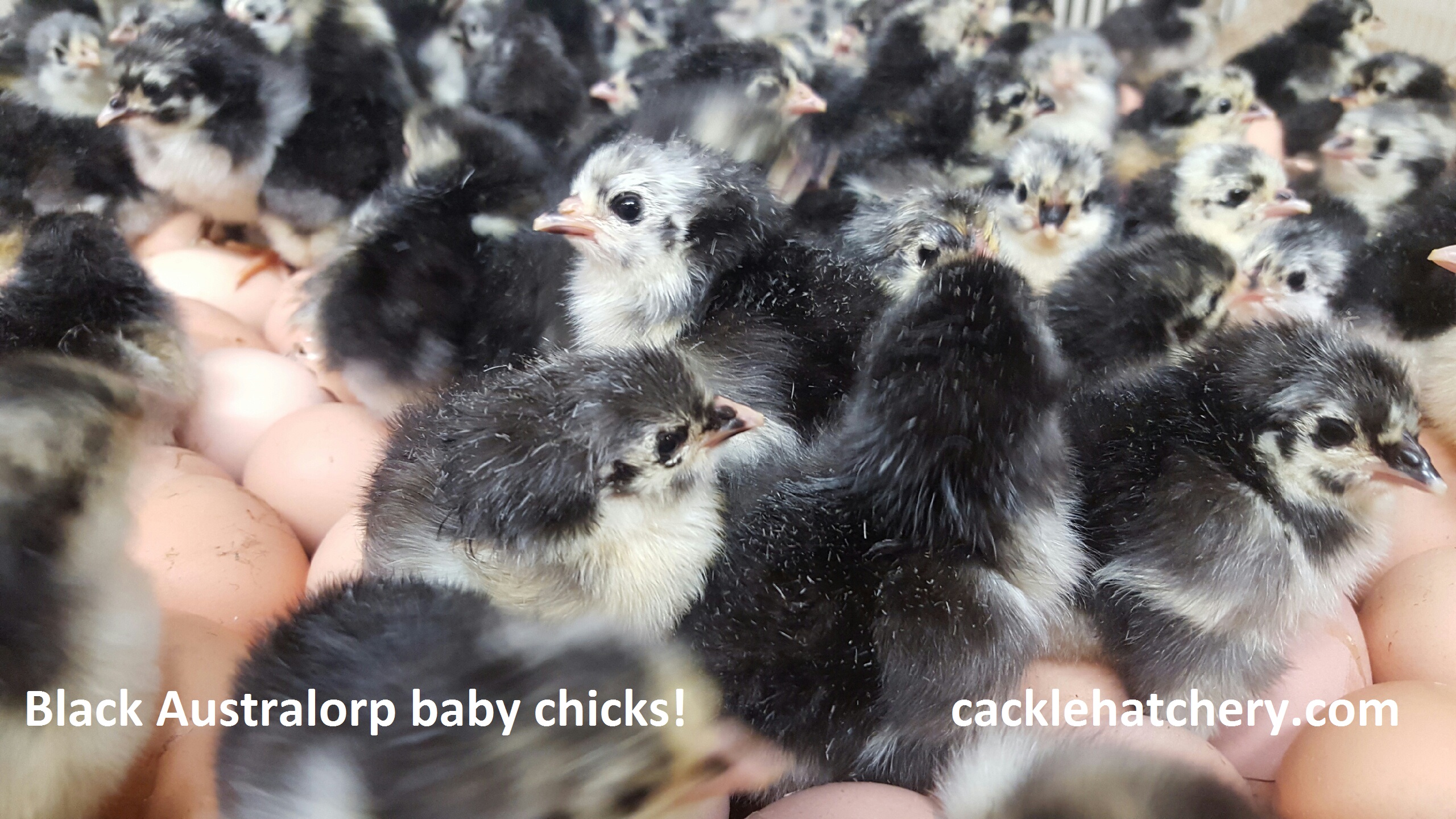
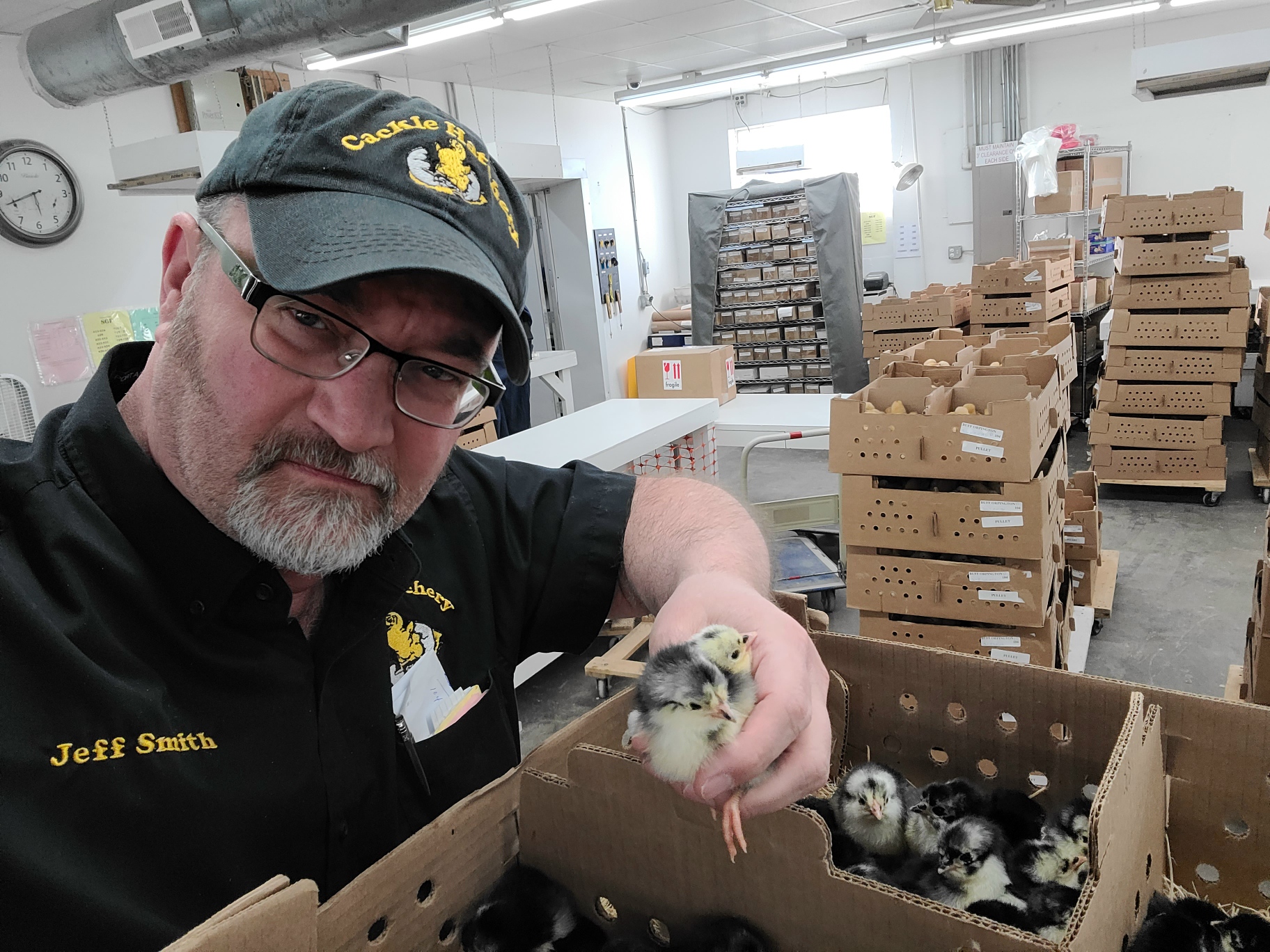
Cackle Hatchery® has been developing its pure Black Australorp bloodline since 1936, maintaining both production traits and breed character. In addition to day-old chicks, we also offer Black Australorp Started Pullets and, during select times of the year, fertile hatching eggs.
Size and Breed Characteristics
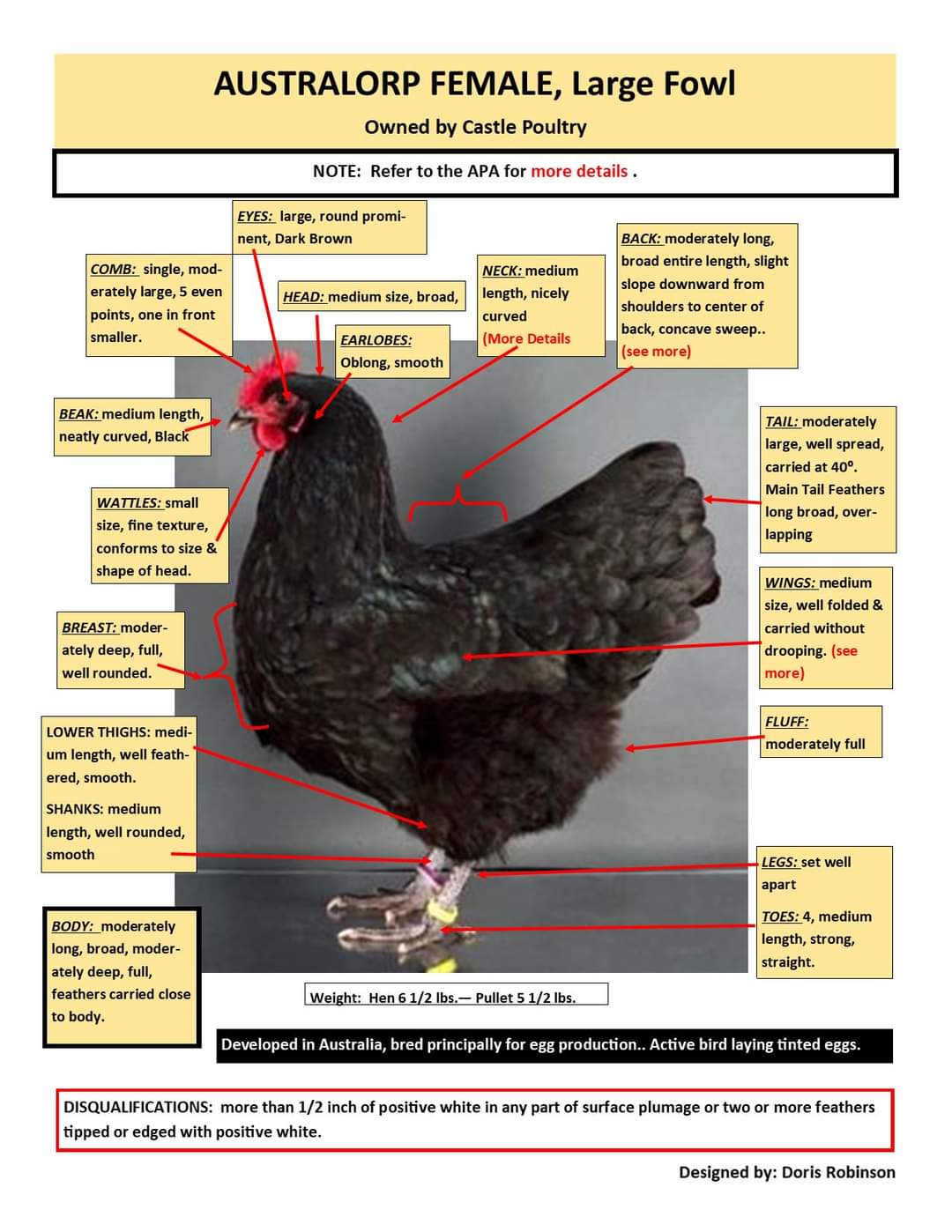
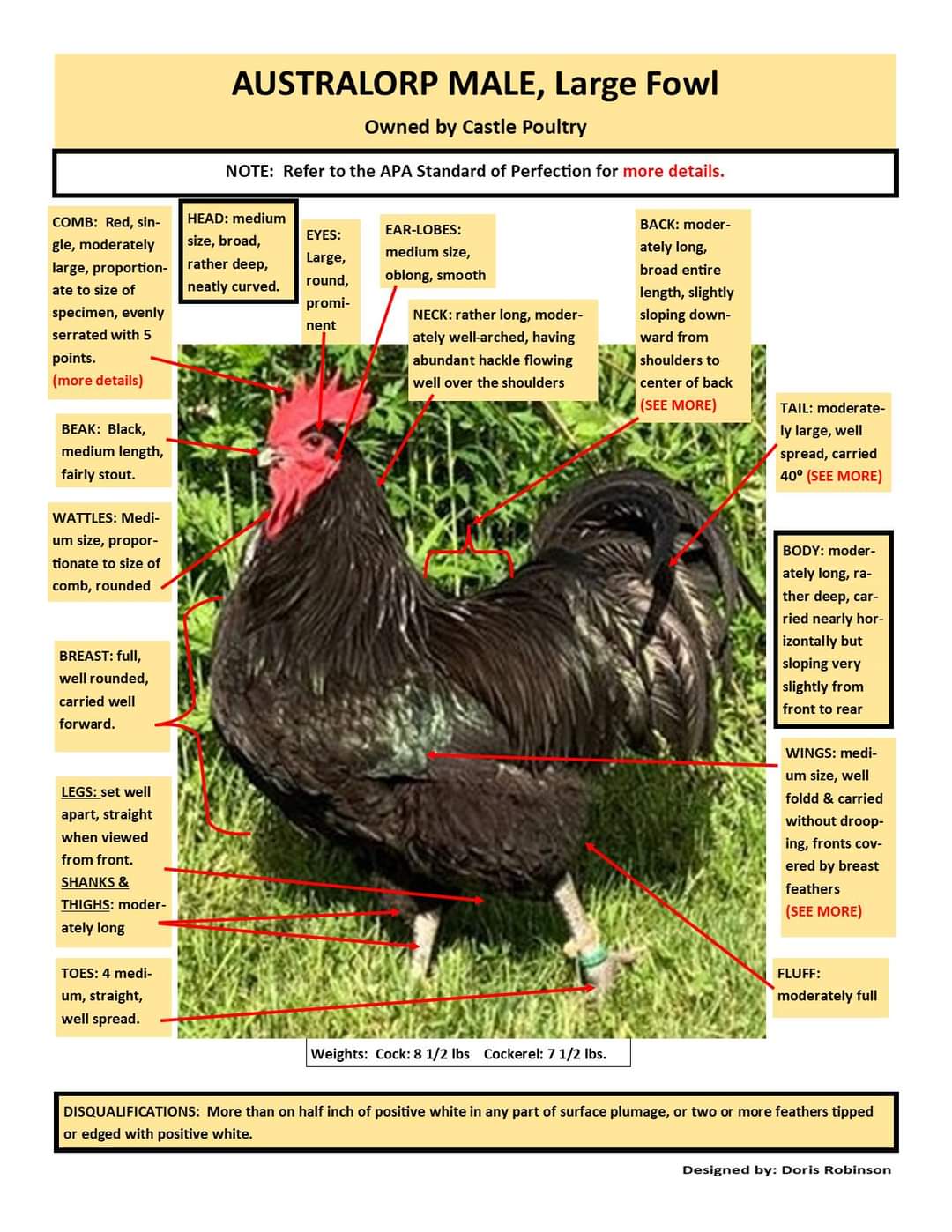
Black Australorps are considered a primary production, dual-purpose breed suitable for egg laying and secondary meat use. Mature hens typically weigh around 6½ pounds, while roosters average approximately 8½ pounds. Pullets weigh about 5½ pounds and cockerels around 7½ pounds.
They prefer roost heights between two and four feet and adapt well to backyard housing systems.
Check out our blog “Black Australorp Chickens in the Heritage Breed Spotlight” or
“Chicken Breed Spotlight: Australorp or Black Jersey Giant”
Egg Production and Performance
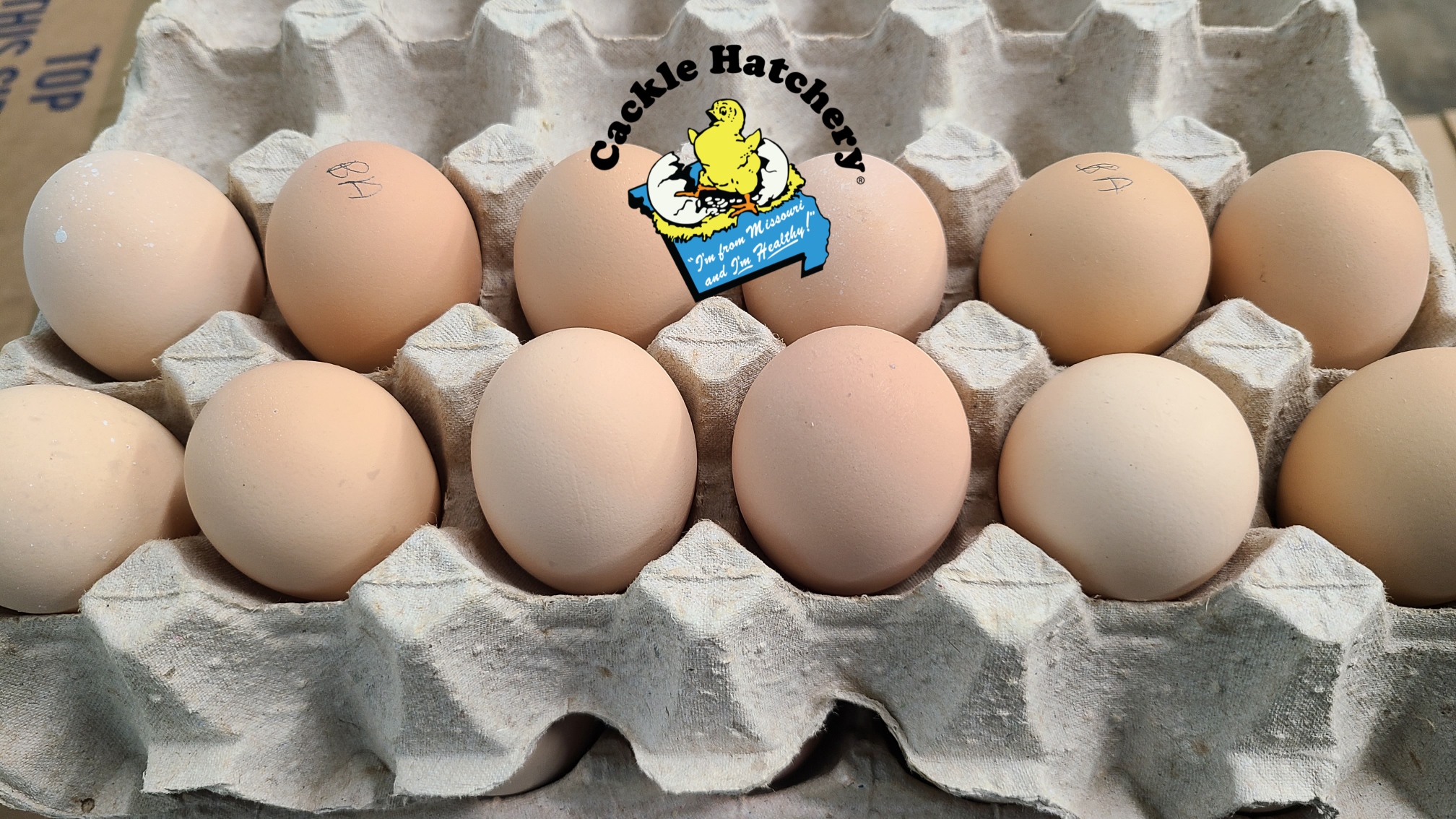
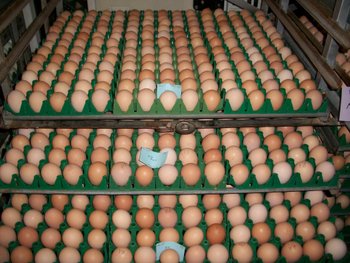
Black Australorp hens lay light brown eggs and are known for producing approximately 250 to 280 eggs per year under proper management. Egg size is generally large.
They are especially valued as winter layers, maintaining steady production during colder months when some breeds slow down.
Broodiness is uncommon, supporting consistent egg output.
Temperament and Flock Suitability
Black Australorps are described as active yet gentle birds. They integrate well into backyard flocks and are suitable for families and first-time poultry keepers.
While they are hardy birds, care should be taken during hot weather. Because of their dark feathering, providing adequate shade and ventilation helps prevent overheating during summer months.
Early Feathering Note
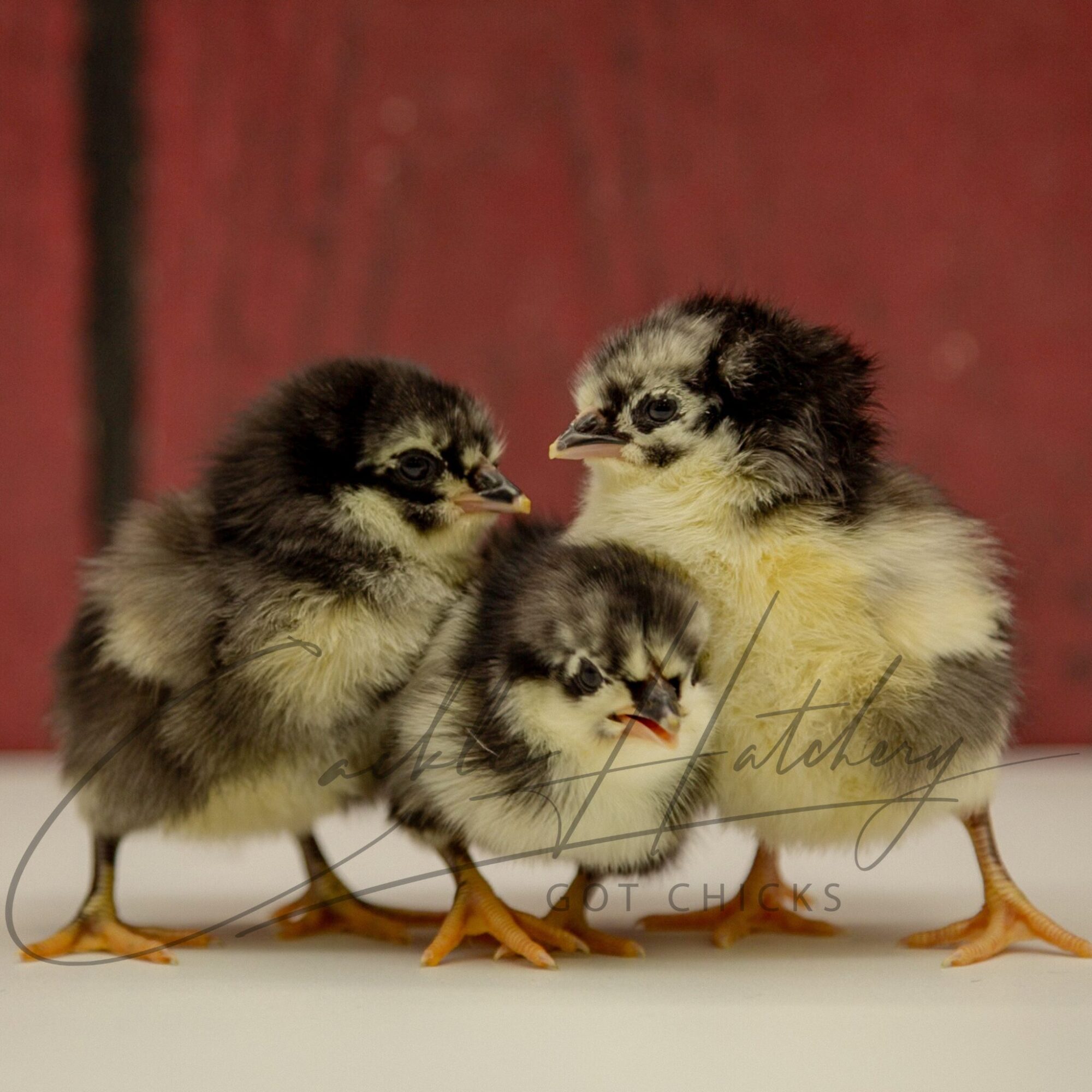
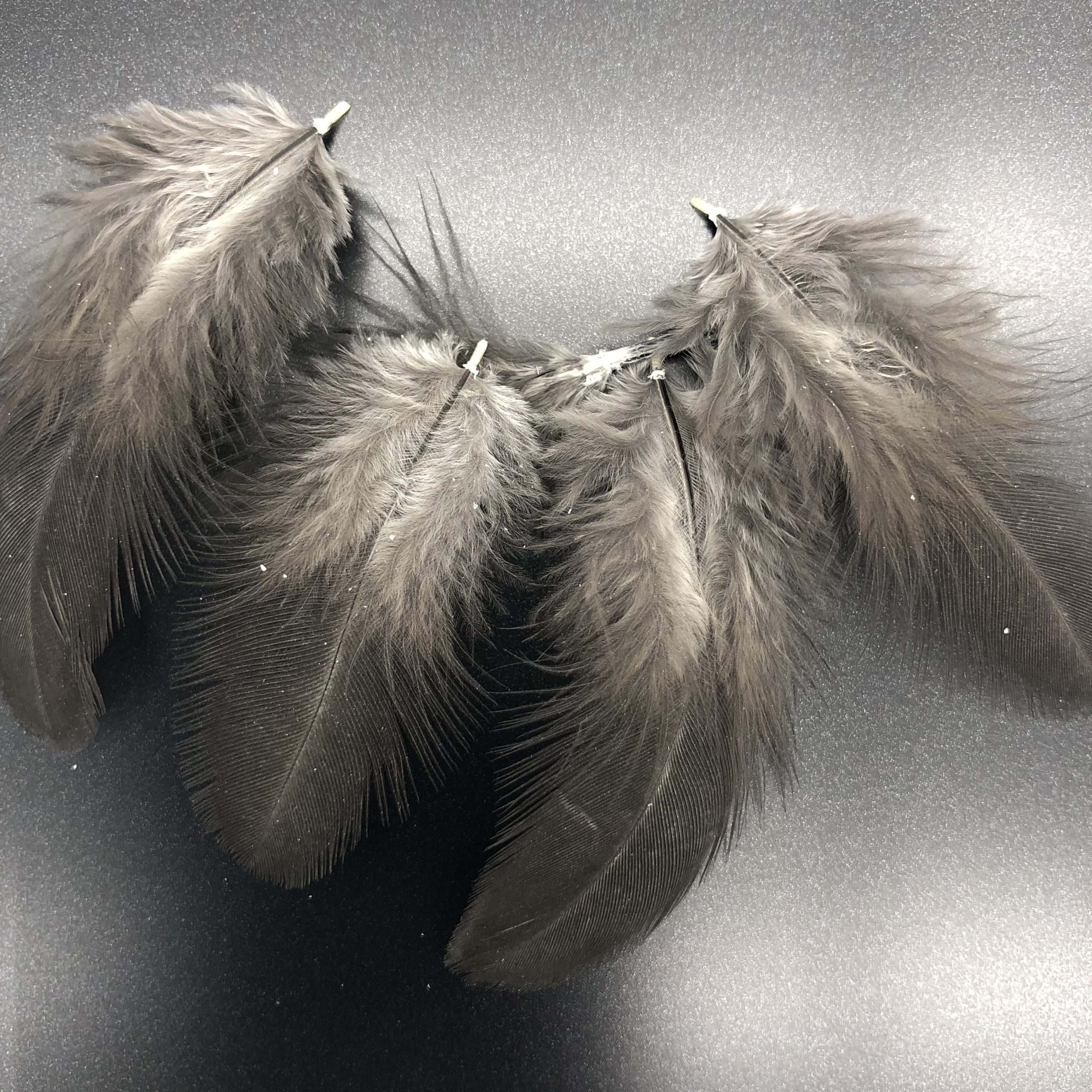
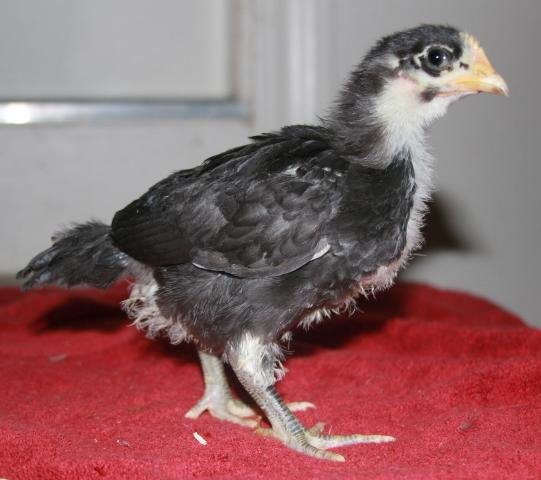
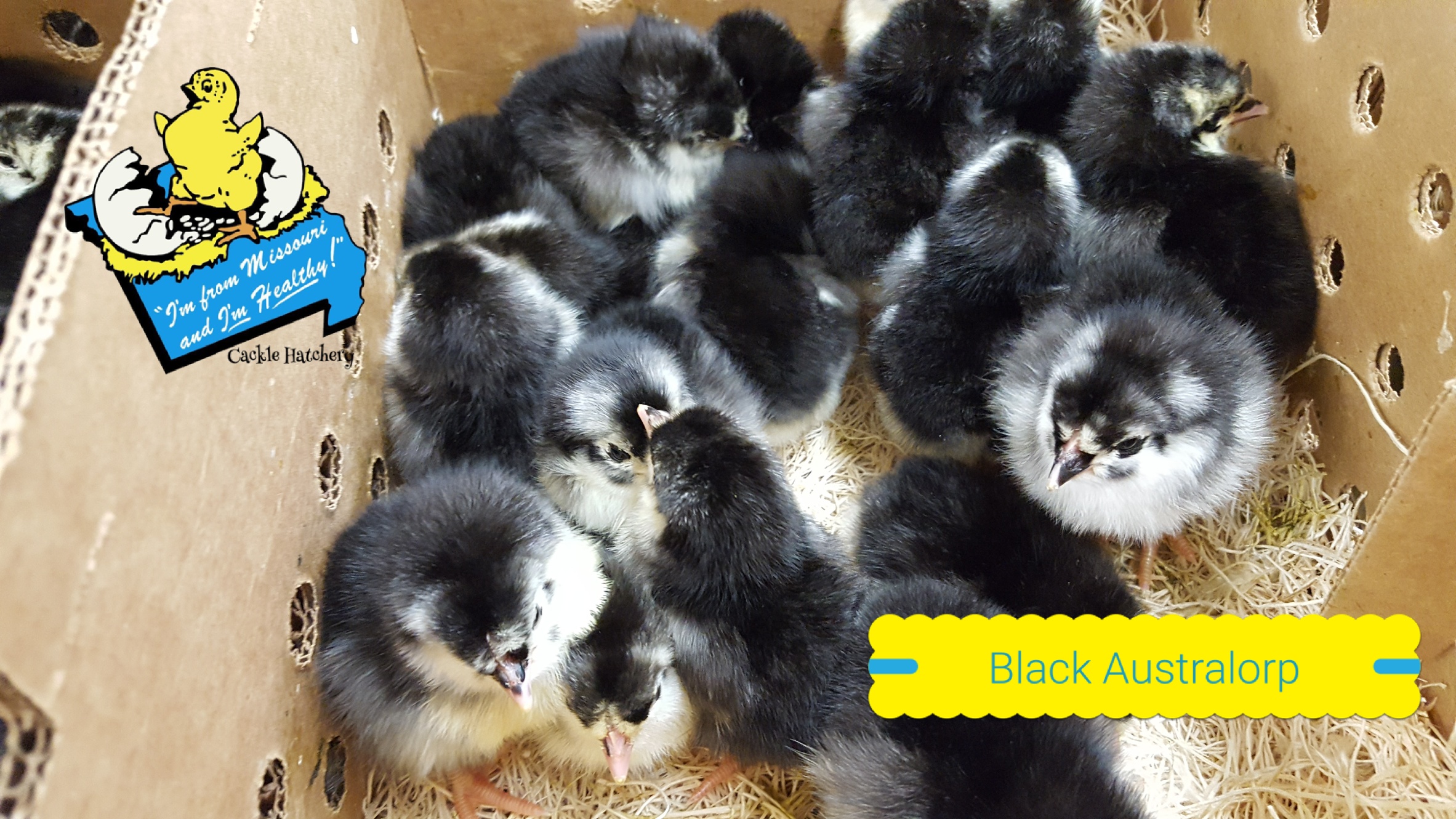
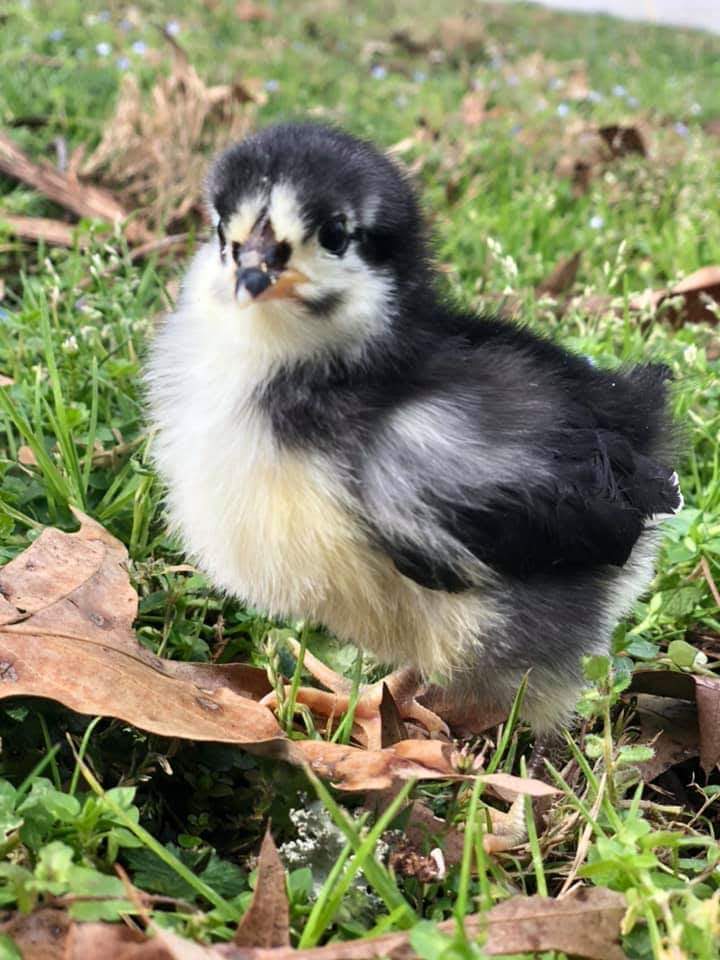
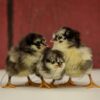
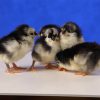
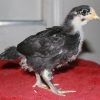
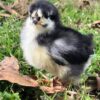
In early growth stages, some white feathers may appear during the first and second feathering phases. This is normal and typically resolves by around six months of age when mature plumage becomes solid black.
Conservation and Status
The Black Australorp is not currently listed as threatened but remains an important heritage breed. Cackle Hatchery® continues to maintain production-type bloodlines while preserving the traditional characteristics of this classic Australian breed.
Black Australorp FAQs
What color eggs do Black Australorps lay?
They lay large light brown eggs.
How often do Black Australorps lay eggs?
Under proper management, hens typically produce 250 to 280 eggs per year.
Are Black Australorps friendly?
Yes. They are generally active yet gentle and do well in backyard flocks.
What are the pros and cons of Black Australorps?
Pros include strong winter egg production, calm temperament, and dual-purpose utility. A consideration is providing adequate shade in hot climates due to their dark feathering.
Check out our blog “Black Australorp Chickens in the Heritage Breed Spotlight”
“Chicken Breed Spotlight: Australorp or Black Jersey Giant”
Availability
Available Low Availability Unavailable
| Date |
Available? |
| 2026-04-29 |
|
| 2026-05-04 |
|
| 2026-05-05 |
|
| 2026-05-06 |
|
| 2026-05-11 |
|
| 2026-05-12 |
|
| 2026-05-13 |
|
| 2026-05-18 |
|
| 2026-05-19 |
|
| 2026-05-20 |
|
| 2026-05-25 |
|
| 2026-05-26 |
|
| 2026-05-27 |
|
| 2026-06-01 |
|
| 2026-06-02 |
|
| 2026-06-03 |
|
| 2026-06-08 |
|
| 2026-06-09 |
|
| 2026-06-10 |
|
| 2026-06-15 |
|
| 2026-06-16 |
|
| 2026-06-17 |
|
| 2026-06-22 |
|
| 2026-06-23 |
|
| 2026-06-24 |
|
| 2026-06-29 |
|
| 2026-06-30 |
|
| 2026-07-01 |
|
| 2026-07-06 |
|
| 2026-07-07 |
|
| 2026-07-08 |
|
| 2026-07-13 |
|
| 2026-07-14 |
|
| 2026-07-15 |
|
| 2026-07-20 |
|
| 2026-07-21 |
|
| 2026-07-22 |
|
| 2026-07-27 |
|
| 2026-07-28 |
|
| 2026-07-29 |
|
| 2026-08-03 |
|
| 2026-08-04 |
|
| 2026-08-05 |
|
| 2026-08-10 |
|
| 2026-08-11 |
|
| 2026-08-12 |
|
| 2026-08-17 |
|
| 2026-08-18 |
|
| 2026-08-19 |
|
| 2026-08-24 |
|
| 2026-08-25 |
|
| 2026-08-26 |
|
| 2026-08-31 |
|
| 2026-09-01 |
|
| 2026-09-02 |
|
| 2026-09-07 |
|
| 2026-09-08 |
|
| 2026-09-09 |
|
| 2026-09-14 |
|
| 2026-09-15 |
|
| 2026-09-16 |
|
| 2026-09-21 |
|
| 2026-09-22 |
|
| 2026-09-23 |
|
| 2026-10-05 |
|
| 2026-10-06 |
|
| 2026-10-07 |
|
| 2026-10-12 |
|
| 2026-10-13 |
|
| 2026-10-14 |
|
| 2026-10-19 |
|
| 2026-10-20 |
|
| 2026-10-21 |
|








jaymenmcdonald56 –
I am writing this review to report my first time experience with Cackle Hatchery. I had heard nothing but good things about this hatchery business amongst my other options received my order of 8 black Australorp chicks on September 30, 2023 (actually 9 because I was sent an extra). They all seemed to be perfectly healthy upon arrival and I was very excited to care for them as they grew very quickly. Oddly enough, one of them appeared to be much smaller and weaker than the rest and had odd sleeper behaviors and was extremely low to the ground as compared to the rest, whom I decided to name tiny. Very early this morning as of October 19th, 2023 around 1am I woke up to all my chicks in their brooder peeping and squawking very loudly. I hesitated a few minutes as they sometimes do this when they’re trying to get comfortable at night and accidentally jump on one another to get comfortable. When I walked into their brooder room, every single 2 and a half week old chick was either laid out dead or on their way out and panting and gasping for air with one lone survivor. Absolutely devastated, I could not figure out what could have possibly happened as I was interacting with them the previous day and they were all happy as can be. After cleaning the brooder and attentively watching the last surviving chick whom I’ve now named Angel had a liquid white and runny fecal matter that is associated with Pullorum Disease which is caused by Salmonella pullorum which can be passed on through infected birds to their offspring especially in the first 2-3 weeks of a chicks life. I can’t imagine how many chickens or birds are infected at this operation and who may experience something similar. I am completely torn and at a loss and dissatisfied being a first time customer and having higher expectations from Cackle Hatchery.
Cackle Hatchery (store manager) –
I am sorry you had this experience. We are NPIP Certified, with all our flocks being regularly tested and monitored for many illnesses including Pullorum disease. After listening to the phone call you had with our representative, it sounds like there were a few changes we would have recommended. Our care instructions we provide recommend the use of a thermometer, as correct temperature is one of the most important factor in the success of brooding chicks. I am very sorry we unable to offer compensation on this order, however our guarantee is for live arrival only.
Craig Menke –
0% Survival
We ordered 3 Black Australorp along with other birds and the survival rate was horrible. I understand that there’s a lot going on right now with COVID, but the way Cackle has handled this situation is poor. They are offering to replace our chicks, but not till August. Very disappointed and will not use Cackle again.