Description
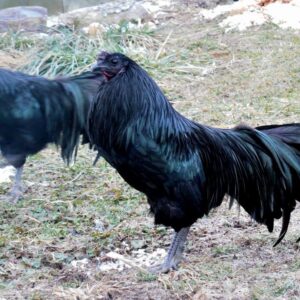
Black Breasted Red Phoenix Chicken
Breed History and Origin
Cackle Hatchery® has been breeding a large selection of poultry varieties for decades, including the elegant Black Breasted Red Phoenix chicken. While some aspects of this breed can be traced back thousands of years to the famous Onagadori longtail chickens of Japan, the Phoenix breed itself was developed later in post–World War II Germany. The Black Breasted Red Phoenix was recognized by the American Standard of Perfection in 2017 within the Oriental Class of poultry breeds. Cackle Hatchery® Poultry Breeding Farm has been developing its bloodline of pure Black Breasted Red Phoenix chickens since 2004.
Appearance and Breed Characteristics
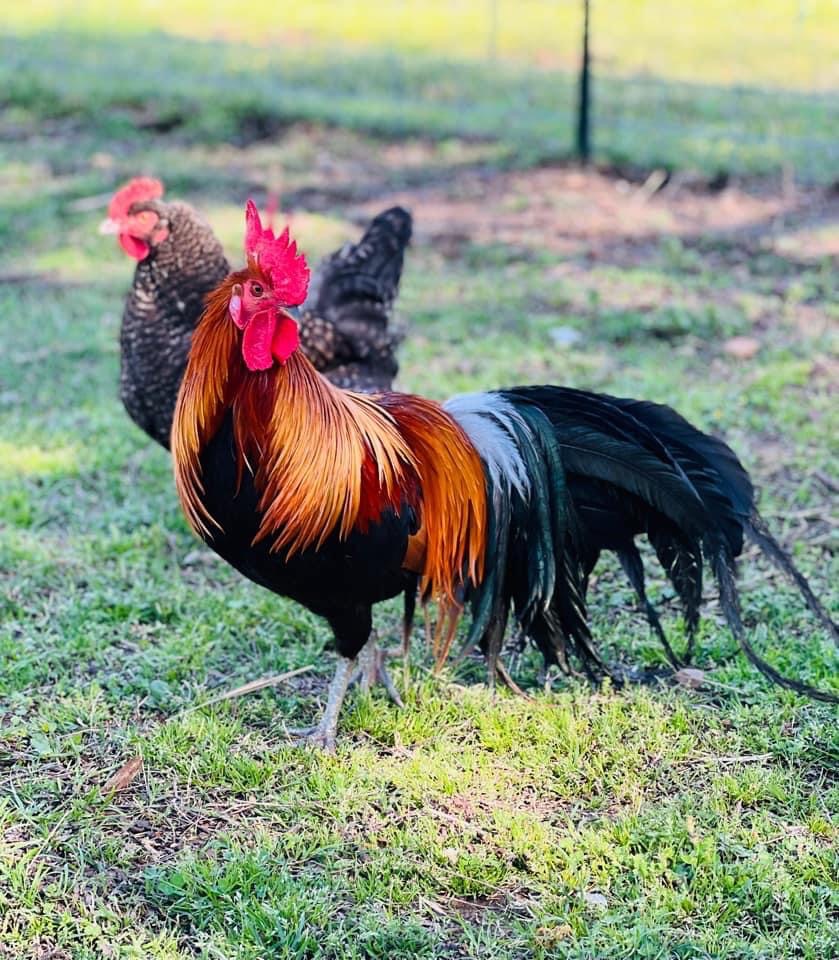
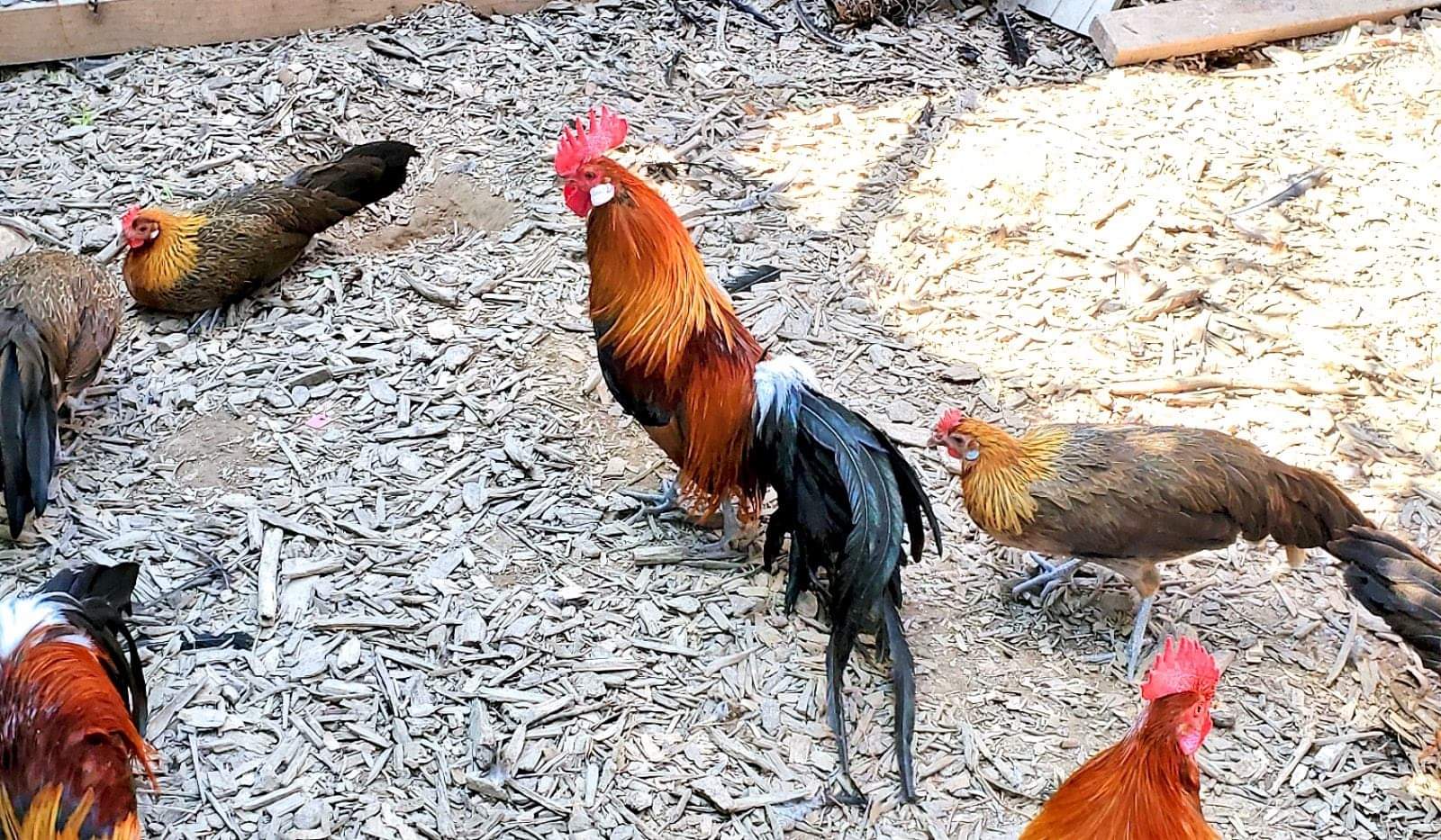
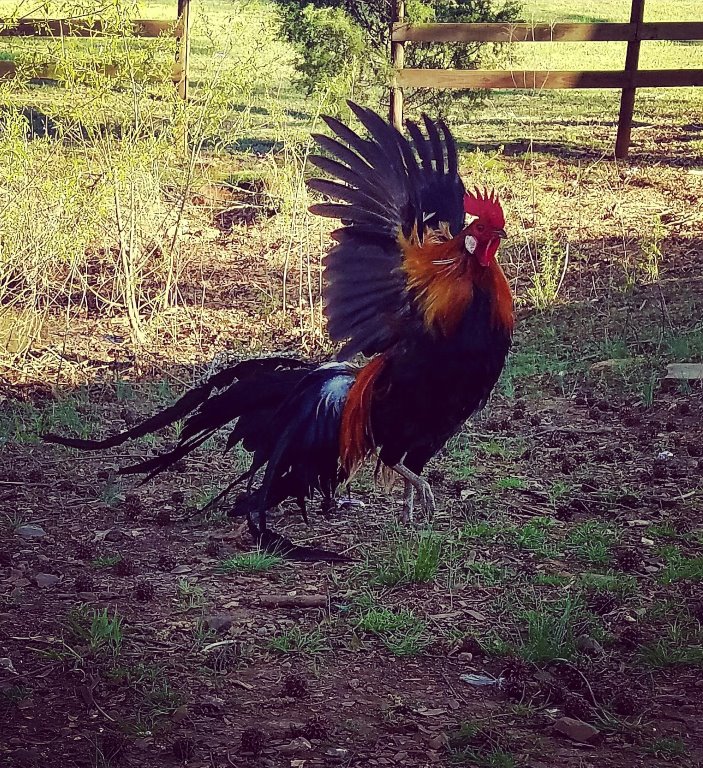
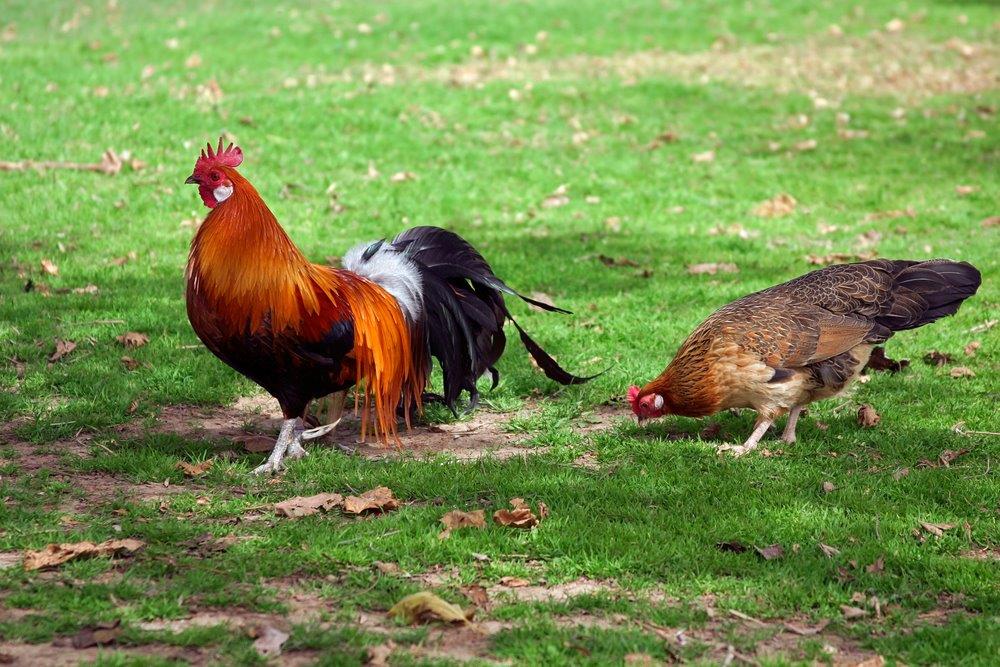
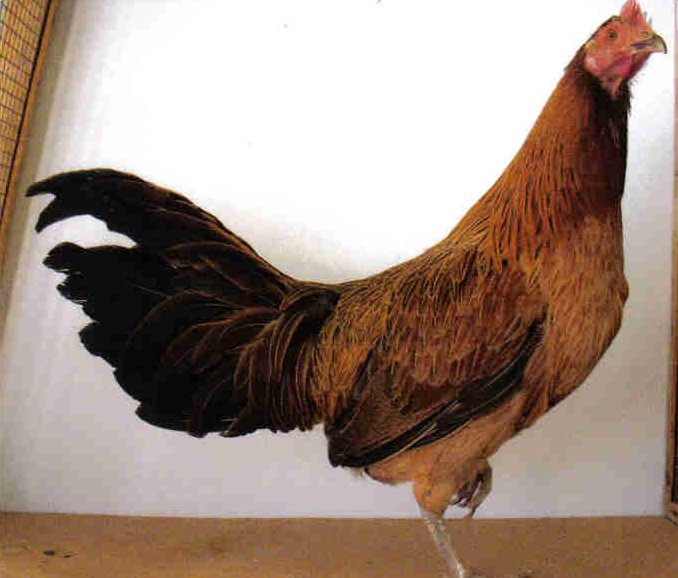
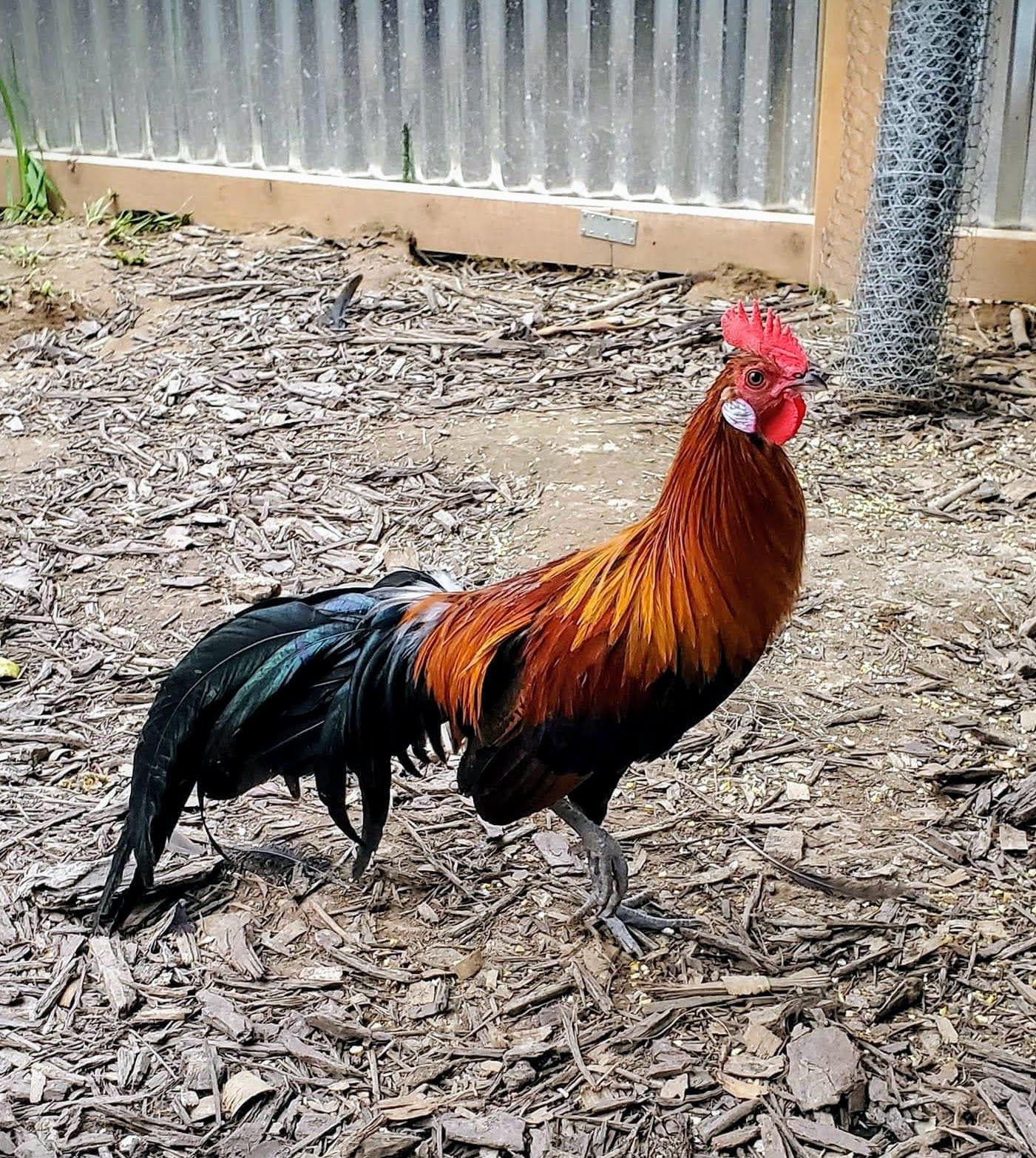
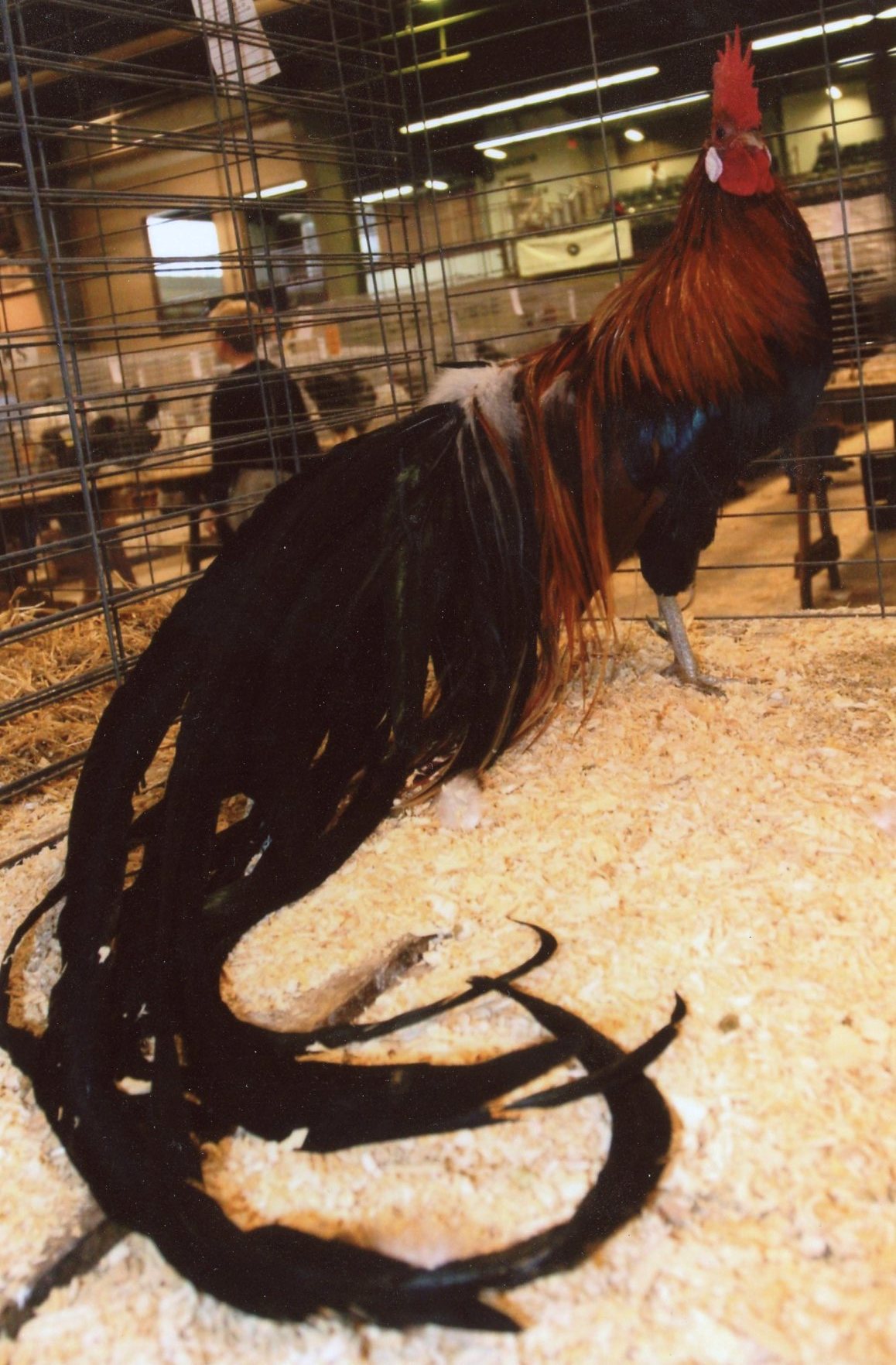
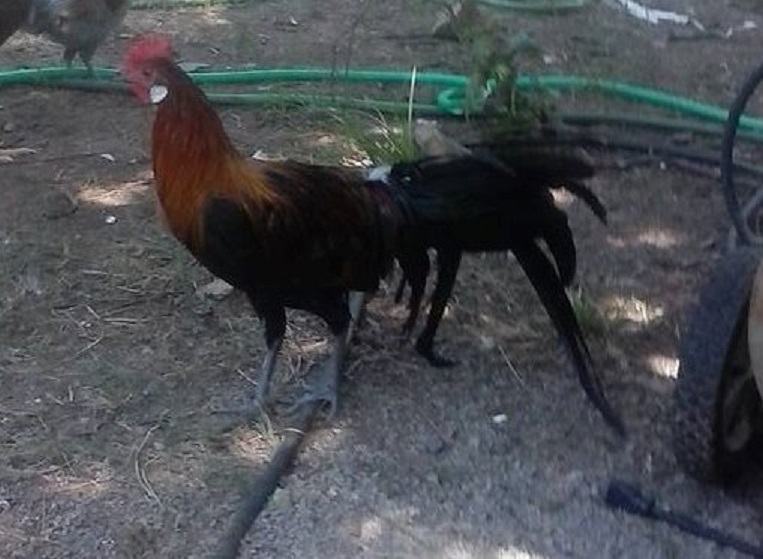
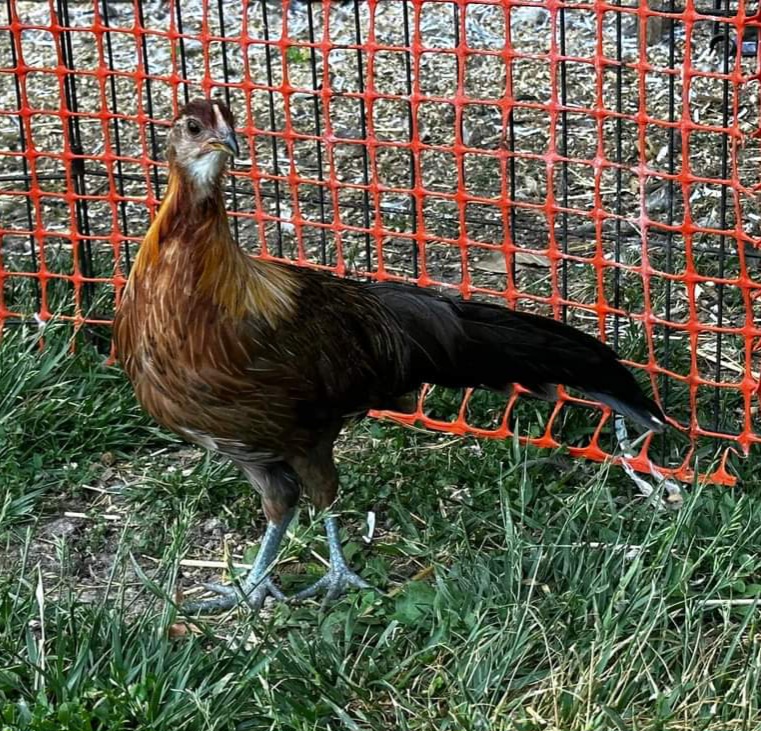
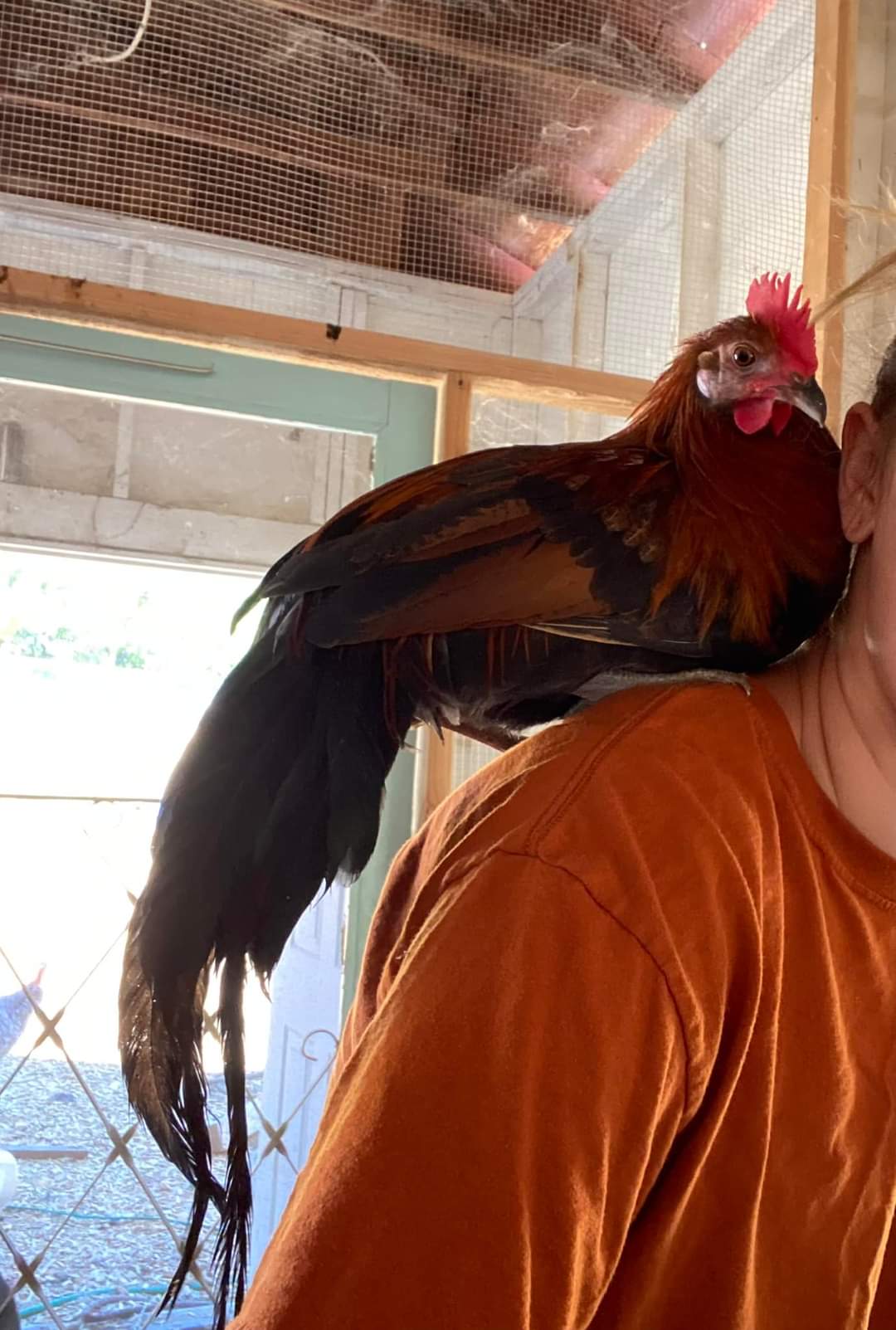
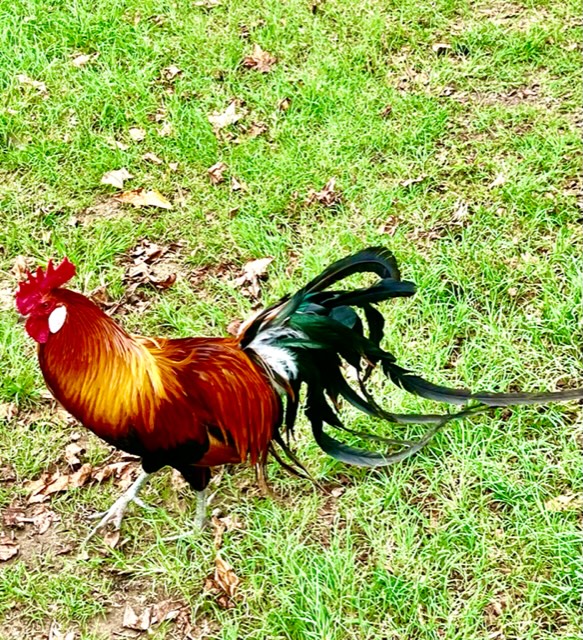
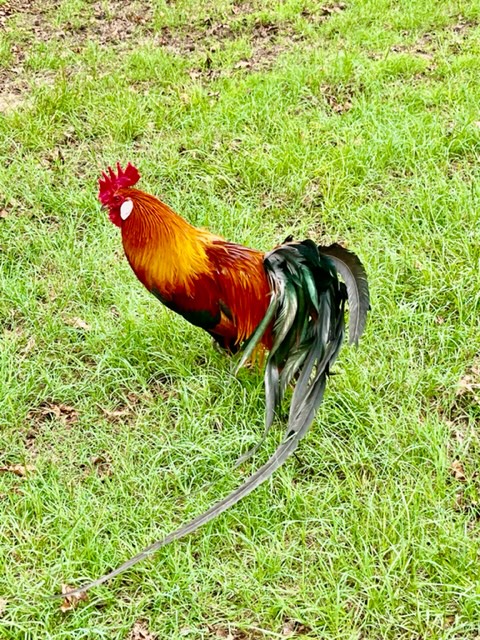
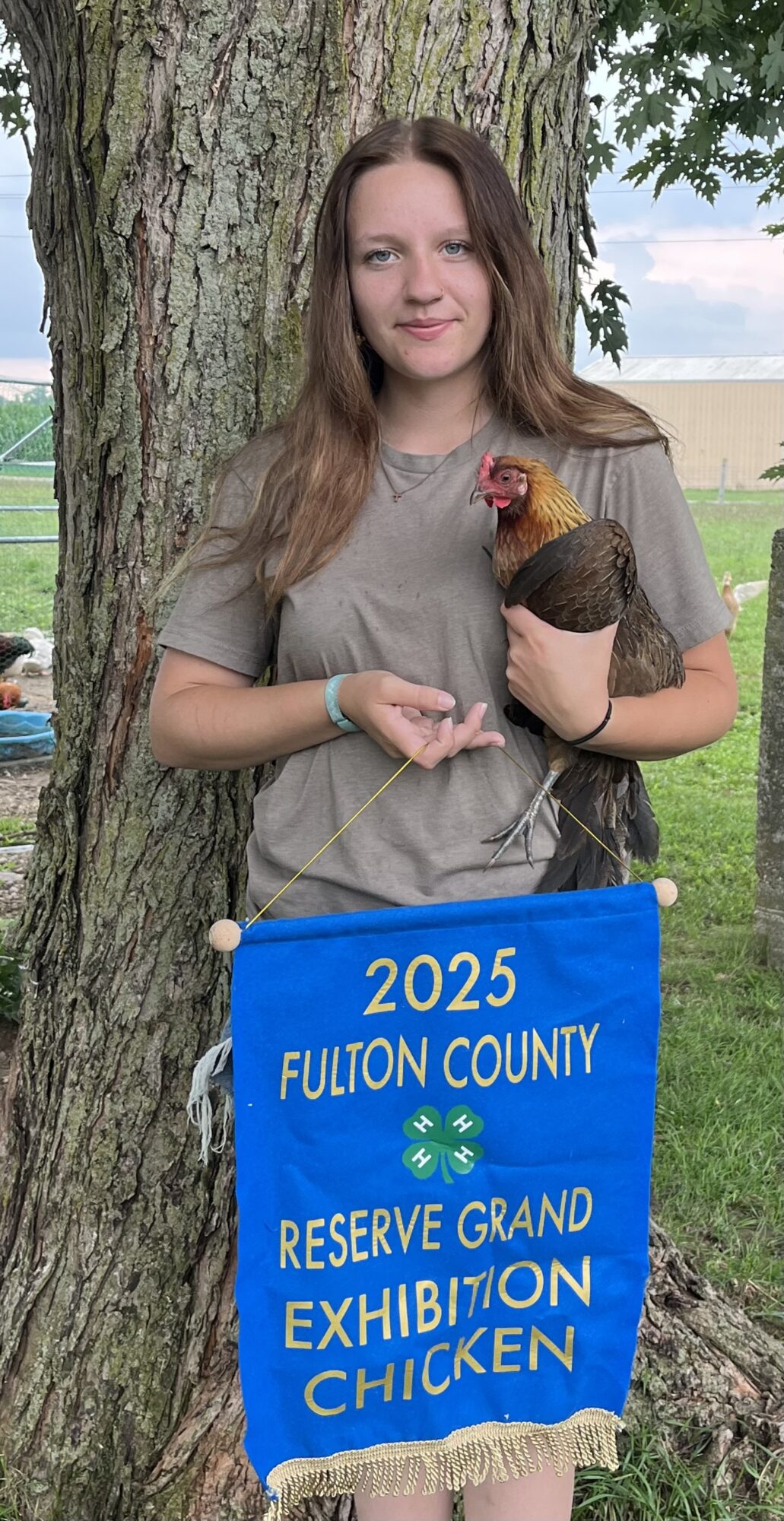
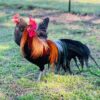
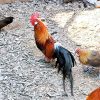
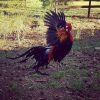
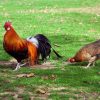
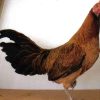
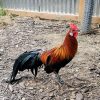
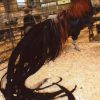
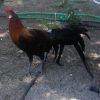
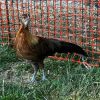
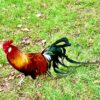
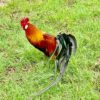
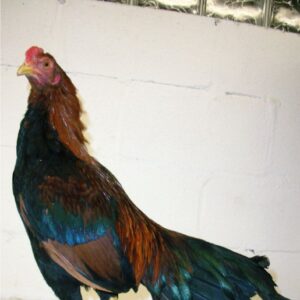
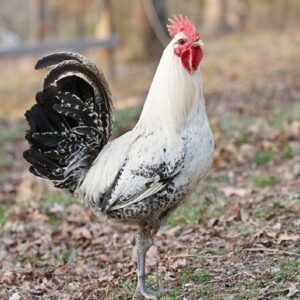
Black Breasted Red Phoenix chickens are admired for their rich coloration and long flowing tail feathers. This variety features deep red and black feathering with an upright, graceful posture that is highly desirable in exhibition poultry. Mature hens typically weigh about 4 pounds, while roosters average around 5½ pounds. Pullets generally weigh about 3½ pounds, and cockerels about 4½ pounds. These birds have a slender build and elegant body carriage that make them a standout ornamental breed.
Egg Production and Performance
Black Breasted Red Phoenix hens lay small cream or lightly tinted eggs, and egg production is considered poor compared to standard laying breeds. This breed is primarily valued for its ornamental beauty and long tail feather development rather than egg production.
Temperament and Flock Suitability
These birds are active and alert, performing best in environments where they have room to move freely and access to higher roosting areas. Phoenix chickens typically prefer roost heights of six feet or higher, which helps protect their long tail feathers. Fertility percentages generally range between 40–55%, with a recommended mating ratio of nine females to one male. Hens may display broodiness and are considered setters.
Longtail Breed Care
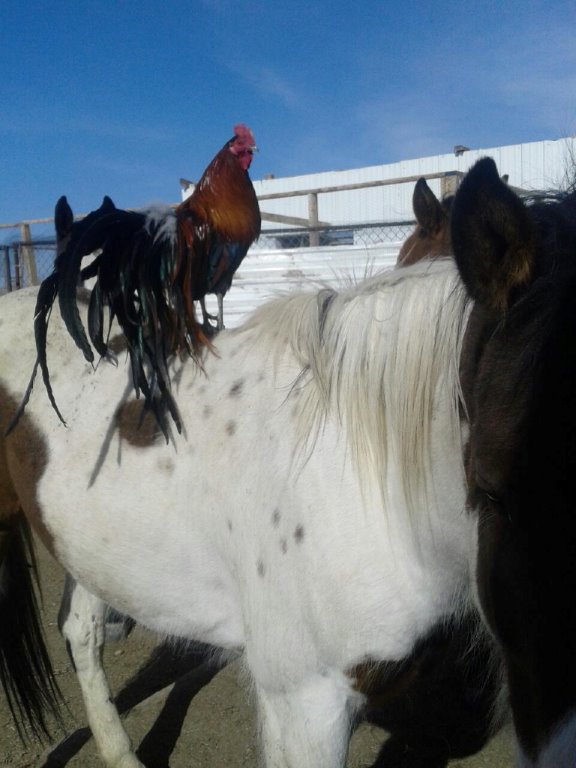
Phoenix chickens are part of the ornamental longtail group and require proper housing and care to maintain their tail feather length and condition. Providing elevated roosts and clean living conditions helps preserve the dramatic feathering that makes this breed popular among exhibition poultry keepers.
To learn more about longtail breeds, see our blogs:
Breed Spotlight: Lovely Longtail Chickens https://www.cacklehatchery.com/breed-spotlight-lovely-longtail-chickens/
Care and Feeding of Longtail Roosters https://www.cacklehatchery.com/blog/care-and-feeding-of-longtail-roosters/
Customers interested in a smaller version of this breed may also like the Black Breasted Red Phoenix Bantam Chicken https://www.cacklehatchery.com/product/black-breasted-red-phoenix-bantam/
You may also like Phoenix Standard Surplus Special https://www.cacklehatchery.com/product/surplus-standard-phoenix-chicken-special/
Black Breasted Red Phoenix Chicken FAQs
What color eggs do Black Breasted Red Phoenix chickens lay? They lay small cream or lightly tinted eggs.
Are Black Breasted Red Phoenix chickens good egg layers? No. Egg production is considered poor because the breed is primarily ornamental.
How high should Phoenix chickens roost? They prefer roost heights of six feet or higher to help protect their long tail feathers.
Are Black Breasted Red Phoenix chickens rare? Yes. This is a specialized ornamental breed maintained through dedicated breeding programs.
Availability
Available Low Availability Unavailable
| Date |
Available? |
| 2026-04-06 |
|
| 2026-04-07 |
|
| 2026-04-08 |
|
| 2026-04-13 |
|
| 2026-04-14 |
|
| 2026-04-15 |
|
| 2026-04-20 |
|
| 2026-04-21 |
|
| 2026-04-22 |
|
| 2026-04-27 |
|
| 2026-04-28 |
|
| 2026-04-29 |
|
| 2026-05-04 |
|
| 2026-05-05 |
|
| 2026-05-06 |
|
| 2026-05-11 |
|
| 2026-05-12 |
|
| 2026-05-13 |
|
| 2026-05-18 |
|
| 2026-05-19 |
|
| 2026-05-20 |
|
| 2026-05-25 |
|
| 2026-05-26 |
|
| 2026-05-27 |
|
| 2026-06-01 |
|
| 2026-06-02 |
|
| 2026-06-03 |
|
| 2026-06-08 |
|
| 2026-06-09 |
|
| 2026-06-10 |
|
| 2026-06-15 |
|
| 2026-06-16 |
|
| 2026-06-17 |
|
| 2026-06-22 |
|
| 2026-06-23 |
|
| 2026-06-24 |
|
| 2026-06-29 |
|
| 2026-06-30 |
|
| 2026-07-01 |
|
| 2026-07-06 |
|
| 2026-07-07 |
|
| 2026-07-08 |
|
| 2026-07-13 |
|
| 2026-07-14 |
|
| 2026-07-15 |
|
| 2026-07-20 |
|
| 2026-07-21 |
|
| 2026-07-22 |
|
| 2026-07-27 |
|
| 2026-07-28 |
|
| 2026-07-29 |
|
| 2026-08-03 |
|
| 2026-08-04 |
|
| 2026-08-05 |
|
| 2026-08-10 |
|
| 2026-08-11 |
|
| 2026-08-12 |
|
| 2026-08-17 |
|
| 2026-08-18 |
|
| 2026-08-19 |
|
| 2026-08-24 |
|
| 2026-08-25 |
|
| 2026-08-26 |
|
| 2026-08-31 |
|
| 2026-09-01 |
|
| 2026-09-02 |
|
| 2026-09-07 |
|
| 2026-09-08 |
|
| 2026-09-09 |
|
| 2026-09-14 |
|
| 2026-09-15 |
|
| 2026-09-16 |
|
| 2026-09-21 |
|
| 2026-09-22 |
|
| 2026-09-23 |
|
| 2026-10-05 |
|
| 2026-10-06 |
|
| 2026-10-07 |
|
| 2026-10-12 |
|
| 2026-10-13 |
|
| 2026-10-14 |
|
| 2026-10-19 |
|
| 2026-10-20 |
|
| 2026-10-21 |
|











Maggie –
Beautiful Birds
This breed is absolutely beautiful. Friendly enough if you handle them early. Did not do too well with my larger breeds, a little too docile.