Description
Buff Brahma Chicken
Breed Overview and Origin
The Buff Brahma chicken is a big, gentle bird with feathered legs, soft buff coloring, and a calm personality that makes it easy to enjoy. If you like large chickens with a quiet nature and a little old-fashioned charm, this breed is a wonderful fit for a backyard or homestead flock.
Brahmas are often called gentle giants, and the name suits them well. They stand out because of their size, thick feathering, pea comb, and feathered feet. The breed traces back to large feather-legged fowl that came to the United States through Asian trade routes in the 1800s. Over time, American breeders shaped those birds into the Brahma we know today. The Livestock Conservancy notes that the breed graduated from its Conservation Priority List in 2023, a good sign for this historic large fowl breed.
The Buff variety adds warm color to that classic Brahma look. These birds are calm, cold tolerant, and useful for eggs, meat, and brooding. They are not fast-maturing production layers, but they bring size, beauty, patience, and excellent mothering ability to the flock.
Appearance and Characteristics
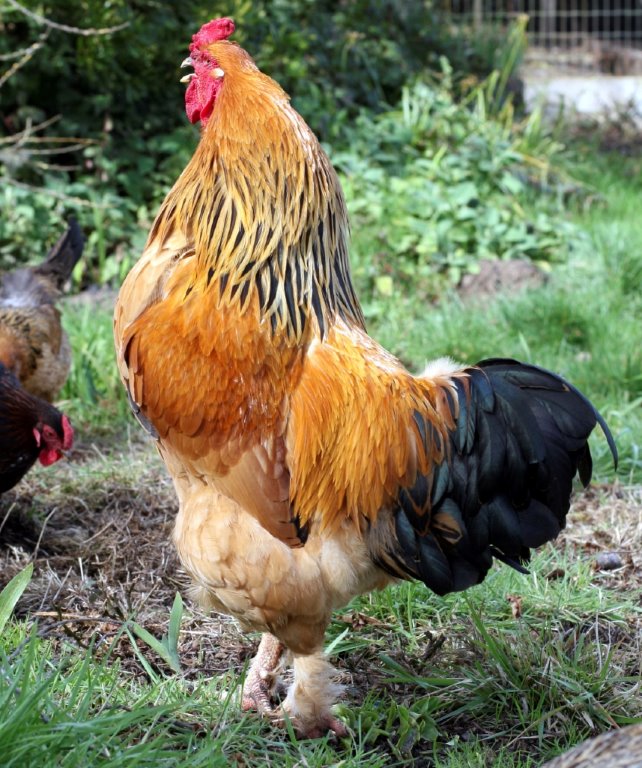
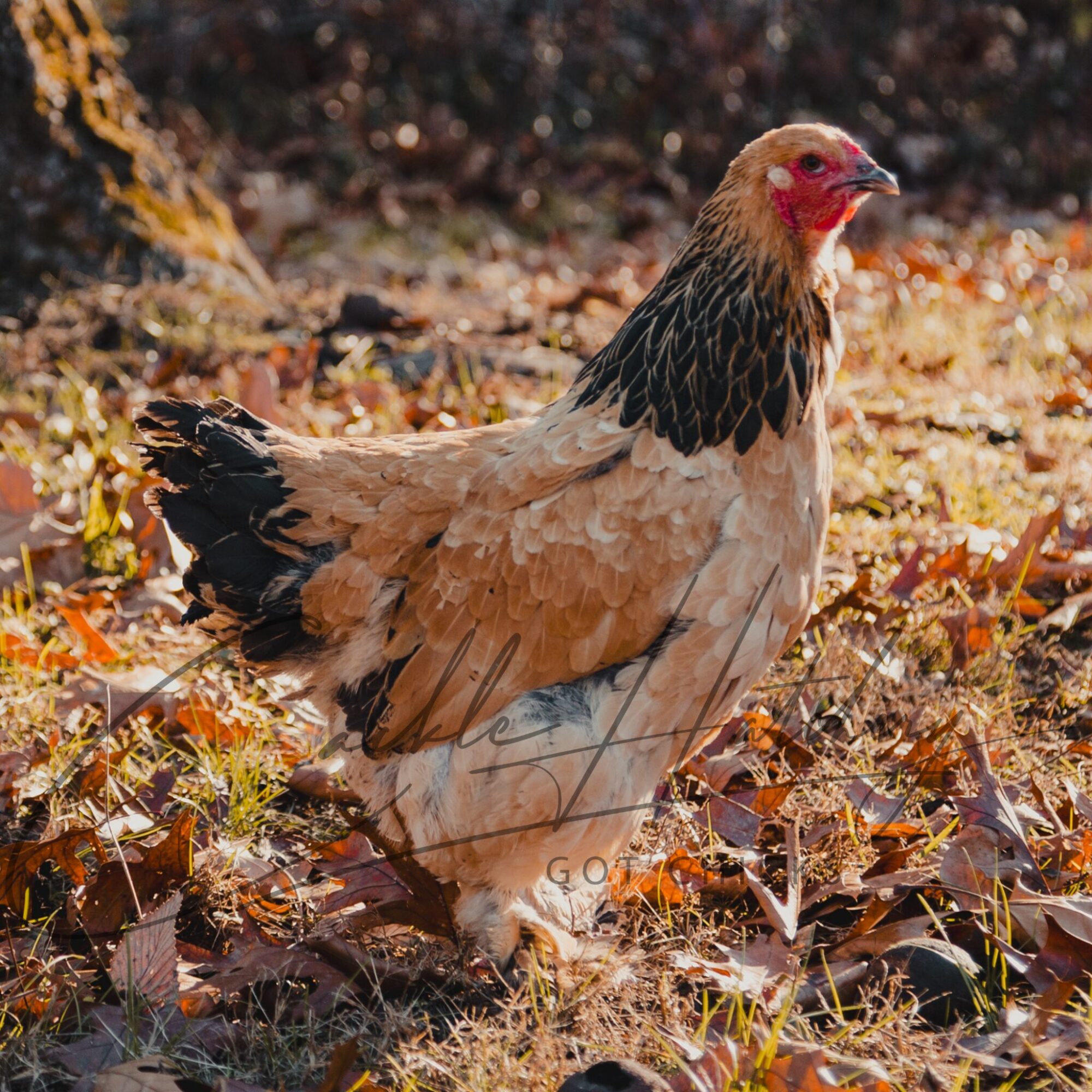
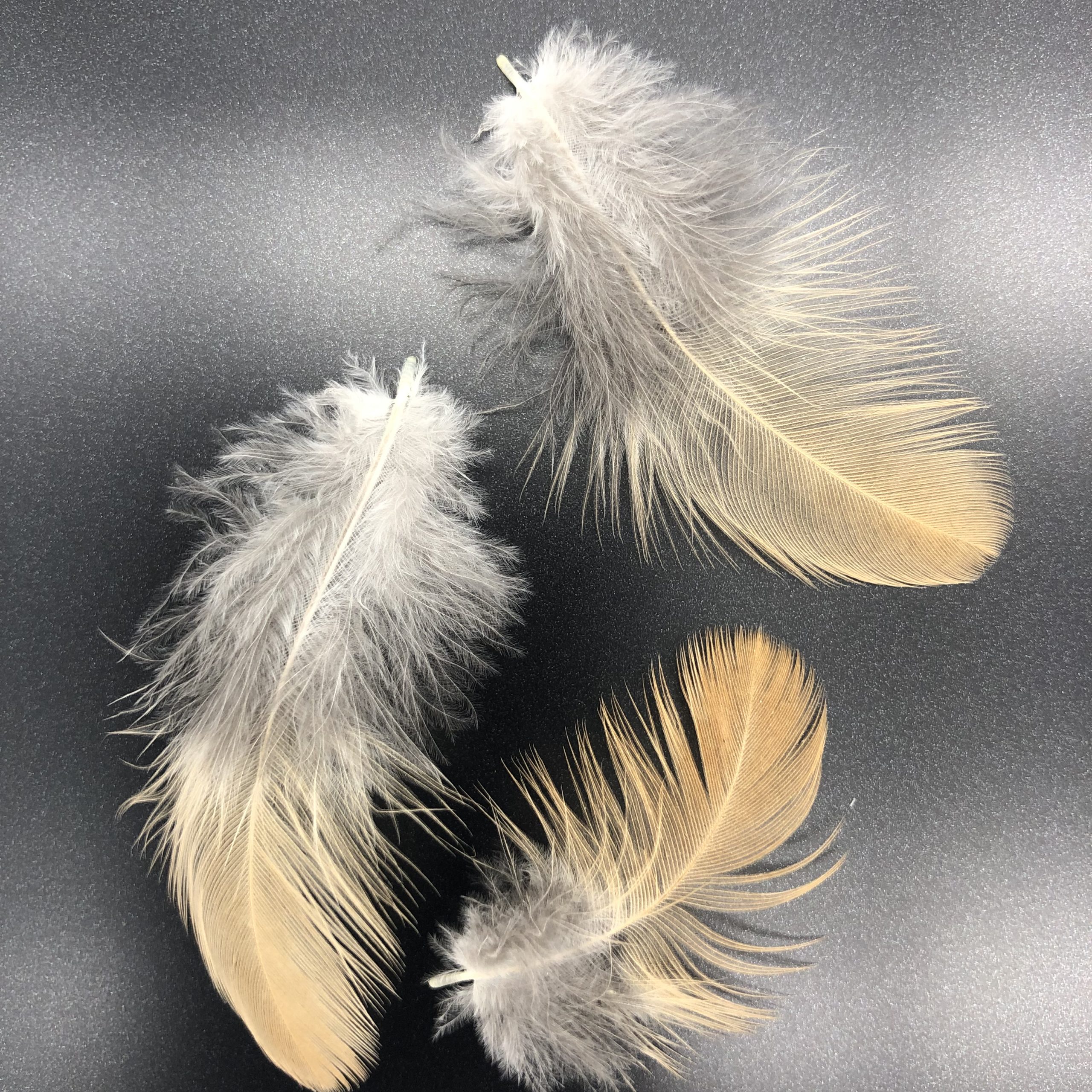
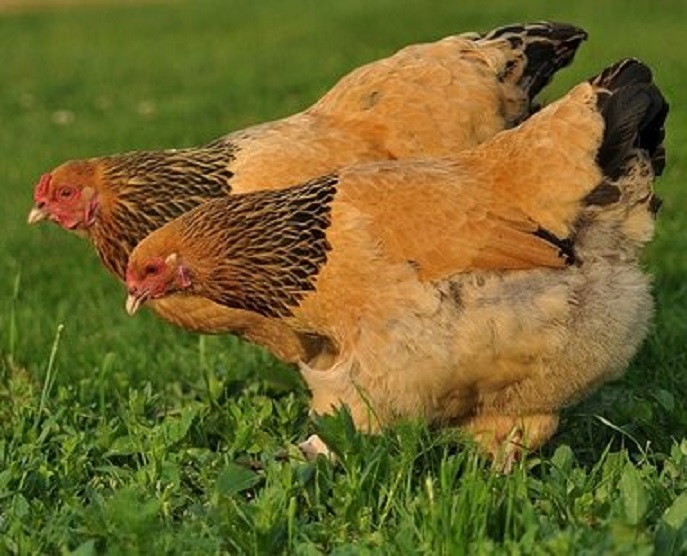
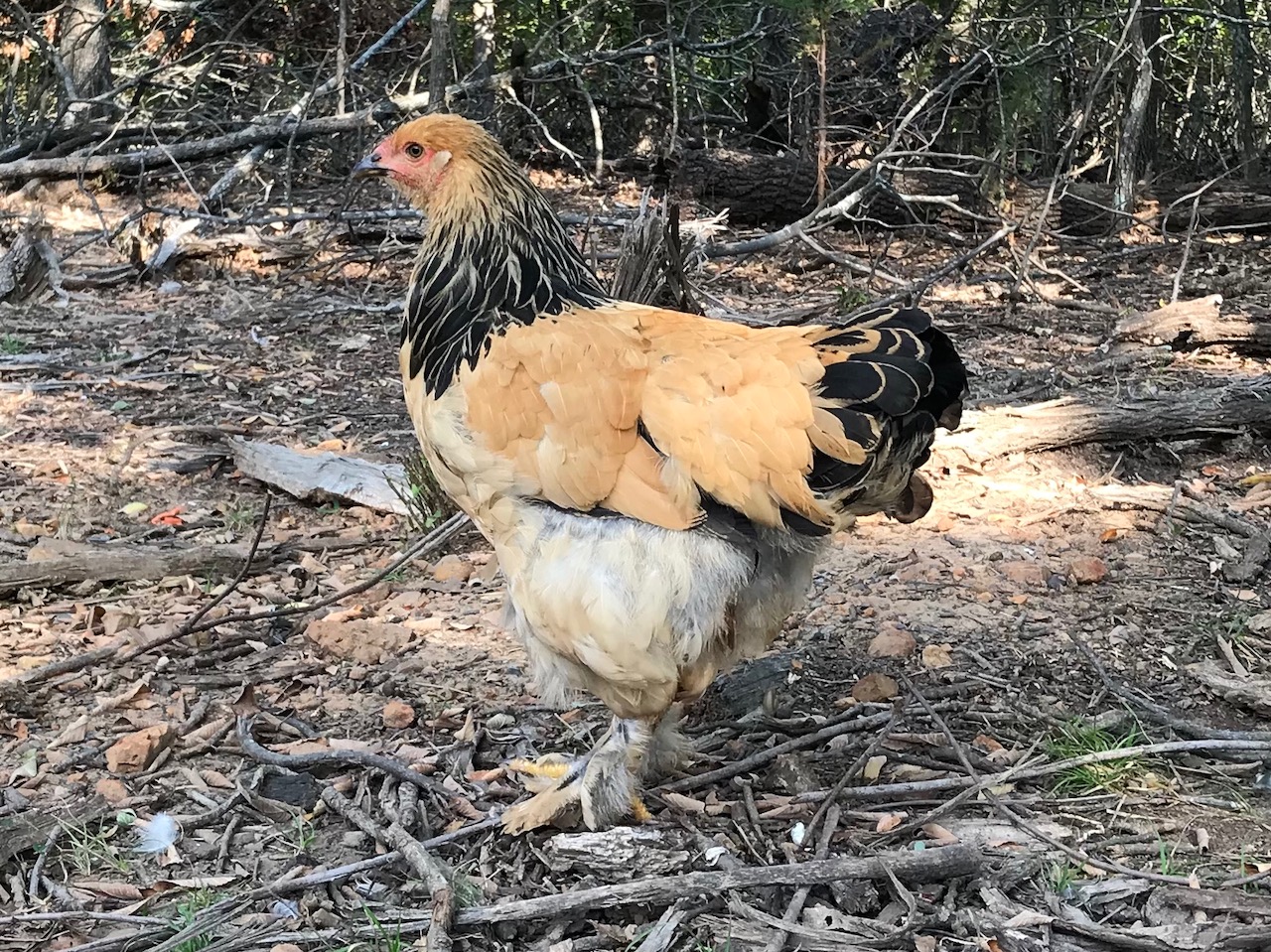
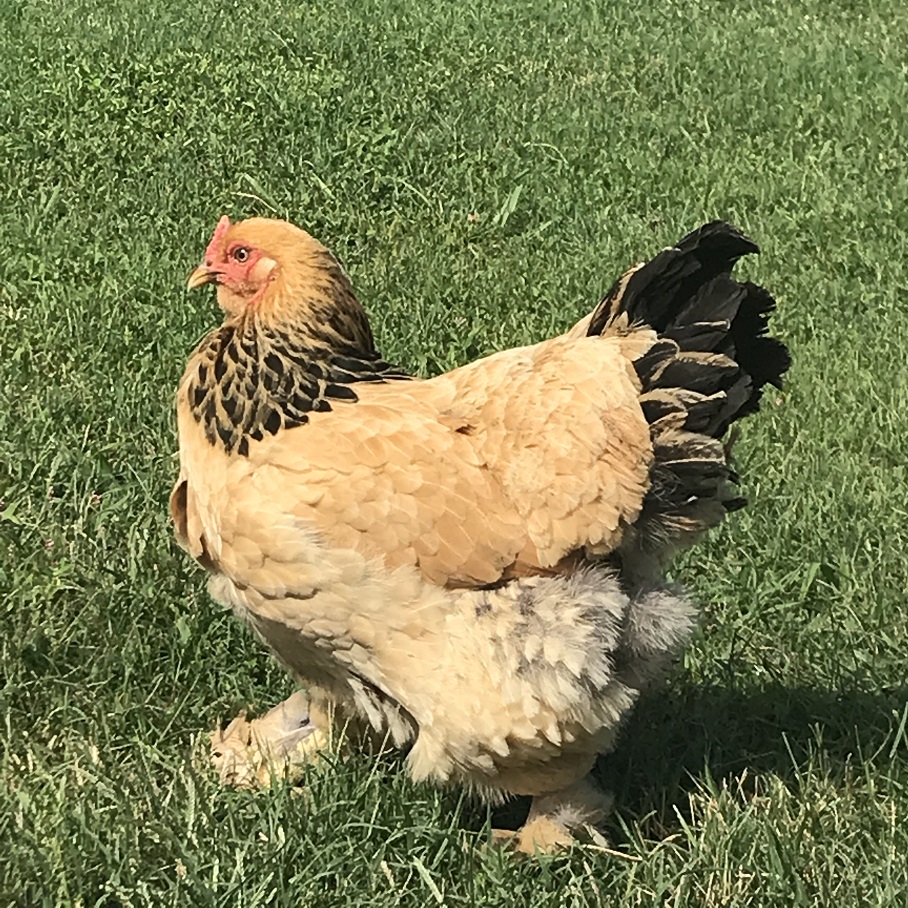
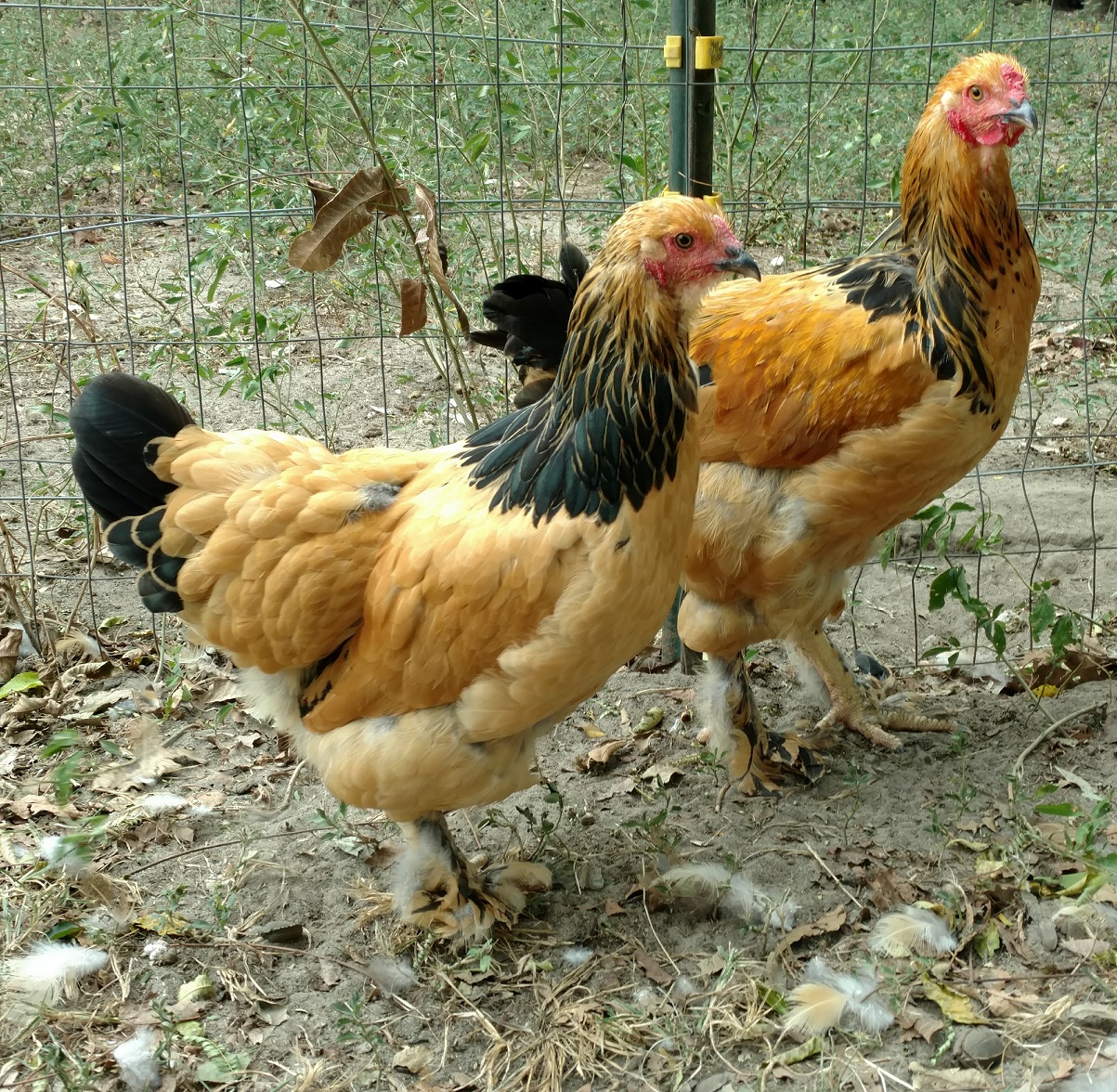
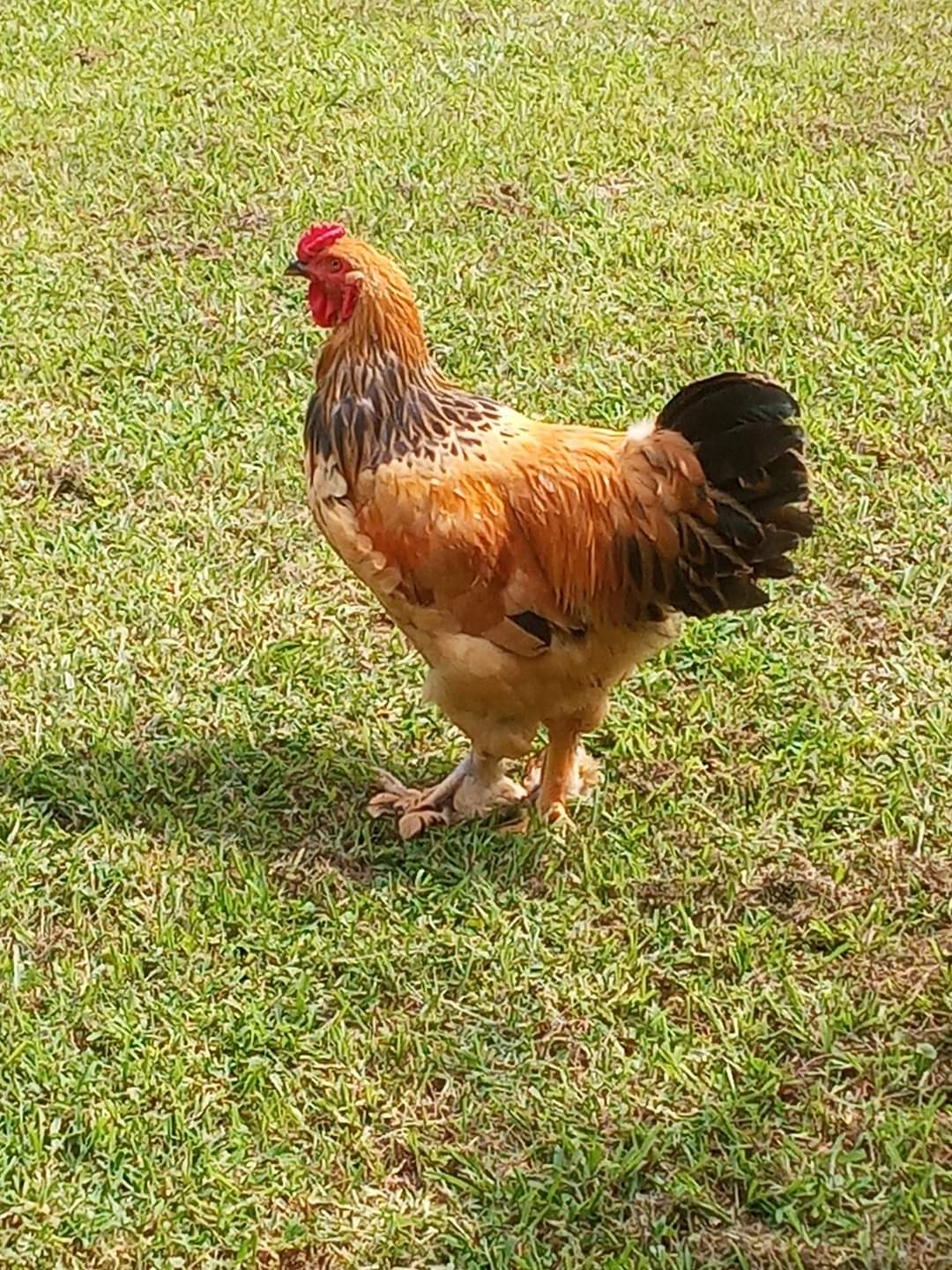
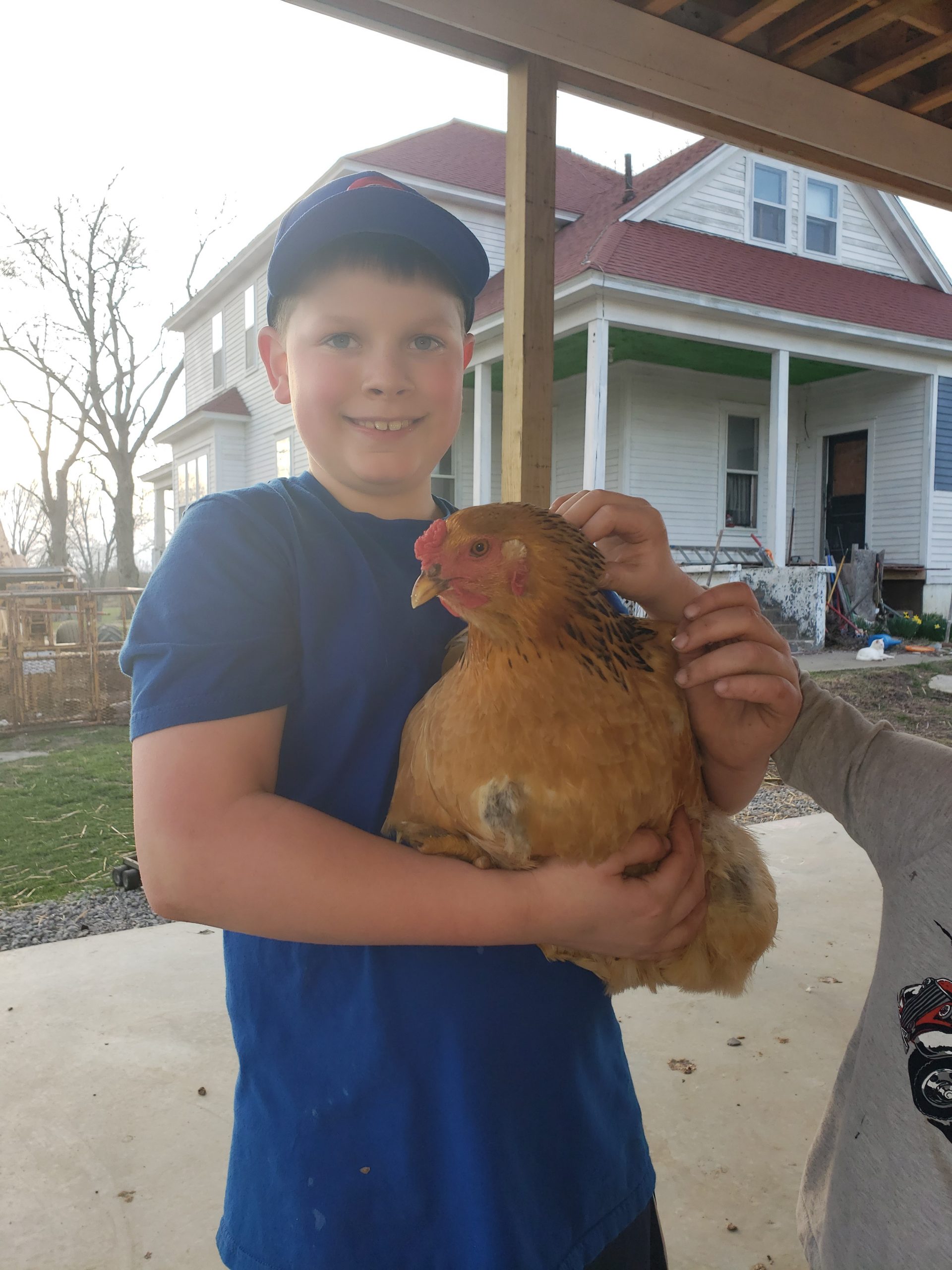
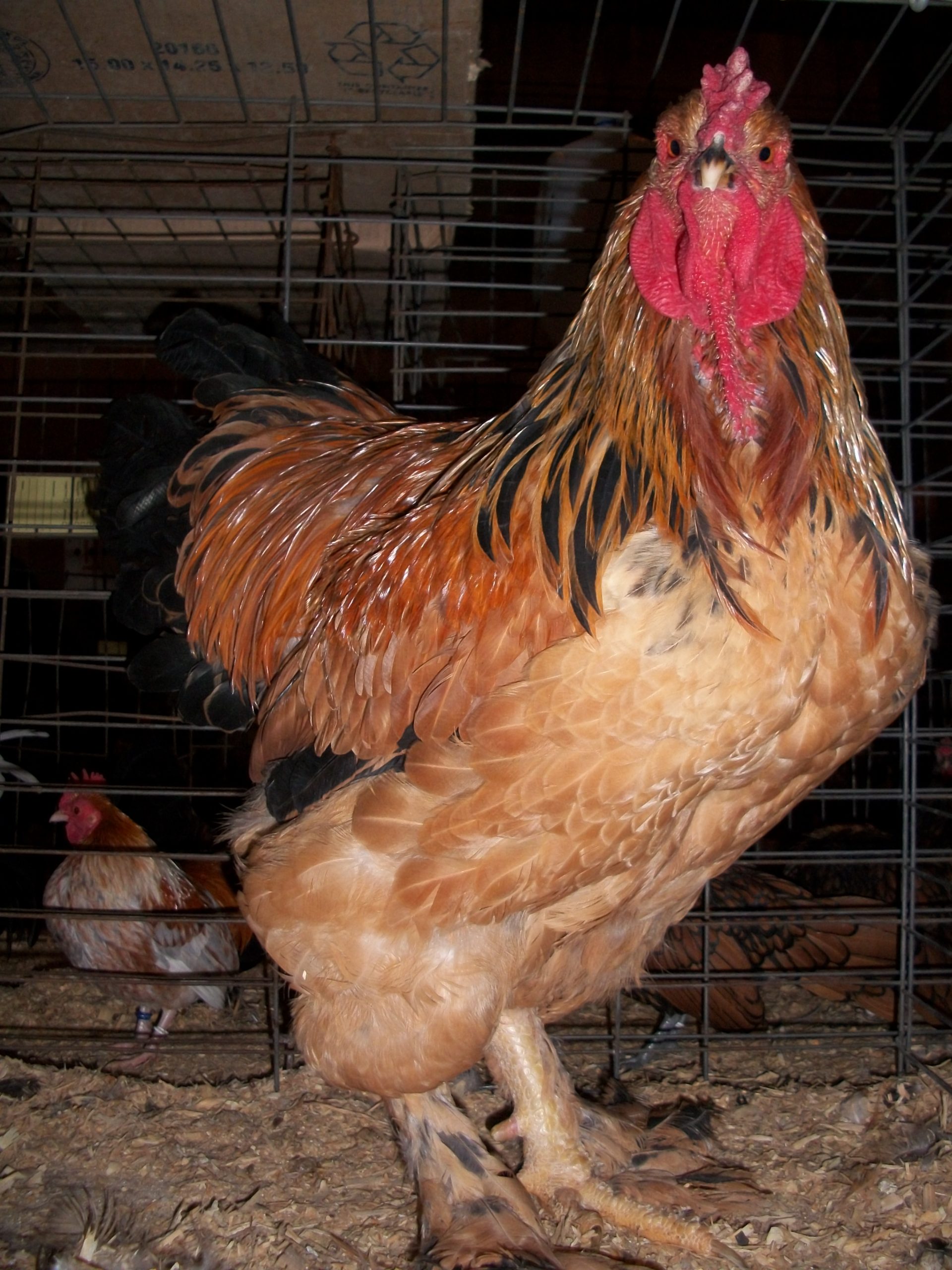
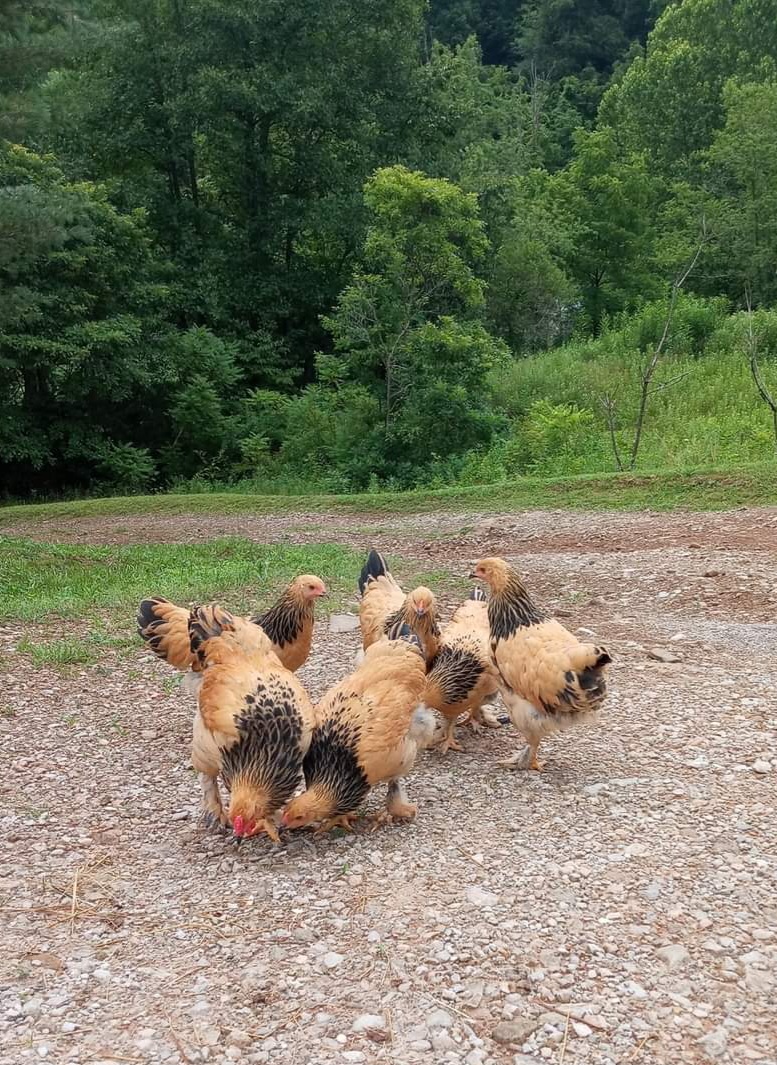
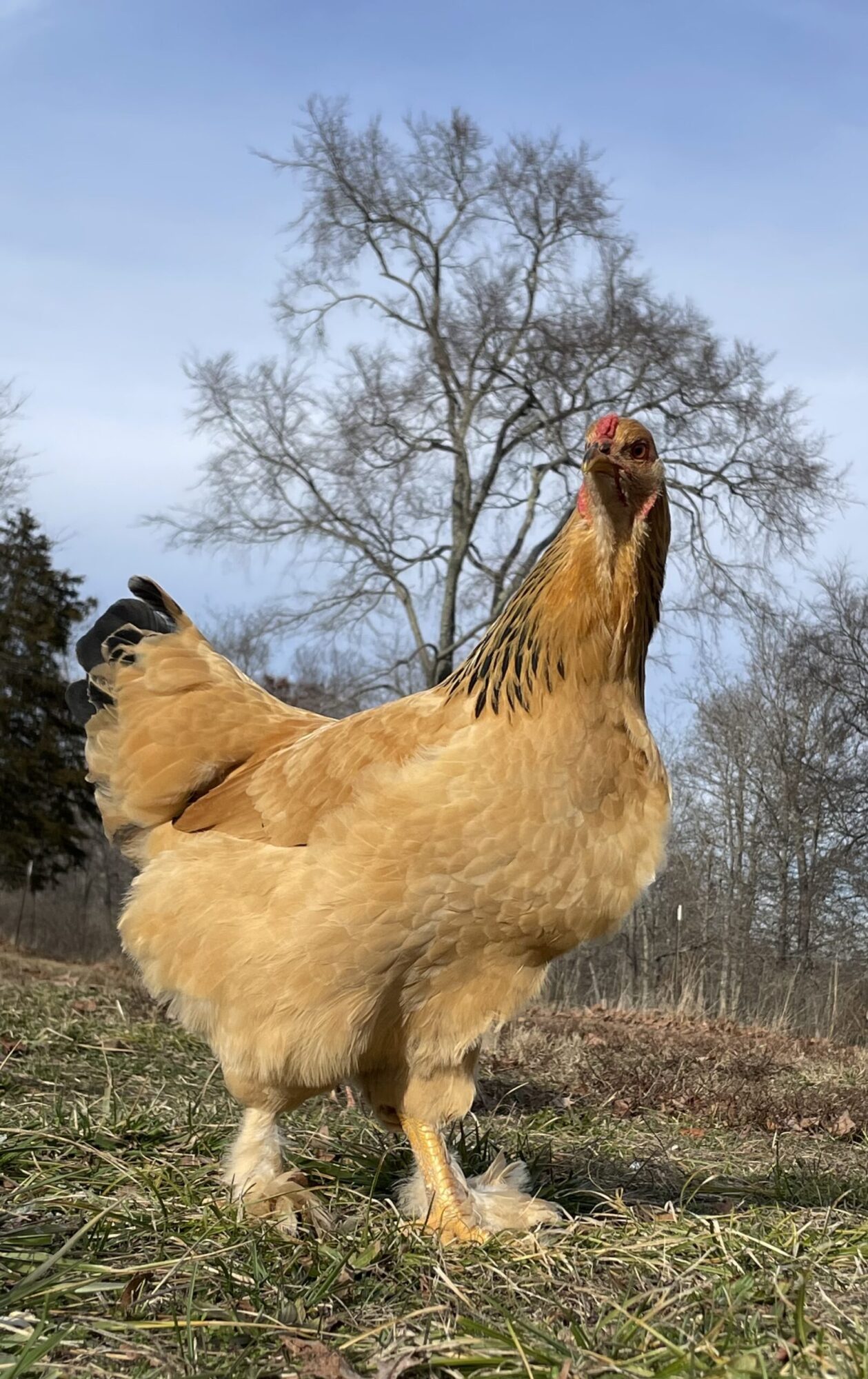
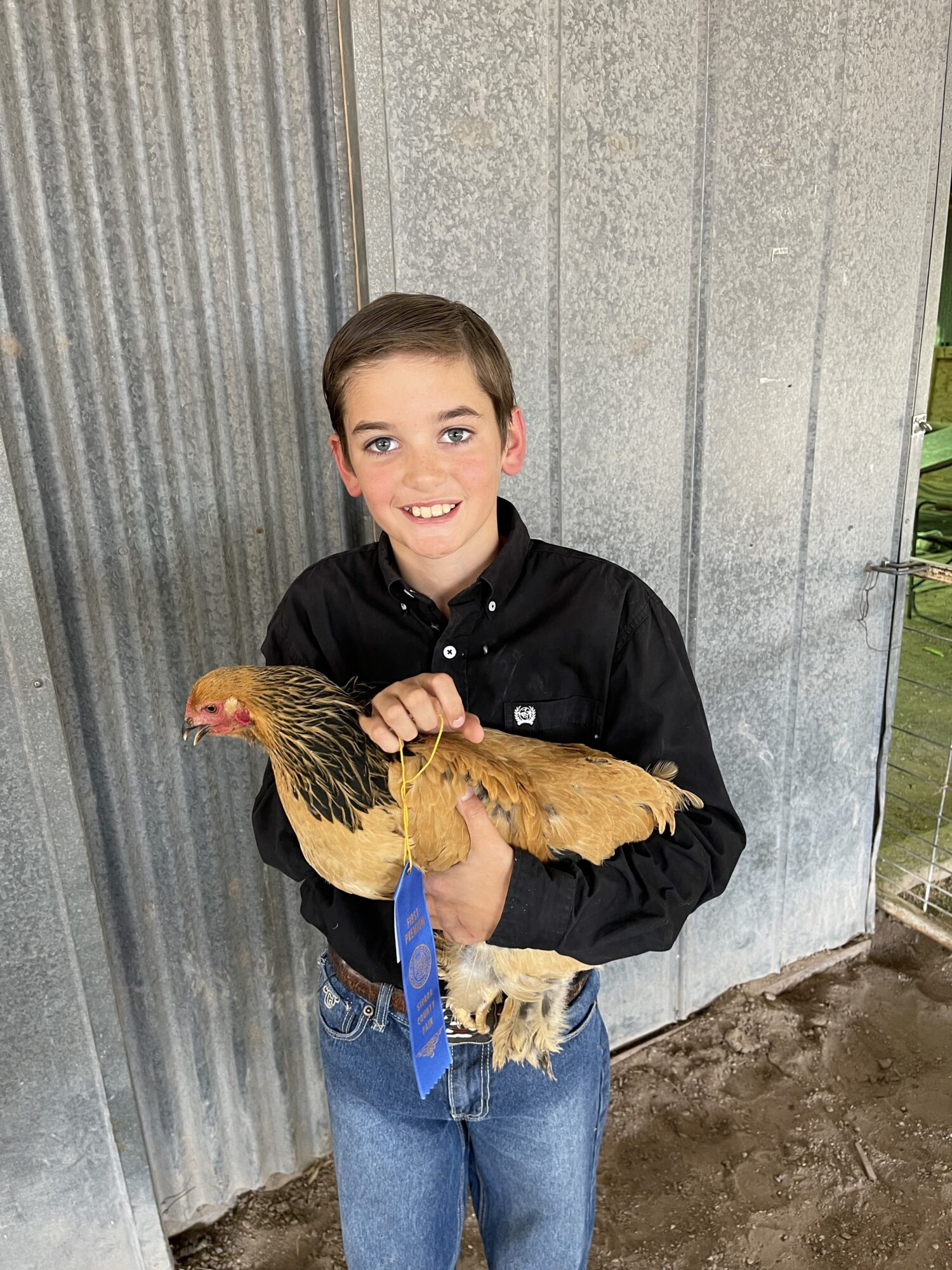
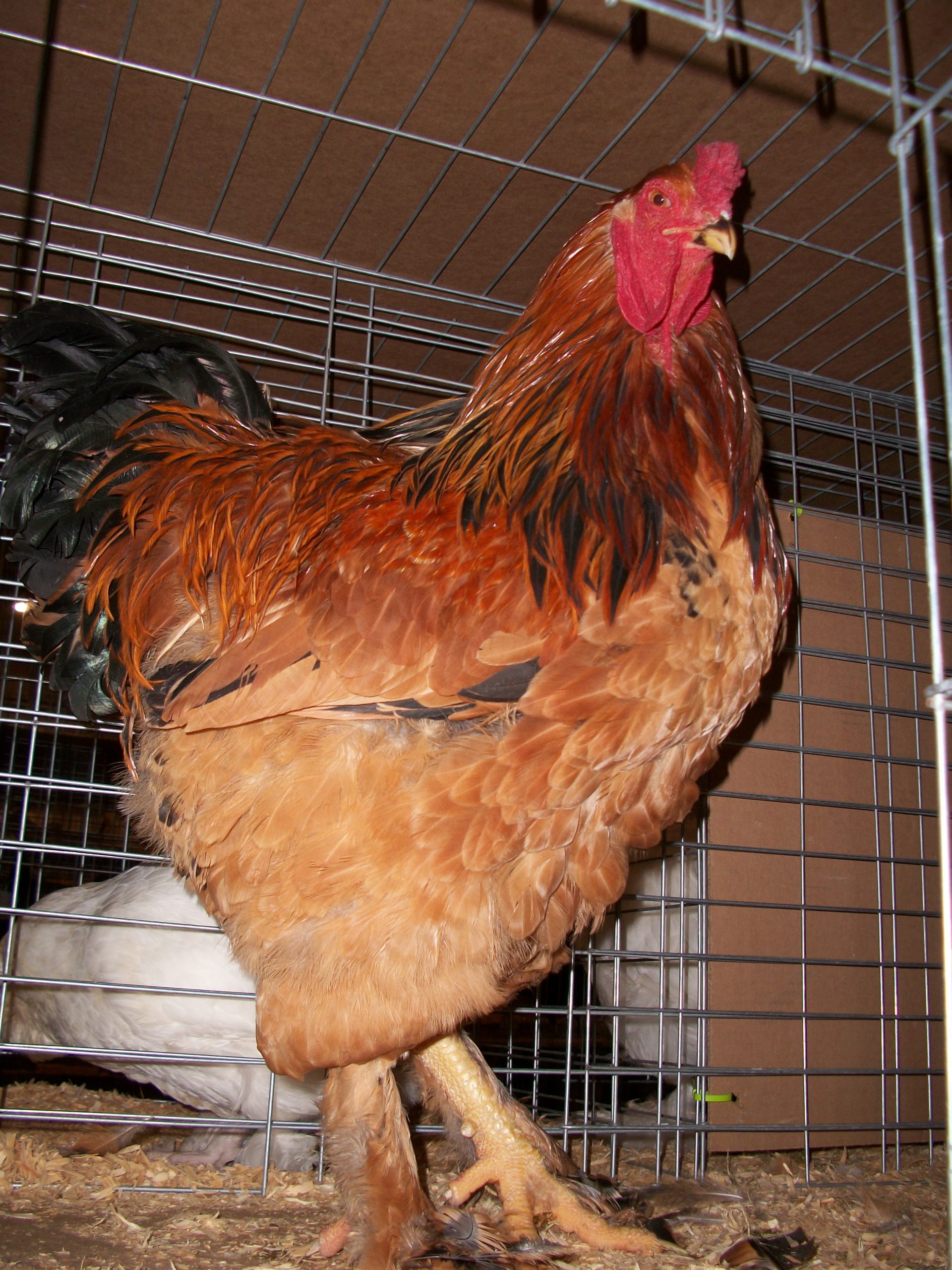
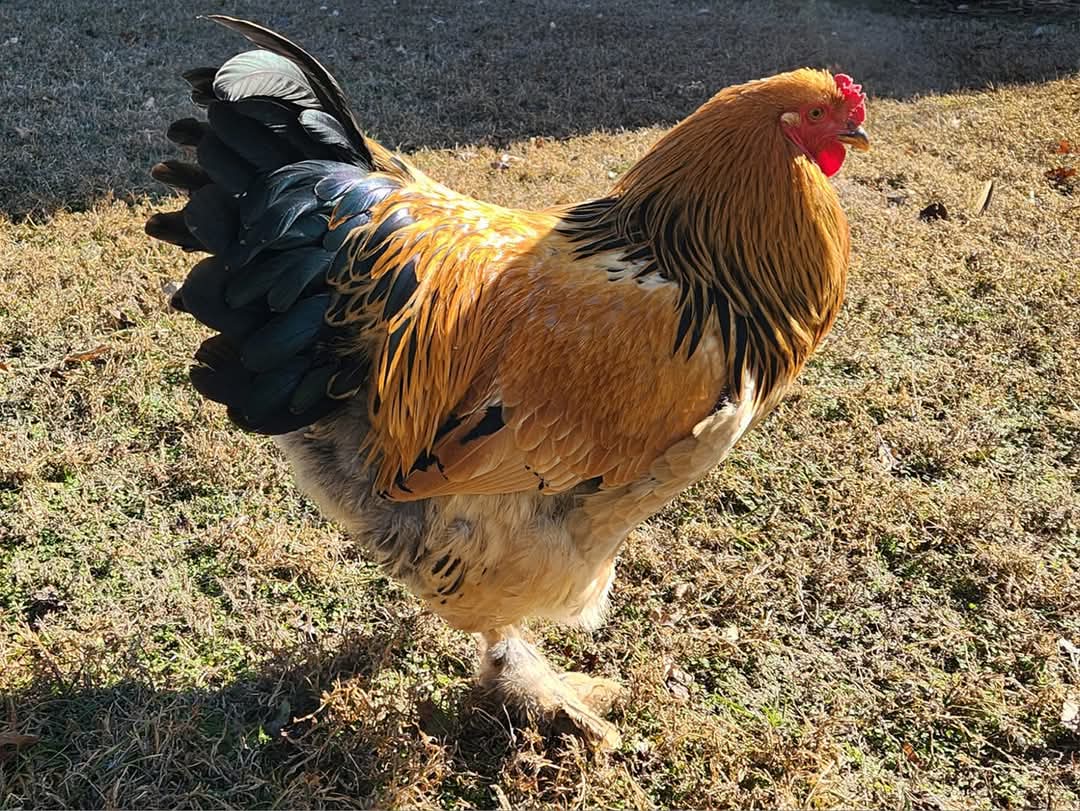
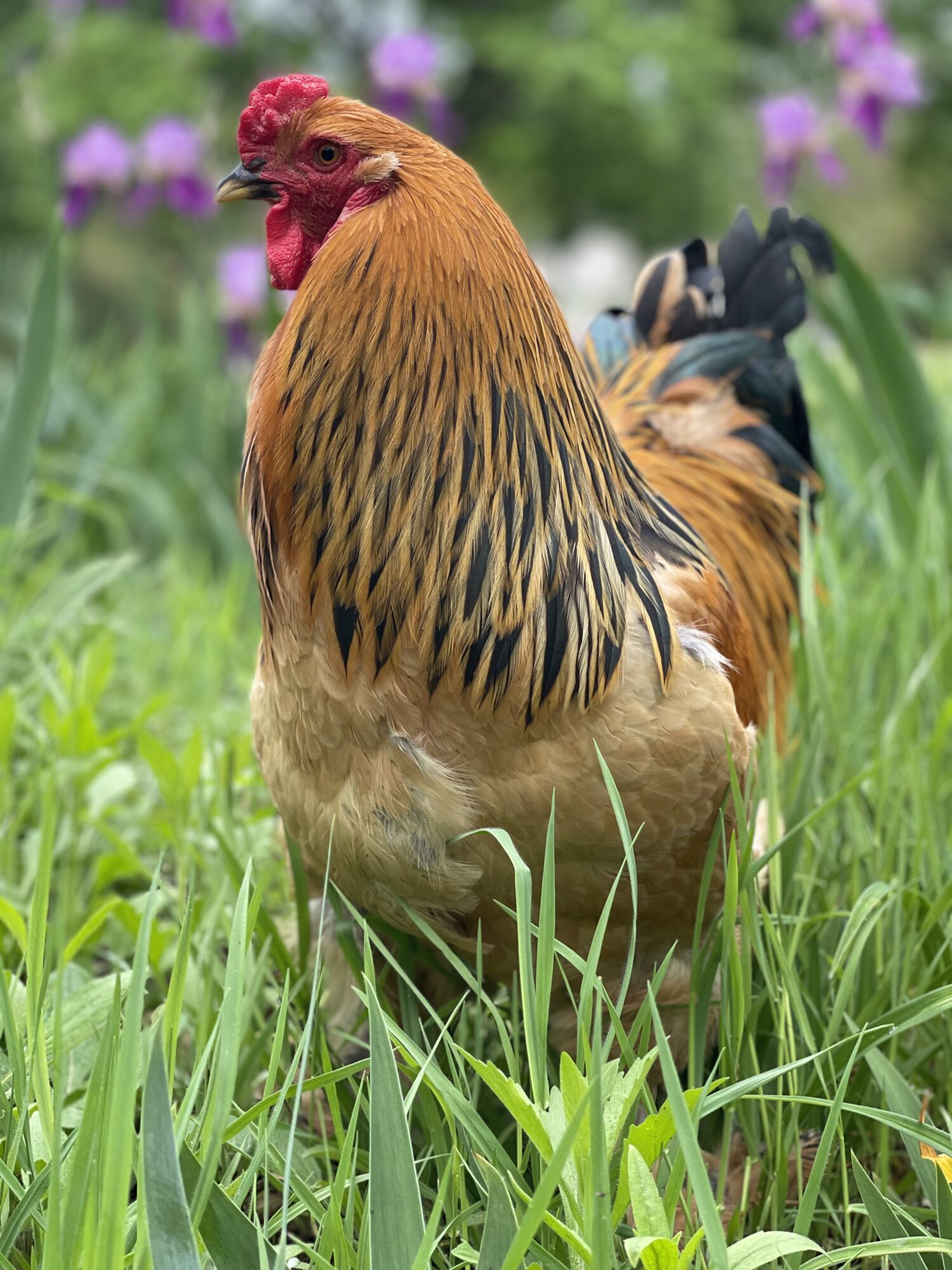
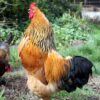
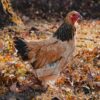
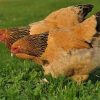
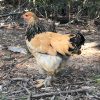
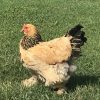
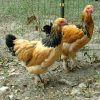
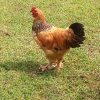
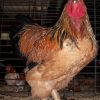
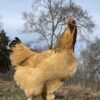
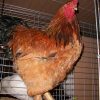
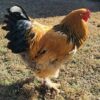
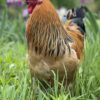
Buff Brahmas have mostly buff-colored plumage with black in the neck feathers and black tail feathers. Their heavy bodies, thick feathering, pea combs, and feathered legs give them a large, stately look.
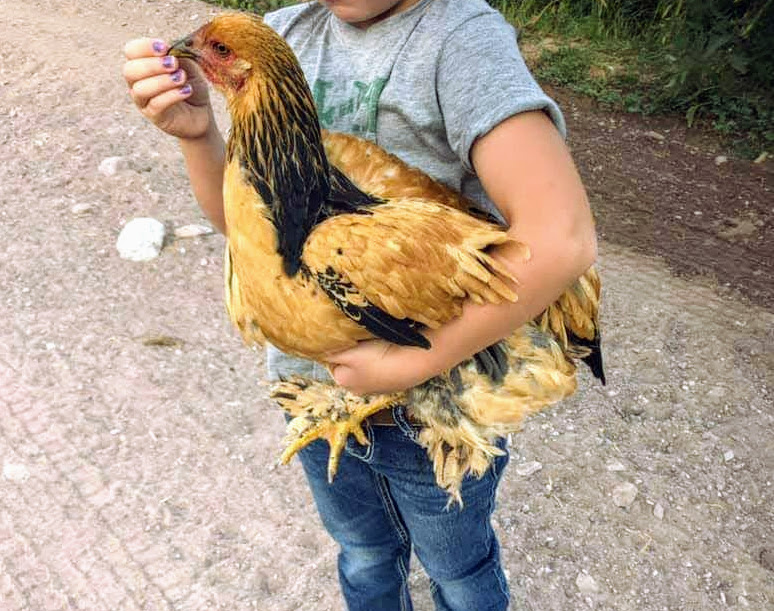
Because they carry so much size and feathering, Brahmas look impressive in the yard. Roosters can weigh up to about 12 pounds, and hens can weigh close to 10 pounds. That size makes them useful as a traditional meat bird, although they mature more slowly than modern meat strains.
Their feathered legs and feet are part of their charm, but they also need a little extra attention. In rainy weather, mud can collect in the foot feathers. In winter, snow can build up there too. So, if you keep Brahmas, check their feet regularly and clean them when needed. Cackle gives the same practical reminder on its Brahma breed category page.
Buff Brahma vs Light Brahma: Which Should You Choose?
Buff Brahmas and Light Brahmas share the same large body, feathered legs, pea comb, calm temperament, and cold-hardy nature. The biggest difference is color.
Choose the Buff Brahma if you like warm golden-buff plumage with black in the neck and tail. Choose the Light Brahma if you prefer a mostly white bird with black neck and tail markings.
Both varieties can make excellent family flock birds. They are quiet, gentle, and easy to admire. However, if color matters to you, the Buff variety brings a warmer look, while the Light variety gives you a brighter black-and-white contrast.
If you want to compare the breed family, browse Cackle’s Brahma chicken color options or read Breed Spotlight: Brahma Chickens.
Production Type, Exhibition Type, and Cackle’s Buff Brahma Line
These Buff Brahmas come from a Cackle Hatchery® bloodline that blends exhibition/show type and production type. That gives you birds with good size, strong visual appeal, and practical backyard value.
They are not the fastest layers in the flock, and they are not the quickest to mature. However, they offer qualities many chicken keepers love: calm temperament, cold hardiness, large body size, and excellent brooding instincts.
If your main goal is maximum egg production, a production hybrid or lighter laying breed may fit you better. But if you want a large, gentle bird that can brood chicks, handle winter, and bring real presence to the yard, the Buff Brahma is hard to beat.
Egg Production and Utility
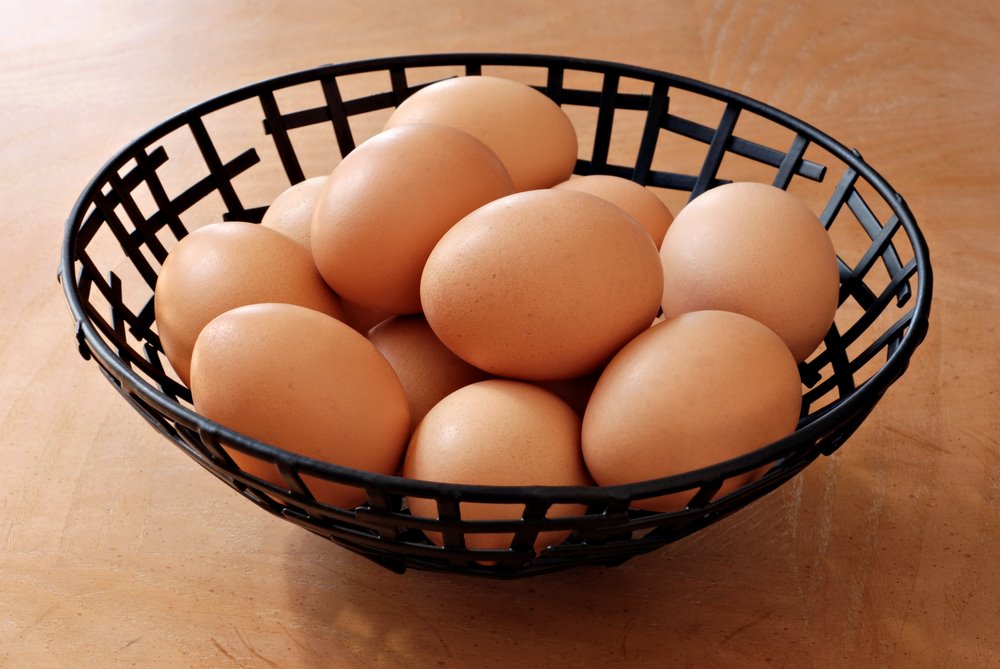
Buff Brahmas lay brown eggs and bring traditional dual-purpose value to the flock. They are below average for laying compared with high-production egg breeds, but they still contribute useful brown eggs while also offering meat value because of their large body size.
These birds shine most when you want more than just egg numbers. They are steady, calm, and useful in a homestead flock. Their size gives them a big carcass for butchering, and their gentle nature makes them easy to keep around the yard.
They are also excellent brooding hens. Many keepers value Brahma hens for setting and hatching baby chicks, and they can make some of the best mothers in the flock.
Actual egg production can vary with age, daylight, feed, housing, weather, broodiness, and overall care.
Temperament and Suitability
Buff Brahmas are gentle, quiet, and easygoing. They can be a great choice if you want a large chicken that is still calm around people. Families often appreciate them because they are steady birds and not as flighty as many lighter breeds.
They do well in cold climates because of their heavy bodies, thick feathering, and small pea combs. In fact, Brahmas are among the better cold-weather breeds when you give them dry bedding, good ventilation, and protection from drafts.
They can also handle summer weather if you provide shade and cool water throughout the day. Since they are large and heavily feathered, heat management matters. Give them airflow, shade, and plenty of fresh water when temperatures rise.
As with any breed, each bird has its own personality. Still, Brahmas have a strong reputation for being calm, friendly, and easy to enjoy.
Is the Buff Brahma Chicken Right for Your Flock?
Choose Buff Brahmas if you want:
A large, gentle backyard chicken
A feather-legged breed
A cold-hardy brown egg layer
A calm bird for families
A broody hen that can hatch chicks
A good mother for baby chicks
A dual-purpose chicken for eggs and meat
A warm buff-colored Brahma variety
A chicken with real flock presence
A bird that does well with patient, practical care
Overall, this is a good choice if you want a gentle giant rather than a high-speed egg machine. Buff Brahmas take their time growing up, but they reward you with size, beauty, calm temperament, and excellent broody instincts.
If you are still comparing breeds, the Chicken Breed Selector and Chicken Breeds List Comparison Chart can help you sort birds by purpose, egg color, size, and flock needs.
Breed History and Preservation
The Brahma has a long history as one of the great large fowl breeds. In the mid-1800s, large feather-legged chickens from areas near Shanghai reached the United States. American breeders worked with those birds and developed the Brahma into a powerful, calm, useful breed.
Older poultry sources often called the Brahma the “King of All Poultry” because of its great size and strength. Historical accounts describe mature birds reaching impressive weights, with 10-pound hens and 12-pound roosters considered typical for the breed.
The breed once held an important place in meat production before faster-growing commercial strains became common. Today, Brahmas are loved more for their calm temperament, size, cold hardiness, brooding ability, and backyard appeal.
The Livestock Conservancy reports that Brahmas graduated from its Conservation Priority List in 2023, which shows how renewed interest has helped this old breed family recover.
Recognition and Availability
The American Poultry Association recognizes Brahmas in the Asiatic class. Light and Dark Brahmas were recognized in 1874, and the Buff variety was recognized later, in 1924.
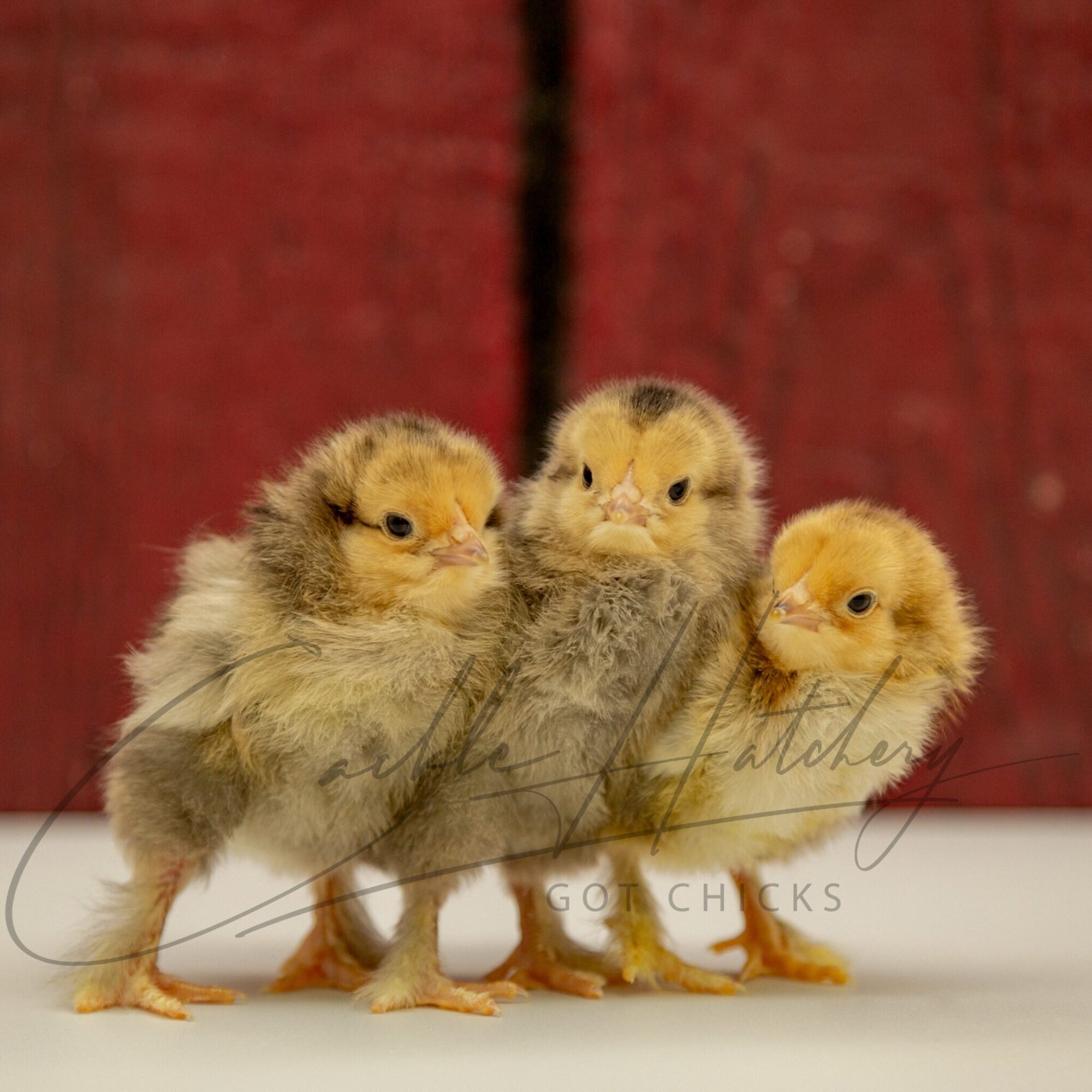
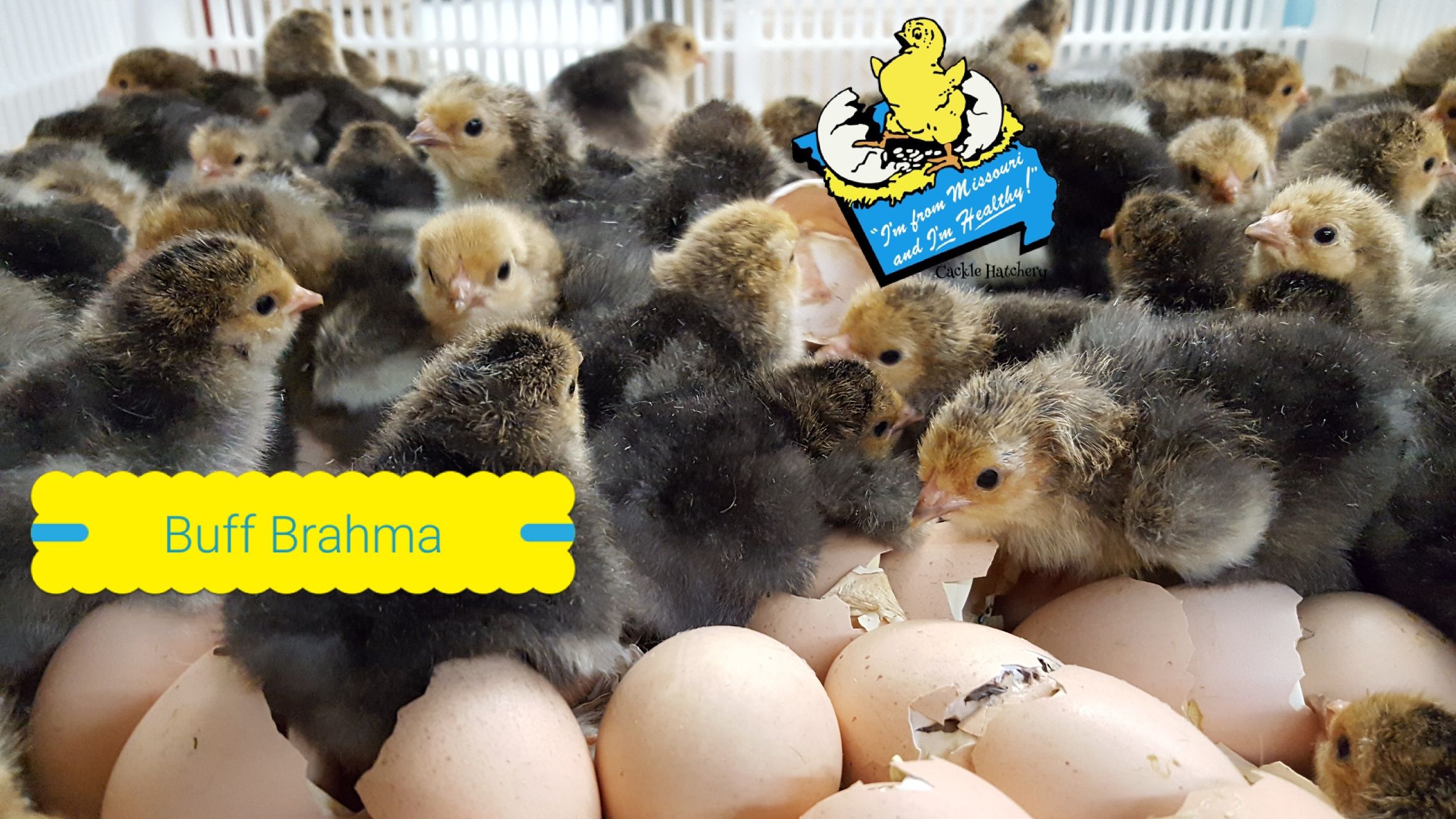
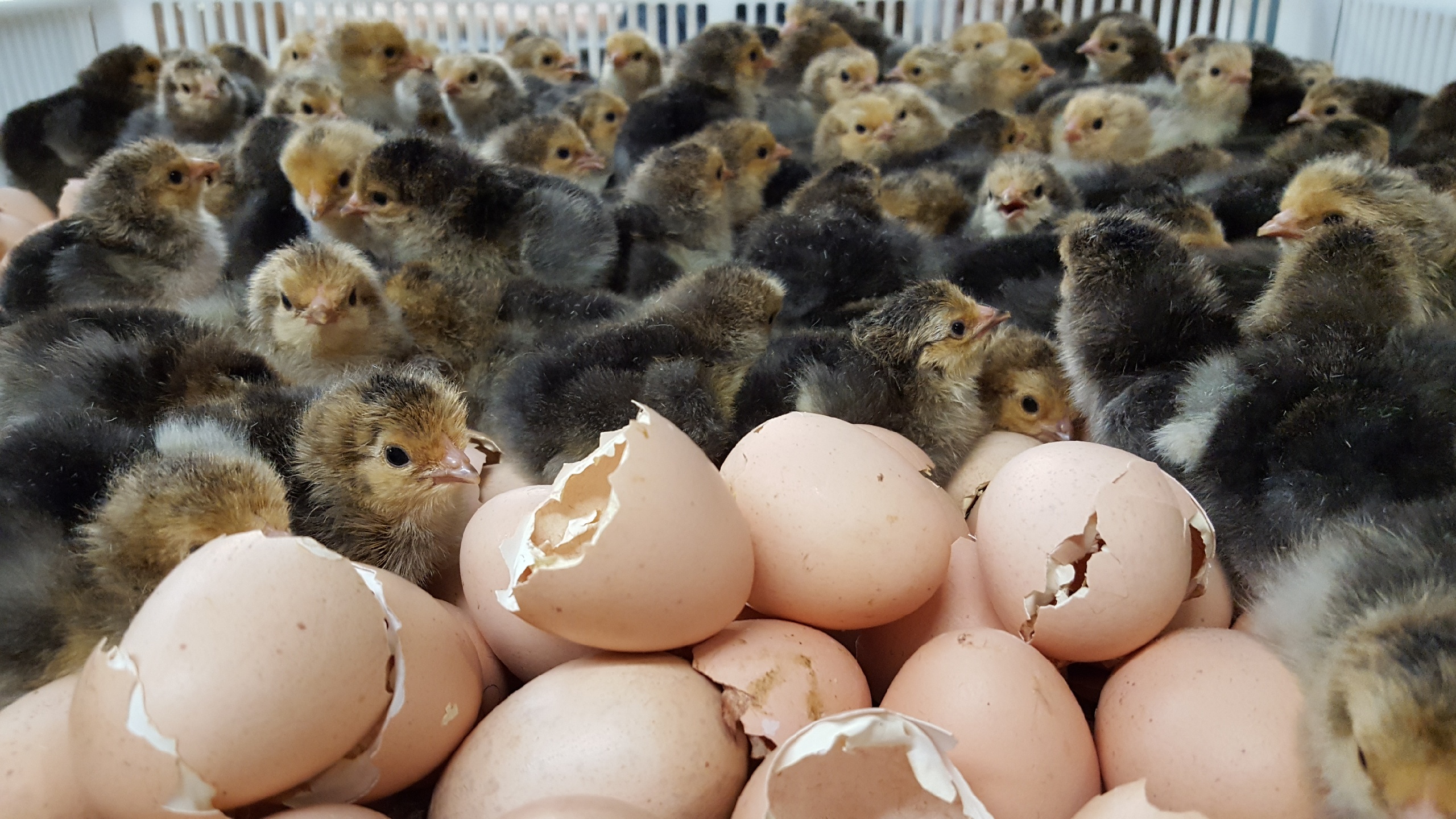
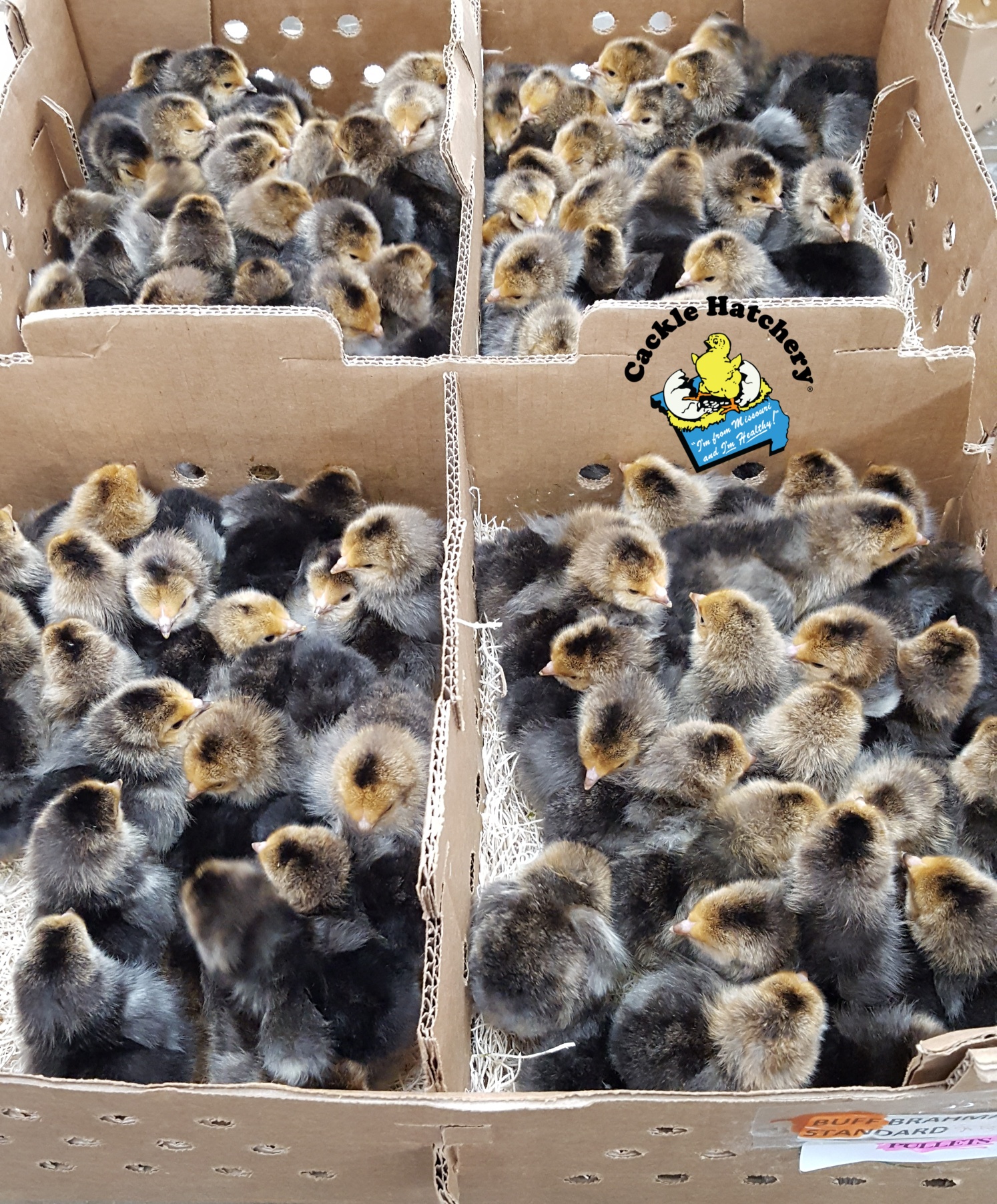
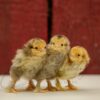
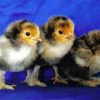
You can choose Buff Brahma chicks when they are available. Many people who like the standard-size bird also enjoy the Buff Brahma Bantam Chicken, the miniature version of this gentle breed.
Before you plan your order, check the Availability Chart for current hatch and shipping options. Brahmas are popular, so ordering early is a good idea when you want to reserve them.
Related Breeds and Helpful Cackle Hatchery® Resources
If you like Buff Brahmas, you may also want to compare Light Brahmas, Dark Brahmas, Partridge Brahmas, Lavender Brahmas, and other Brahma chicken color options. The Brahma category is the easiest place to compare available colors, sizes, and related options.
For more background on the breed, read Breed Spotlight: Brahma Chickens. You can also browse brown egg laying chickens, cold weather chickens, baby chicks for sale, and the Chicken Breeds List Comparison Chart if you are planning a mixed flock.
FAQ: Buff Brahma Chicken
What is a Buff Brahma chicken?
A Buff Brahma chicken is a large, feather-legged Brahma variety with buff plumage, black neck markings, black tail feathers, brown eggs, and a calm temperament.
Are Buff Brahmas friendly?
Yes. Buff Brahmas are usually gentle, quiet, and easygoing. Their calm nature makes them a favorite for families and backyard flocks.
Are Buff Brahmas good egg layers?
They lay brown eggs, but they are below average compared with high-production laying breeds. Many keepers choose them more for size, temperament, broodiness, and beauty than for maximum egg output.
What color eggs do Buff Brahmas lay?
Buff Brahmas lay brown eggs. Actual egg production can vary with age, season, daylight, feed, broodiness, and flock care.
Are Buff Brahmas good for meat?
Yes. Their large size gives them traditional meat value. Roosters can weigh up to about 12 pounds, and hens can weigh close to 10 pounds.
Are Buff Brahmas cold hardy?
Yes. They are very cold tolerant because of their heavy bodies, thick feathering, and small pea combs. Still, they need a dry, draft-protected coop with good ventilation.
Are Buff Brahmas heat tolerant?
They can handle summer weather when you provide shade, airflow, and cool water all day. Since they are large and heavily feathered, hot-weather care is important.
Do Buff Brahmas have feathered feet?
Yes. They have feathered legs and feet. Mud and snow can collect in the feathers, so check their feet and clean them when needed.
Are Buff Brahmas good mothers?
Yes. Brahmas can make excellent broody hens and mothers. Many keepers value them for setting, hatching, and raising baby chicks.
Are Buff Brahmas slow to mature?
Yes. Brahmas are slow-maturing birds. They take longer to reach full size than many lighter breeds, but they reward patient keepers with size, calmness, and strong brooding ability.
Are Buff Brahmas good for beginners?
Yes, they can work well for beginners who have enough space for large birds and do not mind caring for feathered feet. They still need clean water, good feed, dry bedding, predator protection, and shade in summer.
Are Buff Brahmas good for free range?
Yes. They can enjoy free range, and they also do well in a roomy coop and run. Because they are large and calm, give them safe footing, enough space, and protection from predators.
What is the difference between Buff Brahma and Buff Brahma Bantam?
The standard Buff Brahma is a large fowl bird. The Buff Brahma Bantam is the smaller version, better suited for keepers who like the Brahma look but want a miniature bird.
Are Buff Brahmas heritage chickens?
Yes. Brahmas are historic large fowl with deep roots in 19th-century poultry development. The Buff variety is an APA-recognized Brahma color, and the breed graduated from The Livestock Conservancy’s priority list in 2023.
Where can I check chick availability?
Check the Availability Chart for current hatch and shipping options. Availability can change by season, hatch date, and egg numbers.











Jill Powell –
Very skittish. We were really looking forward to getting Buff Brahmas, they’re pretty but at a year old they’re not “giants”. I don’t understand why but they’re no bigger than our other hens. They won’t feed out of our hand or come anywhere near us, which is sad.
David –
they are still alive
as my brahmas are only 5 months old i cant really rate them as a breed at this time. They are all healthy and survived a really hot summer(100+).