Description
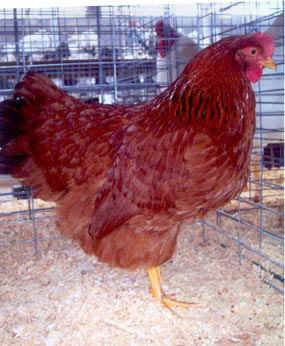
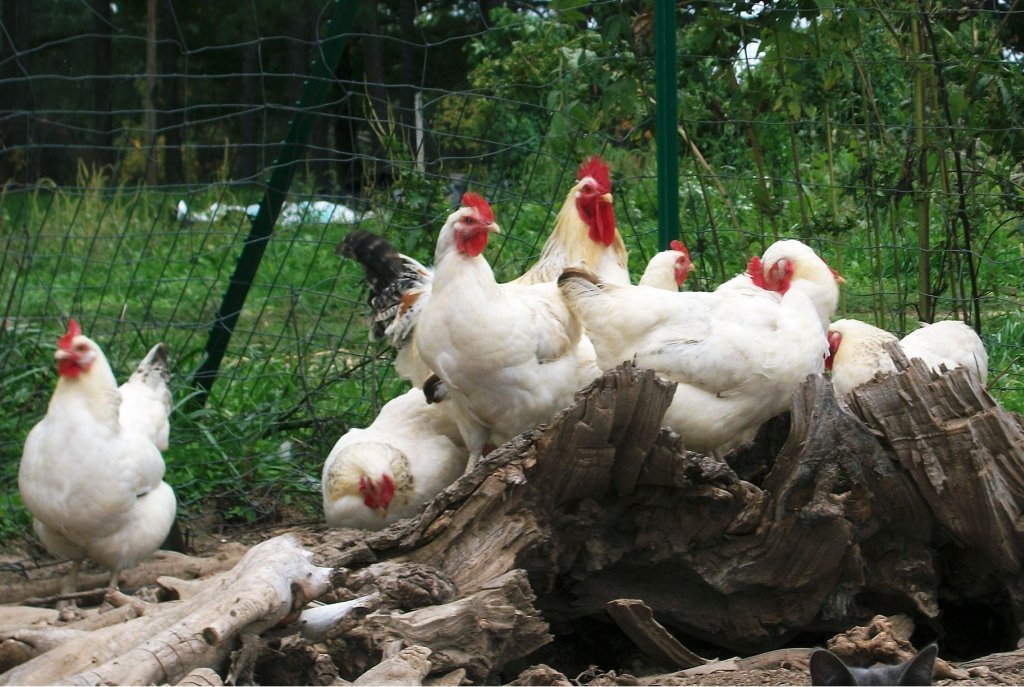
Delaware X Hampshire Cross (Indian River) Chicken
Breed Overview and Origin
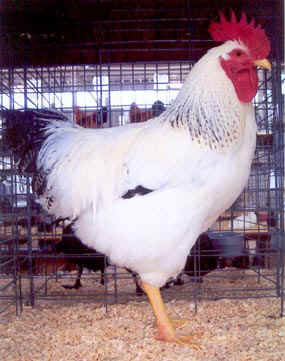
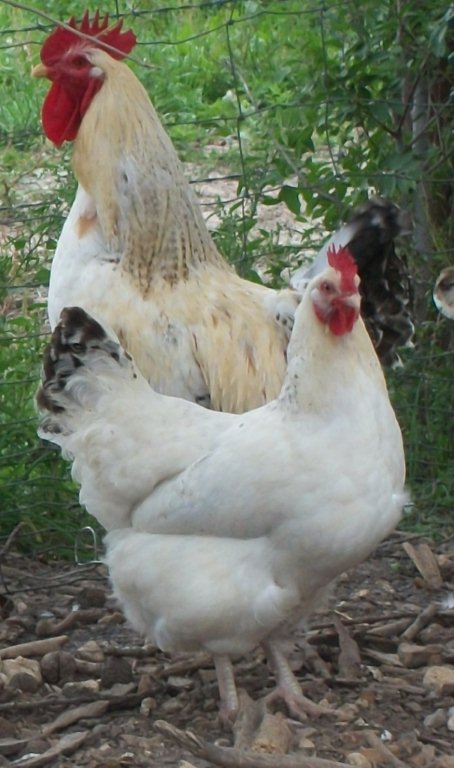
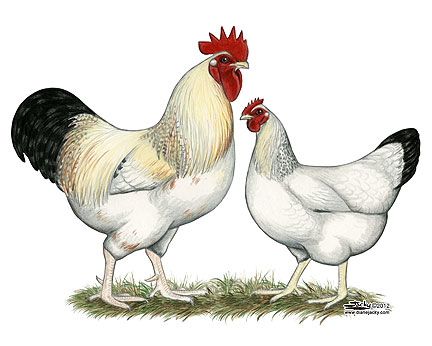
The Delaware X Hampshire Cross, also known as the Indian River Cross Broiler, is a historic dual-purpose chicken cross made by breeding a purebred Delaware rooster over a pure New Hampshire hen. This cross produces a vigorous, healthy chicken with useful meat qualities and egg production value.
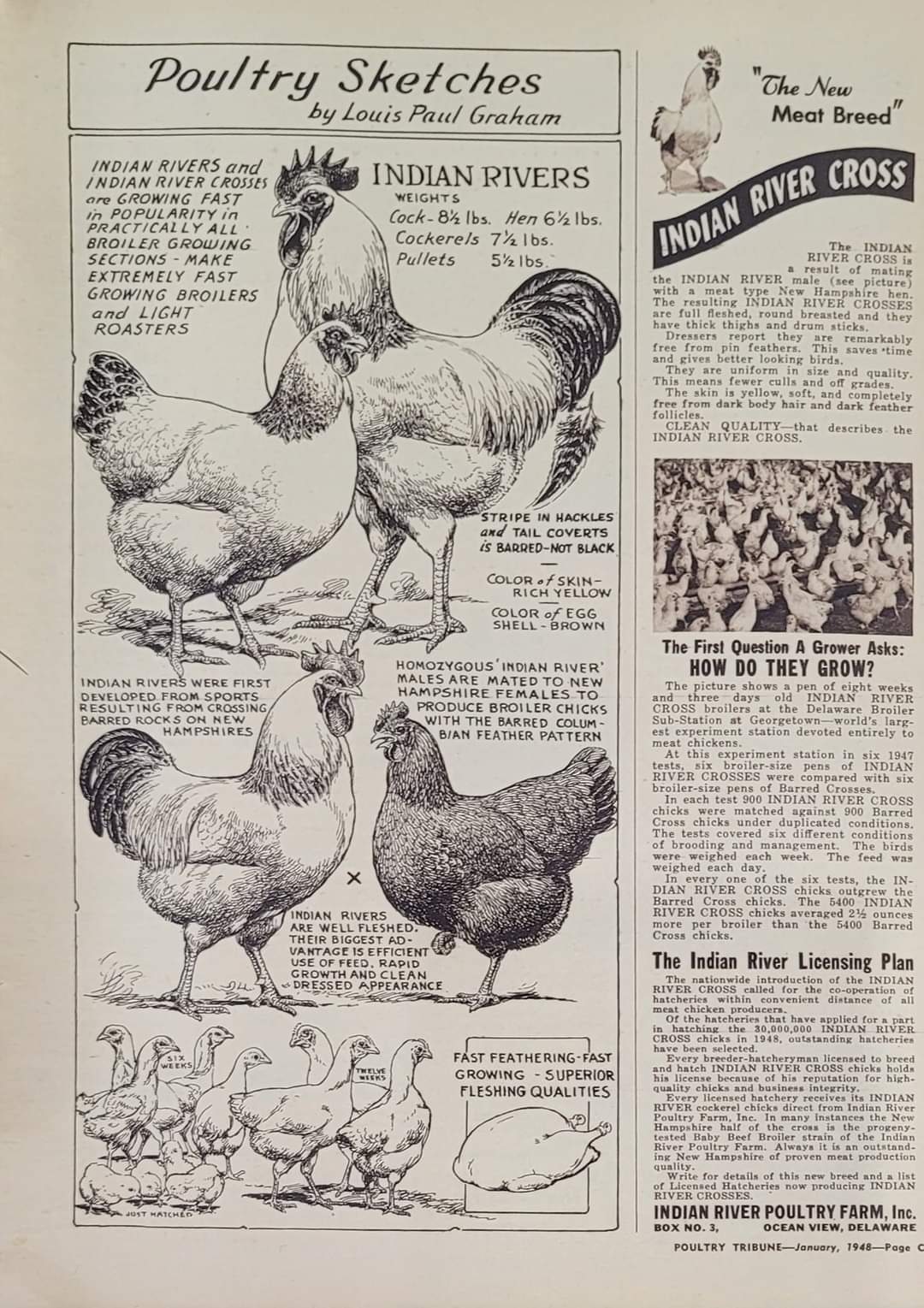
The Indian River name carries important broiler history. In the 1940s, the Delaware breed itself developed from breeding work connected to Indian River, Delaware. The Livestock Conservancy notes that the Delaware chicken was originally called the “Indian River” and came from a 1940s breed improvement program involving New Hampshire hens and Barred Plymouth Rock roosters. The goal was a bird that matured quickly for broiler use while still offering good laying ability.
Cackle Hatchery® offers the Delaware X Hampshire Cross as a brown egg layer and dual-purpose meat-and-egg option. Cackle’s listing identifies it as the Delaware X Hampshire Cross, also called the Indian River Chicken.
Parentage and Cross Details
The Delaware X Hampshire Cross uses:
- A purebred Delaware Chicken rooster
- A pure New Hampshire Chicken hen
This pairing combines useful traits from both parent breeds. The Delaware side contributes meat history, broad utility, and the historic Indian River connection. Meanwhile, the New Hampshire side adds vigor, growth, brown egg production, and practical farm value.
Because this bird is a cross rather than a standardized breed, customers should choose it for performance, hardiness, and usefulness rather than exhibition standards.
Historic Indian River Broiler Background
The Indian River Cross Broiler connects to one of the most important chapters in American broiler history. In the mid-20th century, poultry breeders worked to create faster-growing, better-fleshed birds for the expanding meat chicken market.
The user-provided history notes that the Indian River Cross Broiler moved into the mainstream broiler market in 1947. Some people called these birds “Baby Beef Broilers” because of their meat qualities. Indian River Poultry Farm, Inc. of Ocean View, Delaware conducted large grow-out tests at the Delaware Broiler Sub-Station in Georgetown, which was then a major experiment station devoted to meat chickens.
Those grow-out tests showed that the cross could produce more weight, yellow skin, and a clean-dressed carcass. In 1948, selected hatcheries produced approximately 30,000,000 Indian River Cross chicks, showing how quickly this broiler type gained commercial attention.
Although today’s commercial poultry industry eventually shifted toward the modern Cornish Cross because of its rapid growth and feed conversion, the Indian River Cross remains an important part of American meat chicken history.
Appearance and Characteristics
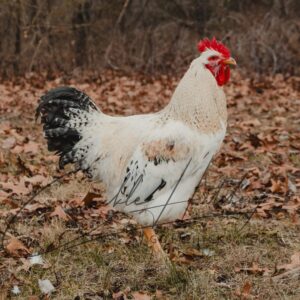
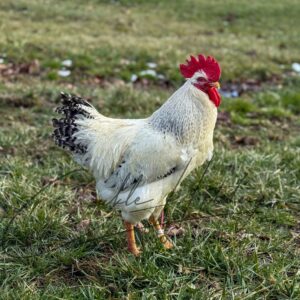
The Delaware X Hampshire Cross blends traits from both parent breeds. Since it is a cross, appearance may vary somewhat from bird to bird.
Expected traits include:
- Delaware rooster x New Hampshire hen parentage
- Vigorous growth
- Healthy, hardy constitution
- Dual-purpose meat and egg value
- Brown egg production
- Useful broiler background
- Practical farm and homestead value
- Historic Indian River Cross identity
- Non-exhibition production focus
The Delaware parent breed has yellow skin and a history tied to broiler development. The Livestock Conservancy explains that Delawares developed in the 1940s for broiler production and originally carried the Indian River name.
Meat Production Value
The Delaware X Hampshire Cross works well as a dual-purpose meat bird. It does not match the extreme speed or feed efficiency of the modern Cornish Cross, but it offers a more traditional meat-and-egg style option.
This cross can appeal to customers who want:
- A historic broiler-type chicken
- A vigorous dual-purpose bird
- Meat value with egg potential
- A bird connected to early American broiler development
- A practical homestead chicken
- A cross with Delaware and New Hampshire utility
The Indian River Cross helped shape the early broiler market before the Cornish Cross became dominant. Cornell’s heritage poultry exhibit notes that the Delaware, originally called the Indian River, saw wide use before Cornish-Rock hybrids became common.
Egg Production and Brown Eggs
The Delaware X Hampshire Cross also has egg value. Because both Delawares and New Hampshires have dual-purpose utility, hens can contribute brown eggs while still offering meat value.
Cackle lists this cross in its brown egg layer category, which helps position it as more than a meat-only bird.
Egg production can vary by individual hen, feed, daylight, season, age, and management. However, customers should expect this cross to serve as a practical dual-purpose option rather than a specialized high-production layer.
Delaware X Hampshire Cross vs Modern Cornish Cross
The Delaware X Hampshire Cross and the modern Cornish Cross serve different customer goals.
A Delaware X Hampshire Cross offers dual-purpose value, historic broiler background, vigor, and brown egg potential. It connects to the Indian River broiler history that helped shape the American poultry industry.
A Cornish Cross focuses on fast meat growth and efficient feed conversion. The modern broiler market eventually favored Cornish Cross chickens because they grow rapidly and convert feed efficiently.
Choose Delaware X Hampshire Cross chickens if you want a historically significant, dual-purpose bird with meat and egg value.
Choose Cornish Cross chickens if your main goal is the fastest-growing meat bird with modern commercial broiler traits.
Delaware X Hampshire Cross vs Delaware Chicken
A Delaware X Hampshire Cross is not the same as a pure Delaware chicken.
A Delaware X Hampshire Cross comes from a Delaware rooster over a New Hampshire hen. It offers hybrid vigor and practical dual-purpose value.
A Delaware chicken is a pure breed with its own history, color pattern, and breed identity. Cackle notes that it has spent more than 40 years developing its pure Delaware bloodline.
Choose the Delaware X Hampshire Cross if you want a practical cross with Indian River broiler history.
Choose Delawares if you want the pure Delaware breed.
Delaware X Hampshire Cross vs New Hampshire Chicken
The New Hampshire hen contributes important traits to this cross, including vigor, growth, and practical production ability.
A Delaware X Hampshire Cross combines a Delaware rooster with a New Hampshire hen to create a dual-purpose meat-and-egg bird.
A New Hampshire chicken is a separate breed valued for production traits and backyard usefulness.
Choose Delaware X Hampshire Cross chickens if you want the historic cross.
Choose New Hampshires if you want the pure parent breed.
Is the Delaware X Hampshire Cross Right for Your Flock?
Choose Delaware X Hampshire Cross chickens if you want:
- A Delaware rooster x New Hampshire hen cross
- A vigorous, healthy chicken
- Dual-purpose meat and egg value
- Brown egg production
- A historic Indian River Cross Broiler connection
- A practical bird for homesteads and small farms
- A meat bird with more traditional utility than modern Cornish Cross
- A non-exhibition production cross
However, consider another option if you need an APA-recognized exhibition breed, the fastest possible meat growth, or a bird that breeds true. In short, the Delaware X Hampshire Cross is best for customers who want a historically important, practical dual-purpose chicken with both meat and brown egg value.
Care and Housing Tips
Delaware X Hampshire Cross chickens need the same dependable care as other dual-purpose chickens. They do best with clean housing, balanced feed, fresh water, and predator protection.
For best results, provide:
- A dry, well-ventilated coop
- Predator-resistant fencing
- Clean bedding
- Fresh water at all times
- Balanced chick starter and age-appropriate feed
- Enough feeder space for growing birds
- Nest boxes for brown eggs
- Roosting space suited to dual-purpose chickens
- Shade and airflow during hot weather
- Protection from drafts and damp bedding in cold weather
- Enough room for healthy growth and movement
Because this cross has meat value, good nutrition matters. A balanced feed program supports growth, feathering, body condition, and later egg production.
Recognition and Availability
The Delaware X Hampshire Cross is a production cross rather than an APA-recognized breed. Customers should choose it for dual-purpose value, historic broiler background, vigor, and usefulness rather than exhibition standards.
Cackle Hatchery® lists the Delaware X Hampshire Cross, or Indian River, in its baby chick and brown egg layer categories. Since hatch dates and availability can change, customers should check Cackle Hatchery’s Chicken Availability Chart before ordering.
Related Breeds and Helpful Cackle Hatchery® Resources
Customers who like the Delaware X Hampshire Cross may also enjoy other meat, brown egg, and dual-purpose chickens.
Helpful Cackle Hatchery® links for this product page include:
FAQ: Delaware X Hampshire Cross Chicken
What is a Delaware X Hampshire Cross Chicken?
A Delaware X Hampshire Cross Chicken is a dual-purpose cross made by breeding a purebred Delaware rooster over a pure New Hampshire hen.
What is another name for the Delaware X Hampshire Cross?
This cross is also known as the Indian River Cross Broiler.
Is the Delaware X Hampshire Cross a pure breed?
No. It is a cross, not a standardized pure breed.
What breeds make the Delaware X Hampshire Cross?
Cackle’s cross uses a purebred Delaware rooster over a pure New Hampshire hen.
What was the Indian River Cross Broiler used for?
The Indian River Cross Broiler helped supply the early mainstream broiler market and served as a meat-focused dual-purpose bird.
When did the Indian River Cross enter the broiler market?
The user-provided breed history notes that the Indian River Cross Broiler entered the mainstream broiler market in 1947.
Why were Indian River Cross birds called Baby Beef Broilers?
Some people called them “Baby Beef Broilers” because they produced more weight, yellow skin, and clean-dressed carcasses compared with some other broiler options of the time.
How many Indian River Cross chicks did selected hatcheries produce in 1948?
According to the provided breed history, selected hatcheries produced approximately 30,000,000 Indian River Cross chicks in 1948.
Are Delaware X Hampshire Cross chickens good for meat?
Yes. They offer meat value and connect to early American broiler development.
Are Delaware X Hampshire Cross chickens good for eggs?
Yes. They also offer brown egg production and dual-purpose value.
What color eggs do Delaware X Hampshire Cross hens lay?
They lay brown eggs.
Are Delaware X Hampshire Cross chickens good dual-purpose birds?
Yes. They work well as dual-purpose chickens for both meat and eggs.
Are Delaware X Hampshire Cross chickens show birds?
No. They are a production cross, not an exhibition breed.
What is the difference between Delaware X Hampshire Cross and Cornish Cross?
The Delaware X Hampshire Cross offers historic broiler value, vigor, meat value, and brown egg potential. Cornish Cross chickens grow faster and became dominant in the modern broiler market because of rapid growth and feed conversion.
What is the difference between Delaware X Hampshire Cross and Delaware chickens?
The Delaware X Hampshire Cross comes from a Delaware rooster over a New Hampshire hen. A Delaware chicken is a pure breed.
What is the difference between Delaware X Hampshire Cross and New Hampshire chickens?
The Delaware X Hampshire Cross combines Delaware and New Hampshire parentage. A New Hampshire chicken is the pure parent breed used on the hen side of the cross.
Where can I check Delaware X Hampshire Cross availability?
Customers can check Cackle Hatchery’s Chicken Availability Chart for current hatch and breed availability updates.




JERRY –
GREAT HATCHERY TO DO BUSINESS WITH
JERRY, MISSISSIPPI I ORDERED 25 INDIAN RIVER IN 2012 AND NEVER LOST ANY OF THE 26 PULLET CHICKS.THE ONLY COMPLAINT I HAVE IS YOU HAVE NOT HAD ANY INDIAN RIVER CHICKS THE PAST TWO YEARS AND I HAVE HAD TO ORDER OTHER BREEDS INTEAD. GOOD SERVICE AND QUALITY
Eric, Arkansas March 2013 –
Cackle Hatchery
We received our order this morning, all of the chicks were alive, all 52! So far they seem to be thriving, they appear to be healthy, happy chicks! We thought the packaging was pretty neat! Now if we can just keep them going this is our first time for ordering baby chicks. Your information was a big help. Thanks!
Marsha, Iowa July 2010 –
Chicks you sent me
You sent me some beautiful birds that are either Delawares or Delaware/Hamp cross. Those birds are the biggest so far. And there is a huge pure white female that may be a Jersey Giant. She is also the largest. They are real nice.