Description
Red Pyle Old English Bantam Chicken
Breed Overview and Origin
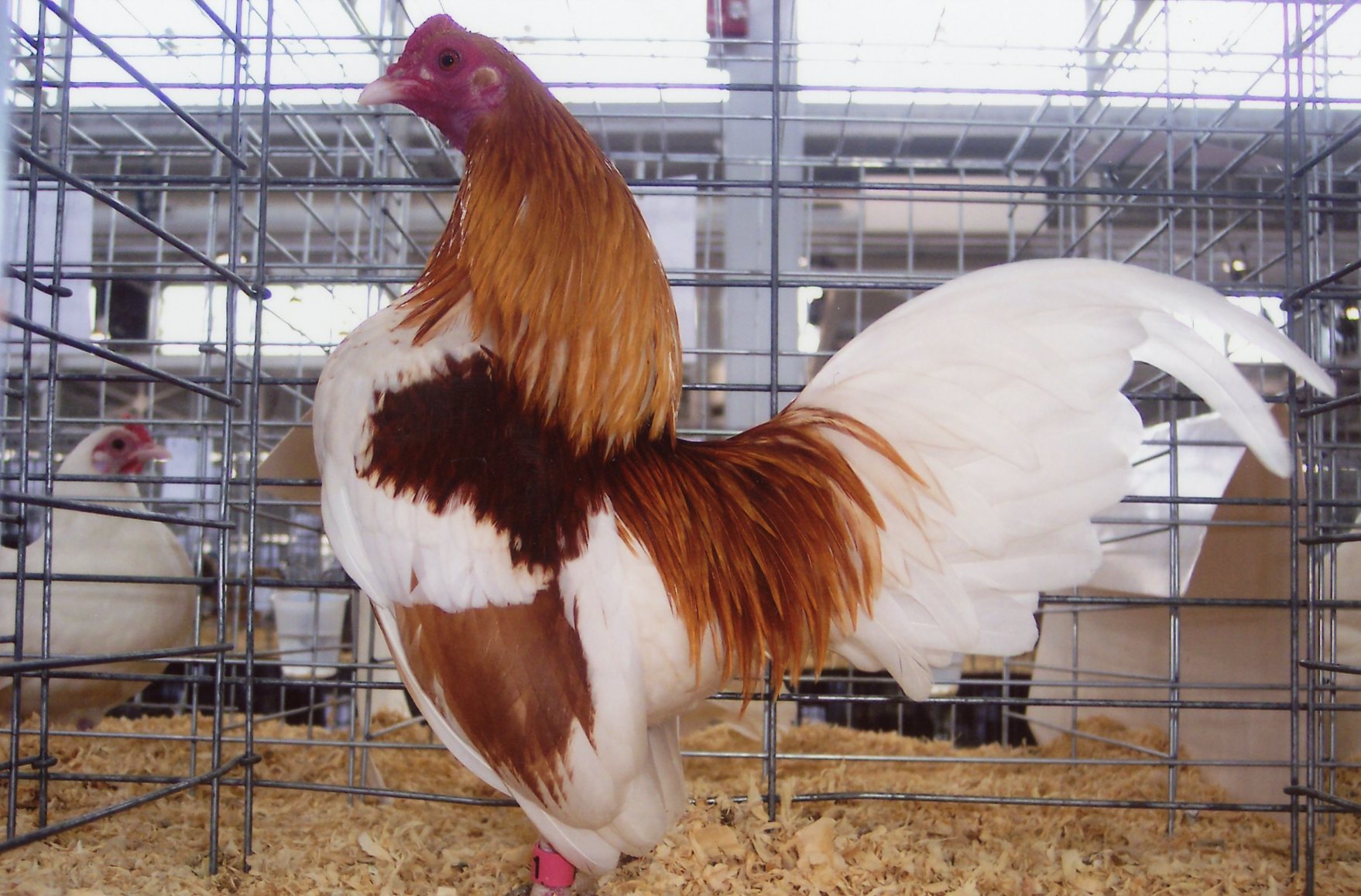
The Red Pyle Old English Bantam chicken is a miniature Old English Game variety known for its red and white feathering, small size, tame potential, and classic show-bird style. If you want a bantam that looks bright in the show pen and still fits nicely in a small backyard flock, this variety makes a charming choice.
Old English Game Bantams come from the larger Old English Game breed family. Unlike true bantams, which have no large-fowl counterpart, Old English Game Bantams are miniature versions of a standard-size breed. For comparison, Cackle Hatchery’s True Bantam Chicken Breeds guide helps customers understand the difference between naturally small true bantams and bantam versions of standard breeds.
Today, poultry keepers usually raise Old English Game Bantams for pets, 4-H, exhibition, hobby flocks, and ornamental enjoyment. In addition, Cackle Hatchery’s Bantam Chickens for Sale category explains that bantams are miniature chickens often kept for pets, showing, broody hens, and small backyard flocks where space is limited. Cackle also notes that bantams can be about one-third to one-fifth the size of standard chickens.
Because of their compact size, Red Pyle Old English Bantams need less feed and space than standard-size chickens. Even so, they still need secure housing, predator protection, good ventilation, and regular handling if you want them to become comfortable around people.
Appearance and Characteristics
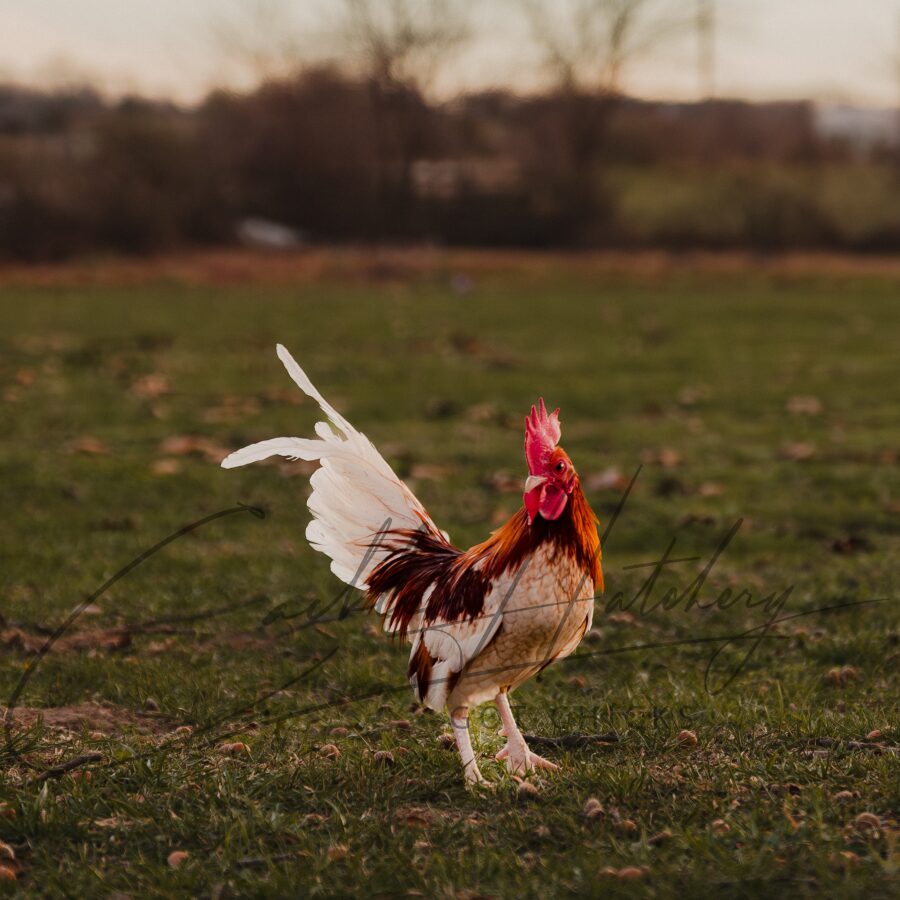
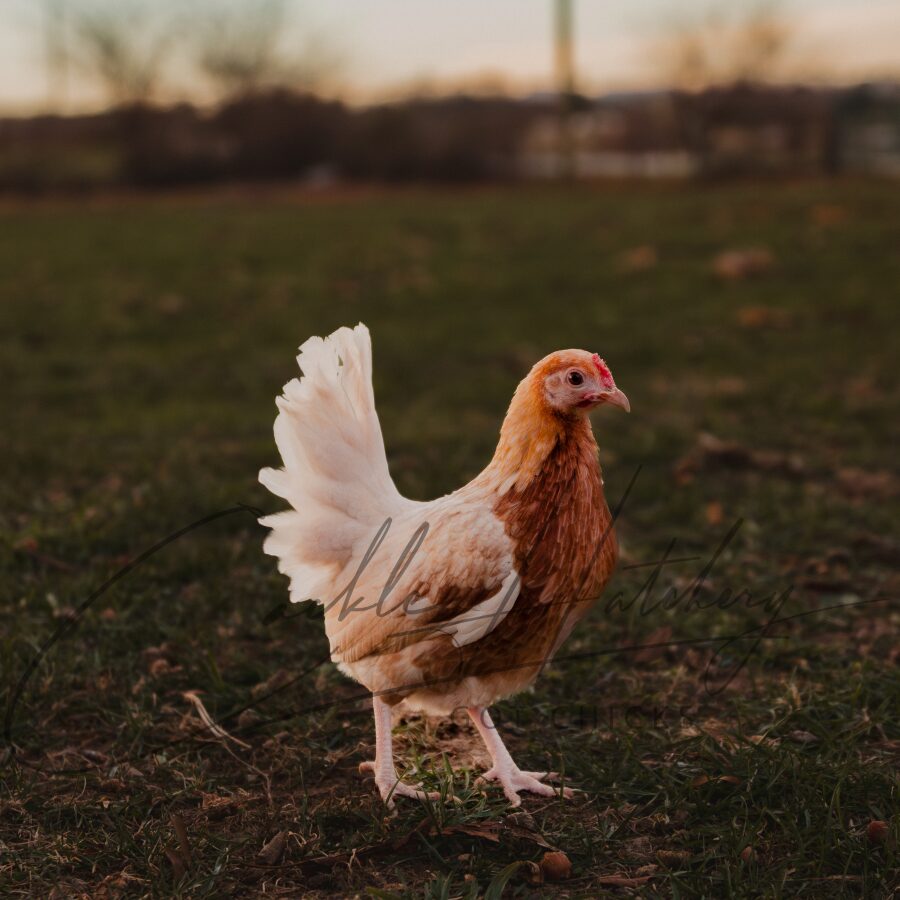
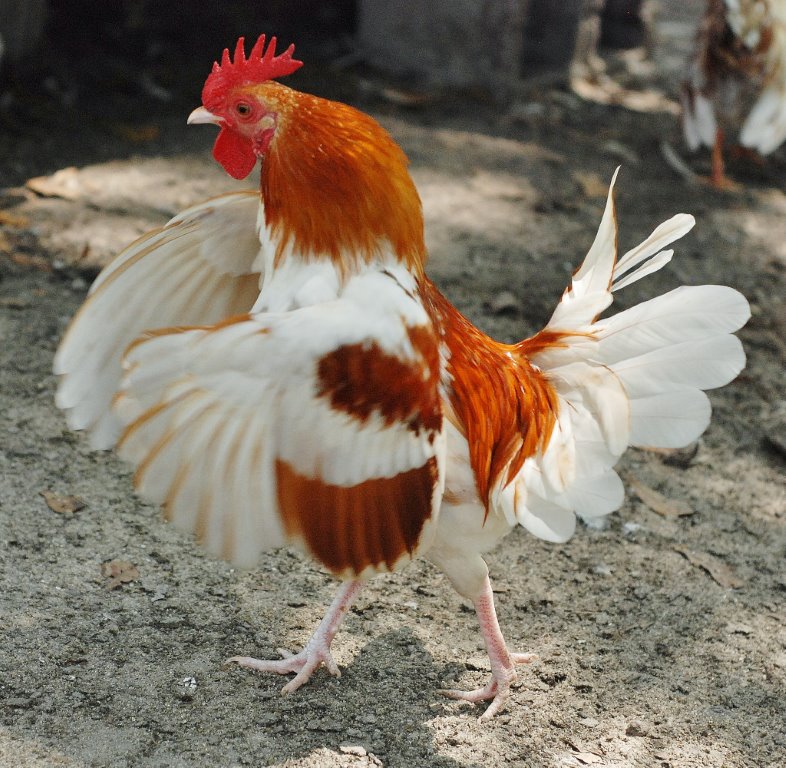
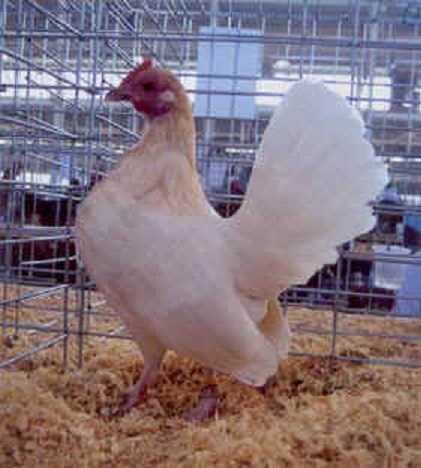
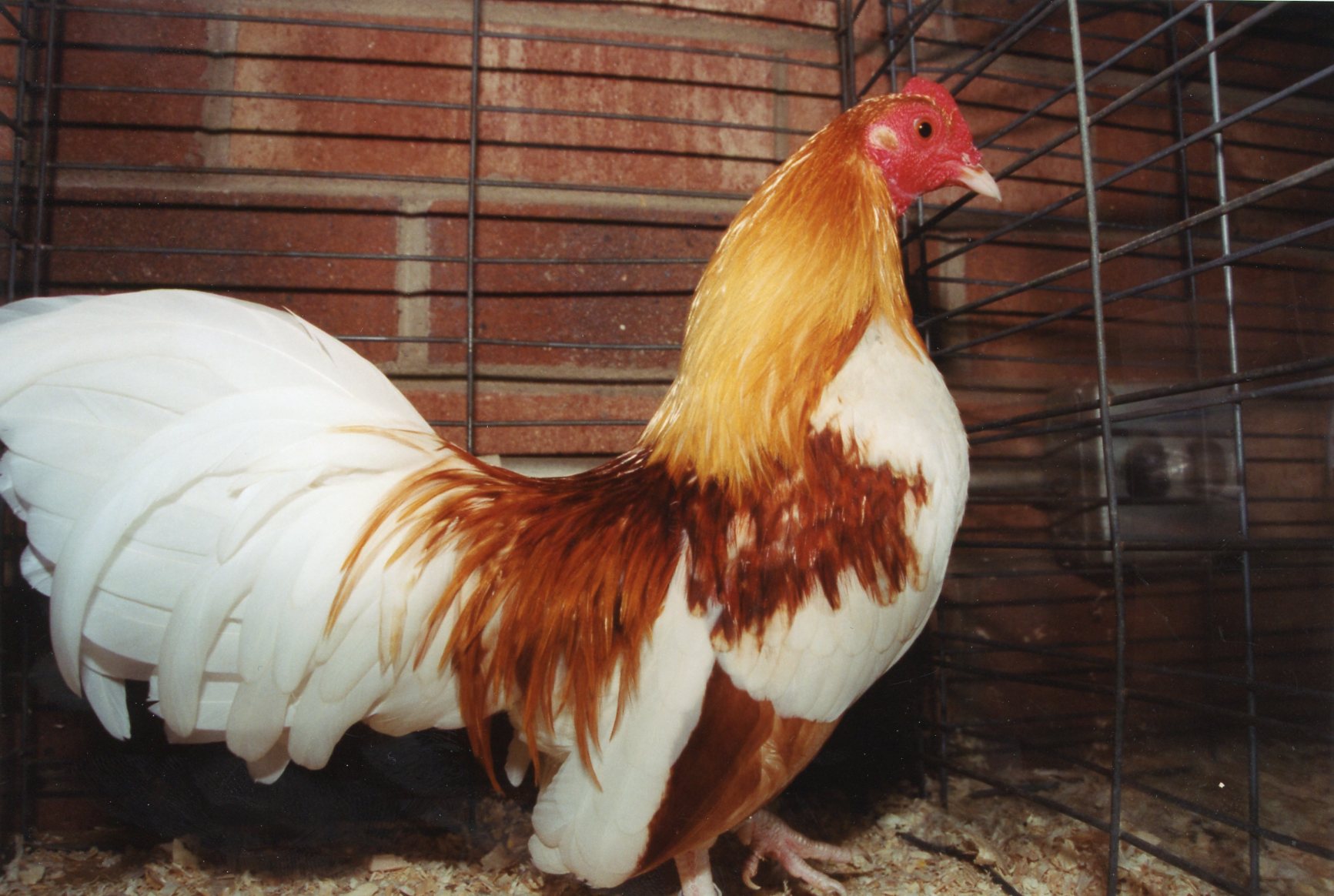
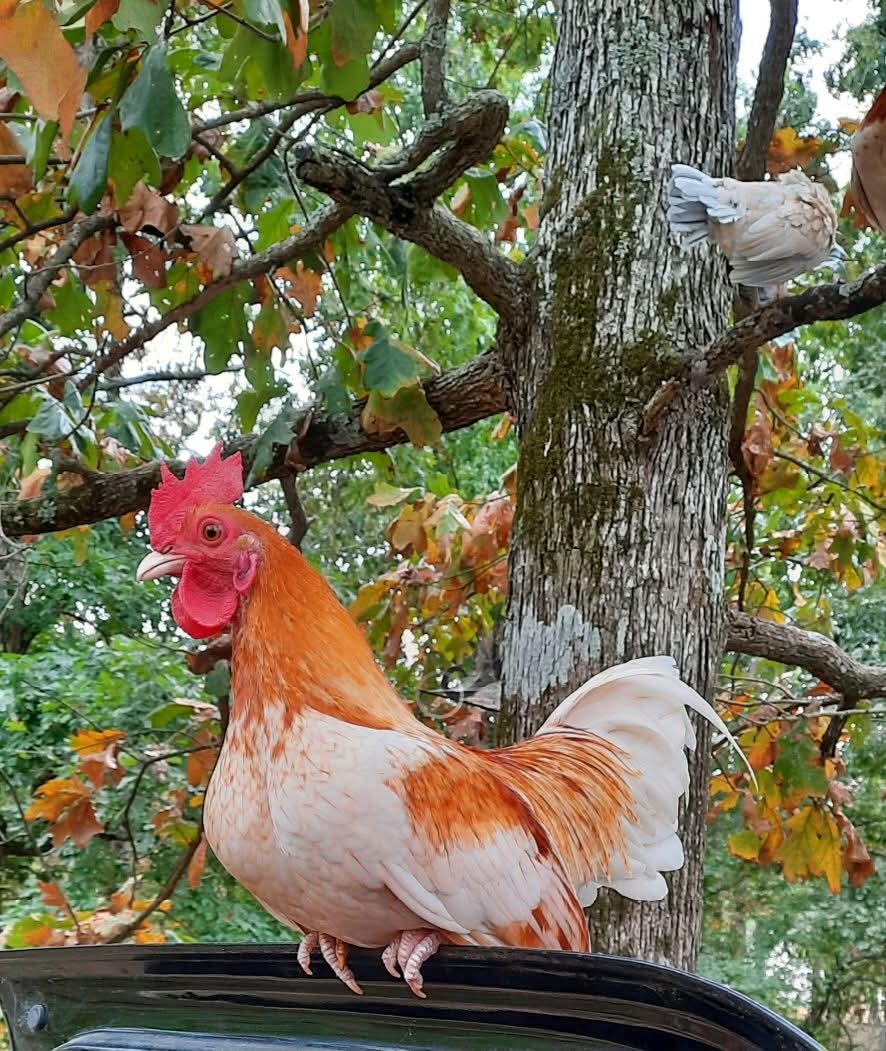
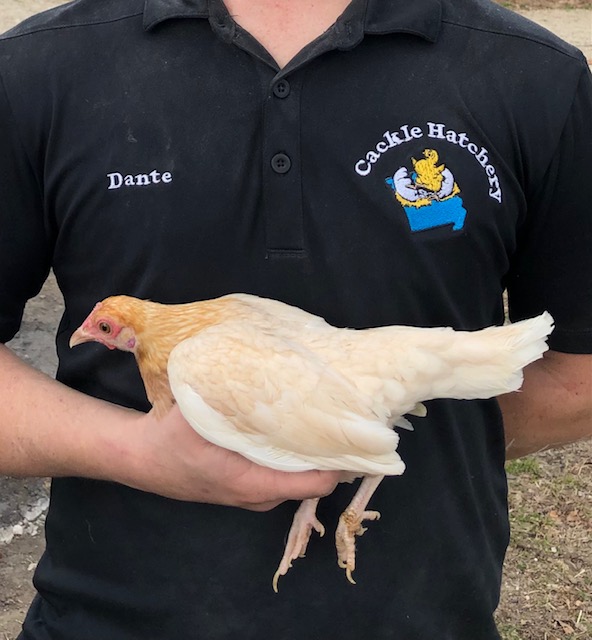
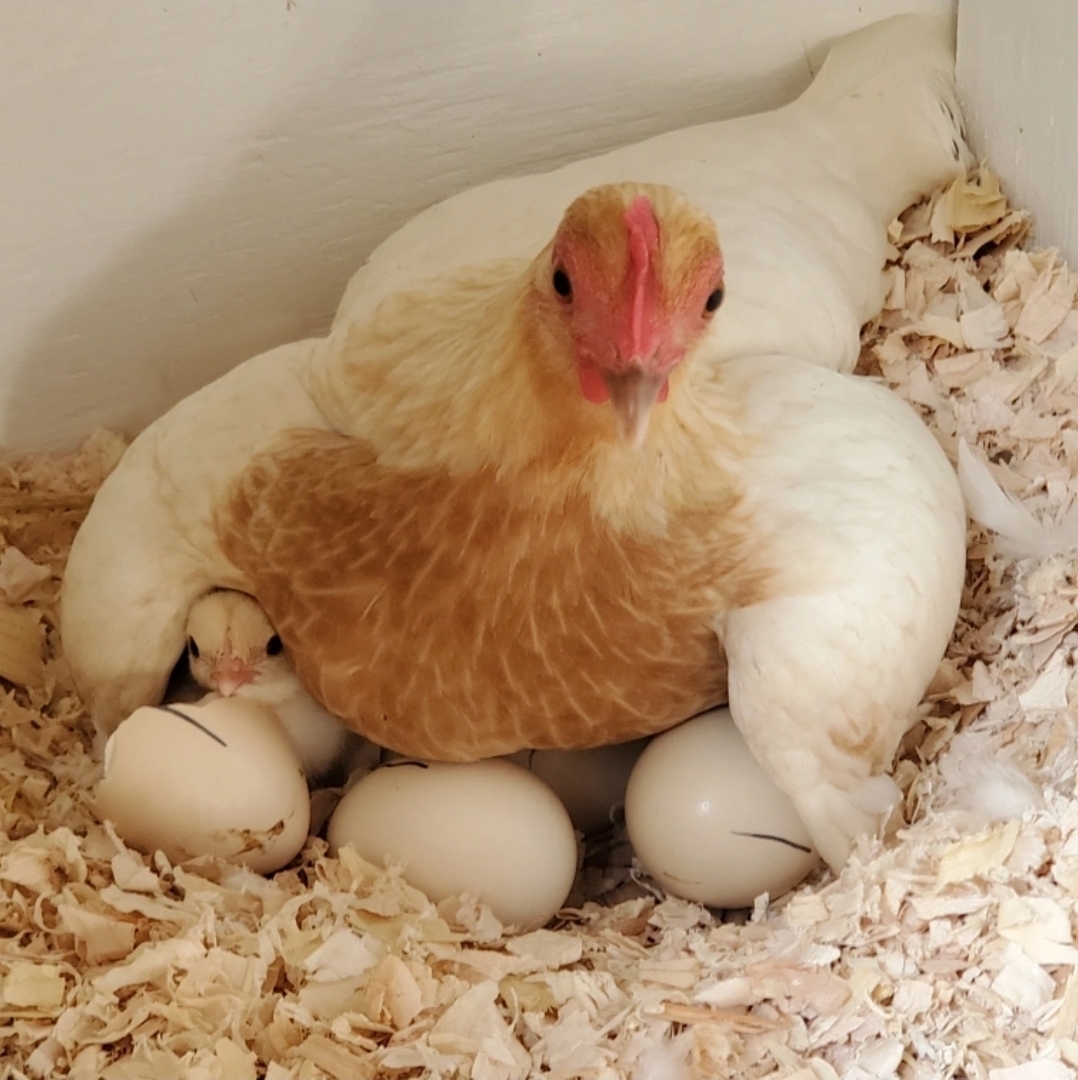
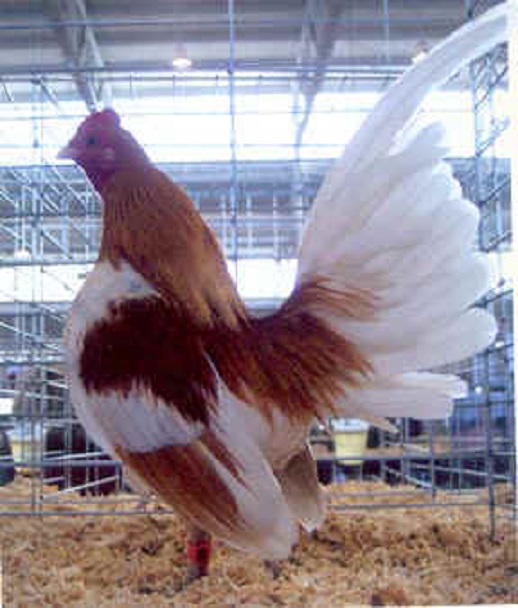
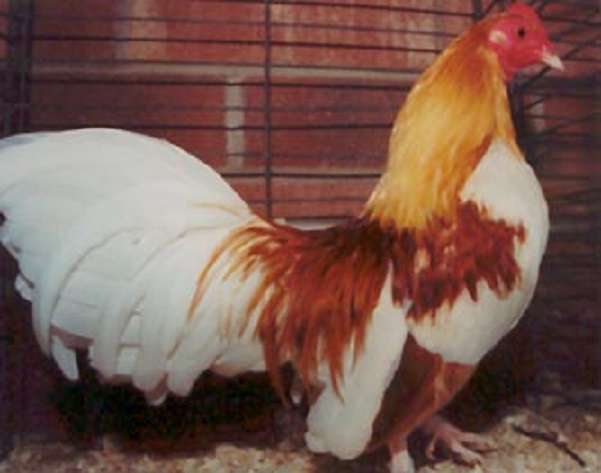
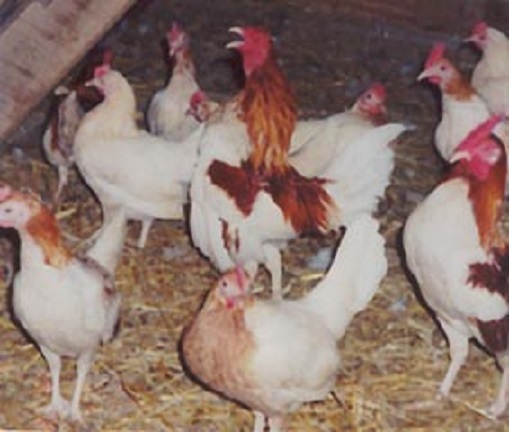
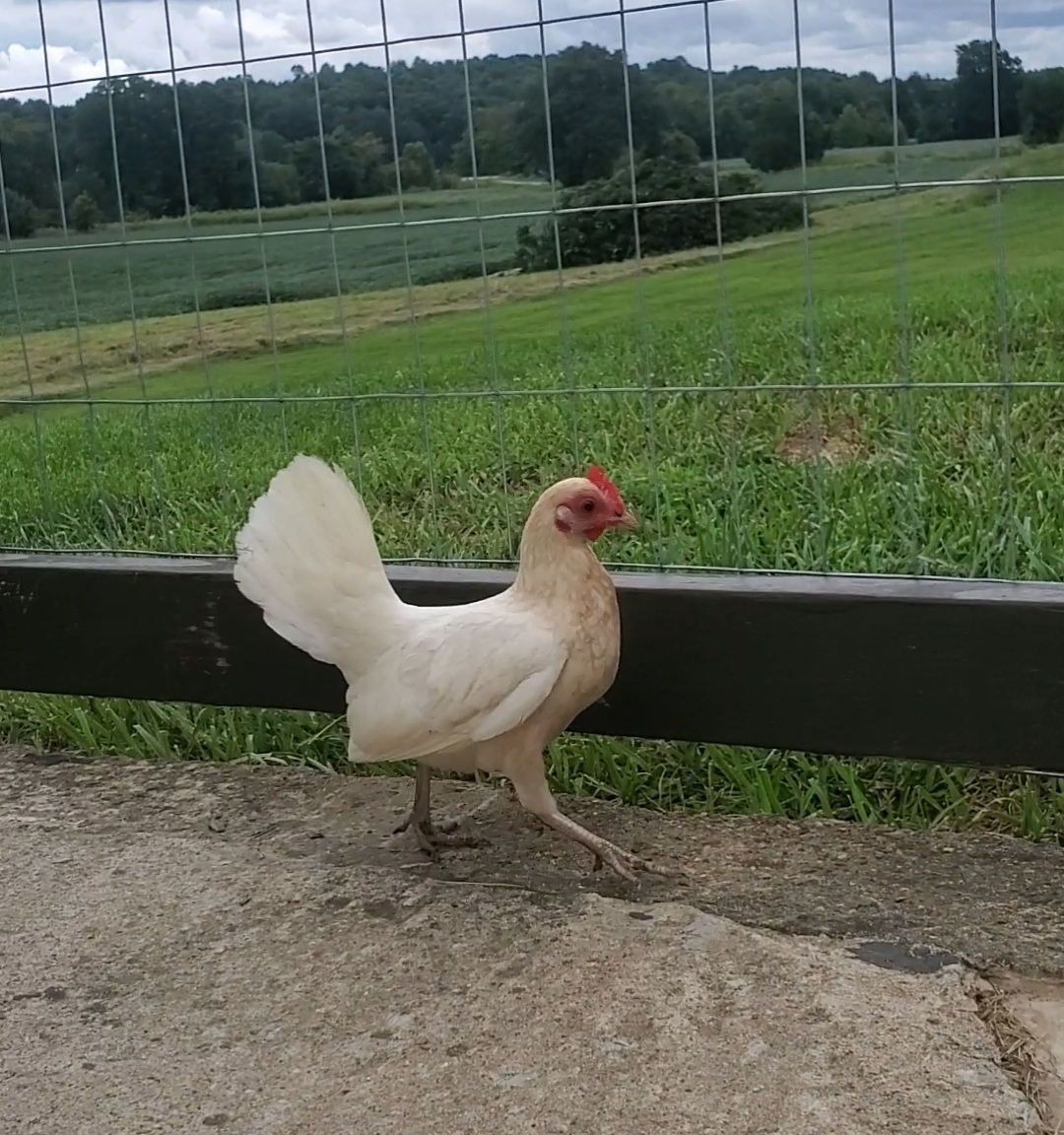
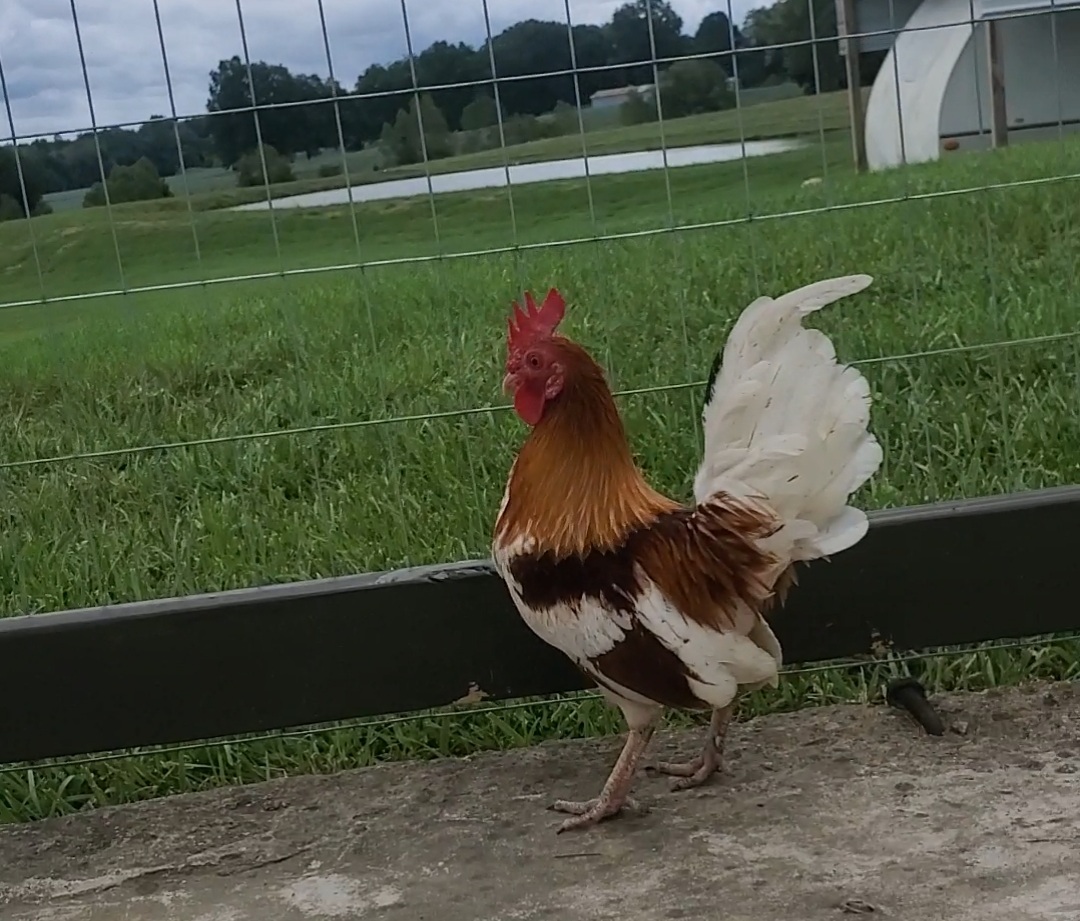
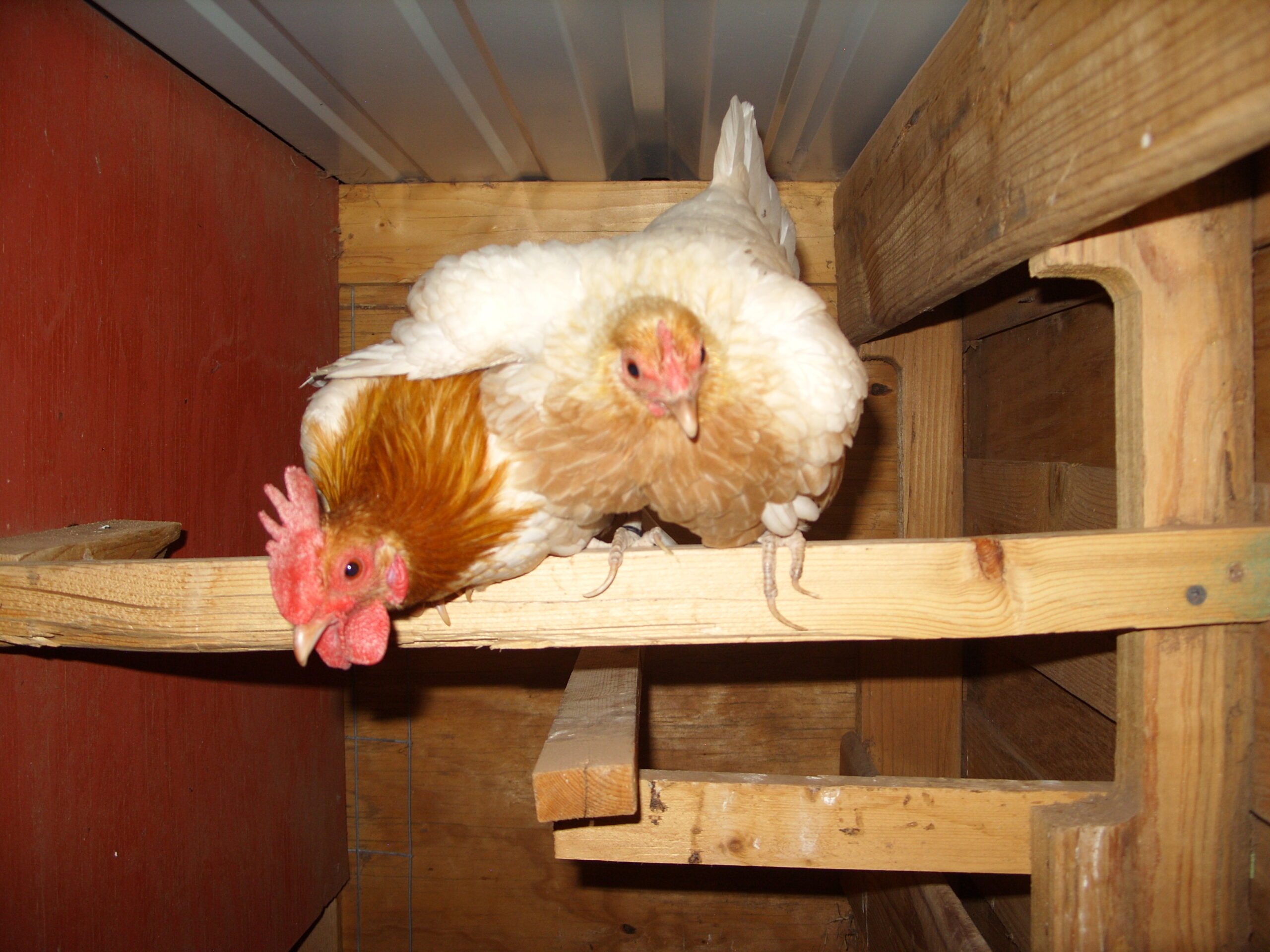
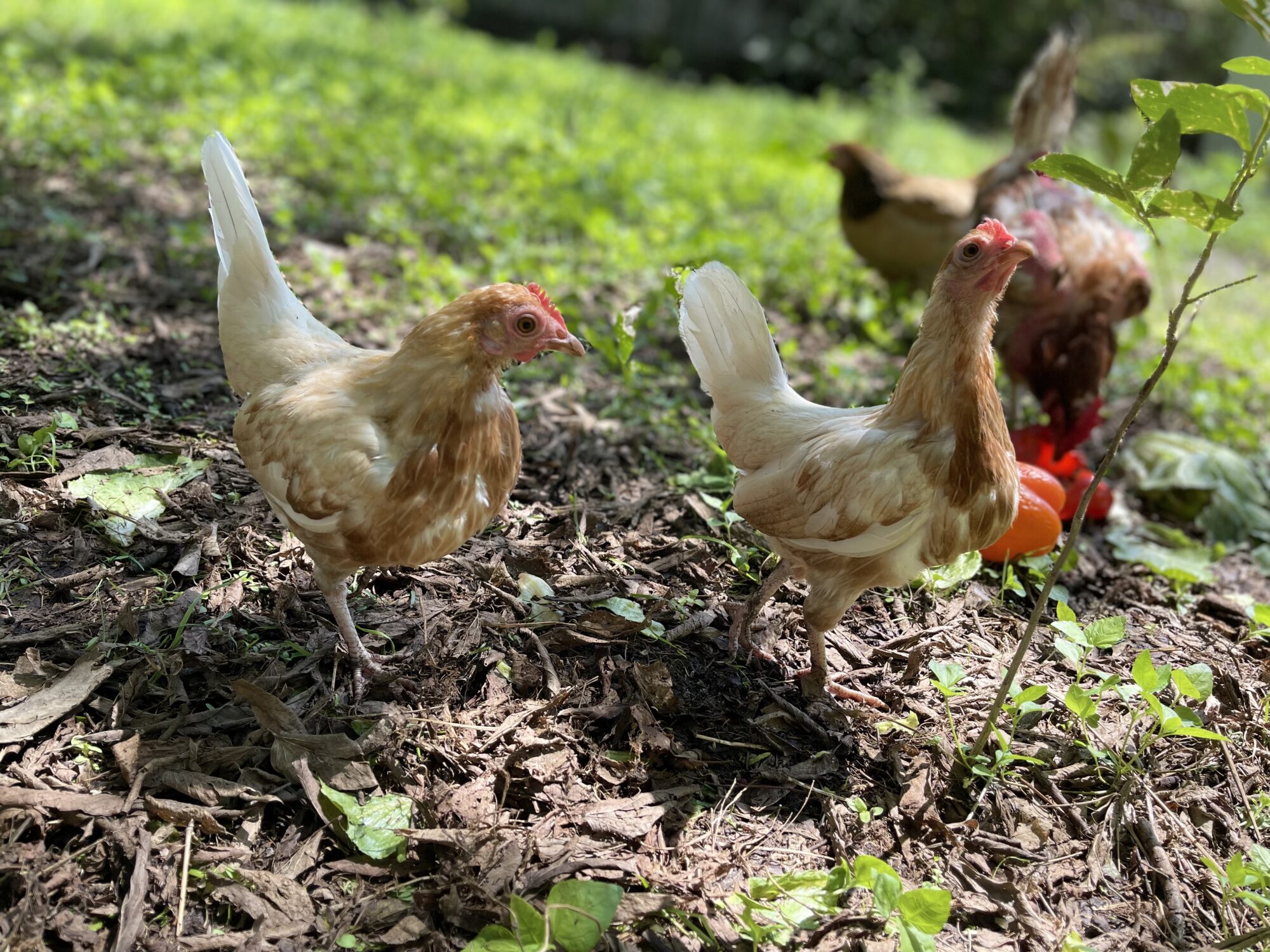
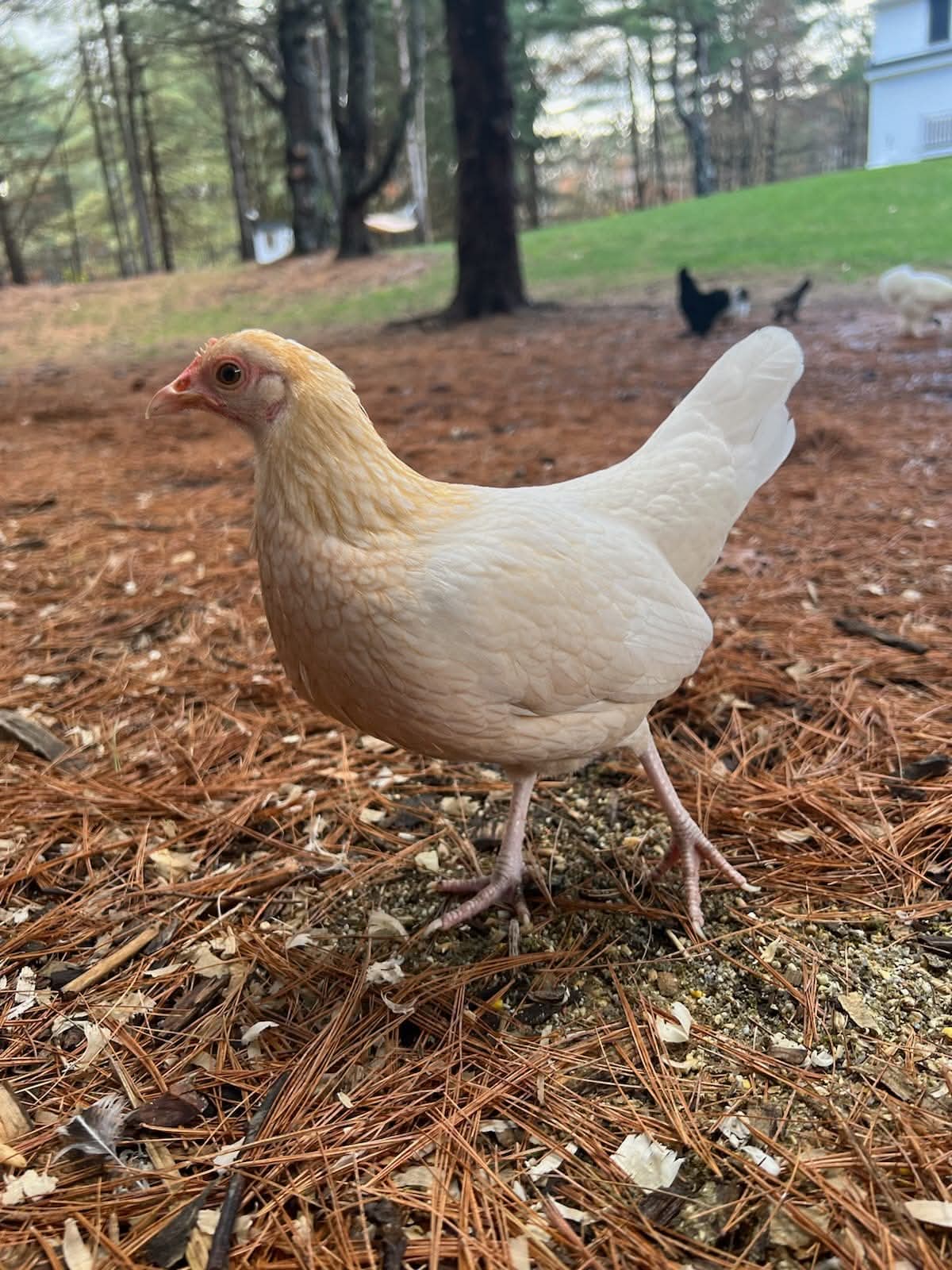
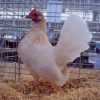
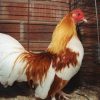
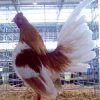
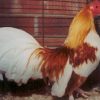
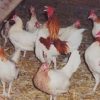
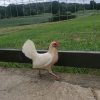
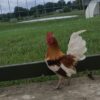
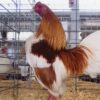
Red Pyle Old English Bantams have a bright red and white color pattern that gives them a clean, attractive look. Roosters often show the most eye-catching contrast, while hens carry a softer but still pretty pattern. As a result, this variety stands out in a mixed bantam flock or exhibition pen.
Like other Old English Game Bantams, this variety has a compact body, alert posture, clean legs, and confident game-bantam type. The small frame works well for bantam coops and show cages. However, these active little birds still need enough room to move, perch, scratch, and stay engaged.
Cackle Hatchery® includes Red Pyle in the Old English Game Bantam Baby Chick Special, which may include Ginger Red, Silver Duckwing, Spangled, White, Blue, Black, Mille Fleur, Crele, Self Blue, Wheaten, Splash, Black Breasted Red, Brown Red, Barred, Brassy Back, Golden Duckwing, or Red Pyle, depending on what hatches.
Since they are small, Red Pyle Old English Bantams need reliable predator protection. A secure coop, safe run, and well-planned fencing help protect them from hawks, cats, raccoons, and other threats.
Red Pyle Old English Bantam vs Other Old English Bantams: How to Choose
Red Pyle Old English Bantams share the same miniature Old English Game type as other varieties. The main difference is color.
Choose Red Pyle Old English Bantam if you want a small show bantam with red and white feathering, tame potential, active personality, and classic Old English Game character.
Choose Gold Duckwing Old English Game Bantams if you prefer gold, black, and brown coloring. Cackle lists the Gold Duckwing Old English Game Bantam in the Game Bantams show class, with small cream or tinted eggs and APA recognition dating to 1938.
Choose Silver Duckwing Old English Game Bantams if you like the duckwing pattern but prefer cooler silver and black tones.
Choose Ginger Red Old English Bantam chickens if you want a warmer red-toned bird with the same small Old English Game Bantam style.
Choose White Old English Game Bantams if you prefer a clean white variety with the same classic Old English Game Bantam type. Cackle’s current listing places White Old English Game Bantams in its bantam chicken category.
For customers who enjoy variety, the Old English Game Bantam Baby Chick Special can include Red Pyle along with many other Old English Bantam varieties. As a result, that assortment works well for customers who like Old English Bantams but do not need one exact color.
Egg Production and Utility
Red Pyle Old English Bantams serve mainly as ornamental, pet, and exhibition chickens. Customers should choose them for small size, show potential, personality, and attractive coloring rather than heavy egg production.
Hens may lay small cream, white, or tinted eggs. However, Old English Game Bantams do not rank as production layers. Because these are bantams, their eggs will also be smaller than standard-size chicken eggs.
These birds do not serve as meat chickens either. Instead, their value comes from exhibition appeal, pet potential, small-flock enjoyment, and the pleasure of keeping a lively miniature chicken.
Temperament and Suitability
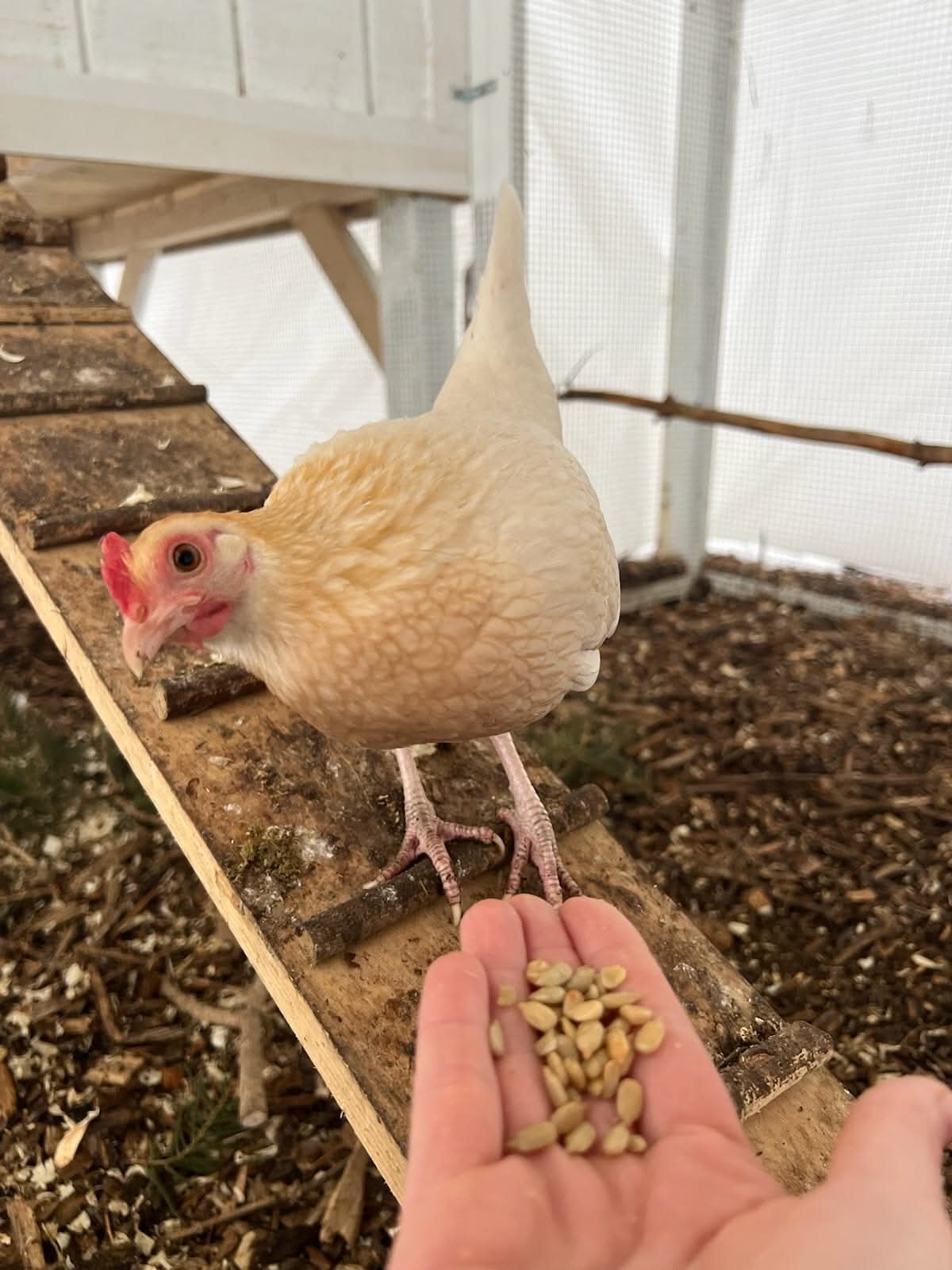
Red Pyle Old English Bantams are generally docile, active, and easy to enjoy with regular handling. The original Cackle Hatchery® description notes that they can become tame enough to sit on a shoulder or arm, which makes them appealing to customers who want a small bird with personality.
Even so, these are game-type bantams. Individual temperament can vary, and roosters may act more territorial during breeding season. For that reason, adults should supervise children when they handle any chicken, especially a rooster.
This variety can work well for:
- Poultry exhibitors
- Bantam hobby flocks
- 4-H and youth poultry projects with guidance
- Small backyard coops
- Families who want a small pet chicken
- Keepers who enjoy active, alert bantams
- Customers who want a red-and-white show bantam
On the other hand, a different breed may suit you better if you mainly want heavy egg production, meat, or a very calm lap-style chicken. Overall, Red Pyle Old English Bantams shine when customers want a small, attractive, show-type bird with plenty of character.
Is the Red Pyle Old English Bantam Chicken Right for Your Flock?
Choose Red Pyle Old English Bantam chickens if you want:
- A miniature Old English Game chicken
- A small show bantam with red and white feathering
- A bird that can become tame with regular handling
- A compact chicken for a small backyard setup
- A bantam for exhibition, 4-H, or hobby flocks
- A breed with classic Old English Game character
- A small bird that uses less feed and space than standard chickens
- A showy variety included in Old English Bantam assortments
- A pet-style bantam with bright color and personality
However, consider another breed if you want steady egg production, a meat bird, or a very low-energy flock companion. In short, Red Pyle Old English Bantams fit best with customers who enjoy bantams, show birds, and lively small chickens.
Breed History and Preservation
Old English Game chickens have a long history connected to old British and European game fowl. Over time, poultry fanciers preserved the breed type through exhibition, color breeding, and hobby flocks.
The bantam version became especially popular because it keeps the look and character of the larger Old English Game in a much smaller bird. As the breed developed, poultry breeders created numerous color varieties, which helped Old English Game Bantams become one of the most varied groups in exhibition poultry.
Cackle Hatchery® also offers the standard-size Red Pyle Standard Old English Game for customers who like this color pattern but want the larger version. The standard Red Pyle page lists baby chicks only, no sexing available, a minimum of 3 not-sexed chicks, and seasonal shipping from early February through mid-August.
For customers who enjoy heritage-style exhibition poultry, Red Pyle Old English Bantams offer more than small size. They also connect a backyard or show flock to a long tradition of game fowl type, bantam exhibition, and careful color breeding.
Recognition and Availability
Old English Game Bantams have a long-standing place in American poultry exhibition, with many recognized color varieties. The original Cackle Hatchery® description notes that several versions of this breed have been recognized by the American Standard of Perfection, which helps explain the breed group’s popularity with show-focused bantam keepers.
Cackle Hatchery® lists Red Pyle Old English Game Bantams in its bantam category, and current availability can vary by hatch date, season, egg numbers, and order timing. The Red Pyle product listing recently showed a current hatch date and estimated delivery window, which is a good reminder that hatch timing changes during the season.
Since bantam breeds can sell quickly during peak chick season, customers should check the Chicken Availability Chart before ordering.
Related Breeds and Helpful Cackle Hatchery® Resources
Customers who like Red Pyle Old English Bantams may also enjoy other Old English Game Bantams, standard Old English Game chickens, and small show bantam varieties. Start with Cackle Hatchery’s Bantam Chickens for Sale category to compare miniature chicken breeds, clean-legged bantams, feather-legged bantams, and exhibition options.
For customers who enjoy color variety, the Old English Game Bantam Baby Chick Special can include Red Pyle, Golden Duckwing, Silver Duckwing, Ginger Red, Brown Red, Brassy Back, Blue, Black, White, Spangled, Crele, Mille Fleur, Self Blue, Wheaten, Splash, Black Breasted Red, and many other varieties.
Helpful Cackle Hatchery® links for this product page include:
FAQ: Red Pyle Old English Bantam Chicken
What is a Red Pyle Old English Bantam chicken?
A Red Pyle Old English Bantam chicken is a miniature Old English Game variety with red and white feathering, small size, active character, and strong exhibition appeal.
Are Red Pyle Old English Bantams true bantams?
No. Old English Game Bantams are miniature versions of the Standard Old English Game chicken. True bantams have no large-fowl counterpart, but Old English Game Bantams do have a standard-size version.
What color eggs do Red Pyle Old English Bantams lay?
Red Pyle Old English Bantam hens may lay small cream, white, or tinted bantam-sized eggs. However, customers should choose this variety mainly for pets, show, and ornamental value.
Are Red Pyle Old English Bantams good egg layers?
No. Red Pyle Old English Bantams are not heavy egg layers. Even though hens may lay some small eggs, Old English Game Bantams serve mainly as exhibition and hobby birds.
Are Red Pyle Old English Bantams friendly?
Yes, Red Pyle Old English Bantams can become tame with regular gentle handling. The original description notes that they may become comfortable enough to sit on a person’s shoulder or arm.
Are Red Pyle Old English Bantams good for beginners?
They can work for beginners who understand bantam care and active game-type temperament. New keepers should provide secure housing, patient handling, and predator protection.
Are Red Pyle Old English Bantams good for children or 4-H?
Yes, Red Pyle Old English Bantams can work well for 4-H and youth exhibition projects when children receive guidance. Their small size, tame potential, and show-bird type make them appealing bantams.
Are Red Pyle Old English Bantams good for free range?
They can enjoy outdoor time, but secure runs usually work better than open free range. Their small size makes predator protection especially important.
Are Red Pyle Old English Bantams cold hardy?
Red Pyle Old English Bantams can handle cool weather with a dry, draft-free coop and good ventilation. Like all small bantams, they need protection from wet bedding, harsh wind, and extreme weather.
Are Red Pyle Old English Bantams heat tolerant?
They can do well in warm weather when keepers provide shade, ventilation, and cool clean water. During extreme heat, small bantams need close attention because they can stress quickly.
Do Red Pyle Old English Bantams go broody?
Some Old English Bantam hens may show broodiness, but broodiness can vary by individual bird, age, season, and flock setup. Customers who mainly want broody hens should compare bantam breeds known more strongly for mothering behavior.
How big do Red Pyle Old English Bantams get?
Red Pyle Old English Bantams are small chickens. They stay much smaller than standard Old English Game chickens and fit well in bantam-friendly coops, small hobby flocks, and exhibition setups.
Are Red Pyle Old English Bantams good for showing?
Yes. Red Pyle Old English Bantams make impressive show birds because of their small size, red-and-white coloring, alert posture, and classic Old English Game type.
What is the difference between Red Pyle Old English Bantam and Red Pyle Standard Old English?
Red Pyle Old English Bantams are the miniature version. Red Pyle Standard Old English Game chickens are larger standard-size birds with related Old English Game character and red pyle coloring.
What is the difference between Red Pyle and Gold Duckwing Old English Bantams?
Red Pyle Old English Bantams have red and white feathering. Gold Duckwing Old English Game Bantams have warmer gold, black, and brown coloring.
Does Cackle Hatchery® offer other Old English Bantams?
Yes. Cackle Hatchery® offers multiple Old English Bantam varieties, and the Old English Game Bantam Baby Chick Special can include Red Pyle, Golden Duckwing, Silver Duckwing, Ginger Red, Brown Red, Brassy Back, Blue, Black, White, Spangled, Crele, Mille Fleur, and many other varieties.
Where can I check Red Pyle Old English Bantam chick availability?
Customers can check Cackle Hatchery’s Chicken Availability Chart for current hatch and shipping timing. Bantam availability can change during the season, so checking the chart helps customers plan ahead.






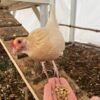
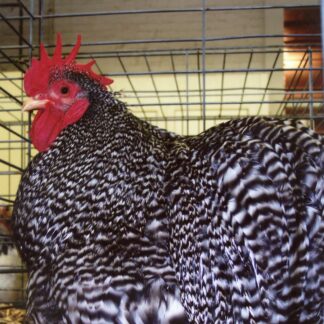
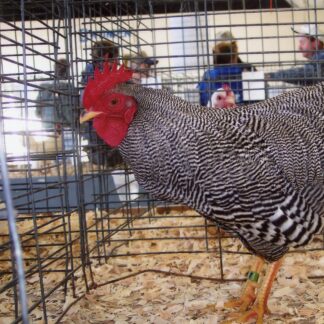
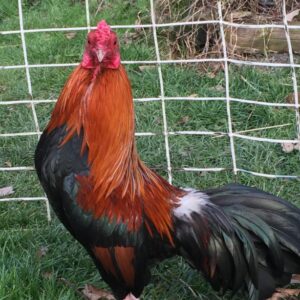


CM –
Healthy chicks-great quality for the price
Healthy, lively chicks + one extra-all grew well. A very small amount of black in a few feathers in a couple birds, however, great quality for the price; especially for kids and beginners. Hens did not get broody..