Description
White Yokohama Chicken
Breed Overview and Origin
The White Yokohama chicken is a rare ornamental longtail breed with striking white feathers, graceful carriage, and strong show appeal. If you want a bird that looks elegant rather than ordinary, this variety brings a beautiful old-world look to the flock.
Yokohamas originated in Japan and became known for their long tails, upright carriage, and pheasant-like body shape. They are not production birds. Instead, people keep them for beauty, rarity, exhibition interest, and the pleasure of raising a true longtail chicken.
Cackle Hatchery® has developed its White Yokohama bloodline since 1977. Cackle also lists White Yokohamas among its rare breed chickens, along with Red Shouldered Yokohamas, Silver Duckwing Yokohamas, and several Phoenix varieties.
Appearance and Characteristics
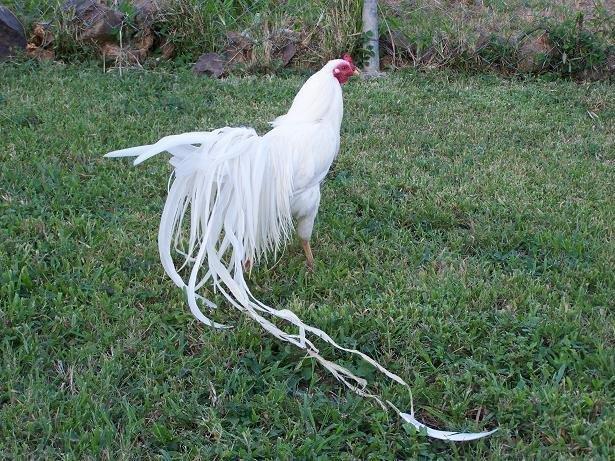
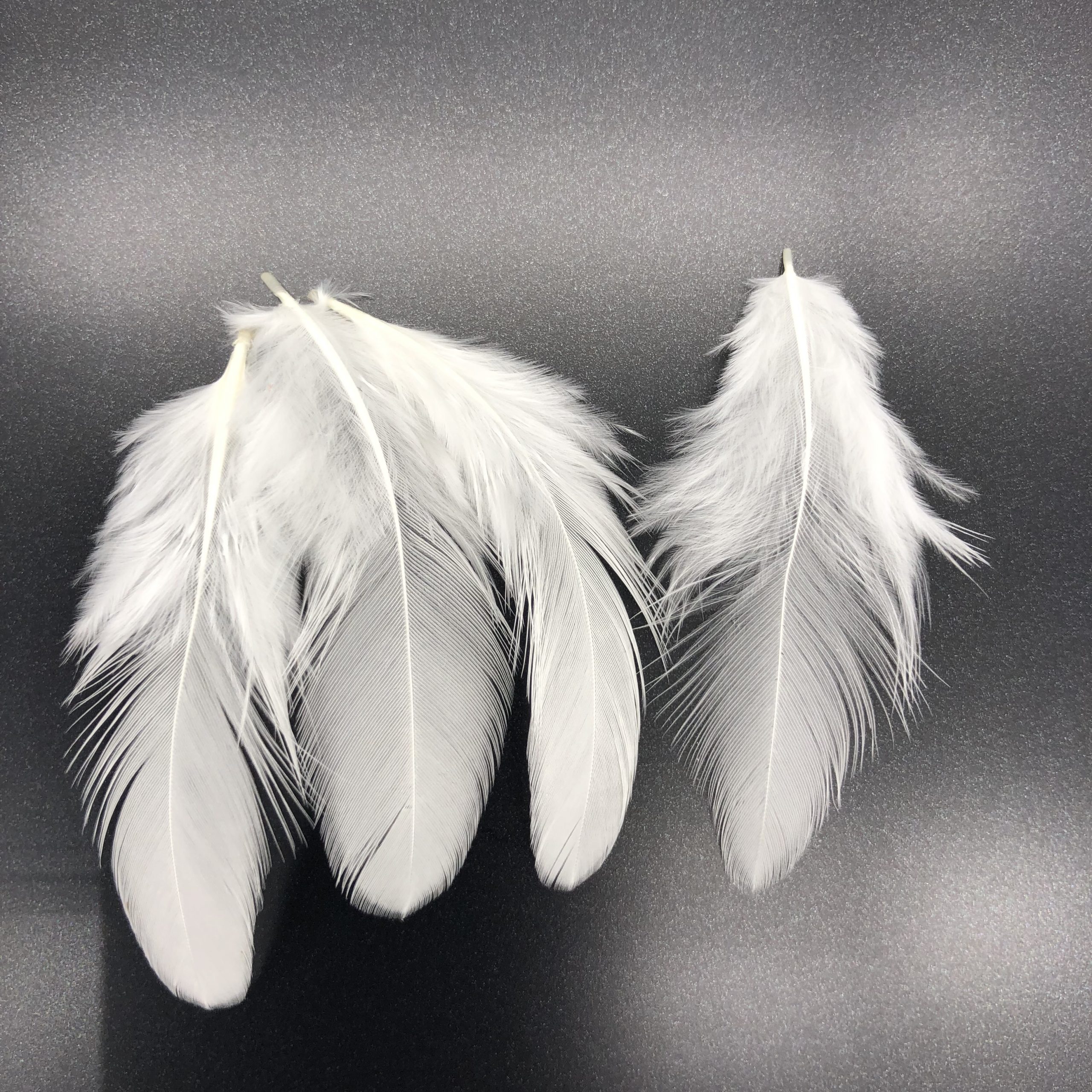
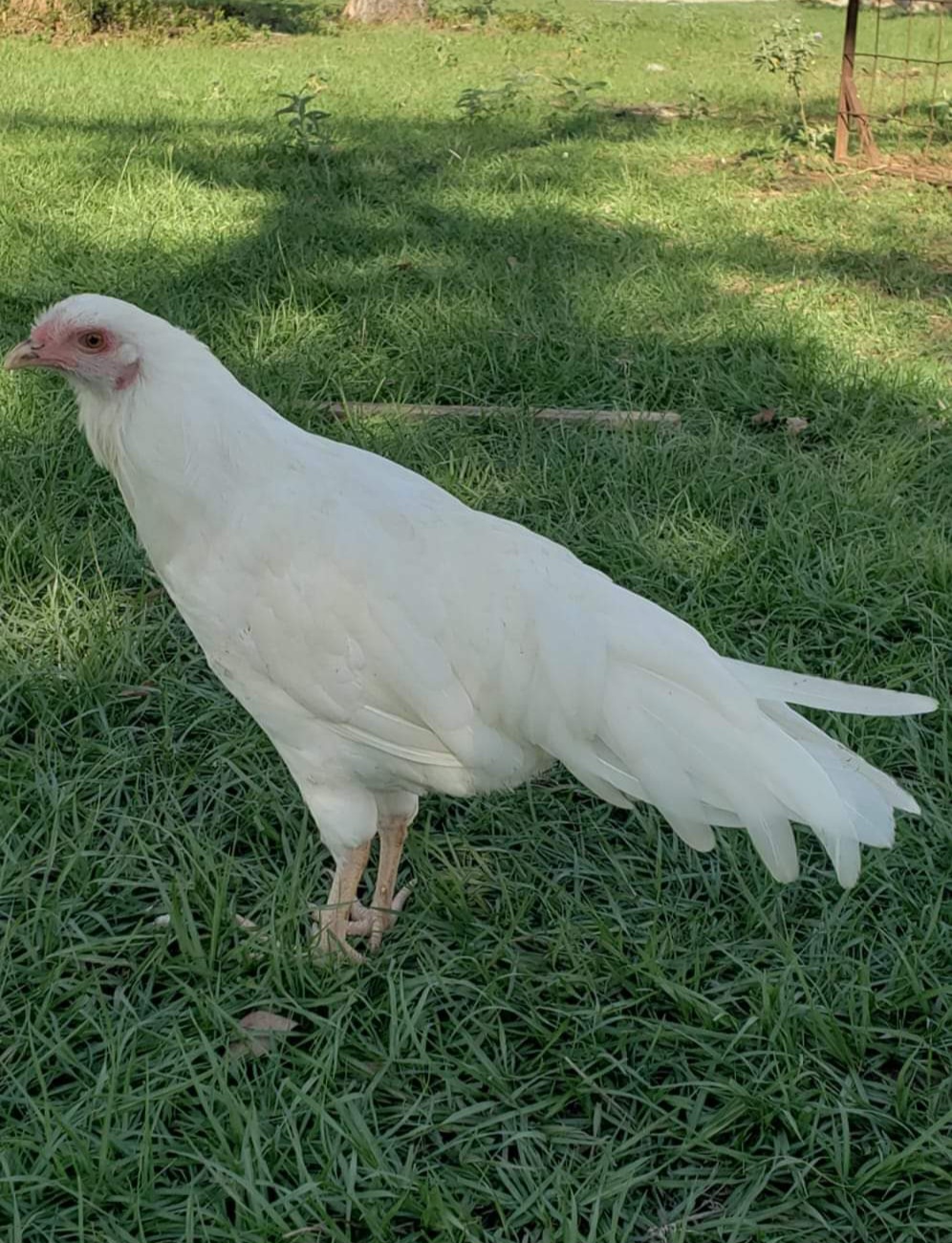
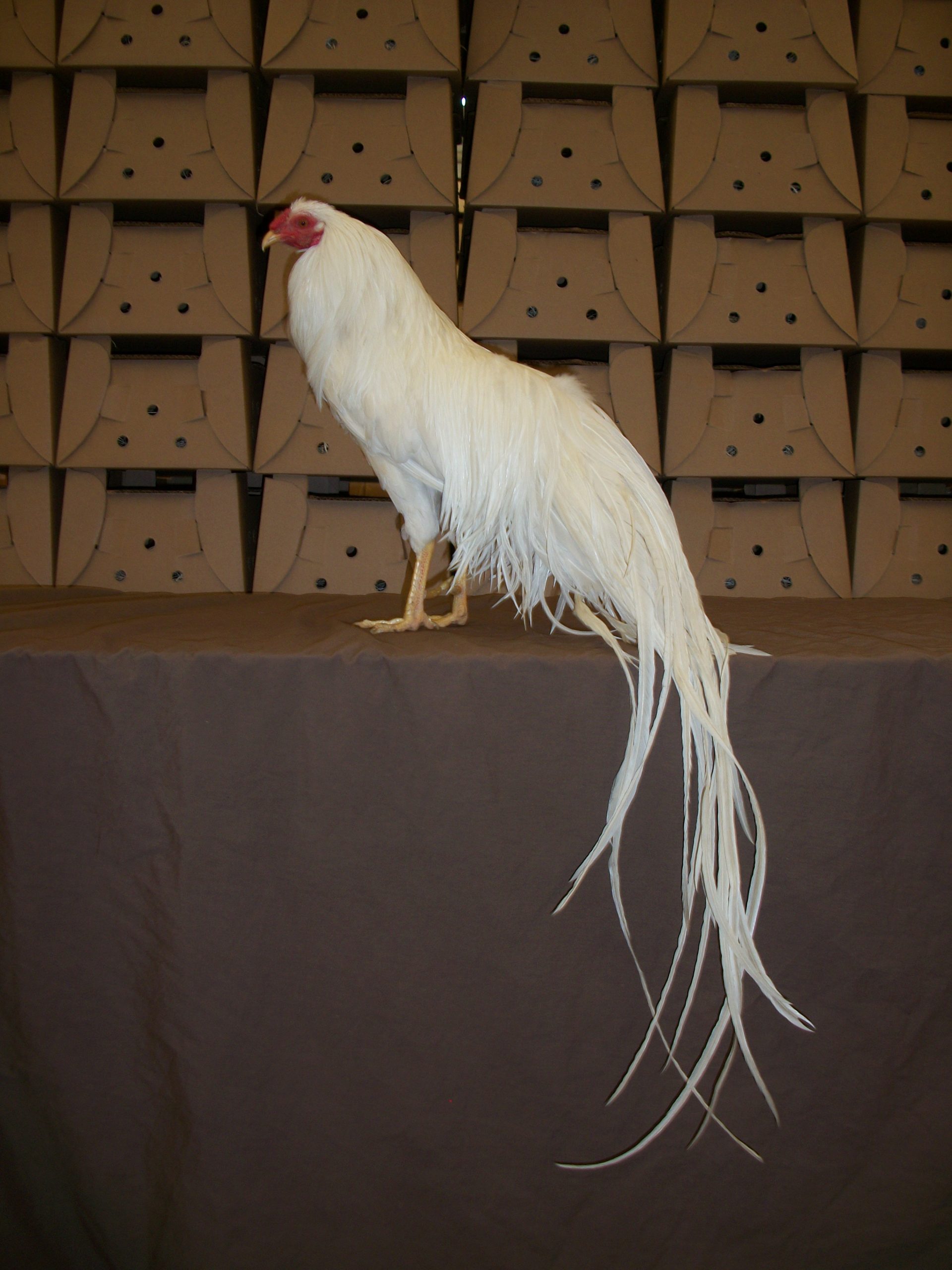
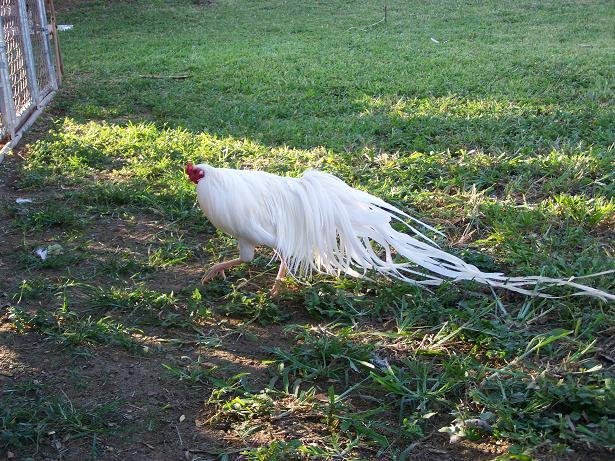
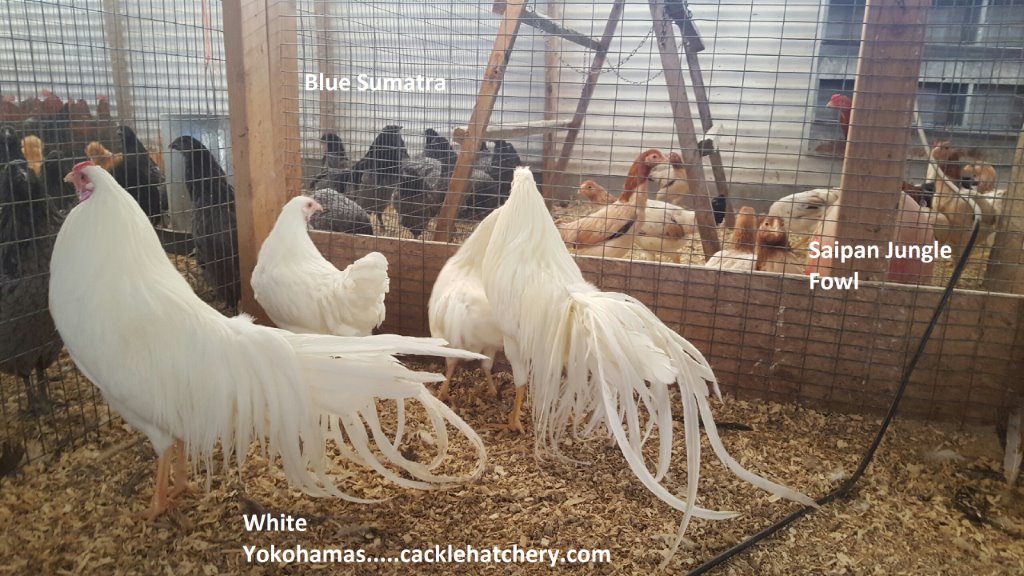
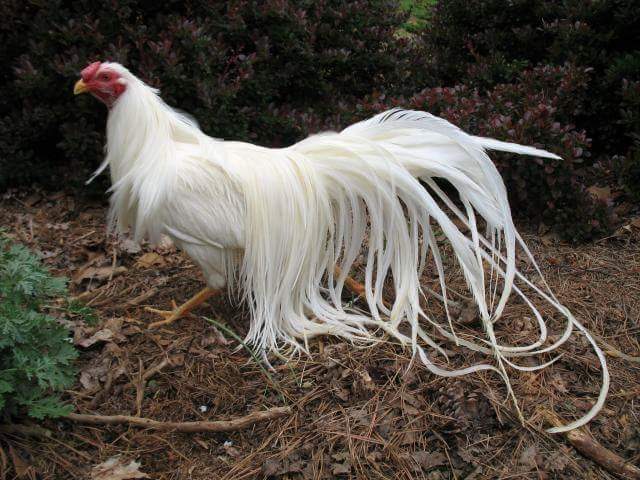
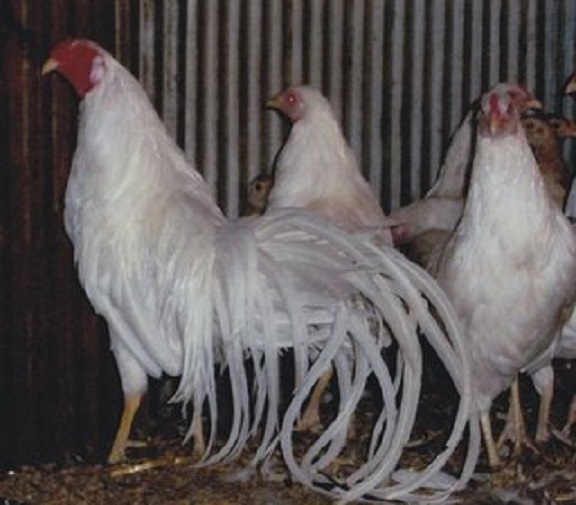
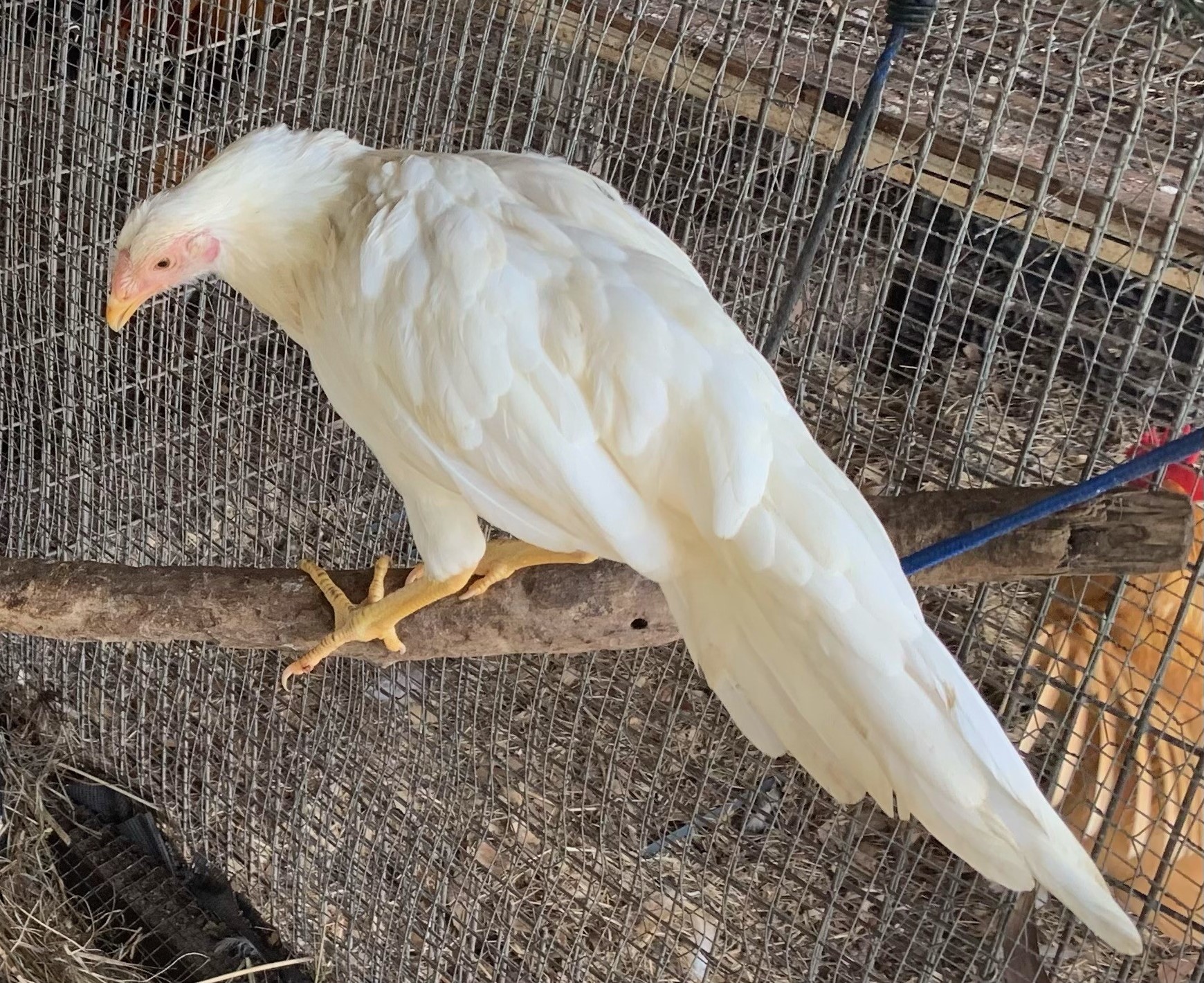
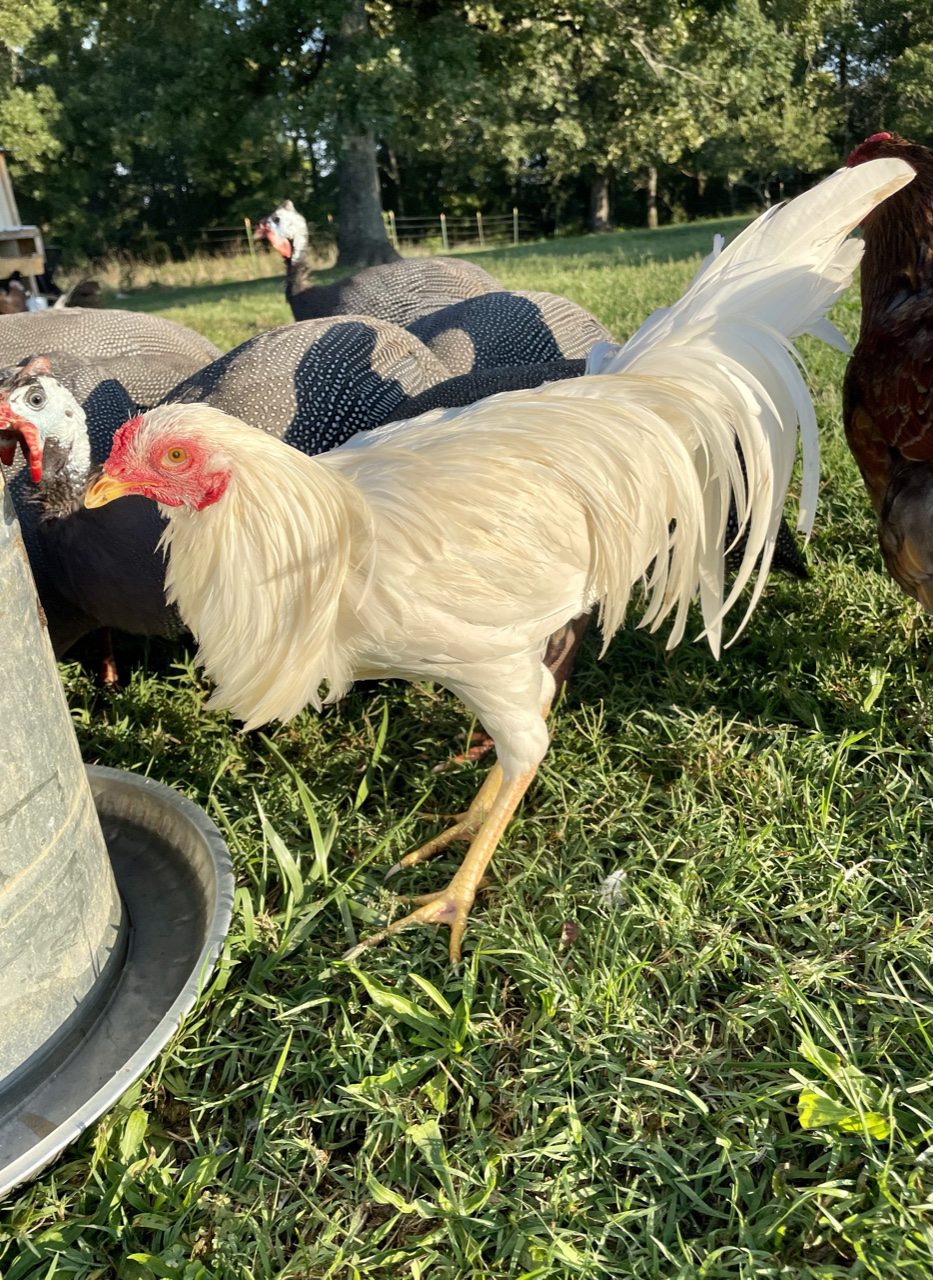
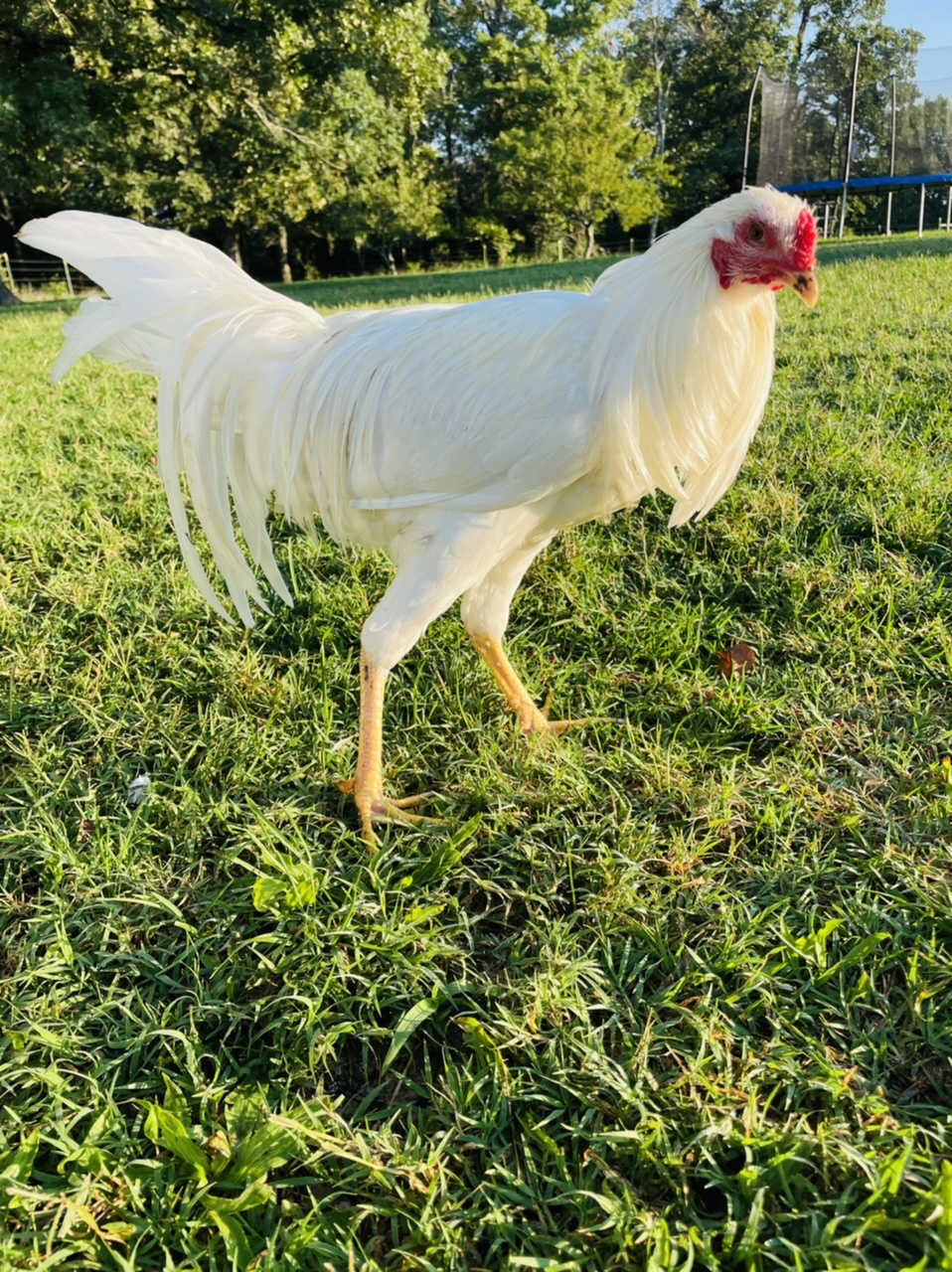
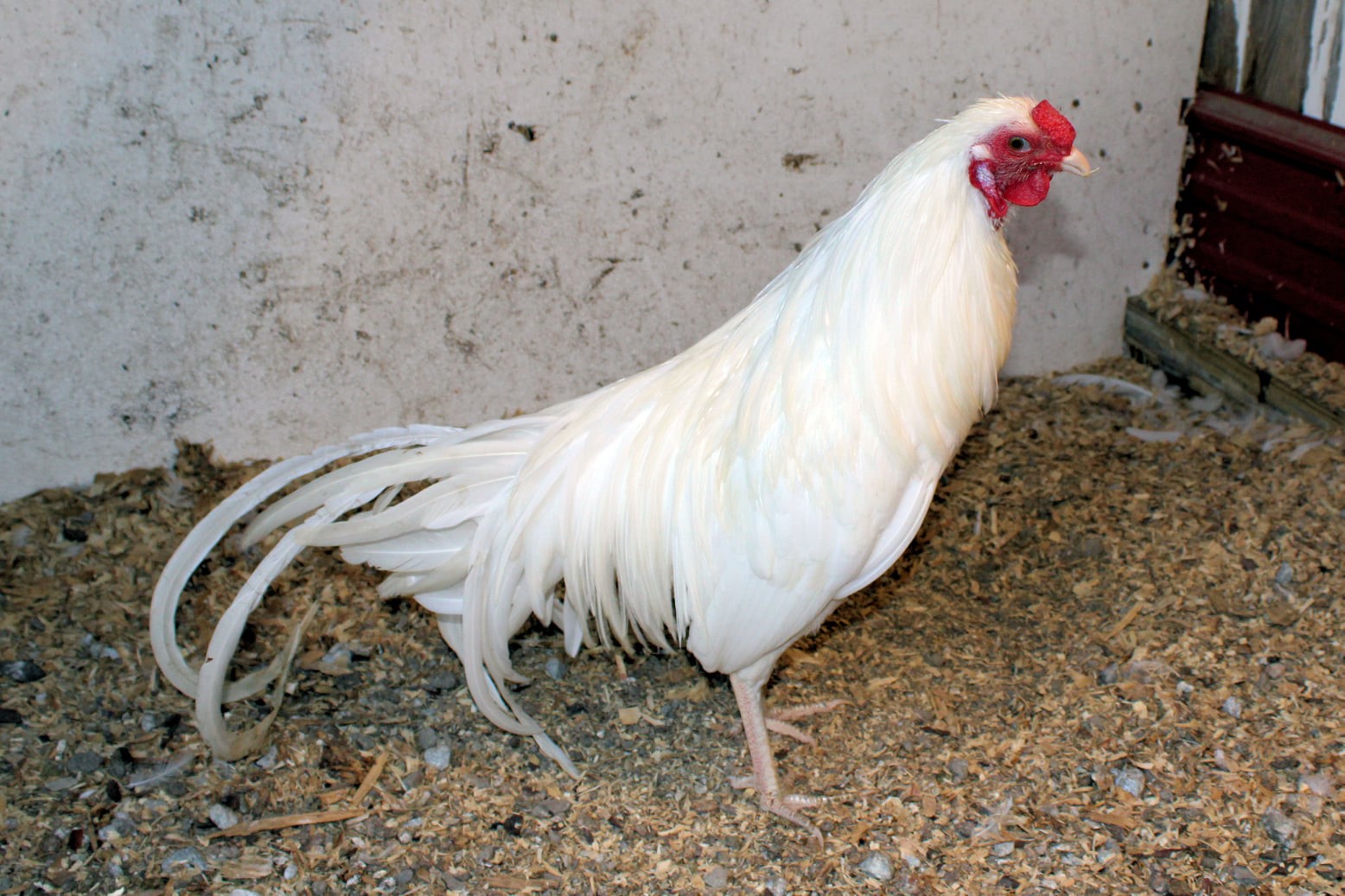
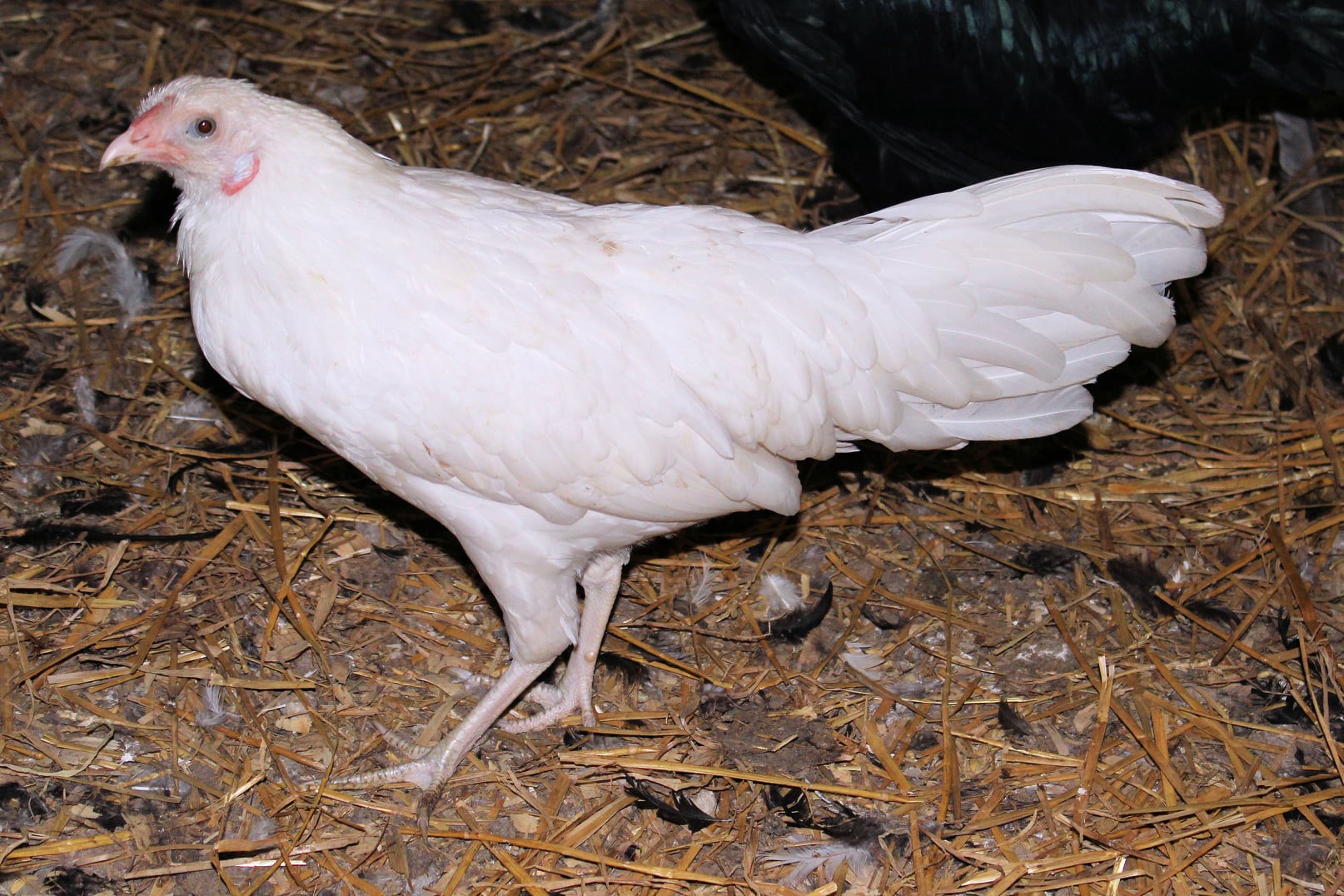
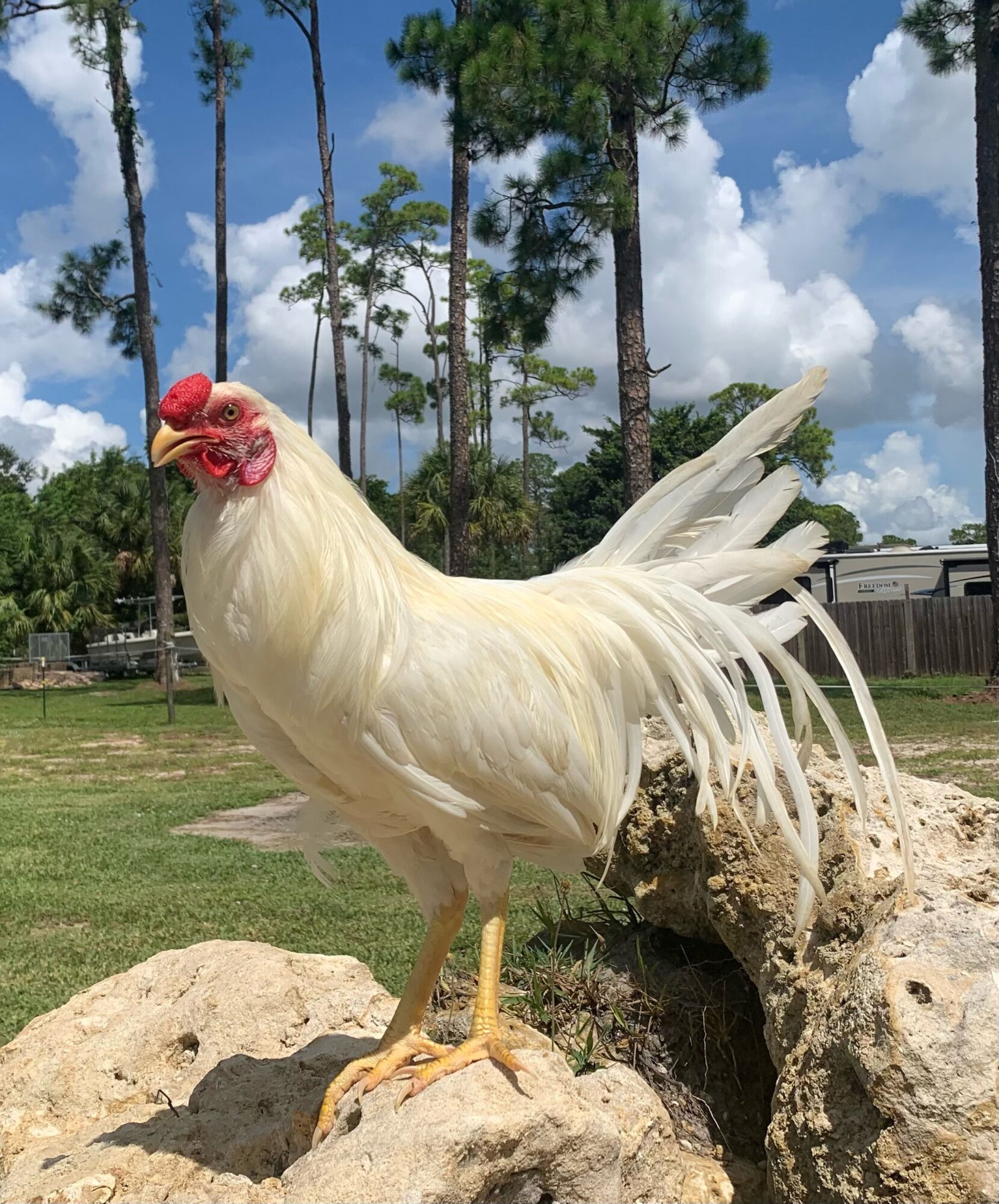
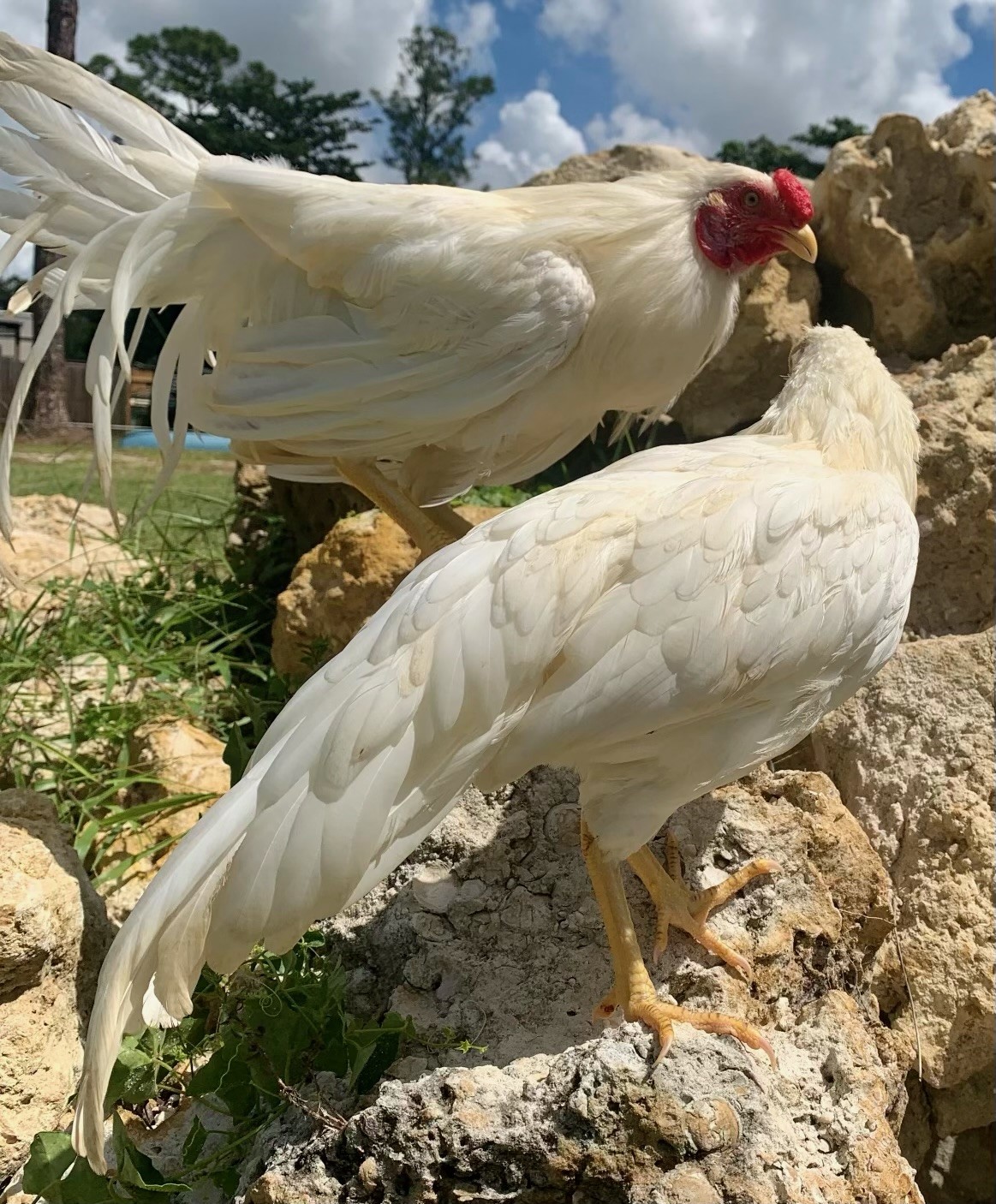
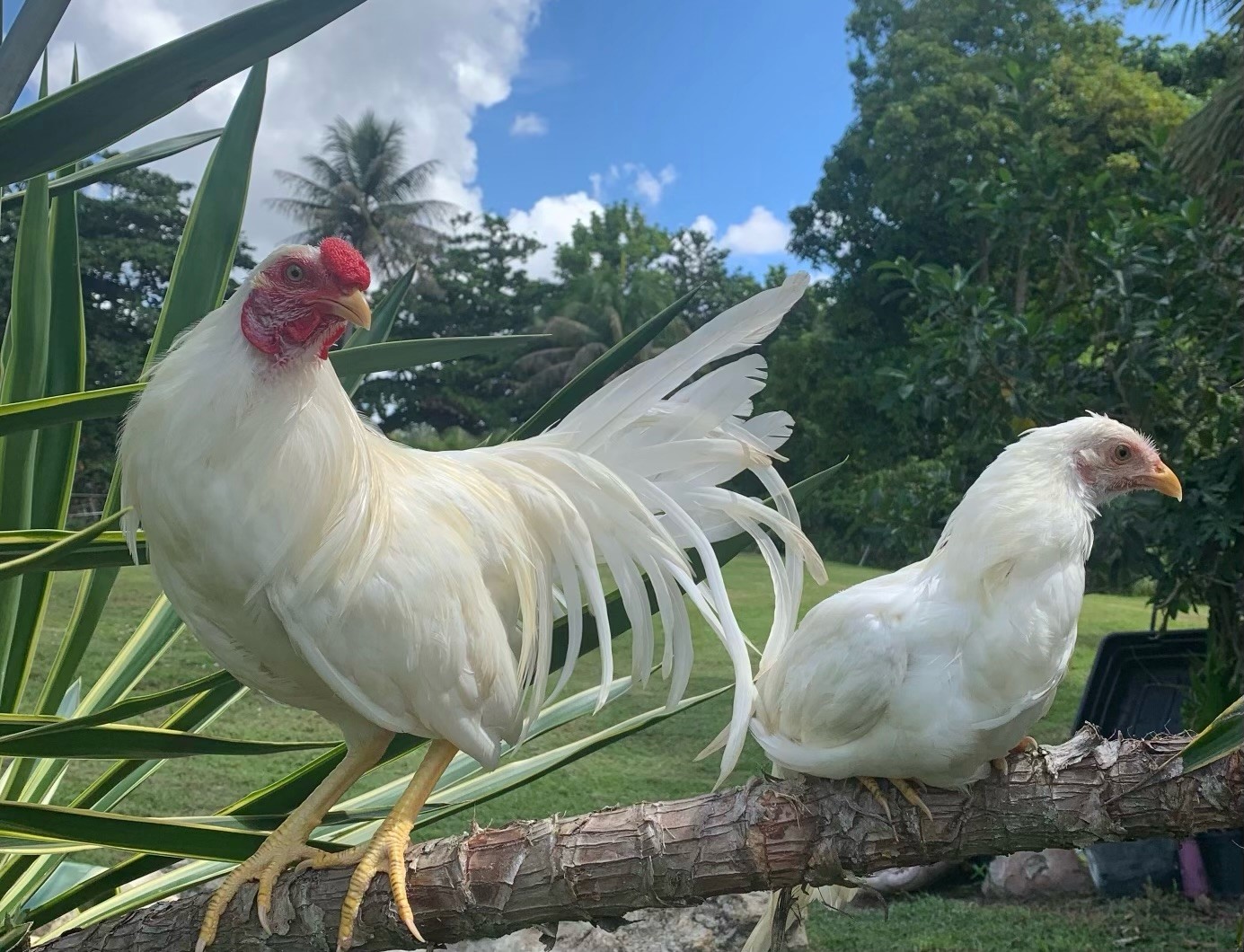
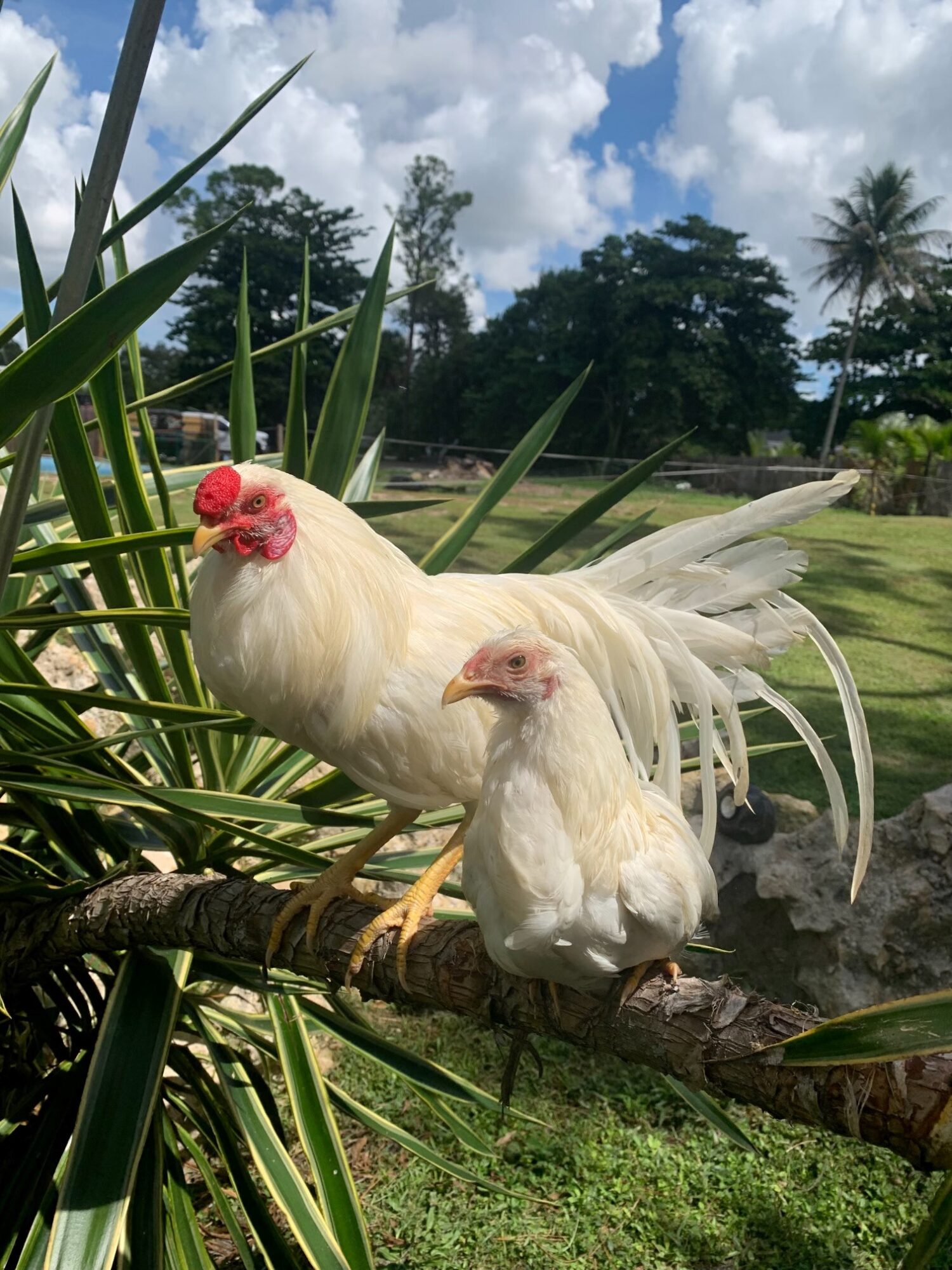
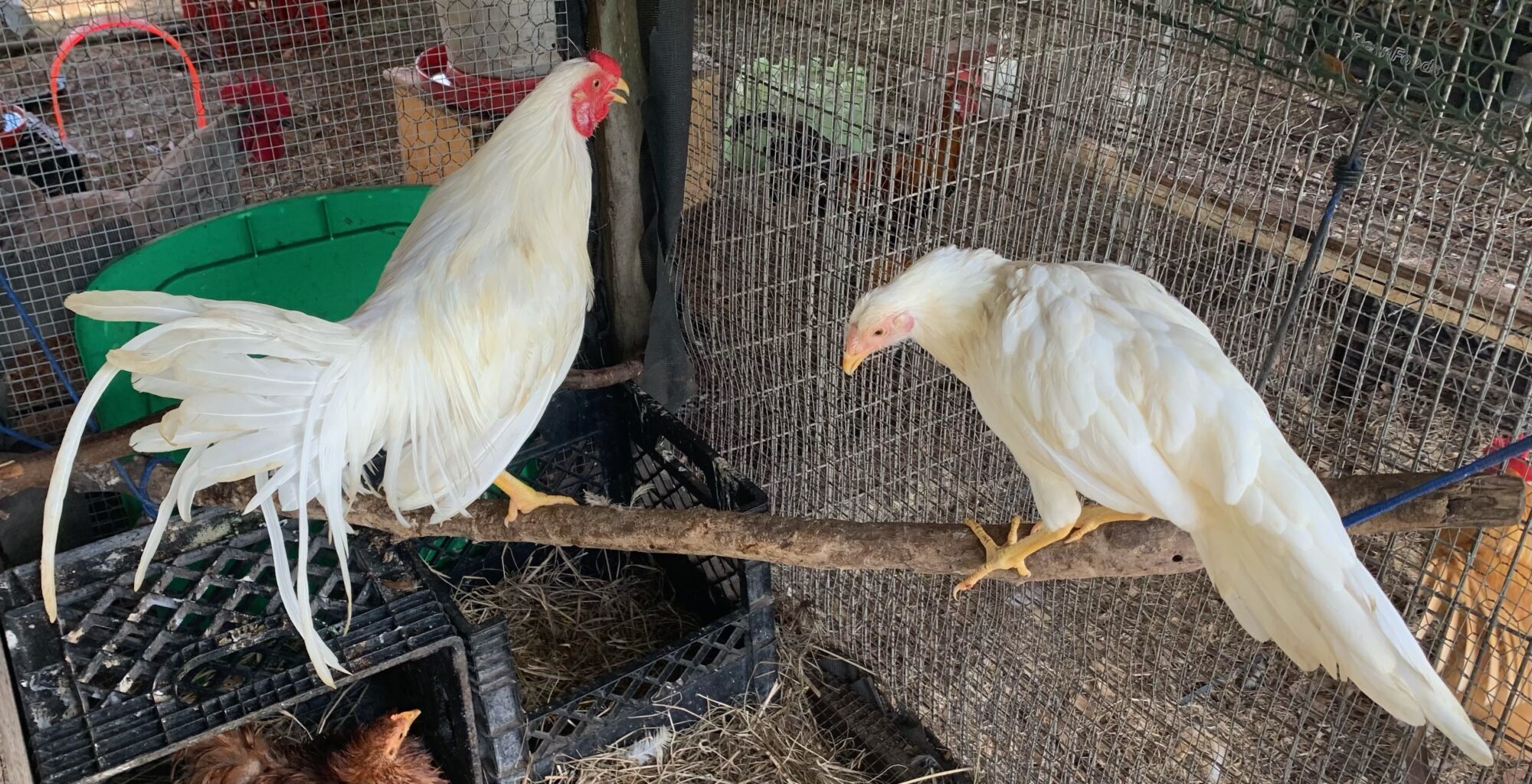
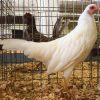
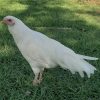
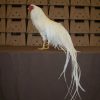
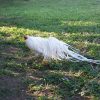
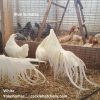
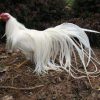
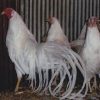
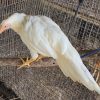
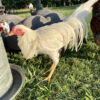
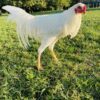
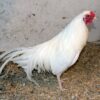
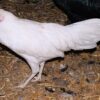
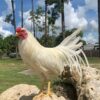
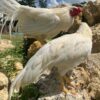
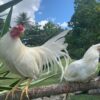
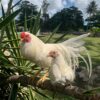
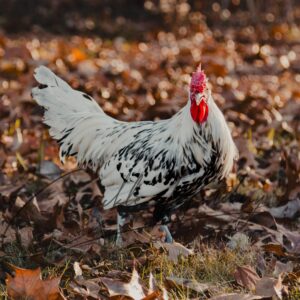
White Yokohamas have clean white plumage, long saddle feathers, and graceful tail feathers. Their bright feather color gives them a refined, showy look in the yard or exhibition pen.
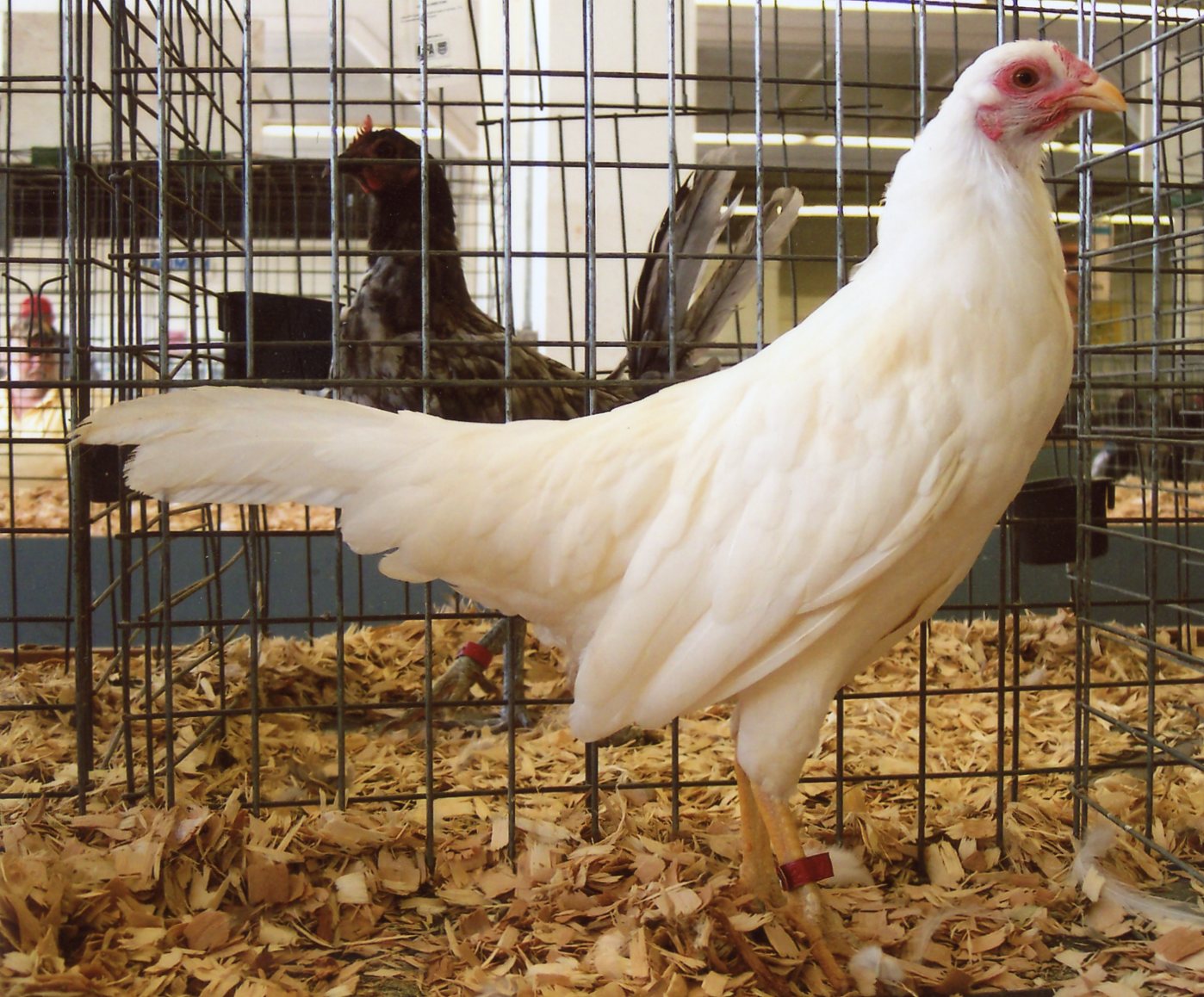
They may have a walnut or pea comb, which gives the head a neat, compact appearance. The body is lighter and more elegant than a dual-purpose chicken, with the longtail style that makes Yokohamas stand out from common backyard breeds.
A good White Yokohama is not about size or egg volume. It is about form, feather quality, carriage, and that flowing white tail.
White Yokohama vs Red Shouldered Yokohama
White Yokohamas and Red Shouldered Yokohamas belong to the same longtail breed family, but they look different.
Choose White Yokohamas if you want a clean, all-white bird with a graceful longtail look. Choose Red Shouldered Yokohamas if you prefer a mostly white bird with red shoulder markings. You may also want to compare Silver Duckwing Yokohamas if you like silver and black plumage.
All three are ornamental, rare, and better suited for beauty and show interest than for heavy production.
Longtail Breed Care
White Yokohamas need more tail care than ordinary backyard chickens. Longtail breeds require clean, dry housing, proper roosting space, and enough room to keep feathers from dragging through mud or breaking.
Cackle’s article Care and Feeding of Longtail Roosters explains that longtail chickens need specialized care to maintain their beauty. Housing, roost placement, bedding, feather condition, and diet all matter more with longtail birds than with short-tailed breeds.
If you want the tail feathers to look their best, give these birds dry footing, clean bedding, and a setup that protects the tail instead of wearing it down.
Egg Production and Utility
White Yokohamas are ornamental chickens first. They may lay some eggs, but they are not production layers and should not be chosen for a heavy egg basket.
Their value comes from their rare status, white plumage, long tail, and show presence. If your main goal is eggs, compare white egg layers, brown egg layers, or production hybrids instead.
They are also not meat birds. They are best for ornamental flocks, rare breed projects, poultry hobbyists, and customers who want something beautiful and uncommon.
Temperament and Suitability
White Yokohamas are best for keepers who enjoy ornamental poultry and can provide longtail-friendly housing. They can work in backyard flocks, but they need a clean, dry coop and enough room to protect the tail feathers.
Because they are lighter and more elegant than heavy farm breeds, they need secure housing and predator protection. They can also be more active than calm dual-purpose breeds.
Beginners can raise them if they understand that this is a specialty bird. If you want simple egg production, choose a laying breed. If you want rare beauty and longtail character, White Yokohamas can be a rewarding choice.
Is the White Yokohama Chicken Right for Your Flock?
Choose White Yokohamas if you want:
A rare ornamental chicken
A longtail breed
Striking white plumage
A bird with show appeal
A walnut or pea comb
A graceful, pheasant-like body
A specialty breed from Cackle’s long-running Yokohama program
A beautiful alternative to common backyard chickens
A bird for ornamental or exhibition-style flocks
Overall, this is a good choice if you want a chicken with beauty, rarity, and elegance. White Yokohamas are not the right bird for meat or heavy egg production, but they are a wonderful option for longtail enthusiasts and customers who enjoy showy poultry.
If you are still comparing rare breeds, the Chicken Breed Selector and Chicken Breeds List Comparison Chart can help you sort birds by purpose, size, temperament, and flock goals.
Breed History and Preservation
Yokohamas trace back to Japan, where longtail chickens have a long tradition. These birds became known for elegant feathering, upright posture, long tails, and ornamental value.
The White Yokohama entered the American Standard of Perfection in 1981. Cackle Hatchery® has worked with Yokohama varieties since 1977, giving this rare breed family a long history in the breeding program.
Because White Yokohamas are rare, careful breeding and proper longtail care matter. They are not everyday utility birds. They are specialty chickens for people who appreciate feather quality, tail length, and graceful appearance.
Recognition and Availability
The American Poultry Association admitted the White Yokohama to the Standard of Perfection in 1981. This variety can compete well at poultry shows when birds develop the right type, feather condition, and presentation.
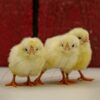
You can choose White Yokohama chicks when they are available. White Yokohamas may also appear in Long Tail Surplus assortments, but that option is hatchery choice and does not guarantee a specific breed or color. Cackle lists Long Tail Surplus as baby chicks only, no sexing available, and seasonally shipped from mid-February through mid-August.
Before you plan your order, check the Availability Chart for current hatch and shipping options.
Related Breeds and Helpful Cackle Hatchery® Resources
If you like White Yokohamas, you may also want to compare Red Shouldered Yokohamas, Silver Duckwing Yokohamas, Phoenix chickens, Sumatras, and other longtail breeds.
For more background, read Breed Spotlight: Lovely Longtail Chickens and Care and Feeding of Longtail Roosters. Cackle’s longtail spotlight explains that longtail chickens are breeds selected for especially long tail feathers, and Yokohamas are one of the longtail breeds found in North America.
For broader flock planning, browse rare chicken breeds, baby chicks for sale, and the Chicken Breed Selector.
FAQ: White Yokohama Chicken
What is a White Yokohama chicken?
A White Yokohama is a rare ornamental longtail chicken known for white plumage, long saddle and tail feathers, upright carriage, and show appeal.
Where did White Yokohamas originate?
Yokohamas originated in Japan. The White variety carries the same longtail breed background with a clean white color pattern.
Are White Yokohamas rare?
Yes. White Yokohamas are rare in the United States and are usually kept by people who enjoy ornamental, exhibition, or longtail chickens.
Are White Yokohamas recognized by the APA?
Yes. The White Yokohama was admitted to the American Standard of Perfection in 1981.
What do White Yokohama chickens look like?
They have striking white plumage, long saddle feathers, long tail feathers, an elegant body, and a walnut or pea comb.
Do White Yokohama roosters have long tails?
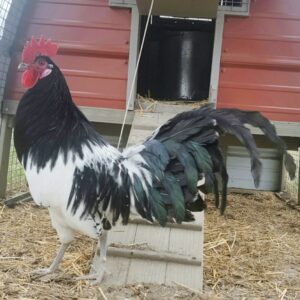
Yes. Roosters are known for long saddle and tail feathers. Good housing and feather care help the tail develop and stay in better condition.
Do White Yokohamas need special care?
Yes. Longtail chickens need clean, dry housing, proper roosts, and enough space to protect the tail feathers from mud, breakage, and wear.
Are White Yokohamas good egg layers?
No. They may lay some eggs, but they are ornamental chickens first and should not be chosen for heavy egg production.
What color eggs do White Yokohamas lay?
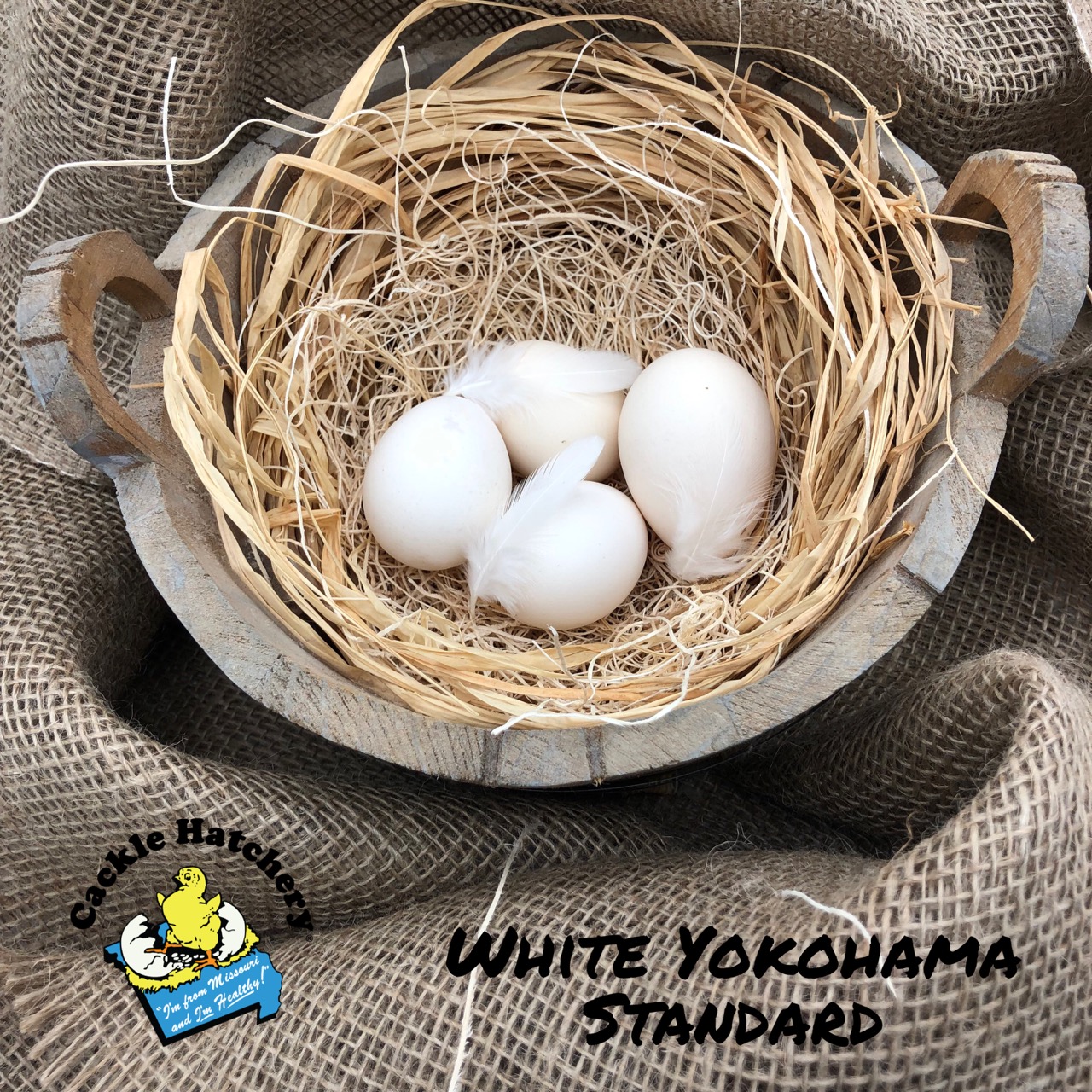
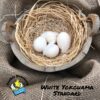
They are not kept mainly for egg production, so egg color matters less than ornamental value. Customers usually choose this breed for appearance, rarity, and longtail traits.
Are White Yokohamas good for meat?
No. They are best kept as ornamental or rare longtail chickens rather than meat birds.
Are White Yokohamas friendly?
They can be manageable with steady care, but they are better described as ornamental specialty birds than calm production chickens.
Are White Yokohamas good for beginners?
They can work for beginners who understand longtail care. Egg-focused beginners may prefer a simpler production layer.
What is the difference between White Yokohama and Red Shouldered Yokohama?
White Yokohamas have clean white plumage. Red Shouldered Yokohamas are mostly white with red shoulder markings.
Can White Yokohamas come in Long Tail Surplus?
Yes. Cackle’s Long Tail Surplus may include White Yokohamas, but the assortment is hatchery choice and does not guarantee a specific breed or color.
Where can I check chick availability?
Check the Availability Chart for current hatch and shipping options.






weamdog –
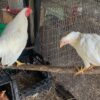
Ordered 3, got 2 males. One of my favorites. The males are completely different than all my other roosters. They don’t start fights and I call them the sentries. They usually hold the parameter while the other roosters are closer to the females. I’ve had one stare down a small fox that was hiding at the edge of the woods maybe 10ft away. The female is fairly friendly/sociable. The only more sociable hens I have are bantams.
Lynn California January 2010 –
Cackle Hatchery
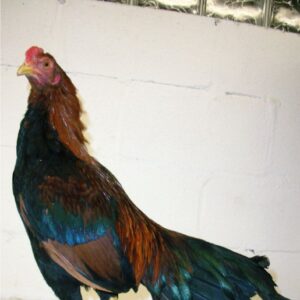
My niece took on of your White Yokohomas to the Denver Stock Show. The hen took Best of Breed, Best Variety and Reserve ASOB. The Yokohoma Cock was Reserve Breed and Reserve Variety. Her brother show the Spitzhauben and Won Best of Breed and Best Variety. Thank you for sending such beautiful birds.
Carrie New York May 2010 –
Attn:Libby
I wanted to let you know that our chicks arrived!! I was very impressed with the packaging and service from your company. Right now they are all doing well and we are the most excited.