Posted on Leave a comment

Reasons Not to Use Chicken Wire

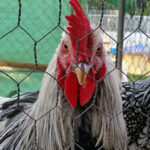
A chicken stands in front of chicken wire

The word “chicken wire” implies wire that is excellent for use around chickens. Nothing could be further from the truth. What Is Chicken Wire? Chicken wire — also known as hexagonal netting, hex net, hex wire, or poultry netting — has been around since the mid 1800s. It consists of strands of thin wire twisted […]

Continue Reading
Posted on Leave a comment

Get Your Chickens Ready for the Fair

A chicken keeper holds her bird and the award she won at a local fair.

Before you get your chickens ready for the fair, a good idea is to attend a few shows and become familiar with the procedures. Once you have an idea how things are handled, you’ll be better prepared to get involved. And by making friends with people who regularly exhibit, you’ll be more relaxed and have […]

Continue Reading
Posted on 1 Comment

Protect Your Chickens from Infectious Coryza

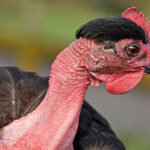
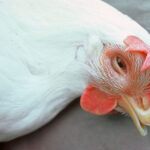
A chicken suffering from Coryza

Infectious coryza is one of the most common bacterial diseases of backyard chickens. It is, in fact, the chicken version of the common cold. Avibacterium paragallinarum bacteria cause this respiratory disease. Like the common cold, infectious coryza is particularly prevalent in the fall and winter, especially in the southeastern and northeastern United States and in […]

Continue Reading
Posted on Leave a comment

Starve-Out in Turkey Poults

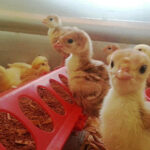
Baby turkey poults

Starve-out occurs when turkey poults (baby turkeys) fail to eat. As a result they literally starve to death. But, as dire as it sounds, preventing starve-out is not difficult with proper poult management. Reasons for Starve-Out Poults learn how to eat from the mama hen. Since chicks are quicker learners than poults, “I recommend including […]

Continue Reading
Posted on Leave a comment

17 Common Questions about Chickens and Eggs

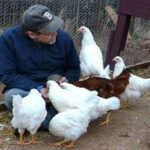
Woman with her chickens

By Cackle Hatchery Here at Cackle Hatchery® we are constantly fielding questions from our customers. Below are answers to 17 of the most common questions we hear about chickens and eggs. Why do chickens lay eggs? Chickens lay eggs to reproduce more chickens. However, unless a rooster is present, the eggs won’t be fertile and […]

Continue Reading
Posted on Leave a comment

Bantams Are the Best Chickens for Kids

Children holding bantam chickens at a youth expo

Bantam chickens make perfect starter birds for beginning poultry keepers, especially young ones. Here are 10 reasons why bantams are the best chickens for kids. Bantams Are Small Pint-size bantams rarely weigh more than two pounds. Because of their smaller size and lighter weight, these diminutive chickens can be less intimidating for kids than some […]

Continue Reading
Posted on Leave a comment

Avoid These 5 Mistakes When Cooking Chicken

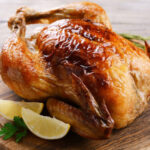
A bunch of pieces of chicken frying in a pan.

Homegrown chicken can be more flavorful than any other kind. But if you make any of the following mistakes, you may end up serving something unpalatable or even unsafe. Avoid these 5 common mistakes when cooking chicken: Thawing Frozen Chicken When you plan to cook frozen chicken, thaw it in the refrigerator for a day […]

Continue Reading
Posted on Leave a comment

10 Reasons to Keep Bantam Chickens

Old English Bantam chicken sitting on a hand

First, let’s establish that “bantam” is not a specific chicken breed. Rather, the word refers to a collection of breeds that are smaller than the usual egg-and-meat chicken breeds. A typical bantam weighs no more than two pounds, leading practical chicken keepers to wonder, “What’s the point?” Bantams don’t lay exceptionally well, and the eggs […]

Continue Reading
Posted on Leave a comment

Blackhead in Turkeys Is a Serious Disease

white turkeys outside

Blackhead is a serious disease of turkeys. Histomonas meleagridis protozoa cause the disease, leading to its technical name: histomoniasis. Histomonad protozoa occur in nearly all poultry environments, except where the soil is dry, loose, and sandy. A turkey gets blackhead when histomonads lodge in the bird’s ceca, or blind intestinal pouches. From there they migrate […]

Continue Reading