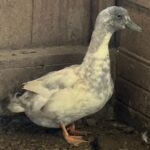
Maybe you already keep chickens or other poultry and are considering adding ducks. Or maybe you’re thinking of starting with ducks as your first foray into the world of poultry. To help you decide whether or not duck keeping is for you, here are some of the benefits of keeping ducks. Ducks are easy to […]
A mistake people often make when they buy or build their first chicken coop is making the coop too small. Nearly everyone says they wish they had a bigger coop. Here are nine reasons you may need a bigger chicken coop: Chicks Grow Fluffy little chicks are incredibly cute. But they grow really fast. As […]
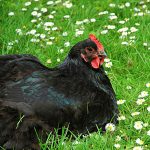
The definition of black chicken breeds depends on who’s talking. The term might refer to a breed that’s truly all black — feathers, comb and wattles, beak, shanks and feet, skin, and even bones. But some chicken breeds with black skin and other body parts have varieties with alternative plumage colors besides black. Many chickens […]
Deciding if you should vaccinate your chickens depends on how likely they are to encounter infectious diseases. You may not need to vaccinate if you maintain impeccable biosecurity, because doing so significantly reduces your flock’s risk of acquiring a disease. Unfortunately, many backyard chicken keepers either don’t know about biosecurity or just don’t think it’s […]
Yes, chickens really do need a dust bath. Providing a suitable area for dust bathing has several benefits. It helps chickens condition their feathers. It minimize mites and lice. And it gives chickens something pleasurable to do, which helps keep them from pecking each other out of boredom. Plus wallowing in dust can help chickens […]
Turkeys are much bigger than chickens and therefore would seem to be unlikely as companion animals. Nonetheless, they are becoming ever more popular as outdoor pets. Here are some reasons why turkeys make good pets: Why Turkeys Make Good Pets A turkey makes a good pet for many of the same reasons a cat or […]