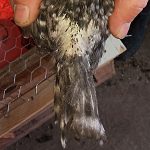
A chick’s baby feathers are delicate and vulnerable while the bird grows a complete set of adult plumage. Until then, unsightly feather loss in baby chicks may be caused by rubbing or picking. Sequential Molting When a chick reaches the age of three and four weeks, its body feathers grow and fill out. By the […]
Four traditional methods are used to tell male and female chicks apart. Which method is most appropriate for any specific batch of chicks depends on their breed and variety, their age, and the skill of the observer. Vent Sexing Vent sexing, also called cloacal sexing, is a method of determining a hatchling’s gender by examining […]
Tuesdays and Thursdays are the days of the week pre-ordered chicks must be picked up at the Hatchery. Mail orders are mailed on Mondays and are usually received on Wednesdays or mailed on Wednesdays and usually received on Fridays. Store Visiting Hours: 9:00 AM – 5:00 PM CT Monday-Friday 9:00 AM – 3:00 PM CT […]
If a hen and her newly hatched chicks are left to wander around the poultry yard, the babies may fall prey to house cats, hawks, and other predators. And baby chicks can slip through most yard fences that are properly built to confine mature poultry. Chicks wandering around a yard can get chilled in damp […]
Bantam chicks shipped by mail arrive tired, hungry, thirsty, and sometimes chilled. A little extra TLC in the form of the three Ws of bantam chick care — Warmth, Water, Watch — will help ensure that your new arrivals settle safely and comfortably. Chicks hatch with yolk reserves that continue to provide nutrients for […]
Deciding how many chicks to order can be challenging. Often the determining factor comes down to how many you want, versus how many you need, versus how many your local regulations allow you to have. When starting a laying flock, decide how many eggs you want and size your flock accordingly. As a rough […]
Download or Print Cackle Hatchery’s Guide to the Care of Baby Chicks (Pamphlet) Download of Print “The Care of Baby Chicks” eBook Cackle’s Safe Handling of Poultry Poster (Salmonella Safety) Table of Contents Arrival First Day Instructions Heating Feed Water Special Situations After the Chicks Arrive Litter Picking After 4 Weeks Baby Turkeys & Peafowl […]
So, you finally did it. You went out and got chicks®. Now what? Here are eight facts about baby chicks that commonly surprise first time owners. Brooding baby poultry of any type generates a lot of fine dust, so locate your brooder where dust won’t be a problem. Your living room or guest room, for […]